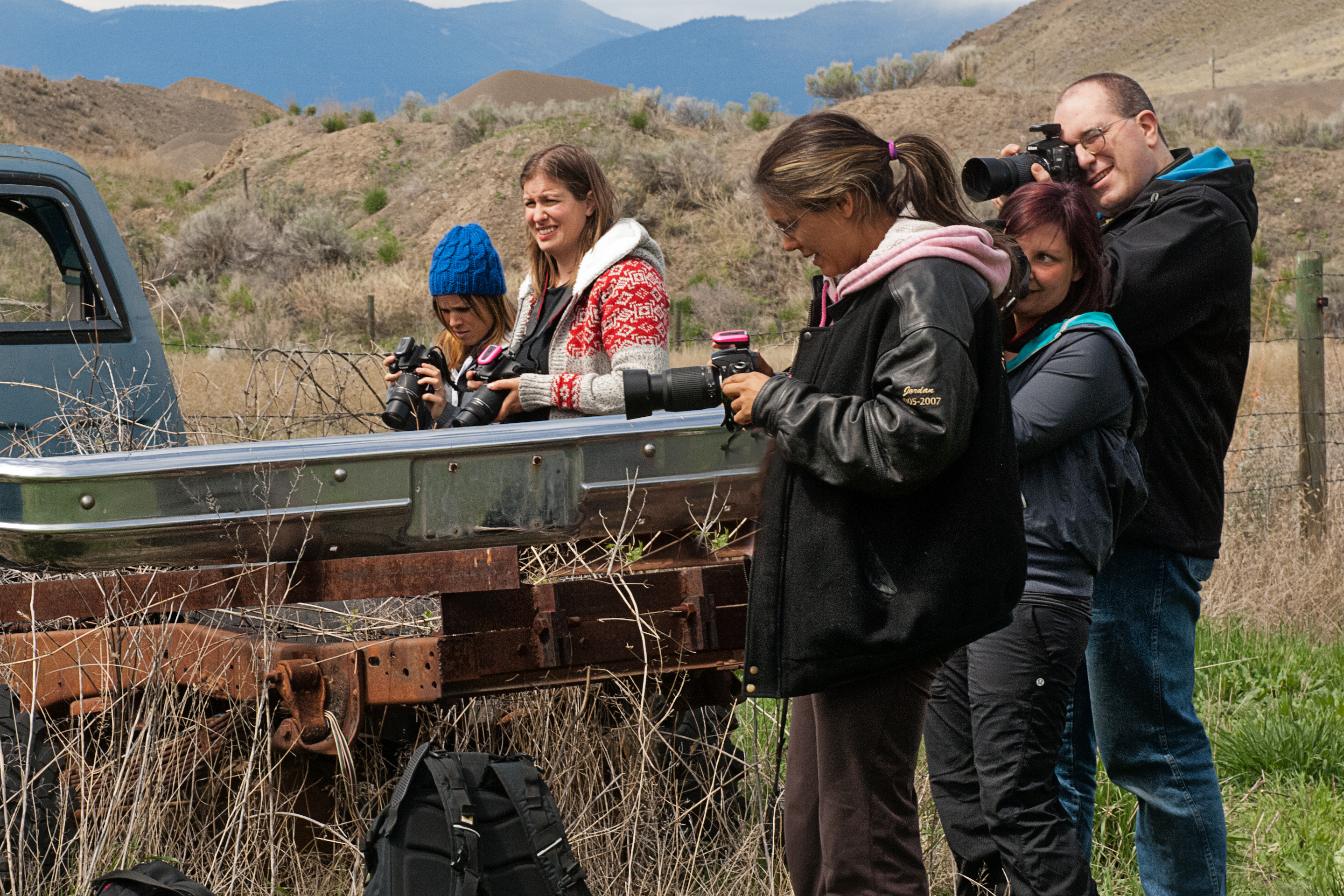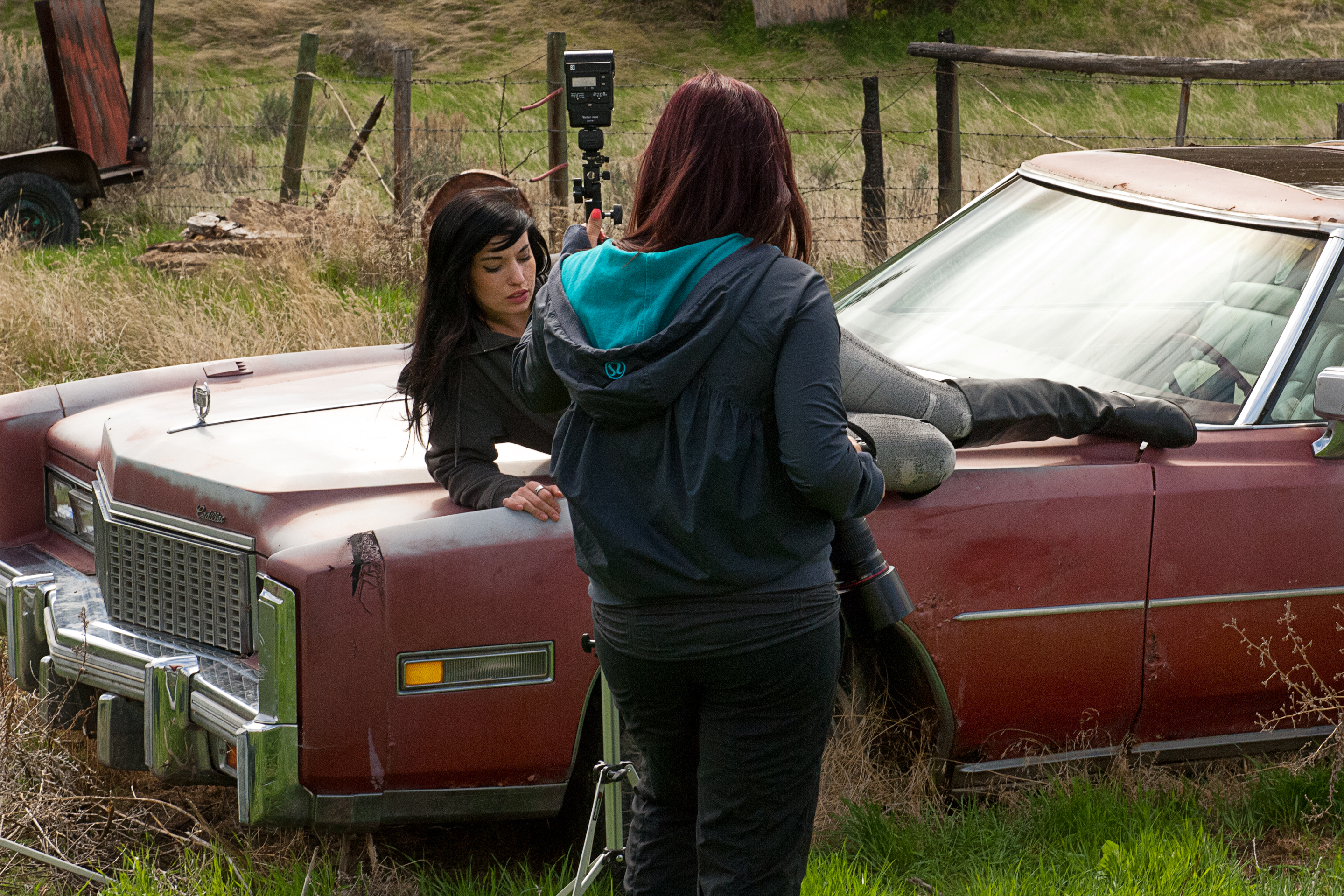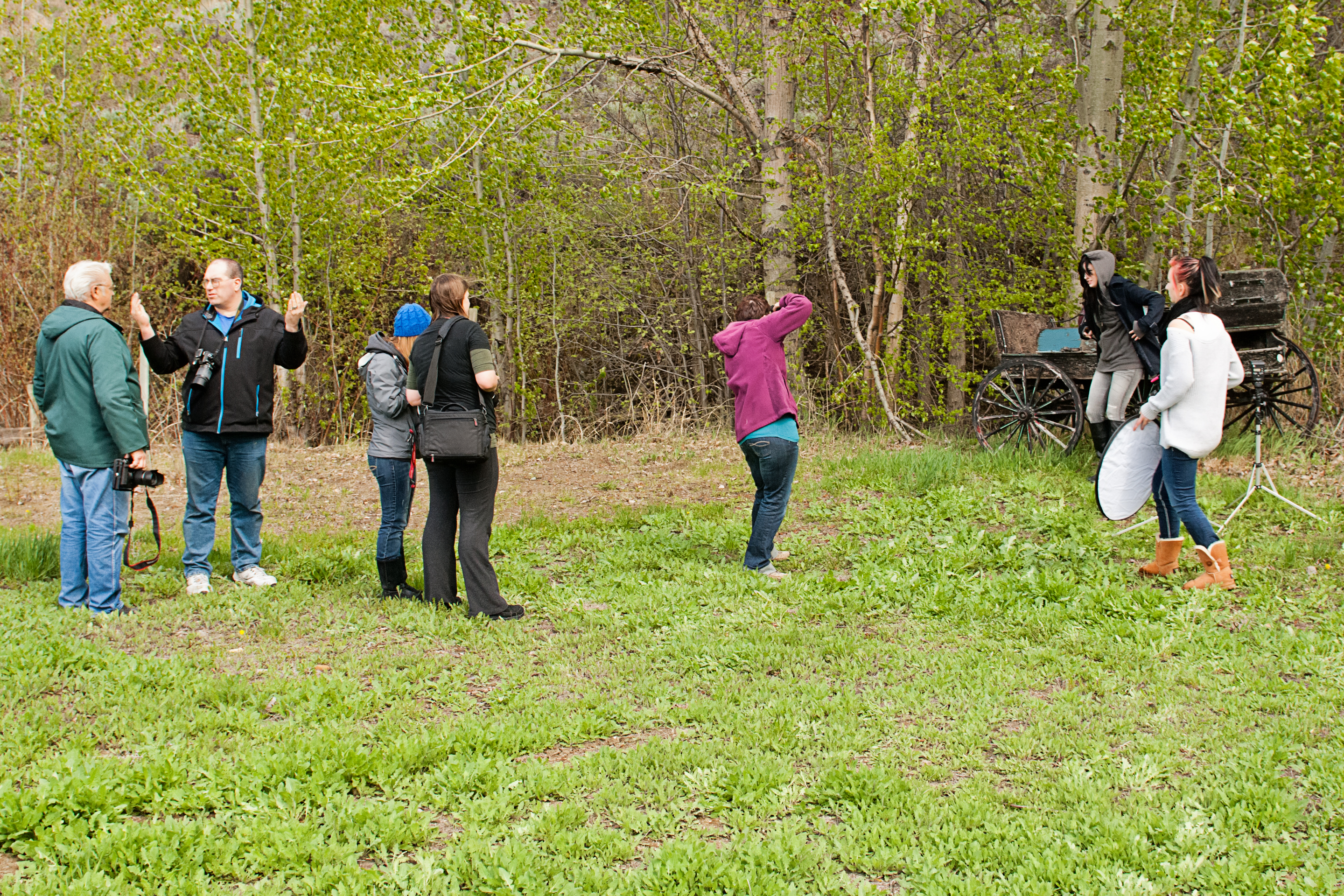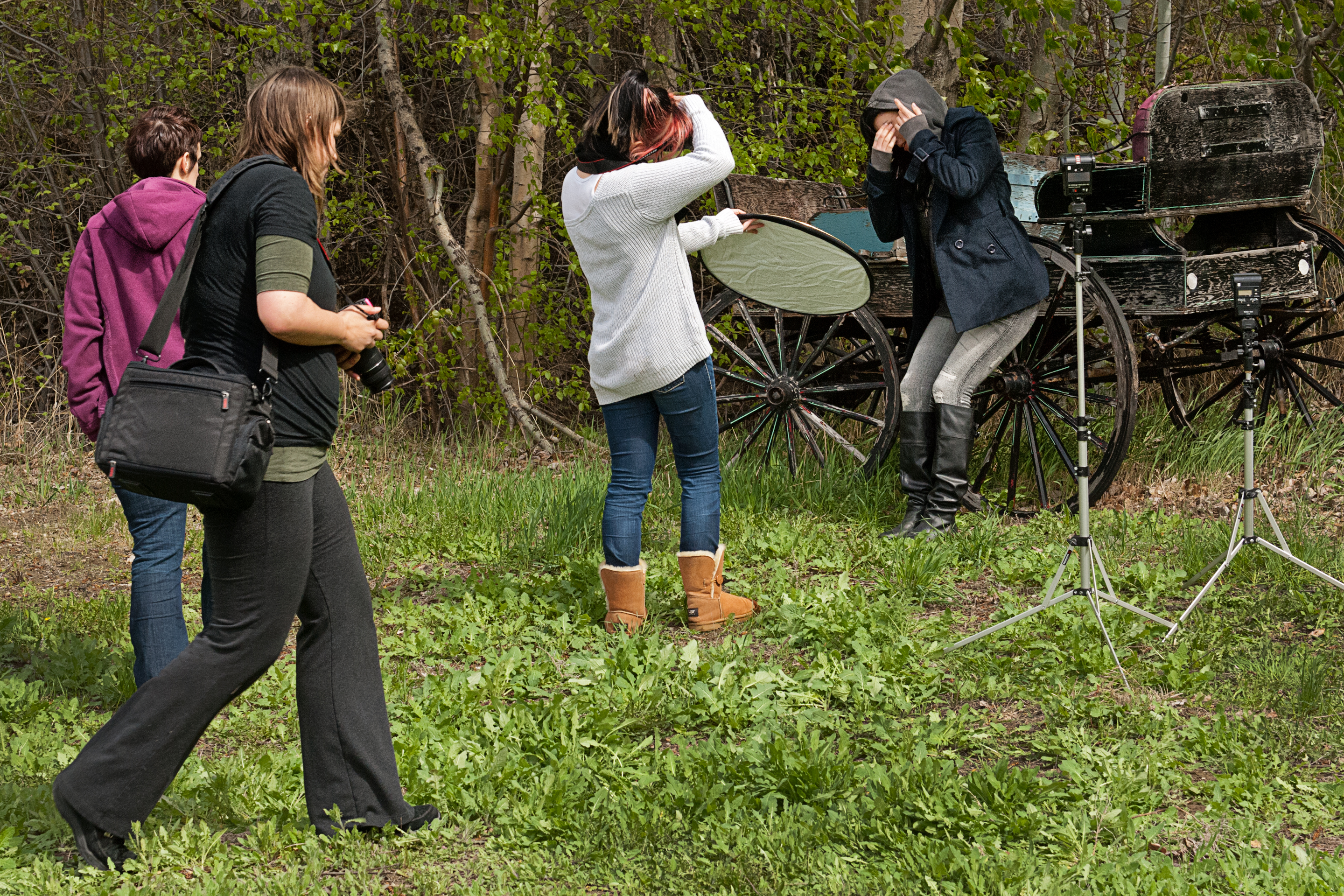
Studio Portraiture Workshop

Class Portrait 1  Class 2

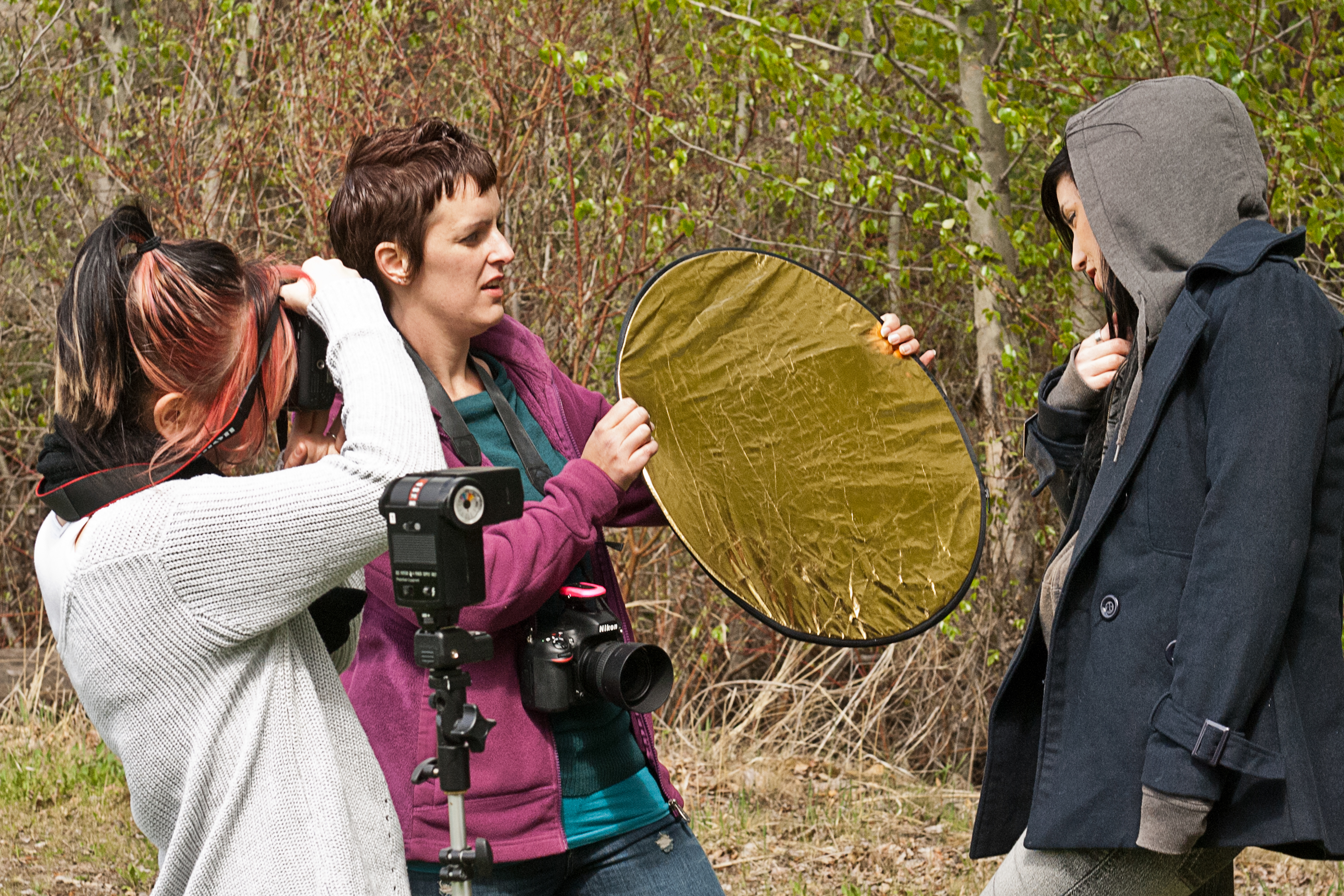
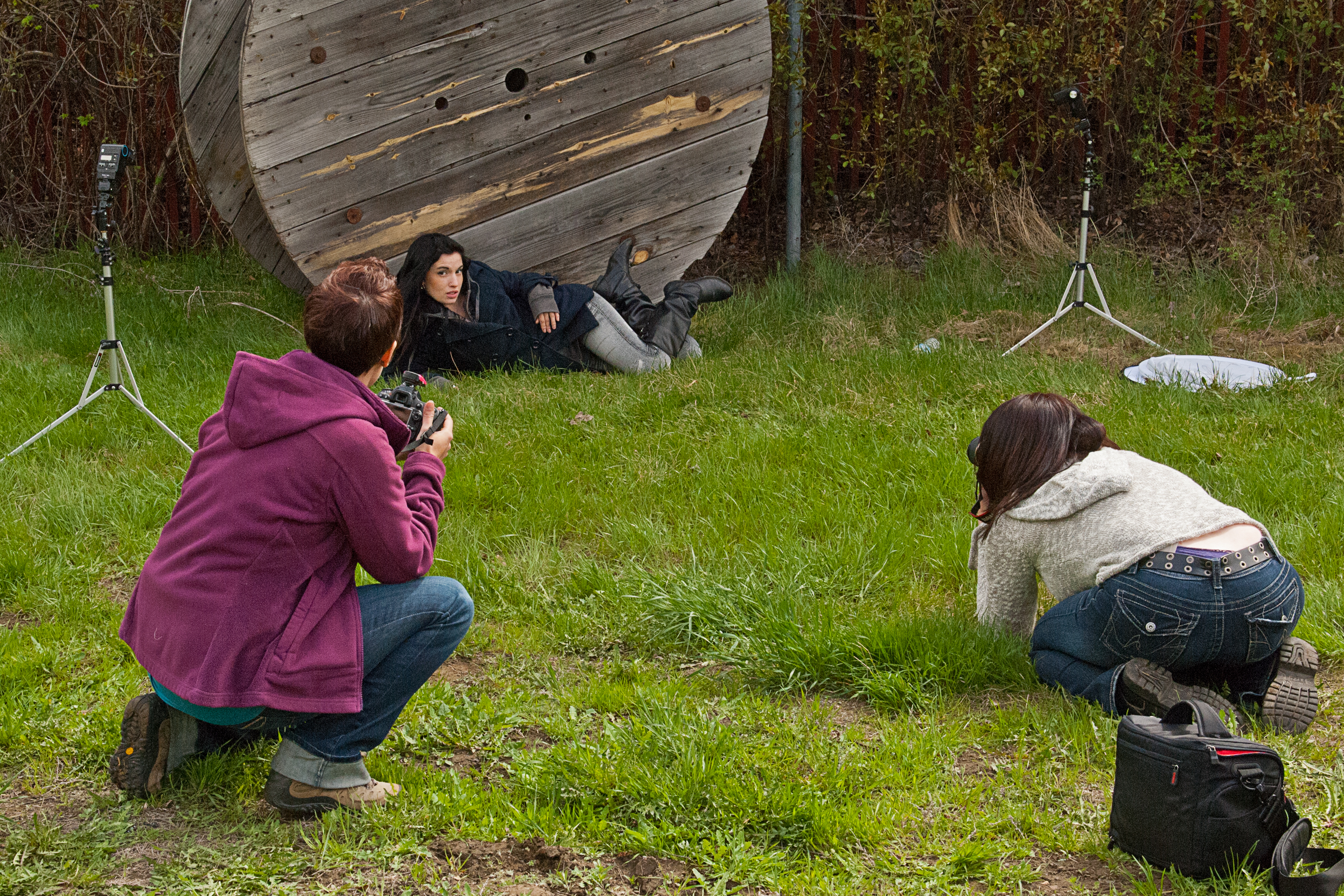
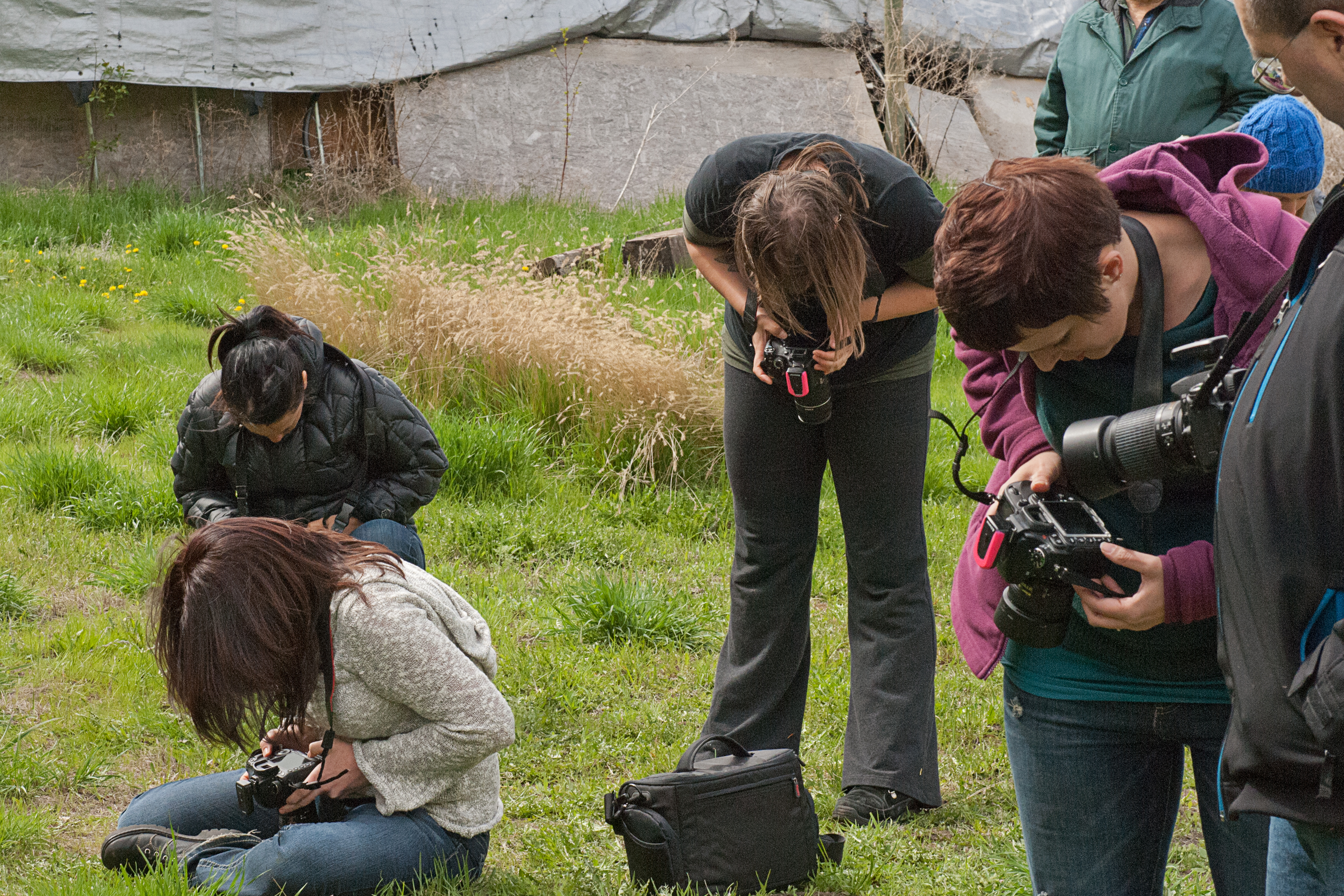
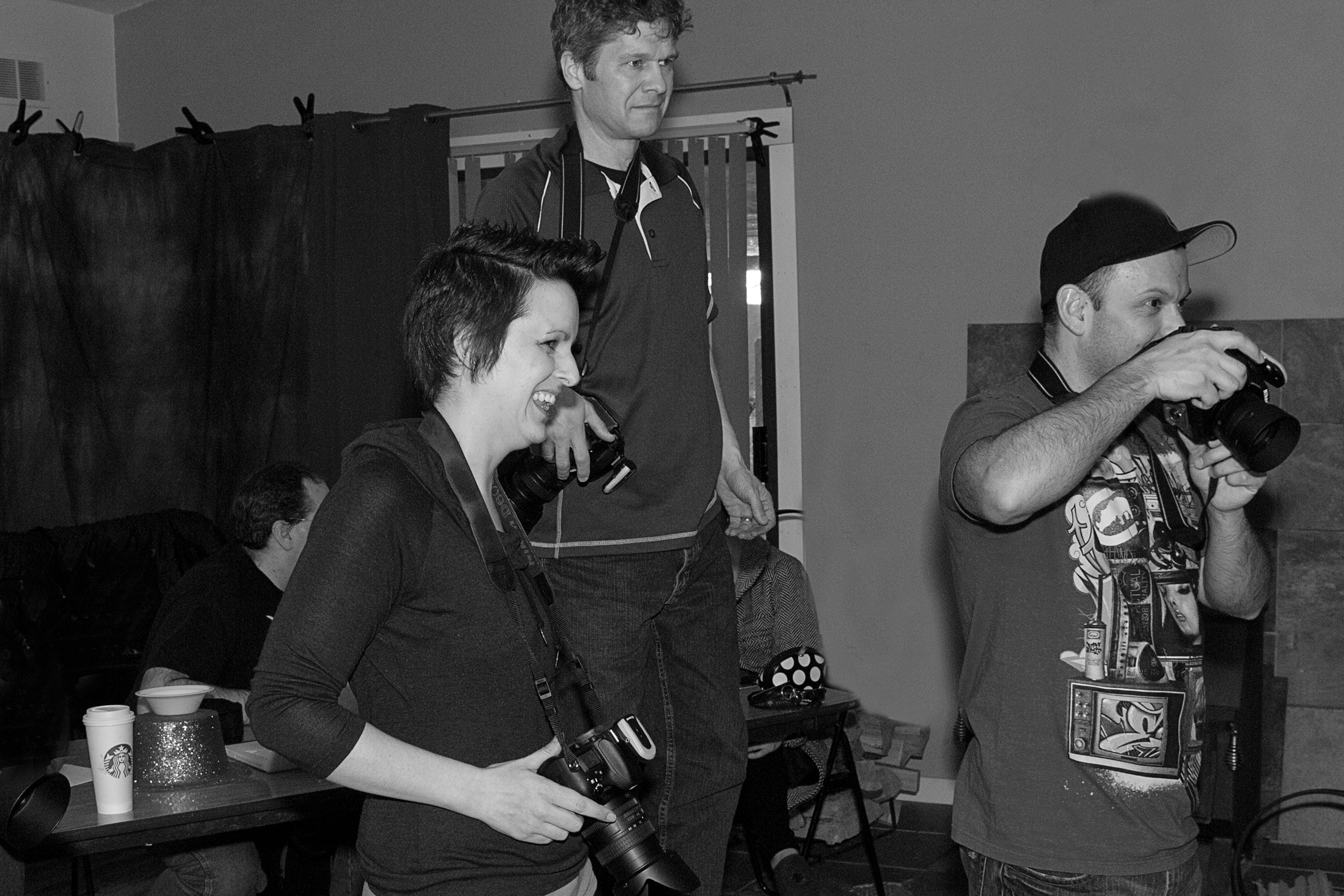
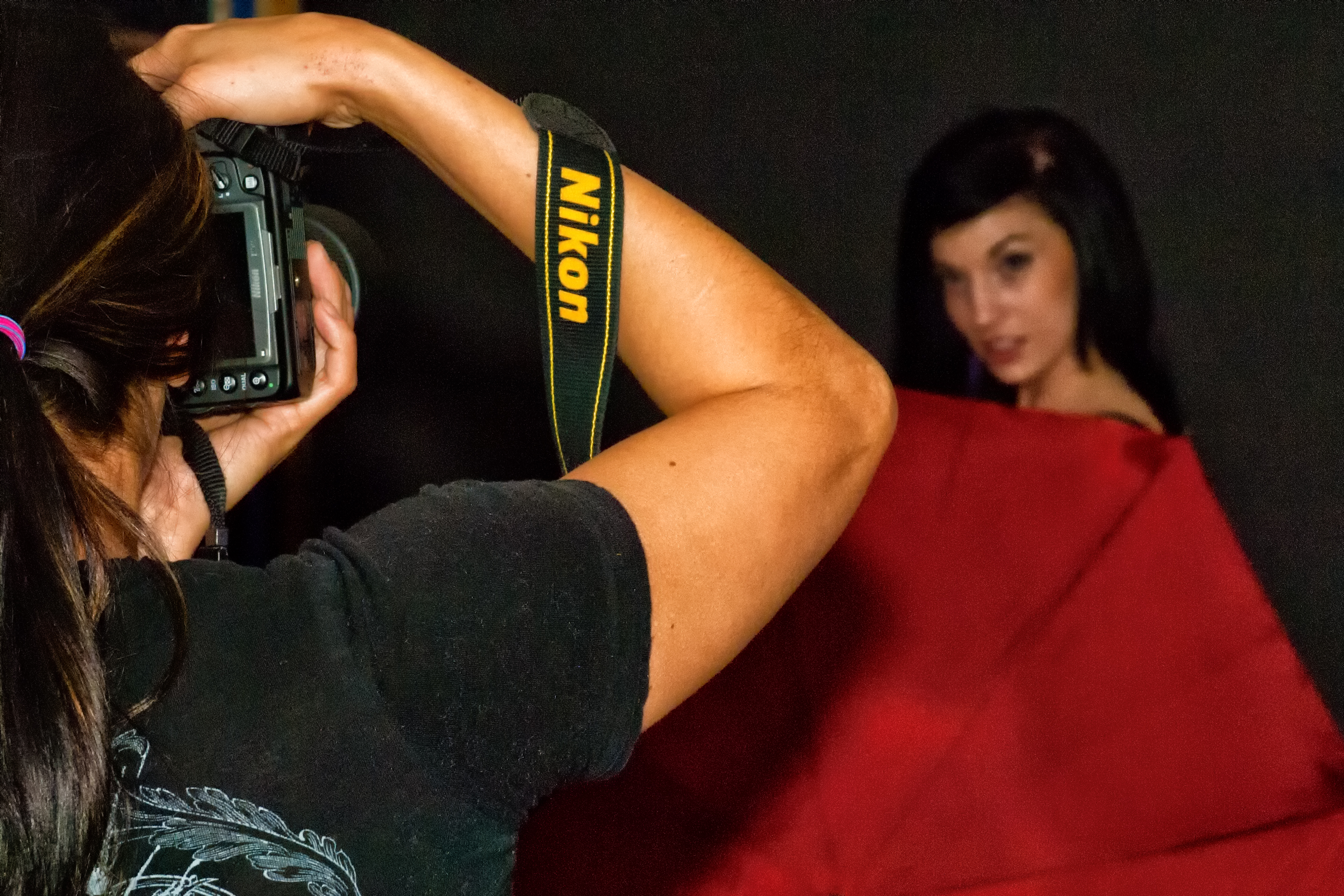
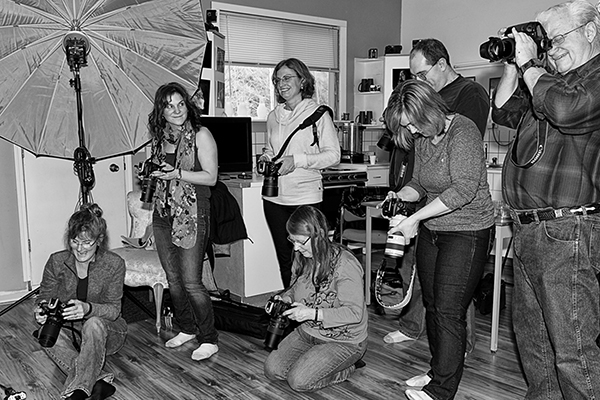
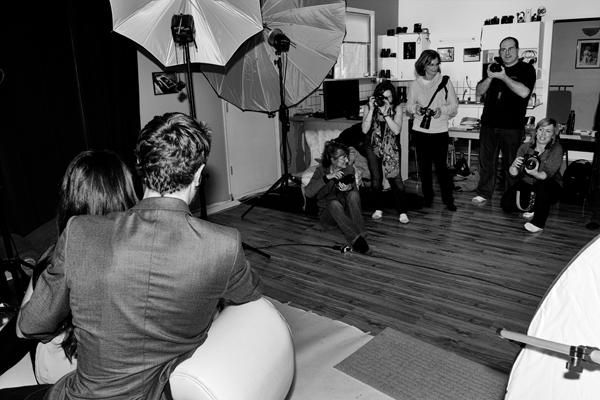
This past Sunday I lead the first day of a two-day workshop discussing posing and lighting. I hadn’t planned on undertaking any workshops this early in the year, but I had been getting requests from several excited photographers who are out there getting ready for spring and summer portrait sessions.

I finally made the decision to proceed when my friend Dave Monsees, owner of the Versatile Photography Studio near Kamloops, mentioned that photographers renting his studio told him they needed help in lighting couples. They lamented that most tutorials available were only about photographing one person.

I am sure if they browsed the internet they would have found what they were looking for, but working with live models is a lot more fun than reading articles and looking at pictures, so I hired two up-and-coming local models that fit that request perfectly.

In previous posts I have stated how I enjoy the enlivened interaction that happens when students of photography participate in active learning. So when I started getting requests that I offer  another session I crossed my fingers and hoped for an early spring, booked that large local studio, and hired two models.

During a workshop my job is to present information on the subject, and keep things going. I don’t like to be a demonstrator on stage and I rarely pick up a camera during the workshops I lead, unless it is to take a snapshot or two of photographers in action. And besides, when I finally let the workshop participants apply what we had discussed, there wasn’t room for me anyway.

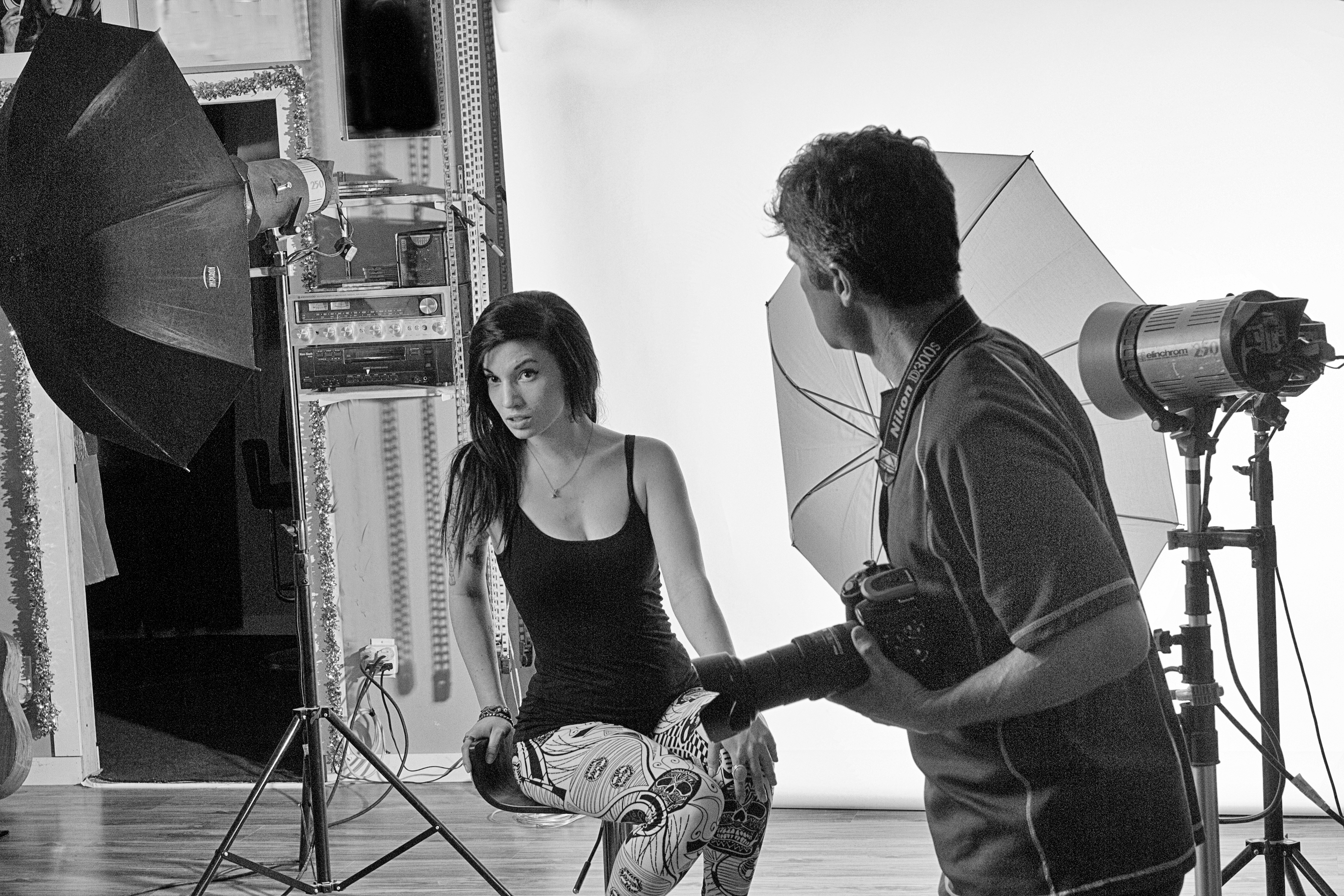
The workshop dealt with modifying and placing light. We employed one, then two, and then three lights; and modified the light first with umbrellas, then changed to a softbox and reflector to create shadow, and, of course, that classic and compelling “Rembrandt lighting” effect.

This was an advanced workshop and I limited participation to seven photographers. As with all my workshops, my main goal is to help participants gain an understanding of how to use light. I want them to consider the “quality” of light instead of the “quantity” of light. I lecture to them that they should use light to “flatter” their subjects as opposed to only “illuminating” them.

I think that studying the mechanics of lighting includes two additional aspects, which are (1) experience, and (2) the willingness to step beyond lazily pointing a camera in a light filled room or out in the sunshine. Posing a model, or in our case, two models, seems to me to be more about engaging with the subject and being comfortable with telling someone how you want them to look. I once heard a photographer say that he never posed people because he thought is was rude to tell adults what to do. I can’t comment on that fellow’s work, maybe he was really lucky, but I expect there were lots of missed shots. I suppose he would disagree, or just plain ignore the words of award winning Dallas, Texas photographer, Caroline Mueller when she says, “What I look for in pictures (that) I take: eyes, hands, head tilt, body language, background, and use of space.”

I believe those photographers that are successful at portrait photography don’t hide behind their camera, but they start with a plan and are good at engaging, explaining, and demonstrating what their vision for the session is.

Now I am really looking forward to next Sunday. The few images I have seen so far are great and I am certain spending another day (this time with speedlights out-of-doors in the failing afternoon light) helping and watching each photographer’s progress is going to be a lot of fun.
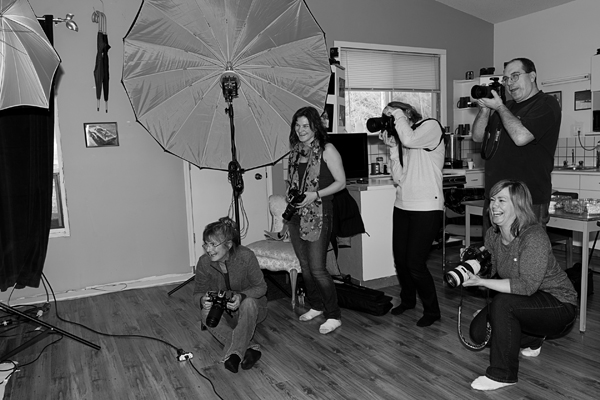
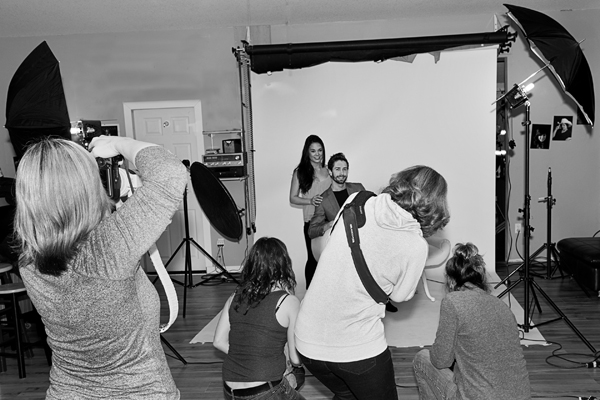
class 3  class 4


Thanks in advance for your comments, John

My website is at www.enmanscamera.com
Judging Photography

Ben-&-Dave-judging

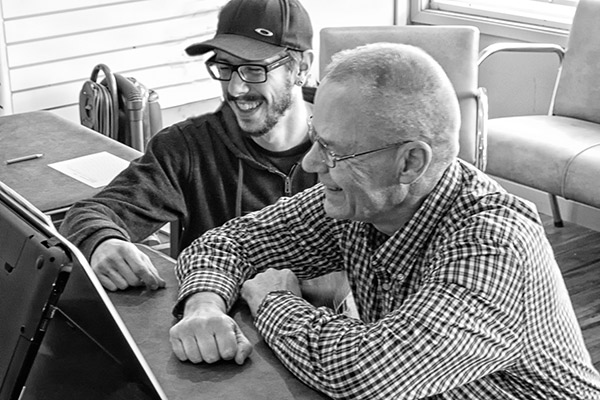
Exhibition judges Ben and Dave.


I have written about judging photography previously, and I have also used the following quote by John Loengard, who worked as a photographer for Life, for Time, and for People magazines.                         “It is not important if photographs are “good.” It’s important that they are interesting”.

I agree with that statement and when I was asked to be part of the jury committee for a local exhibition by members of the Kamloops Photo Arts Club it was Loengard’s words that I first thought of.   I looked forward to a firsthand look at submissions and wasn’t let down by the interesting and creative work.

They entitled the upcoming juried exhibit of photographs taken within British Columbia as “Wild and Wet” and described it as displaying the impact of water on the environment and residents of this region.

To me, the poorest photographs are those that don’t speak to us, it’s those photographs appear boring. I think the viewer should feel something, should feel a level of emotion when they look at the images. A good photograph is one that creates an emotional response.

As I looked at the photographs I asked myself the following five questions that I think are questions any serious photographer should think about, as they are about to press the shutter.

  1. Is there a clear center of interest? In a successful photo, the viewer can immediately identify the subject.
  1. Is the image composed well? There should be a sense of overall organization.
  1. Is the focus tack sharp and is the exposure appropriate? With the exception of photos that intentionally show motion or soft-focus images (both should be obvious), tack-sharp focus is the first thing viewers’ notice about an image.
  1. Does the photo tell a story? The difference between a photograph one remembers and one that is easily forgotten depends on whether the photo tells a story.
  1. Is the approach creative? Creativity in an image involves more than predictable techniques and perspective. The creative photographer handles the subject in extraordinary ways that the viewer normally would not have seen.

I joined photographers Dave Snyder and Ben Verwey in an interesting discussion of the images as we reviewed the photographs. All the show’s photographs are worth taking the time to view and I look forward to the exhibition that will be held from March 12 until April 1, 2015. As this was to be a juried show, we ranked each submission and selected those that, in our opinion, stood out from the rest.

Whether readers attend this exhibition or any other, my suggestion to take along my guidelines and see how they apply. Then think about how the photographs appeal you. Are the photographs interesting and engaging? Do they capture a moment in time and what do they communicate to you the viewer.

I look forward to your comments. Thanks, John

My website is at www.enmanscamera.com
Photography as a Fine Art

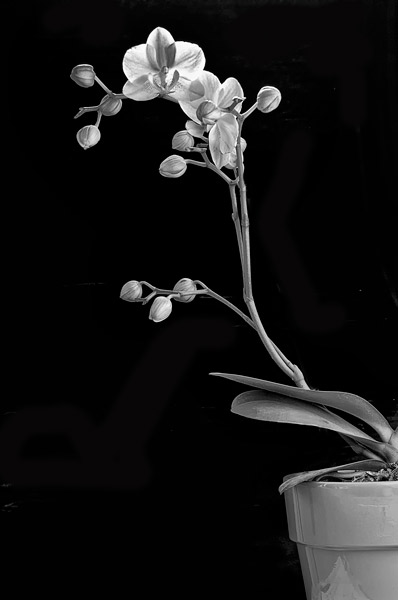
Orchid-2

I have discussed this topic before, but after a conversation I had about an upcoming photography exhibition in Kamloops with one of the judges and, of course, the heated debate now raging about that $6.5M photo of a canyon, I thought I would revisit it.

Wikipedia’s on-line encyclopedia says, “Fine art photography is photography created in accordance with the vision of the artist as photographer. Fine art photography stands in contrast to representational photography, such as photojournalism, which provides a documentary visual account of specific subjects and events, literally re-presenting objective reality rather than the subjective intent of the photographer; and commercial photography, the primary focus of which is to advertise products or services”.

Photography as art has changed since its beginnings in the mid 1800s, and, in my opinion, with the increased interest in photography because of the ease of making photographs since digital technology became the mainstay, photography as an art interests more and more people.

That art may be nothing more than a screensaver on one’s computer display. Some photographers go further and it is not unusual to see a personal photograph, or one of a friend, framed and hanging on the walls in someone’s home.

I have been interested in photography as an artistic medium for a very long time and have attended many exhibitions of artistic world-renowned photographers. And I think Wikipedia’s definition is worth noting because it separates what it declares as fine art photography from photojournalism and commercial photography, classifications that could divide those photographers in new ways for me.

By the middle of the nineteenth century photographers felt their art should be held in the same exalted status that painters claimed for theirs. Their contention was that it’s the photographer, not the camera that makes the picture. The goal was, and still may be, to convince not only the art community, but also those interested in creative arts that photography is art. Then, as now, the discussion was about whether the different aspects of photography, commercial, photojournalistic, or those created only as personal creative vision should be considered art.

The question photographers can ask is, whether the photograph’s goal is as “visual support”, to “sell a product”, as a “documentary”, or as a creative vision?

I have come to think that definitions like those of Wikipedia’s have changed. Maybe it is the way modern viewers see and use photography. That quickly-snapped portrait of a favorite pet displayed in the owner’s home probably needs an explanation to go along with it, but is cherished enough to be included with the rest of the owner’s art even though art scholars would disagree.

Remember, photographers are still contending with those critics that hold that only painting and sculpture are art and that photography is but a technology. For me the lines have become blurred, and I see photography as an artistic medium equal to others, although I am not altogether secure in categorizing any photographer’s work.

Debates like those in The Guardian newspaper, http://petapixel.com/2014/12/11/columnists-guardian-debate-whether-not-photography-art/ are fun, but in the end forget that the camera is just a tool, absolutely a high technology tool for sure, but a tool just the same, that helps any person to be creative and photographers only need to decide on their own particular style, and what, as Wikipedia states, is “created to fulfill the creative vision of the artist”. What that vision is should be entirely up to the photographer and the audience for whom the image is produced.


I always look forward to readers comments. Thanks, John

My website is at www.enmanscamera.com


A Photographer’s Walk on Snowshoes

Snoeshoeing-2

Wind-swept-field-2


forgotten-barn-2

Tracks-2-


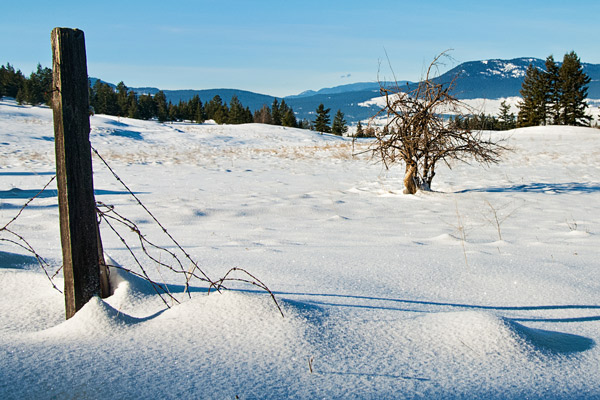
Almost a year ago to the day I wrote that I looked forward to enough snow-pack on the hills to snowshoe in, and as then, after a morning of shoveling a deep path to my chicken coops, clearing the driveway, and another path to the front porch, I was again taking my first winter hike up to the high meadow above my home.

Last year my January walk up into the meadow’s deep snow was on a sunless, stormy day. And I recall setting a high ISO so I could get a shutterspeed that would let me handhold my camera, and then returning home in a snowstorm.

This time I mounted a light-weight, 18-105mm lens on my camera, stuck an old tea towel in my pocket in case I got my camera wet from the snow, and headed out in the balmy minus 3C day under a bright, almost-cloudless, blue sky. And instead of struggling with low, flat light, my ISO was set at 400; and I added a polarizing filter to darken the skies, increase the contrast in the scene, and suppress glare from the surface of the bright white snow.

I trekked up the hill, and as I had so many times before photographed everything. When I stroll up into that long meadow I rarely see animals, however, they are surely there hiding, and I did hear a snort from something as it moved through the trees, and when I began to cross the meadow a crow cried a warning to hidden watchers, then everything quieted, and the only sound was from my snowshoes and my camera shutter as I photographed the Thompson River valley far below and the tracks I made through the meadow.

My last article was entitled, “What Makes Photographers Happy?” Photographers wrote me noting that, “there is nothing like a new lens” or “fun day with my clients”, and I can’t agree more. I must include the words of three bloggers that sent their comments to me: Northern Desert photography, Nature Photography by Martin Ryer and Jane Lurie Photography.

The first from blogger Northern Desert says that happiness is “The process of being out in nature searching for the shot, be it landscape or wildlife. I love the post processing, editing job. So fun to see what you can do with software. Love talking with and interacting with other photographers about photography.”

I also had to pause and think a moment about the words of blogger Martin Ryer who wrote about when he has“…results that exceed or even completely differ from any preconceptions I may have had. It’s when this happens that I feel myself entranced by all of the possibilities that photography offers.”

Blogger Jane Lurie’s comment is delightful, “…I’m very happy when my final result is actually what I conceived in my head when I saw the shot. Capturing that small moment in time is a beautiful thing.”

What great thoughts on photographic happiness and I agree with everyone.  As for me, I will include the following from philosopher and theologian, Paul Tillich, who wrote, ” Language…has created the word ‘loneliness’ to express the pain of being alone. And it has created the word ‘solitude ‘ to express the glory of being alone.”   To those words I will add that my quiet, solitary walk and photo excursion on snowshoes made me happy.

As always, I look forward to your comments. Thanks, John

My website is at www.enmanscamera.com
What Makes Photographers Happy?

Jada-2

I have read that there are 12 states of happiness. What they are, or how “happiness” is determined and is then defined, is beyond me, but I did find a short article that said to be happy people need to “anticipate with pleasure, savor the moment, express happiness, and reflect on happy memories”.

I know there are times and things that make me happy. Nevertheless, there are moments that no matter what my surroundings are, or the circumstances, I am just not happy. And I am sure I am not the only one that gets in a bad mood (or good mood for that matter) without knowing why.

I doubt one can find any studies on the states of happiness for photographers. So while readers think about what makes them happy I’m going to delve into that mysterious state.  Is it happiness about how things like camera equipment make them feel, or about how circumstances such as creating a good photograph make them feel? Most photographers are devastated when they receive a poor review on a picture, so there is lots of ego involved in their happiness. And I know that sitting around with other photographers talking about anything photographic is just plain blissful for me.

I don’t know any social scientists that I can call up, and I haven’t discussed happiness with any philosophers. However, I have always felt that photographers have a culture of their own. There are those who might argue that concept, but I am absolutely convinced that it is so. I constantly interact with other photographers in online forums, blogs, or talk to them personally, and those photographers are always ready and willing to tell me when they are happy or not.

Some are actually more interested in the technology of photography then the actual process of making pictures. I recall a guy that was happiest when he found a problem with a piece of photography equipment. He delighted in making test after test to find if a particular camera matched what the manufacturer or other photographers claimed. I’m disappointed when something doesn’t work as described, but this fellow would actually be down right cheery.

I had a friend that spent all his spare time wandering back roads. He’d show up at my shop with a grin as wide as all outdoors and stick his ipad or ipone on the counter for me to scroll through and happily describe how he photographed that hawk on the wire, the owl on a fence post or that eagle fishing on the river bank. What made him happy weren’t his pictures as much as his process of making pictures.

I know photographers that are continually changing equipment. Not because they find problems with what they own, or because their equipment is limiting, but because they read something, or talked to someone, about a new addition from their manufacturer of choice, and can’t live with out it. They excitedly talk about how wonderful that new piece of equipment is. I know their choices don’t so much meet a practical need as an emotional one, but they make it easy for me, and anyone else they talk to, to observe how darned happy they are with their new camera, or lens, and with, for that matter, everything they own.

This exciting medium has many levels and outlets to make one happy. There are portrait photographers, wildlife photographers, scenic and landscape photographers, sports photographers, baby photographers, those that specialize in plant photography and, of course, many more, each with differing sets of skills, and, to my mind, their own states of happiness. I don’t know if photographers have twelve states of happiness, or only the four I found in that short article, but I will say that I meet lots of people that are happy to be doing photography, and being involved with it in their own, very personal, way.

Care to comment on what makes ya happy?

My website is at www.enmanscamera.com

Photographer’s 2015 New Years Resolutions


Auld-lang-sine


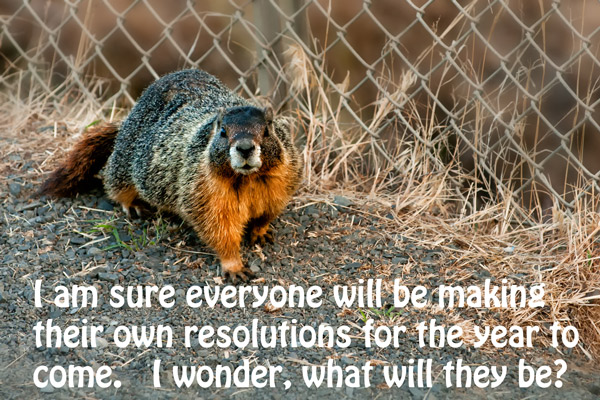
Marmot-b


It is time for me to write about New Year’s resolutions. The prospect of new opportunities is always exciting and jotting down a personal list of goals (resolutions) at the beginning of each year is a good idea if one wants personal growth.

This past month I have been asking people that come into my shop what their resolutions for the New Year would be. Here are a few from the many I heard that, in my opinion, are good solid resolutions.

Use a tripod more.

Turn off Auto mode.

Buy a new camera or lens.

Try shooting RAW.

Learn more about lighting.

Take more photos.

Learn about Composition and the Rule of Thirds

Learn to use Photoshop or Lightroom.

However, as good as those are I am adding seven that are a bit more inspirational (is philosophical a better word?) New Year Resolutions that I have put together (seven is a lucky number after all) this past year from all the long, coffee fueled discussions on ways to make improvements in the future with this exciting medium.

  1. Pay more attention to creative ideas. Without creativity a photographer doesn’t have a chance at moving forward. “This could be the year to begin evolving creatively”.
  1. There is too much focus on what is the best camera. When we spend too much time worrying and making everything about the camera we forget about the story. How about this year being more concerned with making images that tell a story”.
  1. Take risks photographically and move away from always trying to please. Make this the year to push-the-envelope beyond the comfort zone without being concerned with other’s opinions. Maybe this will be the year to put “me” in the photograph.
  1. Learn a New Technique. I think it’s as simple as experimenting, and definitely taking the time to “read up on some technique and then give it a try”. Photographers should always make the effort to learn new techniques, maybe by taking a class, or at least buying some books, or CDs, written or taught by experienced, educated photographers.
  1. Choosing new subjects to “get out of the rut of shooting the same thing over and over”. While practicing portraiture or landscapes is good, photographing the same thing the same way over and over can result in a lack of inventiveness and creativity. Sure it’s nice to stay in a comfortable rut, but as with Resolution #4, “Maybe this will be the year to put “me” in the photograph”.
  1. Make every shot count and stay away from the “spray and pray” shooting style. It should be about making each image a quality photograph, not massive picture snapping sessions hoping that a few to turn out.
  1. Become more ruthless with one’s photography and what is done in post-production; conditioning oneself to throw out the crap is the only way to keep improving.

Finally, I’ll wish everyone a great 2015, and end with a quote by award winning English author, Neil Gaiman. “I hope that in this year to come, you make mistakes. Because if you are making mistakes, then you are making new things, trying new things, learning, living, pushing yourself, changing yourself, changing your world. You’re doing things you’ve never done before, and more importantly, you’re doing something.”

Do you have any to add? I will be happy to read them.

My website is at www.enmanscamera.com. Thanks, John


Leading an Outdoor Lighting Photography Workshop

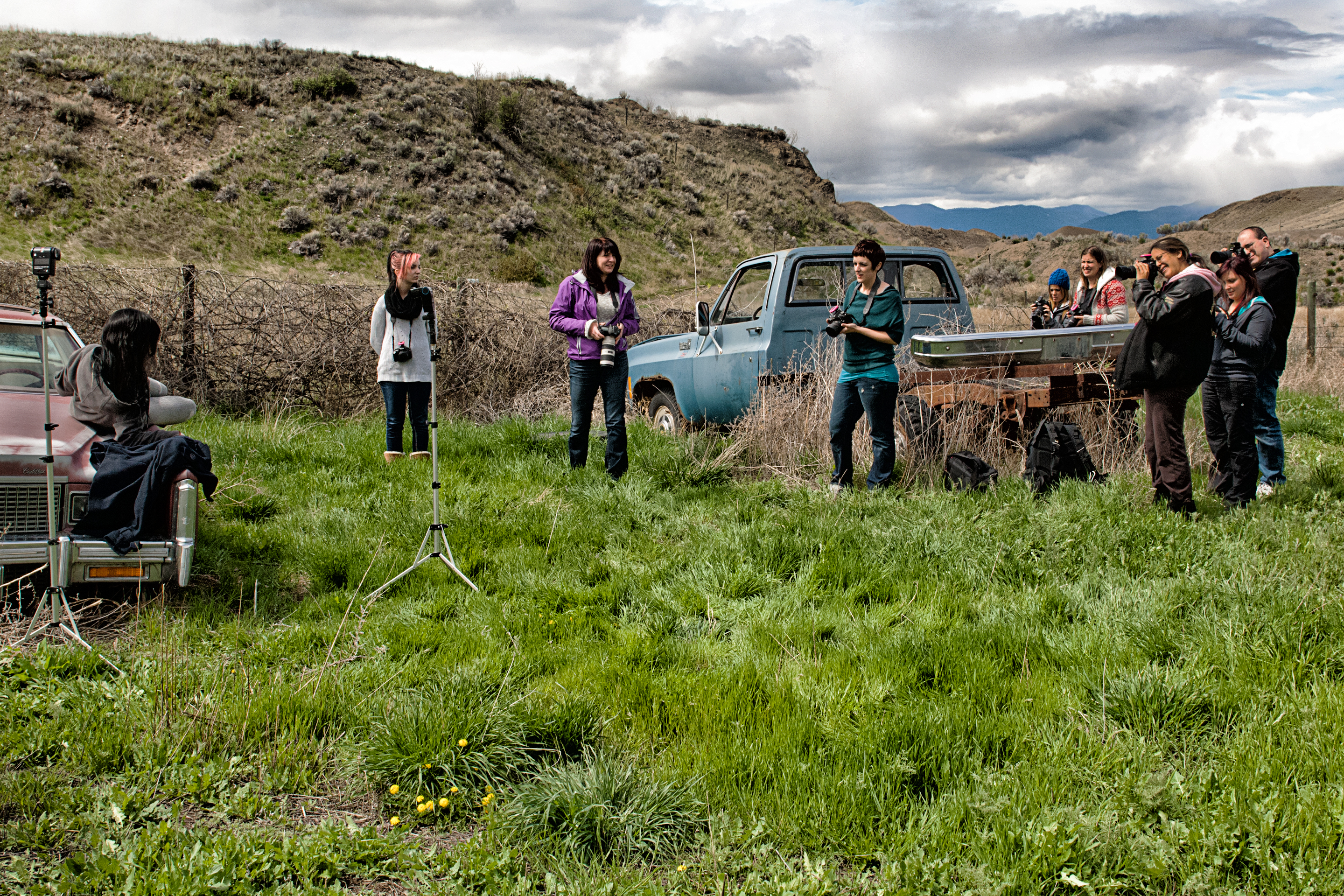
Adding light  Bailea & Flash  Big lenses  Participants  Sarah lighting Bailea  Model in the meadow  Hide from the wind  Flash & Reflector  Low angle shot  Didya get it

I always enjoy the enlivened interaction that happens when a student of photography makes the decision to participate. During a workshop my job is to present information on the subject, and keep things going. I don’t like to be a demonstrator on stage and rarely pick up a camera during the workshops I lead. That is left to the participants.

Those are the words I used when I was discussing the first of two workshops I am leading this spring on the use of off-camera lighting. The first two-day workshop was about lighting in a studio and was held in a well-equipped photography location where I introduced how different lighting tools are used for portrait photography.

I have now finished the first of a two-session outdoor lighting workshop where the participants were surprised when faced with using many of those same lighting tools outside.

This workshop was about using light out-of-doors and I think returning participants were struck with how straight forward lighting is inside compared to outside. In the studio one synchronizes the camera’s shutterspeed to the studio flash and uses the aperture to determine the exposure of the light reflecting off a subject. However, out-of-doors a photographer is faced with additional variables and must balance the natural ambient light with an off-camera flash, and when using flash effectively it is more about creating and controlling shadows than filling them.

The weather was not willing to co-operate very much. It had rained all night and although the day brightened up some, a cold breeze from fresh snow in the mountains made us shiver when it wandered through our workshop space every now and then. Nonetheless, crappy weather or sunny days, it’s all about adding light, so in spite of the cool damp weather, the ten participating photographers and our intrepid model, Bailea, defiantly (maybe hopefully is a better word) stepped out of the warm studio and into the constantly changing light of day.

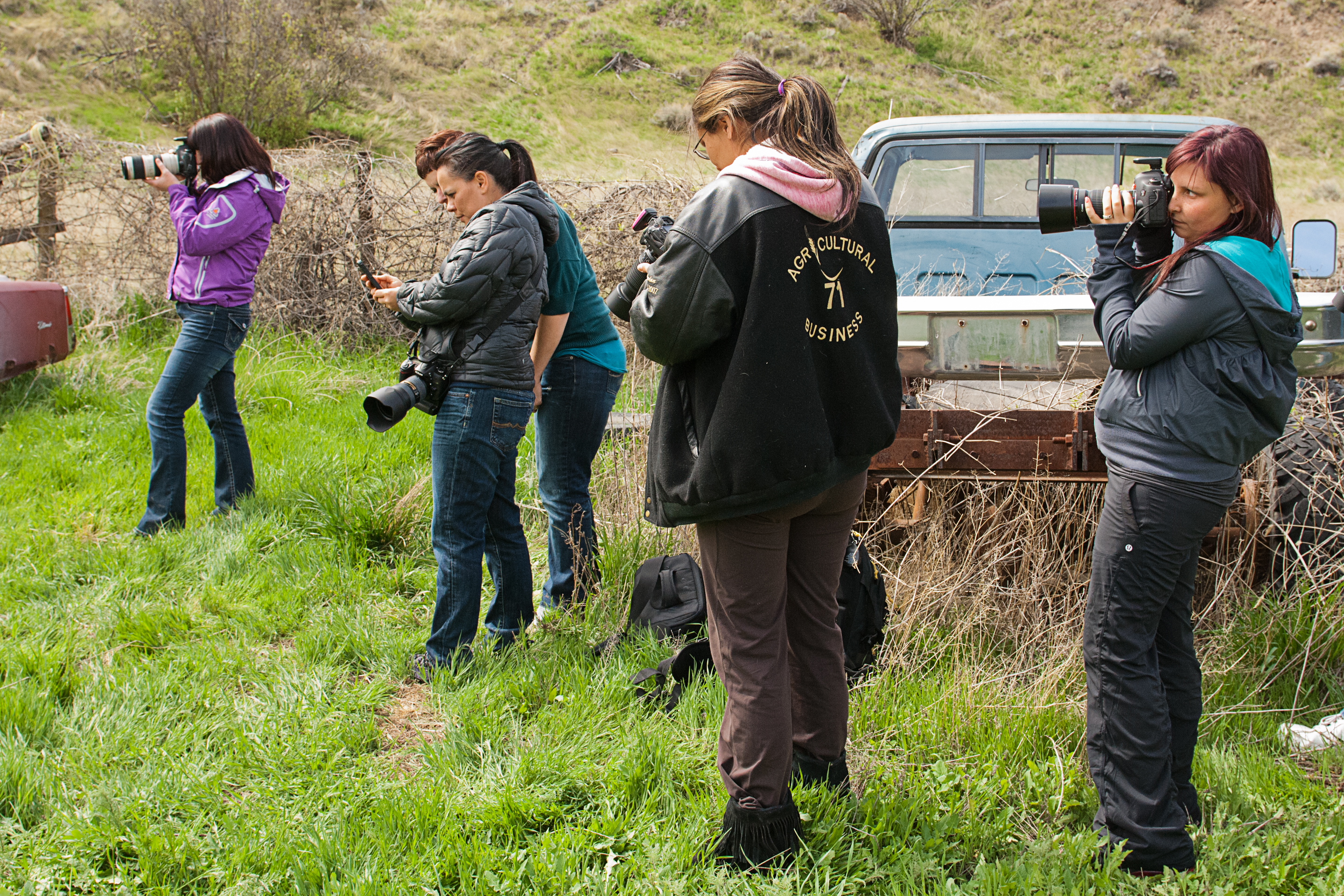
In this lighting workshop we dealt with the key aspects of outdoor portrait photography, such as understanding exposure, how photographers would learn to control depth of field, and to gain off-camera flash techniques that would transform their outdoor portraits into something special. And, as with my last workshop, there was excitement as participants got down to business and weren’t at all shy about getting shoulder to shoulder in a process of experimenting with and exploring outdoor lighting.

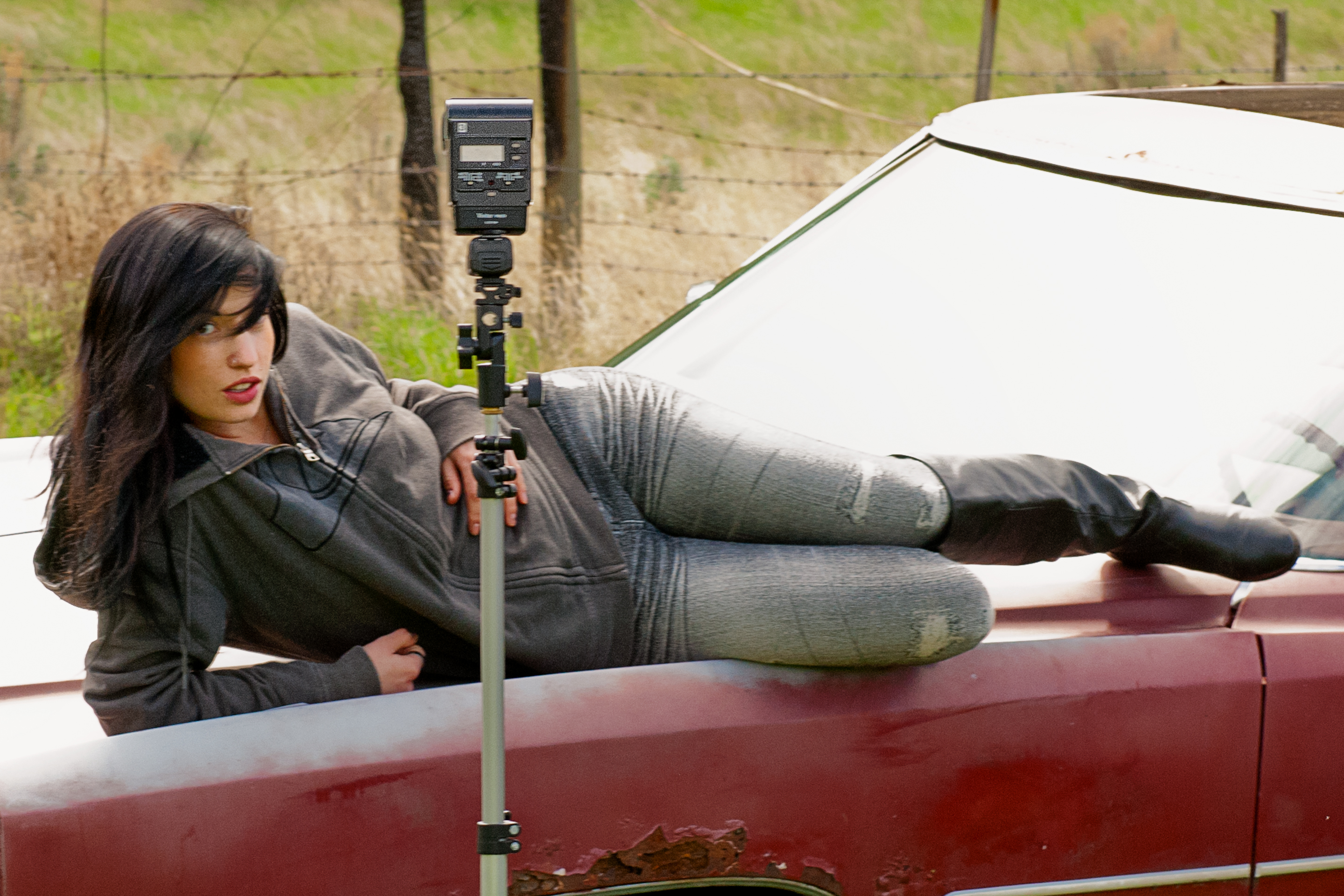
I had off-camera wireless flash setups in three locations, a large barn, a meadow beside a turn of the century horse buggy, and in the long grass where an old abandoned Cadillac rested. The photographers put each location to good use, and now I am looking forward to the next session. The few images I have seen so far are excellent and I am certain spending another day helping and watching each photographer’s progress is going to be a lot of fun.

Comments? I do like all comments. Thanks, John

My website is at www.enmanscamera.com


Another roadside photographer, again.

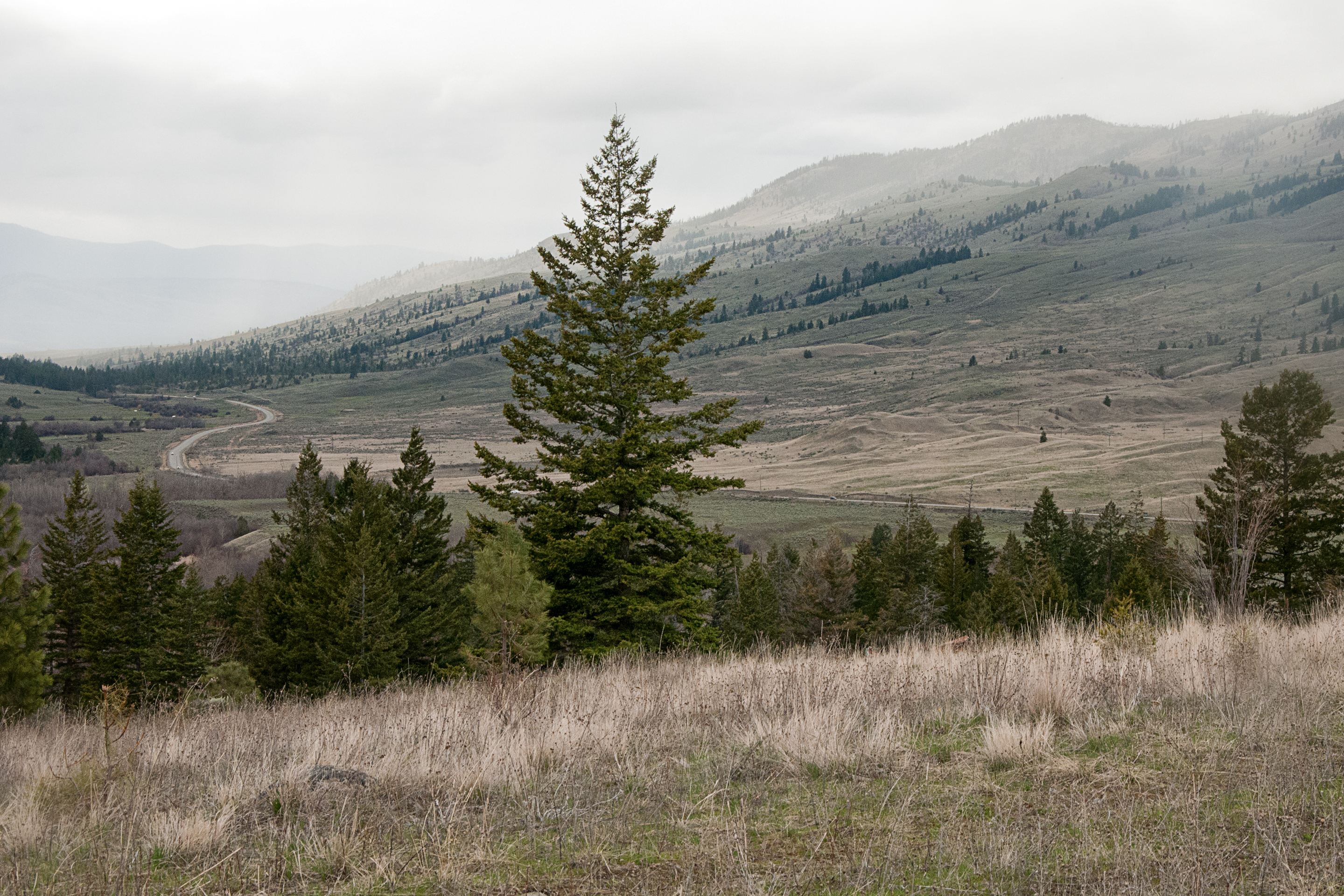
Thompson Valley  abandoned in the rain  Wet goat 1  wet goats 2  Forgotten in the rain  Rusting in the rain  Roadside in spring  Forgotten car  cows waiting in the rain  A wet road to Kamloops

Sometimes I just like to go for a drive. Rain or shine, it is always nice to just go out and look around.

We had been lazing around all day. I had put up one of those portable, collapsible canopies on the front porch hoping the day would be nice enough for us to sit outside for lunch, but the rain and cooling wind moved in. So I thought, what the heck, let’s get in the car and drive up the dirt road towards the forest ringed Hyas Lake and if the rain lets up a bit there might be a photo or two waiting to be made.

We packed our cameras in the car and set off. The day had a heavy overcast, but no low hanging clouds and the rain was, hmm…intermittent. Ya, that’s a good word for when its nice and dry till one gets about fifty feet from the car, then the rain comes down. And I forgot my hat. But I didn’t forget to bring a small kitchen towel and I kept wiping the camera down to stop water from pooling I places that might leak into the camera’s electronics.

Overcast days always make things looks much more colourful than bright sunny days. Not the sky, of course, but the trees, shrubs and grass do have a deeper color and I always add just a bit of contrast in Photoshop to bring out the damp colourful tones.

The dirt road was surprisingly dry till we started up the turn-off to Hyas Lake. Then it quickly became a snow covered, muddy rutted mess and we turned around.

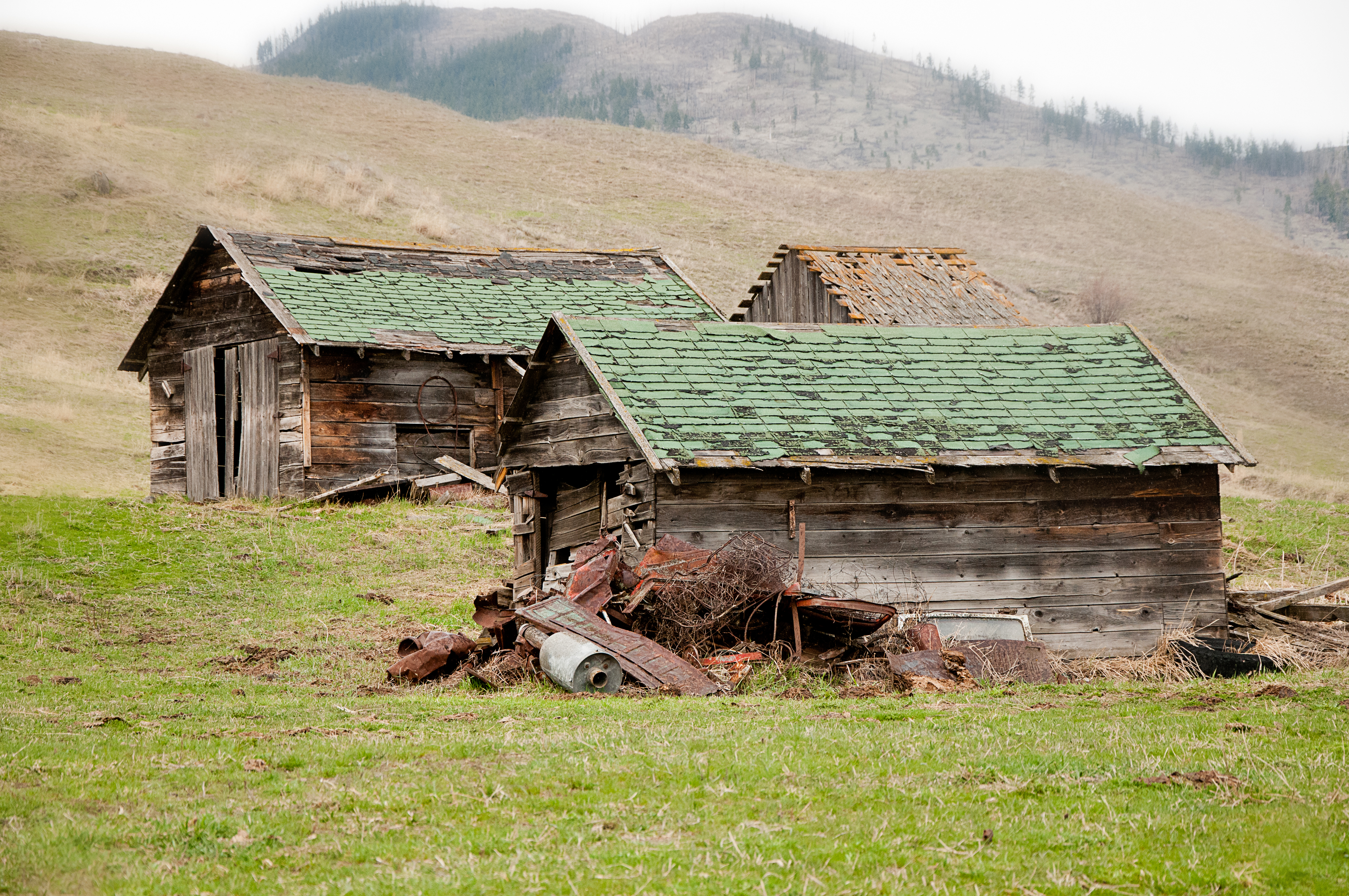
There are some old abandoned buildings along that road that are fun to photograph, although for years I have expected to see them gone. Old buildings have a habit of disappearing. Sometimes because of vandals, sometimes the landowners take ‘em down and sometime they just get tired of many years of standing.

I remember when I first moved to the Kamloops area. I spent months photographing crumbling wood and log buildings. The next year I engaged a local printer to make calendars for me that I easily sold that December. Within two or three years every one of the old abandoned buildings in that calendar was gone.

I am of the belief that the most successful pictures come about when one has a plan, but a slow drive is enjoyable whether one points a camera at something or not. I could say the plan was to look at the long valley, find out if those old building survived the winter, see how far we go before the road was impassable, and if the time was right make a picture or two.

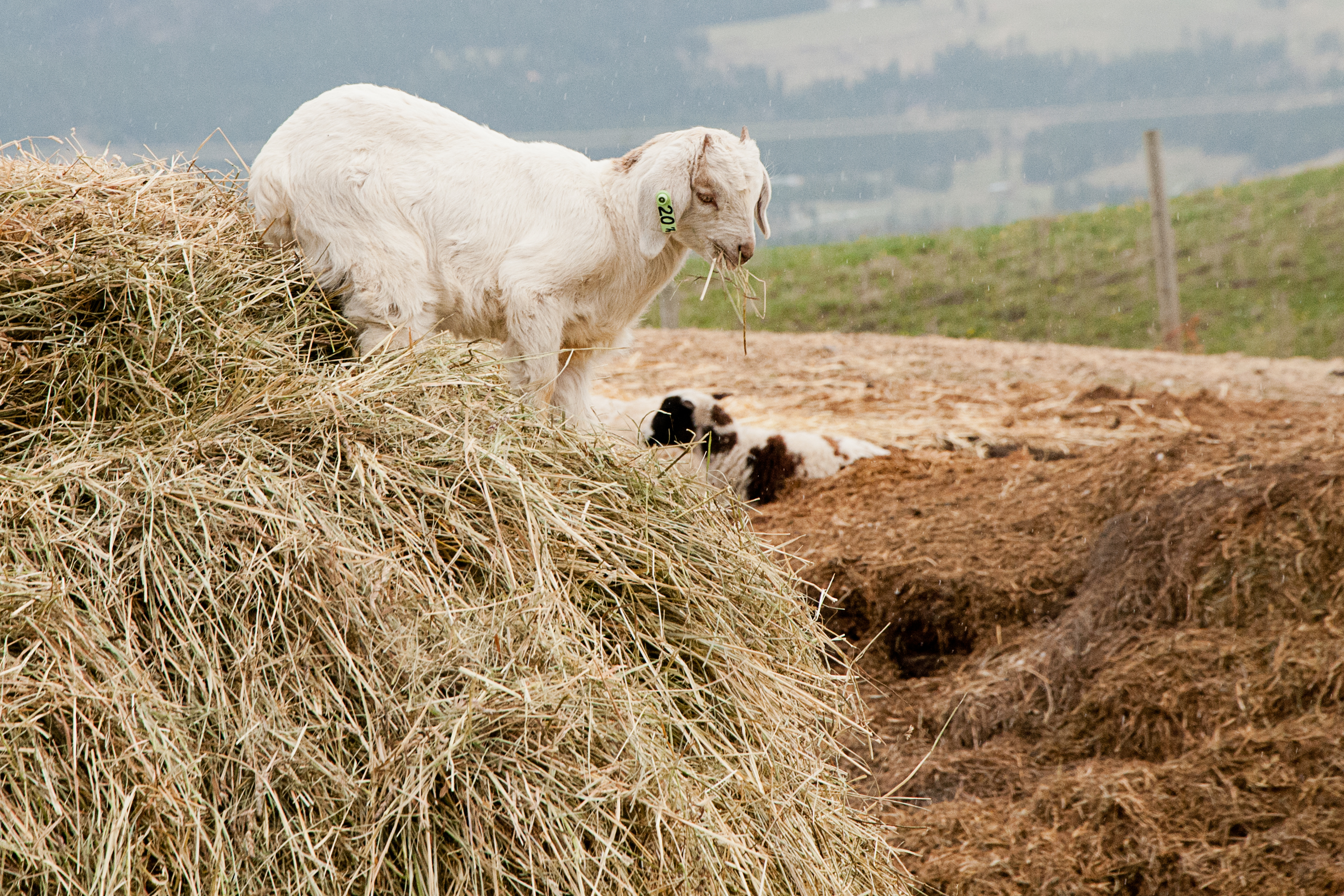
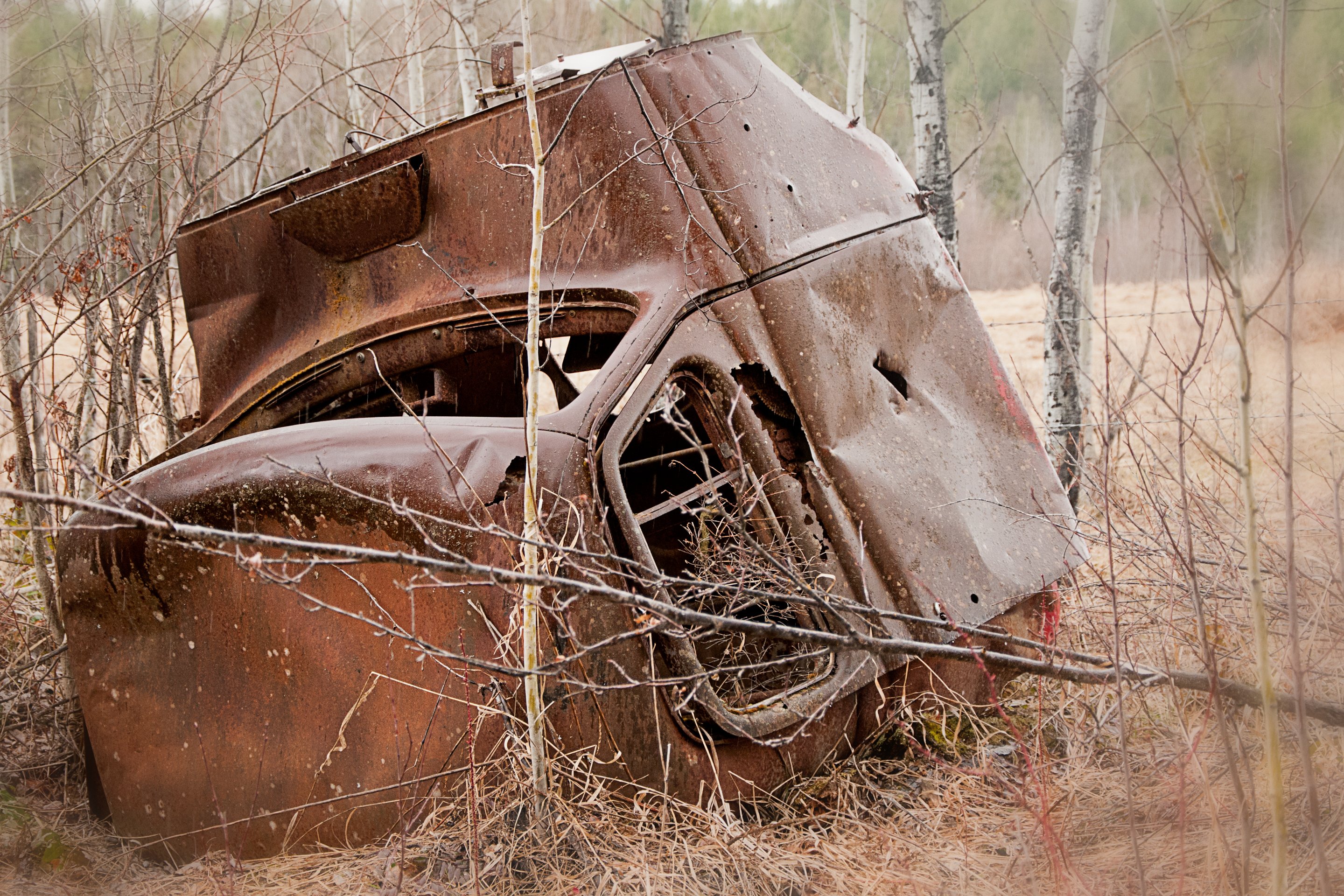
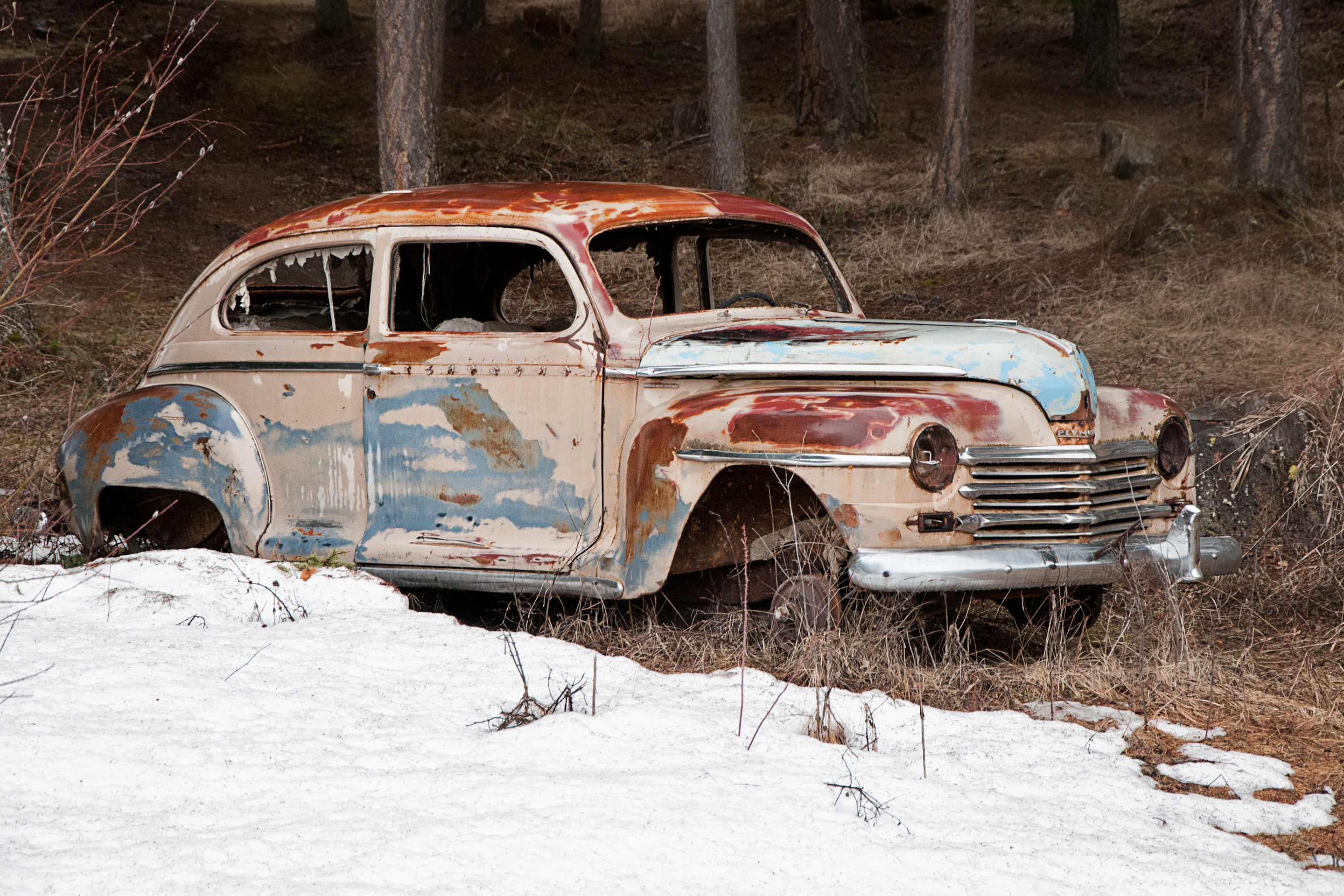
As it was I photographed a view of the snow capped Martin Mountain above my home, some goats playing on a mound of wet hay, a couple of rusting vehicles, some soaked cows in a field and another valley view. Not the most exciting day of photography I have ever had, but good enough for a lazy, rainy day I supposed.

Roadside photography is opportunistic and enjoyable, we talk, stop and look at things, make a few pictures. As we drove along the wet dirt road I thought of the many photographers I have known or read about that just pointed that camera and anything for the pure fun of it.

And I think many readers will agree with famous French photographer Jacques-Henri Lartigue when he said, “It’s marvelous, marvelous! Nothing will ever be as much fun. I’m going to photograph everything, everything?”

As always, I look forward to any comments. Thanks, John

My website is at www.enmanscamera.com


Photographer’s Lighting Workshop

    Sarah, Bart & Ronny

  Ronny & Candice

Sarah & Dave

Candice & Bailey

Bailey & Bart

I have just finished my first day of leading another Photographer’s Lighting Workshop. I will admit that a day spent guiding excited and, I must remark of this session, very talented photographers, does tire me out.

Participants that are willing to express opinions and aren’t shy about getting shoulder to shoulder in a process of experimenting, exploring, and learning are hard to keep up with, and their enthusiasm is infectious. I try to stand back and watch analytically, but every animated smile draws me in.  Multiply times seven each fired up photographer I was working with and there is quite an energy drain.

After over 40 years as a photographer I do have a pretty large chest of experiences in just about every aspect of this exciting medium and I was employed as a photography teacher for nearly half that time. I can easily sit a group of learners down and lecture about pretty much anything photographic and, particularly the lighting workshops that are currently all the rage for photography keeners.  My knowledge is on par with most experienced portrait professionals, and I teach so that beginners and intermediate learners can keep up with the jargon and the concepts.

I enjoy the enlivened interaction that happens when a student of photography makes the decision to participate. My job is to present information on the subject at hand and keep things going. I don’t like to be a demonstrator on a stage, and rarely pick up a camera. That’s left to participants.

Sure, they tired me out, but in the recent daylong workshop on Lighting and Posing I was fortunate to be leading a group of surprisingly skilled and very energetic photographers, and I must add, two lovely and creative young models that in my opinion were willing to work hard in a demanding environment for modeling.

The workshop was held in a rural studio minutes outside of Kamloops, British Columbia. I like this studio because it owner, Dave Monsees, has filled it with quite an assortment of lighting gear. I think there are at least eight studio strobes to choose from, all setup for wireless connection with a drawer full of senders. There are soft boxes, umbrellas, diffusion screens, reflectors and a great selection of wall-mounted backdrops.

There was even a fully equipped kitchen at the back that we made good use of, with fresh brewed coffee, pastries, and a large pot of chili for lunch. It can’t get much better than good food, great people, and photography.

Monsees is regularly adding props and stools to sit and pose on, as well as a growing selection of light modifiers.

The large, well-equipped space is a great rental studio and a perfect environment for an instructional session like mine. We started the session with one light behind a reflective umbrella, and moved on from there adding a large softbox, a shoot through umbrella, and a rim light to give depth to our subject when we used a black background.  We changed backdrops and light positions regularly. And those creative photographers really kept our models active and, heck, made my day.

Regarding portrait photography, Famous portrait photographer, Yousuf Karsh, once said, “I try to photograph people’s spirits and thoughts. As to the soul taking by the photographer, I don’t feel I take away, but rather that the sitter and I give to each other. It becomes an act of mutual participation.”

The first of our two-day workshop is over. I prefer two days because on the second we can review and reinforce what happened on the first. Now I am looking forward to spending another day and preparing to lead workshop participants into new territory.

I appreciate any comments. Thanks, John

My website is at www.enmanscamera.com

Shoot Your Way to Work

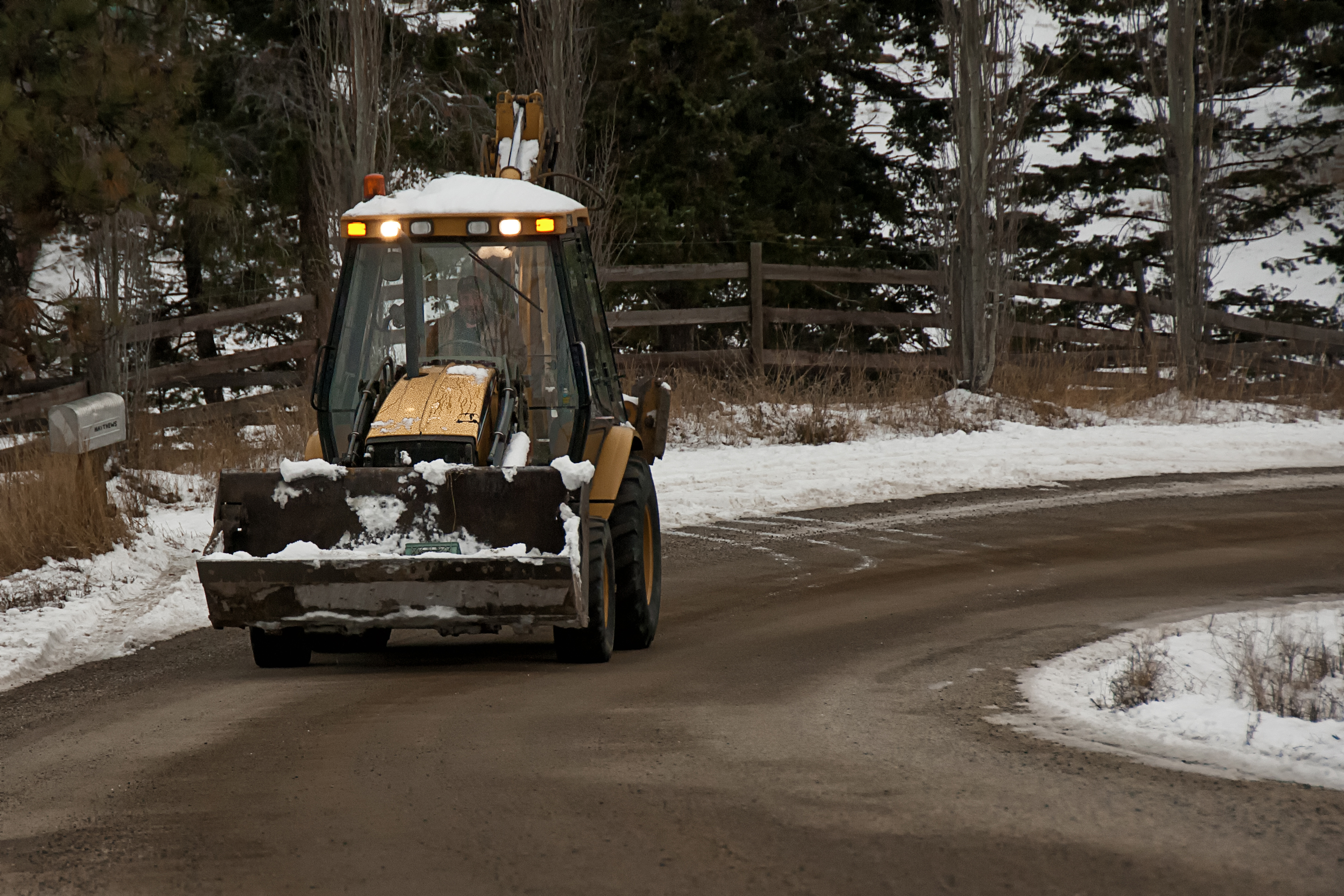
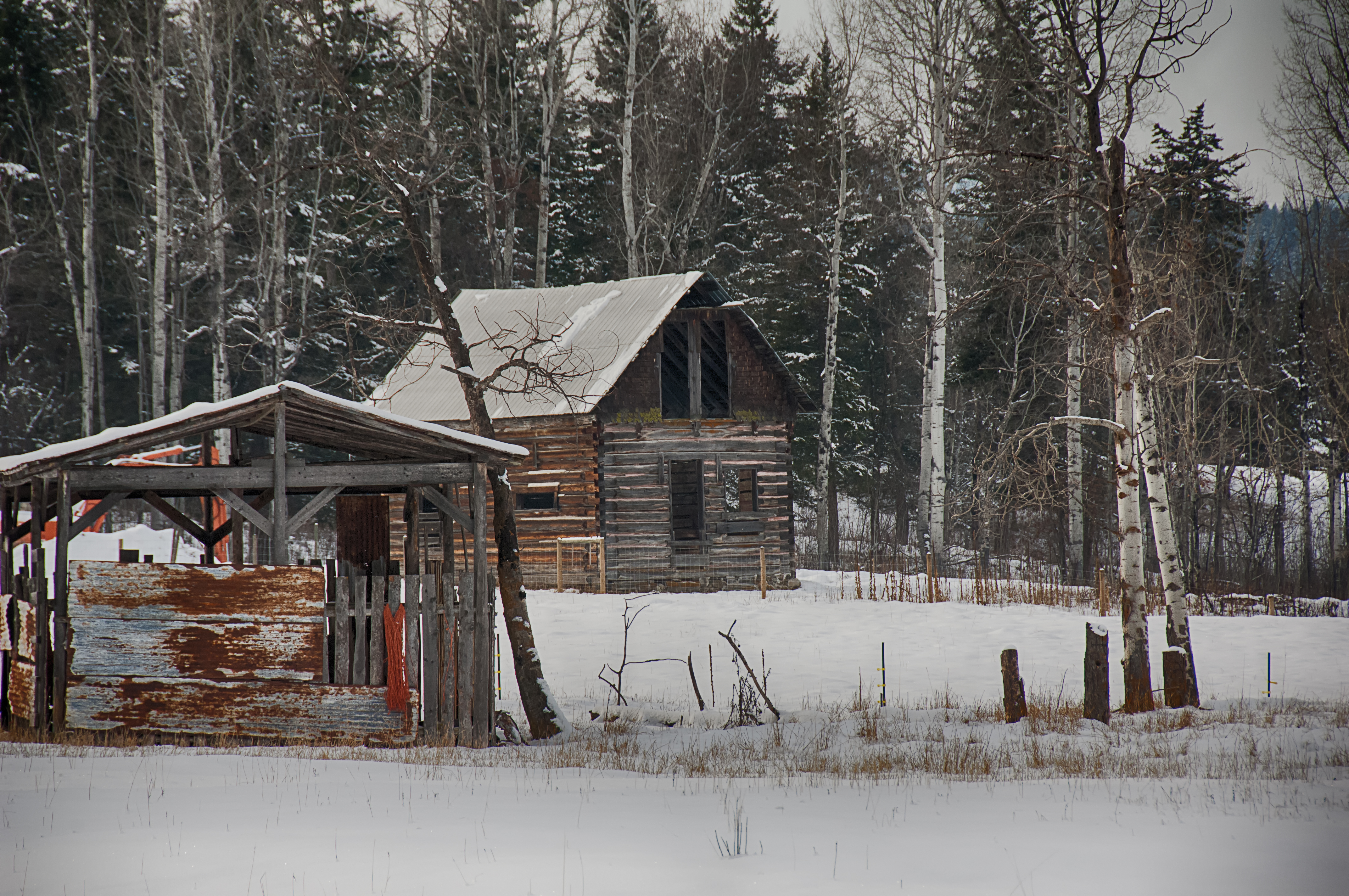
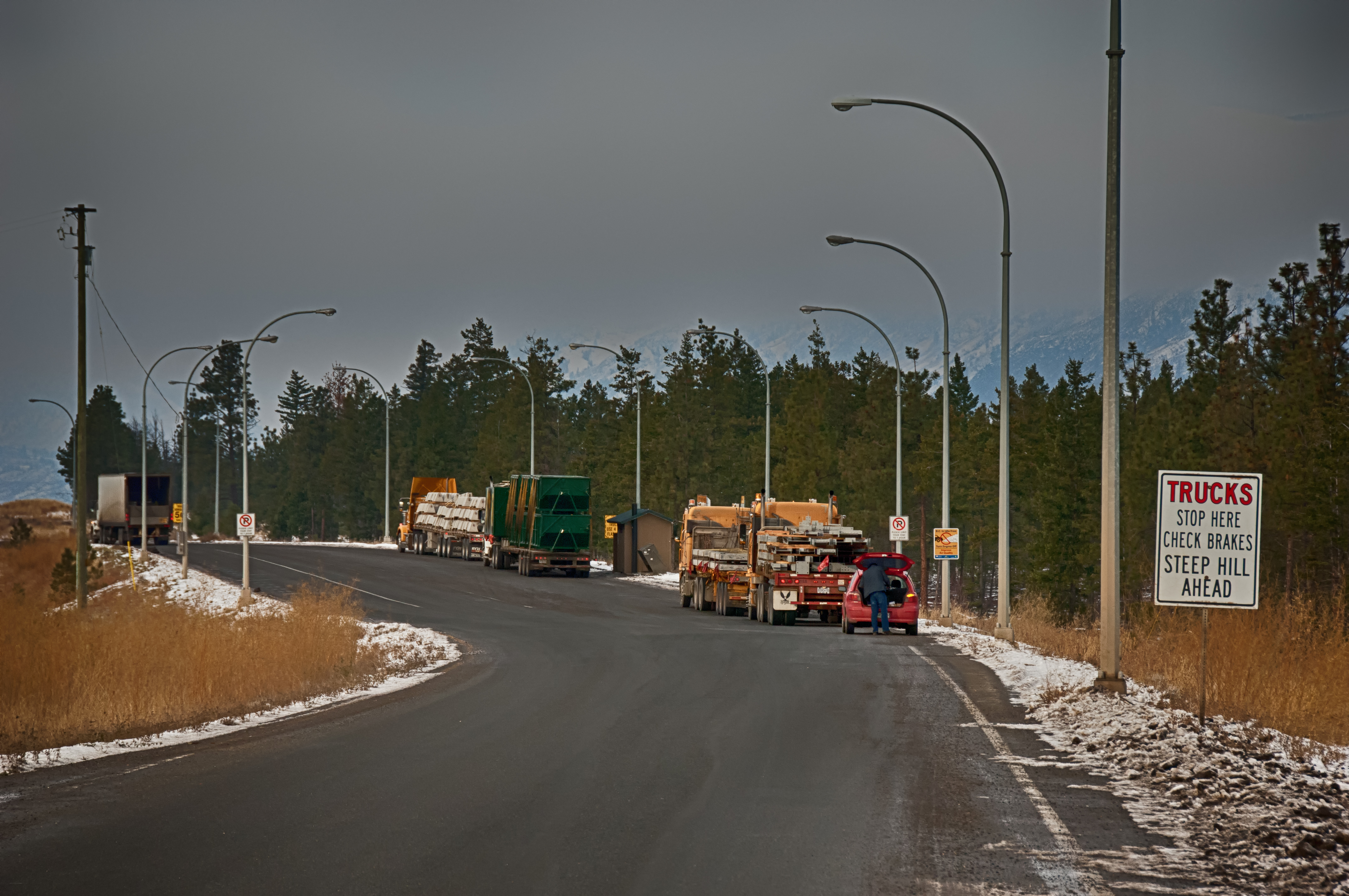
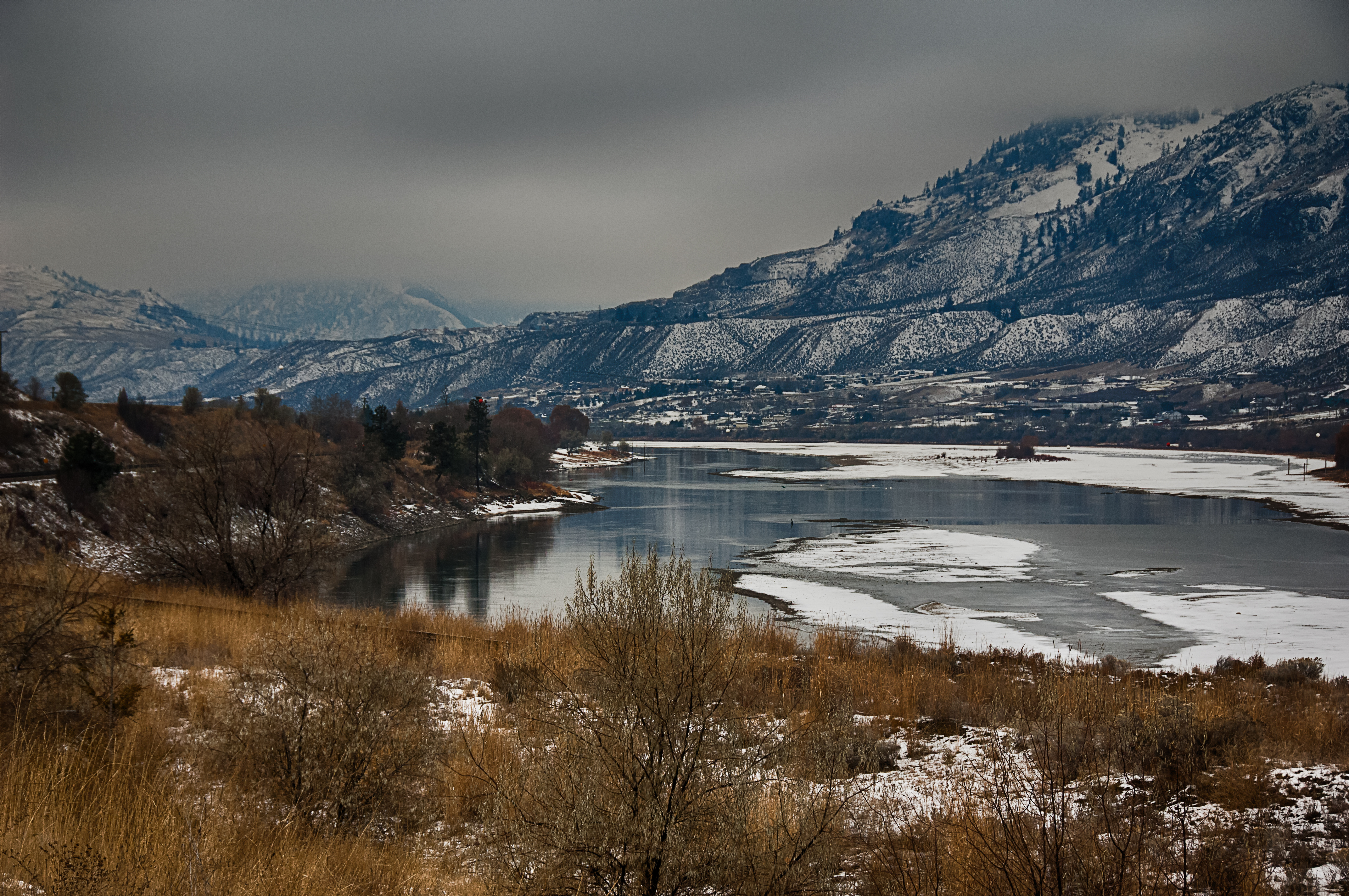
Going to work  Passing a neighbor  Just passing  Watching me go  Field view  Into the valley  On to Kamloops

It seems like several lifetimes ago when I worked as an instructor in California, and my students, were mostly inner city in third, fourth, and fifth grades, and in many cases, were not interested in anything other than getting through the day, so they could do something more enjoyable.

My job in the Alternative Education Program of the US Office of Education at the time was finding more creative methods for teaching children that would bring some excitement to learning the basics that seemed boring to young minds.

This story is going to get around to cameras, just bare with me.  At the time I wanted to involve photography, so when one of the lead instructors complained that young students couldn’t discuss the neighborhoods they walked through on the way to school, and he wanted to work on that as a project. I took the opportunity to insert photography into his project.

We started by giving the kids a pad and pencil and asked them to write about their trip to school. Some days later we all made pirate eye patches and gave them the centers from toilet tissue rolls. Students wore the patch on one eye, and used the roll tubes to look at things as they walked to school, and then later wrote about the trip to school. They saw more and more and wrote pages about the things they originally ignored.
On the final week of the project we gave them all Diana F cameras to take photographs along the way. The Diana F is a blue and black plastic, 120mm, roll film camera with a fixed shutterspeed, and, as I remember, a three-stop aperture. Actually, since then the Diana F has become a kind of “cult camera”.  Who knew? At the time it was just an inexpensive camera that the school didn’t mind loosing.
Some helpful parents had made double-layered, lightproof developing bags, that cameras and Kodak apron-type developing tanks were put into, and then tied to the student’s arms to keep out the light. After what seemed a painfully long time the tanks would emerge with the film safely inside.

We processed the film and the kids would run around the schoolyard with film flying high till it was dried in the warm California air. I once had to prove to an administrator that the developer was safe by drinking a little paper cup full. OK, I did have an upset stomach later, but I never told.

I made little cardboard and glass contact printers and everyone would place their film on Studio Proof paper and sit in the sun on the sidewalk till purple images appeared. Now long discontinued, Studio Proof paper was once used by portrait photographers to make sure the customers returned for their pictures. The deep purple pictures would fade to a solid colour in a few weeks.

Purple pictures of their neighborhood in hand the students would sit and actually write stories about the now memorable walk to school. Sure they had the pictures, but the viewfinder heightened the process of seeing.  There is something about photography and the act of image making that helps and reminds us how unforgettable and exciting it is to be in the place we live.

I recently thought about that long ago episode with photography. So for a fun thing for myself one day I thought I should try, as I had those students do, to shoot my way to work. I am always rushing at the last minute when heading to work in the morning and that makes taking pictures a rushed thing.  For my trip to work I used the spy it, stop-the-car, jump out, shoot fast and drive off method. Not my usual way, but I admit I had fun, got lots of interesting pictures, and wasn’t too late getting to my shop, and I had fun.

I hope you enjoyed the pictures of my way to town….

Please don’t hesitate to comment.

My new website is at www.enmanscamera.com