Anyone can take a picture with a digital camera

“Anyone can take a picture with a digital camera. There are even people calling themselves professionals who are not much more than point-and-shooters”.

That complaint has become all too common these days and I listened to those words again as they were voiced to me by a grumbling long time photographer last week. As he whined I thought about an article I wrote about a year a go entitled “Anyone Can Take a Picture”.

At that time I discussed a young photographer who worried his photographs would not be of any value in this popular, expanding medium and expressed his frustration saying, “Anyone can take a picture”.  His goal as a photographer was to produce images that are personal, visual statements of how he felt and hoped are more than just a documentary.

The medium of photography has become very accessible for everyone.  The days when a photographer had to be an engineer and chemist are long gone.  With modern technology, today’s supercharged camera, with machine-gun-like shutters, and seemingly speed-of-light focusing, many photographers can survive without any knowledge whatsoever of photography.  At one time photographers actually had to understand the combinations of shutter and aperture for a properly exposed image, and worried about camera shake, and film choice.  Photographers were obliged to carry more than one camera if they wanted the resulting photographs to be in both color, and black and white.

When that photographer continued with his gripe, “all this digital isn’t real photography”, I knew he wouldn’t remember that photography once needed large glass plates, hazardous chemicals, bulky cameras, and wagons to carry everything.

I am not sure that the photographers of the late 1800’s or early 1900’s were interested in photography as a creative medium as much as they were interested in an efficient medium to document reality, whether it was convincing some person to sit as still as possible for long time periods or setting up unwieldy photographic equipment on a cold mountain top to photograph the view and I am sure many photographers that loved the advancements since then would have tried photography if it had remained like that.

Yes, anyone can take a picture nowadays. However, many modern photographers that lack the technical skill make up for it with an intuitive ability to connect with their subjects. That’s a good thing and not something to complain about.  There are lots of excellent photographs being taken and those dedicated to this growing medium should celebrate their successes instead of finding fault with someone that has embraced digital technology and can make it perform.

I look forward to seeing photographs made by that young photographer that mused about “anyone being able to take pictures”. My advice to him was to use all the exciting technological advancements (because photography has always been about technology) he can find as he strives to make his photographs more than just a document.  He will work hard producing images that will be technically perfect visual statements about what he feels or wants to say. There are many photographers, myself included, who are interested in the resulting photos no matter how the image is produced as long as the final photograph has something to say and is visually exciting!

And as far as that complaint about, “people calling themselves professionals who are not much more than point-and-shooters” all I can say is we should leave that up to how their clients feel about their photography.

I welcome your comments. Thanks.

My website is at www.enmanscamera.com
Learning Photography with Digital

Since people first started walking around with their daguerreotype cameras back in the 1840’s photography has been an evolving medium. Photography is a technological medium that constantly changes, both in the way it allows photographers to capture a subject’s image, and how those photographers then can produce that subject’s image for viewing.

Unlike many of the other creative mediums, camera technology has certainly evolved since the first amateur photographers were taking pictures of life around them, and is now at a place where anyone interested enough to take time with the today’s high powered cameras can produce very good photographs.

I have been involved with photography both as a working photographer and as a photography teacher for many years. I taught college level photography for 19 years, and I will say that I believe photographers are getting much better at their craft faster than when I was teaching students in what was then a film environment.

Film was less forgiving and learners had to wait to find out if they were successful. Students of photography had to do their assignments and sometimes wait lengthy delays for access to the school photo laboratory. Those that were very serious set up cramped little photo labs in bathrooms in order to make prints the same day.  As I think back I am not surprised at how slow progress was from the basics to a reasonable understanding of the craft and art of photography.

Today it is easy to examine the composition and exposure just by looking at the camera’s LCD and checking the histogram. Educating oneself is just that easy. Select the subject, think about the light and shadow, compose, and release the shutter. Review the LCD and if it’s wrong then try again until the image looks good.  Also, there is always the period of postproduction for balancing the overall tonal range if the image is lacking, or has too much contrast. That instant reinforcement is proof that digital is much better for the learning process of photography than ever before.

All someone who is serious about this medium needs to do is to take the time to learn the basics of photography, and how their camera works. All so very easy compared to when I was teaching so many years ago in what a friend described once described as “the days of click and pray”.

The immediate review we now have with the LCD is excellent for the learning process and I think it is mainly that feature, rather than a modern camera’s programmed ability to make a pretty good exposure, that allows beginner photographers to achieve good photographs these days.  It also allows me to regularly come in contact with excellent photographers that have become proficient without years of experience.

Photography has become so accessible and, in my opinion, a perfect creative medium for those that are comfortable with an artistic technology that is continually transforming itself. I recall when those of us that wanted to look at inspiring photographs were limited to purchasing or borrowing expensive books published by a few professional photographers. Now it is so easy to find images equal to anything ever produced by just browsing the internet. There are photographer forums, online magazines, websites, blogs and even Facebook, where spectacular photography can be viewed and used as inspiration by photographers.

I have been practicing photography and following photographic trends for well over thirty years and have never been happier to be involved in photography than right now.  A week doesn’t go by without some photographer stopping by my shop to show me their photographs and most are excellent and worth taking the time to view.

I’ll finish this with a motivational quote by fashion and fine art photographer Richard Avedon who said, “If a day goes by without my doing something related to photography, it’s as though I’ve neglected something essential to my existence, as though I had forgotten to wake up.

I appreciate your comments.

My website is at www.enmanscamera.com
Photography on a Foggy Day


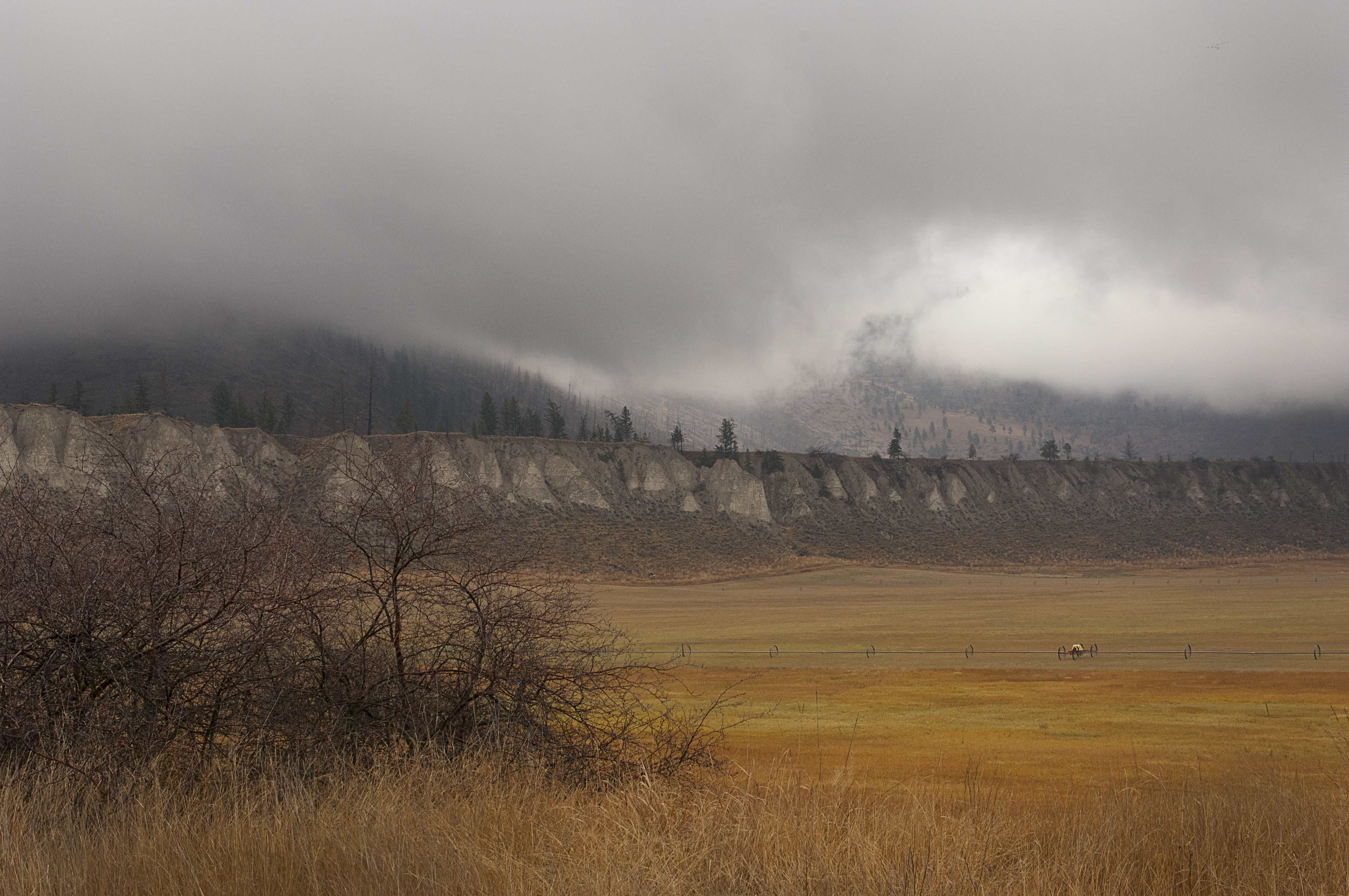
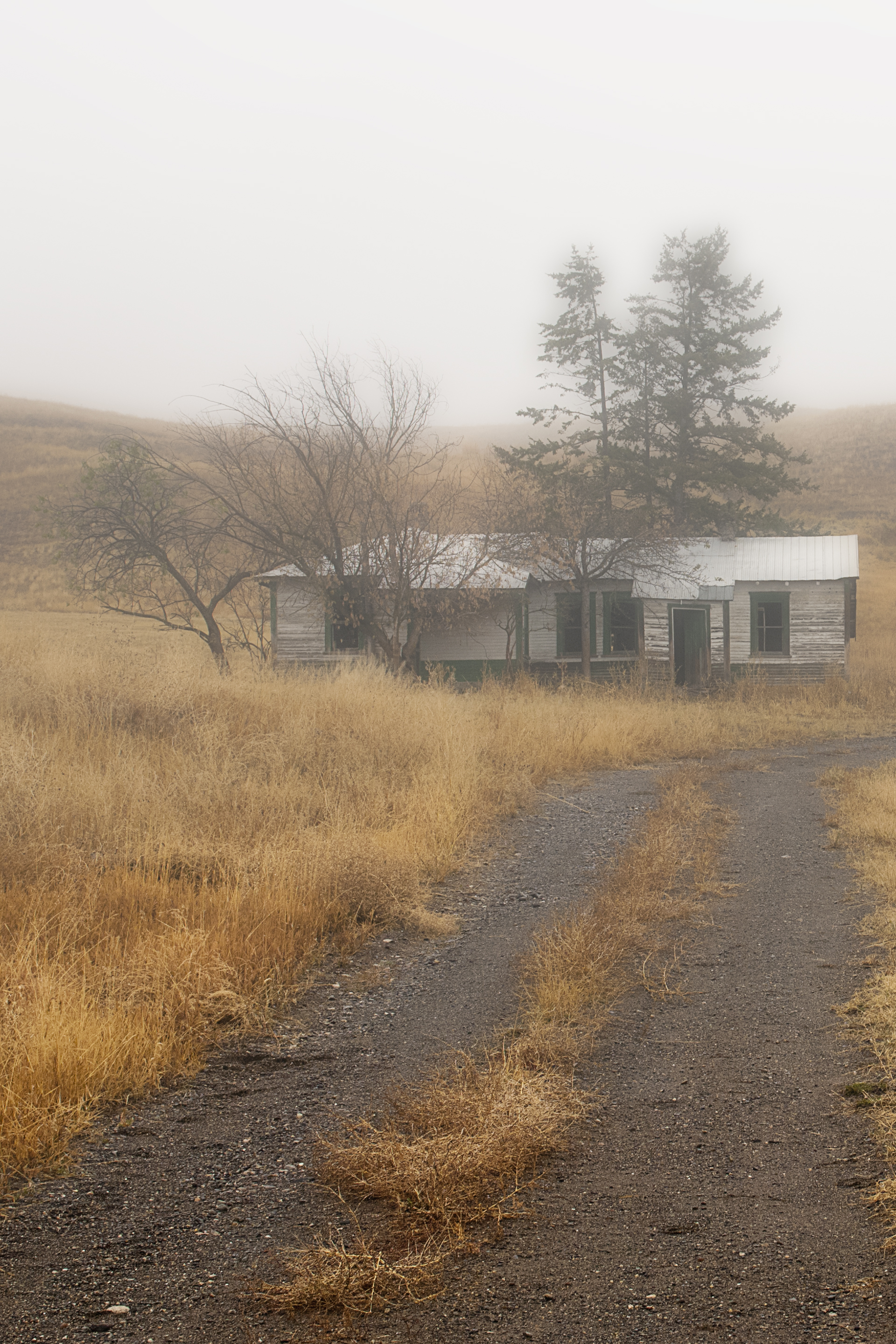
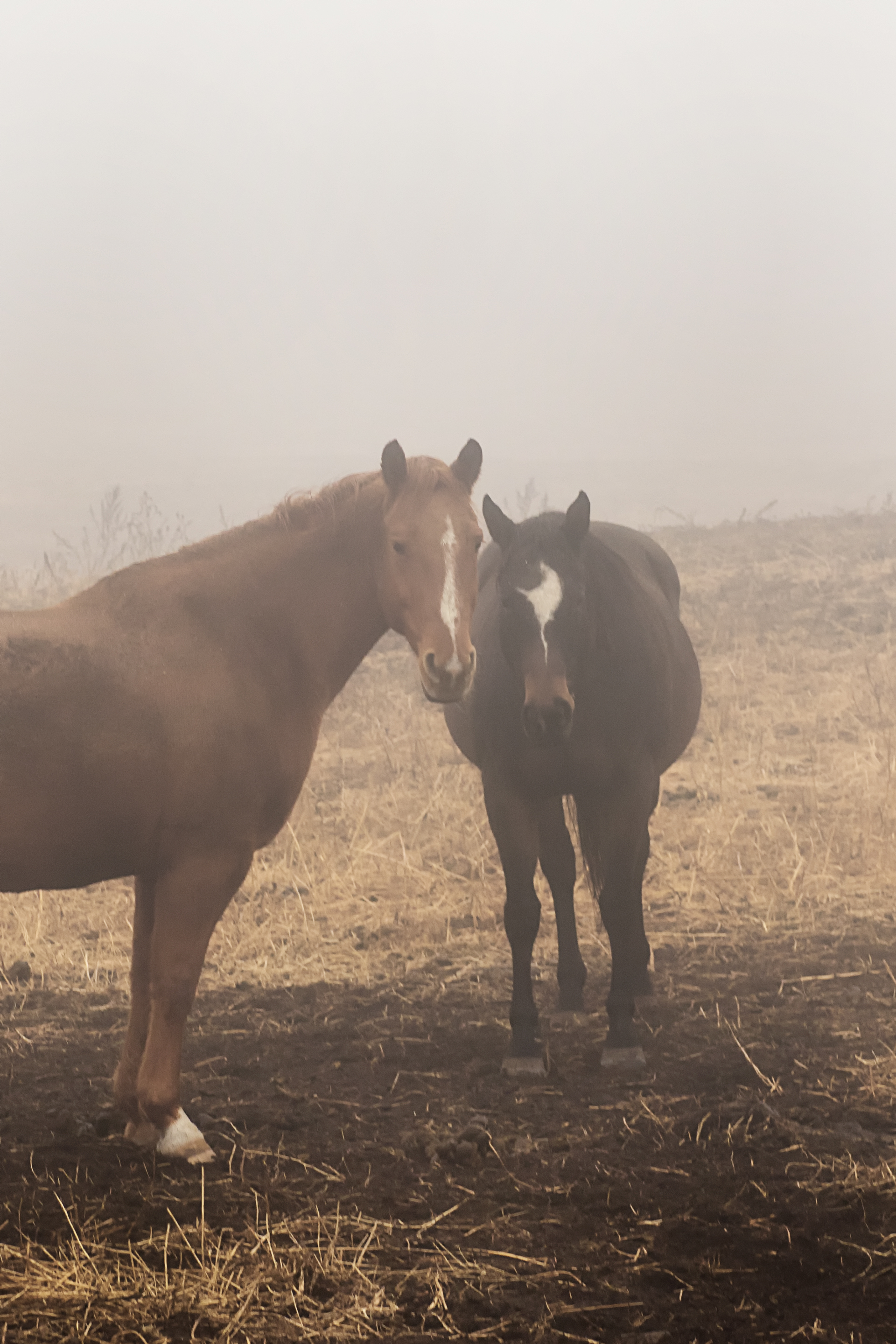
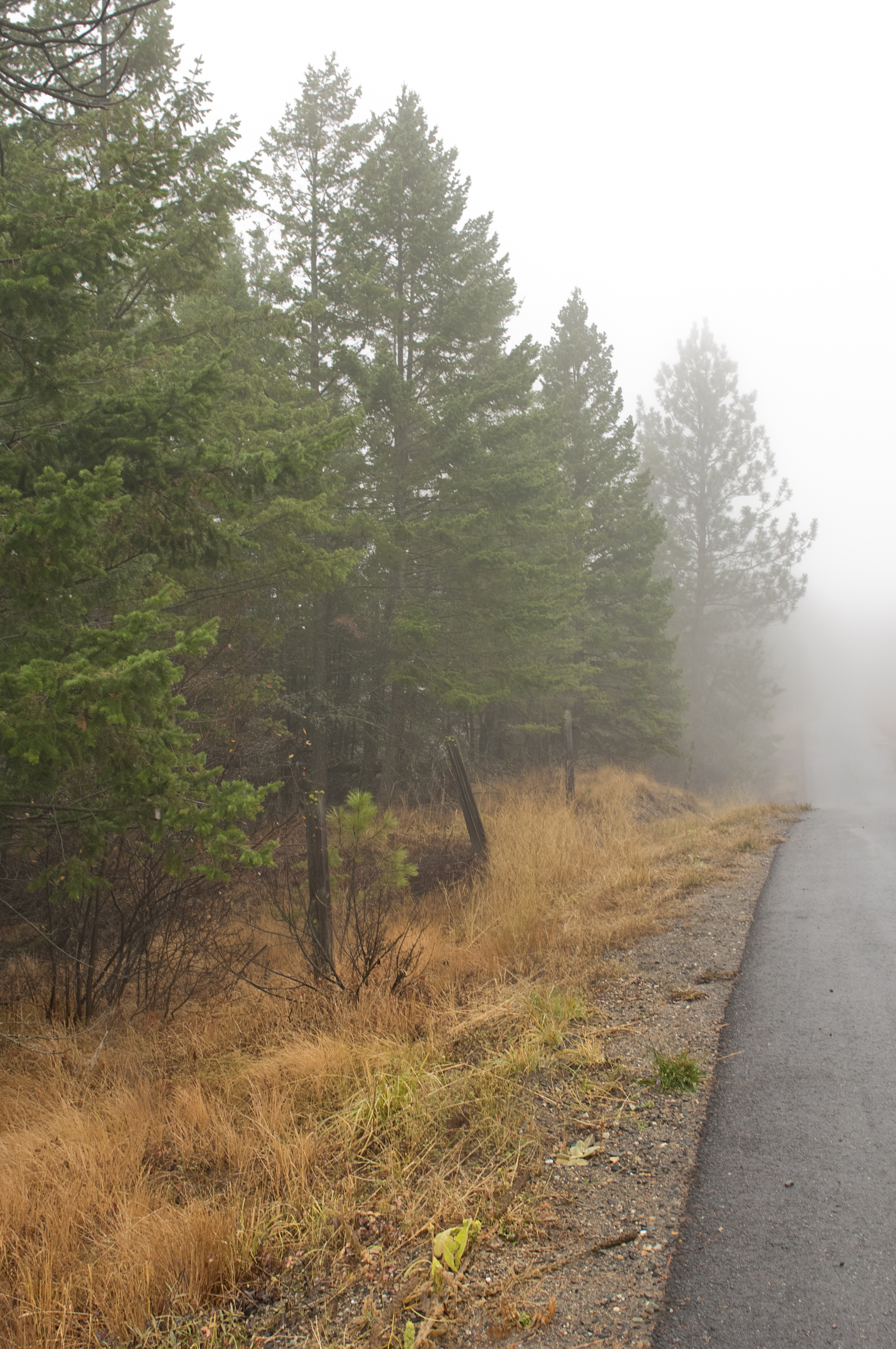
I like taking pictures on foggy days. I suppose I could have stayed inside and watched TV or read a book. I know that many photographers would have done just that as they complained about the damp, flat, lifeless-looking fog, but I like foggy, windy, snowy, and even rainy days. Inclement weather makes for unusual and interesting photographs, so when I woke on a morning with thick fog I knew I was going to have a fun day. Fog can conjure up feelings of mystery and awe, and of the many different conditions we encounter in landscape photography fog is one of my favorites.

Yes, the light was low, but October fields here in the British Columbia interior are mostly shades of gold, so there really is lots of colour. All a photographer has to do is select a subject angle carefully. I began by wandering through the wooded area across the road from my house, but I didn’t really get very far, the fog was so thick in the pines that there wasn’t much that I liked. I jumped in my car and I made the short, five-minute trip down to the Thompson River, and was happy to be just a bit under the fog, and that made for lots of great opportunities.

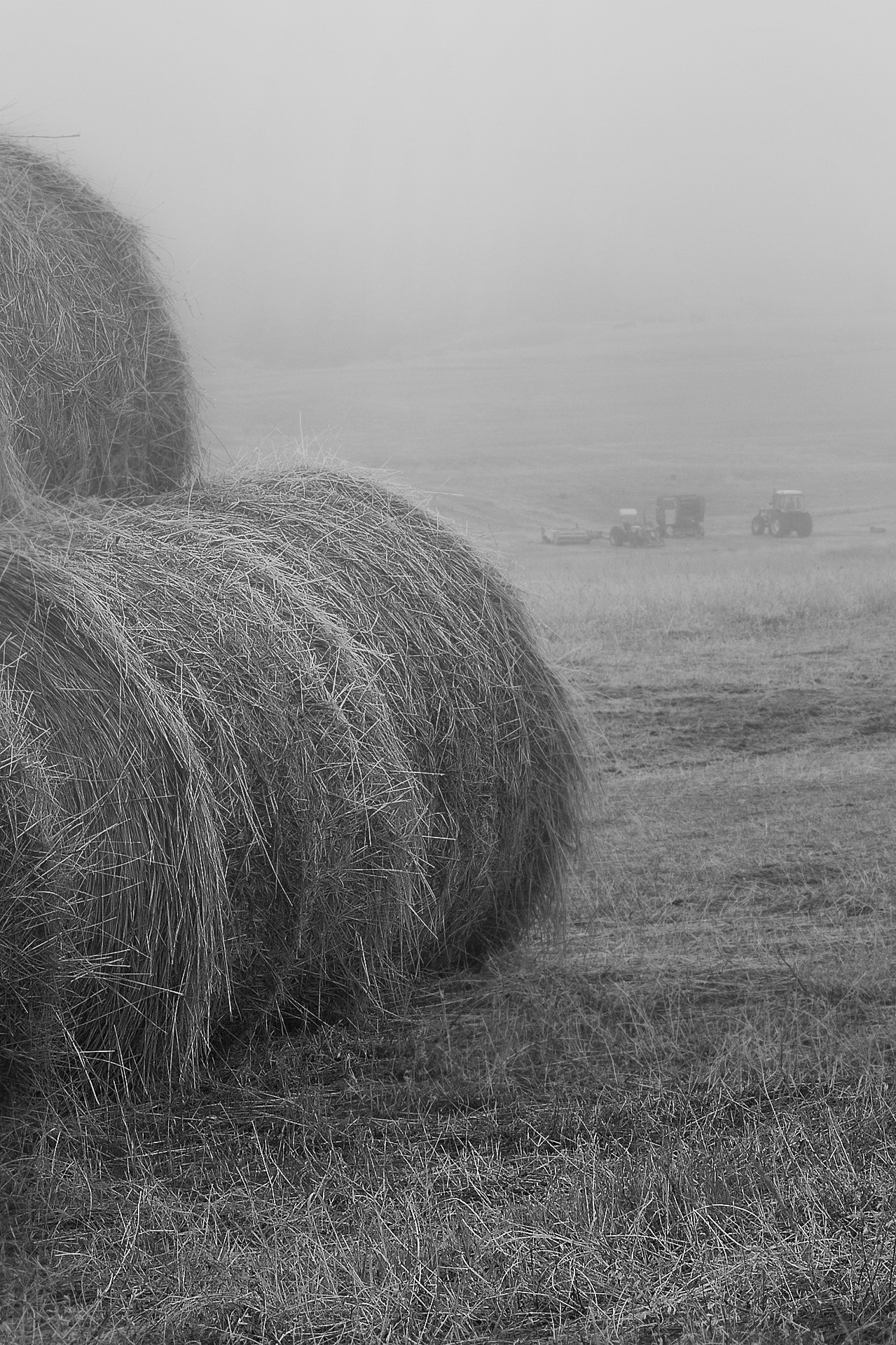
I really didn’t have any particular subject in mind. I had hoped the bridge that crossed the river would be embraced in fog, but there was a strong, wet, breeze in the river valley that had pushed the clouds and the fog away. I wanted fog or at least low clouds, so I lingered higher up, along the valley rim, searching out and photographing fences, stacks of hay, and abandoned buildings. And I even took a few pictures of cows and horses, as they looked for food in the damp foggy conditions.

I always meter for the mid tone in my composition. The foggy flat light can easily trick the meter and I prefer manual exposure where I personally can determine my aperture and shutter speed. I had remembered to bring my tripod, so even when the light was low and required a slow shutter speed I could still keep an acceptable depth of field using an aperture of f8 or smaller.

Outdoor photographs taken in fog often look flat and dull. The fog and the low light decreases image contrast and colour saturation significantly. However, for modern photographers this isn’t much of a problem since the contrast and saturation of a digital photo can easily be adjusted.  Fortunately, we can turn the problem into an advantage because an image with low contrast is easier to manipulate than an image taken in harsh light with strong shadows and highlights.

With most digital cameras the contrast can be adjusted before the photo is taken. But in my opinion, it is better to do a rough adjustment during post-production in the RAW converter, and a fine adjustment in Photoshop. In-camera adjustment is not always the best since we don’t know in advance what the right amount is, and clipping of shadows/highlights can occur.

Modern technology gives us a hand up on the flat, contrast less light even if some elements in a picture are improperly exposed they are easily corrected during post-production, and increasing the contrast on important subjects in flat light is easy.

I have always liked my photographs to be about my personal vision of a scene and not to be limited by what a particular film or camera sensor can record.  Even Ansel Adams said, “You don’t take a photograph, you make it.”

Fog forms when a humid, cool air mass moves under a warm air mass and those conditions seem to be recurring for a second day. I know that might cause problems for drivers, but I am hoping to see some in Kamloops when I go to my shop today. And if so, I will be out on the street with my camera.

I enjoy your comments, Thanks.

My website is at www.enmanscamera.com
Meeting Photographers and Photographing Bighorn Sheep.


Last week I wrote that I had a great time doing photography as I toured Victoria’s waterfront, and said that along with photographing a different environment I met interesting people, and even spent time with other photographers.

One of my goals for that Victoria excursion was to meet and spend time with the well-known painter, photographer, and documentary filmmaker, Karl Spreitz. His interesting career included working as a news photographer in Prince George, BC, for CTV television, for the BC Department of Travel and Industry, and as staff photographer/editor for Beautiful BC magazine.

Spreitz, now in his eighties, is a fountain of knowledge about film and photography and has been acquainted with most of the important west coast Canadian and American photographers for the past 50 years, and I was delighted to be able to spend the afternoon talking to him about photography and listening to his stories.

I like being a photographer. I also enjoy socializing with other photographers and spending time with a long time photographer like Spreitz is a rare opportunity I will always take if given the chance.

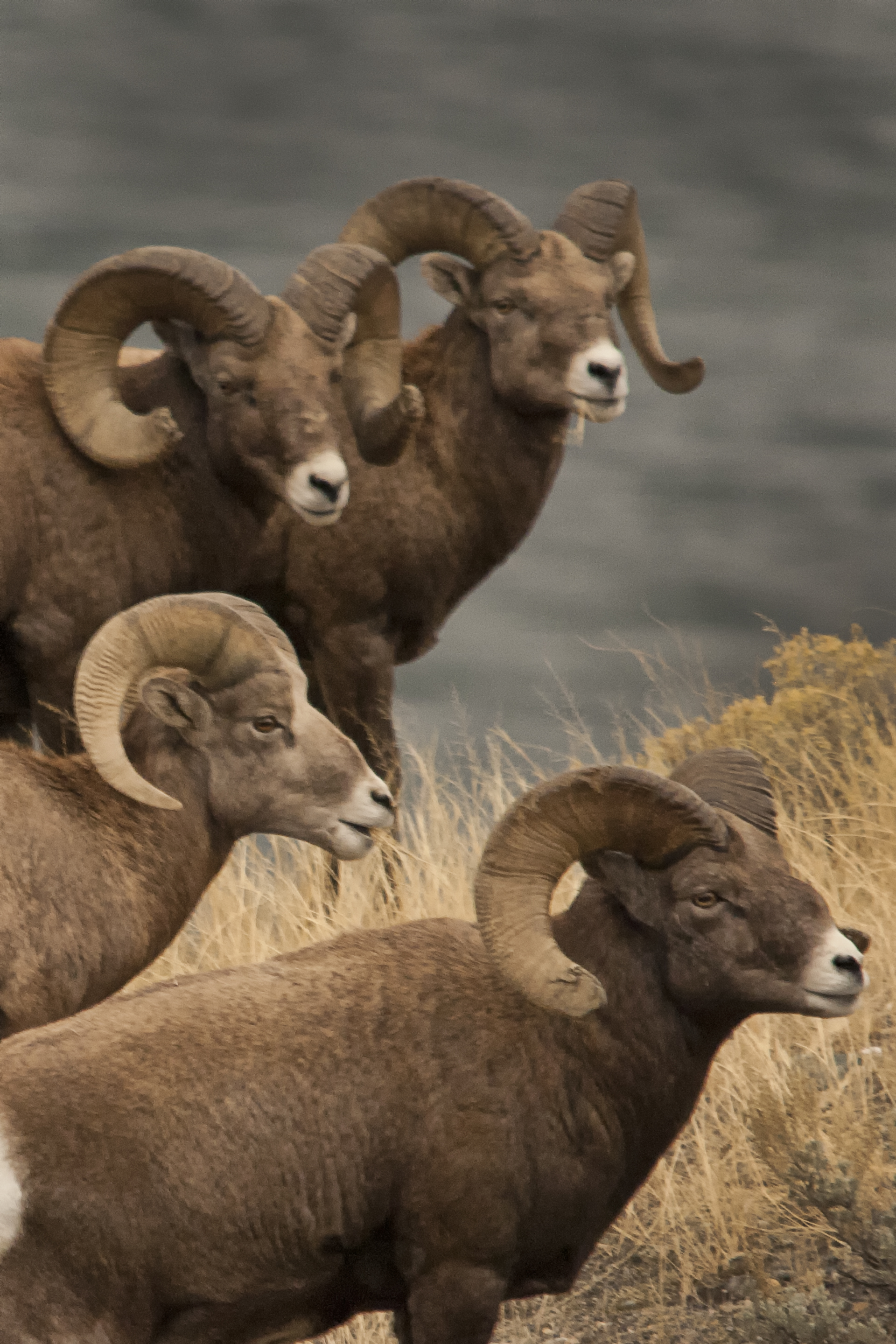
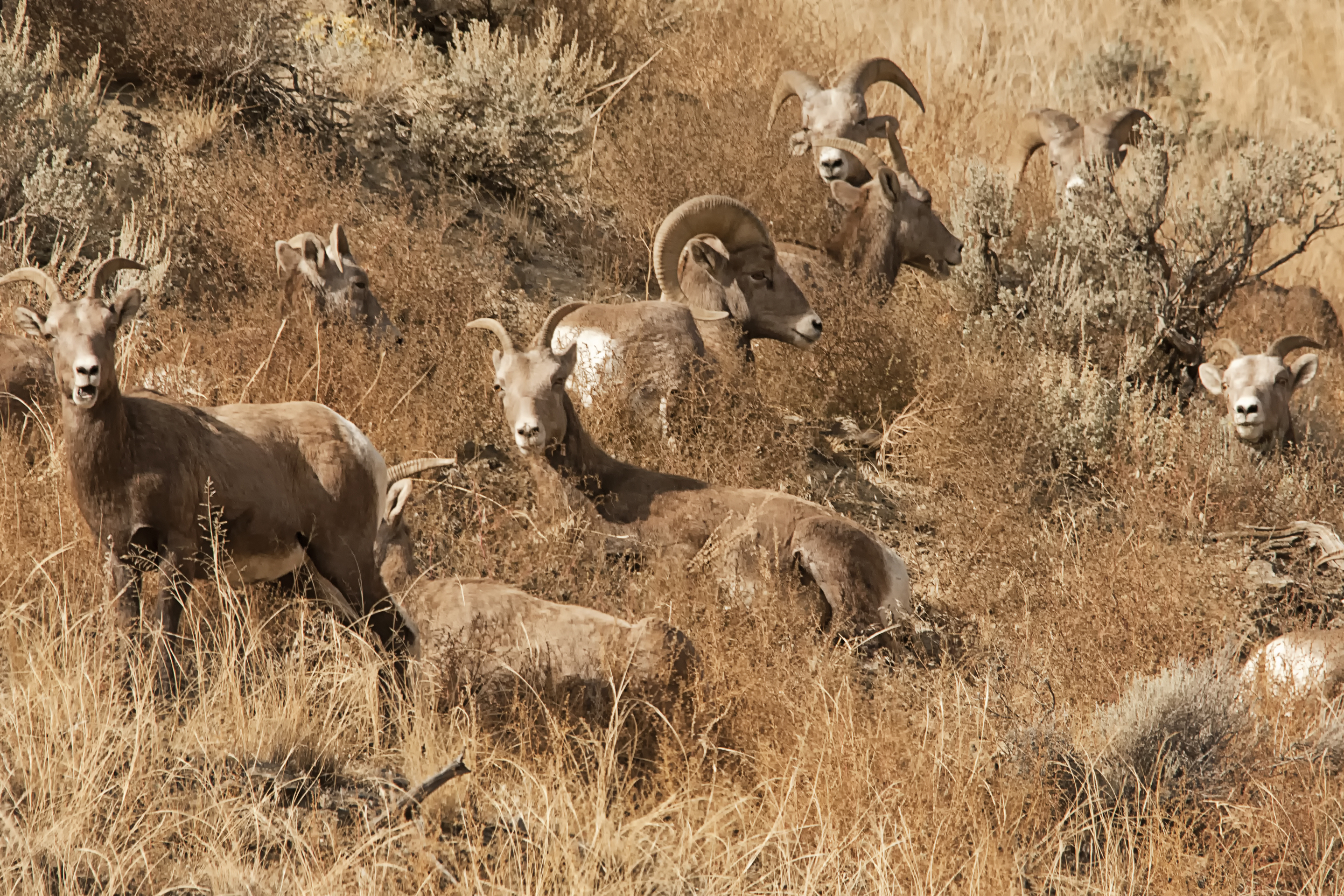
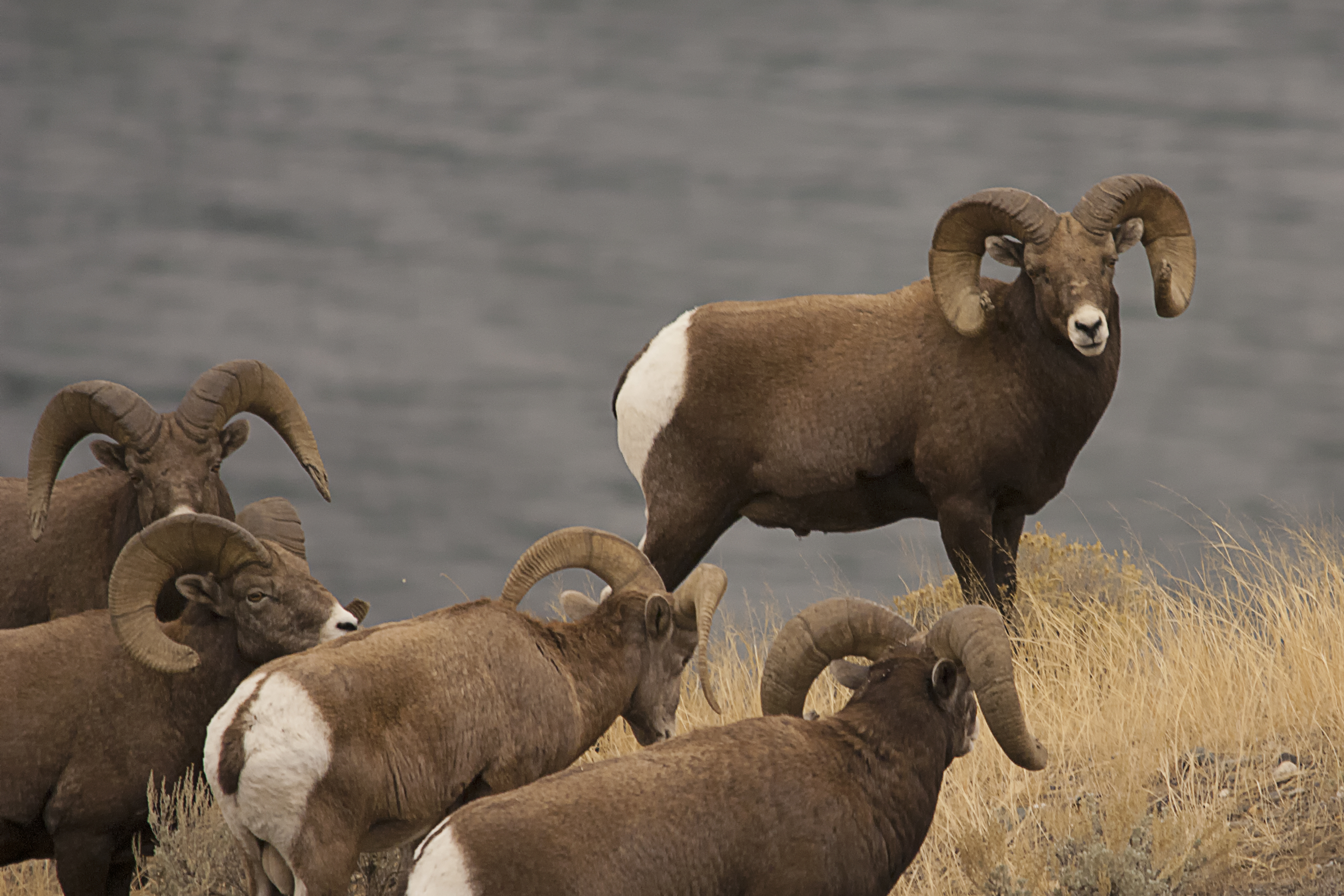
After I returned home from Victoria I was provided the opportunity to go out with my friend Walter to photograph bighorn sheep. We sat on a windy, sagebrush-covered hill overlooking Kamloops Lake. They should have been in rut at this time of year and we hoped to get shots of their violent head butting, but as it was most were bedded down or lazily wandering through the sagebrush.

As I sat I thought about Spreitz making fun of us that live in the BC interior. He said when the magazine needed pictures from the region I live in they would just look for any old picture of sagebrush and bighorn sheep and run with that. At the time I knew he was teasing me, I laughed then and again to myself on that windy hilltop, thinking that was exactly what I was viewing.

Our strategy was to let the sheep get used to us. We sat and waited for something to happen. Once the sheep got comfortable with our presence, we slowly moved in for closer and better pictures.

Both Walter and I had our long telephoto Sigma lenses. Walter’s is a 120-400mm and mine a 150-500mm. For this type of photography we preferred multi-focal (zoom) lenses. The sheep sometimes got pretty close and a fixed focal length lens would have been limiting.

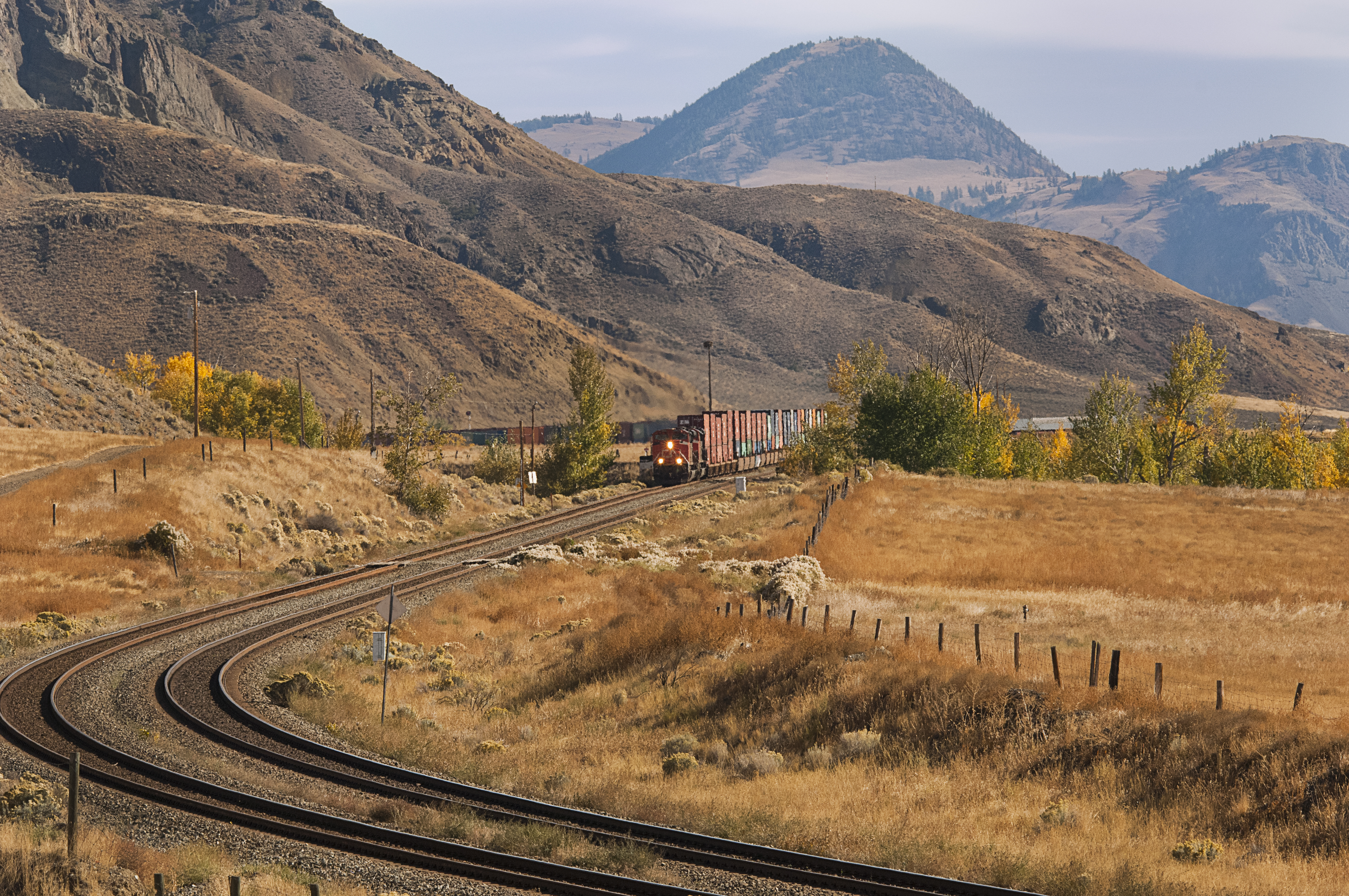
I know I am always recommending tripods, but on that occasion with all the steep climbing and odd angles, tripods made photography awkward, so we had to hand hold those big lenses. The acceptable technique is to follow the old photographer’s rule; “Always use a shutter speed equal to or more than the focal length of the lens.”   I make multiple exposures, expect a few soft images and hope for the best.  However, on that occasion there wasn’t any real action from those lazy bighorn sheep and it was easy to get usable, shake-free exposures. I suppose the challenge was to get images that were interesting.  I don’t know about Walter, but for me that meant climbing around to get lots of different angles, and for that occasion I even ended up taking several pictures of an oncoming train in the colourful Kamloops fall landscape.

Finally, we were overcome when the wind became so strong that it became hard to stand (or sit for that matter) without moving, so we headed home. We had been in the hills most of the day and even though our memory cards weren’t loaded with exciting pictures we agreed that the day had been fun anyway.

How much better can it get? Two consecutive weekends filled with fun photography in very different places, and, in my opinion, both spent with, interesting photographer companions.

I appreciate your comments.

My website is at at www.enmanscamera.com

Photographing Victoria’s Harbour


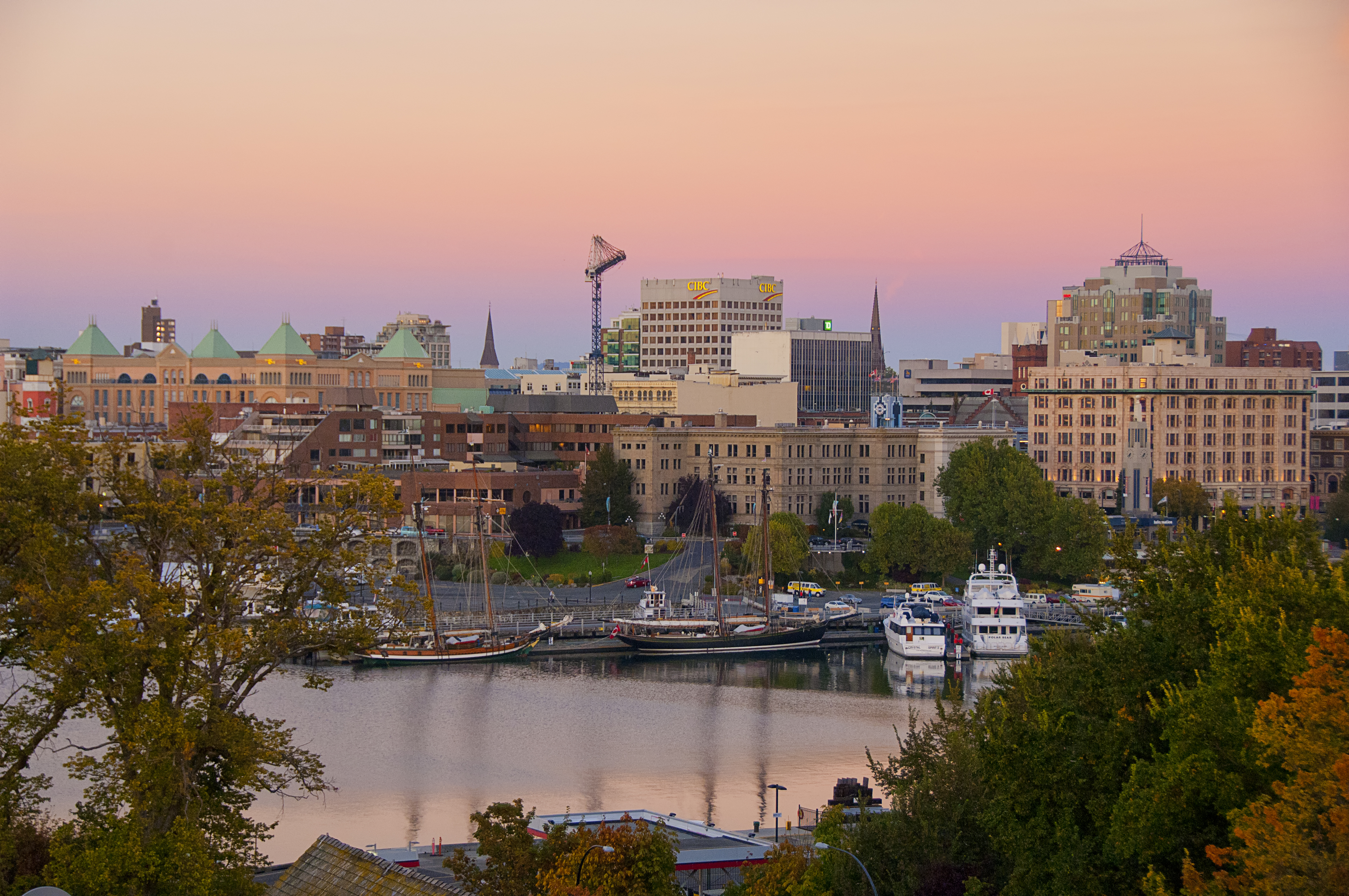
We had decided to escape for a few days to Victoria, British Columbia, over the Thanksgiving weekend. The ferry docked at Schwartz bay, we disembarked, and made the scenic drive into Victoria. This is a bustling, picturesque city surrounded by water that is, in this photographer’s opinion, a perfect place for a photographer to wander around looking for photographic opportunities.

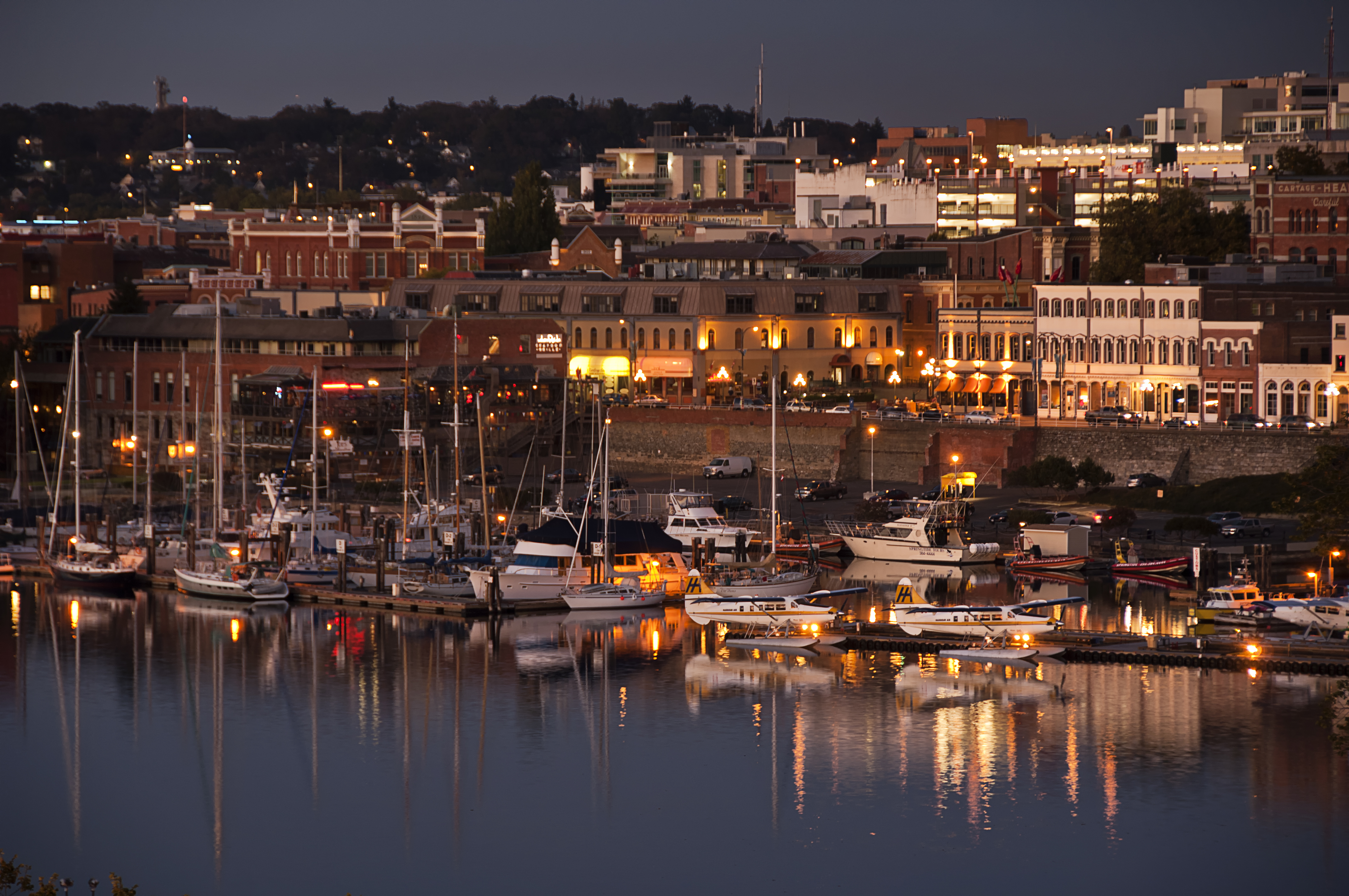
We were lucky in that our hotel room was on the ninth floor with a beautiful view overlooking a panoramic harbour only a block away. It was perfect setting for a photographer. Upon reaching our room, the first thing I did was set up my tripod on the balcony, attach the camera, and start taking pictures of the view. I wanted photos that showed the warm afternoon light, and later on more photos displaying the early evening sky as the city lights began turning on, and finally as the sun vanished, I made lots of long exposures with the only illumination coming from the harbor and the city.

Our first morning had a beautiful blue sky with only a slight breeze and as my wife got together with her long time friend and left for a day of site-seeing and some shopping, I got out my camera and made my way to down to the water front on foot.

My wife and I live in the very dry interior of the Province with rolling hills, lots of lakes, and a large river, however the ocean and everything connected to that environment there is unfamiliar and exciting and I couldn’t wait to start taking pictures.

I chose to bring my 18-200mm lens. The 18-200mm is a lightweight, multifocal length lens with an aperture range of f/3.5 – f/5.6. I know that many photographers these days are favoring wider apertures like f/2.8, but I would be using smaller apertures because I wanted scenics with a sharp focus from foreground to background. Using a wide aperture would reduce that depth of field. And for those readers that would say, “what about those lowlight evening images from the balcony?” My answer is that those were the images that especially needed all the depth of field I could get and most were f/8 or more.  Besides I was using a tripod and a cable release. Anyway, there wasn’t anything in my pictures of that lowlight cityscape that would be moving and I could use as slow a shutter speed as was necessary to get an exposure that worked.

I call lenses like that 18-200mm “vacation” lenses because they are so versatile. I have never been one for carrying lots of equipment and a lens that gives me both wide and telephoto capabilities saving me from carrying a bag full of lenses. My plan was to spend as much time as possible walking along the waterfront. I meandered back and forth thinking nothing of retracing my path when there might be another subject angle I wanted to consider, and the added weight of a heavy wide aperture lens, or additional lenses, would have slowed me down. Exposures change with how the sun reflects off a subject and returning to a place previously photographed several blocks away seemed worth the effort.

I had to get used to how the reflection off the water tricked my camera’s light meter. I don’t know if all cameras are the same, but in my experience relying on the camera’s meter in many cases will result in an over exposure. So I always underexpose around large bodies of water. That’s easy. I just make a few exposures and check my histogram until I am satisfied.

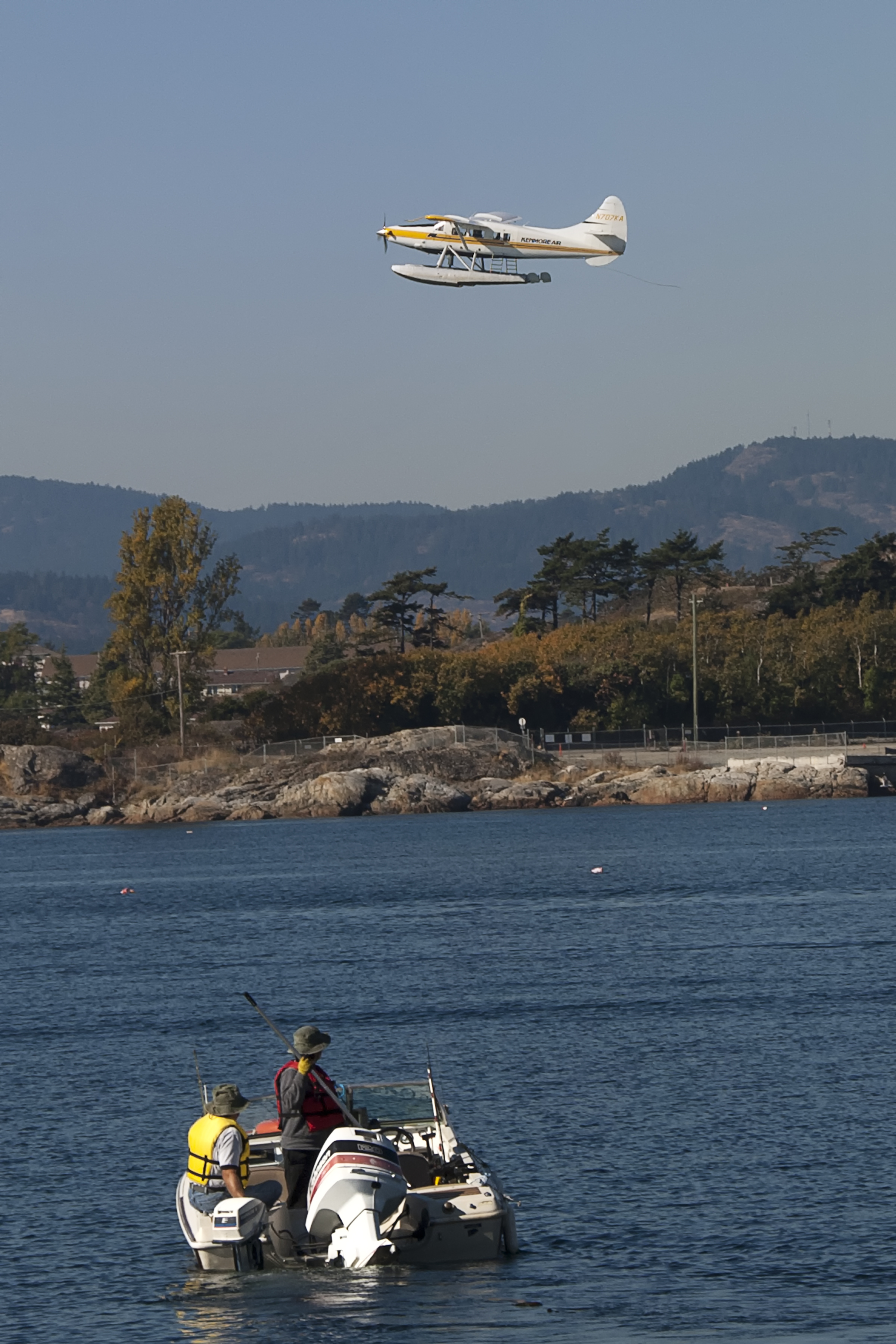
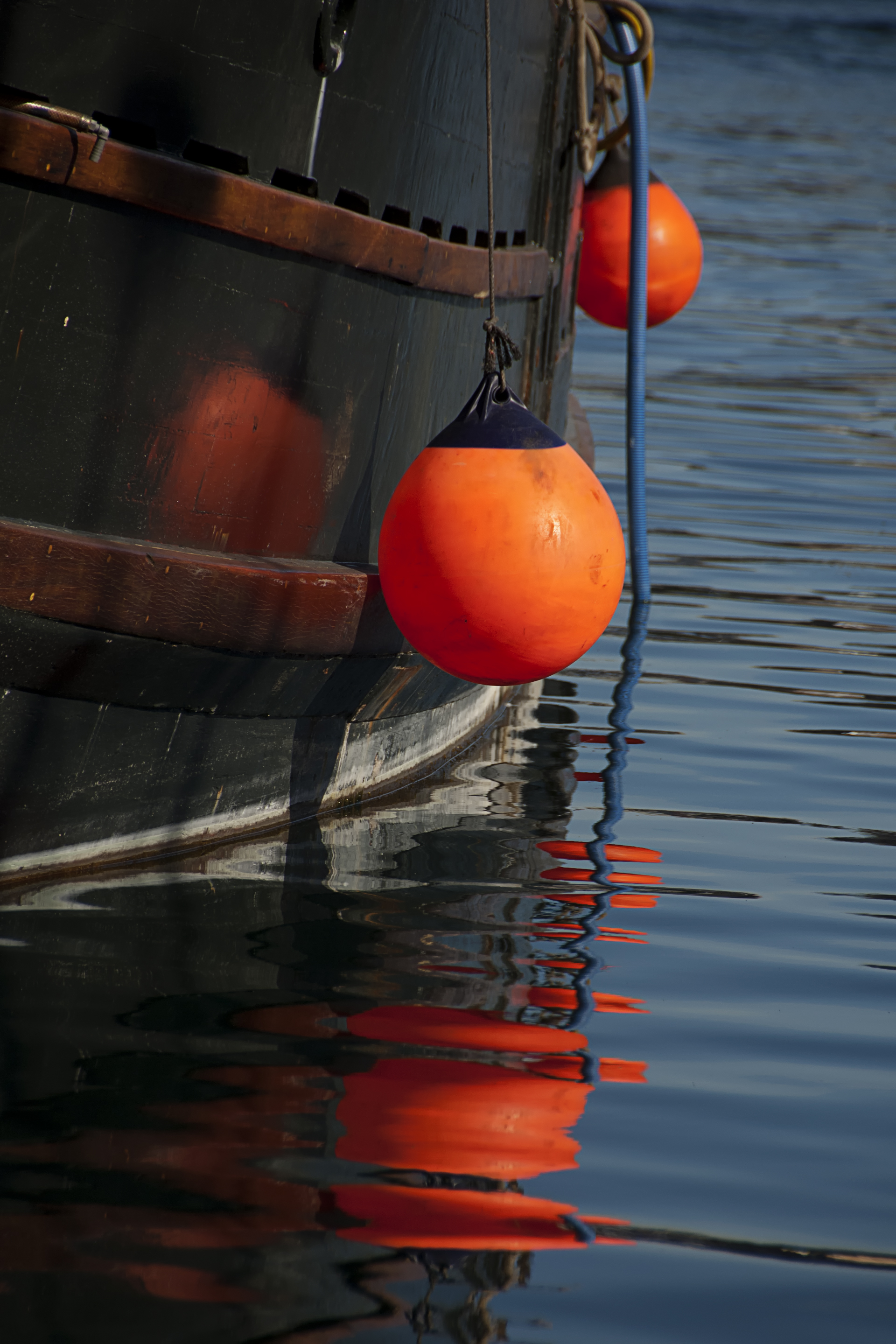
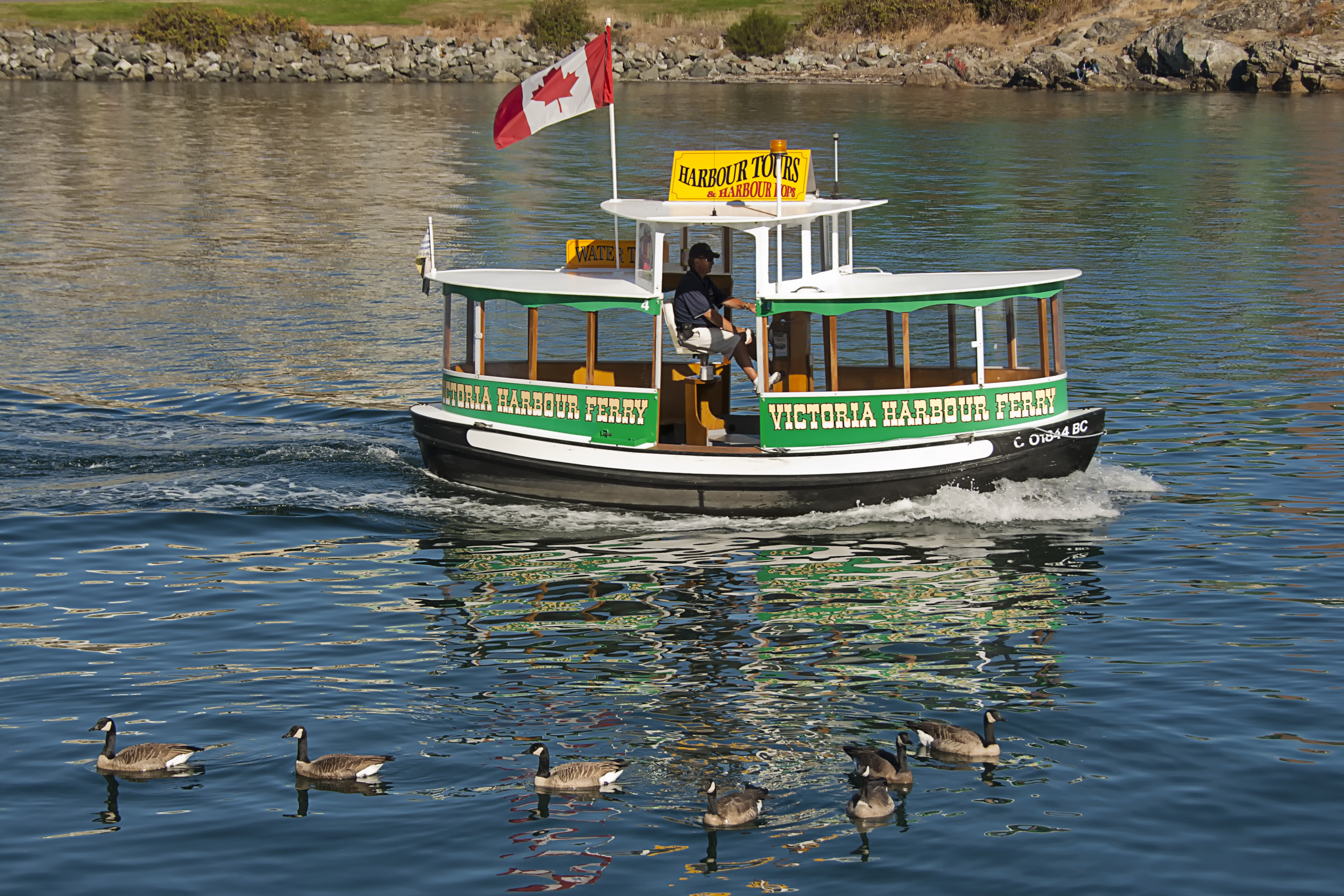
I had a great time photographing boats, planes, birds, and pretty much anything else on, off, and around the water that caught my eye as I roamed Victoria’s waterfront. I found new subjects, met interesting people, and even spent time with other photographers. I really enjoyed the change of photographic scenery and highly recommend any photographer to change things up to refresh their perspective.

I appreciate your comments.

My website is at www.enmanscamera.com
Photography on the Ferry


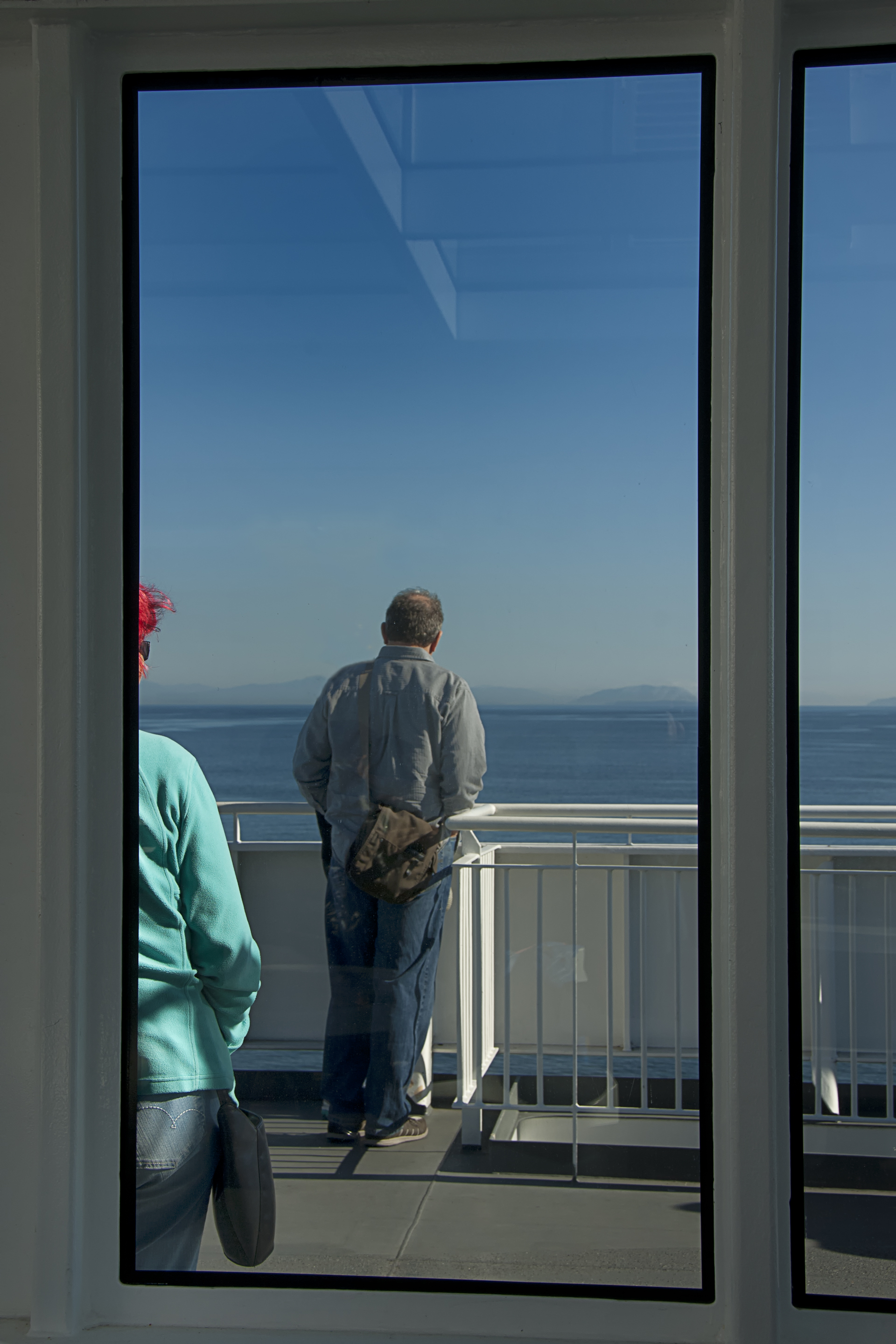
My wife and I boarded the BC ferry Coastal Celebration to Victoria, BC. We parked our car, picked up our cameras, and proceeded up to the sundeck. The day was clear blue and the ferry’s sundeck was packed with people with their cameras, all searching for joyful memories of the one-and-a-half hour ocean crossing from Tsawassen to Swartz Bay.  The weather was pleasant and encouraging for those travelers who wanted to stay outdoors.  When the wind became too gusty the passengers would step behind glass partitions designed to provide protection yet allow for an unobstructed view.

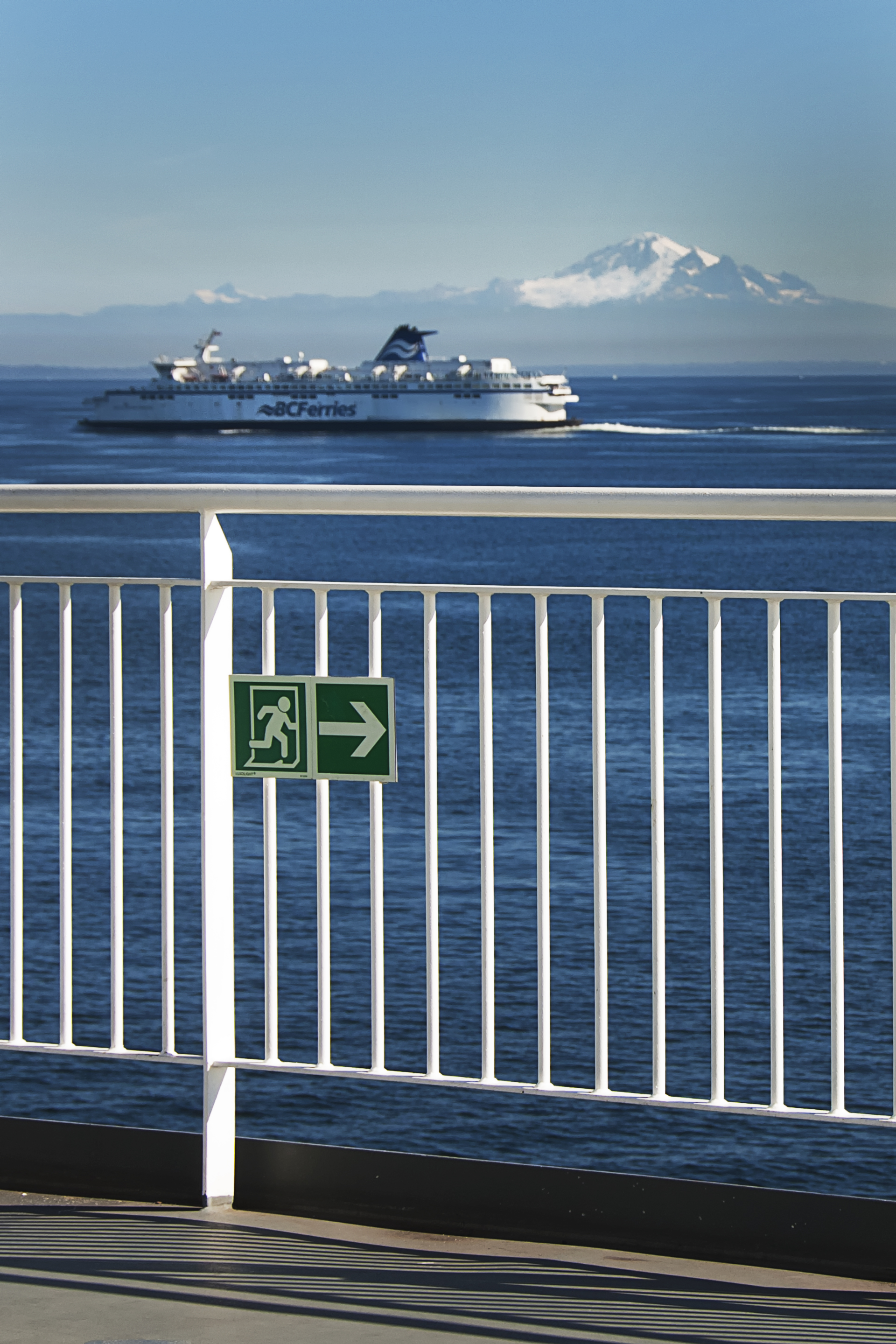
I think, with maybe the rare exception, the photographs being taken were of friends or family posing against the rail. Another favourite photo was the group shot around a table, (arm extended style with camera pointing back at the shooter), and then another favourite, of course, was of other boats passing by. And finally, there were lots of shaky pictures of the luxury homes that were perched on the shores of small rocky islands.

One has to admit, after taking that picture of a spouse or friend standing in front of some scenic location, all the rest are just repetition. I took my wife, Linda’s picture holding her camera, a little tired with all the traveling, hair blowing in all directions, standing next to a white rail with blue water behind her. I’ll treasure that picture because it’s her, but she just smiled when I showed her that not so flattering image.

I had made the obligatory portrait and was about to be off when a guy and his family walked up and handed me his little digicam and asked me to take a group picture. I posed them, made one fellow remove his sunglasses and changed my angle a couple times as I took their family-on-the-ferry portrait. My wife later mentioned that the fellow had been watching and she was sure was waiting for a moment when he could ask me to take their picture.  I am sure he had just looked around for the guy with the biggest camera. I guess I won.

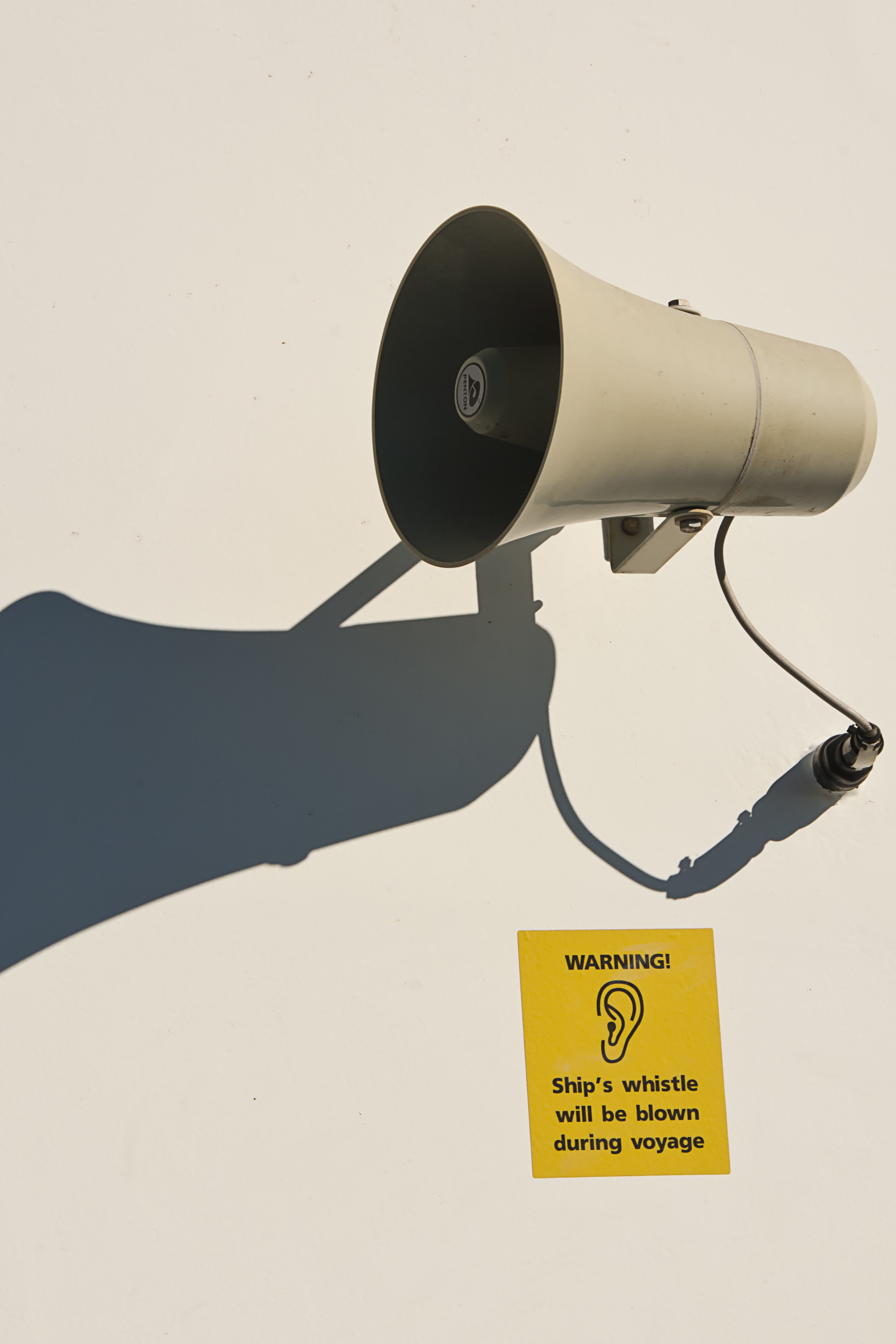
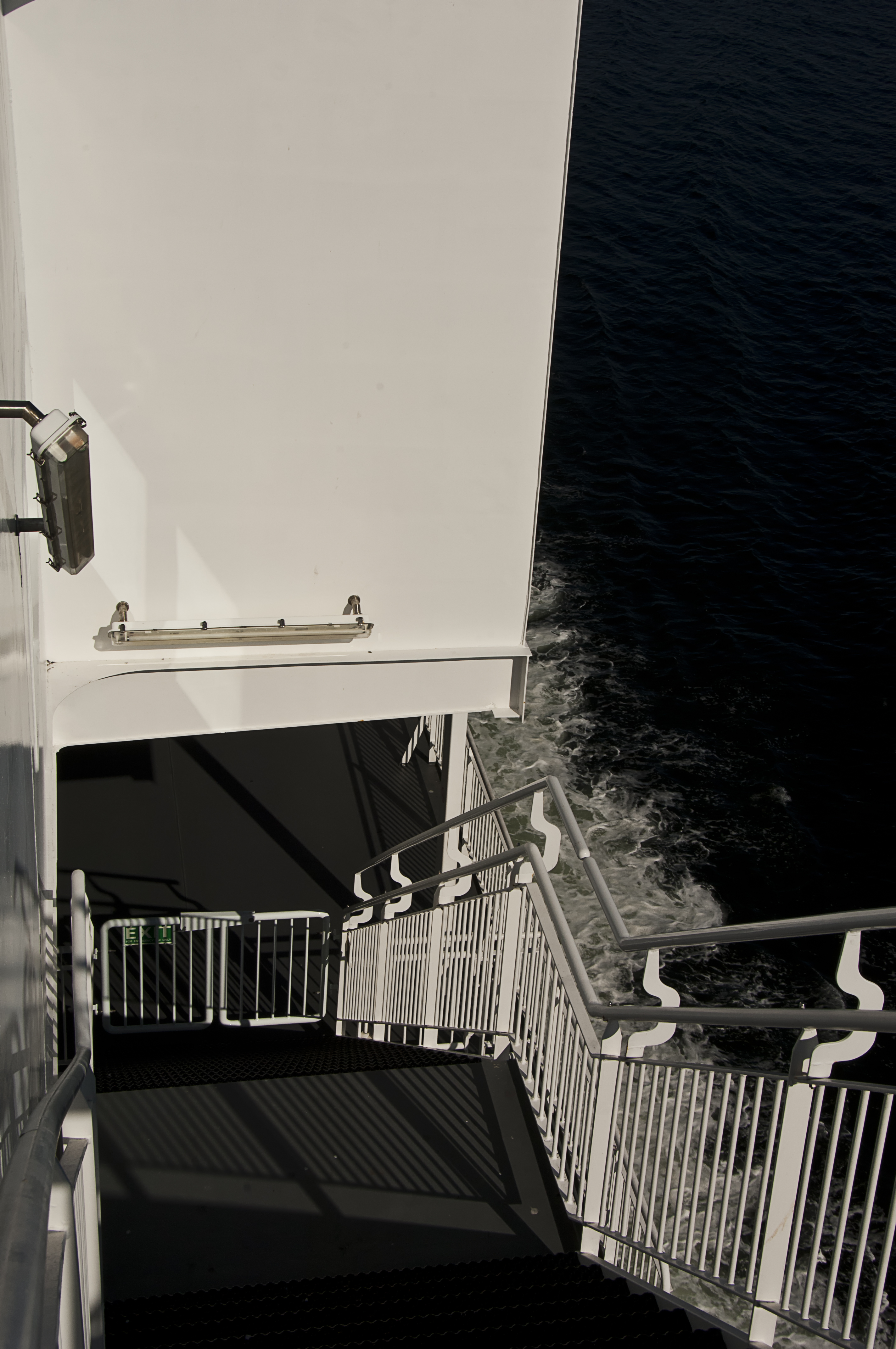
Although, unfamiliar with the large white, ocean going vessel vibrating under my feet, I was fascinated with all the unique doors and windows, wall mounted things like pipes, speakers, all the odd railings, long walkways and so much more. However, most interesting; it had people, lots of people from all types of places.  We heard many languages being spoken.

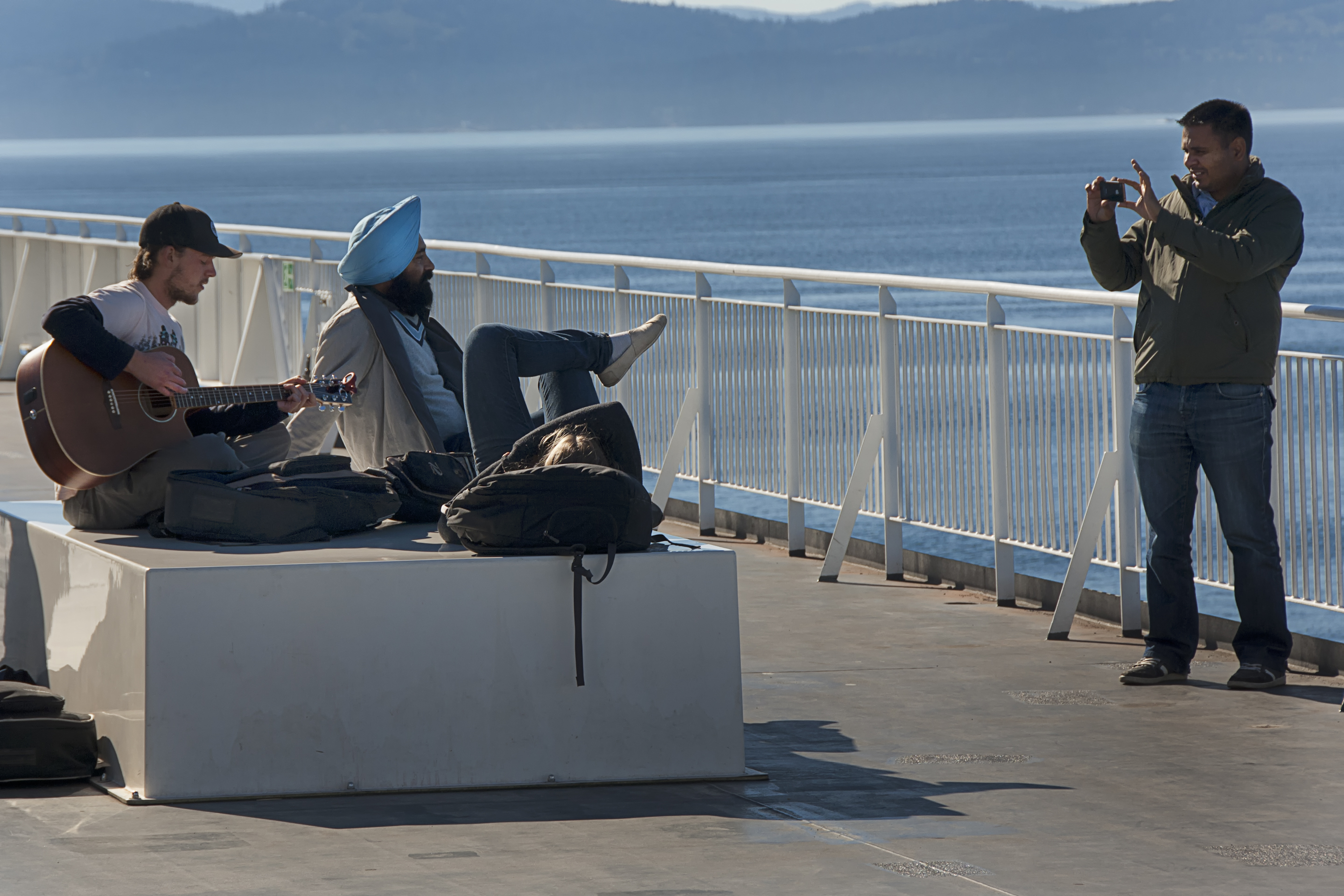
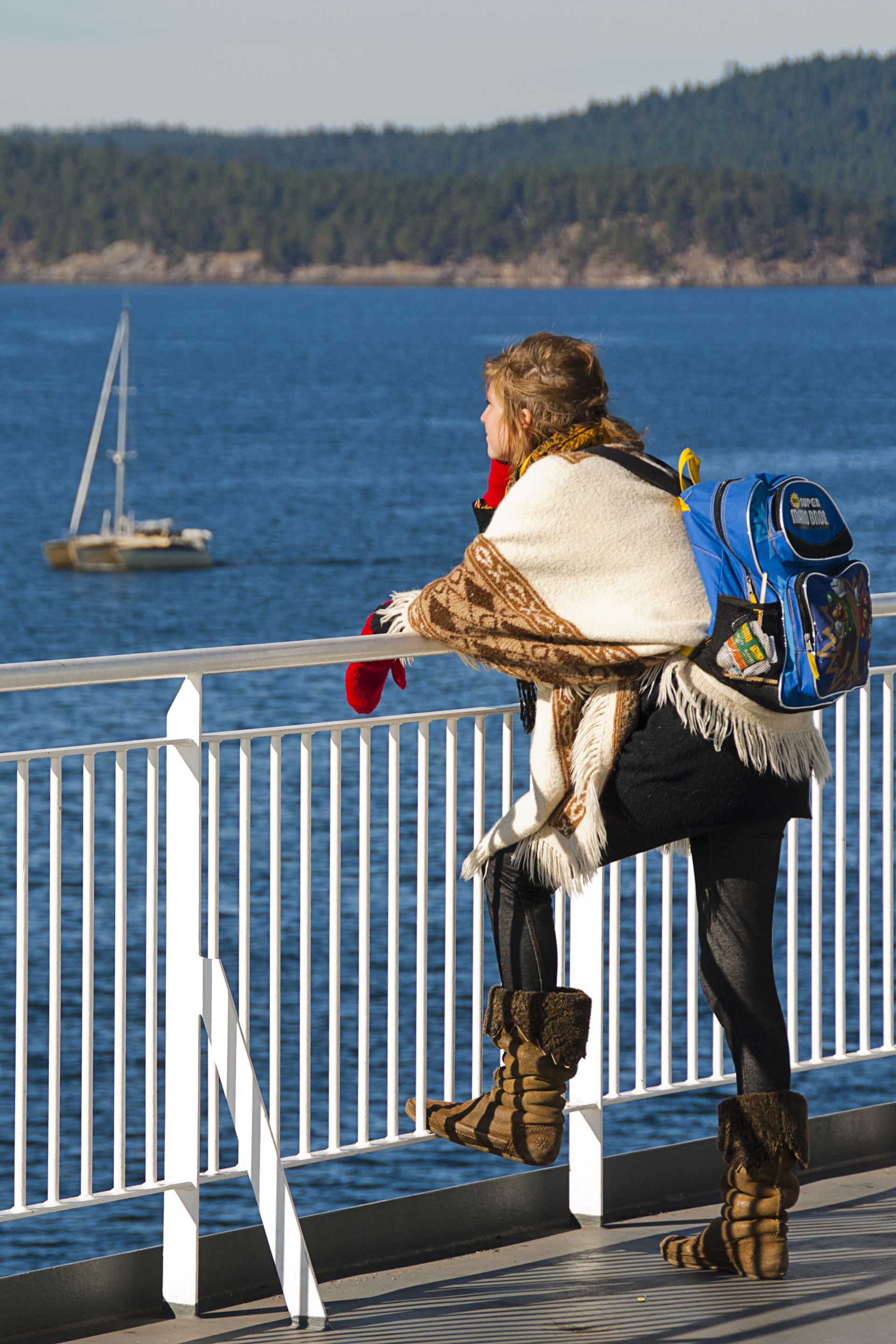
I wandered that windy deck photographing anything that caught my eye, and that included photographing the people. I had my 18-200mm lens on the camera, so it was easy to be inconspicuous. Those in front of my camera either thought I was, like them, interested in some feature beside or behind them in the ocean, or like a guitar-playing fellow I photographed, just didn’t care. Anyway, I wanted to photograph how they were standing, the play of light on them, the ship, and what was around them, I tried for unusual angles through stairs and made silhouettes. Almost all my images were side or back shots, after all I didn’t know them and wasn’t interested in their faces, just how they fit in with everything else on the ferry, or maybe I should be calling it a ship.

The hour-and-a-half trip gave me plenty of time to search the ferry for things to photograph, but I was enjoying myself so much that before I knew it the fun was over with the sound of the ship’s horn and an announcement to return to our cars.

I do like comments.

My website is at www.enmanscamera.com
Metering to Achieve the Right Exposure

I was leading a workshop about off-camera flash and had been discussing lighting. I paused and to make sure everyone was following and asked if there were any questions. One participant responded, “I don’t know what you mean by metering each light differently?  What is a meter?”

Caught off guard, I replied, “It’s how you get a proper exposure”.  He blankly looked at me, but fortunately, before I confused him more, another in the class said, “no, he means in his camera”.   I realized he had just asked a question (maybe one of the most important of the day) I should have anticipated early in my lecture.

Today’s high tech cameras are wonders at balancing all the light in a scene and many photographers unfortunately choose one of the programmed modes, point their cameras, release the shutter, and never look at anything on the camera but the LCD again.  Even using a flash, just the right amount of light almost always seems to be perfect. However, if we want to control and master light, whether it’s the sun, a reflector, a camera mounted flash, or off camera lights, we need to understand how that light is bouncing off the subjects we are about photograph.  Why would we bother when these newfangled cameras are marvelous?

That photographer in my lighting workshop had never used his camera on anything but the Aperture priority mode. That means he selected the aperture and the camera’s computer selected the shutterspeed.

In this workshop we were directing one flash to brighten the background, one to create a highlight on the subject’s cheek, and another high to the front as main illumination. Each of those lights had different intensity, and it’s the meter (consider it a tool) in the camera that we use to easily tell us what each individual exposure is so we can control the image.

Here is an example of critical metering I wrote about on 6 September; “The guest had a perfectly good camera, but criticized it, and said he wished he had a better one because the backlighted couple we were photographing were being recorded as silhouettes.”  That photographer had his camera set on a program mode and was of the belief the camera was capable of solving the high contrast lighting.

The camera’s computer couldn’t determine correct exposure with a strong changing backlight, and since he didn’t know how to use the camera’s meter all he could do was claim it was the camera’s fault.

On that day I began by metering to determining the overall exposure. I started with an ambient exposure, and by reading my camera’s meter, I decided to stop down enough to make the ambient backlight an underexposure, then added a flash slightly off camera which brought up the luminance of my subject so that, unlike that confused photographer that didn’t use or pay attention to his meter, I ended with a very usable photograph that didn’t need to be saved in postproduction.

I prefer using my camera on manual, but in both situations those photographers could also have used their camera’s Exposure Compensation (EC) feature. EC works great, and worth reading the instructions to learn, but for the application at my workshop, and at that fast moving outdoor wedding I prefer the “M” or manual mode. However, I must admit that although I like using exposure compensation, as it is fast and efficient, I get involved thinking about other things and forget to reset the EC. Staying on manual, and using the meter display at the bottom of my viewfinder helps me to remember.

Using the metering tool determines how the camera sets exposure, and today’s cameras make it easy for the photographer to choose a metering mode for the shooting conditions. Understanding the meter tool allows for control over the different exposure modes that determine how the camera will set the shutter speed and aperture.  I can only stress that readers who have DSLR cameras learn to use the meter.

Everyone’s comments are welcome.

My website is at www.enmanscamera.com
The Autumn Garden for Photographers


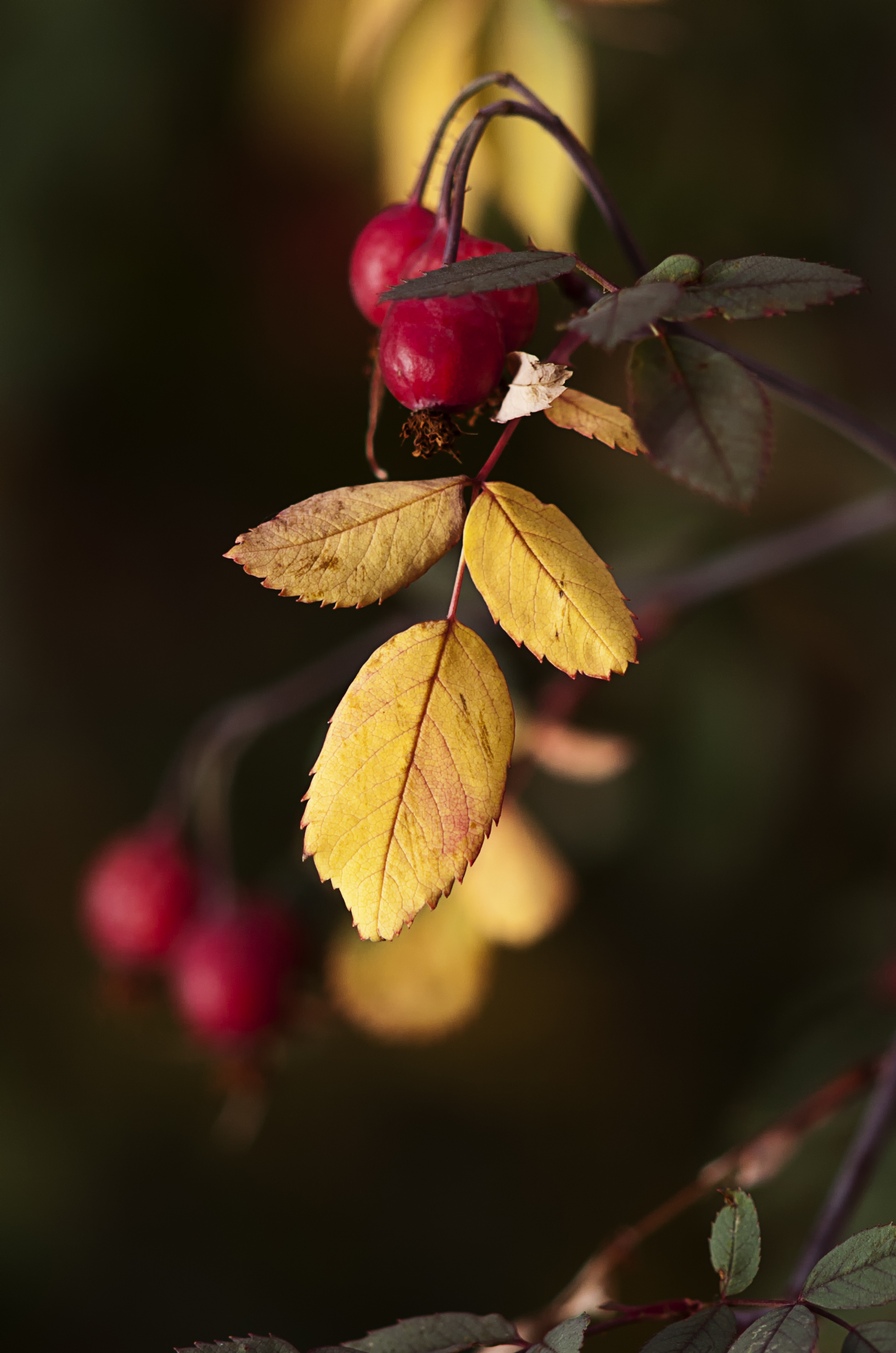
For the past week I have been looking at my wife’s garden as I walk the path from our front door to the car on my way out.  Her garden plants are dry; actually, crackling dry might be a better way to describe the plant life here in British Columbia’s interior after another summer season with very little precipitation.  She explains that she has a “dry garden,” and that she doesn’t water the garden, only for new plants when necessary.  Plants are selected that have the best chance of survival given the conditions. Parts of the garden are crispy dry, or have gone dormant, and offer a unique opportunity for photography before fall rains soften the landscape.

The nights are now getting cooler and the days aren’t as blistering hot as they have been for the past month and the plants that still have leaves that haven’t shriveled and fallen to the ground are beginning to change colour.

Most of the books that discuss garden photography recommend photographing plants in the morning when everything is fresh. Of course, spring is the most popular season for flower photography; and, I doubt those presenting their photographs to garden or photography clubs include photographs of lifeless plants. However, for this dedicated photographer, the combination of very dry, withered leaves and those with just enough life left to change colour are intriguing. As I have in the past I’ll admit that, unlike my wife, I can name few of the many of the flowers growing in our garden. To me, I look for colour and shape and how they fit in the environment.

My regular readers are already aware that I venture into our garden on rainy days and when it’s snowing. I enjoy photographing our garden in any season, and its dry condition is an invitation not a deterrent. So, this morning when I got up to a bright, clear, 9 degree autumn day, I thought I shouldn’t wait any longer and walked around our garden slowly looking for the flowers I would photograph later when the sun began to drop in the sky.

I waited for what I’ll call the “quiet light” at days end. I like that light that lasts for a very short time before dark when there is still light enough to see details, but not bright enough create highlights. As much as I like to use it, I can’t claim the term “quiet light”. That goes to photographer John Sexton and is described in his wonderful book of black and white photographs titled, “Quiet Light”. A protégé of Ansel Adams, Sexton and his collection of black and white photographs that he calls “an exploration of the natural environment” is inspiring; and it’s him, and photographers like him, that make me want to search out the unusual in the natural environment that would normally be ignored.

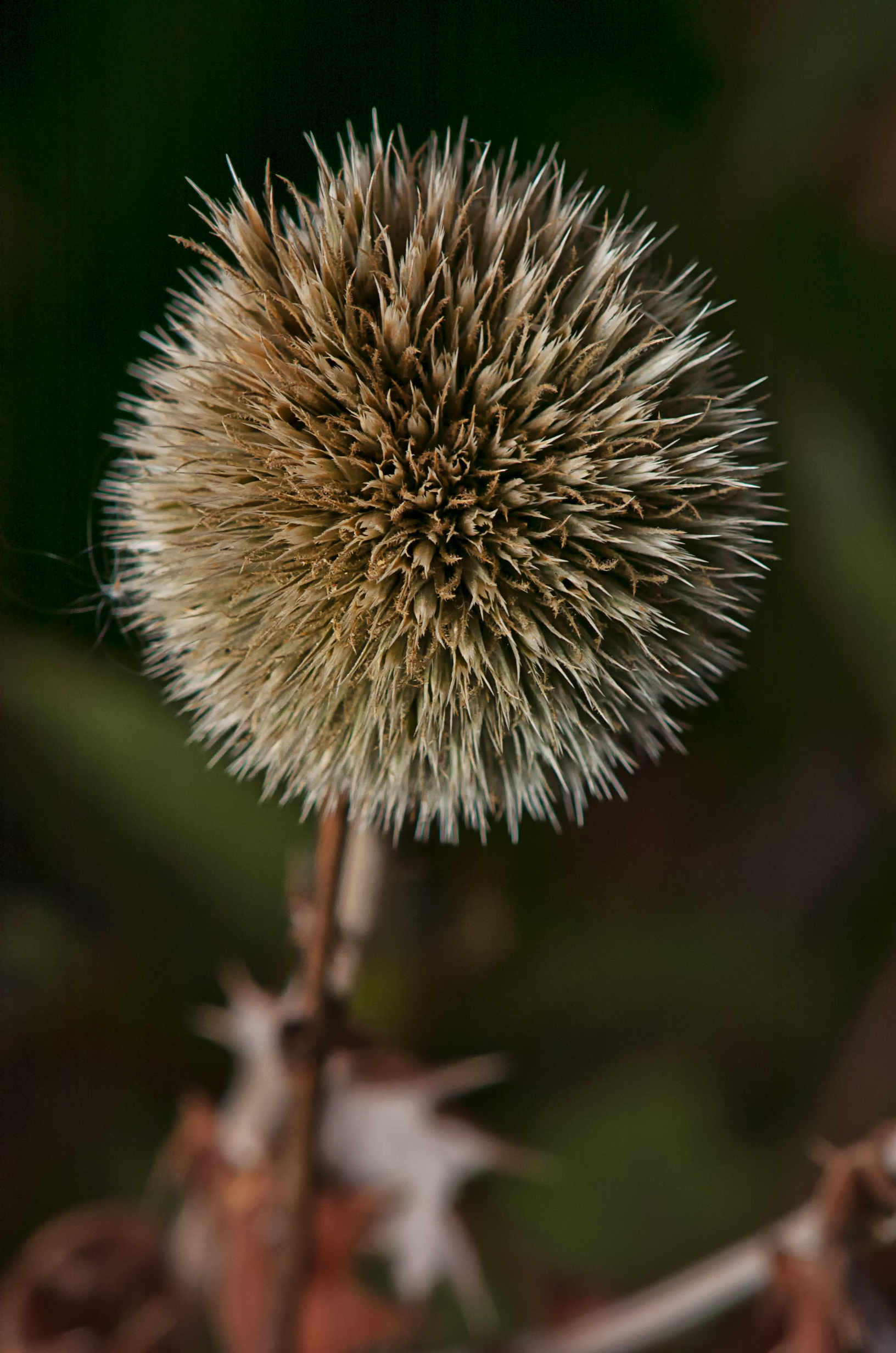
I wandered around with my tripod, a stand-mounted wireless flash pushed into a 30-inch diffuser, and a 200mm macro lens on my camera, and worked at picking out interesting shapes to photograph. The subdued light was perfect. I could place the camera on the tripod, focus on some intriguing-shaped plant, then direct the diffused flash from different positions to open up the flat-light conditions.

It’s easy to move the flash closer or further away to change the way the light effects a subject, or release the shutter several times while opening or closing the aperture.  The outcome would be different versions. Some would have shadows depending on the position of the light while others would or wouldn’t have a dark background depending on the exposure.

I didn’t spend a long time because the light didn’t last long, but I released my shutter at least a hundred times photographing different plants, trying to be as creative as possible and get the exposure and the angle just right. I had a good time and expect I’ll be at it again before everything changes again.

I appreciate all your comments, Thanks

My website is at www.enmanscamera.com
Photographing a Waterfall

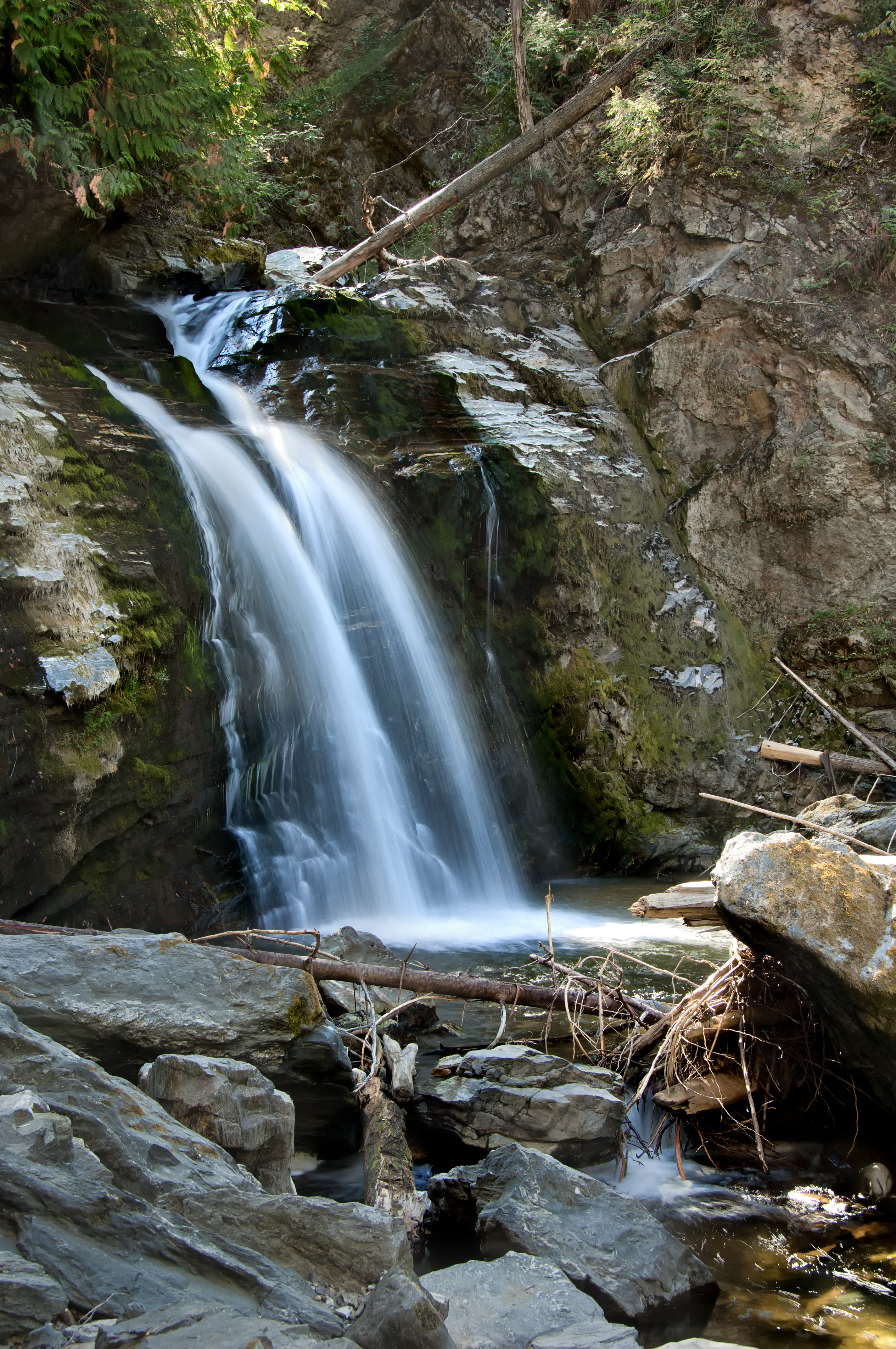
The week had been a busy one for me. Unfortunately none of what occupied me had anything to do with photography.  It is said that life gets in the way of having fun.  So when I finally was able to chisel out some time for myself this last weekend I decided to travel the short distance up the road from my home to a stream with waterfall.  The falls are just off the Trans Canada Highway as it winds past Chase, BC.

I brought along my tripod, selected my versatile 18-200mm lens, a polarizing filter, and a neutral density filter just in case there was lots of bright light, and headed out. When I arrived at the creek and walked along the well-worn path beside the rock-strewn creek up to the waterfall I found there was open shade everywhere. It was just before noon, and the sun’s direction against the large flat rocks that lined the narrow canyon was providing lots of soft, reflective light on the cliffs, the water, and the pile of logs that surrounded the falls left over from the flooding of waterways that occurred in British Columbia this spring. I don’t think I could have asked for better light. There was very little of the harsh sunlight I had anticipated so I didn’t have to use the neutral density filter, and because of all the soft reflected light I didn’t have deep shadows to contend with either.

I climbed down the large rocks to the stream just below the falls, set up my tripod and started shooting. I like the soft look of water that a long shutterspeed creates so I began by putting the polarizer on the lens, which reduced the light by about two stops. Then I set the ISO to 100 and stopped the lens down to F/11. That gave me a shutterspeed of three seconds.

Photographing water is fun. I enjoy waterfalls, but rushing streams or rivers, plant covered ponds, and mountain lakes are just as enticing. I think it’s how the water sculpts everything that surrounds it.

Waterfalls usually demand a wide-angle lens and a tripod. A wide angle allows photographers to capture the landscape that contains a waterfall and the tripod means there won’t be camera shake. The lens doesn’t need to have a wide aperture because in landscape photography, and that include a landscape with a water feature like a waterfall, one should be stopping the aperture down to create as much depth of field as possible. The important thing, if one wants that glowing, soft looking water is a slow shutterspeed.  And when the shutter is slowed the aperture must be closed, and with a smaller aperture comes more depth of field. I will also mention that a cable release is a good idea to reduce camera shake, but I seem to always forget mine, and so I use the camera’s self-timer instead.

For those who live in the British Columbia there is no shortage of waterfalls that are easy to photograph, and for many like me the waterfalls are only minutes away. Small falls like the one I go to certainly don’t match some of the spectacular waterfalls from around the world, but even tiny falls make good pictures if the photographer gets creative enough. I even have a picture hanging on a wall in my home that shows a waterfall of only four feet high. I put my camera on one of those little pocket tripods and got a very wet knee, shoulder, and hair taking that picture, and remember laughing at the contortions I was assuming to keep from getting too wet in that cold water. Now that would have been a good picture. But, as I wrote, water is fun to photograph and getting wet on occasion is worth the final picture I suppose. Someday I might get the chance to travel around British Columbia, or North America to photograph some of the magnificent waterfalls, but until then I’ll just make the ten-minute drive up the road.

And I always appreciate your comments.

My website is at www.enmanscamera.com
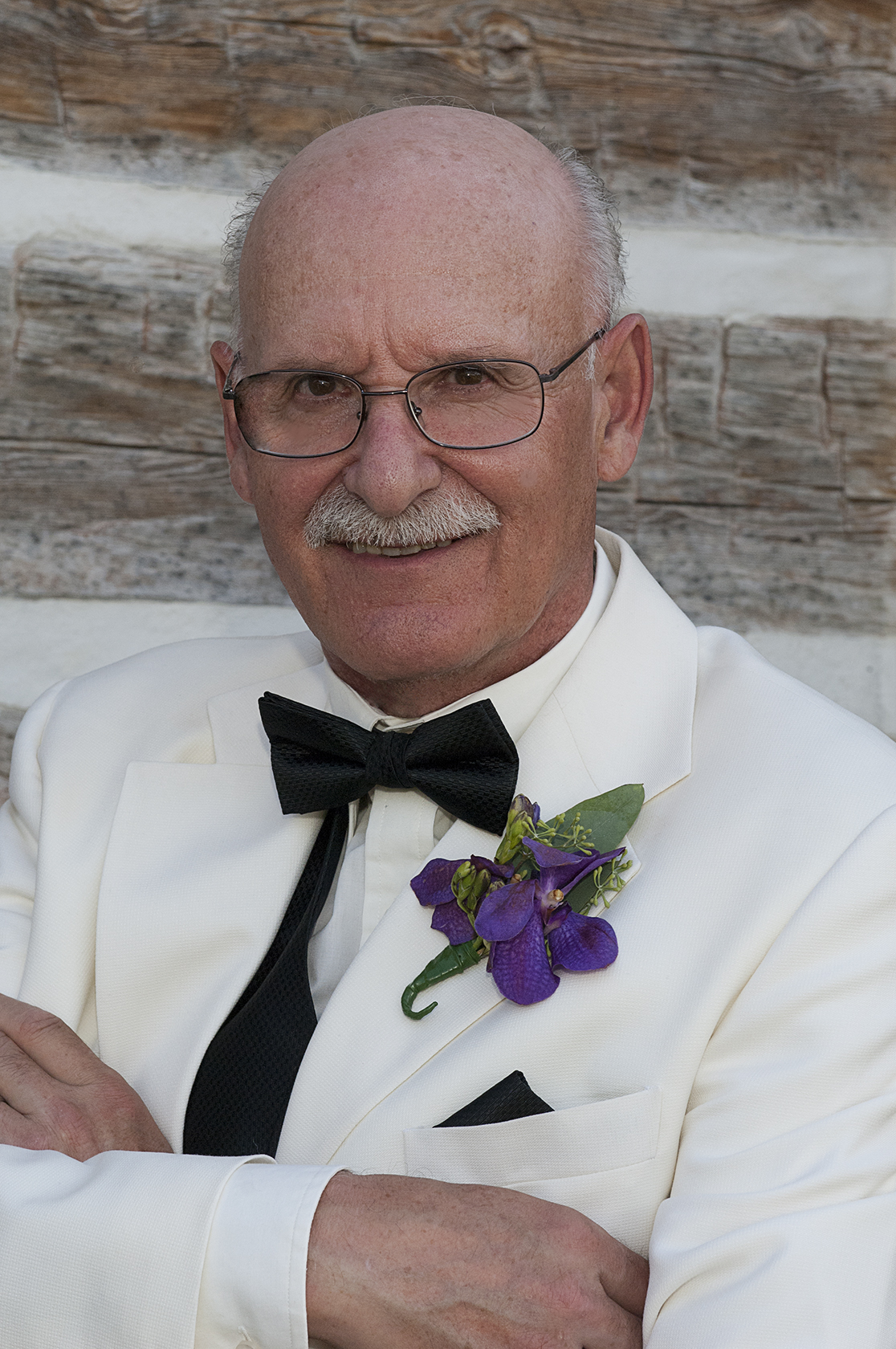
Photographing Portraits of Seniors

There was a time in photography when the word “seniors” meant people near or over 50 years in age.  Today photographers refer to senior portraits as high school graduation photos. But it is those in the aging demographic that don’t get much attention during discussions on photography that I want to write about this time.

When one does a search about portrait techniques or checks published books on portraiture I doubt there will be much, if anything at all, about photographing people whose faces are starting to, or have already, aged.  After all, our society is obsessed with youthful beauty and we don’t want to be reminded about aging. Despite that, baby-boomers make up a large segment of our population and they will still want portraits by photographers.

Attend a class, or buy a book, on how-to portrait techniques, and you’ll find it’s all about angles of light with discussions about off camera directional light to create drama and dimension to a subject’s face with highlights and shadow.

Shadow on the smooth face of some 18-year-old can be flattering and sexy, but when a sidelight creates deep shadows on a face that has a few more years of life it is anything but flattering, and certainly won’t be sexy on most.

Lighting manuals instruct us not to use a flash from the camera’s position, and are critical of straight-on flash. However, using a diffused flash straight-on reduces shadows and wrinkles, and a soft, direct light makes it easy to reduce any age lines easily during postproduction.

Retouching, or postproduction as it seems to be called now, has always been part of the process with those that do portrait photography, especially with seniors. I can remember hours with magnifying lenses, fine tipped brushes, mixing dyes and reprinting for final photographs. Now, I have computer programs to remove blemishes, creases, and bags under eyes. I brighten eyes, and sometimes whiten teeth, and always make sure there isn’t loose skin under the chin, or on someone’s neck.

Some of this I have done for years, only now I do it more, and it is a lot easier to retouch with computers and digital cameras. I know there are many photographers that say with misguided pride they do everything in the camera. In my opinion, that’s all right for sports and wildlife photography, but it would never do with a portrait client, they deserve more.

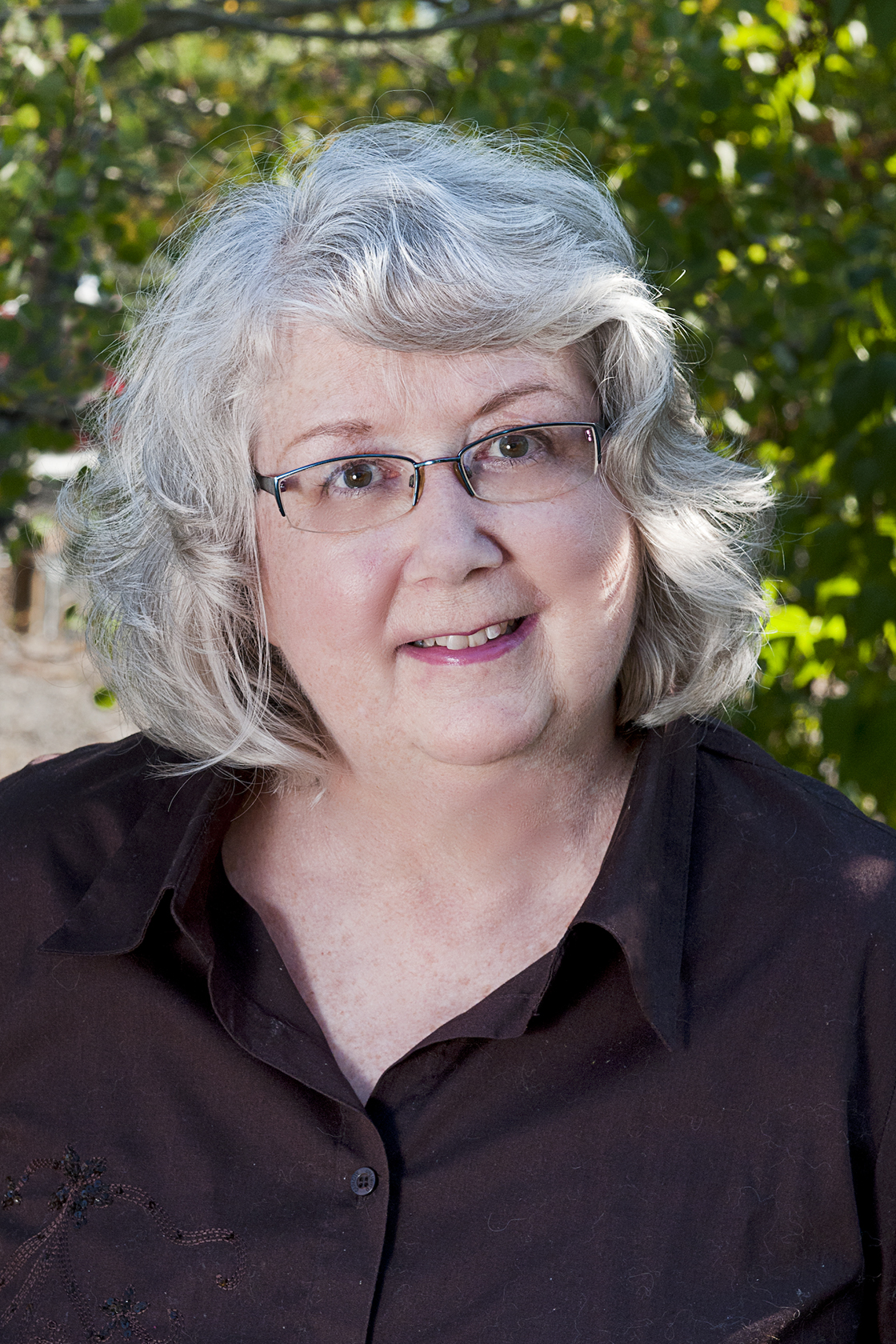
My advice for those photographing seniors is to take the time to choose a flattering perspective that hopefully shows some of their personality, and remember senior portraiture requires direct diffused light, retouching, and more relaxed poses than when they were young. Don’t choose low or awkward angles and tell your subject what you are doing. Remember these senior clients have been having their picture taken for a long time and in my experience are helpful in producing their own photograph.

My website is at www.enmanscamera.com