Viewing Scenic Photographs   


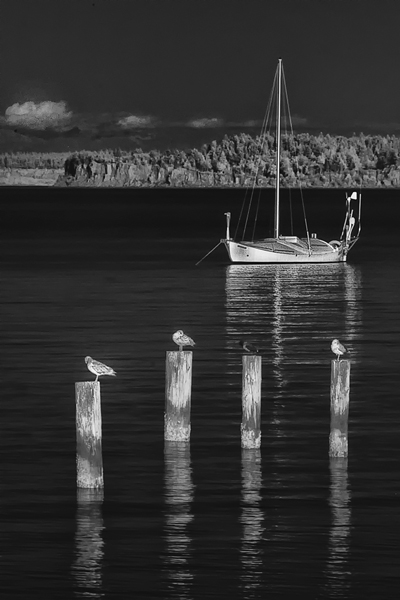
seagulls and boat 2

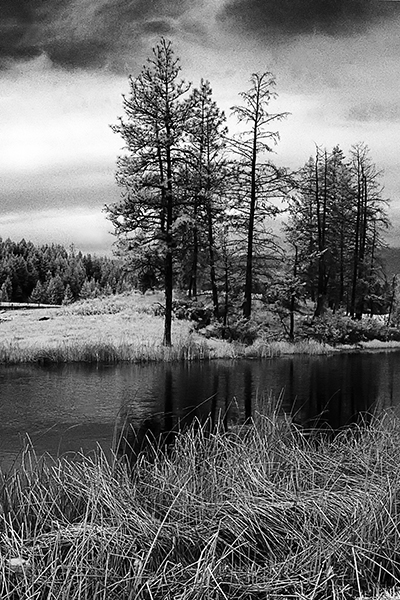
Falis Pond 2

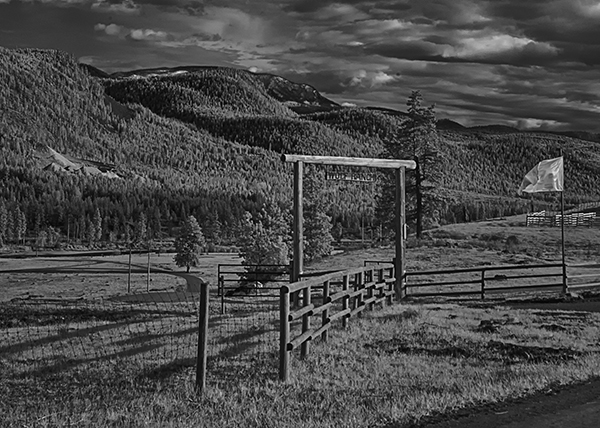
Wolf ranch

I enjoy looking at photographs that seem to have been made with the goal of saying something about a moment in time or place. Sometimes I even get a sense of the struggle the photographer had while trying capture a particular mood and how hard it was to convey that mood to the viewer. I think creativity takes a lot of effort.

This week I thumbed through a hard cover book I have had for years by one of my favorite landscape photographers, Eliot Porter. The book, entitled Intimate Landscapes, is from an exhibition of fifty-five color photographs by Eliot Porter, at The Metropolitan Museum of Art.

I enjoy how he eliminates those elements that add nothing to the composition and selects those that add meaning to his visual statement. He had an amazing awareness of how colors create mood. A review I read went on to say that his photographs, “reflect the standards of excellence that are Eliot Porter’s greatest contribution to the field of color photography. Upon seeing these photographs, the viewer is immediately struck by the artist’s distinctly individual and intimate interpretation of the natural world.” His photographs are different and specific, and have a personality that I think come from the experiences of the photographer.

When I finally put down the book I thought about how many of the scenic photographs that populate photography forums I currently read are mostly documentary type photographs, and I wonder if the photographers believe that any vista with lots of space and colour is worthy of photographing. They might be of the opinion that all it takes is a wide-angle lens to miraculously convey the feeling and emotional reaction they personally felt at that moment. Perhaps that is why the viewers’ responses they get are sometimes limited to, “nice sky and good composition”.

My long-time friend, Bob Clark, used to critically suggest that all one needs for people to like your landscape or scenic photo was to have a “National-Geographic-sky”, a magazine that was filled with pretty pictures of places from around the world with blue skies and billowy white clouds.

I prefer scenics that make an impression on me and convey a mood. I want to look at a photograph that allows me to find a story in it; or at least be able to search for one, and hope for a photograph that I can respond to on some level. A photograph should try to accomplish something, and should have a strong sense of self-expression. Photographers should look for something in the landscape that is unique, and that will set their photograph apart. As photographers we should try to express our personal viewpoints and hope to summon an emotional response from those who view our photographs.
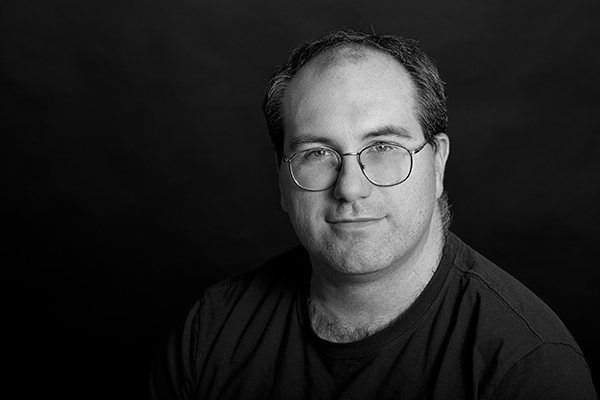
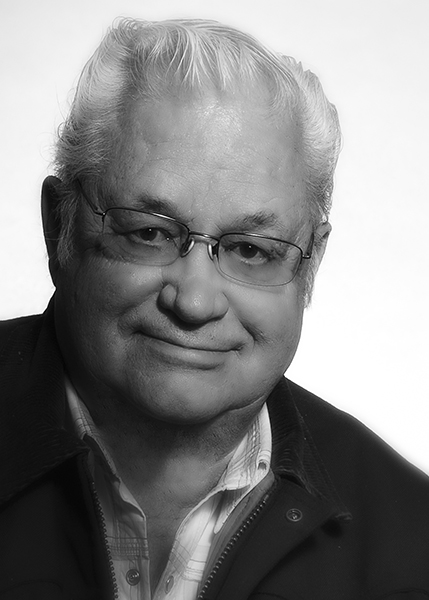
Photographing People   

Michael

Dave Monsees

By John 001

Monica

Bailea

Kevin


This week a friend asked me what my favourite photography subject is. After our talk I decided to post this rewrite of an article I wrote some time ago.
I enjoy photographing just about anything. Nevertheless, I’d have to answer that I probably take pleasure in photographing people the most.

I’ve been employed doing many types of photography since I began earning my living as a photographer in the 1970’s. I have done different kinds of photographic work for all types of organizations; however, I have found myself photographing people most of the time.

That’s not that unique; I think most photography is really about people. We take pictures of our family, friends, and people at celebrations and other events.

When I taught photography in the 1980s I would ask the question about a favourite subject of my students and “people” was a rare response. However, since the introduction of digital cameras and the relaxed point and shoot style many employ today, I’ll bet people photography ranks near the top as a reply.

If indeed, as I confessed to my friend, my favourite subject is people, I suppose I might put together a few tips for him and my readers on my favourite subject.

I quickly jotted down 10 suggestions to help readers be successful when photographing people.

  1. When you take pictures of people look at them and pay attention to their appearance so you ensure they look their best for the photograph. Don’t just rapidly snap away and realize later that you should have had your subject adjust something, e.g., a necklace, glasses, or especially that tie.
  2. Choose interesting and flattering angles or points of view. Also try three-quarter poses of single subjects. By that I mean that the person turns their body so that they view the camera from over their shoulder.
  3. Focus on the subject’s eyes. When we talk to people we make eye contact. There is a greater chance of your subject liking the photo if their eyes are sharp and not closed or looking away. Ensure that subjects smile or at least have a pleasant look. In my experience when subjects say they want a serious photo without a smile they appear sour or unhappy in the final photo. Do one of each as a compromise.
  4. I don’t like lenses shorter than 85mm. My favourite is 105mm. (Although recently I have been choosing my 70-200mm.) Longer focal length lenses always create a flattering perspective.
  5. For photographing one or two people an aperture of f/4 or wider will soften the background and make your subject stand out, but for group photos use an aperture of at least f/8 or smaller to increase the depth of field.
  6. Pay attention to your subject’s background especially when doing outdoor portraitures. You don’t want the photo to appear to have something growing out of a person’s head (e.g. like a stop sign), or have objects in your photograph that are distracting.
  7. Watch out for uncomplimentary shadows created by the sun, your flash, or other light sources.
  8. Get things ready first. Contemplate the poses before you photograph your subject. The best way to bore people and loose the moment is to make them wait.
  9. Tighten up the shot. Again, get rid of unwanted elements in the photograph that do nothing for it. If there is more than one person make them get close together.
  1. Talk to your subjects. The most successful portrait photographers are those who talk to and interact with their subjects. We are dealing with people and we communicate by talking. Don’t hide behind the camera.

And as always be positive about the photograph you are about to make. Get excited. Your excitement will be contagious and affect those around you.

Why is Photography so good    

Story at the Seawall

A story at the sea wall.

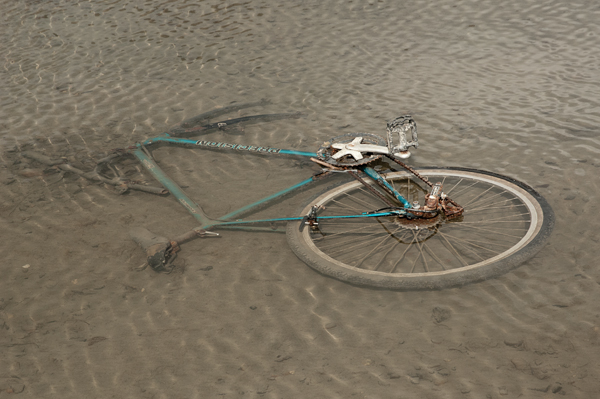
%22I rode my bicycle pat your window last night%22

” I rode my bicycle past your window last night”

%22I was thinking to myself, this could be heaven or this could be hell%22

“I was thinking this could be heaven or it could be hell”


Some time ago I wrote a column titled, “What is a good photograph?” At that time I said, “A good photograph is one that makes us have a connection with, or think about, the subject…it could help us understand what the photographer feels about that subject; and can, if successful, evoke some kind of mood, whether good or bad.”

While having coffee with some friends this week one raised the thought, “Just what is good photography?” He wasn’t referring to the nuts and bolts of the technology, but what is it about photography that makes it a good medium to so many.

I like the statement made by famous scenic photographer Ansel Adams said, “Photography, as a medium of expression and communications, offers an infinite variety of perception, interpretation and execution.” Simply put, I think it is all about making a picture of something and visually explaining that to others. The creative medium of photography is much different than other artistic endeavours.

Another celebrity in the world of photography, Edward Steichen said, “ Every other artist begins with a blank canvas, a piece of paper… the photographer begins with the finished product.” (For readers’ information, Steichen was married to the famous southwestern painter, Georgia O’Keefe.) I am sure he believed creative art is something attained because of the artist, not the medium.

I’ll expand my friend’s thought with the question, what is photography? Internationally known photographer, Elliott Erwitt wrote, “ To me, photography is an art of observance. It’s about something interesting in an ordinary place…I’ve found it has little to do with the things you see and everything to do with the way you see them.”

I am always interested in talking to photographers about what they were trying to do (or say) when they took a picture. Any two photographers in the same location will provide two very different interpretations.

Sometimes we look at a photographer’s work and realize there is more to the image than just what we saw at first glance. It is as if the photographer is challenging us to catch a glimpse of something deeper in meaning. Speaking to that, controversial photographer Diane Arbus exclaimed, “A photograph is a secret about a secret. The more it tells you the less you know.”

That is certainly my impression of some photographs I look at. The photographer might just say, “Oh, I just saw it and pushed the shutter”, but if pressed I usually get a lot more about what he or she was feeling when they pushed the shutter.

Another great quote by the innovative Duane Michals wrote “Photography deals exquisitely with appearances, but nothing is what it appears to be.”

Recently I looked at a photograph made by a friend in an old abandoned house. The view was at floor level with decaying furniture and windblown leaves looming in the foreground. At first the low angle was inviting with light coming in from uncovered windows. Then I noticed not so focused stuff like toys, and a bookshelf with books in the background, and a textured story of more than just a simple picture through an open door emerged.


Photography has become more popular than ever before, and the ease with which modern technology makes holding a camera, releasing the shutter, and making a sharp, colourful picture is also easier than ever before, and I look forward to every new aspect of this exciting medium that develops, and I enjoy getting into these types of philosophical moods regularly; I like all things photographic and enjoy the opportunity to discuss photographers, photographs, and what photography as a medium is to photographers.


I am sure most of the allure of photography is how one can capture a moment of a subject’s time and show that moment to others. And what makes it such a good medium might be as Ansel Adams who said, “My last word is that it all depends on what you visualize.”


Which Button is for the Composition Mode?        

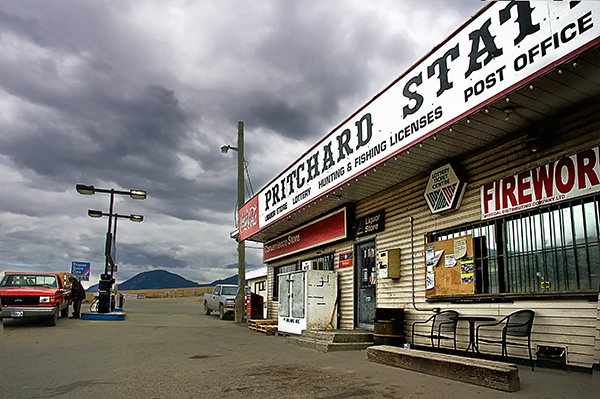
Pritchard store

Open Gates bw

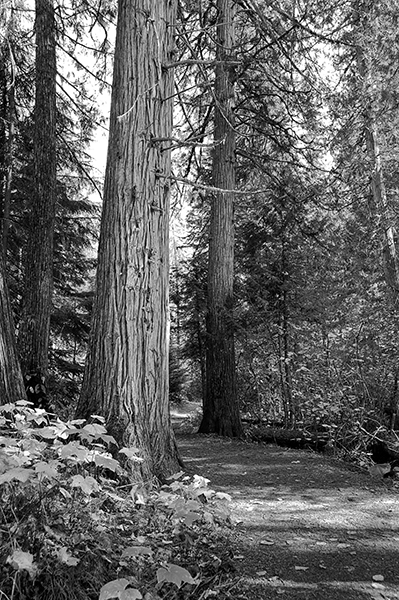
Forest path

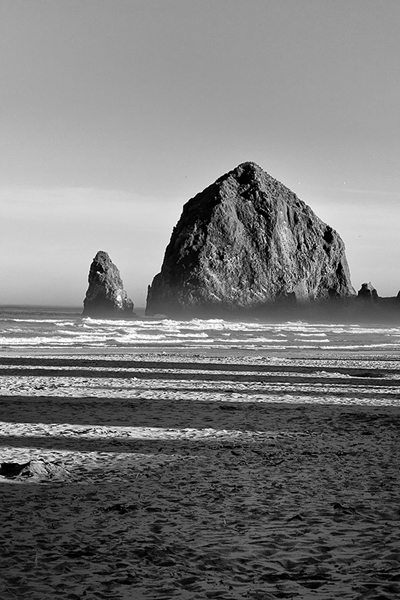
Canon Beach 2

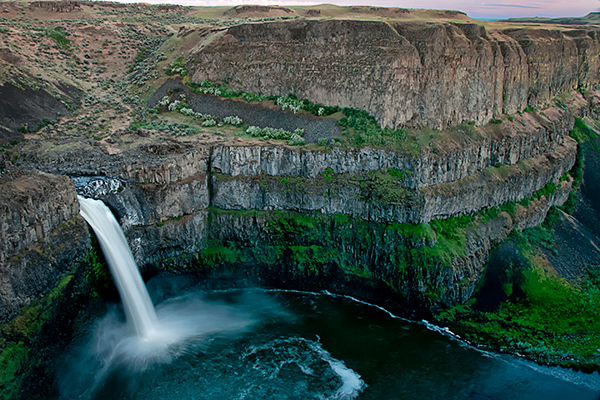
Palouse falls 2

Which button is for the composition mode?     Yes, I did get asked that question the other day, but it is not as silly as it first sounds. I’ll go back to the conversation from which it comes.

A customer stopped by my shop wanting to get a different camera other than the one he had been using for over 20 years.

I was showing him a couple of cameras and explaining the different modes like “aperture priority”, “shutter priority”, “program” and “manual” when he made the statement, “All that seems a bit complicated, just show me which button is for the composition mode because mostly I like taking scenics”.

The other customer in the store stopped her browsing, turned, and just looked at me. I’m not sure if she was troubled by his statement, or also wanted to know about this secret button.

I replied, “Composition is what you do, not the camera, to position your subject within the viewfinder frame,” and added; “composition also deals with perspective and the relationship you create between subjects in the foreground and background.”

Does all that seem too complicated of an answer? I was making squares and rectangles with my hand and moving things around on the counter as I explained it hoping to make it clear to him. Now, however, let us go back to his question of the “composition button” and what he was trying to achieve with his camera. Remember his last camera was from the 1970’s. Even auto focus was new to him.

Cameras programmed since the 1980s are pretty capable of getting the exposure correct in all but the most contrasty lighting conditions. If he were to get serious now that he was about to get a DSLR he would be trying to discover how other successful photographers compose a scenic. Or he would be doing some reading, joining a camera club, or taking some classes that would teach him composition. My impression was that he just liked to take pictures and capture memories of the places he has been. So I think either the mode with the “little mountains” or with the “running person” on the dial of the camera I was showing him would give him exactly what he was looking for and we could, if we wanted to, call them composition modes.

The exposure mode I feel most comfortable with is manual and I am continually thumbing through the different menus on my camera to reset things. I make my living using a camera so I have a camera in my hand a lot of the time. I think each of us needs to use our cameras in ways that make us comfortable so we won’t happen to be confused and experimenting with the settings at that moment when the action happens in front of our camera.

I used to call that a “Kodak moment”. Hmmm, I think I need to find a new phrase now that I am no longer using Kodak films and that company has pretty much disappeared.

In any event, I recommended that he not worry too much about composition and experiment with the different modes his camera has to offer other than “P”. Hopefully he’ll stop by again and I can get him using his DSLR as more than just a point and shoot camera.

In closing this article that started with thoughts of composition, I particularly like this quote of Alexander Lee Nyerges of the Art Institute of Dayton, Ohio, when discussing an exhibition of Ansel Adams of the American West.

“His landscapes were operatic in composition, complete with lighting, tragedy and drama—luring those who viewed his works to seek Nature and capture the spirit of the wilderness.” I am certain Adams had a special button for composition.

Photographer’s Workflow   

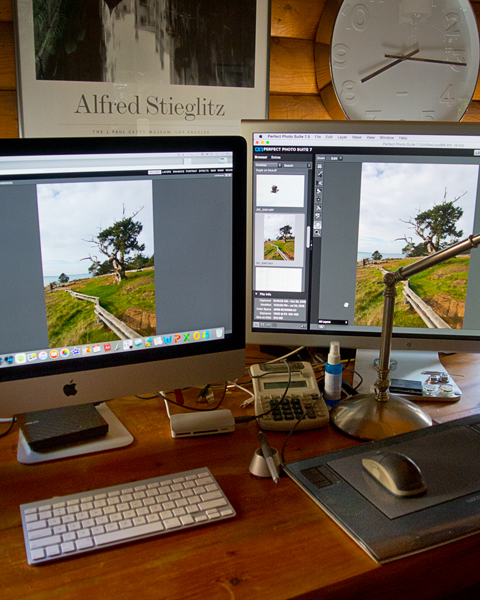
WorkStation

This week there was quite a discussion in my shop about the selection of software for producing quality images. Today photographers are clicking camera shutters more than compared to just a few short years ago when photography was ruled by film. Exposing four or five 36-exposure rolls while on vacation, or at a family event, was pretty much the norm instead of the 600, or 1600, captures filling memory cards today.

We each talked about our personal workflow for editing images. The following is some of what I added regarding my own workflow, and some of the programs I use to speed things up.

When I get home with images in my camera the first thing I do is remove the memory card, insert it in the card reader attached to my computer, and begin
the process of downloading. I am usually excited with anticipation about the 
images I have just captured and I want to see them right away.

I begin with a program called Photo Mechanic from Camerabits.com. Photo Mechanic is a fast and easy way to 
work with and manage groups of photos.  I open up a screen full of pictures, select those I want to keep, batch-rename them, and move them to a 
new folder.  The process is very fast and in a short while I can go through and review what I have just photographed.

I don’t leave my image files waiting very long before I start to work on them. 
I am always excited; I hate waiting, and I enjoy working on my pictures. Years ago I would be in my photo lab, with the stereo turned up, happily developing, and printing enlargements in a darkened room only illuminated with red and amber 
lights.

Nowadays I am still happily “developing”, but with the music coming from bigger speakers in my living room and I am sitting in a comfortable chair
instead of standing on a rubber mat in my basement darkroom.  There are no wet trays; there are no coloured lights, just a couple of big, bright computer displays with colourful 
pictures.

I then start the process of enhancing images and for that I employ several programs. Of course there is the ever-familiar Photoshop, however, depending on how I decide to fine tune my images I might choose to use the feature packed Perfect Suite program from Ononesoftware.com. Perfect Suite is a photo editor that works as either a standalone application, or plug-in editor, to Adobe Photoshop that includes some pretty exciting tools.

For years photographers have used graduated filters to cope with the contrasts of bright sky, and low light foregrounds with deep shadows, or bright highlights, when photographing landscapes. Although I don’t recommend getting rid of those filters yet, there is a program that may save lots of time usually spent in Photoshop lightening 
and darkening those landscape pictures. It is called Photomatix from HDRsoftware.com. Photomatix combines more than one exposure of a single subject that is exposed from the darkest shadow to the brightest highlights by creating an HDR (High Dynamic Range) image.

Finally, I will reach into a powerful and fun collection of fine-tuning programs from Niksoftware.com’s easy to use image editor that allows me to compare and make different adjustments quickly.

Most of my images are pretty good when I finish them in Photoshop. However, in my continual quest to speed up my post-processing of images, reduce my time behind the computer, and still produce quality images I find that combining these five programs fits my workflow perfectly.

I know that new cameras and lenses are what most photographers lust after, but I think if you are trying to justify expensive equipment purchases to your spouse, partner, or banker, it might be easier if you are already making show stopping, eye-catching pictures. Check the programs I have mentioned (always try their trial copies first) and see if they are for you.


Getting Close 

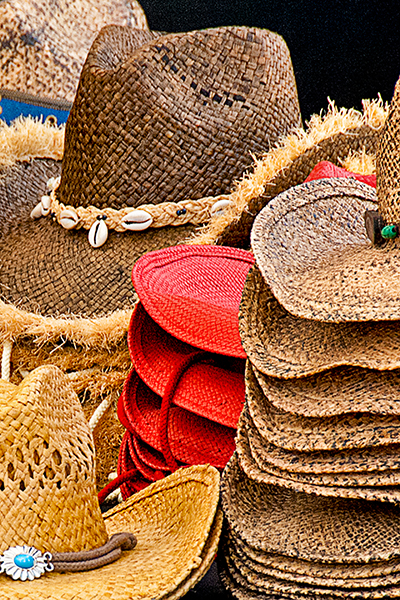
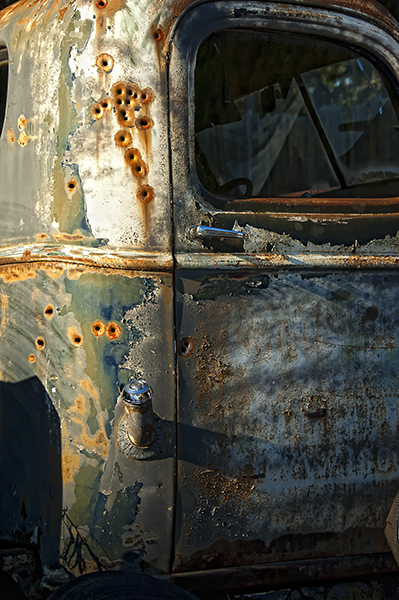
Cowboy hats Not eaxctly bullet proof

Ford V8

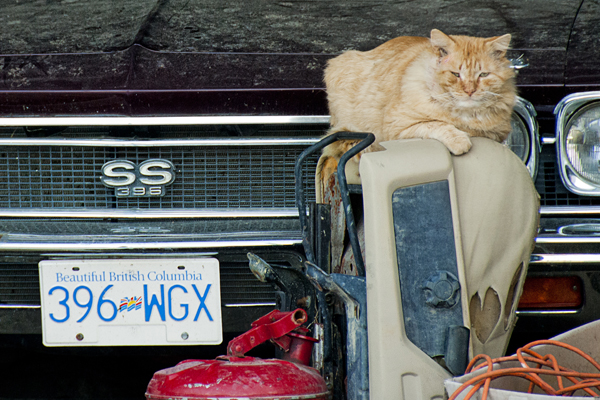
c. Cat & Car

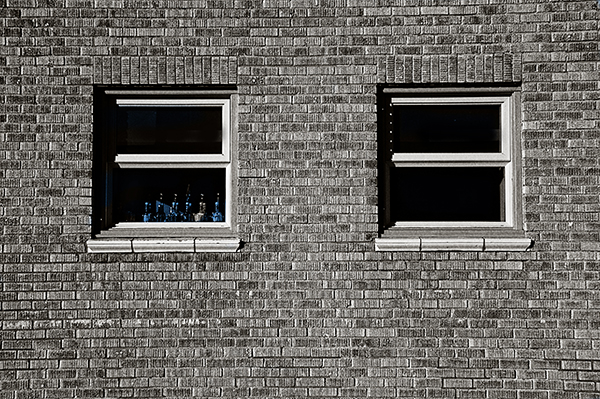
Blue bottles

People watching Ocean Tree

Watching the Rodeo


There is an old saying in photography that goes, “ If your photographs aren’t good enough, it’s probably because you aren’t close enough”.

I remember saying this to a young photographer, who became somewhat alarmed and responded, “You mean I should stop using my wide angle and shoot with a telephoto instead?” However, that isn’t what that long time photography quote is about.

What that means is that a photograph should be about something. That the photographer should discard, crop out, or, when making the original capture, move in close enough so that those elements visible in the image are the only things that relate to the photograph.

When I was just a young photographer I would question other photographers who I felt were successful at their craft for ideas that would make my photographs better, and I remember the following advice by a working photojournalist.

He talked about pre-visualizing a photograph (a term Ansel Adams and Minor White coined regarding the importance of imagining in your mind’s eye what you want the final print to reveal about a subject), and continued that a photographer should follow the rules of composition with all the elements in the scene, and finally told me I should always think about stepping closer to “tighten up” the image.

His advice came from a time period when very few photographers were using mutifocal or “zoom” lenses. In that time period quality glass and sharp images depended on fixed focal length lenses, or the more modern term is “prime” lens.

I will not go into a discussion of prime versus zoom lenses. Some people enjoy arguing about equipment, and they will pull out charts and make lots of tests to prove their point of view. Personally, I select a lens with which I am comfortable with and that I think will help me do the best job for the work at hand.

Getting closer changes the perspective and builds a relationship between the foreground and background. With a wide-angle or 50mm lens, the elements in the foreground become more important, and with telephoto’s 200mm and longer, they become less important and, as in a scenic taken with, say a 100mm, everything seems to have equal importance.

Teach yourself to look at the many features inside your composition. Start with the centre of interest or main subject, decide what in that composition relates to that centre of interest and then step closer to remove areas and features that have no relationship or interfere with whatever you want your viewer to concentrate upon.

Pre-visualise what you want to say visually and get closer to remove everything that doesn’t relate to the composition.

I remember reading an article written by a photographer I really enjoy, Ron Bigelow, www.ronbigelow.com. In an article he discussed his experience shooting with another photographer. However it was his summary that made me stop and think,   “I couldn’t help thinking of some of the extraordinary images that I have seen from various large format photographers. It was obvious to me that much of what I admired in their images had nothing to do with the very high resolution that their equipment produced. Rather, it had everything to do with the time that they put into each image. The observing, thinking, and preparation that occurred before they fired their first shot.”

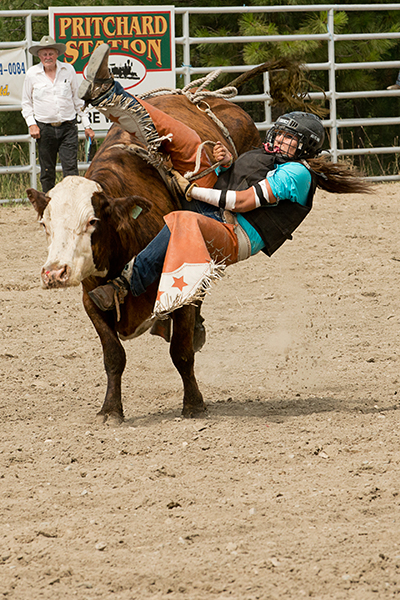
The Annual Pritchard Rodeo       

Pritchard Rodeo

Canadian Flag

Bull wins

Cow-1 Cowgirl-0 Dustin

Lost the seat

Roper  Barrel racer

Barrel racer 2

Wild bronc

Bucked off Bareback ride

Hard ride

Cooling off ringside

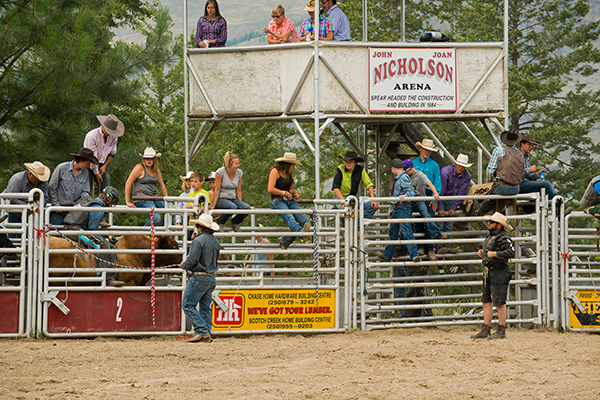
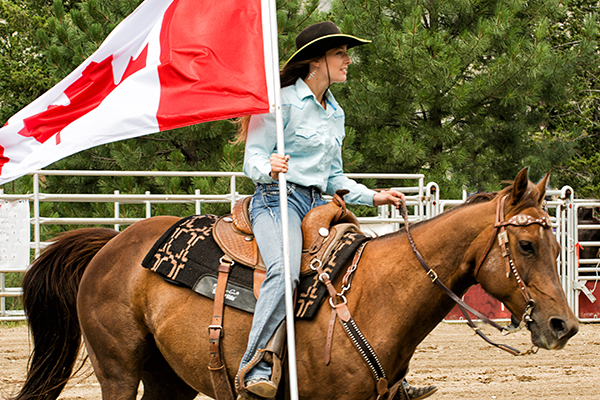
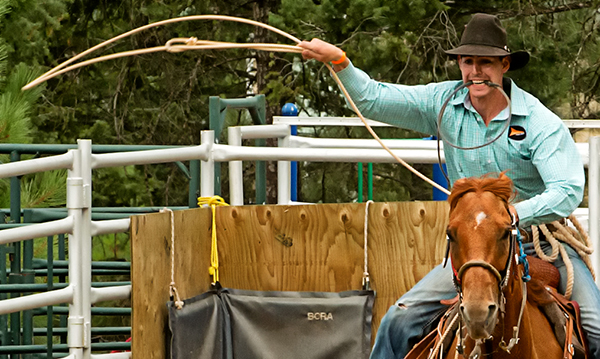
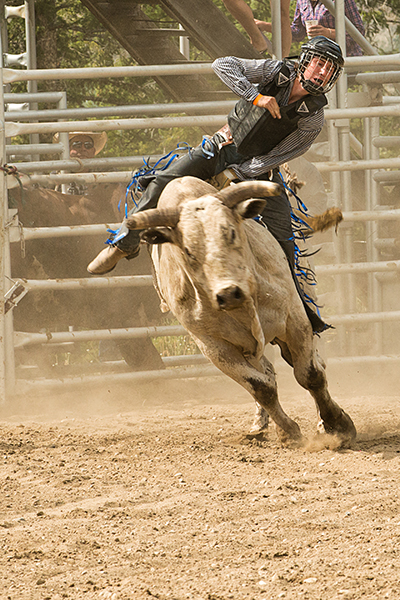
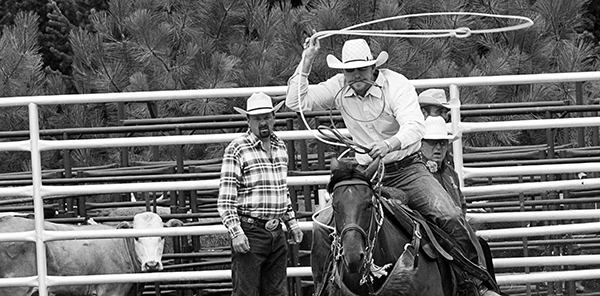
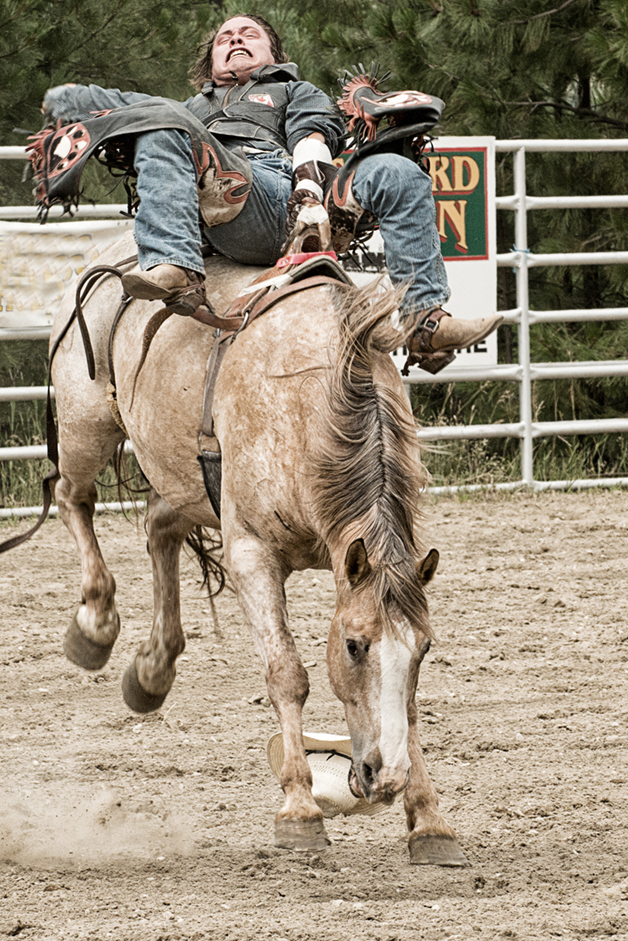
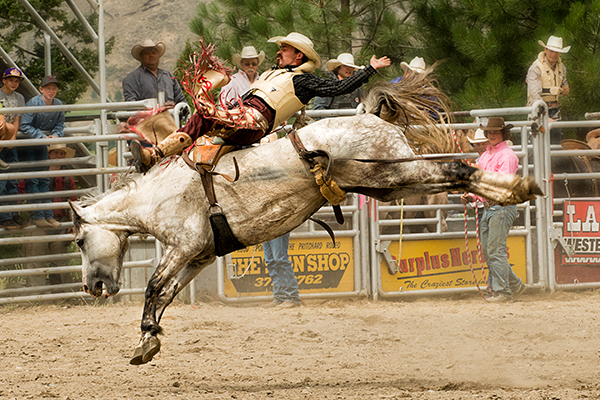
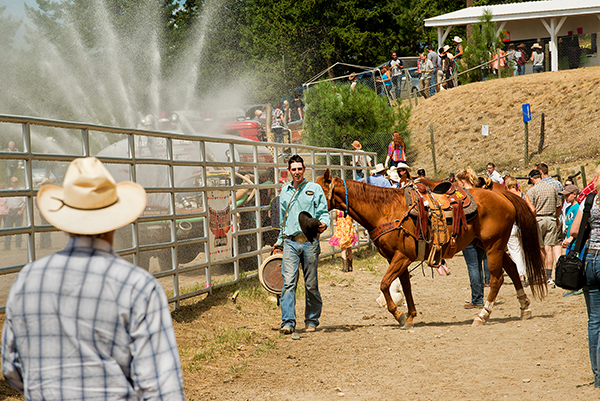
As usual July has been a busy month, and, along with everything else, this past weekend had been one of my most looked forward to events to photograph, the annual Pritchard Rodeo.

I know I write about it every year, but I like talking about subjects that I take pictures of and there is nothing like fast paced subjects to keep photographers on their toes and rodeos, easy as they are to photograph, are always worth taking a camera.

The Pritchard Rodeo grounds are perfect for photographers. It has an arena that is enclosed with a strong metal fence that’s safe to stand close to and doesn’t restrict the photographer’s view. Of course, one has to be careful when excited horses are getting ready for competitions like the Barrel Race, but it is a rodeo and one must remember that the animals, like any other athletes, are focusing on what they are about to do, and not some silly person with a camera.

When photographing fast, volatile subjects like those at a rodeo I prefer shutter priority mode where I select the shutter, and the camera chooses the aperture. I like shutterspeeds of 1/500th or more if possible. One also must be aware of depth-of-field, and I balance my shutterspeed and aperture taking that into consideration.

All I do is follow the action, choose a position that allows everything to move towards me, and let the camera’s computer handle the rest. Yes, it’s all so easy for photographers, no matter what their skill, to get images worth framing.

I remember a friend telling me last year why he liked attending the Pritchard Rodeo. He said, “I like the wild location. Look at the hills, and trees, and all the open space. Everyone is so friendly, they say hello even though they don’t know me, and there is even a beer garden with people socializing, but no one is getting drunk, being loud, or causing trouble.”

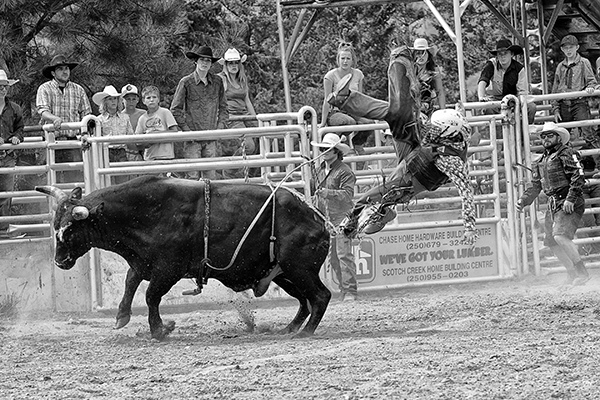
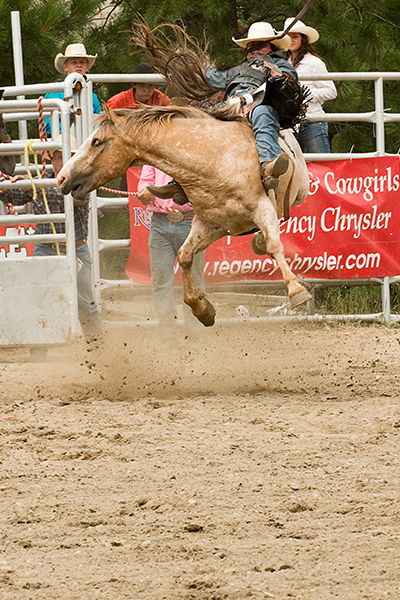
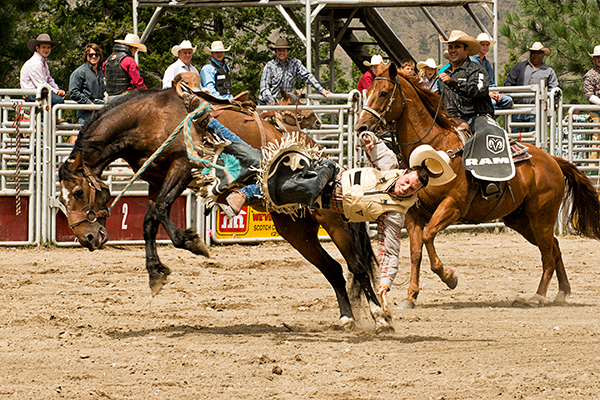
My favorite activities to photograph are the bronc riding, and bull riding events. The action is explosive and I think the participants (horses, bulls, and riders) pitted against each other are well matched and one can never be sure who will win. I am of the opinion that both animals and humans know it is a game.

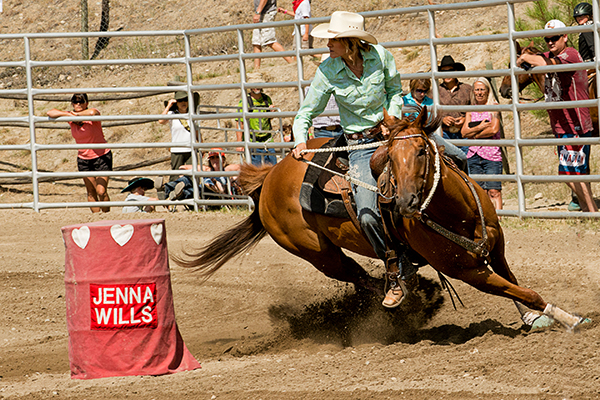
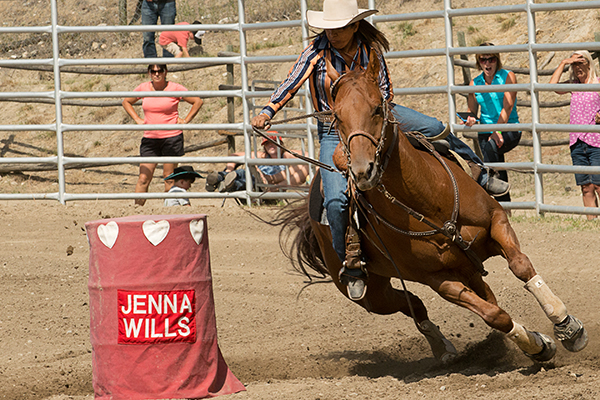
I also enjoy photographing barrel racing. What a great subject to photograph. Trying to capture what seems to me like a gravity-defying moment as horse and rider, fast and furiously, circle the barrel is exciting.

I am pretty lucky to have a local annual rodeo about five minutes from my home. I can go there to have fun, socialize with friends, and still get as many shots (that are keepers) of the rodeo as I can.

I said this last year and I will say it again. There should be a note saying,

“No animals, cowboys, cowgirls, or photographers were hurt during the process of having a great time.”

A Country Wedding.


Wedding

Wedding ride 2

Guest wagon

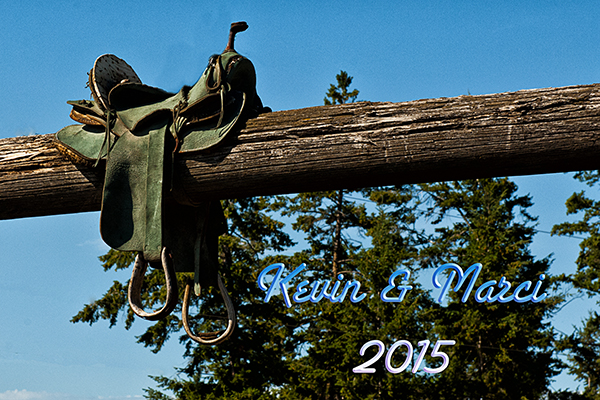
Kevin & Marci

Me too

Marcie's wedding

Country dancing

Just Married


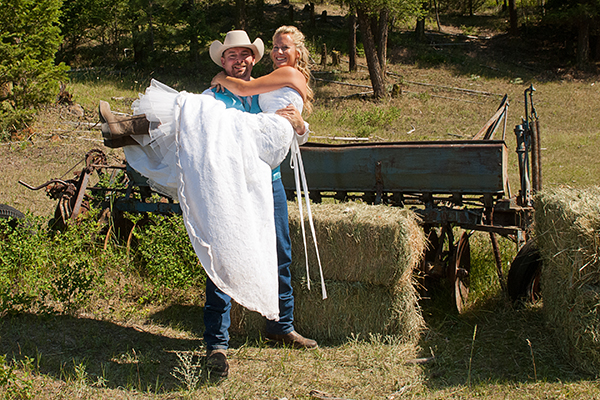
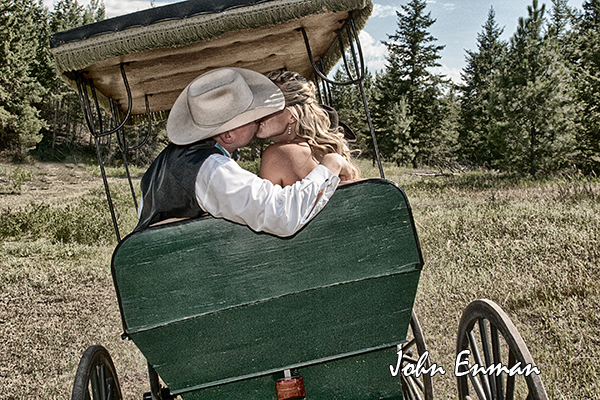
My friend and neighbor, Kevin, called to tell me that he was getting married and asked if I would photograph his wedding.

Although I am pretty much retired, without hesitation I said yes, only asking the date. He continued, “It will be western casual and at our place”. With that I thought, “Well, of course,” and hanging up the phone I turned to my wife and said, “Kevin and Marci are getting married at the end of the month, I hope it’s an overcast day.”

Who knew British Columbia would be having such a record breaking, rainless, hot summer that steadily got hotter and hotter. So by the time Kevin and Marci greeted their guests who waited in large shade tents under a cloudless blue sky the temperature had reached 40 degrees Celsius.

I kicked up dust as I walked into the large coral glad of two things. The first was that my wife made me put on sunscreen and the second, was that high-speed flash sync had been invented.

I remembered the limiting days of film and the one-power-fits-all flashes with which we struggled. On a sunny day we’d load our camera with 50 ISO film, shoot at a high-sync of 1/60th or 1/80th per second depending on the camera and hope the flash didn’t blast the detail out of the wedding dress. On torturous bright days, like the one I was preparing to photograph my friends under, I’d use my favourite flash diffuser, a functional white handkerchief that served to reduce the flash and, when needed, wipe off the salty sweat that made my eyes sting.

I made my way to the plywood dance floor and took a of couple test shots using the DJ as my model. My goal was to slightly underexpose the background. I really don’t like those pictures of people standing in an overexposed environment.

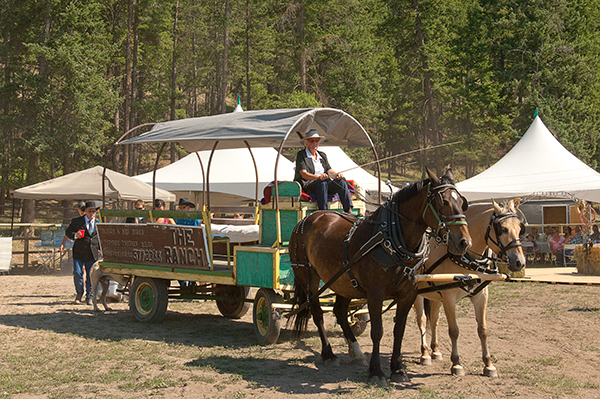
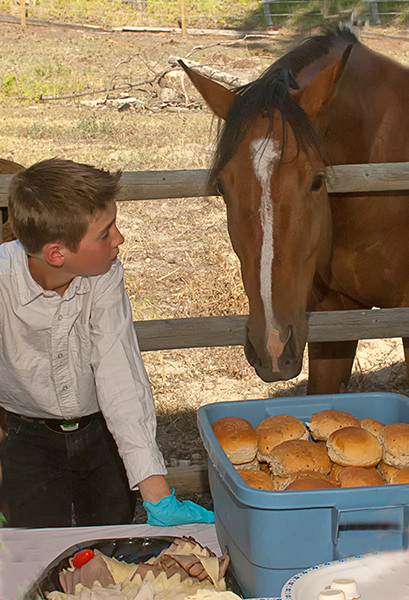
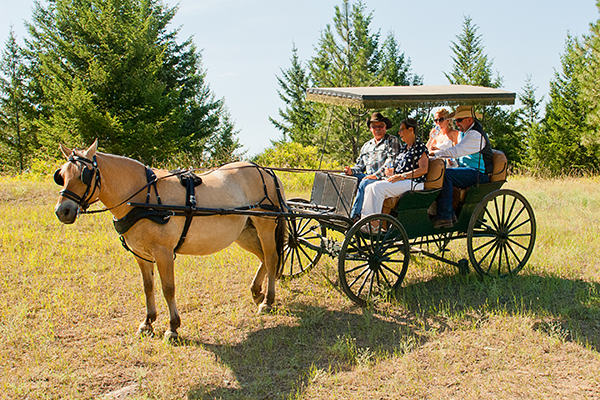
After the ceremony we joined the newly married couple in horse drawn wagons brought over by neighbours, Ellen and Steve from The Ranch, and traveled through the trees to another location where family and guests patiently stood waiting for me to take group pictures. Then we all, bottled water in hand, loaded back in the wagons for the waiting wedding feast.

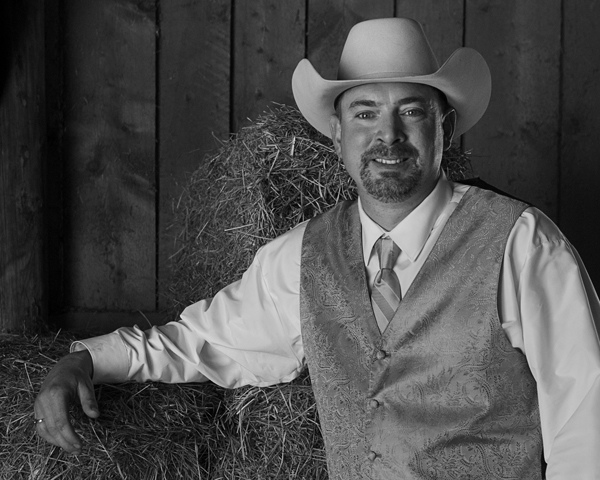
I wrote that Kevin told me the wedding would be western casual. I don’t know if the ties, vests, and dark, western-cut jacket that the groom, best man, and father of the bride wore were casual attire, but the hats and boots were western, and I will mention that most of the guests were wearing cowboy boots and hats, and boot-cut jeans were the norm.

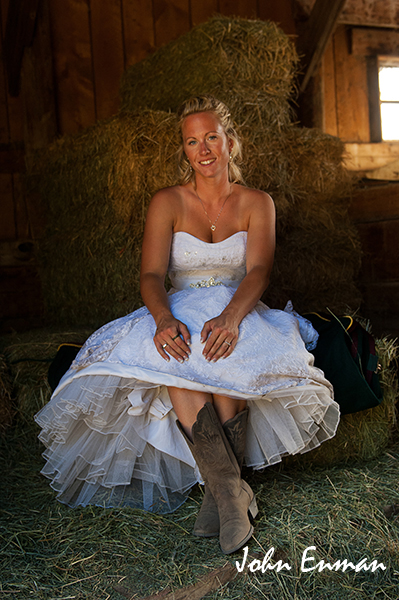
As everyone enjoyed a meal under the shade of the large tents I snuck away to set up a portrait studio in the barn. My lighting was two speedlight flashes positioned behind a six-foot diameter shoot-through umbrella. I like the wide, undirected, soft light a shoot through umbrella delivers, and a large shoot-through like the one I employed in the narrow walkway between horse stalls in the barn gave a flattering light that allowed me to quickly and easily pose the bride and groom.

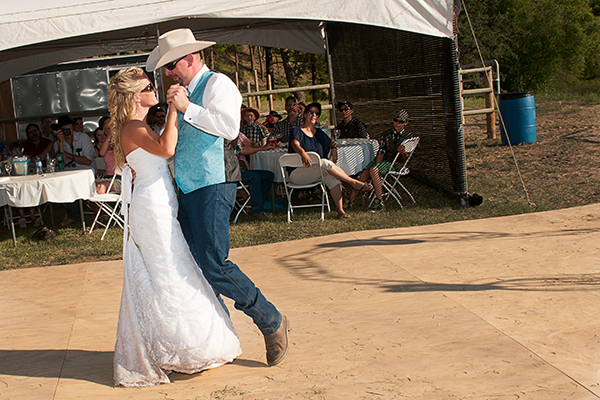
Then it was back to the dance floor for the first dance. And I worked my way around capturing photo after photo of Kevin and Marci as they showed everyone how country music should be danced to, then I stepped back so as not to block the many pictures being made by guests holding their cell phones at arm’s length for that perfect shot that I am sure was quickly posted on some social media site.

In spite of the heat I had a great time. And I am certain everyone enjoyed the day. I left before sun down, but later Marci told me things were hopping till around 2AM.

Since then I have seen more than one over-exposed, wedding pictures from at other events displayed with misplaced pride, and read photographer’s complaints about shooting under the bright sun, and working in the heat. My advice for them is to under expose, to use a flash, and not to forget sunscreen.


Portraiture and the Photographer’s Use of Light

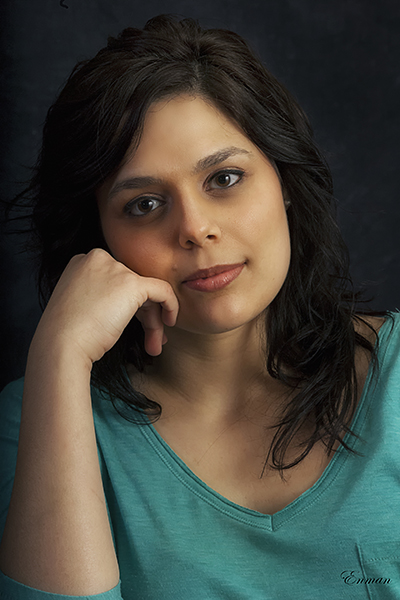
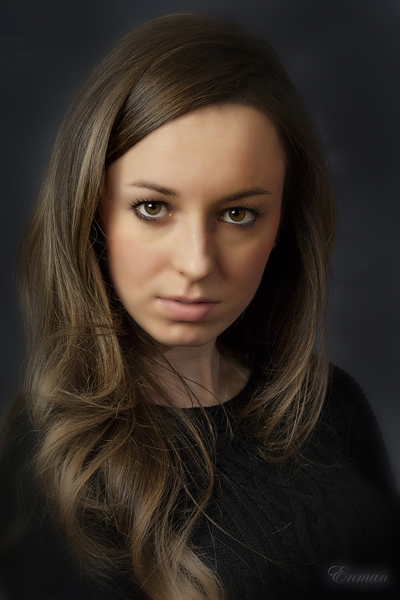
Monica aDemetra 3aMollyStephanie b6. BaileaStephanie a7. MonicaDemetraMonica  a


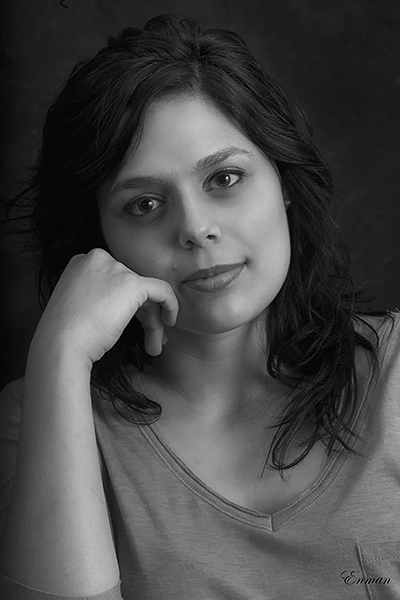
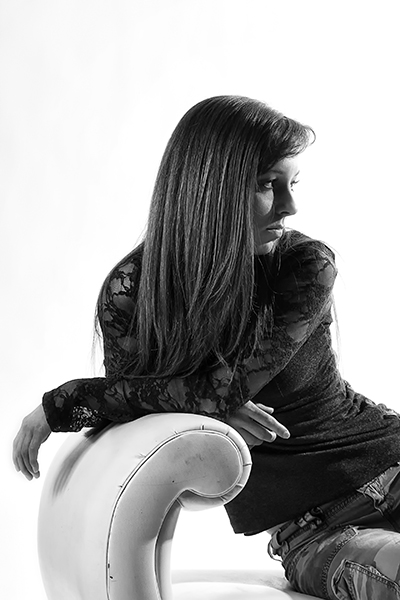
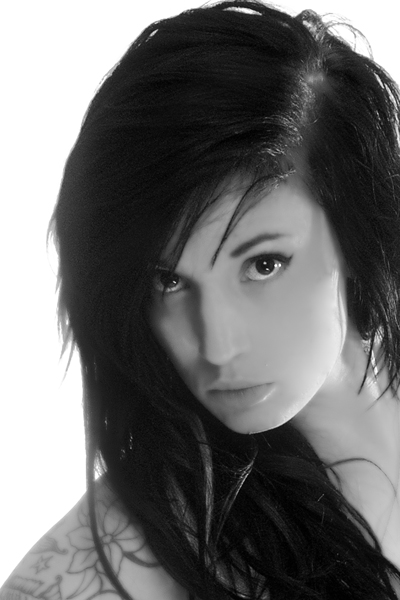
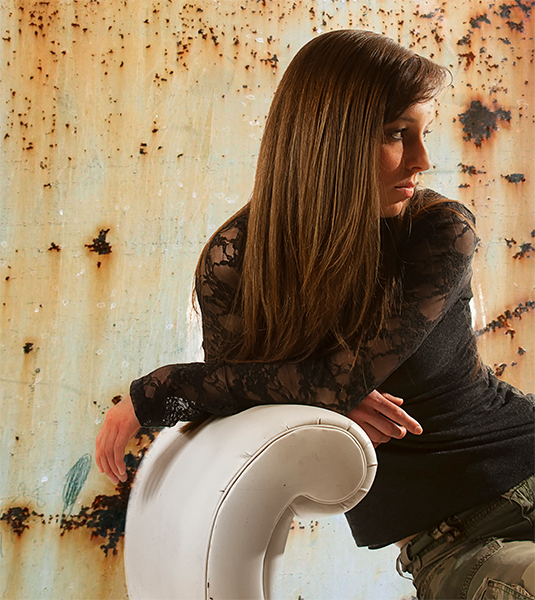
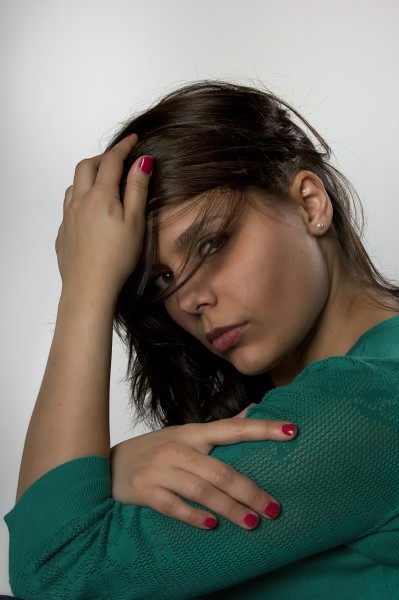
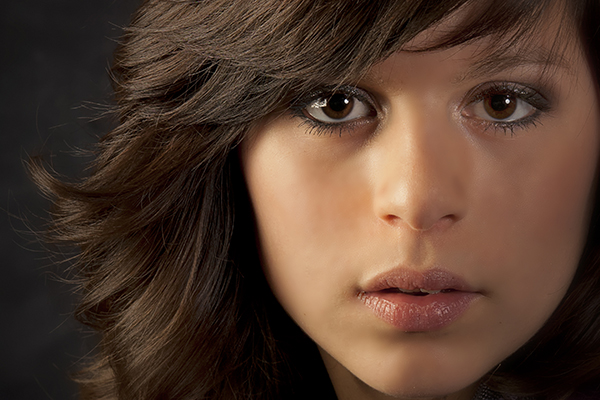
Photographer and author Frank Criccho states, “ The success of a photographic portrait depends as much on the photographer’s artistic and creative use of lighting techniques as it does on his or her skill with the camera.”

In an opposing remark during a recent conversation, a photographer told me that he didn’t have to worry about getting a flash for portrait photography and doubted he ever would, because he could just use a higher ISO, shoot multiple bursts, and fix everything in PhotoShop.

I don’t think that he is totally wrong, but his statement certainly demonstrates a lack of the basic understanding of how light impacts a subject’s face and how light can make the subject look younger, or older, or more glamorous, or down right unappealing.

I think in the race to purchase the latest hi-tech photographic marvel many photographers tend to forget about how lighting affects their subjects.

In my opinion, the goal for portrait photographers should always be to make the subject look his or her best, and provide an image that is flattering, and allows the person you are photographing to have a photo that impresses viewers.

One could say the responsibility lies with photographers, and not the subject, as to how good they look. Yes, I know in reality that isn’t the truth, but in my experience when one makes a bad photo of someone they will blame you, not themselves, if one makes a good photo they will thank you for capturing reality.

Many photographers just excitedly snap away without examining their subject, or posing them. Relying on luck and their subject’s talent to make that pleasing portrait, and pay little attention to how the light is making that person look.

Light and how a photographer uses it is very important. Too much contrast or side lighting shows lines and blemishes, whereas, on-camera flash, or bright, direct sunlight gives a flat, dimensionless, uninspired look.

To use the words of world-renowned photographer and writer, Joe Marvullo, “It is your ultimate decision, however, to determine what is “real” about that person and how to portray it in the photograph. You must successfully translate a distinct human personality in three-dimensional form into a two dimensional representation. This recorded image must come to life on it’s own. You, as an artist, must capture the “essence” of your subjects – their persona.”

Modern on-camera flashes are excellent if used correctly and creatively. Photographers can diffuse, bounce, and move the light off to the right or left, higher or lower, and modify that light using umbrellas, reflectors or softboxes to soften and control the direction and intensity.

I believe photography is all about the light. The lazy photographer just worries about exposure, where as the imaginative photographer pays attention, experiments, and practices creating portraits using light that are more than just documents of some person.  And as Marvullo suggests it is up to you, the artist, to capture the “essence” of your subject’s personality.


Photography, a personal vision.

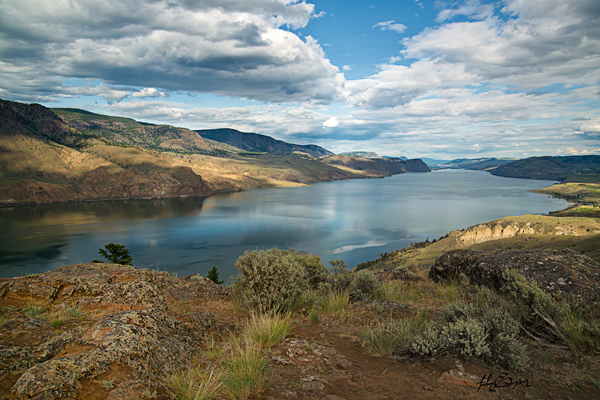
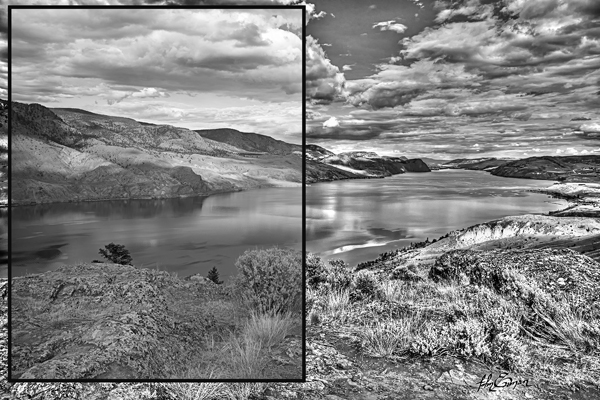
Kamloops Lake 1

Kamloops Lake

Kamloops Lake 1a

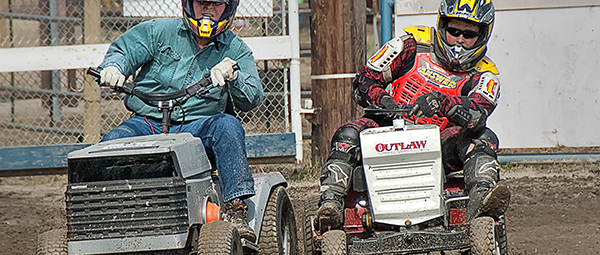
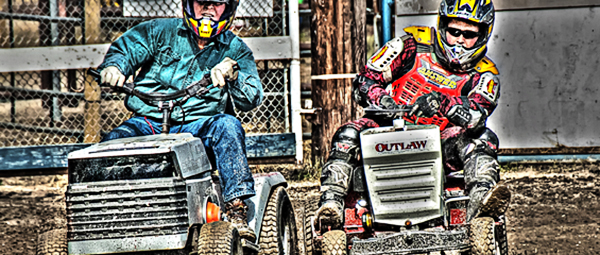
Lawnmower Race copy1

Lawnmower Race copy2

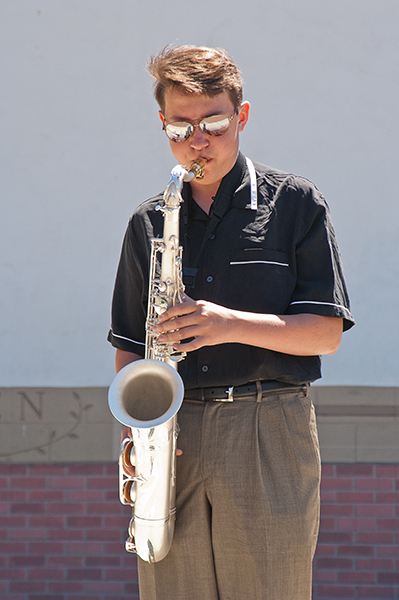
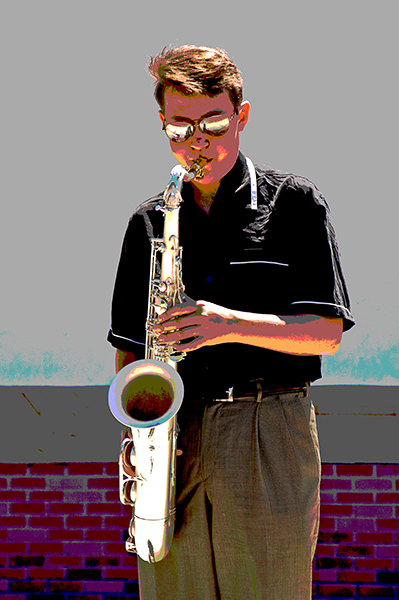
Sax player 1 Sax player 2


My photographer friend Greg posted the following statement on the Canadian photographer flickr.com/group: “Recently I’ve come across a number of photographs on the social media outlets that are absolutely stunning and amazing works of art, but there are a whole host of people who comment saying ‘it looks fake’, ‘it needs to be more real’, ‘that picture has no resemblance to reality’”. And he continues raising the question with “Should we be striving to produce photographs that are more ‘real’ to please the crowds who seem to have very little understanding of art?”

My quick and easy response is to quote Plato, “Beauty lies in the eyes of the beholder”. Even Shakespeare in his work, Love’s Labours Lost writes, “Beauty is bought by judgment of the eye”.

I understand his (and others) frustration with those that are ready to condemn anything that deviates from their personal interpretation of photography, but we need to remember that is just their opinion. I don’t think Greg or any other photographer should “be striving to produce photographs…to please the crowds”. However, when one displays a photograph on any social media site one needs to be ready for someone else’s opinion.

I used the following last January in my discussion of Photography as a Fine Art. Wikipedia’s on-line encyclopedia says, “Fine art photography is photography created in accordance with the vision of the artist as photographer.” That should be enough to ease my friend’s frustration. I will comment to him that those detractors didn’t understand the interpretation or artistic vision of the photographer’s work.

Some may disagree with me, but I think photography has always been a technology driven medium. And just as there are those willing to push the limits, there surely are also those that employ their cameras simply as devices to document the people, objects, and scenes in front of them, and I have no doubt their criticism might come swiftly to those that manipulate their images instead of maintaining the more conservative course of photographic reality.

Regarding Greg’s question about some people’s understanding, or lack of understanding of art, that is a question that countless generations may have struggled with possibly since the first humans decided to place a favourite rock in their cave or put coloured pigment on the wall.

I believe the question is actually, “What is Art and who has the right to define Art?”

Mark Twain is attributed with the words, “I don’t know much about art, but I know what I like.”   I expect most of us fall into that category.

Here are a number of quotes about art by artists. American architect and designer Frank Lloyd Wright said, “Art is a discovery and development of elementary principles of nature into beautiful forms suitable for human use.” However, I much preferred photographer Ansel Adams words, “Photography is more than a medium for factual communication of ideas. It is a creative art.” Or this from novelist Rainbow Rowell, “…and art wasn’t supposed to look nice; it was supposed to make you feel something.” And French Impressionist painter Edgar Degas wrote, “Art is not what you see, but what you make others see.”

When one has the need to be creative they should have the right to decide on their own particular style to fulfill their personal creative vision. What that vision is should be entirely up to the photographer, and the audience for whom the image is produced. I think the problem in this day of mass social media is how to select the right audience.

I do look forward to your comments. Thank you, John