Photography in the October Garden       


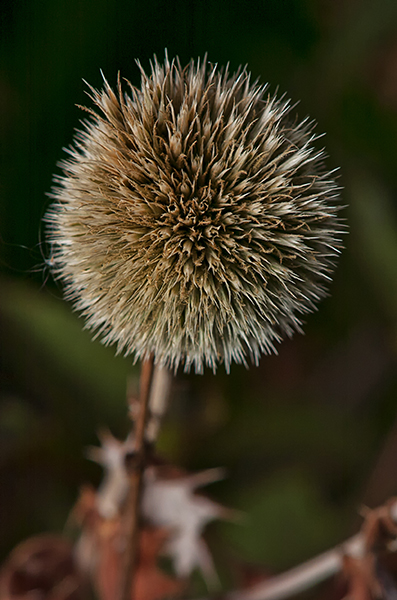
Echinops 2

grass 3

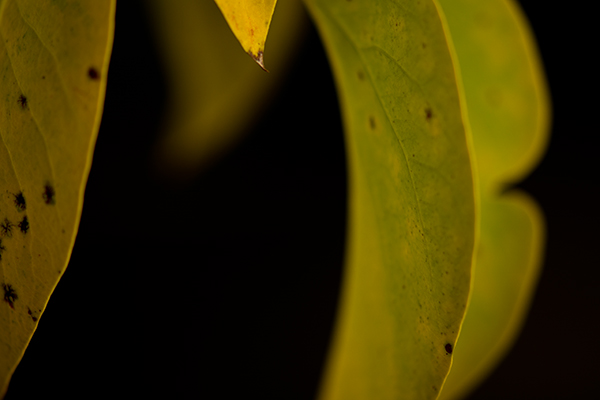
Yellow leaf 4

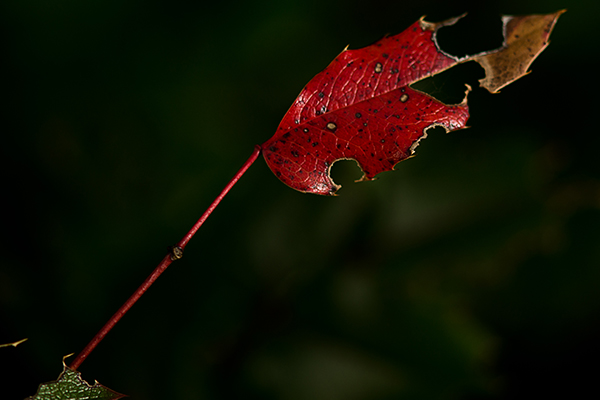
Oregon grape 5

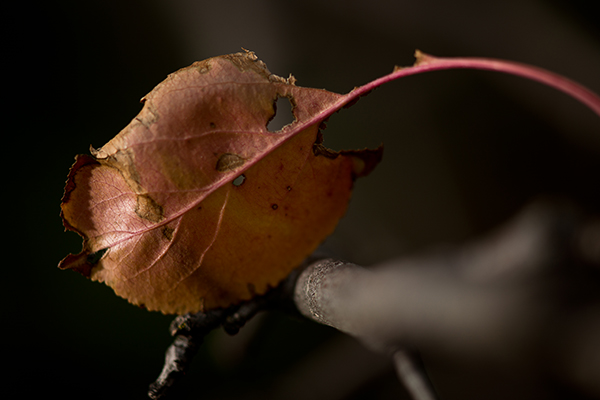
Pink leaf 6

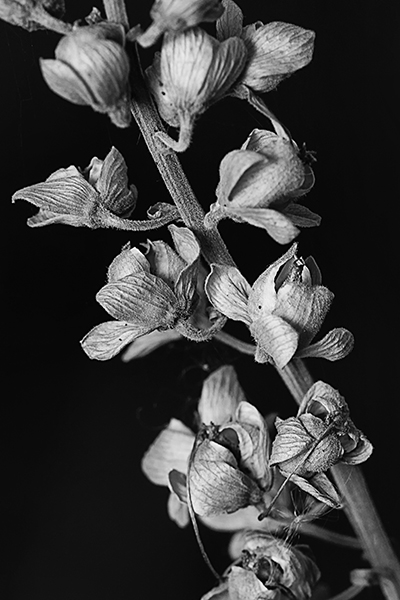
Salvia 1

I have written before that I find wandering around our home garden with my camera relaxing. Unlike photographing people, animals, scenics, sports, or almost any other subject, garden plants are just waiting to be looked at, and it’s not necessary to pack the car with equipment to search for some secluded or exotic location. Most of us can find an easily accessible and welcoming garden close by.

I know that spring’s brightly coloured plants, or the mature flowers bathed in light on a damp morning in early summer are what most photographers are interested in. I admit that I am not very savvy when it comes to the names of flowers. Plants are more my wife’s interest than mine. Her time is spent designing, planting, and coaxing her sprawling garden. Sure, I do much of the heavy lifting, but my time in her garden is mostly with a camera and unlike those photographers that I mentioned that do most of their gardens’ photography in the spring and early summer, I don’t really care about the season, weather, or the condition of the flowers for that matter.

My intention is to find something unexpected in the familiar plants. When I’ve chosen my subject, I look at it from all angles paying attention to the background so that whatever is behind won’t interfere, and I want the shadows, colours, and other plants to add interest to my composition.

I think some people get all tied up with a need to have inspiring subjects, and ignore the commonplace subjects just outside the door. I just walk out in my yard and make pictures of anything and everything. I guess the difference is between making and taking pictures.

My sojourn into the October garden was a bit about the colour and a whole lot about the shapes. I waited for late afternoon and lucked out when the sky clouded over just a bit. I like what photographer, John Sexton calls, “quiet light”, that as he says, “fades toward the darkness of evening.”

The light at day’s end allows me to underexpose the background and to add a “pop” of light on a specific subject from an off-camera flash.

I don’t really have a plan or a specific subject that I want to work on. I just wander and look. Figuring out the exposure and balancing the fading light with my flash only takes a moment as I choose an interesting plant and search for a creative angle.

It is that quiet and calming time on an October afternoon that welcomes me to the garden, and to quote Sexton again, “I feel quiet, yet intense energy in the natural elements of our habitat. A sense of magic prevails. A sense of mystery – It is a time for contemplation, for listening – a time for making photographs.”
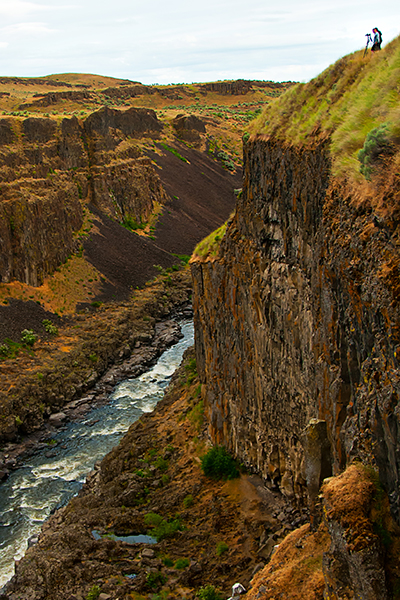
What Inspired or Inspires you to do Photography     

Inspiring Viewpoint 2

Palouse river canyon 2


A member of a photography site I frequented some time ago posed the question, “What inspired you?”

I took that to mean what inspired you as a photographer?

One would think that a question on a photographer’s website page would be a great opportunity for photographers to talk about those that encouraged, influenced, or affected their development in this exciting medium.

Anticipating discussions on celebrated photographers who had inspired others on that forum to get into photography I looked forward to reading members replies. However, I was surprised and disappointed with how few took the time to respond, and those that did seemed silly by only naming long gone painters like Rembrandt. Rembrandt? Not one member on that photographer’s forum mentioned another photographer.

Unable to contain myself I wrote, “I was inspired to do photography by photographers not painters. Those I admired and inspired me at different times include Man Ray, Richard Avedon, Irving Penn, Arnold Neuman, Gregory Heisler, Sarah Moon, Sheila Metzner and Annie Leibovitz. I must also mention scenic photographers like Elliott Porter, Ansel Adams, Edward Steichen and Edward Weston.”

Today I sent a friend a picture I had taken of him and several other friends in the early 1970s. I remembered at that time I was rarely without a camera, and how frustrating that was to some that just got tired of my constant picture taking. That’s when I recalled the preceding post on inspiration and my response.

I suppose there are painters and sculptors I like, but do they inspire my photography? No not really – I look to photographers for that. The first photographer and artist that inspired me all those years ago was Man Ray. It was after viewing his fascinating pictures that I began to study photography.

However, it is the second photographer on my inspiration list, Richard Avedon that I’ll quote here, “I think many photographers create in order to survive, both emotionally as well as financially. For a photographer, taking a photo is just as important as breathing”.

Sometimes when I see a photograph that I like I get excited. I might not be able to go to the location or find the subject of that picture, but it still makes me want to grab my camera and begin searching for something. I could say that photograph inspired me to create one of my own in my own personal way.

In my list to that forum I forgot to include the famous Canadian nature photographer and author, Freeman Patterson. I think any photographer interested in photographing gardens or landscapes will find inspiration in his photographs and his writing. Patterson wrote,  “Seeing, in the finest and broadest sense, means using your senses, your intellect, and your emotions. It means encountering your subject matter with your whole being. It means looking beyond the labels of things and discovering the remarkable world around you.”

There are many things and people that inspire me, too many to write down here, but the original post was on a photographer’s forum, so it’s photographers not painters that I thought about. There are many photographers past and present whose images are worth searching for, looking at, learning from, and of course, gaining inspiration from that will surely affect one’s own photography.

I always enjoy everyone’s comments. Please don’t hesitate if you have a moment.

Thanks, John

Will New Cameras Make Better Photographers?   

A new camera?

Will a different camera and more megapixels make a difference?

I received an email the other day from a photographer who is trying to earn some money at photography. She had been submitting prints to companies that purchase stock photography, but has not had any luck. Discouraged, she wondered if her problem might be that her camera wasn’t making high enough quality images, and thought purchasing a new camera with more megapixels might be the answer.

I began by saying that she should keep on submitting photography and suggested she take a look at her style and preferences in photography and to determine if there is a niche market that fits her subjects.

I suppose any excuse is a good enough to get a new camera. I am OK with that, however, I am not sure that “more megapixels” is the answer.

As long as I have been in photography photographers have blamed their failures on their cameras. It used to be that photographers wanting to become professional, would discard their 35mm and buy a medium format camera because they believed it was necessary to take professional pictures. Then they would decide their pictures still weren’t good enough, so they would sell their Mamiya to buy a Hasselblad, thinking that would really allow them to take professional pictures.

That attitude and rational about cameras hasn’t changed, only now instead of medium format cameras the answer is a bigger sensor with more pixels, and, of course, the belief that one camera company might be better than the other.

Will different camera models and more megapixels make a difference to the image quality? Well, maybe. Perhaps it could depend upon what an image buyer wants and how large the final image file needs to be. Research into that means pages of confusing charts and hours of reading other photographer’s opinions.

I believe we need to be comfortable with our cameras and learn how to make them perform the best. I taught photography for many years and I was always amazed at how much money students spent on camera equipment in order to achieve an A grade, when all they needed to do was learn better techniques.

I am not saying that one shouldn’t get the newest and best photographic equipment available. My advice is to make the choice the depending on the kind of photography one likes to do. However, the camera isn’t going to make a person become a better photographer.

As I write this I am beginning to wonder about that last statement. If a photographer purchases a new camera, they get really excited and go out and shoot, and shoot. More shooting equals more practice and when all is said and done more practice is what actually makes for a better photographer.

With that rationale we could say if a person bought a new camera every six or eight months (that seems about how fast new models are appearing) then that means a person would be improving at least twice a year. Gosh, in two years a person would be four times better than when he/she started!

Hmm… with that reasoning I should tell that photographer to go ahead and buy herself a new camera with as many pixels as she can afford.

Nevertheless, if after her hours of research she can’t make a decision on which new camera to spend her money my advice will be to study the work of successful photographers in her subject area, and spend lots of time experimenting and practicing with the camera she has.

What Influenced My Photography of Landscapes?  


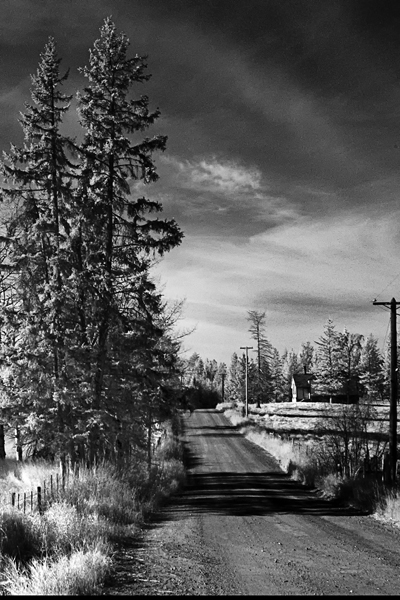
Along the back road 2

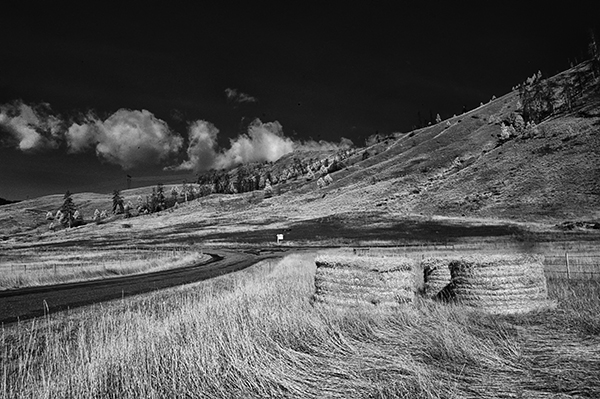
Bales along the road 2

River view

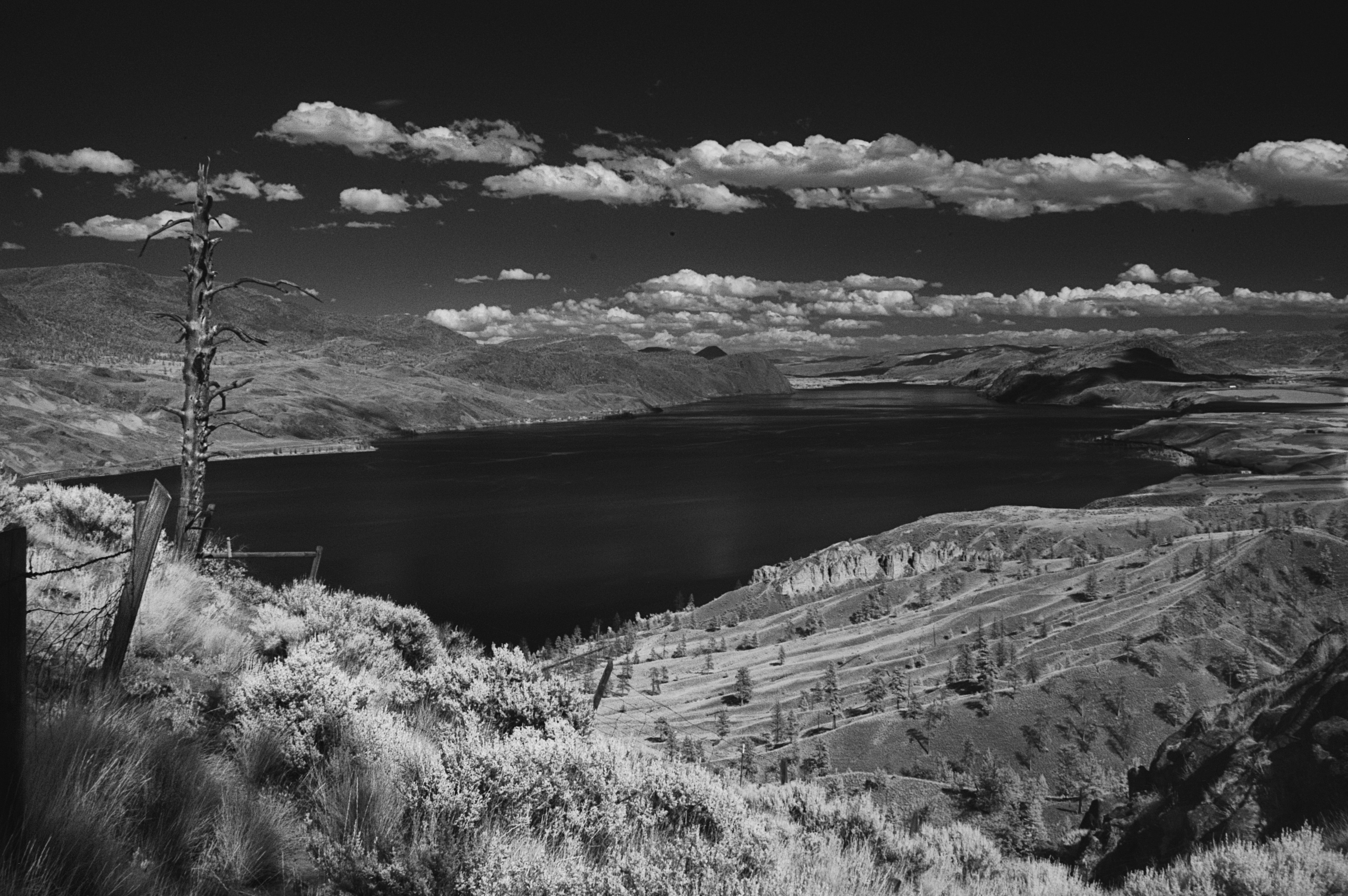
Lake view

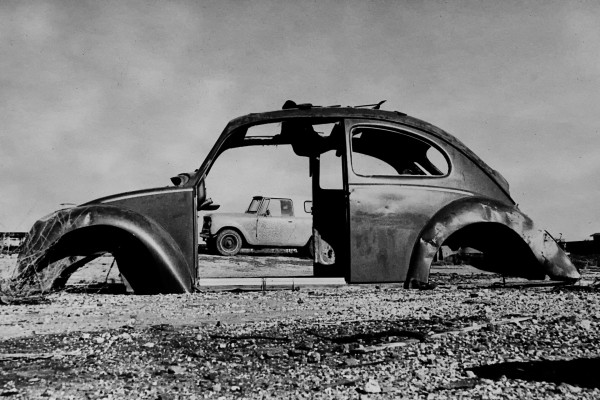
Scout

Memories of roadside photography.


My interest in photography began in the early 1970s. I had grown up with cameras, but until that time they were no more than a simple boxy device with which to document family and friends. When I look at my tattered old albums packed with fading pictures taped to construction paper pages, I see lots of poorly composed and poorly exposed images, partly due to the inadequate technology of the day and my ignorance in using it.

When I did decide the medium of photography was worth using for more than documenting friends and family my first progression was into arty, creative images. I have mentioned before that the great photographer, Man Ray, was my first inspiration, but now thinking about my photography of those days I am amused at my youth, and contemplate how far I have progressed and of course how far the technology has come.

I think my influence with the photography of landscapes and other subjects in nature may have begun with the early advertisements by the American Automobile Association. That organization was the best place to get maps for road trips in North America. They sent their employees out, with cameras and mapping instruments, across the continent finding the best and most scenic routes. I remember seeing pictures of big, four-door International vehicles with people poised on platforms on top with camera and binoculars in hand on a dirt road in the middle of “no-where North America”. It all looked very exciting.

Then I was introduced to the writings and photography of Ansel Adams, and saw pictures of him standing on a platform on top of a vehicle very much like those used by the American Automobile Association with his large format camera making wonderful photographs any scenic photographer would admire. So, I saved my dollars, sold my jaunty little MG Midget, that was so easy to get around in on the streets of Los Angeles, and bought a bright yellow International Scout 4×4. Underpowered, poor turning capability, uncomfortable on long trips with back seats that were only accessed by climbing over a metal barrier behind the front seats; it was perfect in my young mind and meant that I, like Ansel Adams and the folks from the AAA, could travel the back roads in a cool looking vehicle with my camera gleefully capturing the natural world on film.

Years have passed and technology has changed and so have I. There are still lots of back roads to explore and photograph, but the days of climbing on my car roof are long gone. The American Automobile Association no longer explores the country and today I check maps on my iPhone. I don’t need a large 8×10 view camera like Ansel Adams used with the accompanying long hours working in a chemical darkroom to make good enlargements and certainly don’t want to drive around in that uncomfortable, gas guzzling International anymore.

I thought about all this as I was heading towards the city of Kelowna last week. My wife and I left early so we could stop for some pictures and still be there for a 5PM appointment. My car of choice is now a Honda Accord. Comfortable, fuel-efficient and if I drop the back seat down I can carry lots of equipment. As I drove I mentally made photographic compositions of the countryside and thought about how nice the day was for photography.

I reminisced about the many times I have made this same drive over the years, and the different photographic equipment I have used to photograph many of the subjects and scenes I was driving past, and the different vehicles I have used, and we talked about how easy it is to make pictures today. As the cameras get better and better, and equipment like tripods and lenses get lighter, and our vehicles are more fuel efficient, the life of roadside photographers like me is just great.


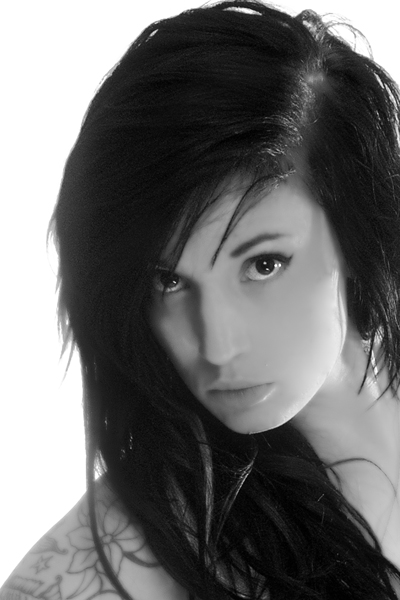
Photographing People   

Michael

Dave Monsees

By John 001

Monica

Bailea

Kevin


This week a friend asked me what my favourite photography subject is. After our talk I decided to post this rewrite of an article I wrote some time ago.

I enjoy photographing just about anything. Nevertheless, I’d have to answer that I probably take pleasure in photographing people the most.

I’ve been employed doing many types of photography since I began earning my living as a photographer in the 1970’s. I have done different kinds of photographic work for all types of organizations; however, I have found myself photographing people most of the time.

That’s not that unique; I think most photography is really about people. We take pictures of our family, friends, and people at celebrations and other events.

When I taught photography in the 1980s I would ask the question about a favourite subject of my students and “people” was a rare response. However, since the introduction of digital cameras and the relaxed point and shoot style many employ today, I’ll bet people photography ranks near the top as a reply.

If indeed, as I confessed to my friend, my favourite subject is people, I suppose I might put together a few tips for him and my readers on my favourite subject.

I quickly jotted down 10 suggestions to help readers be successful when photographing people.

  1. When you take pictures of people look at them and pay attention to their appearance so you ensure they look their best for the photograph. Don’t just rapidly snap away and realize later that you should have had your subject adjust something, e.g., a necklace, glasses, or especially that tie.
  2. Choose interesting and flattering angles or points of view. Also try three-quarter poses of single subjects. By that I mean that the person turns their body so that they view the camera from over their shoulder.
  3. Focus on the subject’s eyes. When we talk to people we make eye contact. There is a greater chance of your subject liking the photo if their eyes are sharp and not closed or looking away. Ensure that subjects smile or at least have a pleasant look. In my experience when subjects say they want a serious photo without a smile they appear sour or unhappy in the final photo. Do one of each as a compromise.
  4. I don’t like lenses shorter than 85mm. My favourite is 105mm. (Although recently I have been choosing my 70-200mm.) Longer focal length lenses always create a flattering perspective.
  5. For photographing one or two people an aperture of f/4 or wider will soften the background and make your subject stand out, but for group photos use an aperture of at least f/8 or smaller to increase the depth of field.
  6. Pay attention to your subject’s background especially when doing outdoor portraitures. You don’t want the photo to appear to have something growing out of a person’s head (e.g. like a stop sign), or have objects in your photograph that are distracting.
  7. Watch out for uncomplimentary shadows created by the sun, your flash, or other light sources.
  8. Get things ready first. Contemplate the poses before you photograph your subject. The best way to bore people and loose the moment is to make them wait.
  9. Tighten up the shot. Again, get rid of unwanted elements in the photograph that do nothing for it. If there is more than one person make them get close together.
  1. Talk to your subjects. The most successful portrait photographers are those who talk to and interact with their subjects. We are dealing with people and we communicate by talking. Don’t hide behind the camera.

And as always be positive about the photograph you are about to make. Get excited. Your excitement will be contagious and affect those around you.

Which Button is for the Composition Mode?        

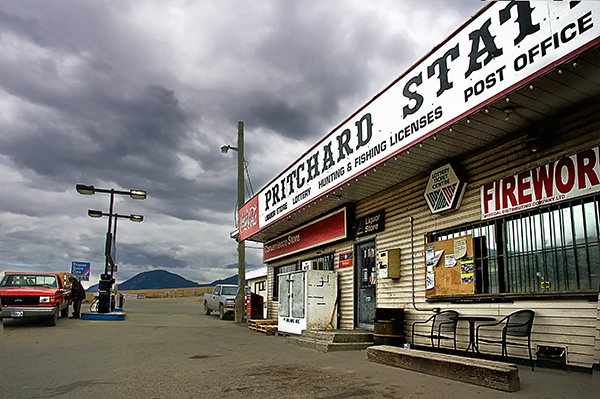
Pritchard store

Open Gates bw

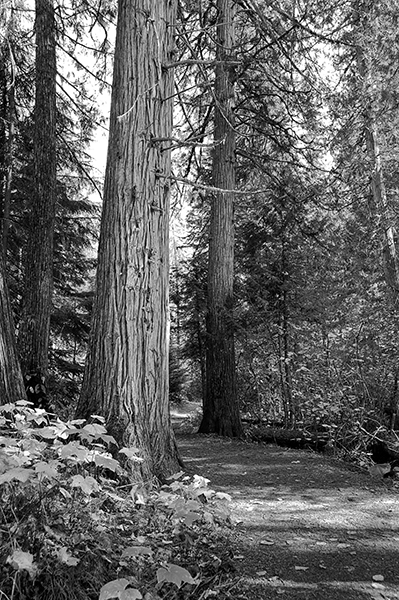
Forest path

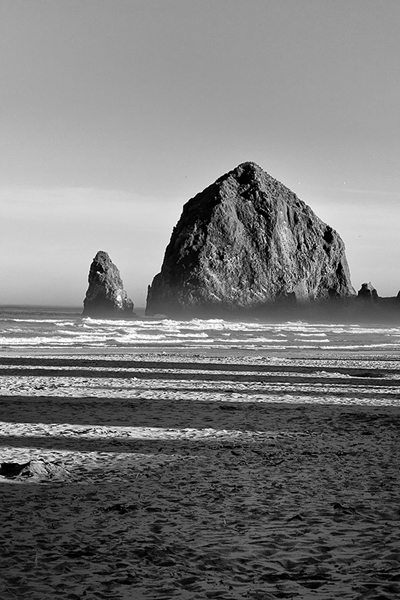
Canon Beach 2

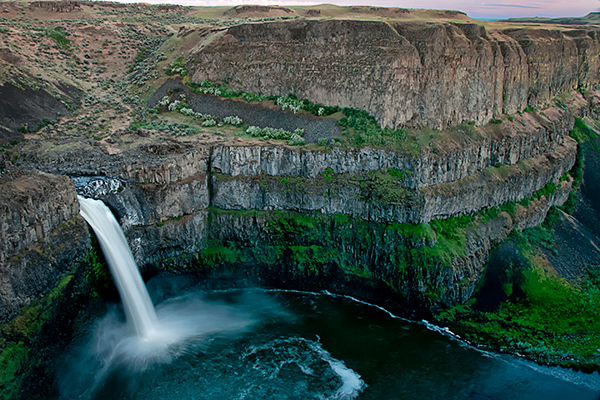
Palouse falls 2

Which button is for the composition mode?     Yes, I did get asked that question the other day, but it is not as silly as it first sounds. I’ll go back to the conversation from which it comes.

A customer stopped by my shop wanting to get a different camera other than the one he had been using for over 20 years.

I was showing him a couple of cameras and explaining the different modes like “aperture priority”, “shutter priority”, “program” and “manual” when he made the statement, “All that seems a bit complicated, just show me which button is for the composition mode because mostly I like taking scenics”.

The other customer in the store stopped her browsing, turned, and just looked at me. I’m not sure if she was troubled by his statement, or also wanted to know about this secret button.

I replied, “Composition is what you do, not the camera, to position your subject within the viewfinder frame,” and added; “composition also deals with perspective and the relationship you create between subjects in the foreground and background.”

Does all that seem too complicated of an answer? I was making squares and rectangles with my hand and moving things around on the counter as I explained it hoping to make it clear to him. Now, however, let us go back to his question of the “composition button” and what he was trying to achieve with his camera. Remember his last camera was from the 1970’s. Even auto focus was new to him.

Cameras programmed since the 1980s are pretty capable of getting the exposure correct in all but the most contrasty lighting conditions. If he were to get serious now that he was about to get a DSLR he would be trying to discover how other successful photographers compose a scenic. Or he would be doing some reading, joining a camera club, or taking some classes that would teach him composition. My impression was that he just liked to take pictures and capture memories of the places he has been. So I think either the mode with the “little mountains” or with the “running person” on the dial of the camera I was showing him would give him exactly what he was looking for and we could, if we wanted to, call them composition modes.

The exposure mode I feel most comfortable with is manual and I am continually thumbing through the different menus on my camera to reset things. I make my living using a camera so I have a camera in my hand a lot of the time. I think each of us needs to use our cameras in ways that make us comfortable so we won’t happen to be confused and experimenting with the settings at that moment when the action happens in front of our camera.

I used to call that a “Kodak moment”. Hmmm, I think I need to find a new phrase now that I am no longer using Kodak films and that company has pretty much disappeared.

In any event, I recommended that he not worry too much about composition and experiment with the different modes his camera has to offer other than “P”. Hopefully he’ll stop by again and I can get him using his DSLR as more than just a point and shoot camera.

In closing this article that started with thoughts of composition, I particularly like this quote of Alexander Lee Nyerges of the Art Institute of Dayton, Ohio, when discussing an exhibition of Ansel Adams of the American West.

“His landscapes were operatic in composition, complete with lighting, tragedy and drama—luring those who viewed his works to seek Nature and capture the spirit of the wilderness.” I am certain Adams had a special button for composition.
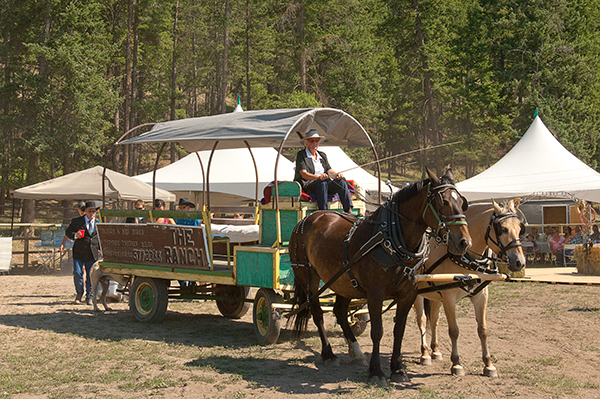
Photographer’s Workflow   

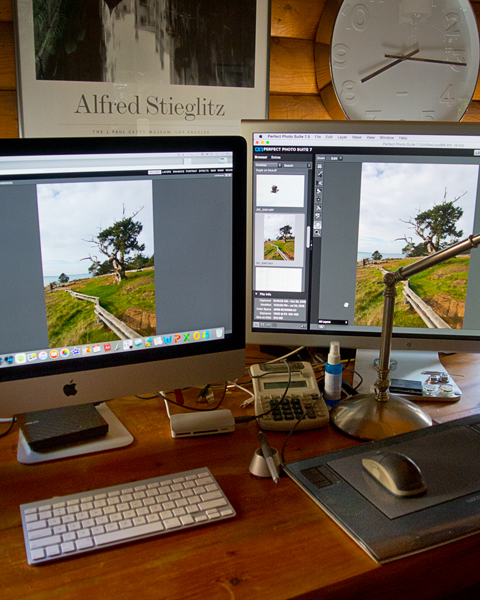
WorkStation

This week there was quite a discussion in my shop about the selection of software for producing quality images. Today photographers are clicking camera shutters more than compared to just a few short years ago when photography was ruled by film. Exposing four or five 36-exposure rolls while on vacation, or at a family event, was pretty much the norm instead of the 600, or 1600, captures filling memory cards today.

We each talked about our personal workflow for editing images. The following is some of what I added regarding my own workflow, and some of the programs I use to speed things up.

When I get home with images in my camera the first thing I do is remove the memory card, insert it in the card reader attached to my computer, and begin
the process of downloading. I am usually excited with anticipation about the 
images I have just captured and I want to see them right away.

I begin with a program called Photo Mechanic from Camerabits.com. Photo Mechanic is a fast and easy way to 
work with and manage groups of photos.  I open up a screen full of pictures, select those I want to keep, batch-rename them, and move them to a 
new folder.  The process is very fast and in a short while I can go through and review what I have just photographed.

I don’t leave my image files waiting very long before I start to work on them. 
I am always excited; I hate waiting, and I enjoy working on my pictures. Years ago I would be in my photo lab, with the stereo turned up, happily developing, and printing enlargements in a darkened room only illuminated with red and amber 
lights.

Nowadays I am still happily “developing”, but with the music coming from bigger speakers in my living room and I am sitting in a comfortable chair
instead of standing on a rubber mat in my basement darkroom.  There are no wet trays; there are no coloured lights, just a couple of big, bright computer displays with colourful 
pictures.

I then start the process of enhancing images and for that I employ several programs. Of course there is the ever-familiar Photoshop, however, depending on how I decide to fine tune my images I might choose to use the feature packed Perfect Suite program from Ononesoftware.com. Perfect Suite is a photo editor that works as either a standalone application, or plug-in editor, to Adobe Photoshop that includes some pretty exciting tools.

For years photographers have used graduated filters to cope with the contrasts of bright sky, and low light foregrounds with deep shadows, or bright highlights, when photographing landscapes. Although I don’t recommend getting rid of those filters yet, there is a program that may save lots of time usually spent in Photoshop lightening 
and darkening those landscape pictures. It is called Photomatix from HDRsoftware.com. Photomatix combines more than one exposure of a single subject that is exposed from the darkest shadow to the brightest highlights by creating an HDR (High Dynamic Range) image.

Finally, I will reach into a powerful and fun collection of fine-tuning programs from Niksoftware.com’s easy to use image editor that allows me to compare and make different adjustments quickly.

Most of my images are pretty good when I finish them in Photoshop. However, in my continual quest to speed up my post-processing of images, reduce my time behind the computer, and still produce quality images I find that combining these five programs fits my workflow perfectly.

I know that new cameras and lenses are what most photographers lust after, but I think if you are trying to justify expensive equipment purchases to your spouse, partner, or banker, it might be easier if you are already making show stopping, eye-catching pictures. Check the programs I have mentioned (always try their trial copies first) and see if they are for you.


The Annual Pritchard Rodeo       

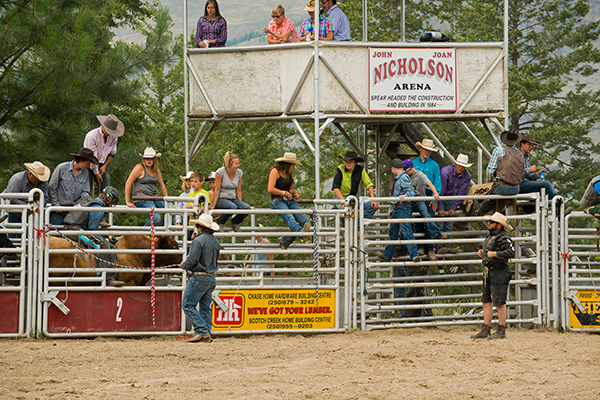
Pritchard Rodeo

Canadian Flag

Bull wins

Cow-1 Cowgirl-0 Dustin

Lost the seat

Roper  Barrel racer

Barrel racer 2

Wild bronc

Bucked off Bareback ride

Hard ride

Cooling off ringside

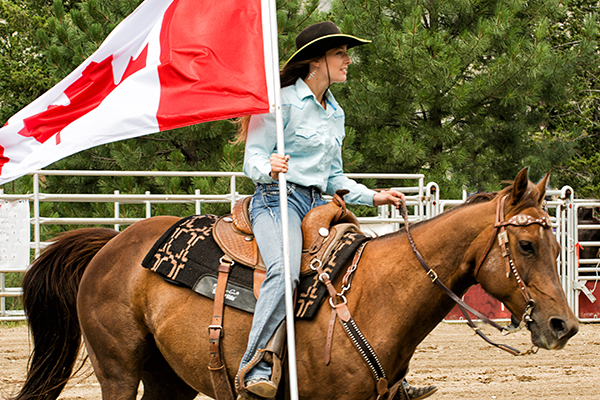
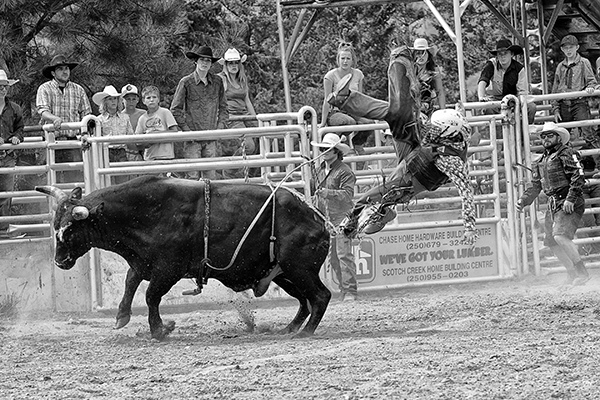
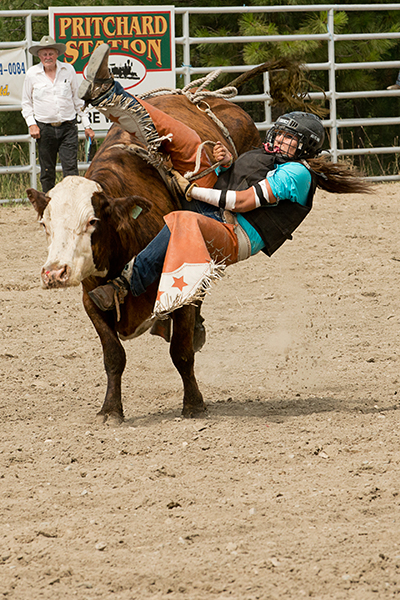
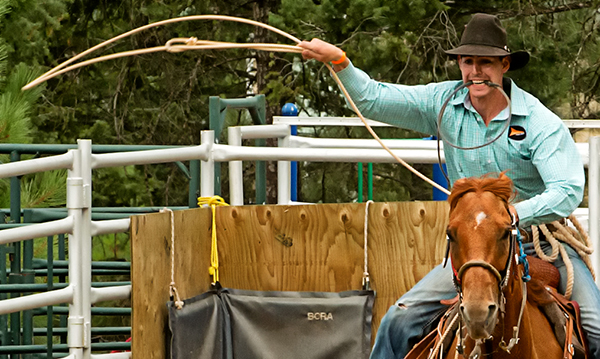
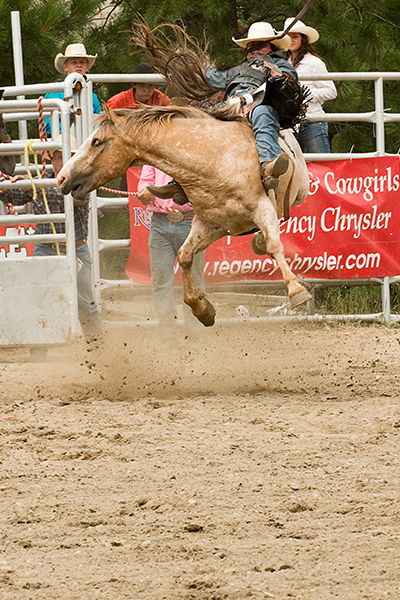
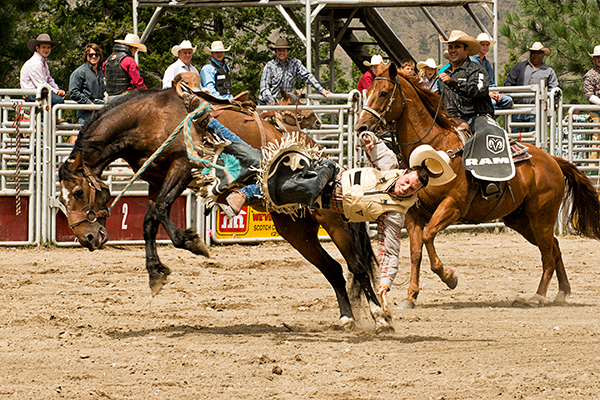
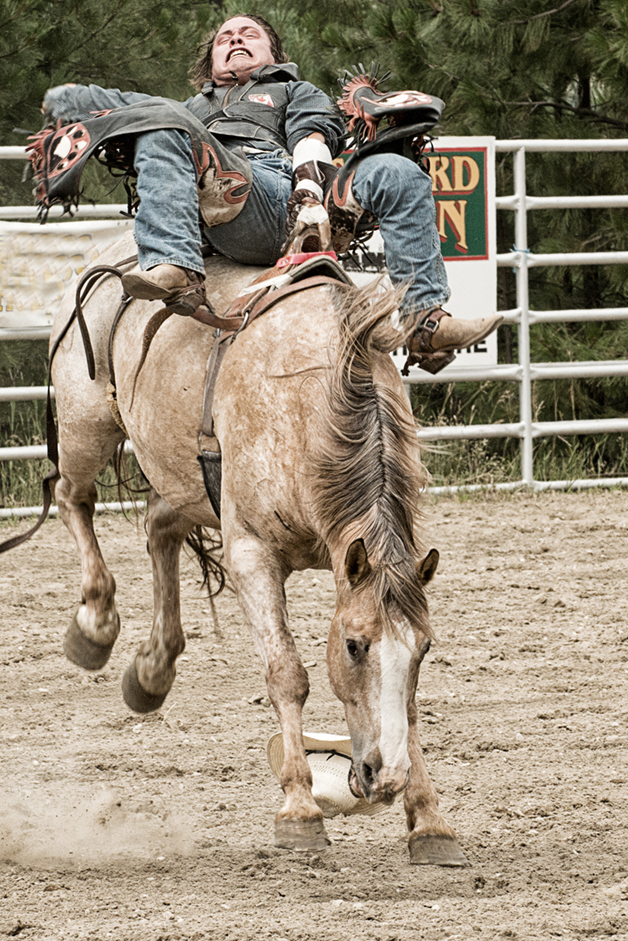
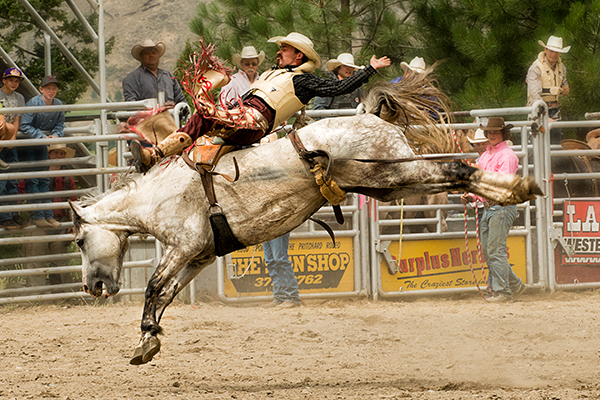
As usual July has been a busy month, and, along with everything else, this past weekend had been one of my most looked forward to events to photograph, the annual Pritchard Rodeo.

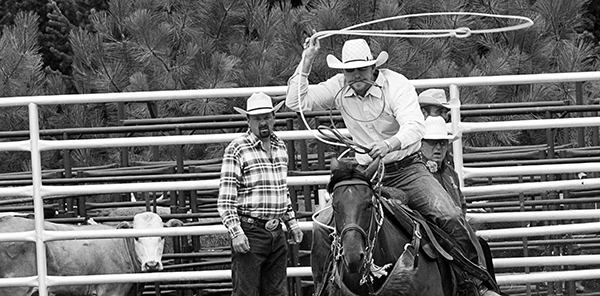
I know I write about it every year, but I like talking about subjects that I take pictures of and there is nothing like fast paced subjects to keep photographers on their toes and rodeos, easy as they are to photograph, are always worth taking a camera.

The Pritchard Rodeo grounds are perfect for photographers. It has an arena that is enclosed with a strong metal fence that’s safe to stand close to and doesn’t restrict the photographer’s view. Of course, one has to be careful when excited horses are getting ready for competitions like the Barrel Race, but it is a rodeo and one must remember that the animals, like any other athletes, are focusing on what they are about to do, and not some silly person with a camera.

When photographing fast, volatile subjects like those at a rodeo I prefer shutter priority mode where I select the shutter, and the camera chooses the aperture. I like shutterspeeds of 1/500th or more if possible. One also must be aware of depth-of-field, and I balance my shutterspeed and aperture taking that into consideration.

All I do is follow the action, choose a position that allows everything to move towards me, and let the camera’s computer handle the rest. Yes, it’s all so easy for photographers, no matter what their skill, to get images worth framing.

I remember a friend telling me last year why he liked attending the Pritchard Rodeo. He said, “I like the wild location. Look at the hills, and trees, and all the open space. Everyone is so friendly, they say hello even though they don’t know me, and there is even a beer garden with people socializing, but no one is getting drunk, being loud, or causing trouble.”
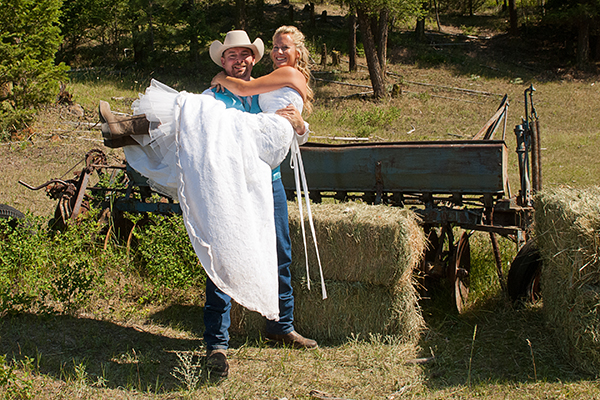
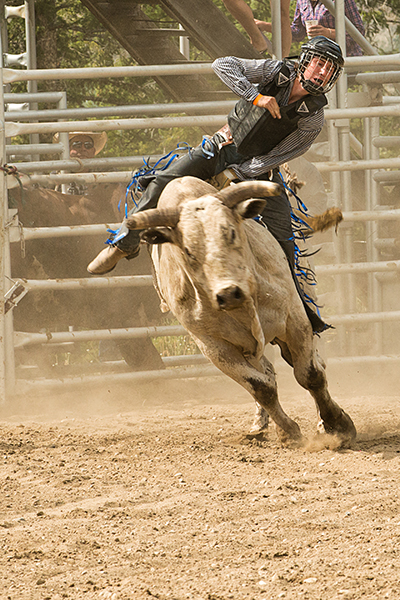
My favorite activities to photograph are the bronc riding, and bull riding events. The action is explosive and I think the participants (horses, bulls, and riders) pitted against each other are well matched and one can never be sure who will win. I am of the opinion that both animals and humans know it is a game.

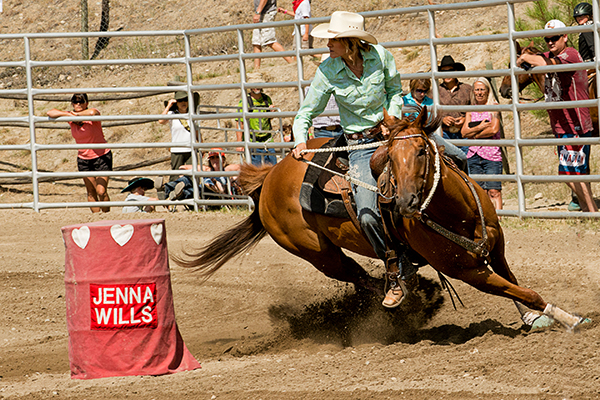
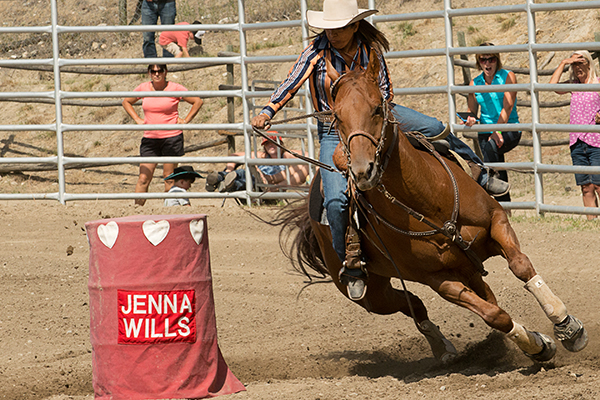
I also enjoy photographing barrel racing. What a great subject to photograph. Trying to capture what seems to me like a gravity-defying moment as horse and rider, fast and furiously, circle the barrel is exciting.

I am pretty lucky to have a local annual rodeo about five minutes from my home. I can go there to have fun, socialize with friends, and still get as many shots (that are keepers) of the rodeo as I can.

I said this last year and I will say it again. There should be a note saying,

“No animals, cowboys, cowgirls, or photographers were hurt during the process of having a great time.”
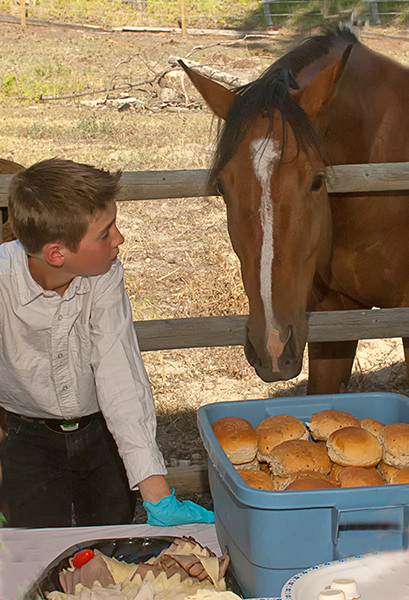
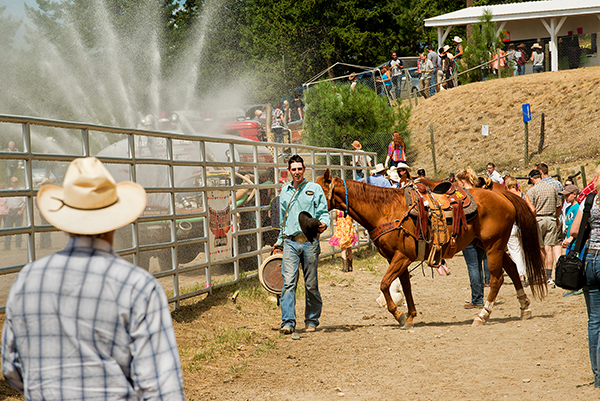
A Country Wedding.


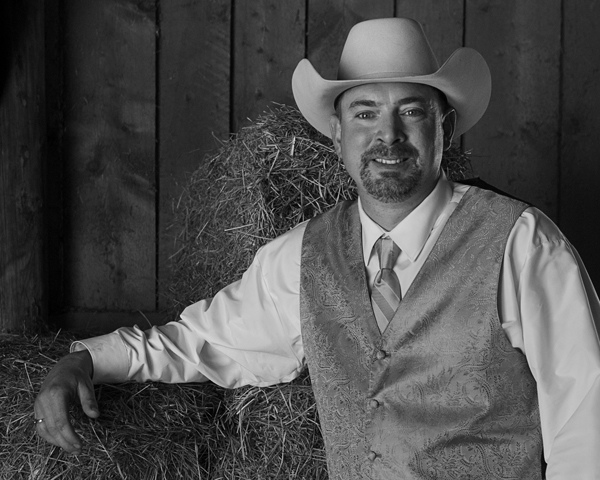
Wedding

Wedding ride 2

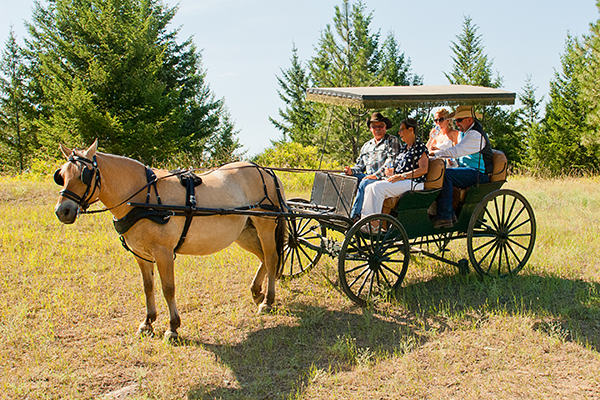
Guest wagon

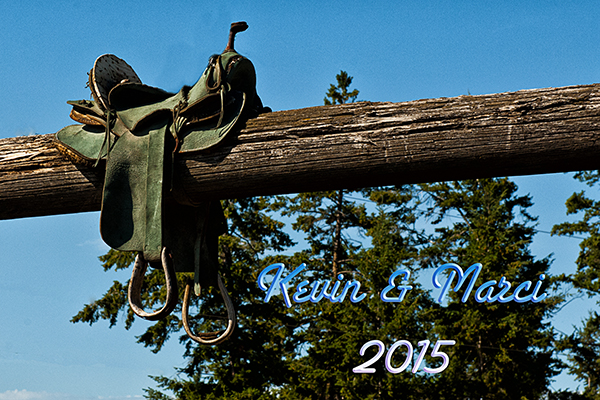
Kevin & Marci

Me too

Marcie's wedding

Country dancing

Just Married


My friend and neighbor, Kevin, called to tell me that he was getting married and asked if I would photograph his wedding.

Although I am pretty much retired, without hesitation I said yes, only asking the date. He continued, “It will be western casual and at our place”. With that I thought, “Well, of course,” and hanging up the phone I turned to my wife and said, “Kevin and Marci are getting married at the end of the month, I hope it’s an overcast day.”

Who knew British Columbia would be having such a record breaking, rainless, hot summer that steadily got hotter and hotter. So by the time Kevin and Marci greeted their guests who waited in large shade tents under a cloudless blue sky the temperature had reached 40 degrees Celsius.

I kicked up dust as I walked into the large coral glad of two things. The first was that my wife made me put on sunscreen and the second, was that high-speed flash sync had been invented.

I remembered the limiting days of film and the one-power-fits-all flashes with which we struggled. On a sunny day we’d load our camera with 50 ISO film, shoot at a high-sync of 1/60th or 1/80th per second depending on the camera and hope the flash didn’t blast the detail out of the wedding dress. On torturous bright days, like the one I was preparing to photograph my friends under, I’d use my favourite flash diffuser, a functional white handkerchief that served to reduce the flash and, when needed, wipe off the salty sweat that made my eyes sting.

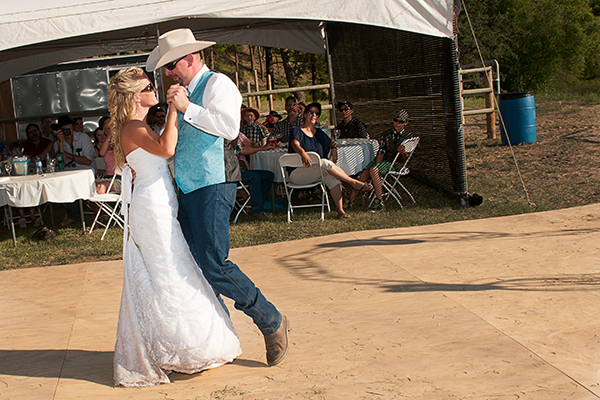
I made my way to the plywood dance floor and took a of couple test shots using the DJ as my model. My goal was to slightly underexpose the background. I really don’t like those pictures of people standing in an overexposed environment.

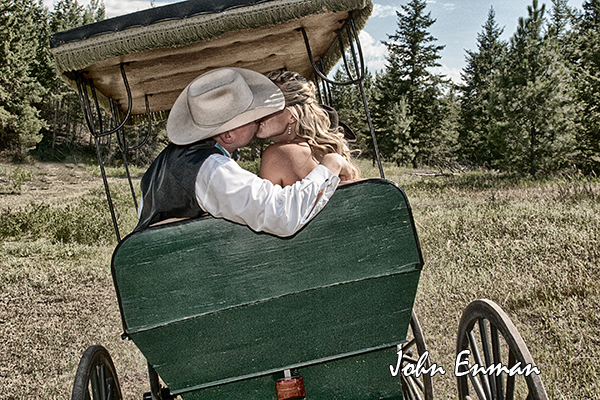
After the ceremony we joined the newly married couple in horse drawn wagons brought over by neighbours, Ellen and Steve from The Ranch, and traveled through the trees to another location where family and guests patiently stood waiting for me to take group pictures. Then we all, bottled water in hand, loaded back in the wagons for the waiting wedding feast.

I wrote that Kevin told me the wedding would be western casual. I don’t know if the ties, vests, and dark, western-cut jacket that the groom, best man, and father of the bride wore were casual attire, but the hats and boots were western, and I will mention that most of the guests were wearing cowboy boots and hats, and boot-cut jeans were the norm.

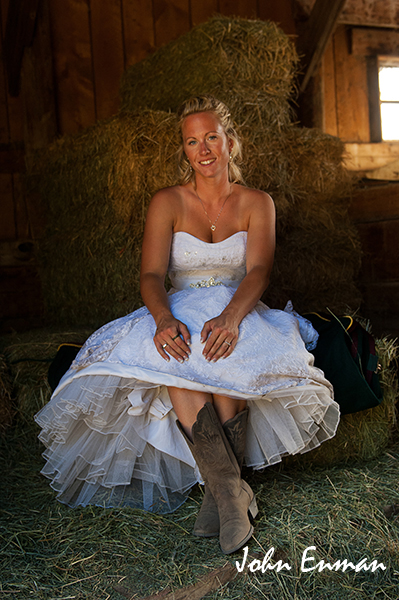
As everyone enjoyed a meal under the shade of the large tents I snuck away to set up a portrait studio in the barn. My lighting was two speedlight flashes positioned behind a six-foot diameter shoot-through umbrella. I like the wide, undirected, soft light a shoot through umbrella delivers, and a large shoot-through like the one I employed in the narrow walkway between horse stalls in the barn gave a flattering light that allowed me to quickly and easily pose the bride and groom.

Then it was back to the dance floor for the first dance. And I worked my way around capturing photo after photo of Kevin and Marci as they showed everyone how country music should be danced to, then I stepped back so as not to block the many pictures being made by guests holding their cell phones at arm’s length for that perfect shot that I am sure was quickly posted on some social media site.

In spite of the heat I had a great time. And I am certain everyone enjoyed the day. I left before sun down, but later Marci told me things were hopping till around 2AM.

Since then I have seen more than one over-exposed, wedding pictures from at other events displayed with misplaced pride, and read photographer’s complaints about shooting under the bright sun, and working in the heat. My advice for them is to under expose, to use a flash, and not to forget sunscreen.


Portraiture and the Photographer’s Use of Light

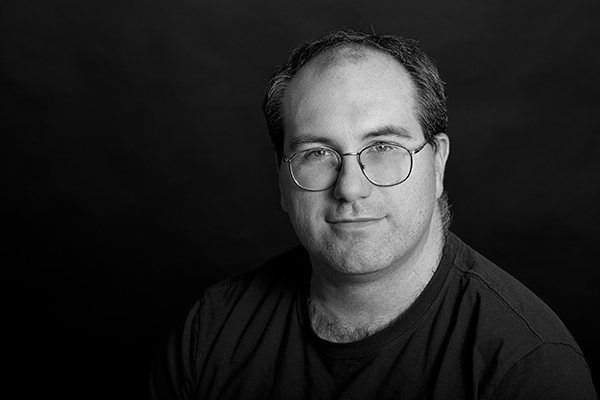
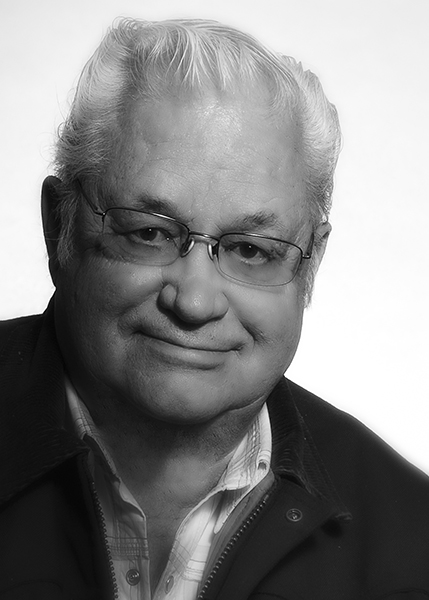
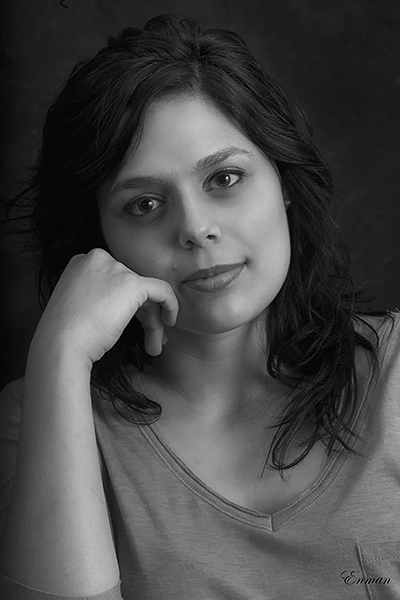
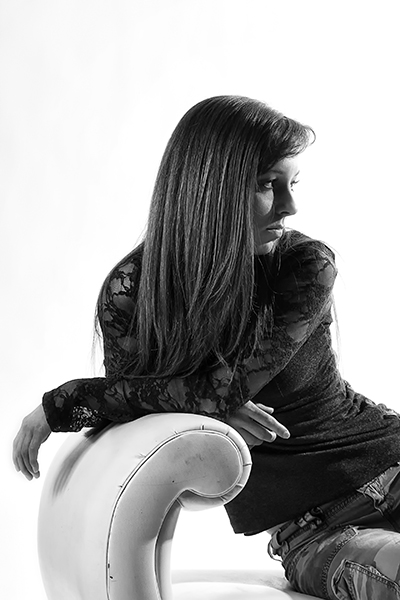
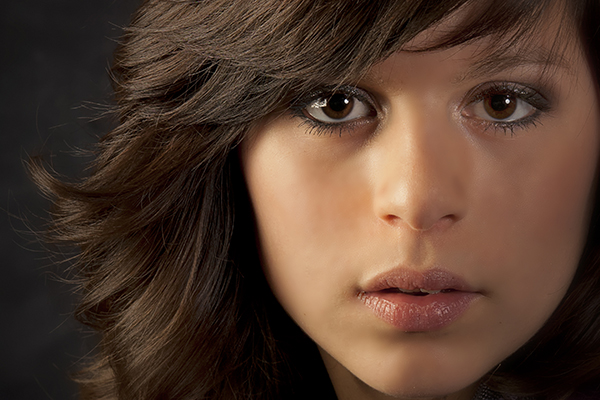
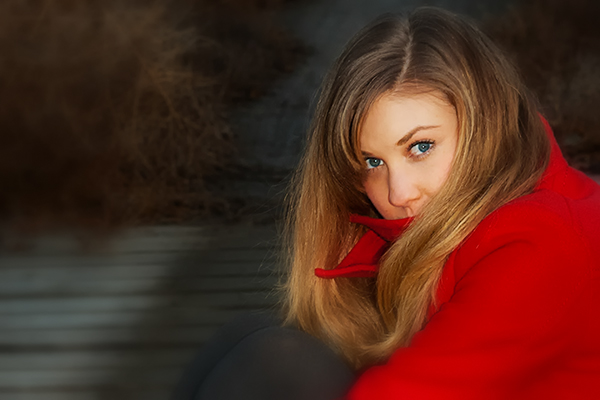
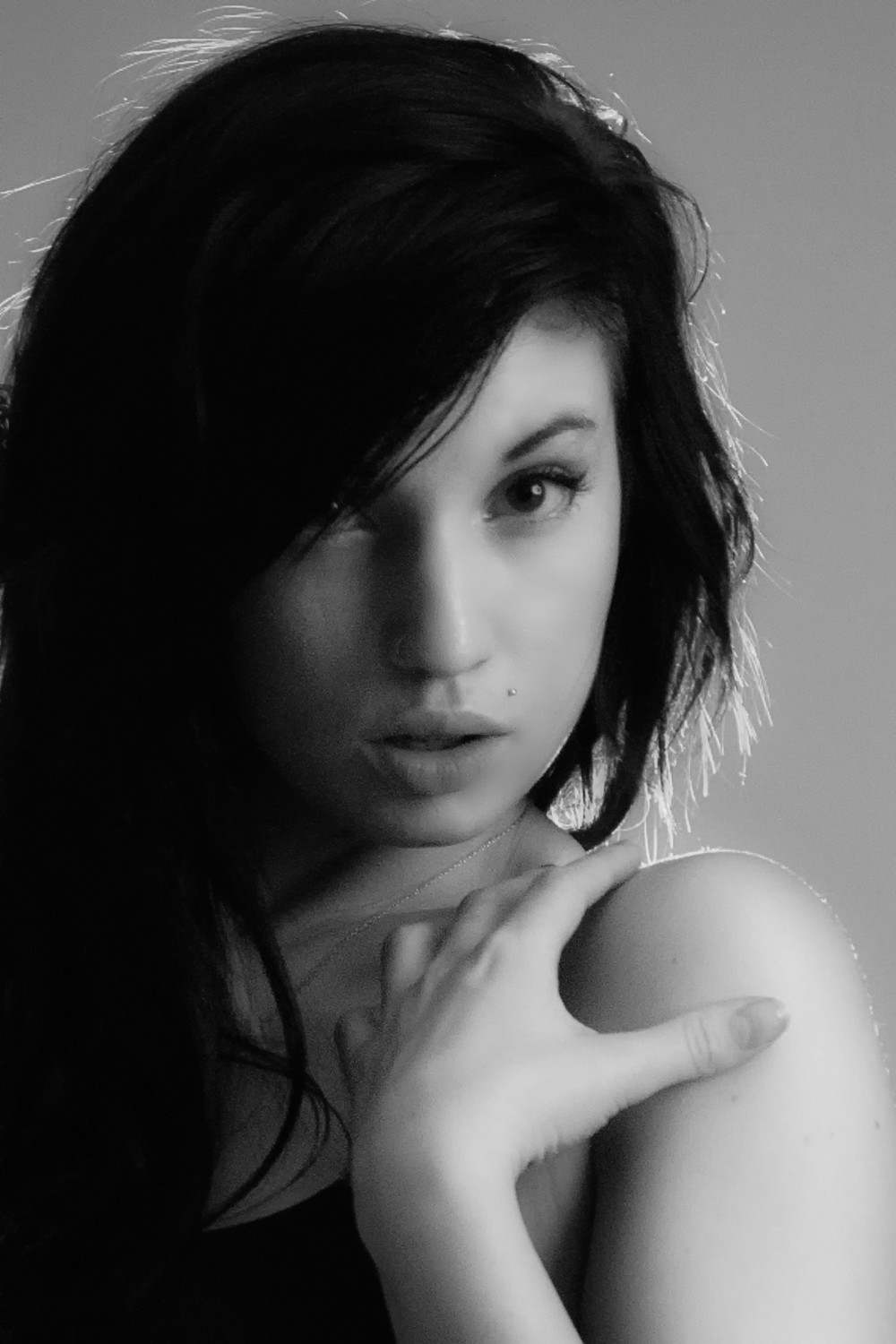
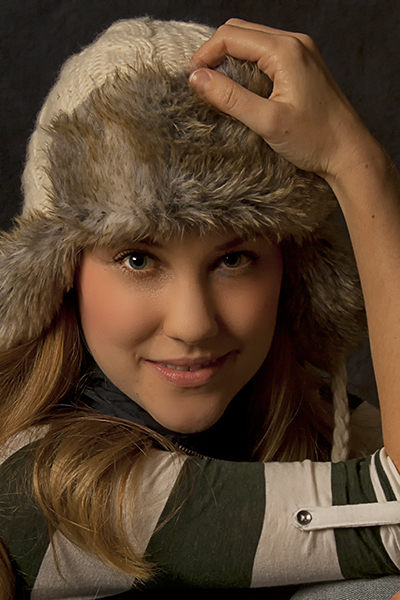
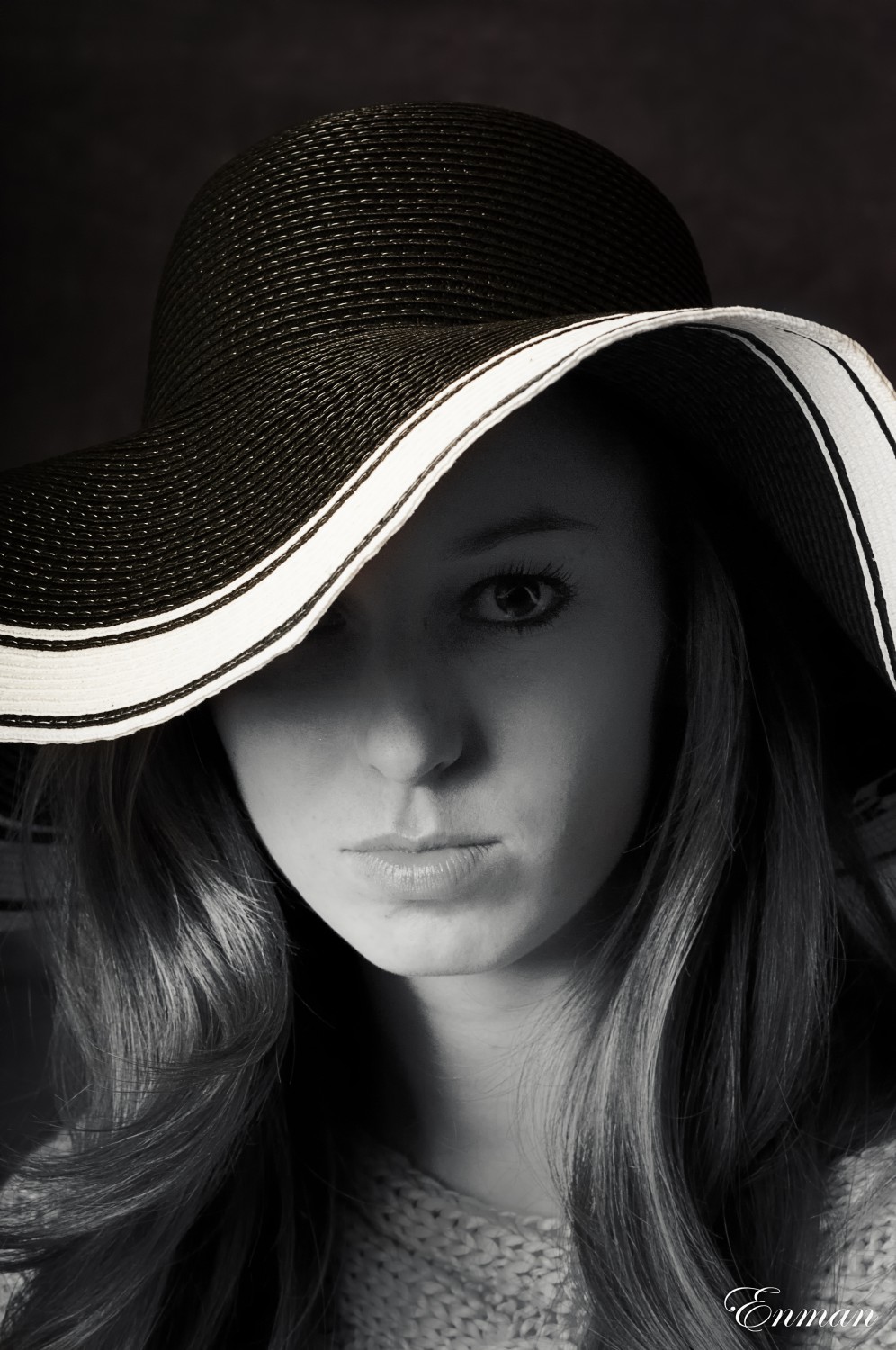
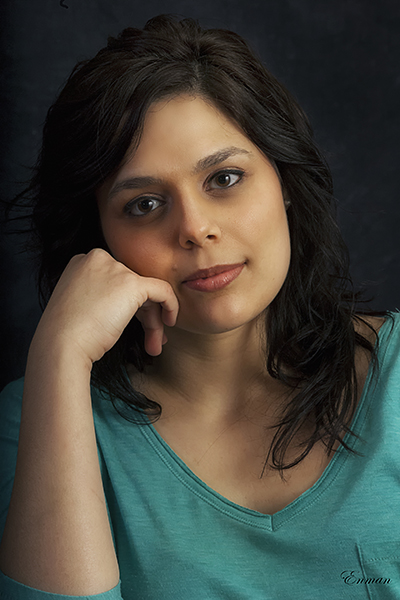
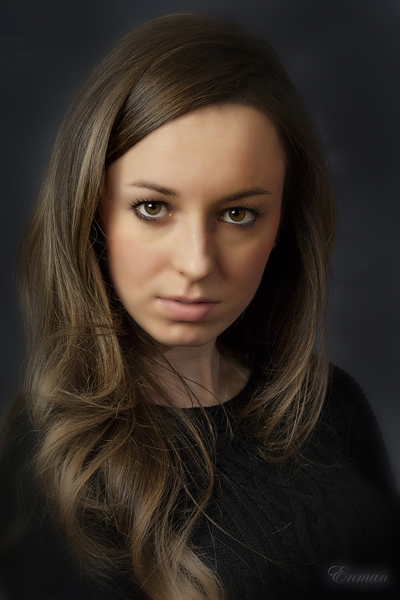
Monica aDemetra 3aMollyStephanie b6. BaileaStephanie a7. MonicaDemetraMonica  a


Photographer and author Frank Criccho states, “ The success of a photographic portrait depends as much on the photographer’s artistic and creative use of lighting techniques as it does on his or her skill with the camera.”

In an opposing remark during a recent conversation, a photographer told me that he didn’t have to worry about getting a flash for portrait photography and doubted he ever would, because he could just use a higher ISO, shoot multiple bursts, and fix everything in PhotoShop.

I don’t think that he is totally wrong, but his statement certainly demonstrates a lack of the basic understanding of how light impacts a subject’s face and how light can make the subject look younger, or older, or more glamorous, or down right unappealing.

I think in the race to purchase the latest hi-tech photographic marvel many photographers tend to forget about how lighting affects their subjects.

In my opinion, the goal for portrait photographers should always be to make the subject look his or her best, and provide an image that is flattering, and allows the person you are photographing to have a photo that impresses viewers.

One could say the responsibility lies with photographers, and not the subject, as to how good they look. Yes, I know in reality that isn’t the truth, but in my experience when one makes a bad photo of someone they will blame you, not themselves, if one makes a good photo they will thank you for capturing reality.

Many photographers just excitedly snap away without examining their subject, or posing them. Relying on luck and their subject’s talent to make that pleasing portrait, and pay little attention to how the light is making that person look.

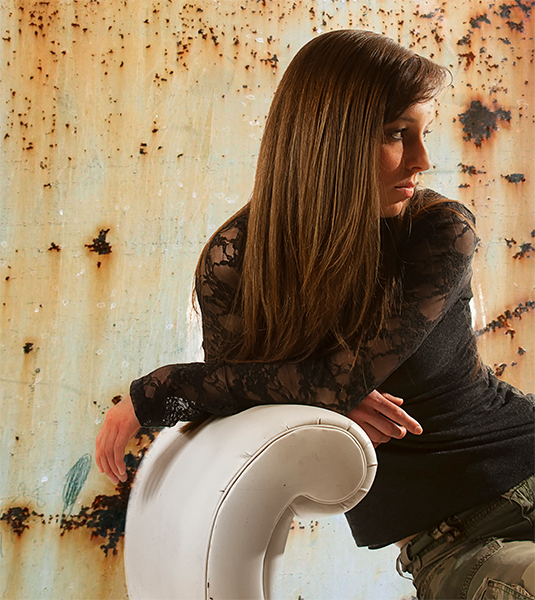
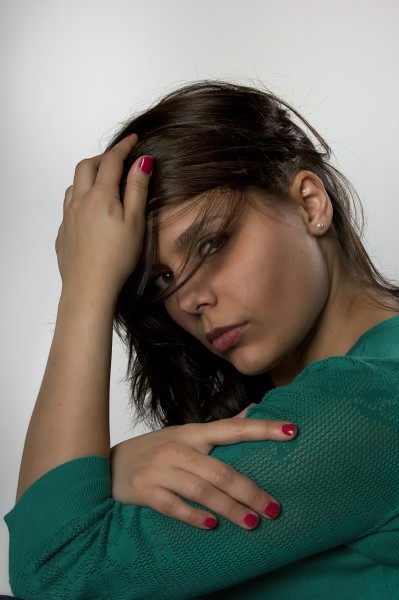
Light and how a photographer uses it is very important. Too much contrast or side lighting shows lines and blemishes, whereas, on-camera flash, or bright, direct sunlight gives a flat, dimensionless, uninspired look.

To use the words of world-renowned photographer and writer, Joe Marvullo, “It is your ultimate decision, however, to determine what is “real” about that person and how to portray it in the photograph. You must successfully translate a distinct human personality in three-dimensional form into a two dimensional representation. This recorded image must come to life on it’s own. You, as an artist, must capture the “essence” of your subjects – their persona.”

Modern on-camera flashes are excellent if used correctly and creatively. Photographers can diffuse, bounce, and move the light off to the right or left, higher or lower, and modify that light using umbrellas, reflectors or softboxes to soften and control the direction and intensity.

I believe photography is all about the light. The lazy photographer just worries about exposure, where as the imaginative photographer pays attention, experiments, and practices creating portraits using light that are more than just documents of some person.  And as Marvullo suggests it is up to you, the artist, to capture the “essence” of your subject’s personality.