What Makes Photographers Happy?

Jada-2

I have read that there are 12 states of happiness. What they are, or how “happiness” is determined and is then defined, is beyond me, but I did find a short article that said to be happy people need to “anticipate with pleasure, savor the moment, express happiness, and reflect on happy memories”.

I know there are times and things that make me happy. Nevertheless, there are moments that no matter what my surroundings are, or the circumstances, I am just not happy. And I am sure I am not the only one that gets in a bad mood (or good mood for that matter) without knowing why.

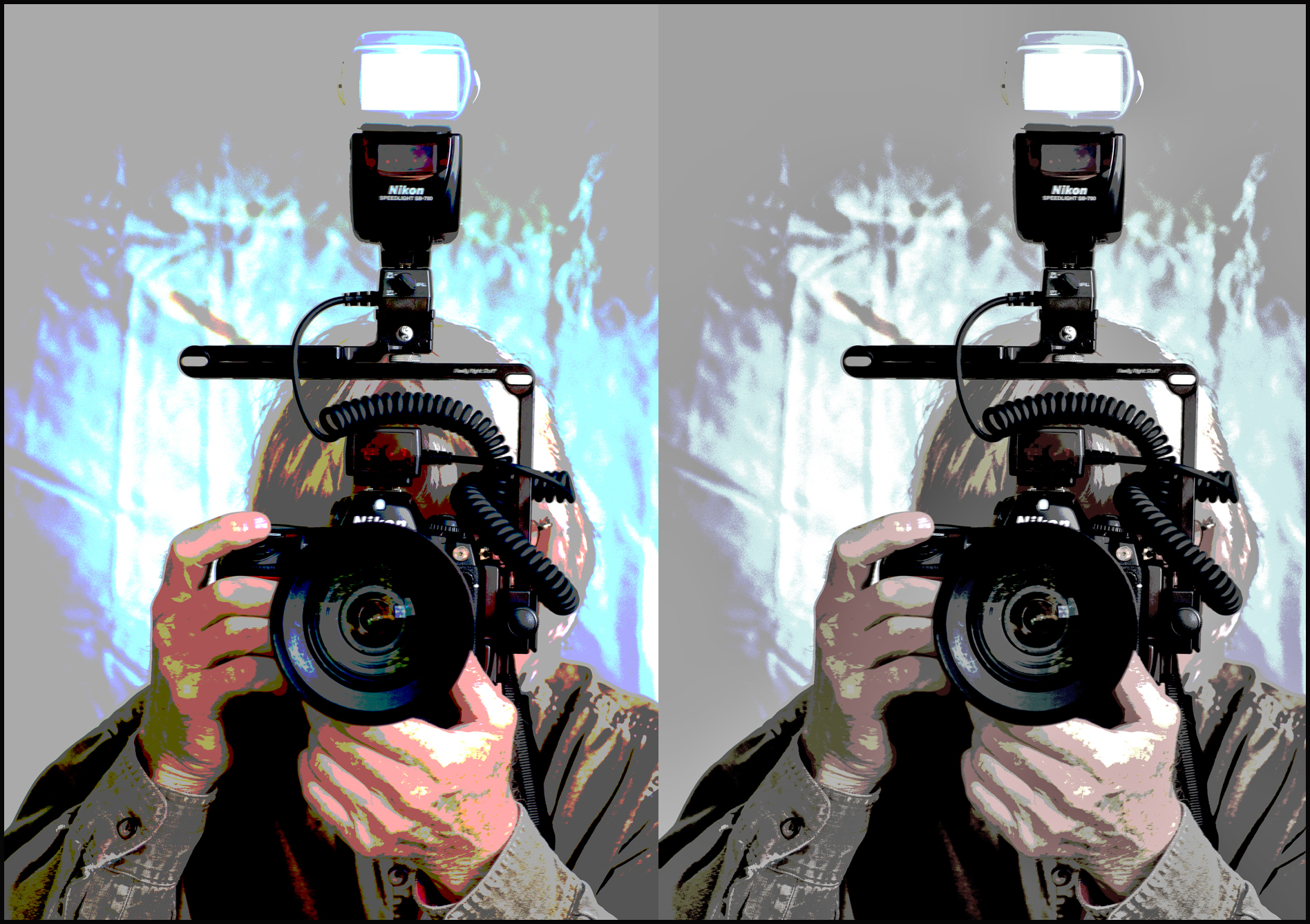
I doubt one can find any studies on the states of happiness for photographers. So while readers think about what makes them happy I’m going to delve into that mysterious state.  Is it happiness about how things like camera equipment make them feel, or about how circumstances such as creating a good photograph make them feel? Most photographers are devastated when they receive a poor review on a picture, so there is lots of ego involved in their happiness. And I know that sitting around with other photographers talking about anything photographic is just plain blissful for me.

I don’t know any social scientists that I can call up, and I haven’t discussed happiness with any philosophers. However, I have always felt that photographers have a culture of their own. There are those who might argue that concept, but I am absolutely convinced that it is so. I constantly interact with other photographers in online forums, blogs, or talk to them personally, and those photographers are always ready and willing to tell me when they are happy or not.

Some are actually more interested in the technology of photography then the actual process of making pictures. I recall a guy that was happiest when he found a problem with a piece of photography equipment. He delighted in making test after test to find if a particular camera matched what the manufacturer or other photographers claimed. I’m disappointed when something doesn’t work as described, but this fellow would actually be down right cheery.

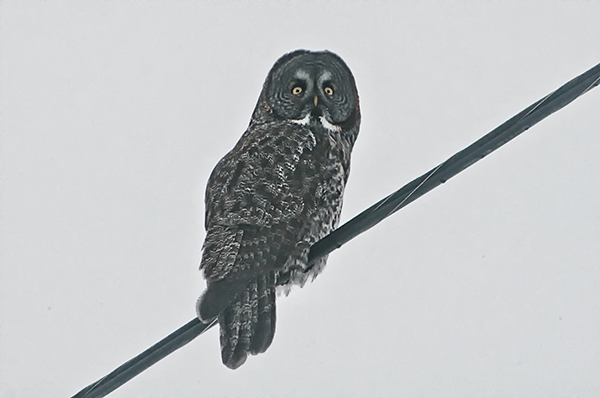
I had a friend that spent all his spare time wandering back roads. He’d show up at my shop with a grin as wide as all outdoors and stick his ipad or ipone on the counter for me to scroll through and happily describe how he photographed that hawk on the wire, the owl on a fence post or that eagle fishing on the river bank. What made him happy weren’t his pictures as much as his process of making pictures.

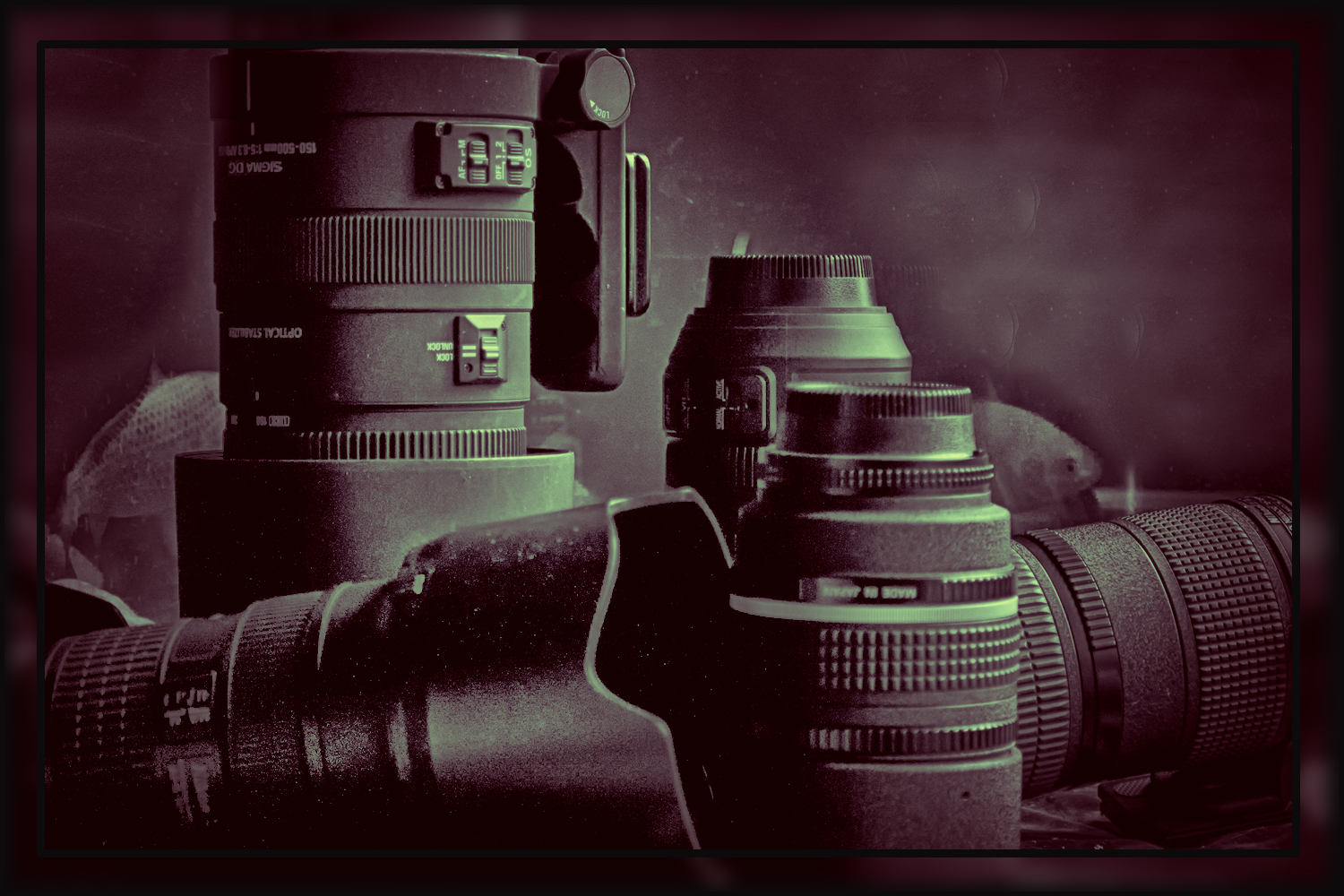
I know photographers that are continually changing equipment. Not because they find problems with what they own, or because their equipment is limiting, but because they read something, or talked to someone, about a new addition from their manufacturer of choice, and can’t live with out it. They excitedly talk about how wonderful that new piece of equipment is. I know their choices don’t so much meet a practical need as an emotional one, but they make it easy for me, and anyone else they talk to, to observe how darned happy they are with their new camera, or lens, and with, for that matter, everything they own.

This exciting medium has many levels and outlets to make one happy. There are portrait photographers, wildlife photographers, scenic and landscape photographers, sports photographers, baby photographers, those that specialize in plant photography and, of course, many more, each with differing sets of skills, and, to my mind, their own states of happiness. I don’t know if photographers have twelve states of happiness, or only the four I found in that short article, but I will say that I meet lots of people that are happy to be doing photography, and being involved with it in their own, very personal, way.

Care to comment on what makes ya happy?

My website is at www.enmanscamera.com

Photography in the Fog

Farm & Pond in fog 2

Moving cows in fog 2

Horse in Snow 2

Owl on wire 2


Pritchard above the fog 2

The past snowfall gave us a grand depth of a bit over two feet. That exciting event included hours of shoveling and roads that were pretty much closed to driving for a while. I wonder why we “dig” dirt and “shovel” snow? Hmm…I remove the dirt from the hole and remove the snow from the walk. Yep, it’s the same thing as far as I can tell.  Both activities use the same tool and make my back tired.

Our yard now has deep three-foot deep trenches dug out and shoveled clear by me that lead to all the important locations. Basement door to chicken coops, front door to the car, and car to the road; however, I also made trails for the feral cats so they can come to the door for the food we leave them.

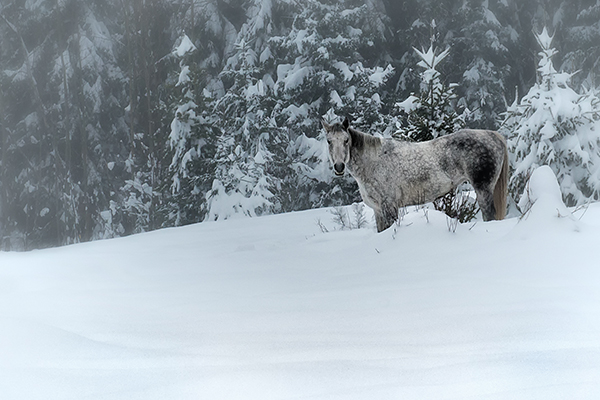
When the days of soft, cold snow finally ended, everything quickly warmed up and a suddenly a thick, damp fog settled in.

My first thought was to get out my snowshoes and head up into the hills surrounding our home. I mentioned that to my wife, but not in the mood for trudging through the snow she suggested we get our cameras and go for a drive around the now foggy neighborhood in Pritchard instead. So we bundled up, grabbed our cameras and took off.

Our car is perfectly equipped for photography with beanbags. Just set them in the window and nestle the lens on them to reduce camera shake when using our long lenses. However, on this day my wife set aside her 150-500mm, and decided her light weight 70-300mm would be better suited for the foggy landscape, and I chose my 24-70mm. But it’s good to always have the beanbags in our car even if we don’t need them.

Fog is a tricky business because contrast is all but lost and the moving mist reduces sharpness. Everything is so flat that it’s hard to get definition.

I enjoy fog and recall the imagery of a poem from Carl Sandburg.

“The fog comes

on little cat feet.

It sits looking

over harbor and city

on silent haunches

and then moves on.”

I think that description is pretty good and I enjoyed how the fog obscured my view of things in the distance and created a mystical looking world as I drove along our snow covered rural road.

Years ago when photographers were making exposures of foggy landscapes with film the best way to increase contrast was to use yellow, orange, or sometimes red filters. We could also over-develop the film, or as a last resort process it in hot chemicals. There were also filters that could be used while printing to reduce the tonal values, and some specialized chemicals would help also increase the contrast. All that was lots of work and if you screwed up the negative…well, you were screwed.

Today we have software like Photoshop (and lots of other programs available that are just as good) to help us out in those flat, foggy conditions, and when Linda and I drove off into the whispering fog I knew I would be spending a short time sitting at my computer increasing the contrast and reducing the grey tonal values.

It is now all so easy and it doesn’t take much time. As I sat manipulating the hazy images I thought about all the hours I used to put into producing our photographs. We have it pretty good these days.

Fog is fun in which to shoot. All one has to do is find subjects that are distinctive enough to be understood through the quietly creeping and silent fog. My suggestion is instead of drinking your chocolate and staring out the window on the next foggy morning waiting for the sun to come out, get your camera, go out, and see what you can do.

As always, I really appreciate your comments. Thanks, John

My website is at www.enmanscamera.com


Photographer’s 2015 New Years Resolutions


Auld-lang-sine


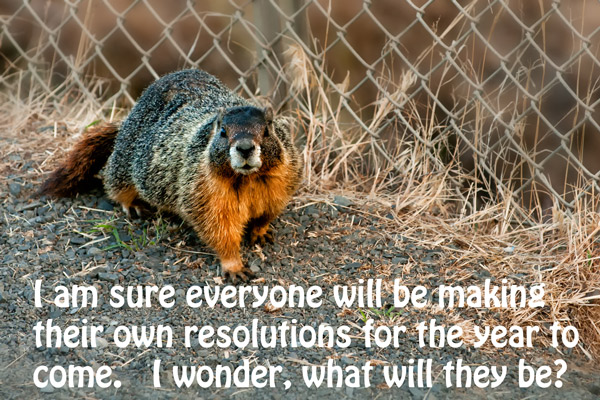
Marmot-b


It is time for me to write about New Year’s resolutions. The prospect of new opportunities is always exciting and jotting down a personal list of goals (resolutions) at the beginning of each year is a good idea if one wants personal growth.

This past month I have been asking people that come into my shop what their resolutions for the New Year would be. Here are a few from the many I heard that, in my opinion, are good solid resolutions.

Use a tripod more.

Turn off Auto mode.

Buy a new camera or lens.

Try shooting RAW.

Learn more about lighting.

Take more photos.

Learn about Composition and the Rule of Thirds

Learn to use Photoshop or Lightroom.

However, as good as those are I am adding seven that are a bit more inspirational (is philosophical a better word?) New Year Resolutions that I have put together (seven is a lucky number after all) this past year from all the long, coffee fueled discussions on ways to make improvements in the future with this exciting medium.

  1. Pay more attention to creative ideas. Without creativity a photographer doesn’t have a chance at moving forward. “This could be the year to begin evolving creatively”.
  1. There is too much focus on what is the best camera. When we spend too much time worrying and making everything about the camera we forget about the story. How about this year being more concerned with making images that tell a story”.
  1. Take risks photographically and move away from always trying to please. Make this the year to push-the-envelope beyond the comfort zone without being concerned with other’s opinions. Maybe this will be the year to put “me” in the photograph.
  1. Learn a New Technique. I think it’s as simple as experimenting, and definitely taking the time to “read up on some technique and then give it a try”. Photographers should always make the effort to learn new techniques, maybe by taking a class, or at least buying some books, or CDs, written or taught by experienced, educated photographers.
  1. Choosing new subjects to “get out of the rut of shooting the same thing over and over”. While practicing portraiture or landscapes is good, photographing the same thing the same way over and over can result in a lack of inventiveness and creativity. Sure it’s nice to stay in a comfortable rut, but as with Resolution #4, “Maybe this will be the year to put “me” in the photograph”.
  1. Make every shot count and stay away from the “spray and pray” shooting style. It should be about making each image a quality photograph, not massive picture snapping sessions hoping that a few to turn out.
  1. Become more ruthless with one’s photography and what is done in post-production; conditioning oneself to throw out the crap is the only way to keep improving.

Finally, I’ll wish everyone a great 2015, and end with a quote by award winning English author, Neil Gaiman. “I hope that in this year to come, you make mistakes. Because if you are making mistakes, then you are making new things, trying new things, learning, living, pushing yourself, changing yourself, changing your world. You’re doing things you’ve never done before, and more importantly, you’re doing something.”

Do you have any to add? I will be happy to read them.

My website is at www.enmanscamera.com. Thanks, John


Photographing the Lights of Christmas Holidays

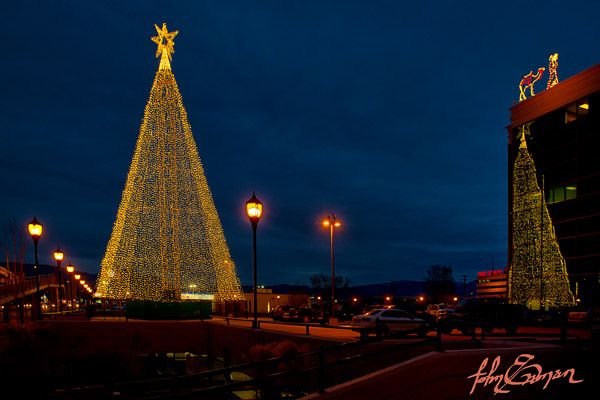
Kelowna-Tree-2014

Kelowna tree 4

Kelowna-5

Kelowna tree 2

Kelowna-tree-3

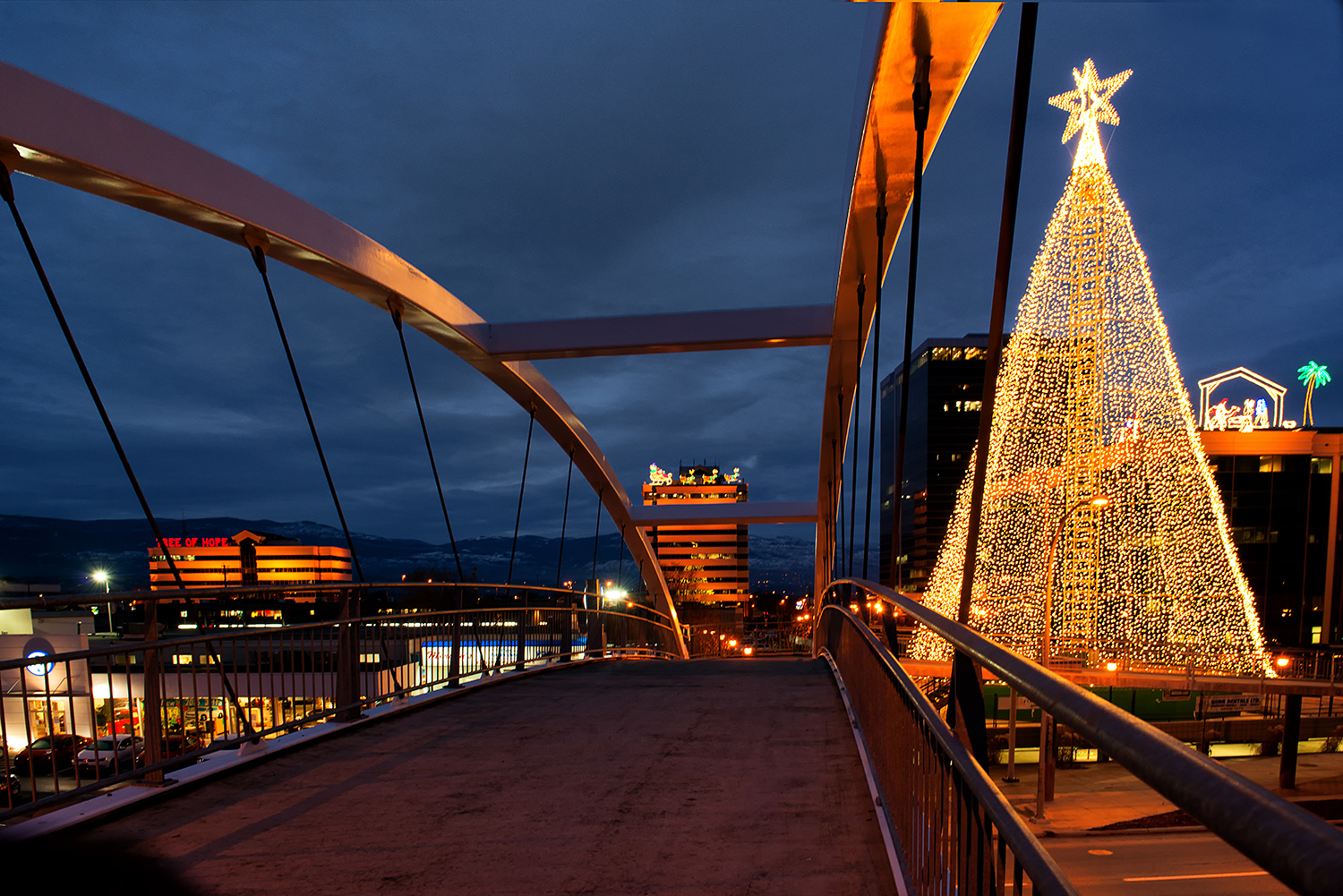
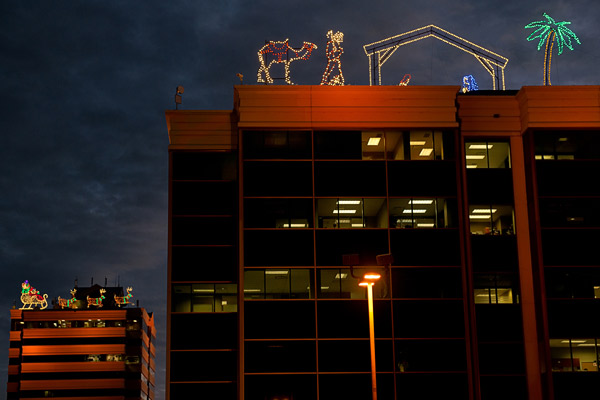
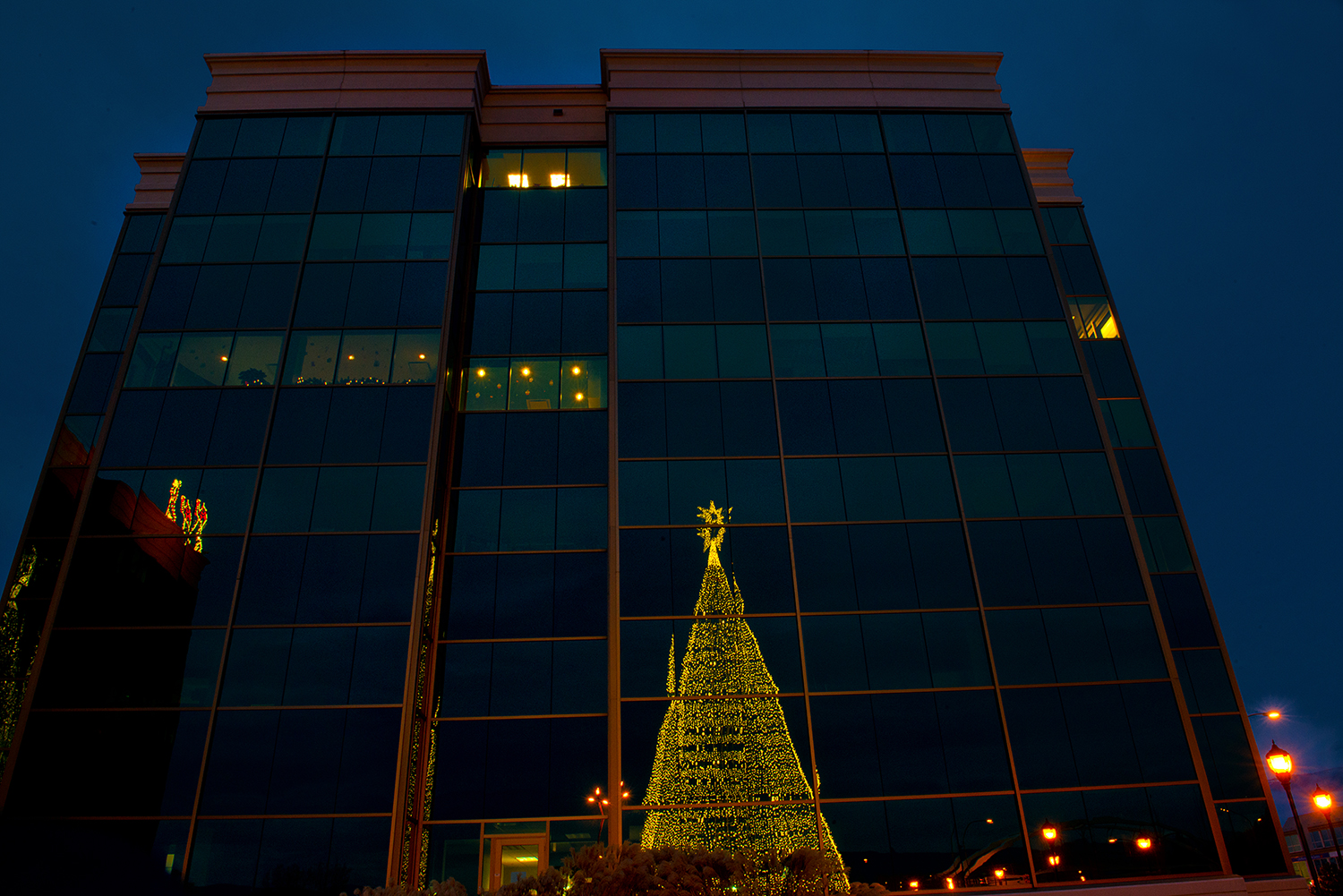
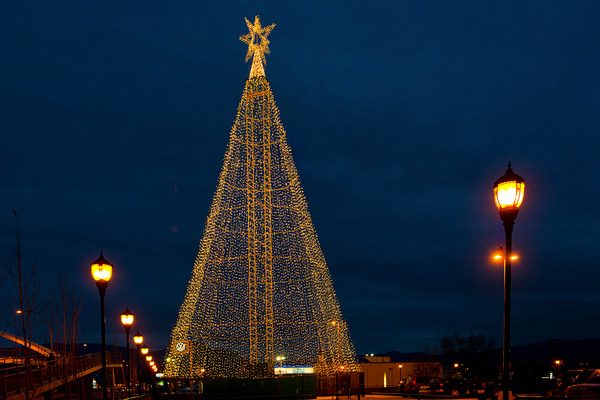
Well, it has been a wonderful Christmas holiday and I have enjoyed everything about it; the bright colours, gaudy decorations, the sentimental music, silly TV programs, and I especially like the Christmas lights in the city.

A drive this time of year through any town or city neighbourhood is an exciting visual presentation of festive bright lights and another opportunity for, at least a few weeks, to have fun experimenting and photographing the season’s sparkling subjects.

Photographers that want to make pictures of Christmas lights usually wait until dark and end up exposing for only the lights, and the resulting photographs show lots of colours, but don’t say anything about the location or environment; and a photograph in daylight doesn’t show the lights at all.

The photographer’s goal should be to balance an exposure for ambient light (existing environmental light) to and the electric lights. So to provide help and clarification to my readers here is my quick holiday how to for photographing their city or town’s Christmas lights.

As I suggested when I wrote about photographing the CP Holiday Train, begin by choosing the location well in advance, before it gets dark, and prepare to begin when the electric lights are first turned on, when there is still some light in the sky, yet dark enough for the lights to be bright.

Place the camera tightly on a tripod so it’s nice and steady because the exposures can be long. I like using a cable release, but if you don’t have one available, use the camera’s self-timer. The idea is to stop camera-shake.

Photographers can experiment by setting the white balance to “tungsten”. That setting will correctly balance the different lighting types; and as a bonus it will deepen the blue in the sky. I then control the final intensity with PhotoShop.

The composition should also include reflective subjects in the foreground like snow, sidewalks, cars and anything else that adds to the viewer’s attention.

Expose for the sky or buildings and make several test shots and keep checking the camera’s LCD. The lights will become more and more exciting as the sky light fades and as pictures are captured. There will be some length of time between your first images just before the sun sets and the last when everything gets very dark. I also do this in reverse, starting before the sun comes up in the morning.

Dress warm, so you aren’t uncomfortable and rush things. I expect the whole “shoot” should last less than 15 minutes if one is prepared. When the images on the camera’s LCD look too dark everything is finished and its time to rush home, excitedly transfer the images to the computer and have a warm drink.

Most importantly, the quality of light in a photo comes down to balancing the light; it creates the whole look of your photo and now is a good time, with all the added decorative illuminations, to learn about controlling the light around us. If your goal is a black and white image you will need an exposure that shows detail in all the subjects.

In summary, select the correct time of day just before everything is too dark or too light for a composition with sky, foreground, and bright lights. And be sure to leave enough time to experiment. Readers should be able to successfully photograph their own towns, or any favourite location.

I look forward to any comments. Thanks, John

My website is at www.enmanscamera.com
Photographing the CP Rail’s Holiday Train at Day’s End


Holiday Train 1

Holiday Train 3

Christmas Train 4


This past week I viewed a photograph made by a photographer at night that was not much more than a dark, featureless, long block with a string of brightly colored electric lights on its surface. The person that made that photograph commented that she was disappointed with what the result.

I suppose the photographer didn’t know there wasn’t much that could be done with a subject that has no light on it. She might have thought a high ISO would work, and like many others new to the medium of photography, didn’t understand that surfaces that don’t generate light, must have light reflecting off the surface it if we are to see or photograph it.

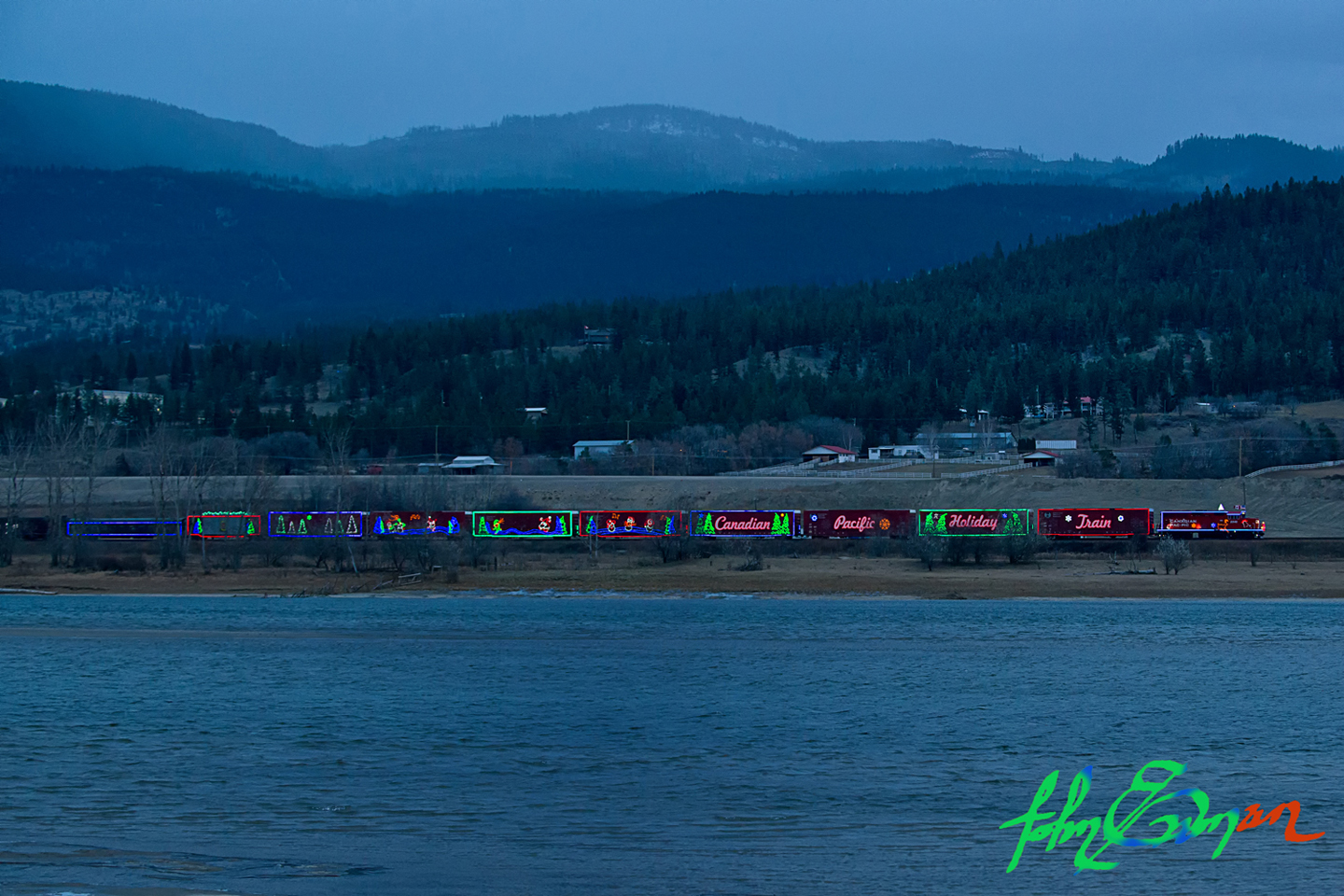
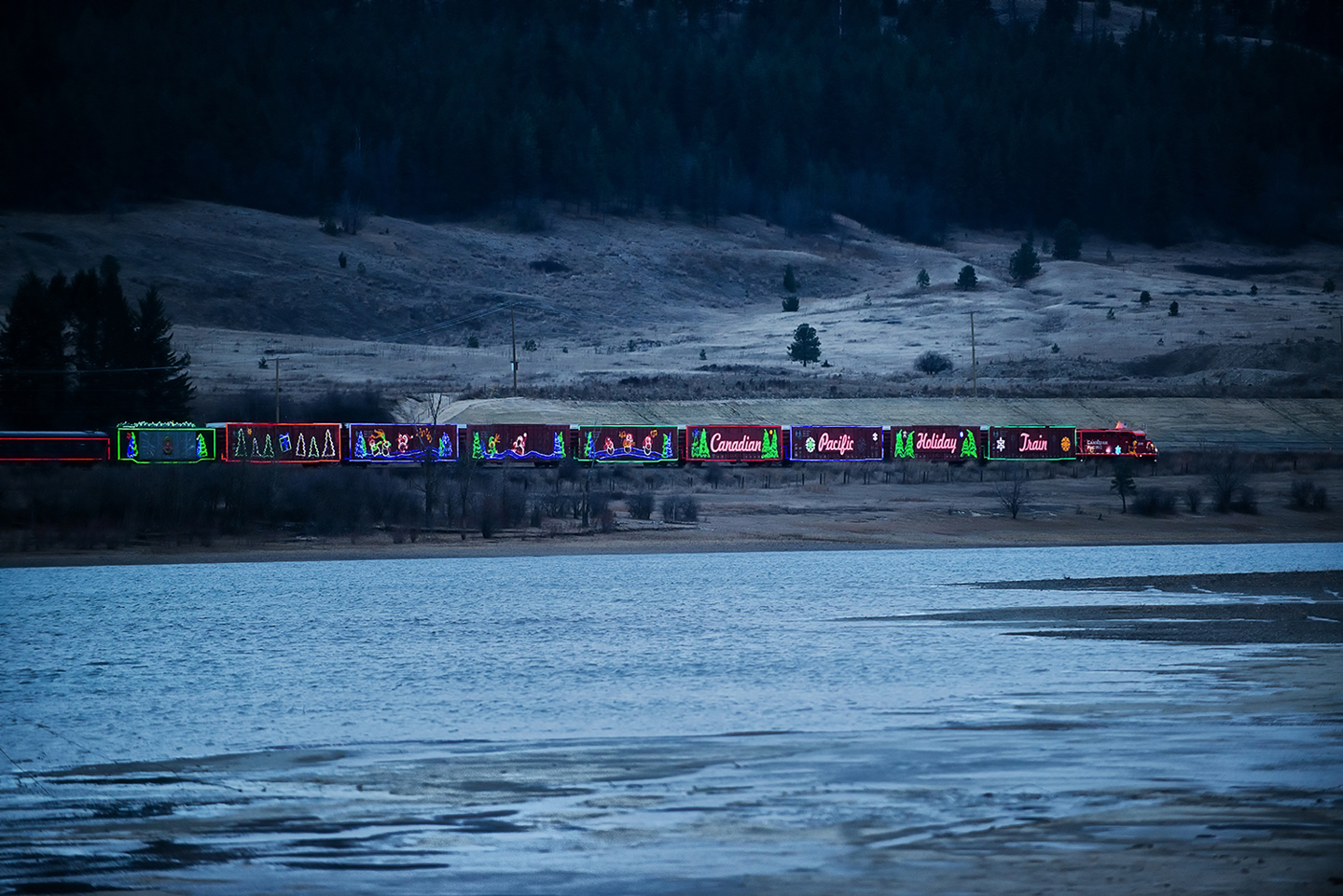
I thought about that frustrated photographer as I set up my tripod alongside my wife, Linda, and our friend, Nancy. We were preparing to photograph the Canadian Pacific Holiday Train that would be rolling along the railroad tracks that followed the wide South Thompson River a short distance from our home in Pritchard, British Columbia. We had read on the Internet about the train traveling through Chase and Kamloops on December 16 and had estimated the time it would come through Pritchard that is nestled between the two locations.

We positioned ourselves on the beach on the other side of the river so we could photograph the train passing on the opposite side and we would have a wide shot of the engine and all the brightly lit, Christmas box cars.

We arrived an hour in advance while there was still plenty of light and made test shots of a passing freight train. The schedule put the train in our location just at sunset, giving us plenty of light to define the train from its surroundings even with the declining light.

We set our cameras at ISO3200. That allowed my wife to set her camera at 1/250th second with her f4 lens, and with my f2.8 lens I could use1/400th second. Even at that we were both under exposing our images, however, in my experience, a stop or two under exposure when making exposures in the last light of the day usually works pretty well.

I prefer shooting just at sundown when there is still that cool, blue light illuminating the sky. It is easy to select out and brighten up the subject without affecting other elements in the landscape, whether making the final image in a traditional film darkroom, or using a program like PhotoShop.

I wrote that we were using tripods. Tripods are the best way to keep one’s camera still, but with our tests on the freight train that we photographed in advance of the Holiday Train we found that quickly releasing the camera from the tripod as it passed, handholding and panning worked best.

I like to preplan, so we had gone down to the river a week early and selected our observation site. In addition, on the day of the train we arrived an hour early, and that gave us time to test, to move about and experiment with our location a bit, so that when the train rolled by we were ready.

There was a strong, cold wind blowing down river directly at us. But we parked our car at the edge of the riverbank just above us with a good view to see the approaching train. After we had set up our tripods and camera, we sat in the car bundled up in blankets and drinking hot chocolate until the moment arrived. Suddenly exclaiming, “There it is!” we ran laughing and hopping down the sandy riverbank for three exciting, adrenaline filled minutes of photography.

My favorite times for scenics, and for the Holiday Train that was my center of interest for this scenic, is the hour just after sunrise and the hour just before sunset. I am sure one can find great light any time of the day and night, but these two hours are the most predictable when it comes to workable light.

Please don’t hesitate to comment. Thanks, John

My website is at www.enmanscamera.com
Photography at the Christmas Party

Tree Planter's 009 Tree Planter's 040

Tree Planter's 076 copy Tree Planter's 255


The Christmas season is here and that means photographers, digital cameras in hand, will happily begin filling memory cards with all the photographic opportunities as they join family, friends, and co-workers at all this month’s festive events.

I have the feeling that for many, it is more about the process of picture taking than it is about making memorable photographs, or even documenting the party.

The act of picture taking has become easy and so much fun as a process as photographers rush over to take a picture, look at the LCD, and quickly slide back to show others those tiny images. And seem more interested in that quickly snapped candid than what is actually happening at the moment.

Most images made in this fashion never become more than files stored on computers and tucked away on hard-drives with good intentions, but after that initial viewing, most photos loose their value because there are too many, and very few are good enough to give to others anyway.

What is my advice for photography at the next Christmas party? Yes, continue to make candid photographs of people having fun, but, perhaps, think about making pictures that tell a story, capture an exciting moment, and importantly, flatter the subjects. Most people don’t mind seeing a picture of themselves being silly or having fun, but they don’t like pictures that make them look stupid or unattractive.

My approach is to take a moment to look at the room in which I intend to make photographs, make a couple of test shots using longer shutter speeds (my favourite is 1/60th of a second), to include the room’s ambient light when making exposures using an on-camera flash (I always use a flash) so as not to end up with brightly lit faces surrounded by a black environment.

I suggest taking group shots with two or three people. Get them to position themselves so they are squeezed together with a tight composition, and include only a little background or foreground. Don’t shoot fast, steady the camera, and select a shutter speed that includes the ambient light, and use a flash. Fortunately most modern DSLRs easily allow ISO sensitivity that can be set to 1600, and some can go a lot higher.

Shutter speeds of 1/60th of a second, or less, doesn’t always work for children playing in the snow during the day because moving subjects will be blurry, but, with limited indoor lighting, moving subjects will only be properly illuminated when the flash goes off.

Lighting everything with complicated studio equipment would be great, but that would ruin the party for everyone. The occasion would become more about the photography than about the fun and festivities. I use a hotshoe mounted flash and make adjustments as I go. I want to join in on the fun, blend in, and not act like a photojournalist.

Family and friends don’t mind having their pictures taken as long as it’s enjoyable and I want pictures that show them having a good time. So, along with those quick candids I make posed portraits with smiling faces, and if I select some pictures to give away later I want people to like, not be embarrassed by, the pictures taken of them.

I always look forward to your comments. Thanks, John

My website is at www.enmanscamera.com


Your Photographs Make Great Christmas Cards

Xmas

My favourite from last year


Horse sleigh ride

enlarger ghost 3

xmas chickens

Another favourite


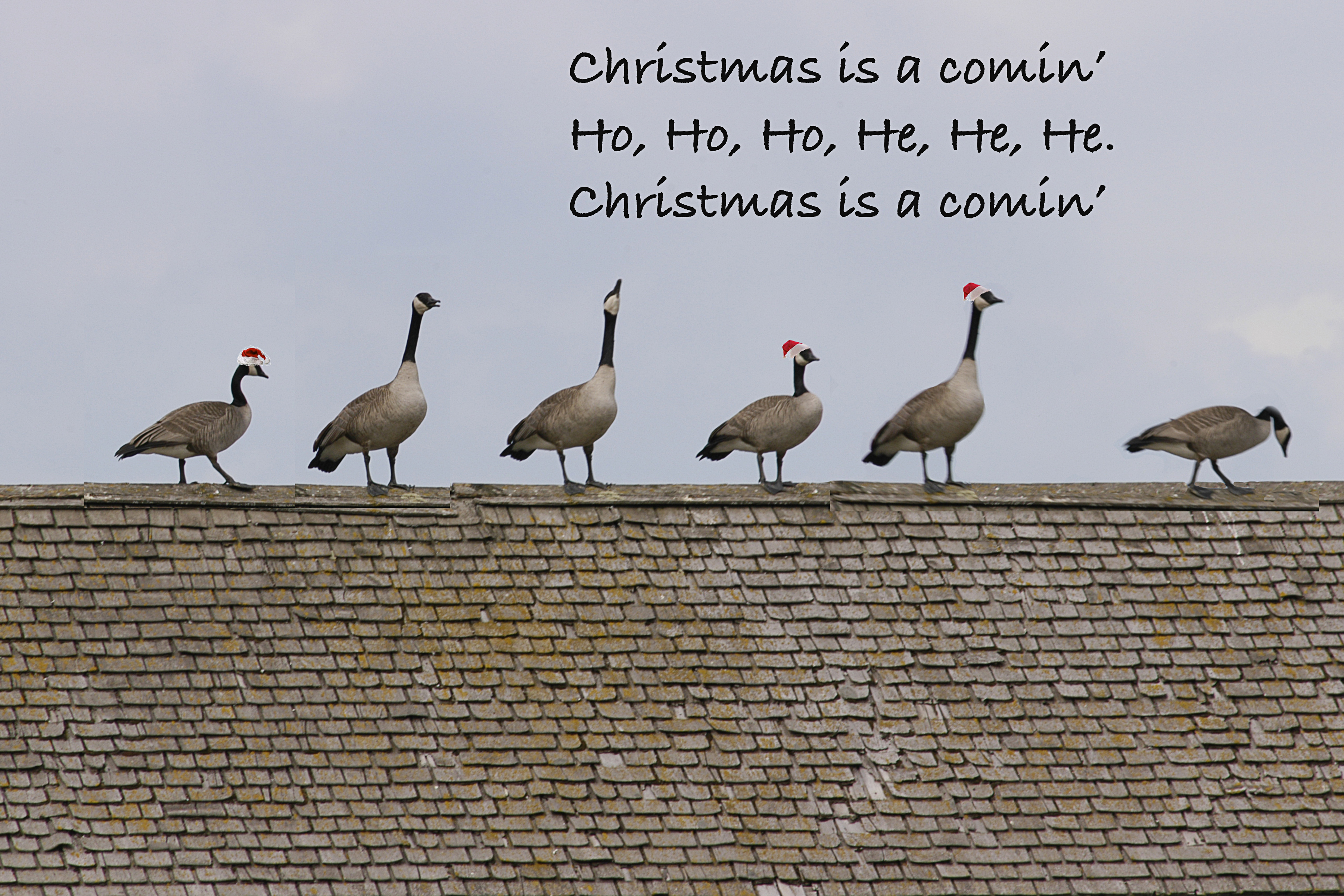
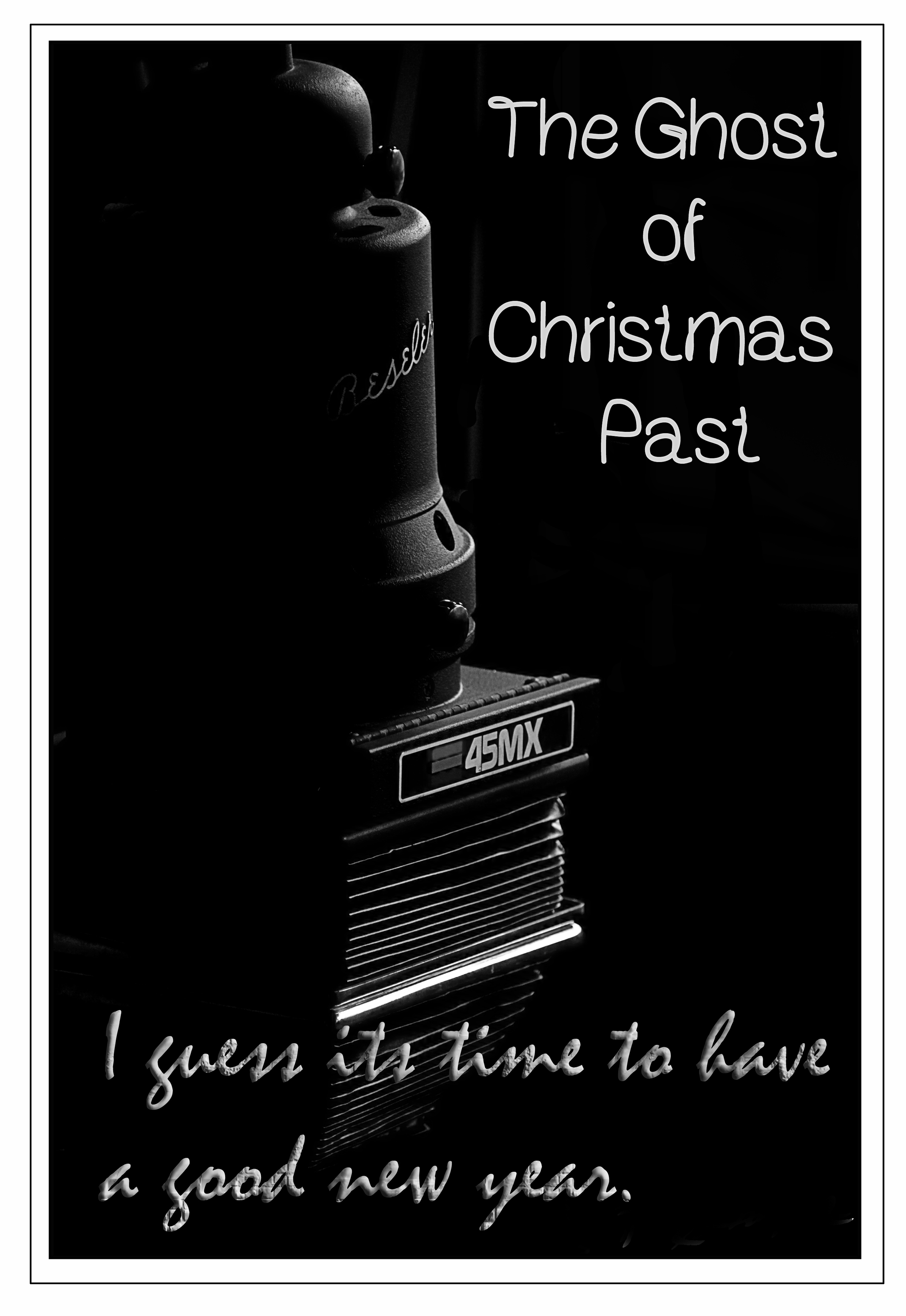
The Christmas season is a perfect time for photographers to give friends and relatives some photographs. That could mean a framed photographic print, but personally I like to give Christmas cards.

Last year, at this time, I wrote about an early December visit that my wife and I spent in San Francisco, California, and the scene we were greeted with when we decided to spend an afternoon on a picturesque beach at John Muir Park. There were three young people involved in what we assumed was the production of a Christmas greeting card for a barefoot young woman that stood at the water’s edge wearing a long dark skirt, a billowy white shirt, a red vest, and a Santa Claus cap. She posed and smiled as she supported a gangly four-foot Charlie Brown Christmas tree at her side and her friends laughed and photographed her as the surf rolled in. What a great idea for a card!

There are stacks of generic greeting cards being offered at stores, but for photographers it’s a perfect excuse to give people photographs. Personally, I want people to see and enjoy my photography, even if it’s only as a 5X7 card. I go through the many images languishing in my hard drive, add some festive greetings and voila! I have some cards for the Christmas season.

It is rare that we give the same picture to more than one person. And not all our cards say Merry Christmas. To me, it doesn’t matter; Happy Holidays, Season’s Greetings, a good New Year, and anything else I think fits a particular picture.

It doesn’t even need to have a Christmas look at all. (Actually, they rarely do and are usually pretty silly) What matters is the picture and it’s important that the card is unique. And I really don’t care what they do with the card I sent. I hope people like what I give them, however, if it gets thrown out with the gift-wrap after the holidays it doesn’t matter either, they had the opportunity to see a photograph taken by my wife, Linda, or myself, and that’s what’s important.

Don’t be a Grinch and hide your pictures away. Just showing some picture on your iphone or facebook isn’t enough. Print it, make a card, put it in an envelope, and give it to someone. And it’s easy, just get a 4×6 print and glue a photo to card stock or construction paper and write something festive on it. In my opinion Christmas cards don’t really need to be just about Christmas. Call them greeting cards, holiday cards, or whatever you want. That way if it’s a bit late for Christmas they can be sent or delivered anyway.

I enjoy all comments. Thanks, John

My website is at www.enmanscamera.com

Thoughts on Photography in Low Light and Camera Noise.

Musicians 1

Musicians 2

Musicians 3

Musicians 4


Musicians 6

Musicians 7

Dancers


A friend dropped by my shop to show me photographs he took of some musicians performing at a local evening event. As we looked at his images, we talked about how successful they were and how he had to push his ISO higher and higher for lighting conditions he was forced to shoot under.

He began by rating his camera first at ISO 800, then later, higher than that because of the low mood lighting. He didn’t want to use a flash because it would have disturbed the ambiance of the musicians and for the audience. The only illumination was a couple of little spotlights that had been redirected towards the musicians. In compensating for the low light, his only concern as he prepared to shoot was image noise.

Digital image noise is noticeable by the presence of coloured speckles where there shouldn’t be any. For example, instead of clear dark or coloured background, there might be different colour speckles in the background. Noise is closest to the “grain” one used to see when using high ISO films, except with film it was more about those areas that didn’t expose correctly.

Photographers have always struggled with the effect of high ISOs and I remember when 400 ISO was considered a pretty grainy film. In the days when film was king there were all sorts of special chemicals to process film to try to get fine grain and allow for pushing film to a higher ISO than 400. Photography magazines had article after article discussing ISO grain.

If photographers asked my advice ten years ago I would have suggested they use Ilford’s Delta 3200 ISO black and white film and to rate it at 1600 and process it in Ilford Perceptol, but these days some camera sensors are amazing in their ability to “see” light. Modern camera companies control the way images are processed in their cameras, and there is a lot of marketing based on beautiful images to encourage buyers to spend money on whichever new model they are promoting.

When selecting higher ISO today, the signal from light photons is amplified, and with that the background electrical noise that is present in a camera’s electrical system is also amplified.

Without enough light for a proper exposure the camera’s sensor will collect a weak signal and more background electrical noise is also collected.

This isn’t the place for making recommendations for which is the best camera for low light shooting. I’ll leave that to others. I suggest readers do some research on different manufacturers and tests on the cameras they own. There are also programs like Noise Ninja, Neat Image, Topaz DeNoise, and NIK’s Dfine that can reduce the effect of high ISO, and those that aren’t in the mood to follow the herd of photographers that purchase a new camera every year just to reduce digital noise, might try one of those programs.

For me, it comes down to the purpose of the photographs. If I was photographing a college basketball game and the images would be used in brochures or magazines, I would want the cleanest, lowest noise images I could get; but if they were going to end up as pictures in an on line album, or just stored in a computer’s hard drive for friends’ viewing, I wouldn’t be too concerned about noise. Therefore, I suggest that photographers determine the purpose in advance of any photos taken in low light.

There is a lot of information on the Internet about specific cameras and their abilities regarding sensor noise. I suggest doing some research and checking out other photographers’ comments regarding what they own, or may be thinking of upgrading to, and as I said before, do some experimenting with the camera they have.

I enjoy receiving comments. Thanks, John

My website is at www.enmanscamera.com
Photographing a Christmas Concert.

There is nothing like a well lit photograph.

There is nothing like a well lit photograph.

The Yule Log Fireplace channel is now available on TV. That must mean Christmas is coming. My wife and I also just received a call from my son to tell us the date of our granddaughters’ school Christmas concert. And with that festive event, it’s final – Christmas is on the way!

Last year my wife and I joined what seemed to be about five hundred parents, siblings, and, of course, other grandparents in a large hall. We had arrived early because my daughter-in-law said the seating would be limited and as it turned out, it was standing room only for those who arrived late.

There were many people holding their cell phones or little digicams, and I think I saw someone with a DSLR away in the back, but mostly they just sat in their chairs waiting, hopeful their cameras would make wonderful photographs of the childrens’ concert. I heard a parent near us complain she hadn’t charged her batteries.

I had a centre isle seat near the back that was perfect from which to move around. And before everything started I made several exposure tests so I would know my exposure and where to stand to get the best shots.

When the audience lights were lowered and teachers positioned themselves to coach (and coax) the children as they sang I remember looking around watching people holding out their cell phones and digicams at arm length to photograph those on stage.

Flashes on those tiny devices only have a reach of approximately 15 feet, and even if the small figures on the stage were visible in the pictures, everything in the foreground would be extremely over exposed. The person with the DSLR was at the back of the audience with a telephoto lens, but no flash, foolishly relying on her camera’s high ISO. I expect the resulting images were much the same as the digicams with inconsistent exposures.

As the concert began, and before my granddaughter appeared I stepped into the isle and made some shots and as I expected, they were not to my satisfaction. Yes, I could see the whole group with their teacher, back to me, gesturing, but the children were too far away, and although some parents may be interested in their children’s classmates, I selfishly only cared about getting good pictures of my granddaughter, so I moved up close. My technique for being in front of other people is to select my spot, kneel down out of everyone’s view until I am ready, then I stand up, take my picture, and kneel down again.

With my camera and lens pre-set, I only needed to work around several parents sitting on the floor holding their digicams at arms length above their heads, and the one grandparent kneeling and wildly waving.

The concert was fun and my granddaughter was excellent (in my opinion anyway) and I took lots of pictures of her while she was on stage, and downloaded the image files from my camera to my computer when I got home. I edited, re-edited, then edited again for a final selection that I liked, and finally was down to a couple that I really liked. My opinion is that anything but the best is just wasting space and I never want people to see anything but my best photographs.

As I left the concert I could hear people saying they wish they could have got better photographs, and of course they blamed their equipment or other people, but not themselves. Soon the season will be upon us and for photographers the decision should be easy; every photographic opportunity should be thought out and they should always take the time to produce quality images. At last year’s concert most people had inadequate equipment or poor locations, whereas I had a DSLR with a flash attached and had spent some time preparing and selected the best position I good get in that overcrowded hall.

I really enjoy everyones comments. Thanks, John

My website is at www.enmanscamera.com


The Lens – The Most Important Part of the Camera

Lenses

The Lens – The Most Important Part of the Camera

Ask any experienced photographer whether to buy a new camera or a new lens and the answer will usually be, “it’s all about the glass,” or, “a good lens is more important than a good camera.”

A bad lens on a good camera will still make poor images, but a good lens on a poor or average camera will most likely give the photographer good results.

I listened to several friends talking over coffee about reviews they had read about the latest camera offering from Canon. The discussion began with questions like, “why does a photographer that doesn’t shoot sports need a camera with 7 or 8 frames a second” and “I really don’t spend much time shooting in low light situations, so why would I spend extra money on a camera because it is capable of a high ISO.” However, as expected, it wasn’t long before the talk easily turned to an exchange of views on lenses. Remember, because after all, “it’s all about the glass.”

The conversation easily moved from a difference of opinion between those that preferred prime (fixed focal length) lenses, and those, like me, that chose multi-focal length (zoom) lenses. We talked about the importance of wide angle and, of course, wide aperture lenses.

Just because you can change the lens doesn’t mean you have to, but I don’t know many photographers that are that sensible. Mostly we are willing to change lenses as soon as we have extra cash in our pockets, more emotional and impulsive than sensible.

I know very few are content with the short zoom that came as a package with the camera any more than they are with the tires the manufacturer installed on their car. Yes, the lenses, just like the tires aren’t high quality, but that’s not my point. What I mean is that changing lenses is like changing the visual personality of the image, and most photographers I know are engaged in, what I’ll call, a search for a perspective that fits their personality and personal vision.

The camera might capture some subject’s personality, but the lens, in my opinion, says more about the photographer than the subject.

Several photographers standing on a picturesque hillside using the same camera and lens will probably produce much the same image, but give them each a different lens and the resulting images will be diverse, distinct, and individual.

Yes, it is all about the glass, and there is such a pleasing and very exciting diversity of lenses out there waiting for each photographer to choose, discard, and choose again as they explore and create within this stimulating medium of photography.

As I wrote those words I wondered if there were others that I could use that were more applicable than stimulating. I could have used, intoxicating, invigorating, or even compelling. They all fit and, I think, could apply to some of the feelings I could see and hear from those photographers lounging around my shop drinking warm coffee on a cold November day as they talked about the lenses they used and would like to use.

A new camera is a lot of fun, but it really is “all about the glass.

I appreciate any comments. Thanks, John

My website is at www.enmanscamera.com