What Influenced My Photography of Landscapes?  


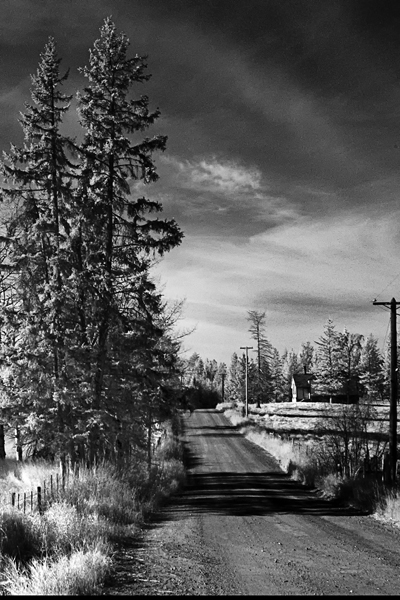
Along the back road 2

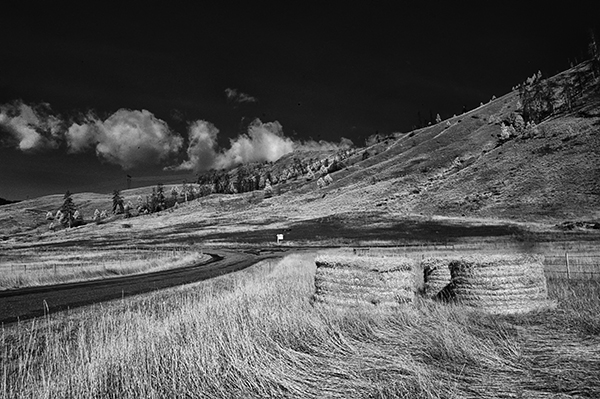
Bales along the road 2

River view

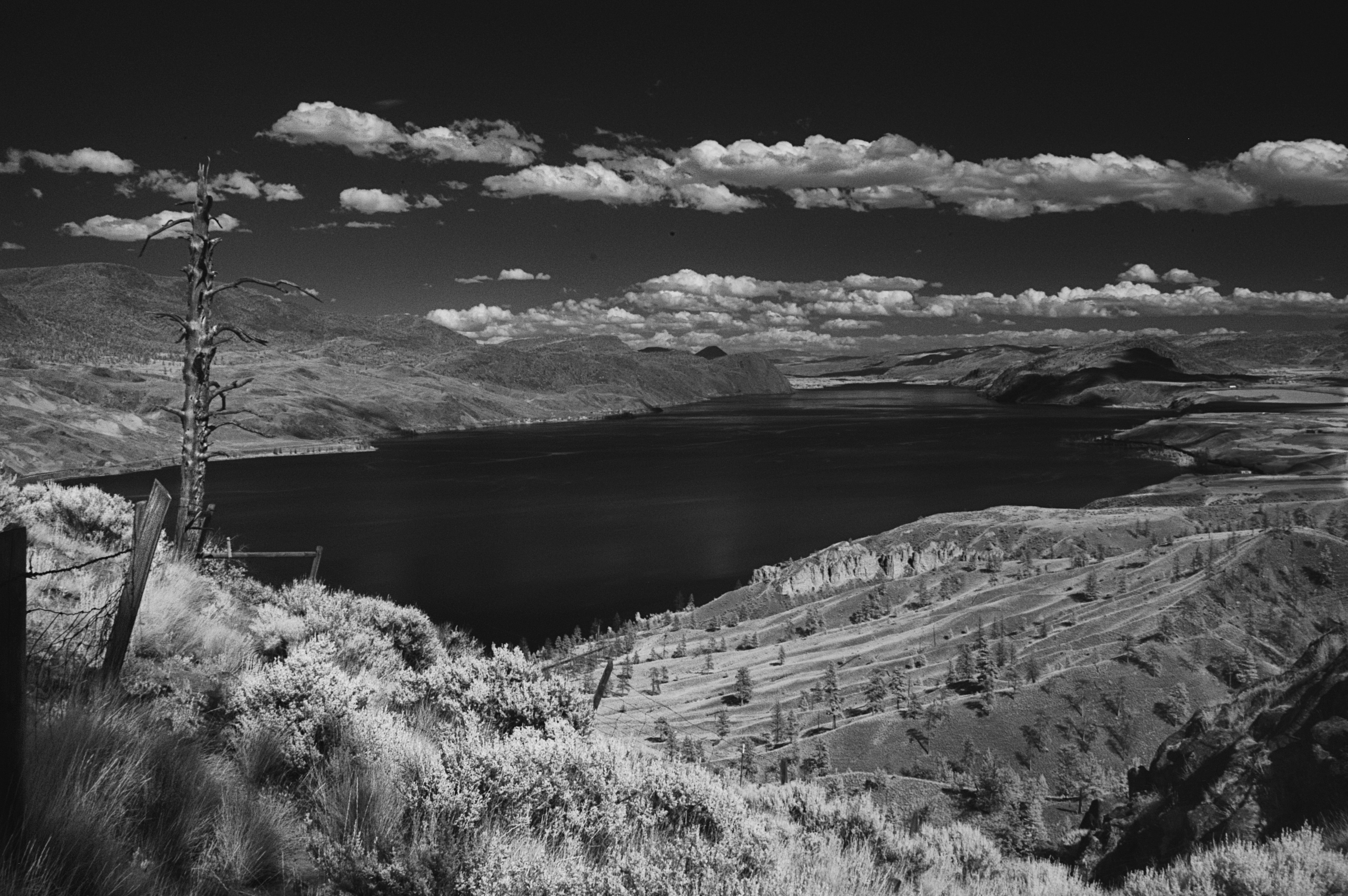
Lake view

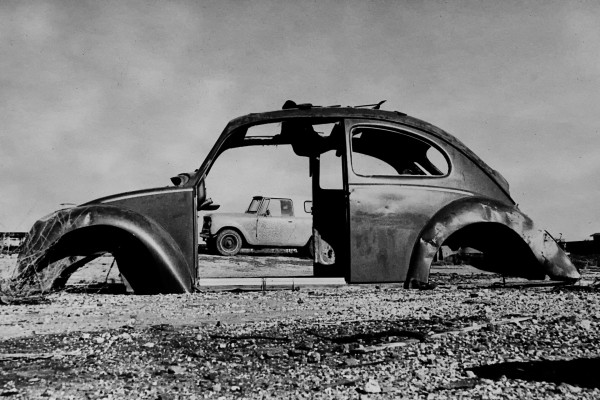
Scout

Memories of roadside photography.


My interest in photography began in the early 1970s. I had grown up with cameras, but until that time they were no more than a simple boxy device with which to document family and friends. When I look at my tattered old albums packed with fading pictures taped to construction paper pages, I see lots of poorly composed and poorly exposed images, partly due to the inadequate technology of the day and my ignorance in using it.

When I did decide the medium of photography was worth using for more than documenting friends and family my first progression was into arty, creative images. I have mentioned before that the great photographer, Man Ray, was my first inspiration, but now thinking about my photography of those days I am amused at my youth, and contemplate how far I have progressed and of course how far the technology has come.

I think my influence with the photography of landscapes and other subjects in nature may have begun with the early advertisements by the American Automobile Association. That organization was the best place to get maps for road trips in North America. They sent their employees out, with cameras and mapping instruments, across the continent finding the best and most scenic routes. I remember seeing pictures of big, four-door International vehicles with people poised on platforms on top with camera and binoculars in hand on a dirt road in the middle of “no-where North America”. It all looked very exciting.

Then I was introduced to the writings and photography of Ansel Adams, and saw pictures of him standing on a platform on top of a vehicle very much like those used by the American Automobile Association with his large format camera making wonderful photographs any scenic photographer would admire. So, I saved my dollars, sold my jaunty little MG Midget, that was so easy to get around in on the streets of Los Angeles, and bought a bright yellow International Scout 4×4. Underpowered, poor turning capability, uncomfortable on long trips with back seats that were only accessed by climbing over a metal barrier behind the front seats; it was perfect in my young mind and meant that I, like Ansel Adams and the folks from the AAA, could travel the back roads in a cool looking vehicle with my camera gleefully capturing the natural world on film.

Years have passed and technology has changed and so have I. There are still lots of back roads to explore and photograph, but the days of climbing on my car roof are long gone. The American Automobile Association no longer explores the country and today I check maps on my iPhone. I don’t need a large 8×10 view camera like Ansel Adams used with the accompanying long hours working in a chemical darkroom to make good enlargements and certainly don’t want to drive around in that uncomfortable, gas guzzling International anymore.

I thought about all this as I was heading towards the city of Kelowna last week. My wife and I left early so we could stop for some pictures and still be there for a 5PM appointment. My car of choice is now a Honda Accord. Comfortable, fuel-efficient and if I drop the back seat down I can carry lots of equipment. As I drove I mentally made photographic compositions of the countryside and thought about how nice the day was for photography.

I reminisced about the many times I have made this same drive over the years, and the different photographic equipment I have used to photograph many of the subjects and scenes I was driving past, and the different vehicles I have used, and we talked about how easy it is to make pictures today. As the cameras get better and better, and equipment like tripods and lenses get lighter, and our vehicles are more fuel efficient, the life of roadside photographers like me is just great.
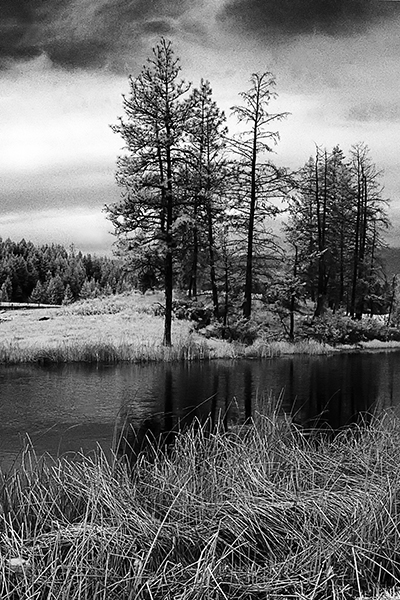


Viewing Scenic Photographs   


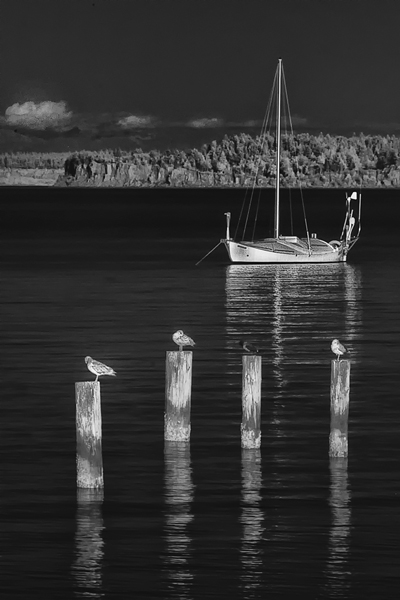
seagulls and boat 2

Falis Pond 2

Wolf ranch

I enjoy looking at photographs that seem to have been made with the goal of saying something about a moment in time or place. Sometimes I even get a sense of the struggle the photographer had while trying capture a particular mood and how hard it was to convey that mood to the viewer. I think creativity takes a lot of effort.

This week I thumbed through a hard cover book I have had for years by one of my favorite landscape photographers, Eliot Porter. The book, entitled Intimate Landscapes, is from an exhibition of fifty-five color photographs by Eliot Porter, at The Metropolitan Museum of Art.

I enjoy how he eliminates those elements that add nothing to the composition and selects those that add meaning to his visual statement. He had an amazing awareness of how colors create mood. A review I read went on to say that his photographs, “reflect the standards of excellence that are Eliot Porter’s greatest contribution to the field of color photography. Upon seeing these photographs, the viewer is immediately struck by the artist’s distinctly individual and intimate interpretation of the natural world.” His photographs are different and specific, and have a personality that I think come from the experiences of the photographer.

When I finally put down the book I thought about how many of the scenic photographs that populate photography forums I currently read are mostly documentary type photographs, and I wonder if the photographers believe that any vista with lots of space and colour is worthy of photographing. They might be of the opinion that all it takes is a wide-angle lens to miraculously convey the feeling and emotional reaction they personally felt at that moment. Perhaps that is why the viewers’ responses they get are sometimes limited to, “nice sky and good composition”.

My long-time friend, Bob Clark, used to critically suggest that all one needs for people to like your landscape or scenic photo was to have a “National-Geographic-sky”, a magazine that was filled with pretty pictures of places from around the world with blue skies and billowy white clouds.

I prefer scenics that make an impression on me and convey a mood. I want to look at a photograph that allows me to find a story in it; or at least be able to search for one, and hope for a photograph that I can respond to on some level. A photograph should try to accomplish something, and should have a strong sense of self-expression. Photographers should look for something in the landscape that is unique, and that will set their photograph apart. As photographers we should try to express our personal viewpoints and hope to summon an emotional response from those who view our photographs.

Which Button is for the Composition Mode?        

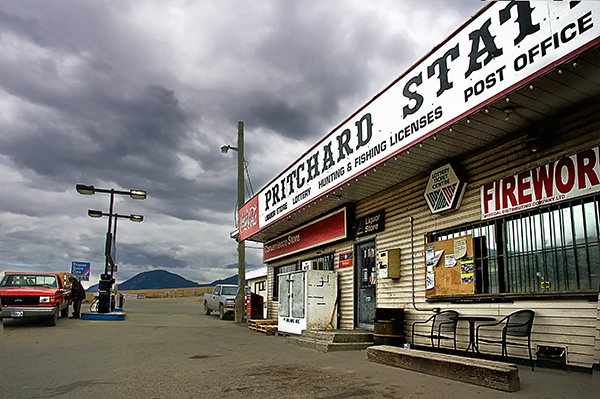
Pritchard store

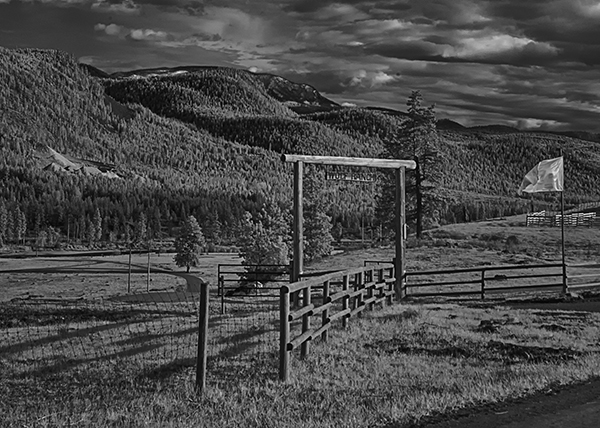
Open Gates bw

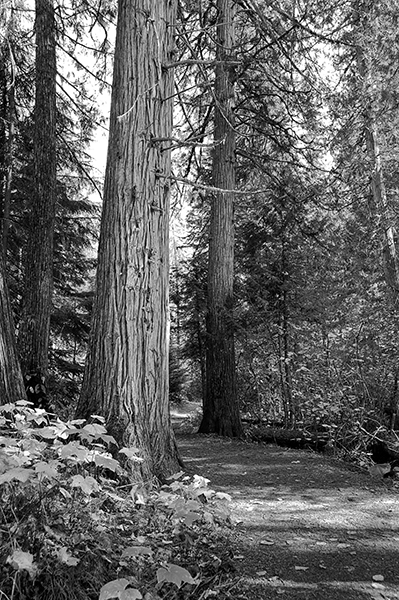
Forest path

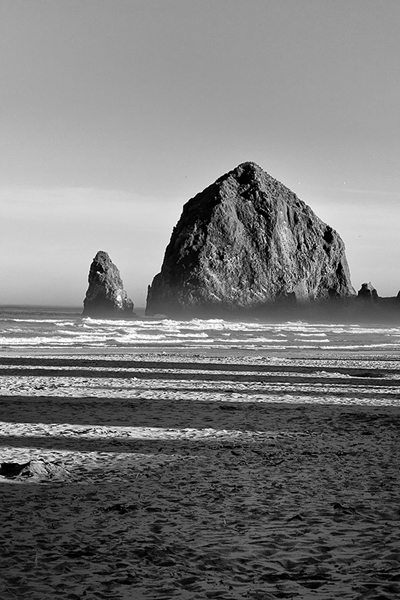
Canon Beach 2

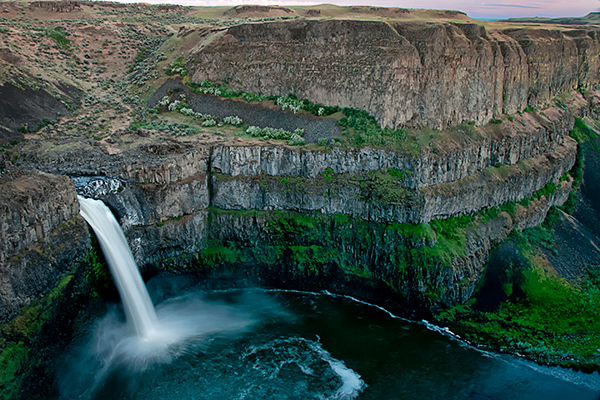
Palouse falls 2

Which button is for the composition mode?     Yes, I did get asked that question the other day, but it is not as silly as it first sounds. I’ll go back to the conversation from which it comes.

A customer stopped by my shop wanting to get a different camera other than the one he had been using for over 20 years.

I was showing him a couple of cameras and explaining the different modes like “aperture priority”, “shutter priority”, “program” and “manual” when he made the statement, “All that seems a bit complicated, just show me which button is for the composition mode because mostly I like taking scenics”.

The other customer in the store stopped her browsing, turned, and just looked at me. I’m not sure if she was troubled by his statement, or also wanted to know about this secret button.

I replied, “Composition is what you do, not the camera, to position your subject within the viewfinder frame,” and added; “composition also deals with perspective and the relationship you create between subjects in the foreground and background.”

Does all that seem too complicated of an answer? I was making squares and rectangles with my hand and moving things around on the counter as I explained it hoping to make it clear to him. Now, however, let us go back to his question of the “composition button” and what he was trying to achieve with his camera. Remember his last camera was from the 1970’s. Even auto focus was new to him.

Cameras programmed since the 1980s are pretty capable of getting the exposure correct in all but the most contrasty lighting conditions. If he were to get serious now that he was about to get a DSLR he would be trying to discover how other successful photographers compose a scenic. Or he would be doing some reading, joining a camera club, or taking some classes that would teach him composition. My impression was that he just liked to take pictures and capture memories of the places he has been. So I think either the mode with the “little mountains” or with the “running person” on the dial of the camera I was showing him would give him exactly what he was looking for and we could, if we wanted to, call them composition modes.

The exposure mode I feel most comfortable with is manual and I am continually thumbing through the different menus on my camera to reset things. I make my living using a camera so I have a camera in my hand a lot of the time. I think each of us needs to use our cameras in ways that make us comfortable so we won’t happen to be confused and experimenting with the settings at that moment when the action happens in front of our camera.

I used to call that a “Kodak moment”. Hmmm, I think I need to find a new phrase now that I am no longer using Kodak films and that company has pretty much disappeared.

In any event, I recommended that he not worry too much about composition and experiment with the different modes his camera has to offer other than “P”. Hopefully he’ll stop by again and I can get him using his DSLR as more than just a point and shoot camera.

In closing this article that started with thoughts of composition, I particularly like this quote of Alexander Lee Nyerges of the Art Institute of Dayton, Ohio, when discussing an exhibition of Ansel Adams of the American West.

“His landscapes were operatic in composition, complete with lighting, tragedy and drama—luring those who viewed his works to seek Nature and capture the spirit of the wilderness.” I am certain Adams had a special button for composition.

Getting Close 

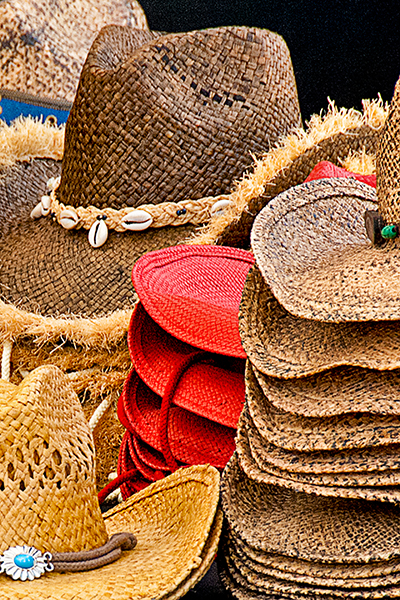
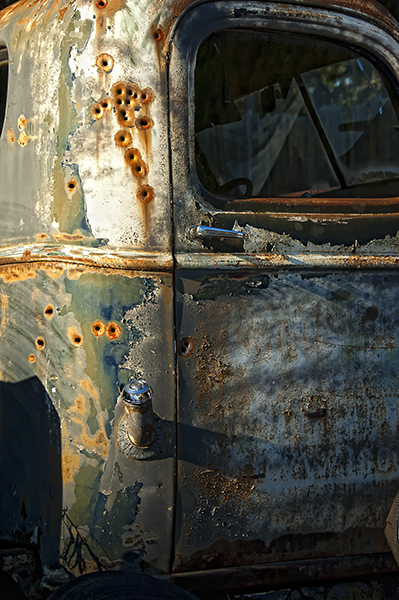
Cowboy hats Not eaxctly bullet proof

Ford V8

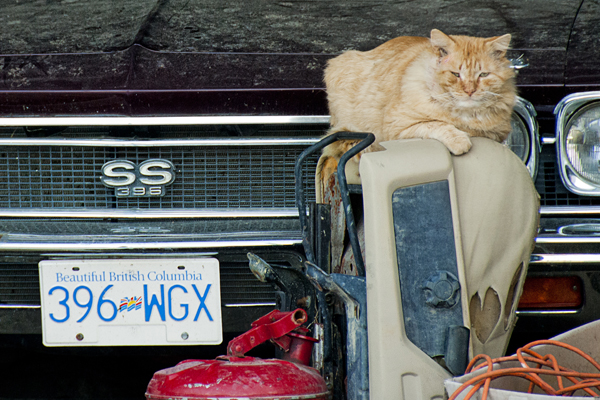
c. Cat & Car

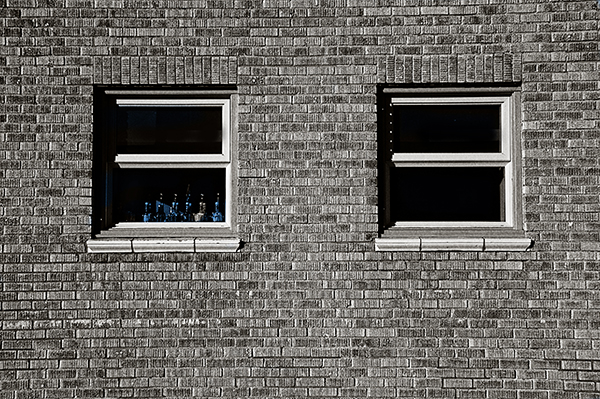
Blue bottles

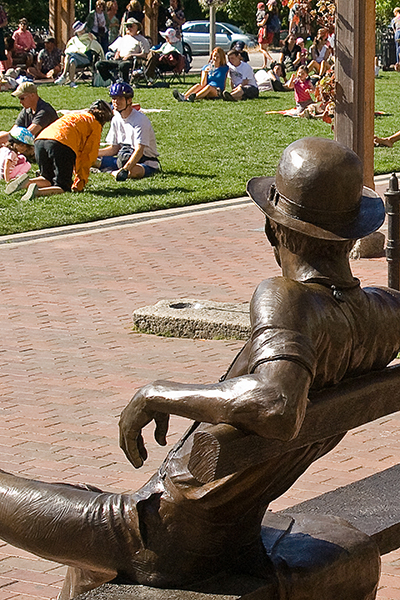
People watching Ocean Tree

Watching the Rodeo


There is an old saying in photography that goes, “ If your photographs aren’t good enough, it’s probably because you aren’t close enough”.

I remember saying this to a young photographer, who became somewhat alarmed and responded, “You mean I should stop using my wide angle and shoot with a telephoto instead?” However, that isn’t what that long time photography quote is about.

What that means is that a photograph should be about something. That the photographer should discard, crop out, or, when making the original capture, move in close enough so that those elements visible in the image are the only things that relate to the photograph.

When I was just a young photographer I would question other photographers who I felt were successful at their craft for ideas that would make my photographs better, and I remember the following advice by a working photojournalist.

He talked about pre-visualizing a photograph (a term Ansel Adams and Minor White coined regarding the importance of imagining in your mind’s eye what you want the final print to reveal about a subject), and continued that a photographer should follow the rules of composition with all the elements in the scene, and finally told me I should always think about stepping closer to “tighten up” the image.

His advice came from a time period when very few photographers were using mutifocal or “zoom” lenses. In that time period quality glass and sharp images depended on fixed focal length lenses, or the more modern term is “prime” lens.

I will not go into a discussion of prime versus zoom lenses. Some people enjoy arguing about equipment, and they will pull out charts and make lots of tests to prove their point of view. Personally, I select a lens with which I am comfortable with and that I think will help me do the best job for the work at hand.

Getting closer changes the perspective and builds a relationship between the foreground and background. With a wide-angle or 50mm lens, the elements in the foreground become more important, and with telephoto’s 200mm and longer, they become less important and, as in a scenic taken with, say a 100mm, everything seems to have equal importance.

Teach yourself to look at the many features inside your composition. Start with the centre of interest or main subject, decide what in that composition relates to that centre of interest and then step closer to remove areas and features that have no relationship or interfere with whatever you want your viewer to concentrate upon.

Pre-visualise what you want to say visually and get closer to remove everything that doesn’t relate to the composition.

I remember reading an article written by a photographer I really enjoy, Ron Bigelow, www.ronbigelow.com. In an article he discussed his experience shooting with another photographer. However it was his summary that made me stop and think,   “I couldn’t help thinking of some of the extraordinary images that I have seen from various large format photographers. It was obvious to me that much of what I admired in their images had nothing to do with the very high resolution that their equipment produced. Rather, it had everything to do with the time that they put into each image. The observing, thinking, and preparation that occurred before they fired their first shot.”

Photography, a personal vision.

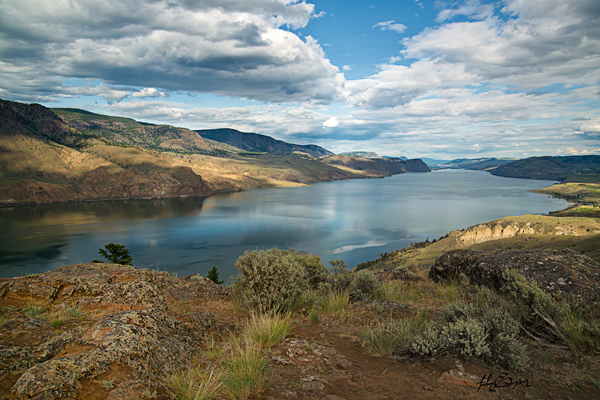
Kamloops Lake 1

Kamloops Lake

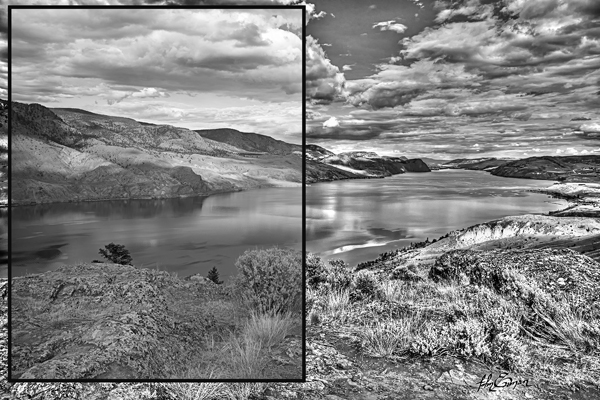
Kamloops Lake 1a

Lawnmower Race copy1

Lawnmower Race copy2

Sax player 1 Sax player 2


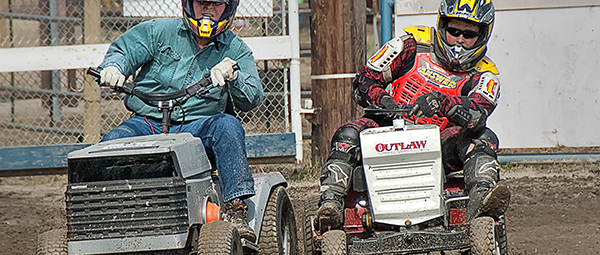
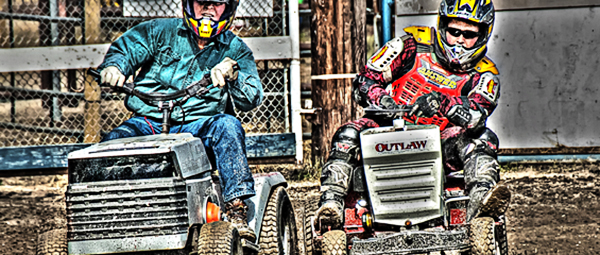
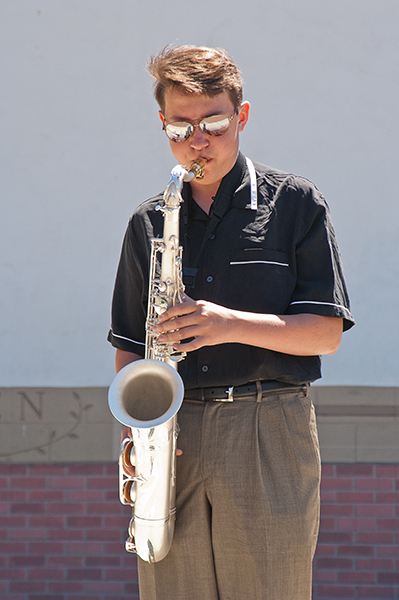
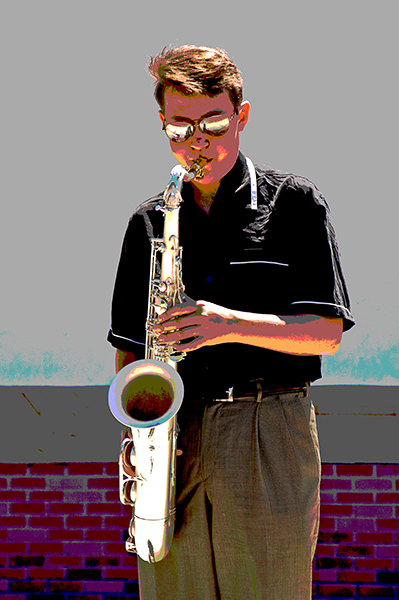
My photographer friend Greg posted the following statement on the Canadian photographer flickr.com/group: “Recently I’ve come across a number of photographs on the social media outlets that are absolutely stunning and amazing works of art, but there are a whole host of people who comment saying ‘it looks fake’, ‘it needs to be more real’, ‘that picture has no resemblance to reality’”. And he continues raising the question with “Should we be striving to produce photographs that are more ‘real’ to please the crowds who seem to have very little understanding of art?”

My quick and easy response is to quote Plato, “Beauty lies in the eyes of the beholder”. Even Shakespeare in his work, Love’s Labours Lost writes, “Beauty is bought by judgment of the eye”.

I understand his (and others) frustration with those that are ready to condemn anything that deviates from their personal interpretation of photography, but we need to remember that is just their opinion. I don’t think Greg or any other photographer should “be striving to produce photographs…to please the crowds”. However, when one displays a photograph on any social media site one needs to be ready for someone else’s opinion.

I used the following last January in my discussion of Photography as a Fine Art. Wikipedia’s on-line encyclopedia says, “Fine art photography is photography created in accordance with the vision of the artist as photographer.” That should be enough to ease my friend’s frustration. I will comment to him that those detractors didn’t understand the interpretation or artistic vision of the photographer’s work.

Some may disagree with me, but I think photography has always been a technology driven medium. And just as there are those willing to push the limits, there surely are also those that employ their cameras simply as devices to document the people, objects, and scenes in front of them, and I have no doubt their criticism might come swiftly to those that manipulate their images instead of maintaining the more conservative course of photographic reality.

Regarding Greg’s question about some people’s understanding, or lack of understanding of art, that is a question that countless generations may have struggled with possibly since the first humans decided to place a favourite rock in their cave or put coloured pigment on the wall.

I believe the question is actually, “What is Art and who has the right to define Art?”

Mark Twain is attributed with the words, “I don’t know much about art, but I know what I like.”   I expect most of us fall into that category.

Here are a number of quotes about art by artists. American architect and designer Frank Lloyd Wright said, “Art is a discovery and development of elementary principles of nature into beautiful forms suitable for human use.” However, I much preferred photographer Ansel Adams words, “Photography is more than a medium for factual communication of ideas. It is a creative art.” Or this from novelist Rainbow Rowell, “…and art wasn’t supposed to look nice; it was supposed to make you feel something.” And French Impressionist painter Edgar Degas wrote, “Art is not what you see, but what you make others see.”

When one has the need to be creative they should have the right to decide on their own particular style to fulfill their personal creative vision. What that vision is should be entirely up to the photographer, and the audience for whom the image is produced. I think the problem in this day of mass social media is how to select the right audience.

I do look forward to your comments. Thank you, John


March is Here Again

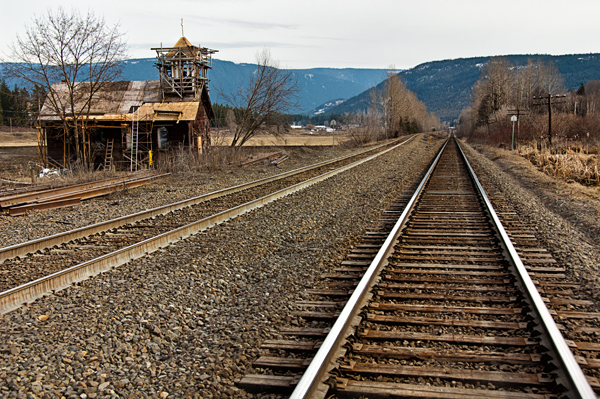
The train goes by

Notch Hill Church


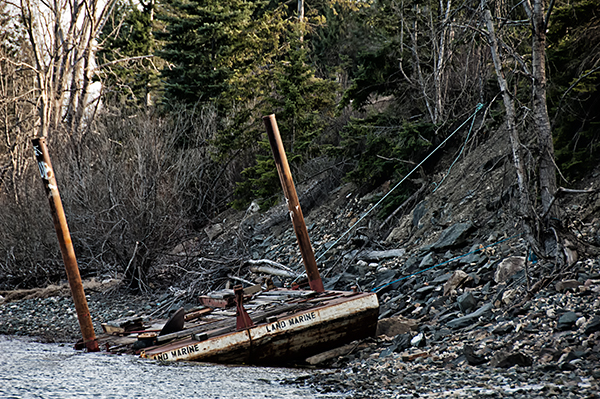
From winter's storm

Lost during winter’s storm


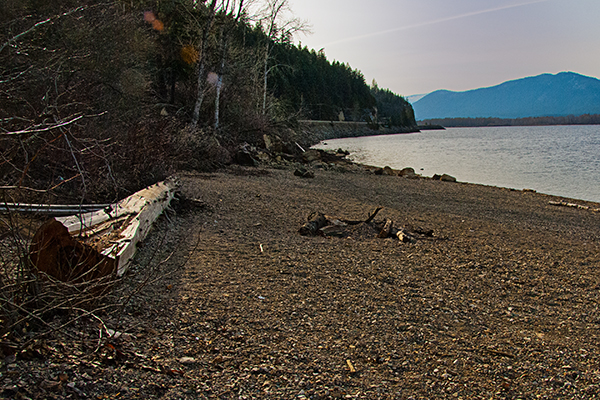
Lakeshore in spring

Desolate beach


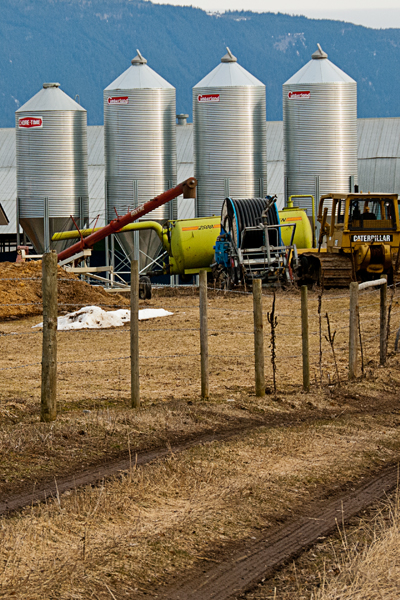
Just before spring

Waiting for planting season


ReConstruction

Reconstruction


Winter tree in spring

Winter tree waiting for spring


Yes, March is here again. Those who have been reading my posts for a while know that I approach this month with a foreboding feeling. The optimism of January and the hopefulness of February have now passed.

Last year I wrote about the uninspiring landscape of this month and the frustration of photographers who are ready for something other than falling snow and icy roads. I quipped about useless forays into the countryside to photograph hungry coyotes, wandering deer, or sad little birds that hung about through the winter.

However, just when I was ready to be moody and join others gloomily complaining about the weather, Mother Nature has thrown a wrench in the spokes with spring-like weather.

I traditionally expect March to come “In like a lion and out like a lamb”, but not so this year. February 2015 is being heralded as the second warmest ever recorded here in British Columbia. What is a guy to do? I wasn’t ready for spring.

The landscape is mostly snow-less, but I know there is green growth beneath that drab, lifeless end of winter brown. So with that in mind, my wife, Linda, and I decided in spite of that lingering pale hue that we would pack our cameras and take a drive along the ice free Thompson River to see if we could find something worth pointing our cameras at.

I had decided to mount my trusty 18-200mm lens on my camera. I like that easy to use lens. It may not be the sharpest lens in many collections, but it is versatile, lightweight, and doesn’t take up much room. Besides that I can always tweak its slight lack of sharpness in Photoshop.

As we drove up the river valley I wondered if I would find anything in the lifeless landscape to photograph. We are so conditioned to search for colour when we set out to do scenics that we forget to look at the structure as the scene unfolds in front of us.

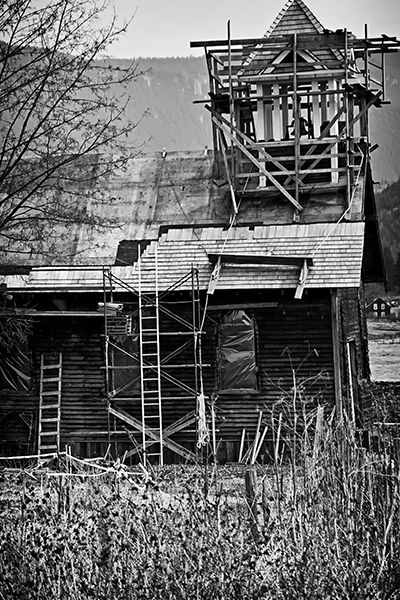
We talked and drove without finding anything to photograph and eventually stopped for lunch in the small lakeside town of Sorrento. I just couldn’t get motivated and after that big meal was about to resign myself to just returning home to sleep it off. But as I paid for our lunch, Linda talked to some local people who suggested we check out the old church at Notch Hill. I was surprised when they said that decrepit 1920s church was still there. Well, it was just barely there, and under some slow restoration.

As I selected different angles to photograph that decaying building I realized I should be photographing its transition in the landscape. I was seeing things wrong and falling prey to words of Shakespeare’s Julius Caesar who said, “beware of the ides of March”. It’s what is changing and emerging that I should capture, not try to photograph the bloom of spring when it isn’t here yet.
I began to look for the story that happens between one season and the next, the shoulder season. I realized my photographic goal should be to select subjects that visually talk about that moment just after winter and just before spring.
I am sure one could still wander up into the mountains and continue photographing winter or search for some hot location in the city with early growth. But for those that are always creating photography challenges for themselves, I suggest that as with that old Notch Hill church, this year’s March photography challenge should be about something between the seasons.

I look forward to your comments. Thanks, John

My website is at www.enmanscamera.com

A Photographer’s Walk on Snowshoes

Snoeshoeing-2

Wind-swept-field-2


forgotten-barn-2

Tracks-2-


Almost a year ago to the day I wrote that I looked forward to enough snow-pack on the hills to snowshoe in, and as then, after a morning of shoveling a deep path to my chicken coops, clearing the driveway, and another path to the front porch, I was again taking my first winter hike up to the high meadow above my home.

Last year my January walk up into the meadow’s deep snow was on a sunless, stormy day. And I recall setting a high ISO so I could get a shutterspeed that would let me handhold my camera, and then returning home in a snowstorm.

This time I mounted a light-weight, 18-105mm lens on my camera, stuck an old tea towel in my pocket in case I got my camera wet from the snow, and headed out in the balmy minus 3C day under a bright, almost-cloudless, blue sky. And instead of struggling with low, flat light, my ISO was set at 400; and I added a polarizing filter to darken the skies, increase the contrast in the scene, and suppress glare from the surface of the bright white snow.

I trekked up the hill, and as I had so many times before photographed everything. When I stroll up into that long meadow I rarely see animals, however, they are surely there hiding, and I did hear a snort from something as it moved through the trees, and when I began to cross the meadow a crow cried a warning to hidden watchers, then everything quieted, and the only sound was from my snowshoes and my camera shutter as I photographed the Thompson River valley far below and the tracks I made through the meadow.

My last article was entitled, “What Makes Photographers Happy?” Photographers wrote me noting that, “there is nothing like a new lens” or “fun day with my clients”, and I can’t agree more. I must include the words of three bloggers that sent their comments to me: Northern Desert photography, Nature Photography by Martin Ryer and Jane Lurie Photography.

The first from blogger Northern Desert says that happiness is “The process of being out in nature searching for the shot, be it landscape or wildlife. I love the post processing, editing job. So fun to see what you can do with software. Love talking with and interacting with other photographers about photography.”

I also had to pause and think a moment about the words of blogger Martin Ryer who wrote about when he has“…results that exceed or even completely differ from any preconceptions I may have had. It’s when this happens that I feel myself entranced by all of the possibilities that photography offers.”

Blogger Jane Lurie’s comment is delightful, “…I’m very happy when my final result is actually what I conceived in my head when I saw the shot. Capturing that small moment in time is a beautiful thing.”

What great thoughts on photographic happiness and I agree with everyone.  As for me, I will include the following from philosopher and theologian, Paul Tillich, who wrote, ” Language…has created the word ‘loneliness’ to express the pain of being alone. And it has created the word ‘solitude ‘ to express the glory of being alone.”   To those words I will add that my quiet, solitary walk and photo excursion on snowshoes made me happy.

As always, I look forward to your comments. Thanks, John

My website is at www.enmanscamera.com

Photography in the Fog

Farm & Pond in fog 2

Moving cows in fog 2

Horse in Snow 2

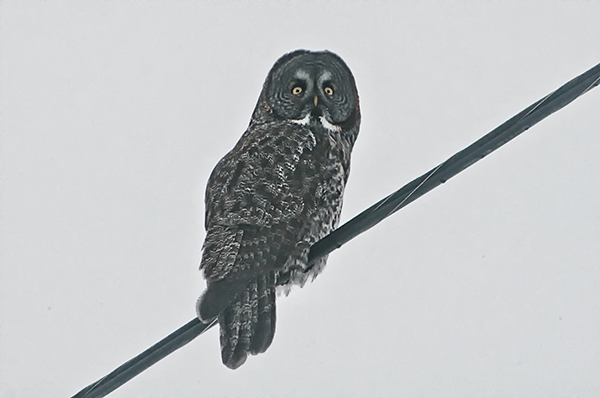
Owl on wire 2


Pritchard above the fog 2

The past snowfall gave us a grand depth of a bit over two feet. That exciting event included hours of shoveling and roads that were pretty much closed to driving for a while. I wonder why we “dig” dirt and “shovel” snow? Hmm…I remove the dirt from the hole and remove the snow from the walk. Yep, it’s the same thing as far as I can tell.  Both activities use the same tool and make my back tired.

Our yard now has deep three-foot deep trenches dug out and shoveled clear by me that lead to all the important locations. Basement door to chicken coops, front door to the car, and car to the road; however, I also made trails for the feral cats so they can come to the door for the food we leave them.

When the days of soft, cold snow finally ended, everything quickly warmed up and a suddenly a thick, damp fog settled in.

My first thought was to get out my snowshoes and head up into the hills surrounding our home. I mentioned that to my wife, but not in the mood for trudging through the snow she suggested we get our cameras and go for a drive around the now foggy neighborhood in Pritchard instead. So we bundled up, grabbed our cameras and took off.

Our car is perfectly equipped for photography with beanbags. Just set them in the window and nestle the lens on them to reduce camera shake when using our long lenses. However, on this day my wife set aside her 150-500mm, and decided her light weight 70-300mm would be better suited for the foggy landscape, and I chose my 24-70mm. But it’s good to always have the beanbags in our car even if we don’t need them.

Fog is a tricky business because contrast is all but lost and the moving mist reduces sharpness. Everything is so flat that it’s hard to get definition.

I enjoy fog and recall the imagery of a poem from Carl Sandburg.

“The fog comes

on little cat feet.

It sits looking

over harbor and city

on silent haunches

and then moves on.”

I think that description is pretty good and I enjoyed how the fog obscured my view of things in the distance and created a mystical looking world as I drove along our snow covered rural road.

Years ago when photographers were making exposures of foggy landscapes with film the best way to increase contrast was to use yellow, orange, or sometimes red filters. We could also over-develop the film, or as a last resort process it in hot chemicals. There were also filters that could be used while printing to reduce the tonal values, and some specialized chemicals would help also increase the contrast. All that was lots of work and if you screwed up the negative…well, you were screwed.

Today we have software like Photoshop (and lots of other programs available that are just as good) to help us out in those flat, foggy conditions, and when Linda and I drove off into the whispering fog I knew I would be spending a short time sitting at my computer increasing the contrast and reducing the grey tonal values.

It is now all so easy and it doesn’t take much time. As I sat manipulating the hazy images I thought about all the hours I used to put into producing our photographs. We have it pretty good these days.

Fog is fun in which to shoot. All one has to do is find subjects that are distinctive enough to be understood through the quietly creeping and silent fog. My suggestion is instead of drinking your chocolate and staring out the window on the next foggy morning waiting for the sun to come out, get your camera, go out, and see what you can do.

As always, I really appreciate your comments. Thanks, John

My website is at www.enmanscamera.com


Photographing the CP Rail’s Holiday Train at Day’s End


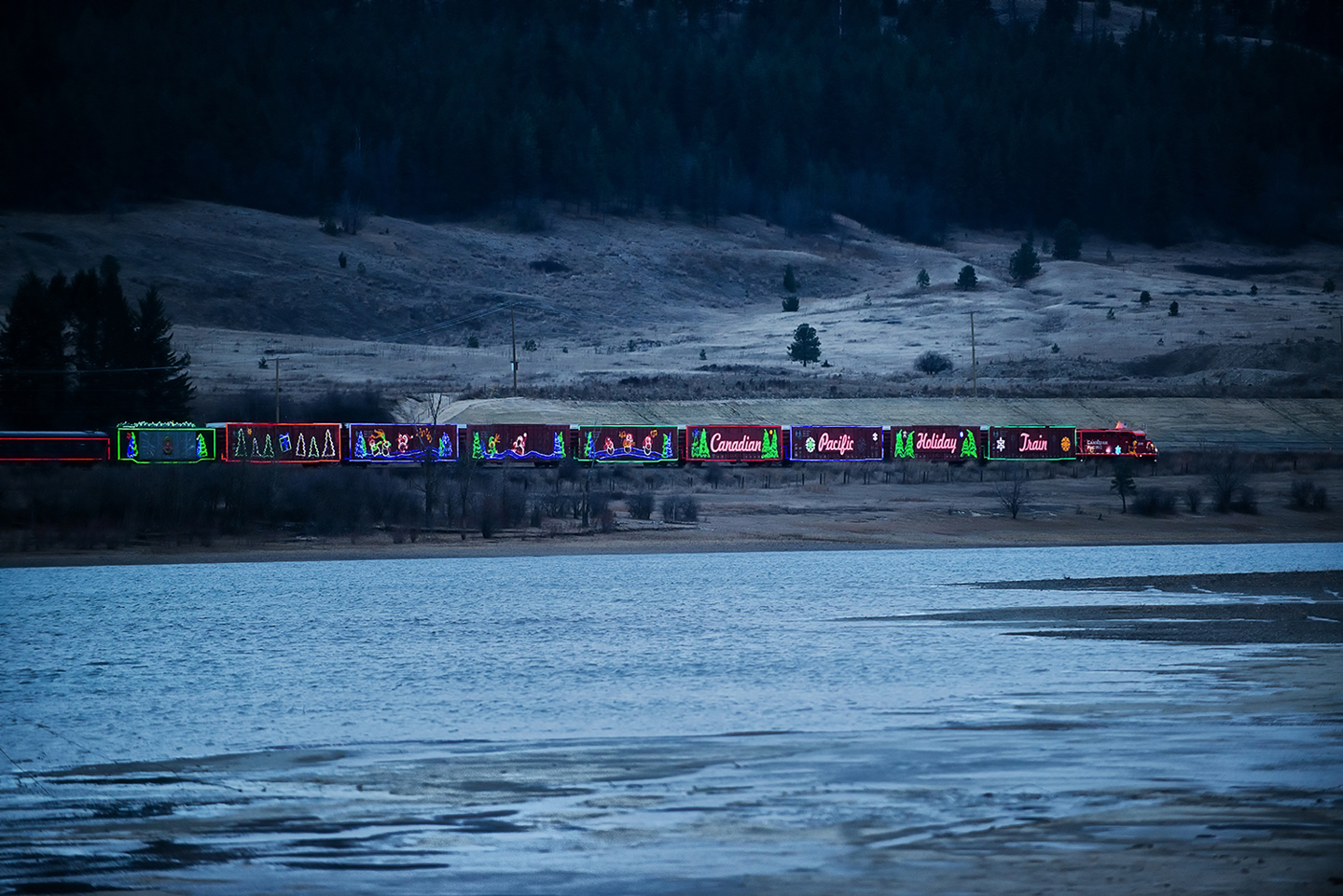
Holiday Train 1

Holiday Train 3

Christmas Train 4


This past week I viewed a photograph made by a photographer at night that was not much more than a dark, featureless, long block with a string of brightly colored electric lights on its surface. The person that made that photograph commented that she was disappointed with what the result.

I suppose the photographer didn’t know there wasn’t much that could be done with a subject that has no light on it. She might have thought a high ISO would work, and like many others new to the medium of photography, didn’t understand that surfaces that don’t generate light, must have light reflecting off the surface it if we are to see or photograph it.

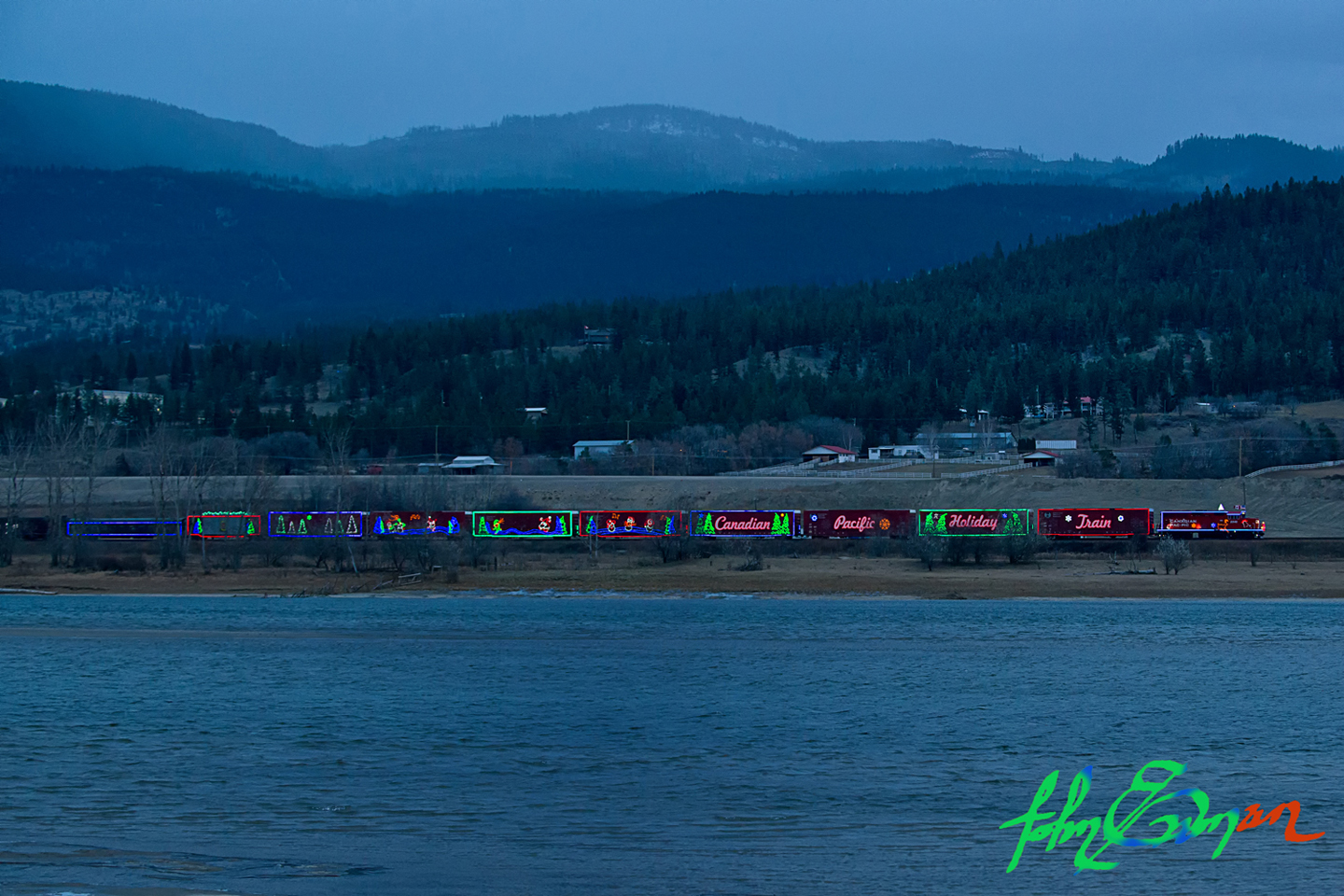
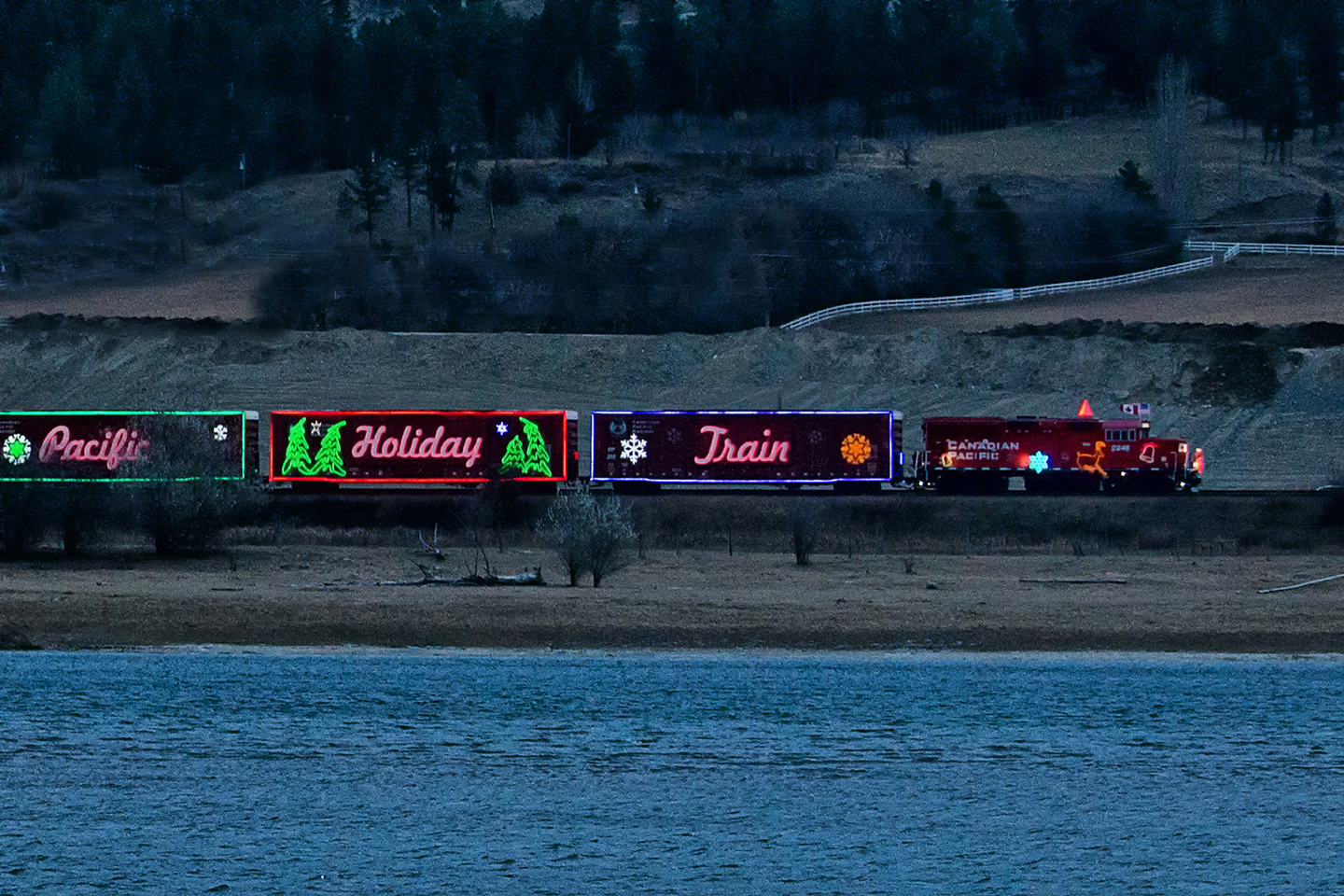
I thought about that frustrated photographer as I set up my tripod alongside my wife, Linda, and our friend, Nancy. We were preparing to photograph the Canadian Pacific Holiday Train that would be rolling along the railroad tracks that followed the wide South Thompson River a short distance from our home in Pritchard, British Columbia. We had read on the Internet about the train traveling through Chase and Kamloops on December 16 and had estimated the time it would come through Pritchard that is nestled between the two locations.

We positioned ourselves on the beach on the other side of the river so we could photograph the train passing on the opposite side and we would have a wide shot of the engine and all the brightly lit, Christmas box cars.

We arrived an hour in advance while there was still plenty of light and made test shots of a passing freight train. The schedule put the train in our location just at sunset, giving us plenty of light to define the train from its surroundings even with the declining light.

We set our cameras at ISO3200. That allowed my wife to set her camera at 1/250th second with her f4 lens, and with my f2.8 lens I could use1/400th second. Even at that we were both under exposing our images, however, in my experience, a stop or two under exposure when making exposures in the last light of the day usually works pretty well.

I prefer shooting just at sundown when there is still that cool, blue light illuminating the sky. It is easy to select out and brighten up the subject without affecting other elements in the landscape, whether making the final image in a traditional film darkroom, or using a program like PhotoShop.

I wrote that we were using tripods. Tripods are the best way to keep one’s camera still, but with our tests on the freight train that we photographed in advance of the Holiday Train we found that quickly releasing the camera from the tripod as it passed, handholding and panning worked best.

I like to preplan, so we had gone down to the river a week early and selected our observation site. In addition, on the day of the train we arrived an hour early, and that gave us time to test, to move about and experiment with our location a bit, so that when the train rolled by we were ready.

There was a strong, cold wind blowing down river directly at us. But we parked our car at the edge of the riverbank just above us with a good view to see the approaching train. After we had set up our tripods and camera, we sat in the car bundled up in blankets and drinking hot chocolate until the moment arrived. Suddenly exclaiming, “There it is!” we ran laughing and hopping down the sandy riverbank for three exciting, adrenaline filled minutes of photography.

My favorite times for scenics, and for the Holiday Train that was my center of interest for this scenic, is the hour just after sunrise and the hour just before sunset. I am sure one can find great light any time of the day and night, but these two hours are the most predictable when it comes to workable light.

Please don’t hesitate to comment. Thanks, John

My website is at www.enmanscamera.com

Waiting for the Best Light.

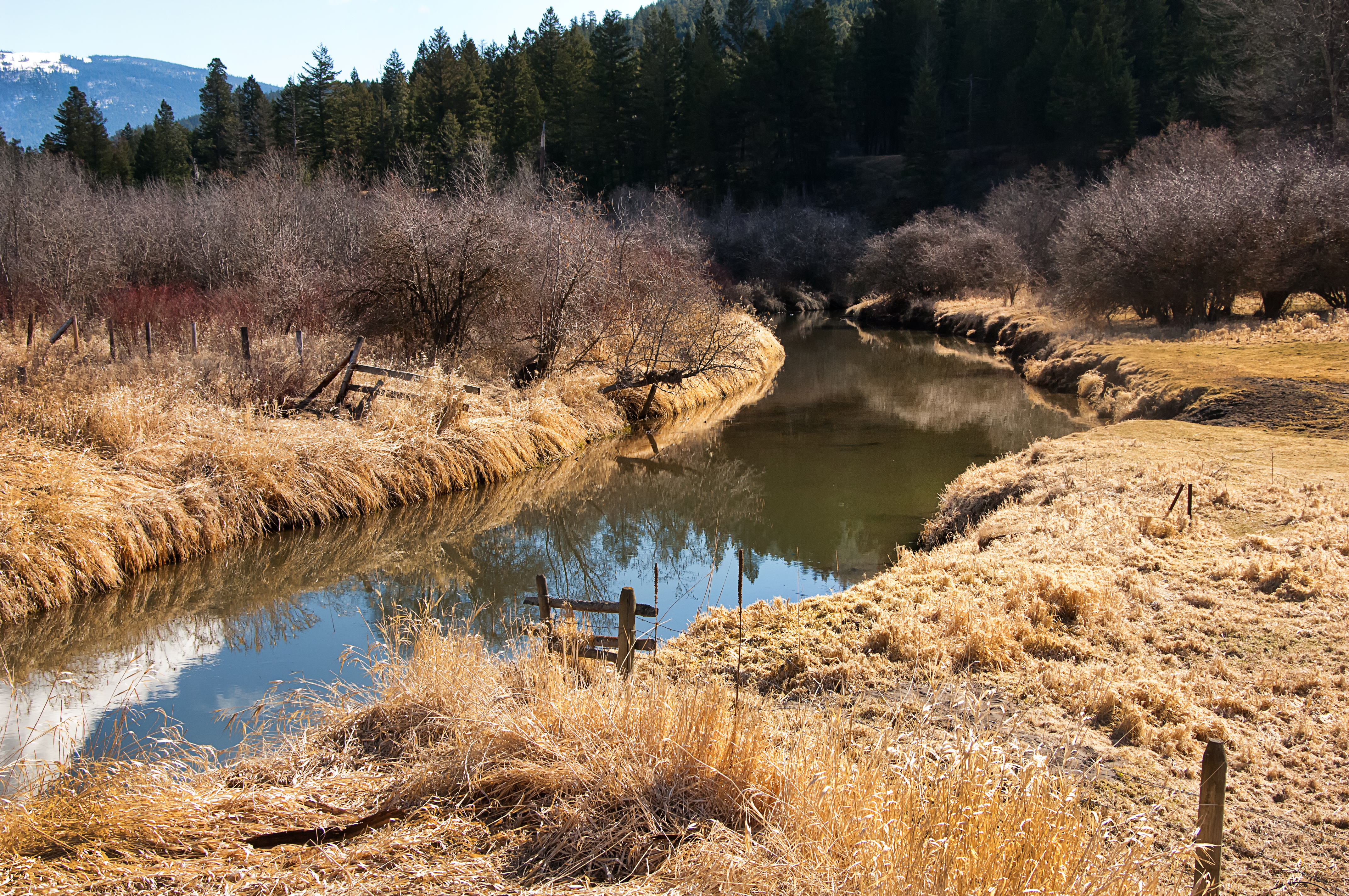
Early spring stream

I am sure there are lots of photographers that have discovered a special location, or scenic spot, that looks good, but when the photograph just isn’t working out and the day just isn’t making things look good, photographers return again and again, hoping for the light to be just right. That bridge on the way to work or the gnarled tree outside of town bent from the wind, that never looks the way we want it. That was always the problem with a location that my wife and I regularly drive past along Highway 97 south of our home. We always, winter, summer, spring, or fall, slow down at a bridge crossing a drainage stream that flows out and onto wide lush hayfields. The stream turns a corner as it flows past bushy native shrubs and out of a pine forest.

The image I mention is a grass and foliage lined stream that for the past six years is usually  a shady, dark, flat, and poorly illuminated possibility. The elusive landscape is perfect with a fence in the foreground that creates three-dimensionality. Depth is easily achieved as a viewer’s eye easily moves from the objects in the fore, middle and background.

I always want a center of interest and the reflective meandering stream becomes that. The composition follows the rule of thirds without any effort. Walk off the road, stand in the deep grass and put a shoulder to the bridge-post to steady the shot, and the rest just comes natural. All that is required is interesting light (that has not been cooperating) to bring everything together to create interest.

At last, this week on a clear spring morning about 9:30am, the light was working. There are times when that open space along the road actually has had an all-illuminating bright light , but that defuses detail, or sometimes it’s cloudy and overcast with everything to be lost in shadow. However, to my great pleasure, this time the light was cool, and without glare, and the shadows weren’t dark and deep. I couldn’t have asked for a better morning to stop and make an exposure or two.

As I wrote earlier, we always slow down, and cast a glance up the stream (the constant traffic willing) as we cross the bridge in hopes that the light is working. I have even parked on a sunny day, got out and walked across the road, only to have some large cloud move in.

This location has been frustrating, but I just add it to the many other landscapes that I refuse to waste my time with unless the conditions are what I want. I recall the concrete bridge on the Thompson River that I watched every morning and evening for years as I drove to work. Everything has changed now, but once there was a young tree and a grass edged road leading to that bridge. I wanted to stand in the middle of the small road and make a low-angled photograph of that grey bridge. When the light was perfect I didn’t have my camera, when I had my camera there was no light. I struggled for five or six years with that picture. Film ruled photography in those days and I was determined that when I made the picture it would be with my medium format Hasselblad camera.

When the day finally came about 7am one foggy morning the low-angled light thinned at the bridge entrance and gave the young tree a golden glow and I was, for once, ready.   I originally called that image “six years” because that’s how long it took me to take the picture. However, when I sold several copies to an organization that gave them as gifts to visiting NASA scientists from the United States, they renamed it “Pathway to the Future”.

Well here I am again at another six-year point and thanks to my wife demanding that I stop the car and pull over, I finally have the image I have been after for all those years.

Photography can be a patient thing and I like having the time to think about my subject. Six years might be a long time for some, but I have always liked the process, and there are a few more landscape scenes out there waiting for the light and me to come together in agreement in the next few years.

As always, I remind readers that I really enjoy your comments. Thanks, John

My website is at www.enmanscamera.com