Wandering my Neighborhood with Infrared

Pritchard store infrared  Crossing infrared Riverside infrared Bridge infrared Wolf ranch infrared Tree & fence infrared

Spring is here with cool nights and warm days. The snow has finally disappeared in my neighborhood, except on the mountaintops that surround the river valley in which I live, and everything is starting to get green.

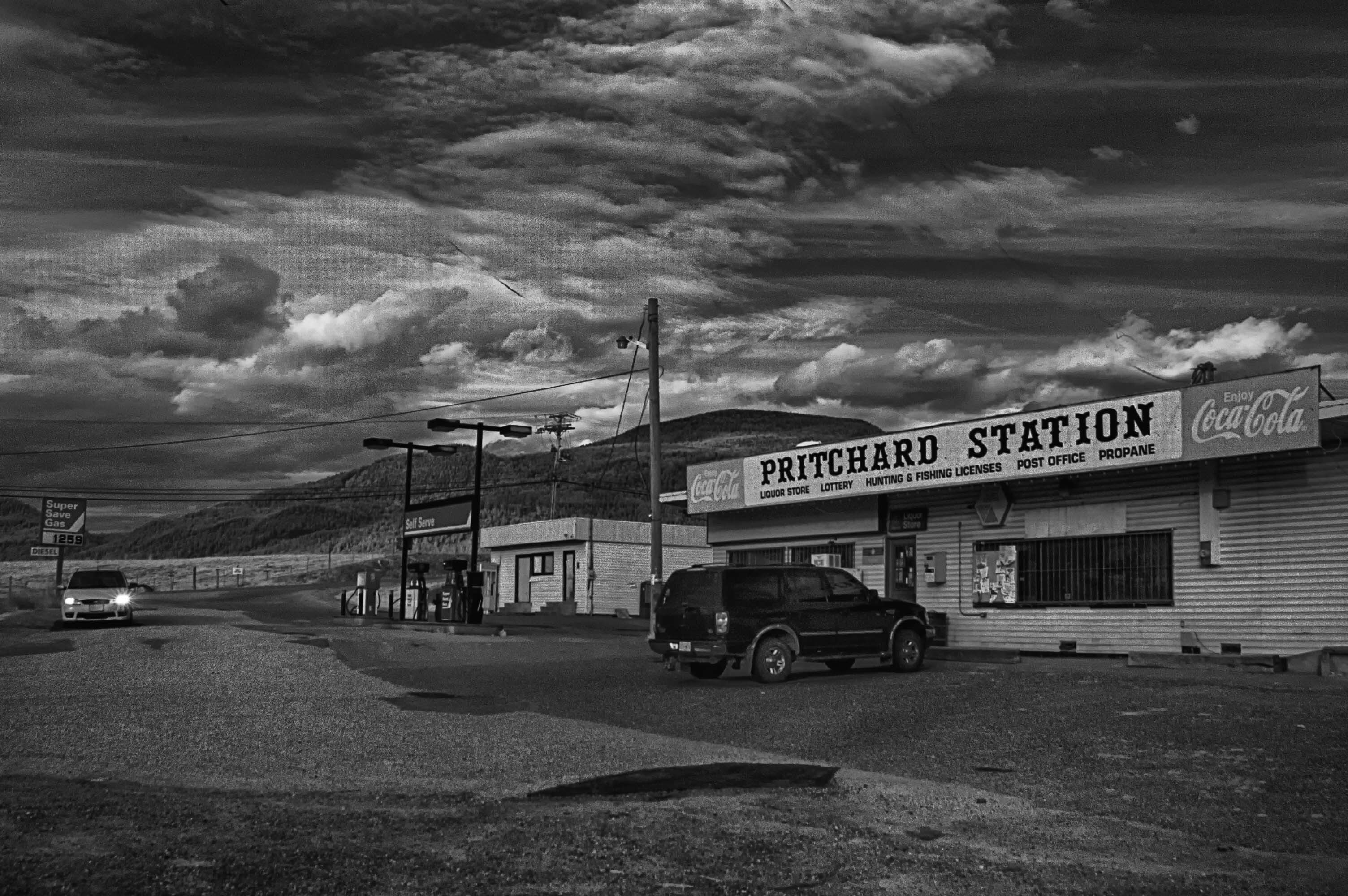
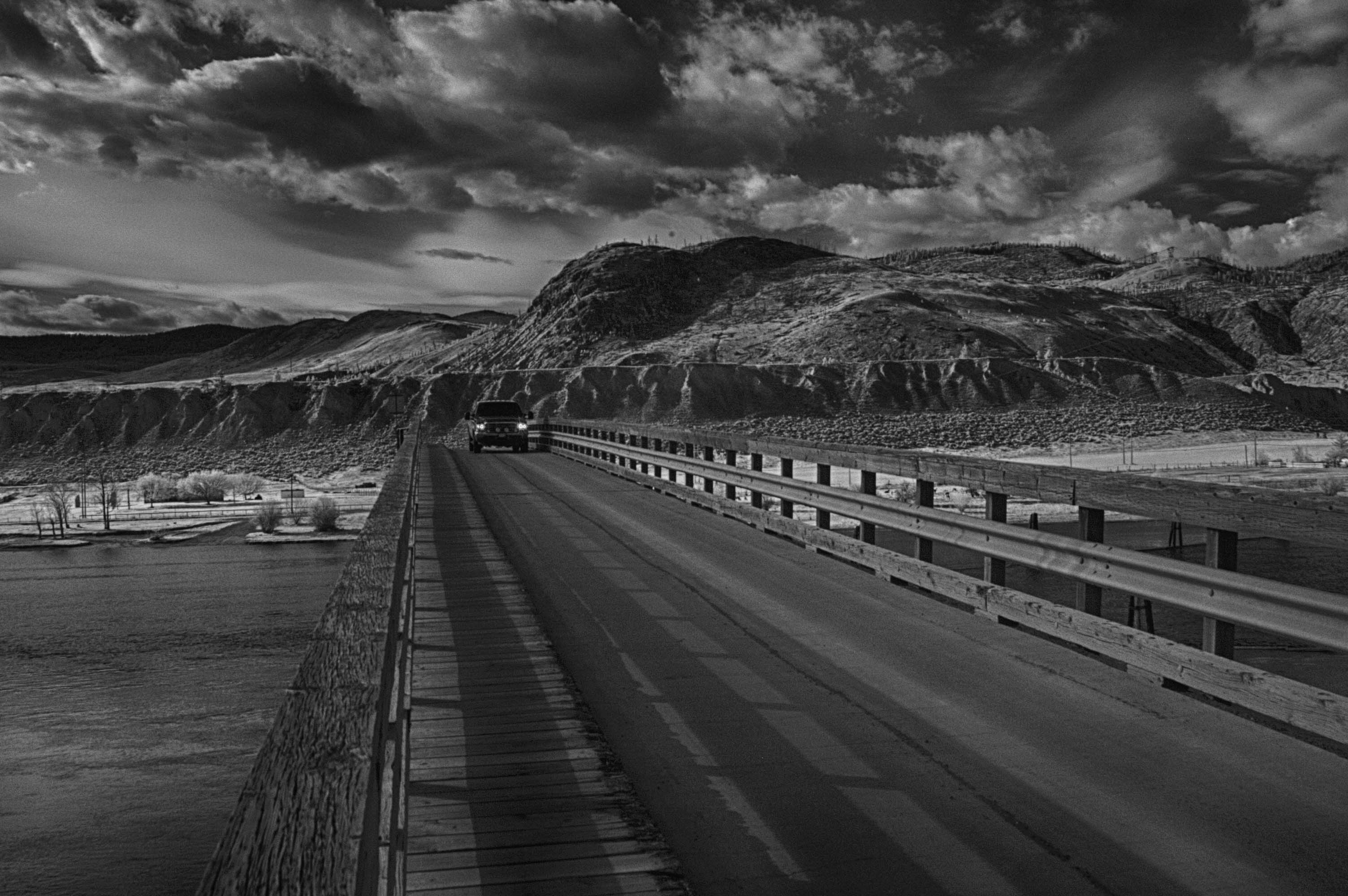
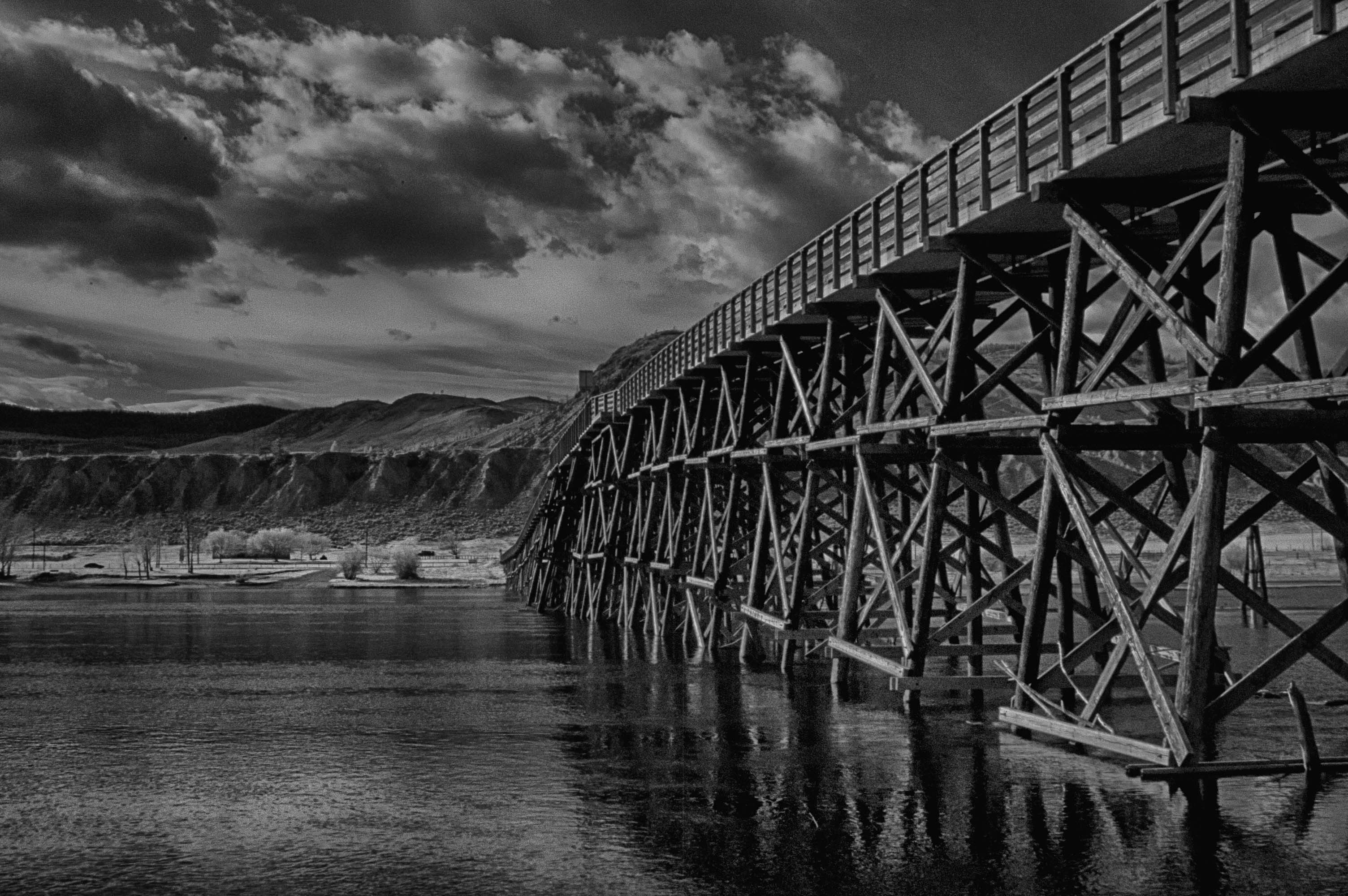
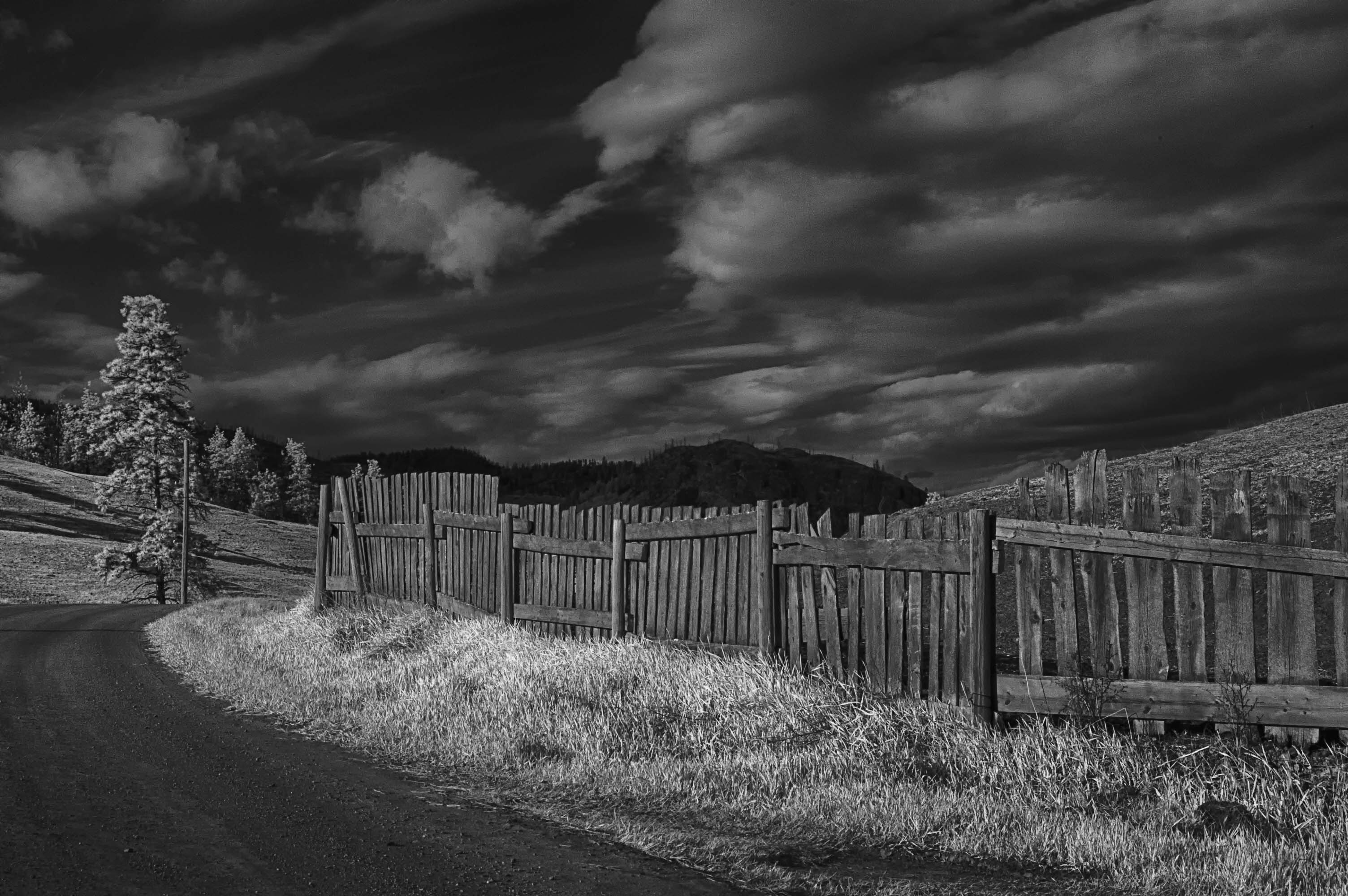
I had decided this should be the week to wander the roads near my home. I selected my camera that I had converted to infrared some years ago, attached a 24-120mm lens, and headed out.  Over the past 37 years I have photographed everything in my nearby landscape again and again, and I won’t try to guess at the number of different cameras, films, and film formats and, of course digital cameras, I have used.

My goal this time (I always like to have some type of goal or plan), was to wait for a cloudy day and make use of the low, dramatic, and directional light at day’s end. I wanted to use my infrared camera as I have many times in the past.

Using infrared is always fun. The resulting images are always different and interesting. Before the days when I had invested in an infrared camera conversion, I had used Kodak infrared film. There wasn’t an exact ISO rating or even very consistent settings for that film. One would make test exposures for the filter density one used and the developing times. Good results would finally be obtained, but always after exposing several rolls of that expensive infrared film.

Nowadays my camera no longer requires a specialized infrared filter, and I don’t have to spend time in a lightless room developing the film. Yes, there was a cost to having my DSLR camera modified so that the image sensor is only sensitive to infrared light, but it has since paid back generously, because it is well worth the expense to be able to create unique images.

Most experts say infrared radiation peaks around noon, however, in my experience morning or evening is better, and the accompanying long shadows makes great pictures in infrared. So I waited a bit after 5pm before stepping out.

I went along the road searching out features I knew well, and that I thought might be perfect in the late afternoon light. My main interest was the sky. I wanted the very dark, hazy skies one obtains with infrared that are so dramatic, compared to those with visible light. As I stood alongside the road I thought about how the pictures I was making would be nice as colour images, but infrared and the black and white conversion I intended to apply would create more impressive, or as one writer called them, “otherworldly” scenes.

All my images from that day received some post-production using PhotoShop and Niksoftware. I shoot RAW so the original files from my camera are red and white. I convert each photograph to black and white, increase the contrast, and sharpen and strengthen the highlights and shadows. The final vision isn’t supposed to be a pretty, scenic document as much as it is my personal artistic vision.

It is possible for photographers who want “infrared-like” pictures to manipulate their normal captures using Photoshop, or any of several other programs that emulate the effects of infrared. However, those photographers like me that are interested in something different can find an older DSLR and send it out to be modified. Since I had my camera modified, there are several companies that have appeared, like www.lifepixel.com. These folks’ webpage begins with the question, “Are you tired of shooting the same stuff everyone else is shooting?”   So I suggest, if you would like to do something completely different, try infrared like me.

I look forward to your comments, John

My website is at www.enmanscamera.com
Photographing a yard of old cars

Red hood 1Sentinal 1 Gunshot Fading away Gunshotsnowed in 1

This week my wife and I decided we were long overdue a visit to friends Mike and Leslie. Like us, they have a rural home tucked up and near a forest not far from Kamloops.  It’s always fun sitting around the kitchen table in their woodstove warmed home talking and catching up on each other’s lives. Mike makes his living as a rock scaler and blasting contractor helping to keep British Columbia roads clear of impending rock slides and Leslie is one of those artistic people that will amaze you whether singing, drawing or aiming a camera. Leslie also operates a good size organic farm that gives them most of the food they eat.

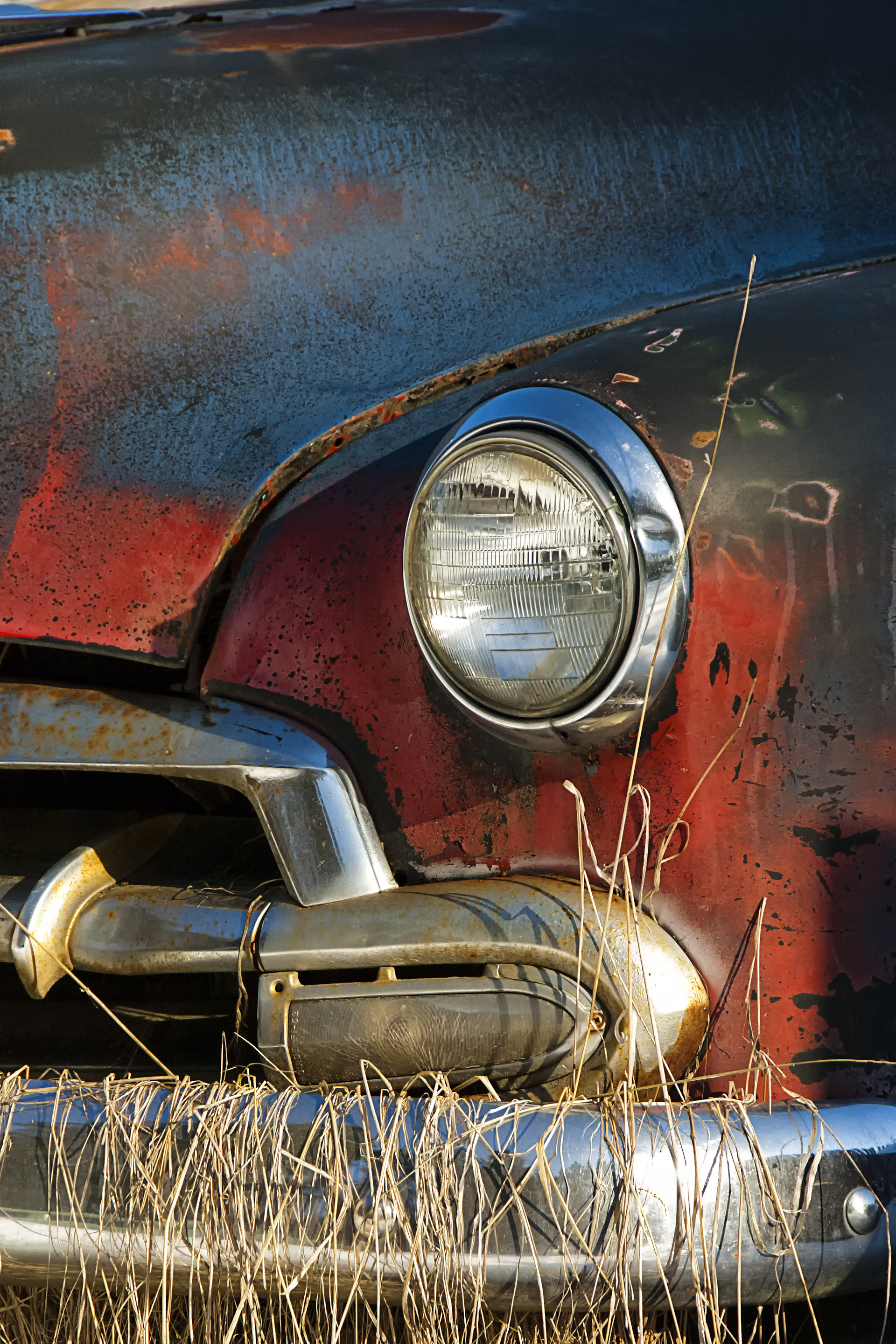
On this visit I hoped the snow was melted enough that I could wander around in Mike’s car yard. Mike is a collector of old cars of all years and models and has created a wonderful metalscape that becomes a photographer’s paradise if you like cars like I do.  Rust, paint, dents on cars of all years and parts of cars are everywhere.  I could spend the day there just making pictures.  Each time I get the chance to wander in Mike’s car yard I discover something different.

We arrived mid afternoon and after a good while of yawing and discussing our lives I realized the sun was getting low and beginning to create shadows on the cars. Perfect for prowling the diverse collection of car bodies looking for sculptural details. I remember the first time Mike showed me his cars. I only had a little Olympus point and shoot with me that day, nevertheless, I almost filled the camera’s small memory card, and since then I have been back many times with better cameras.

On this day I mounted my trusty 18-200mm lens on my camera that was set to manual mode as usual. The slightly wide to slightly long lens was perfect for those shots of hard-to-get-to cars. I knew I’d be climbing around, so I set an ISO of 200 in the bright clear afternoon light that also gave me lots of depth of field when I wanted and could be I easily reduced when I softened focus in front of and behind some features.

Some cars have lost fenders, hoods, and windows as they are dismantled and sold. Others seem to be loosing a battle with the elements and there are always newer cars added, so the landscape changes each time I roam the yard.

This time I began with shots that showed car after car resting in the melting snow. Then I started tightening my view, eventually working the light reflecting of the changing colours of the metal, and narrowed my visual search to small features.

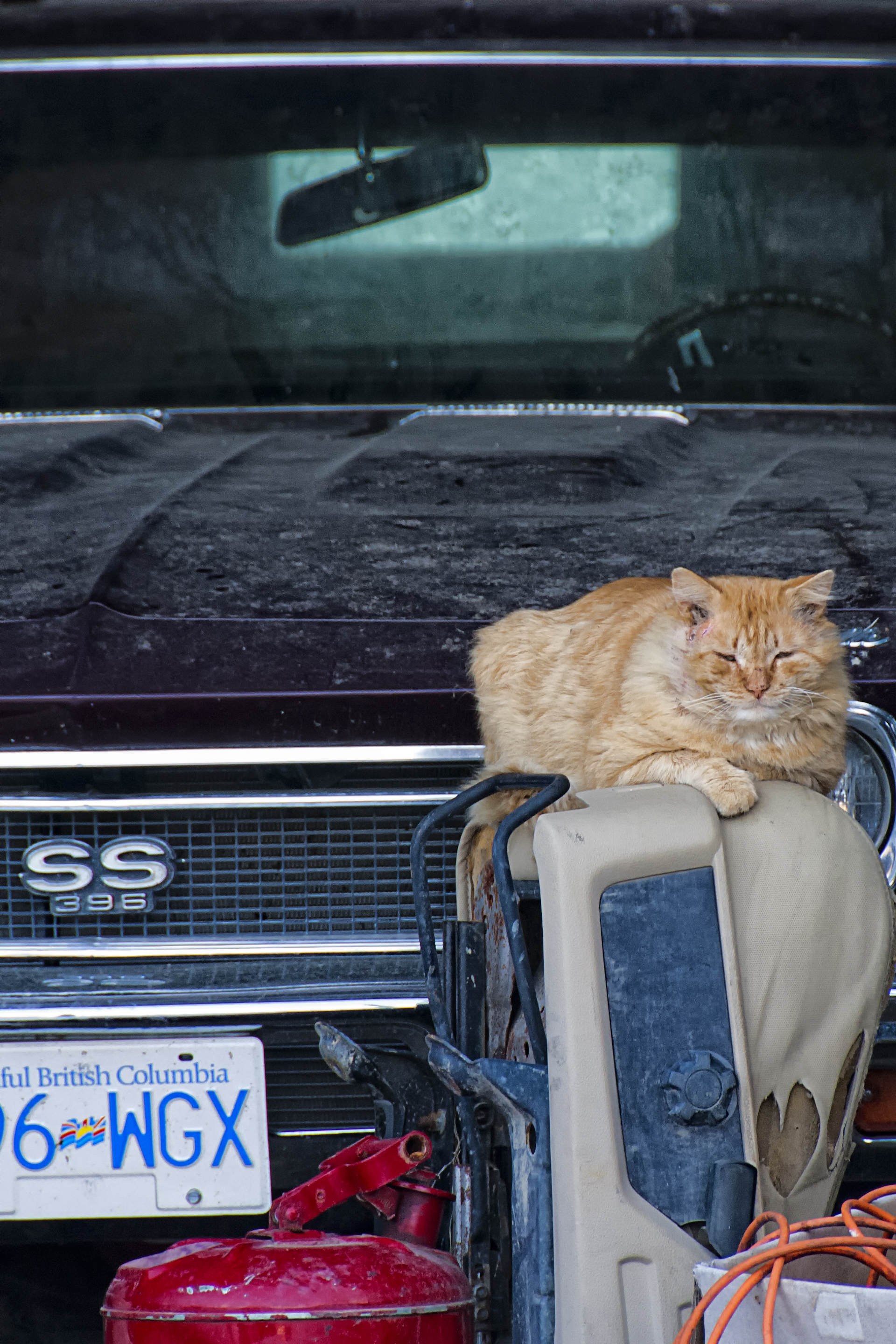
I could have spent several hours, but reluctantly wove my way out remembering I was ignoring my hosts. Yes, they are used to me being preoccupied when I have a camera, but all the same I shouldn’t be neglecting them.  Still, I had to make one more stop when I saw their scrappy old tomcat resting on an upturned car seat in front of a 1969 Camaro super sport. I was happy enough just to get a photo of that classic car, but that cat was the frosting on the cake for me.

As I sat writing I thought about how I enjoyed the day that began with a drive along a winding country road, then a long visit with good friends, and finally a really good time making pictures. Can it get much better than that?

I always enjoy your comments. Thanks, John

www.enmanscamera.com

An Enjoyable Group Photography Process

Demetra 1a  Monica 7a

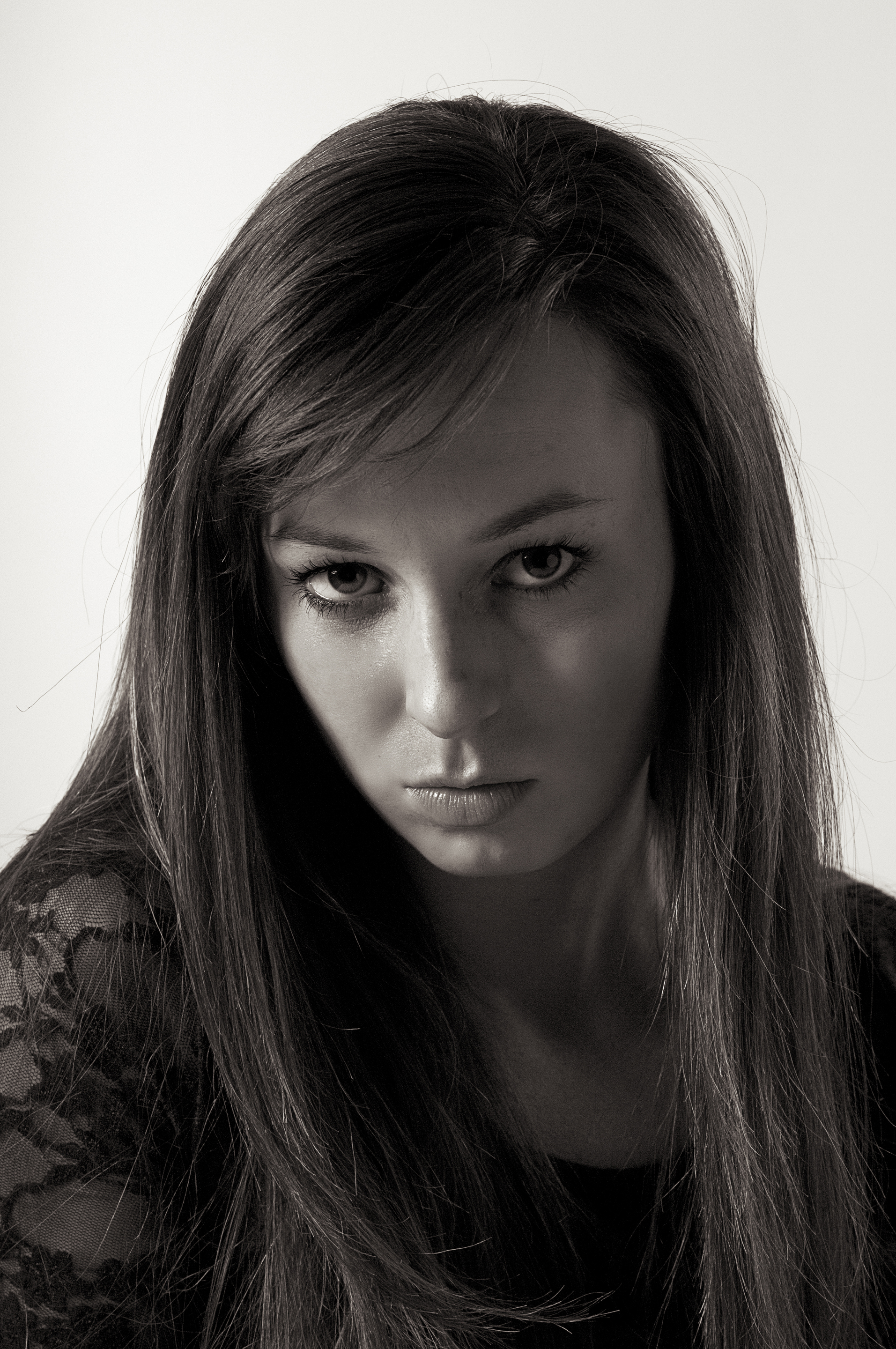
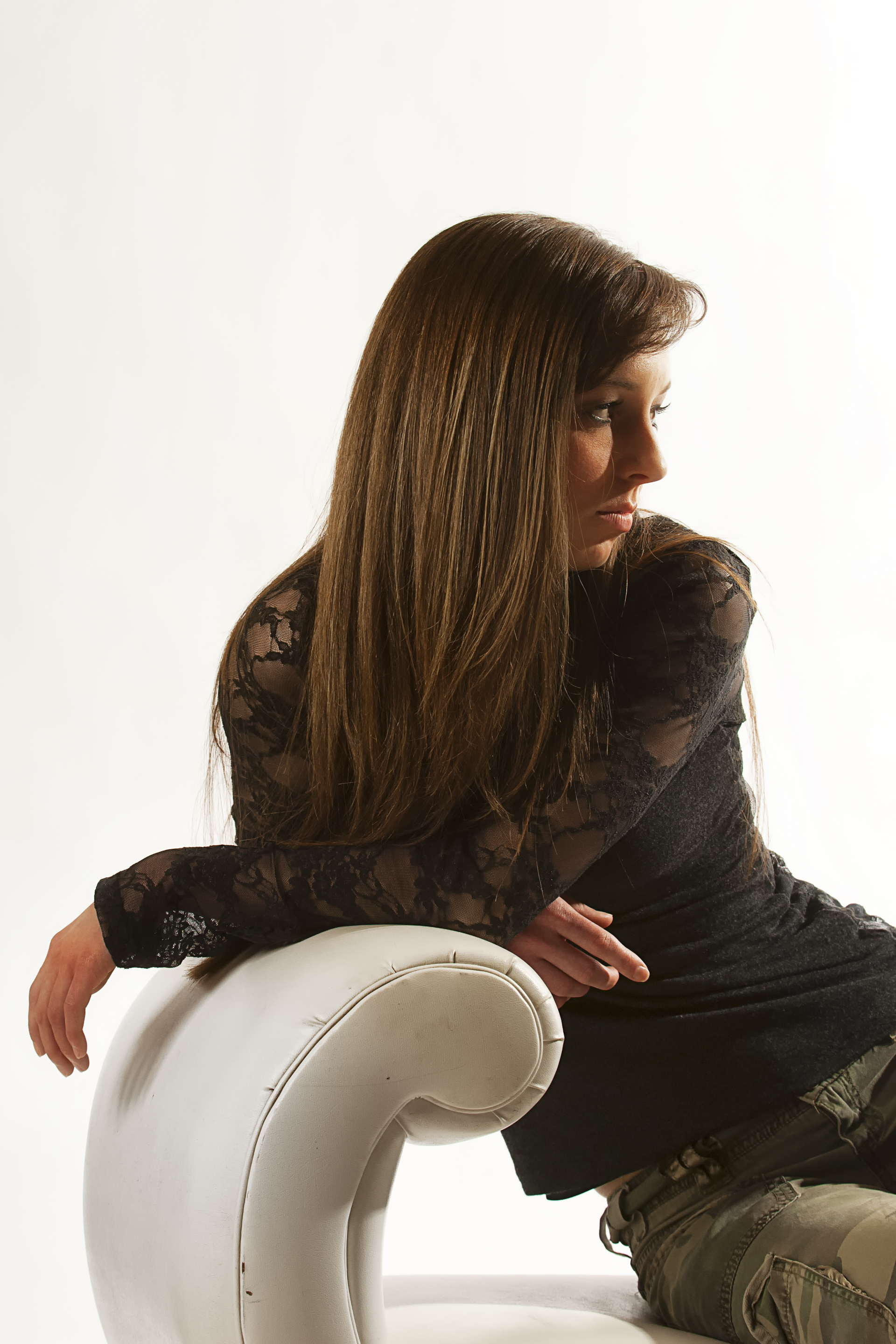
When I write my blog each week,  my goal is to educate, to be entertaining, and to have a new topic each week. My topics are usually the result of something I have been involved in (like this week’s post), or my thoughts on discussions I have had with other photographers. Sometimes, my wife refers to my discussions as rants about whatever issue has hit my “hot” button the previous week. It could be about joining other photographers to do scenics or wildlife photography, however, this week I am going to discuss a great time I had on the previous weekend.

Last Sunday I got together with friends Demetra, Monica, Dave, and Nancy in a photographic modeling session that was different than what I had been used to.  Demetra and Monica worked in front of the camera as models, while Dave, Nancy, and I were behind the cameras.

Monica 10a Demetra 3a

I usually write about photographers, but this time I wanted to include the models who were just as much a part of a fun and interesting photography process as the photographers. I don’t know what it would be like to put on a play that included input from actors, directors, producers, etc., but on this day five friends collaborated in a photo studio to see what we all could come up with and I likened it to a theatrical experience.

Normally I come prepared with ideas that I have creatively worked through before I start directing my subject. I rarely show the subject the images on my camera’s LCD; and, usually they must be content with my approval of what we shot as we move to the next pose. However, we were game for a new experience, and the thought of working together as a group to produce photographs seemed like a good time.

Dave and I began by searching for some sample pictures with different poses and lighting that we thought would be fun to emulate and presented them to the group before starting our day at the studio. Then we all joined forces and laid the pictures out so every one, models and photographers alike, could see them, as we worked out camera angles, lighting and posing.

Monica and Demetra took turns posing as Dave and I adjusted studio lights. Nancy kept making test exposures that we would all look at, and then we would compare with the sample pictures to see if the effect was what we were seeking.  We weren’t trying to copy the original sample, inasmuch as we were using the poses and the lighting as guides. Then once the poses and lighting were set each photographer would choose a way to personally interpret the original in a way that seemed best.

Demetra and Monica are both new to this, but were willing to work, I expect, as hard as any professional, and being involved in the decision of how they would appear in a final image appealed to them.

Nancy is familiar with posing subjects and the lighting process, but her subjects are usually students, or beauty pageant portraits, so working with models and other photographers was unique and entertaining. Dave is the newcomer to photographing models, however, after years of scenic and personal work he had decided to try something new. He converted a vacant building on his rural property to a full functioning studio filled with all types of lighting, light manipulators, and several choices of backdrops. The studio includes a full functioning kitchen, which we made full use of during this session.

We had all previously participated in the “shoot-what-ya-can” whirlwind Stobist meets, so this group style of working was familiar. As stated earlier, photographers and models interpreted the pose in their own way and then chose respectively slightly different perspective camera angles and physical stances.  I am sure the photographers will finish their images slightly differently in PhotoShop.

I have not talked to, or seen, Dave or Nancy’s pictures yet, but in the next week they’ll drop by my shop with their final image files and I will make CDs for Monica and Demetra.  I like to hang out with other photographers, and enjoy watching them work, but I prefer being the prime photographer when I do portrait work; however, I must admit I enjoyed this group process and hope we can get together again sometime in the future.

I appreciate any comments. Thanks, John

My website is at www.enmanscamera.com
Photographers and Christmas Pictures

tree 2  presents Xmas Cat

Christmas is only a couple days away. Gosh, that was fast! Oh well, I like Christmas with all its trappings. I’ve been listening to Xmas music, watching plenty of not-so-great Xmas TV shows, attending both my granddaughters’ Christmas concerts, decorated our tree and most of our house and I have already been eating candy and lots of holiday snacks.  It’s Christmas.

This time of year is filled with photo opportunities. Yes, pictures of our home and the landscape covered in snow are great, and I have been having a great time wandering around in the fresh snow, but the unique opportunity I am writing about is the pictorial story of everything that happens around us during this holiday season. I have years of film slideshows and digital CDs of my Christmas’ and plan on continuing for many years to come.

Photographers might try to tell a story and take pictures of everything.  For example, the decorated Xmas tree and house, even that Christmas Eve dinner table, and maybe the morning breakfast with the family on Christmas. Then get the camera ready for the gift opening. Yep, photograph it all and approach every photograph as if it’s the most important you’ll make. It doesn’t matter whether it’s for a client or for family archives, all pictures should be printable and viewable. I prefer a DSLR camera and every image gets post-post processed before anyone sees it.

Not one for the point and shoot style, I usually think a bit about how I want to make each picture and I take lots of pictures while things like opening presents are happening. I always use a flash and shoot wide with the intention of cropping for the most dramatic effect later. I sometimes think setting up a couple lights on stands would be great, but my family will only put up with so much, and anyway a stand might get knocked over in all the excitement.

Always use a flash for family stuff and go for as much depth of field as possible. My lens of choice for the past few years has been either my 18-200mm or 18-70mm, either one works fine in the confines of my house. They both focus fast and close and that’s all I need.

My family is used to my photographic demands as I expect most photographer’s families are. When we are at the table there isn’t a bit of hesitation when I get up and move in with my camera, everyone knows what to do. Even my son’s young daughters pose. Please don’t embarrass people with pictures. Good photographers shouldn’t be the kind of picture taker that crouches down in everyone’s face as they eat.

My family and friends know that I’ll delete those that don’t live up to my personal expectations. Well, I think they know. Maybe my family and friends think I only take good pictures. Yes, lets go with that. They don’t need to know how long I spend editing in post-production.

As I began, Christmas is only a couple days away. Give that camera’s sensor and lenses another cleaning and make sure flash and camera batteries are charged up.  Yes, I am already having a good Christmas and that’s going to continue with lots of holiday picture taking that I’ll extend into the New Year.

From my wife, Linda and me, have a great Christmas and take lots of pictures.

My website is at www.enmanscamera.com

Photography on a Foggy Day


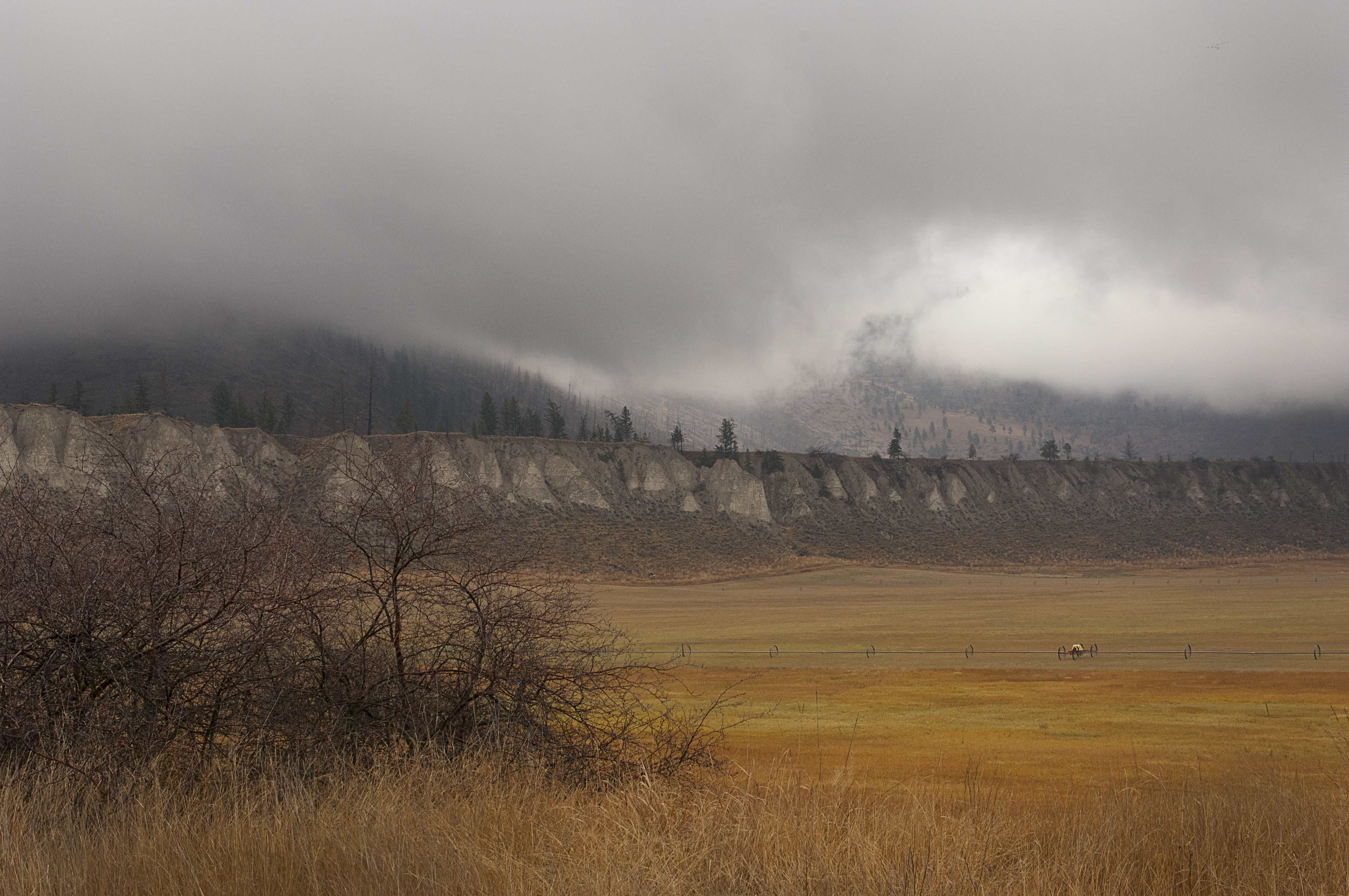
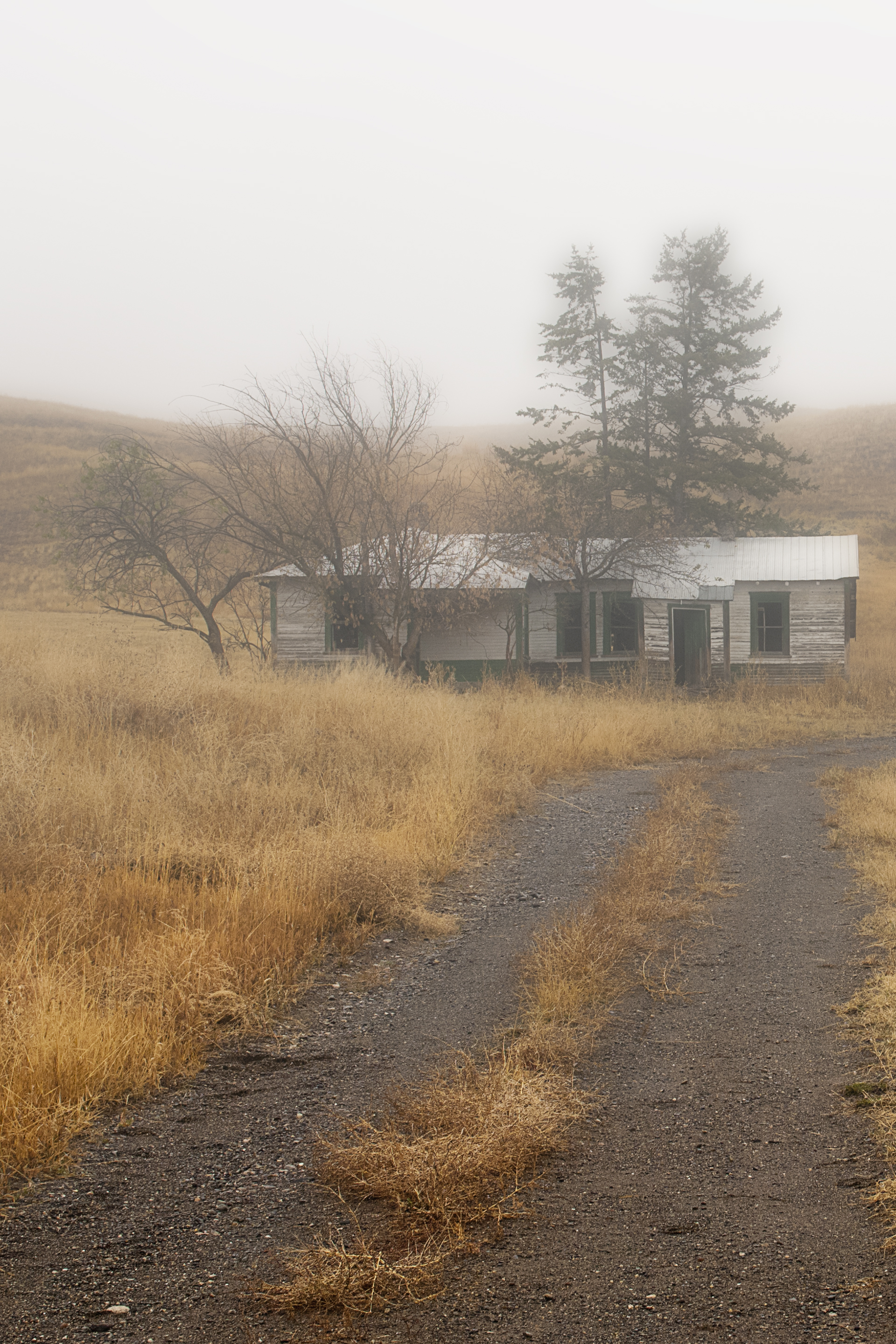
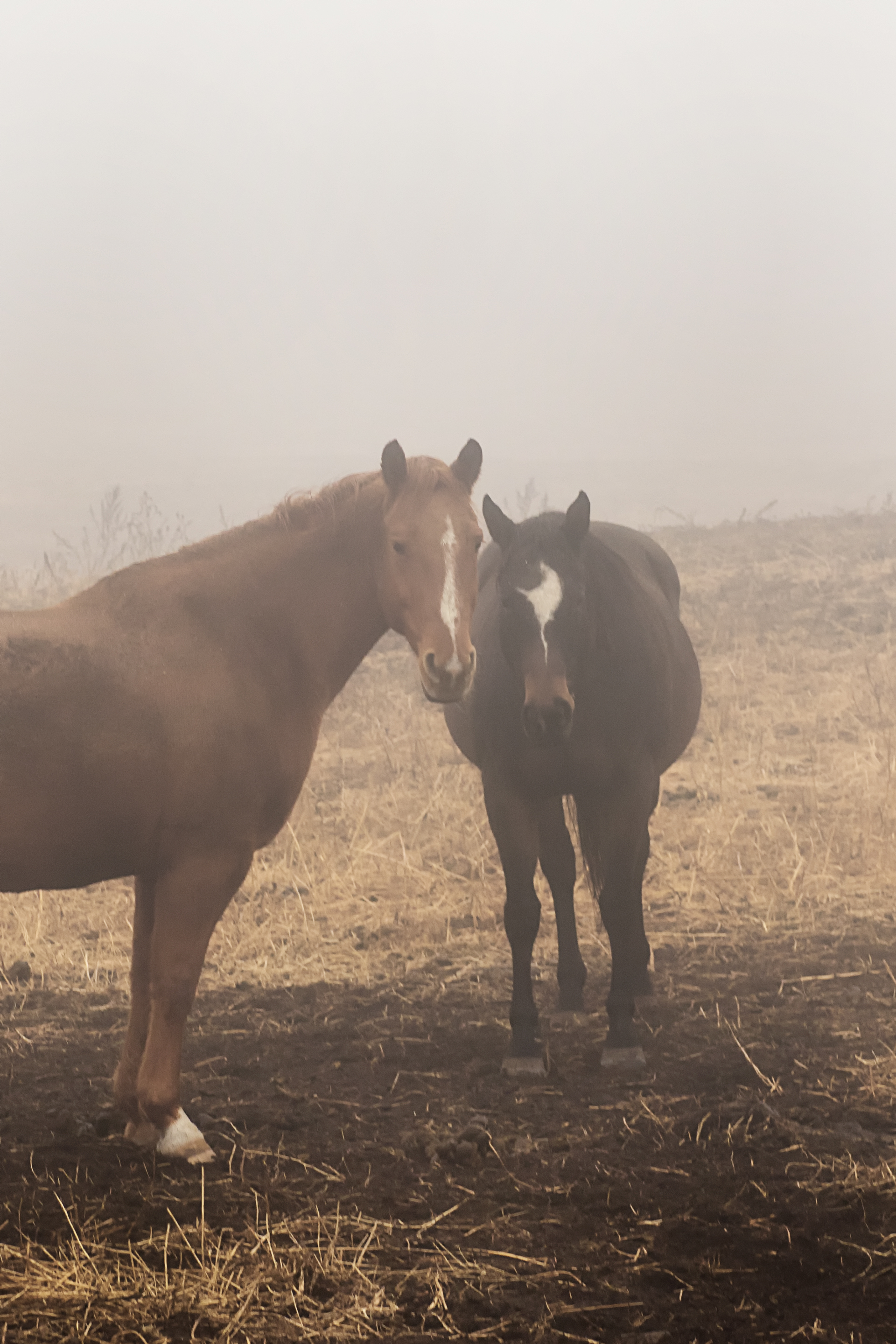
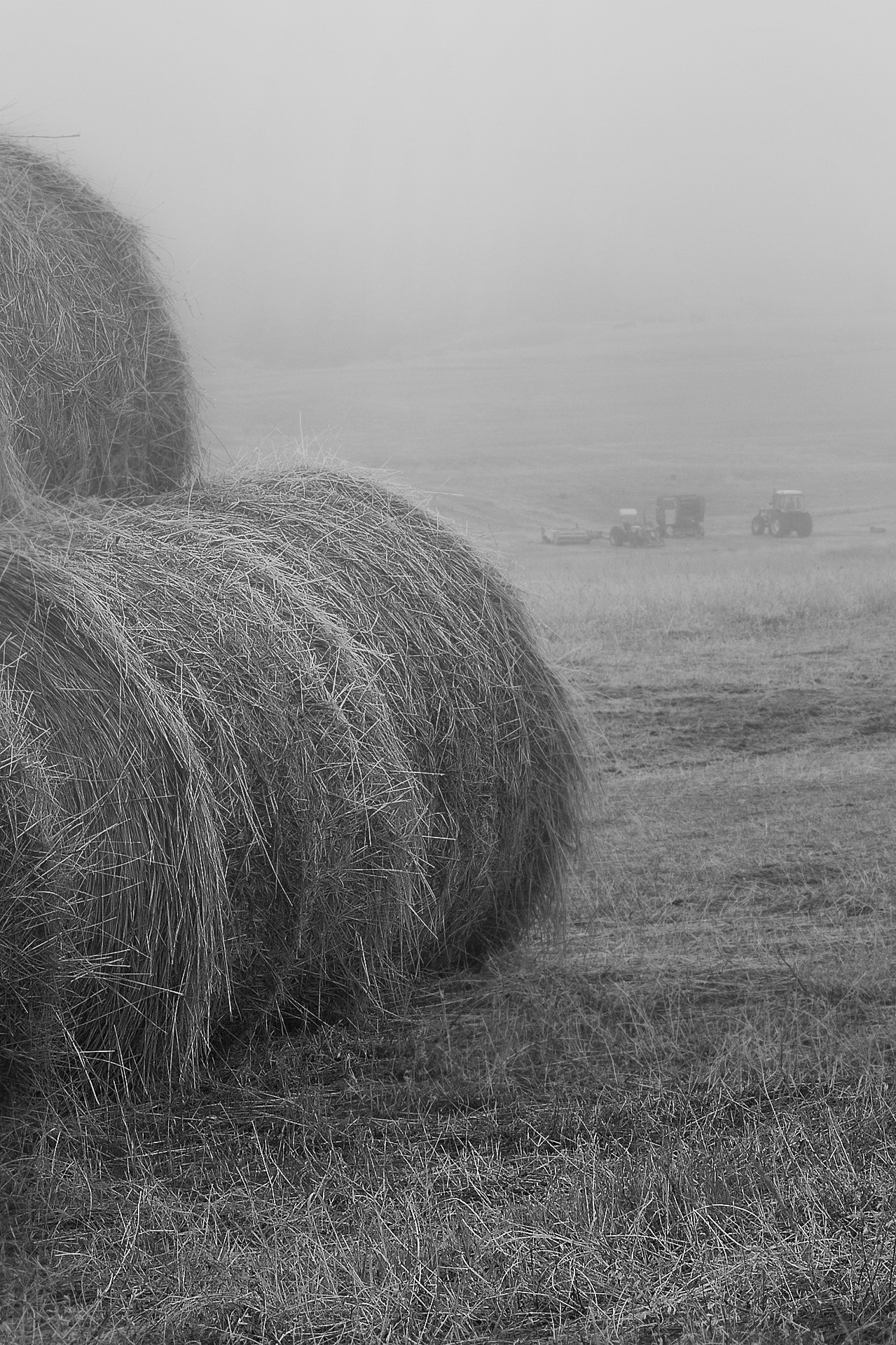
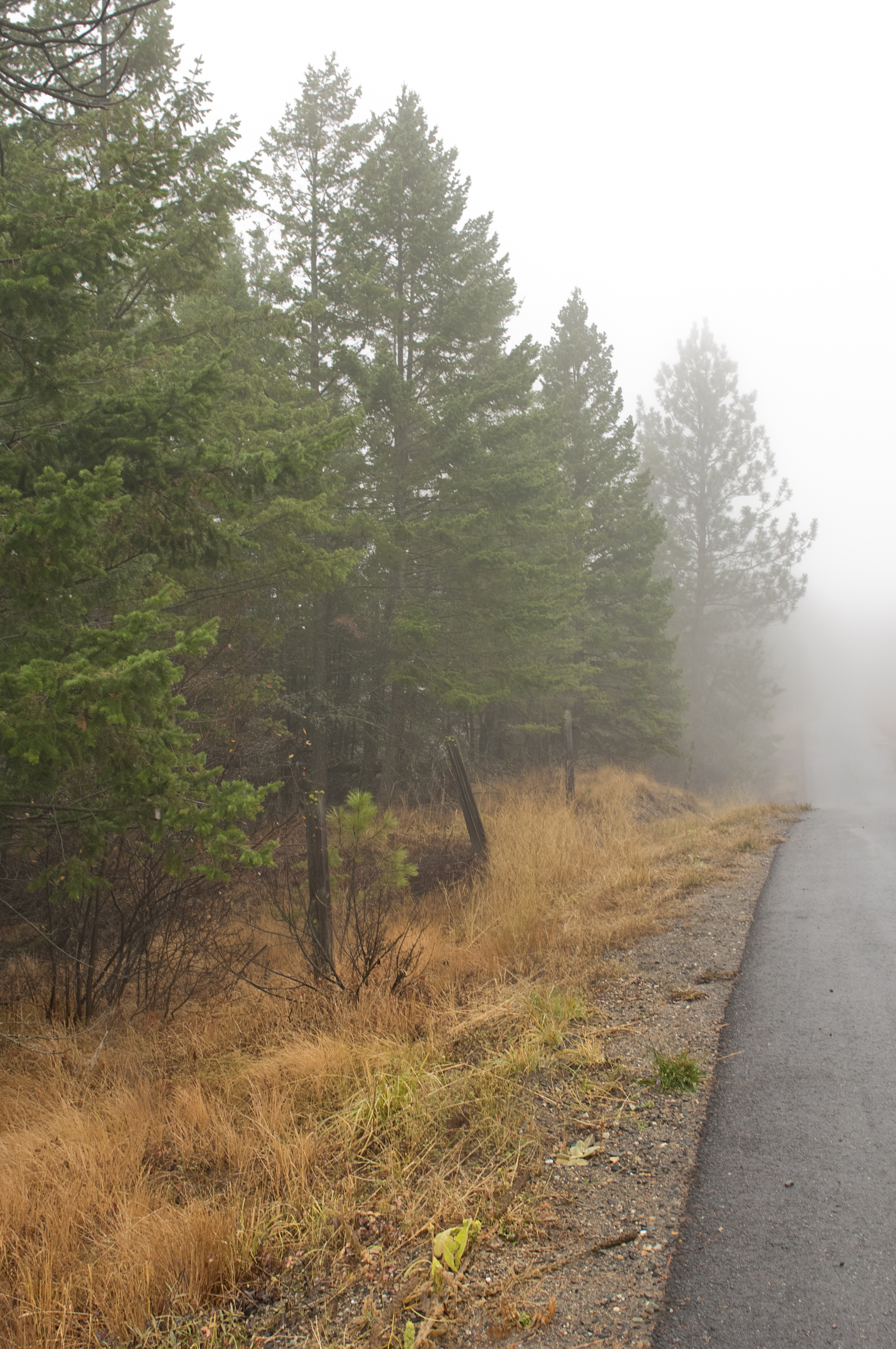
I like taking pictures on foggy days. I suppose I could have stayed inside and watched TV or read a book. I know that many photographers would have done just that as they complained about the damp, flat, lifeless-looking fog, but I like foggy, windy, snowy, and even rainy days. Inclement weather makes for unusual and interesting photographs, so when I woke on a morning with thick fog I knew I was going to have a fun day. Fog can conjure up feelings of mystery and awe, and of the many different conditions we encounter in landscape photography fog is one of my favorites.

Yes, the light was low, but October fields here in the British Columbia interior are mostly shades of gold, so there really is lots of colour. All a photographer has to do is select a subject angle carefully. I began by wandering through the wooded area across the road from my house, but I didn’t really get very far, the fog was so thick in the pines that there wasn’t much that I liked. I jumped in my car and I made the short, five-minute trip down to the Thompson River, and was happy to be just a bit under the fog, and that made for lots of great opportunities.

I really didn’t have any particular subject in mind. I had hoped the bridge that crossed the river would be embraced in fog, but there was a strong, wet, breeze in the river valley that had pushed the clouds and the fog away. I wanted fog or at least low clouds, so I lingered higher up, along the valley rim, searching out and photographing fences, stacks of hay, and abandoned buildings. And I even took a few pictures of cows and horses, as they looked for food in the damp foggy conditions.

I always meter for the mid tone in my composition. The foggy flat light can easily trick the meter and I prefer manual exposure where I personally can determine my aperture and shutter speed. I had remembered to bring my tripod, so even when the light was low and required a slow shutter speed I could still keep an acceptable depth of field using an aperture of f8 or smaller.

Outdoor photographs taken in fog often look flat and dull. The fog and the low light decreases image contrast and colour saturation significantly. However, for modern photographers this isn’t much of a problem since the contrast and saturation of a digital photo can easily be adjusted.  Fortunately, we can turn the problem into an advantage because an image with low contrast is easier to manipulate than an image taken in harsh light with strong shadows and highlights.

With most digital cameras the contrast can be adjusted before the photo is taken. But in my opinion, it is better to do a rough adjustment during post-production in the RAW converter, and a fine adjustment in Photoshop. In-camera adjustment is not always the best since we don’t know in advance what the right amount is, and clipping of shadows/highlights can occur.

Modern technology gives us a hand up on the flat, contrast less light even if some elements in a picture are improperly exposed they are easily corrected during post-production, and increasing the contrast on important subjects in flat light is easy.

I have always liked my photographs to be about my personal vision of a scene and not to be limited by what a particular film or camera sensor can record.  Even Ansel Adams said, “You don’t take a photograph, you make it.”

Fog forms when a humid, cool air mass moves under a warm air mass and those conditions seem to be recurring for a second day. I know that might cause problems for drivers, but I am hoping to see some in Kamloops when I go to my shop today. And if so, I will be out on the street with my camera.

I enjoy your comments, Thanks.

My website is at www.enmanscamera.com

Photography on the Ferry


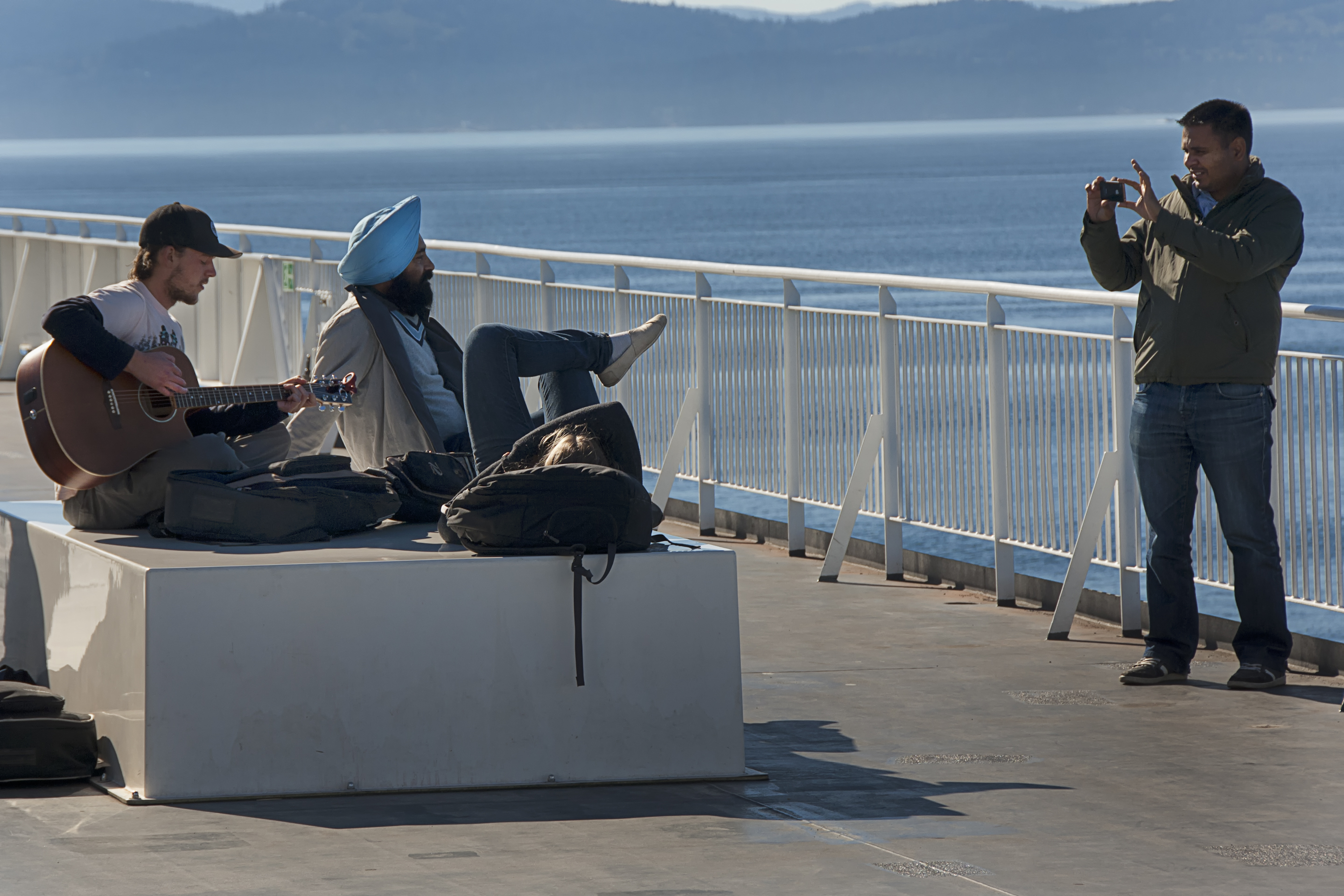
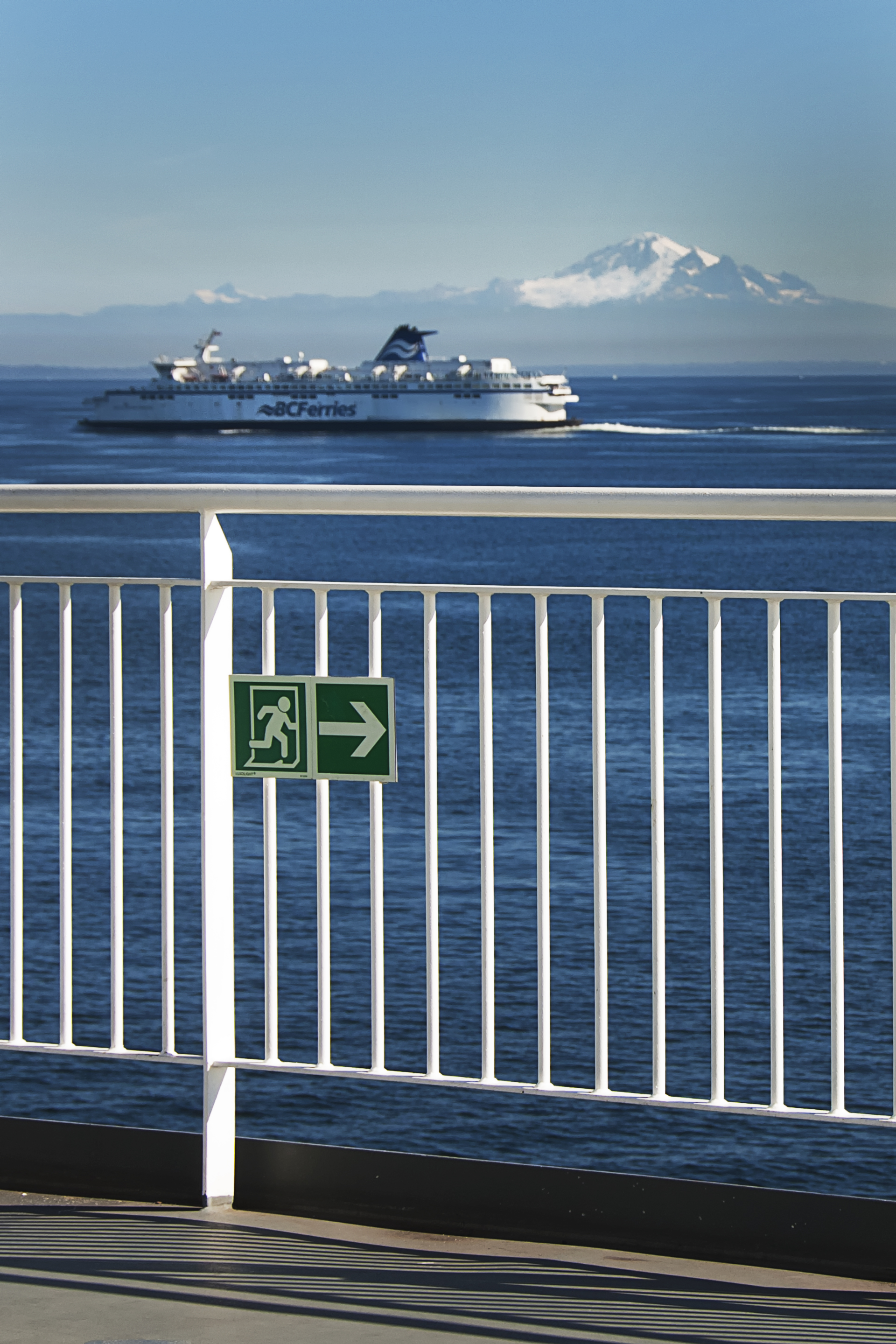
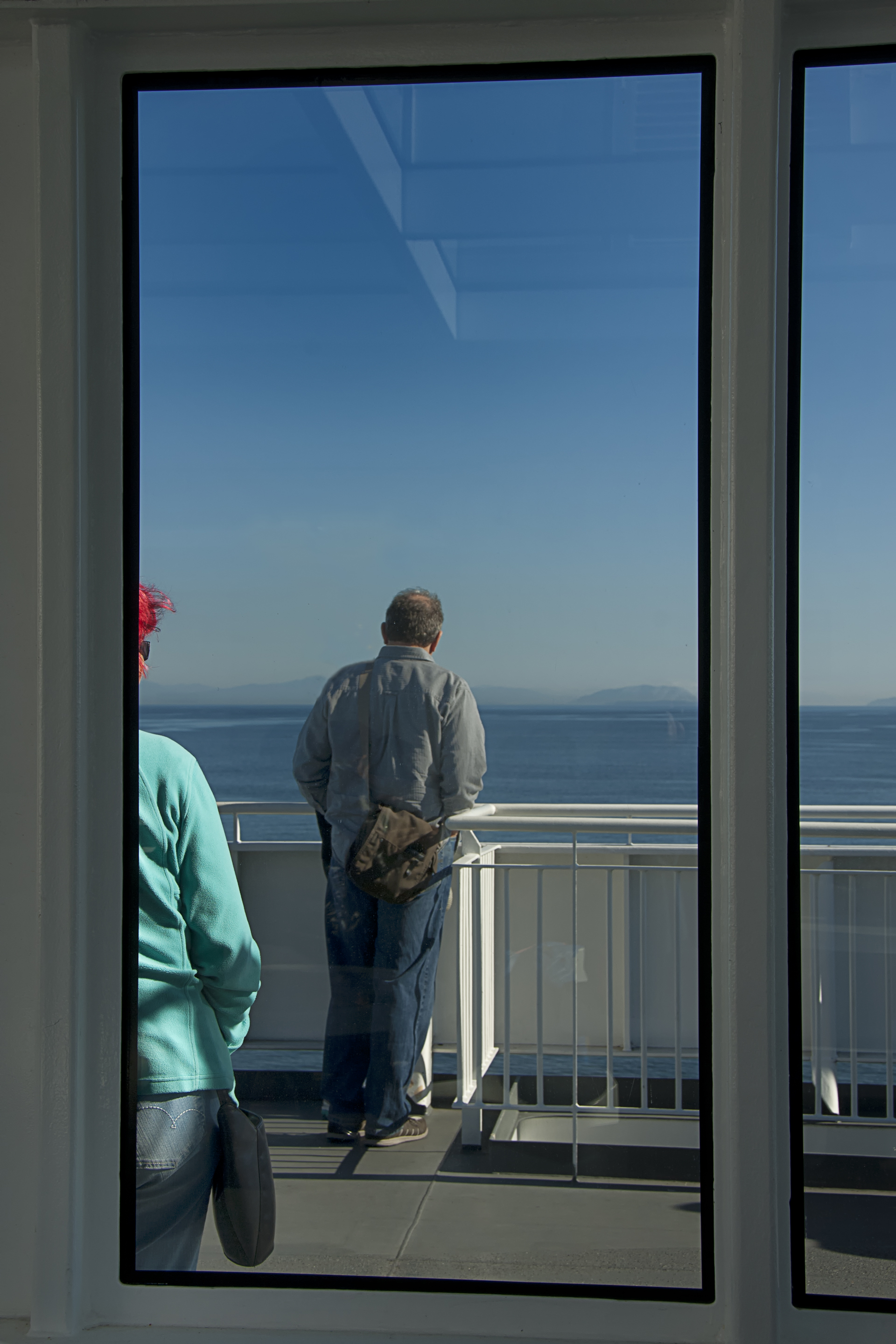
My wife and I boarded the BC ferry Coastal Celebration to Victoria, BC. We parked our car, picked up our cameras, and proceeded up to the sundeck. The day was clear blue and the ferry’s sundeck was packed with people with their cameras, all searching for joyful memories of the one-and-a-half hour ocean crossing from Tsawassen to Swartz Bay.  The weather was pleasant and encouraging for those travelers who wanted to stay outdoors.  When the wind became too gusty the passengers would step behind glass partitions designed to provide protection yet allow for an unobstructed view.

I think, with maybe the rare exception, the photographs being taken were of friends or family posing against the rail. Another favourite photo was the group shot around a table, (arm extended style with camera pointing back at the shooter), and then another favourite, of course, was of other boats passing by. And finally, there were lots of shaky pictures of the luxury homes that were perched on the shores of small rocky islands.

One has to admit, after taking that picture of a spouse or friend standing in front of some scenic location, all the rest are just repetition. I took my wife, Linda’s picture holding her camera, a little tired with all the traveling, hair blowing in all directions, standing next to a white rail with blue water behind her. I’ll treasure that picture because it’s her, but she just smiled when I showed her that not so flattering image.

I had made the obligatory portrait and was about to be off when a guy and his family walked up and handed me his little digicam and asked me to take a group picture. I posed them, made one fellow remove his sunglasses and changed my angle a couple times as I took their family-on-the-ferry portrait. My wife later mentioned that the fellow had been watching and she was sure was waiting for a moment when he could ask me to take their picture.  I am sure he had just looked around for the guy with the biggest camera. I guess I won.

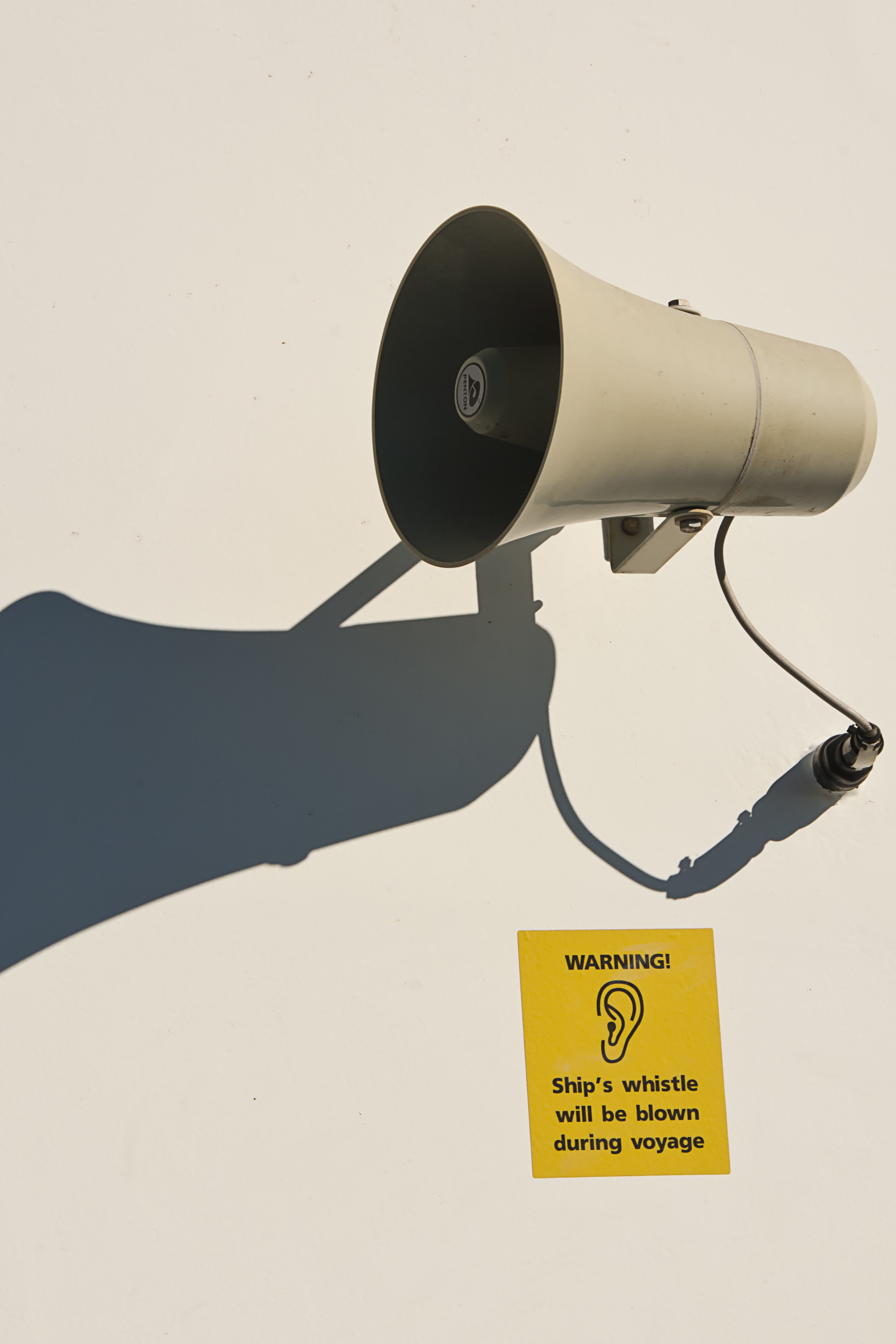
Although, unfamiliar with the large white, ocean going vessel vibrating under my feet, I was fascinated with all the unique doors and windows, wall mounted things like pipes, speakers, all the odd railings, long walkways and so much more. However, most interesting; it had people, lots of people from all types of places.  We heard many languages being spoken.

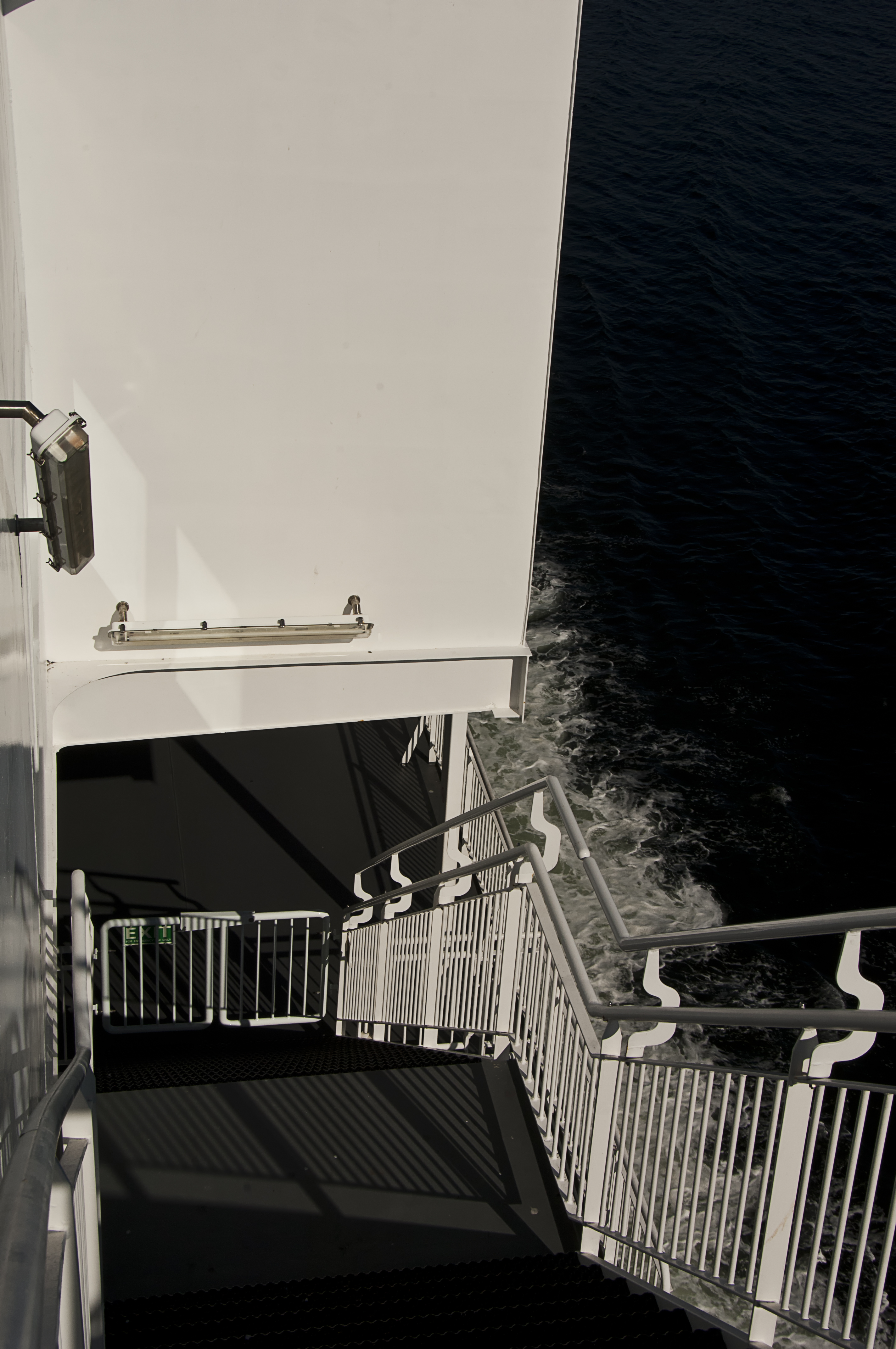
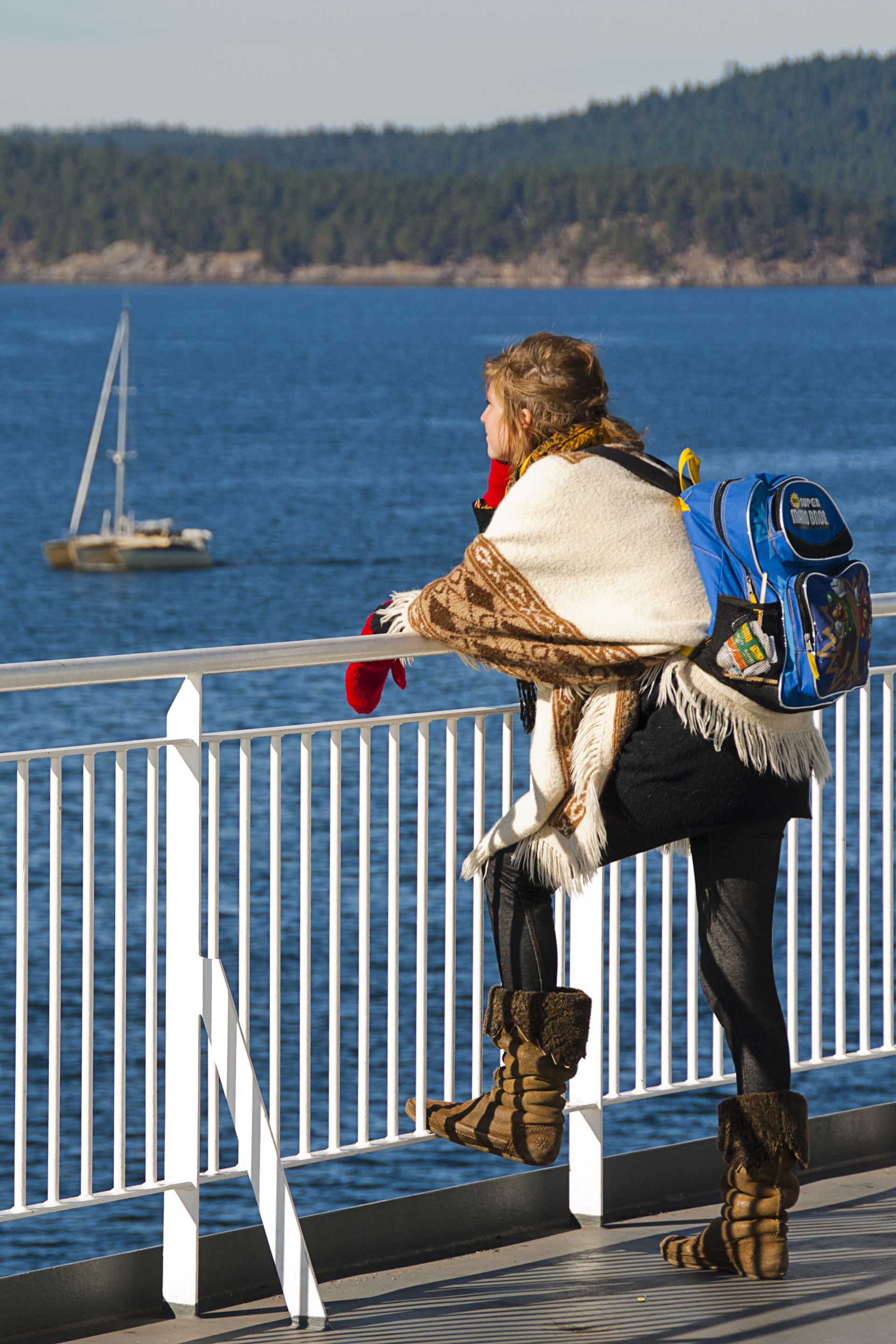
I wandered that windy deck photographing anything that caught my eye, and that included photographing the people. I had my 18-200mm lens on the camera, so it was easy to be inconspicuous. Those in front of my camera either thought I was, like them, interested in some feature beside or behind them in the ocean, or like a guitar-playing fellow I photographed, just didn’t care. Anyway, I wanted to photograph how they were standing, the play of light on them, the ship, and what was around them, I tried for unusual angles through stairs and made silhouettes. Almost all my images were side or back shots, after all I didn’t know them and wasn’t interested in their faces, just how they fit in with everything else on the ferry, or maybe I should be calling it a ship.

The hour-and-a-half trip gave me plenty of time to search the ferry for things to photograph, but I was enjoying myself so much that before I knew it the fun was over with the sound of the ship’s horn and an announcement to return to our cars.

I do like comments.

My website is at www.enmanscamera.com

The Autumn Garden for Photographers


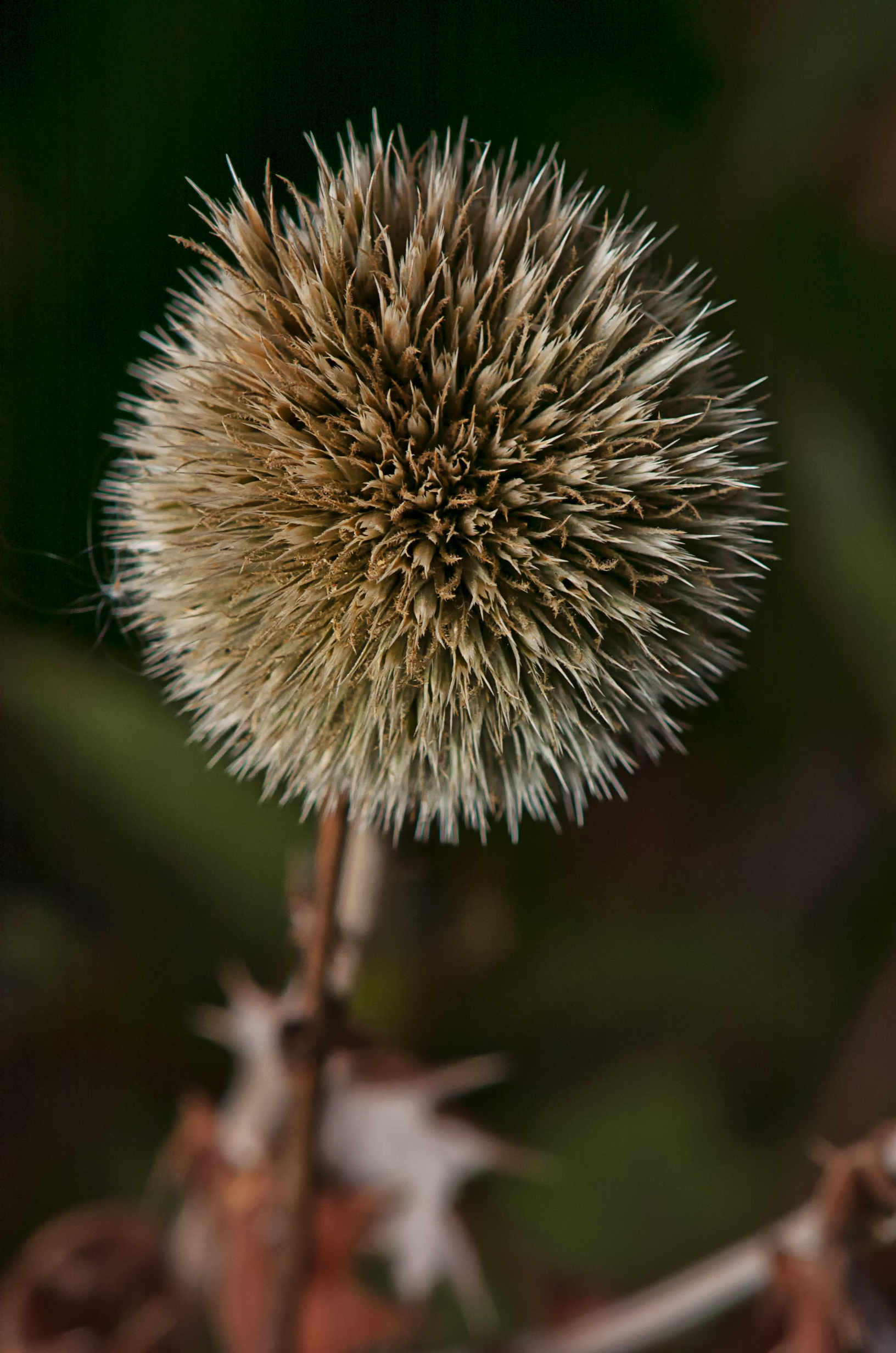
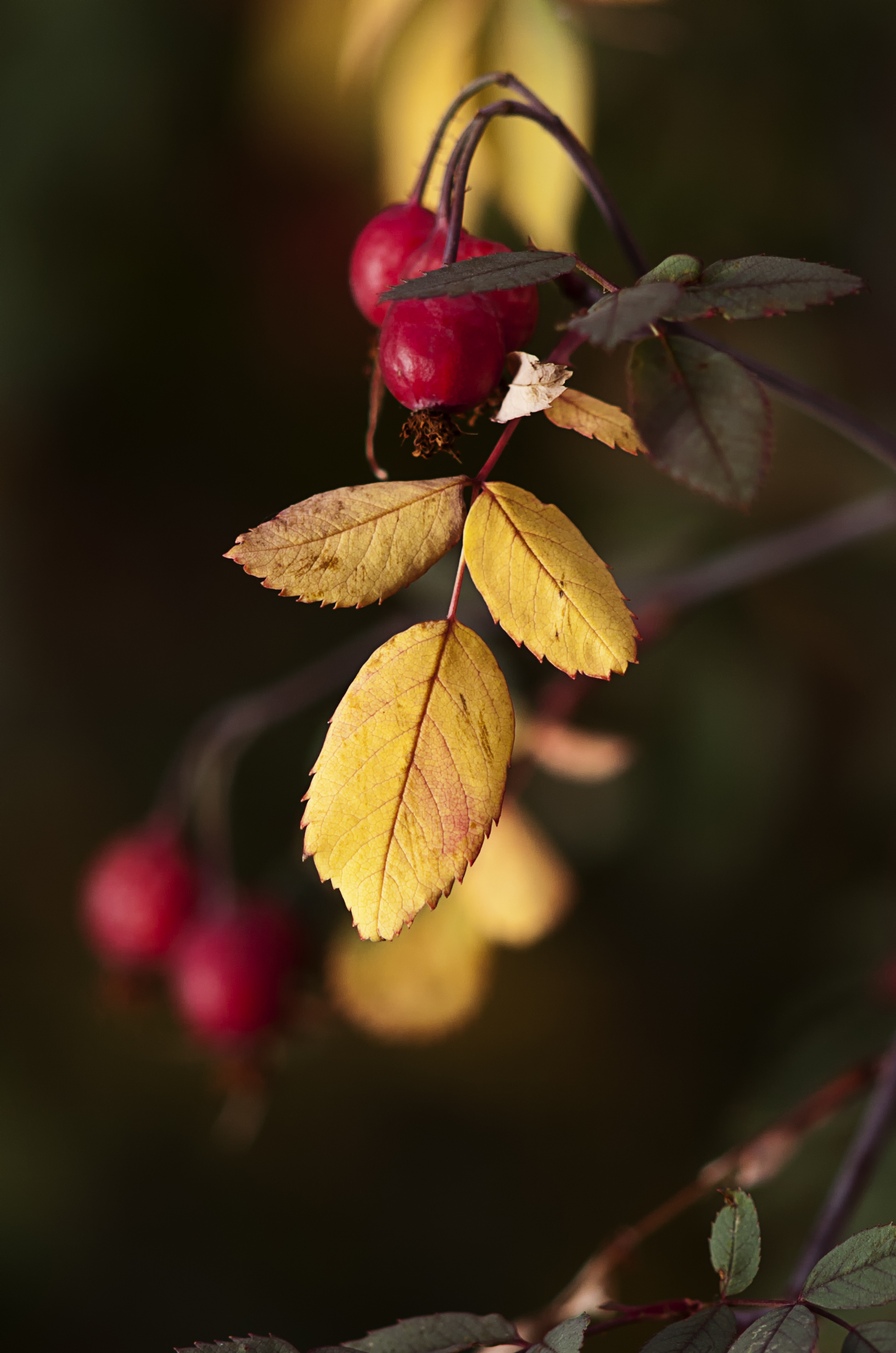
For the past week I have been looking at my wife’s garden as I walk the path from our front door to the car on my way out.  Her garden plants are dry; actually, crackling dry might be a better way to describe the plant life here in British Columbia’s interior after another summer season with very little precipitation.  She explains that she has a “dry garden,” and that she doesn’t water the garden, only for new plants when necessary.  Plants are selected that have the best chance of survival given the conditions. Parts of the garden are crispy dry, or have gone dormant, and offer a unique opportunity for photography before fall rains soften the landscape.

The nights are now getting cooler and the days aren’t as blistering hot as they have been for the past month and the plants that still have leaves that haven’t shriveled and fallen to the ground are beginning to change colour.

Most of the books that discuss garden photography recommend photographing plants in the morning when everything is fresh. Of course, spring is the most popular season for flower photography; and, I doubt those presenting their photographs to garden or photography clubs include photographs of lifeless plants. However, for this dedicated photographer, the combination of very dry, withered leaves and those with just enough life left to change colour are intriguing. As I have in the past I’ll admit that, unlike my wife, I can name few of the many of the flowers growing in our garden. To me, I look for colour and shape and how they fit in the environment.

My regular readers are already aware that I venture into our garden on rainy days and when it’s snowing. I enjoy photographing our garden in any season, and its dry condition is an invitation not a deterrent. So, this morning when I got up to a bright, clear, 9 degree autumn day, I thought I shouldn’t wait any longer and walked around our garden slowly looking for the flowers I would photograph later when the sun began to drop in the sky.

I waited for what I’ll call the “quiet light” at days end. I like that light that lasts for a very short time before dark when there is still light enough to see details, but not bright enough create highlights. As much as I like to use it, I can’t claim the term “quiet light”. That goes to photographer John Sexton and is described in his wonderful book of black and white photographs titled, “Quiet Light”. A protégé of Ansel Adams, Sexton and his collection of black and white photographs that he calls “an exploration of the natural environment” is inspiring; and it’s him, and photographers like him, that make me want to search out the unusual in the natural environment that would normally be ignored.

I wandered around with my tripod, a stand-mounted wireless flash pushed into a 30-inch diffuser, and a 200mm macro lens on my camera, and worked at picking out interesting shapes to photograph. The subdued light was perfect. I could place the camera on the tripod, focus on some intriguing-shaped plant, then direct the diffused flash from different positions to open up the flat-light conditions.

It’s easy to move the flash closer or further away to change the way the light effects a subject, or release the shutter several times while opening or closing the aperture.  The outcome would be different versions. Some would have shadows depending on the position of the light while others would or wouldn’t have a dark background depending on the exposure.

I didn’t spend a long time because the light didn’t last long, but I released my shutter at least a hundred times photographing different plants, trying to be as creative as possible and get the exposure and the angle just right. I had a good time and expect I’ll be at it again before everything changes again.

I appreciate all your comments, Thanks

My website is at www.enmanscamera.com

Camera Manual and the Basics of Photography.

I was photographing an outdoor event on a hot, bright day a short time ago when another photographer walked up to me complaining that most shots were not turning out as hoped. This happened again at a wedding I was photographing last weekend. The guest had a perfectly good camera, but criticized it, and said he wished he had a better one because the backlighted couple we were photographing were being recorded as silhouettes.

Ending up with faulty photographs from time to time isn’t unusual, although not as much nowadays as when film was used. However, I think most faults occur because photographers haven’t taken the time to learn how their cameras work, and have a poor basic understanding of photography and techniques.

With digital technology it’s easy to determine what is going wrong by checking the camera’s LCD and the histogram. I doubt that either of those complaining photographers I talked to used the LCD for anything but reviewing pictures. They probably hadn’t gone through the camera’s menu and set it for the conditions under which they would shoot. Both had selected the auto, or program mode, and to add light to the bright, backlit environment were only using the camera’s tiny pop-up flash. They would have been much more successful if they had a mounted a hotshoe flash on their cameras and selected the “M” mode. I expect they will be relying on their images being saved by technicians at the local photo lab or hoping for some friend with PhotoShop wizardry.

I continually meet photographers that complain about how various big photo labs are failing to make their prints the way they think they should be. They rely on their camera’s preset programs, and I expect are of the belief that if the camera they have been using doesn’t make good pictures then they should change and upgrade to the manufacturer’s latest offering to make it so.

When I arrive at a location to photograph I immediately start making tests. I keep my camera in the manual exposure mode so I can quickly change the ISO, shutter, or the aperture to suit my shooting.  I continue to do that throughout the entire session, checking the histogram frequently, and leaving nothing to chance by lazily relying on the camera’s pre-programmed modes.

I begin by contemplating about the subject and its environment.  What is the background and how will that affect the subject? What is in the foreground that will interfere with that subject?   If one considers depth of field a decision must be made about how much will be “in focus”.  Sometimes in a portrait that includes a landscape, I’ll want everything from the foreground to the far-off distance to be crystal clear, and at other times I’ll want the background to be “out of focus”; whichever I select requires its own aperture setting.

What is the lighting like and will its direction be flattering on the subject? The sun and its direction are always very important when photographing people. I prefer to have it coming from behind my subject and like to use a flash for “fill” lighting to remove shadows and silhouettes.

I can do all this because I have taken the time to learn the basics of photography, and I have also taken the time to learn how my camera works. I don’t think either of those photographers that complained to me had done that. I expect they just got themselves ready for the event, grabbed their camera on the way out the door without reviewing their manual beforehand, recalled that the digital camera has a “P”, or auto mode, and believed the camera would make everything they photographed perfect.

Photographers using film used to say that it was all in the negative; that a properly exposed and developed negative gave the best possibilities of a fine quality print.  I still agree with that principle, only now it isn’t an image about to be developed on the negative, but an image about to be processed on the sensor.

I always appreciate comments, Thanks in advance.

Pictures Shot in the Bright Hot Sun


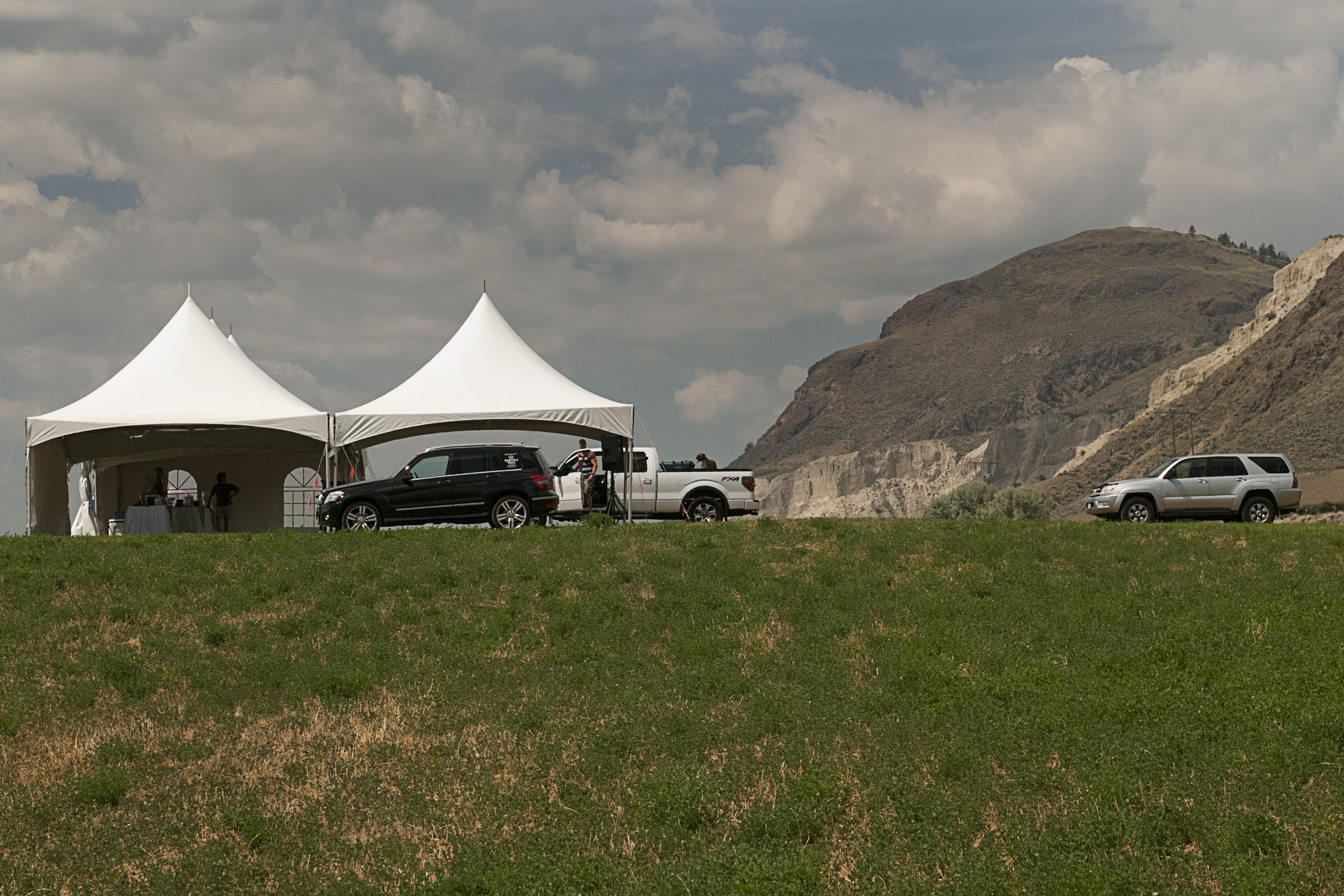
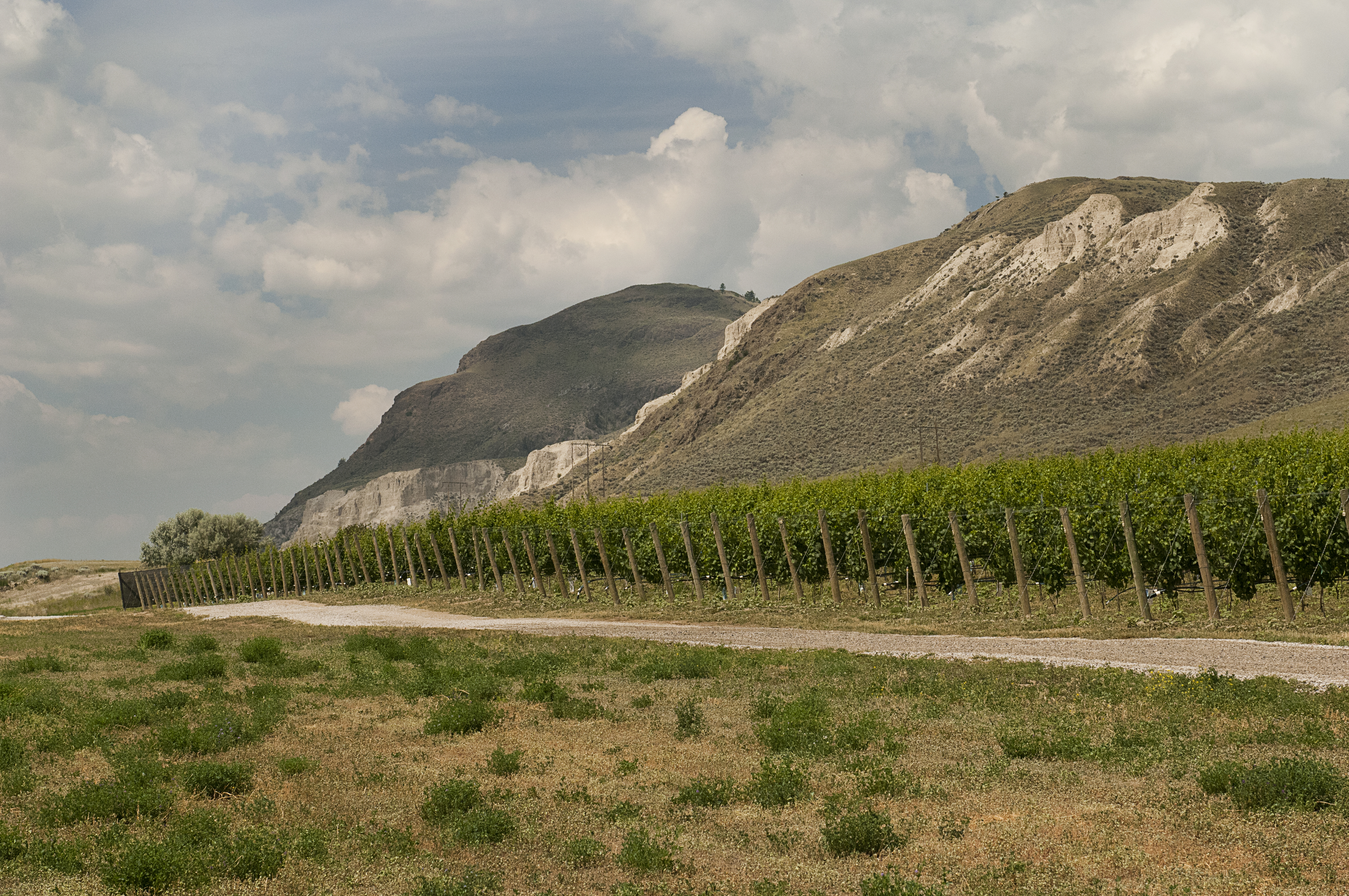
Bright sun and clear sky might be great for some scenic photographers, but it can cause many problems when photographing people.  My assignment this week was to photograph an event that began at 2:30 under almost clear skies, and where even in the shade the temperature hovered in the mid-30 degrees celsius. The location was on a south-facing, treeless, hill top with a sprawling vineyard in the background.

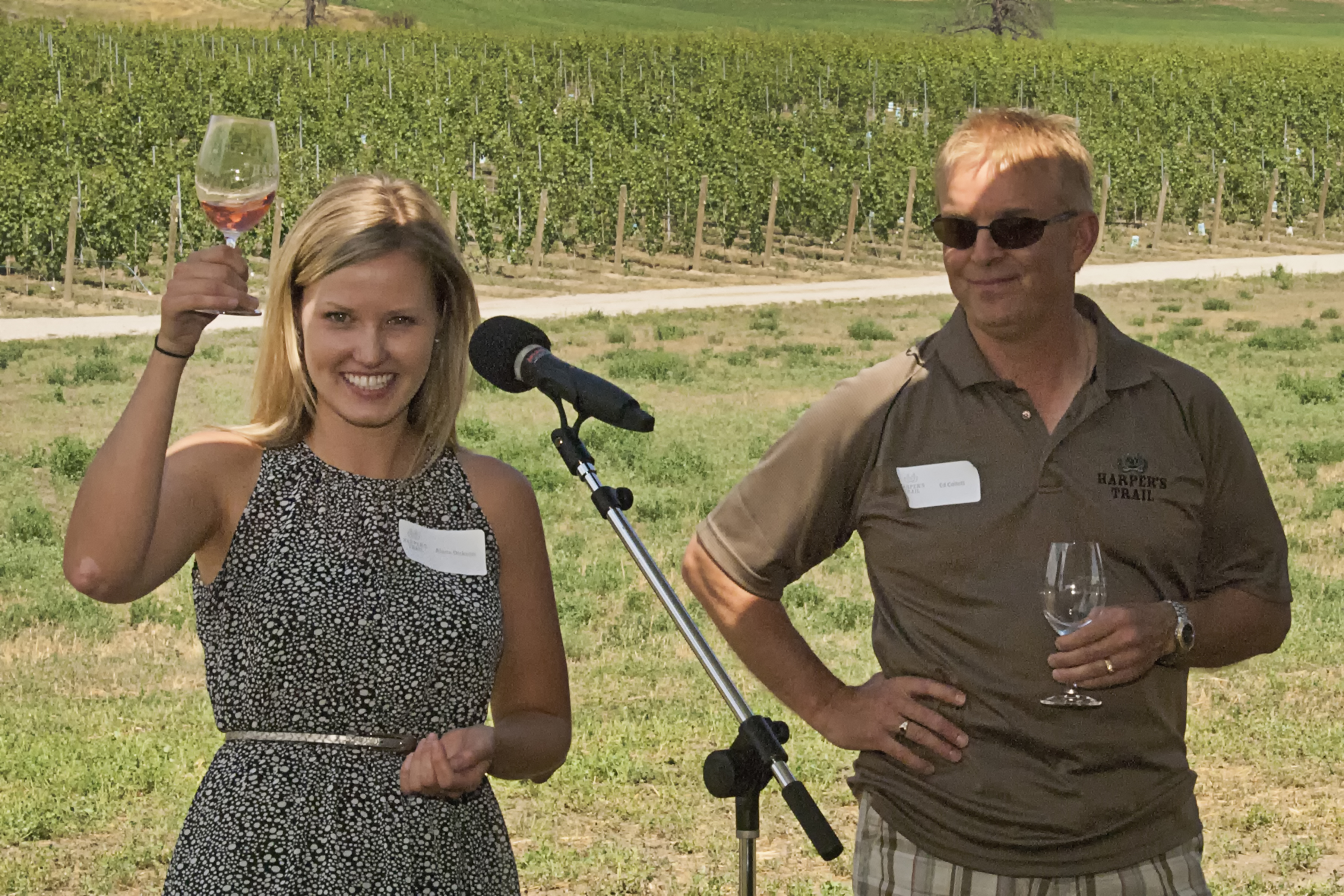
The event, other than a large group shot of all the guests, was held under five large, white tents, and my goal was to balance my flash and exposure to lighten up my subjects without glare, or shadows, and properly expose the field’s sun-drenched background.

The contrast in light from shadows to highlights on a very sunny day can be too extreme for a camera’s sensor to capture. I always look for open shade, or place the sun behind my subjects and use a flash.

I meter for the mid tones like the grass, or, in this case, large open field, and underexpose about two stops, then balance the overall image using my flash. My flash sits on a bracket and the flash is attached to my camera with a wire so I can remove the flash and hold it at different angles if I need to. I did notice people wielding point and shoot digital and a couple photographers with DSLRs trying to use their pop-up flashes, but I am sure they were disappointed with their results on that sunny day as the extremes from black to white are just too much for digital sensors.

Fortunately, photographers can load images into PhotoShop and no matter if they are JPG or RAW files can be optimized using Adobe RAW – an amazing application that gives additional control over exposure, shadow, and highlight detail. Adobe RAW can even help with those not-so-well focused images.  I use that program to polish my images and make them all that they can be which is much better than settling for photographs mass corrected at a big box lab.

After selecting the best images I correct the white balance and colour using Photoshop.  I make the photo look pretty much the way they appear through the camera and the images taken in the bright sun now have lots of detail.

Another program I regularly use (and think is amazing) is by Nik Software Inc. and is called Viveza.   Viveza allows selective control of light and colour. With that program I can maintain the colour and tonality while changing the background and blending the effect exactly.  All this isn’t much different than I used to do in my old film darkroom except now it is more precise, the process can be duplicated, and overall everything is easier.   Between the two programs I am able, without spending too much time in post-production, to provide my clients with polished and balanced images that do not show the harsh environmental realities of that day.

Sure, sunny clear days please us all and when planning an outdoor event we prefer that to rain, but for photographers the sun and harsh unflattering shadows on people’s faces isn’t the best outcome. My advice is not to approach this type of photography the same way as a scenic and to begin with test shots and constantly pay attention to the exposure and absolutely use a fill flash for the best outcome.

My website at www.enmanscamera.com
Photography in the Garden on a Rainy Day


Two weekends in a row have seen me climbing up steep, loose, shale-covered cliffs to photograph eagles where they live high above a long, green, lake-filled, British Columbia valley.  However, this last week the weather has been cool, pretty wet, and certainly not good conditions for climbing or wildlife photography.  Oh, well, I had intended to stay away from those eagles until the chick was ready to fly later in the summer anyway, and I expect the interior of this province was getting a bit dry so the rain is welcome.
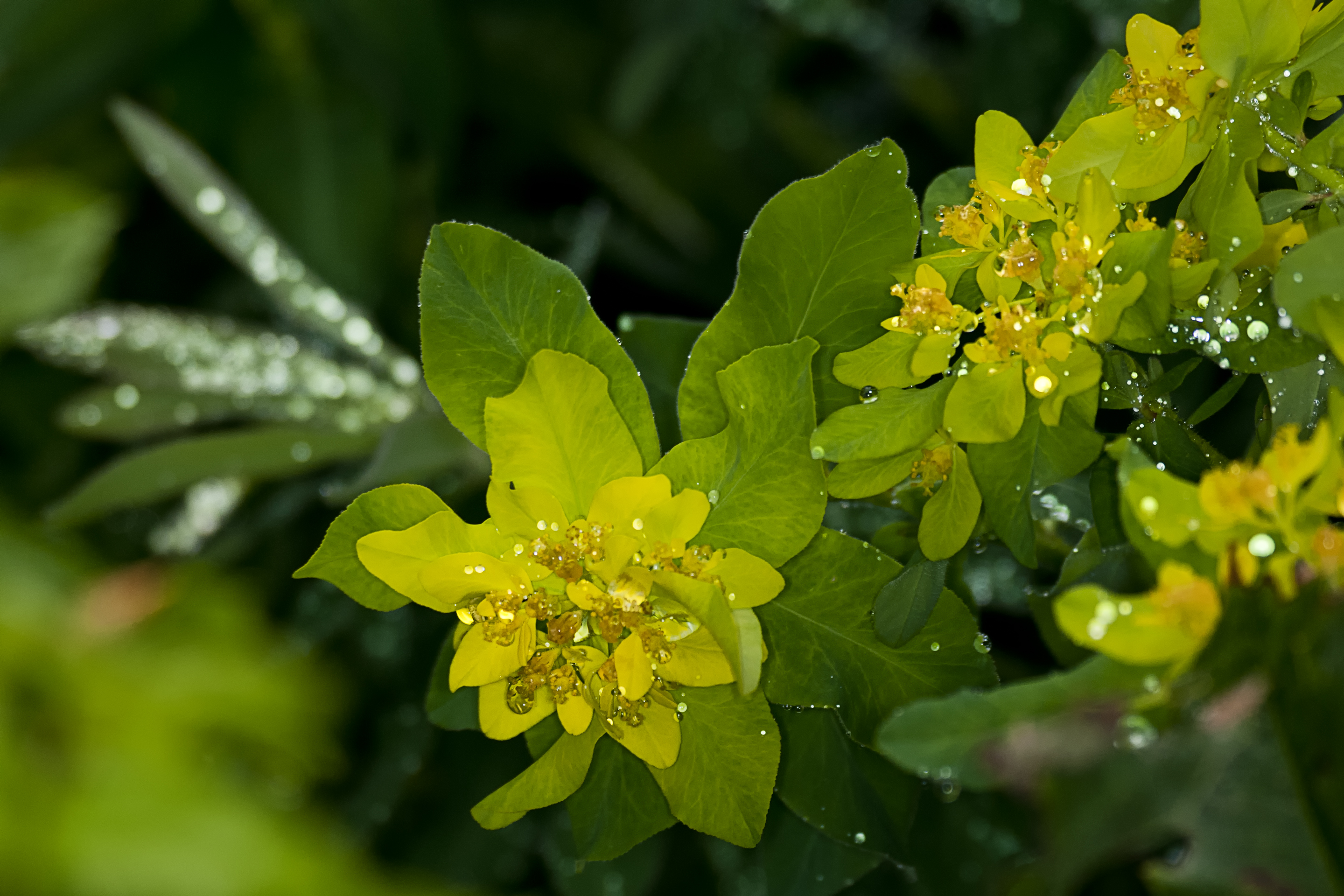
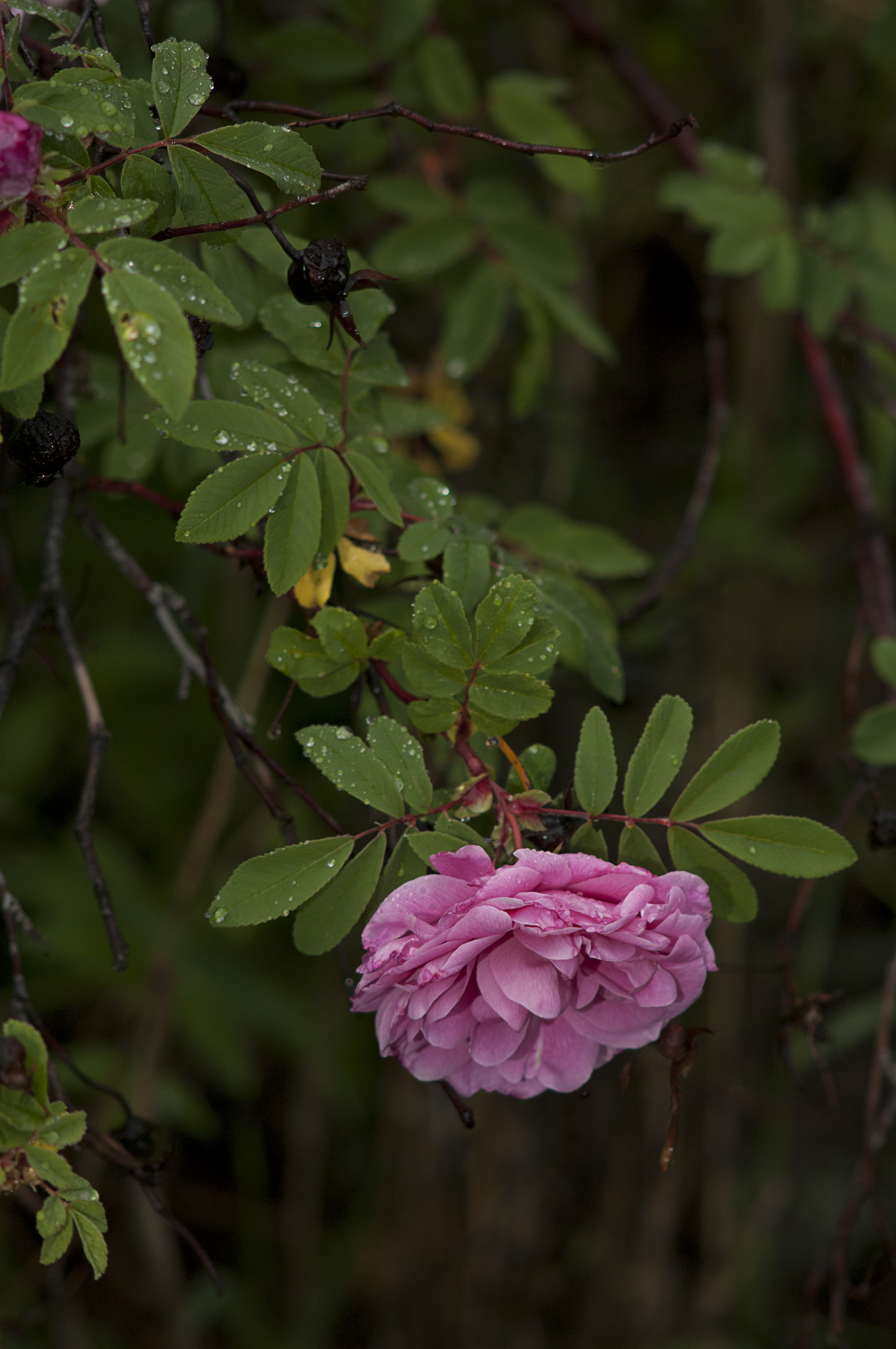
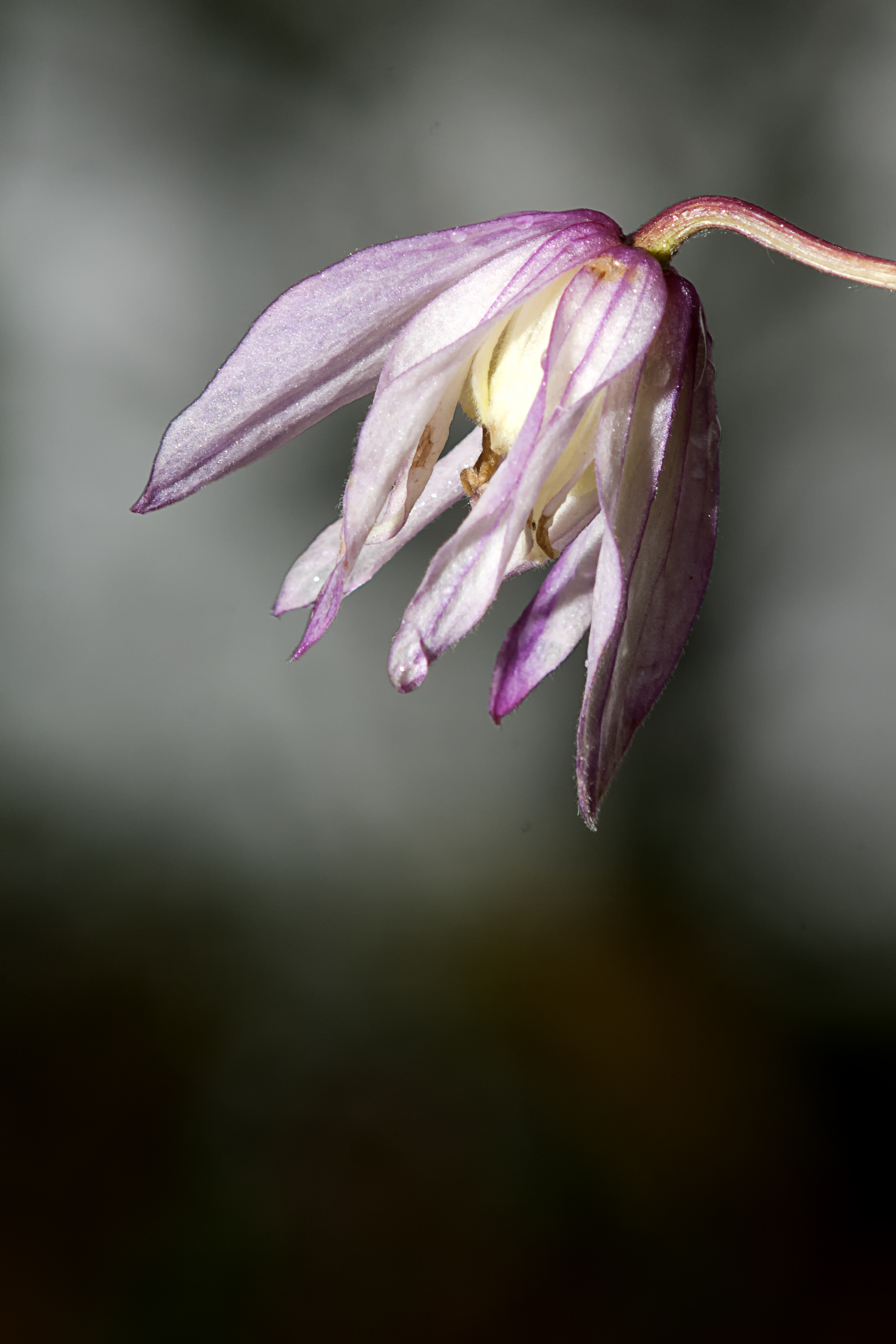
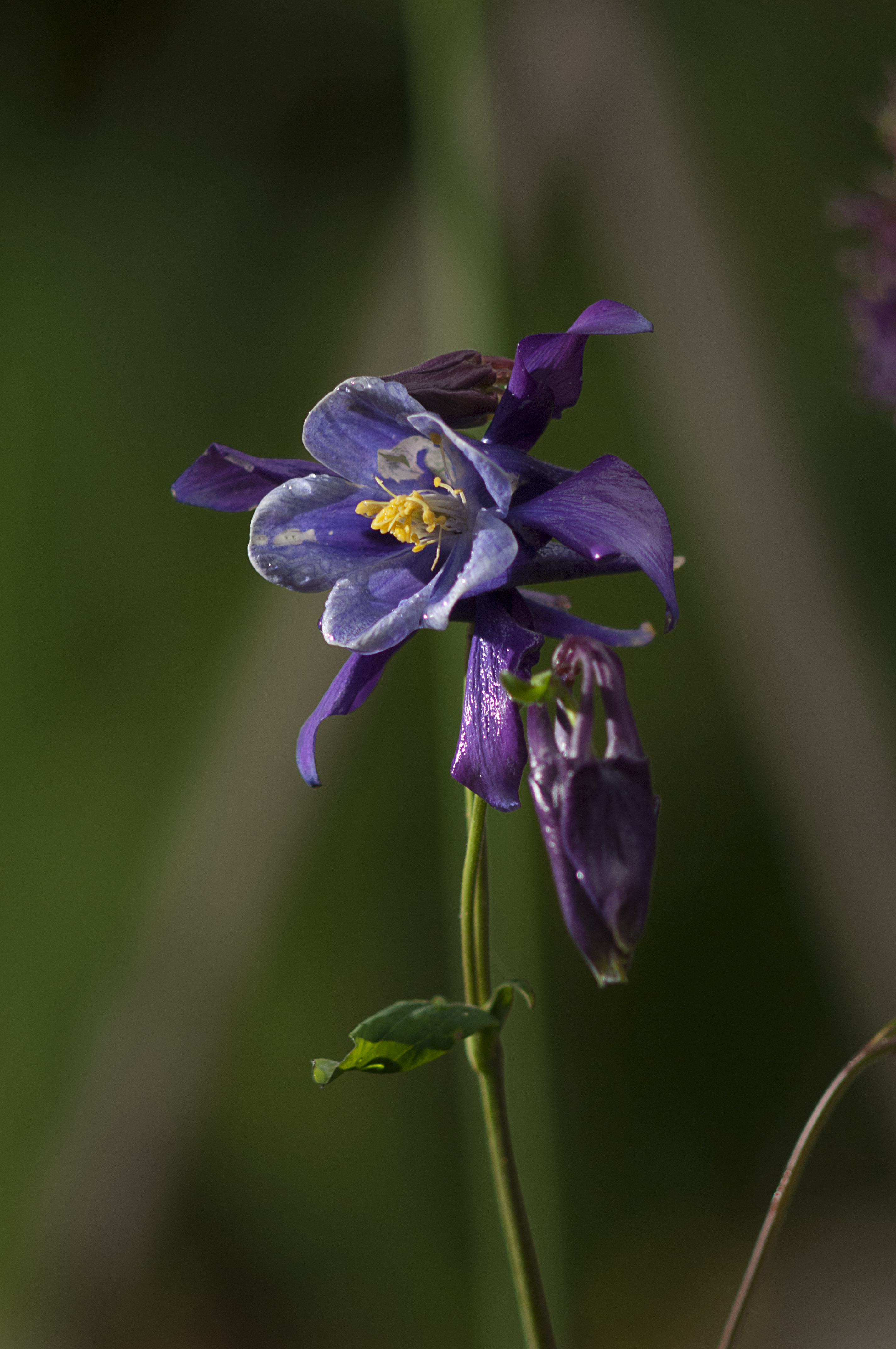
As I drank my morning coffee to a forecast of another day of rain I forgot about those birds and instead decided to go out into my wife’s garden to do some photography of her very wet plants. Hmm… I seem to make a lot of decisions over that first cup of coffee.  Just after a good rain is a favorite time to do garden photography and the dripping, spring morning was perfect.  When I mentioned I was going out, my wife, Linda, grabbed her camera and rubber boots and joined me.

Linda placed a ring flash on front of her 70-180mm macro lens and I used a 200mm macro and included a stand-mounted, off-camera flash. Adding light on the overcast day gave our images contrast and “pop” in the otherwise flat and limited lighting conditions of the rainy day. We both used monopods to steady our cameras as we moved around in the wet landscape.

When photographing plants I meter much the same as I would if I were doing an out of doors portraiture of a person. Selecting the camera’s manual exposure mode, I meter for the proper ambient, or existing, light exposure of my subject, and stop down to reduce the overall exposure. Then I add light. If the flash is set to TTL, then I use its exposure compensation feature to increase or decrease the power. If the flash is set to manual I move the flash closer or further away from the subject (in this case, the flower) until I get the illumination I want.

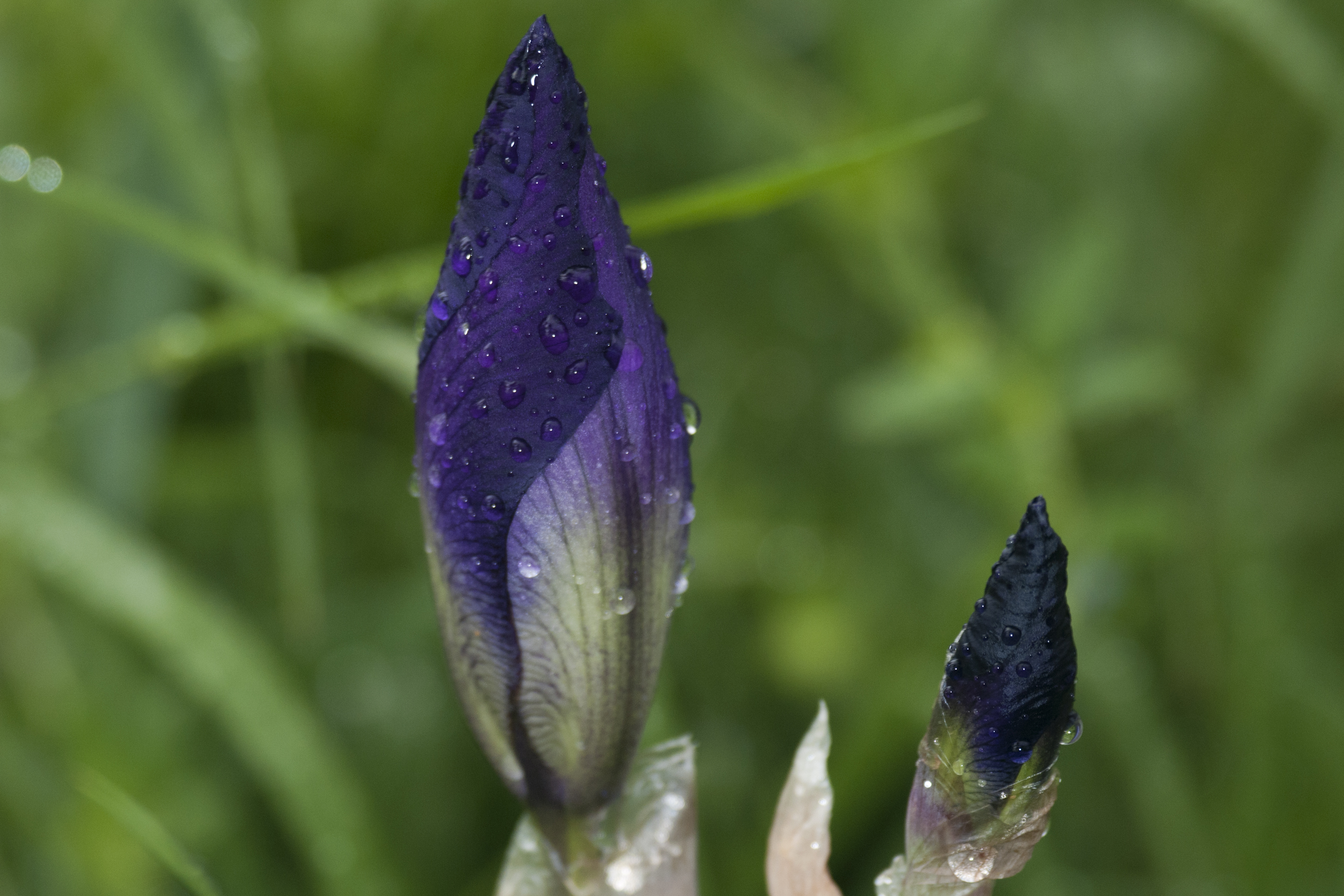
We enjoyed our photography in spite of the steady drizzle and I’ll mention that it is a good idea to keep wiping the slowly accumulating water off one’s flash. I don’t worry about my camera because it’s weather sealed, but the electrically charged flash is another matter. I know many photographers would opt for the dry comfort of home on a day like this, but sometimes we need to make our own photographic opportunities and even though this isn’t as exciting as hanging off a high ledge photographing eagles, I personally can’t think of any kind of photography I find more enjoyably relaxing than ambling through a garden capturing interesting light on interesting shapes, and the addition of rain drops on leaves and flower petals makes everything all the more creative.

We don’t have to go far to find something interesting to photograph. For my wife and me that location is just outside our front door and on that rainy day we would walk back to the cover of the porch to view and discuss the images on our camera’s LCD, and then we would step back into the garden and continue. There were no camera bags to be packed, trip planning, or driving of a car to a distant destination.

I am sure that is why I got interested in garden photography in the first place. It isn’t so much that I am fascinated with flowers, however, as a photographer, I am interested in colours, shapes, shadows and how easy it is to access all that. When I first started venturing into my wife’s garden, I would do it as a way to relax after a day of work.  Now it’s just fun photography that I recommend to any photographer wanting to be active with their camera.

Be sure to click the “follow” button.

Or, at least, select the “like” button.

See my personal website at www.enmanscamera.com