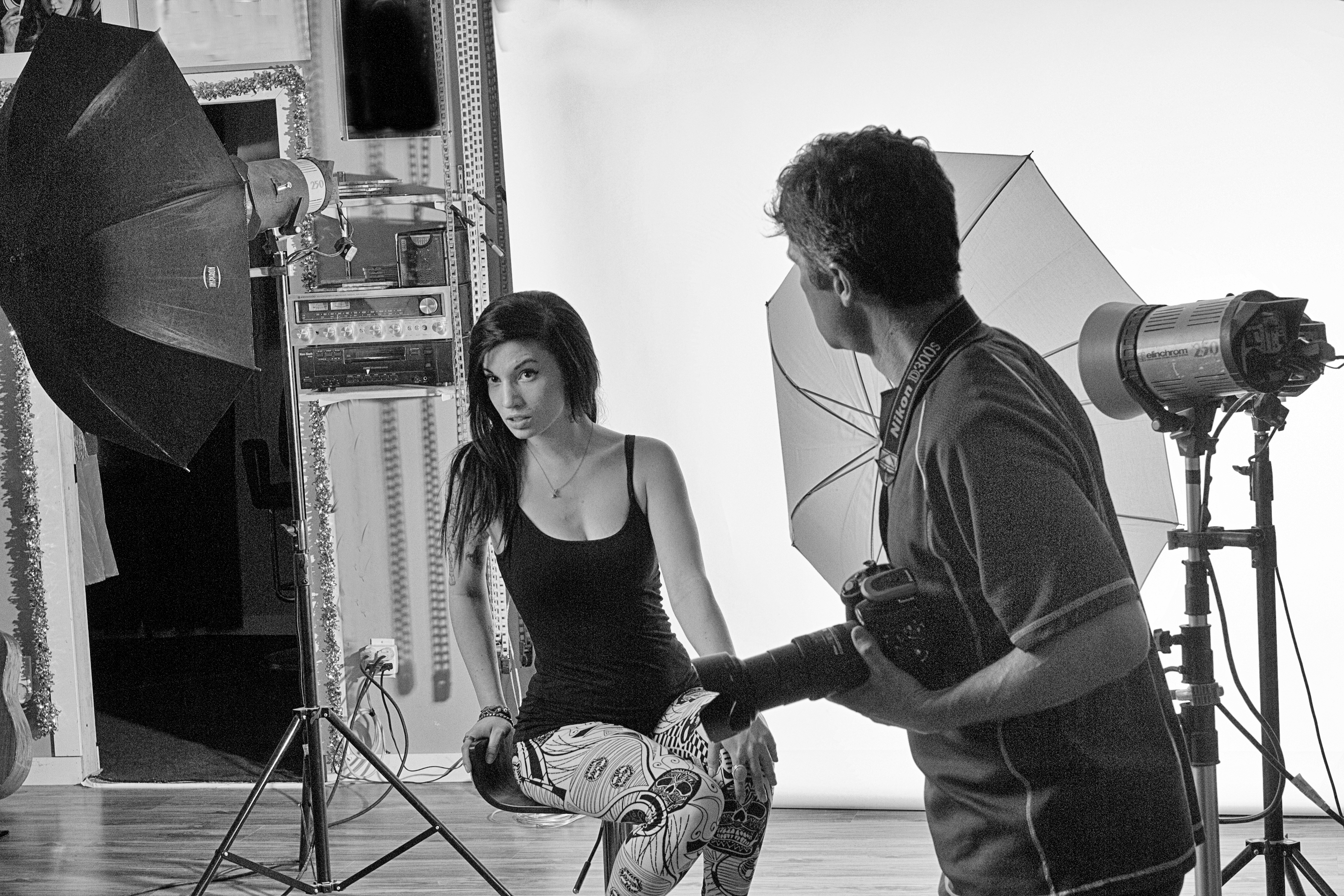
Photographer’s Lighting Workshop

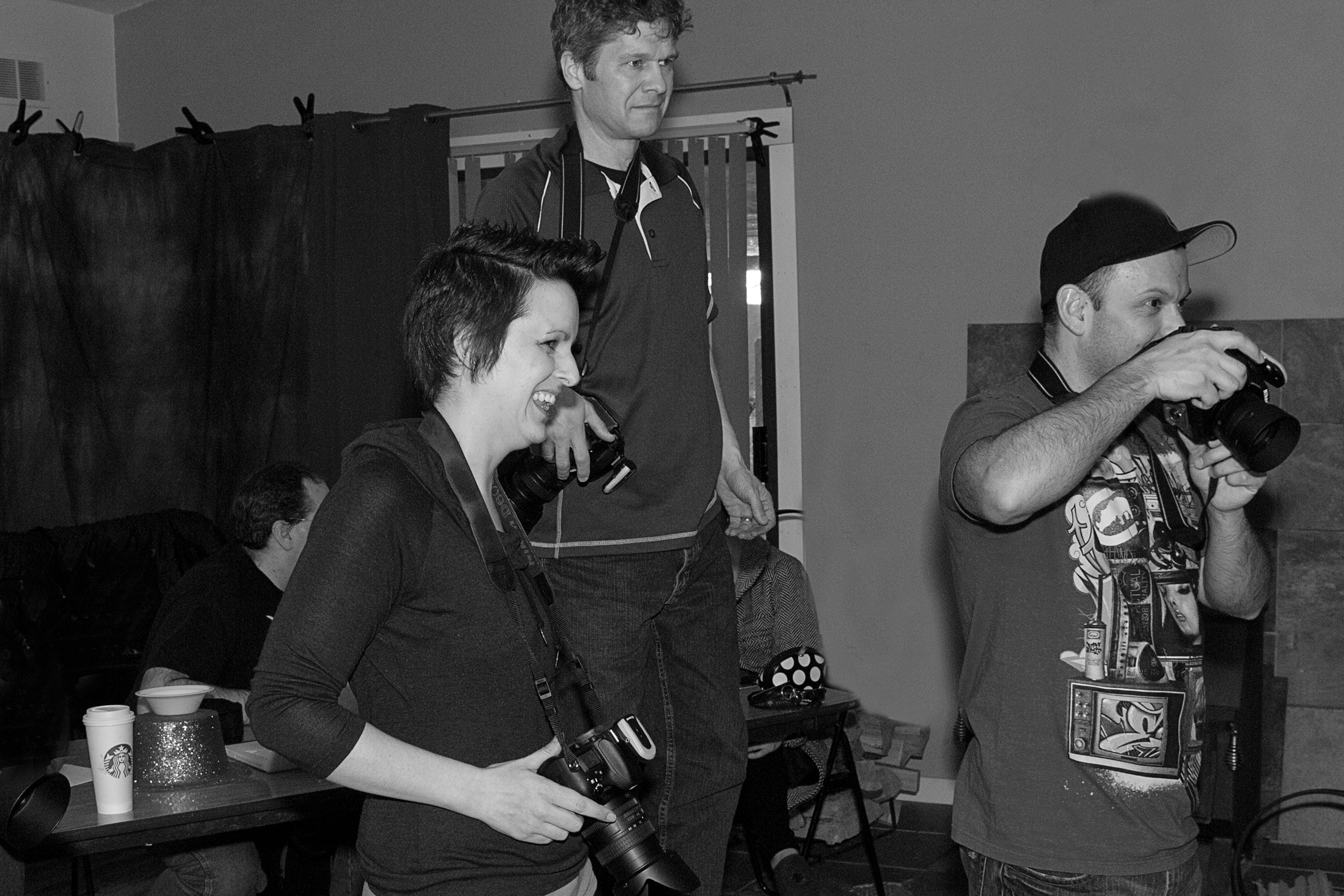
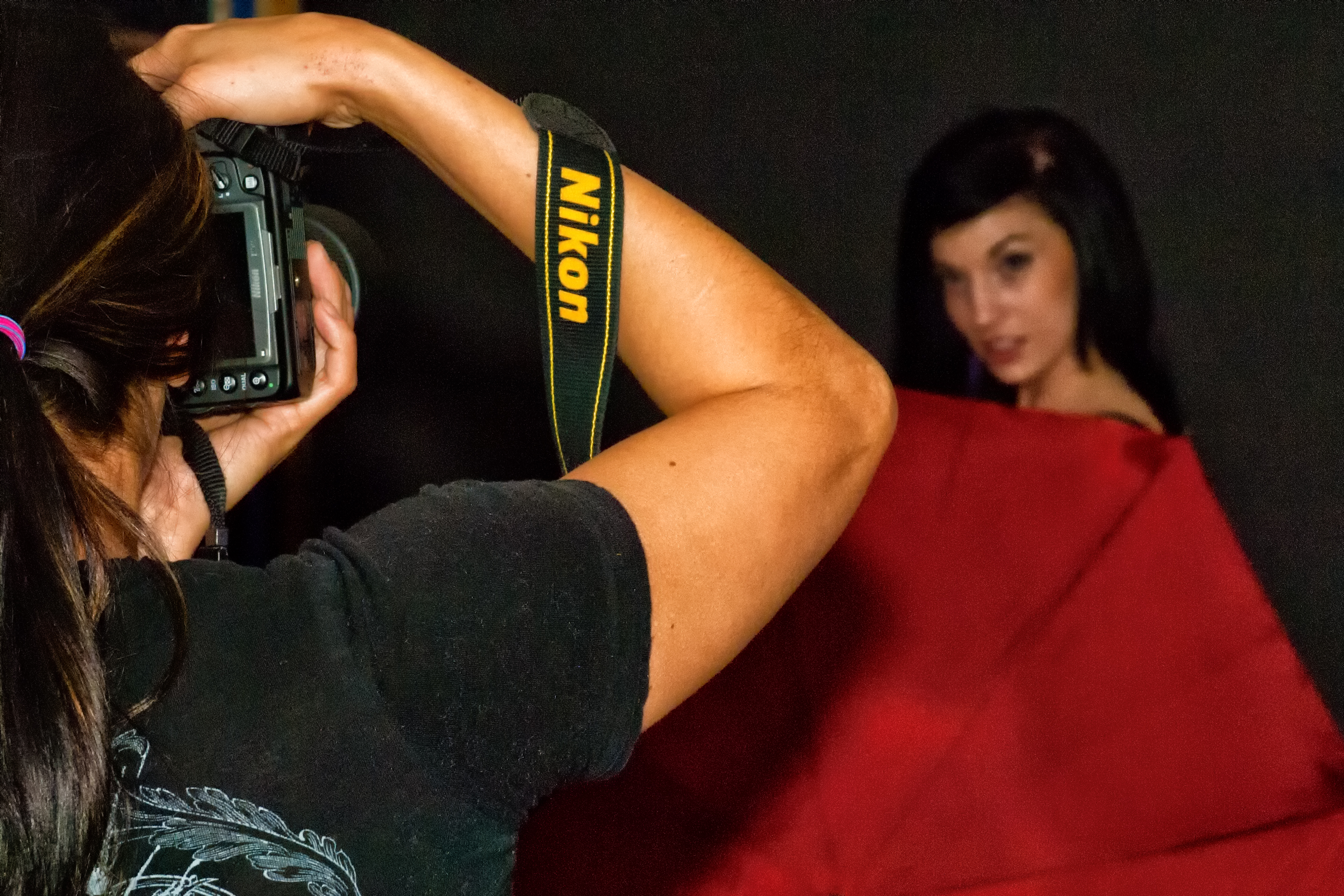
    Sarah, Bart & Ronny

  Ronny & Candice

Sarah & Dave

Candice & Bailey

Bailey & Bart

I have just finished my first day of leading another Photographer’s Lighting Workshop. I will admit that a day spent guiding excited and, I must remark of this session, very talented photographers, does tire me out.

Participants that are willing to express opinions and aren’t shy about getting shoulder to shoulder in a process of experimenting, exploring, and learning are hard to keep up with, and their enthusiasm is infectious. I try to stand back and watch analytically, but every animated smile draws me in.  Multiply times seven each fired up photographer I was working with and there is quite an energy drain.

After over 40 years as a photographer I do have a pretty large chest of experiences in just about every aspect of this exciting medium and I was employed as a photography teacher for nearly half that time. I can easily sit a group of learners down and lecture about pretty much anything photographic and, particularly the lighting workshops that are currently all the rage for photography keeners.  My knowledge is on par with most experienced portrait professionals, and I teach so that beginners and intermediate learners can keep up with the jargon and the concepts.

I enjoy the enlivened interaction that happens when a student of photography makes the decision to participate. My job is to present information on the subject at hand and keep things going. I don’t like to be a demonstrator on a stage, and rarely pick up a camera. That’s left to participants.

Sure, they tired me out, but in the recent daylong workshop on Lighting and Posing I was fortunate to be leading a group of surprisingly skilled and very energetic photographers, and I must add, two lovely and creative young models that in my opinion were willing to work hard in a demanding environment for modeling.

The workshop was held in a rural studio minutes outside of Kamloops, British Columbia. I like this studio because it owner, Dave Monsees, has filled it with quite an assortment of lighting gear. I think there are at least eight studio strobes to choose from, all setup for wireless connection with a drawer full of senders. There are soft boxes, umbrellas, diffusion screens, reflectors and a great selection of wall-mounted backdrops.

There was even a fully equipped kitchen at the back that we made good use of, with fresh brewed coffee, pastries, and a large pot of chili for lunch. It can’t get much better than good food, great people, and photography.

Monsees is regularly adding props and stools to sit and pose on, as well as a growing selection of light modifiers.

The large, well-equipped space is a great rental studio and a perfect environment for an instructional session like mine. We started the session with one light behind a reflective umbrella, and moved on from there adding a large softbox, a shoot through umbrella, and a rim light to give depth to our subject when we used a black background.  We changed backdrops and light positions regularly. And those creative photographers really kept our models active and, heck, made my day.

Regarding portrait photography, Famous portrait photographer, Yousuf Karsh, once said, “I try to photograph people’s spirits and thoughts. As to the soul taking by the photographer, I don’t feel I take away, but rather that the sitter and I give to each other. It becomes an act of mutual participation.”

The first of our two-day workshop is over. I prefer two days because on the second we can review and reinforce what happened on the first. Now I am looking forward to spending another day and preparing to lead workshop participants into new territory.

I appreciate any comments. Thanks, John

My website is at www.enmanscamera.com
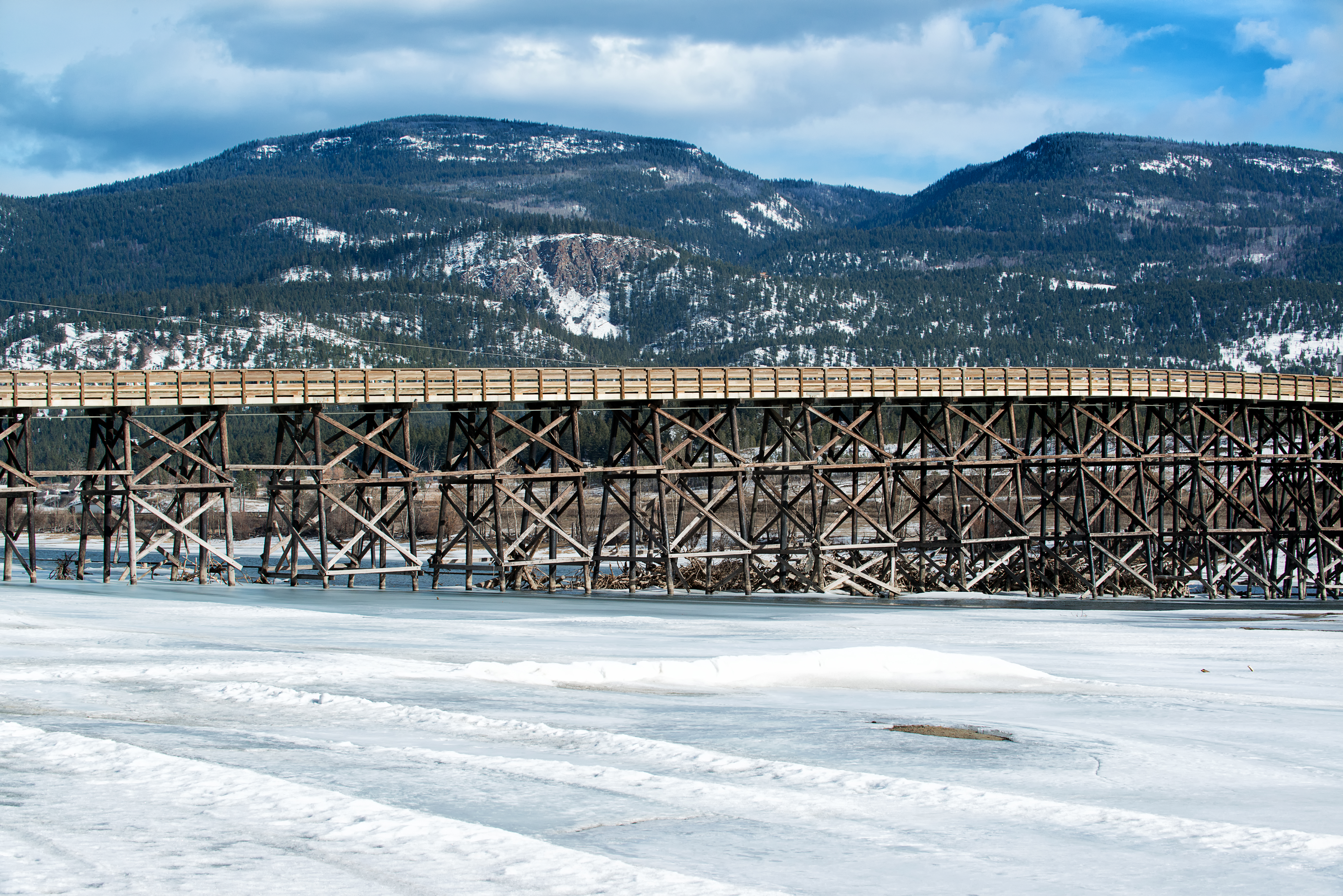
A photographer walks along the frozen riverside.

Ice & Pritchad bridge 1

  Oil can 2

Pier studs 3

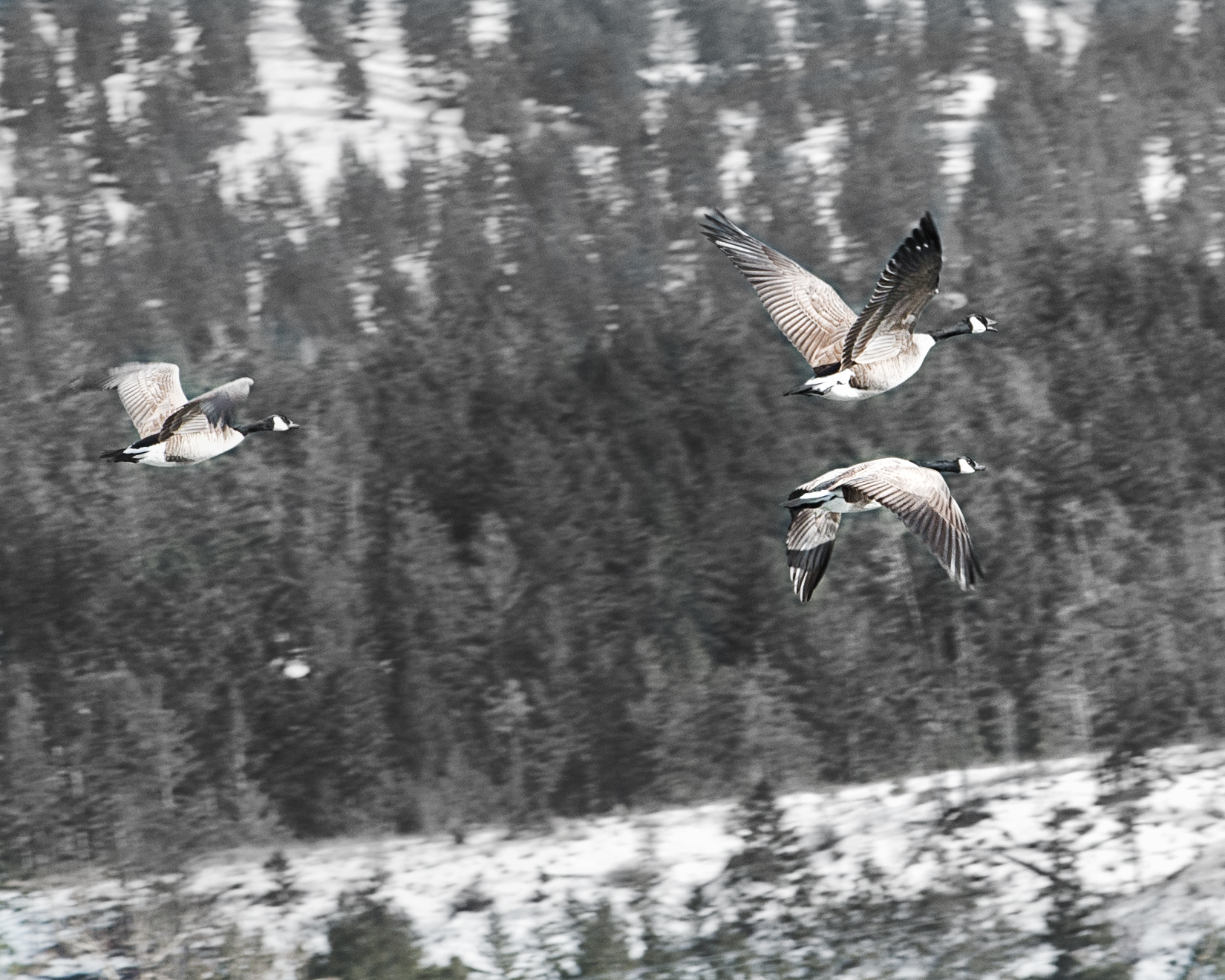
Noisey Geese 4

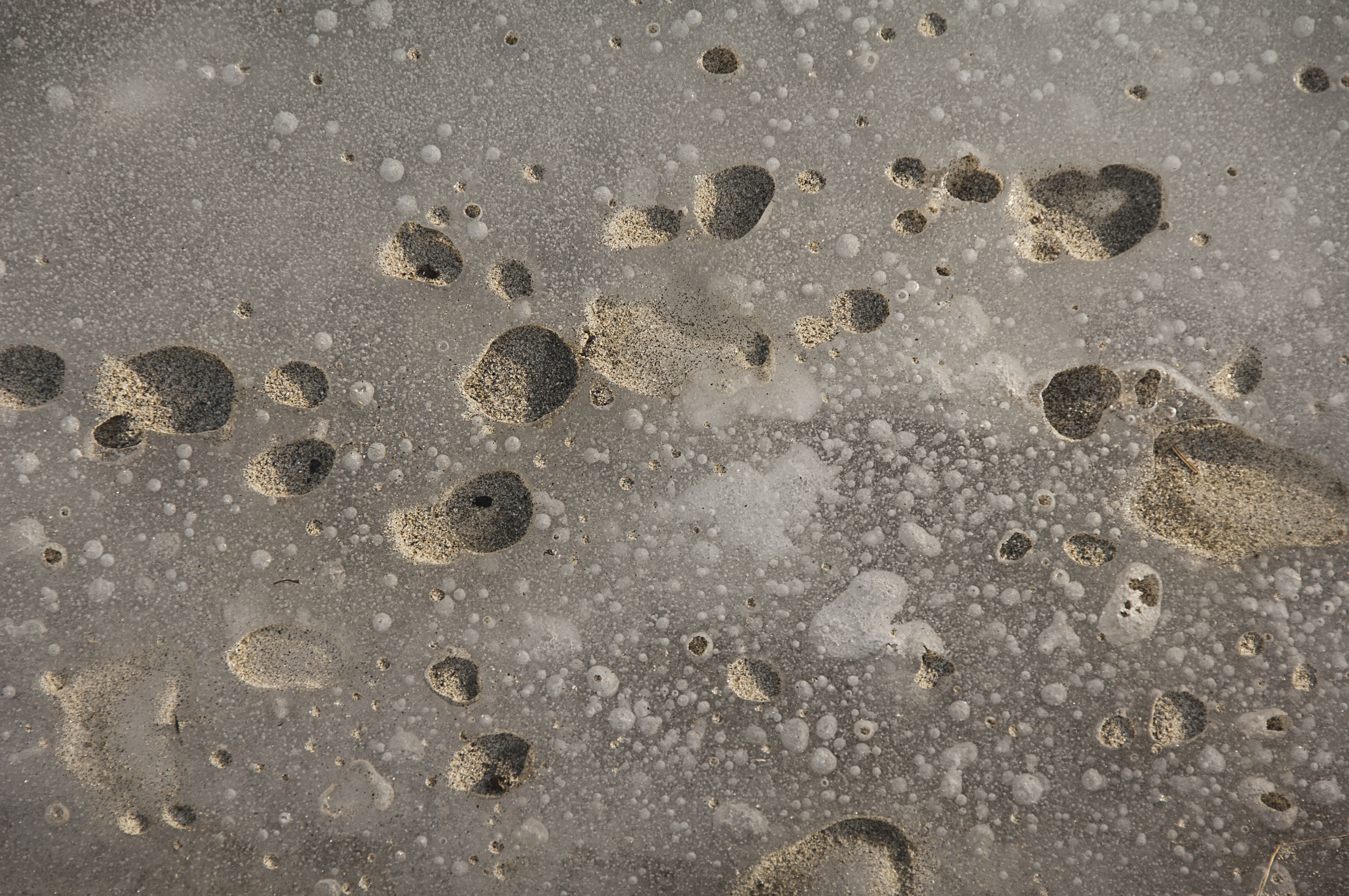
Ice art 5

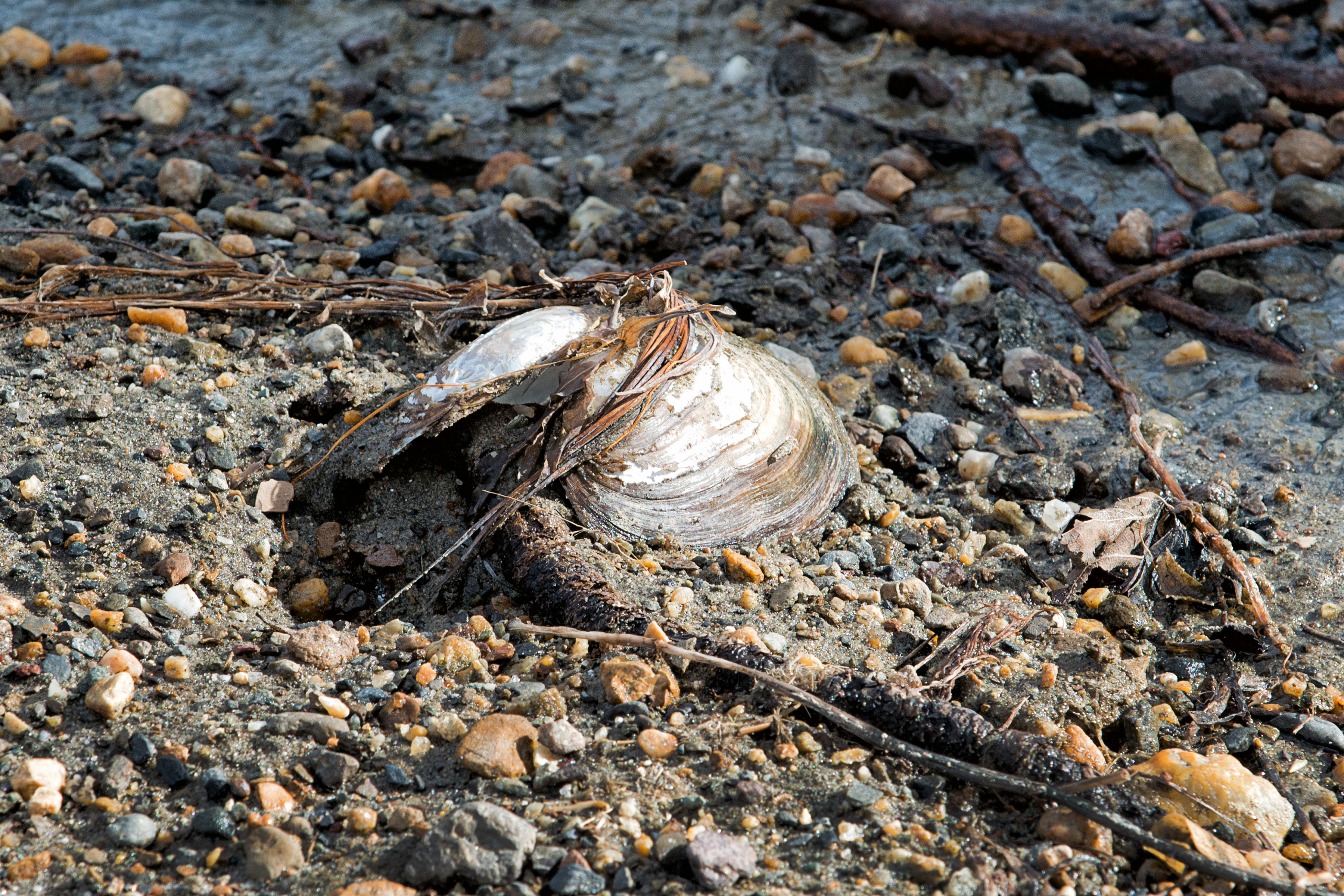
Clamshell 6

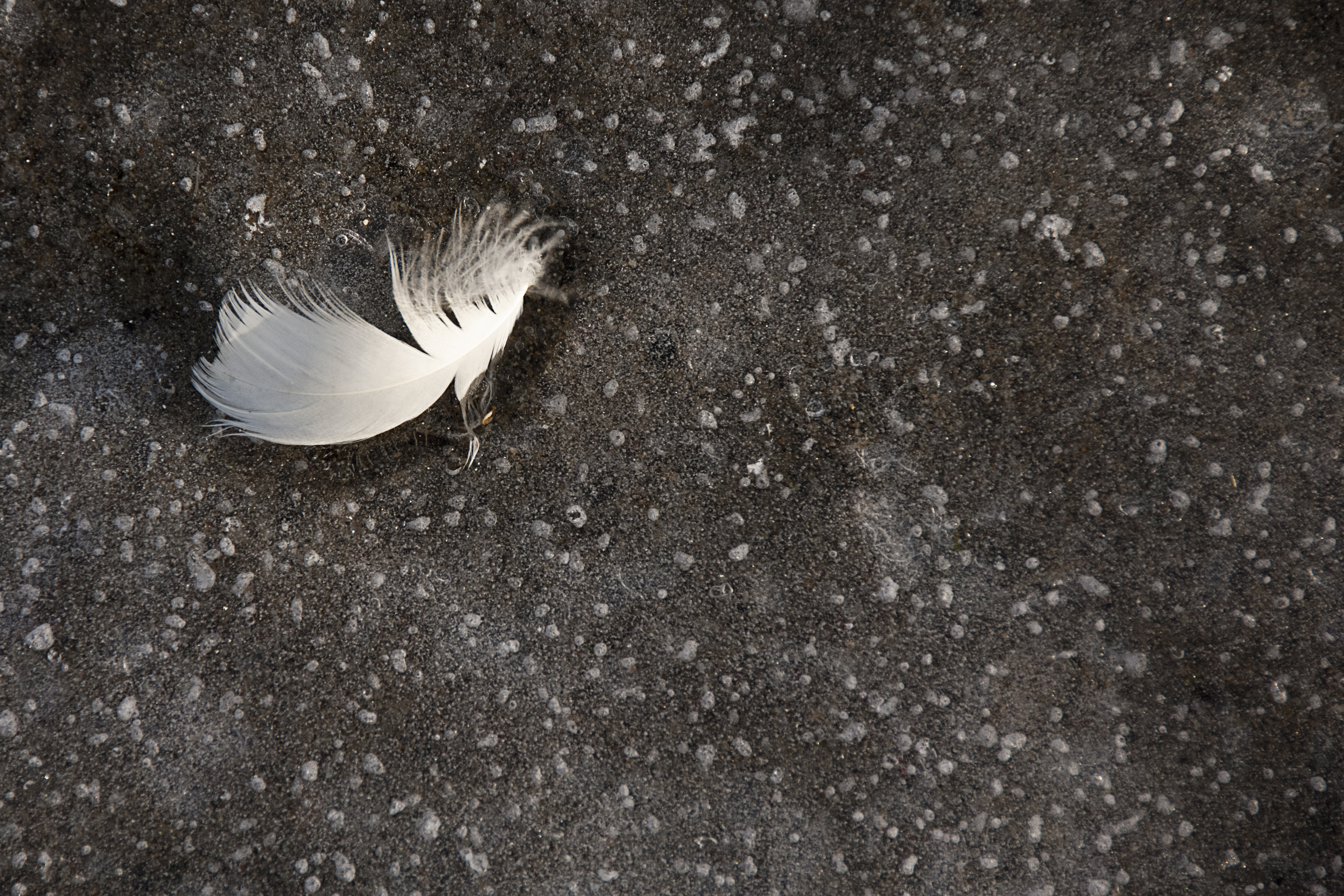
Goose down 7

Last breath 8

 Henri Cartier-Bresson wrote, “Photography is not like painting. There is a creative fraction of a second when you are taking a picture. Your eye must see a composition or an expression that life itself offers you, and you must know with intuition when to click the camera. That is the moment the photographer is creative.”

      Walking along the frozen riverside.

There is something mysterious about the end of winter when the weather climbs to just around freezing. The snow is only just there. We can’t see the whole story, but it is letting us know that something waits beneath.

The Thompson River meanders along the valley basin not far from my woodland home and it’s on days like I just described that call me to wander the ice-covered shore. I like the solitude and although I carry my camera and I suppose I should be searching for something important to photograph, I usually don’t have much of a plan. I look for, as Cartier-Bresson said, ”a composition or an expression” that is interests me at that moment.

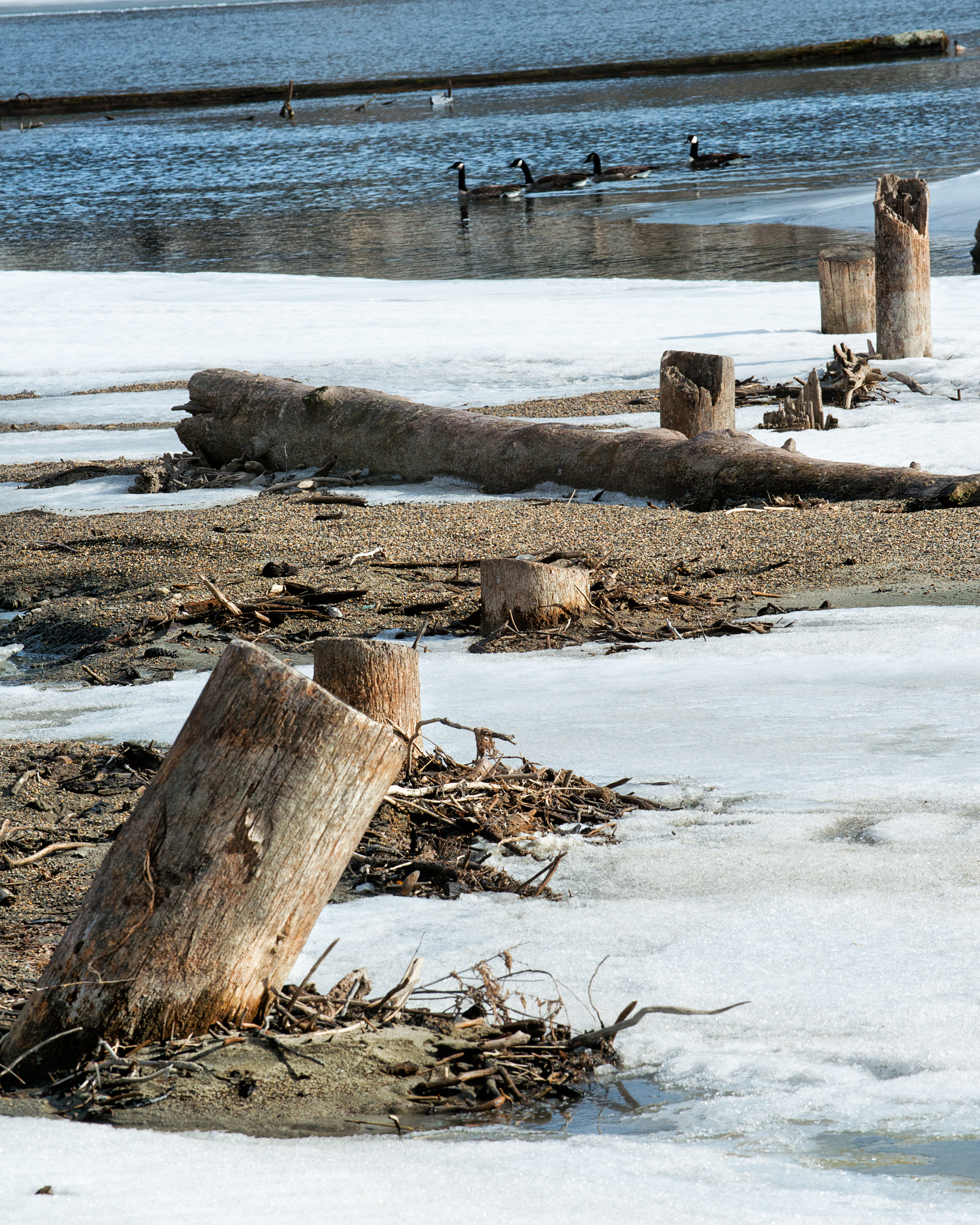
I would like to say it’s a quiet walk along the river side, but there is the constant din from the Trans-Canada high way that runs along one side of the river. However, this time, as I walked across the snow-covered ice and slogged through the emerging mud, an urgent alarm went up from several (actually, a lot more than several) sentinels stationed along the river’s beach up where the sand had dried. I had been so intent on looking along the ice edge that I hadn’t noticed all the resting geese, but they saw me and weren’t very happy at my intrusion and their honking was so loud that I no longer could hear the road noise.

I have friends that would have quickly moved into action and captured image after image of the geese loudly taking off and flying overhead. They also would have photographed the splashing of those heavy feathered birds coming back down in smooth backwater under the bridge. I did raise my camera to release the shutter a couple times, but I enjoyed watching them and liked the honking sound, so I turned away so as not to disturb them more. Besides, I am sure they appreciated that warm sand on the cold winter’s day and there will always be another opportunity to photograph geese.

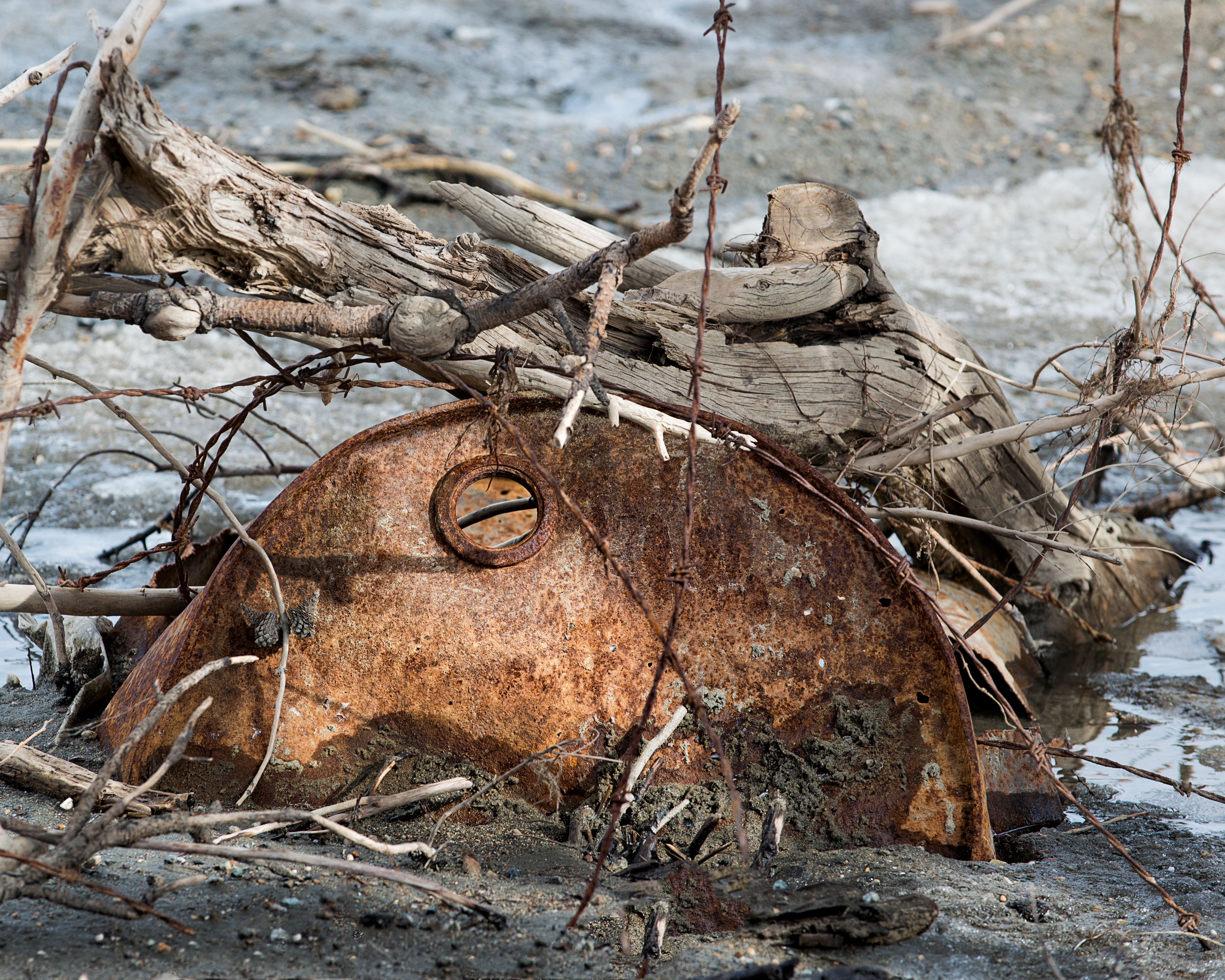
I regularly see people prowling the river shoreline during the summer in search of treasures and I guess that is what I sort of do too, although I rarely do it in summer. Unlike them, I don’t touch the treasures. I just point my camera at something I am curious about and take the picture. I don’t move or change anything. My camera and I do the moving instead, as I choose the appropriate angle for each subject poking out of the sand and ice.

I never have seen another camera-equipped person walking that shoreline in the winter. I guess most find the place boring. The traffic keeps larger animals away, the low angles aren’t that favorable for grand landscape shots, there are no bridge lights that would encourage anyone to plant a tripod after dark, the sand and river water aren’t that inviting and this time of year the river is lined with stark, leafless trees.

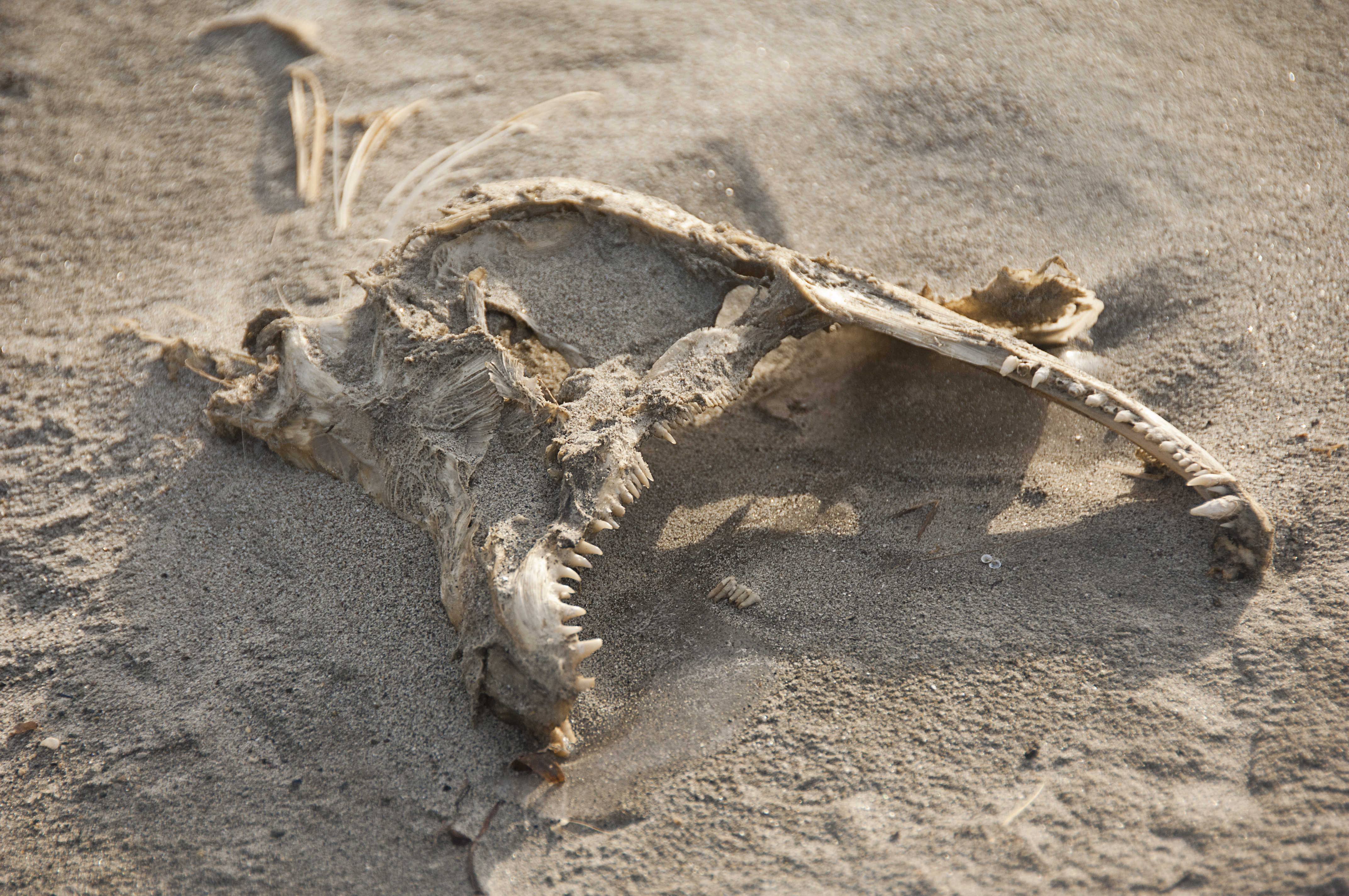
For me it is perfect. I’ve walked along the frozen sand many times and I am sure many of my photographs over the many years look a lot alike. I expect someday I’ll get a really unique picture of a neat boot, a carcass of a really big fish or even some broken and discarded boat. Who knows?

As always, I really appreciate your comments. Thanks, John

My website is at www.enmanscamera.com
Photographing an urban Still Life

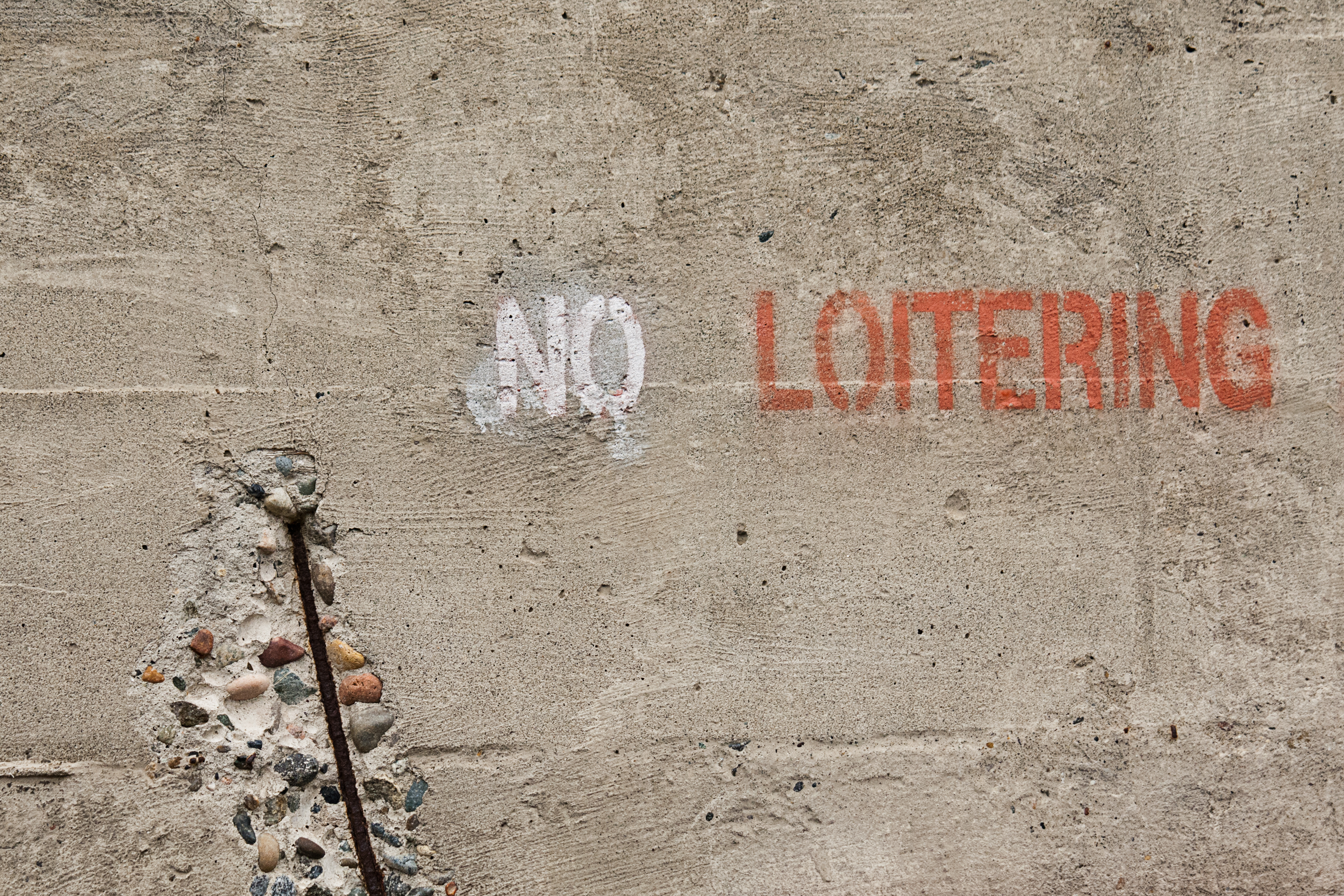
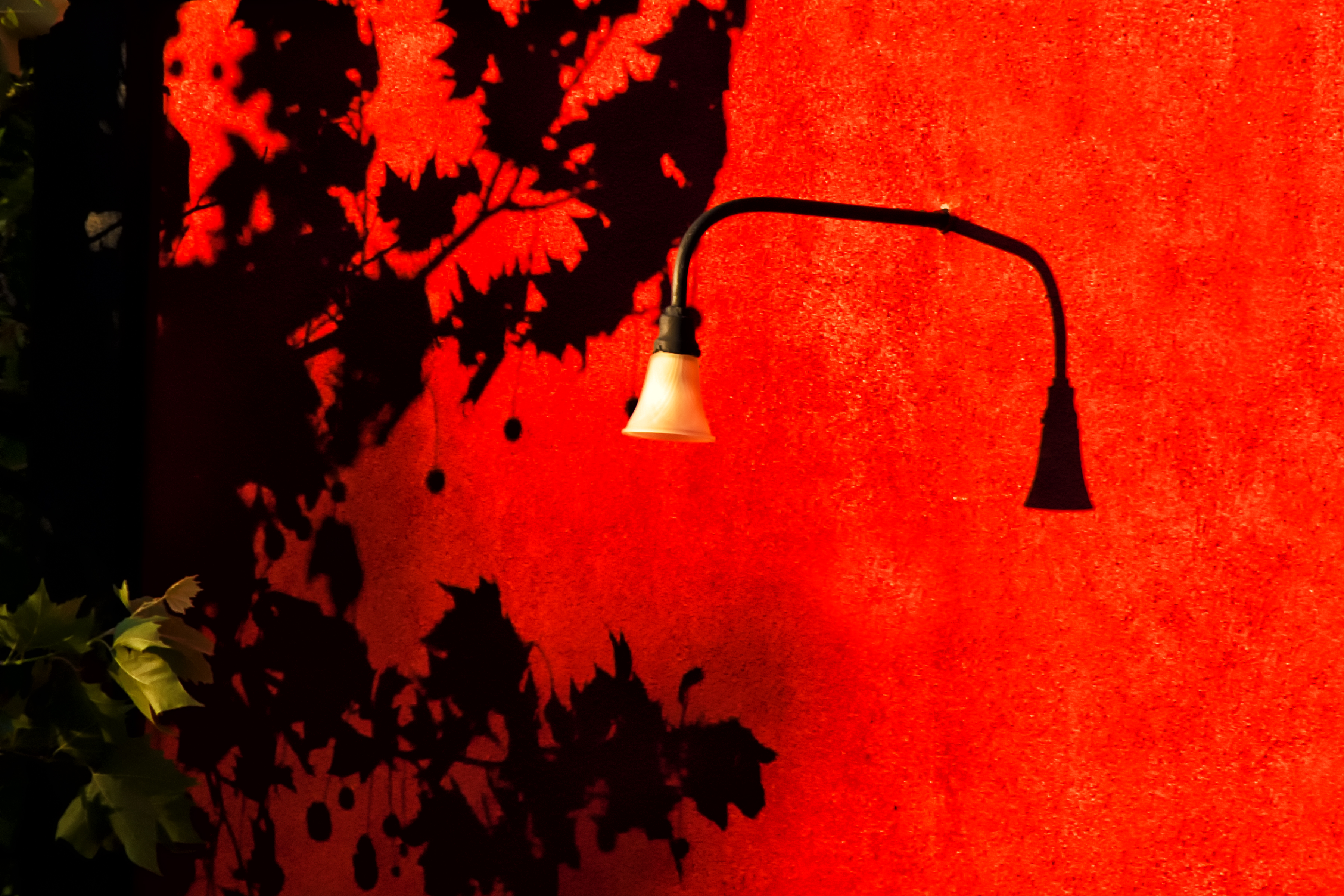
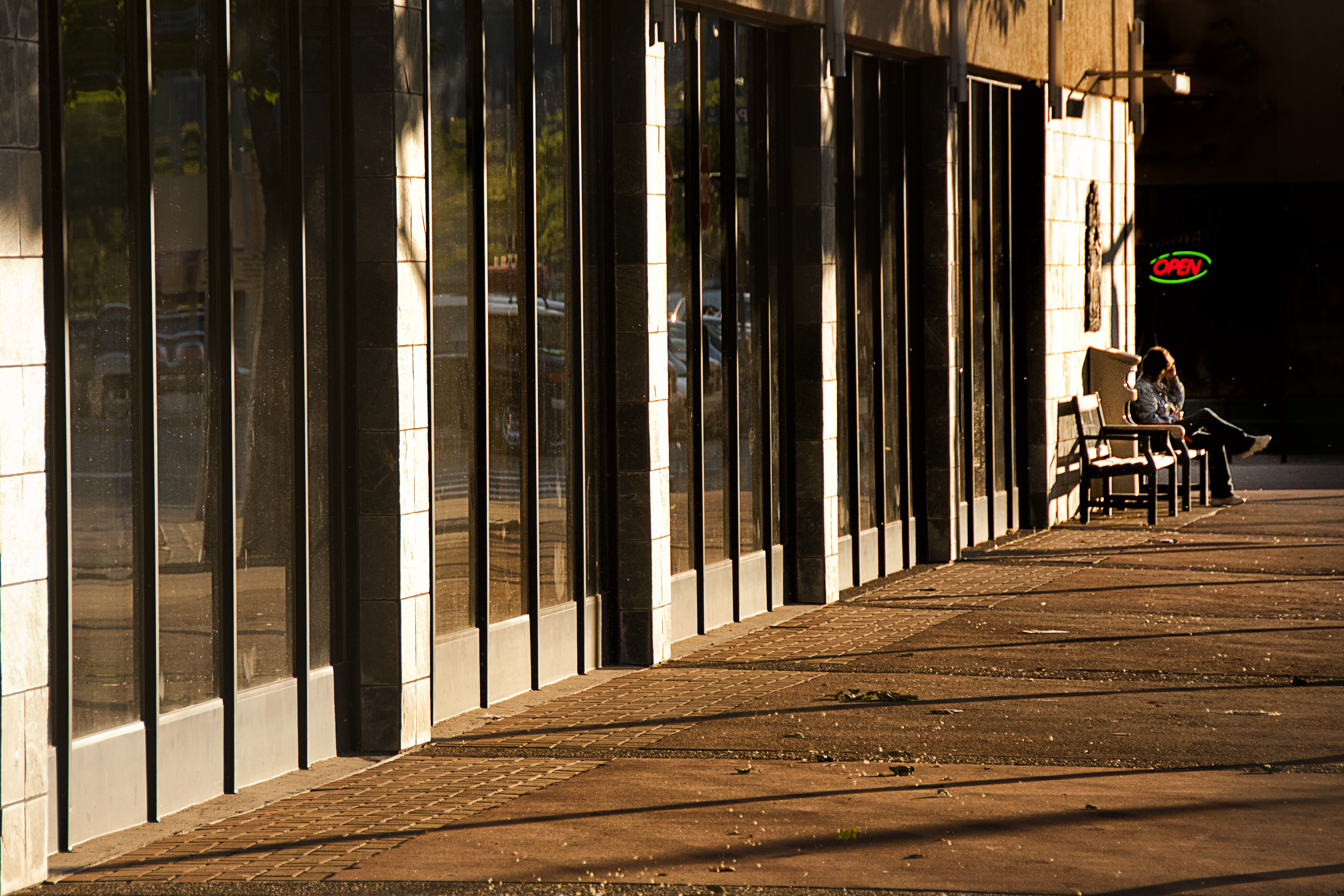
No Loitering 

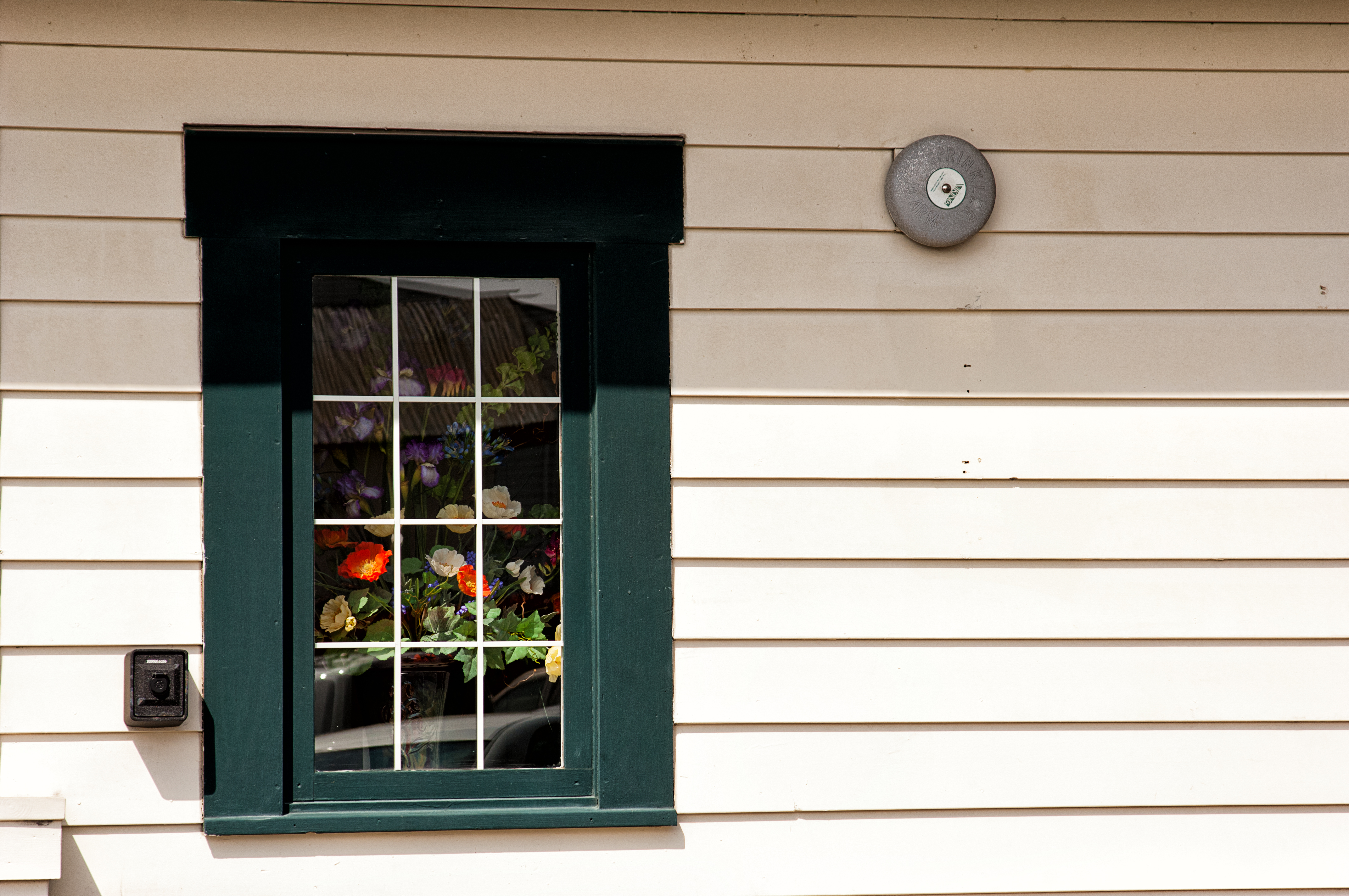
Framed flowers & Alarm

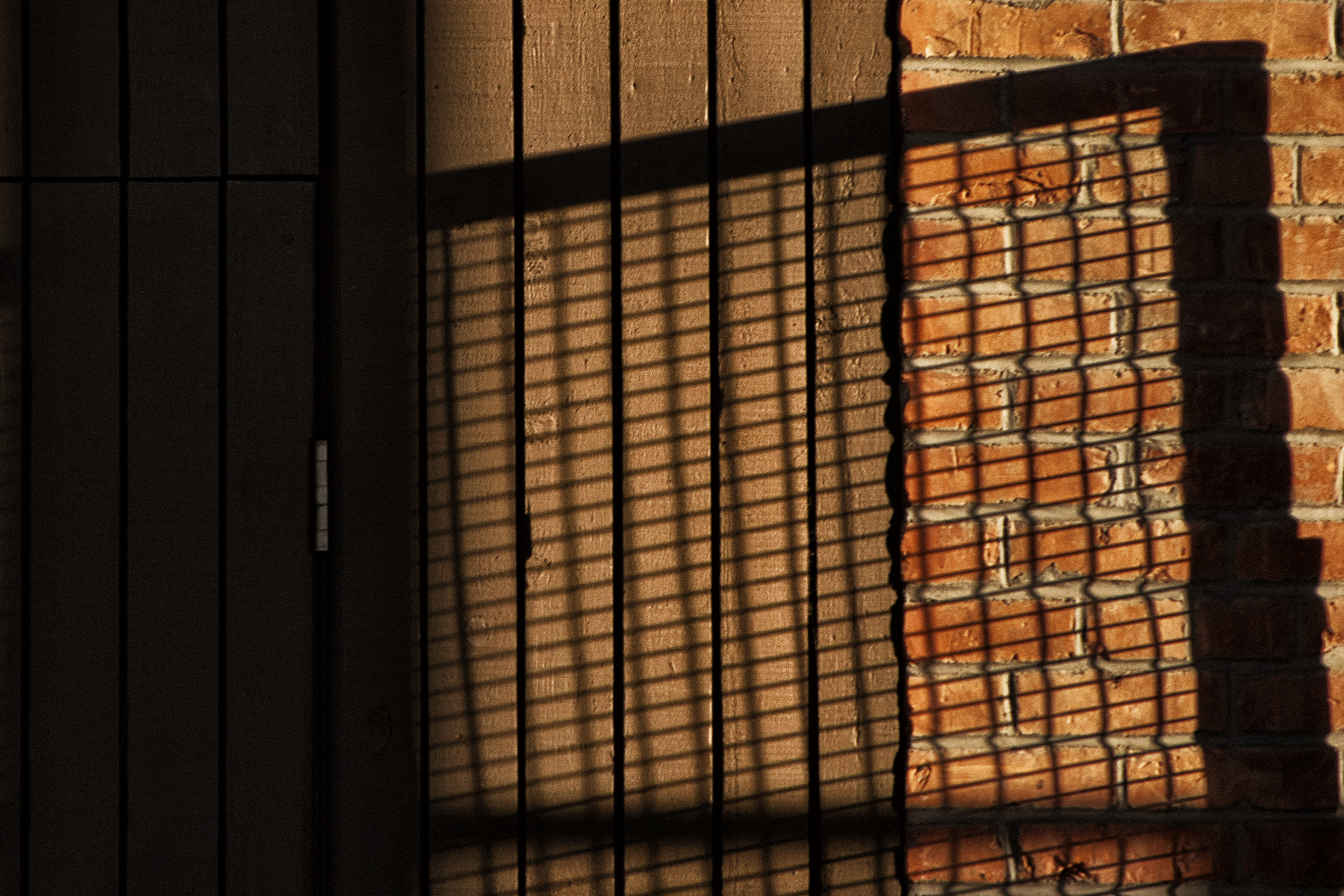
Afternoon Lines

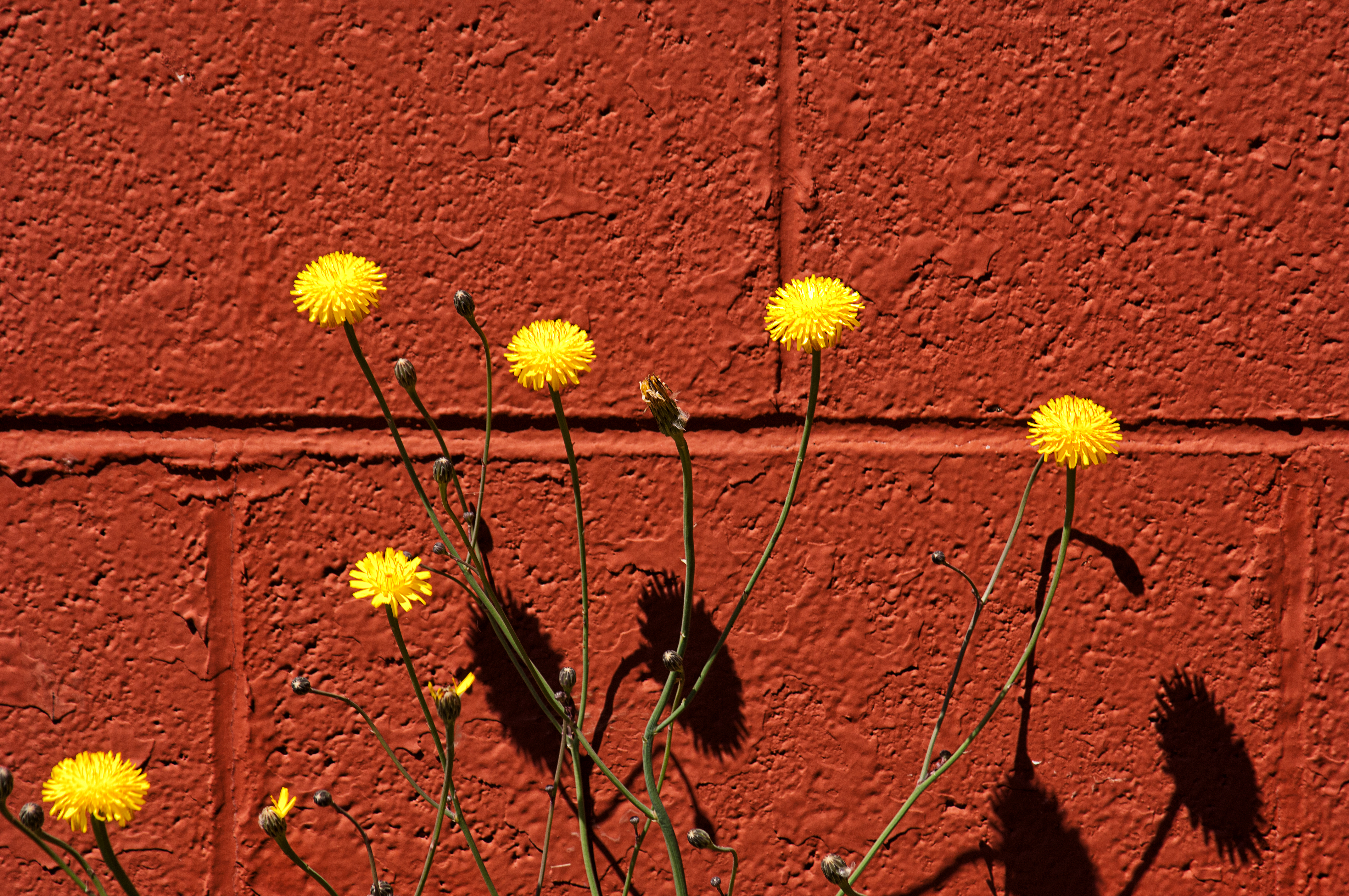
Still life in Red & Yellow

Shadows and Light

Open

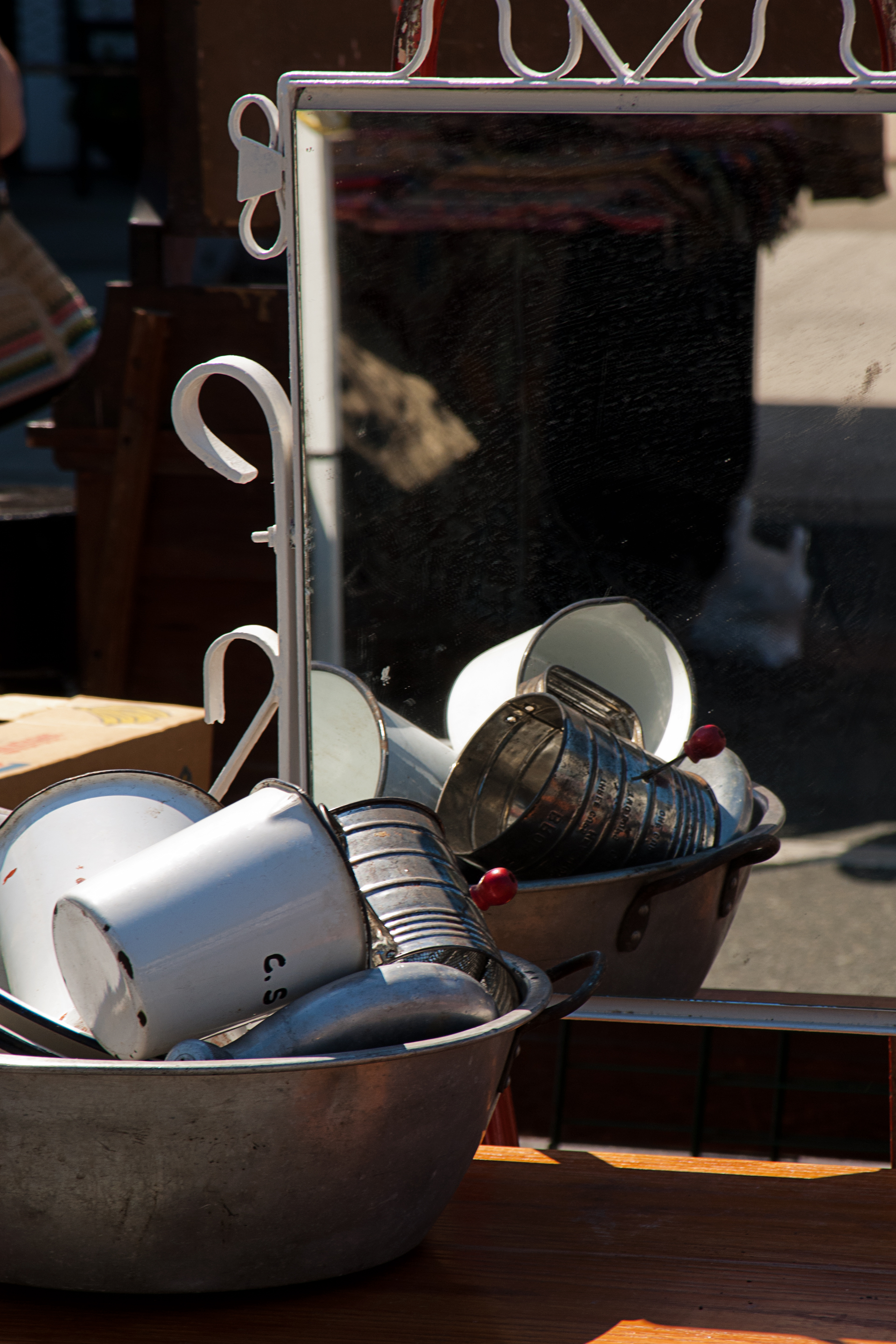
Reflecting cups

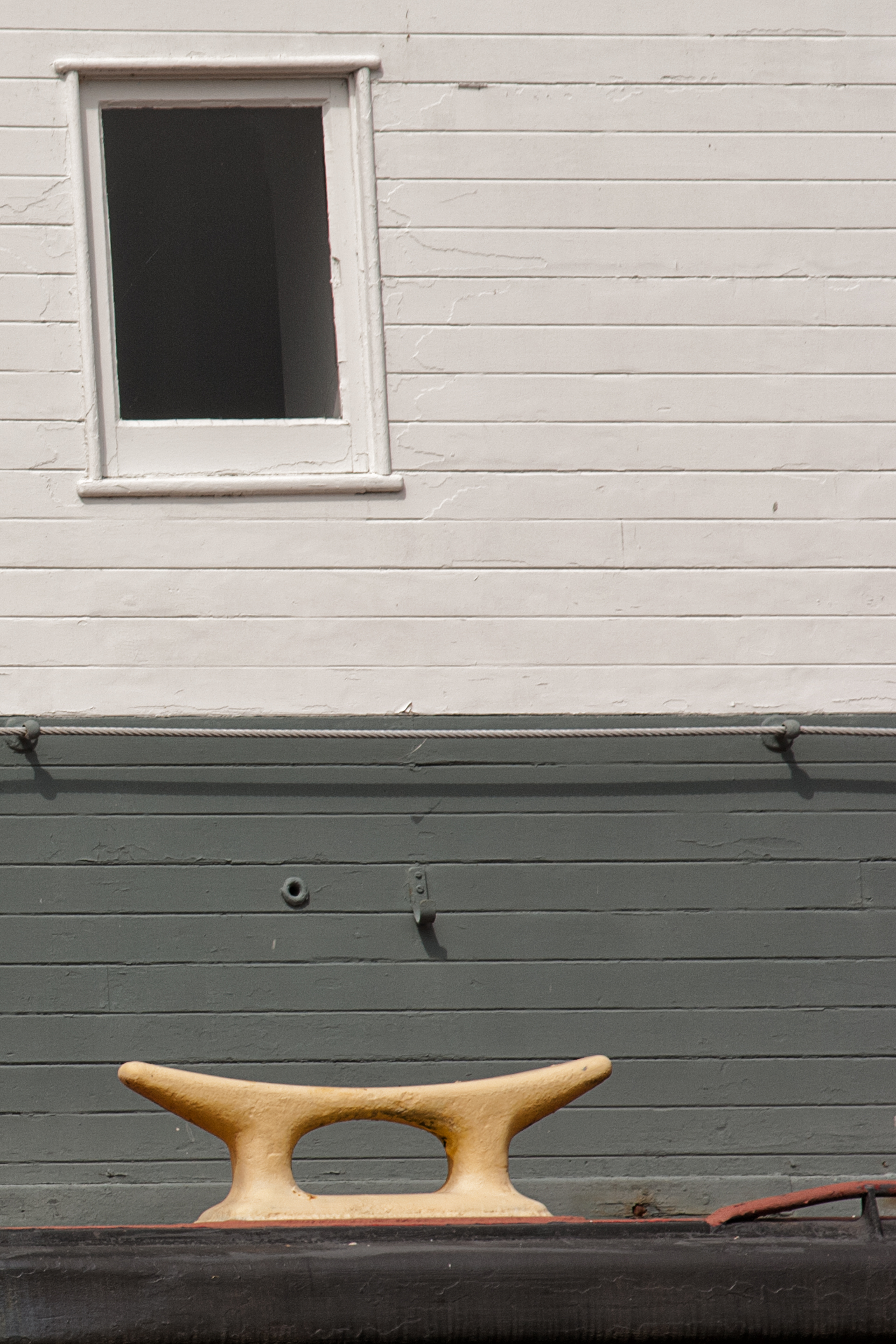
  Rope cleat

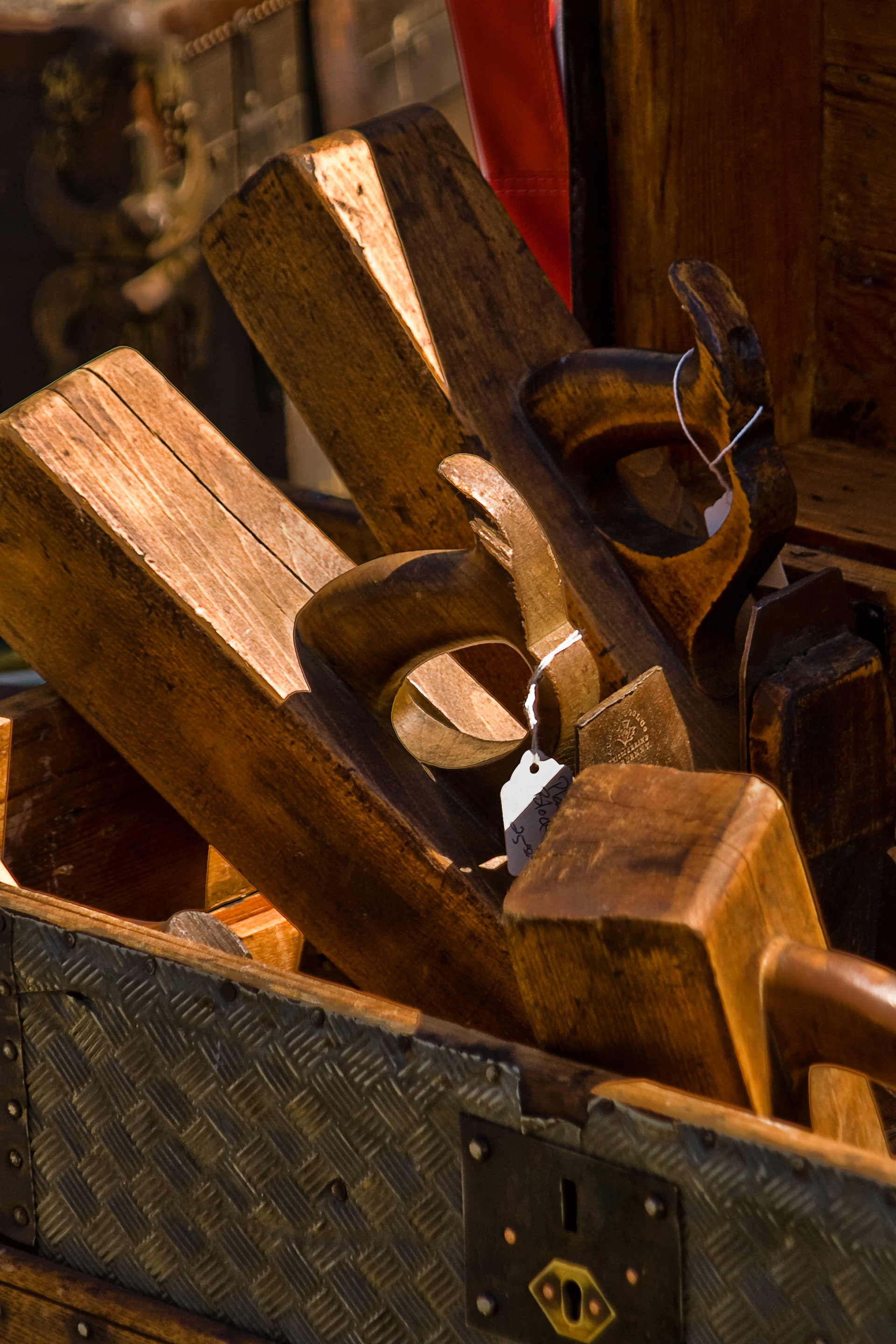
wood planes

In the Art classes that I took in college we would gather all sorts of interesting items to create what the instructor called “a still-life”, each week we would build a new still life to help us learn how to draw shapes, shadows, and reflections. We would compile a menagerie of odd shaped objects in some corner of the drawing studio and then place lights from different directions to produce interesting and unique shadows.

I enjoyed the art classes with all the creative mediums and imaginative people, but when one of my teachers suggested I try photography everything changed. Photography with it’s almost magical processes both behind the camera, and in darkrooms with their chemical filled trays, reached out and grabbed me and there was no going back.

Those original photography classes included a few sessions with live models, and sometimes mannequins, but I missed those long classroom discussions and the quiet periods of contemplation that accompanied those simple arrangements of objects in those art classes.

I wanted my photography to be something more than just a record of the world around me. Looking to do something other than scenics or portraiture, I decided it would be fun to join classmates that were into street photography. They wandered urban areas, pointing their cameras at scenes that included unsuspecting people in their hectic environments to create engaging images that suggested different stories to each person that viewed their pictures.  I enjoyed their compositions comprised of light, shadow, architectural features and, of course, those unsuspecting people.

I tagged along with them because I liked hanging out with photographers, enjoyed walking, and discovering the city, but always ended up either making posed pictures or excluding people all together in favor of some lamppost, architectural feature, or drawing on a wall. More often than not I’d wander off from the others to explore some alley or stairwell, searching for some more intimate features that were always part of, instead of the complete scene.

I did then, and still do, include people in some of my cityscapes. I like looking at the street photography of modern photographers, but the people in my “street” images are really nothing more than additional elements that fill a space that could as easily be occupied by any other object. I suppose my interest in still-life changed from drawing to photographing one.

I admit to photographing almost everything. I am pretty indiscriminant when it comes to the subjects I point my camera at, and without hesitation will photograph as creatively as I can, what ever moves me at the time.

And I like to think I adhere to the words of famous documentary photographer Elliot Erwitt who said, “To me, photography is an art of observation. It’s about finding something interesting in an ordinary place… I’ve found it has little to do with the things you see and everything to do with the way you see them.”

My process, while wandering in search of still-lifes, is to never be on any direct course as I forage for another still life and my photographs rarely show the whole. I photograph those parts that catch my attention; the still-life might include an interesting door, railing, or even window frame as I review and how the light touches them.

Drawing a still-life in those classes was much easier than hunting one with a camera. After all a photographer is forced to problem solve those found objects. I suppose one could move things around, but that’s kind of cheating. I like the search and the discovery and the process of thinking through how to make the original image. Sure, there is a lot one can do in post, and that’s just fine with me, but photographers still have to find the raw elements to begin with.

As always, I appreciate your comments.

Thanks, John

My website is at www.enmanscamera.com
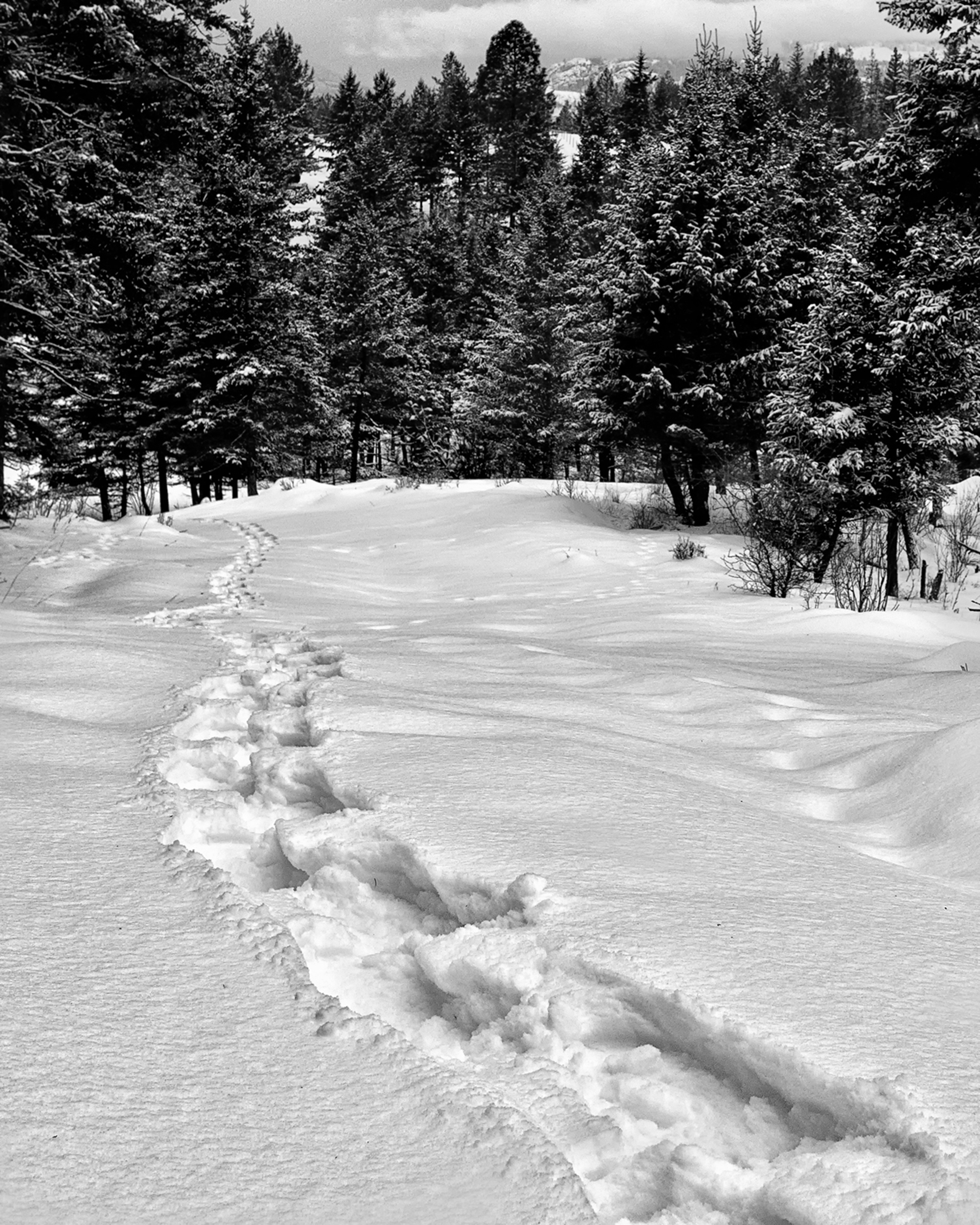
A Short Walk on Snowshoes

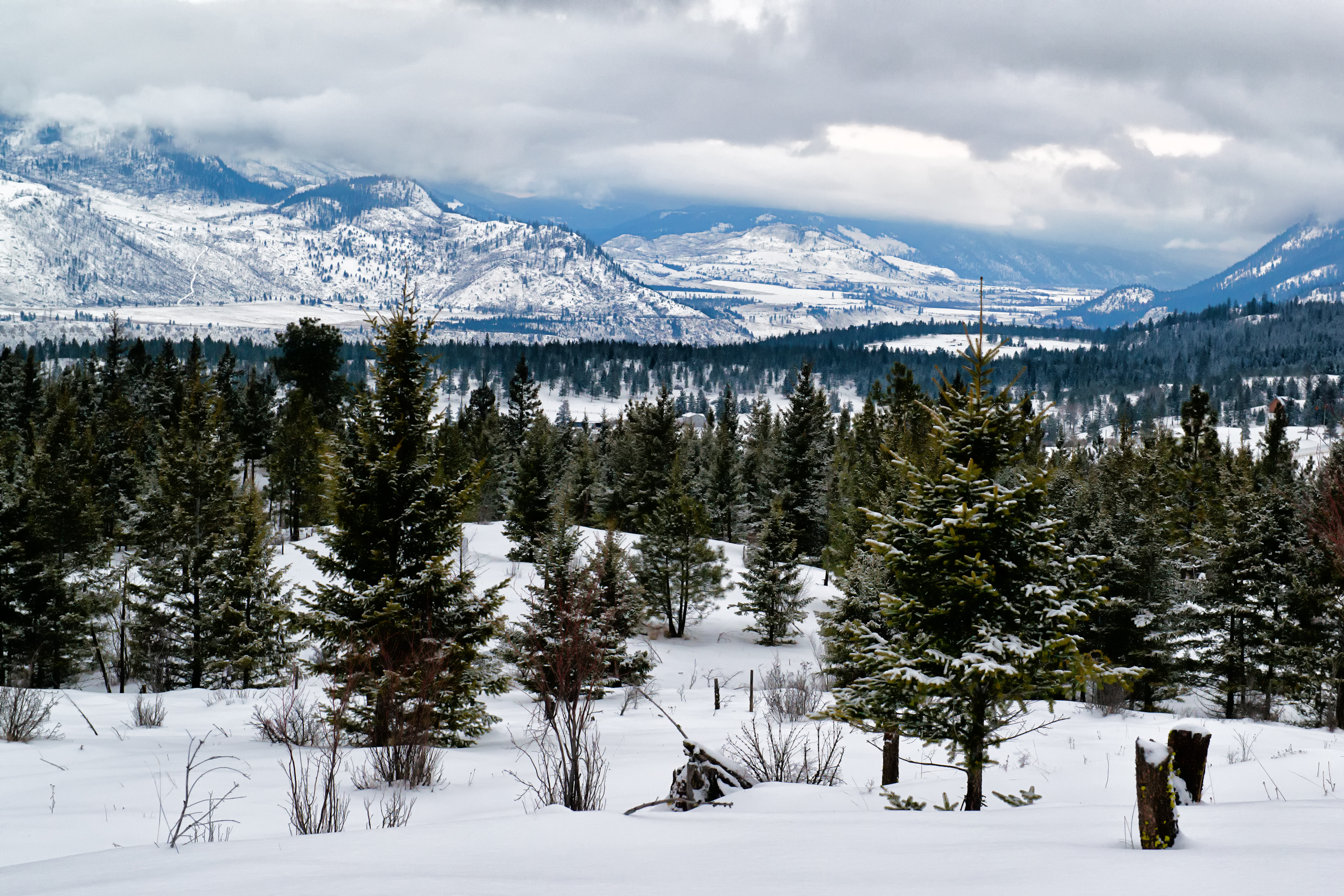
Photos by Snowshoe 2   Thompson River Valley

windswept snow

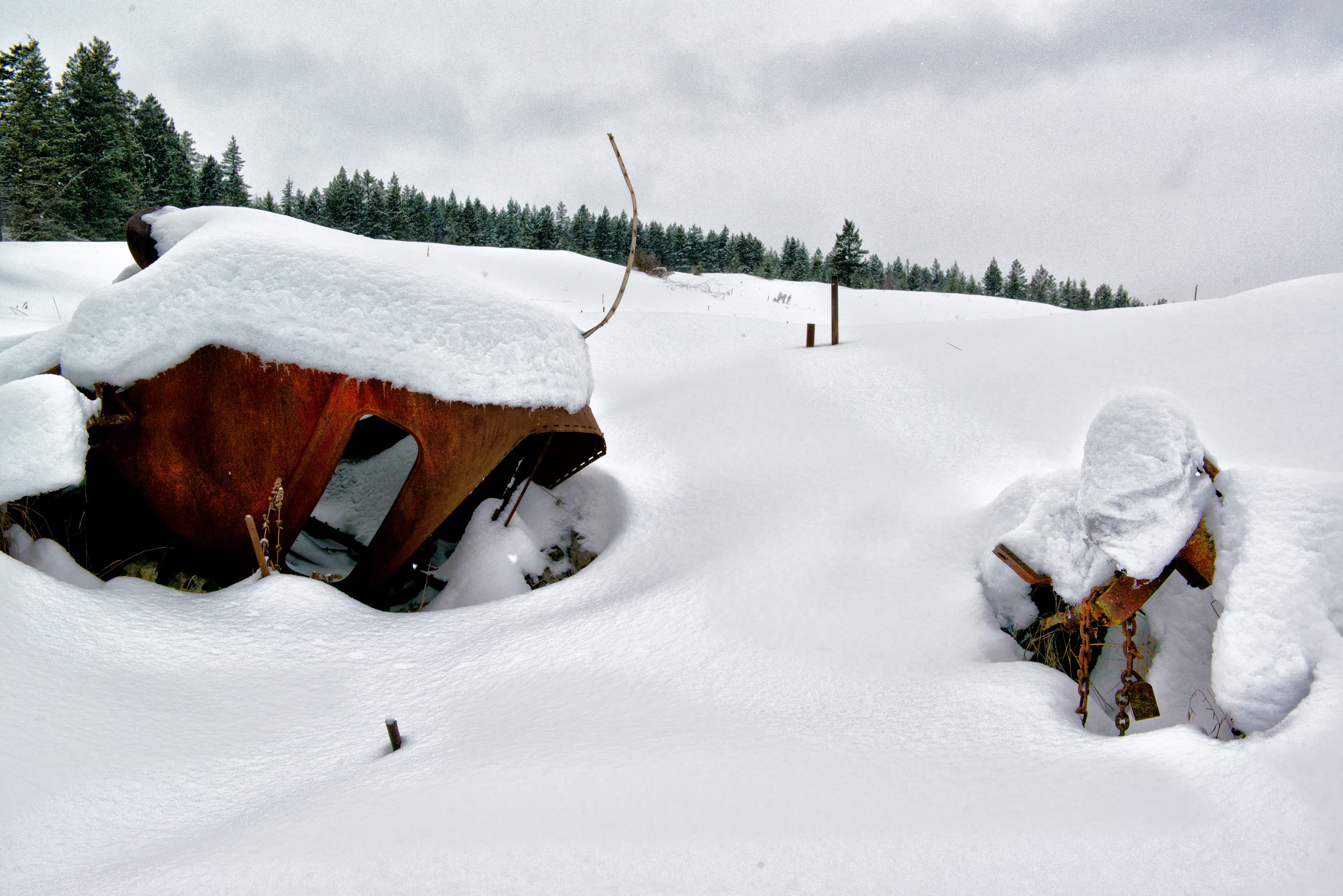
Old car in snow

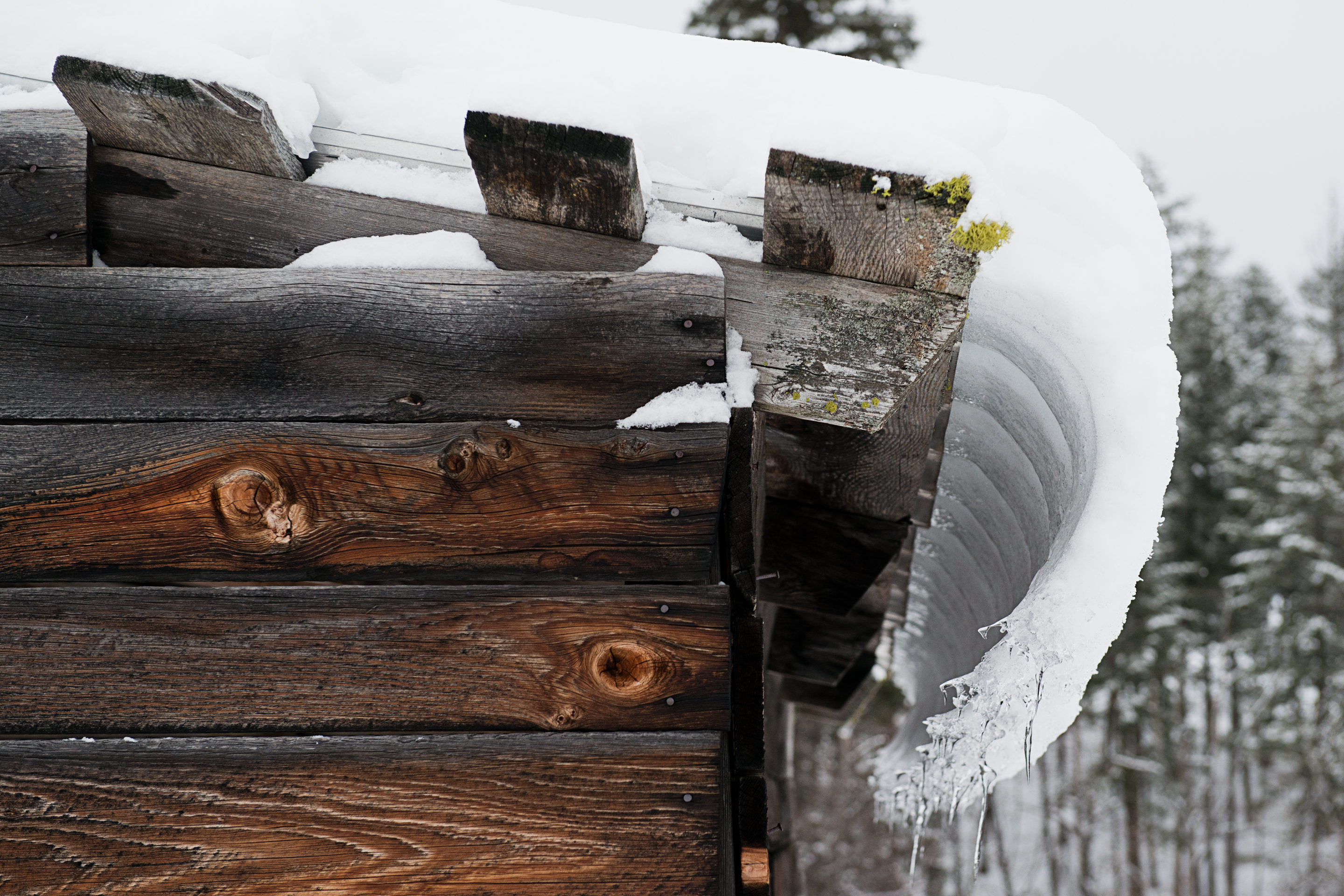
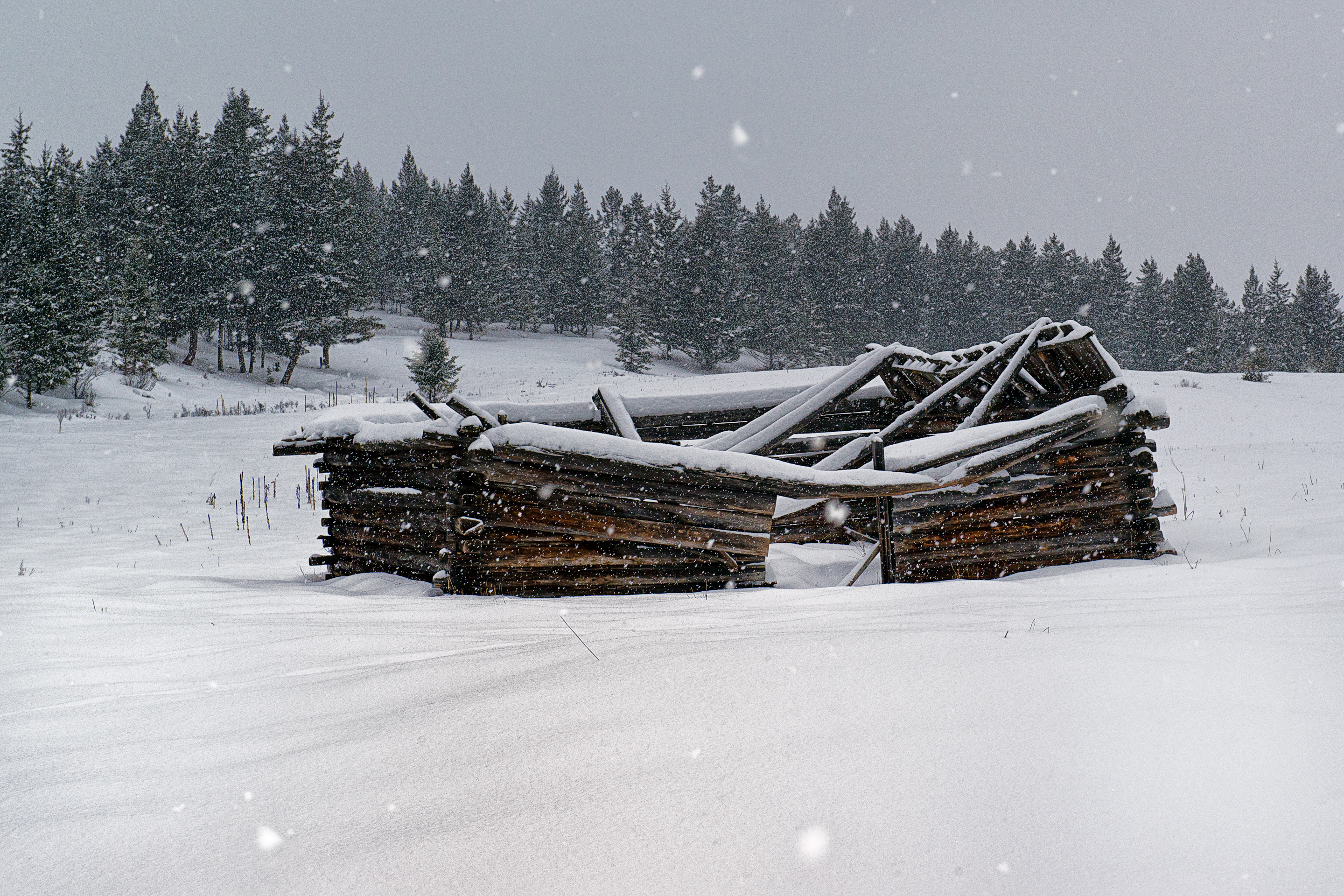
Log building in snow

My snowshoe easily broke through the two feet of snow that covered the well and down I tumbled into the soft snow. My years of experience as a photographer reminded me to “  at all costs”, and although my leg twisted and snow covered me, I held the camera up high and safe from the wet snow.

I should have remembered that hole. It’s not like I hadn’t been there many times over the years photographing the rusting 1930’s car. I would go there spring, summer, fall and winter in the rain, snow, and sunshine. I should have remembered where it was, but as usual, it’s always about the photograph. I had put on my snowshoes and hiked up the rolling hills to a long meadow not far from my home.

I have always liked snowshoeing. In my teens my friends and I would head out cross-country trekking for hours through the deep powder in the mountains.  I remember overnight trips where we dug snow caves to spend the night in (snowshoes also made great doors). Then we’d ski down long valleys and snowshoe up hills as we moved through the snow covered mountains.

My rural home is surrounded by wooded forests and rolling hills that are perfect for walking, or as today, snowshoeing. Each year I look forward to enough snow-pack to snowshoe in, and after another morning of shoveling a path to my chicken coops, to the car and cleaning the driveway, I decided it was time for my first winter hike up to the high meadow above my home.

The day was overcast, but today’s modern cameras easily handle ISOs of 800 and 1600, so the lack of bright reflection and low contrast on a snowy landscape made everything so much easier to see and photograph. And handholding is undemanding as one can keep the shutterspeed way over 1/400th of a second and still achieve lots of depth of field.

I mounted a 24-70mm on my camera and set out to photograph the snow covered hills on the quiet, cloudy day.  I like hiking when the only sound is my footsteps, or in this case, my snowshoes.

I hiked up and, as usual, photographed everything. When I stroll through that long meadow I rarely see animals, but I always feel as though I am being watched. That’s a good thing. This time a crow swooped low and circled me as I photographed the Thompson River valley far below. I am sure it was wondering what I was doing there.

I could see a storm rolling down from the mountains and photographed that also. Soon another crow appeared overhead, and this time cried a warning that I am sure was about the storm. And then it began snowing. There is nothing like standing in a forest meadow during a snowstorm; it’s quiet. The sounds from both the Trans Canada Highway and the CN Railroad alongside disappeared.

Thirty years ago, when I first started wandering that area there were three buildings, two old cars and an apple tree.  Now the struggling tree no longer bears fruit, someone hauled off the better of the two cars, one building fell down, and the last two are just hanging on.

Still, it’s a great place to snowshoe with a camera and I was having fun and the heavy falling snow didn’t bother me, I just kept wiping the water off my camera as I photographed the on-coming storm, the old buildings and the remnants of that old car and that’s when I fell into the well.

I think stumbling, bumping into things and sometimes falling while paying more attention to the subject being photographed than things in the way isn’t that unusual to those of us that participate in the exciting medium of photography.

I was wet, but I was fine, the camera was fine, and the snowshoes were fine, and best of all, I got lot of great winter pictures.

I’d really like to read your comments.

My website is at www.enmanscamera.com
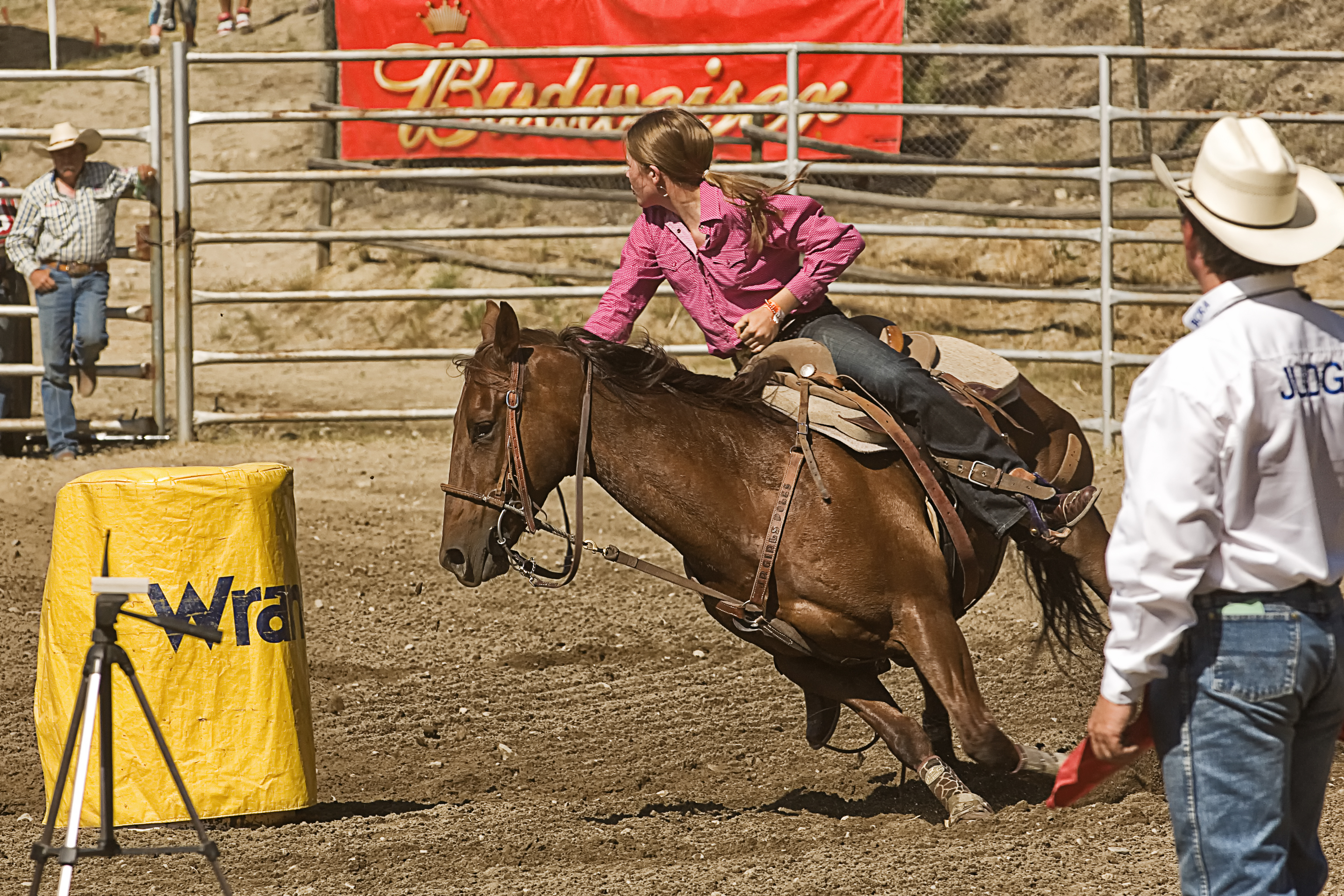
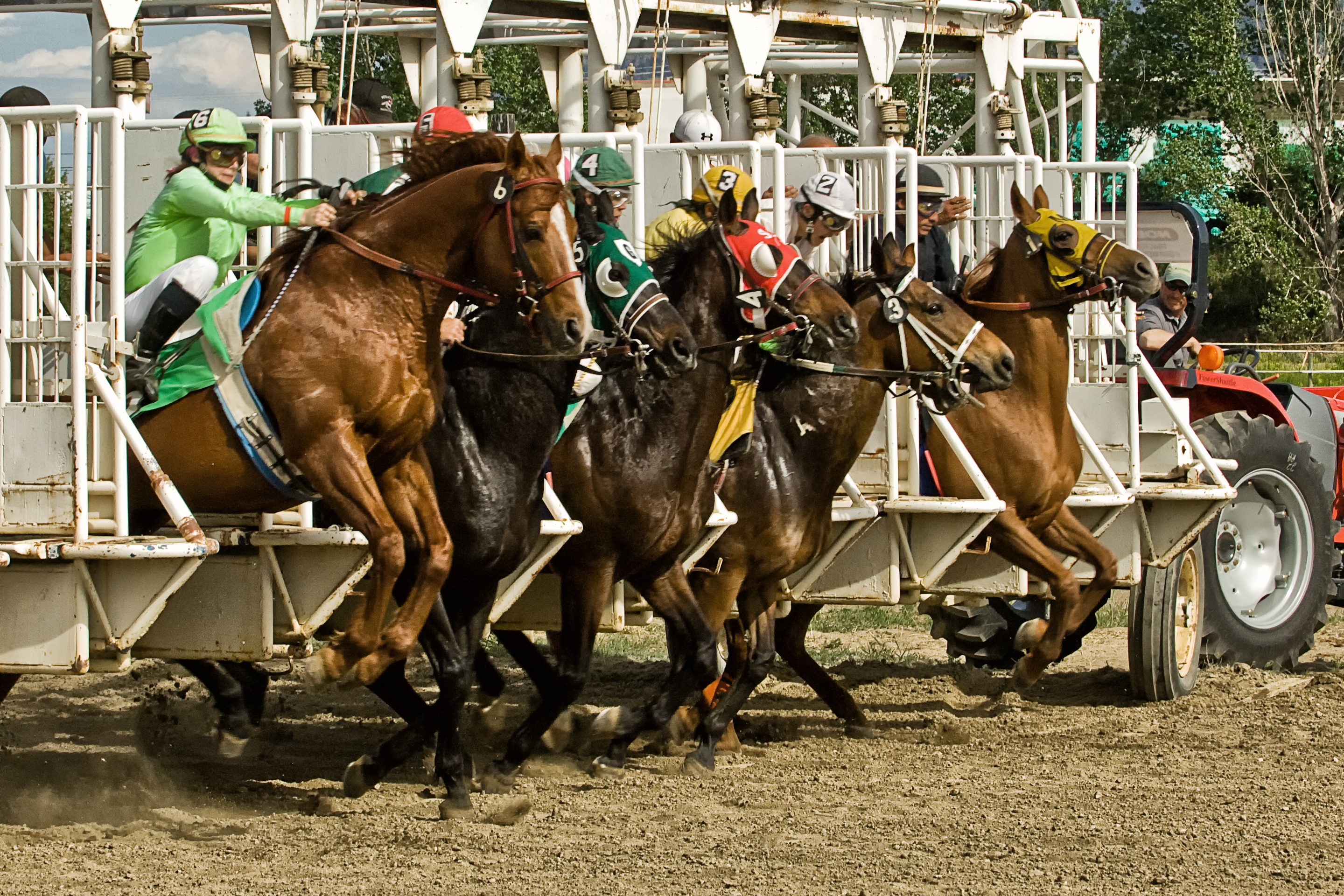
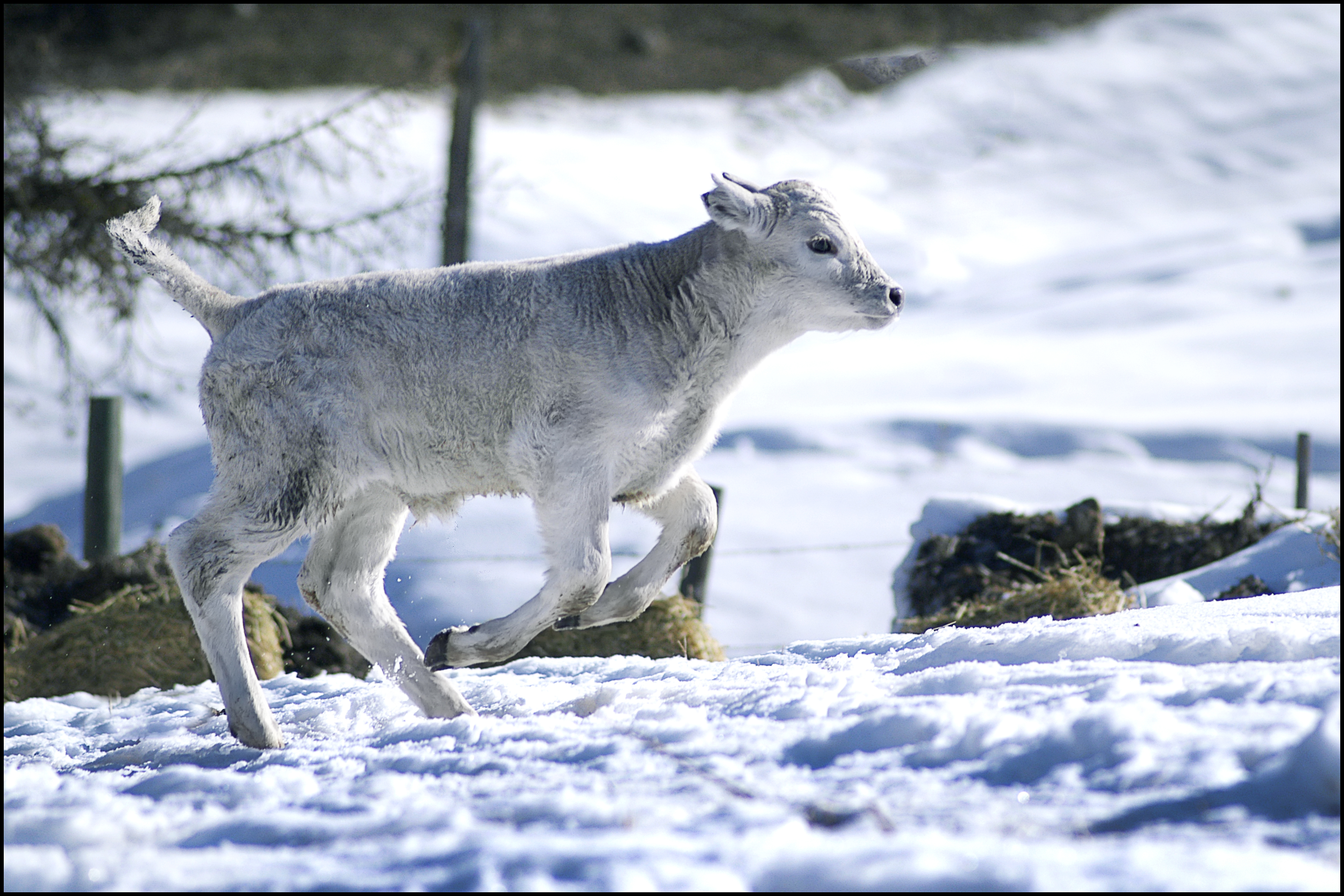
Photographing Things That Go Fast.

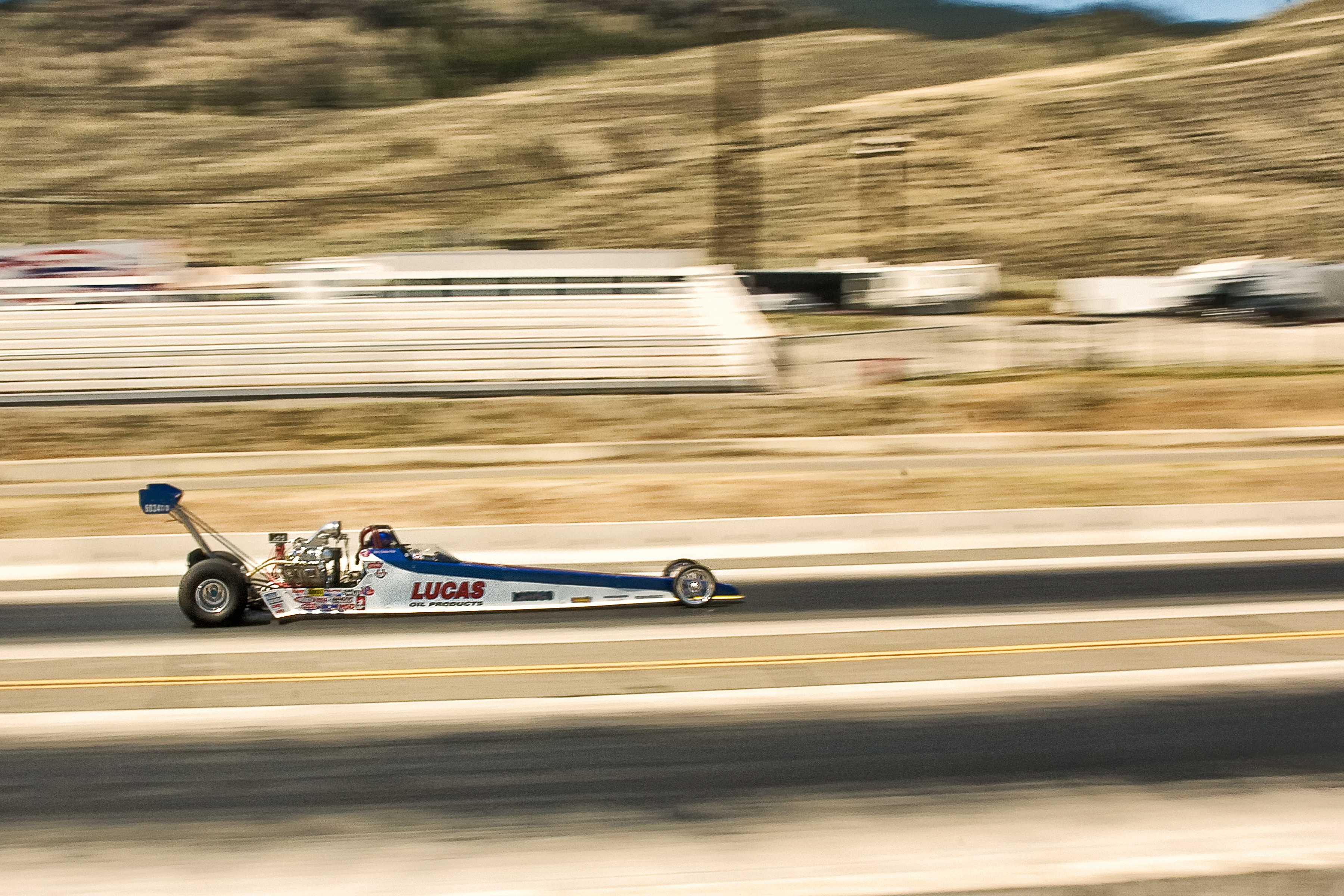
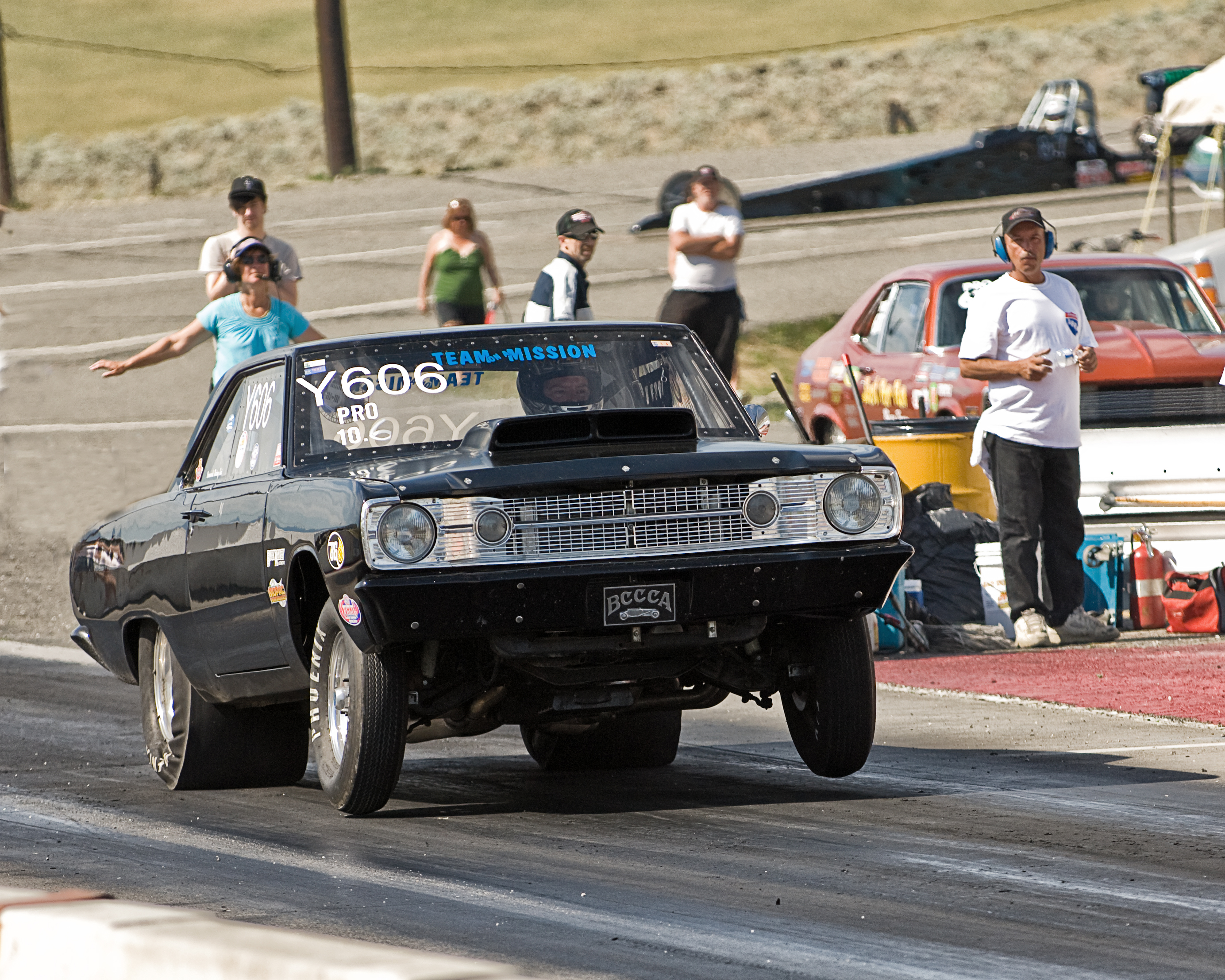
Lucas racing   Flying Black  Quick turning  At the gate  White bull calfa Fast court      Nascar

I received a call from a photographer asking help with a new camera purchase. He had selected two and was comparing their difference in frames-per-second. I had read about both cameras and have to admit with so many other spectacular and enticing features both offered I hadn’t paid much attention to how many frames each could shoot in one burst.

When I asked him why FPS was important he said, “So I can photograph things that go fast”.  A good point, although a minor one in my opinion, shooting with continuous advance might increase the number of keepers he has, as he learns techniques for photographing fast moving subjects.

I will admit I like photographing things that go fast. Capturing less than of second of a subject’s life that will be gone forever is exciting.  That photographer could hope to stop the action by putting his camera into it’s P, or A mode, and employing his camera like a machine gun, make a burst of the shutter to stop a moving subject.

Some experienced photographers know how to get great results at the 8-frames-per-second or more, but if he is just starting out, he might want to dial it back a little and experiment to find what works best. The belief that faster would be better is not always the case. A DSLR cannot always find focus on a passing subject while the mirror is up and one can’t track the action through a viewfinder blocked while several frames are being made.

When I approach action photography at say, a basketball game, rodeo, or cars at a dragstrip, I don’t bother with the continuous frame feature on my camera. I know that the best way to stop action is with a fast shutterspeed. First I increase the ISO so the sensor is more light sensitive. Modern cameras have no problem with ISO settings of 800 or more and depending on how bright the location is I might move ISO higher or lower. I just make some tests before things get going.

Next I set my camera to a mode where I choose the shutter and the camera chooses the aperture. (S on Nikon and TV on Canon)  I select the fastest shutterspeed that will let me keep some depth of field, then do more test shots, and I am ready to start taking pictures.

I anticipate and choose the best location to catch the action. Gosh, it’s all that easy. I suppose one could do additional testing with a high burst of frames-per-second. I don’t think that is needed, it just eats up memory and might require hours of editing in Photoshop, but what the heck, with today’s exciting technology we need to experiment to find what works best for our shooting style.

My first camera didn’t have auto focus, programmed exposure modes, or eight-frames-a-second capability. I couldn’t even shoot at shutterspeeds over 1/500th of a second. But, I read a lot, took classes and learned about the aperture and shutter, learned how to follow a moving subject, and about how my camera exposed a subject. And practiced a lot in spite of the price attached to each roll of film.

Oh, and my advice to that photographer didn’t discuss the need for fast shutterspeeds. As I wrote, there were so many other spectacular, and enticing things about the cameras we talked about, that I forgot about adding an opinion about frames-per-second.

I really appreciate any and all comments. Thanks, John

My new website is at www.enmanscamera.com
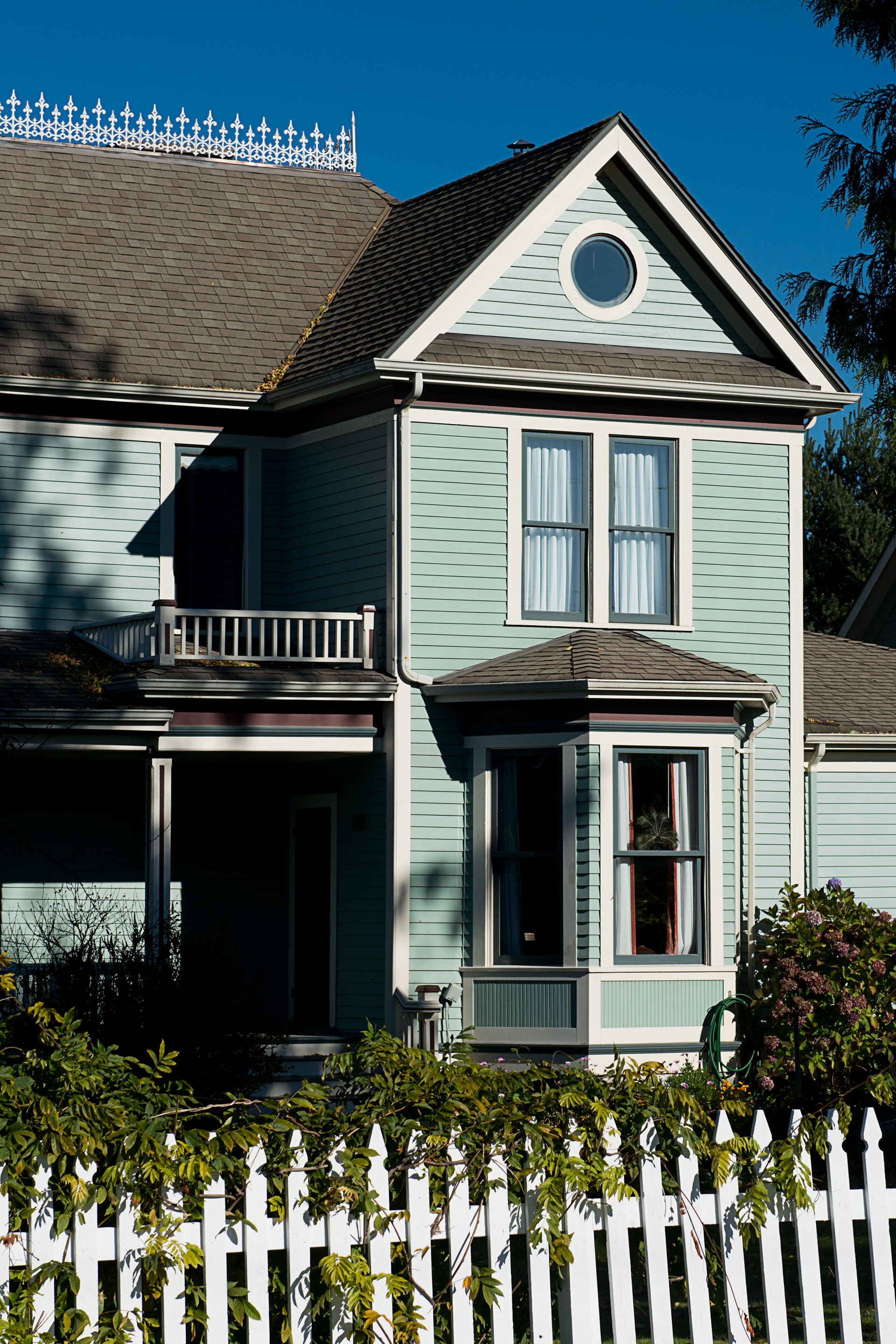
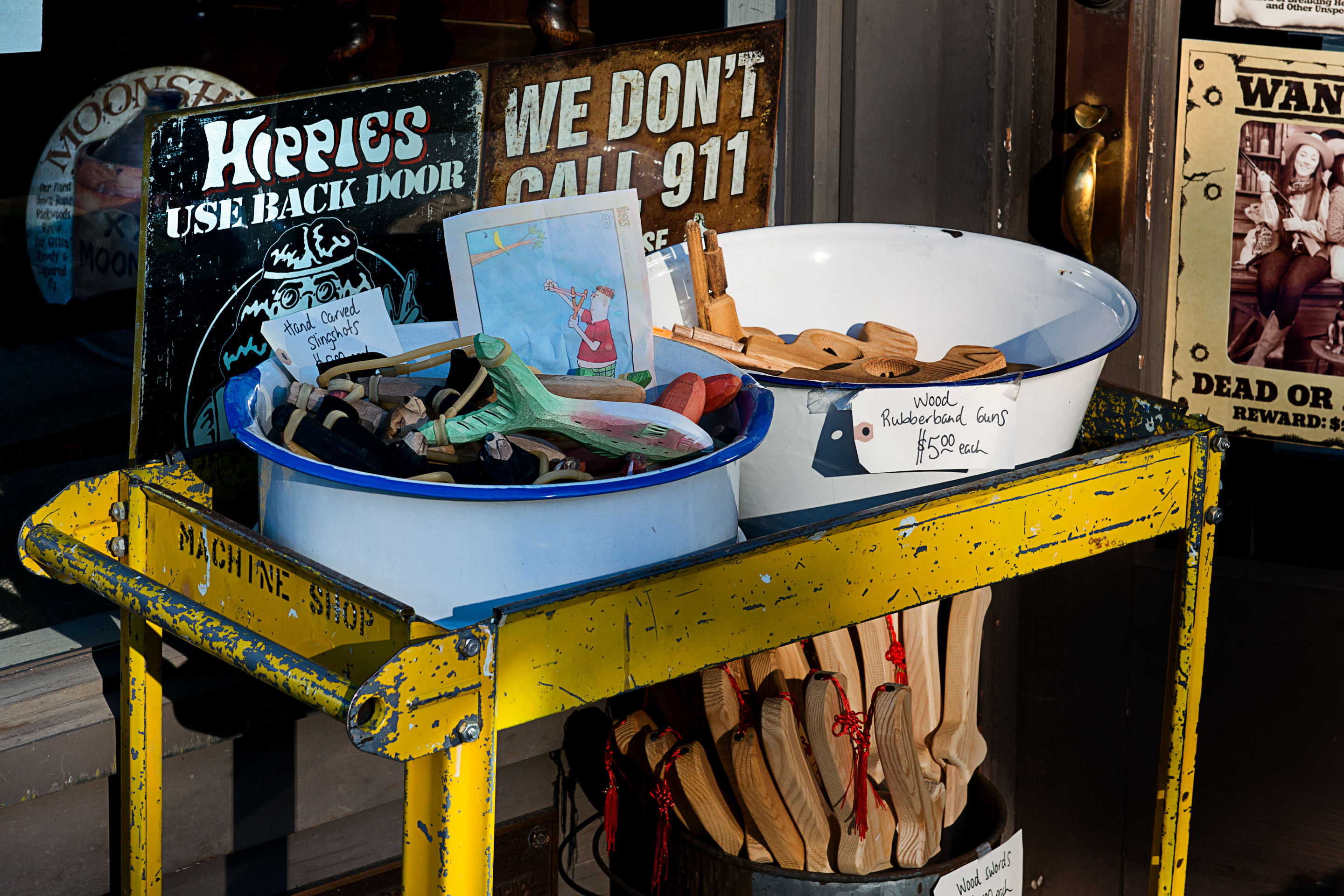
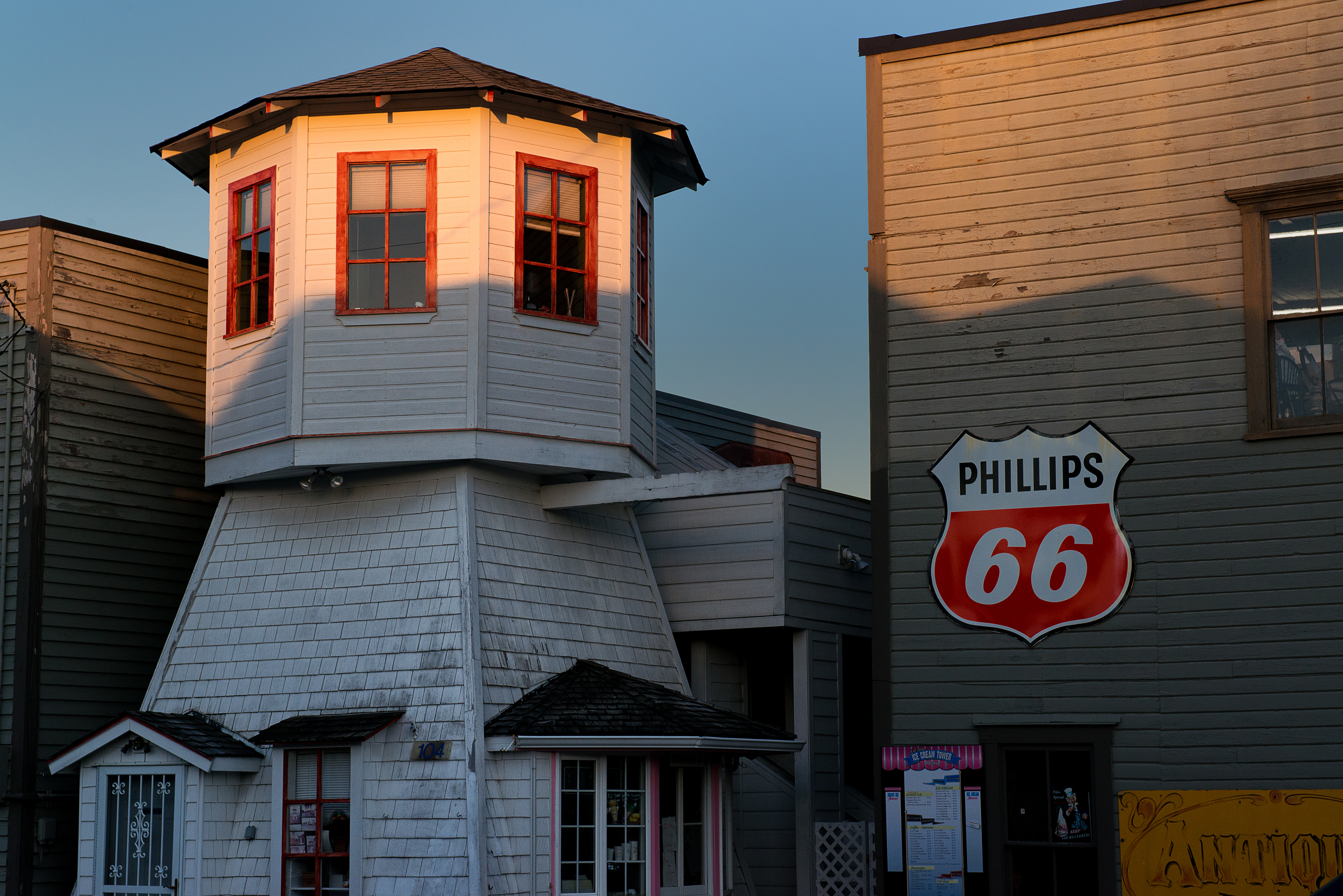
Discovering a Small Town with my Camera

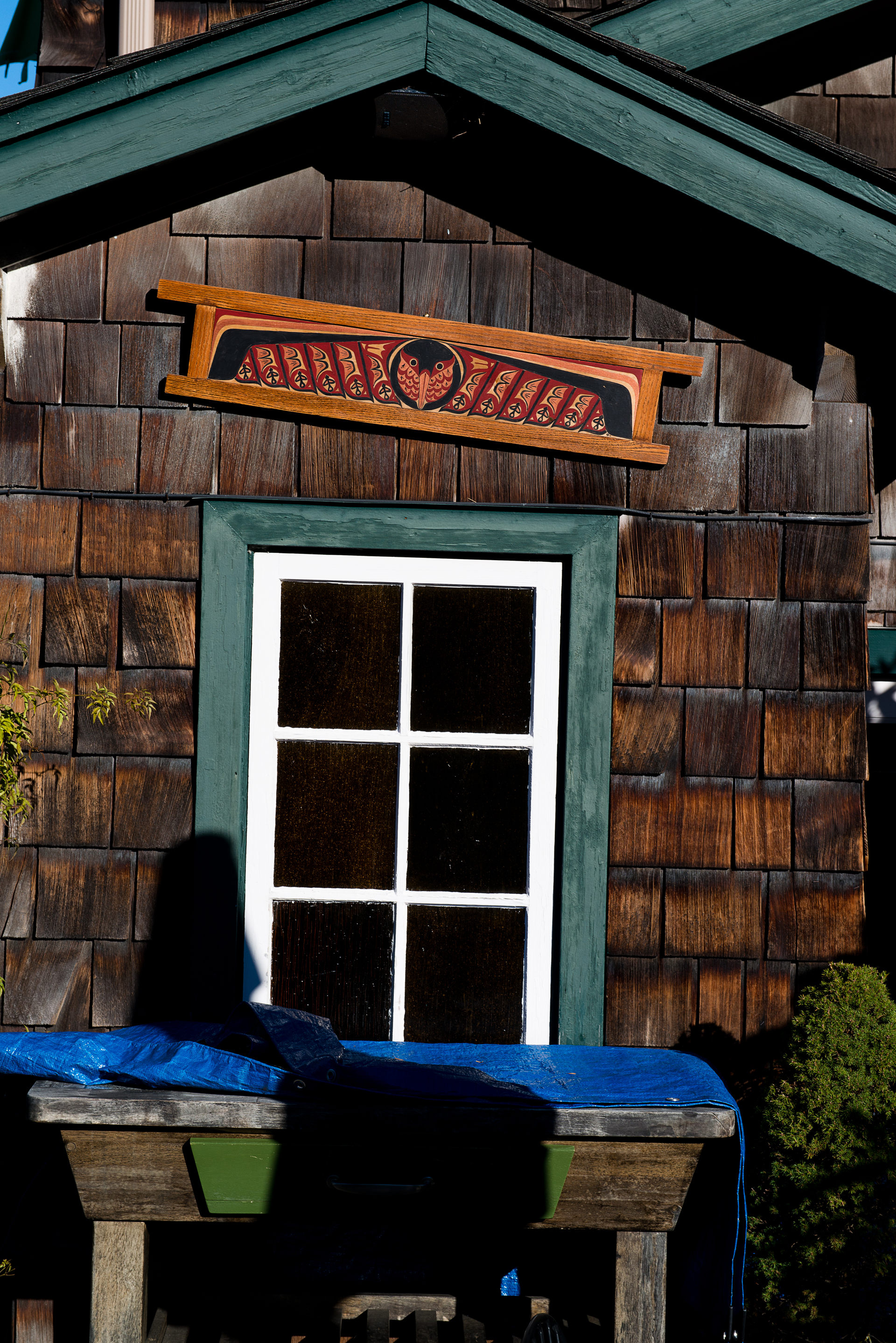
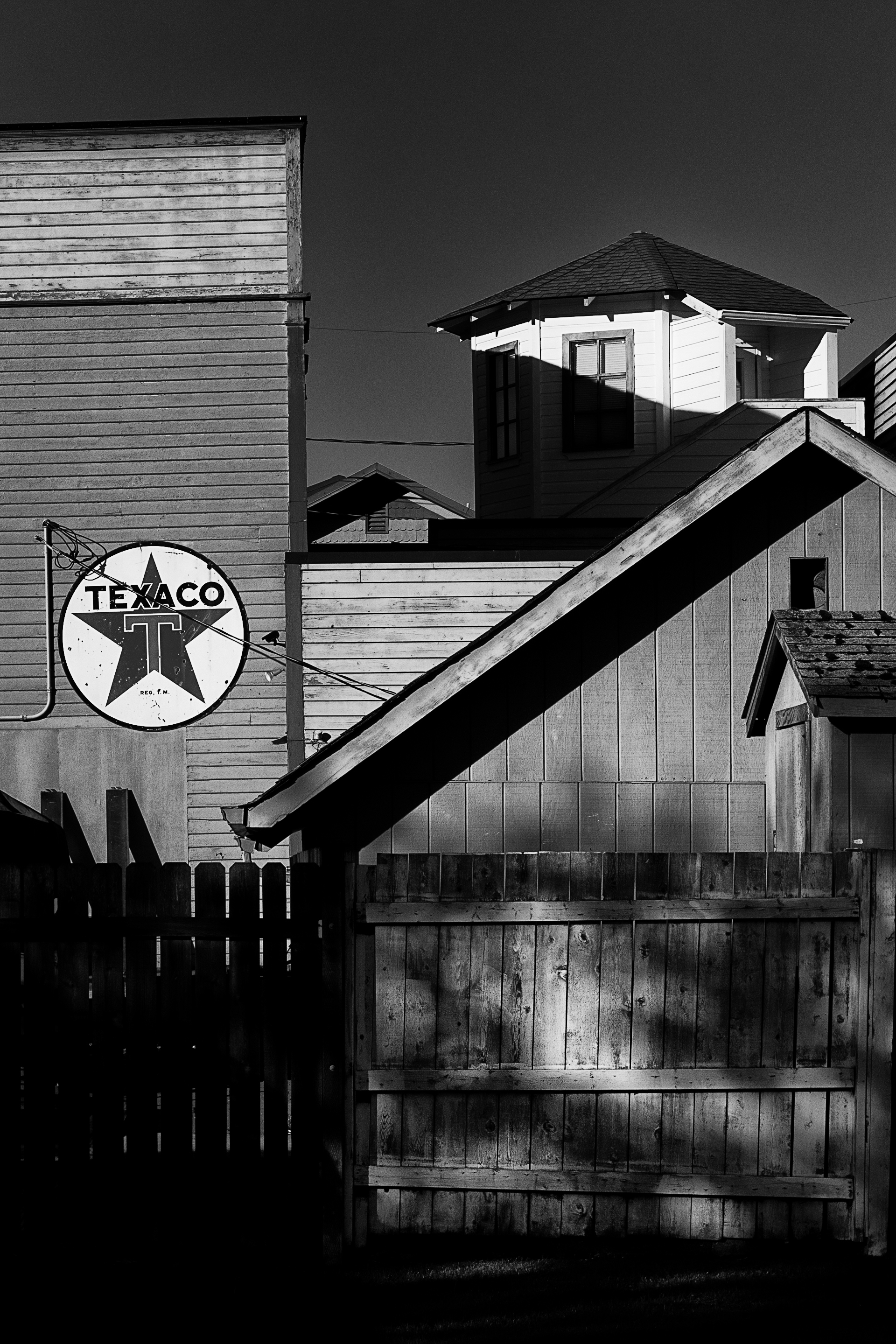
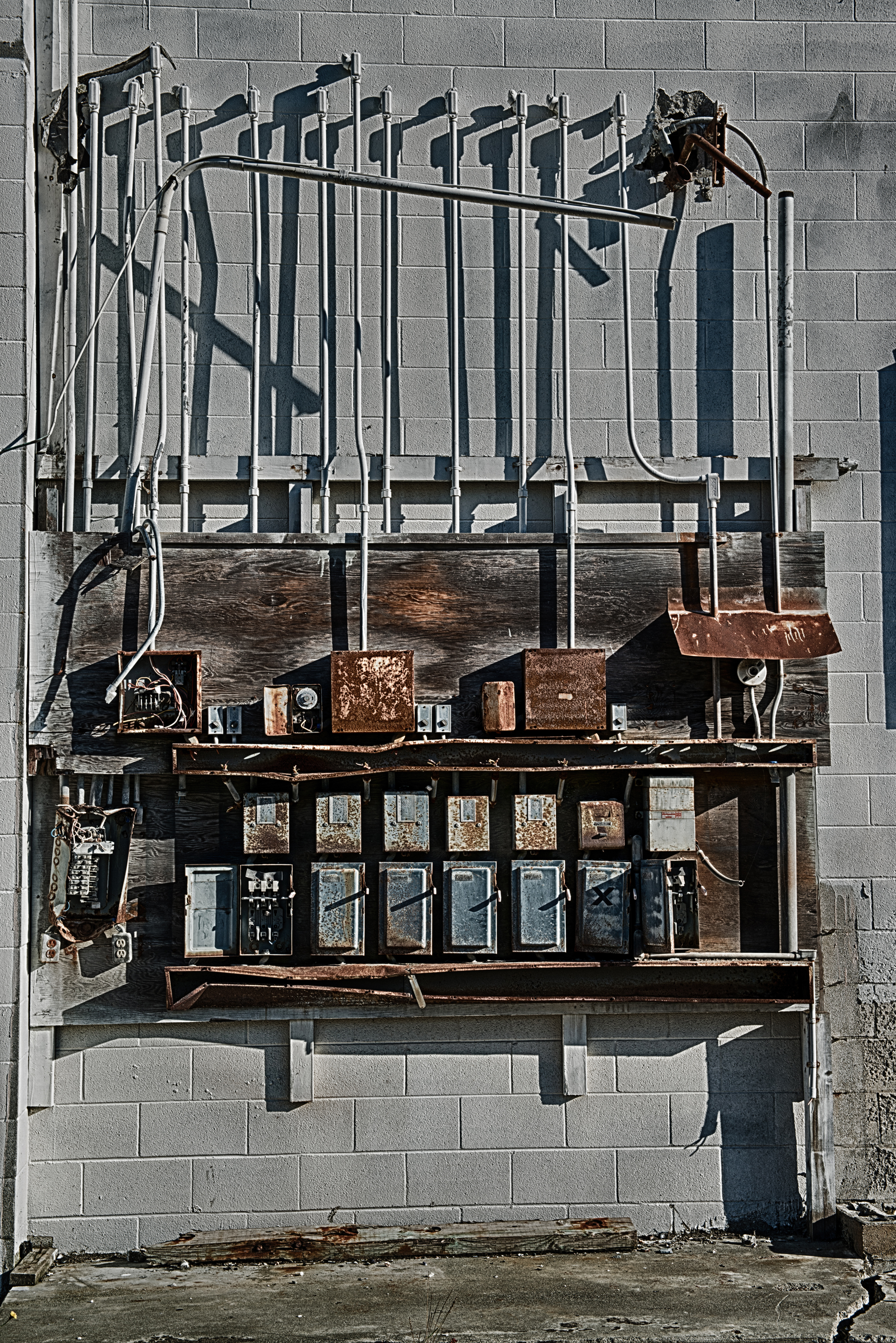
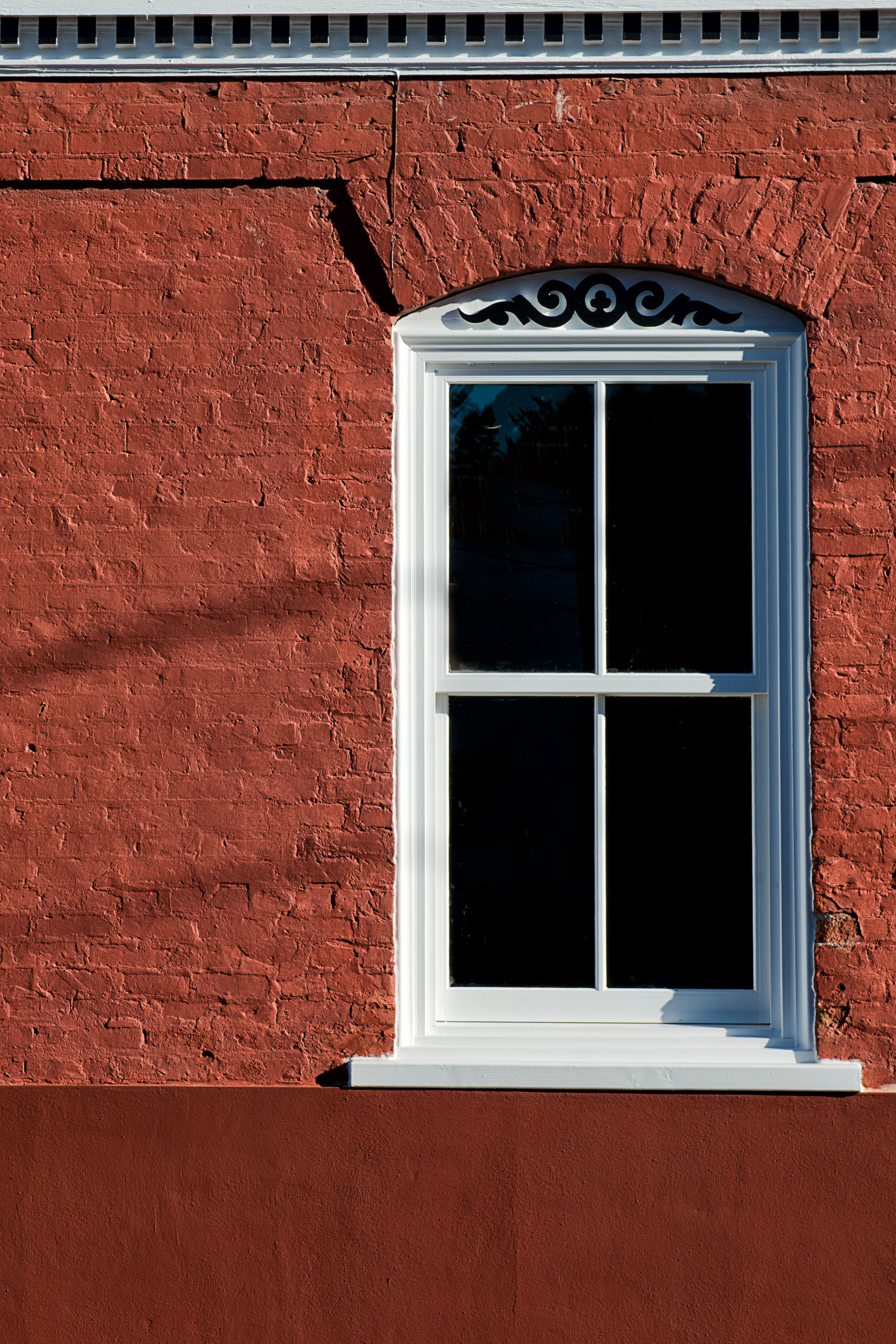
19th century view   Green window    Texaco 1      the boats   control pannel    Red Bricks  Hippies use back door  Phillips 66 twenty five cents a ride

I usually like to have a plan when I go out to photograph a subject. However, this past weekend when my goal was to photographically discover a small town or city like I did in La Conner, Washington, USA, the unusual and unknown becomes the accepted rater than the exception. The experience was one of those rare times when I just wanted to wander about and let the unexpected observations rule the day.

The distance from my lodging at the Wild Iris Inn in La Conner to the waterfront was about six blocks and that photographic stroll took me nearly two hours. I spent another hour photographing the buildings, and the boats moored along the boardwalk, and then approximately another hour roaming the adjacent neighborhood on my way back.

I to like wander, and yes, that’s the word that works best. I mounted a 24-70mm on my new (to me) full-frame sensor camera, stepped out of the room and let the historic, western architecture, and the coastal lighting, determine my path. I wasn’t on any direct course by any intent, and spent a lot of time backtracking when I decided to see how the light affected an interesting door, or window, from a different perspective than I had just photographed it.

I checked out the La Conner on-line gallery and it shows lots of scenics and wide images of street side buildings, but my photographic captures didn’t always show the whole. I chose to photograph those parts that caught my attention; signs, doors, railings, roof supports, or the moulding, and sometimes just the window frame, cornice or decorative lintel, and how the light touched them, was what peaked my interest and filled my the memory card of my camera

La Conner is a coastal town of Washington State and received its current name in 1870 from the owner of the area’s first trading post, J.S. Conner to honor his wife, Louisa Ann Conner.  One of my favorite writers, Tom Robbins, author of such great books as “Even Cowgirls get the Blues”, ”Life with the Woodpecker”, and “Another Roadside Attraction” is supposed to be a long-time resident. Each spring, La Conner attracts thousands of visitors to view the wide array of tulips at the annual Skagit Valley Tulip Festival.

Here is a humorous note about La Conner: in 2005, the town named the wild turkey as their official Town Bird, however, a debate in 2010 declared the turkeys to be a nuisance and they were removed from the town limits because of “complaints about noise, fecal matter, and ingestion of garden materials”.

This is one that is closer to my heart because it is a story about a dog.  There is a statue of a dog whose name was “Dirty Biter” and he once freely wandered the town. One of his favorite hangouts was an1890’s tavern, where a bar stool was always reserved for him. When he was killed in a dogfight, the heartbroken townspeople named a small park next to his beloved tavern for Dirty Biter and installed a bronze statue of the dog.

I didn’t see any turkeys, or writer Tim Robbins, but I took the time to stop in that tavern before continuing on my photographic stroll and I drank a pint to all of them; Mr. Robbins, the turkeys, poor old Dirty Biter, and of course, the subject of my photographic excursion, the historic town of La Conner.

I always appreciate your comments. Thanks, John

My website is at www.enmanscamera.com
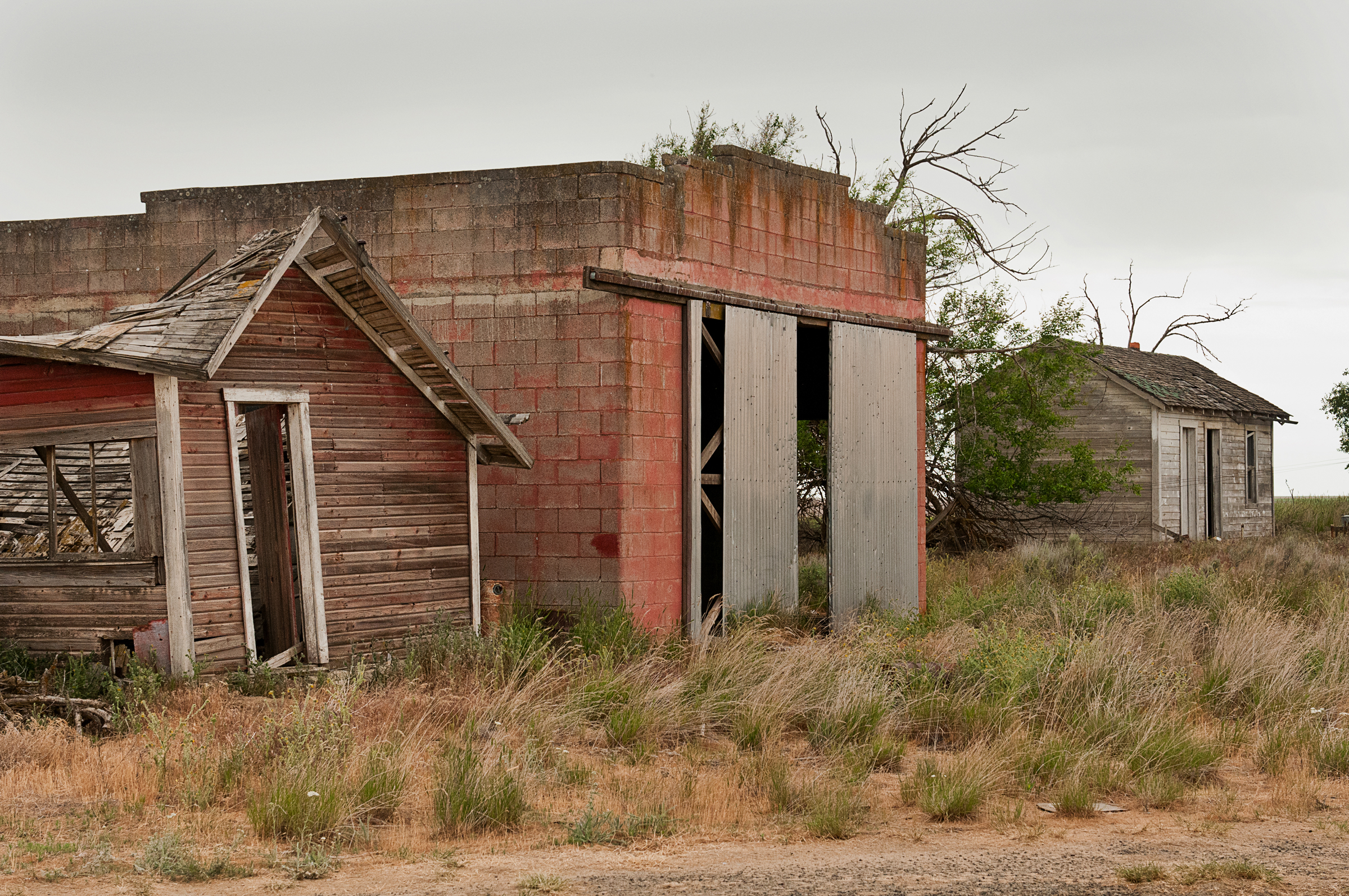
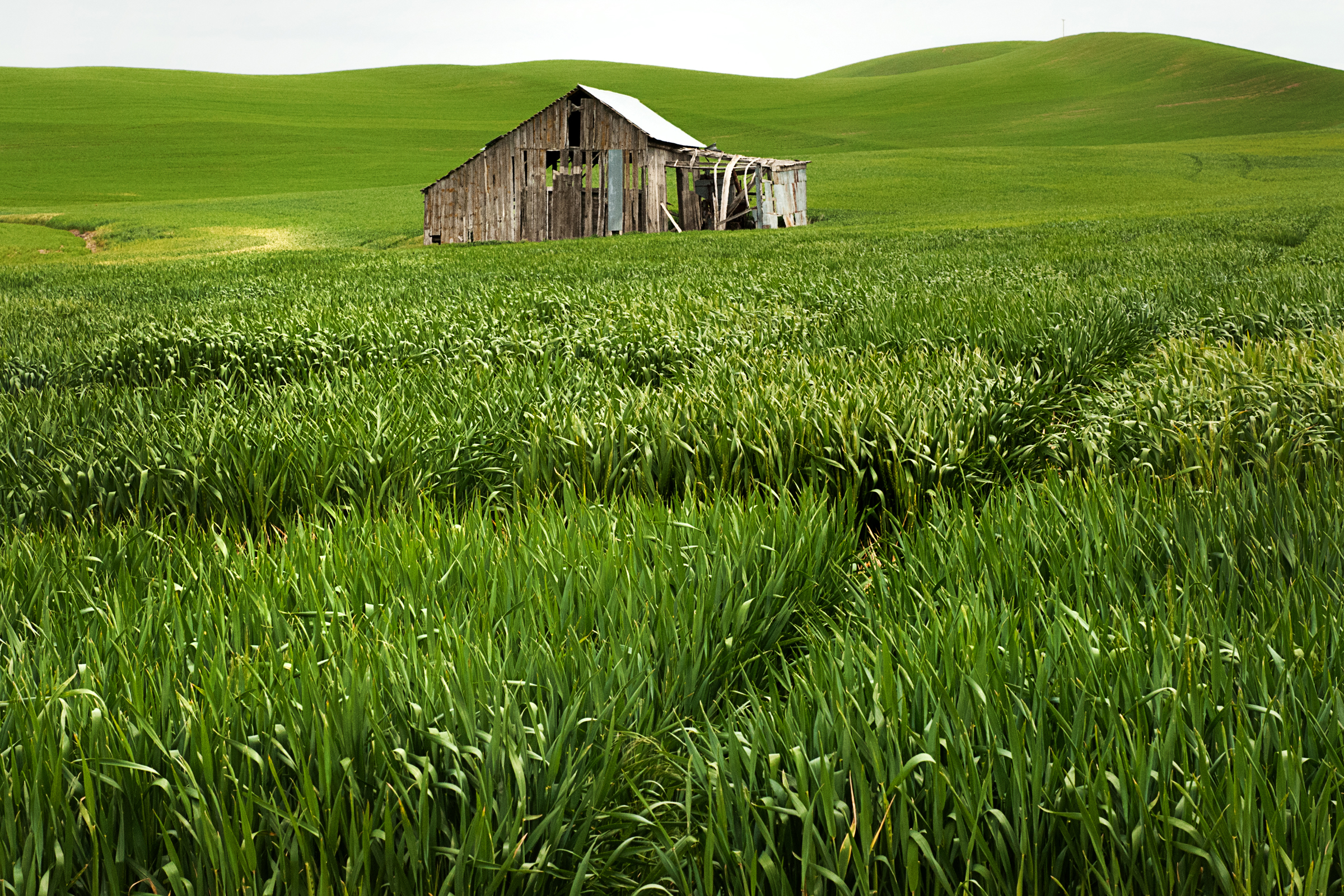
Photographing Old Buildings

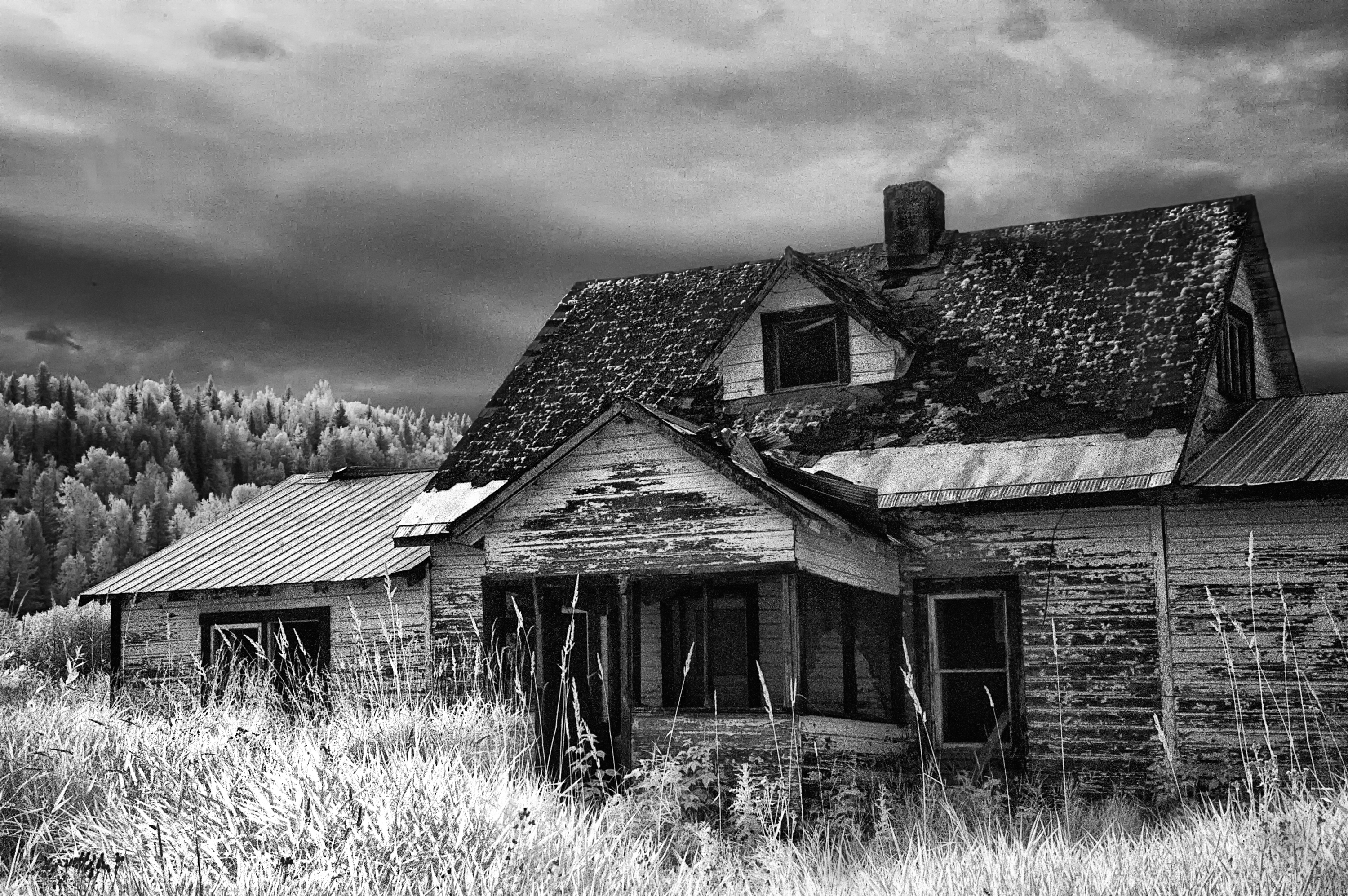
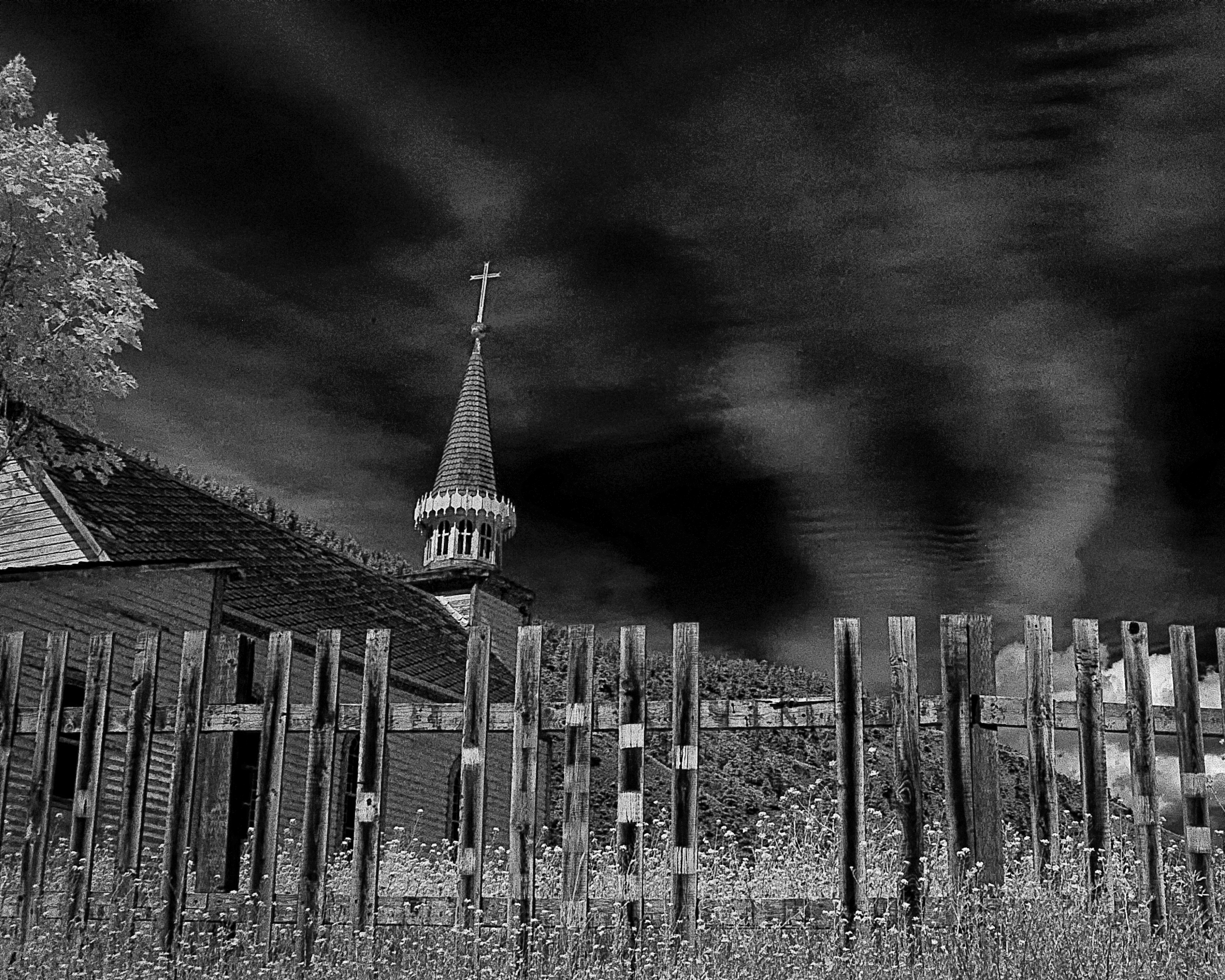
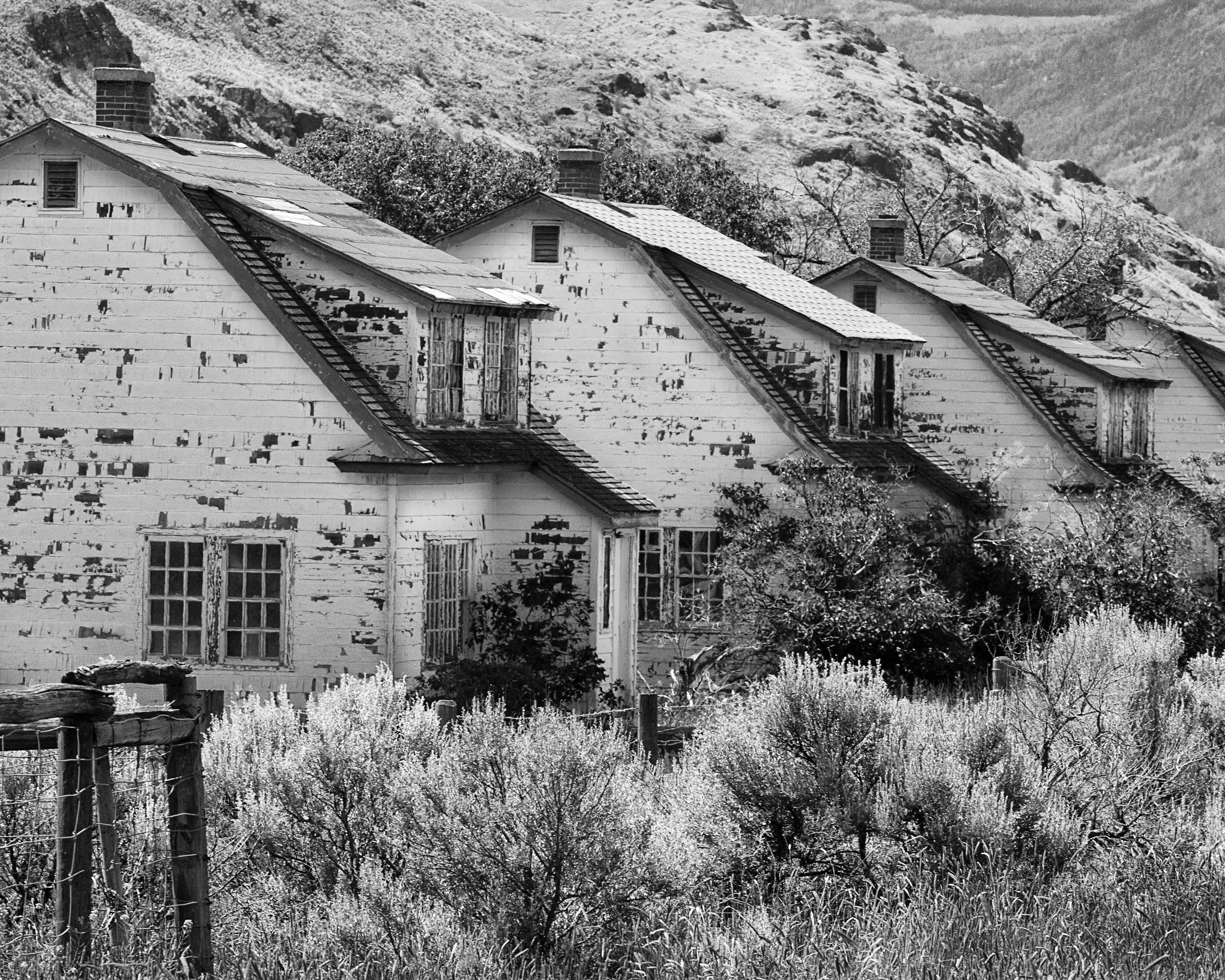
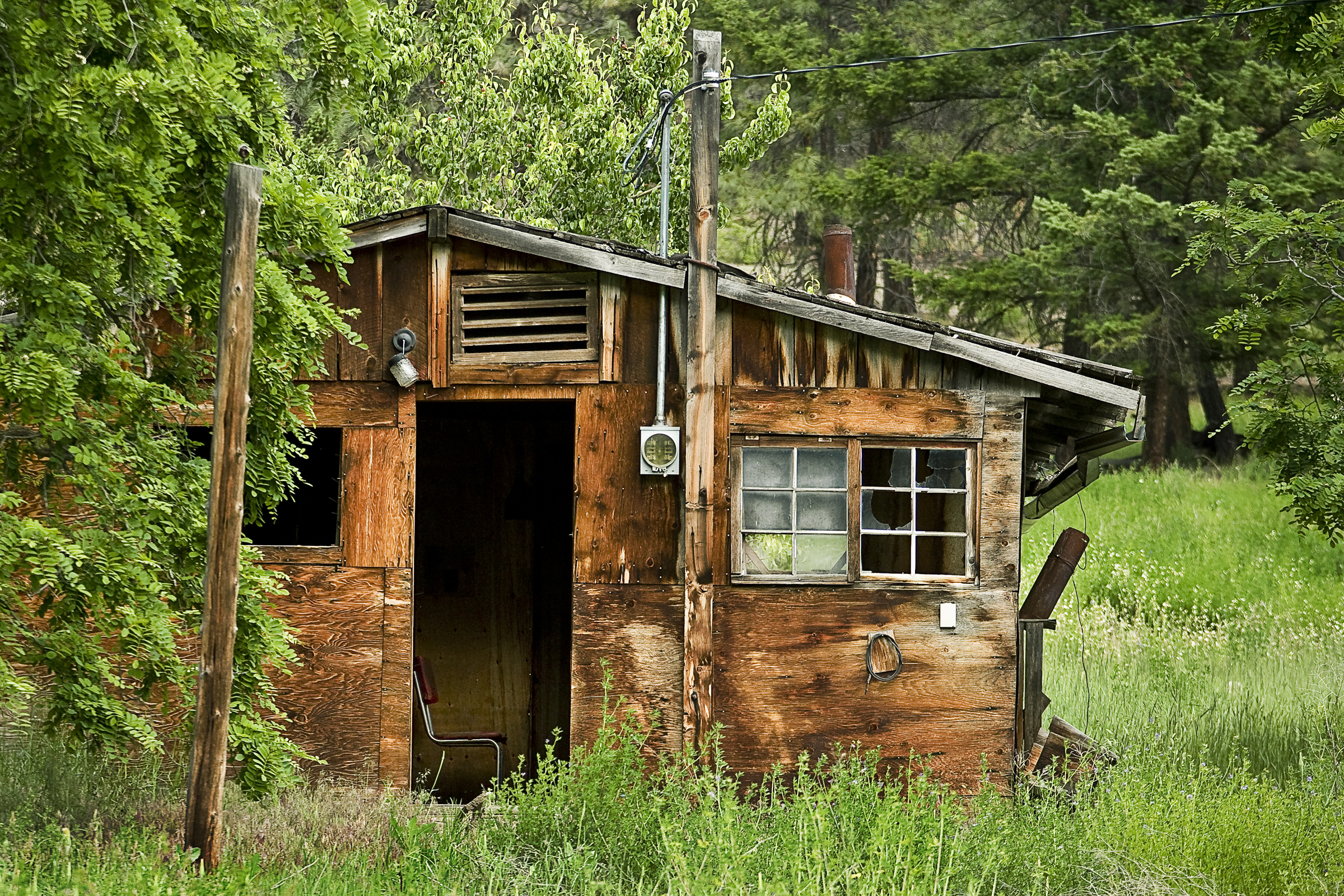
Customs house Forgotten lane Homestead Neglected barnBarn field forgotten in the storm b WellsGrey Homestead neglected churchyarderghost residencese old house & chair Last sentinal

There are many camera-wielding travelers that cannot drive past an old barn, house, or an aging storage building standing and deteriorating in a field without stopping to capture a picture. And I admit that includes me.

I can’t begin to, or even try, count how many wooden relics of the past I have made photographs of since I acquired my first camera so long ago; or for that matter how many different types of cameras I have used in that pursuit.

I must wonder at my reason for stopping on the many roadsides, camera-in-hand, to take a picture of some rotting clapboard structure. For a moment as I look inside I wonder about the lives of those who lived there.  My wife likes to look for survivors of old plants and gardening that took place, e.g., rhubarb, and lilacs.  She says the fondest thing she ever discovered was some poets’ eye narcissus (daffodil) that had survived over fifty years on their own.  Very few photographs have ended as prints, and I suspect many readers will, like me, just file the memories away, because the act of documenting that old barn, or homestead, seemed important at the time, but when we developed the film, or downloaded our memory card, we didn’t have a plan that included dealing with the picture.

Hanging on my wall I have a very large (3’x5’) print of an old mining structure I had made using a 4×5 Speed Graphic camera; and once, in the late 1970’s I had a calendar made of buildings I found locally, in the interior of British Columbia. Sadly, as one might expect, none of those structures featured in that calendar still remain. However, most of my images like that languish in files, as forgotten as the structures they were made from.

What is it that makes it so exciting to discreetly, and precariously sometimes, to scramble over the barbed wire fence, onto some farmer’s private property, in spite of the “No Trespassing” signs nailed to the fence?  Our images rarely depict unusual subjects that haven’t been seen before or those of some architectural masterpiece; they are just of some decaying wood structure. However, those buildings are still intriguing and make us wonder about the life that was lived beside, around, and inside them, and why we need to make an exposure of that story on our camera’s sensor.

I don’t believe there is any one lens, or one particular way, to photograph a building. I think the words “whatever moves you” fits best.  Sometimes it’s the structure, sometimes the way it fits in the landscape. There are occasions that demand a long lens, others that call us to get close with a wide angle. My post-production might be some over-the-top effect, black and white, sepia toned, infrared, or a documentary as close to reality as I can make it. There isn’t a right or wrong way to make a picture, and in my opinion, almost any way one wants to present an image of an old building works.

No matter where the discussion goes regarding why so many photographers select dilapidated old buildings for their subjects, I think it is as photographer Elliott Erwitt says, “… I’ve found it has little to do with the things you see and everything to do with the way you see them.”

I always appreciate comments. Thanks, John

Check out my website at www.enmanscamera.com

Excellent Photographic Adventure with old cars in the Palouse

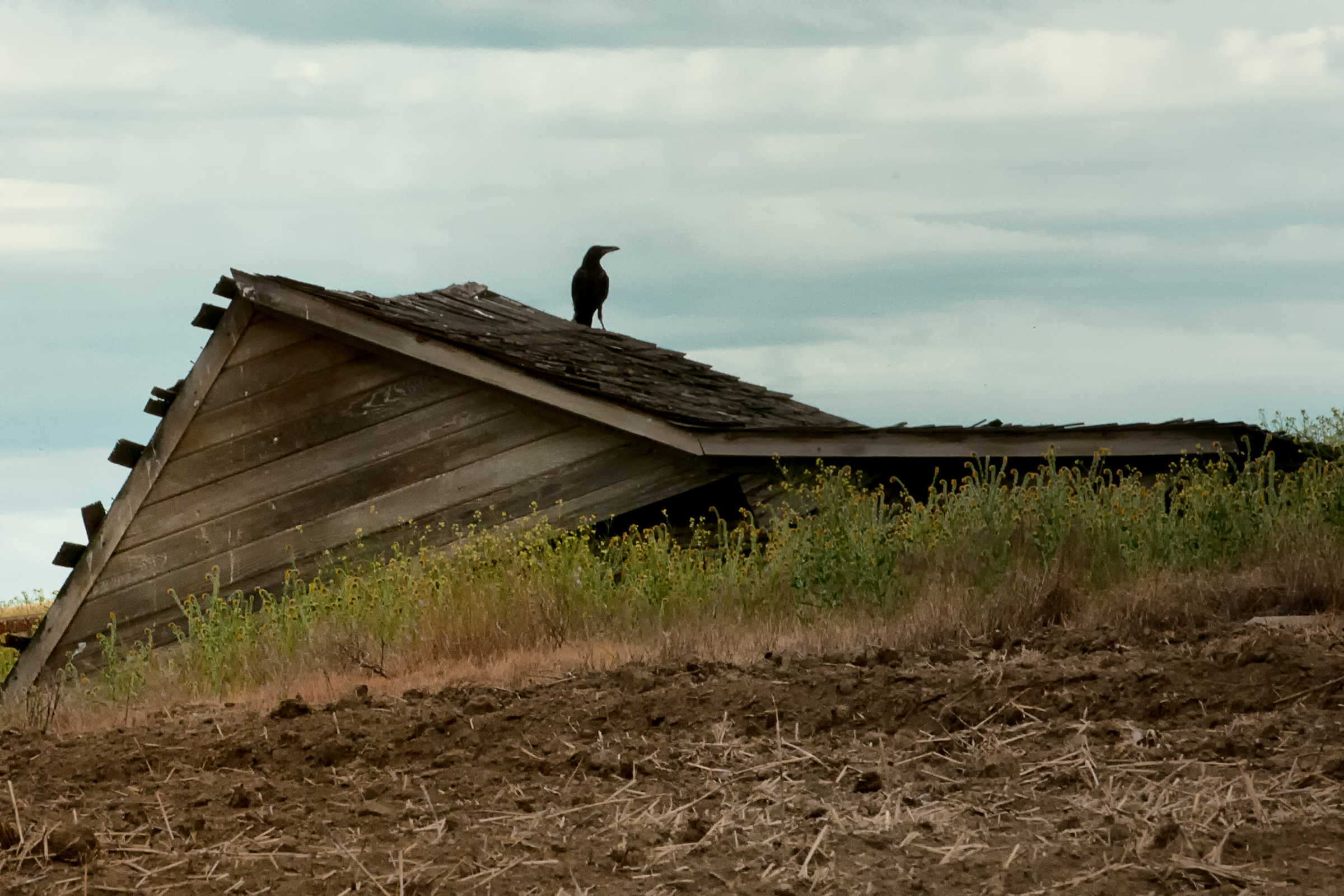
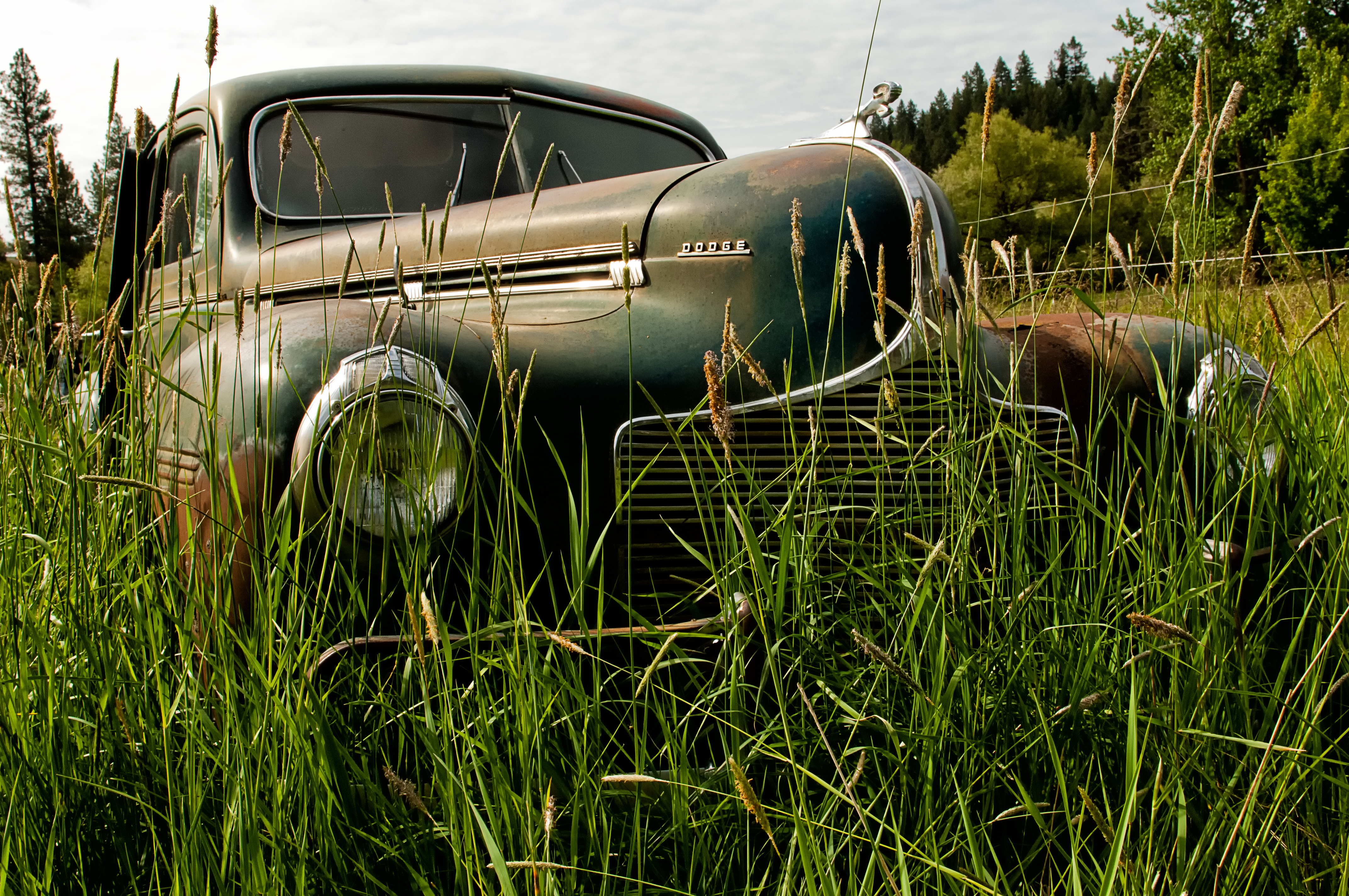
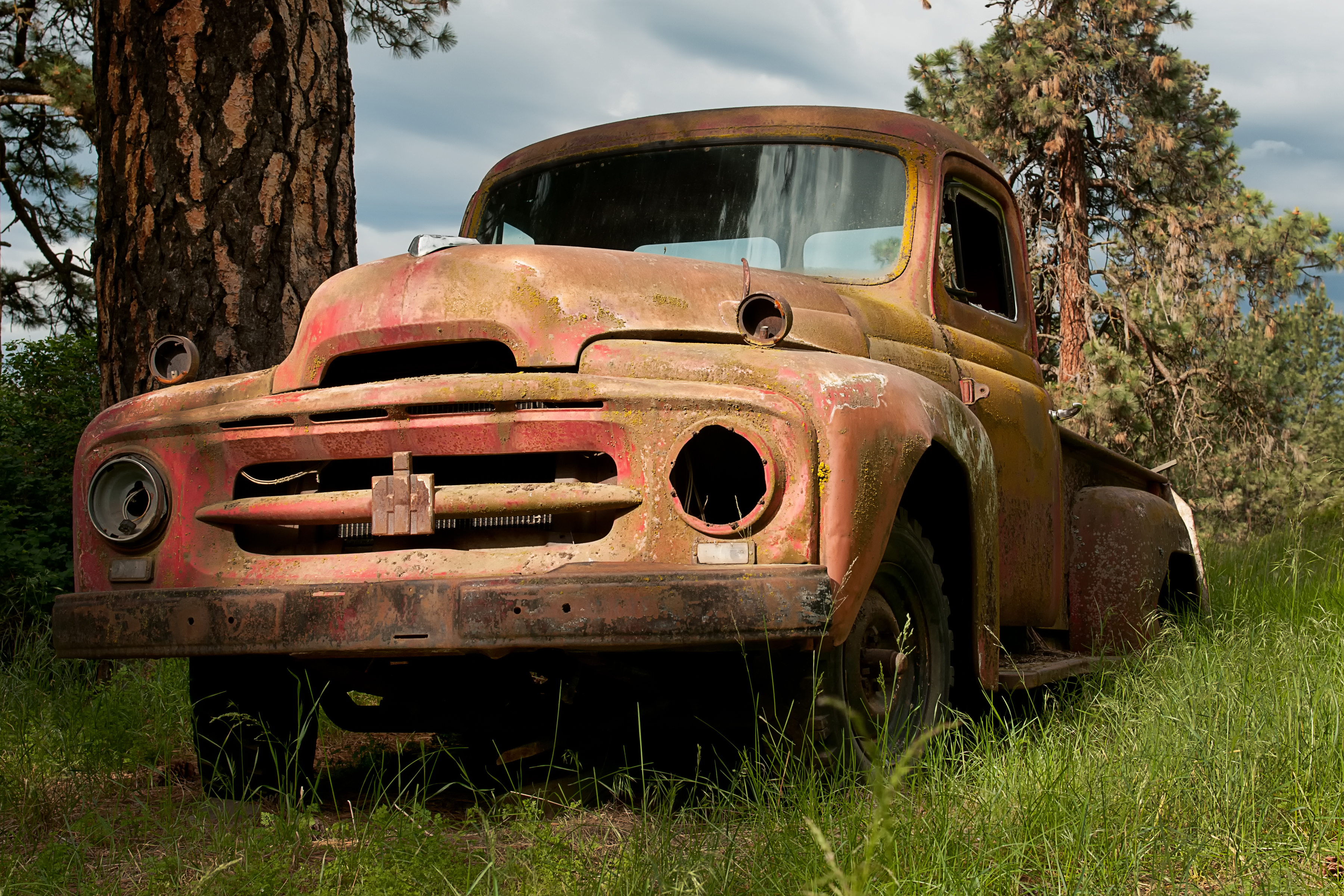
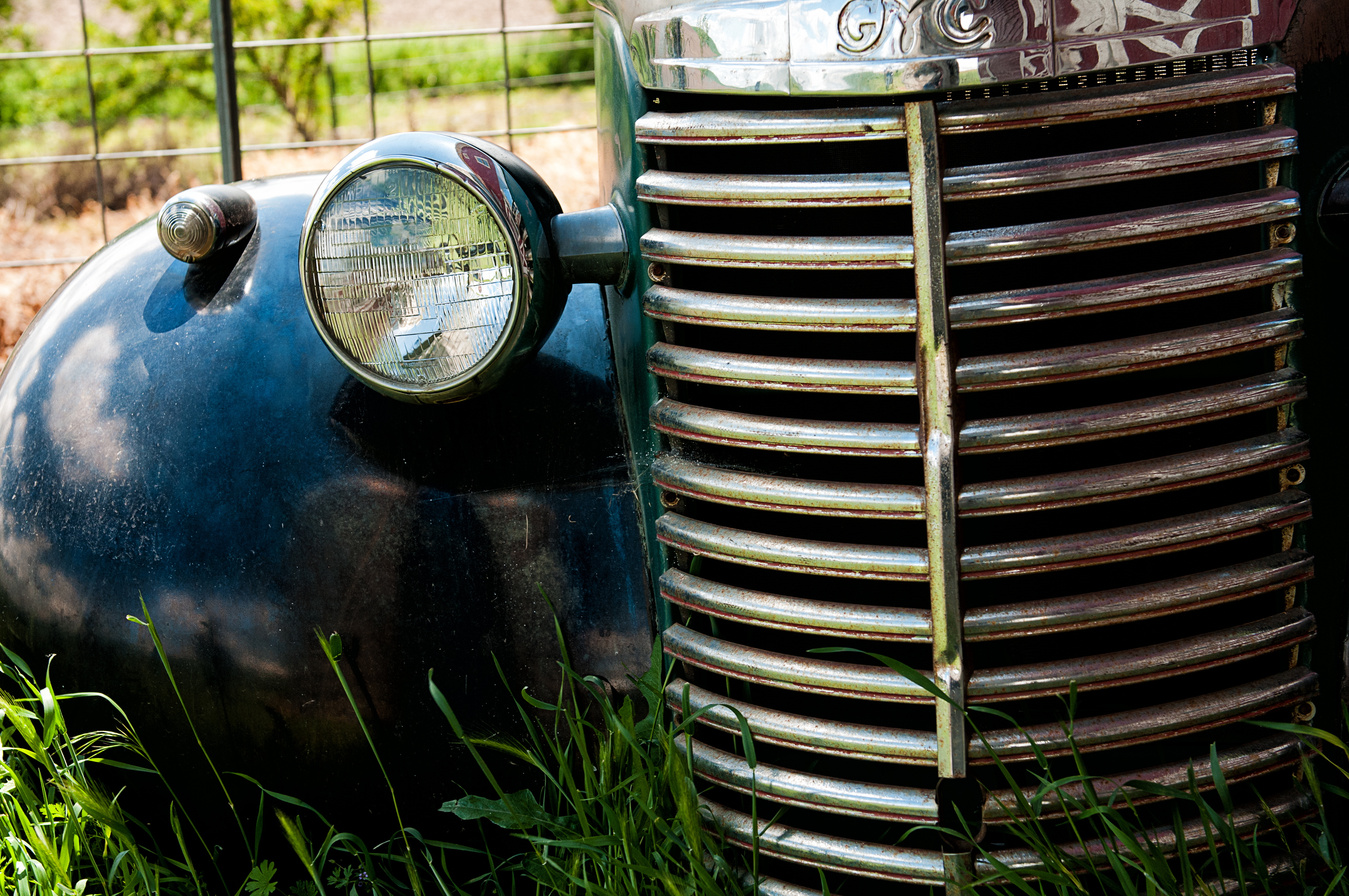
Resting in deep grass In a field of green  In the shade of a tree GMC grill   the trunkJRE_4530bJRE_4529b

Last week I wrote about my photography adventure in the Washington Palouse area, with its undulating landscapes and picturesque dunes.

For me, the most satisfying moments of that trip was photographing the patterned fields from the top of Steptoe Butte as the sun came up in the mornings, and, finally, at day’s end standing at a canyon edge capturing the falling light on the spectacular Palouse Falls.

However, during the day our group’s leader, Aaron Reed, offered the opportunity to photograph old derelict vehicles he had located on dusty back roads, and we spent our mid-day driving to several different locations.

I have always enjoyed photographing old clunkers left resting, rotting, and rusting in forgotten fields. Even though where I live in British Columbia they aren’t that hard to find, when we stopped and wandered out into some field when an old car was spied, I was as just as eager as the others.

My approach isn’t very formal and while the others strategically placed their tripods, and selected filters; I would kneel in the deep grass, or lie down in the dirt, and start shooting. Grass stains and dirt clung into my clothes as I shifted, rolled, and dragged myself along on the ground making photographs from low angles.  For me, it’s all about the picture, right?

My lens of choice usually is a 24-70mm used at the 24mm focal length, which on my camera’s ¾ frame sensor is equal to about a 35mm. I will add that in the days of using film cameras, a 35mm was what I liked the best then, same as now for photographing derelict vehicles.

I know many photographers prefer dramatically distorted images created with ultra-wide lenses, but even a 35mm has distortion, certainly not as much as the 11mm lens one person of our group on that trip was using on his full frame Canon, but distortion enough for me.

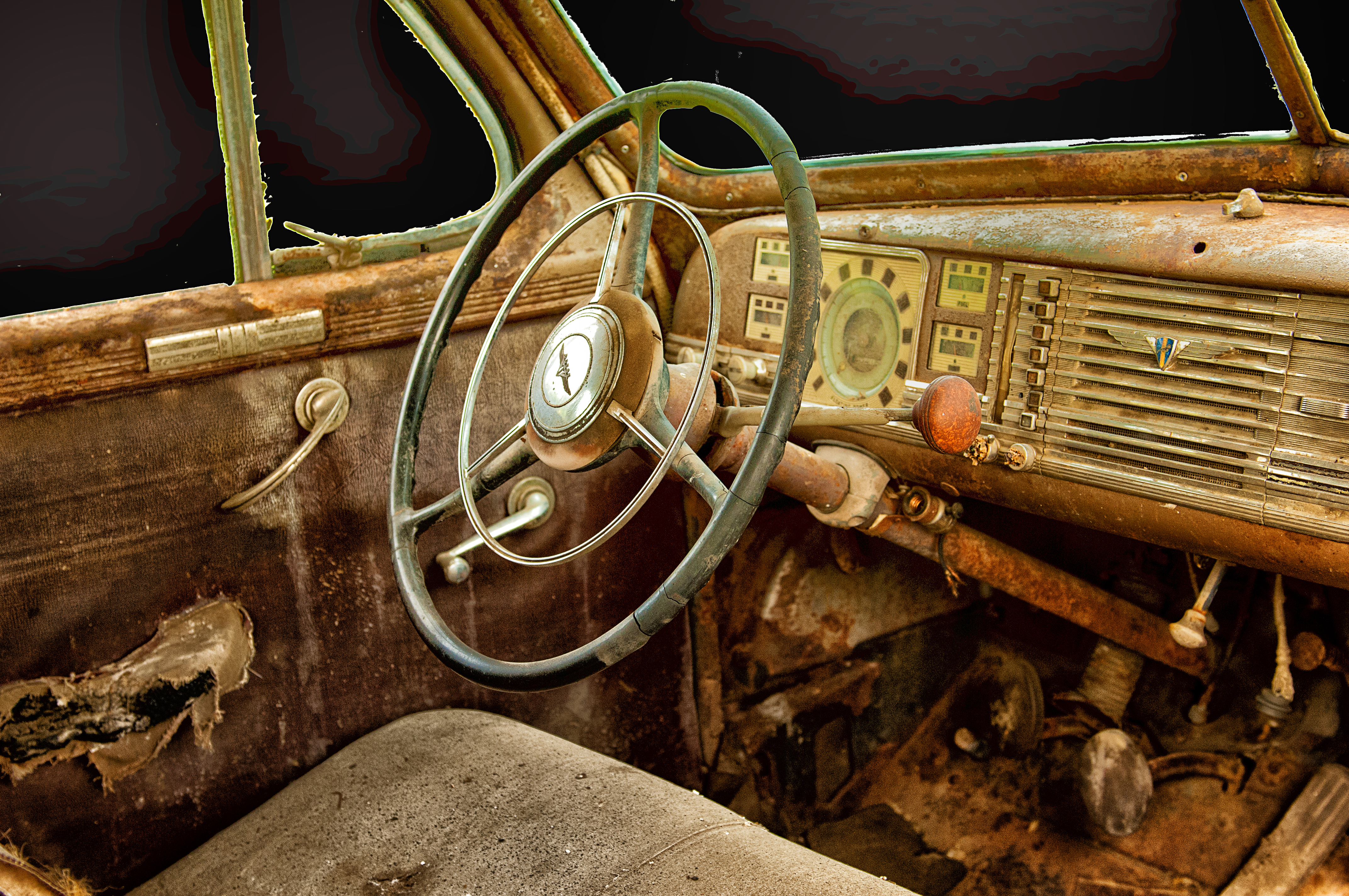
I usually place a polarizing filter on my lens when photographing automobiles. Not because I am concerned with controlling the sky as I would in a scenic shot, but because a polarizer allows me to reduce the glare on chrome and glass. And I prefer to photograph reflection-free windows, if I can get it, as opposed to those that mirror the sky and surroundings.

As I stated, my approach isn’t that formal. I usually operate my camera in manual mode, and I don’t use higher ISO like over 400, unless the lighting conditions demand.  Normally, I take a meter reading off the ground, get just as low as I can by sitting, kneeling, or laying down, depending upon the high grass or other obstacles in the way, then focus on the old vehicle, making both horizontal and vertical images, and then move on to the next.

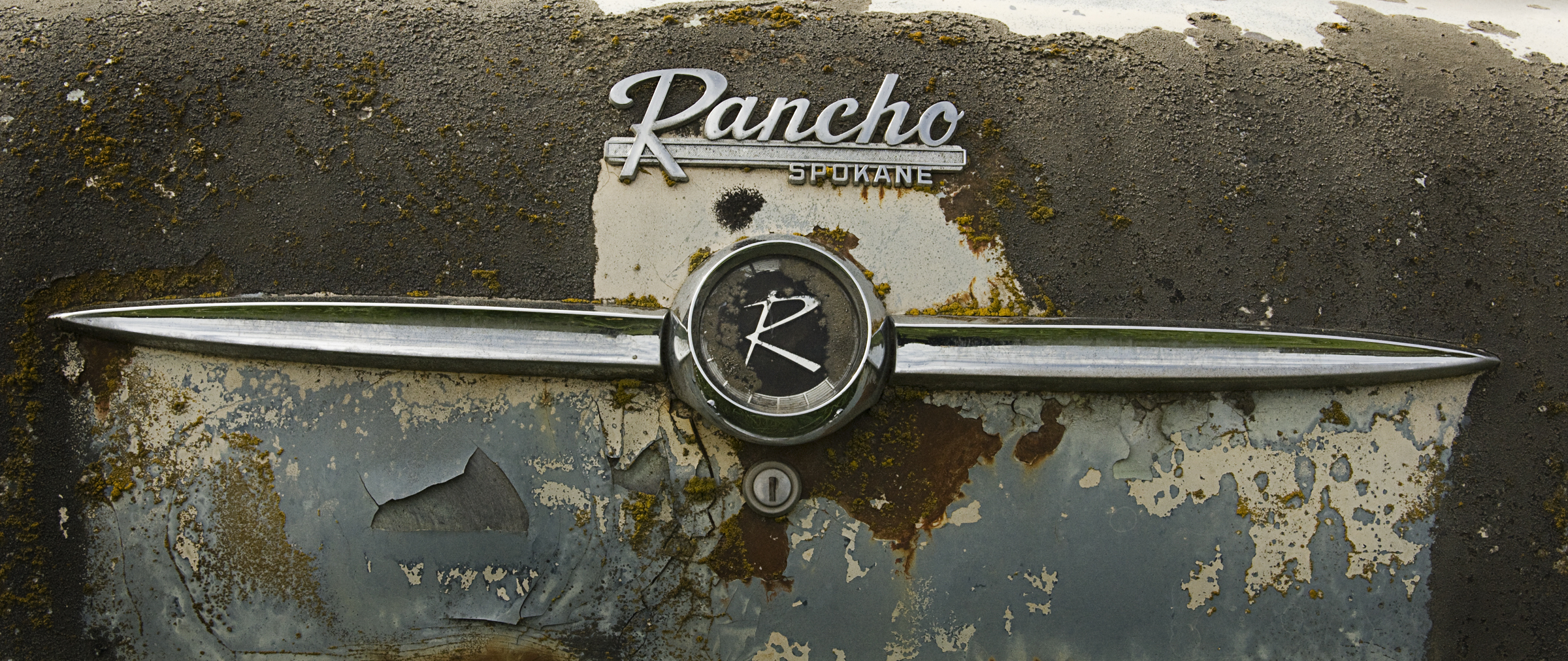
I admit I also like close-up views and select features that interest me on the rusting clunkers, so I would set the focal length of my 24-70 lens to 70mm while looking through an open window, open door, or when I found an interesting hood, or trunk, ornament.

Photographing those dilapidated old automobiles was, in my opinion, the icing on the cake for what was already an excellent photographic adventure.

I always appreciate comments. Thanks, John

My website is at www.enmanscamera.com
Don’t Miss Photographic Opportunities

OLYMPUS DIGITAL CAMERA  Eagle Horses in fieldFalkland backroad

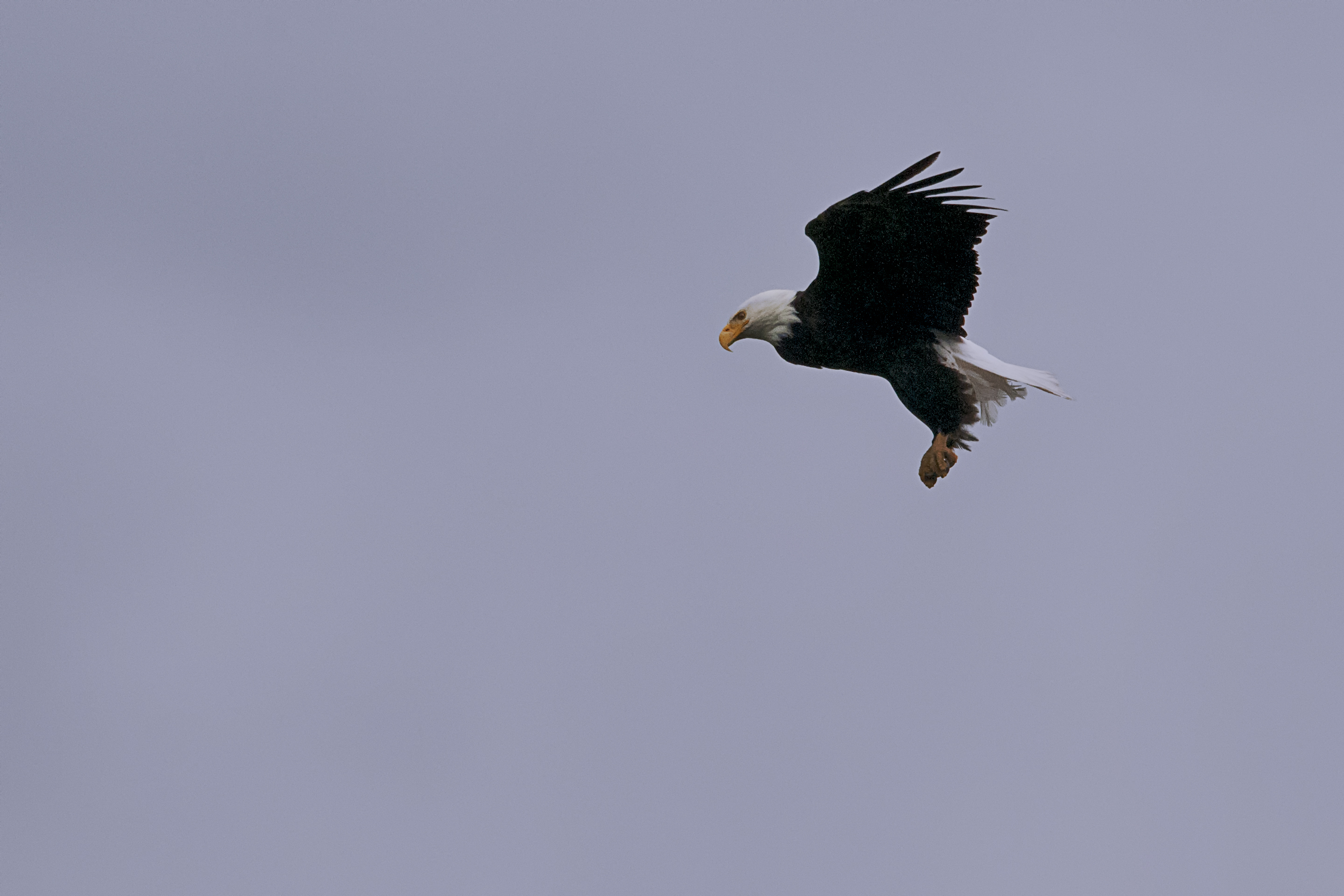
As my wife and I were rushing on a two hour drive to an appointment in Kelowna, British Columbia for which we couldn’t be late, we both lamented on the photographs we were missing – a heard of deer along the road, some coyotes hunting in an open field, eagles, a farmers field turned into a lake because of the spring run-off, and the sun glowing on white lakeside cliffs we were passing.

Linda reminded me of a long trip to Utah we made some years ago. Our route was to head east to Calgary, Alberta then turn south, follow the Missouri river as it snaked it’s way through canyons and gullies, and then head west to Salt Lake City.  We left later than we should and we were driving with as few stops as possible because I had promised my brother I would be at his house for a family event the next day. What a wonderfully scenic drive that was.  We kept realizing we should stop again and again, and we didn’t.  Linda said “We will never do that to ourselves again”, we need to leave lots of time, even days, to photograph subjects when we see them.

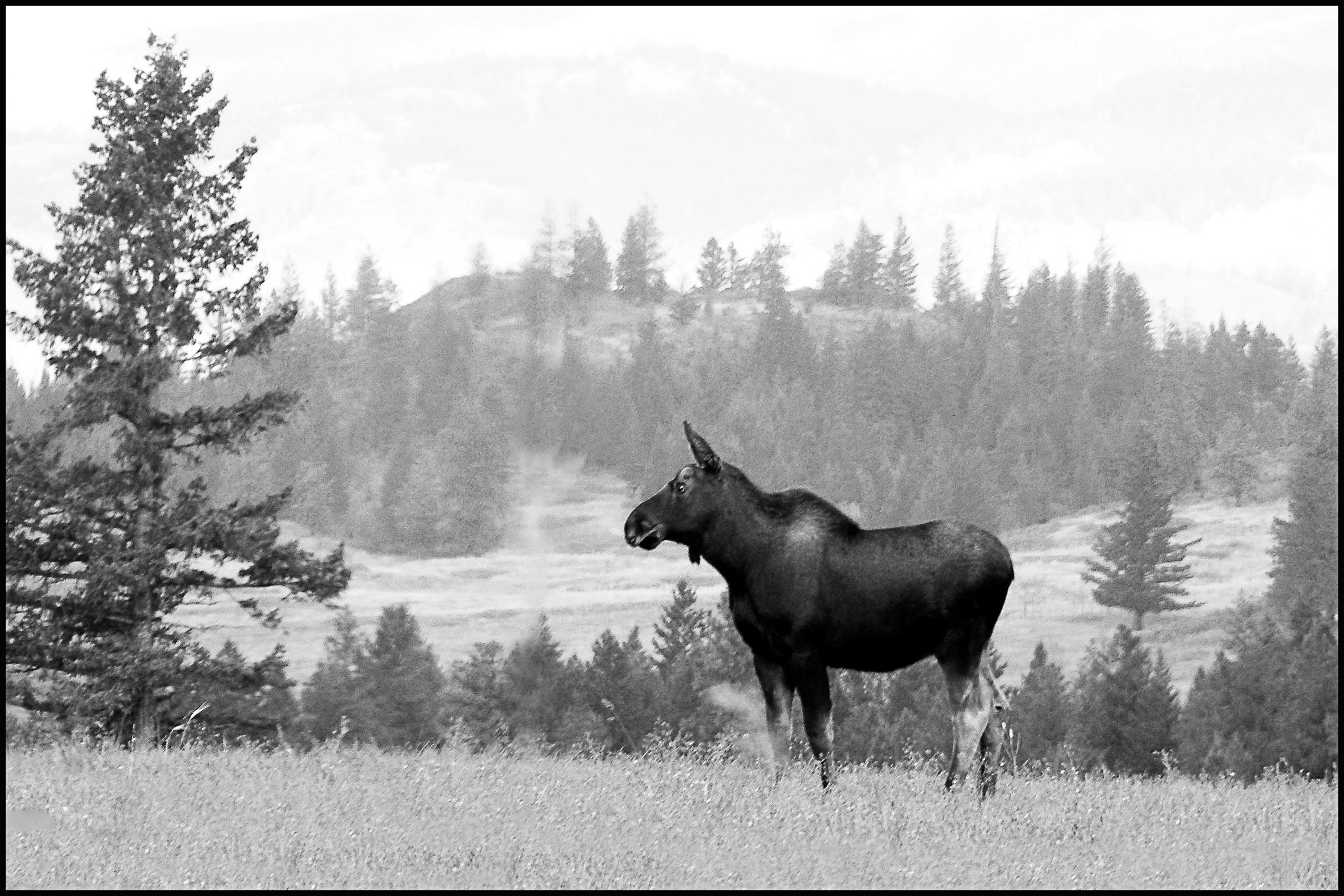
I think that many photographers have had the circumstance where the chance at a great photograph was missed because of the wrong lens or camera.  I remember a photograph of a moose in the hazy morning fog that I made with a little digicam because it was the only camera I had with me. At least I had a camera with me and I did get the shot, but the photo was lacking because of the limitations of the camera’s small sensor, the lack of a telephoto lens, and a tripod would have helped also. I spent time working on it in Photoshop, changing it to a black and white because I couldn’t correct the purple cast caused by the early morning’s low light on the camera’s tiny sensor.  I was able to make a passable 8×10 print, however, it lacked the quality I could have had by using a DSLR camera with a telephoto lens.

The Boy Scouts state, “Be prepared”, and I think that is a good idea for photographers. When film use was common, most serious photographers had more than one camera; one would be loaded with black and white film, the one with colour negative film, and sometimes one with colour slide film. Since digital imaging began many photographers now own only one camera, as colour, or black and white images can be manipulated in the computer.  I have my main camera, and can borrow my wife’s camera if I require a backup camera that uses the same lenses. My cameras get lots of use and I need to have a backup in case of equipment failure while I am working.

Sometimes I like the portability of a little digicam. I mainly use it for those subjects that are close to me and rarely use it for scenics. If I do, I prefer to use it with an old monopod that quietly languishes in the trunk of my car. It’s pretty beaten up, but it keeps my camera steady. Trying to take a scenic with arms extended and expecting a sharp image is asking too much of the technology.

These days it is easy to carry a camera around, and taking lots of pictures doesn’t cost anything except time, until one starts making prints.  As I began to write this article I thought about my father.  His chances of taking a good picture were pretty good because he was a prolific, dedicated photographer. As a contractor he worked all over the southwestern United States, and he usually had a beat-up, dirt-covered camera jammed under his pickup seat, or somewhere in his excavator, and he rarely missed an opportunity to photograph anything that interested him. The sheer volume of pictures he took outweighed the bad pictures. He mostly used slide film, and, as kids, my brothers and I looked forward to his evening slide shows. There were always lots of interesting (and sometimes unusual) photos and it was fun to view pictures that he hand-turned using our family’s old projector.

Like my father, photographers should be continually looking for photographic opportunities and always be prepared for them by having some kind of camera with us. And when we miss that photograph because the equipment we have is wrong, or because we aren’t using it correctly, we should at the very least learn from that so in the future we won’t have missed opportunities.

As always, I appreciate your comments. Thanks, John

My website is at www.enmanscamera.com
Use the Right Tool to Copy Old Photos

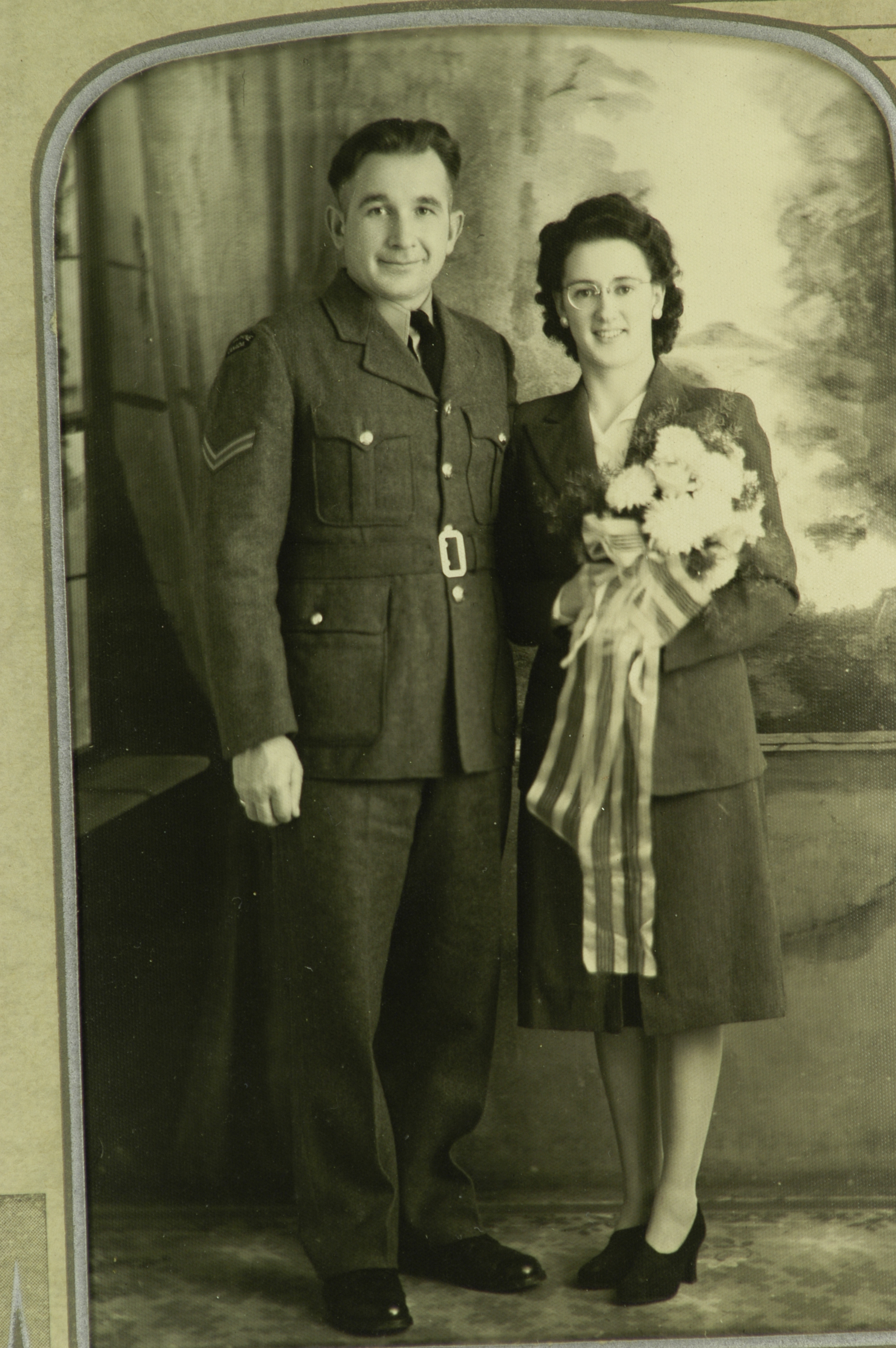
Harvey & Violet Walch 2  Wedding Day

Using the wrong tool usually leads to unacceptable results in one way or another, for example, when a butter knife is substituted for a screwdriver.  That was what came to mind when I was asked if I could make quality copies of old photographs that a family wanted to use for a book of genealogy they planned on publishing. They required image files with enough quality for good enlargements, and usable for the intended family book.

They began by trying to copy several images using home scanners that worked great for documents, but only produced pictures that lacked detail. I suspect many of those originals photos were a bit over or under exposed in the beginning.  Some family members tried copying the old photographs with their little digicams, however, that resulted in bright white reflection spots from the flash that obscured features in their family photos. They decided to shoot from the side hoping to reduce the glare, but only got unusable foreshortened pictures; by that I mean the closest frame edge was large and distorted and the far frame edge was small.
They told me that even though their photographs had a bit better detail the results were still unacceptable.  That is what I mean by using the wrong tool. A camera with an on-camera flash will produce glare on reflective surfaces, and angled shots don’t make for good documentation of flat artwork because things close to the camera lens appear larger and those farther away become smaller, and while inexpensive document scanners are great for documents they rarely produce quality reproductions of photographs.  The result was they were having trouble all around.

The right tool for them would have been a camera attached to off-camera flashes, with the flashes set off side from the painting at a 45-degree angle. When I copy photographs I use two umbrellas to diffuse the flash, but one could get reasonable results by placing some translucent material in front of, or bouncing, the light from the flashes off large white cards.  In any case, the light needs to softly and broadly, not sharply, expose the old photograph’s surface.  The wonder of digital technology is how quickly one can review the image and retake the photo if needed. I also recommend taking several shots at different apertures.  For that, the right tool is a camera that one is able set to manual exposure.

When photographing oil paintings or other uneven reflective surfaces I prefer working with slightly under exposed image files.  That way I can bring the detail up using PhotoShop without loosing the highlights.

If the next question is, “What kind of camera?” my answer will be that it depends on what is the desired outcome.  If it is for, as in this case, faded old photographic prints for reproduction in a book, the image file needs to be large and for that I prefer a DSLR (digital single lens reflex) camera, but for a small newspaper, or website image, a digicam that will accept an off-camera flash will do just fine.

If there isn’t access to an off-camera flash then wait for the opportunity to place the painting in “flat” daylight.  Today, as I write, I see out my window that it is cloudy and overcast, perfect for even, flat lighting. One could place the picture on any support that will allow tilting right, left, up, and down. Then as exposures are made and checked, the picture can be moved around until there is no reflection.

Two umbrellas allow me to balance the light. I lay the photographs flat and mount my camera on a copy stand that I have had for years, and use a small level to make sure the camera lens and the photographs are parallel. Then I make a test shot to check the exposure for reflection. My first and then finished image of one photo is posted ate the beginning of this article.

The final step for me is PhotoShop, which I use to color balance, then for cropping, contrast, and sharpening. I could purchase an expensive scanner, but I already have lots invested in a camera, and lenses that work perfectly well, and which I think may be faster to use.

I do appreciate your comments. Thanks, John

My website is at www.enmanscamera.com