Photographing Rob’s and Camille’s Farm Wedding

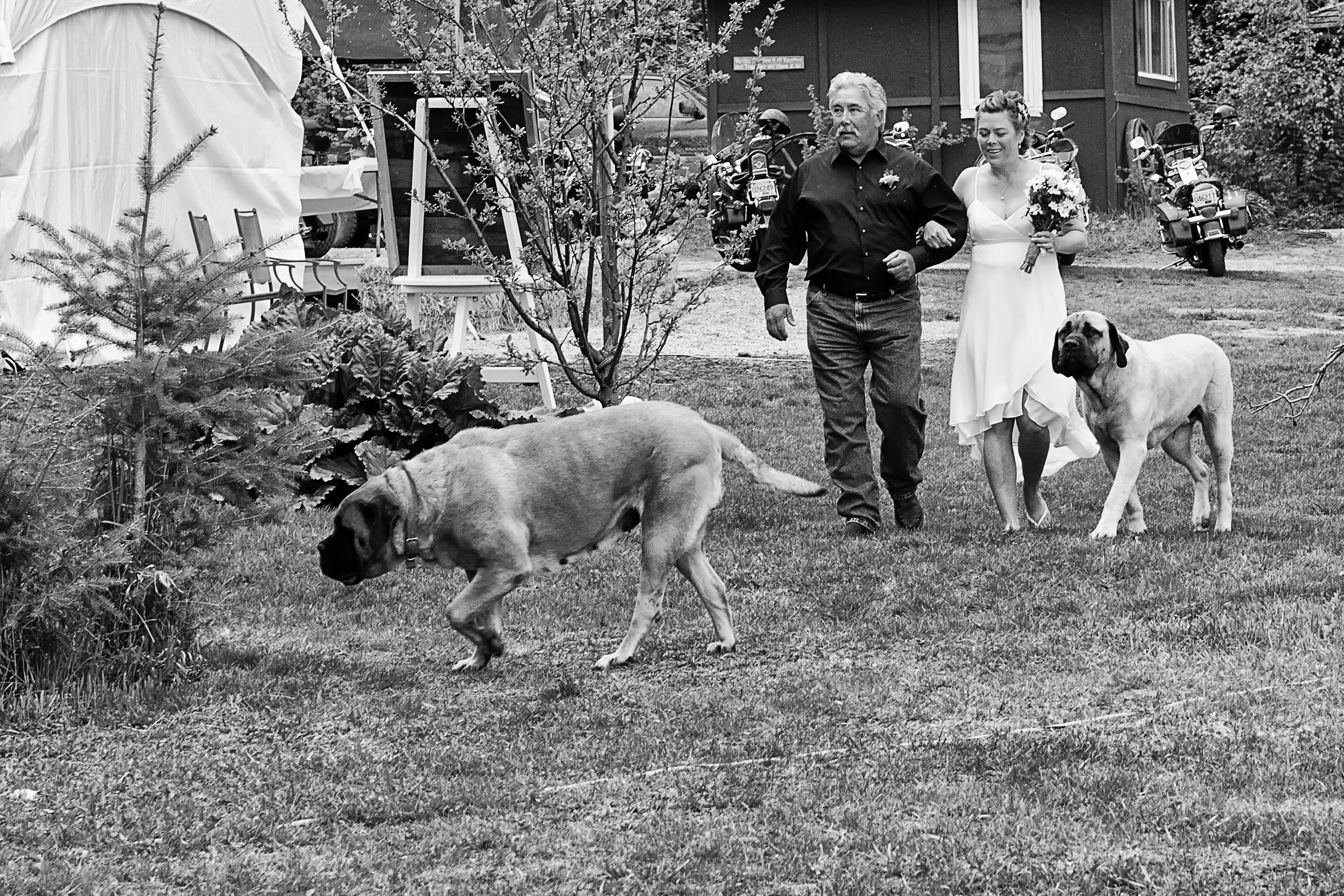
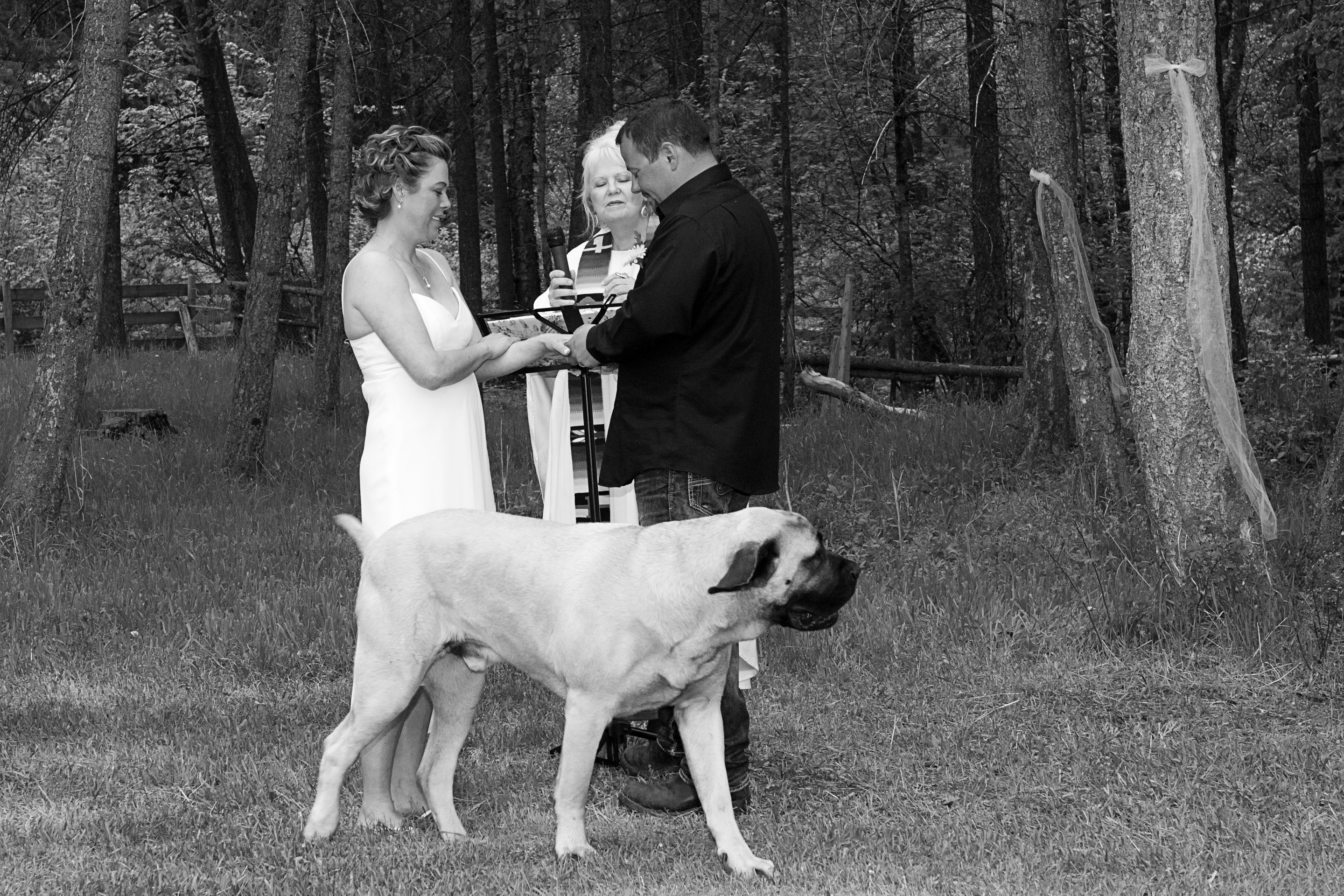
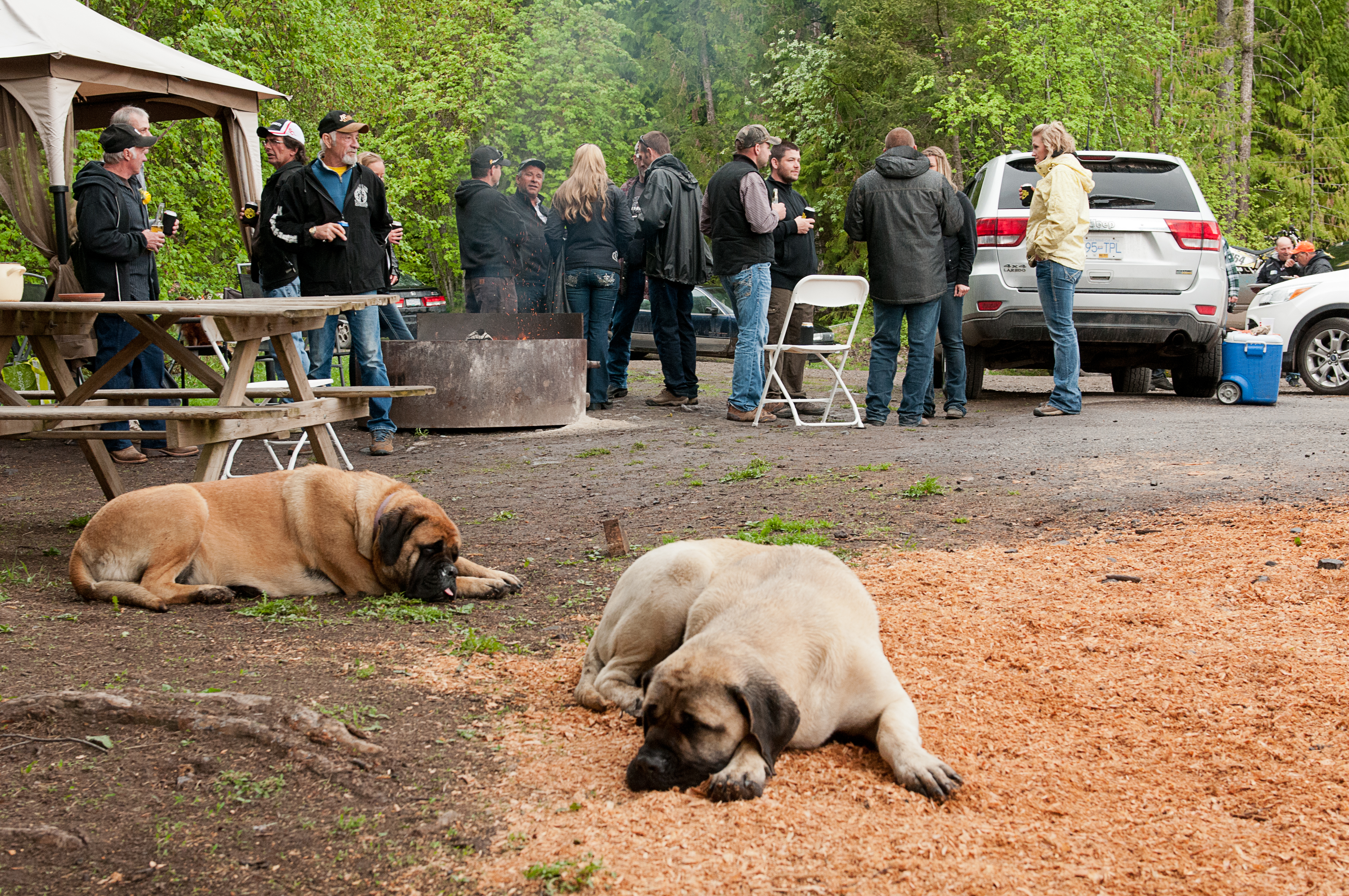
Bride and dogs

Exchanging rings

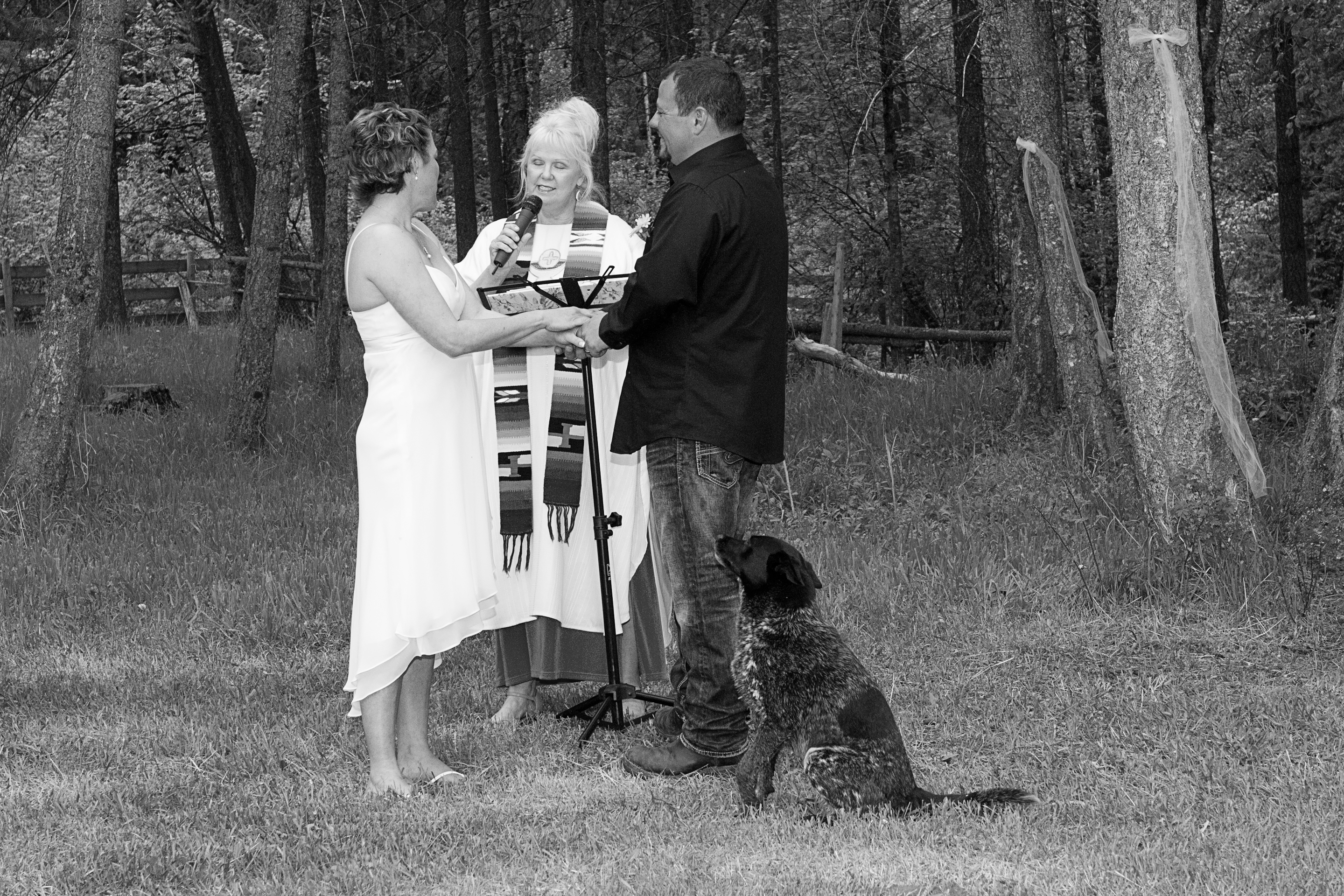
wedding vows with dog

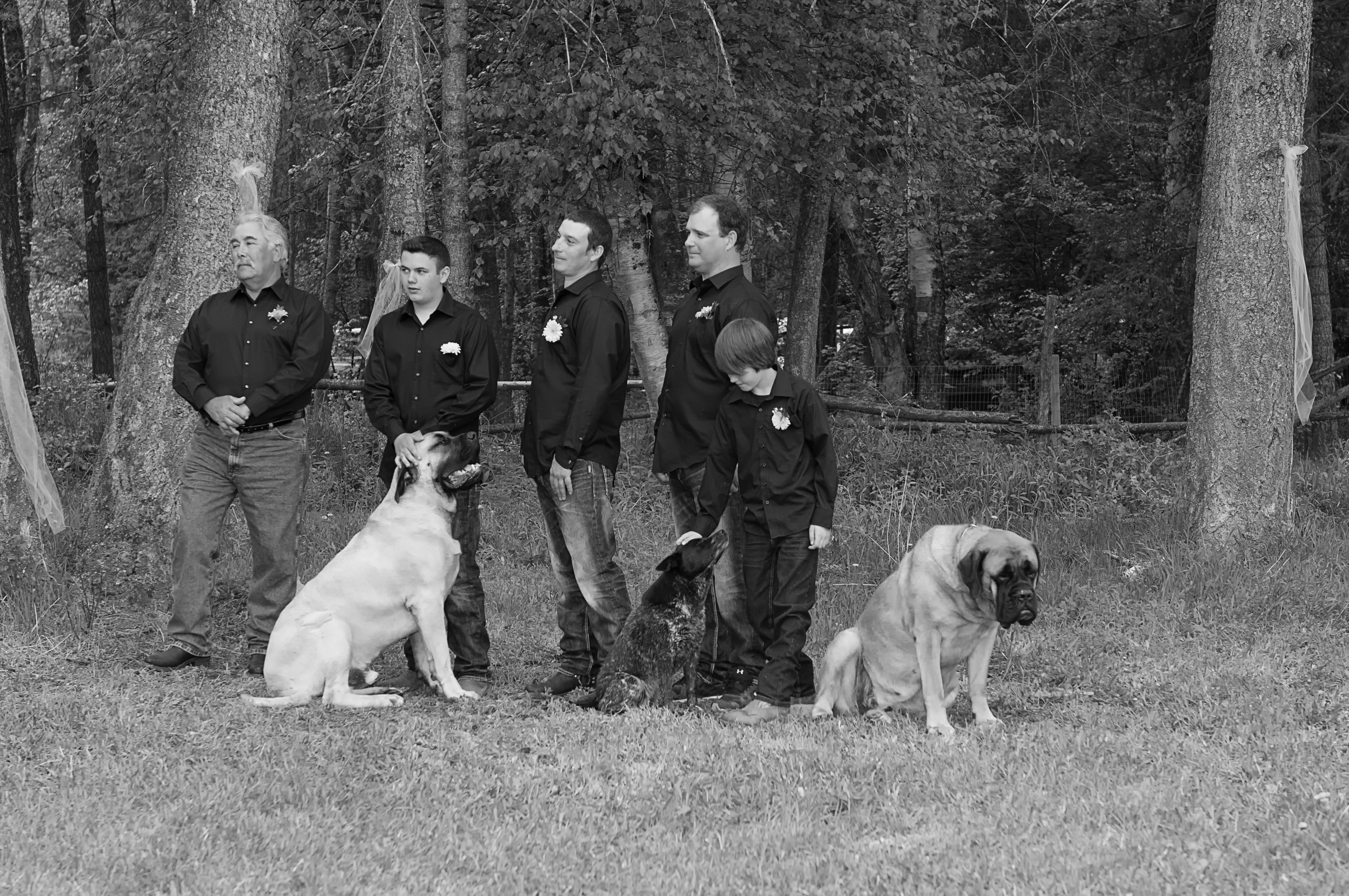
Groomsmen & Dogs

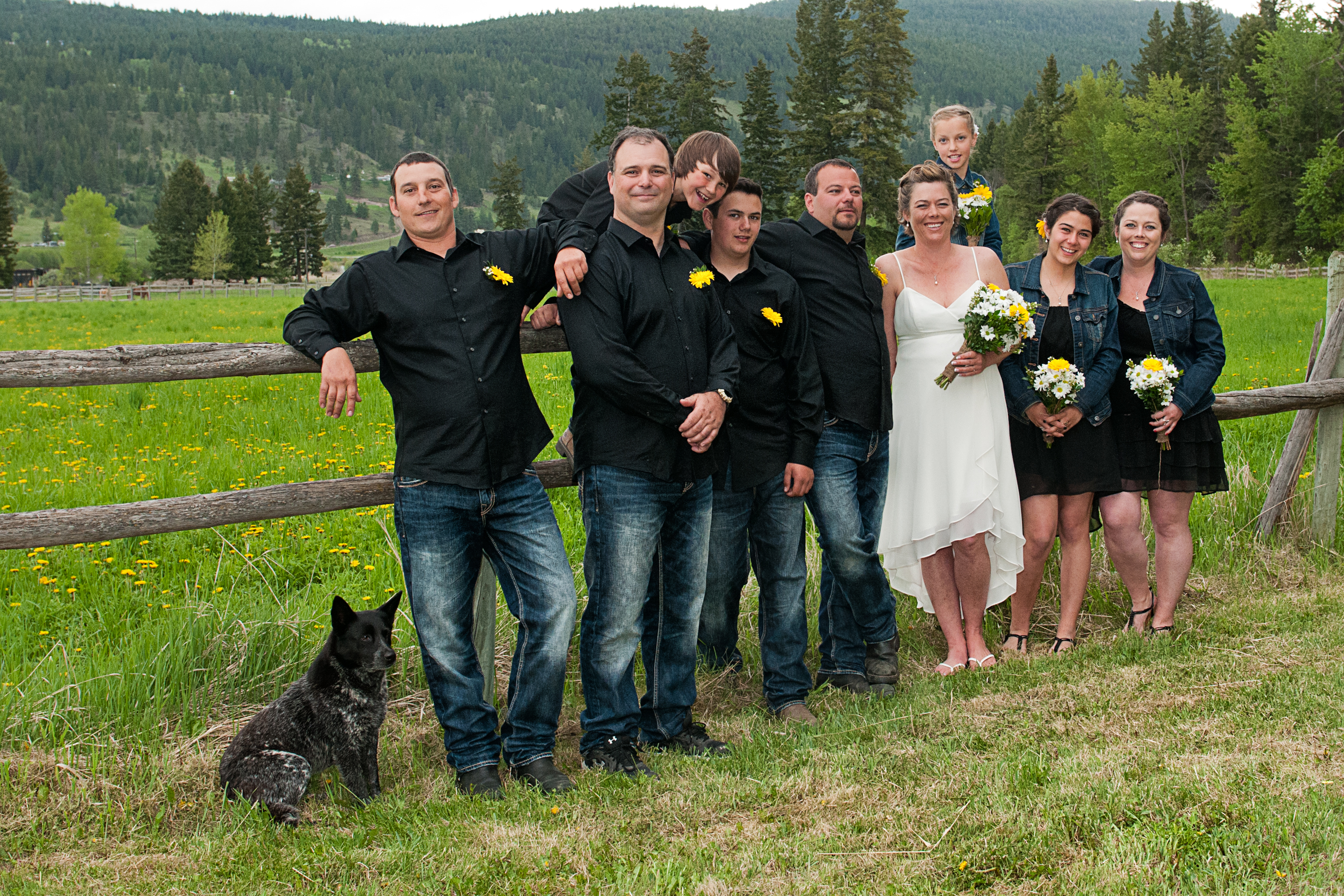
wedding party

Resting after the wedding


When Camille called and said, “Rob and I are getting married. Would you be our photographer?” I didn’t hesitate for a minute and replied, “Yes!” I think I added something like, “Its about time.” I knew it would be fun, relaxed, unusual, and I was absolutely sure they would be as non-traditional as possible.

These days I shy away from taking on the job of wedding photographer, only making myself available for those weddings that seem fun. I figure I have paid my dues when it comes to wedding photographer. It used to be that by spring I anticipated I’d be pointing my camera at excited couples every weekend till Thanksgiving. Those days are behind me and now I just pick and choose to photograph people I know or people that know people I know.

So I packed two camera bodies, a 24-70mm and a 70-200mm lens with a couple of flashes and set out for their rural farm down-the-road-a-piece from here at Monte Lake. I think they would have held the ceremony on the lake, but finding space between the boats, the trailers, and the campers this time of year is hard.

Rob had set up two large seating areas, one under a very large tarp and the other in an open-sided tent of the type the big stores use when they have a sale on furniture or something large. I said their wedding would be a fun, relaxed, unusual, non-traditional and will add that by the time I arrived the partying guests had spread out across much of the property.

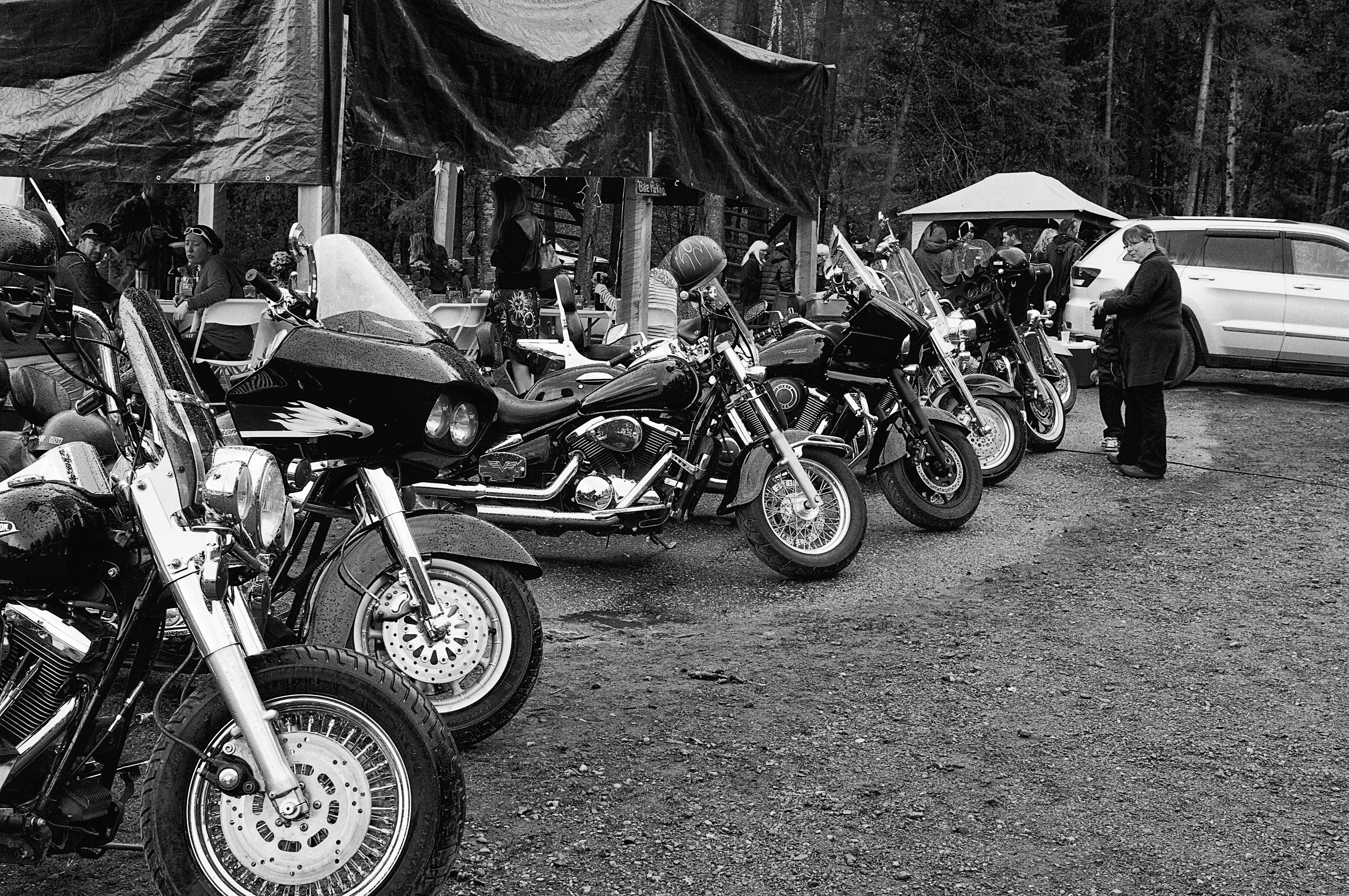
I’ll begin with all the shiny, big, loud-engined, large-tires with fancy rims kind of trucks with floorboards several feet off the ground that just kept rolling in honking and parking anywhere that wasn’t occupied by seemingly out-of-place cars like my little Honda, while at the same time Harley Davidson motorcycles were arriving and arriving. Add to that several very young drivers, zooming back and forth on quads, and little dirt bikes, greeting those guests as they got out of their trucks and off their motorcycles.

And dogs, I had to get around to the dogs. I knew Rob and Camille had four or five, but there were others running around and more waited for their owners to open their truck tailgates so they could join the festivities.

Several young men filled a horse-watering trough with beer, pop, bottled water, and ice. And as they arrived people would take food to tables in the center of a big truck garage. I would expect nothing different as Rob and Camille do like a party and all I had to do was point my camera any direction and watch the fun and enjoyment

As everyone walked though the meadow to rows of white chairs set up for ceremony, low clouds rolled in warning us all to beware of coming events with a sprinkle or two of rain and with the knowledge it was going to get darker, I selected ISO 800 on my camera. I also had an extra handkerchief ready in my pocket to wipe the rain off my camera and flash to keep it dry to prevent shorting the electronic circuits.

Weddings usually start the same. The guests sit in anticipation, with the groom at the front, waiting for the arrival of the bride. Then the bridesmaids come walking in, and the bride enters arm and arm with her father.

In Rob and Camille’s case, the groom was waiting at the front with his dog and the bride walked up with her father flanked by her two very large mastiffs and in the distance some horses and a calf watched. And folks this was unrehearsed. The dogs did what they did on their own.

Guests were capturing the event with their cell phones. I recalled a time when I had the only single lens reflex camera at a wedding. It seems history was repeating itself and technology has marched on and again I had the only SLR.

The wedding ceremony photographs included dogs. The minister; a “new age religion type” tried to keep everything solemn, speaking of love and commitment, but thanks to those very interested in being part of everything dogs, there was a lot of laughing.

I dialed down my flash (Readers know I always use flash.) to balance the diminishing light and shot the ceremony, dogs and all, did the obligatory family photos, and the bridal party leaning on a rail fence pictures. Then a cool breeze wandered in and the rain gods decided it was time to get things wet and opened the floodgates for the rain and the rest of my day was left to making a documentary of their friends at the party eating and getting wet by the bonfire.

The day at Rob and Camille’s was a perfect way to end the week. A great wedding with friendly and enjoyable people, a fun party, big shiny trucks and flashy motorcycles to look at, lots of animals and of course the kind of event any photographer would enjoy.

As always, I really appreciate all comments. Thanks, John

My website is at www.enmanscamera.com


Leading an Outdoor Lighting Photography Workshop

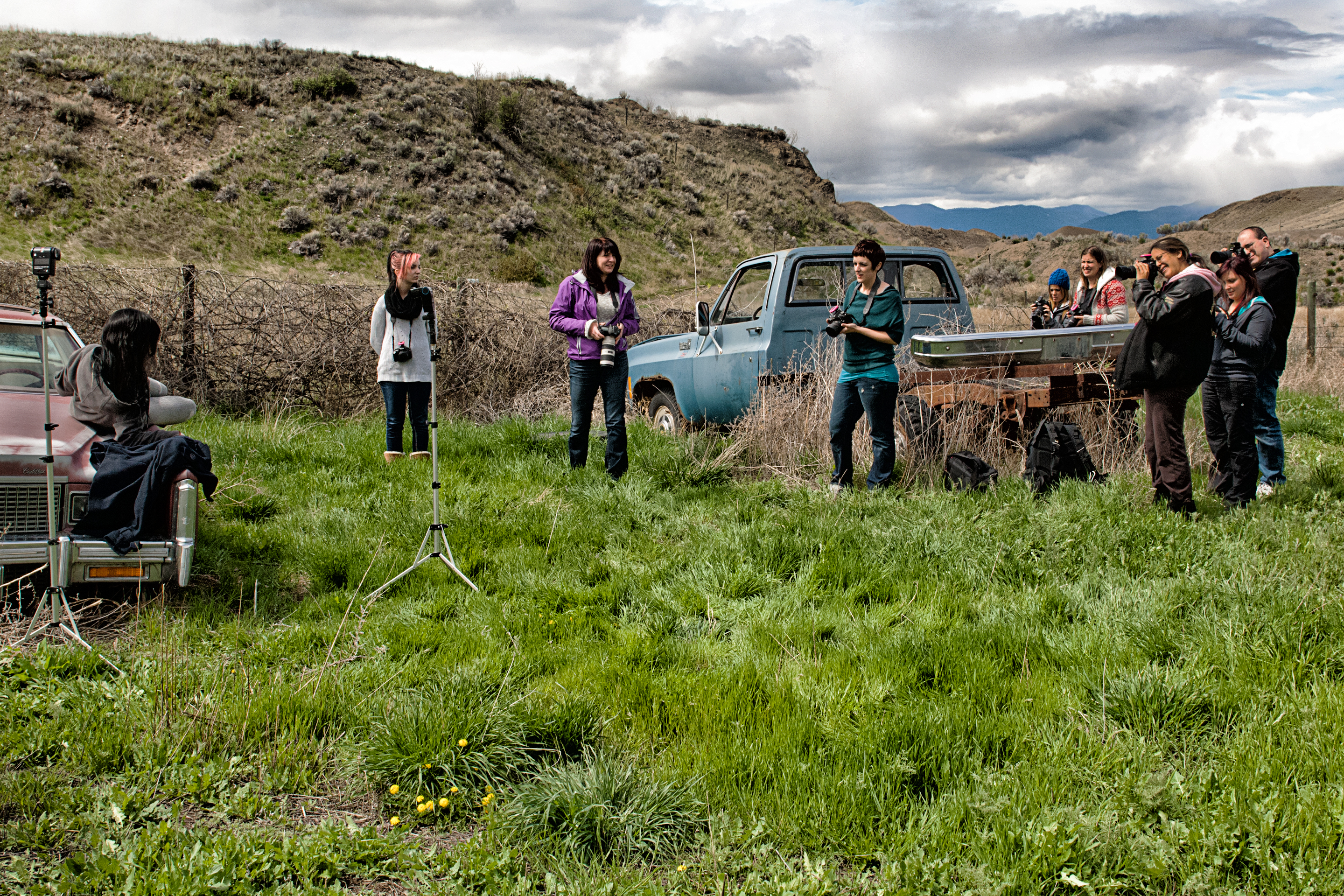
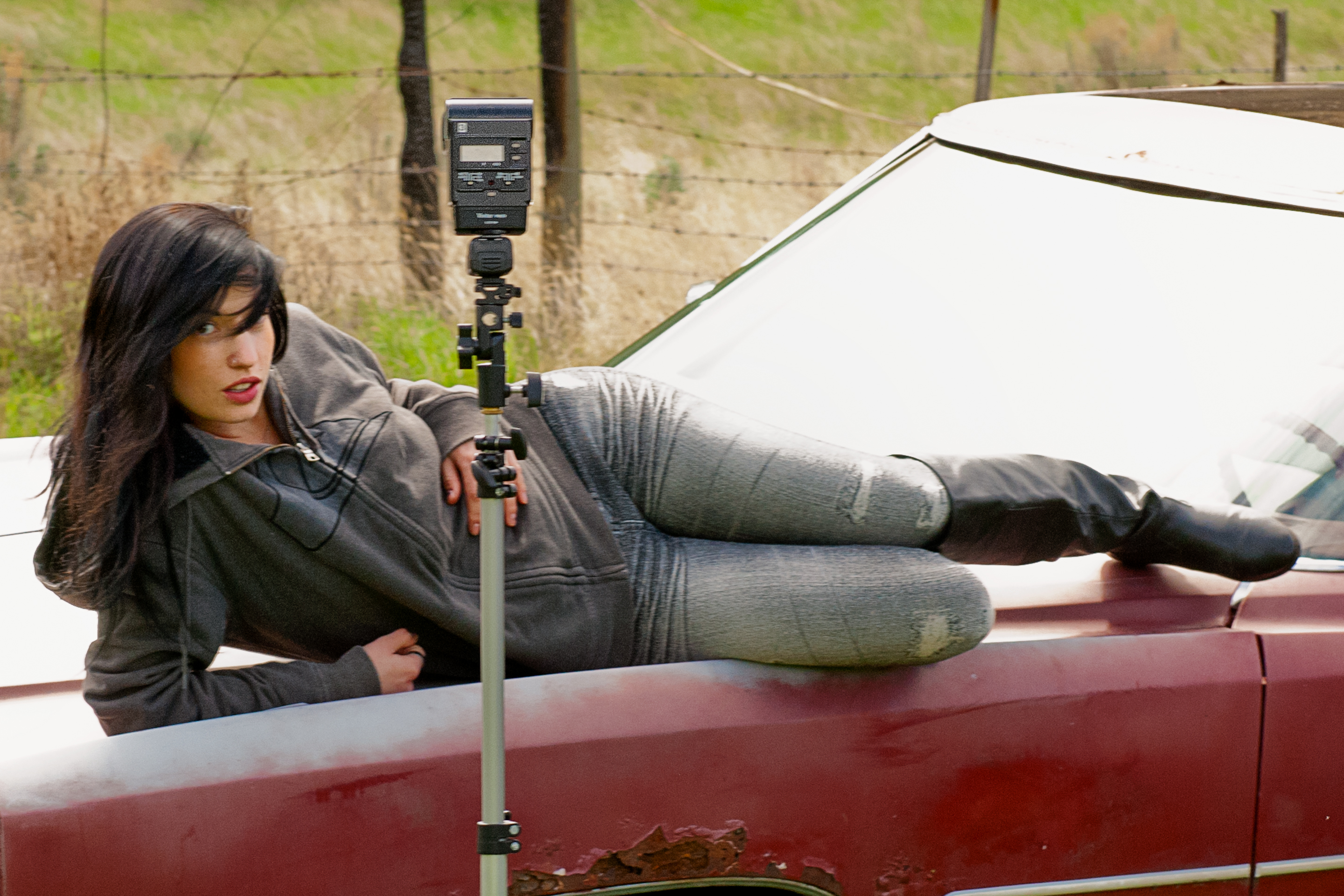
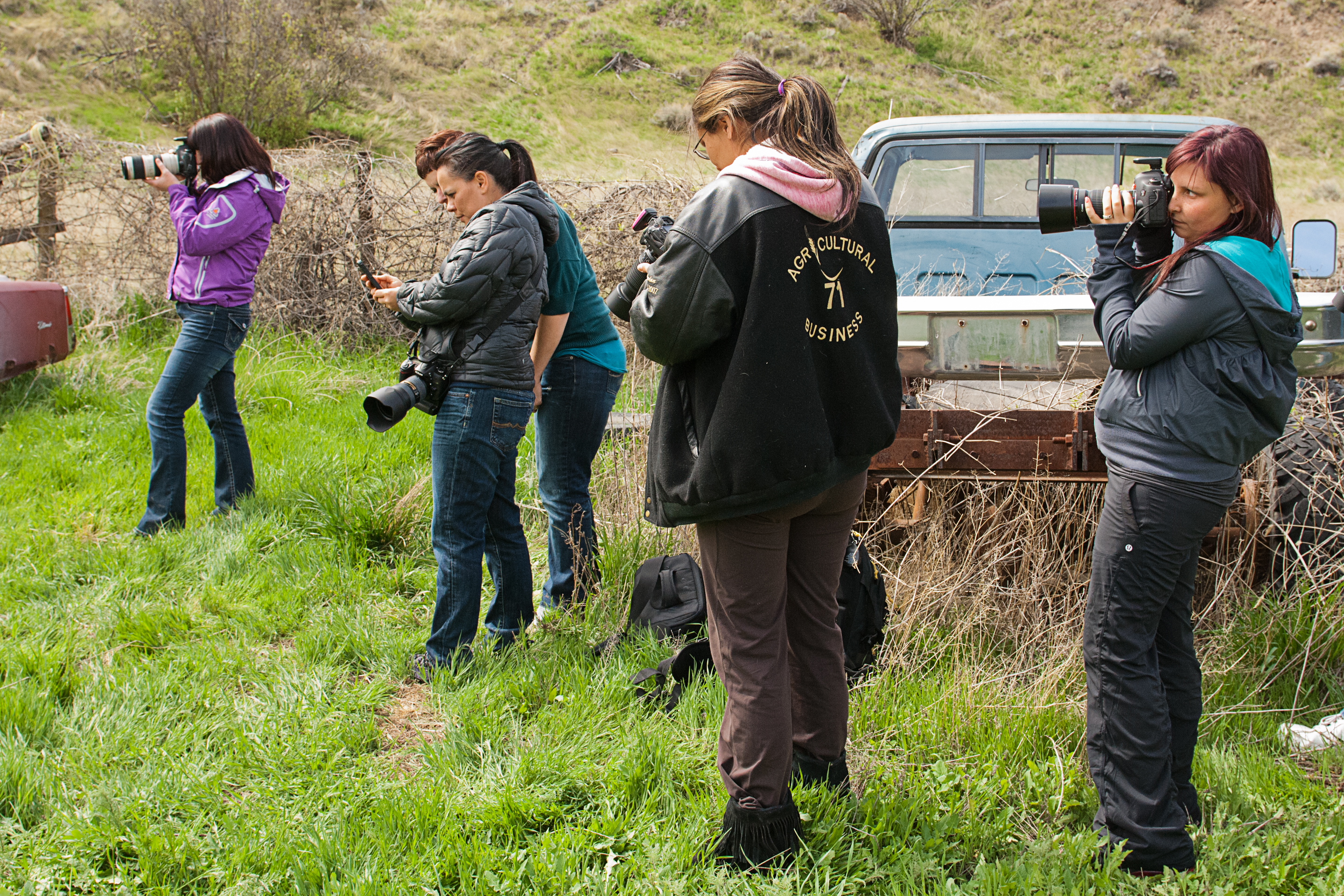
Adding light  Bailea & Flash  Big lenses  Participants  Sarah lighting Bailea  Model in the meadow  Hide from the wind  Flash & Reflector  Low angle shot  Didya get it

I always enjoy the enlivened interaction that happens when a student of photography makes the decision to participate. During a workshop my job is to present information on the subject, and keep things going. I don’t like to be a demonstrator on stage and rarely pick up a camera during the workshops I lead. That is left to the participants.

Those are the words I used when I was discussing the first of two workshops I am leading this spring on the use of off-camera lighting. The first two-day workshop was about lighting in a studio and was held in a well-equipped photography location where I introduced how different lighting tools are used for portrait photography.

I have now finished the first of a two-session outdoor lighting workshop where the participants were surprised when faced with using many of those same lighting tools outside.

This workshop was about using light out-of-doors and I think returning participants were struck with how straight forward lighting is inside compared to outside. In the studio one synchronizes the camera’s shutterspeed to the studio flash and uses the aperture to determine the exposure of the light reflecting off a subject. However, out-of-doors a photographer is faced with additional variables and must balance the natural ambient light with an off-camera flash, and when using flash effectively it is more about creating and controlling shadows than filling them.

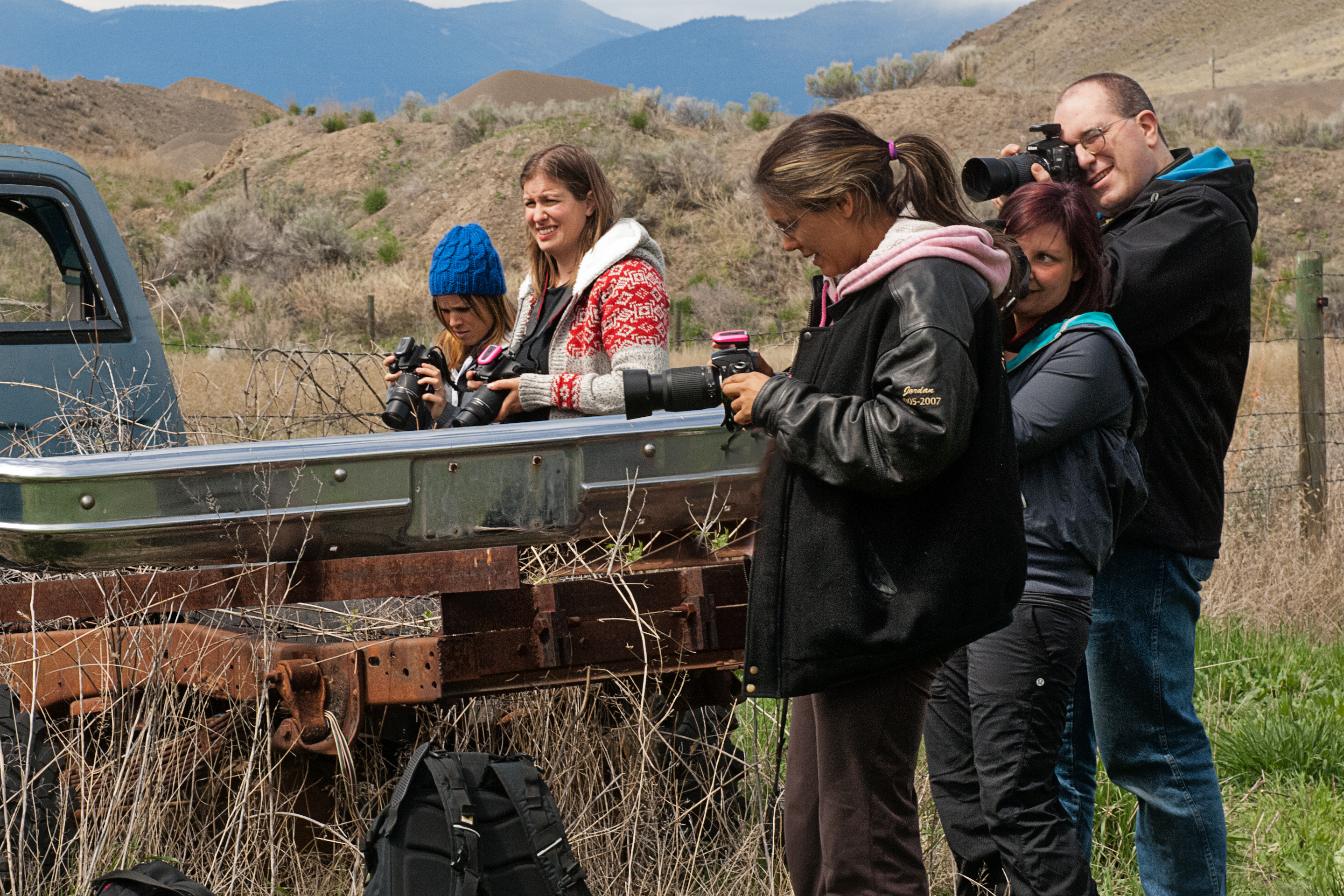
The weather was not willing to co-operate very much. It had rained all night and although the day brightened up some, a cold breeze from fresh snow in the mountains made us shiver when it wandered through our workshop space every now and then. Nonetheless, crappy weather or sunny days, it’s all about adding light, so in spite of the cool damp weather, the ten participating photographers and our intrepid model, Bailea, defiantly (maybe hopefully is a better word) stepped out of the warm studio and into the constantly changing light of day.

In this lighting workshop we dealt with the key aspects of outdoor portrait photography, such as understanding exposure, how photographers would learn to control depth of field, and to gain off-camera flash techniques that would transform their outdoor portraits into something special. And, as with my last workshop, there was excitement as participants got down to business and weren’t at all shy about getting shoulder to shoulder in a process of experimenting with and exploring outdoor lighting.

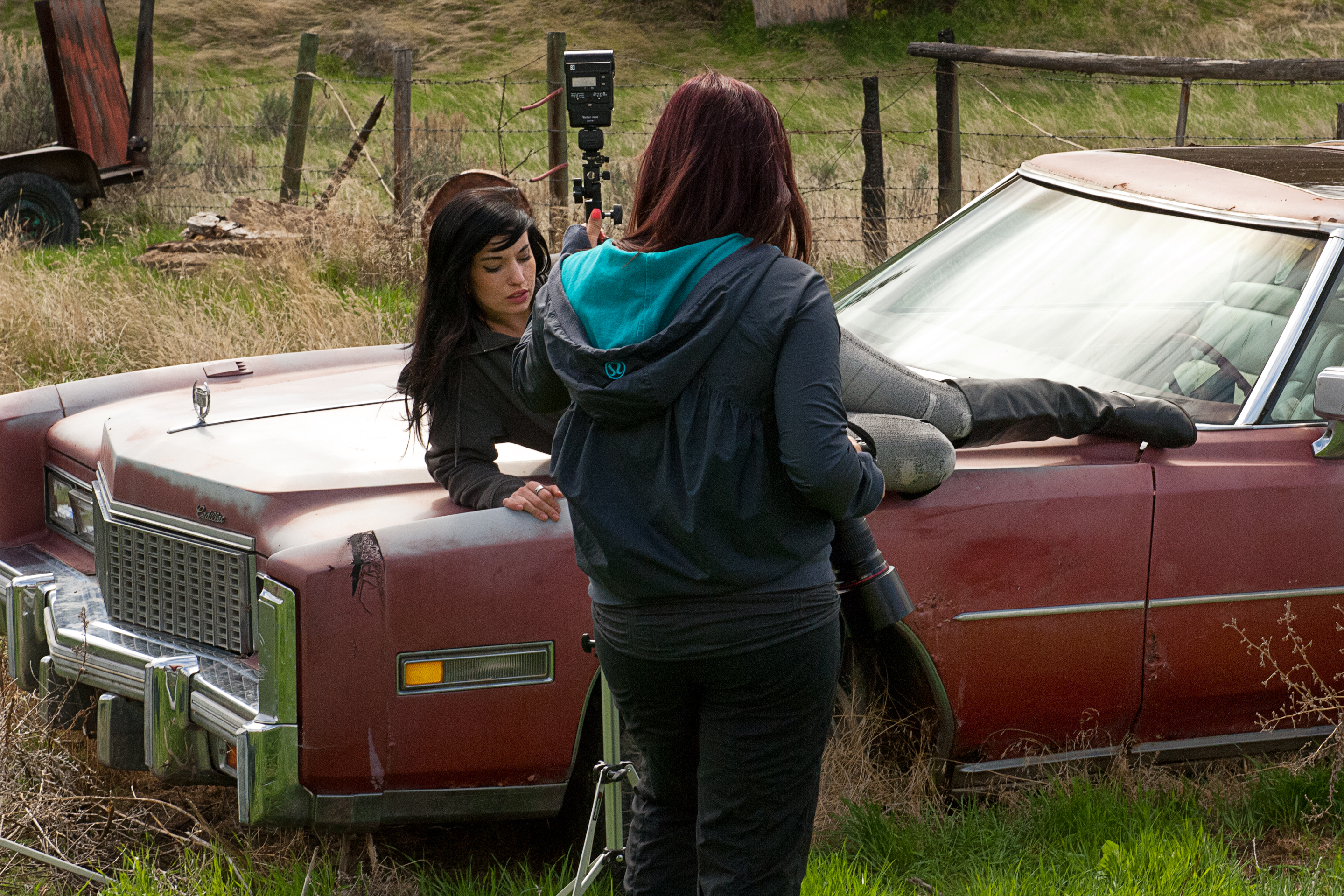
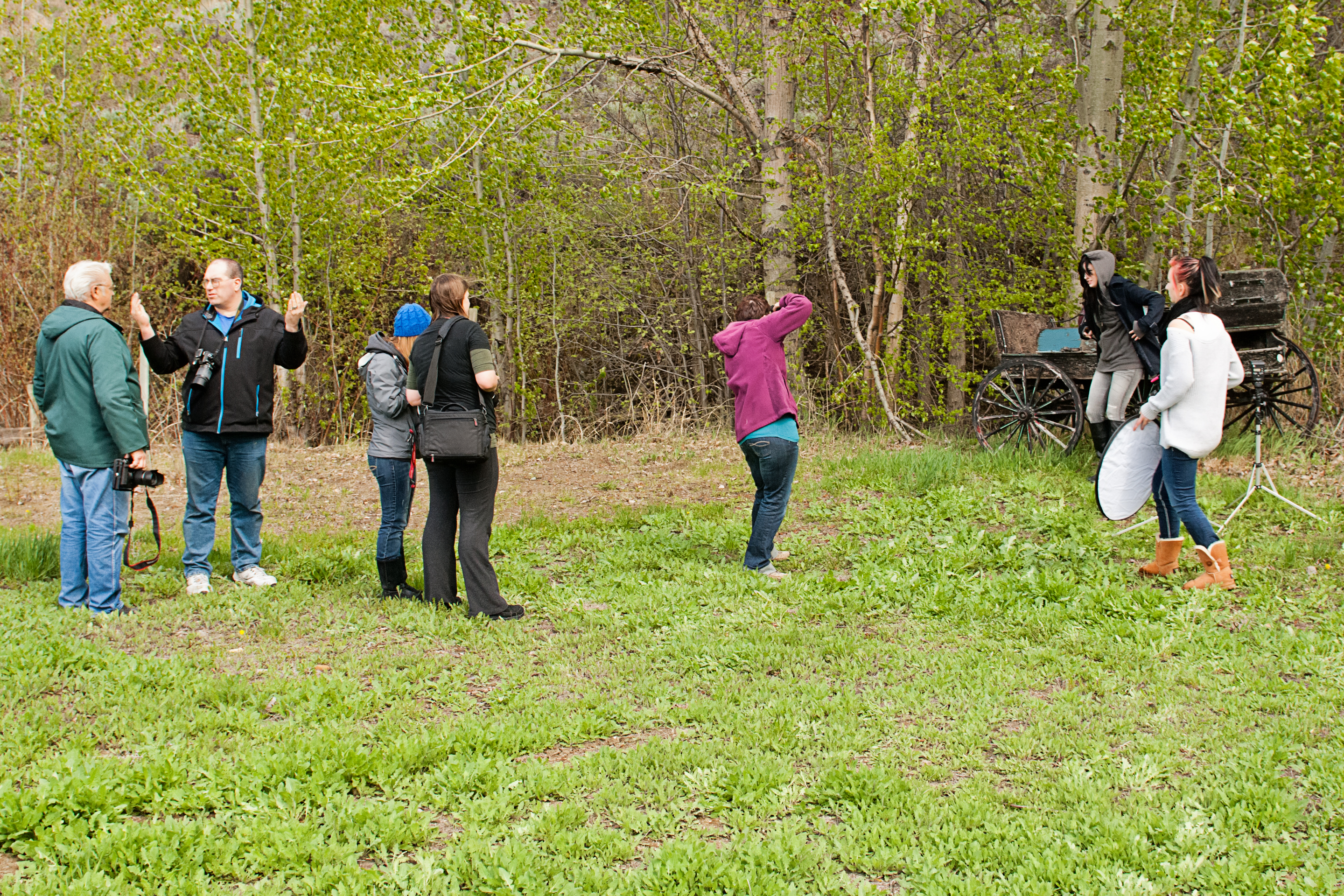
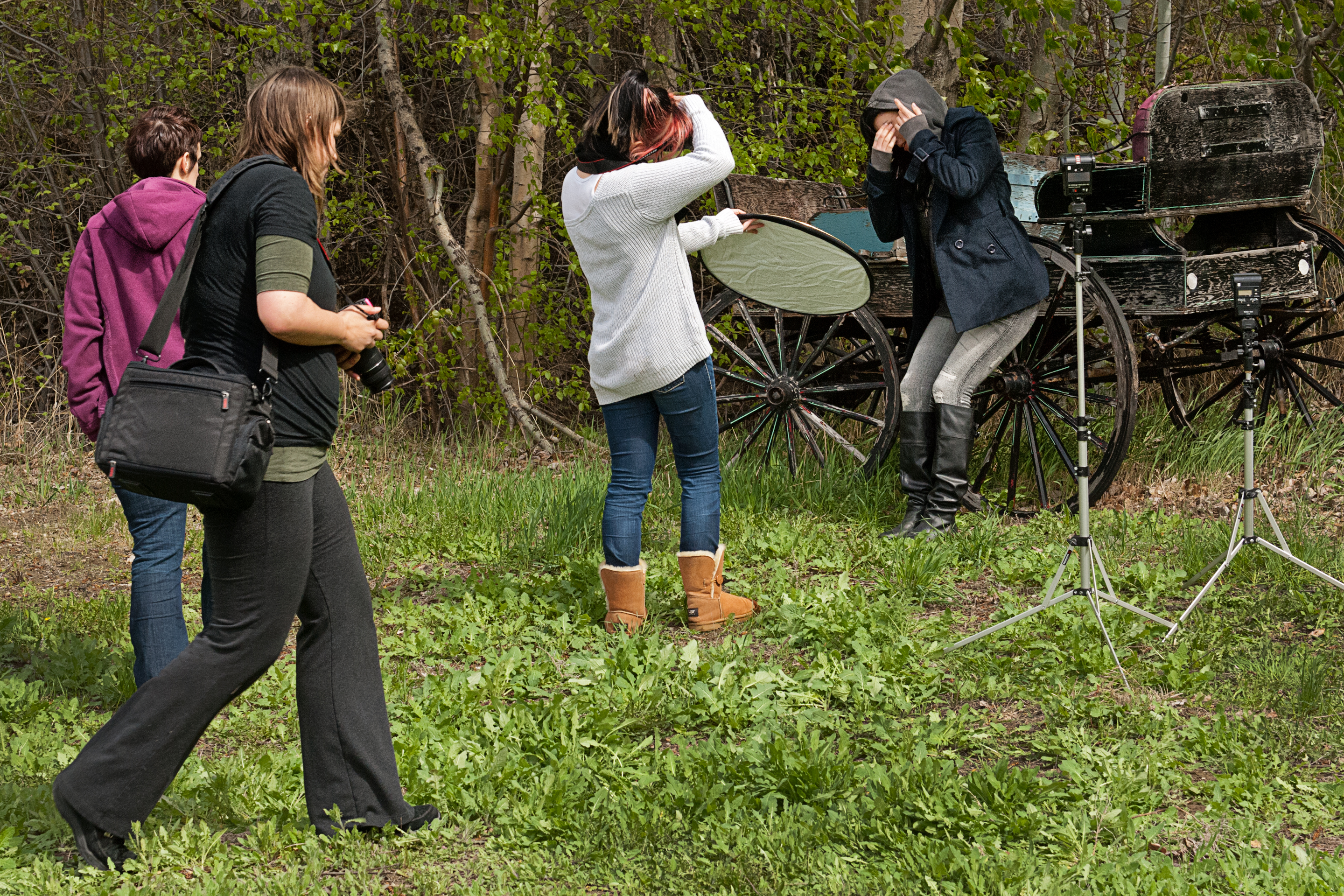
I had off-camera wireless flash setups in three locations, a large barn, a meadow beside a turn of the century horse buggy, and in the long grass where an old abandoned Cadillac rested. The photographers put each location to good use, and now I am looking forward to the next session. The few images I have seen so far are excellent and I am certain spending another day helping and watching each photographer’s progress is going to be a lot of fun.

Comments? I do like all comments. Thanks, John

My website is at www.enmanscamera.com


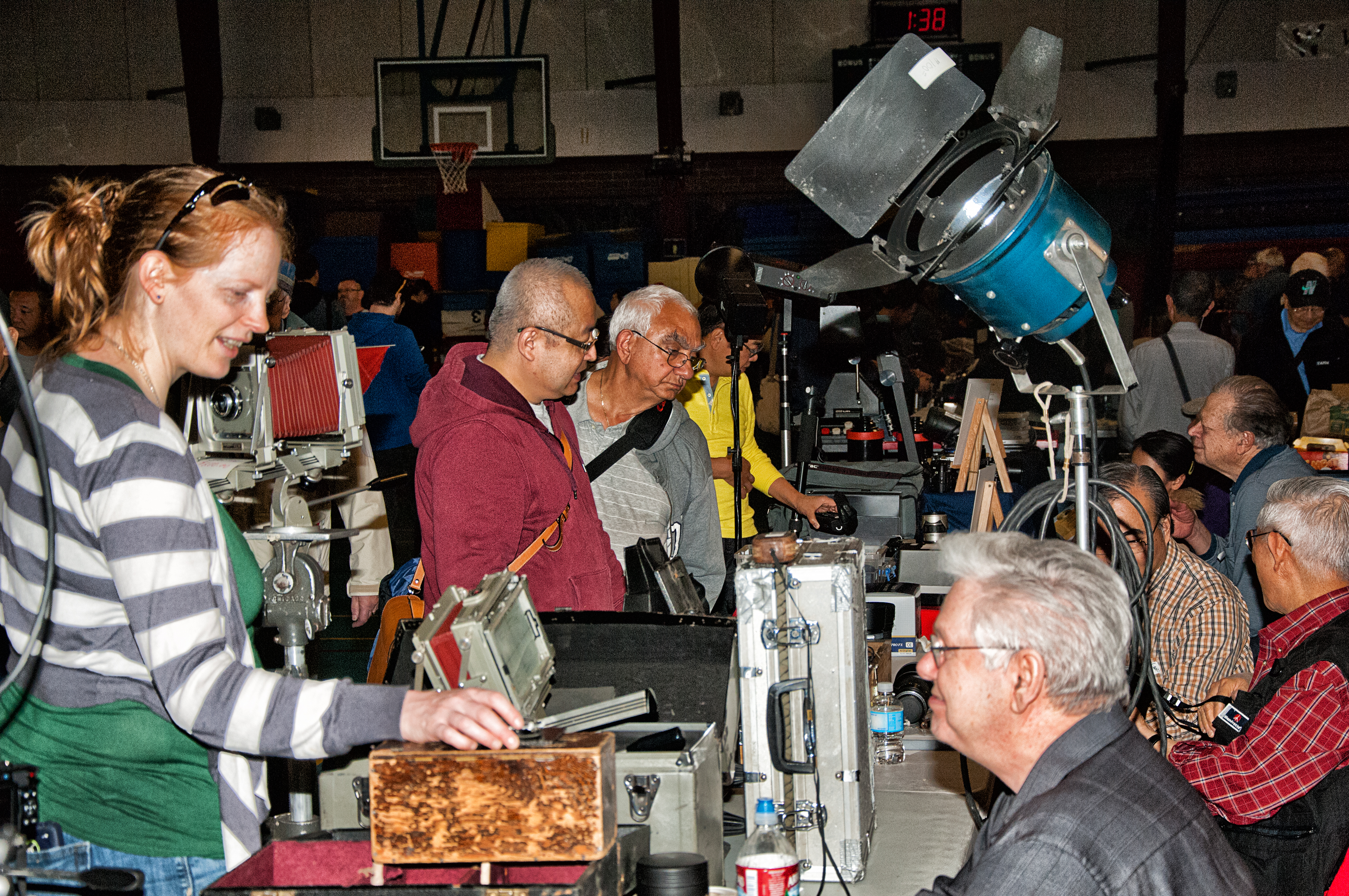
Vancouver Canada, Camera Show and Swap Meet

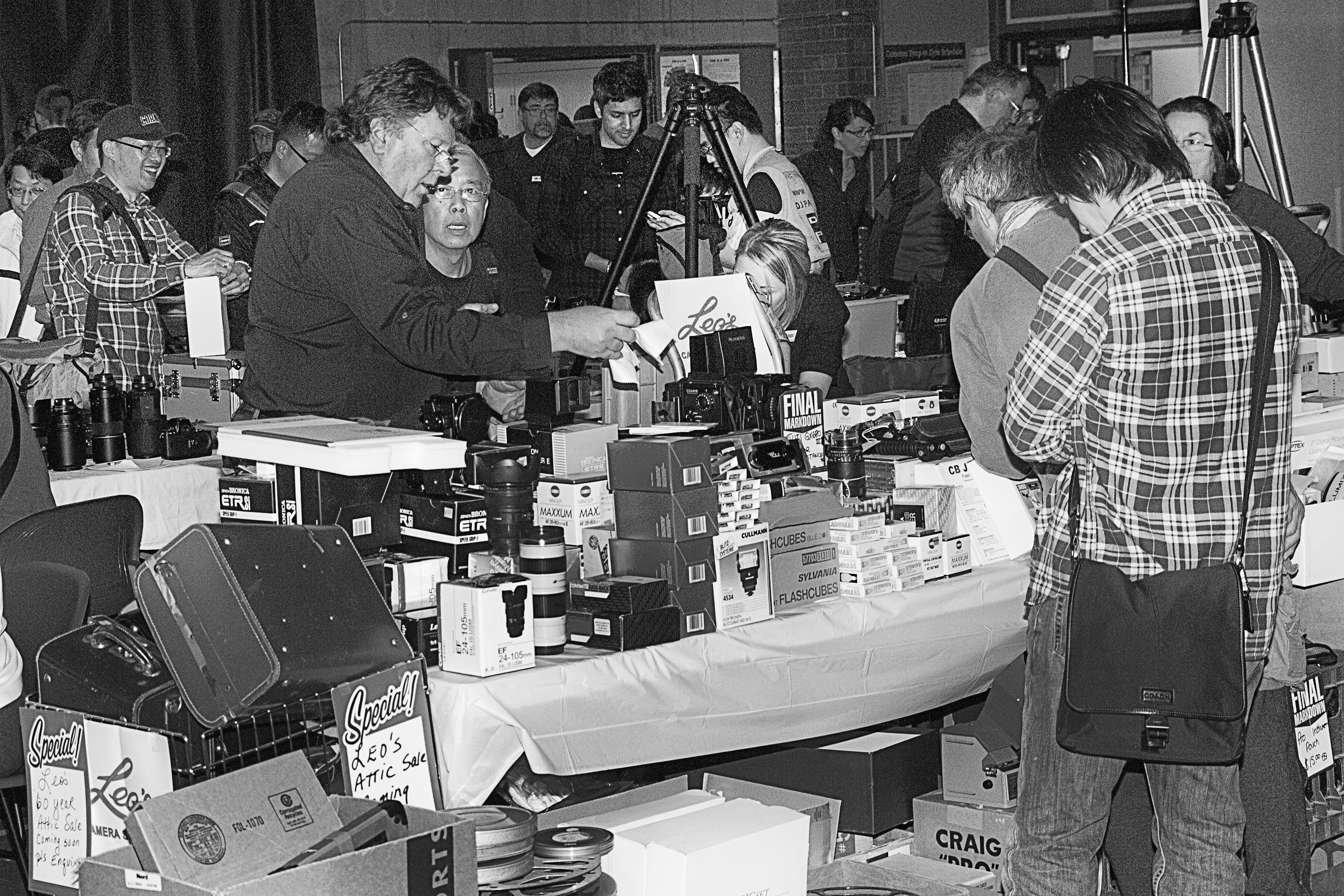
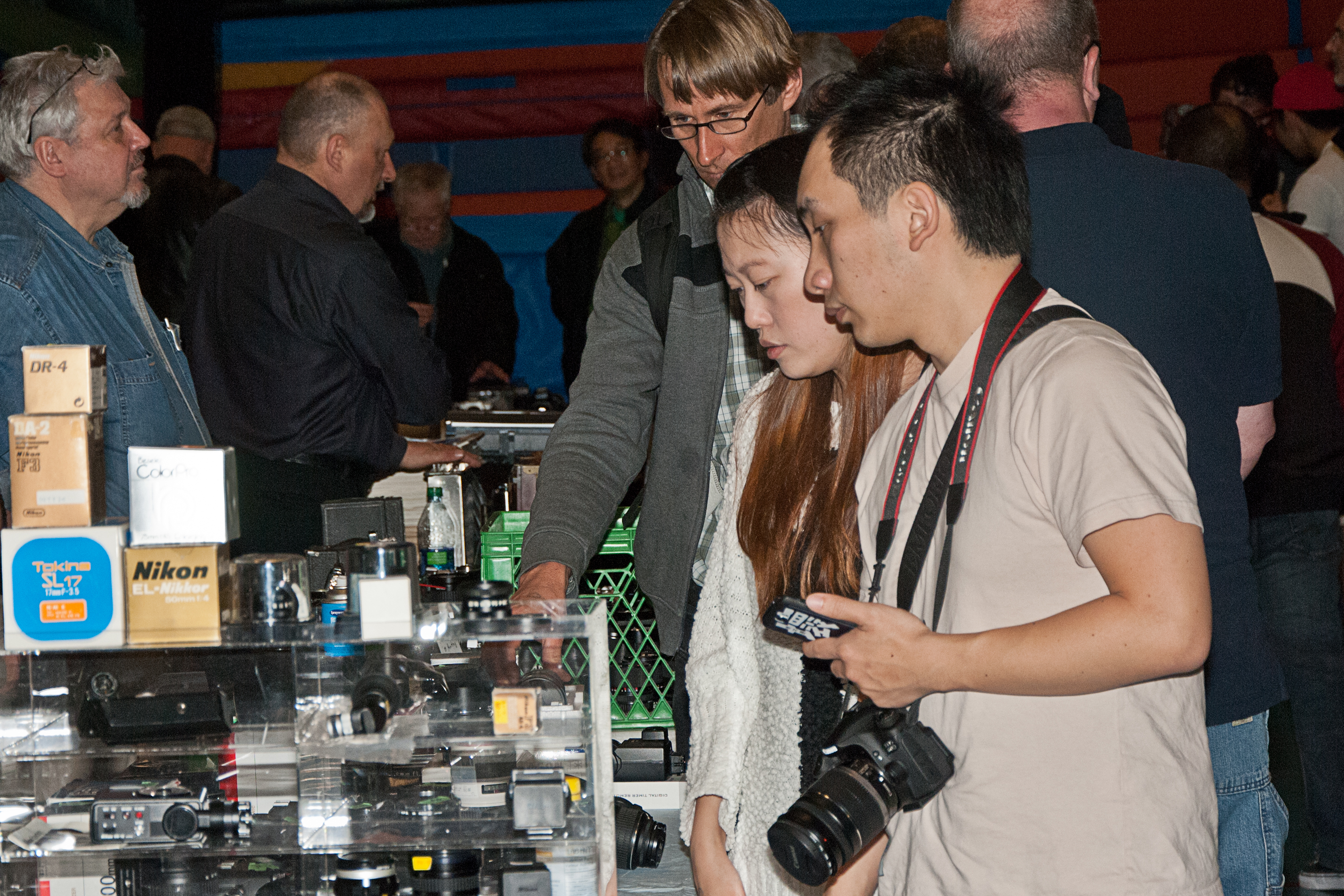
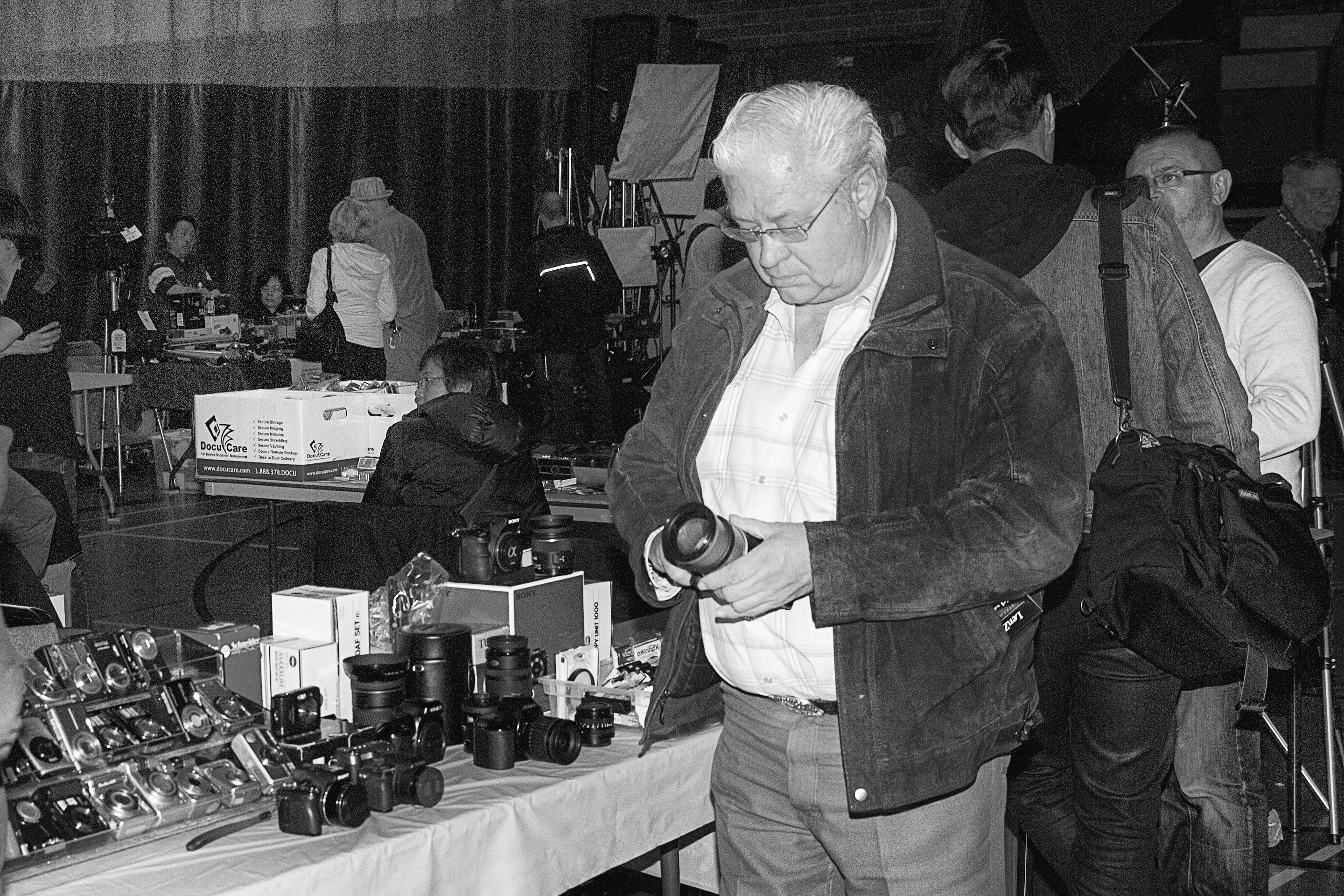
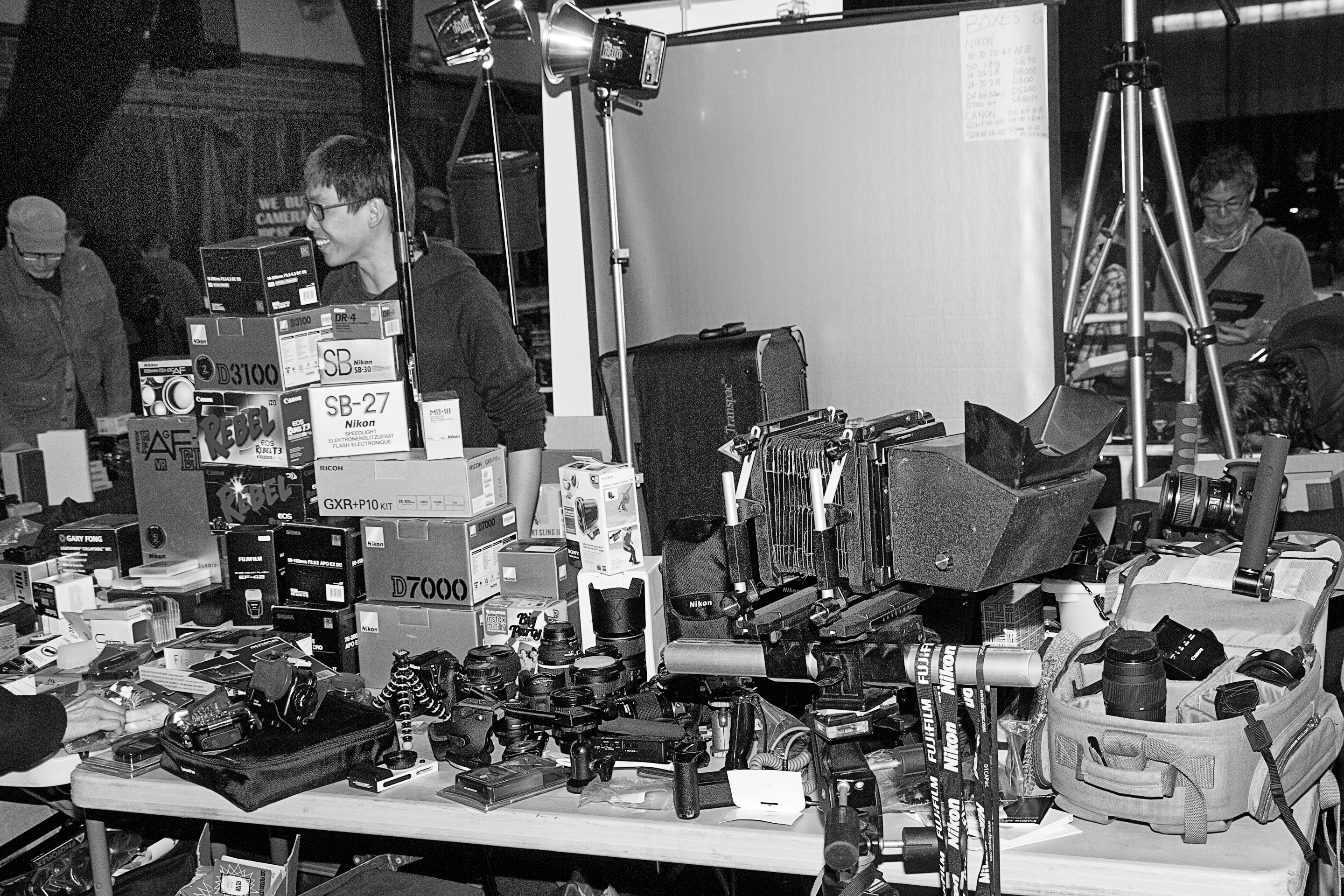
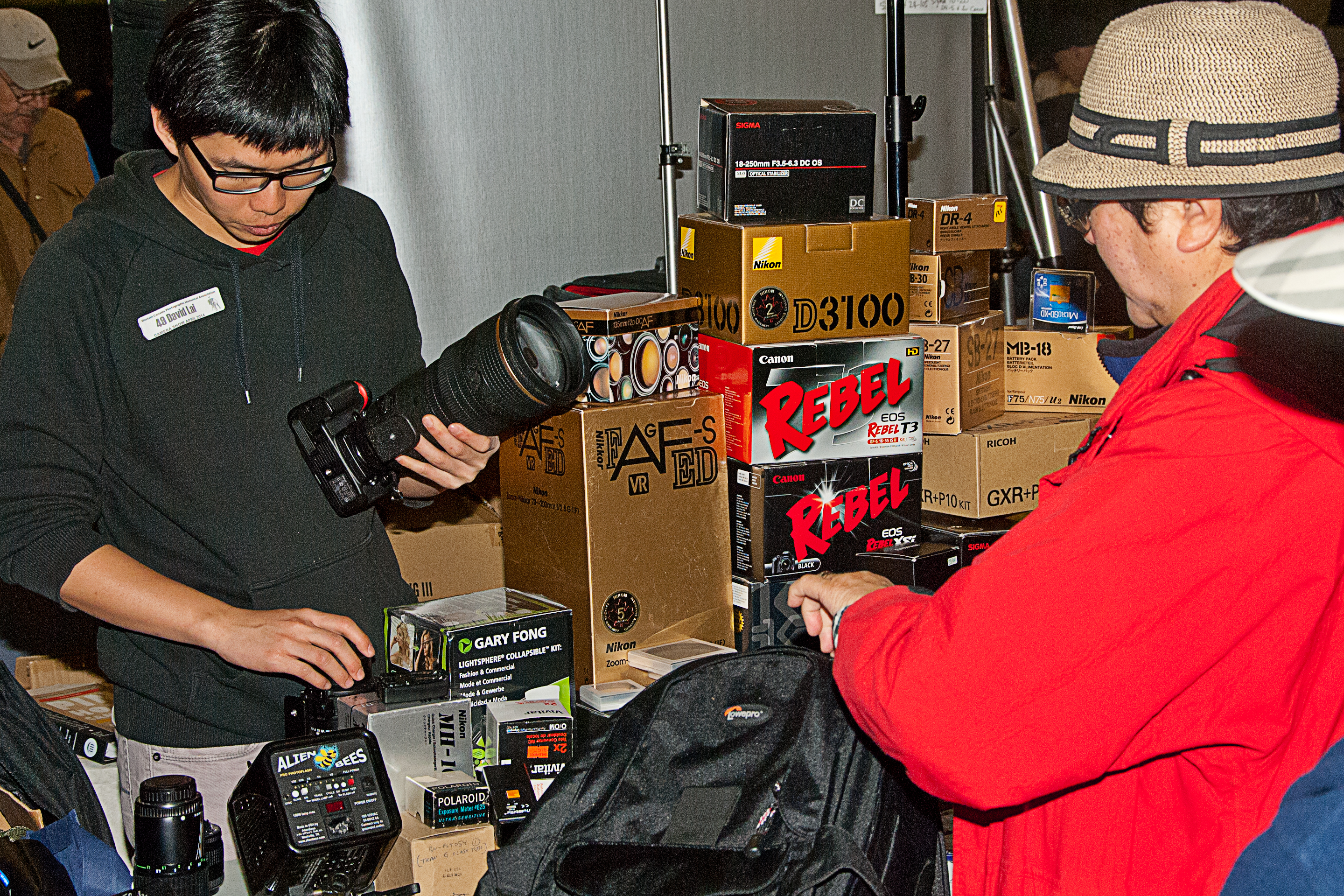
At the swap meet  Swap meet deals  Dave at swap  Another good deal  Photo equipemtn for sale  Check a camera

The clock on the stove signaled 7am and I heard the sound of my friend, Peter getting out of his truck in front of the house. I had my car ready as it was idling on the cold morning, and we jumped in and left for the hour-long drive to meet up with two more photographer friends, Dave and Pat at Dave’s place.

A bit over three hours later we had stopped for coffee in Merritt, driven across the scenic, mountainous and snow lined Coquihalla summit, driven through rain as we passed Hope, crossed the Fraser river into the warm coastal city of Burnaby and were parking across the street from the Cameron Recreation Center that was hosting one of my favorite events each year, The Vancouver Camera Show & Swap meet.

I will say the four of us were pretty excited. We had talked about the trip for weeks and had just driven for three hours talking about photography the whole way and now were walking into a large hall filled with photography equipment, all for sale.

Put on by the Western Canada Photographic Historic Association, and organized by Siggi and Brigitte Rohde, this long-running show has now reached its 38th show and makes the claim of being the largest in Canada with, I think, about 120 tables. And when I talked to the fellow at the door later that day, he thought well over 1,000 people had walked through the doors.

Yes, we were excited as we gazed at the crush of people. Hmm, maybe it was a congregation and we were entering some chapel filled with the faithful. Anyway, as soon as we walked in, Peter yelled, “see ya later” and headed off disappearing into the crowd and Pat and I started looking in earnest for a 60mm macro lens that he could mount on his new camera. I noticed Dave in deep discussion with a couple of photographers he had just met at a table packed with Canon gear.

The event was, as usual, well attended with all types of photographers from all walks of life. Photography, after all, is enjoyed and practiced by men and women of all ages and all cultures and I can safely say every demographic was there.

I have been attending The Vancouver Canada Camera Show and Swap for over twenty years and that was evident with all the familiar faces and constant catching up with people I only knew from this occasion each year. I even stopped to talk and congratulate the organizer, Siggi Rohde on another successful show. He mentioned how some people had wondered as far back as 1992 when the first one was held if a camera swap meet could be successful.

Well, the proof this year was in all the smiling photographers cradling gear in their arms as they wandered to the next table to purchase that one more “must have” item. I have always found the secret is to buy a camera bag in which to put stuff. And what about my friends, Dave, Pat and Peter? Dave decided against the lens he had checked out, but grabbed a neat photography vest, Pat found the 60mm macro lens he wanted, and Peter ended up with a Fuji 6×9 film camera. Oh, and although I wasn’t looking for anything in particular, I did find a great deal on a manual Yongnuo flash that will fit in perfectly in my off-camera flash kit and just for fun, bought an almost new camera bag with “Nikon” boldly sewn on the top. However, Pat talked me out of it on the drive home.

Now another Vancouver Camera Swap meet has come and gone and I am left with memories of how much I enjoyed myself. Truth be known, I could go without a cent in my pocket and still have a great time, but who wants to do that? I really enjoy all comments. Thanks, John My website is at www.enmanscamera.com
Critiquing Photography at the Kamloops Photo Arts Club

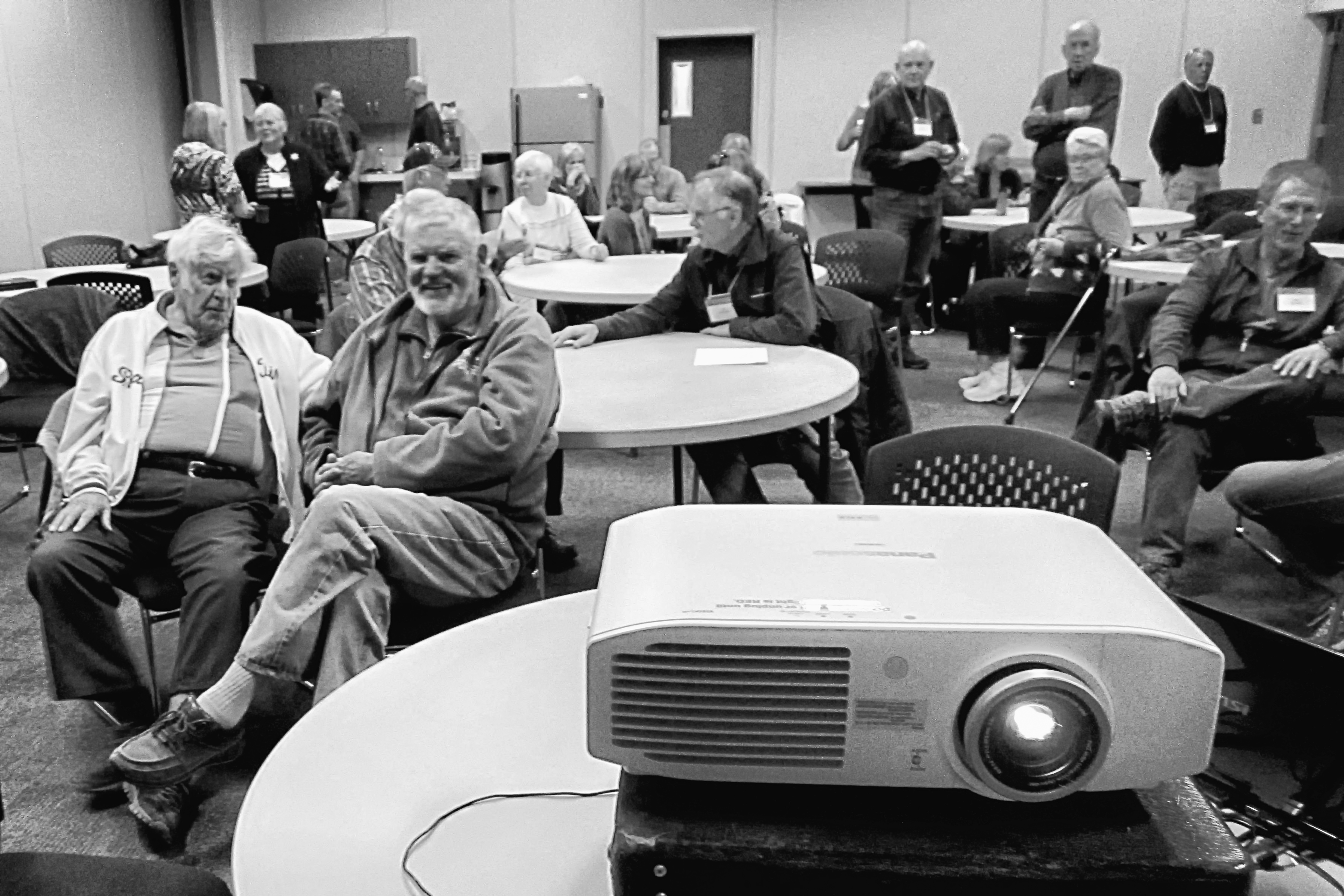
At the club critique

This past week I was invited to be the guest critic at the Kamloops Photo Arts Club.

Although I like discussing photographs, I was at first hesitant with that request. Organized photography clubs in Canada are accustomed to using specific competition rules of The Canadian Association for Photographic Art. Those rules are, of course, specific and must be very stringent.

Unlike that credible and important organization, my critiques of photographs tend to be filled with feedback, I am not selecting the best of the crowd, and I am more interested with what works than what doesn’t. However, the request came from photographer and club member, Linda Davidson, who wrote in the clubs newsletter about having me as a photography instructor in university, “The thing that Linda remembers from her classes with John were his critiques. He had the ability to see things that you may not see in your own work, look at images from a different perspective, not the usual point of view. He was always helpful and inspiring.” So with kind words like that I had no choice.

I remember a quote from the book “Impact – Photography For Advertising” by William Reedy, that puts into words how I view those photographers that are making good photography when he wrote, “To stop the eye, to set the mood, to make the sale.”  I believe that successful photographs must be interesting and thought provoking.

There is a general perception that “critique” means “to find fault with.” When I discuss a photograph I am not seeking to find fault. To me, the word critique means to respond to something, either positively or negatively, or both. The success of an image is how is works for the viewer.

Personally I prefer to use the word “Feedback”. Feedback is information-specific and based on opinion and observation. I have found that the best way to turn someone off is to find fault with their photograph. When I give feedback on a photograph I prefer to discuss what I like, or would like.

When a photographer seeks to make themselves better at their craft they, of course, need input from others about technical control like Exposure, Depth-of-Field and Composition. All those are important in creating a technically correct image. However, things like the mood the photographer set, and the story within the image, are what makes the viewer pay attention, and may not be so technically significant, but those are important all the same. Yet many critics fail to respond to those aspects.

Regarding the critique I provided for the Kamloops Photo Arts Club; I walked into a large meeting room with lots of people sitting around tables in conversation (catching up on each other’s photography I’m sure). The hall was set up with screen and digital projector, and after the club’s president quickly covered business and some announcements about future events I was introduced, handed a remote, the room darkened and I began to scroll through member’s images.

As I began I got a flashback of the years I spent teaching photography. I remember the slow growth as learners struggled with not only the concepts of photography and getting used to their cameras, but the long hours in the busy, darkened and sometimes smelly developing and printing labs. And I mentioned to those in attendance how much more I liked the shorter learning curve of digital image making and the amazing creativity one has with modern photographic post-production.

As I expected, the photography I was to discuss was a top-notch selection of quality images that crossed into all interests of photography. I felt like I should just sit back and clap as I scrolled through the selections and thank those present for the invitation. What a nice way to spend an evening.

I did discuss each image as it was presented on the large screen, and suggested a tighter crop on several, gave my perspective on what I liked about each, and asked questions about several. I think it would have been hard indeed to give negative feed on most of the photography I was fortunate enough to view.

I like to look at pictures. After all the dialogue about photographic equipment and where and what to take on that next photo excursion, what is really left is the final product of everything, the image. Whether in print form, on the computer monitor or, like that evening with the Photo Arts Club, on a large screen, everything comes down to that photograph “stopping the eye, setting the mood, and making the sale.”

I welcome readers comments. Thanks, John

My website is at www.enmanscamera.com
 

Another roadside photographer, again.

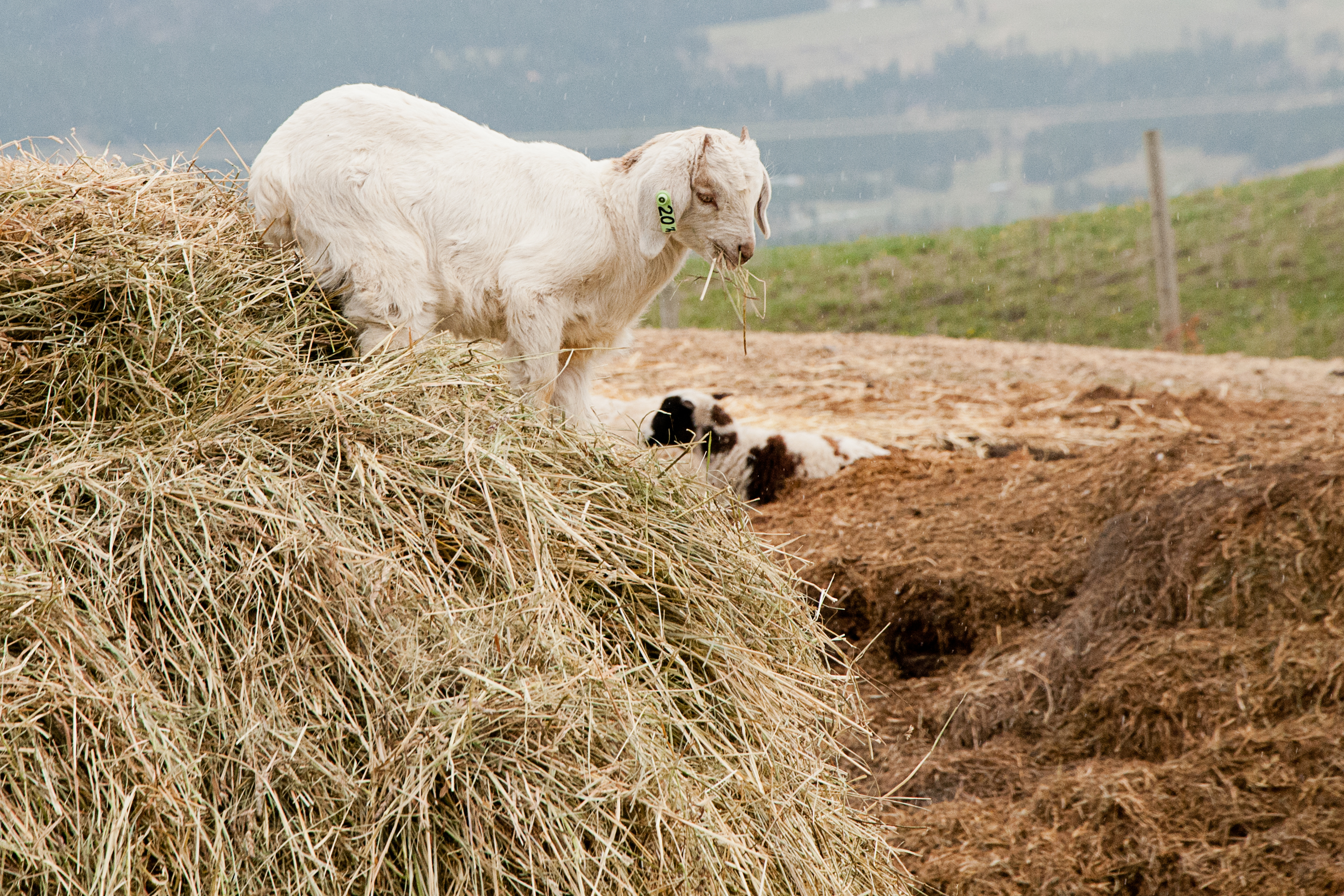
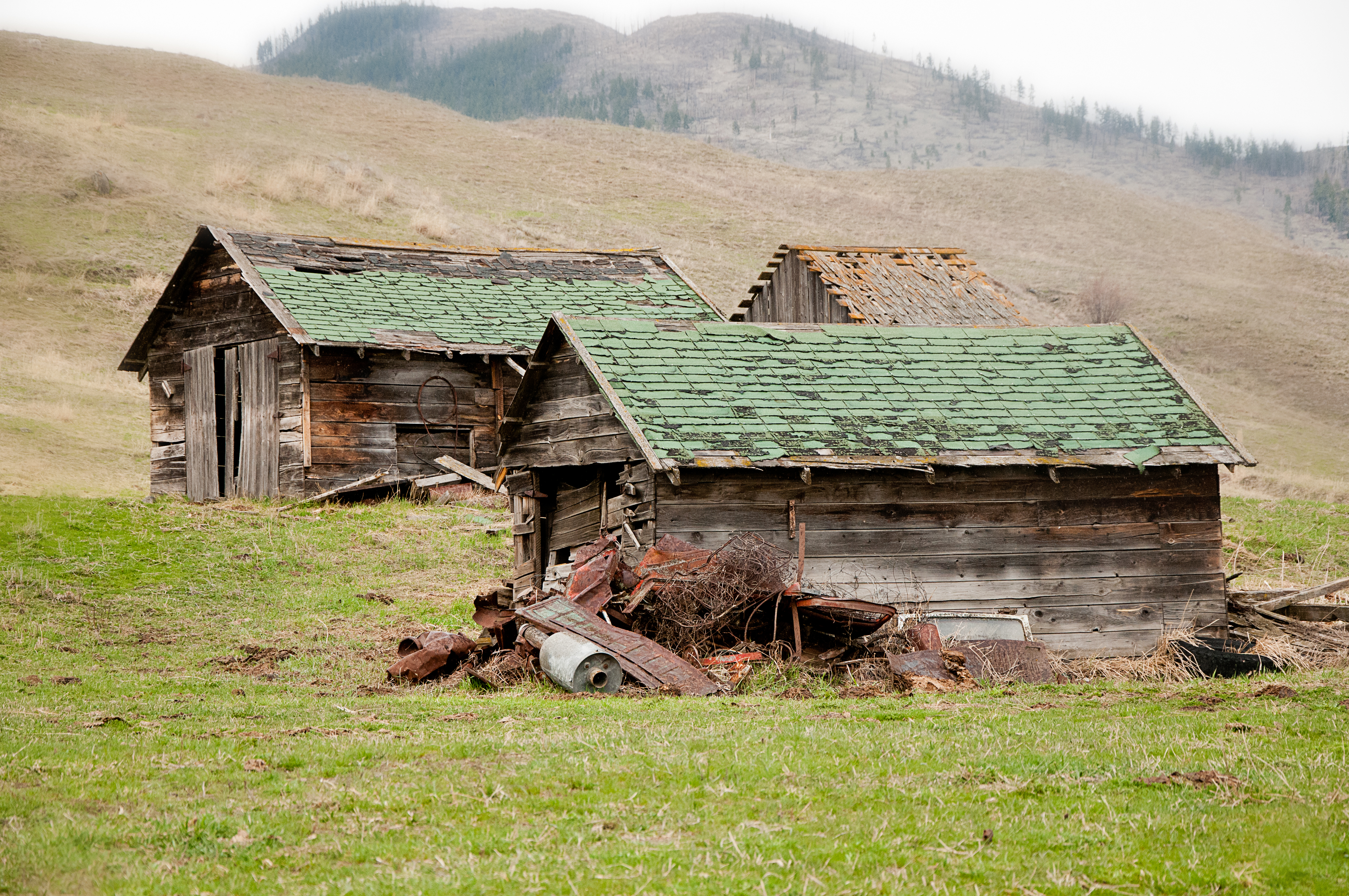
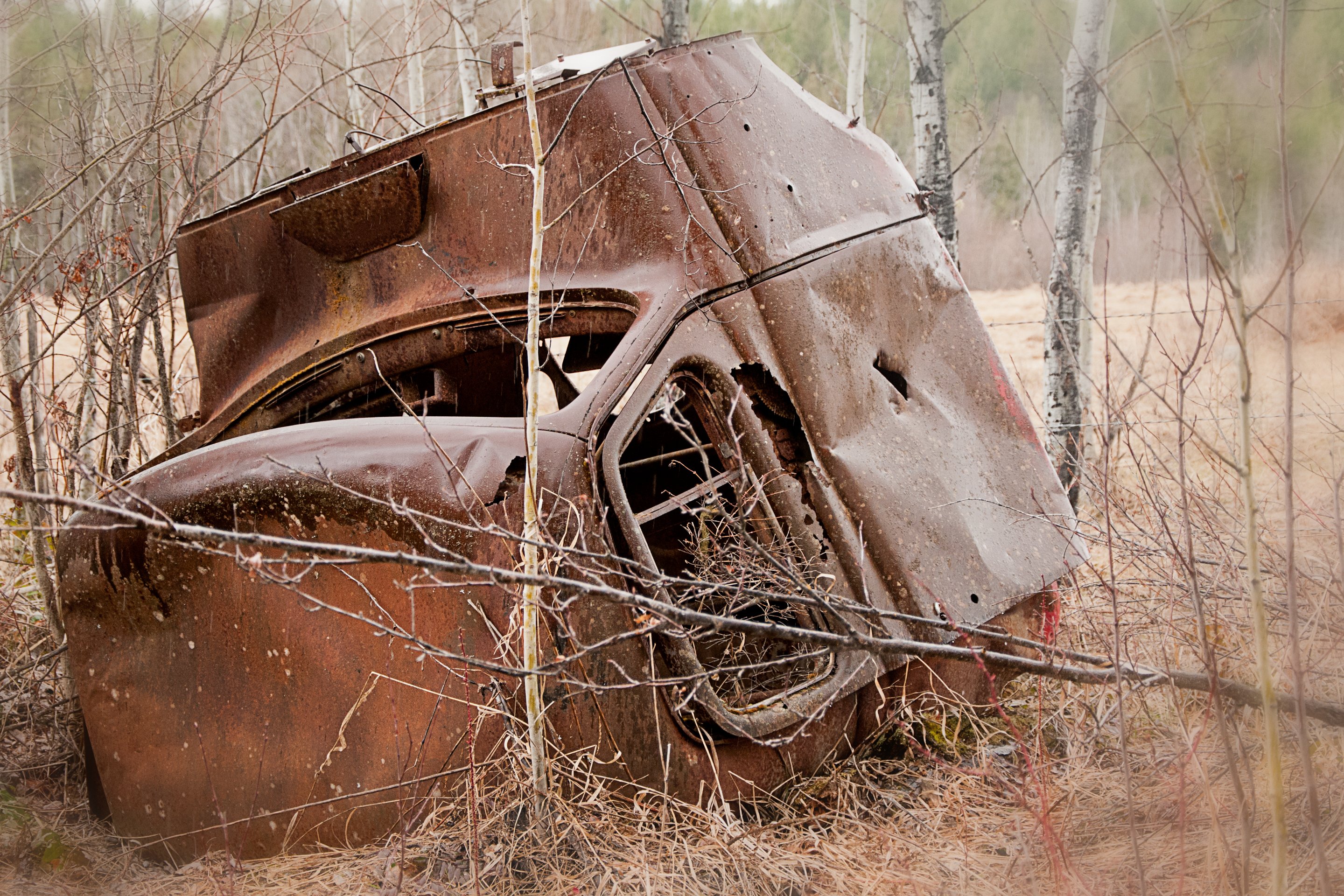
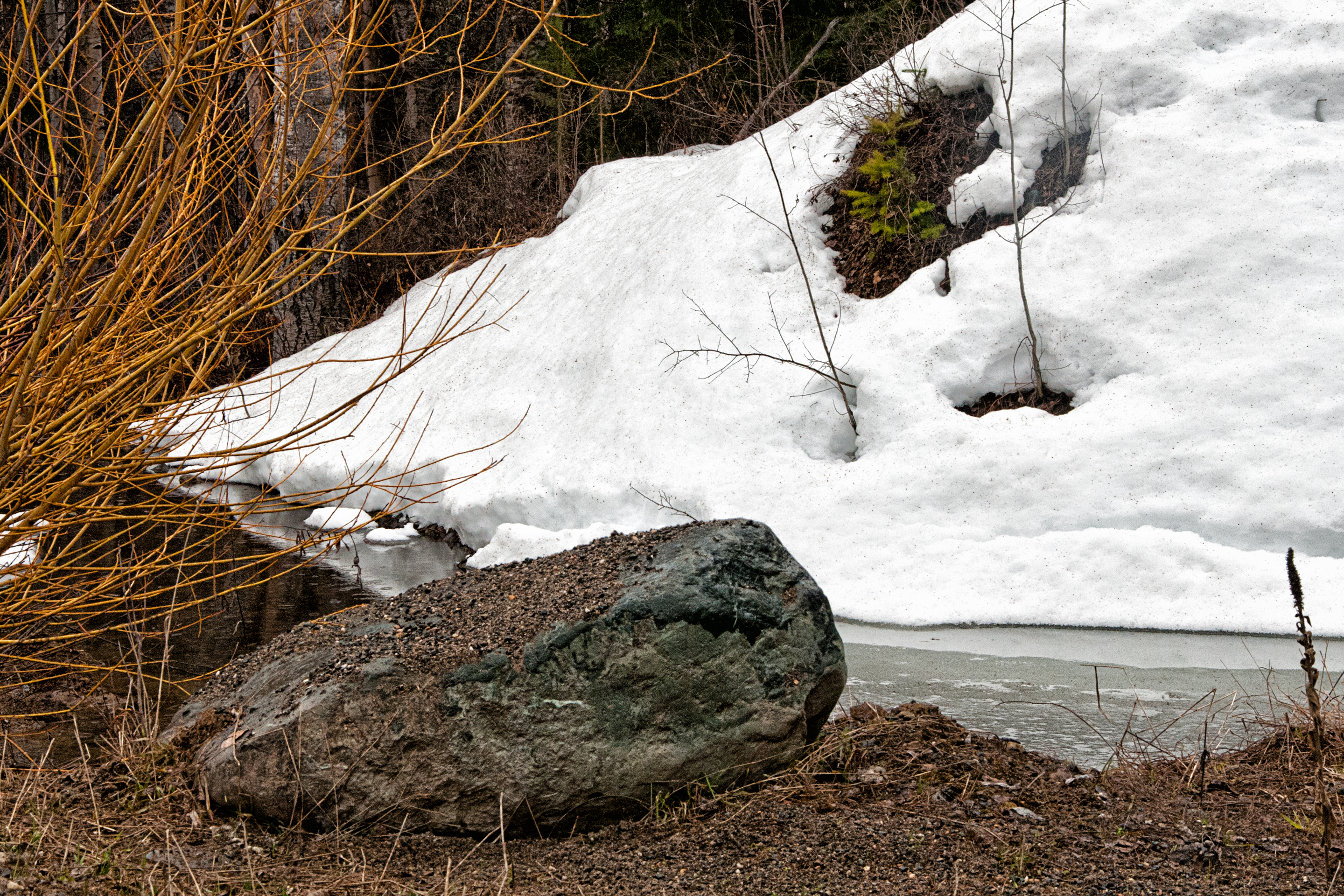
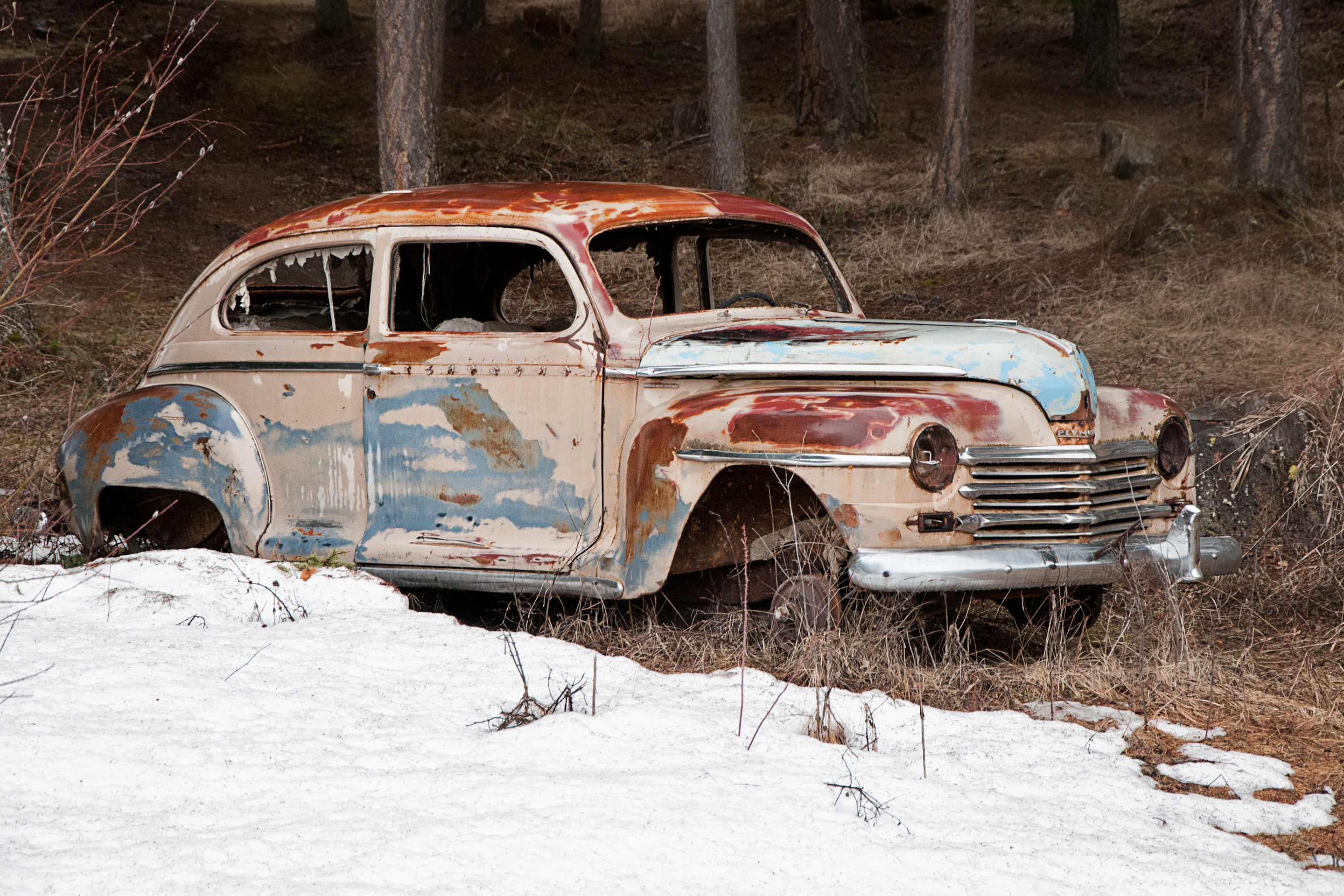
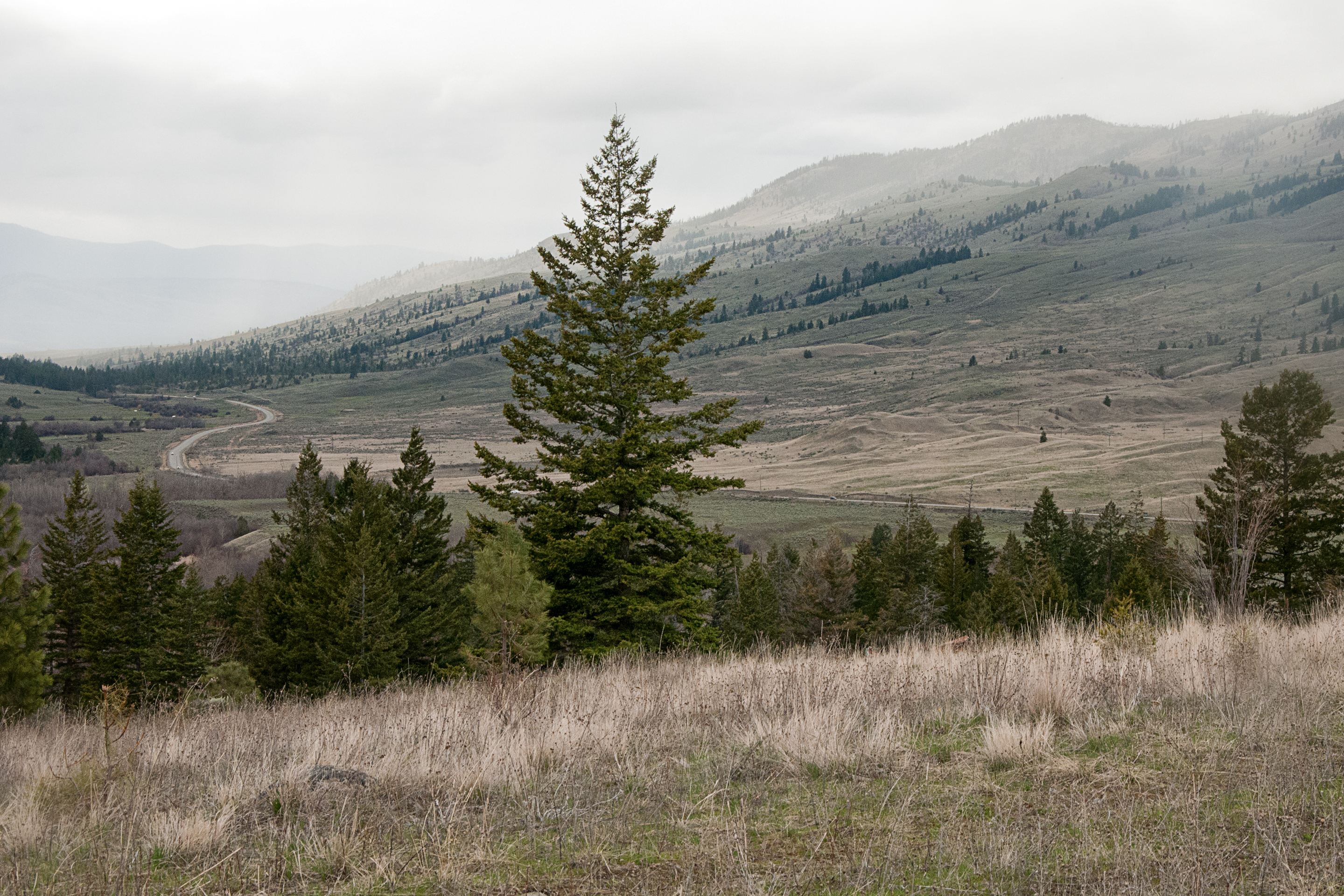
Thompson Valley  abandoned in the rain  Wet goat 1  wet goats 2  Forgotten in the rain  Rusting in the rain  Roadside in spring  Forgotten car  cows waiting in the rain  A wet road to Kamloops

Sometimes I just like to go for a drive. Rain or shine, it is always nice to just go out and look around.

We had been lazing around all day. I had put up one of those portable, collapsible canopies on the front porch hoping the day would be nice enough for us to sit outside for lunch, but the rain and cooling wind moved in. So I thought, what the heck, let’s get in the car and drive up the dirt road towards the forest ringed Hyas Lake and if the rain lets up a bit there might be a photo or two waiting to be made.

We packed our cameras in the car and set off. The day had a heavy overcast, but no low hanging clouds and the rain was, hmm…intermittent. Ya, that’s a good word for when its nice and dry till one gets about fifty feet from the car, then the rain comes down. And I forgot my hat. But I didn’t forget to bring a small kitchen towel and I kept wiping the camera down to stop water from pooling I places that might leak into the camera’s electronics.

Overcast days always make things looks much more colourful than bright sunny days. Not the sky, of course, but the trees, shrubs and grass do have a deeper color and I always add just a bit of contrast in Photoshop to bring out the damp colourful tones.

The dirt road was surprisingly dry till we started up the turn-off to Hyas Lake. Then it quickly became a snow covered, muddy rutted mess and we turned around.

There are some old abandoned buildings along that road that are fun to photograph, although for years I have expected to see them gone. Old buildings have a habit of disappearing. Sometimes because of vandals, sometimes the landowners take ‘em down and sometime they just get tired of many years of standing.

I remember when I first moved to the Kamloops area. I spent months photographing crumbling wood and log buildings. The next year I engaged a local printer to make calendars for me that I easily sold that December. Within two or three years every one of the old abandoned buildings in that calendar was gone.

I am of the belief that the most successful pictures come about when one has a plan, but a slow drive is enjoyable whether one points a camera at something or not. I could say the plan was to look at the long valley, find out if those old building survived the winter, see how far we go before the road was impassable, and if the time was right make a picture or two.

As it was I photographed a view of the snow capped Martin Mountain above my home, some goats playing on a mound of wet hay, a couple of rusting vehicles, some soaked cows in a field and another valley view. Not the most exciting day of photography I have ever had, but good enough for a lazy, rainy day I supposed.

Roadside photography is opportunistic and enjoyable, we talk, stop and look at things, make a few pictures. As we drove along the wet dirt road I thought of the many photographers I have known or read about that just pointed that camera and anything for the pure fun of it.

And I think many readers will agree with famous French photographer Jacques-Henri Lartigue when he said, “It’s marvelous, marvelous! Nothing will ever be as much fun. I’m going to photograph everything, everything?”

As always, I look forward to any comments. Thanks, John

My website is at www.enmanscamera.com


Waiting for the Best Light.

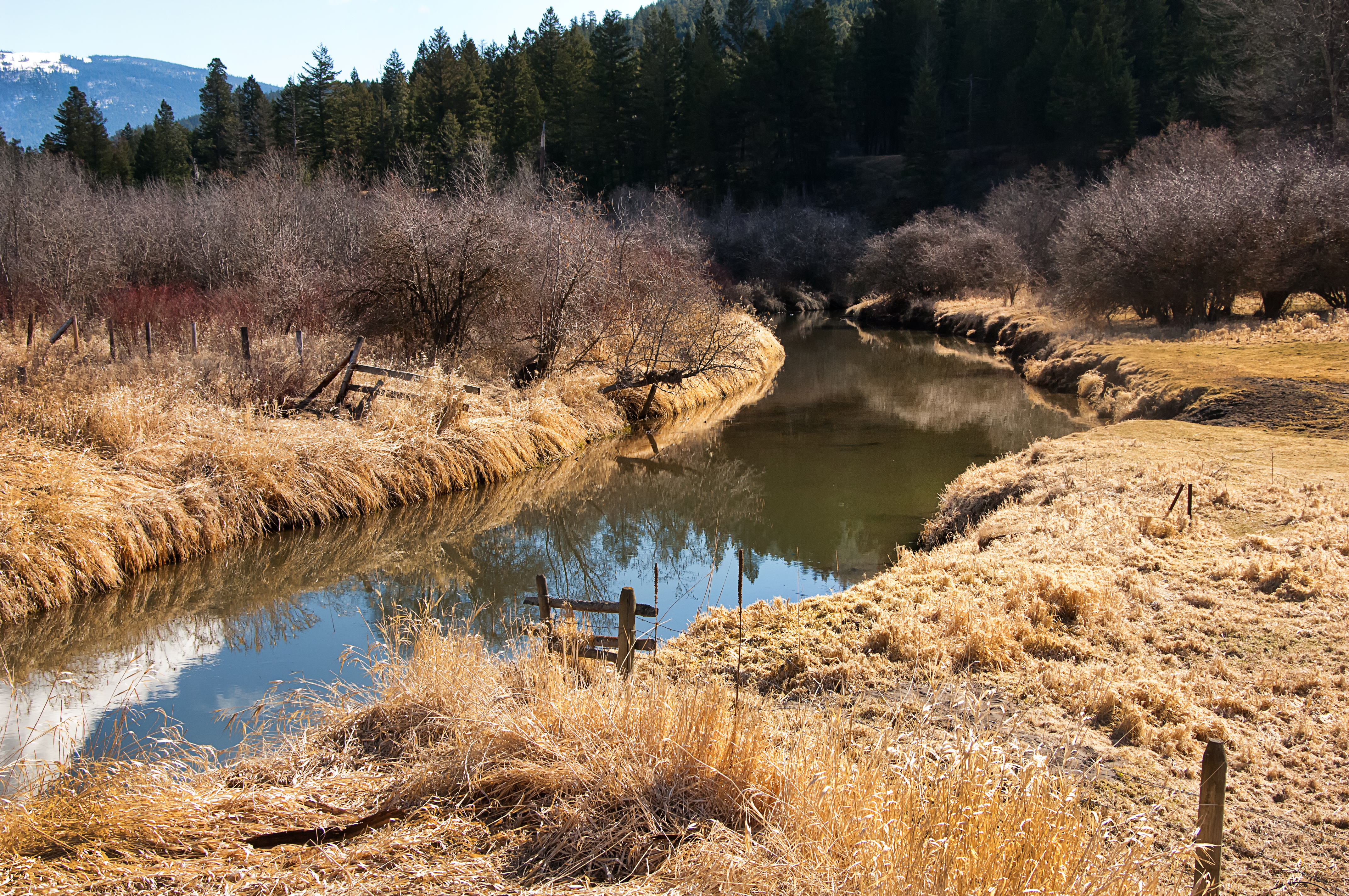
Early spring stream

I am sure there are lots of photographers that have discovered a special location, or scenic spot, that looks good, but when the photograph just isn’t working out and the day just isn’t making things look good, photographers return again and again, hoping for the light to be just right. That bridge on the way to work or the gnarled tree outside of town bent from the wind, that never looks the way we want it. That was always the problem with a location that my wife and I regularly drive past along Highway 97 south of our home. We always, winter, summer, spring, or fall, slow down at a bridge crossing a drainage stream that flows out and onto wide lush hayfields. The stream turns a corner as it flows past bushy native shrubs and out of a pine forest.

The image I mention is a grass and foliage lined stream that for the past six years is usually  a shady, dark, flat, and poorly illuminated possibility. The elusive landscape is perfect with a fence in the foreground that creates three-dimensionality. Depth is easily achieved as a viewer’s eye easily moves from the objects in the fore, middle and background.

I always want a center of interest and the reflective meandering stream becomes that. The composition follows the rule of thirds without any effort. Walk off the road, stand in the deep grass and put a shoulder to the bridge-post to steady the shot, and the rest just comes natural. All that is required is interesting light (that has not been cooperating) to bring everything together to create interest.

At last, this week on a clear spring morning about 9:30am, the light was working. There are times when that open space along the road actually has had an all-illuminating bright light , but that defuses detail, or sometimes it’s cloudy and overcast with everything to be lost in shadow. However, to my great pleasure, this time the light was cool, and without glare, and the shadows weren’t dark and deep. I couldn’t have asked for a better morning to stop and make an exposure or two.

As I wrote earlier, we always slow down, and cast a glance up the stream (the constant traffic willing) as we cross the bridge in hopes that the light is working. I have even parked on a sunny day, got out and walked across the road, only to have some large cloud move in.

This location has been frustrating, but I just add it to the many other landscapes that I refuse to waste my time with unless the conditions are what I want. I recall the concrete bridge on the Thompson River that I watched every morning and evening for years as I drove to work. Everything has changed now, but once there was a young tree and a grass edged road leading to that bridge. I wanted to stand in the middle of the small road and make a low-angled photograph of that grey bridge. When the light was perfect I didn’t have my camera, when I had my camera there was no light. I struggled for five or six years with that picture. Film ruled photography in those days and I was determined that when I made the picture it would be with my medium format Hasselblad camera.

When the day finally came about 7am one foggy morning the low-angled light thinned at the bridge entrance and gave the young tree a golden glow and I was, for once, ready.   I originally called that image “six years” because that’s how long it took me to take the picture. However, when I sold several copies to an organization that gave them as gifts to visiting NASA scientists from the United States, they renamed it “Pathway to the Future”.

Well here I am again at another six-year point and thanks to my wife demanding that I stop the car and pull over, I finally have the image I have been after for all those years.

Photography can be a patient thing and I like having the time to think about my subject. Six years might be a long time for some, but I have always liked the process, and there are a few more landscape scenes out there waiting for the light and me to come together in agreement in the next few years.

As always, I remind readers that I really enjoy your comments. Thanks, John

My website is at www.enmanscamera.com
A road trip to Peachland.

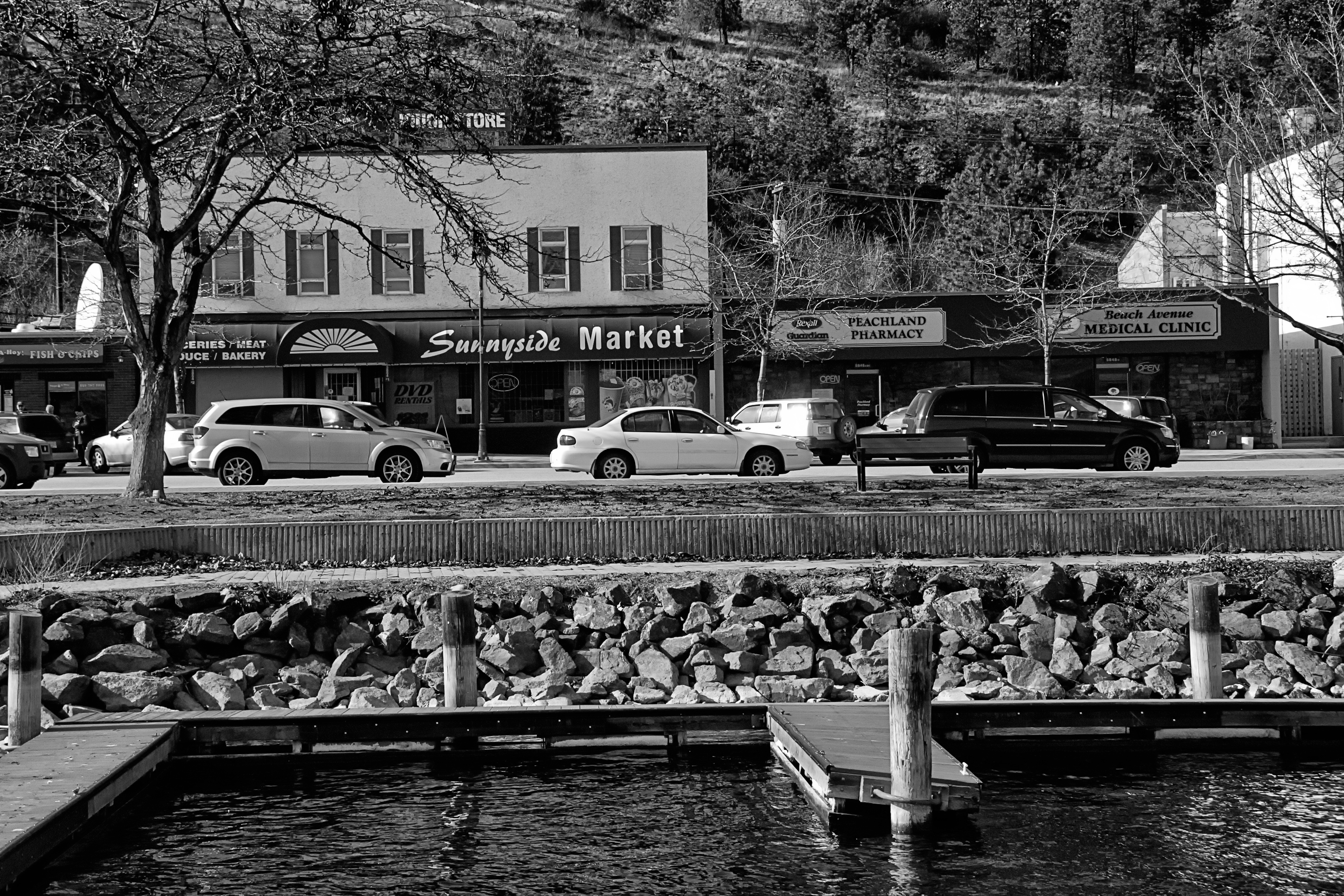
      Lakefront view

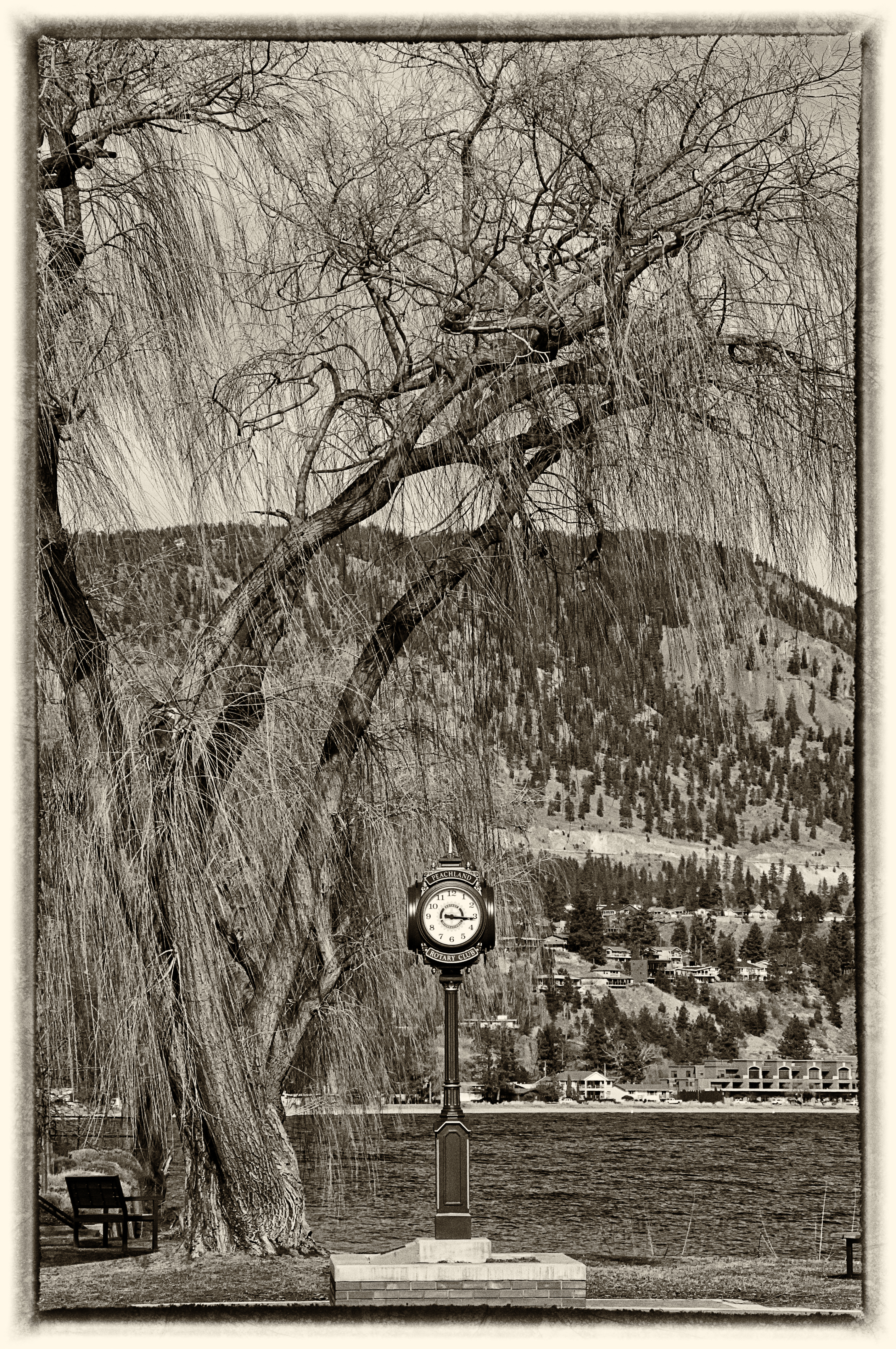
Peachland town clock

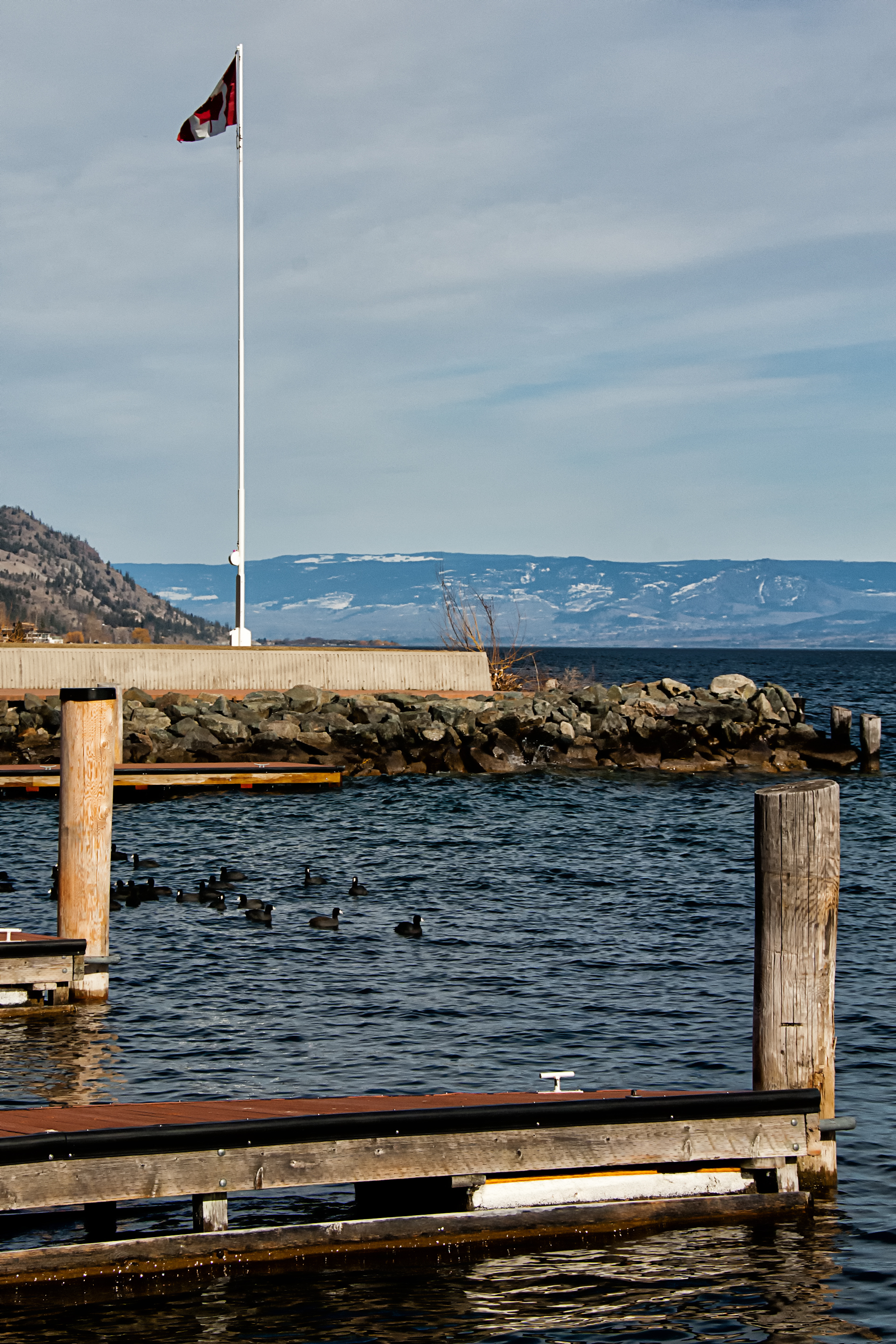
Boat dock flag

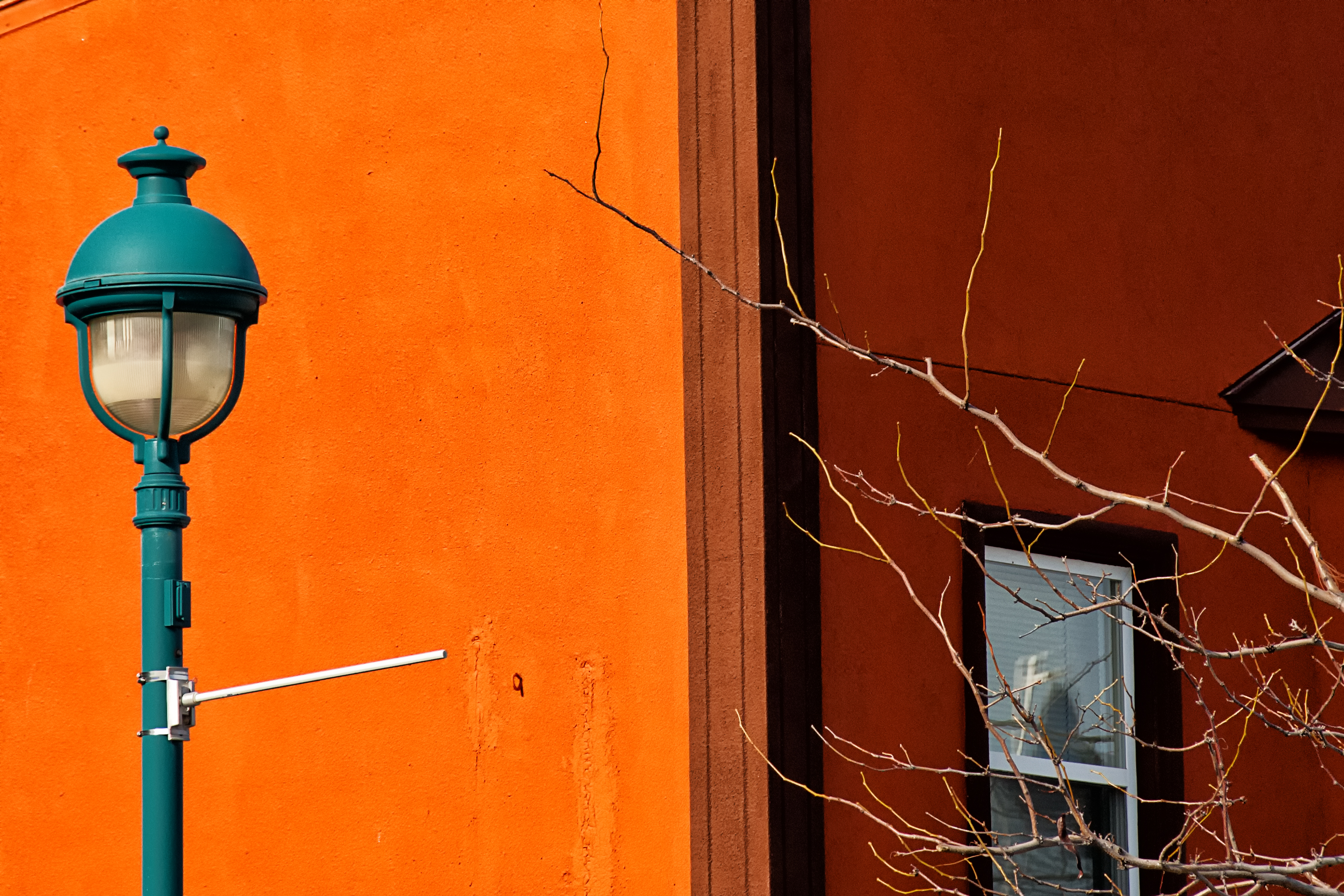
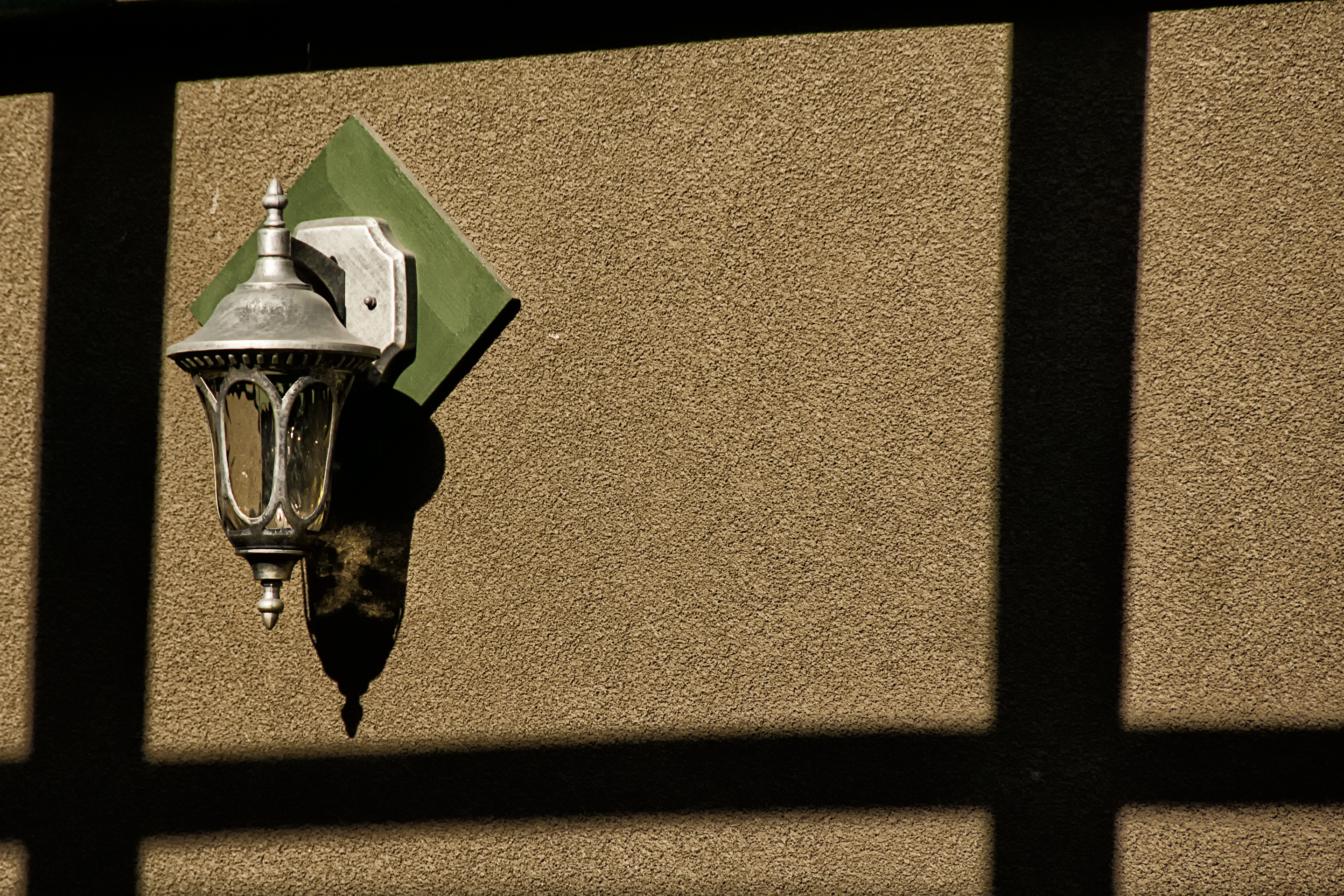
Orange wall with green lamp   Wall lamp

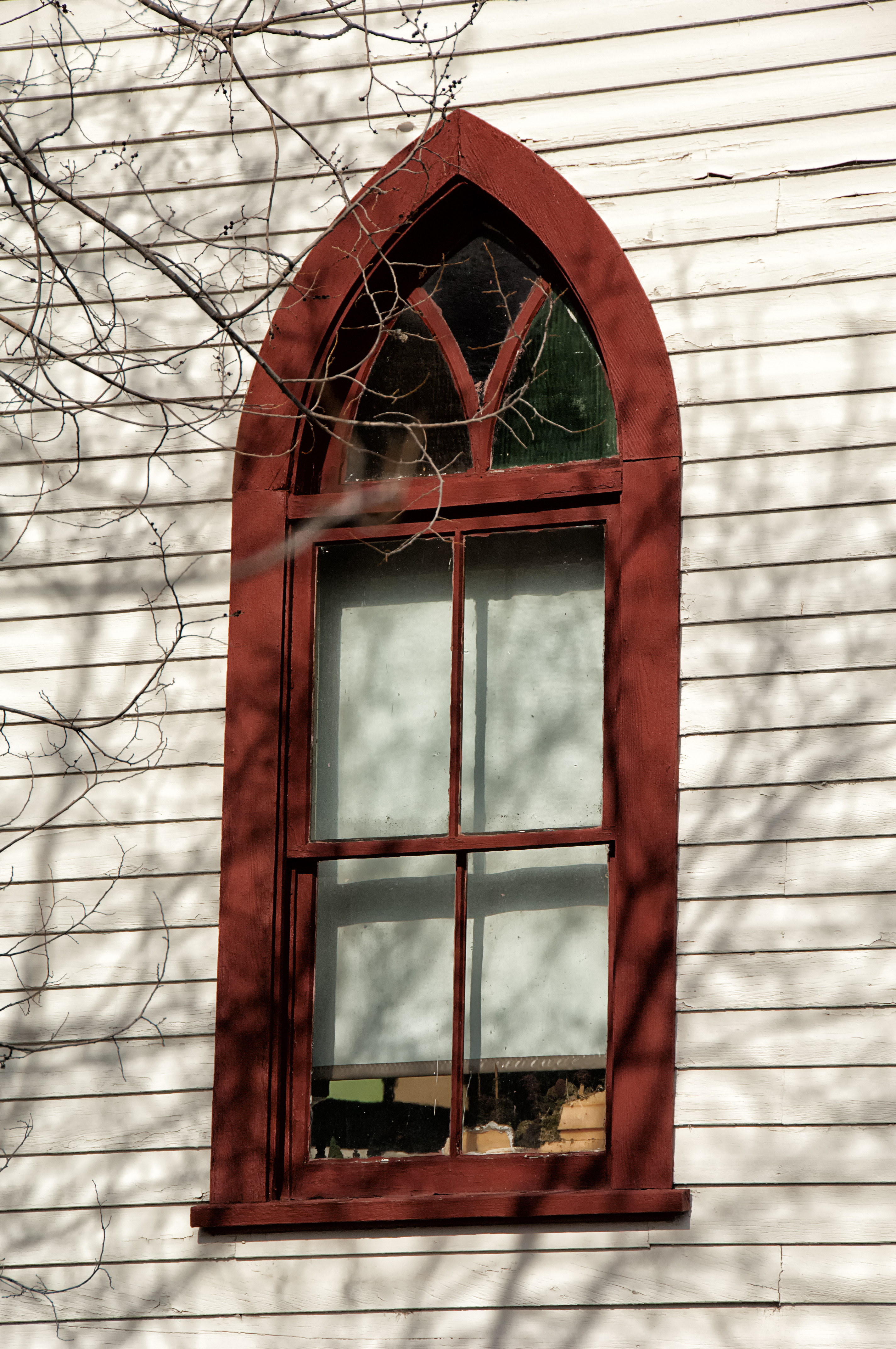
Church window

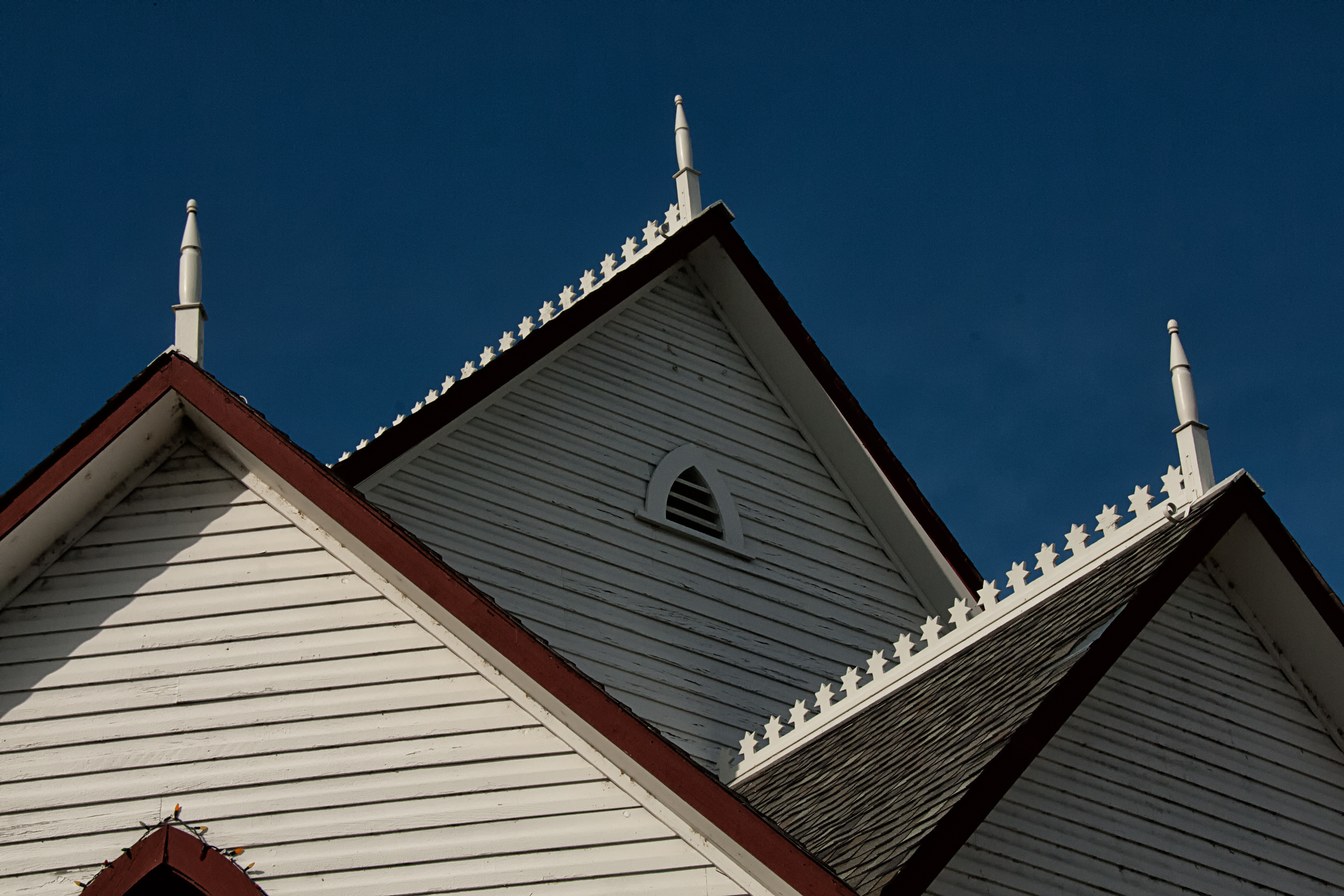
Roof stars

My friend Dave called and said, “Want to go on a road trip to Peachland tomorrow?”

Peachland is an easy two and a half hour drive south from my home in Pritchard along highway 97 and although the elevation of both Pritchard and Peachland is the same at 1,180 feet, it is still quite cold at my house with lots of snow, while Peachland was a balmy +13c with slowly greening grass along the road and the lakefront.

So without hesitation I agreed, and when Dave parked his truck in my snow packed driveway at 9am the next morning, I was ready with a 18-200mm lens mounted on my camera and we drove south through the wide Okanagan valleys toward Peachland.

I like the small community that is mostly located on a hillside beside the 135 km long Okanagan Lake and always enjoy wandering its lake front street with my camera. In the summer the restaurants, shops and park are filled with people, but this time of year it is easy to get photographs without anyone getting in the way and I walked back and forth across the street while photographing interesting features on the buildings without worrying about cars.

Dave had his 150-500mm Sigma and began photographing some ducks and fifty or so American Coots (I think some them Mud ducks) swimming in the small boat harbor.

As we stood talking in the warm sun I looked across the lake trying to see the infamous Rattlesnake Island, where the legendary Ogopogo is said to have it’s home.

Ogopogo is the name given to a 40 to 50 foot long sea monster allegedly seen in Okanagan Lake since the 19th century. However, because the evidence is limited to blurry photographs, unbelievers suggest that the sightings are misidentifications of common animals like big otters or floating logs.

I like mysteries and I thought how nice it would be to get a nice sharp picture of that elusive beast with my 18-200mm.  Heck, I’d even share he moment with my friend Dave. After all, he had a 150-500mm lens and surely get a closer picture than me. But the Ogopogo monster wasn’t interested in getting it’s picture taken and was most likely hiding out of site in the lake depths. So, with a disappointed sigh, I left my friend to photograph the cute little Coots and walked down the street to get a picture of the town clock.

I have mentioned before that I like photographing buildings, and strolling along sidewalks with my camera, in cities, large or small is exhilarating. Whether the architecture is low and flat, skyscraping, old bricked, wooden or shiny metal and glass, I always find something different to photograph.

This time I was a bit hurried, we wanted get home before dark and Dave had almost another hour to go after dropping me off. So I ran back and forth trying to limit my photos to shadows, roof ledges and windows. Ok, I strayed from that goal a bit, oh well. Anyway I expect to be back soon.

Summer is on its way and wife and I expect to do some driving around British Columbia. My short trips will always include architectural photography opportunities in the towns and cities I visit and I think its fun to change the visual story by picking out intimate features or only a small part of a scene instead of making a photograph of the whole structure.

I always enjoy comments. Thanks, John

My website is at www.enmanscamera.com
Fifteen Photographers at Open House

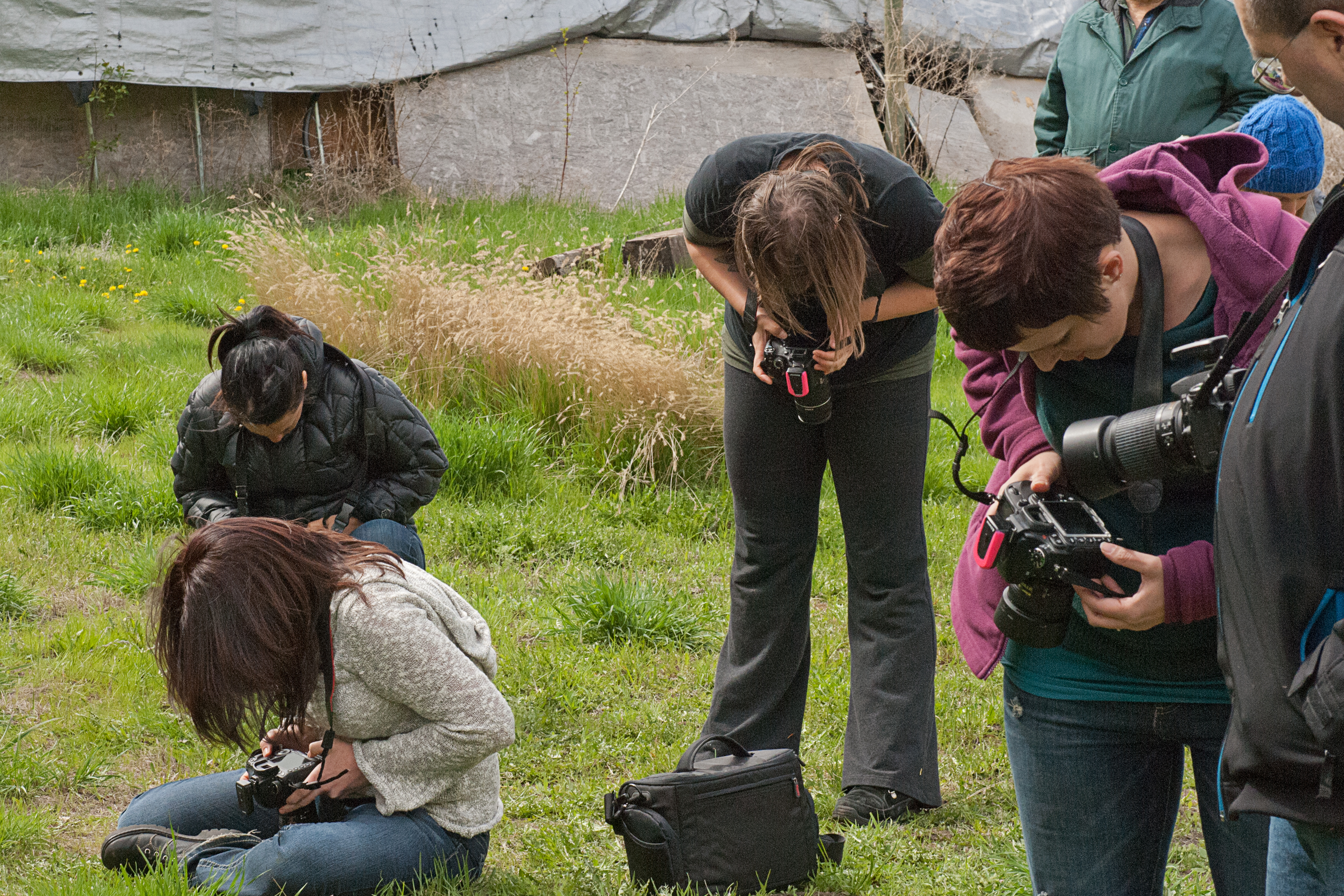
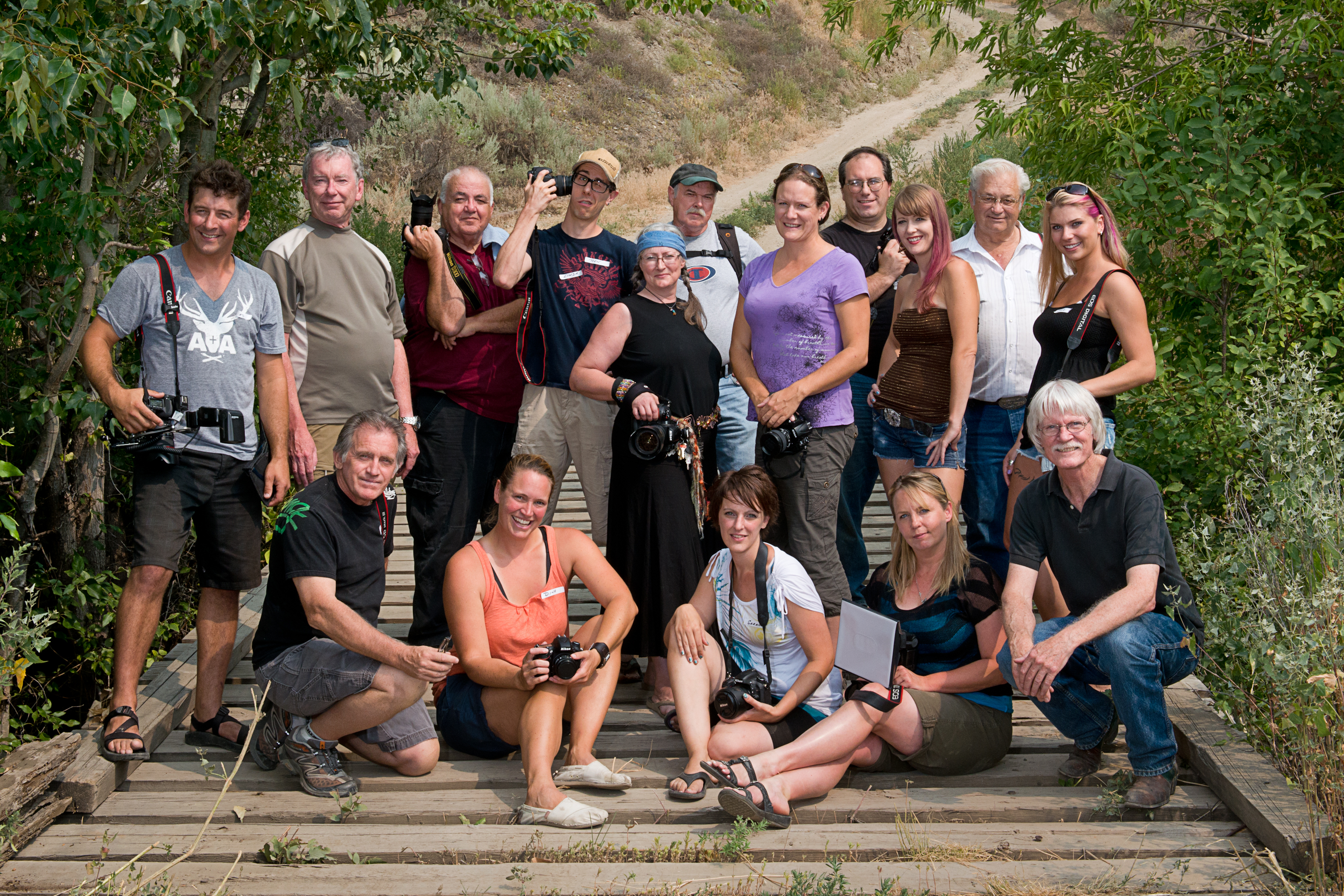
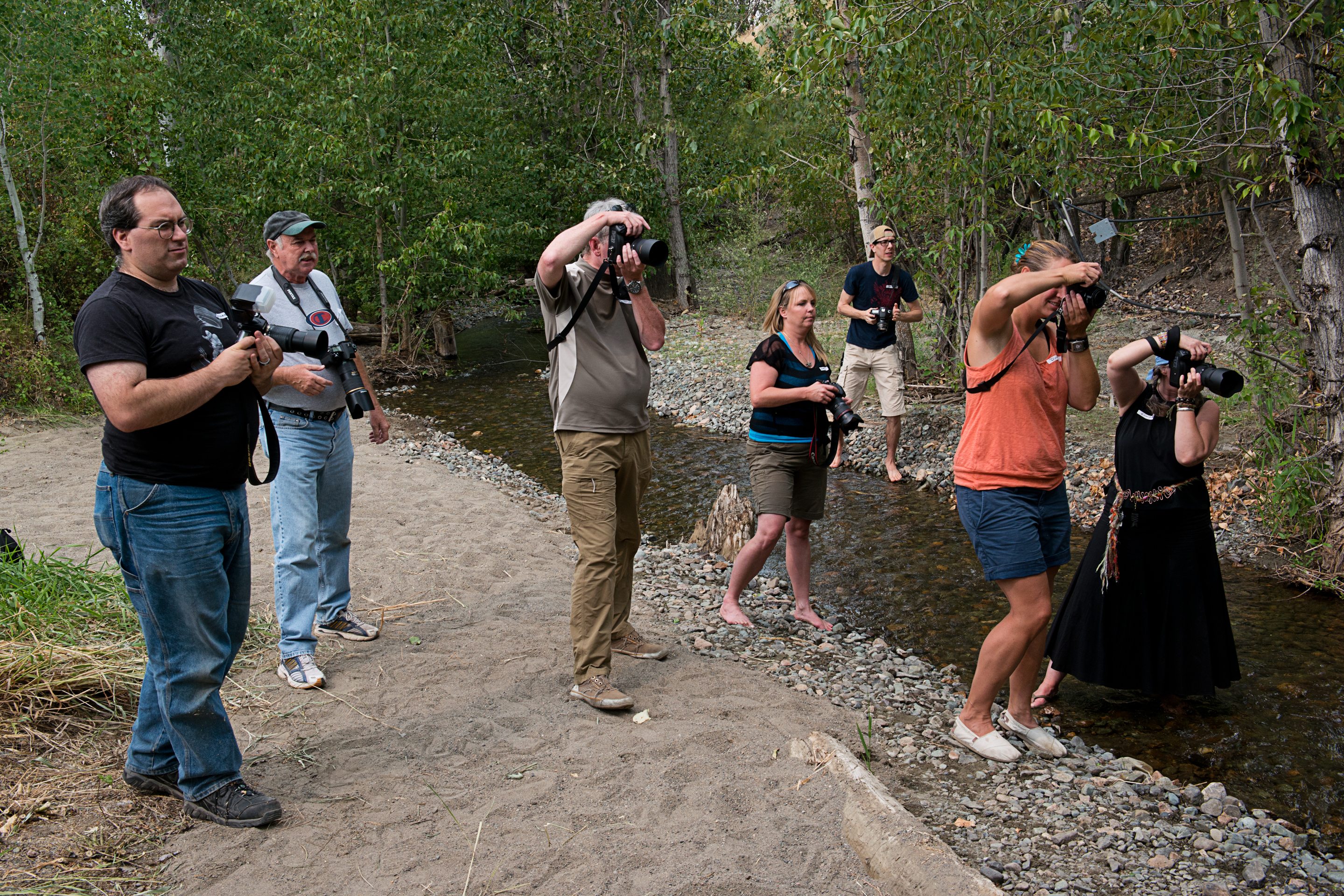
fifteen photgraphers & a Model  Creek shooters  Modeling session  Lighting a portrait

Last weekend fifteen dedicated, and I think, pretty excited, photographers attended the Versatile Studio’s photography open house just outside of Kamloops, British Columbia. It is aptly named Versatile Studio because it provides multiple locations for portrait photography inside and out.

The day began with coffee and numerous discussions on portrait photography. At one point I got up to refill my coffee and then stood back, realizing this group of photographers, with their many different styles and approaches was going to make the day interesting, educational, and a lot of fun.

Of course, it immediately began with a hitch, as only one (thank you, Ali) of the four models that promised to appear showed up; nevertheless, these relentless photographers didn’t miss a beat, and decided to split into three informal groups using each other as subjects.

Those that wanted to work with lights in the large studio space chose two of their number with the most experience in studio strobe lighting to lead, and they took turns modeling, moving lights, backgrounds, etc, and making pictures that delved into some interesting experimentation.

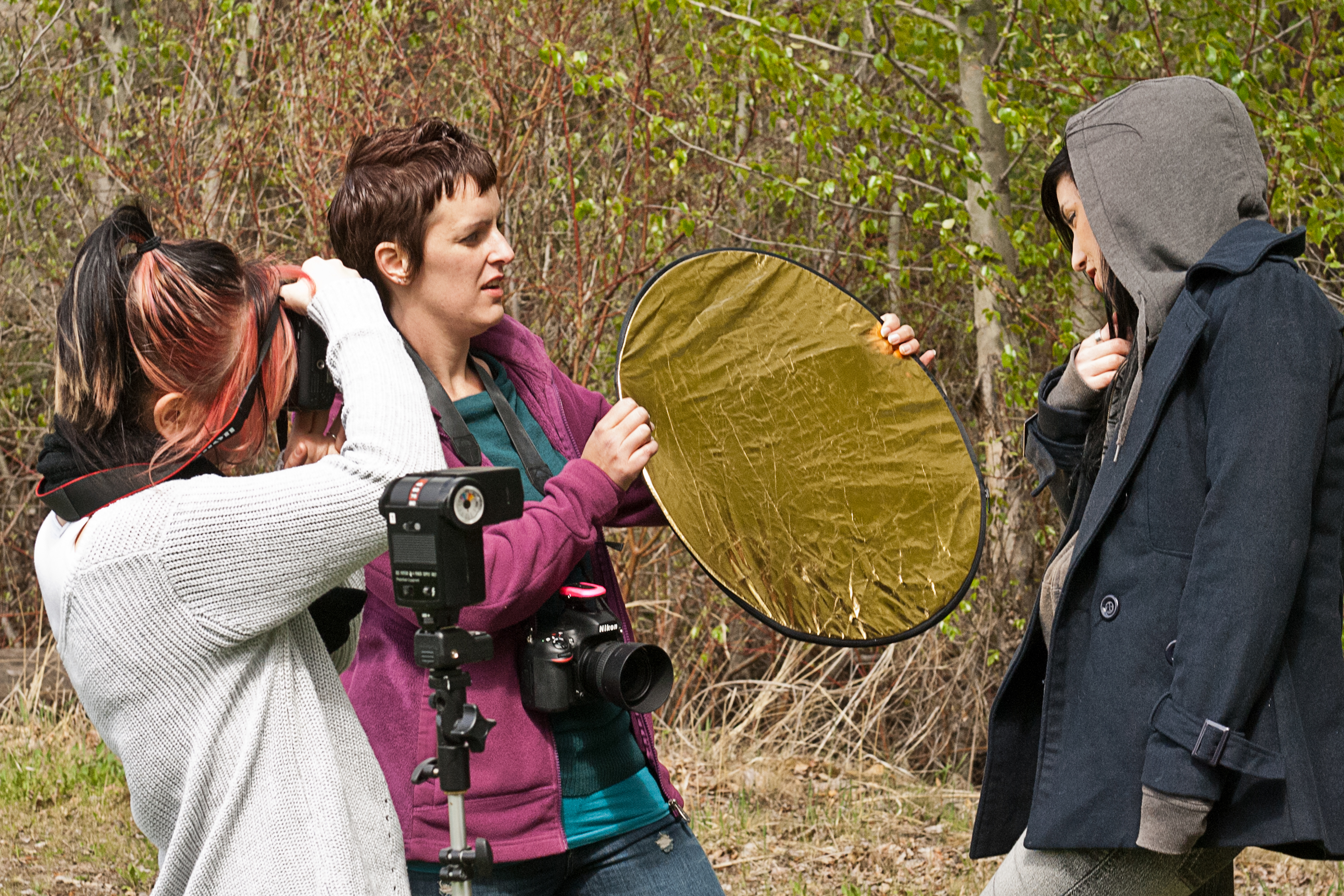
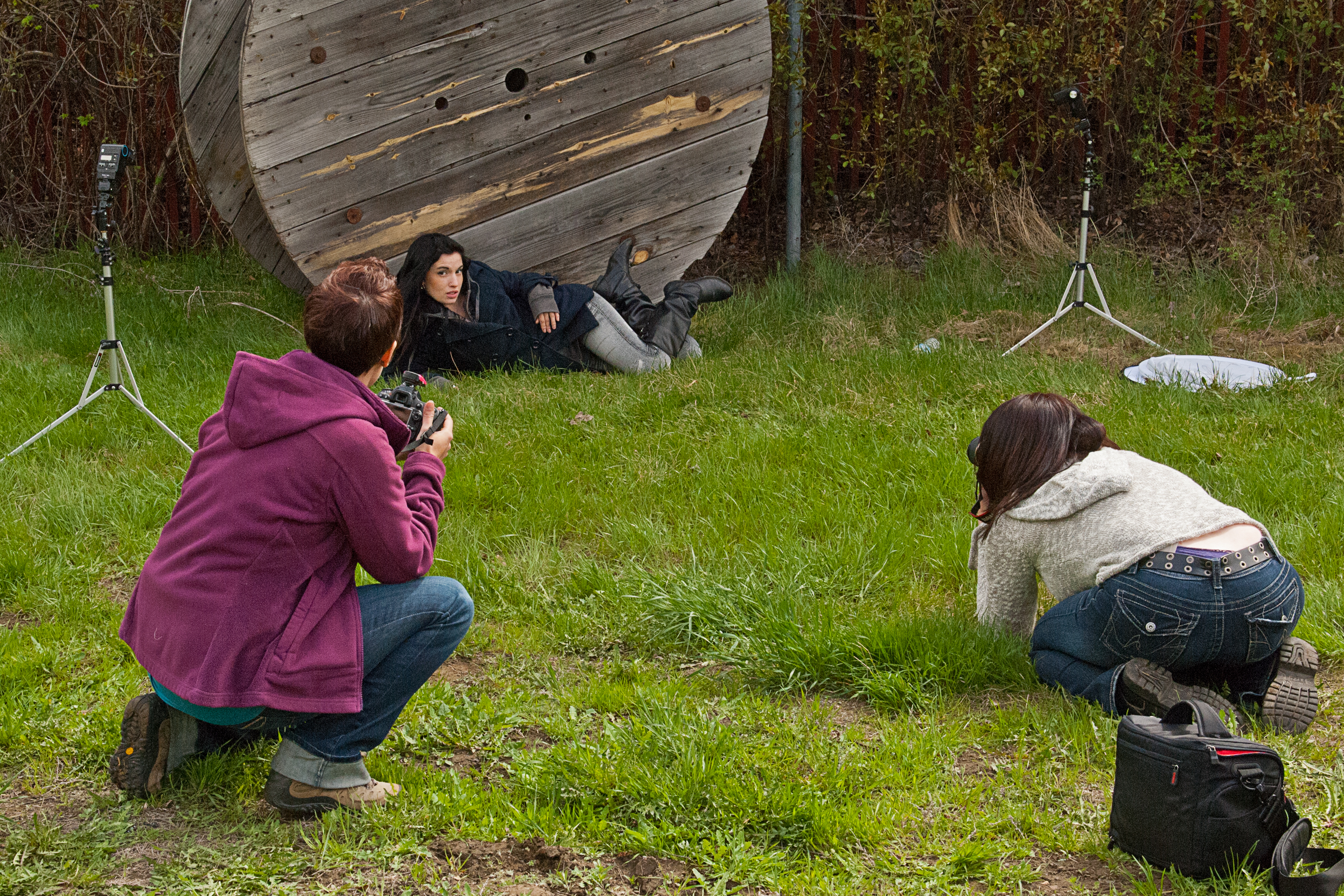
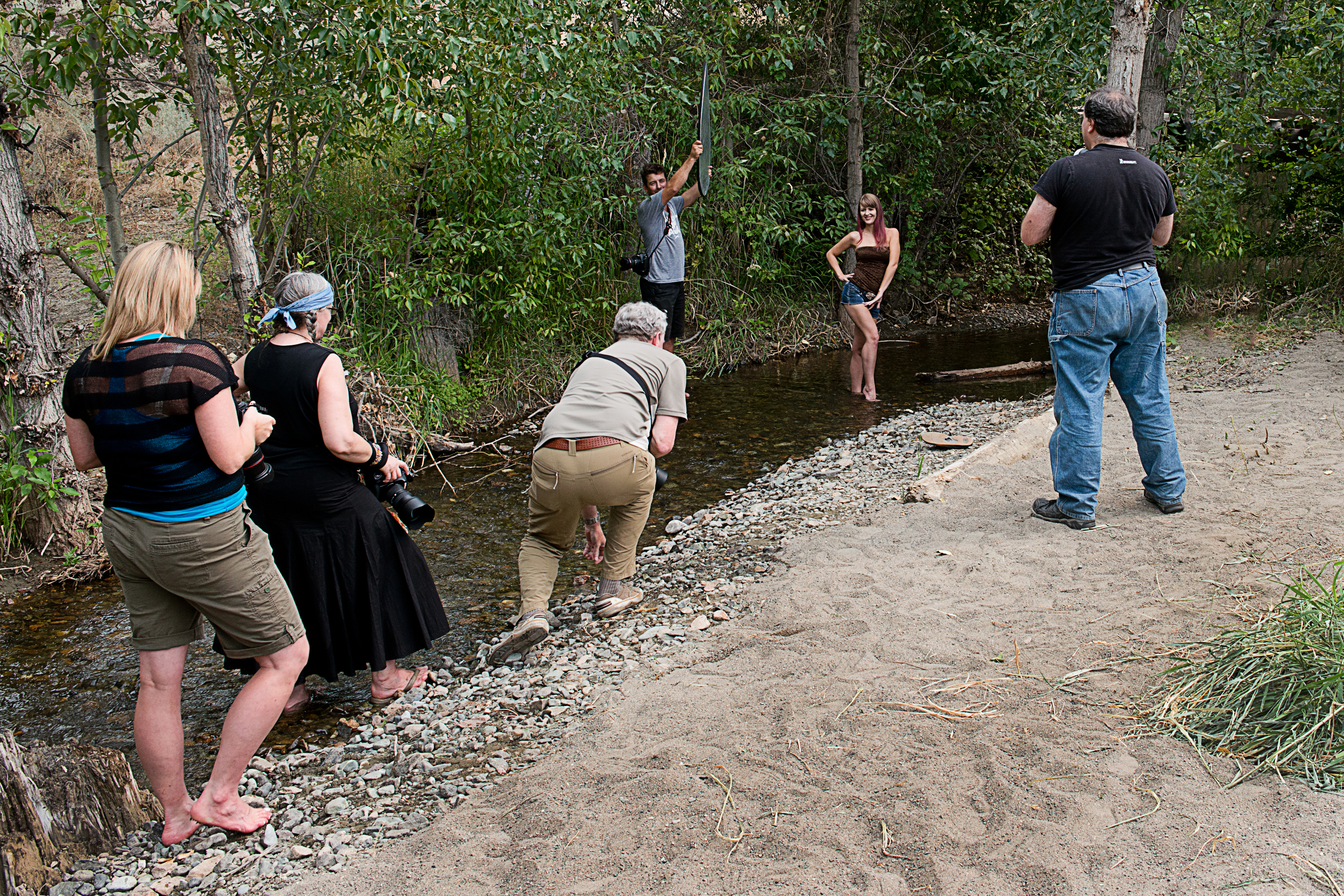
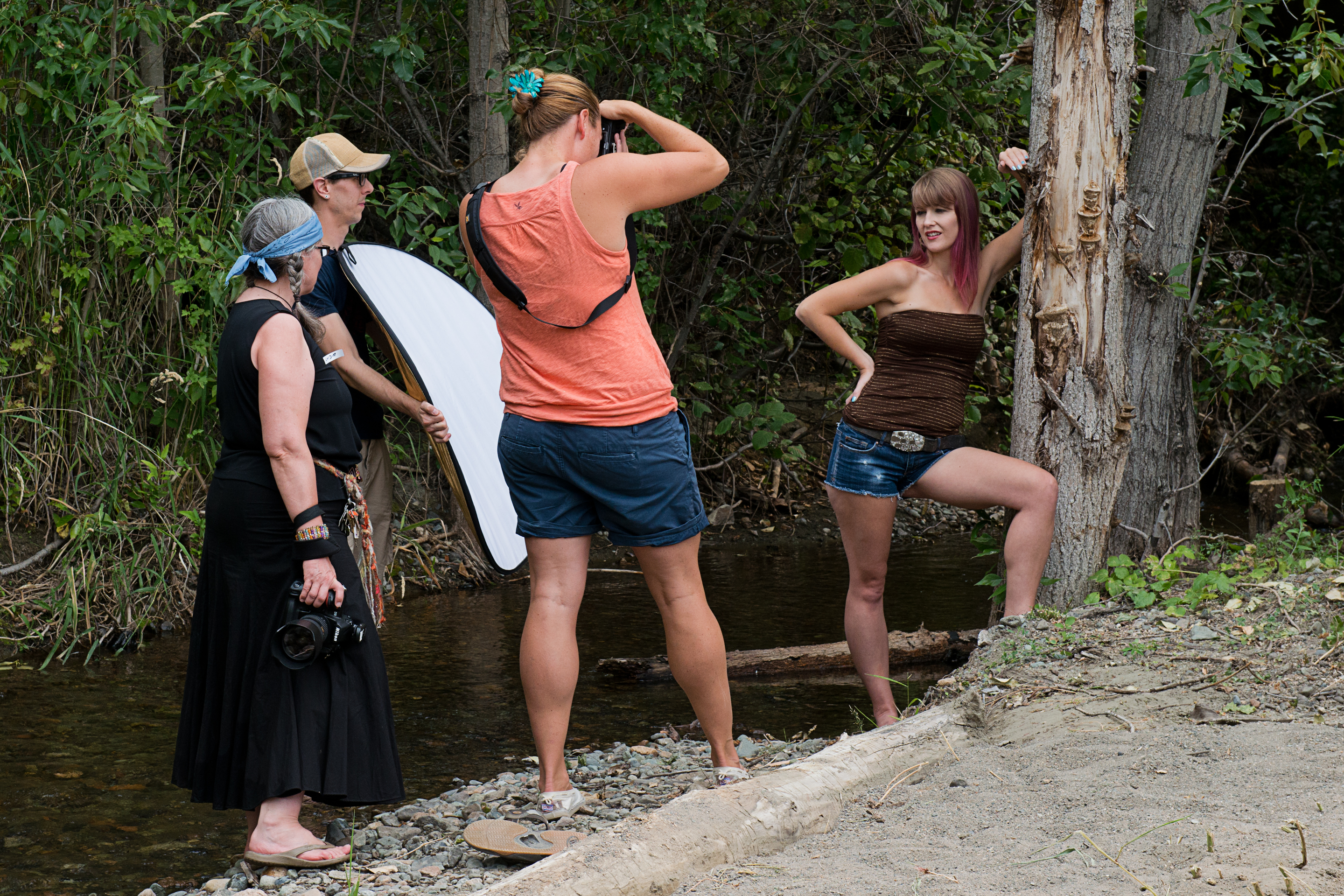
Several others picked up reflectors and gathered at the stream with the one model, Ali. The light filtering through the trees was perfect for the large reflectors, and I think wading in the cool running water was also enticing on the hot August day.

A few decided to try out the light-diffusion panels I had set up in the meadow behind the studio, and later made portraits using the portable strobe I had placed in what was once a large farm equipment/hay storage shed.

Small groups interacted, gathering to discuss different techniques and to exchange thoughts on photography, and in my opinion, it was that exchange of personal experience between the photographers that made the day a success.

As I got the chance to peak at the LCD of several photographers’ cameras, I was intrigued at how differently each photographer captured the same subject. As I write I think of some famous quotes, the first by iconic photographer Ansel Adams, “Photography, as a powerful medium of expression and communications, offers an infinite variety of perception, interpretation and execution.”   His words more than fit what I saw created by those assembled at Versatile Studio that day, and I also like this quote, by author Peter Bunnel, who in his book, “Creative Camera International” writes, “There is no single form or style of portraiture. Portraiture means individualism and as such means diversity, self-expression, private point of view. The most successful images seem to be those which exist on several planes at once and which reflect the fantasy and understanding of many.”

So of course, you can understand why I would include that quote because, indeed, I saw many styles of portraits being made on that day. That’s the interesting and enjoyable thing about getting together with other photographers, especially a collection of photographers as large and diverse in talent and experience as was there; everyone is an individual and creates from their own personal perspective.

Versatile Studio, situated in the small community about fifteen minutes from my shop in Kamloops, hosted this photographer’s event with the help of accomplished photographer, Gary Risdale and myself. Our roles weren’t that of instructors as much as we were there to introduce, demonstrate, and facilitate.

I was so involved with what others were doing that, other than the images I have posted, I didn’t get a chance for anything else.

The studio’s owner, Dave Monsees, commented to me that he liked being around fun people with a true passion for photography and said he enjoyed himself so much that he intends to try to have photographer and model get-togethers like this in his studio on an occasional basis, every month or so.

I enjoyed spending time with those photographers; some were long time friends, and some were new acquaintances; and, I must admit, some of my most favorite times of all, have been either doing photography, or being with people that are doing photography.

It is always great to have your comments, John

My website is at www.enmanscamera.com
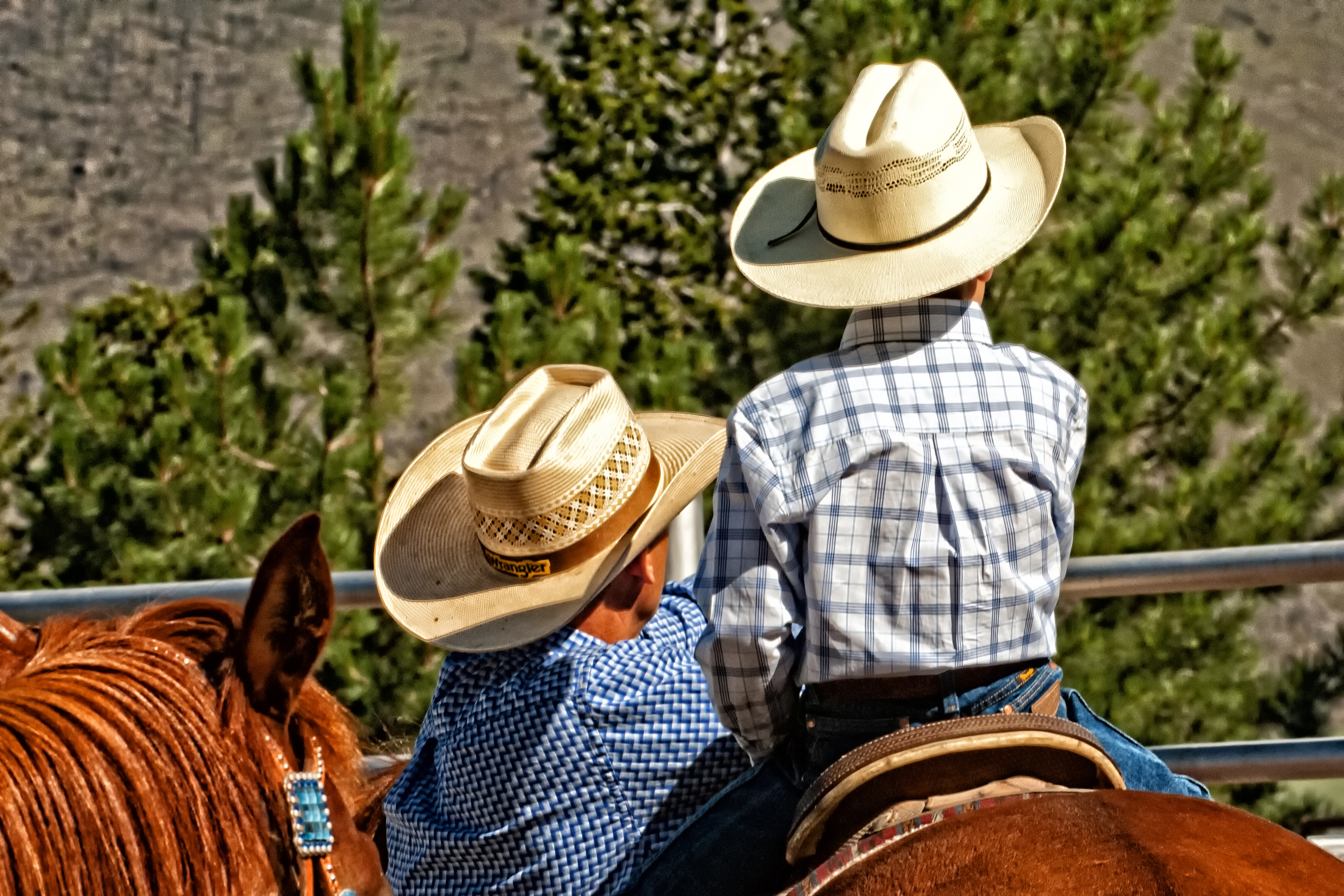
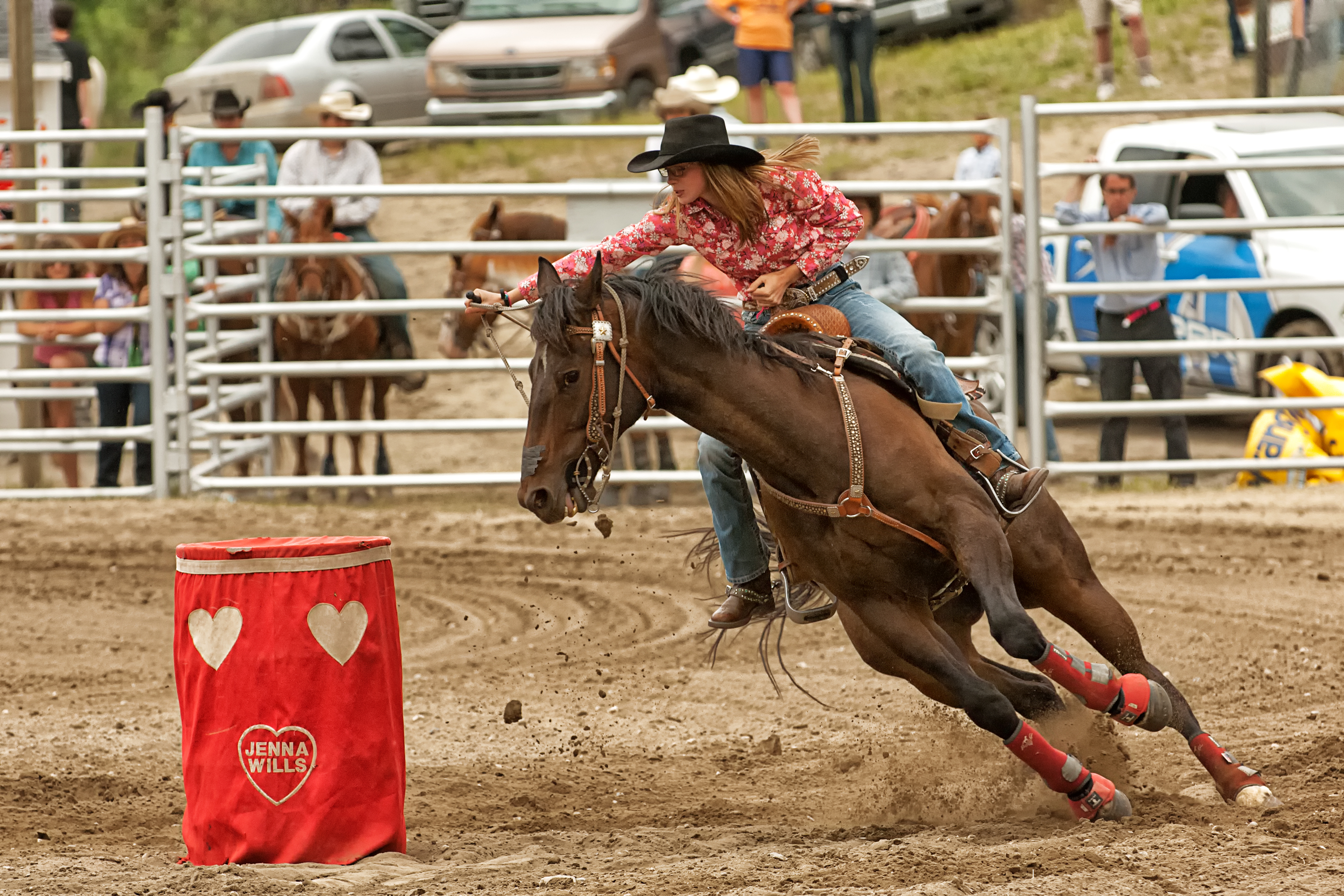
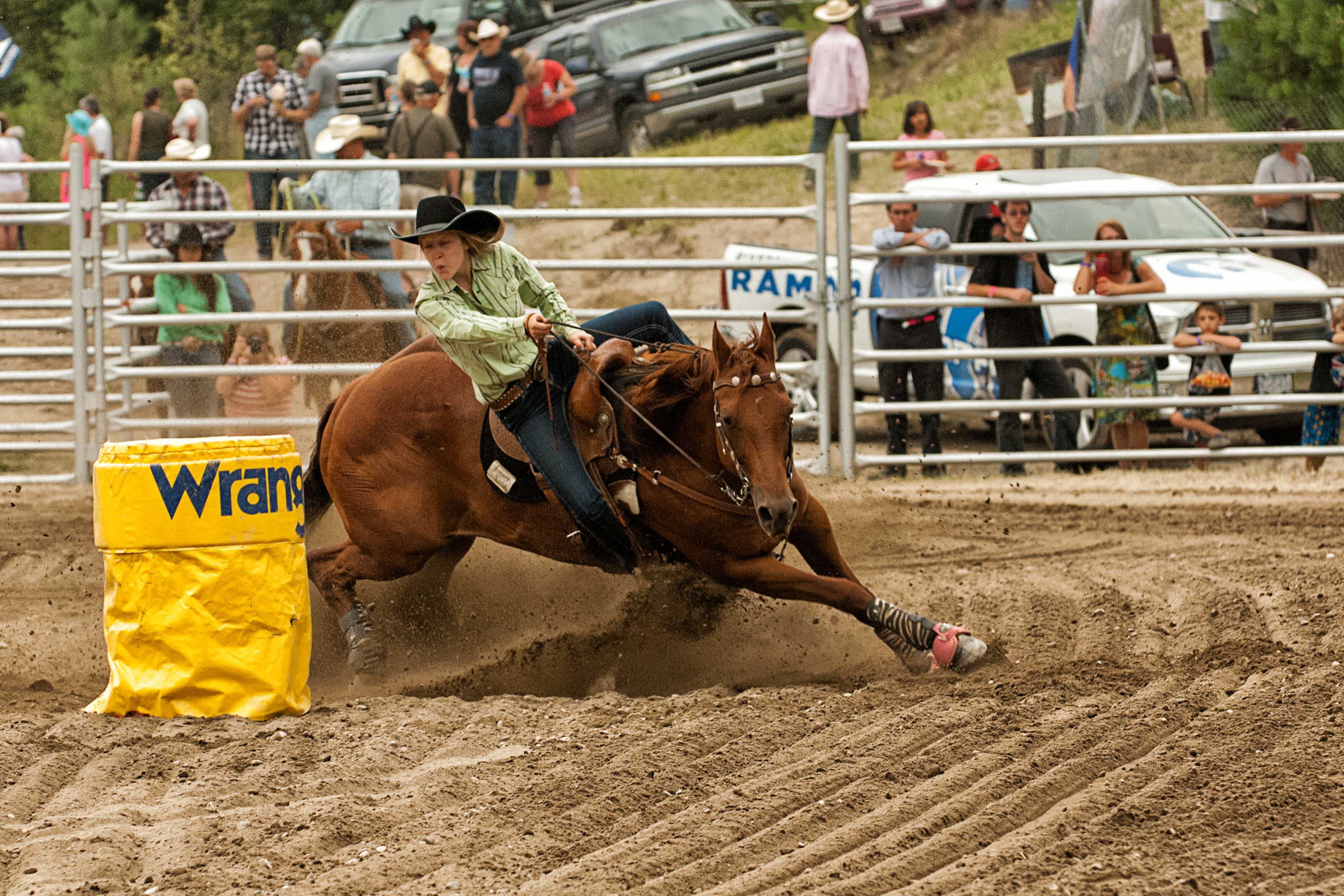
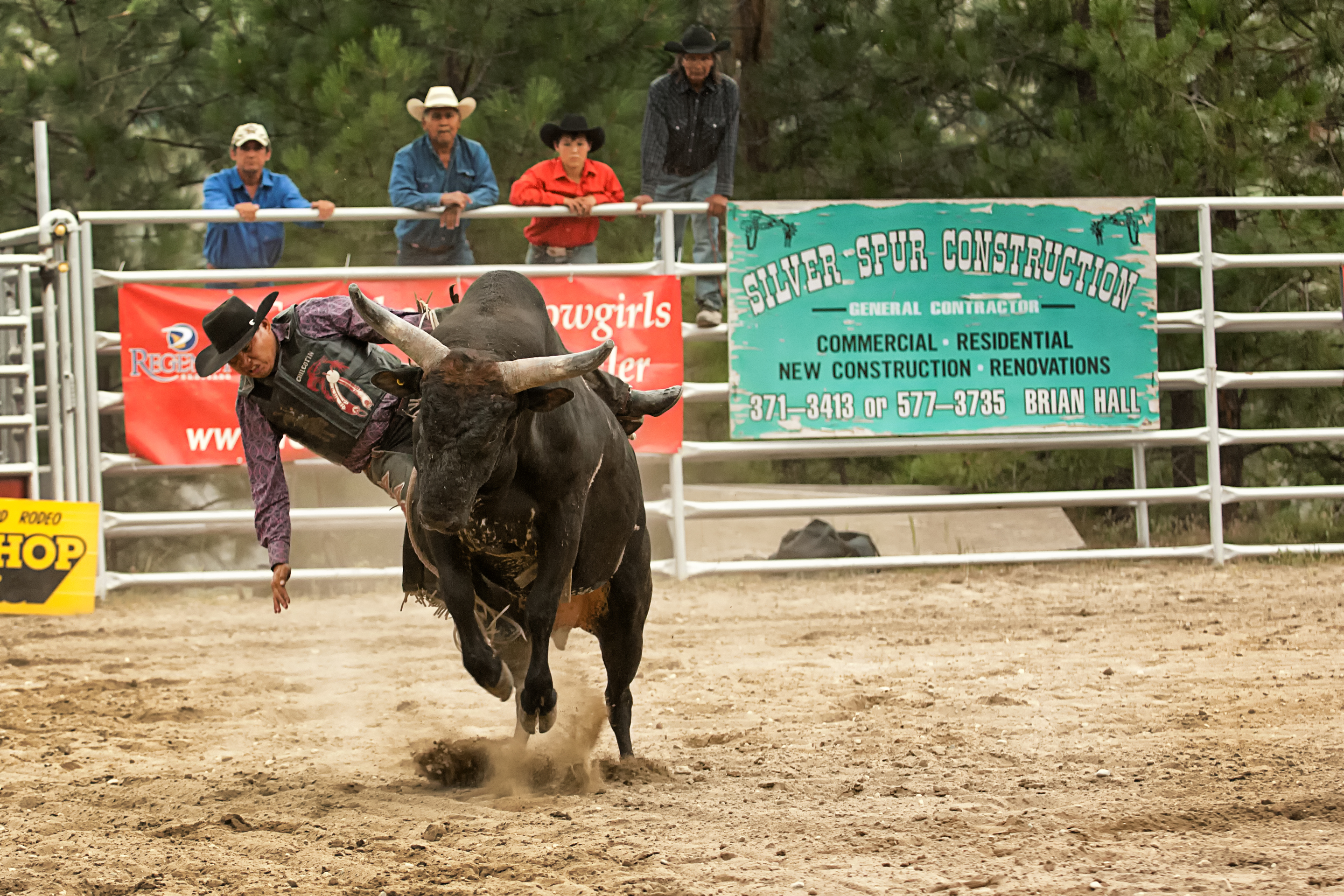
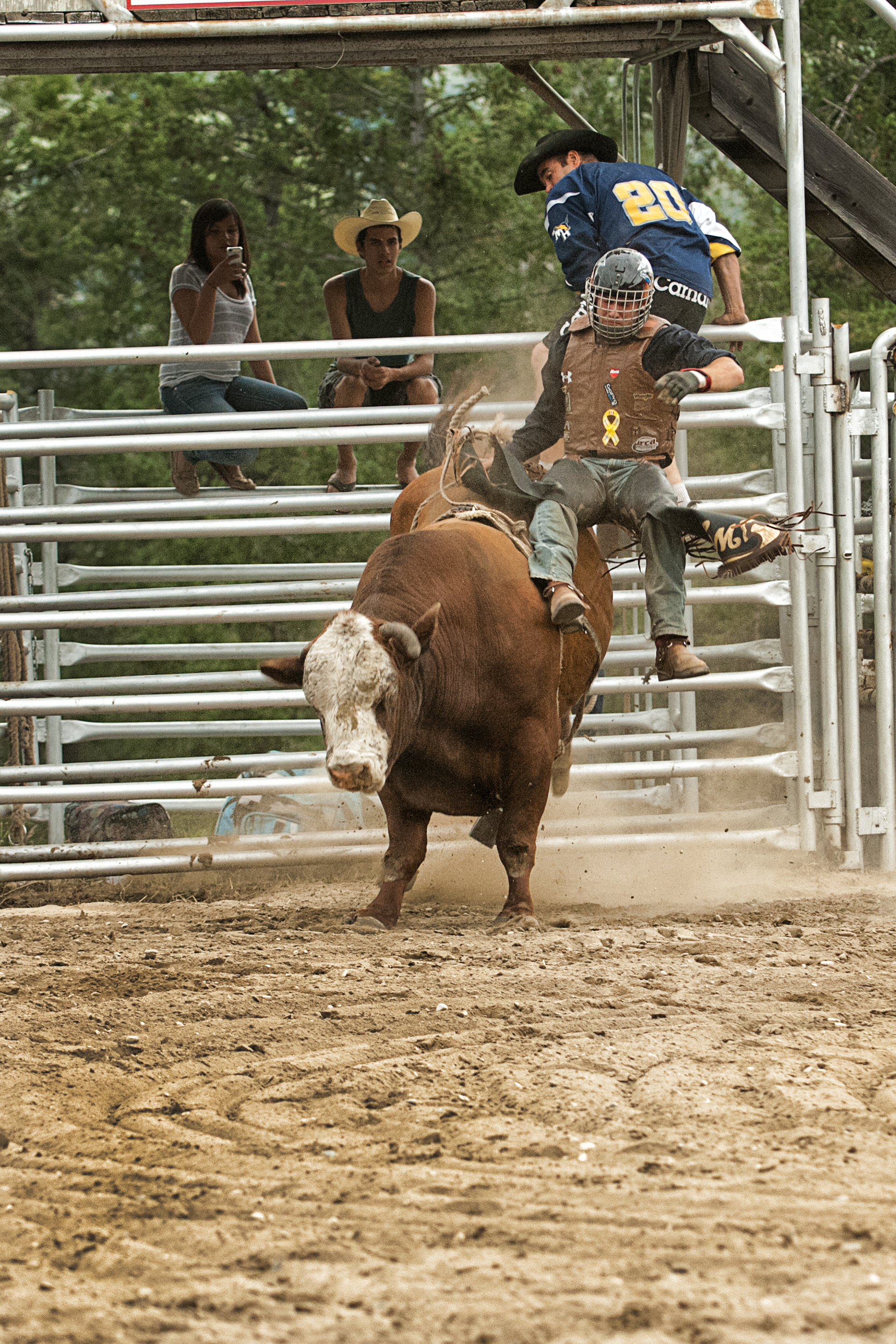
Photography at the Pritchard Rodeo

This father and son are watching the action at the Pritchard Rodeo.

This father and son are watching the action at the Pritchard, British Columbia Rodeo.

I never know who is going to win.

I never know who is going to win.

I think that horse is smiling.

I think that horse is smiling.

Root for who ya want...

Cow one, cowboy zero.  Root for who ya want…

I called this "Defying gravity"..I have never seen 'em fall..

I called this “Defying gravity”..I have never seen ’em fall..

Concentrating and holding on.

Concentrating and holding on.

I don't think riding sidesaddle is appropriate.

I don’t think riding sidesaddle is appropriate.

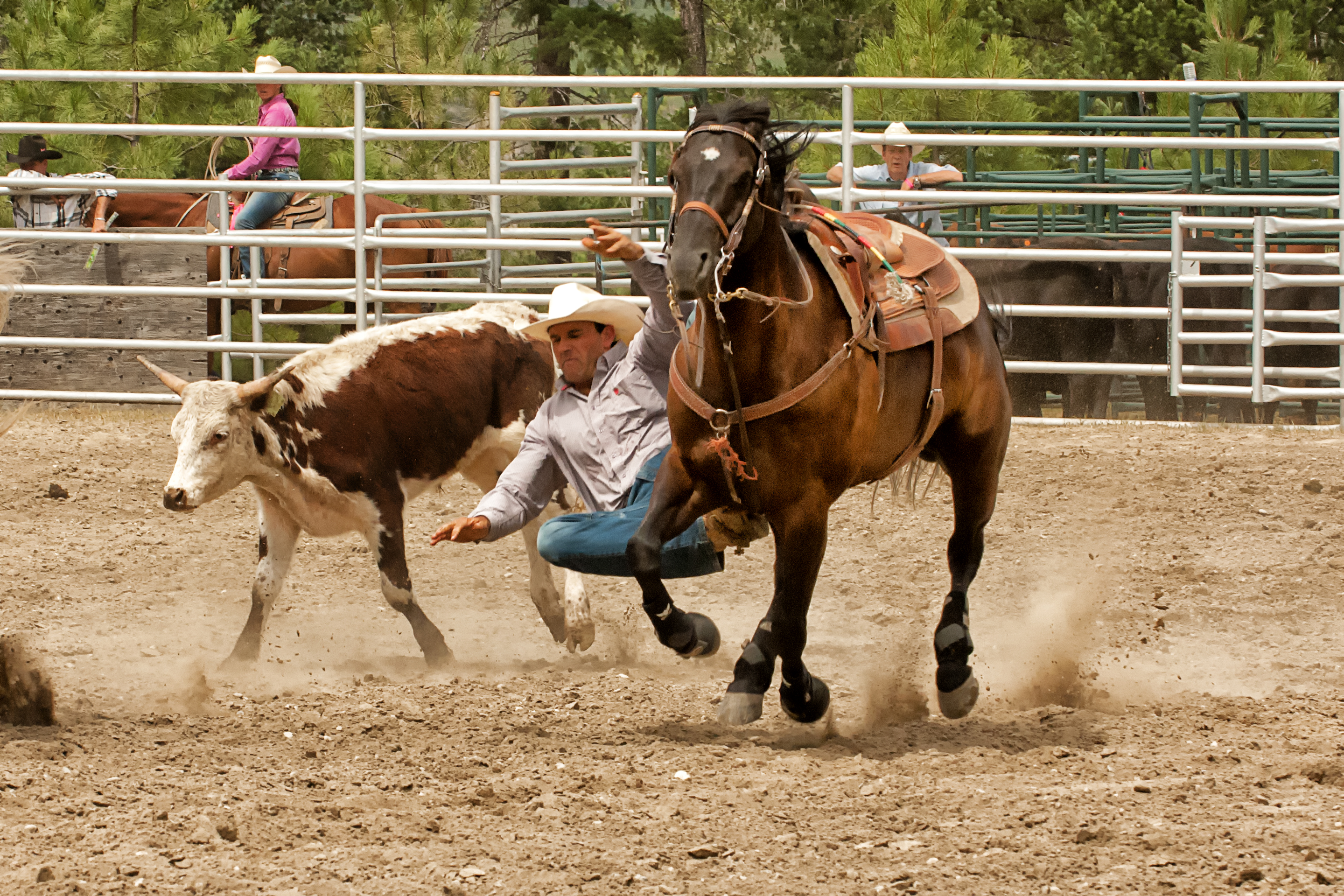
I'll call this, "Quick Dismount"

I’ll call this, “Quick Dismount”

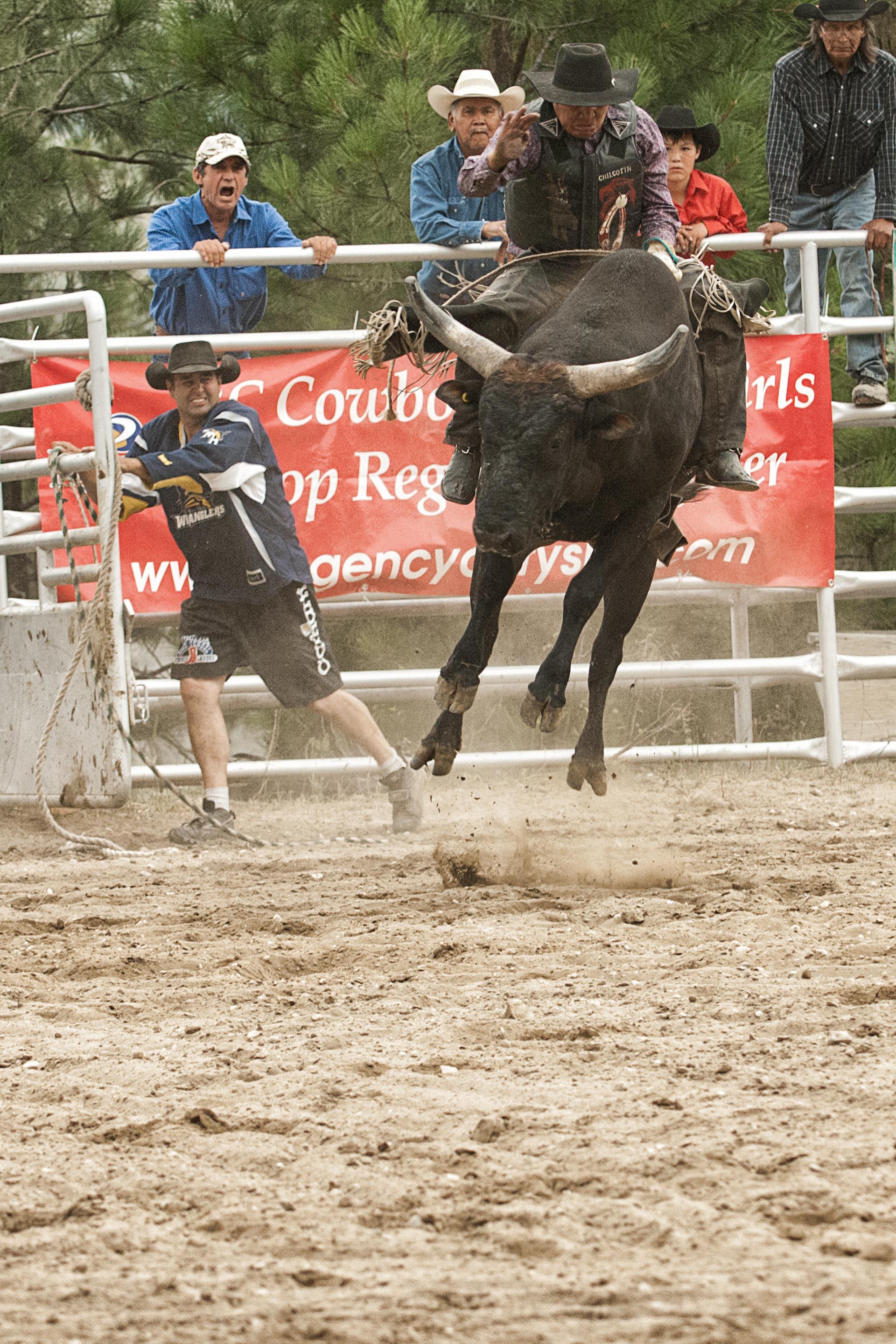
Maybe this is why they call bull riding dangerous. Ya wouldn't this that big fell could jump that high.

Maybe this is why they call bull riding dangerous. Ya wouldn’t this that big fell could jump that high.

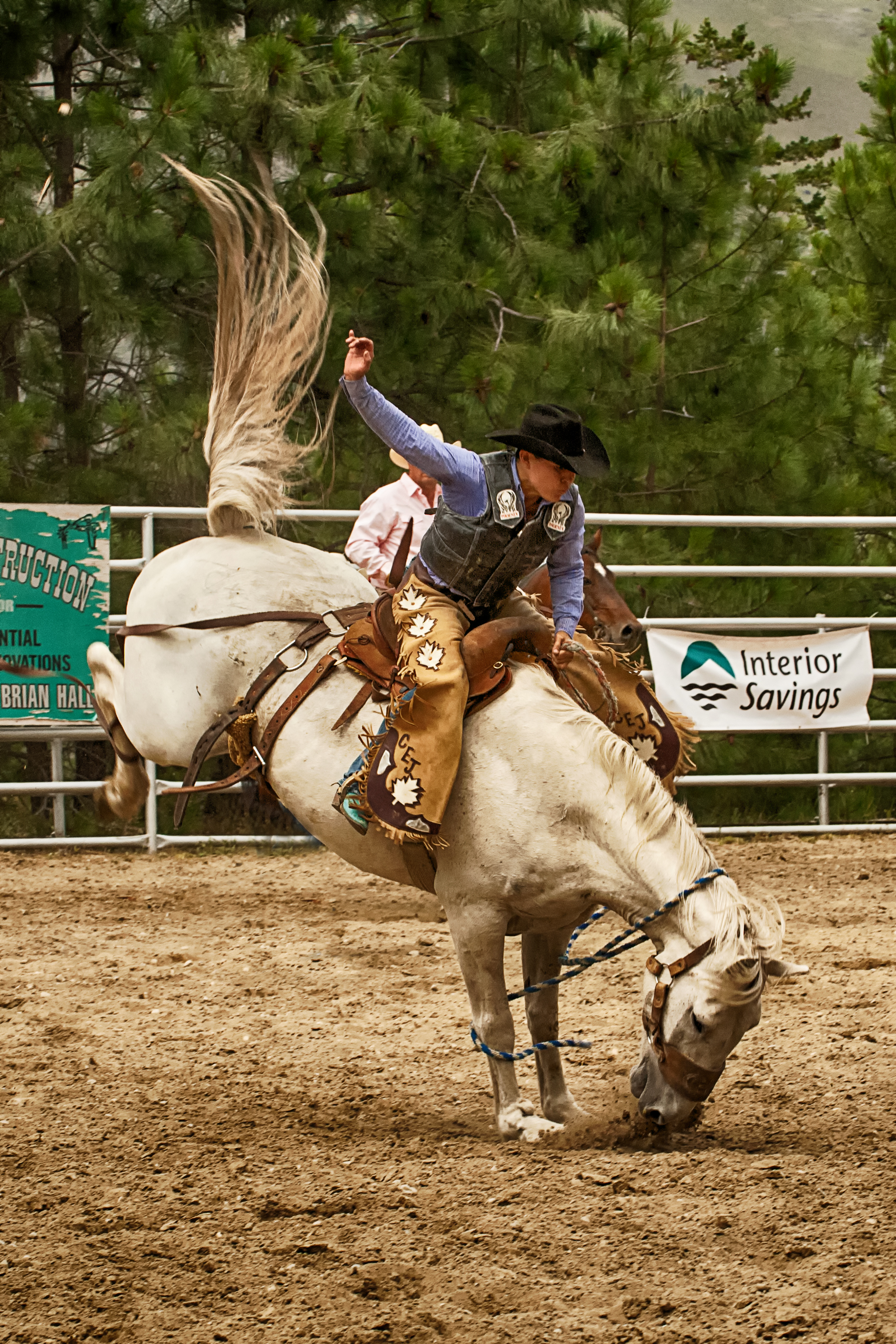
Thats what I call a high kick !

Thats what I call a high kick !

“When photographing fast-paced, erratically-moving subjects like those at a rodeo I would select Shutter priority. I like shutterspeeds of 1/500th or more and one always needs to be aware of depth-of-field, and balancing the shutter speed and aperture for that. Wide apertures reduce the field of focus in front of and behind your focus point, so leave room for the moving subject; something like f/8 or better yet, f/11 would be safest.”

That was part of a discussion I had with a fellow photographer while standing beside the arena at the Pritchard, BC Rodeo last Sunday.  I had been laughing about the not-so-successful attempts two wranglers were having as they tried to lasso a wily bronco.  As we talked I was quickly pointing my camera at the action, and the other fellow wondered why I wasn’t paying attention to my settings in the changing daylight.

I asked how he set his camera and his response was he first tried his camera on Manual mode and had just switched to Aperture priority.  I am sure either of those would work well, and I have no doubt that some photographers who shoot rodeos professionally will have their own advice to him.

I was there to have fun, socialize with friends, and still get as many shots (that were keepers) of the rodeo as I could. Shutter priority assured that I’d always have a shutterspeed that would stop the action.

My first goal was to get the light correct and keep it correct without constantly resetting the camera. The only “chimping” (a term used to describe the habit of checking every photo on the camera LCD immediately after capture) I would do was to check my camera’s Histogram every now and then.

Shutter priority was as close to point-and-shoot as I could get in an environment where my attention might stray. Fortunately this was a local rodeo and I was very familiar with the grounds and where the action would take place. When an event was about to change I would casually walk around the arena to where I had in the past found the best place to photograph that particular activity.

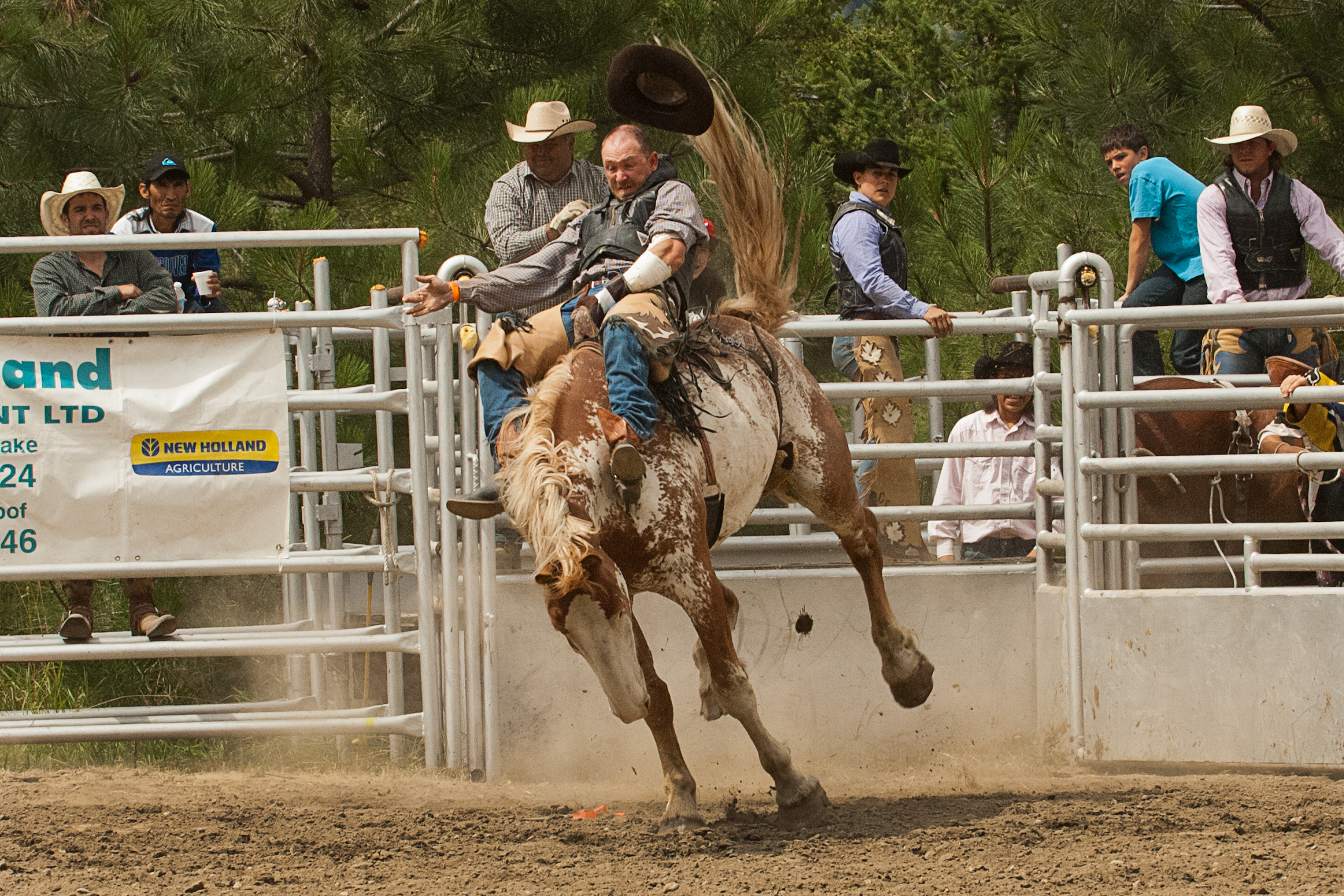
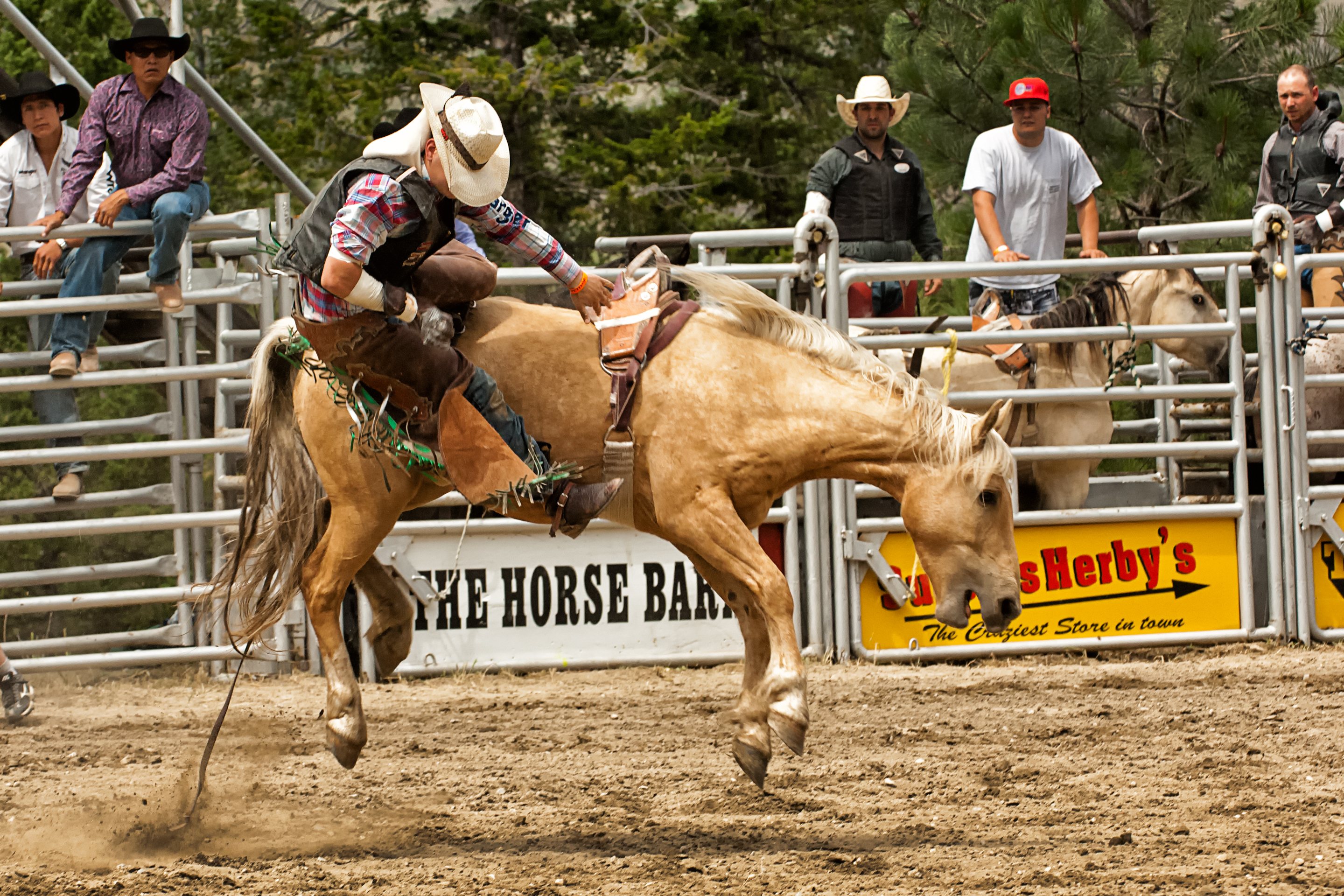
My favorites to photograph are Saddle Bronc, Bareback, Steer and Bull riding.  The action is explosive and I think the participants (horse and rider, or bull and rider) pitted against each other are well matched and one can never be sure who will win. I am of the opinion that both animals and humans know it’s a game. For example, I watched a large black bull crashing around in the bucking chute, giving the handlers a hard time as the rider tried to get mounted. The gate opened, rider and bull exploded into the arena with the bull bucking, rearing, kicking, spinning, and twisting. Although he did his best to hang on for the required eight seconds, the contest ended with the cowboy being thrown.

Bullfighters rushed to help the rider, possibly expecting additional aggression from the bull, but at that moment that large, black, dangerous bull’s attitude immediately seemed to change from “death incarnate” to, well, a nice fellow out for a stroll. And that’s exactly what he did, casually walked back to exit the arena to brag to his buddies.

My photographs didn’t show that mellow conclusion, that’s not what we expect at the rodeo. Instead they are great action photos of what has been called, “the most dangerous eight seconds in sports”.

The Pritchard Rodeo grounds are perfect for photographers. The arena is enclosed with a strong metal fence that’s safe to stand close to and doesn’t restrict the view.  Of course, one has to be careful when excited horses are getting ready for the Barrel Race, but heck, it is a rodeo and one must remember that the animals, like any other athletes, are focusing on what they are about to do, not some silly person with a camera.

I’ll mention that Barrel Racing is also a great subject to photograph, and trying to perfectly capture what seems like a gravity-defying moment as horse and rider, fast and furiously, circle the barrel is exciting.

I know there are more rodeos scheduled for the British Columbia rodeo circuit ahead and interested photographers can expect an enjoyable, energy-packed day of photography that, at times, will test their skills.

I always appreciate any comments. Thanks, John

My website is at www.enmanscamera.com
Deadman Junction Photographs – A Great Time

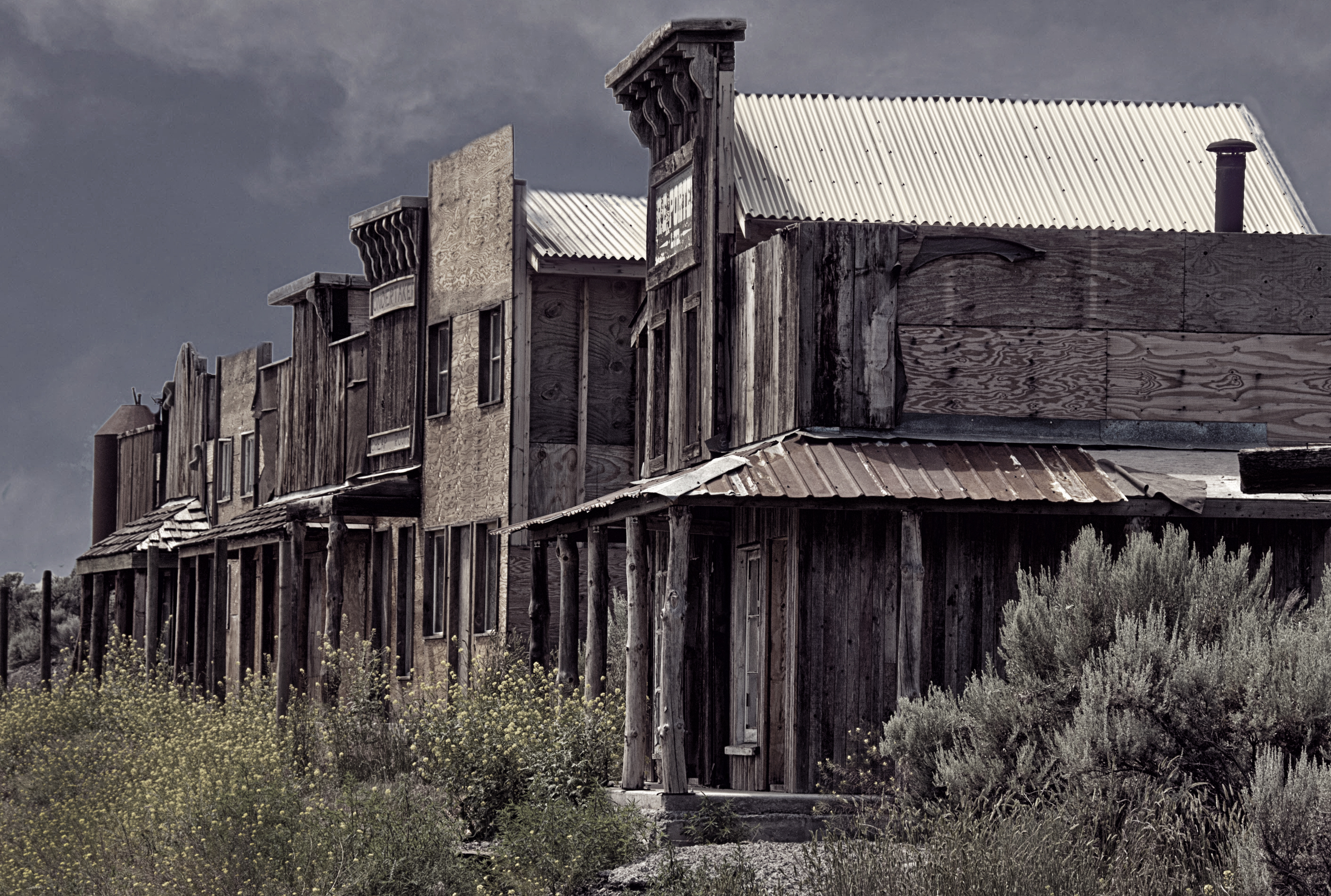
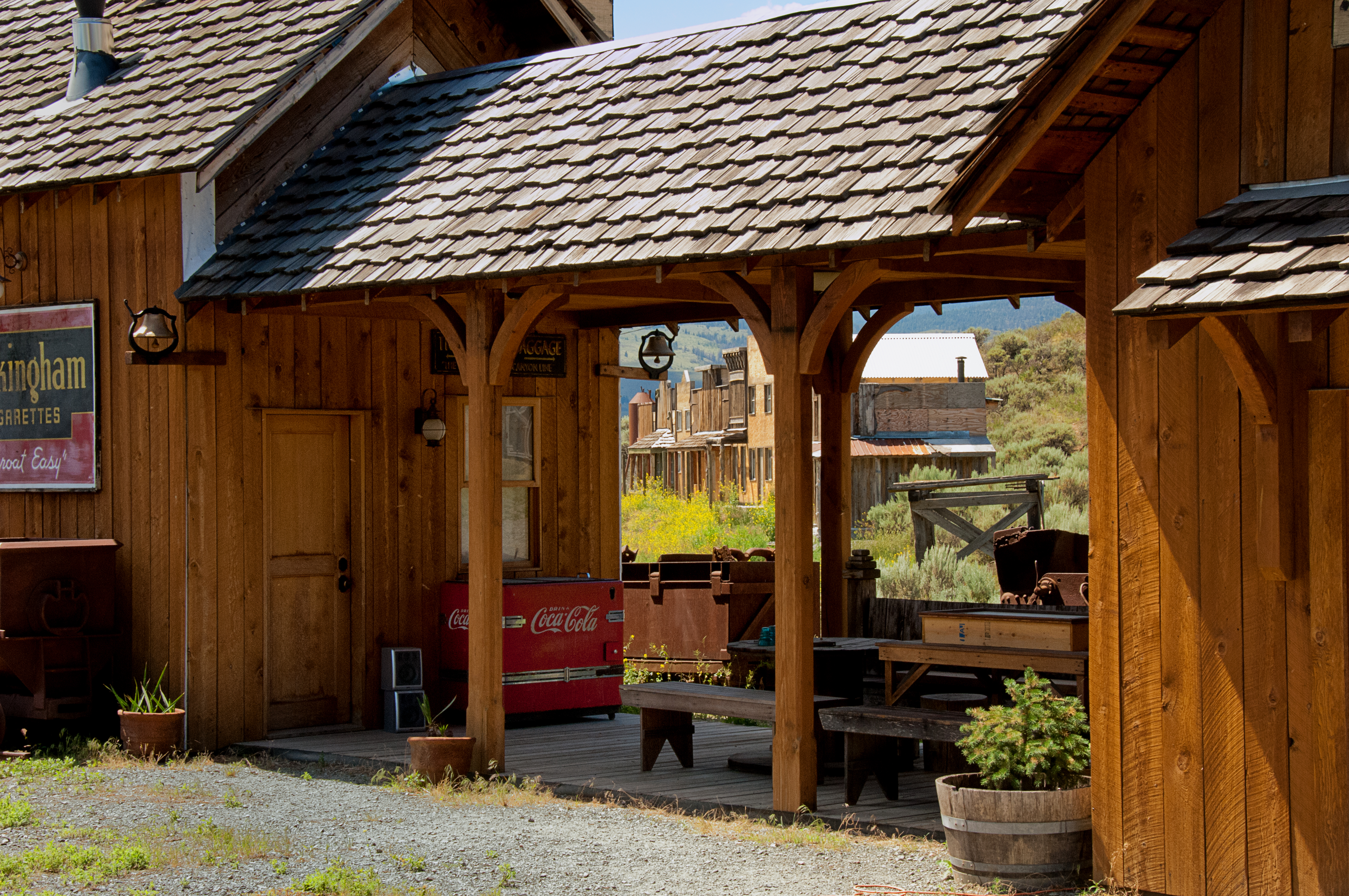
view of deadman junction buildings

view of deadman junction buildings

mining office and jail

mining office and jail

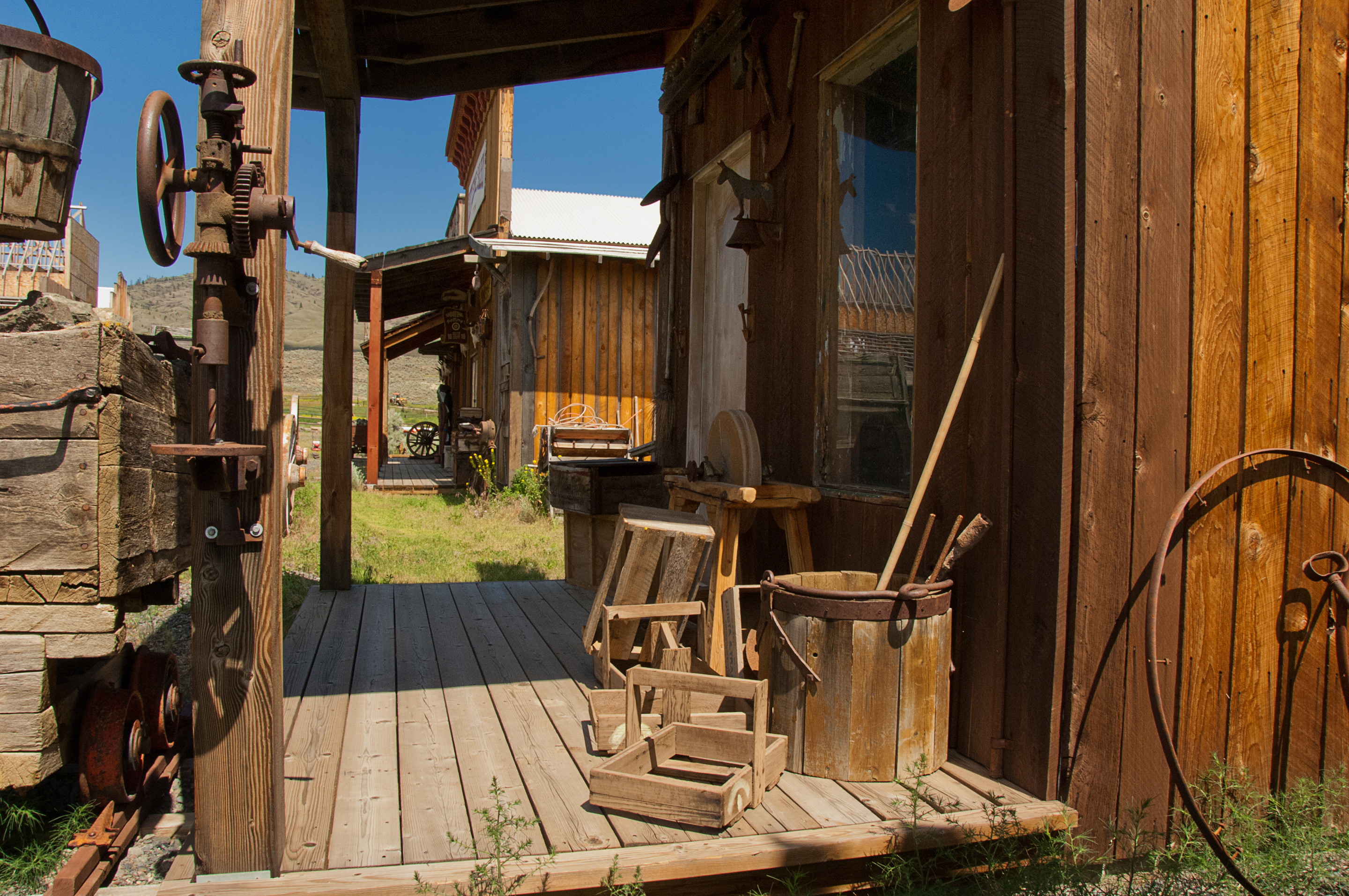
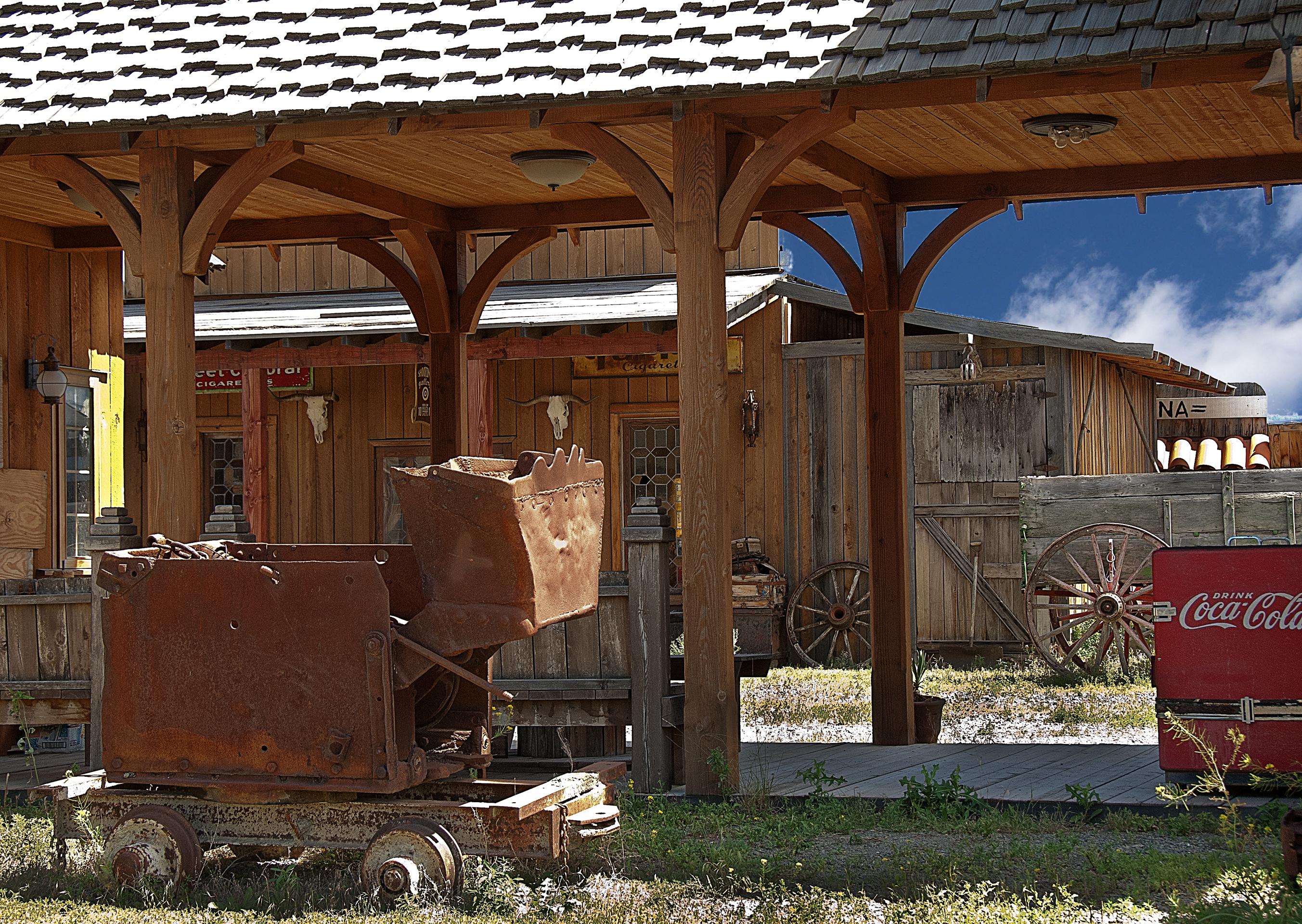
an old mining cart

an old mining cart

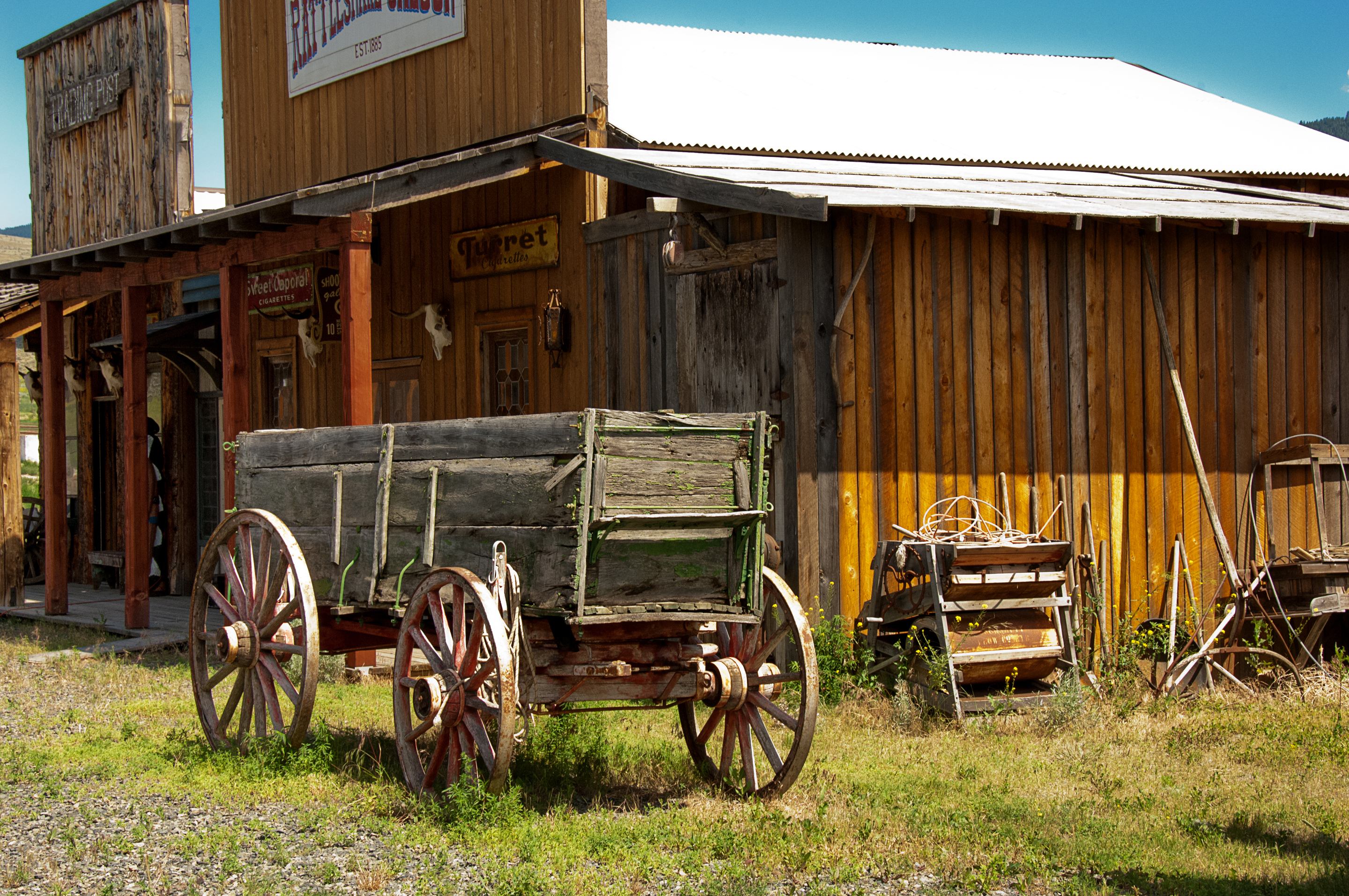
an old cargo wagon in the street

an old cargo wagon in the street

view from deadman's main street to buildings.
view from deadman’s main street to buildings.
 

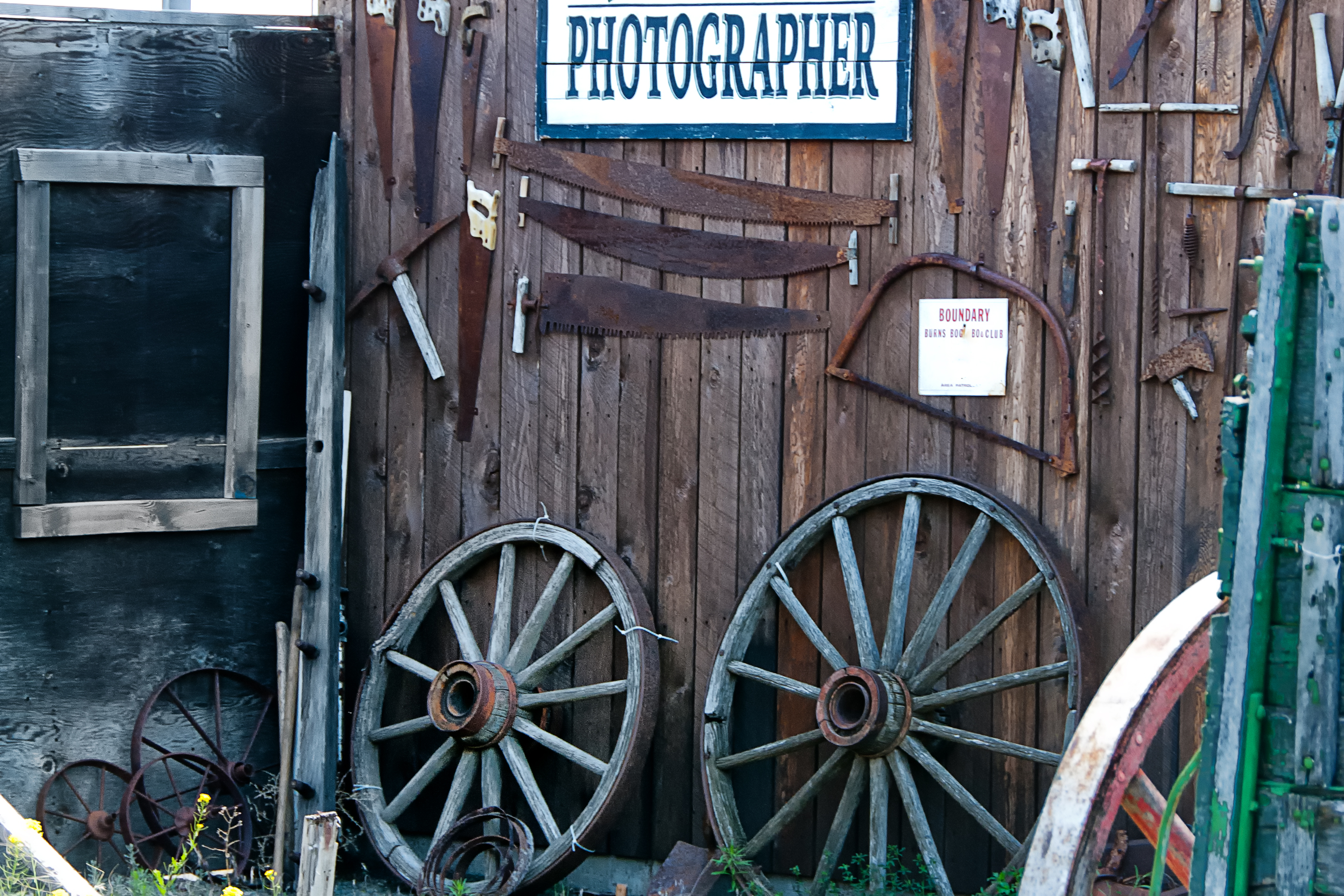
a wall with saws and a photographer's sign

a wall with saws and a photographer’s sign

an old cargo wagon in the street

an old cargo wagon in the street


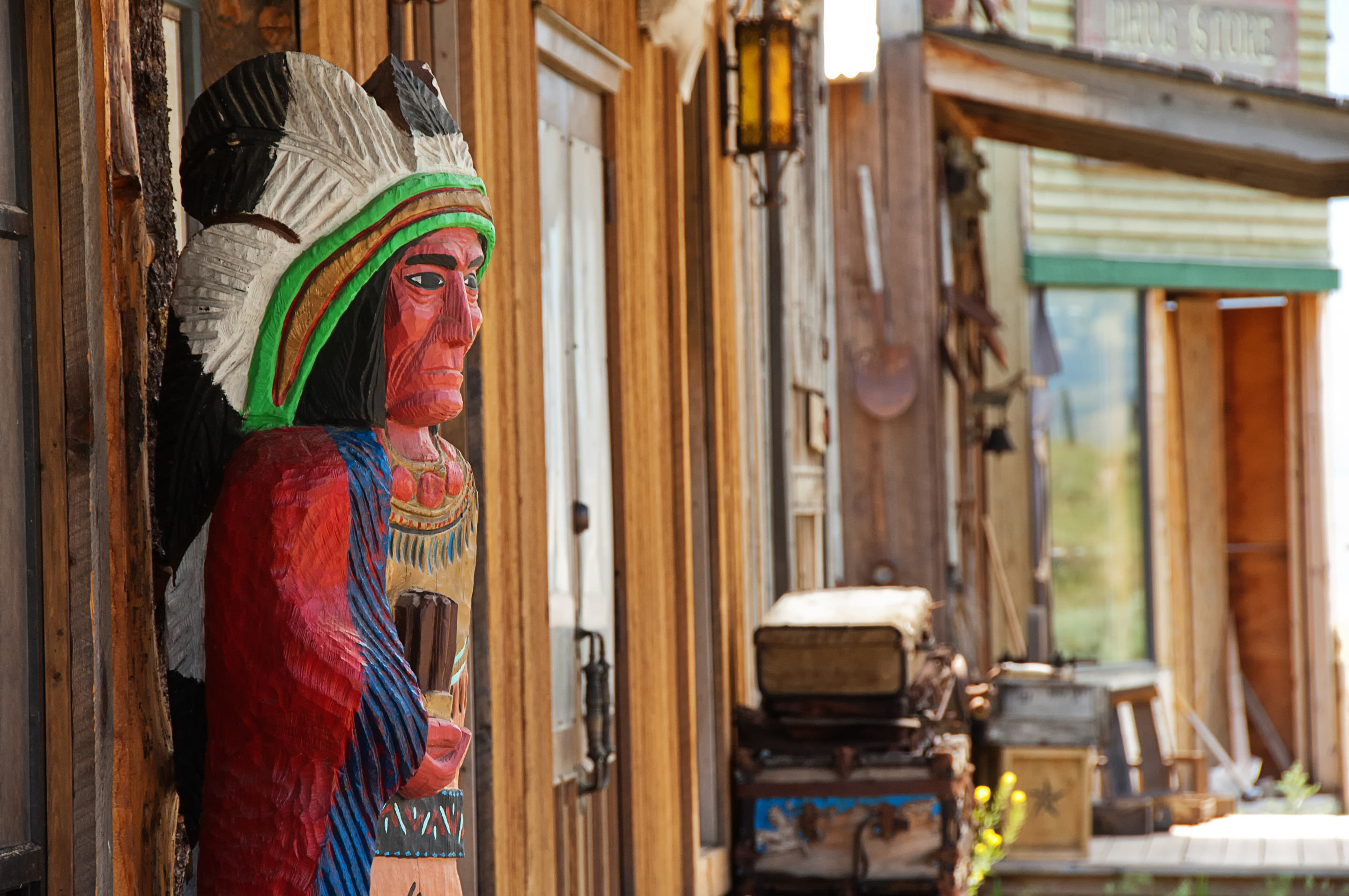
Cigar store sculpture in front of saloon

Cigar store sculpture in front of saloon

  walking down Deadman Junction main street

walking down Deadman Junction main street

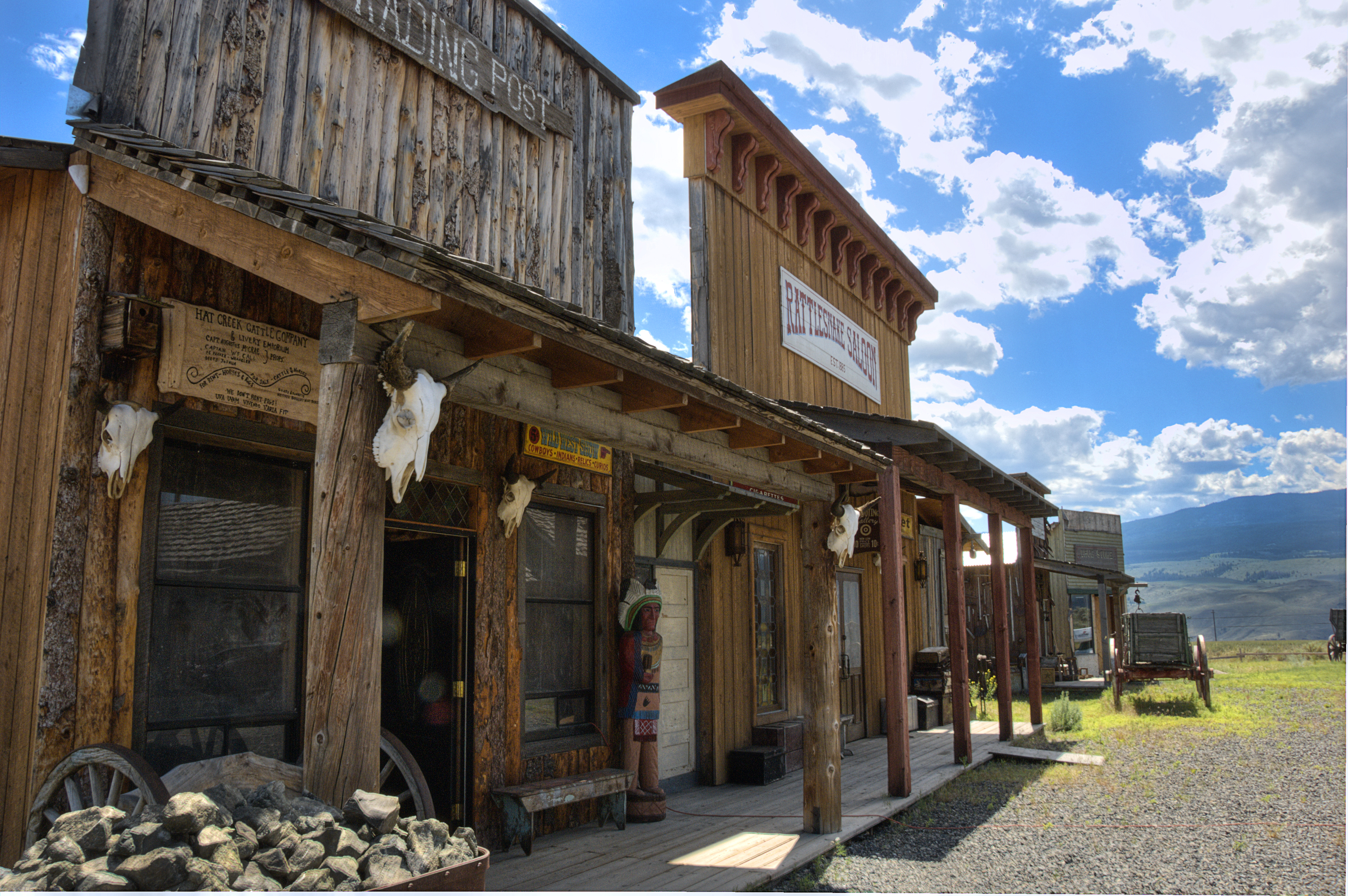
Photographers driving about an hour west of Kamloops British Columbia, along the Trans Canada Highway 1, past Savona, and past the turn to Deadman’s Creek, will discover a neat, little gem situated just off the road.  All they have to do is watch for a big, home-made sign positioned on the side of the road, amidst the wide, low, rolling-hilled, sagebrush-filled landscape that declares, “Deadman Junction”.

At first glace that sign marks what looks like the remnants of an old town. There are already plenty of decrepit structures left decaying along that stretch of highway and travelers might be hesitant to stop because it looks like it might be, like so many others, private property, and I expect many readers have been run off occasionally by landowners intent on preserving their privacy. However, my suggestion is to slow down and stop because this is a camera-waiting, ready-made, western movie set that is definitely not restricted to private invitation and where everyone will be welcome.

Owned by dedicated wild-west enthusiast Matt Sandvoss, the partially constructed old-west replica is a perfect place for any respectful photographer that wants to work with western lore and old buildings.

Sandvoss, an enjoyable storyteller, guide, and visionary in his pursuit to construct this copy of an Old-West town in a remote part of British Columbia, is an eager, willing, and immediately likeable host.

When I arrived there were motorcycle travelers from Alberta, and a family from England, with both groups enjoying his commentary on the movies that had been filmed there and his ideas for the town’s future. He was pointing out features, western items he had collected, and was adding interesting anecdotes on each.

Although I was mostly involved in my personal photographic quest through the photogenic location, I did hear him mention the movie “The A-Team”, and that actor Harrison Ford had been there. I think that is great, having just found the place I’d hate to see in fall into disrepair, and movies will give Mr. Sandvoss the funds to not only maintain it, but also to add more buildings (for us to photograph).

Photographically the location is almost captivating. The landscape is wide and rolling with almost none of the modern trappings like wide parking lots, concession stands and electrical power poles that usually come with roadside attractions, and when one does see a power pole or something else that gets in the way, it is easy to find a different view.

I wandered back and forth, there was so much to photograph that I found myself continually returning for another look or angle. I was able to capture wide, picturesque images of a row of buildings with appropriate sagebrush and tumbleweed in front of, and around, rickety-looking old wagons, and even iron works close-ups on what I am sure were authentic mining carts.

Those travelers of Highway 1 between Kamloops and Cache Creek might want to stop to cool off at the Juniper Beach Provincial Park nestled in a shady, treed spot along the river, and if the Skeetchestn Indian Band rodeo is in progress, that’s a neat event also. However, for me I know I’ll be taking the scenic drive again along the mighty, winding Thompson River to spend some time listening to Sandvoss’ stories and a whole bunch of time photographing Deadman Junction.

I always appreciate your comments. Thanks, John

My website is at www.enmanscamera.com