
A Photography Excursion In My Own Yard     

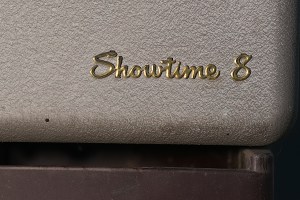
Showtime

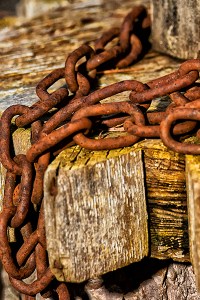
Rusty Chain

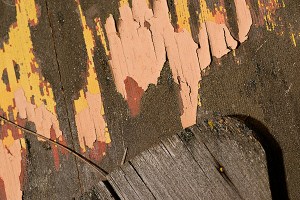
Painted wheel

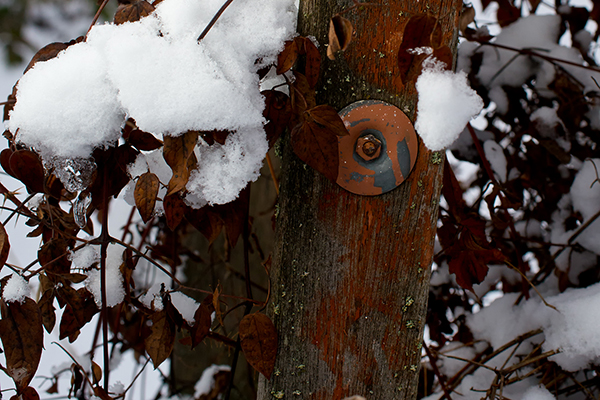
Lichen

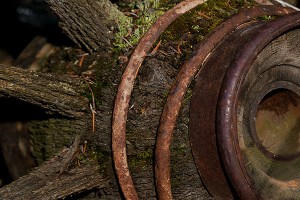
Wagon wheel

Water tank

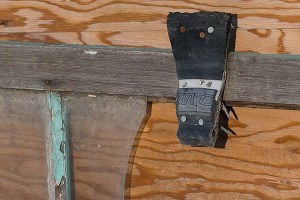
Window hinge

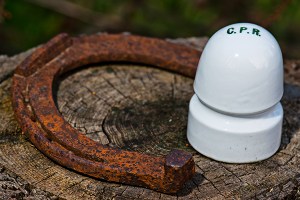
C.P.R.


It seems as though photographers get so hung up on traveling in search of exotic, or inspiring, locations that they forget about what is right out their own door.

I must admit that unless I have decided to take pictures of a colourful plant, or quickly capture a photo of a feral cat looking for handouts, or a deer that has hopped the fence with hungry designs on the spring buds growing in my wife’s garden, I rarely wander our yard with my camera in hand. The items we pass by every day become so familiar and commonplace that we pay little attention to them.

Last Sunday I wondered if the ten lilac bushes I planted late last fall made it through the winter. So I walked along the fence to check for spring growth and sure enough all of the new shrubs made it and I later told my wife that all the lilacs she had shipped all the way from Quebec are doing just fine. Of course with the unusually warm winter we had here in British Columbia one would expect no less.

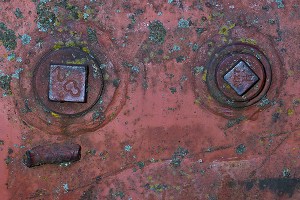
As I walked around I spied a pile of old chain rusting on a log and realized I might be missing an opportunity for a few pictures if I didn’t get my camera. I admit I am not the most fastidious person when it comes to keeping tidy the two acres of land we live on, and because bits of things interest me I am forever picking up stuff that is apt to spend lots of time resting wherever I place them when I got home. That chain has only been sitting there for a year or two, but there might come a time when I will need that well-rusted length of chain.

So I got out my camera and mounted my wife’s treasured 70-180mm macro, grabbed my flash, and headed out. The Nikon AF 70-180mm is unique. It is the only true macro zoom lens around which allows precise framing without having to change working distance and refocus. And so, yes, that lens is special to Linda.

This photo hunt was to look for those bits and pieces similar to the chain and that’s why I chose that macro lens, so I could get in close or zero in on just a part of what I wanted to photograph.

One of my favourite photographers, Robert Mapplethorpe wrote, “With photography, you zero in; you put a lot of energy into short moments, and then you go on to the next thing.

Those words were perfect for my walk through my spring-like yard. I’d find an object or feature, focus close with the macro lens, zoom in to crop tight, release the shutter a couple times and move on.

Although I can use my flash wireless off-camera, this time I chose to connect it to the camera with a dedicated TTL cord. I decided it would be easier to hold the flash and aim the light from different angles than it would be if I had to keep moving and adjusting a stand. Instead of fussing with a flash mounted on a stand all I did was put the flash in my pocket till I needed it to photograph flaking paint, rust, moss-covered wood and all sorts of things that have found a home in our yard.

I am of the opinion that those photographers that live in a well-kept, tidy yard are missing out on such an opportunity. Just think of how much fun I had on my safari discovering great things of which to take pictures.

Of course there is the possibility that my wife will come up with an altogether different kind of safari once she sees my pictures, one that will be a lot less fun for me.


Photographing the Winter Garden

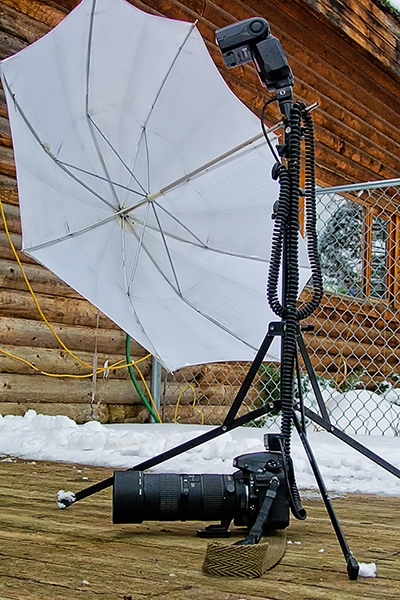
Outdoor lighting kit  Clematis

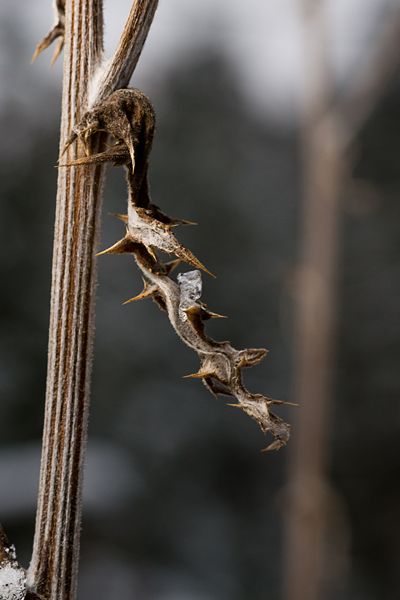
Erigron  Erigron b

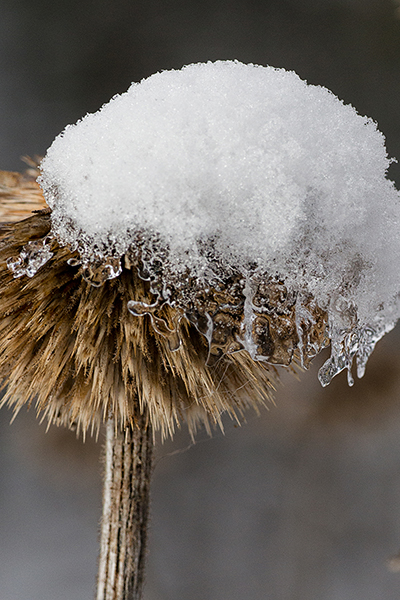
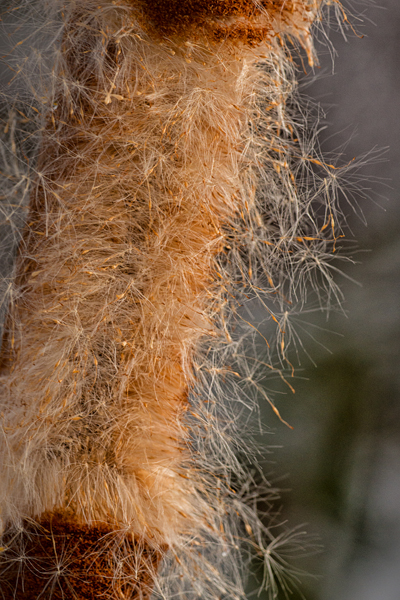
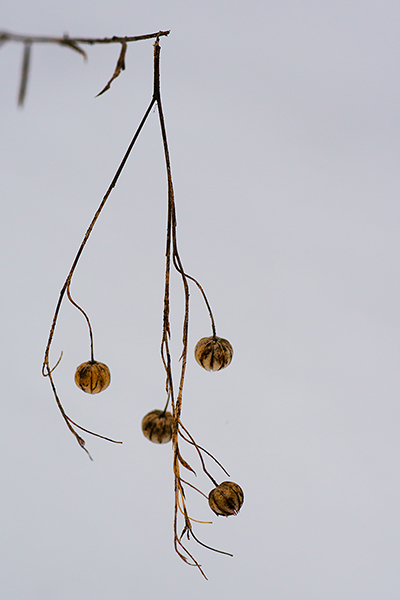
Winter blown bullrush

Step Ladder


Sunday was one of those “let’s see how many small jobs I can do” days. One would think there is no chance of being bored on a day like that, but I finally decided it was time to relax and sat down with a glass of wine, and enjoyed lunch with my wife and listened to some jazz.

As I made my way from one chore to another I kept looking at the snow in the garden and wondering if there was an opportunity waiting to make a photo or two, but I pushed along thinking “maybe later”.   However, as I started on my second glass of wine I complained that the outside light was gray and flat and that maybe I should just forget it. Could that have been the wine talking, or that I am just lazy?

Ever one to keep me on my toes, my wife, Linda, reminded me of a lecture we once attended by Canadian photographer, and author, Sherman Hines. (I recommend readers check him out) As she remembered Hines had said something like; “there is always something to photograph when the weather is poor, look for the small stuff”. There was the challenge. I left the room to get my camera.

The snow was getting wet on the plus 1 degree C afternoon so I decide to leave my tripod behind and mounted my wife’s 70-180mm AF macro on my camera. That unique, fun to use lens is the only true zoom Micro (macro) lens ever made by Nikon. And I get to borrow it anytime, well, almost anytime.

I got my camera and put together my lighting for what would be an excursion to search out the intimate features poking through the snow in my wife’s garden.

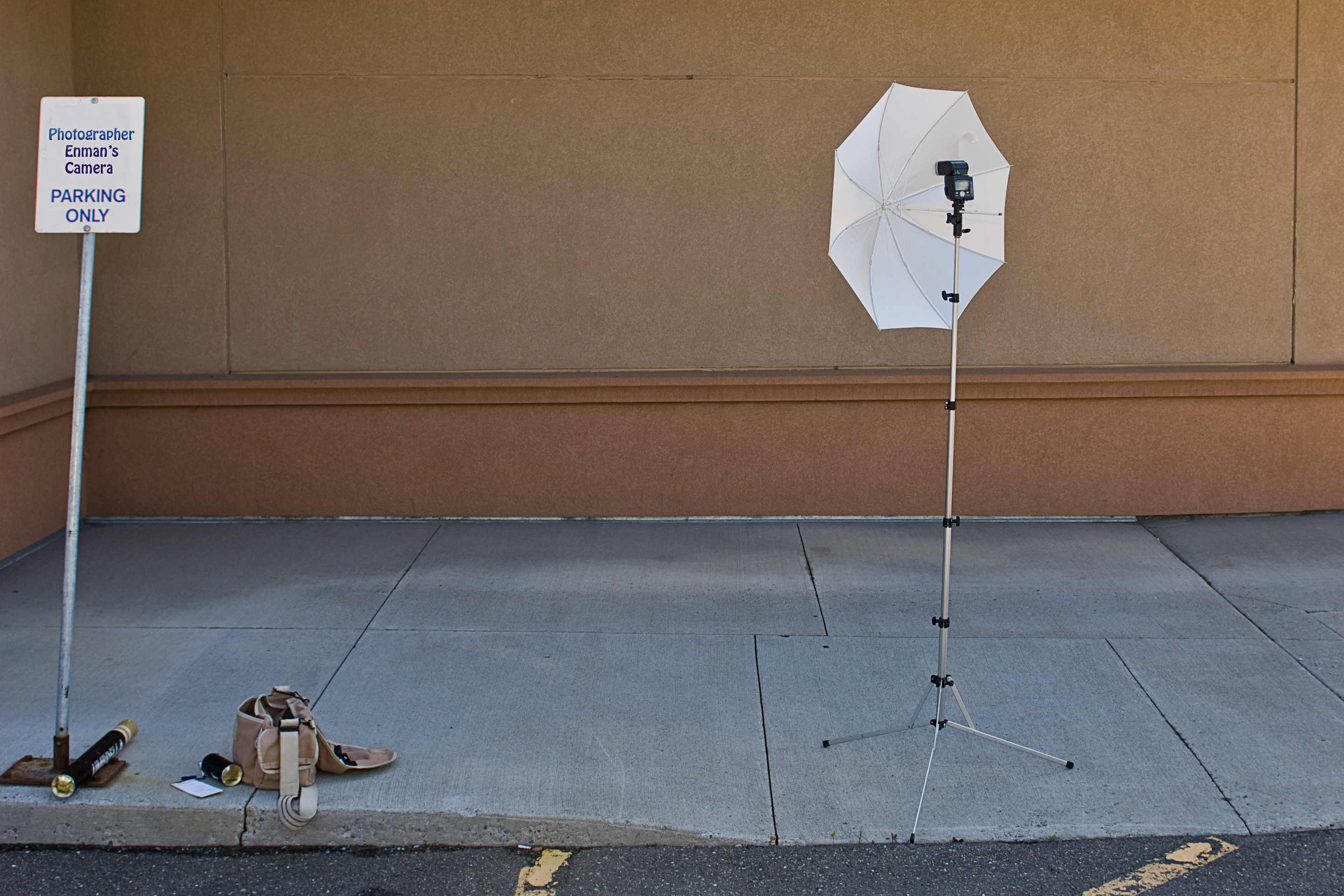
I attached a flash on a stand and chose a shoot-through umbrella. I could have connected a wireless sender and receiver, but I decided to use a TTL camera-to-flash cord that would allow the camera’s computer to direct the flash to provide the correct exposure for the close-up kind of subjects I would be photographing.

Although I had complained about the limited light on the heavy overcast day, I knew it would be perfect for my sojourn through the garden. I could easily meter the ambient light, then under expose slightly so the flash would become the main light instead of the hazy sun. The modified light from a shoot-through umbrella is even across the image with a gradual transition from highlights to midtones to shadows, or a soft light.

I stuck the stand through the snow and easily positioned the flash. And unlike a snowless landscape, the snow kept the stand steady no matter the angle. All I had to do was choose an angle and release the shutter. That particular zoom lens allows for a constant macro at every focal length. It was pretty neat and easy.

I choose to photograph that garden in every season. I know there are many photographers that only take pictures of plants when they are in bloom and prefer colourful representations. However, spring, summer, fall, winter, snow, rain, sunny, or overcast, I find that our garden is filled with ever changing subjects that always offer something new and I expect that Sherman Hines surely would approve. My advise to photographers that think they must wait for inspiring weather before their next garden safari, is to take Mr. Hines’ advice, because there is always something to photograph when the weather is poor, just get up close and look for the small stuff.

I enjoy everyone’s comments. Thanks, John

My website is at www.enmanscamera.com


TTL Flash Photography in my Wife’s Garden

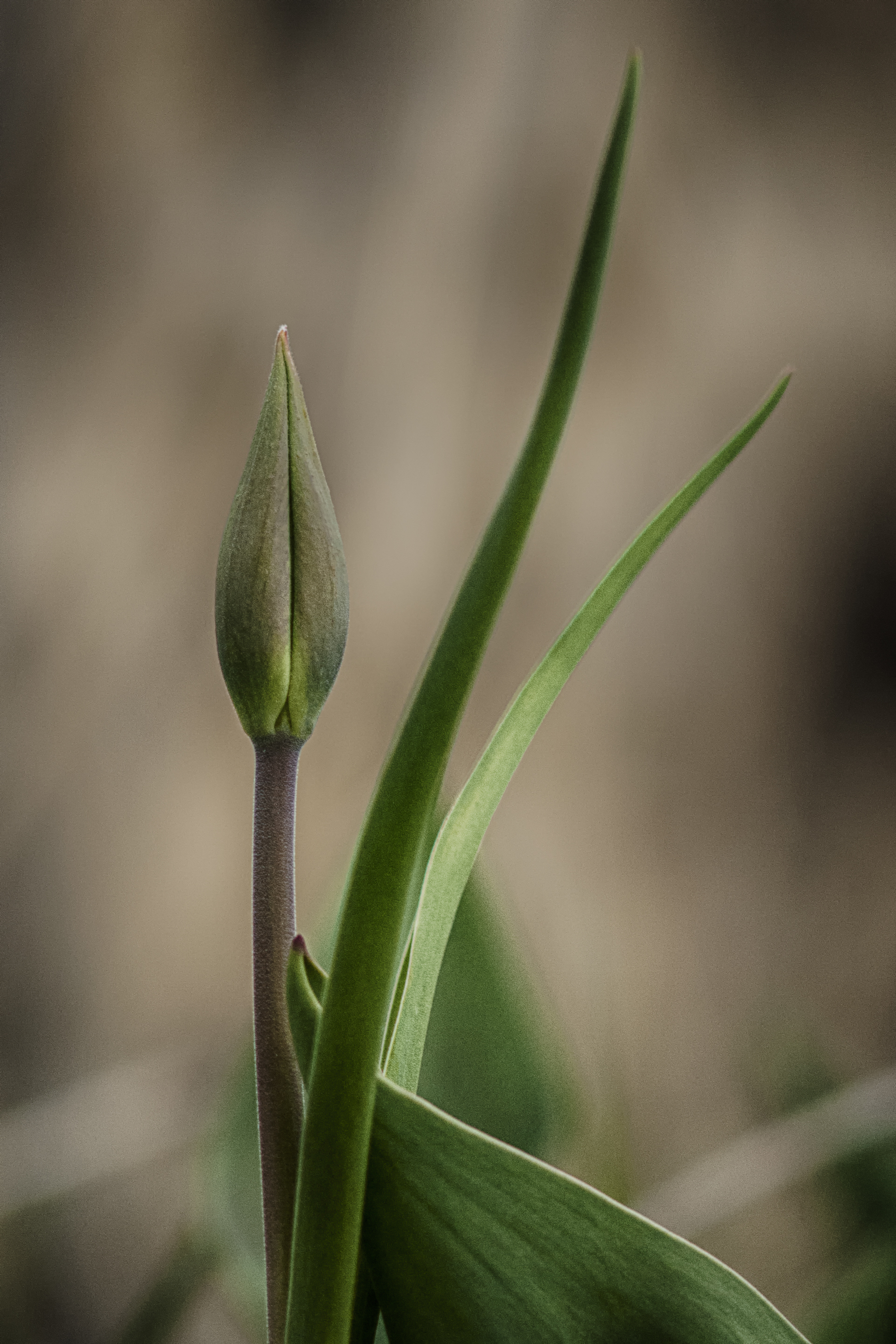
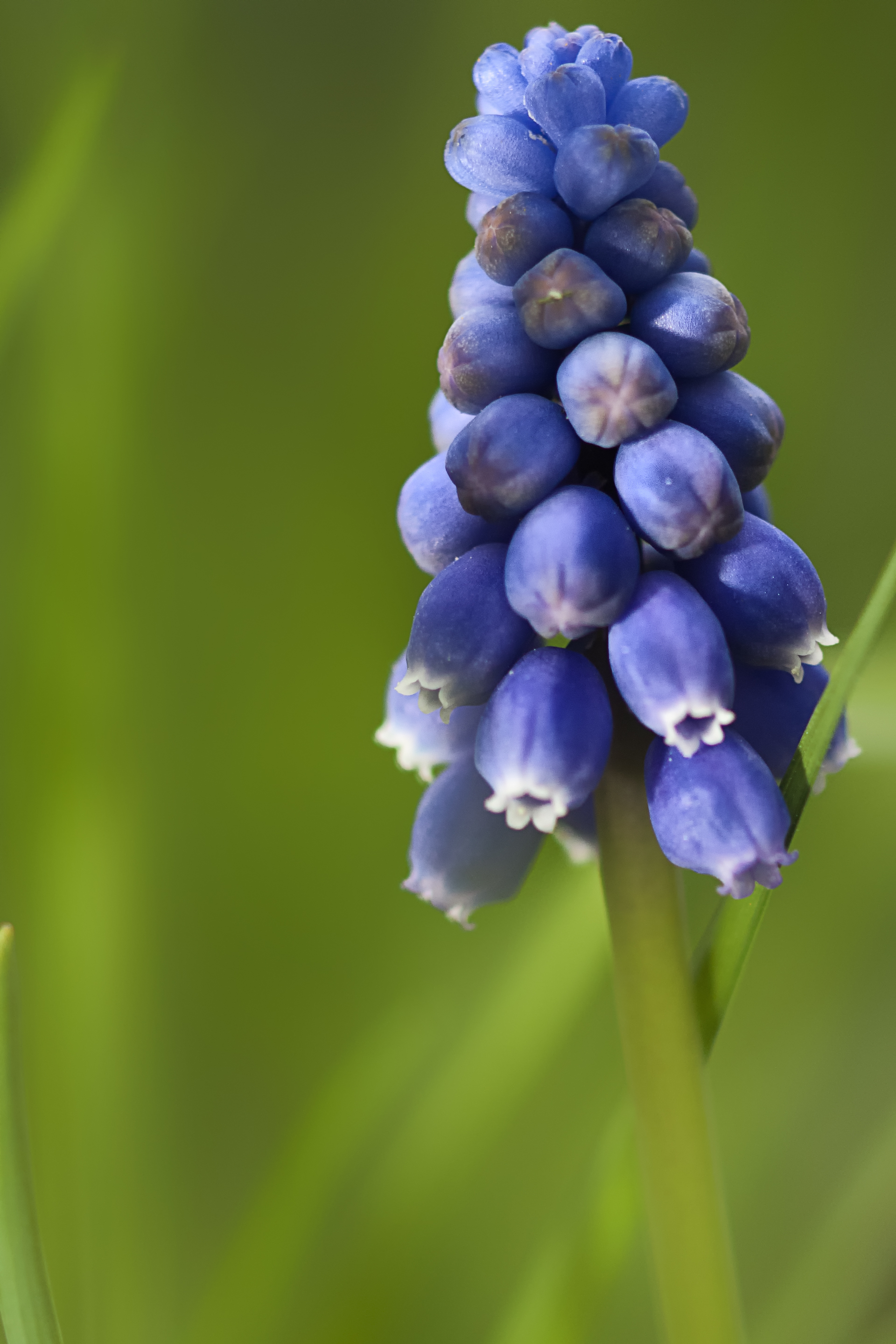
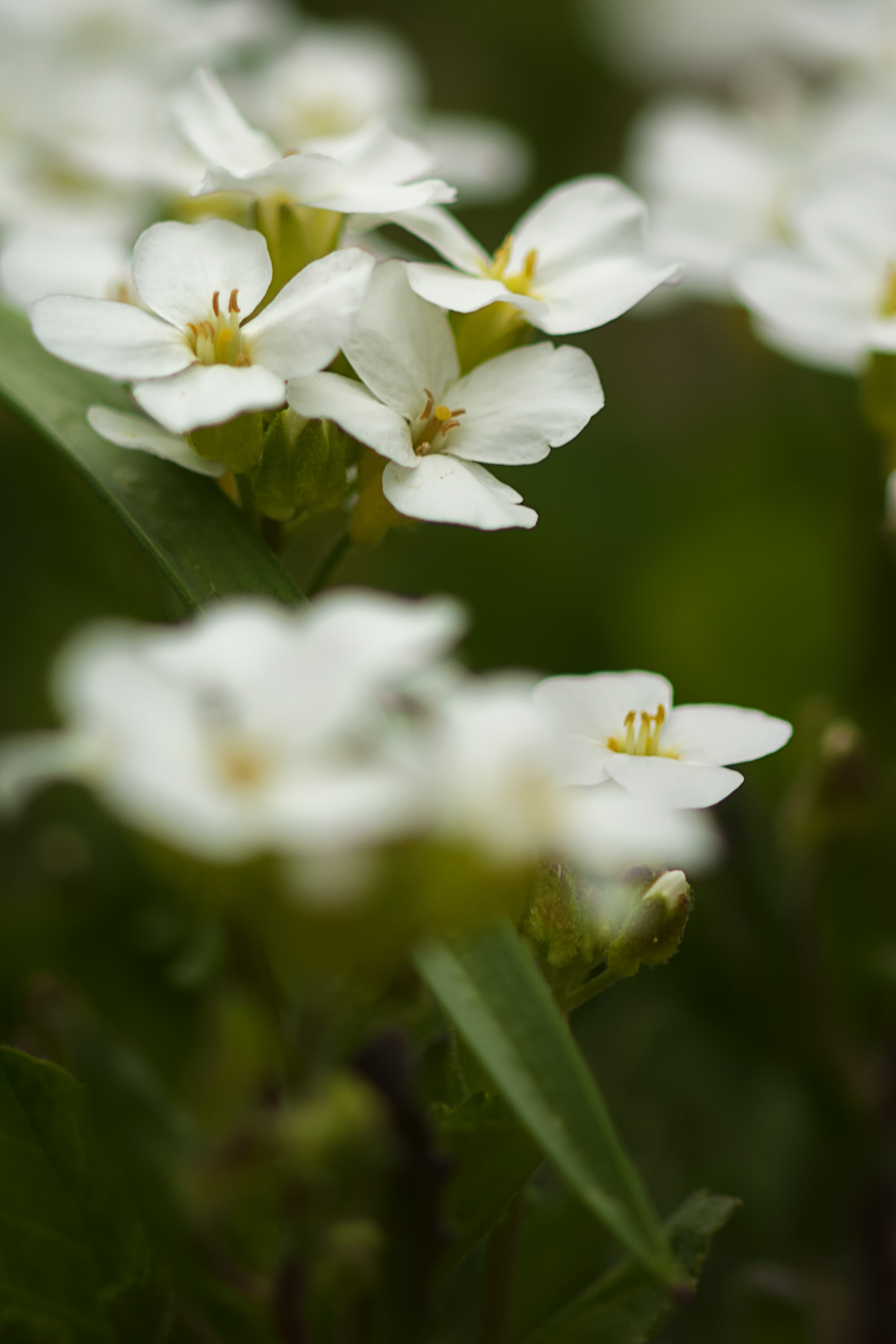
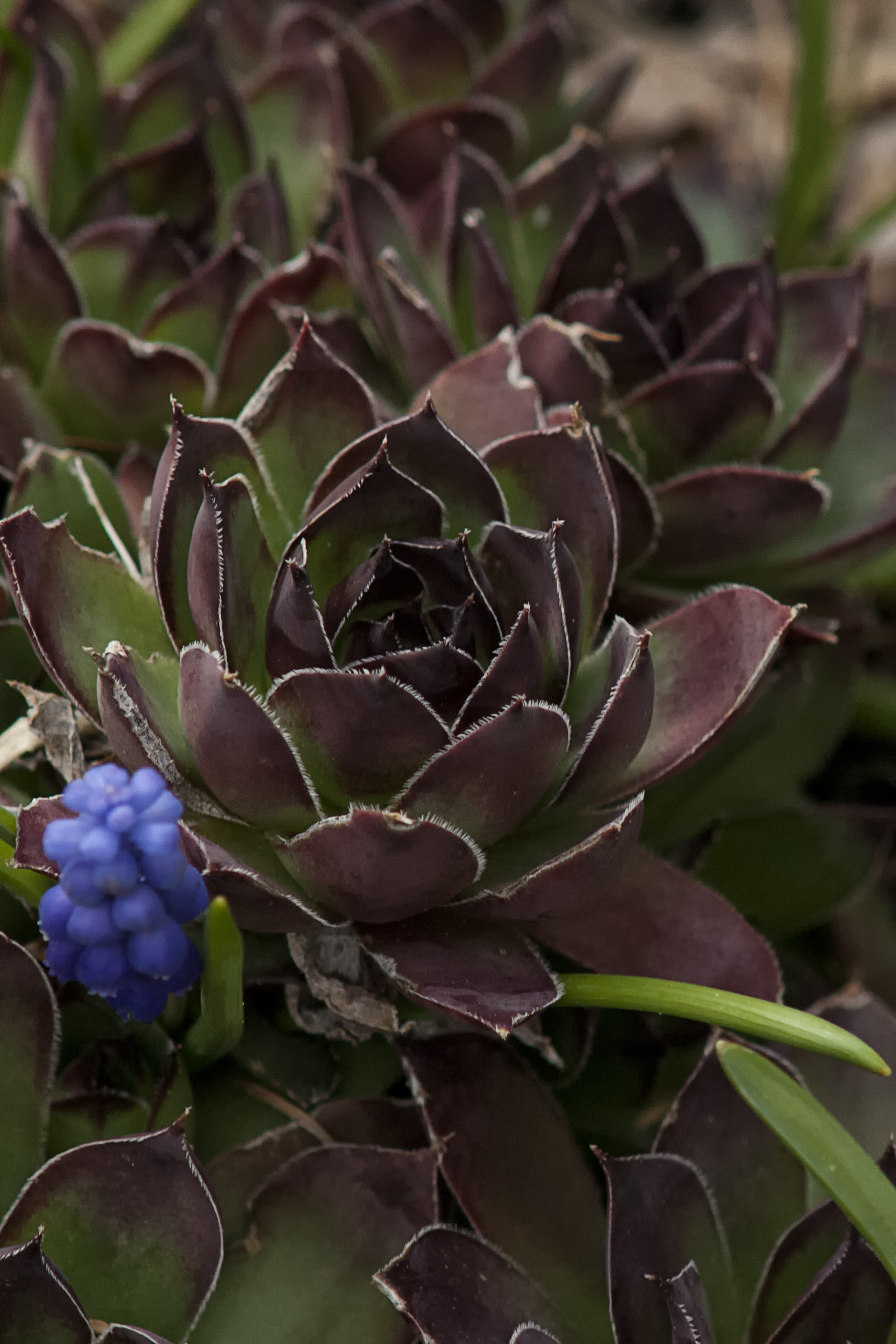
Tulip 1 Blue Muscari Arbis Sempervivum Pennesetum grass - fountain grass

This is beginning to be a busy spring. I expect that isn’t news to those in my area that have spent all day doing yard work the past few days. But for many photographers thoughts kept wandering to, “That could make a good picture.”

I really wanted to do some photography in my wife’s garden. The nights are still cold, but the days have been almost hot, and with that heat the first of her flowers are beginning to bloom. My goal is always to photograph what happens in the garden with the changing seasons.

There is always something in the garden no matter the weather, be it snow, rain, or like today, high clouds. The slight overcast day was perfect for my subjects. Bright sunny days increase the contrast of scenes, making it hard to capture details in the extremes and I wanted to retain what details I could. The diffused daylight reduced the number of f/stops from black to white.

My setup is a 200mm macro lens and depending on my mood and the light, either a ring-flash, a reflector, or as I used this afternoon, a wireless, off-camera flash.  Outdoor portraits, whether of people or flowers, in my opinion, aren’t that interesting when one only relies on illumination from the sun. Flash, on or off-camera, or even a reflector, adds dimension and depth that makes for a much better image.

I mounted my flash on a small 2-foot stand and carried a tiny six-inch tripod if I needed the light to be lower to the ground, and I this time I didn’t use a tripod because the few flowers were close to the ground and I prefer shooting very low level. That means almost every shot is made while lying on the ground.

By the time I could get out to the garden the sun was low and, sometimes, a heavy overcast. Perfect light. All I had to do was put the flash to one side and adjust my shutterspeed to decrease the bright ambient light.  Today’s TTL (through the lens) flash is amazing.  Previous generations recall when the flash/camera sync speed was limiting and we could only use a flash at 1/60th of a second! How did one survive?  Today I moved my shutter between 200th of a second and 8000th of a second. That gave me lots of control over the ambient light and easily allowed me to move my aperture to increase or decrease depth of field. My advice is check your camera’s manual, read about, and set the camera to hi-speed flash sync, if available.

I’ll include a brief explanation of TTL flash. When the shutter is tripped, the light from the flash fires off and hits the subject. Then that light from the flash bounces back to the camera, and a sensor reads it as it builds up exposure. The in-camera computer determines when the light has massed enough light for the correct exposure and turns off the flash.

The photographer controls the flash rather than the flash controlling our photography. With TTL technology the camera’s computer provides the correct exposure regardless of the aperture, or flash-to-subject distance.  TTL technology puts the control of depth-of-field back into the hands of the photographer.

Most of the time I kept my flash on TTL, increasing or decreasing the power depending on how far I positioned the flash from a flower, and only selected manual flash as I began loosing the light.

Books on garden photography recommend morning when everything is fresh, but I didn’t get a chance till late in the afternoon, as I was occupied building a temporary yard for six new chicks. We had an early morning marauder a few months ago, probably a bobcat, reducing my laying hens to two. I now have reinforced the chicken yard and think everybody’s safe now. I’ll give the garden another couple week’s growth and try for that fresh morning (and hopefully some overcast) light.

I’ll repeat what I wrote about garden photography last February, “Just about anytime is good for a dedicated photographer to make photographs. My advice is to be creative, have fun, and don’t worry about failures. Open them up on the computer, learn something from them, then quickly delete.  Of course, some tweaking with PhotoShop always helps and, for those photographers that are like me trying for something different, anytime and any conditions will be just fine.”

I always appreciate your comments. Thanks, John

My website is at www.enmanscamera.com

Photographing models at a Strobist meet.

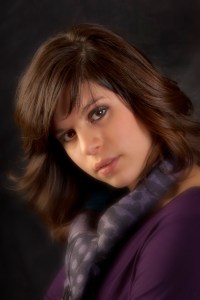
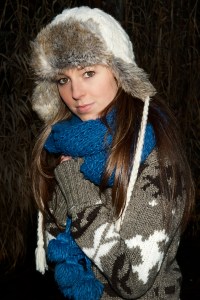
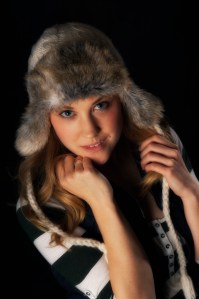
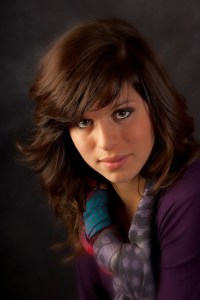
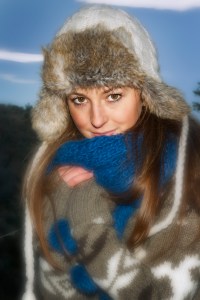
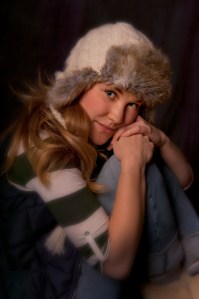
Stephanie4 Molly 2 Monica 1 Stephanie 2 Molly Monica3 Stephani 3

Last Sunday I joined six other photographers and three models at photographer, Dave Monsees’, rural studio for what Dave organized and referred to as a Strobist work session.

The rustic studio, nestled beside a stream in a picturesque treed valley, is a short ten-minute drive from city center to the rural community of Cherry Creek, British Columbia. I had heard about it from other photographers and was looking forward to his Strobist session so I could check the studio out, and, of course, spend the afternoon with like-minded photographers. Now what could be better than that?

This Strobist get-together was the third held in my area that I have been fortunate enough to attend, and as with the first two, it had its own uniqueness.

Some of the participants had experience using off-camera lighting and got right to the business of arranging lights and posing our three models for the day, Molly Lampreau, Stephanie Johannesen, and Monica Nicklas.  I had agreed to begin with a mini lesson and to be available to answer questions for those invitees that were just beginning to enhance their portrait photography with artificial light, and with a few minutes of instruction and a bit of prompting before long everyone was in the act of portrait photography.

The word, Strobist, and gatherings like the one I was invited to have become popular because of American photographer, David Hobby’s, Strobist.com lighting blog that promotes off-camera lighting techniques among photographic enthusiasts, with an emphasis on the practical knowledge rather than just the gear. Those that think our meets in Kamloops are unique should try searching Stobist meet on the Internet. There will be page after page featuring Strobist meets all over the world.

My regular readers know that I rarely make a photograph of people, indoors or out, without using a flash. So getting together with other photographers, experienced or not, that like to use off-camera light for their portrait work is fun. The studio was jam packed with lighting equipment set up with wireless camera connection. There were two different backdrop set-ups and we had our choice of several larger studio type lights in the larger space, and some smaller hotshoe flashes on stands in the more intimate space. There were also lots of light modifiers, softboxes, umbrellas, snoots, barn doors, and so on for us to employ.

How a person in a portrait appears does have a lot to do with how the subject(s) are posed, but I think light and how it is applied is just as important. Using flash, on or off camera, to modify light gives a photographer more control than just using the sun, or relying on a high ISO.

In addition photographers always need to explore and experiment to learn how to balance the background, or ambient light, with flash, and get-togethers like a Strobist meet are perfect for practicing off-camera lighting in a studio, with willing subjects without the pressure of actual clients, and watching other photographers work is always fun.

I was in a hurry to download my images from that day and began sorting, editing and optimizing as soon as I got home. As I opened PhotoShop and began, I thought of a quote by American supermodel Tyra Banks that fit the day of photography from beginning to end, “There are three key things for good photography: The camera, lighting, and…PhotoShop”.  In my opinion there might be a few more important things for good photography, but to a model the final picture is everything.

I appreciate you comments.

My website is at www.enmanscamera.com

Modifying light and keeping photograph’s exposure believable.

A few weeks ago I wrote about modifying light instead of using the direct light from a camera mounted flash.  This is a topic I have discussed many times in my years writing for different publications as I strive to persuade photographers to add flash to their portrait photography.

It seems my comments are having some success because since my blog of May 5thth I have had more than one photographer tell me they had started using light modifiers like “shoot through” and reflector umbrellas. That is a good thing, however, I’m now receiving questions like, “Now that I’m bouncing and softening the light, how come the background doesn’t look right?”

Like any photograph, inside or outside, a photographer needs to take into account how all elements in the image are exposed. That’s the reason I prefer using the manual mode on my camera. It makes it easy to set the exposure where I want to make that subject look like it fits into the environment.

Here is an example that might help readers.  A week ago I photographed a couple in a wide field alongside the South Thompson River. They wanted the white, silt cliffs that jutted up from the grassy flatlands to be visible behind them. The sun (when it poked through the clouds) was bright and cast unflattering shadows on their faces.

My goal was to have the correct exposure for the cliffs, the sky, and, of course, my subjects.  It was slightly breezy; therefore, my wife held onto a stand with a 33” umbrella and wireless flash I used to provide a fill light that would get rid of unsightly shadows on my subjects.

Indoors or out, I always start with the shutter speed. If I need it to be faster I bump up the ISO. Usually I try for 100 ISO, but sometimes I need a higher shutter speed and a wider aperture and that’s when I adjust my ISO.

I first decided what exposure would give me a nice sky and scenic white cliffs. In this instance I metered the exposure and then underexposed by two stops to give me a bit of a darker appearing landscape. Then as my subjects were positioning themselves I fired the wireless flash from different positions until I saw that the light on their faces appeared in the way I wanted it.

My exposure and flash modes were both set to manual. Using manual exposure gave me consistent control over the ambient light. To find the proper exposure for the flash I just moved it closer till I was satisfied with what I saw in my camera’s LCD.   I had balanced the light. There was a nice dark sky, the white cliffs were shining and had defining shadows. My subjects were separated from the slightly darker ambient light without any shadows at all on their faces.

The ambient light kept changing quickly as clouds moved in and a storm approached so I switched from manual flash to TTL flash, and because of troubling wind removed the umbrella from the stand, and instead used a small diffuser cup on the flash to modify its light.

With the camera in manual mode, the shutter, aperture, ISO, distance of the light to the subject, and power of our light source, all controls flash exposure. Things change with the incorporation of TTL flash.  Used together, the TTL camera and flash controls and calculates the flash exposure, and adjusts the power of the flash to deliver and determine the correct flash exposure regardless of the photographer’s choice of shutter, aperture, ISO, and subject distance.

How a portrait looks does have a lot to do with how the subject(s) are posed, but I think light and how it is applied is just as important. Using flash, on or off camera, to modify light gives a photographer more control than just using the sun, or relying on a high ISO. In addition photographers must also experiment and learn how to balance the background, or ambient light, with that flash.

The location really does not matter, whether inside or out, as long as there is enough ambient light to expose the subject. Pose the subject in front of a window or on the lawn. Then add enough light from another source to achieve the final goal of having the background, the foreground, and the subject exposures all together appear to be balanced and not looking artificial.

http://www.enmanscamera.com


Wireless Hotshoe Flash for Photography

I have always been excited about technology changes in photography; for example, I remember how spectacular it was to have a workable, in-camera light meter when I got my Pentax Spotmatic II. Shortly thereafter I added a Vivitar 283 flash that allowed me to do preflash tests with my flash off camera and make adjustments to the lighting.  Within a couple years came the wonderful Nikon F3 with TTL (through the lens) on-camera, flash metering, and for me the world of photography changed even more. Since then a lot has happened to flash photography and I will confirm that the current trend of using off camera, wireless hotshoe camera flashes is exciting.

A greater number of serious photographers are learning to employ flash, from what was originally a flat, one-light source for an image, and they are starting to use the word “modelling” to show how the light affects their subject, and easily can wirelessly locate several small flashes at different positions around their subject.

I recently talked to a friend learned about portrait lighting by attending a Scott Kelby lighting workshop, however, there are other very well known photographer-writers worth researching, people such as David Hobby (www.strobist.com) and Joe McNally (www.joemcnally.com) that have created a world wide following with their books, blogs, and videos on using wireless hotshoe flashes instead of the heavy, cumbersome, power cord lighting that photographers have previously used for many years (like me).

So why go to wireless flash? Or, why a wireless hotshoe flash that we originally purchased to set on our camera?   For me it comes down to ease of use and portability as I regularly do staff portraits for businesses.  In the past I’ve arrived on site with two large bags of lighting equipment containing big strobe heads, stands, umbrellas and lots of power cords. Now, I carry lightweight stands and umbrellas in a small bag slung over my shoulder, and several small hotshoe flash units in a handbag. Both the equipment and the setup time is considerably less.

In his book “The Hot Shoe Diaries,” McNally writes, “it makes my job easier. It enables me to move fast, and have a flash system that thinks along with me and solves certain problems historically attached to flash photography (big heavy units, cables and wires everywhere…”

As I have written before, I like using flash indoors or out. There are those times when I am following a moving subject and have my flash mounted above my camera on a flash bracket. I rarely rely on a single ambient light source and prefer using a flash to add light to improve the quality of my photographs.

For occasions when my subject is stationary I use the wireless flash off camera; and for portraits I like three lights, one above and behind me, one off to the side and one behind the subject. My set up isn’t always the same, it depends on the available space, but for example, the flash above and behind might be either in a softbox or a reflector umbrella, the sidelight could be a small shoot-through umbrella or bounced off a reflector panel, and backlight directed at the background with only a small dome diffuser covering it.  That’s one quick, effortless setup that I can easily carry in two small bags – one bag for light stands and one for the flash units while my camera is comfortably hung around my neck as usual. All this, as I just wrote, is easy to setup without having to connect the flash to the camera with wires and the flash to the wall with power cords.

Because of the interest and questions fellow local photographer Rick Tolhurst (www.shotsbyrick.com) and I have been getting questions about how to setup and use small, off-camera, wireless flashes for portraits, we have decided to put on a simple lighting workshop. The interactive one-day session will discuss one, two, and three-light setups for portrait and glamour photography. For those interested the workshop will be held on Sunday, 30 October, 10am-4pm, cost is $60. Pre-registration is required and any photographers interested should call or email me for specifics.

Using small wireless hotshoe flash has made photographing people a lot easier and serious photographers that have not tried it yet are going to feel the same way as those that dragged their feet in moving from film to digital.

www.enmanscamera.com