Studio Portraiture Workshop

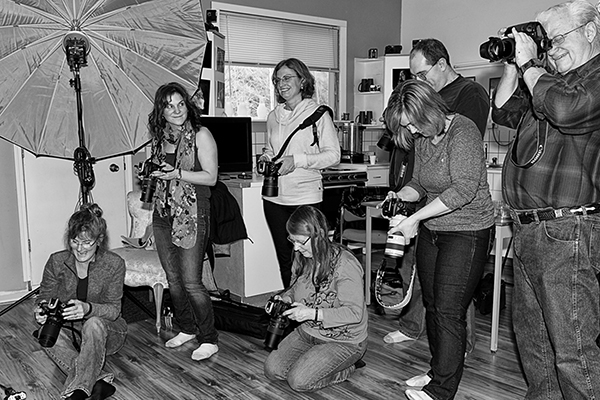
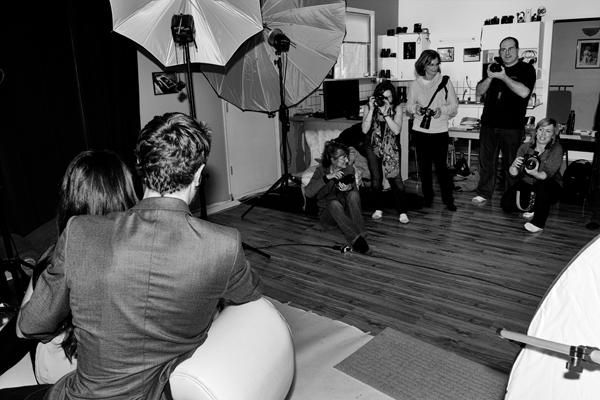
Class Portrait 1  Class 2

This past Sunday I lead the first day of a two-day workshop discussing posing and lighting. I hadn’t planned on undertaking any workshops this early in the year, but I had been getting requests from several excited photographers who are out there getting ready for spring and summer portrait sessions.

I finally made the decision to proceed when my friend Dave Monsees, owner of the Versatile Photography Studio near Kamloops, mentioned that photographers renting his studio told him they needed help in lighting couples. They lamented that most tutorials available were only about photographing one person.

I am sure if they browsed the internet they would have found what they were looking for, but working with live models is a lot more fun than reading articles and looking at pictures, so I hired two up-and-coming local models that fit that request perfectly.

In previous posts I have stated how I enjoy the enlivened interaction that happens when students of photography participate in active learning. So when I started getting requests that I offer  another session I crossed my fingers and hoped for an early spring, booked that large local studio, and hired two models.

During a workshop my job is to present information on the subject, and keep things going. I don’t like to be a demonstrator on stage and I rarely pick up a camera during the workshops I lead, unless it is to take a snapshot or two of photographers in action. And besides, when I finally let the workshop participants apply what we had discussed, there wasn’t room for me anyway.

The workshop dealt with modifying and placing light. We employed one, then two, and then three lights; and modified the light first with umbrellas, then changed to a softbox and reflector to create shadow, and, of course, that classic and compelling “Rembrandt lighting” effect.

This was an advanced workshop and I limited participation to seven photographers. As with all my workshops, my main goal is to help participants gain an understanding of how to use light. I want them to consider the “quality” of light instead of the “quantity” of light. I lecture to them that they should use light to “flatter” their subjects as opposed to only “illuminating” them.

I think that studying the mechanics of lighting includes two additional aspects, which are (1) experience, and (2) the willingness to step beyond lazily pointing a camera in a light filled room or out in the sunshine. Posing a model, or in our case, two models, seems to me to be more about engaging with the subject and being comfortable with telling someone how you want them to look. I once heard a photographer say that he never posed people because he thought is was rude to tell adults what to do. I can’t comment on that fellow’s work, maybe he was really lucky, but I expect there were lots of missed shots. I suppose he would disagree, or just plain ignore the words of award winning Dallas, Texas photographer, Caroline Mueller when she says, “What I look for in pictures (that) I take: eyes, hands, head tilt, body language, background, and use of space.”

I believe those photographers that are successful at portrait photography don’t hide behind their camera, but they start with a plan and are good at engaging, explaining, and demonstrating what their vision for the session is.

Now I am really looking forward to next Sunday. The few images I have seen so far are great and I am certain spending another day (this time with speedlights out-of-doors in the failing afternoon light) helping and watching each photographer’s progress is going to be a lot of fun.
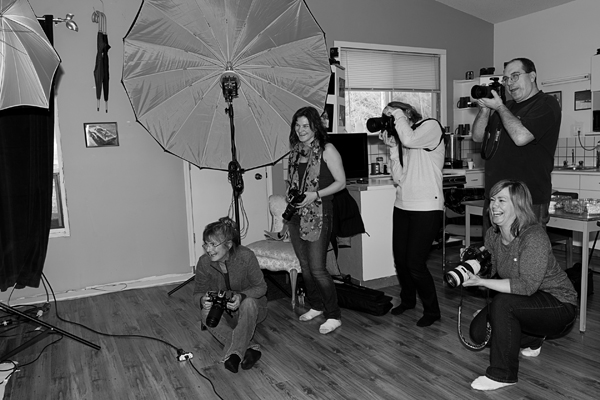
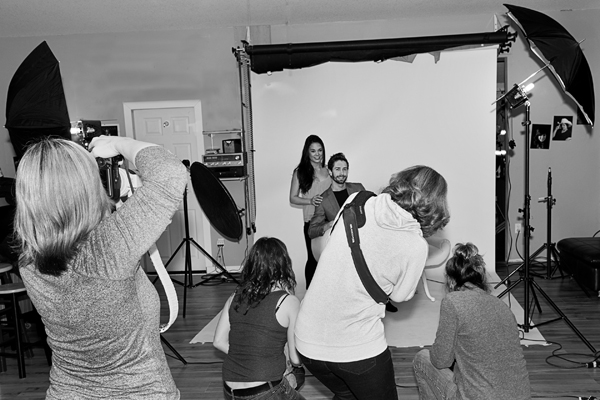
class 3  class 4


Thanks in advance for your comments, John

My website is at www.enmanscamera.com
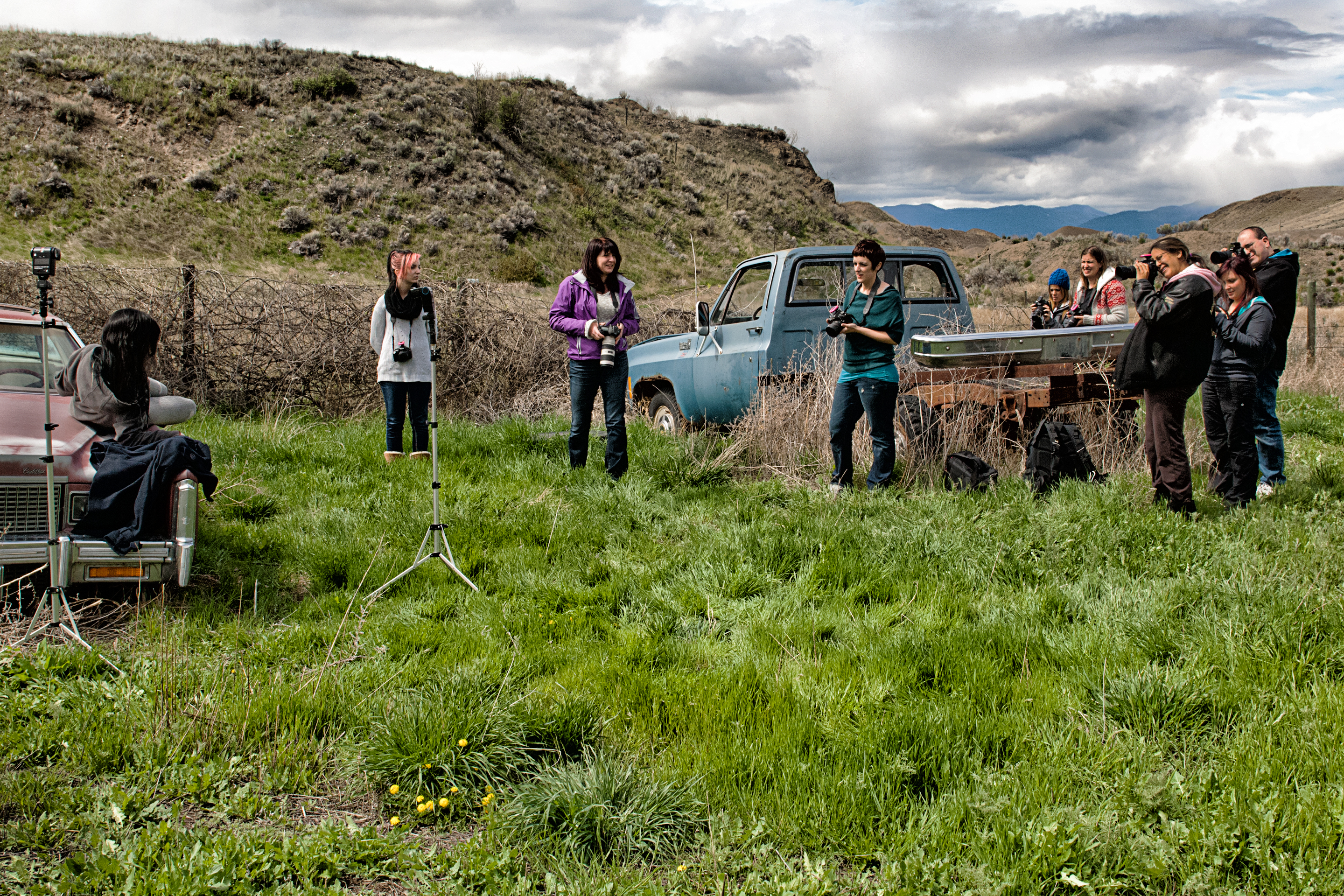
Leading an Outdoor Lighting Photography Workshop

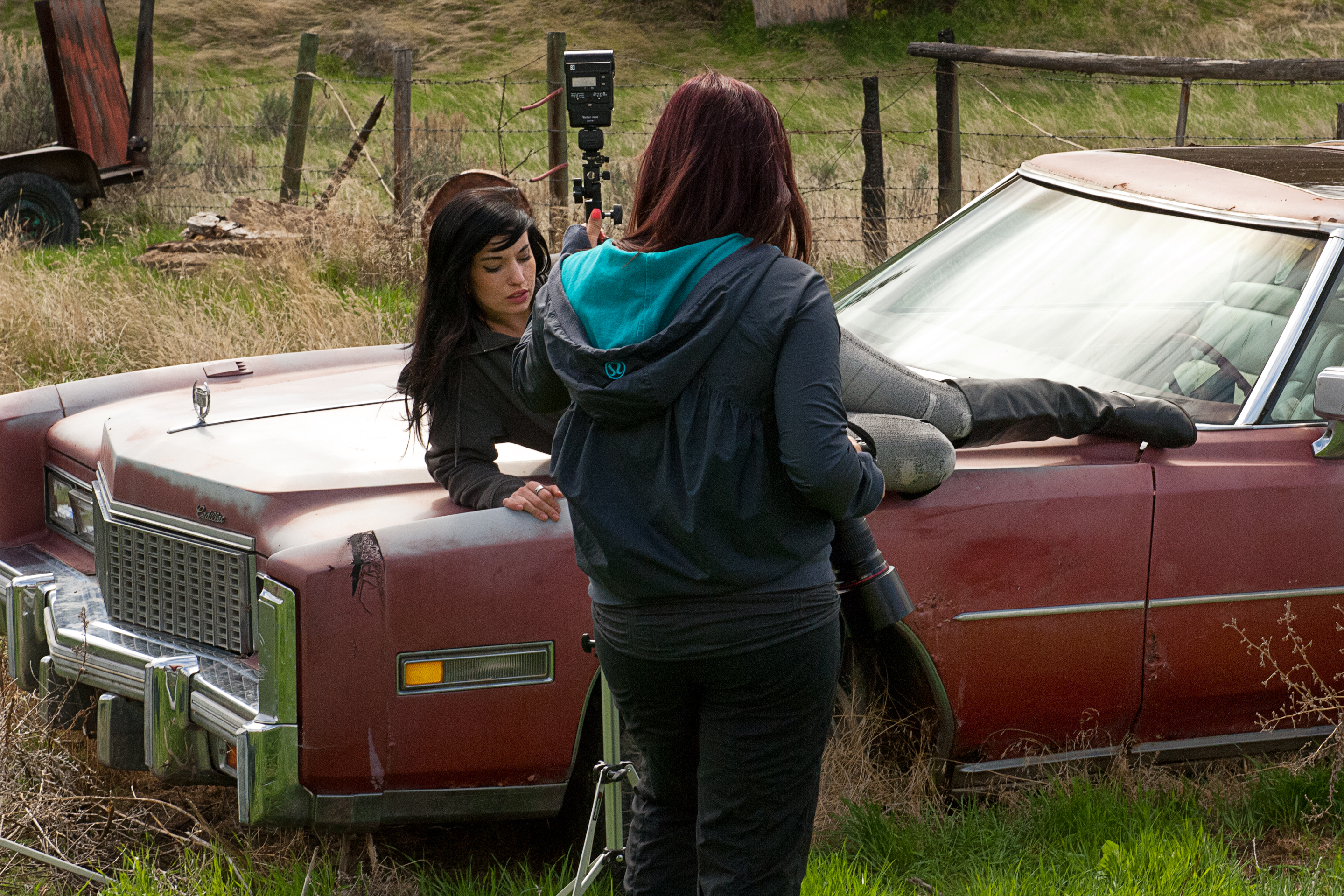
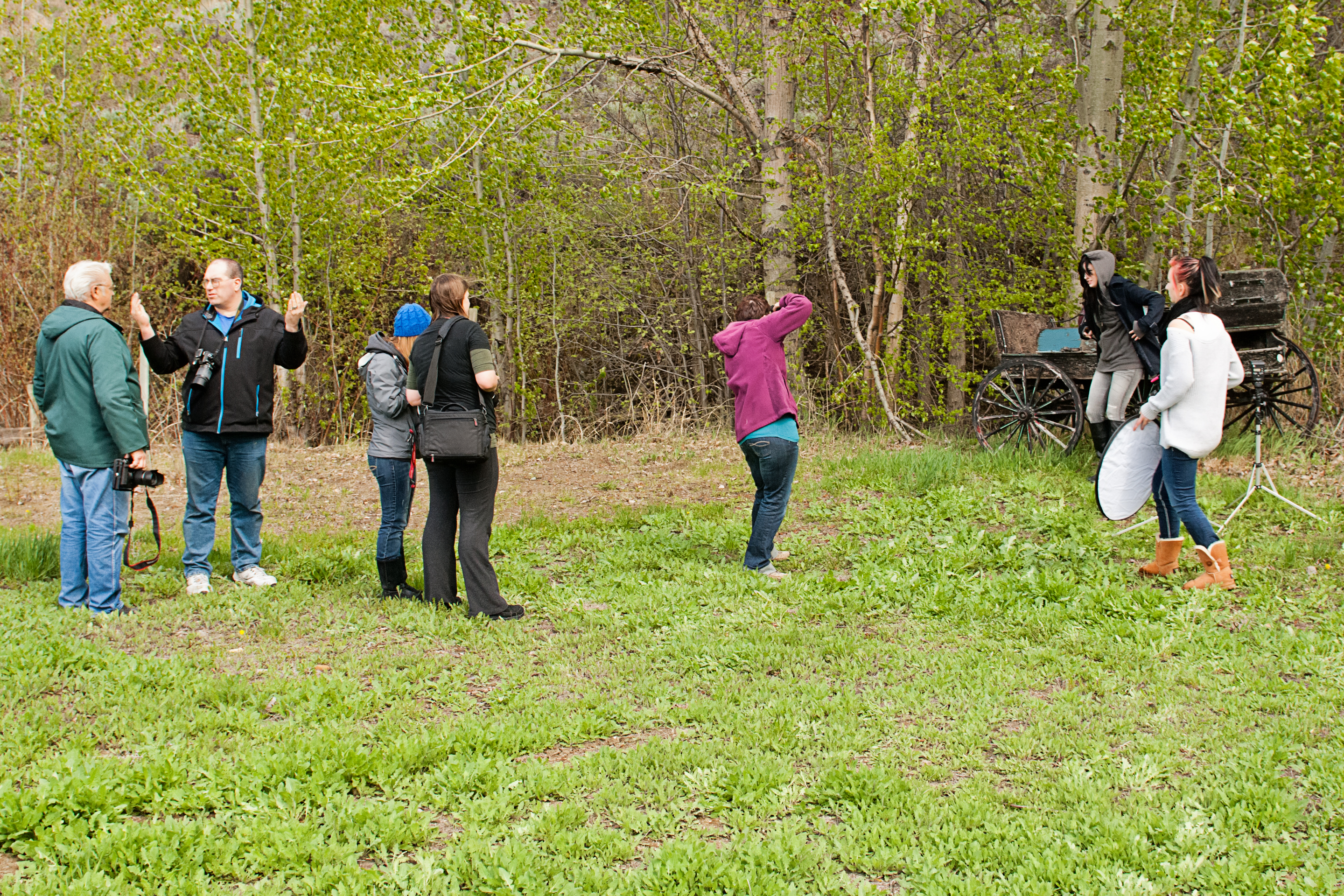
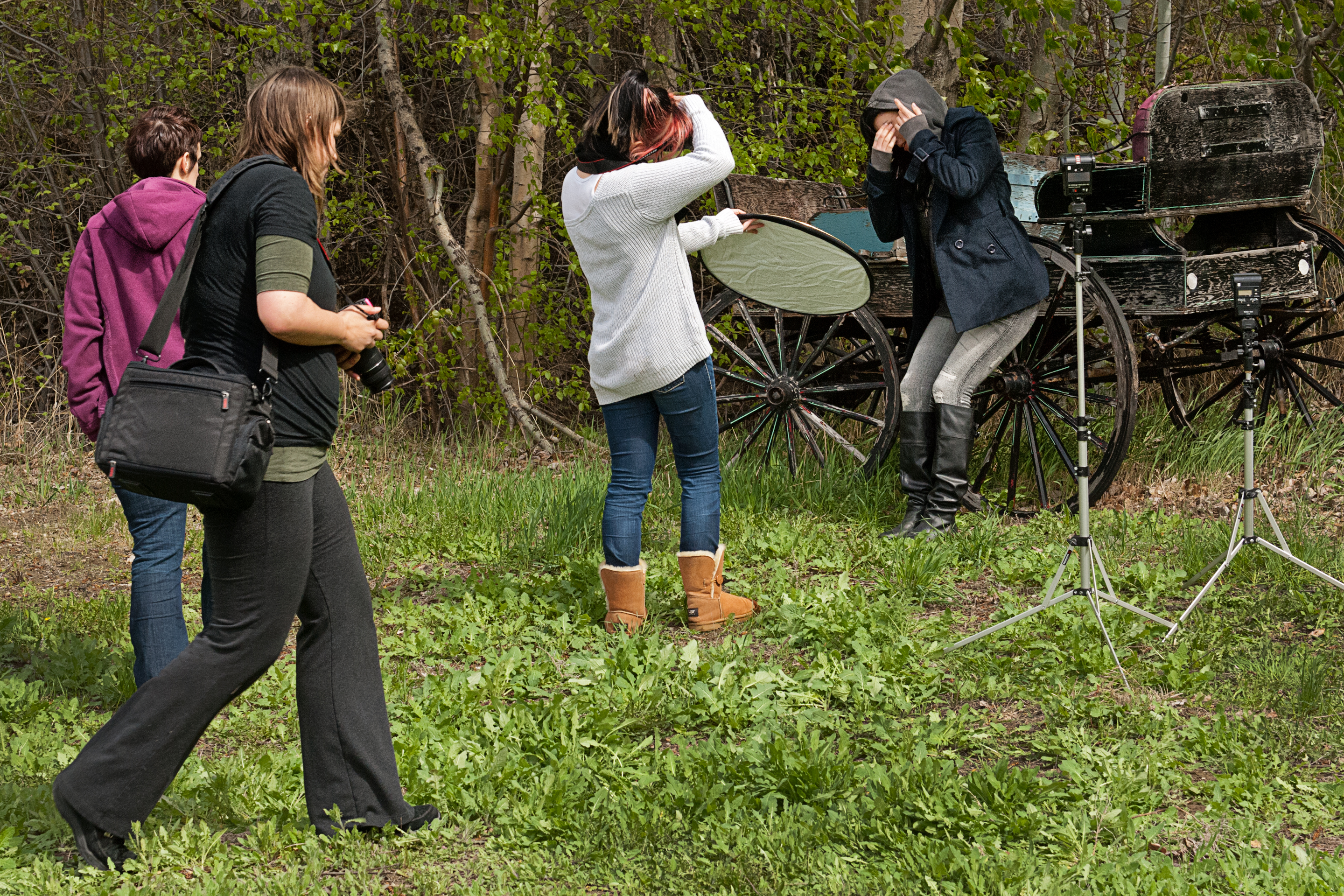
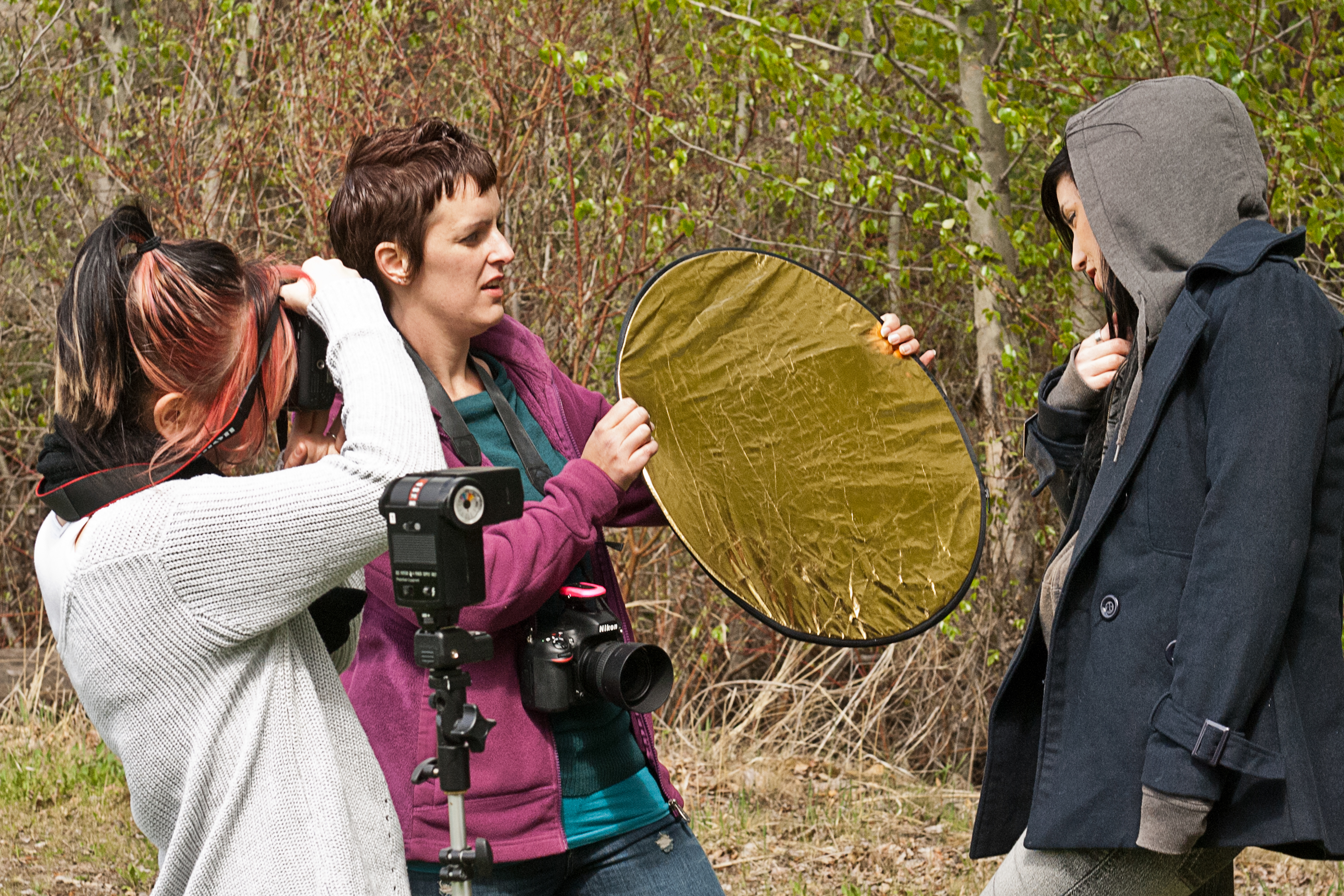
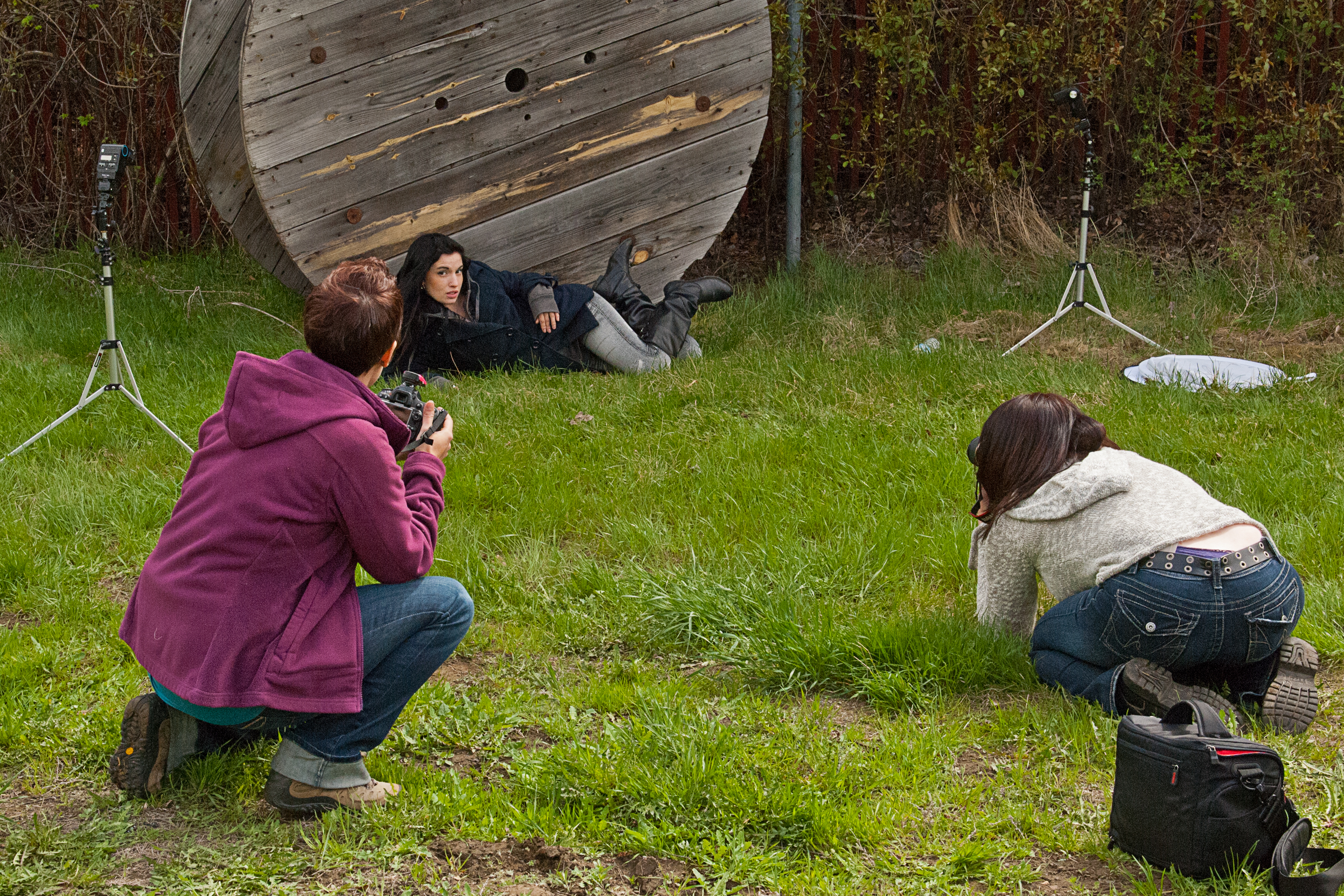
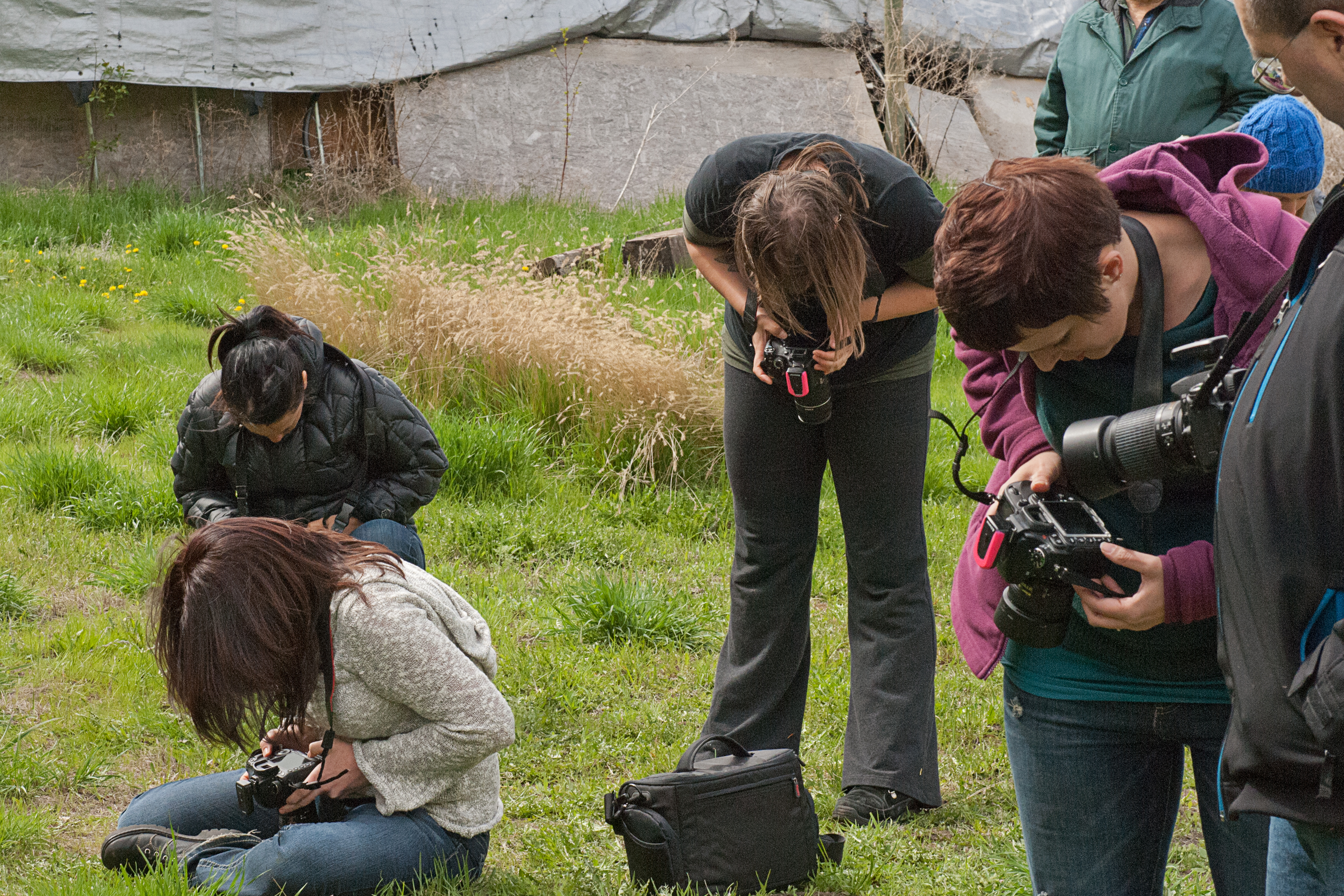
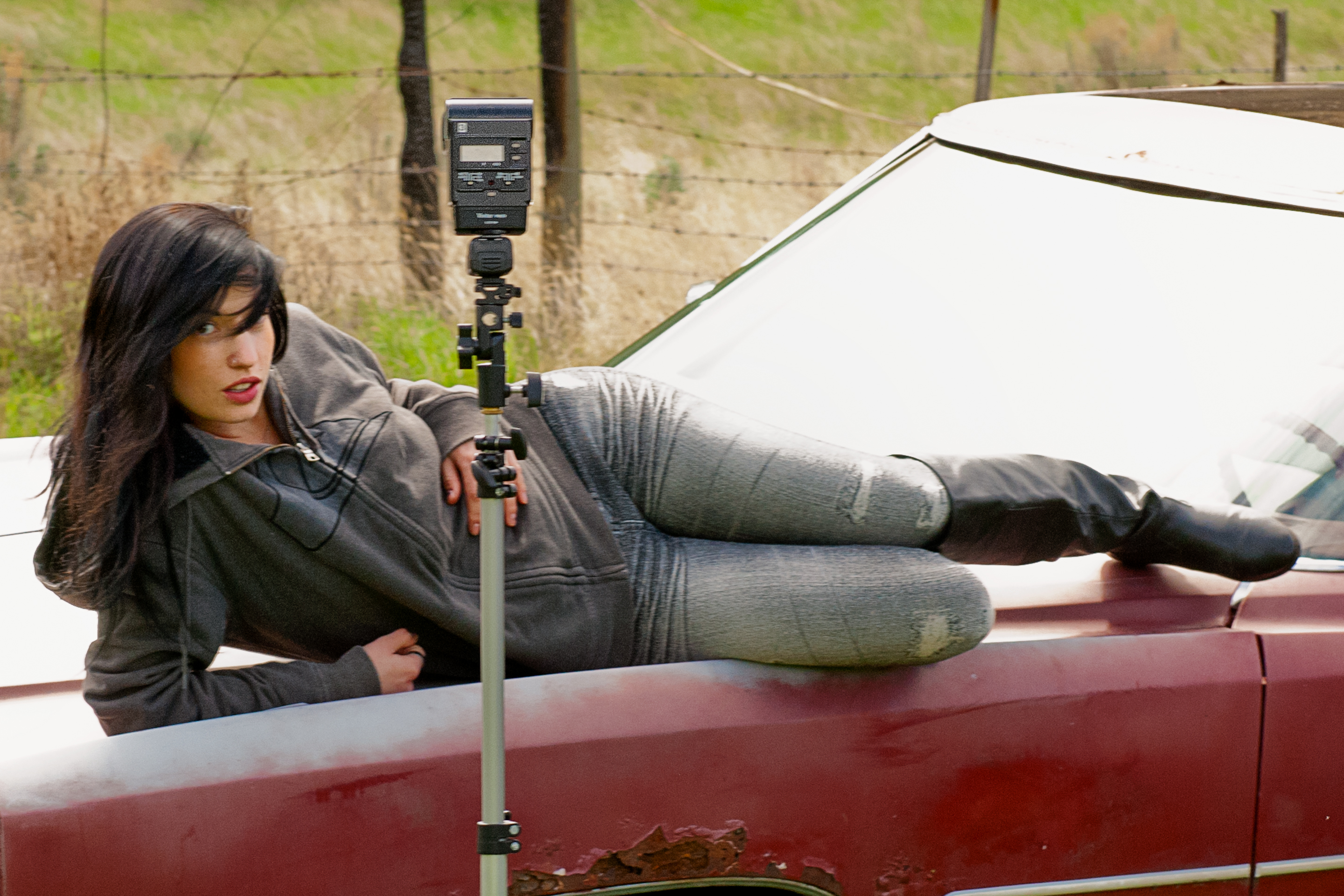
Adding light  Bailea & Flash  Big lenses  Participants  Sarah lighting Bailea  Model in the meadow  Hide from the wind  Flash & Reflector  Low angle shot  Didya get it

I always enjoy the enlivened interaction that happens when a student of photography makes the decision to participate. During a workshop my job is to present information on the subject, and keep things going. I don’t like to be a demonstrator on stage and rarely pick up a camera during the workshops I lead. That is left to the participants.

Those are the words I used when I was discussing the first of two workshops I am leading this spring on the use of off-camera lighting. The first two-day workshop was about lighting in a studio and was held in a well-equipped photography location where I introduced how different lighting tools are used for portrait photography.

I have now finished the first of a two-session outdoor lighting workshop where the participants were surprised when faced with using many of those same lighting tools outside.

This workshop was about using light out-of-doors and I think returning participants were struck with how straight forward lighting is inside compared to outside. In the studio one synchronizes the camera’s shutterspeed to the studio flash and uses the aperture to determine the exposure of the light reflecting off a subject. However, out-of-doors a photographer is faced with additional variables and must balance the natural ambient light with an off-camera flash, and when using flash effectively it is more about creating and controlling shadows than filling them.

The weather was not willing to co-operate very much. It had rained all night and although the day brightened up some, a cold breeze from fresh snow in the mountains made us shiver when it wandered through our workshop space every now and then. Nonetheless, crappy weather or sunny days, it’s all about adding light, so in spite of the cool damp weather, the ten participating photographers and our intrepid model, Bailea, defiantly (maybe hopefully is a better word) stepped out of the warm studio and into the constantly changing light of day.

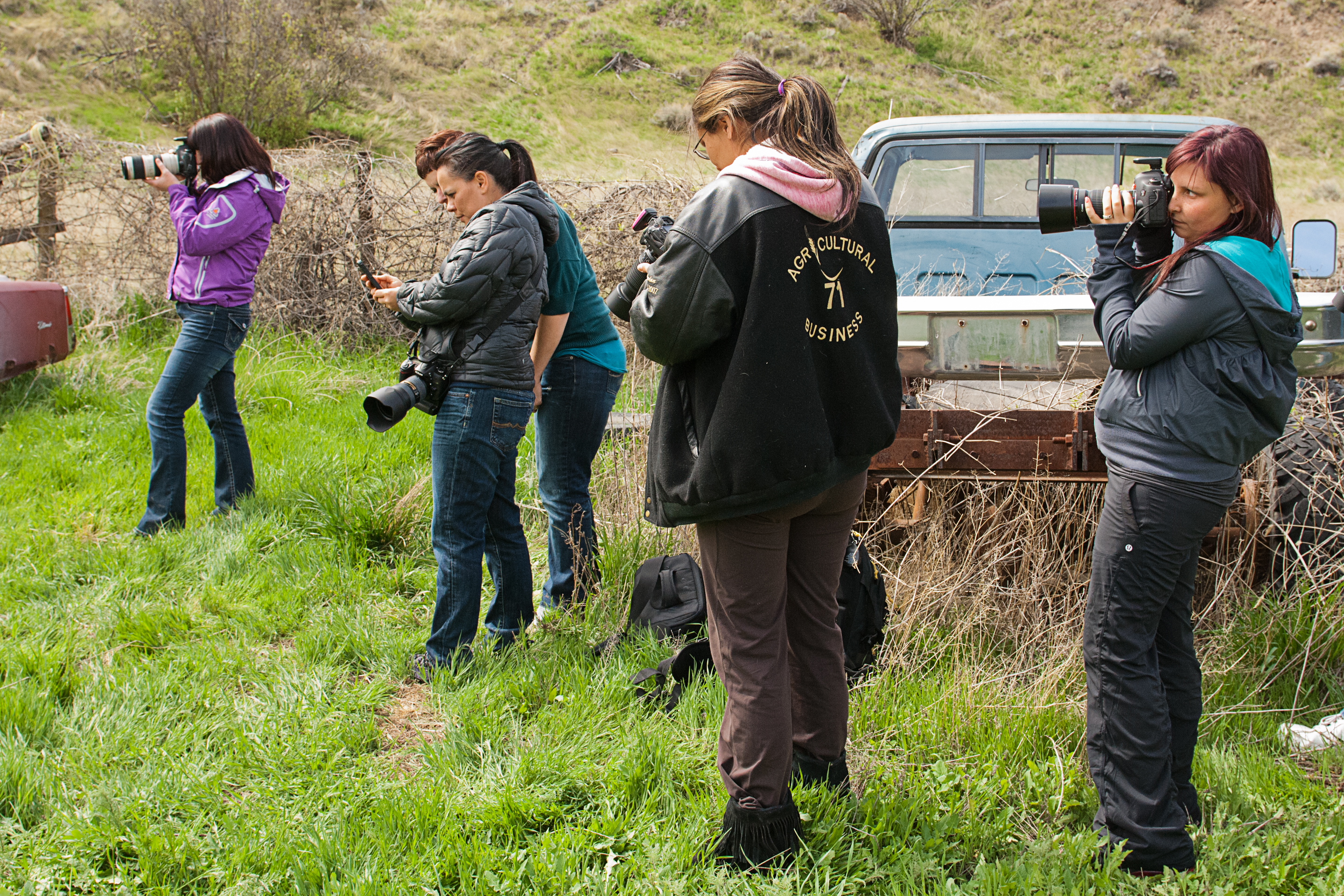
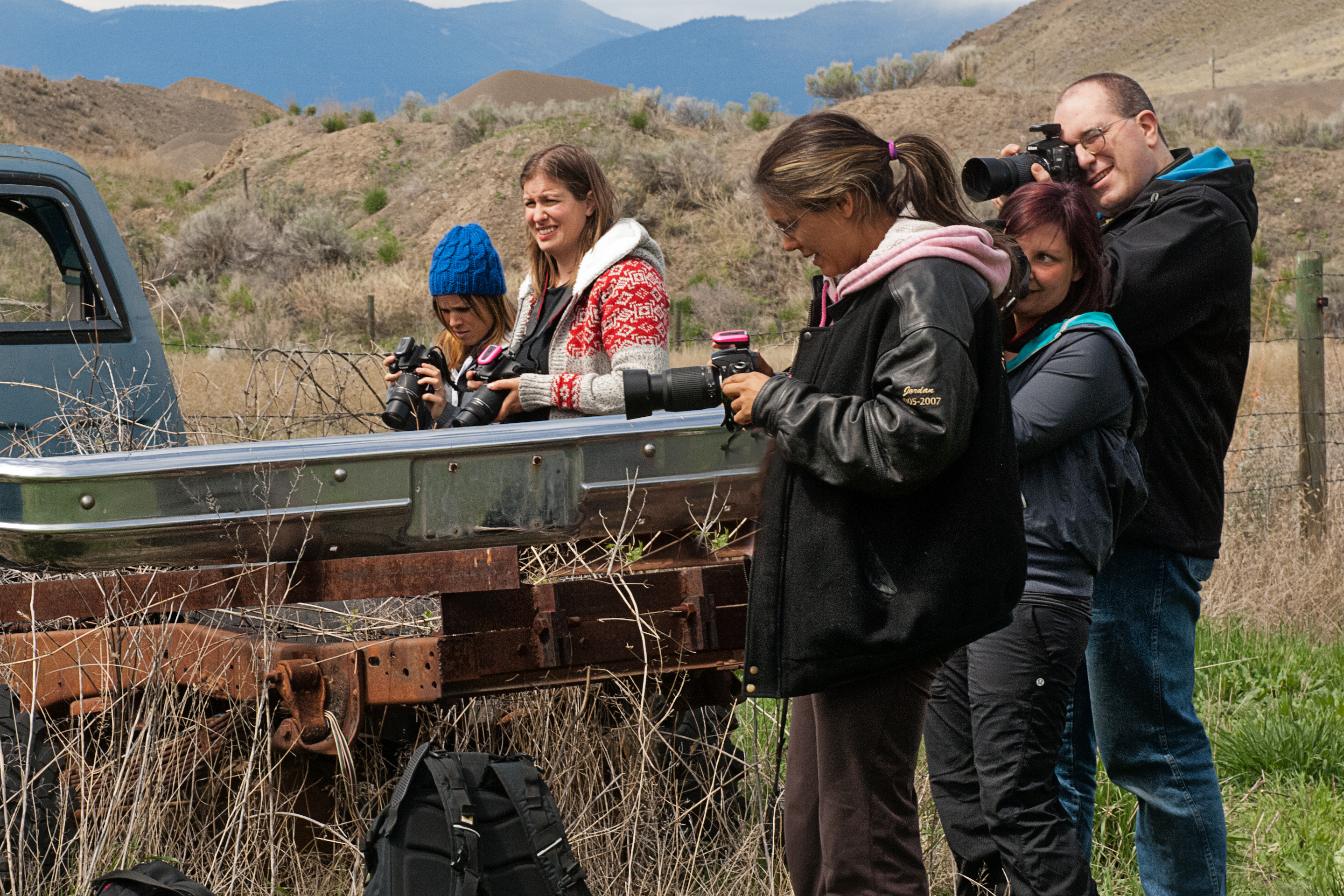
In this lighting workshop we dealt with the key aspects of outdoor portrait photography, such as understanding exposure, how photographers would learn to control depth of field, and to gain off-camera flash techniques that would transform their outdoor portraits into something special. And, as with my last workshop, there was excitement as participants got down to business and weren’t at all shy about getting shoulder to shoulder in a process of experimenting with and exploring outdoor lighting.

I had off-camera wireless flash setups in three locations, a large barn, a meadow beside a turn of the century horse buggy, and in the long grass where an old abandoned Cadillac rested. The photographers put each location to good use, and now I am looking forward to the next session. The few images I have seen so far are excellent and I am certain spending another day helping and watching each photographer’s progress is going to be a lot of fun.

Comments? I do like all comments. Thanks, John

My website is at www.enmanscamera.com


Some Thoughts on Portrait Photography

   Kisa4

Monica

Model 2

Walter's Portrait

Almost exactly a year ago I wrote an article titled, “Some Thoughts on Portrait Photography” and included a quote by Peter Brunnell the author of, “Creative Camera International 1977”.  Brunnell wrote, “There is no single form or style of portraiture. Portraiture means individualism and as such means diversity, self-expression, private point of view. The most successful images seem to be those which exist on several planes at once and which reflect the fantasy and understanding of many.”

I remembered that blog post and decided to revisit it after having a discussion with friend and fellow photographer, Michael Beach this week about creative portraiture. We talked about several aspects of photographing people, but I think the topic we kept returning to was a about making portraits that had a different look and feel than other photographers in the town we both lived in.

In last February’s article I referred to my college photography instructor’s contention that we should always follow rules for portraiture. I won’t go into those at this time. I’ll just say they weren’t very imaginative and left little room for innovation or experimentation for that matter.

My argument with his lectures on portraiture, are that great portrait photographers like Irving Penn, Arnold Newman, Bert Stern, Yousuf Karsh, Richard Avedon, Eve Arnold, and Annie Leibovitz, to name a few that I like, were anything but rule followers, and what marked their work, as Brunnell wrote was, “individualism .…..self-expression, (and a) private point of view.”  I did then, and still do think, that’s a lot for us mere-mortal photographers as we struggle to make our portraits something more than mere documentaries.

When I approach portraiture I try to create portraits that are, well, creative. Sometimes everything works and sometimes it doesn’t.  However, I always strive for something different, maybe even unique, in each.

Of course, one must be aware of how our subject sees themselves and the circumstances and conditions under which the portrait is made. Using a word coined by Minor White, I think most successful portrait photographers “previsualze” the final portrait.

White, co-founder with Ansel Adams and Dorothea Lang of the influential photography magazine, Aperture, has been hailed as one of America’s greatest photographers. And regarding previsualization, Ansel Adams defined it as, “The ability to anticipate a finished image before making the exposure.”

I’ll ad another quote by Minor White that fits here and might be a good thought for a photographer about to pick up that camera to make a portrait, “One should not only photograph things for what they are but for what else they are.”

Sometimes it’s the expression on a subject’s face that makes the image. And to get that expression the photographer and subject may need to experiment with different moods and emotions.  Portraitists spend much time putting people at ease and making them comfortable in front of a camera. I think it’s all about gaining a person’s trust that we are going to help them look the best they can.

The Internet is packed with “How to” advice on portraiture photography. Some of it is worth thinking about and some is bewildering. Those serious about bettering his or her portrait photography will select what works best and is the most comfortable.

A year ago I summed up with the following that worked for me then as it does now,

Everything comes down to one’s personal definition of what a portrait is. According to Wikipedia, “it is a picture of a person, a description. It can be a photograph, a sketch, a sculpture, but a portrait is so much more than that. It is collaboration between the subject and in this case the photographer.”  Collaboration is the key word for me in that description, and in my experience those portraits I have made that I think are the most successful, is because the person who was in front of the camera was willing to work, or collaborate, with me towards the final image.

I always look forward to any comments. Thanks, John

My website is at www.enmanscamera.com
Some Thoughts on Portrait Photography

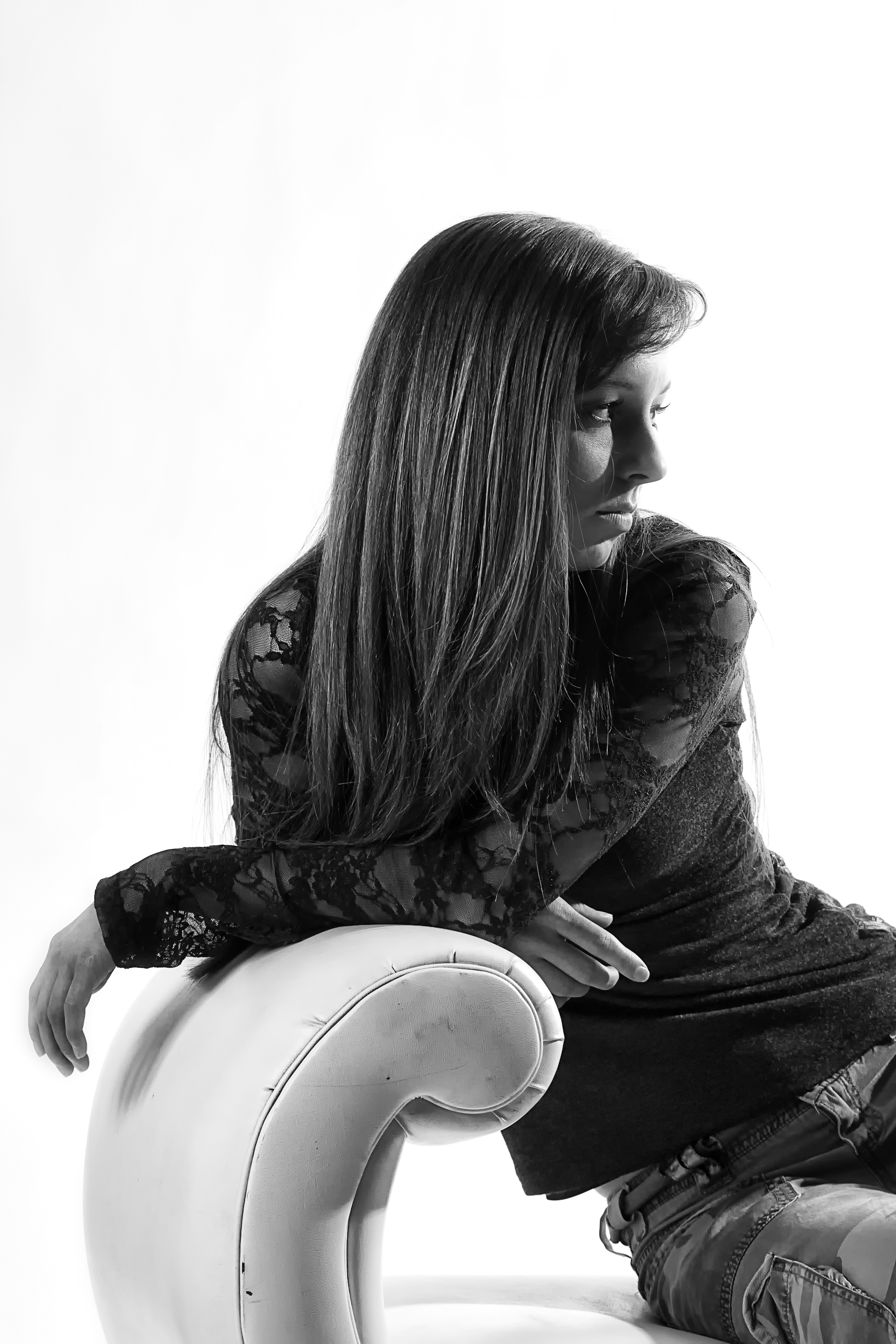
Model 2portrait by Enmanm

Photographers have been making portraits since the first camera was invented. In spite of the popularity of landscape, wildlife, and sports photography, I believe that most of the pictures that have been made, and still being made, are portraits of people.

Peter Bunnell in Creative Camera International Year Book 1977 wrote,  “There is no single form or style of portraiture. Portraiture means individualism and as such means diversity, self-expression, private point of view. The most successful images seem to be those which exist on several planes at once and which reflect the fantasy and understanding of many.”

I like that because I recall being bothered by my college photography instructor’s contention that we should always follow what he referred to as rules for portraiture. Guide lines possibly, but rules? When I examined the great portrait photographers like Irving Penn, Arnold Newman, Bert Stern, Richard Avedon, Eve Arnold, and Annie Leibovitz, to name a few, in my opinion they are anything but rule followers.

One might be able to recognize the photographic work of Penn, Avedon, or Leibovitz and casually use the words “that’s their style”. However, what marks their work, as Brunnell says, is “individualism .…..self-expression, (and a) private point of view.”  That is a lot to aspire to for mortal photographers as we struggle to make our portraits something more than mere documentaries.

When I approach portraiture I try to create portraits that are, well, creative. Sometimes everything works and sometimes it doesn’t.  I want something different in each.

Of course, one must be aware of how a person sees themselves and the circumstances and conditions under which the portrait is made, and I always (using a word coined by Minor White) previsualize the final portrait.  In Ansel Adam’s writings on photography he defined previsualization as, “The ability to anticipate a finished image before making the exposure.”

I know that for a successful portrait the person I am photographing needs to be the main point of interest. I am aware that a way to capture the attention of the viewer one could fill the frame with the subject’s face so there’s really nowhere else to look.

Sometimes it’s the expression on a subject’s face that makes the image. And to get that expression the photographer and subject may need to experiment with different moods and emotions.  Portraitists spend much time putting people at ease and making them comfortable in front of a camera. I think it’s all about gaining a person’s trust that we are going to help them look the best they can.

Some photographers get stuck in a rut by only shooting either horizontally, or vertically, or always from the same angle. To them I suggest mixing up framing in each portrait session so there will be a variety of images.

The internet is packed with “How to” advice on portraiture photography. Some of it is worth thinking about and some is bewildering. Those serious about bettering his or her portrait photography will select what works best and is the most comfortable.

Everything comes down to one’s personal definition of what a portrait is. According to Wikipedia, “it is a picture of a person, a description. It can be a photograph, a sketch, a sculpture, but a portrait is so much more than that. It is collaboration between the subject and in this case the photographer.”  Collaboration is the key word for me in that description, and in my experience those portraits I have made that I think are the most successful, is because the person who was in front of the camera was willing to work, or collaborate, with me towards the final image.

Following up on last week’s column there has been lots of discussion by the photographers that attended the strobist meetup. What lens worked, thoughts and suggestions on the lighting, and on posing models. We have been looking at each other’s pictures from that day, and a good critique among friends on what worked and what didn’t is always welcome and fun.

As always, I appreciate your comments. Thanks, John

My website is at www.enmanscamera.com
Photographers that have pets have something special.

In my opinion photographers that have pets have something special. I’m not just writing about the companionship, or the devotion one receives.  That relationship is special and important, however, what I am referring to is that pets are perfect models for our portrait photography.

Photographers point their cameras at just about everything in their lives. Spouses and children patiently put up with constantly having their picture being taken, but eventually even they need to go on about their lives without being constantly photographed, and when that happens, if you are like me, you go looking for the family pet.

Got a new camera or lens? Want to try out that studio lighting technique? Or just bored and want someone ever ready and able to pose for a photograph? Call the dog, or coax the cat. I can’t even begin to count the pictures I have taken of the horses, dogs, cats, parakeets, hamsters, chickens, fish, and frogs I have taken in my life.

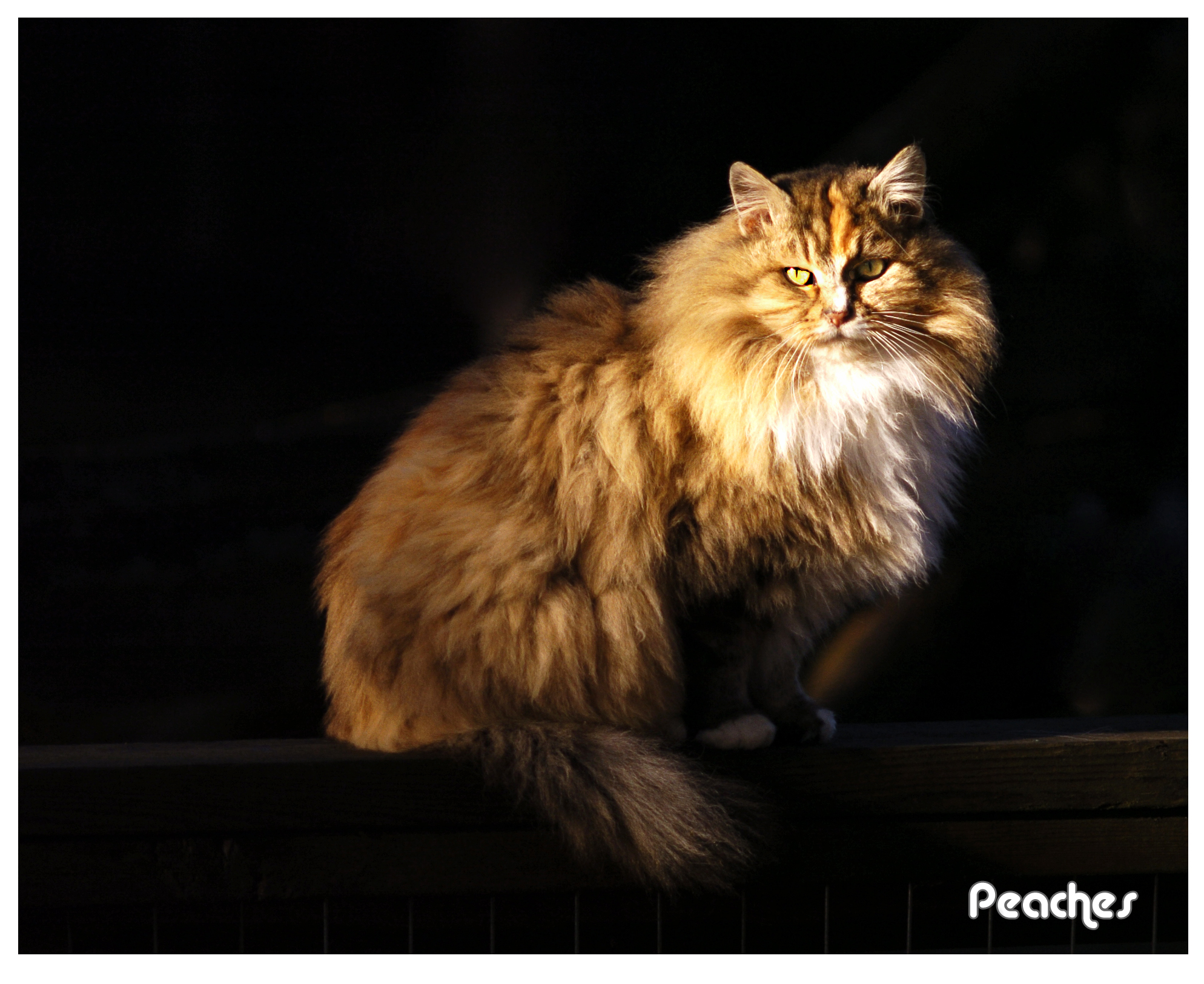
Those pets never complained when the pictures didn’t work out and even waited for another blast of the flash without blinking.  I admit the goldfish aren’t very good posers, and Chuck, the rooster that guards the hens, doesn’t seem too interested in standing still for his portrait, but Peaches, the cat, seems more than ok with posing for long periods of time.

Peaches became a resident years ago in the barn, as cats do from time to time. I have no idea her origin, or how old she is, but after a bad run-in with either a wandering coyote or the neighbor’s dog and the follow up convalescence in our home, she somehow moved from the barn to sleeping on my wife’s lap.

The name Peaches came from when I was feeding three strays one winter. My wife asked me what their names were, but, heck, I just didn’t want them starving in the cold weather and hadn’t bonded enough to exchange names. I explained, “ the black one is named Furry, the spotted one is Furry, and the yellow one is called Furry”.  Linda named them Furry, Trixie, and Peaches, respectively. So after Furry got old and died, and Trixie was adopted by a neighbor down the road, Peaches came inside for first aid, a warm place to live, and has become a constant object of my photography.

I will admit that cats are great posers. They will sit without moving for long periods of time, giving photographers lots of time to test out lenses, learn flash techniques, and get creative with a camera. Peaches ignores me most of the time, except when she wants food. So I can take all the pictures I want pretty much any time without any interference. She just sits and waits.

I have never been one of those picture takers that take cute or silly pictures of the animals with which I share my home. I like portraits, so my pet photographs are usually planned and not much different than a formal portraiture of a person. Actually, that cat is a lot easier than most people because she just sits motionless staring at some spot in space for long periods of time. Other than sleeping and eating, Peaches the cat doesn’t seem to think much else matters, thus she is the perfect poser.

“One day Alice came to a fork in the road and saw a Cheshire cat in a tree. Which road do I take? she asked. Where do you want to go? was his response. I don’t know, Alice answered. Then, said the cat, it doesn’t matter.”  That quote from “Alice in Wonderland” by Lewis Carroll reminds me of my cat, Peaches.

I am not suggesting that photographers should rush out and adopt a cat or any other pet only because they need a model, but if one already inhabits the home then put them to work as an artist’s model. And if any of the pictures are good, then add some words like Merry Christmas or Happy Birthday in PhotoShop and make some cards for your friends and relatives.

Don’t forget to press the “Follow button” . and I am also at www.enmanscamera.com