Bridge Lake Workshop Wireless Off-Camera Flash              

OffCamera Workshop 1

OffCamera Workshop 2

OffCamera Workshop3

OffCamera Workshop4

OffCamera Workshop5

OffCamera Workshop7

OffCamera Workshop8

OffCamera Workshop9

OffCamera Workshop10

OffCamera Workshop11


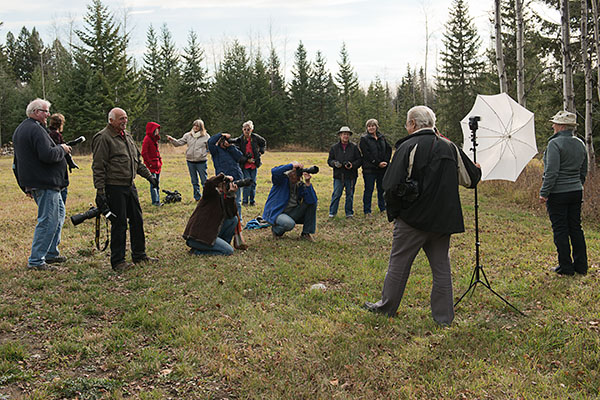
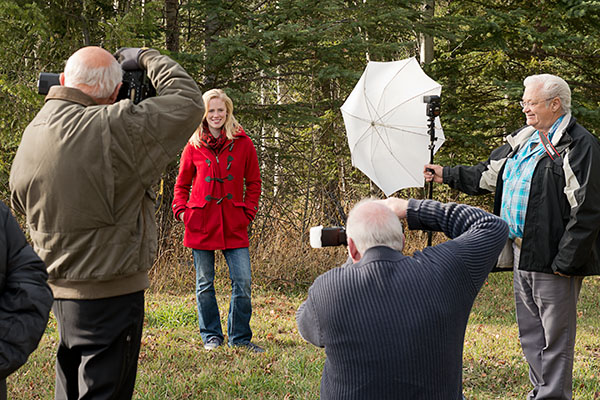
Last Sunday saw me making the scenic two-hour drive north to join the Bridge Lake Photography Group. I have been following that creative and talented group of photographers, (www.bridgelakephotogroup.com) since a long time friend, Derek Chambers, got in touch with me about a year ago. On Sunday I led a full day workshop for them about using off-camera speedlights indoors and out-of-doors.

There is so much that I want to tell photographers when they first attempt to use flash as a tool to create better photos instead of the flash being an uncontrollable device photographers perch on the top of the camera when it’s too dark in a room to take a photo.

In my opening presentation I had to hold myself back as I sometimes realize I am talking too fast. But I get excited and I really want to move from lecturing in front of students, and go to the studio setup where the learners, not me, are center stage. That’s where my fun, and, assuredly, the participants’ fun begin.

I always enjoy the enlivened interaction that occurs when a student of flash photography takes that first shot with one of the flash set ups. Usually, no one ever wants to be first. Everything is strange. The flash that usually is attached to their camera is now attached to a softbox or an umbrella. I always have to prod and coax the students to begin, but I can hardly wait for the first “oohs and aahs” that happen when they see the results of their first photos.

My job is to present information on the subject, and keep things going. I don’t like to be a demonstrator on stage and rarely pick up a camera during the workshops I lead. That is left to the participants, and watching them learn is the fun part for me. After everyone crowds around that first volunteer’s camera and sees the picture it is all I can do to hold them back.

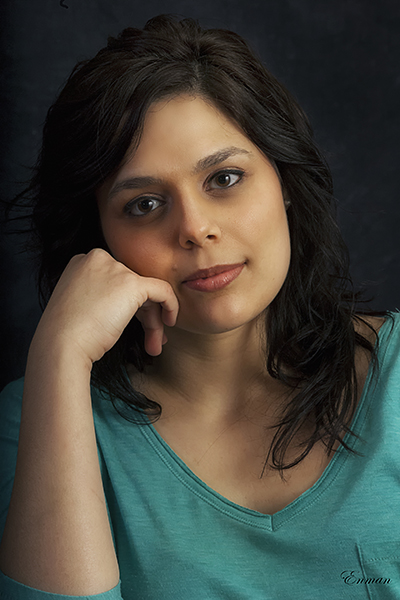
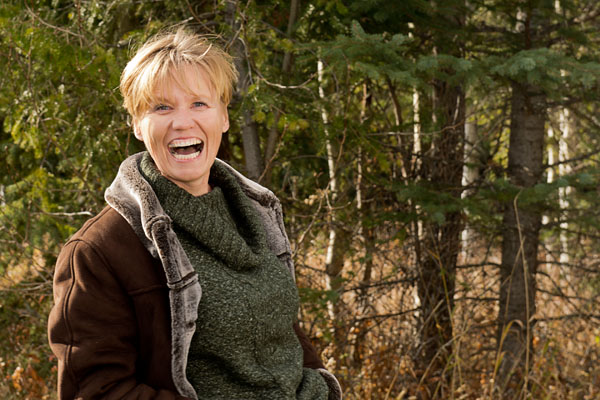
Our ever-patient model was overwhelmed as she tried to pose for everyone at the same time. She pleaded, “Where do I look?”   I laughed and loudly said to that excited scrum of photographers, “If you want her to look at you yell, ’Me! Me! Me!’”

We spent the morning shooting in the inside studio. For that session I had the flashes set to manual mode so their output would always have the same power. That is the easiest way. If more light is wanted on the subject move the flash forward. Less? Move the flash away.

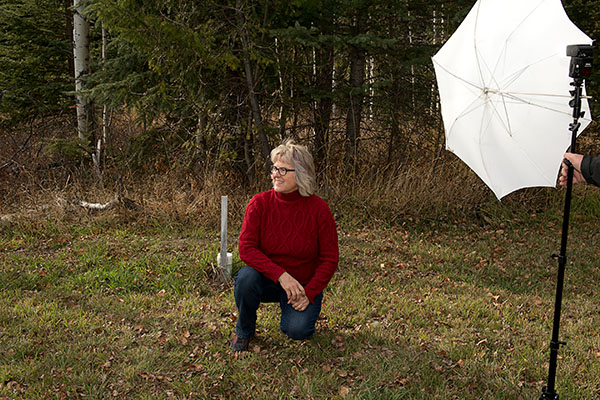
After lunch we moved outside and I set up one flash with a shoot-through umbrella, however, this time the flash was set to TTL mode. When using flash in an indoor studio one synchronizes the camera’s shutterspeed to the studio flash, and uses the aperture to determine the exposure of the light reflecting off a subject. Progressing, however, to an out-of-doors situation with TTL a photographer must balance the natural, ambient light with the off-camera flash; and using flash effectively is more about creating and controlling shadows than about filling them.

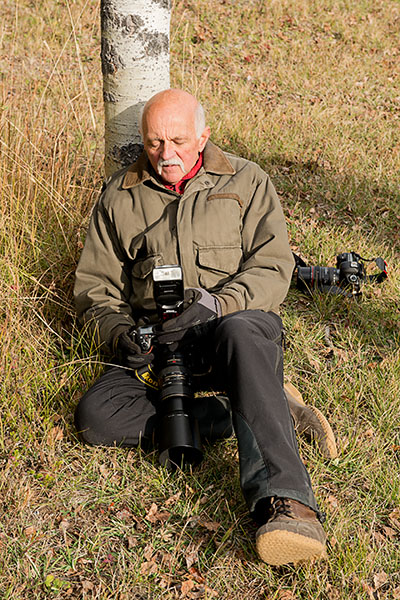
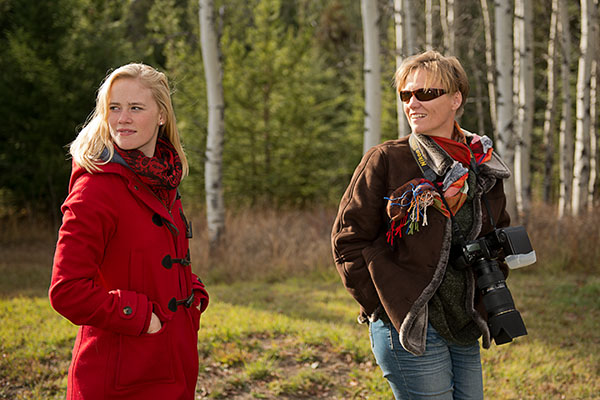
We walked out into the bright day and our model had barely reached a location in the meadow before 15 excited photographers got down to business. By then they weren’t at all shy about getting shoulder to shoulder in the process of experimenting, exploring, and learning about outdoor lighting.

I just received an email from Chambers saying, “You’ve definitely added a whole new dimension to our photographic adventures. Thanks a lot.” Gosh, a whole new dimension to their photographic adventures. That is one of the best “thank you’s” I have ever received.
I Like Calendars     


Calendars

I remember a life drawing class in which we would all have to hang our assignment for each week on the classroom wall. Then we would all noisily sit around and wait for our colourful instructor, Mario, to make his grand entry. Mario was a tall, dark, flamboyant Italian that always talked loudly while waving his hands around in the air for effect.

As we held our breath he would slowly walk along the exhibition of our talent and skill. Then he would suddenly stop and with a wide sweep of his arm gesture to someone’s drawing and in his thickest accent declare, “This, this, this, belongs on a Los Vegas Hotel room wall!” I remember more than once watching a fragile classmate moved to despair or with a bowed head rush from the room in disgrace. As cold hearted as that life drawing coach was I did get his point regarding art.

We rarely look at the artwork that is always hanging in the hotel room. It is just there to fill space on the otherwise blank wall, and if we did notice, that framed art was quickly forgotten when we left. I can honestly say that although my friends or family might have remarked at the cleanliness of a room, it’s location or the softness of the bed. I can’t remember anyone ever saying, “Gosh, the artwork in our room was marvellous.”
Good art is enduring. We live with it, cherish it, and the longer we do the more we take pleasure in it.

Now comes my delight with calendars. It is not that I need to know what day it is; that is a utilitarian benefit. I like those with pictures.

Calendar pictures must immediately have an impact. A successful calendar picture grabs our attention and quickly tells a simple story. However, unlike the art my instructor was demanding, calendars only have to endure for about thirty days at the most. Each picture only has to artfully work to capture our attention and give us the proper date for one month. Then we get to start all over, and we get to enjoy a different picture with more information on important dates for another month. Hmm…functional art, what could be better.

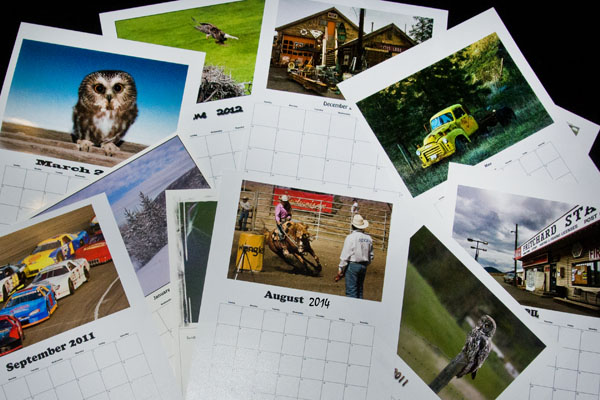
November is my month to start seeking calendars. I hate searching for calendars in January. There is something wrong in hanging a calendar mid-month. My wife and I have the perfect approach for photographers. We each choose from the photos we have taken during the month and I print a new calendar each month. No rules, no themes. We select a picture we each like and I make an 11×14 print that is half picture and half calendar – side by side, or up and down.

That’s not to say that I don’t get other calendars. If one grabs our fancy while shopping we’ll get that also. Then there are those we receive as gifts. I can’t have too many calendars. Getting to view lots of new pictures each month, it doesn’t get much better than that. We also choose images and have calendars made for us that we give away at Christmas.

My advice to readers like me, that enjoy having their pictures hanging on their walls, is to start putting your own calendar for 2016 together now. Stop by the local business supply store or look online. And remember calendars make great Christmas gifts.

Photographing Chase Creek Falls  

Chase Falls 1

Chase Falls 2

Chase Falls 3

Chase Falls 4

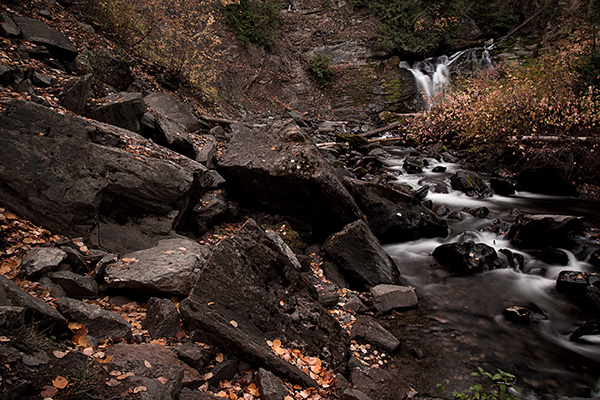
The third season of the year is here, and it is my favourite season of the year for photography. Fall or autumn, it doesn’t matter which word is used, is so darn colourful here in British Columbia; and I really enjoy the cooler air, a welcome relief from the heat of summer.

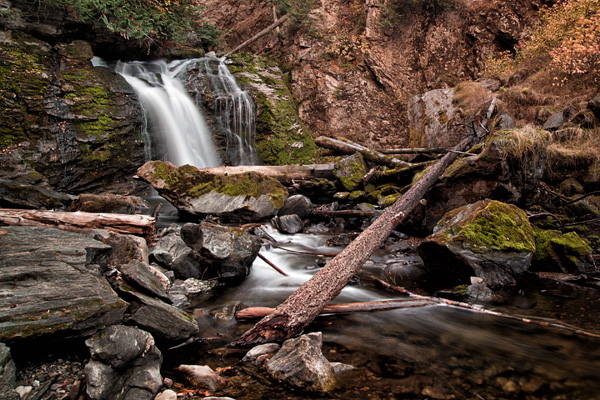
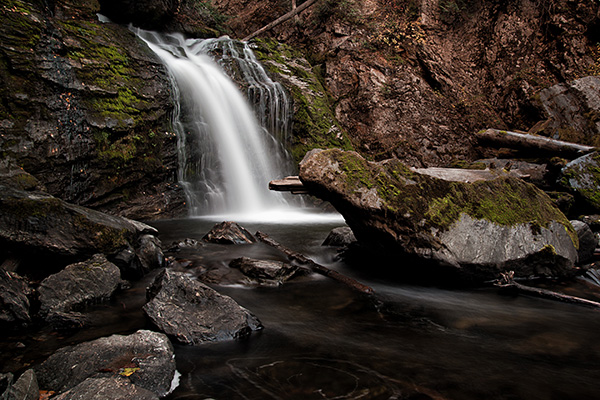
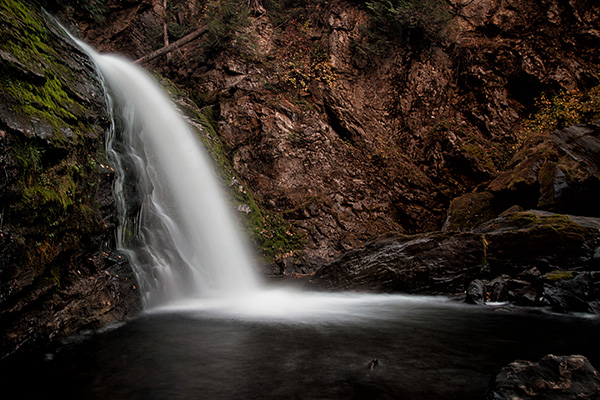
This week I drove the short distance down the road to Chase Creek Falls. I was in April just after the spring runoff when the high water began to subside. April is the second best time to go there, October the best. October has low water that makes scrambling along the colourful creek side easy, and lets photographers position their tripod and cameras close to the falls without getting wet.

In my April article I wrote that I have been photographing Chase Creek Falls since sometime in 1976. I have used 35mm, medium format, large format, film, and digital to photograph those falls every season of the year in every type of weather using black and white, colour, and even polaroid film.

I have gotten wet, walked away muddy after sliding down the steep bank, and bumped into the large river rocks a bit to hard. I’ve lost lens caps, a lens hood and even a polarizing filter on my visits. I have used the Chase Creek Falls once as a background for a large family reunion and another time for wedding portraits.
Photographing waterfalls is very easy and almost as relaxing as wandering around a garden. Modern digital cameras have improved the ease of taking photos by removing the requirement of much of the technical information that photographers once needed to know.

The equipment doesn’t need to be expensive or special. Select your favourite DSLR, a lens that has a wide enough focal length to see the falls, a tripod, and a neutral density filter. When I remember, I also like to use a cable release; but if forgotten the cable release isn’t a big deal, just use the camera’s self-timer instead.

Setting up the camera to get that soft looking water coming over the falls is very easy. Just choose a low ISO and a small aperture. The low ISO allows a slow shutter speed, and the small aperture gives lots of depth of field.

An ND, or neutral density, filter reduces the light going through the lens to the sensor and is the most trouble free filter for making long exposures. I prefer the square or rectangle ones that I can hold in front of my lens. I don’t use the fancy filter holder as that just gets in my way when I want to add additional ND filters to reduce the light.

I prefer shutter speeds of three or more seconds, and adjust the ISO, aperture and ND filters to accommodate that. Next, point the camera and start making pictures decreasing the shutter speed and checking the LCD as one goes along. It is all so easy.

This is a perfect time of year (here in British Columbia anyway) to spend some time photographing local waterfalls. They don’t have to be large and exotic, just have a bit of water going over them. And like me, after a dozen or so shots, put the camera back in it’s bag and sit quietly in the sand and lean back on a big smooth river rock so you can enjoy the sound of the water. Life is good.


What Inspired or Inspires you to do Photography     

Inspiring Viewpoint 2

Palouse river canyon 2


A member of a photography site I frequented some time ago posed the question, “What inspired you?”

I took that to mean what inspired you as a photographer?

One would think that a question on a photographer’s website page would be a great opportunity for photographers to talk about those that encouraged, influenced, or affected their development in this exciting medium.

Anticipating discussions on celebrated photographers who had inspired others on that forum to get into photography I looked forward to reading members replies. However, I was surprised and disappointed with how few took the time to respond, and those that did seemed silly by only naming long gone painters like Rembrandt. Rembrandt? Not one member on that photographer’s forum mentioned another photographer.

Unable to contain myself I wrote, “I was inspired to do photography by photographers not painters. Those I admired and inspired me at different times include Man Ray, Richard Avedon, Irving Penn, Arnold Neuman, Gregory Heisler, Sarah Moon, Sheila Metzner and Annie Leibovitz. I must also mention scenic photographers like Elliott Porter, Ansel Adams, Edward Steichen and Edward Weston.”

Today I sent a friend a picture I had taken of him and several other friends in the early 1970s. I remembered at that time I was rarely without a camera, and how frustrating that was to some that just got tired of my constant picture taking. That’s when I recalled the preceding post on inspiration and my response.

I suppose there are painters and sculptors I like, but do they inspire my photography? No not really – I look to photographers for that. The first photographer and artist that inspired me all those years ago was Man Ray. It was after viewing his fascinating pictures that I began to study photography.

However, it is the second photographer on my inspiration list, Richard Avedon that I’ll quote here, “I think many photographers create in order to survive, both emotionally as well as financially. For a photographer, taking a photo is just as important as breathing”.

Sometimes when I see a photograph that I like I get excited. I might not be able to go to the location or find the subject of that picture, but it still makes me want to grab my camera and begin searching for something. I could say that photograph inspired me to create one of my own in my own personal way.

In my list to that forum I forgot to include the famous Canadian nature photographer and author, Freeman Patterson. I think any photographer interested in photographing gardens or landscapes will find inspiration in his photographs and his writing. Patterson wrote,  “Seeing, in the finest and broadest sense, means using your senses, your intellect, and your emotions. It means encountering your subject matter with your whole being. It means looking beyond the labels of things and discovering the remarkable world around you.”

There are many things and people that inspire me, too many to write down here, but the original post was on a photographer’s forum, so it’s photographers not painters that I thought about. There are many photographers past and present whose images are worth searching for, looking at, learning from, and of course, gaining inspiration from that will surely affect one’s own photography.

I always enjoy everyone’s comments. Please don’t hesitate if you have a moment.

Thanks, John

Will New Cameras Make Better Photographers?   

A new camera?

Will a different camera and more megapixels make a difference?

I received an email the other day from a photographer who is trying to earn some money at photography. She had been submitting prints to companies that purchase stock photography, but has not had any luck. Discouraged, she wondered if her problem might be that her camera wasn’t making high enough quality images, and thought purchasing a new camera with more megapixels might be the answer.

I began by saying that she should keep on submitting photography and suggested she take a look at her style and preferences in photography and to determine if there is a niche market that fits her subjects.

I suppose any excuse is a good enough to get a new camera. I am OK with that, however, I am not sure that “more megapixels” is the answer.

As long as I have been in photography photographers have blamed their failures on their cameras. It used to be that photographers wanting to become professional, would discard their 35mm and buy a medium format camera because they believed it was necessary to take professional pictures. Then they would decide their pictures still weren’t good enough, so they would sell their Mamiya to buy a Hasselblad, thinking that would really allow them to take professional pictures.

That attitude and rational about cameras hasn’t changed, only now instead of medium format cameras the answer is a bigger sensor with more pixels, and, of course, the belief that one camera company might be better than the other.

Will different camera models and more megapixels make a difference to the image quality? Well, maybe. Perhaps it could depend upon what an image buyer wants and how large the final image file needs to be. Research into that means pages of confusing charts and hours of reading other photographer’s opinions.

I believe we need to be comfortable with our cameras and learn how to make them perform the best. I taught photography for many years and I was always amazed at how much money students spent on camera equipment in order to achieve an A grade, when all they needed to do was learn better techniques.

I am not saying that one shouldn’t get the newest and best photographic equipment available. My advice is to make the choice the depending on the kind of photography one likes to do. However, the camera isn’t going to make a person become a better photographer.

As I write this I am beginning to wonder about that last statement. If a photographer purchases a new camera, they get really excited and go out and shoot, and shoot. More shooting equals more practice and when all is said and done more practice is what actually makes for a better photographer.

With that rationale we could say if a person bought a new camera every six or eight months (that seems about how fast new models are appearing) then that means a person would be improving at least twice a year. Gosh, in two years a person would be four times better than when he/she started!

Hmm… with that reasoning I should tell that photographer to go ahead and buy herself a new camera with as many pixels as she can afford.

Nevertheless, if after her hours of research she can’t make a decision on which new camera to spend her money my advice will be to study the work of successful photographers in her subject area, and spend lots of time experimenting and practicing with the camera she has.

A Country Wedding.


Wedding

Wedding ride 2

Guest wagon

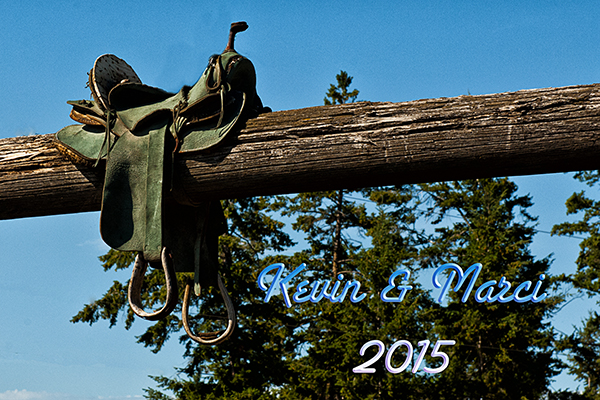
Kevin & Marci

Me too

Marcie's wedding

Country dancing

Just Married


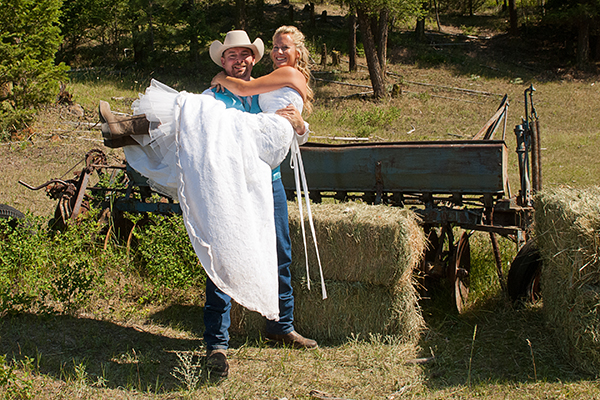
My friend and neighbor, Kevin, called to tell me that he was getting married and asked if I would photograph his wedding.

Although I am pretty much retired, without hesitation I said yes, only asking the date. He continued, “It will be western casual and at our place”. With that I thought, “Well, of course,” and hanging up the phone I turned to my wife and said, “Kevin and Marci are getting married at the end of the month, I hope it’s an overcast day.”

Who knew British Columbia would be having such a record breaking, rainless, hot summer that steadily got hotter and hotter. So by the time Kevin and Marci greeted their guests who waited in large shade tents under a cloudless blue sky the temperature had reached 40 degrees Celsius.

I kicked up dust as I walked into the large coral glad of two things. The first was that my wife made me put on sunscreen and the second, was that high-speed flash sync had been invented.

I remembered the limiting days of film and the one-power-fits-all flashes with which we struggled. On a sunny day we’d load our camera with 50 ISO film, shoot at a high-sync of 1/60th or 1/80th per second depending on the camera and hope the flash didn’t blast the detail out of the wedding dress. On torturous bright days, like the one I was preparing to photograph my friends under, I’d use my favourite flash diffuser, a functional white handkerchief that served to reduce the flash and, when needed, wipe off the salty sweat that made my eyes sting.

I made my way to the plywood dance floor and took a of couple test shots using the DJ as my model. My goal was to slightly underexpose the background. I really don’t like those pictures of people standing in an overexposed environment.

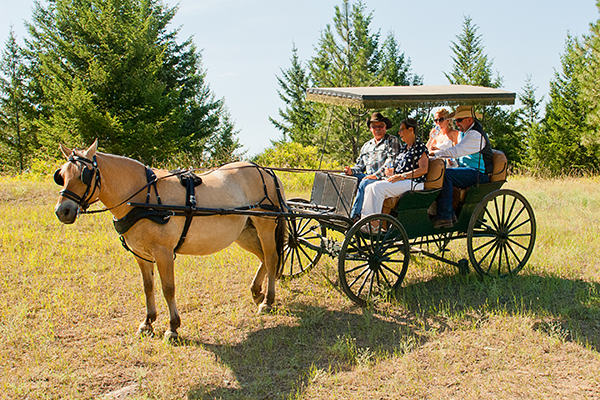
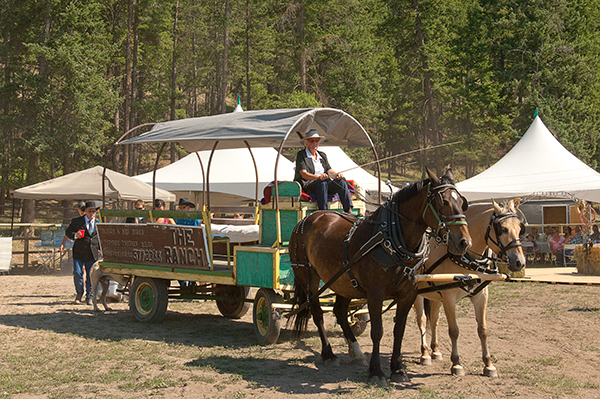
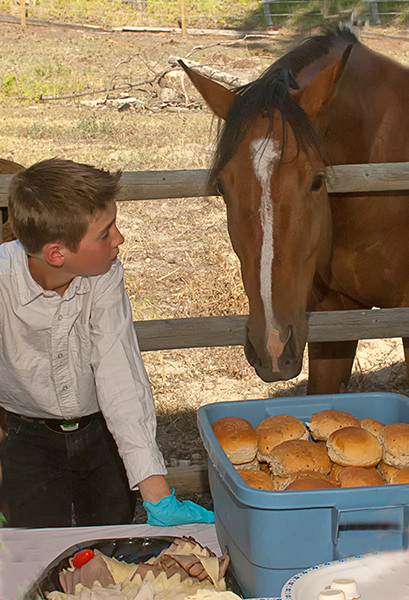
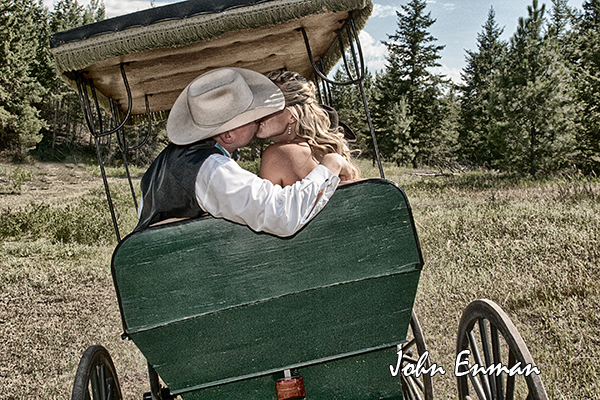
After the ceremony we joined the newly married couple in horse drawn wagons brought over by neighbours, Ellen and Steve from The Ranch, and traveled through the trees to another location where family and guests patiently stood waiting for me to take group pictures. Then we all, bottled water in hand, loaded back in the wagons for the waiting wedding feast.

I wrote that Kevin told me the wedding would be western casual. I don’t know if the ties, vests, and dark, western-cut jacket that the groom, best man, and father of the bride wore were casual attire, but the hats and boots were western, and I will mention that most of the guests were wearing cowboy boots and hats, and boot-cut jeans were the norm.

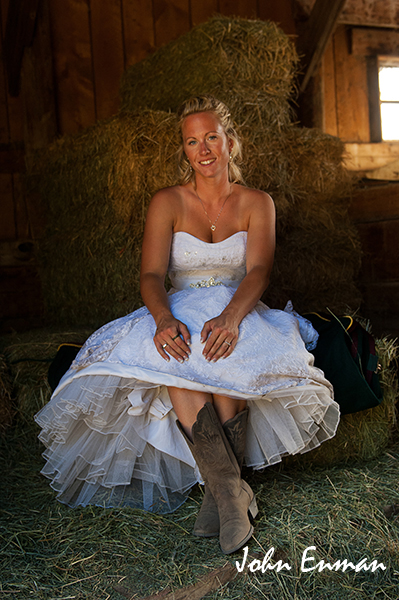
As everyone enjoyed a meal under the shade of the large tents I snuck away to set up a portrait studio in the barn. My lighting was two speedlight flashes positioned behind a six-foot diameter shoot-through umbrella. I like the wide, undirected, soft light a shoot through umbrella delivers, and a large shoot-through like the one I employed in the narrow walkway between horse stalls in the barn gave a flattering light that allowed me to quickly and easily pose the bride and groom.

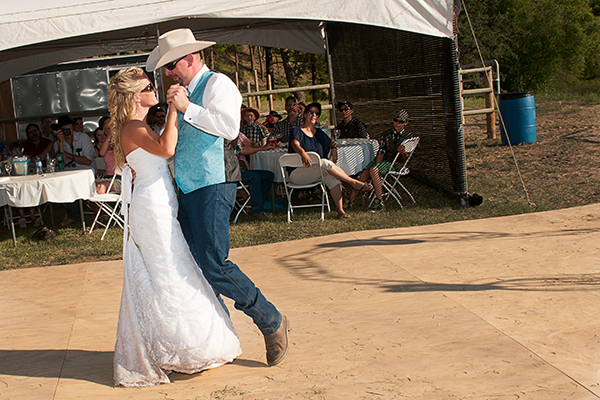
Then it was back to the dance floor for the first dance. And I worked my way around capturing photo after photo of Kevin and Marci as they showed everyone how country music should be danced to, then I stepped back so as not to block the many pictures being made by guests holding their cell phones at arm’s length for that perfect shot that I am sure was quickly posted on some social media site.

In spite of the heat I had a great time. And I am certain everyone enjoyed the day. I left before sun down, but later Marci told me things were hopping till around 2AM.

Since then I have seen more than one over-exposed, wedding pictures from at other events displayed with misplaced pride, and read photographer’s complaints about shooting under the bright sun, and working in the heat. My advice for them is to under expose, to use a flash, and not to forget sunscreen.


Portraiture and the Photographer’s Use of Light

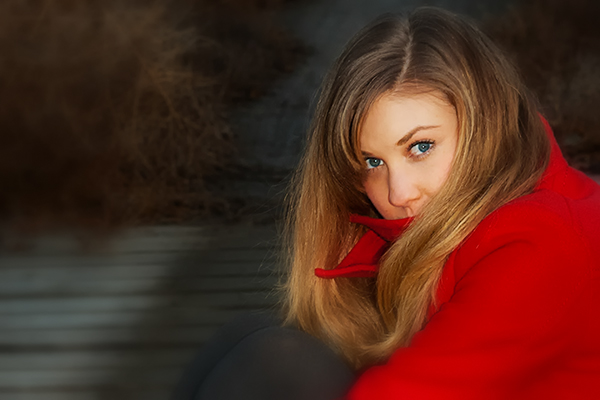
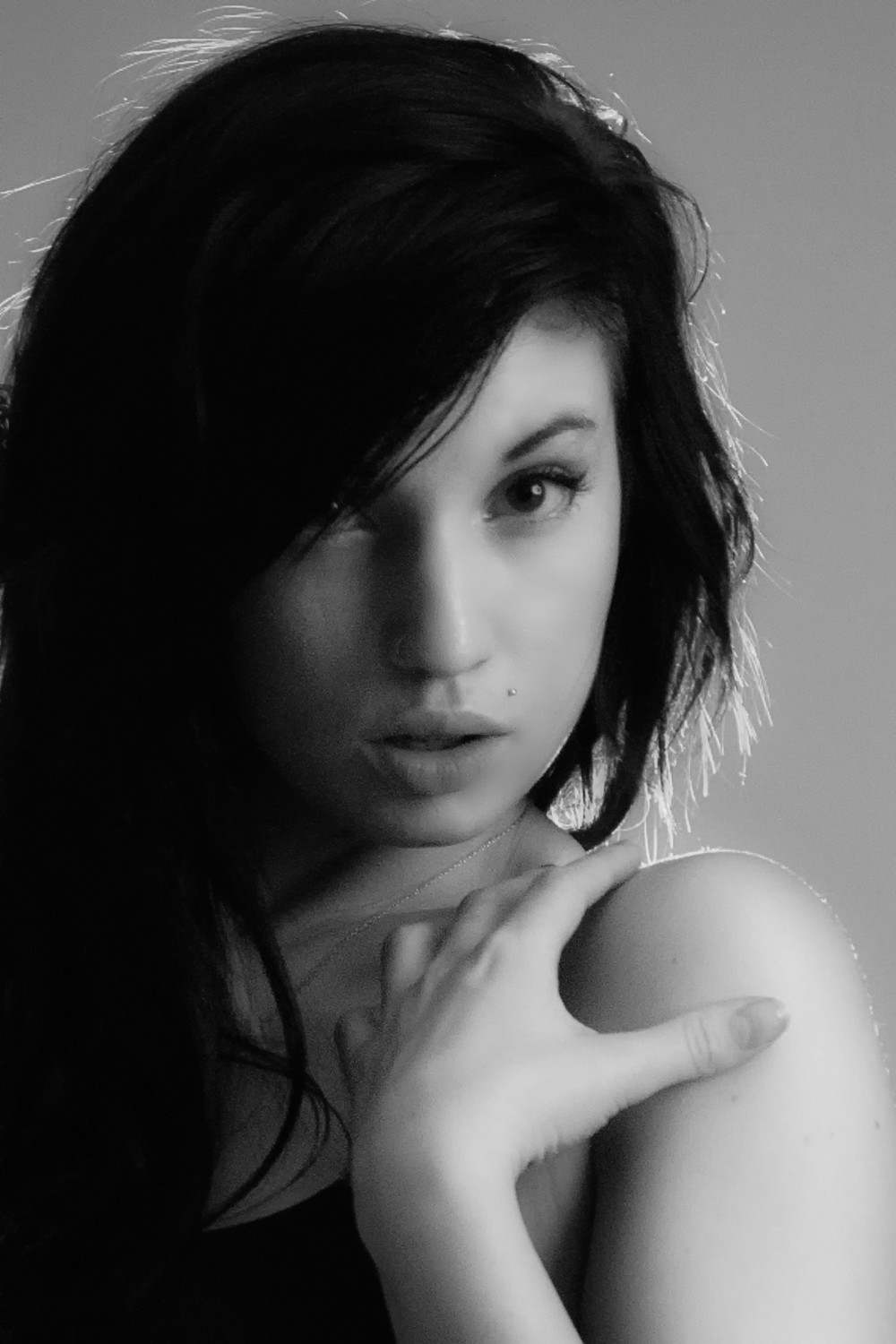
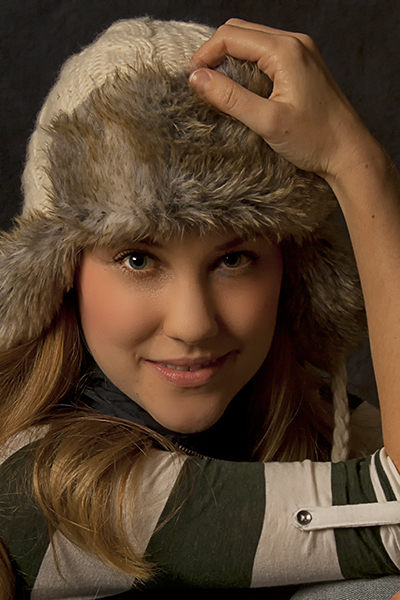
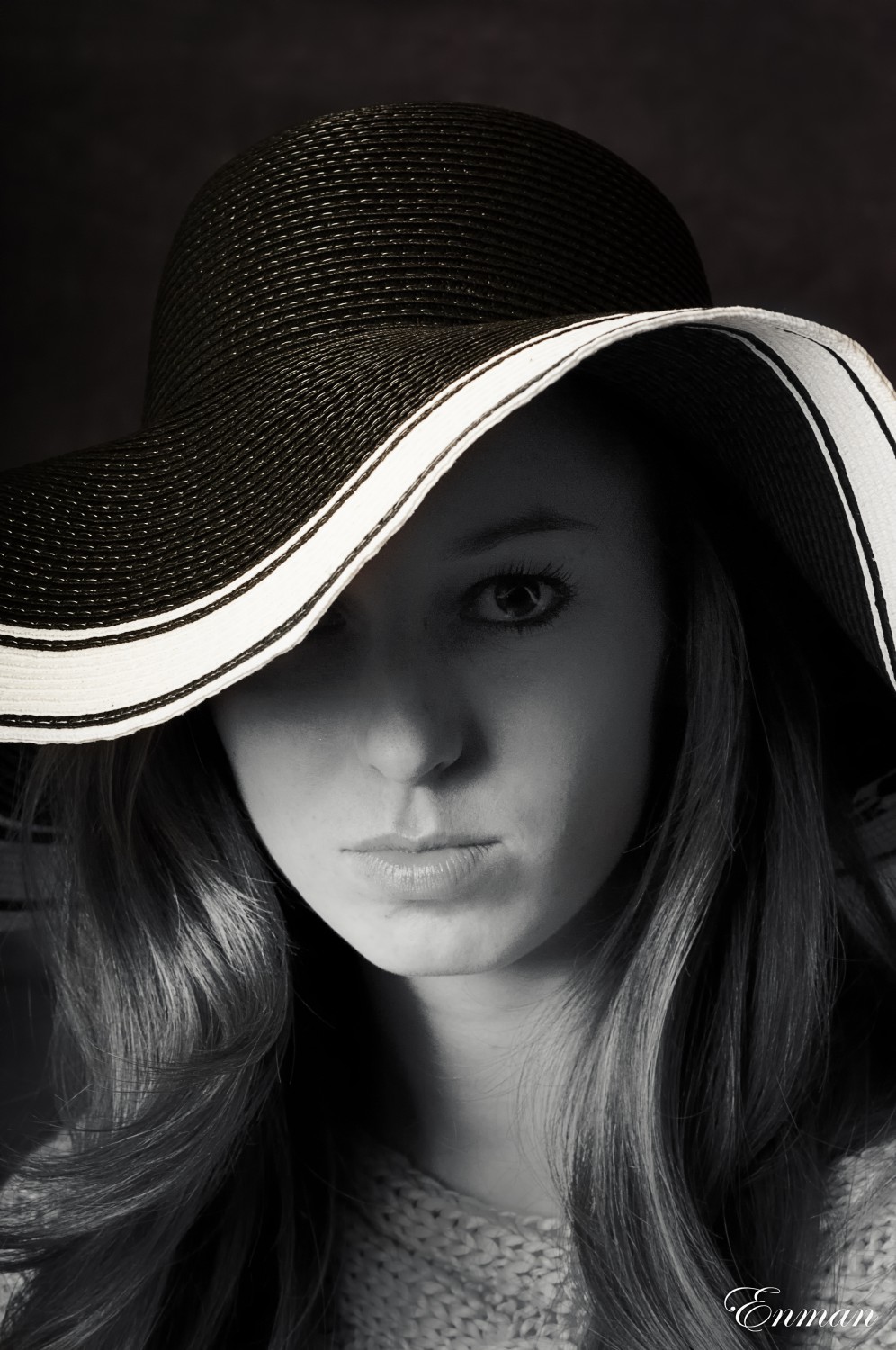
Monica aDemetra 3aMollyStephanie b6. BaileaStephanie a7. MonicaDemetraMonica  a


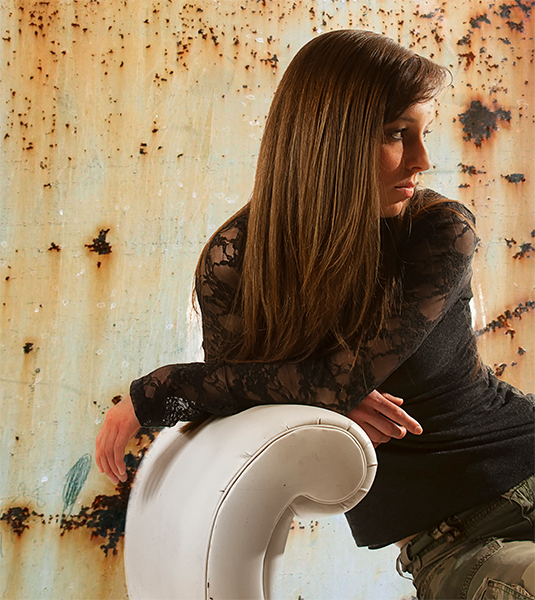
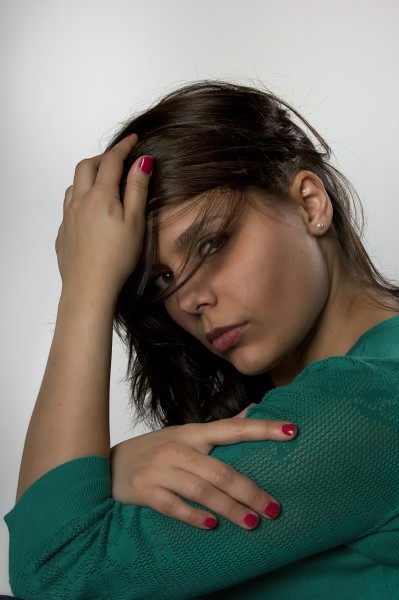
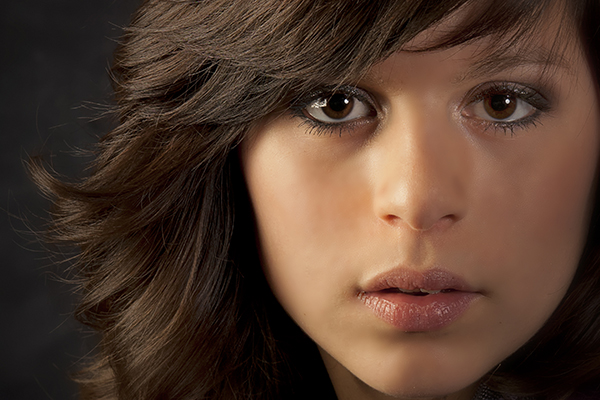
Photographer and author Frank Criccho states, “ The success of a photographic portrait depends as much on the photographer’s artistic and creative use of lighting techniques as it does on his or her skill with the camera.”

In an opposing remark during a recent conversation, a photographer told me that he didn’t have to worry about getting a flash for portrait photography and doubted he ever would, because he could just use a higher ISO, shoot multiple bursts, and fix everything in PhotoShop.

I don’t think that he is totally wrong, but his statement certainly demonstrates a lack of the basic understanding of how light impacts a subject’s face and how light can make the subject look younger, or older, or more glamorous, or down right unappealing.

I think in the race to purchase the latest hi-tech photographic marvel many photographers tend to forget about how lighting affects their subjects.

In my opinion, the goal for portrait photographers should always be to make the subject look his or her best, and provide an image that is flattering, and allows the person you are photographing to have a photo that impresses viewers.

One could say the responsibility lies with photographers, and not the subject, as to how good they look. Yes, I know in reality that isn’t the truth, but in my experience when one makes a bad photo of someone they will blame you, not themselves, if one makes a good photo they will thank you for capturing reality.

Many photographers just excitedly snap away without examining their subject, or posing them. Relying on luck and their subject’s talent to make that pleasing portrait, and pay little attention to how the light is making that person look.

Light and how a photographer uses it is very important. Too much contrast or side lighting shows lines and blemishes, whereas, on-camera flash, or bright, direct sunlight gives a flat, dimensionless, uninspired look.

To use the words of world-renowned photographer and writer, Joe Marvullo, “It is your ultimate decision, however, to determine what is “real” about that person and how to portray it in the photograph. You must successfully translate a distinct human personality in three-dimensional form into a two dimensional representation. This recorded image must come to life on it’s own. You, as an artist, must capture the “essence” of your subjects – their persona.”

Modern on-camera flashes are excellent if used correctly and creatively. Photographers can diffuse, bounce, and move the light off to the right or left, higher or lower, and modify that light using umbrellas, reflectors or softboxes to soften and control the direction and intensity.

I believe photography is all about the light. The lazy photographer just worries about exposure, where as the imaginative photographer pays attention, experiments, and practices creating portraits using light that are more than just documents of some person.  And as Marvullo suggests it is up to you, the artist, to capture the “essence” of your subject’s personality.


Photography, a personal vision.

Kamloops Lake 1

Kamloops Lake

Kamloops Lake 1a

Lawnmower Race copy1

Lawnmower Race copy2

Sax player 1 Sax player 2


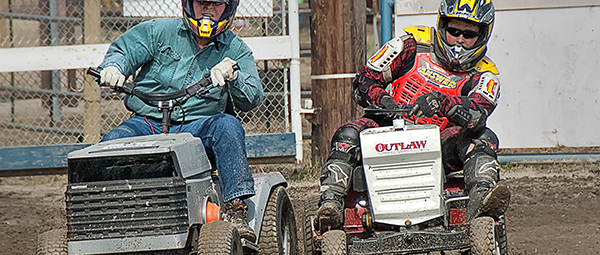
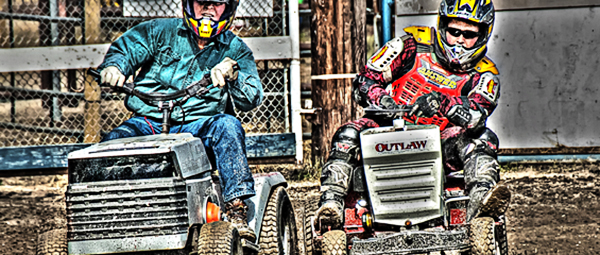
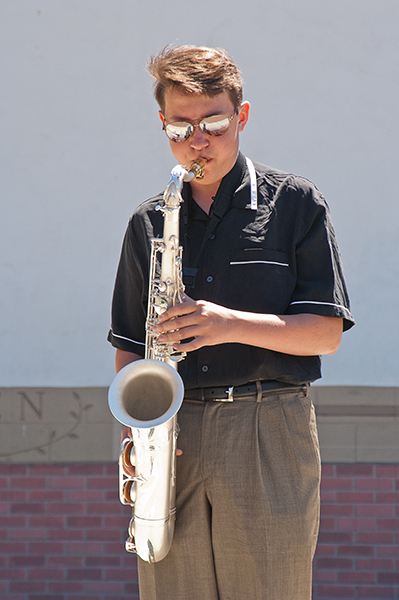
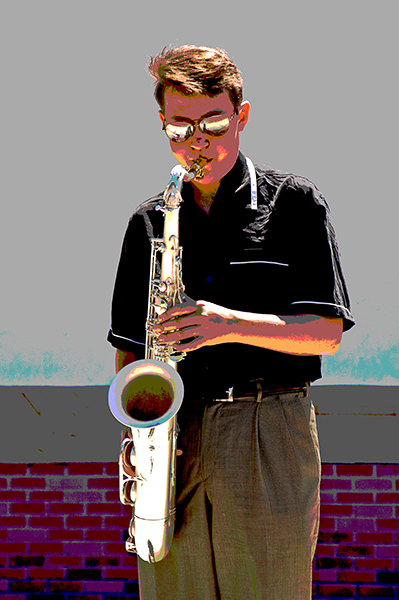
My photographer friend Greg posted the following statement on the Canadian photographer flickr.com/group: “Recently I’ve come across a number of photographs on the social media outlets that are absolutely stunning and amazing works of art, but there are a whole host of people who comment saying ‘it looks fake’, ‘it needs to be more real’, ‘that picture has no resemblance to reality’”. And he continues raising the question with “Should we be striving to produce photographs that are more ‘real’ to please the crowds who seem to have very little understanding of art?”

My quick and easy response is to quote Plato, “Beauty lies in the eyes of the beholder”. Even Shakespeare in his work, Love’s Labours Lost writes, “Beauty is bought by judgment of the eye”.

I understand his (and others) frustration with those that are ready to condemn anything that deviates from their personal interpretation of photography, but we need to remember that is just their opinion. I don’t think Greg or any other photographer should “be striving to produce photographs…to please the crowds”. However, when one displays a photograph on any social media site one needs to be ready for someone else’s opinion.

I used the following last January in my discussion of Photography as a Fine Art. Wikipedia’s on-line encyclopedia says, “Fine art photography is photography created in accordance with the vision of the artist as photographer.” That should be enough to ease my friend’s frustration. I will comment to him that those detractors didn’t understand the interpretation or artistic vision of the photographer’s work.

Some may disagree with me, but I think photography has always been a technology driven medium. And just as there are those willing to push the limits, there surely are also those that employ their cameras simply as devices to document the people, objects, and scenes in front of them, and I have no doubt their criticism might come swiftly to those that manipulate their images instead of maintaining the more conservative course of photographic reality.

Regarding Greg’s question about some people’s understanding, or lack of understanding of art, that is a question that countless generations may have struggled with possibly since the first humans decided to place a favourite rock in their cave or put coloured pigment on the wall.

I believe the question is actually, “What is Art and who has the right to define Art?”

Mark Twain is attributed with the words, “I don’t know much about art, but I know what I like.”   I expect most of us fall into that category.

Here are a number of quotes about art by artists. American architect and designer Frank Lloyd Wright said, “Art is a discovery and development of elementary principles of nature into beautiful forms suitable for human use.” However, I much preferred photographer Ansel Adams words, “Photography is more than a medium for factual communication of ideas. It is a creative art.” Or this from novelist Rainbow Rowell, “…and art wasn’t supposed to look nice; it was supposed to make you feel something.” And French Impressionist painter Edgar Degas wrote, “Art is not what you see, but what you make others see.”

When one has the need to be creative they should have the right to decide on their own particular style to fulfill their personal creative vision. What that vision is should be entirely up to the photographer, and the audience for whom the image is produced. I think the problem in this day of mass social media is how to select the right audience.

I do look forward to your comments. Thank you, John


10 Suggestions for Successful People Photography.


Constable Mike Moyer

Constable Mike Moyer.

Actor

Professional Actor

Actor 2

Professional Actor


I had an interesting discussion with another photographer over coffee this morning. He had brought his memory card with several different pictures and as we talked about his shots he asked, “What is your favorite photography subject?”

Like many other photographers, what I like best changes with whatever I’m currently photographing, and I enjoy photographing just about everything. But in truth most of my subjects in the past 40 years have been people. My reply was, “I enjoy photographing people.”

I’ve been employed doing many types of photography since I began earning my living as a photographer in the 1970’s. And I have worked as a photographer for all types of organizations photographing all types of subjects. However, most of the time I have photographed people.  I think most photography is of people.  We take pictures of our family, of friends, and of people at celebrations and other events.

His next question was, “how do you make a photograph that is more than just the usual snap shot?”

Here are my 10 suggestions that contribute to successful people photographs.

  1. When you take pictures of people look at them and pay attention to their appearance to ensure they look their best.  Don’t just rapidly take a photo and realize later that you should have had your subject adjust something, e.g., a necklace, glasses, a collar, or especially, that tie.
  2. Do three-quarter poses of single subjects. By that I mean turn their body so that they view the camera from over their shoulder.  Choose interesting and flattering angles or points of view. Avoid straight on or “up the nose” headshots.
  3. Focus on the subject’s eyes. When we talk to people we make eye contact. There is a greater chance of your subject liking the photo if their eyes are sharp and not closed or looking away. Ensure that subjects smile.  In my experience when subjects say they want a serious photo without a smile they appear sour or unhappy in the final photo. Do one of each as a compromise.
  4. Select an appropriate lens. Avoid short focal length lenses. On a full frame camera my favorite is 105mm. However, with crop-frame cameras I don’t mind 70mm. Longer focal length lenses create a flattering perspective.
  5. For portraits, an aperture of f/4 or wider will soften the background and make your subject stand out, but for group photos use an aperture of at least f/8 or smaller to increase the zone of focus (depth of field).
  6. Look at the background behind your subject especially when doing outdoor portraitures.  You don’t want the photo to appear to have something growing out of your subject’s head or to have objects in your photograph that are distracting.
  7. Pay attention to uncomplimentary shadows created by the sun, your flash, or other light sources.
  8. Get things ready first. Contemplate the poses before you photograph your subject. The best way to bore your subject and loose the moment is to make them wait.
  9. Tighten up the shot. Get rid of unwanted elements in the photograph that do nothing for it. If there is more than one person make them get close together.
  10. Talk to your subjects. The most successful portrait photographers are those who talk to and relate to their subjects.  We are dealing with people and we communicate by talking. Don’t hide behind the camera.

And as always be positive about the photograph you are about to make. Get excited. Your excitement will be contagious and affect those around you.

I appreciate comments. Thanks, John

My website is at http://www.enmanscamera.com

Photographing Falkland in the afternoon

Falkland afternoon

Falkland, British Columbia


Ranch cafe

afternoon pub

street shadow

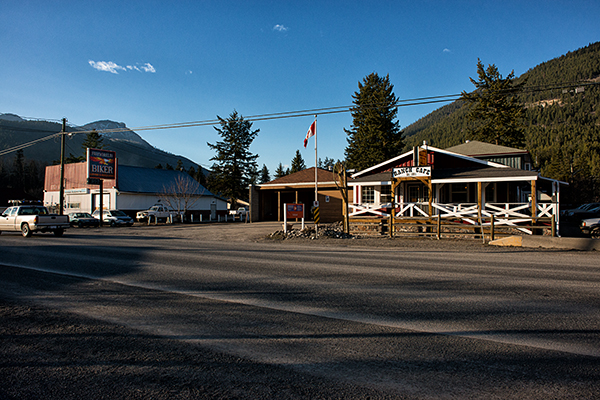
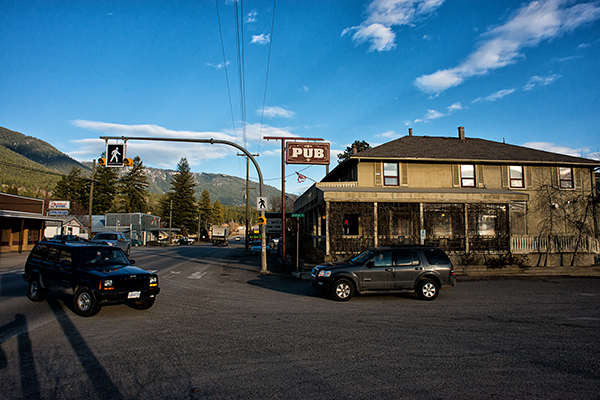
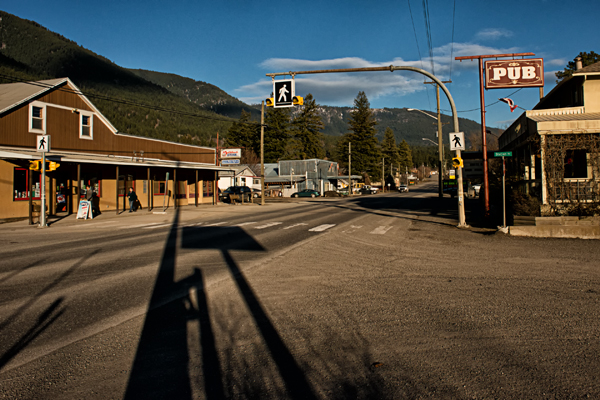
Falkland is one of the many small towns nestled along winding highway 97 that drivers almost miss if there weren’t signs posted at both ends of the village requiring them to slow down. Although I pass through there regularly, the only time I stop is when locals hold their roadside market during the summer. Usually I just reduce my speed to 50 km, watch for pedestrians and approaching vehicles from covered side streets, then resume speed without even thinking.   Falkland has about 600 residents, and is notable because each year on Victoria Day they host the Falkland Stampede (one of Canada’s oldest rodeos); and they also claim to have the biggest Canadian flag in western Canada.

My wife recently purchased a 24mm wide-angle lens and we were looking forward to checking it out. We had spent the day in Kelowna, about an hour south of Falkland and I thought that with the drive there would be lots of opportunity to see how her new lens would perform. I had read mixed reviews online, and I was anxious for my own results. I had made a few shots of the fence in front of our home, and allowed some side-lighted images to catch sunlight to check lens flare, but I hadn’t made any practical images.

I know reviewers can be very strict with their lens testing and even go so far to include charts and exaggerated enlargements when they evaluate a lens. However, in my opinion, all that most users care about is if a new lens is reasonably sharp and consistent in how it reproduces a subject; and regarding wide angles, if there is any unflattering distortion.

The day had been long and I wasn’t thinking about much of anything except getting home and out of that car before we lost daylight. I don’t mind winter very much, but I do mind driving that narrow, slippery, winding road after dark. However, traffic had been light and we hadn’t got stuck behind any big trucks. So we were making good time when we approached Falkland.

Photographers talk about that “Golden Hour” just before sunset when the light is warmer and softer than when the sun is higher in the sky. I doubt there is much of a golden “hour” in canyon towns like Falkland, but the light certainly was inviting at the moment and we had my wife’s camera and 24mm lens waiting for testing.

Linda was tired from our long day and was only willing to make a couple of shots of an old shop before handing me her camera. She said, “You walk around”. So I did. In Falkland it doesn’t take much time to see everything on the main street.

I like buildings, shop signs and afternoon deep shadows and the narrow street was perfect for testing that lens and anyway, I was happy to finally make a few pictures while the light was exciting in that interesting little town.

I only walked around for about ten minutes and had so much fun that I forgot I was supposed to be testing that lens. I have lived in this part of British Columbia for over 30 years, and as I walked around I wondered why the only pictures I have ever seen of Falkland were a few of cowboys being bucked off at the rodeo. I guess it is hard to stop and look. And some photographers might feel locals would be uncomfortable with outsiders intruding. I doubt that unless someone stuck a lens in a local’s face they wouldn’t even notice a person standing along the street, like I was, taking a few pictures in that neat little town.

Oh, and that Nikon 24mm was just fine. For those that wanted a review, I think my aperture was mostly at f8, f11 and f16 because I was interested in getting as much depth of field as I could get. So I can’t comment on how well it performs wide open.

I always appreciate your comments. Thanks, John

My website is at www.enmanscamera.com