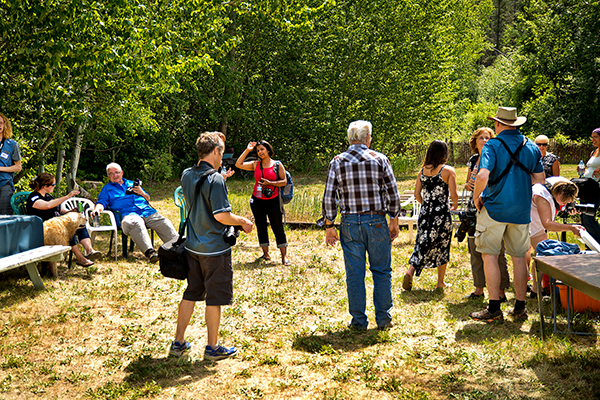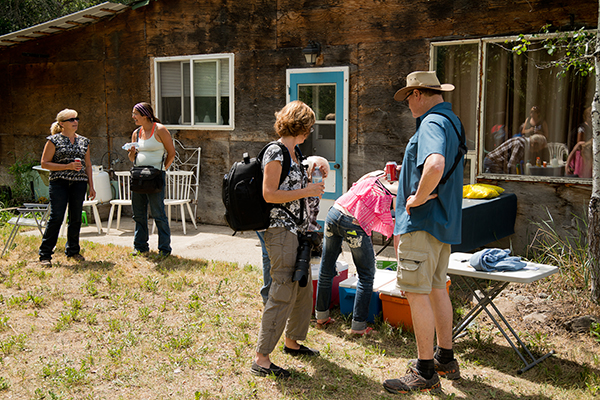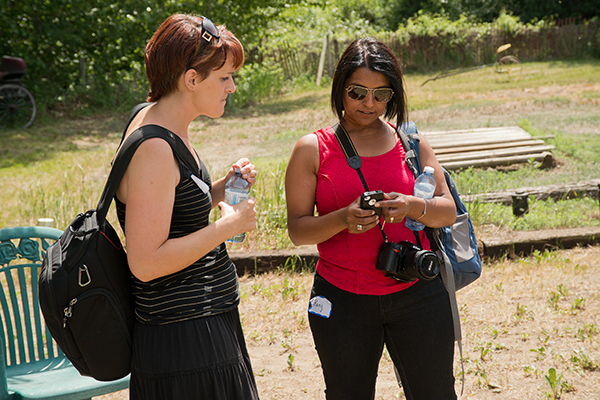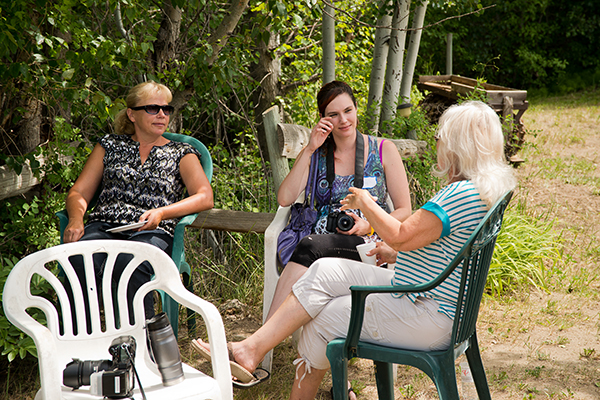
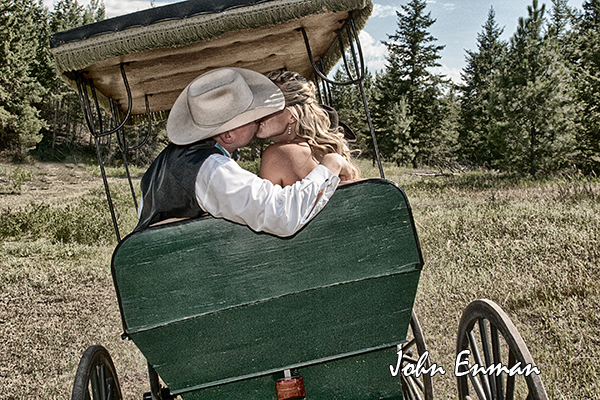
A Country Wedding.


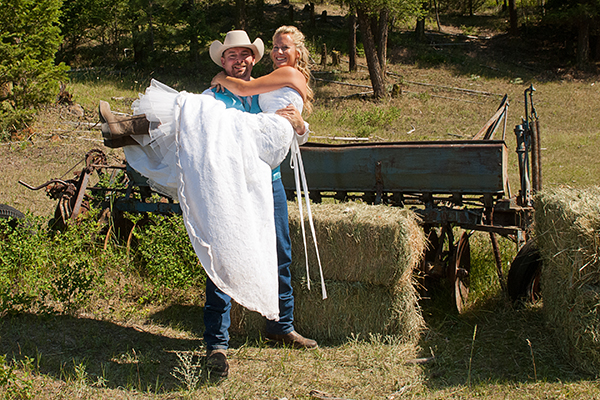
Wedding

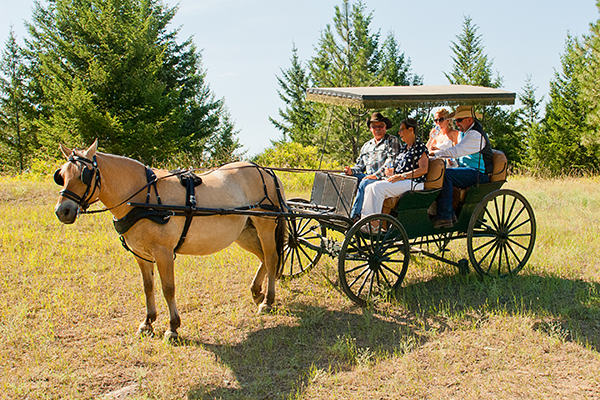
Wedding ride 2

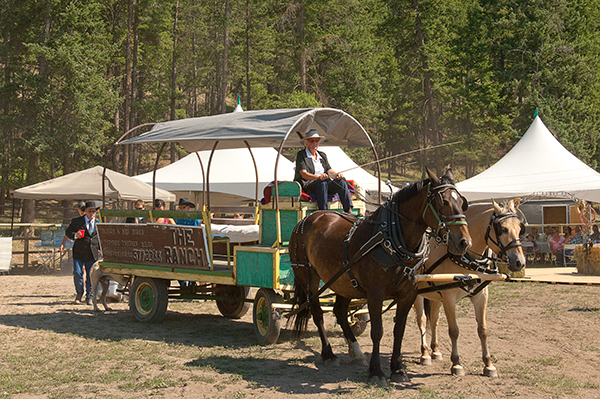
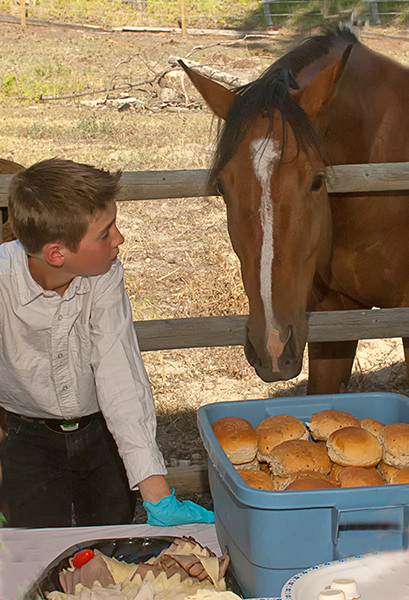
Guest wagon

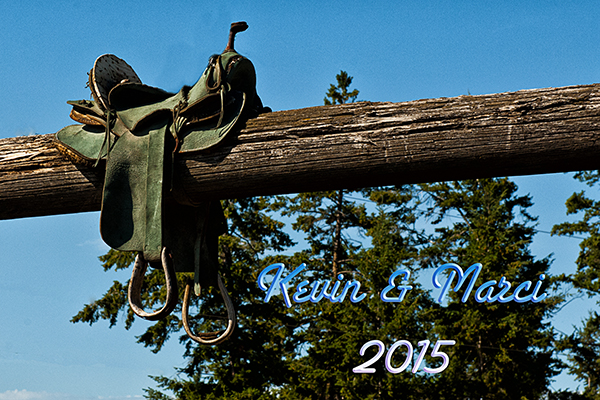
Kevin & Marci

Me too

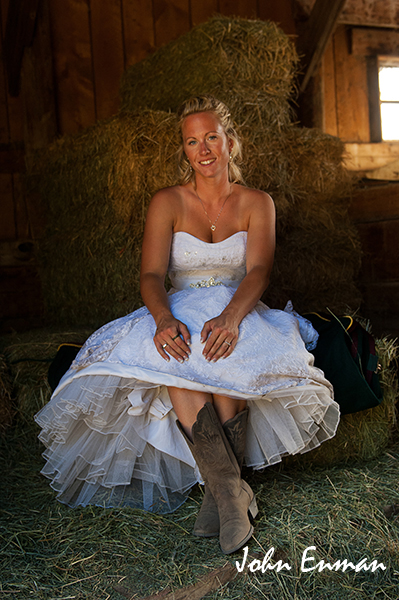
Marcie's wedding

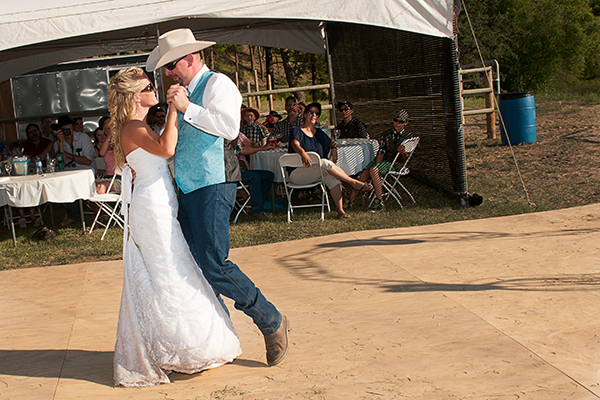
Country dancing

Just Married


My friend and neighbor, Kevin, called to tell me that he was getting married and asked if I would photograph his wedding.

Although I am pretty much retired, without hesitation I said yes, only asking the date. He continued, “It will be western casual and at our place”. With that I thought, “Well, of course,” and hanging up the phone I turned to my wife and said, “Kevin and Marci are getting married at the end of the month, I hope it’s an overcast day.”

Who knew British Columbia would be having such a record breaking, rainless, hot summer that steadily got hotter and hotter. So by the time Kevin and Marci greeted their guests who waited in large shade tents under a cloudless blue sky the temperature had reached 40 degrees Celsius.

I kicked up dust as I walked into the large coral glad of two things. The first was that my wife made me put on sunscreen and the second, was that high-speed flash sync had been invented.

I remembered the limiting days of film and the one-power-fits-all flashes with which we struggled. On a sunny day we’d load our camera with 50 ISO film, shoot at a high-sync of 1/60th or 1/80th per second depending on the camera and hope the flash didn’t blast the detail out of the wedding dress. On torturous bright days, like the one I was preparing to photograph my friends under, I’d use my favourite flash diffuser, a functional white handkerchief that served to reduce the flash and, when needed, wipe off the salty sweat that made my eyes sting.

I made my way to the plywood dance floor and took a of couple test shots using the DJ as my model. My goal was to slightly underexpose the background. I really don’t like those pictures of people standing in an overexposed environment.

After the ceremony we joined the newly married couple in horse drawn wagons brought over by neighbours, Ellen and Steve from The Ranch, and traveled through the trees to another location where family and guests patiently stood waiting for me to take group pictures. Then we all, bottled water in hand, loaded back in the wagons for the waiting wedding feast.

I wrote that Kevin told me the wedding would be western casual. I don’t know if the ties, vests, and dark, western-cut jacket that the groom, best man, and father of the bride wore were casual attire, but the hats and boots were western, and I will mention that most of the guests were wearing cowboy boots and hats, and boot-cut jeans were the norm.

As everyone enjoyed a meal under the shade of the large tents I snuck away to set up a portrait studio in the barn. My lighting was two speedlight flashes positioned behind a six-foot diameter shoot-through umbrella. I like the wide, undirected, soft light a shoot through umbrella delivers, and a large shoot-through like the one I employed in the narrow walkway between horse stalls in the barn gave a flattering light that allowed me to quickly and easily pose the bride and groom.

Then it was back to the dance floor for the first dance. And I worked my way around capturing photo after photo of Kevin and Marci as they showed everyone how country music should be danced to, then I stepped back so as not to block the many pictures being made by guests holding their cell phones at arm’s length for that perfect shot that I am sure was quickly posted on some social media site.

In spite of the heat I had a great time. And I am certain everyone enjoyed the day. I left before sun down, but later Marci told me things were hopping till around 2AM.

Since then I have seen more than one over-exposed, wedding pictures from at other events displayed with misplaced pride, and read photographer’s complaints about shooting under the bright sun, and working in the heat. My advice for them is to under expose, to use a flash, and not to forget sunscreen.
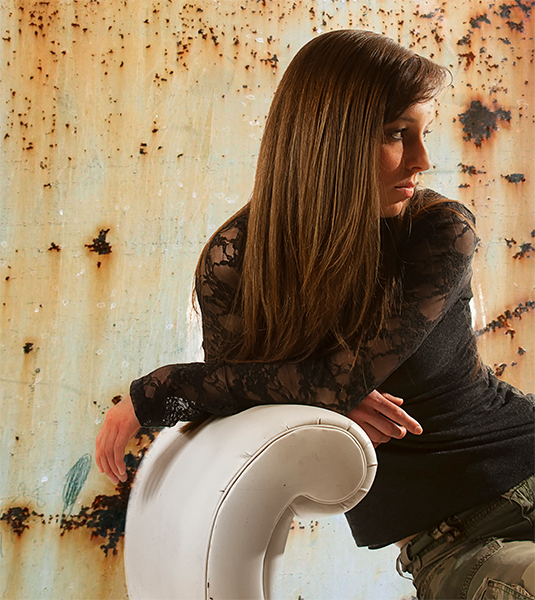
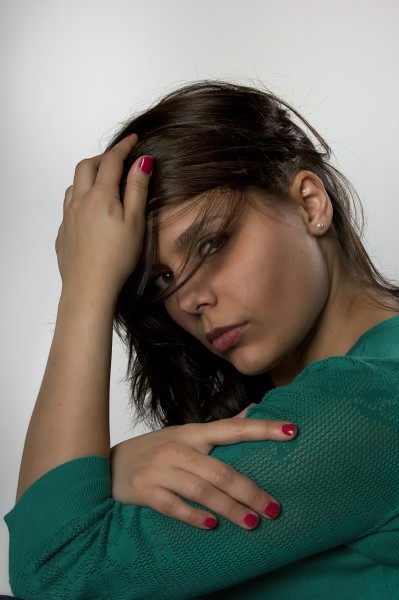


Portraiture and the Photographer’s Use of Light

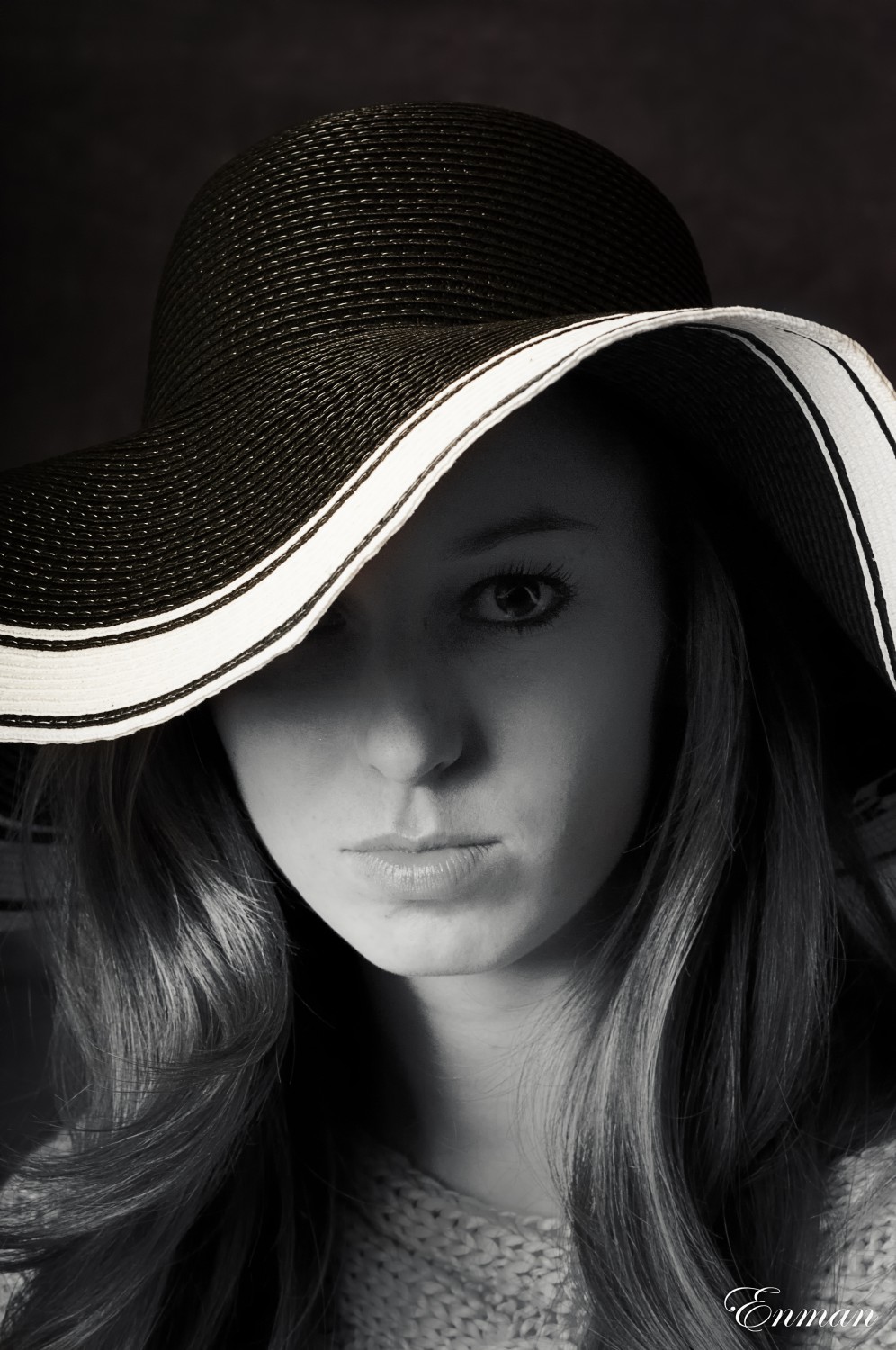
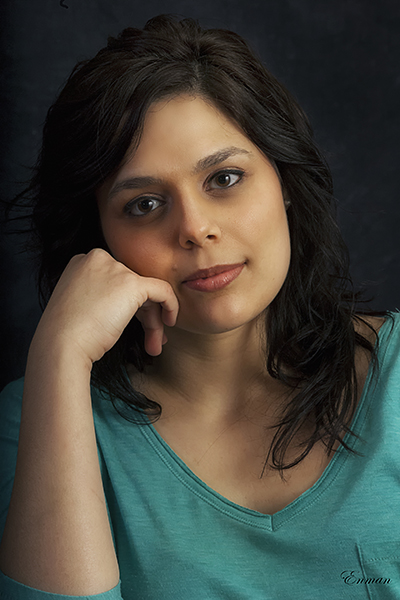
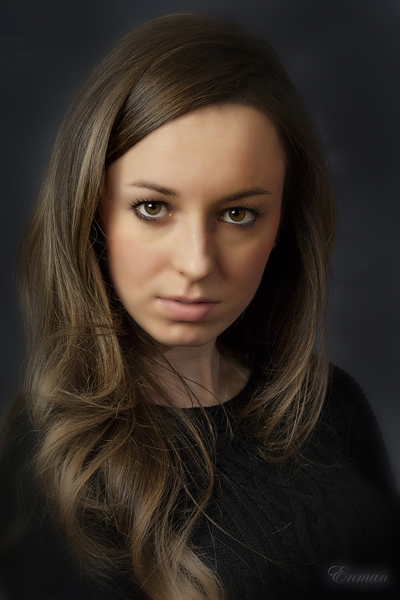
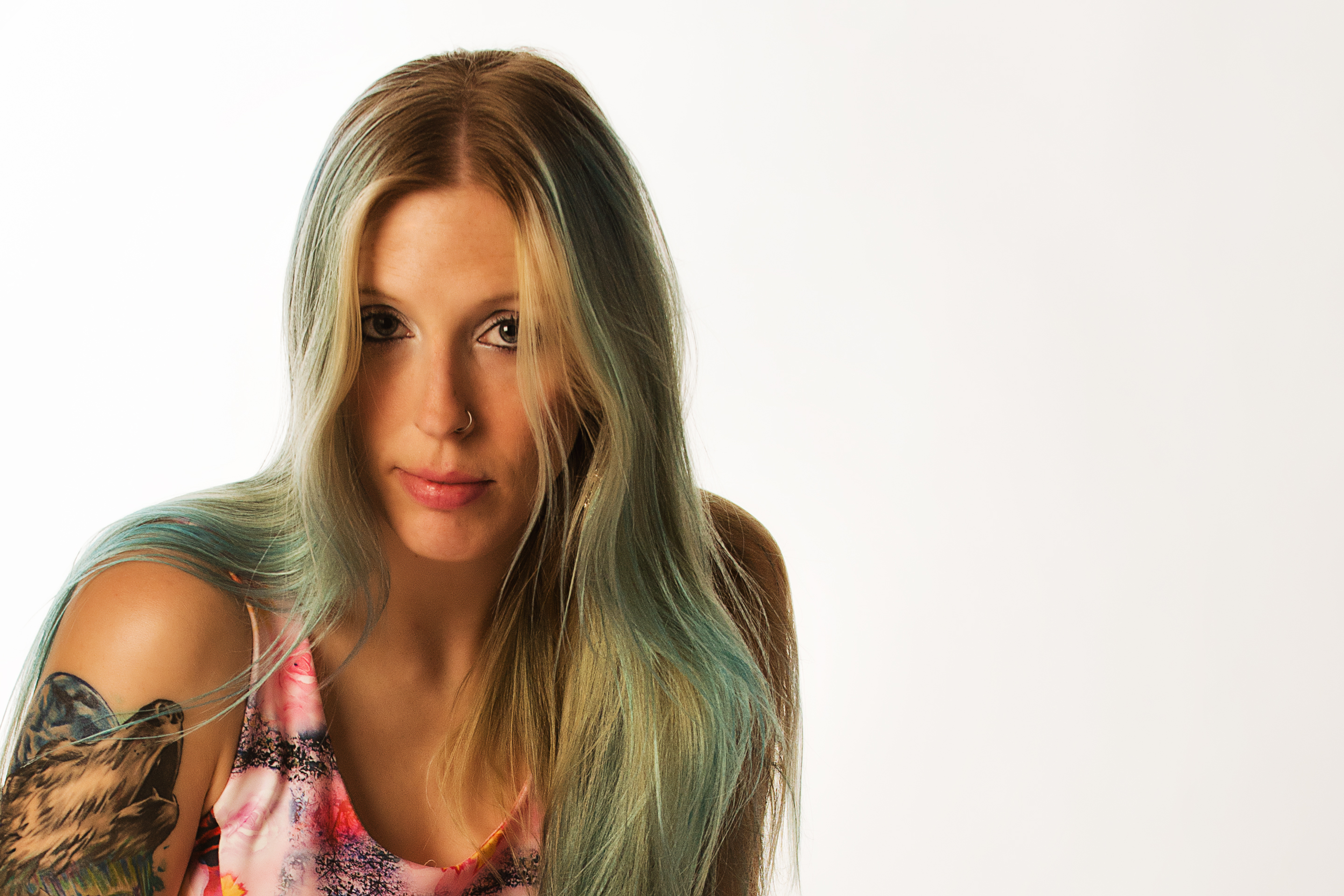
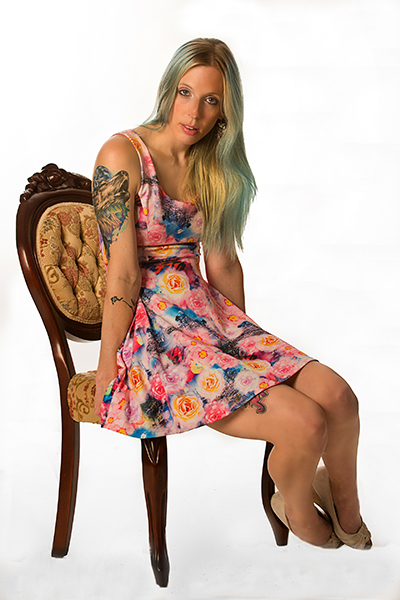
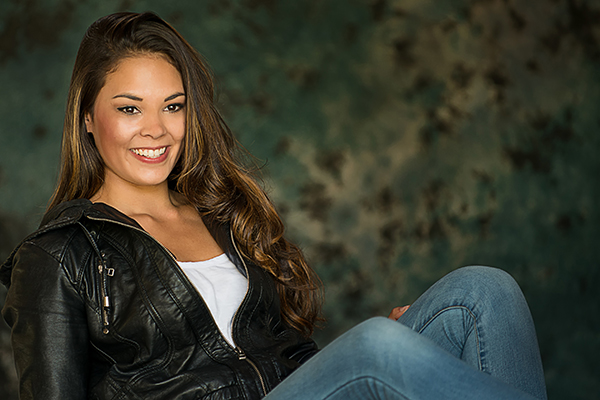
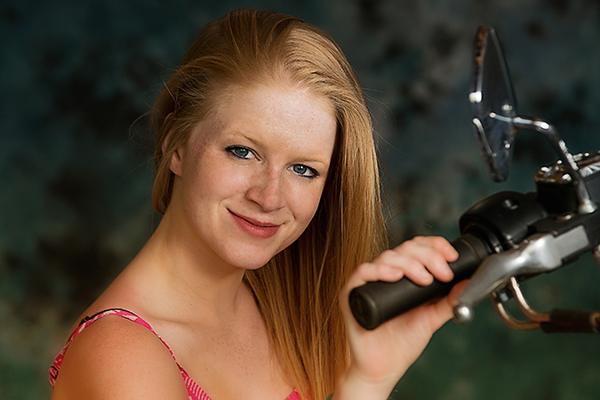
Monica aDemetra 3aMollyStephanie b6. BaileaStephanie a7. MonicaDemetraMonica  a


Photographer and author Frank Criccho states, “ The success of a photographic portrait depends as much on the photographer’s artistic and creative use of lighting techniques as it does on his or her skill with the camera.”

In an opposing remark during a recent conversation, a photographer told me that he didn’t have to worry about getting a flash for portrait photography and doubted he ever would, because he could just use a higher ISO, shoot multiple bursts, and fix everything in PhotoShop.

I don’t think that he is totally wrong, but his statement certainly demonstrates a lack of the basic understanding of how light impacts a subject’s face and how light can make the subject look younger, or older, or more glamorous, or down right unappealing.

I think in the race to purchase the latest hi-tech photographic marvel many photographers tend to forget about how lighting affects their subjects.

In my opinion, the goal for portrait photographers should always be to make the subject look his or her best, and provide an image that is flattering, and allows the person you are photographing to have a photo that impresses viewers.

One could say the responsibility lies with photographers, and not the subject, as to how good they look. Yes, I know in reality that isn’t the truth, but in my experience when one makes a bad photo of someone they will blame you, not themselves, if one makes a good photo they will thank you for capturing reality.

Many photographers just excitedly snap away without examining their subject, or posing them. Relying on luck and their subject’s talent to make that pleasing portrait, and pay little attention to how the light is making that person look.

Light and how a photographer uses it is very important. Too much contrast or side lighting shows lines and blemishes, whereas, on-camera flash, or bright, direct sunlight gives a flat, dimensionless, uninspired look.

To use the words of world-renowned photographer and writer, Joe Marvullo, “It is your ultimate decision, however, to determine what is “real” about that person and how to portray it in the photograph. You must successfully translate a distinct human personality in three-dimensional form into a two dimensional representation. This recorded image must come to life on it’s own. You, as an artist, must capture the “essence” of your subjects – their persona.”

Modern on-camera flashes are excellent if used correctly and creatively. Photographers can diffuse, bounce, and move the light off to the right or left, higher or lower, and modify that light using umbrellas, reflectors or softboxes to soften and control the direction and intensity.

I believe photography is all about the light. The lazy photographer just worries about exposure, where as the imaginative photographer pays attention, experiments, and practices creating portraits using light that are more than just documents of some person.  And as Marvullo suggests it is up to you, the artist, to capture the “essence” of your subject’s personality.


Photography, a personal vision.

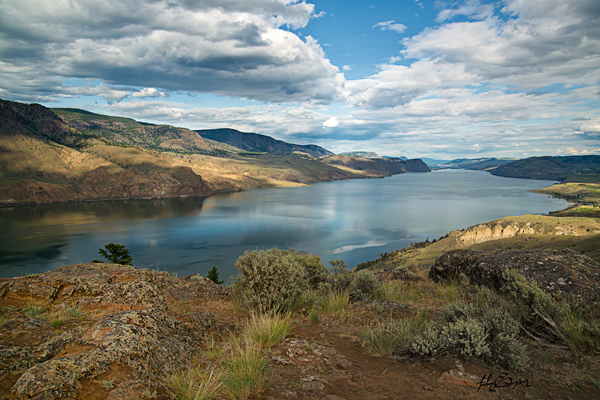
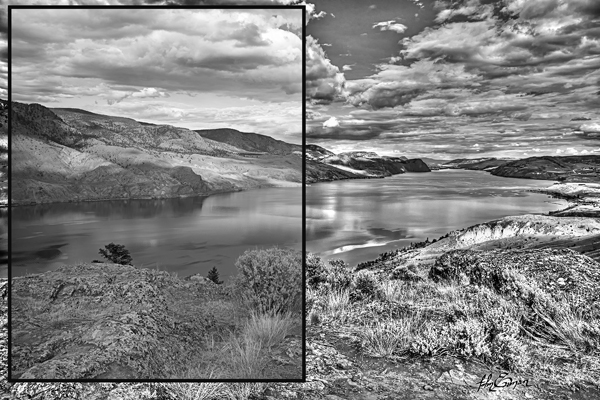
Kamloops Lake 1

Kamloops Lake

Kamloops Lake 1a

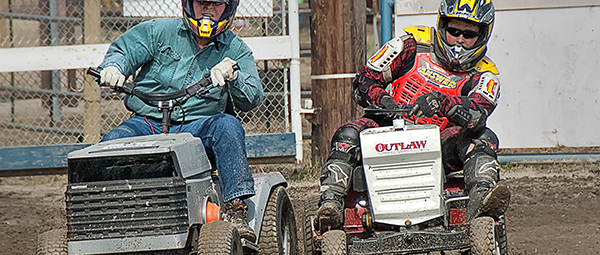
Lawnmower Race copy1

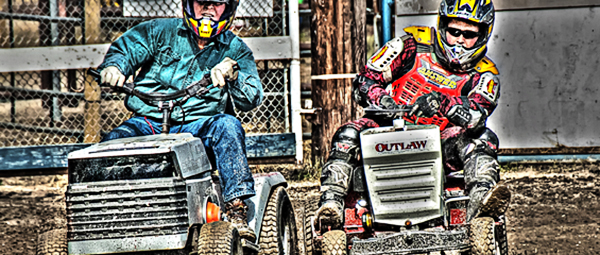
Lawnmower Race copy2

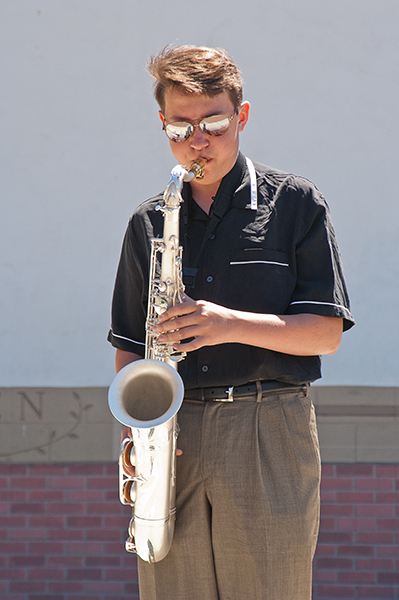
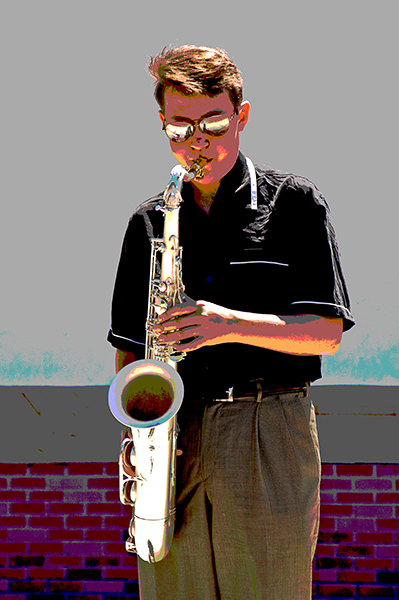
Sax player 1 Sax player 2


My photographer friend Greg posted the following statement on the Canadian photographer flickr.com/group: “Recently I’ve come across a number of photographs on the social media outlets that are absolutely stunning and amazing works of art, but there are a whole host of people who comment saying ‘it looks fake’, ‘it needs to be more real’, ‘that picture has no resemblance to reality’”. And he continues raising the question with “Should we be striving to produce photographs that are more ‘real’ to please the crowds who seem to have very little understanding of art?”

My quick and easy response is to quote Plato, “Beauty lies in the eyes of the beholder”. Even Shakespeare in his work, Love’s Labours Lost writes, “Beauty is bought by judgment of the eye”.

I understand his (and others) frustration with those that are ready to condemn anything that deviates from their personal interpretation of photography, but we need to remember that is just their opinion. I don’t think Greg or any other photographer should “be striving to produce photographs…to please the crowds”. However, when one displays a photograph on any social media site one needs to be ready for someone else’s opinion.

I used the following last January in my discussion of Photography as a Fine Art. Wikipedia’s on-line encyclopedia says, “Fine art photography is photography created in accordance with the vision of the artist as photographer.” That should be enough to ease my friend’s frustration. I will comment to him that those detractors didn’t understand the interpretation or artistic vision of the photographer’s work.

Some may disagree with me, but I think photography has always been a technology driven medium. And just as there are those willing to push the limits, there surely are also those that employ their cameras simply as devices to document the people, objects, and scenes in front of them, and I have no doubt their criticism might come swiftly to those that manipulate their images instead of maintaining the more conservative course of photographic reality.

Regarding Greg’s question about some people’s understanding, or lack of understanding of art, that is a question that countless generations may have struggled with possibly since the first humans decided to place a favourite rock in their cave or put coloured pigment on the wall.

I believe the question is actually, “What is Art and who has the right to define Art?”

Mark Twain is attributed with the words, “I don’t know much about art, but I know what I like.”   I expect most of us fall into that category.

Here are a number of quotes about art by artists. American architect and designer Frank Lloyd Wright said, “Art is a discovery and development of elementary principles of nature into beautiful forms suitable for human use.” However, I much preferred photographer Ansel Adams words, “Photography is more than a medium for factual communication of ideas. It is a creative art.” Or this from novelist Rainbow Rowell, “…and art wasn’t supposed to look nice; it was supposed to make you feel something.” And French Impressionist painter Edgar Degas wrote, “Art is not what you see, but what you make others see.”

When one has the need to be creative they should have the right to decide on their own particular style to fulfill their personal creative vision. What that vision is should be entirely up to the photographer, and the audience for whom the image is produced. I think the problem in this day of mass social media is how to select the right audience.

I do look forward to your comments. Thank you, John


Two Photographers Are More Fun Than One

Linda

Linda


Fallen Cedars by John

By John


Fallen Cedars by Linda

By Linda

Notch hill church. Linda

By Linda

The train goes by

By John

This week I talked with a fellow that grumbled about how his wife complains about waiting for him when he wants to stop to take a pictures. I suggested that he find a way to get his wife involved in his hobby. After he left I remembered the following article I wrote back in August of 2011. For those who may have missed it, I thought I’d post it again.

I received a most encouraging email from a reader: “In talking to you I noted that you and your wife both are into photography, so I proposed giving my wife a DSLR and get her into shooting her own pictures. She was a little hesitant to the idea saying she did not have the “artist’s eye”. However, I printed out your blogs on ‘What Makes a Good Photograph’.

After reading it she commented that “each person has their own take on what makes a good picture”, and the short of it is, she is willing to take up photography with me”.

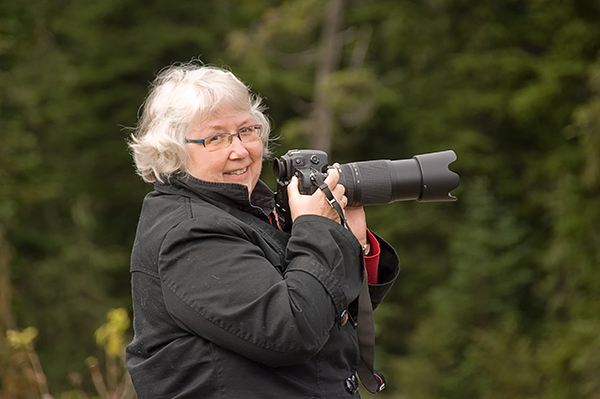
Personally, I think much of my enjoyment of photography would be missing if my wife, Linda, was not also a photographer, and it is great that we both enjoy this exciting medium and can share the experience of making photographs.

My advice to any photographers that are interested in getting their spouse involved in photography is as follows.

Match the equipment. I mean with regard to cameras, both DSLR (digital single lens reflex) cameras should operate in much the same way. The models can be a few years apart, but should be the same brand and the controls should operate similarly and if two of the latest models are affordable, so much the better.

Don’t be cheap with lenses for your spouse. If it isn’t good enough for you, it isn’t good enough for the most important person in your life. Just as you would select a lens for the subject and the way you like to shoot, your spouse should select lenses for his or her preferences. I know your mother told you to share, but my recommendation is don’t share. That just leaves someone behind. If you both like long telephoto lenses, get two.

I can remember the exact moment I thought about the concept of equality. I was in Yellowstone National Park in Wyoming waiting for Old Faithful geyser to erupt. While I waited I noticed a man and woman with their tripods setting up closer than me. I could see that he had a large, professional looking camera and she had a tiny, almost toy like camera. I knew that his photographs would be good and hers not so good. It didn’t matter if she was the better photographer or had the better eye, his pictures would be better, and I wondered why would she even try.

Shop for accessories together. Each photographer has his or her preferences and should make equipment choices for the subjects they like to shoot.

Education is always a good idea. Attend a photography class or workshop. Search for them on line or check local camera shops. Take turns going to photography classes or take part in the same workshop. One of my wife’s and my most memorable vacations was when we both attended a weeklong wilderness photography workshop on Mt. Rainier. In my opinion we may have got more out of that class than the other participants because we were able to share information and experiences.

Gently critique each other’s photography. Don’t just store pictures away on the computer. Sit in front to the computer display together and decide which photographs work and which that don’t, delete all the failures, and make a combined presentation of all the successful images to show your friends and family.

One photographer in the family is cool, but two photographers, in my opinion, are much better. If you want your partner to have the same excitement about photography as you do, don’t be stingy with the compliments. And if your spouse is fortunate enough to make a better picture of that waterfall or running deer than you, be sure to tell them.

Open House Versatile Photography Studio

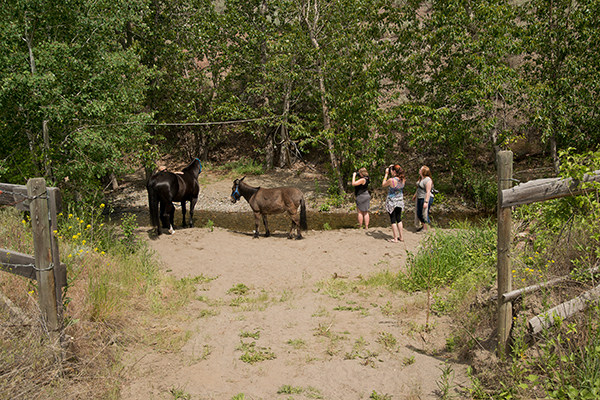
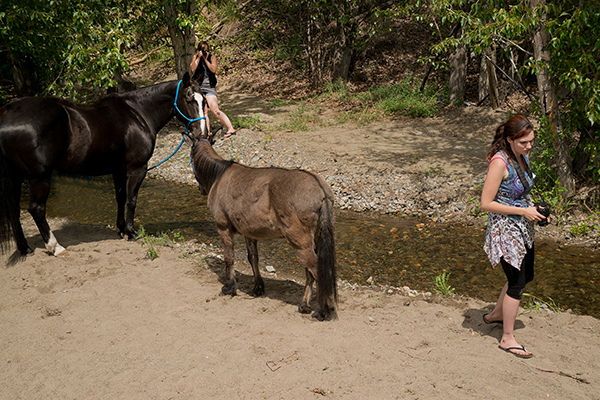
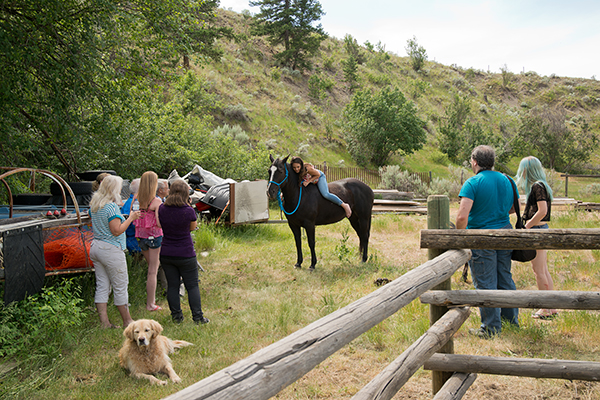
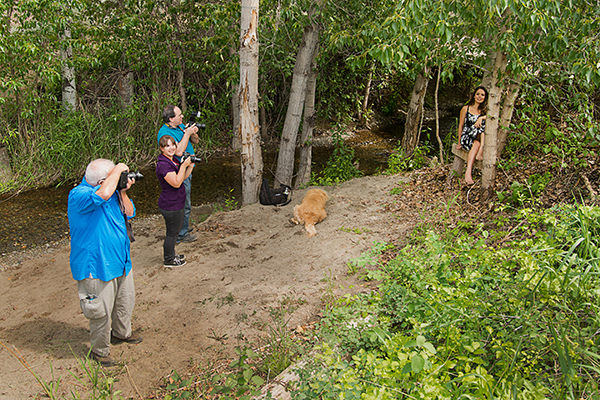
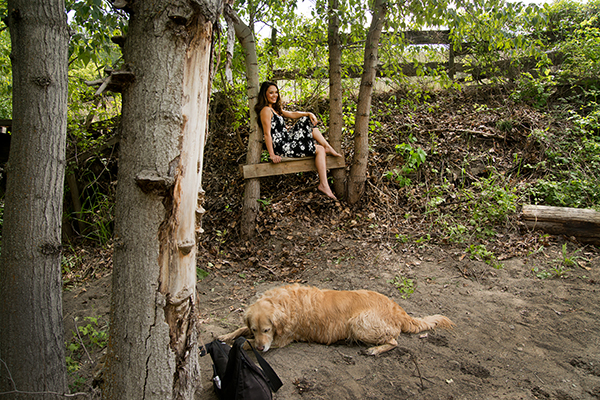
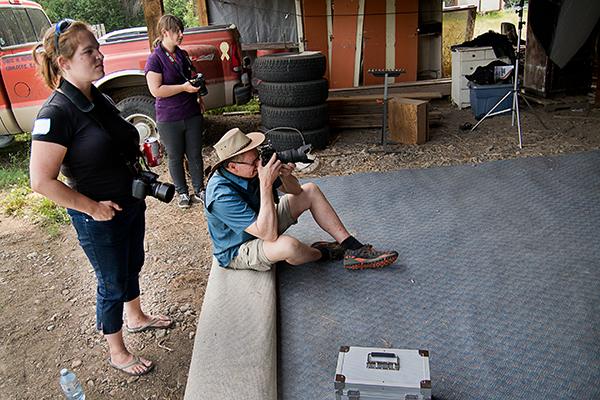
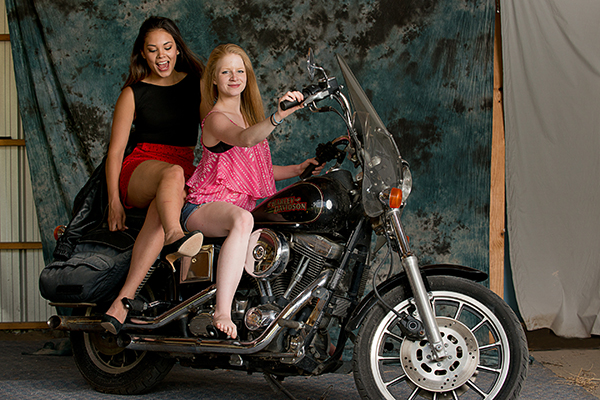
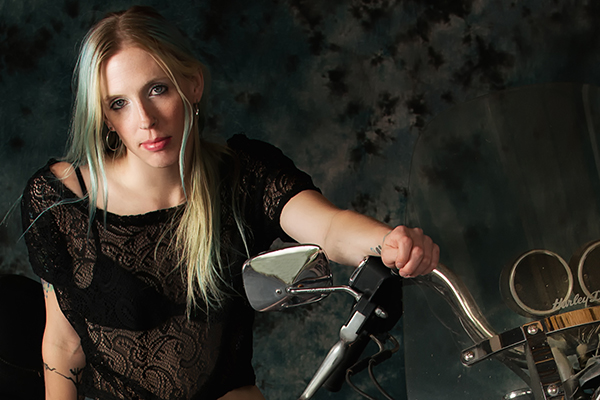
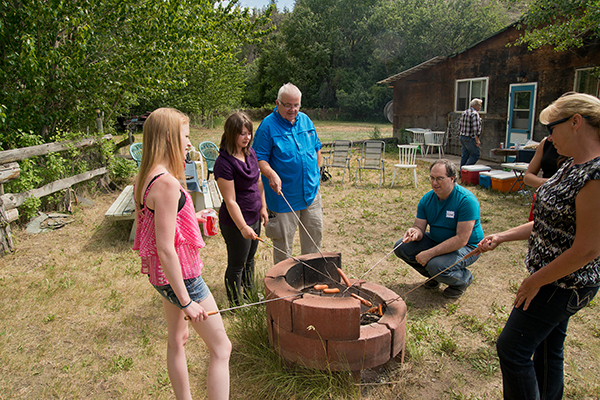
Guests arriveGuests 2Guests 3Guests 4AshleyAshley in Studio Horses at the creekHorse portraitsMonique on the horseThree with MoniqueMonique and dogOpen StudioFun on the HarleyAshley on HarleyMoniqueShy-lynRoasting hotdogs

I was invited to attend a photographer’s open house at a local studio last Sunday. The owners, Dave and Cynthia Monsees, hosted the event and invited photographers of all levels to attend. On their Facebook page they had posted “Versatile Studio took delivery of some new equipment this week. Two new 300-watt strobes arrived along with a 60-inch Octobox that is going to be interesting to use. We now have a 480-watt battery powered strobe complete with a 24-inch soft box for use anywhere on the site. More changes are happening outside of the Studio as we continue to grow.”

Versatile Studio is probably one of the best-equipped rental studios in the British Columbia interior, with a wide array of lighting equipment for use in the studio or on the studio grounds. As well as the indoor location, Versatile Studio facilities include a large open-sided barn equipped with backdrop and electricity for lighting equipment, a mowed meadow complete with an antique buggy and old farm implements, an old Cadillac resting in a field, and the real favourite, a tree lined stream with a sandy beach.

I joined several others to include a local photographer’s group called Coffee n’ Click, several members of the Kamloops Photo Arts Club, and other serious photographers, and I was pleased when Dave told me that twenty-five signed his guestbook. I wish I had thought to get a group photo.

The day started at 10am with refreshments. After a short welcome everyone split up and the excitement began. Several chose to use the studio and I decided to set up high key lighting for Ashley, one of the three models volunteering that day. The other models were Monica and Shy-lyn.

Several photographers walked to the meadow where a neighbor had brought over her horse and a donkey for models to pose on. Another group chose go down to the stream to take pictures.

I didn’t stay long in the studio. There were so many excited people competing for the model’s attention that after a couple quick portraits I moved on. A Harley Davidson motorcycle had also been loaned to the studio and I rolled it into position in front of a painted backdrop that hung in the open barn, where I tried out the new battery operated, wireless 480w studio light with a 60-inch Octabox, and added a large gold reflector I had brought from my store. The results were great.

The day was fun, most photographers barely stopped for lunch and before I knew it people were roasting hotdogs over an open fire and it was 4pm. I enjoy events like this where one can interact with other photographers are just having fun doing photography. Usually I use that studio as a place of work where I lead workshops on studio lighting, but on this day I didn’t have to be “on” and was able to relax and talk to other photographers.

This week the Kamloops Photographer’s Facebook page was filled with photographs from the open house. I am pretty confident that everyone had a great time at Versatile Studio’s event.

I always look forward to your comments. Thanks, John


Interesting and Unconventional Photography

Unorthadox refection

Building behnd the shadow LIght in the shadows

Looking Up Town

About the time of World War I the common attitude regarding art and photography was shattered by innovations of modern painters like Picasso and Matisse. However, the fundamentally realistic medium of photography did not acknowledge that photographers could or even should produce abstractions or distortions to the extent that painters could.

Nevertheless, there were a growing number of artist-photographers like Alfred Stiegletz and Edward Steichen that worked at bringing photography in line with modern painting by creating abstract images and processes.

They, and others, worked to popularize the “sharp focus realism” or “Modernist” movement that was at that time deemed unartistic by traditionalists that called themselves “Pictorialists”. (The Pictorializm style is where a photograph lacks sharp focus and sometimes even had brush strokes muting the surface of the final print.) The pioneers of the “Modernist” movement in North America was Alfred Stiegletz, Edward Steichen and Paul Strand

The current age of digital photography seems to have vitalized photography more than any one could have guessed as recently at the 1990s. Although there are still those clamouring loudly from the sidelines calling themselves “traditionalists” and insist they will never move beyond their beloved film.

Attend any event and there will be lots of cameras ranging from cell phones, little point-and-shoot cameras, to impressive DSLR’s documenting everything from every angle. The internet is packed with images, with all kinds of sites available for people to stack their documents of everyday life.

In a moment of late night boredom I decided to do a search for a past friend who lives in the US. I not only found his company advertisement, but also several pages of family Christmas photos he and his wife took. My thoughts were that this is a reasonable and typical document of people having fun, nothing creative, just a real nice family documentary; and not unusual, as photographic documentation is more prolific than it has ever been, however, I began to wonder about another creative part of photography, the abstract and the unusual.

There are lots of instances of PhotoShop manipulation that anyone can find without looking very hard, yet I wonder at the style of abstract photography practiced by the greats like Stiegletz, Steichen, and Strand. They were very much involved in looking at everyday subjects from different angles or perspectives. They photographed the usual in unique ways and photographed the unique in unusual ways. They searched out things that many would ignore because they were ugly or boring, and chose diverse photographic views and visually discussed them in interesting and unconventional ways.

In my work I get to see peoples’ photos all the time, landscapes, portraits of people and animals, and a few close-up flower shots. Usually they are very nice and some are downright beautiful, but it is rare for someone to show me an abstract created by using their camera to photograph something using a unique view.

Abstract art and abstract photography may not be to everyone’s liking and I know when we show our photographs to other people we want them to comment favourably about our pictures. When a photographer takes a chance and tries to visualize and photograph something differently, he or she cannot worry about whether or not they will receive praise or criticism of the visual creation of the unusual, the ugly, the boring, or the unique. To do so means they must contemplate photographing the subject in their own personal way.

If readers have the interest, my suggestion is to take some time and find out about those pioneer photographers Stiegletz, Steichen, and Strand. We can always learn from history and their photography is very interesting and just might be inspiring to those wanting to step away from the crowd.

I look forward to any comments. Thanks, John

A Photo Trip to Margaret Falls

Linda at Margaret Falls

First bridge

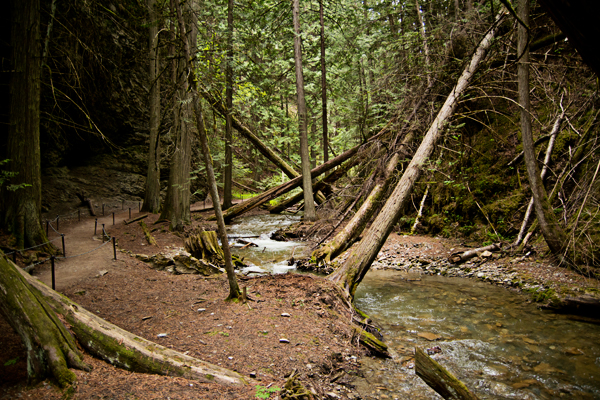
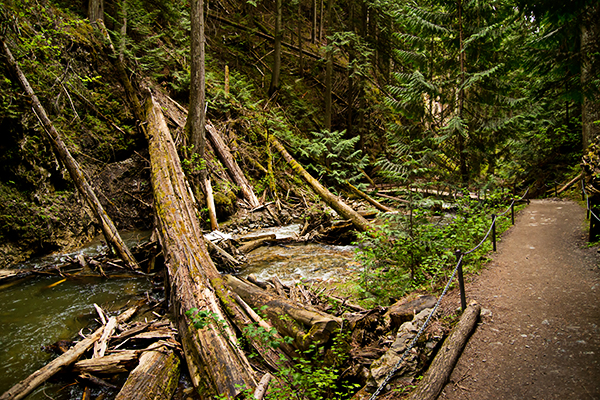
Along the path

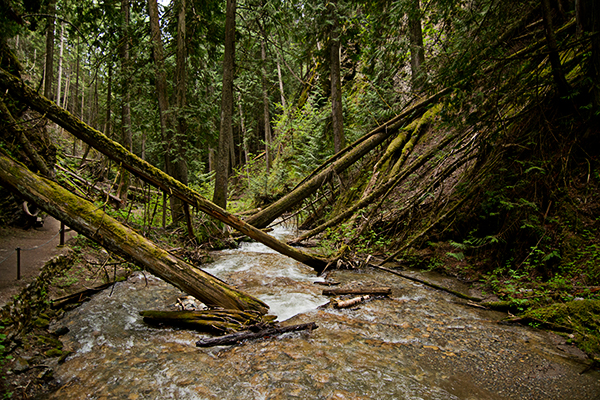
Reinecker Creek

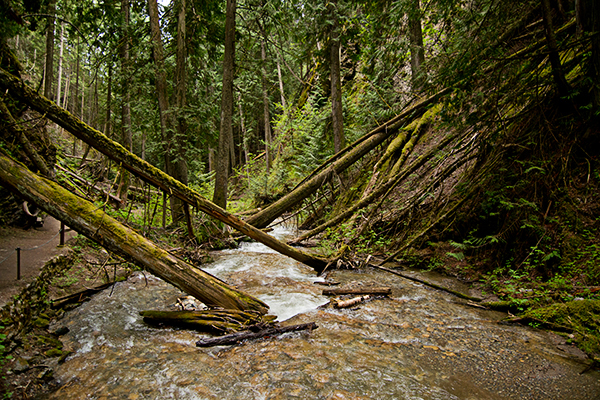
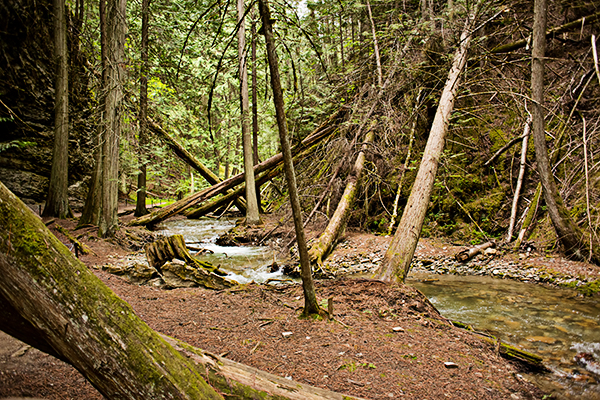
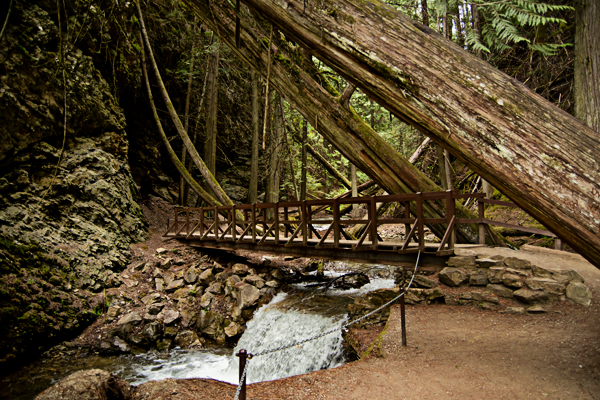
Fallen Cedars

Crooked tree


Bridge to Margaret Falls

Margaret Falls, British Columbia (B)

I have spent the last few days slowly dismantling an old shed I built over 20 years ago. I will say that I enjoyed building that ramshackle structure that has served as a goat barn, a chicken coup, and lastly for storing stuff I didn’t know what to do with. The process of destruction hasn’t been going all that quickly because I have been finding any excuse to delay my work taking it apart and I suppose that’s why when my wife mentioned it would be pleasant to go to Margaret Falls I didn’t hesitate to put our cameras in the car and head out for an easy drive.

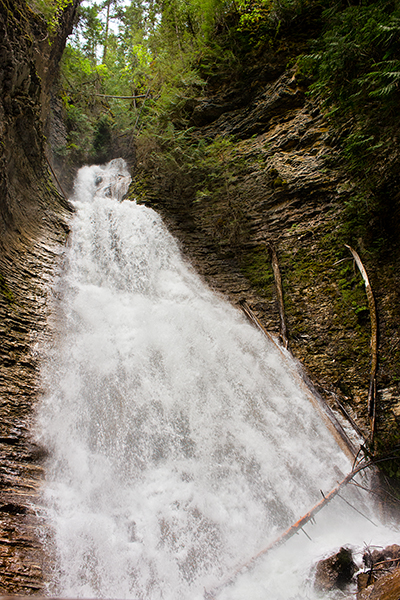
Margaret Falls is a 200 feet high cascade that drops into Reinecker Creek on the edge of Shuswap Lake’s Herald Provincial Park. Local lore says the falls gets its name from the first white woman to see them. I also have been told it was called Reinecker Falls. But I wonder what that place was called by those that went there long before the white settlers.

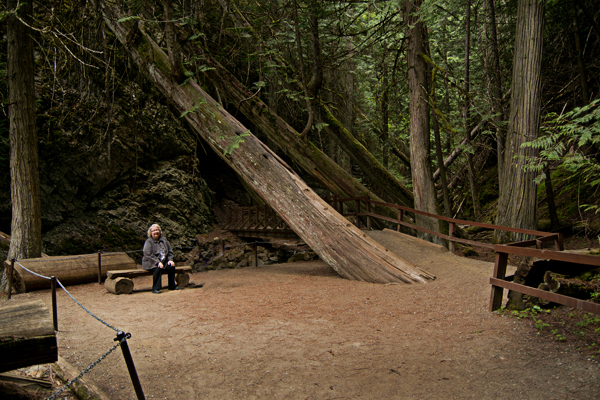
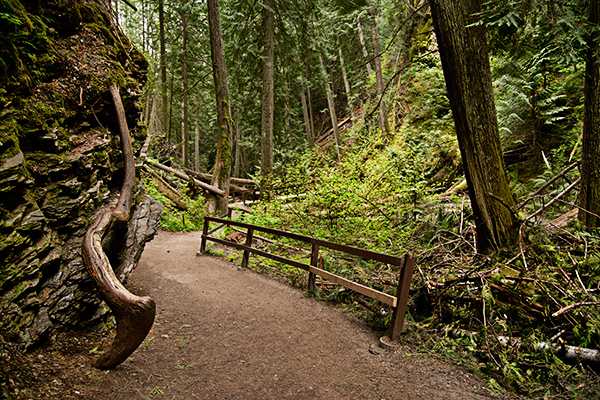
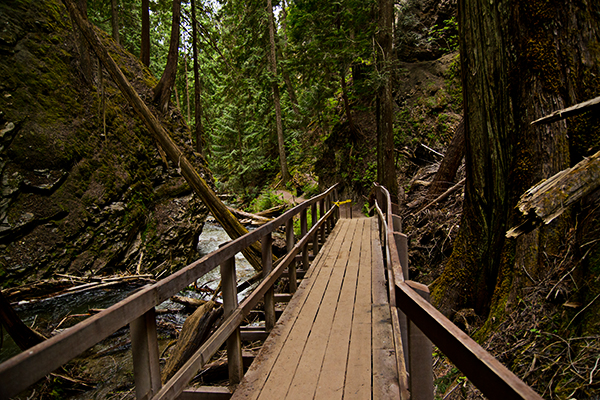
It is the place, and not the waterfall that draws tourists and photographers to make the short trek through that moss covered, old-growth cedar forest nestled in a narrow gorge.

Reinecker Creek falls down a sheer rock face and into the narrow chasm creating a wonderland for those that walk along the beautiful gulley filled with large trees and looming cliffs above.

Before one is even aware of the unique ecosystem, there is the envelopment of a waft cool, damp air that on a hot July day will be a startling difference in temperature. Knowing that we included jackets with our camera gear.

Over the years Linda and I have spent many hours wandering along paths with cameras and tripods, but this time the wind was picking up and we could see large, dark clouds looming. So we just brought our cameras in case we had to make a quick getaway. I do not remember how many times I have taken pictures along that cool walkway up to the falls, or all the different camera formats I have used. I have been there in every season of the year, rain or snow, and I have even photographed a wedding there.

For this visit Linda used a 24mm prime and I used my 24-85mm zoom. Wide angle is a must for that narrow canyon.

The overcast day really wasn’t a bother because our modern full-frame cameras can easily handle 1600 ISO and depending on our subject’s location we could choose either 125th or 250th of a second shutterspeed an still keep our aperture small enough to get reasonable depth-of-field.

One rarely has the trail to Margaret Falls to themselves. To achieve scenic photography photographers have to be patient. However, this outing was petty good. Our only interruption was a guy on his mountain bicycle that turned around and left when he realized there were people on the trail. And we met some people that told us they were celebrating their 70th reunion. They gently ambled up the path to the waterfalls, extended their arms for cell phone snaps and then left, giving us all the time we needed to compose our pictures. I did have a good time, but, as free as I was to wander around with my camera and 24-85mm lens, I missed having my tripod. We have decided to return in a week or two packing tripods and neutral density filters prepared and spend a bit more time.

I always look forward to comments. Thanks, John


The Vancouver Camera Show and Swap meet 2015

Linda at the SwapMeet

Linda at our table

Camera Swap find

A good find at the Swap meet

Camera Swap Meet

Check out this Leica

Vancouver Swap meet 2

Lets assemble this 4X5 camera 

Ziggy Rhode

The Swap Meet organizer, Ziggy Rhode selling a Hasselblad

Vancouver Swap Meet 1

Wow, a nice twin lens at the Vancouver swap.


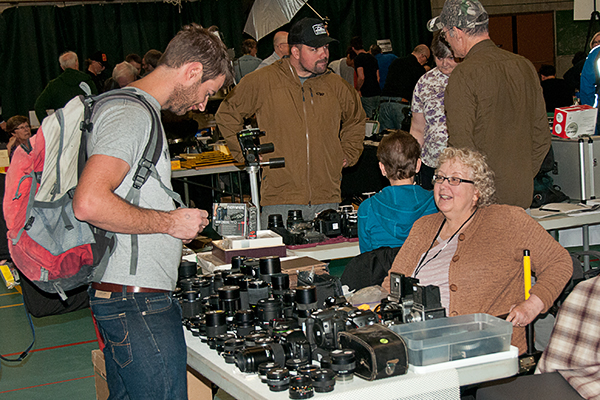
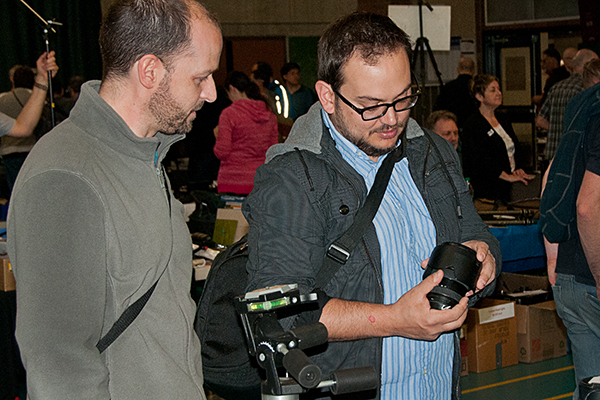
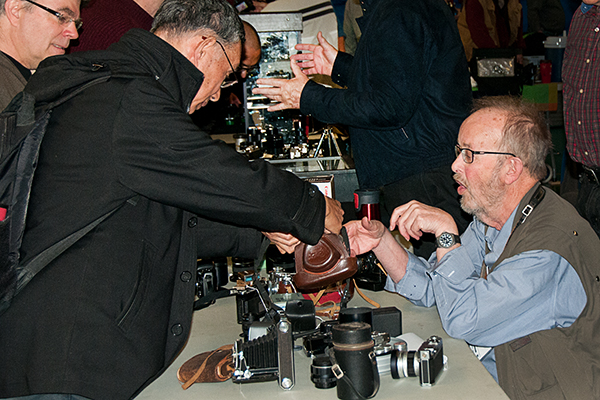
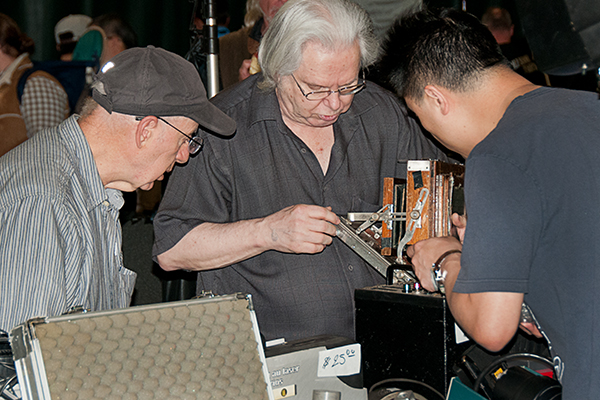
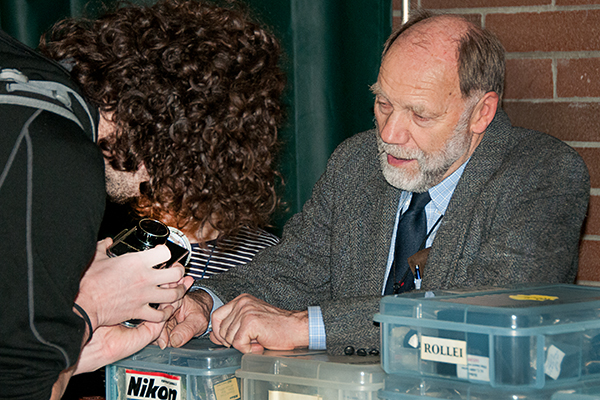
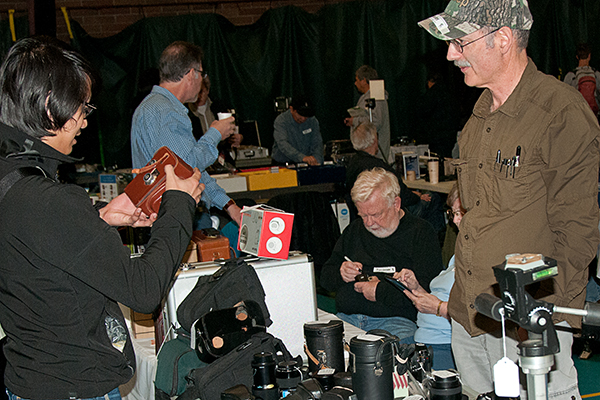
The Western Canada Photographic Historic Association hosts Vancouver, British Columbia’s, original camera show and swap meet each year. This long-running show has now reached its 39th year, and makes the claim of being the largest in Canada with I believe approximately 120 tables, and I have no doubt well over 1,000 people walked through the doors this year.

I can’t remember exactly when we (my wife and I) had our first table there, maybe some time late 1990s. Since then each year we join an always-interesting diversity of photographers in a large, photographic equipment packed hall in Burnaby, BC, who are eager to exchange information and ideas, and, of course, are looking for great deals on all kinds of camera equipment.

Each year we make the three and a half hour drive from Kamloops the day before and lodge overnight and eagerly join other vendors the next day at 7:30AM to setup. The early morning scene is so much fun as we interact with others busily arranging equipment on tables before the show even begins. When I arrived I was happy to see people I have known for years. Better put, I was happy to see people I have known for only one day a year for about 20 years.

For me it is always a rush to organize my table quickly so I am ready for the swap meet’s early bird shoppers who pay a premium to begin shopping at 9am. That group of shoppers isn’t so much into browsing as they are searching for specific pieces, and they will walk quickly by a vendor’s table unless they spy that item.

At the 10am regular admission I always am glad to get a chance to sit for a moment (only a moment) after the hour of non-stop showing, demonstrating, explaining, and, of course, bargaining with savvy photographers.

Spending a day surrounded by a huge selection of cameras and other photography equipment is exhilarating, and getting a chance to talk with other photographers about their different interests is invigorating. Even after all these years I always learn something.

As I have mentioned before when I have written about this exciting event, one will find photographers of every age, from experienced elders to young people accompanied by patient parents. This congregation includes all kinds of lifestyles, interests, and photographic specialties. There are those that are dedicated to film, historic cameras, and processes of the past, walking alongside others that carry the latest and brightest in modern technology.

Other than actually pointing a camera at some inspiring subject, a gathering like the Vancouver Swap is a superb way to meet and exchange information with other photographers, and look at and check out the many kinds of photographic equipment that would not be so easily available anywhere else.

I had a great time with the photographers I met this year and the depending on who joined me at my table, the conversations always changed. My day of selling was a success, as it was for most of the dealers I talked to at the end of the day. And I even had some time to purchase another lens for myself, which is always nice.

I always look forward to any comments. Thank you, John


The Best Camera for Outdoor and Wildlife Photography

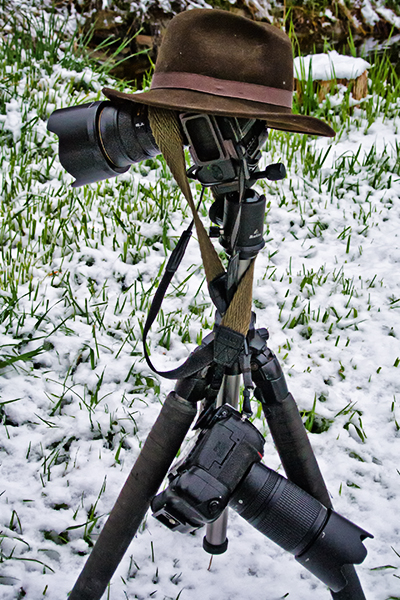
Outdoor camera

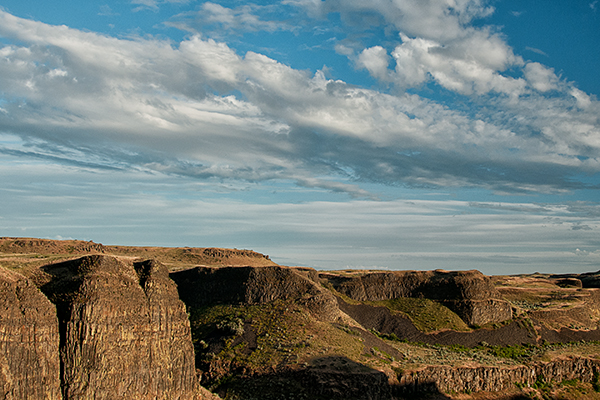
Washington Landscape

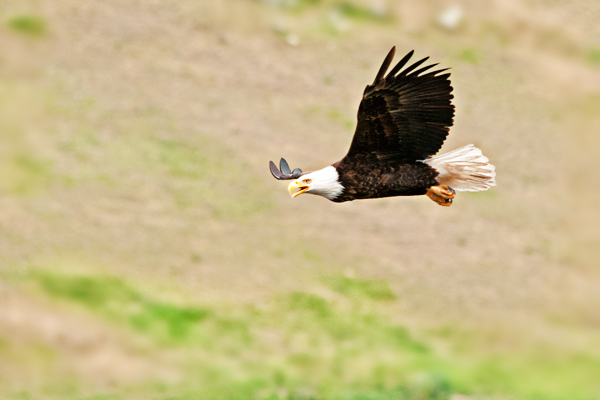
Eagle

Landscape Photographer

Digital technology has been around long enough that I occasionally forget there are many people that have never used anything but small-sensored point and shoot digicams. I recently talked with an amateur photographer who was planning to discard his well-used point-and-shoot camera hoping that a DSLR would help him take better pictures. No, that’s not exactly right. He believed like so many others that a better camera would make him a better photographer. Actually, his question was, “What would be the best camera for outdoors and wildlife photography?” He is an outdoorsman and “needed the whole meal deal,” although I am not sure what he actually meant by that. Perhaps he wanted one camera that would be capable of doing everything.

What should be my advice to an aspiring wildlife photographer? I could give him my personal perspective, and I could suggest he search out wildlife and scenic photographer sites online to make his own decisions.

I will summarize what I got from a check of advice from avid wildlife photographers. Wildlife photography is harder on a camera than any other type of photography. Most of the time photographers will need to push the limits of their cameras. And, photographing wildlife will demand speed, resolution, and a well-built, quality camera, and, therefore, the best cameras for wildlife photos are usually the most expensive ones.

The photographer then should begin by looking at cameras that are durable, and capable of taking some bumping around, and be sturdy enough to take some abuse from the weather. And because the photographer would be shooting in all types of lighting conditions, especially low light, early in the morning, or at the end of the day, I would recommend looking at, and expecting to pay more for models capable of higher ISO.

Unlike a tiny digicam the photographer will need to concern him/herself with the lens, as well as with the camera. Personally, I would save my money on the camera and spend it on a quality lens. A saying I have heard over and over ever since I have been in this medium is that “it’s all about the glass,” referring to the lens. A photographer, like any craftsperson, needs the correct tools.

Then there is the discussion of full frame versus crop-sensor cameras when one is deciding on which is the best DSLR. Hmm…I think that’s a can of worms best left for later. There are enough confusing choices to keep a photographer awake at night with topics like which camera manufacturer, which model, and which lens. And I suppose there are also the possibilities with the new host of lightweight, mirror-less cameras making their way into photographer’s bags.

I plan on spending some time helping this about-to-be wildlife/scenic photographer make his own choice about his camera equipment. I would rather not be one of those that advise a particular manufacturer. That choice should be the photographer’s.

If we were able to ask Ansel Adams, one of the most famous scenic photographers, for his thoughts, he would say, “The single most important component of a camera is twelve inches behind it.”

I know that does not assist with the decision of what camera that photographer should get, but it does let him know that whatever he gets, he will absolutely need to spend time learning how to use it.

I always enjoy comments. Thank you, John

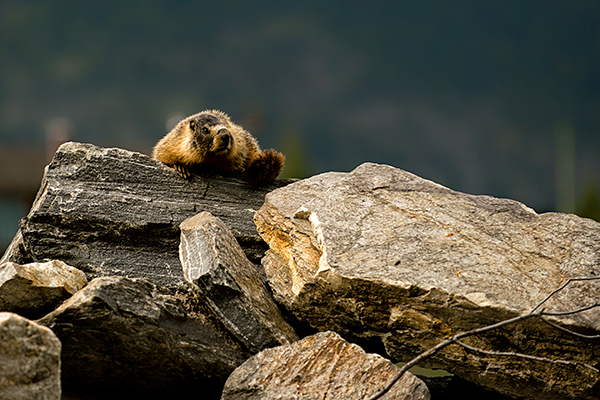
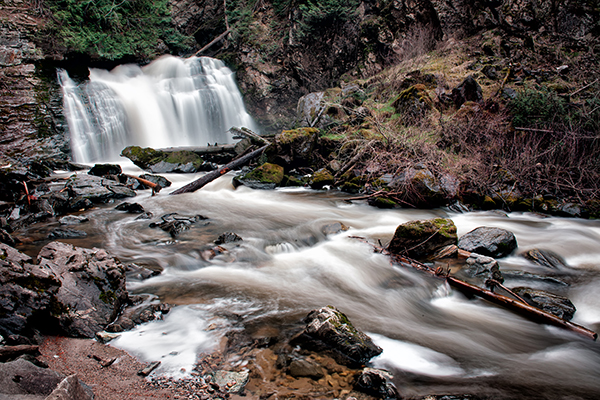
Chewy the Marmot and Chase Creek Falls

Chewy the Marmot

Chase creek Falls

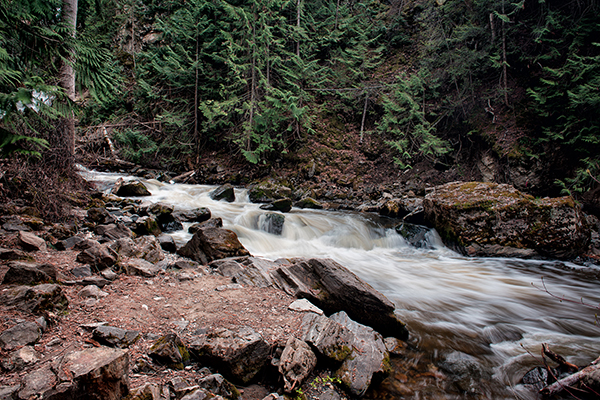
Chase Creek April 2015

Path back to town

Spring is here. The weather has slowly warmed up I can see from my porch that the snow on the mountaintops is diminishing, so I decided it was time to visit a waterfall not far from my home.

I usually avoid waterfalls at this time of year because high volumes of murky, spring water rushing over the falls isn’t that photogenic and one never knows if the river’s bank will give away while you position your tripod. However, with the low volumes of water being reported I was sure that at Chase Creek Falls the interesting stream features like rocks and trees would be visible with the reduced water flow.

When I got to Chase Falls and parked my car I noticed a small sign along the trail that said to watch for a local marmot named “Chewy”. And sure enough, as I passed a large pile of very big rocks, there was a big marmot perched on top like some amusement park guard.

Marmots are usually shy when one walks near their burrow, but this rodent didn’t seem to be bothered in the least and readily posed for me as I hopped from rock to rock making portraits of him or maybe her. I did see a couple of immature marmots scurry out of sight; so I might be right thinking Chewy might be her instead him.

When I purchased my first DSLR years ago and began learning how to use Photoshop I remember saying to a friend that what I liked best was how easily one could crop without getting the degradation that came when cropping prints made from film. The problem with 35mm film was that anything shot over 400ISO was always grainy so that shooting wide and cropping later was usually disappointing. That’s why many photographers preferred medium or large format cameras to the tiny 35mm film.

I set my tripod up and focused my 24mm lens on the falls and shot wide.  I knew that when I viewed my images on my computer I would choose a crop that fit the rule-of-thirds without loosing much detail.

Modern DSLR sensors are much better in their ability to capture grainless detail at high ISOs than 35mm film was and even cropping away 50% of the picture doesn’t reduce the quality very much.

The low water level made it easy to scramble among the large rocks along the bank and chose a comfortable location to set my tripod up. I used a couple of neutral density (ND) filters so I could reduce my shutter speed to 3, then 4, 5, and finally 6 seconds to slow the water down and I chose a small aperture for lots of depth of field.

I have always enjoyed photographing that waterfall. I think I made my first photographs of it sometime in 1976, and I cannot recall how many times I have been back there since. I am fortunate to have a place like that so close to home where I can always find something to photograph.

With that I think I should end with a quote by a great Canadian photographer, Freeman Patterson, who says, “Seeing, in the finest and broadest sense, means using your senses, your intellect, and your emotions. It means encountering your subject matter with your whole being. It means looking beyond the labels of things and discovering the remarkable world around you.”

I look forward to comments. Thank you, John