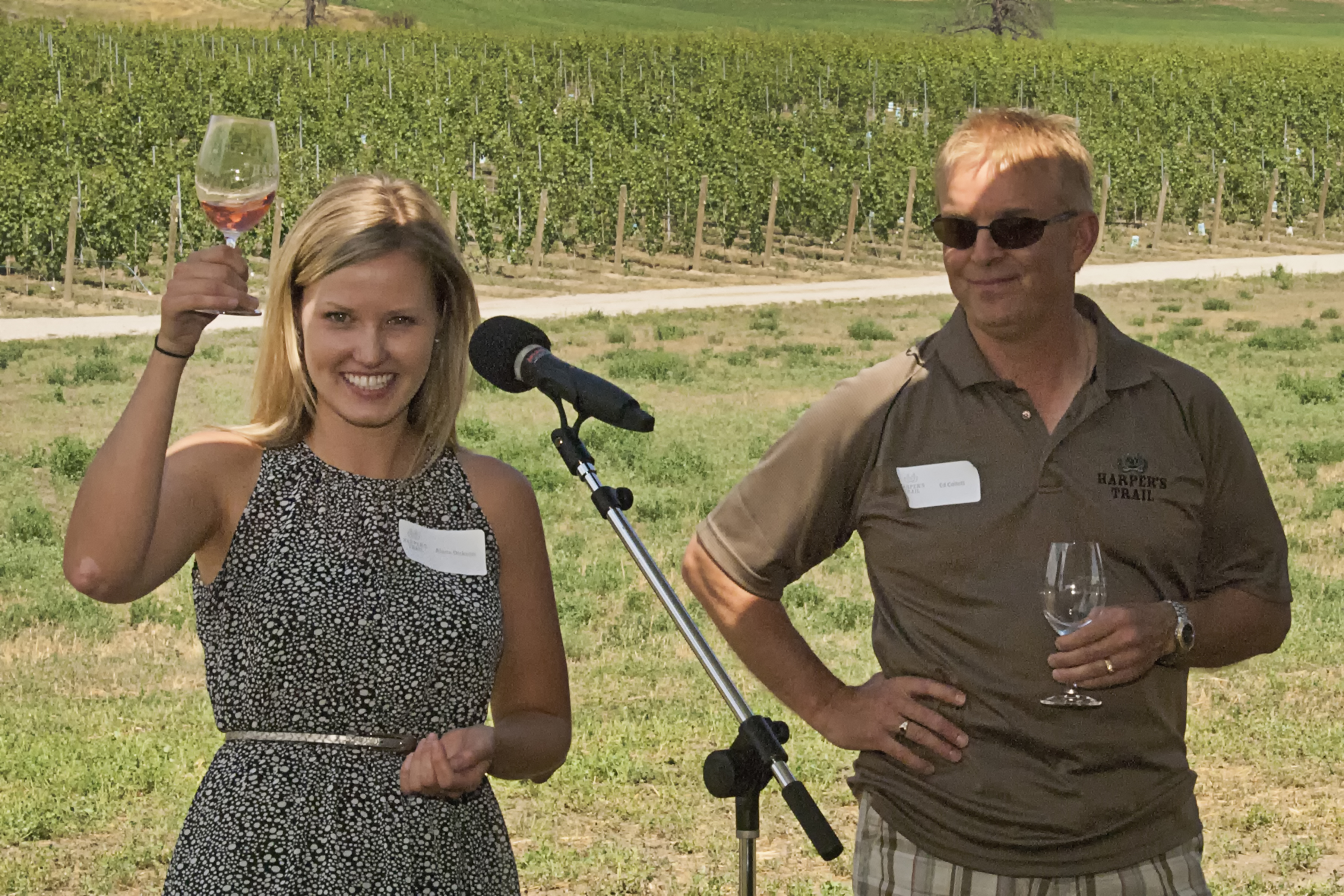
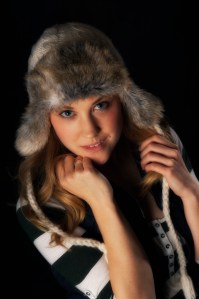
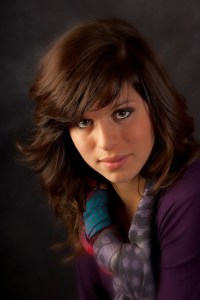
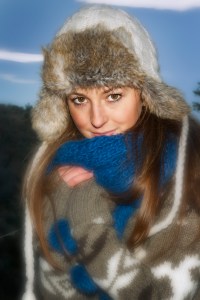
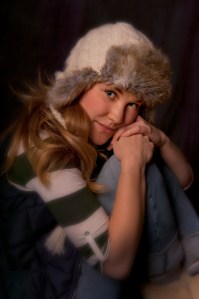
Photographing models at a Strobist meet.

Stephanie4 Molly 2 Monica 1 Stephanie 2 Molly Monica3 Stephani 3

Last Sunday I joined six other photographers and three models at photographer, Dave Monsees’, rural studio for what Dave organized and referred to as a Strobist work session.

The rustic studio, nestled beside a stream in a picturesque treed valley, is a short ten-minute drive from city center to the rural community of Cherry Creek, British Columbia. I had heard about it from other photographers and was looking forward to his Strobist session so I could check the studio out, and, of course, spend the afternoon with like-minded photographers. Now what could be better than that?

This Strobist get-together was the third held in my area that I have been fortunate enough to attend, and as with the first two, it had its own uniqueness.

Some of the participants had experience using off-camera lighting and got right to the business of arranging lights and posing our three models for the day, Molly Lampreau, Stephanie Johannesen, and Monica Nicklas.  I had agreed to begin with a mini lesson and to be available to answer questions for those invitees that were just beginning to enhance their portrait photography with artificial light, and with a few minutes of instruction and a bit of prompting before long everyone was in the act of portrait photography.

The word, Strobist, and gatherings like the one I was invited to have become popular because of American photographer, David Hobby’s, Strobist.com lighting blog that promotes off-camera lighting techniques among photographic enthusiasts, with an emphasis on the practical knowledge rather than just the gear. Those that think our meets in Kamloops are unique should try searching Stobist meet on the Internet. There will be page after page featuring Strobist meets all over the world.

My regular readers know that I rarely make a photograph of people, indoors or out, without using a flash. So getting together with other photographers, experienced or not, that like to use off-camera light for their portrait work is fun. The studio was jam packed with lighting equipment set up with wireless camera connection. There were two different backdrop set-ups and we had our choice of several larger studio type lights in the larger space, and some smaller hotshoe flashes on stands in the more intimate space. There were also lots of light modifiers, softboxes, umbrellas, snoots, barn doors, and so on for us to employ.

How a person in a portrait appears does have a lot to do with how the subject(s) are posed, but I think light and how it is applied is just as important. Using flash, on or off camera, to modify light gives a photographer more control than just using the sun, or relying on a high ISO.

In addition photographers always need to explore and experiment to learn how to balance the background, or ambient light, with flash, and get-togethers like a Strobist meet are perfect for practicing off-camera lighting in a studio, with willing subjects without the pressure of actual clients, and watching other photographers work is always fun.

I was in a hurry to download my images from that day and began sorting, editing and optimizing as soon as I got home. As I opened PhotoShop and began, I thought of a quote by American supermodel Tyra Banks that fit the day of photography from beginning to end, “There are three key things for good photography: The camera, lighting, and…PhotoShop”.  In my opinion there might be a few more important things for good photography, but to a model the final picture is everything.

I appreciate you comments.

My website is at www.enmanscamera.com
Photography on a Foggy Day


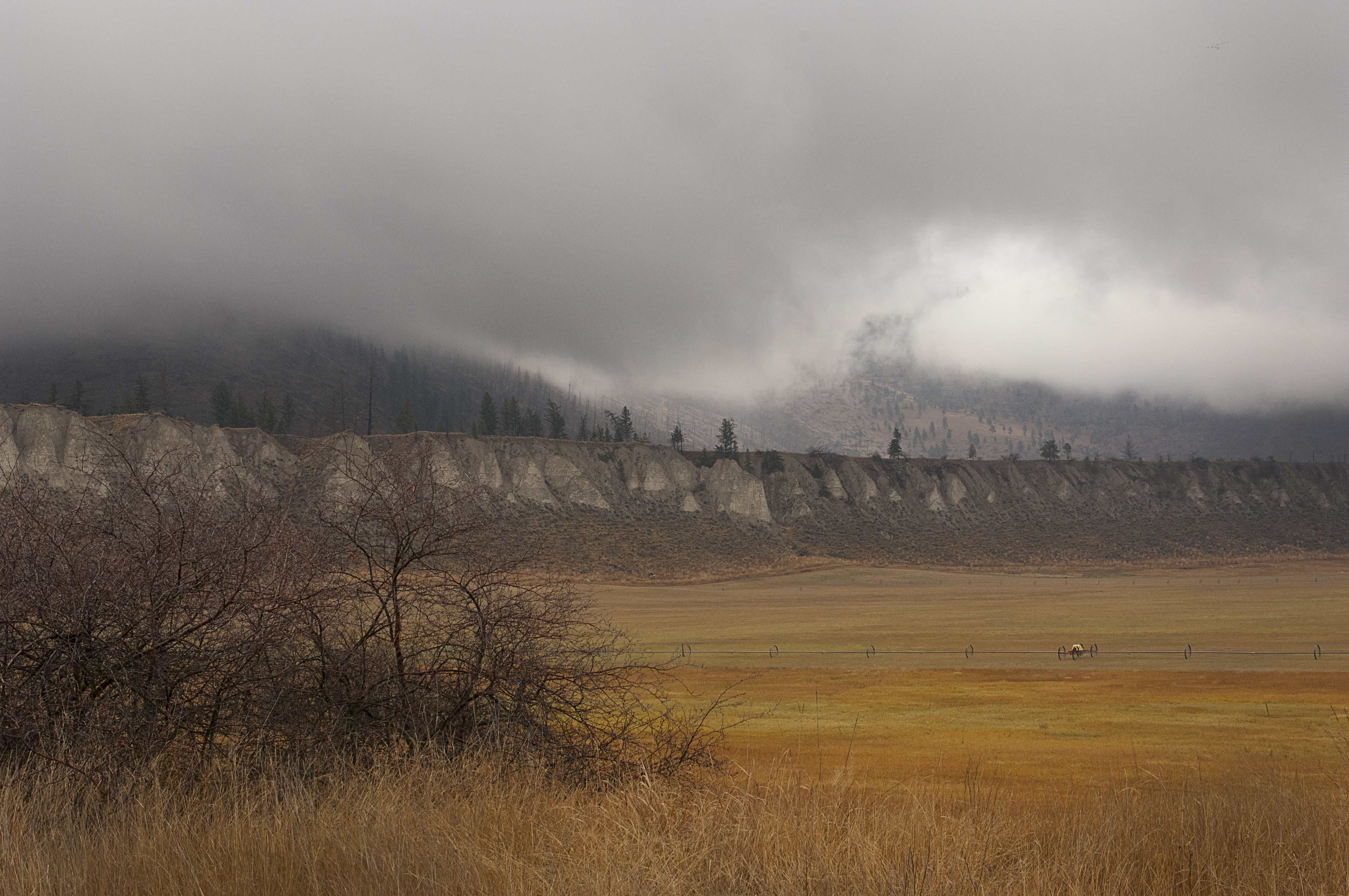
I like taking pictures on foggy days. I suppose I could have stayed inside and watched TV or read a book. I know that many photographers would have done just that as they complained about the damp, flat, lifeless-looking fog, but I like foggy, windy, snowy, and even rainy days. Inclement weather makes for unusual and interesting photographs, so when I woke on a morning with thick fog I knew I was going to have a fun day. Fog can conjure up feelings of mystery and awe, and of the many different conditions we encounter in landscape photography fog is one of my favorites.

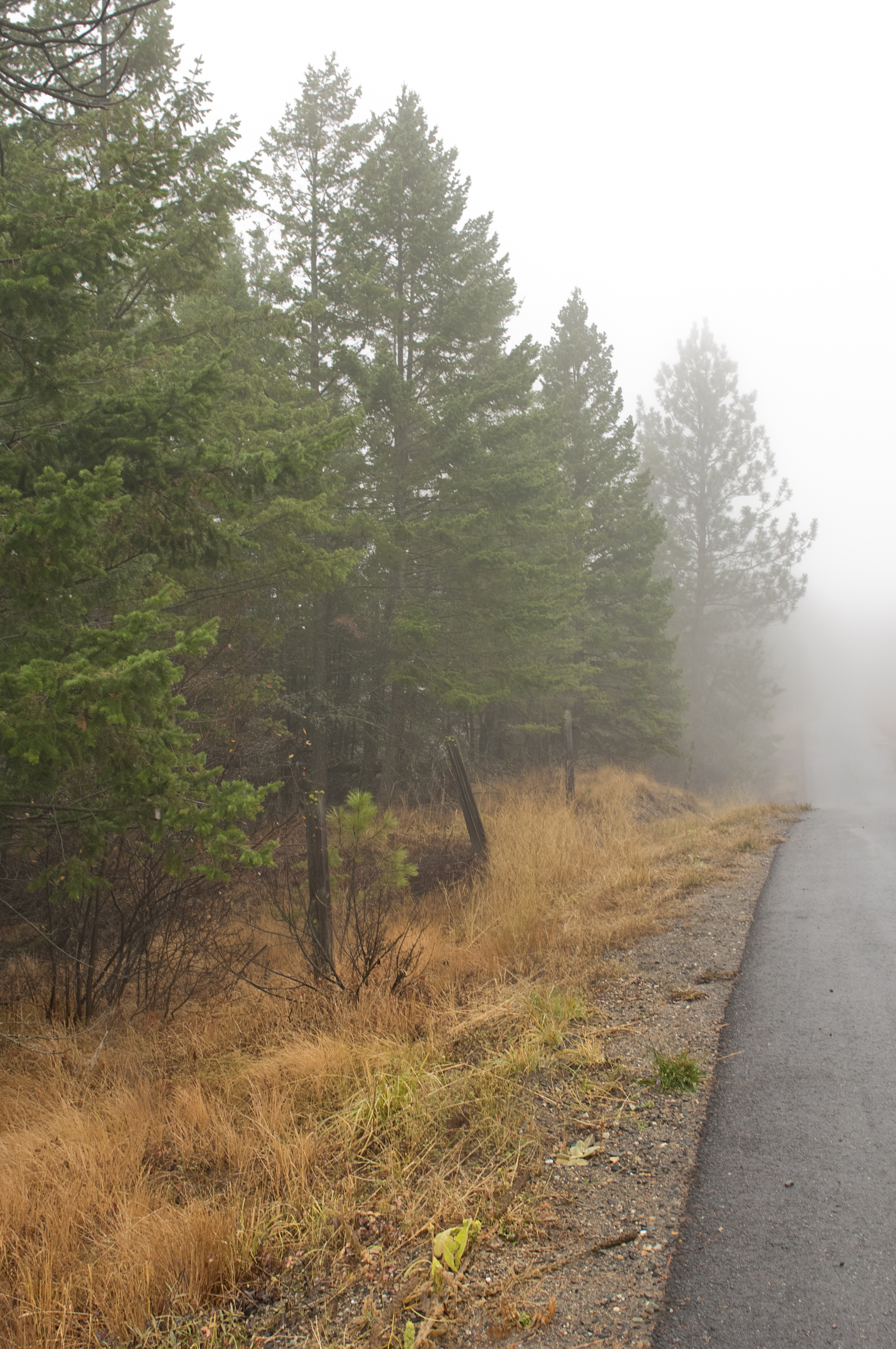
Yes, the light was low, but October fields here in the British Columbia interior are mostly shades of gold, so there really is lots of colour. All a photographer has to do is select a subject angle carefully. I began by wandering through the wooded area across the road from my house, but I didn’t really get very far, the fog was so thick in the pines that there wasn’t much that I liked. I jumped in my car and I made the short, five-minute trip down to the Thompson River, and was happy to be just a bit under the fog, and that made for lots of great opportunities.

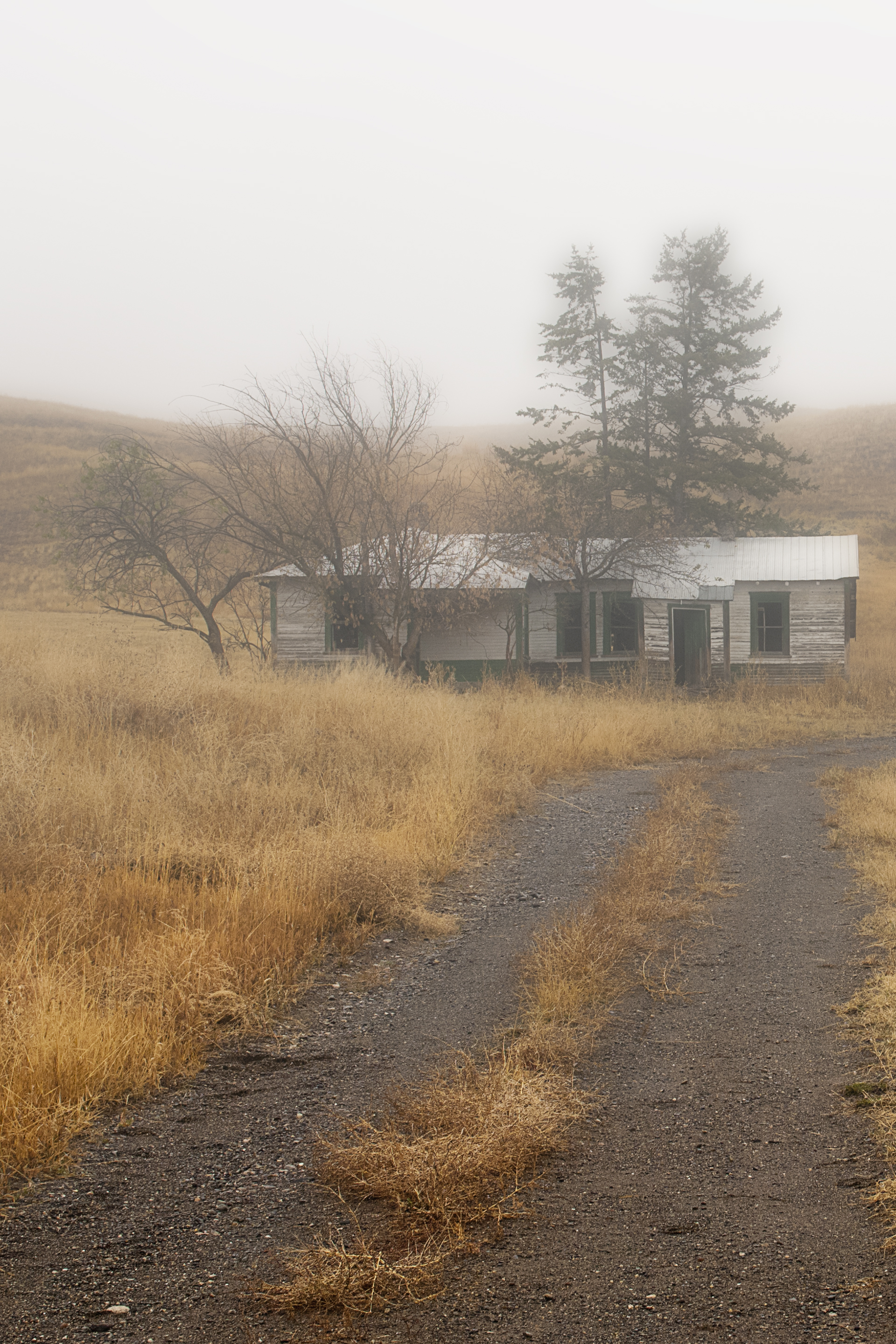
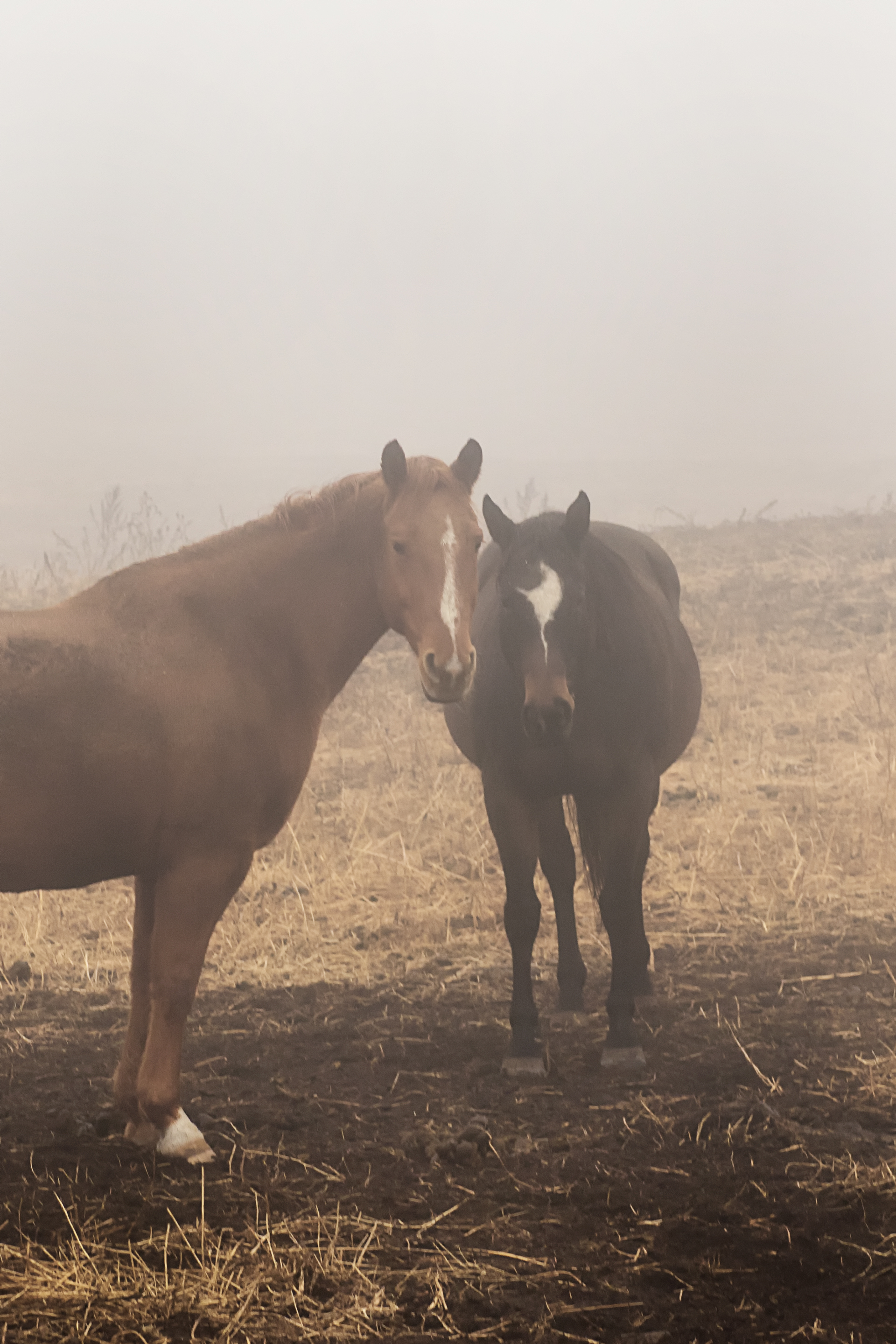
I really didn’t have any particular subject in mind. I had hoped the bridge that crossed the river would be embraced in fog, but there was a strong, wet, breeze in the river valley that had pushed the clouds and the fog away. I wanted fog or at least low clouds, so I lingered higher up, along the valley rim, searching out and photographing fences, stacks of hay, and abandoned buildings. And I even took a few pictures of cows and horses, as they looked for food in the damp foggy conditions.

I always meter for the mid tone in my composition. The foggy flat light can easily trick the meter and I prefer manual exposure where I personally can determine my aperture and shutter speed. I had remembered to bring my tripod, so even when the light was low and required a slow shutter speed I could still keep an acceptable depth of field using an aperture of f8 or smaller.

Outdoor photographs taken in fog often look flat and dull. The fog and the low light decreases image contrast and colour saturation significantly. However, for modern photographers this isn’t much of a problem since the contrast and saturation of a digital photo can easily be adjusted.  Fortunately, we can turn the problem into an advantage because an image with low contrast is easier to manipulate than an image taken in harsh light with strong shadows and highlights.

With most digital cameras the contrast can be adjusted before the photo is taken. But in my opinion, it is better to do a rough adjustment during post-production in the RAW converter, and a fine adjustment in Photoshop. In-camera adjustment is not always the best since we don’t know in advance what the right amount is, and clipping of shadows/highlights can occur.

Modern technology gives us a hand up on the flat, contrast less light even if some elements in a picture are improperly exposed they are easily corrected during post-production, and increasing the contrast on important subjects in flat light is easy.

I have always liked my photographs to be about my personal vision of a scene and not to be limited by what a particular film or camera sensor can record.  Even Ansel Adams said, “You don’t take a photograph, you make it.”

Fog forms when a humid, cool air mass moves under a warm air mass and those conditions seem to be recurring for a second day. I know that might cause problems for drivers, but I am hoping to see some in Kamloops when I go to my shop today. And if so, I will be out on the street with my camera.

I enjoy your comments, Thanks.

My website is at www.enmanscamera.com
Meeting Photographers and Photographing Bighorn Sheep.


Last week I wrote that I had a great time doing photography as I toured Victoria’s waterfront, and said that along with photographing a different environment I met interesting people, and even spent time with other photographers.

One of my goals for that Victoria excursion was to meet and spend time with the well-known painter, photographer, and documentary filmmaker, Karl Spreitz. His interesting career included working as a news photographer in Prince George, BC, for CTV television, for the BC Department of Travel and Industry, and as staff photographer/editor for Beautiful BC magazine.

Spreitz, now in his eighties, is a fountain of knowledge about film and photography and has been acquainted with most of the important west coast Canadian and American photographers for the past 50 years, and I was delighted to be able to spend the afternoon talking to him about photography and listening to his stories.

I like being a photographer. I also enjoy socializing with other photographers and spending time with a long time photographer like Spreitz is a rare opportunity I will always take if given the chance.

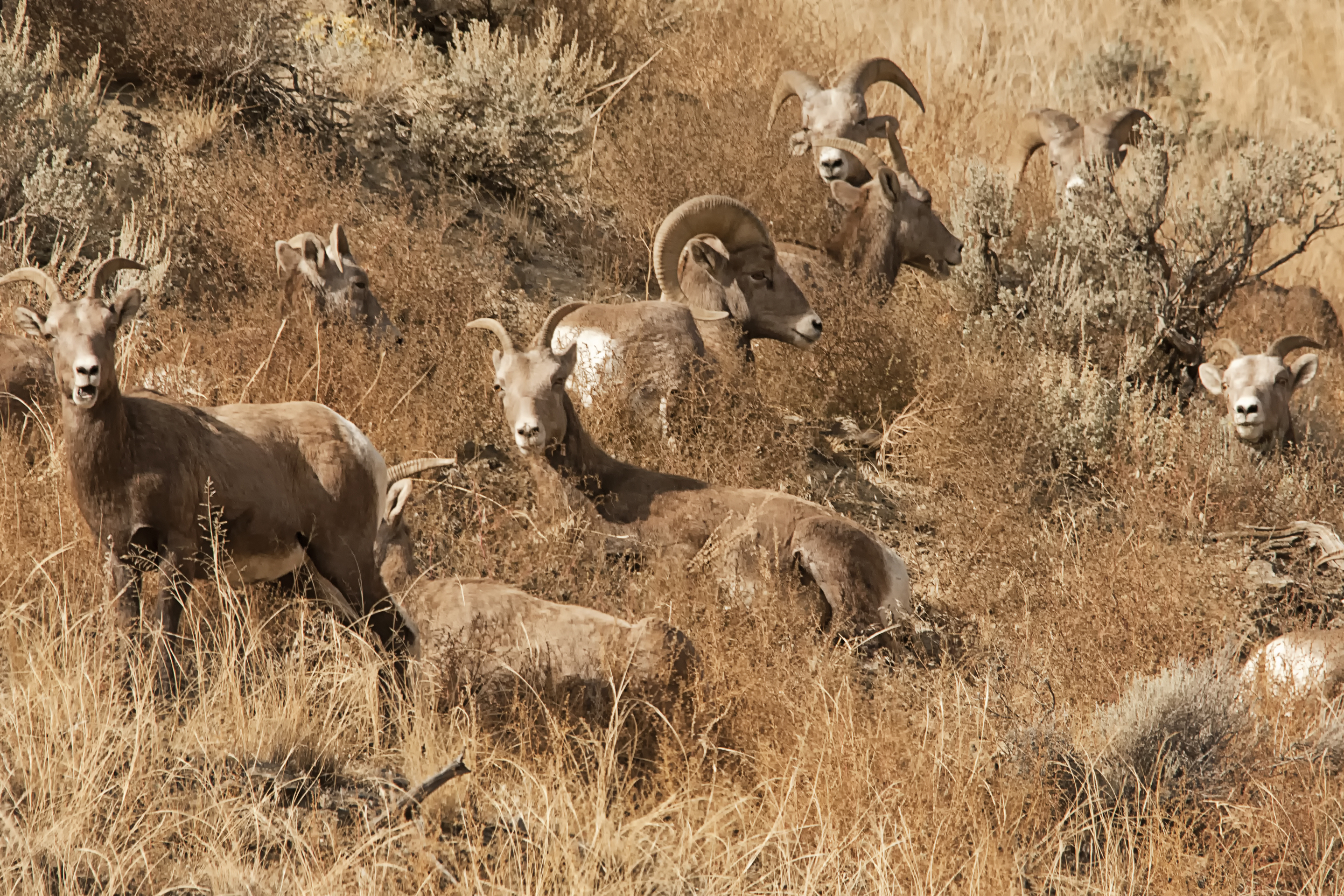
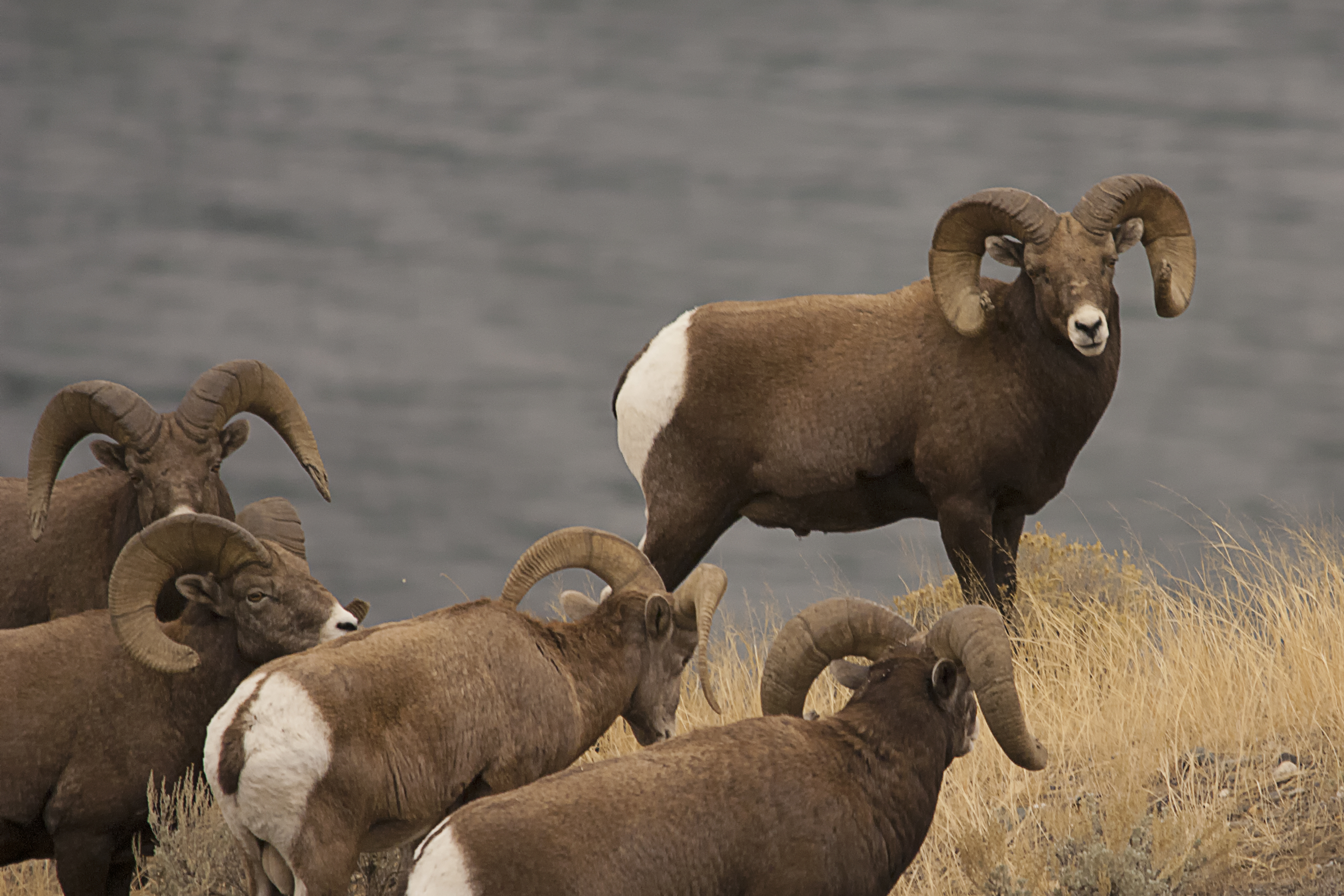
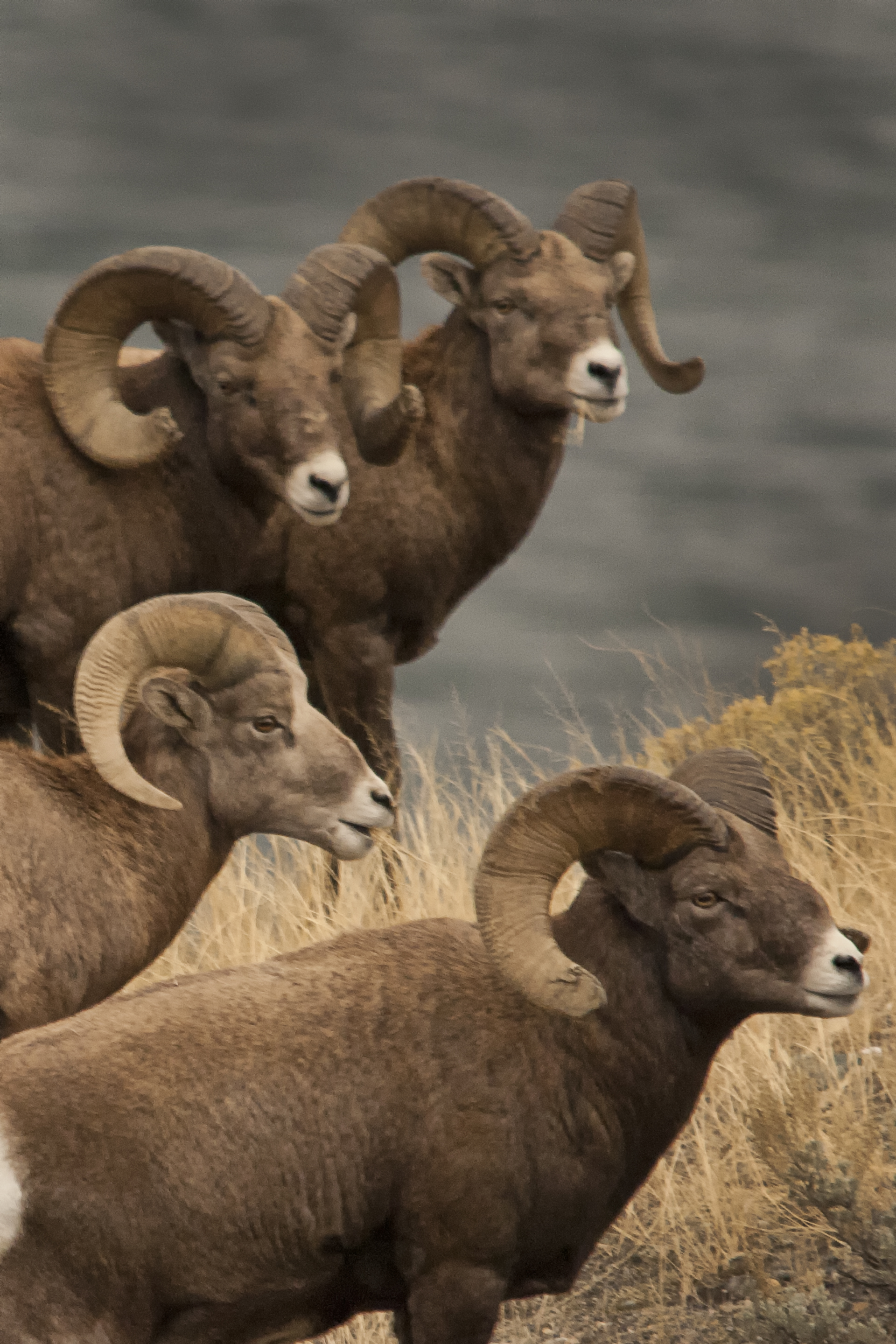
After I returned home from Victoria I was provided the opportunity to go out with my friend Walter to photograph bighorn sheep. We sat on a windy, sagebrush-covered hill overlooking Kamloops Lake. They should have been in rut at this time of year and we hoped to get shots of their violent head butting, but as it was most were bedded down or lazily wandering through the sagebrush.

As I sat I thought about Spreitz making fun of us that live in the BC interior. He said when the magazine needed pictures from the region I live in they would just look for any old picture of sagebrush and bighorn sheep and run with that. At the time I knew he was teasing me, I laughed then and again to myself on that windy hilltop, thinking that was exactly what I was viewing.

Our strategy was to let the sheep get used to us. We sat and waited for something to happen. Once the sheep got comfortable with our presence, we slowly moved in for closer and better pictures.

Both Walter and I had our long telephoto Sigma lenses. Walter’s is a 120-400mm and mine a 150-500mm. For this type of photography we preferred multi-focal (zoom) lenses. The sheep sometimes got pretty close and a fixed focal length lens would have been limiting.

I know I am always recommending tripods, but on that occasion with all the steep climbing and odd angles, tripods made photography awkward, so we had to hand hold those big lenses. The acceptable technique is to follow the old photographer’s rule; “Always use a shutter speed equal to or more than the focal length of the lens.”   I make multiple exposures, expect a few soft images and hope for the best.  However, on that occasion there wasn’t any real action from those lazy bighorn sheep and it was easy to get usable, shake-free exposures. I suppose the challenge was to get images that were interesting.  I don’t know about Walter, but for me that meant climbing around to get lots of different angles, and for that occasion I even ended up taking several pictures of an oncoming train in the colourful Kamloops fall landscape.

Finally, we were overcome when the wind became so strong that it became hard to stand (or sit for that matter) without moving, so we headed home. We had been in the hills most of the day and even though our memory cards weren’t loaded with exciting pictures we agreed that the day had been fun anyway.

How much better can it get? Two consecutive weekends filled with fun photography in very different places, and, in my opinion, both spent with, interesting photographer companions.

I appreciate your comments.

My website is at at www.enmanscamera.com

Photographing Victoria’s Harbour


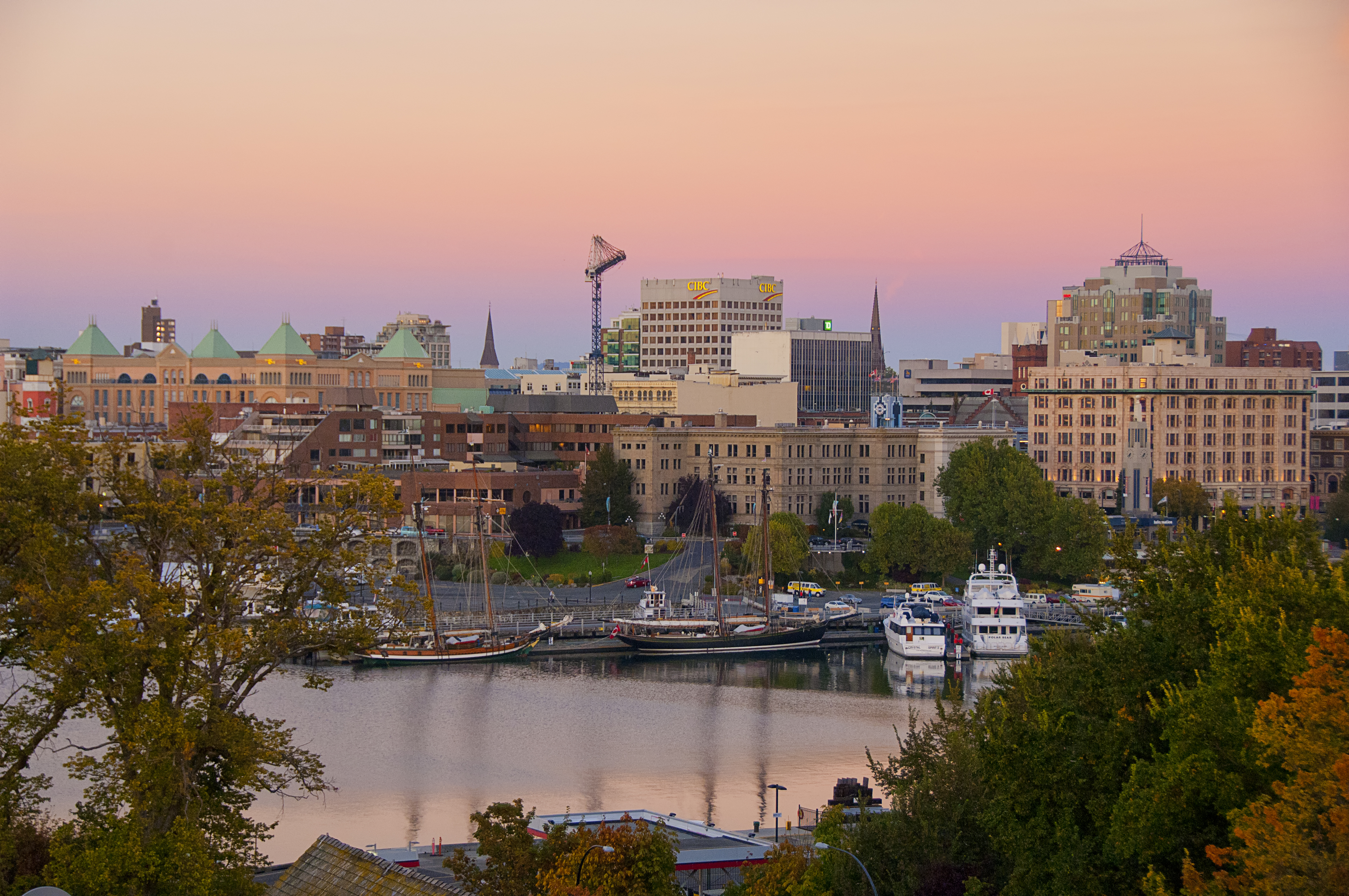
We had decided to escape for a few days to Victoria, British Columbia, over the Thanksgiving weekend. The ferry docked at Schwartz bay, we disembarked, and made the scenic drive into Victoria. This is a bustling, picturesque city surrounded by water that is, in this photographer’s opinion, a perfect place for a photographer to wander around looking for photographic opportunities.

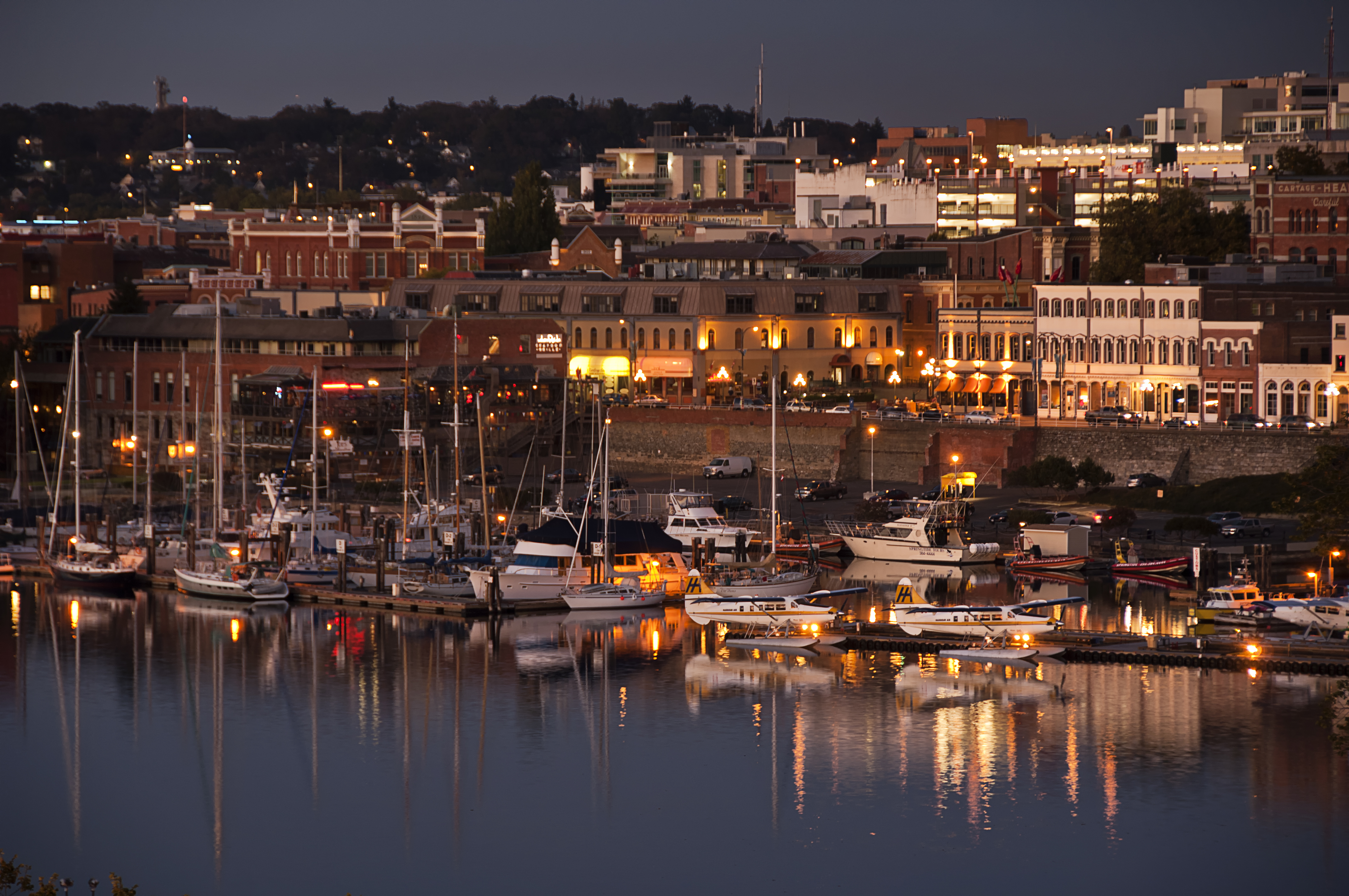
We were lucky in that our hotel room was on the ninth floor with a beautiful view overlooking a panoramic harbour only a block away. It was perfect setting for a photographer. Upon reaching our room, the first thing I did was set up my tripod on the balcony, attach the camera, and start taking pictures of the view. I wanted photos that showed the warm afternoon light, and later on more photos displaying the early evening sky as the city lights began turning on, and finally as the sun vanished, I made lots of long exposures with the only illumination coming from the harbor and the city.

Our first morning had a beautiful blue sky with only a slight breeze and as my wife got together with her long time friend and left for a day of site-seeing and some shopping, I got out my camera and made my way to down to the water front on foot.

My wife and I live in the very dry interior of the Province with rolling hills, lots of lakes, and a large river, however the ocean and everything connected to that environment there is unfamiliar and exciting and I couldn’t wait to start taking pictures.

I chose to bring my 18-200mm lens. The 18-200mm is a lightweight, multifocal length lens with an aperture range of f/3.5 – f/5.6. I know that many photographers these days are favoring wider apertures like f/2.8, but I would be using smaller apertures because I wanted scenics with a sharp focus from foreground to background. Using a wide aperture would reduce that depth of field. And for those readers that would say, “what about those lowlight evening images from the balcony?” My answer is that those were the images that especially needed all the depth of field I could get and most were f/8 or more.  Besides I was using a tripod and a cable release. Anyway, there wasn’t anything in my pictures of that lowlight cityscape that would be moving and I could use as slow a shutter speed as was necessary to get an exposure that worked.

I call lenses like that 18-200mm “vacation” lenses because they are so versatile. I have never been one for carrying lots of equipment and a lens that gives me both wide and telephoto capabilities saving me from carrying a bag full of lenses. My plan was to spend as much time as possible walking along the waterfront. I meandered back and forth thinking nothing of retracing my path when there might be another subject angle I wanted to consider, and the added weight of a heavy wide aperture lens, or additional lenses, would have slowed me down. Exposures change with how the sun reflects off a subject and returning to a place previously photographed several blocks away seemed worth the effort.

I had to get used to how the reflection off the water tricked my camera’s light meter. I don’t know if all cameras are the same, but in my experience relying on the camera’s meter in many cases will result in an over exposure. So I always underexpose around large bodies of water. That’s easy. I just make a few exposures and check my histogram until I am satisfied.

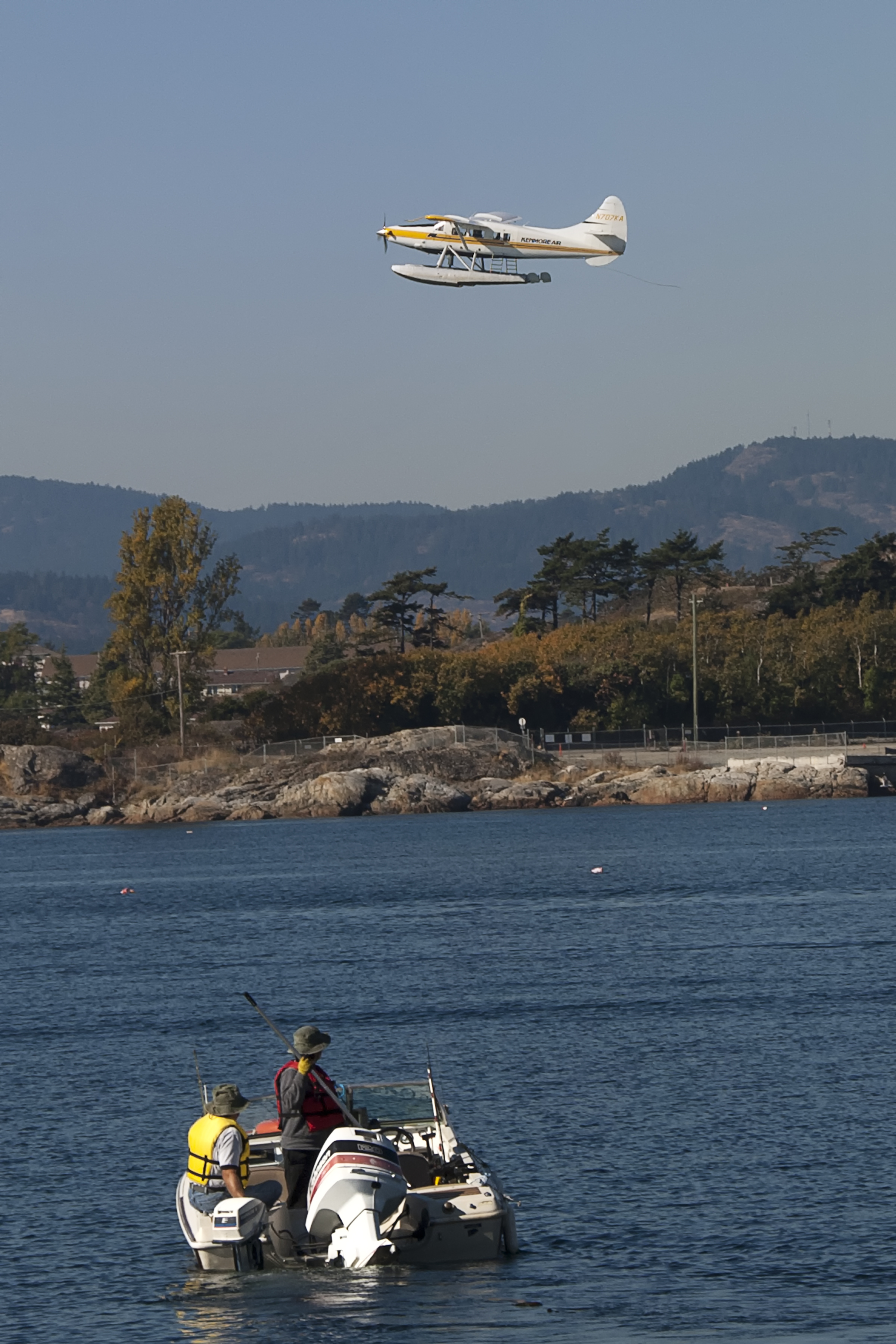
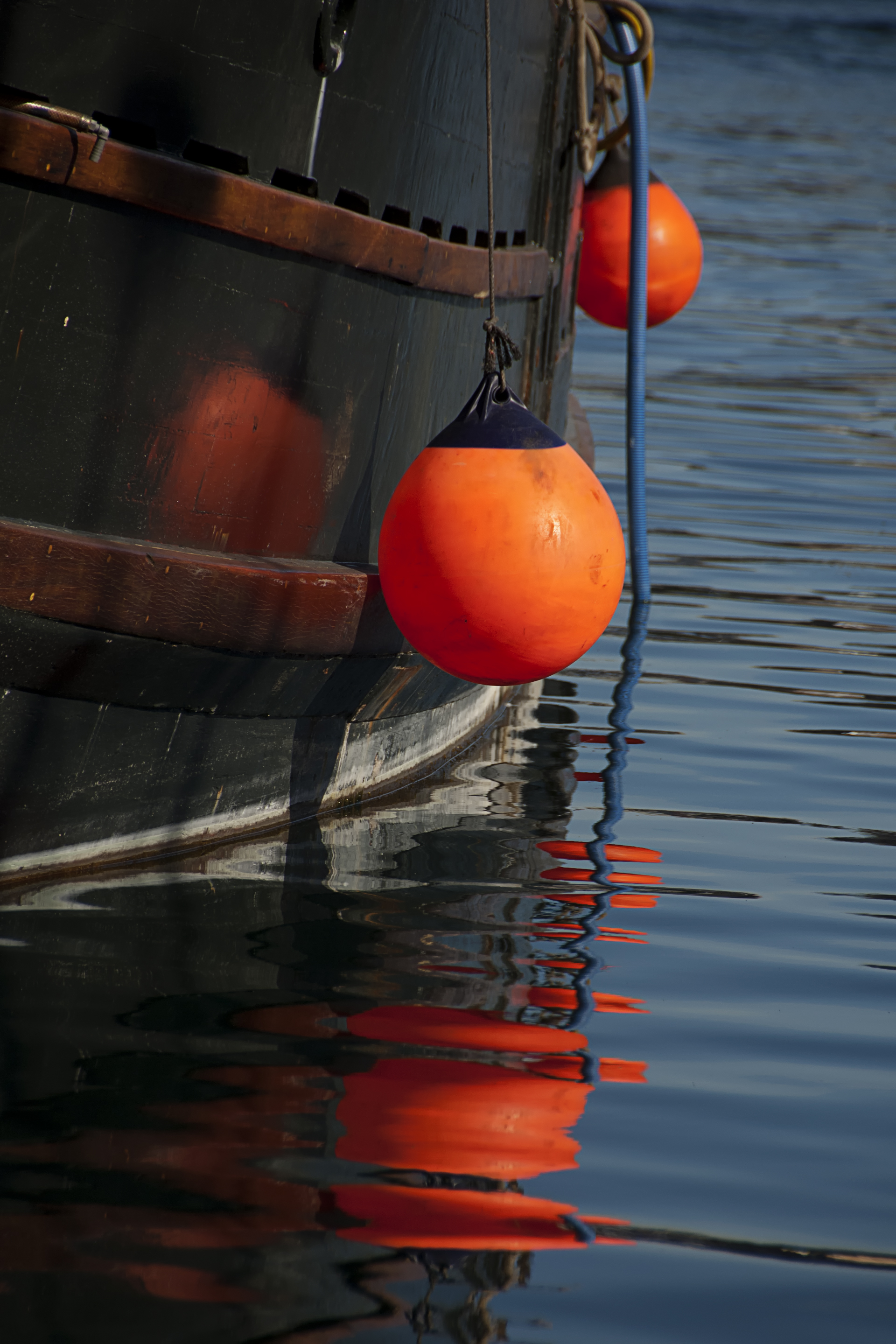
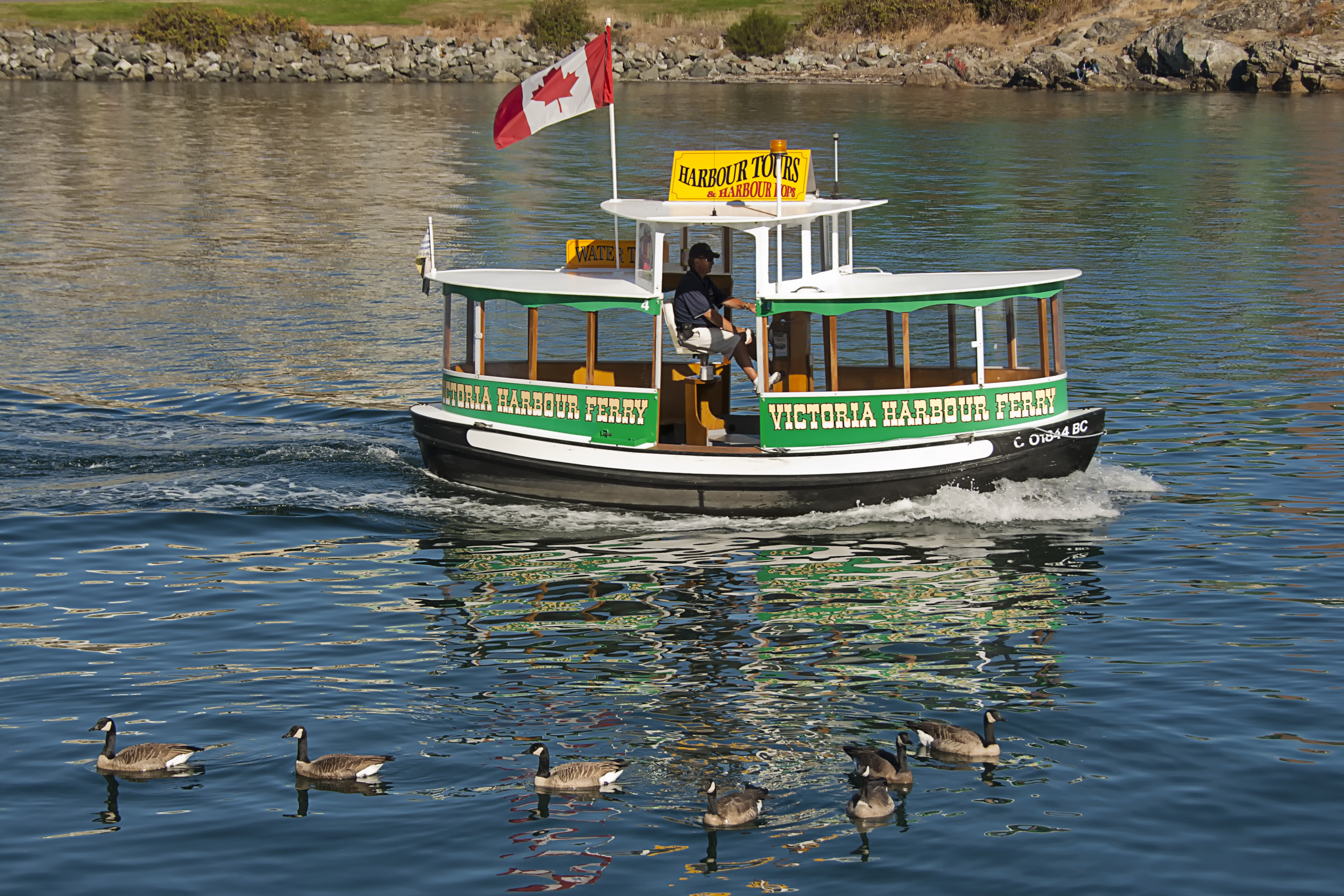
I had a great time photographing boats, planes, birds, and pretty much anything else on, off, and around the water that caught my eye as I roamed Victoria’s waterfront. I found new subjects, met interesting people, and even spent time with other photographers. I really enjoyed the change of photographic scenery and highly recommend any photographer to change things up to refresh their perspective.

I appreciate your comments.

My website is at www.enmanscamera.com
Photography on the Ferry


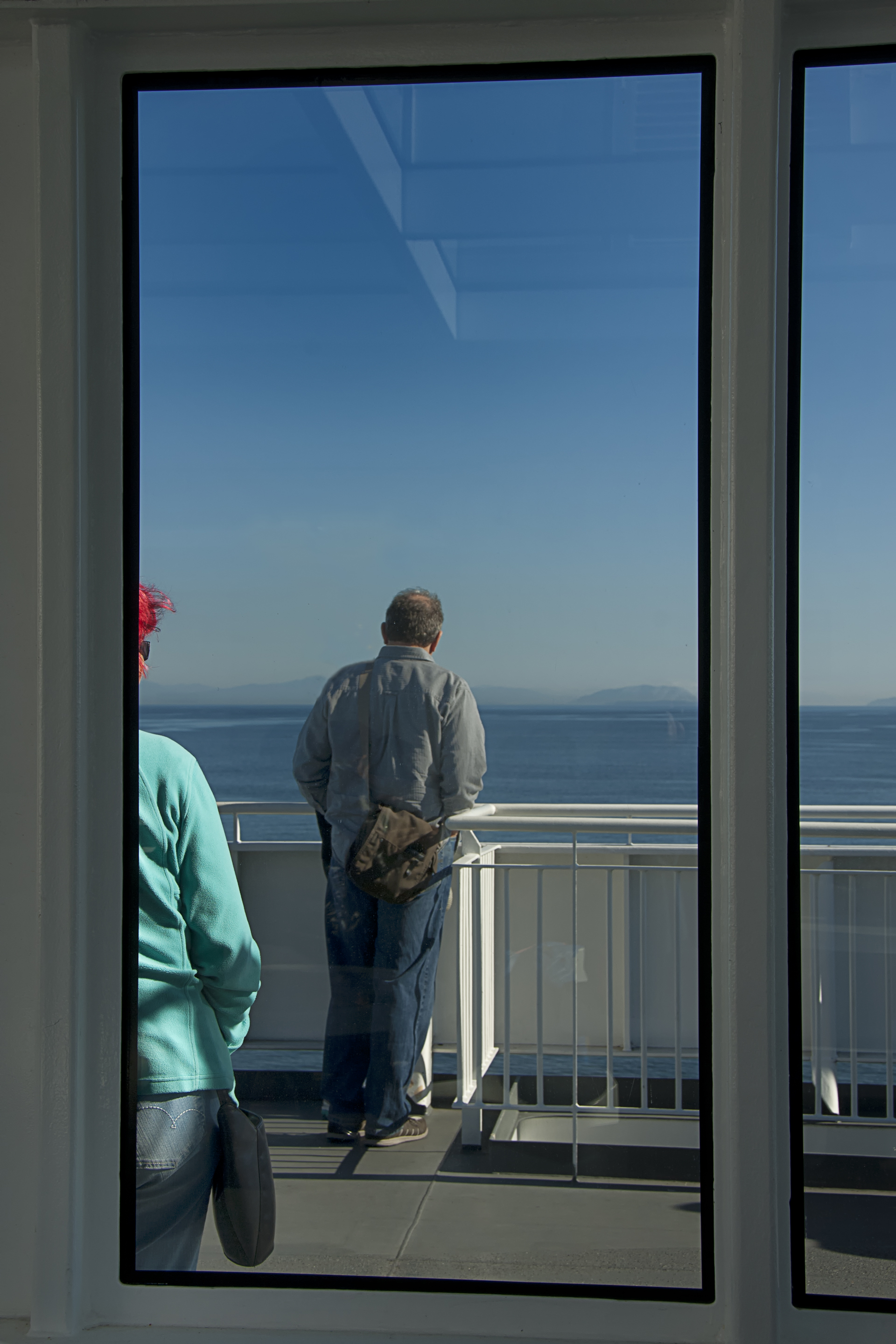
My wife and I boarded the BC ferry Coastal Celebration to Victoria, BC. We parked our car, picked up our cameras, and proceeded up to the sundeck. The day was clear blue and the ferry’s sundeck was packed with people with their cameras, all searching for joyful memories of the one-and-a-half hour ocean crossing from Tsawassen to Swartz Bay.  The weather was pleasant and encouraging for those travelers who wanted to stay outdoors.  When the wind became too gusty the passengers would step behind glass partitions designed to provide protection yet allow for an unobstructed view.

I think, with maybe the rare exception, the photographs being taken were of friends or family posing against the rail. Another favourite photo was the group shot around a table, (arm extended style with camera pointing back at the shooter), and then another favourite, of course, was of other boats passing by. And finally, there were lots of shaky pictures of the luxury homes that were perched on the shores of small rocky islands.

One has to admit, after taking that picture of a spouse or friend standing in front of some scenic location, all the rest are just repetition. I took my wife, Linda’s picture holding her camera, a little tired with all the traveling, hair blowing in all directions, standing next to a white rail with blue water behind her. I’ll treasure that picture because it’s her, but she just smiled when I showed her that not so flattering image.

I had made the obligatory portrait and was about to be off when a guy and his family walked up and handed me his little digicam and asked me to take a group picture. I posed them, made one fellow remove his sunglasses and changed my angle a couple times as I took their family-on-the-ferry portrait. My wife later mentioned that the fellow had been watching and she was sure was waiting for a moment when he could ask me to take their picture.  I am sure he had just looked around for the guy with the biggest camera. I guess I won.

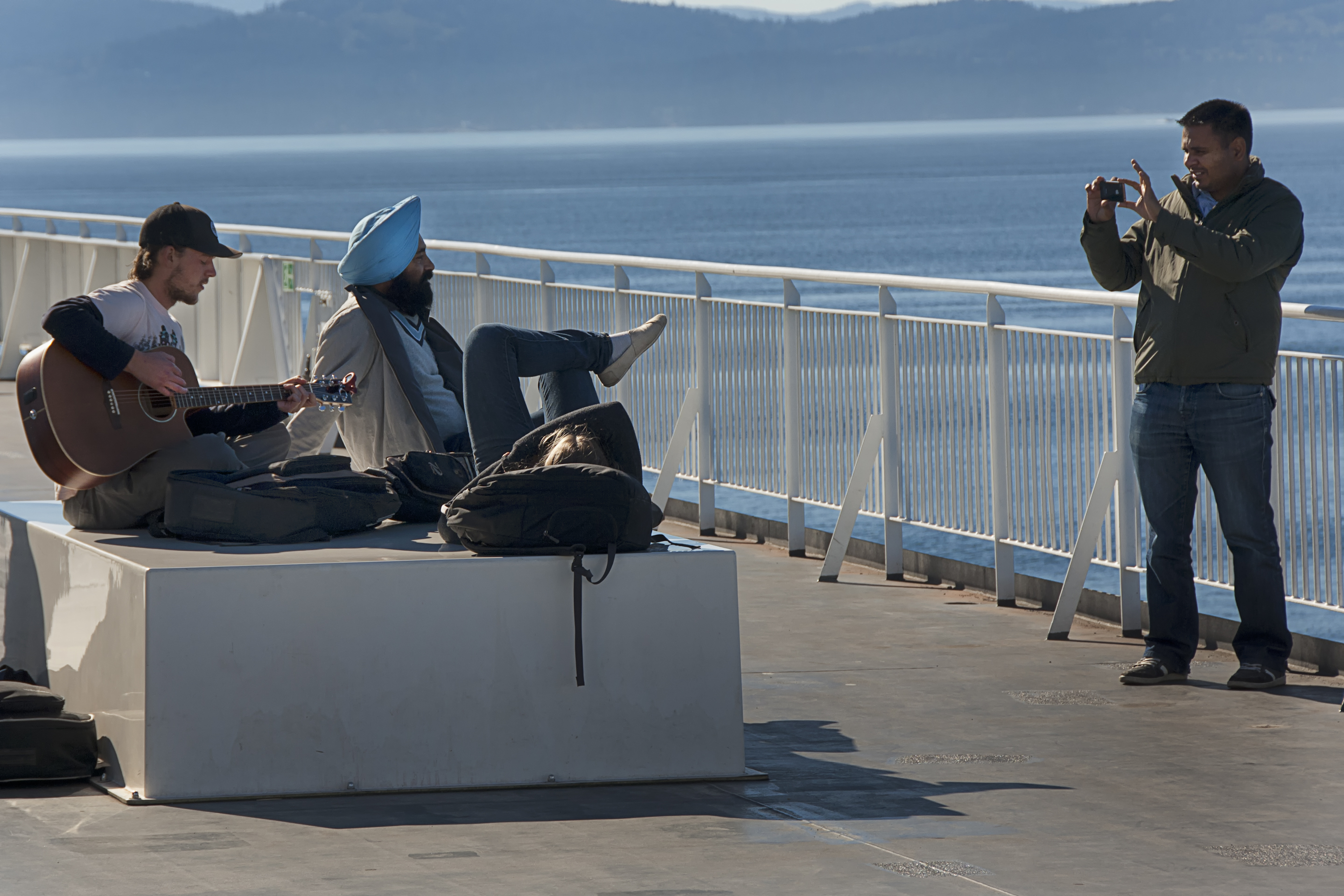
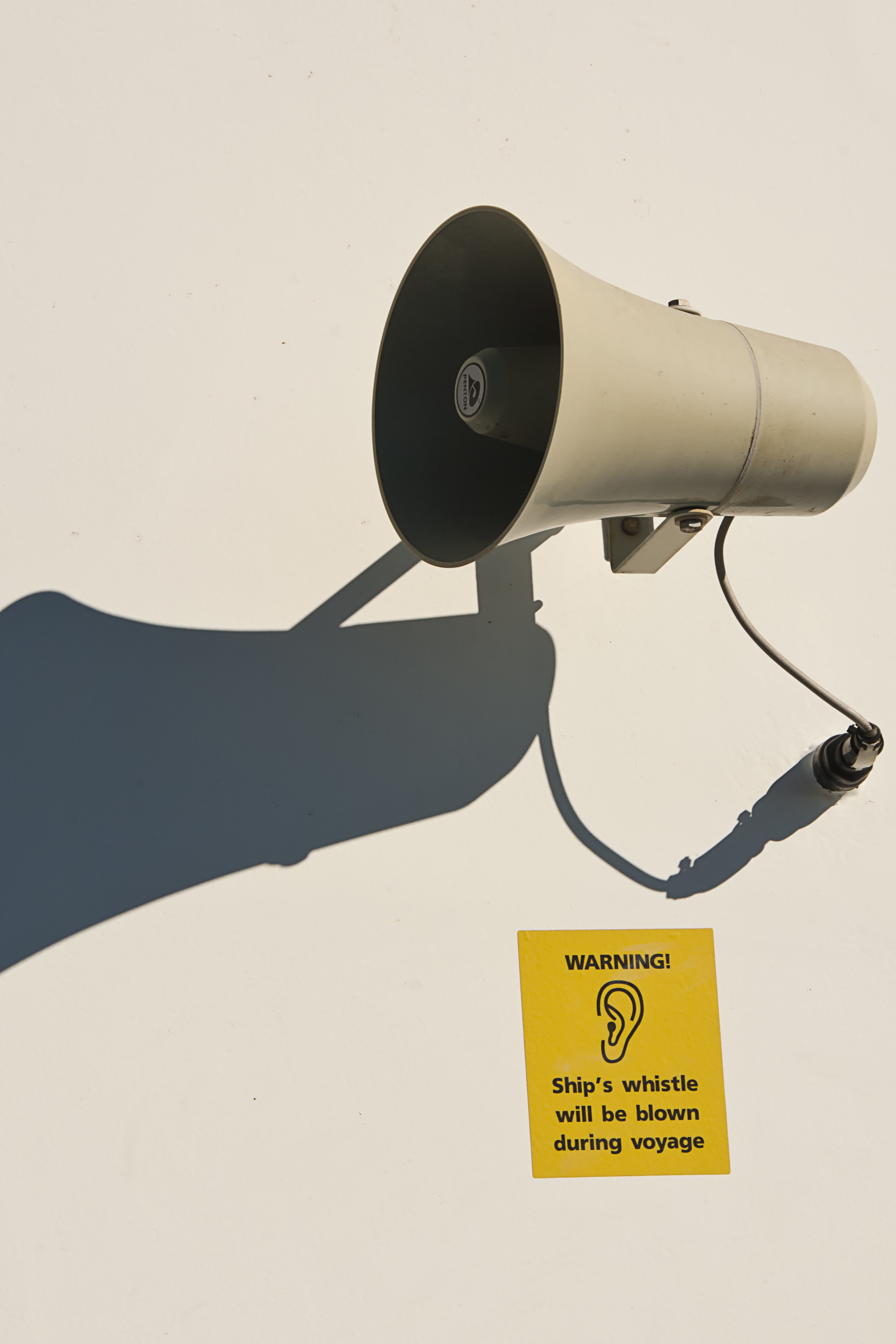
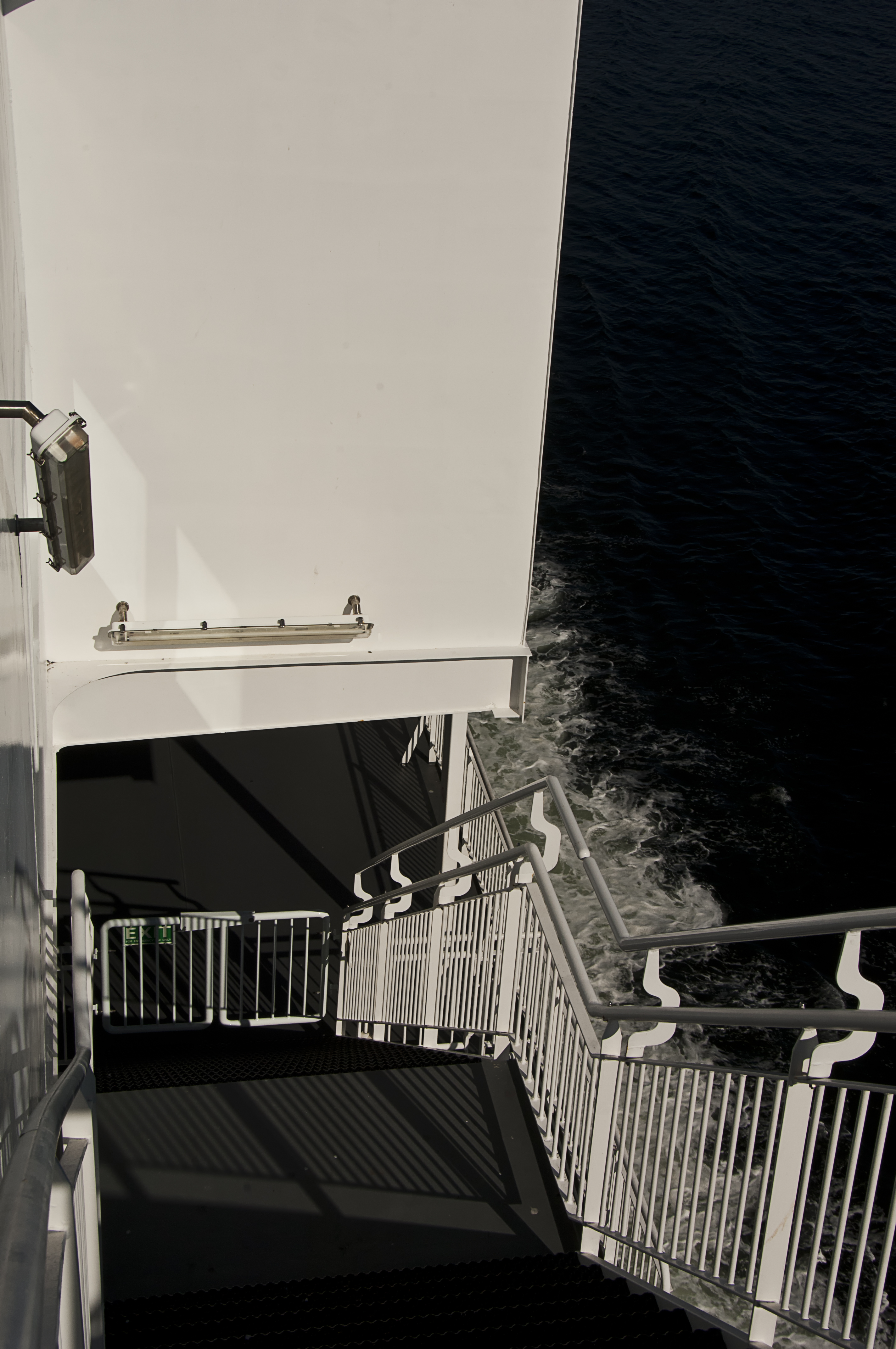
Although, unfamiliar with the large white, ocean going vessel vibrating under my feet, I was fascinated with all the unique doors and windows, wall mounted things like pipes, speakers, all the odd railings, long walkways and so much more. However, most interesting; it had people, lots of people from all types of places.  We heard many languages being spoken.

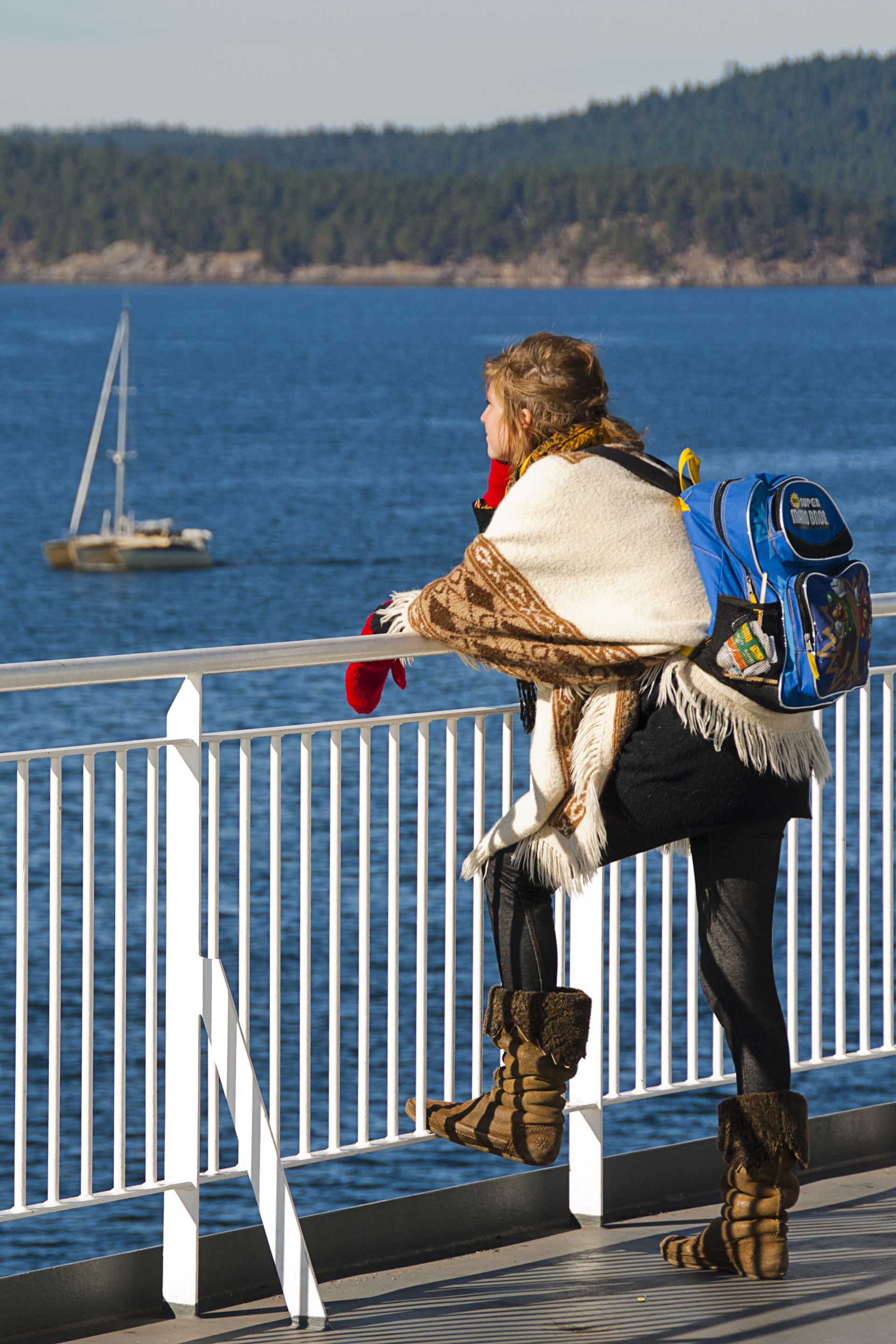
I wandered that windy deck photographing anything that caught my eye, and that included photographing the people. I had my 18-200mm lens on the camera, so it was easy to be inconspicuous. Those in front of my camera either thought I was, like them, interested in some feature beside or behind them in the ocean, or like a guitar-playing fellow I photographed, just didn’t care. Anyway, I wanted to photograph how they were standing, the play of light on them, the ship, and what was around them, I tried for unusual angles through stairs and made silhouettes. Almost all my images were side or back shots, after all I didn’t know them and wasn’t interested in their faces, just how they fit in with everything else on the ferry, or maybe I should be calling it a ship.

The hour-and-a-half trip gave me plenty of time to search the ferry for things to photograph, but I was enjoying myself so much that before I knew it the fun was over with the sound of the ship’s horn and an announcement to return to our cars.

I do like comments.

My website is at www.enmanscamera.com
Photographing a Waterfall

The week had been a busy one for me. Unfortunately none of what occupied me had anything to do with photography.  It is said that life gets in the way of having fun.  So when I finally was able to chisel out some time for myself this last weekend I decided to travel the short distance up the road from my home to a stream with waterfall.  The falls are just off the Trans Canada Highway as it winds past Chase, BC.

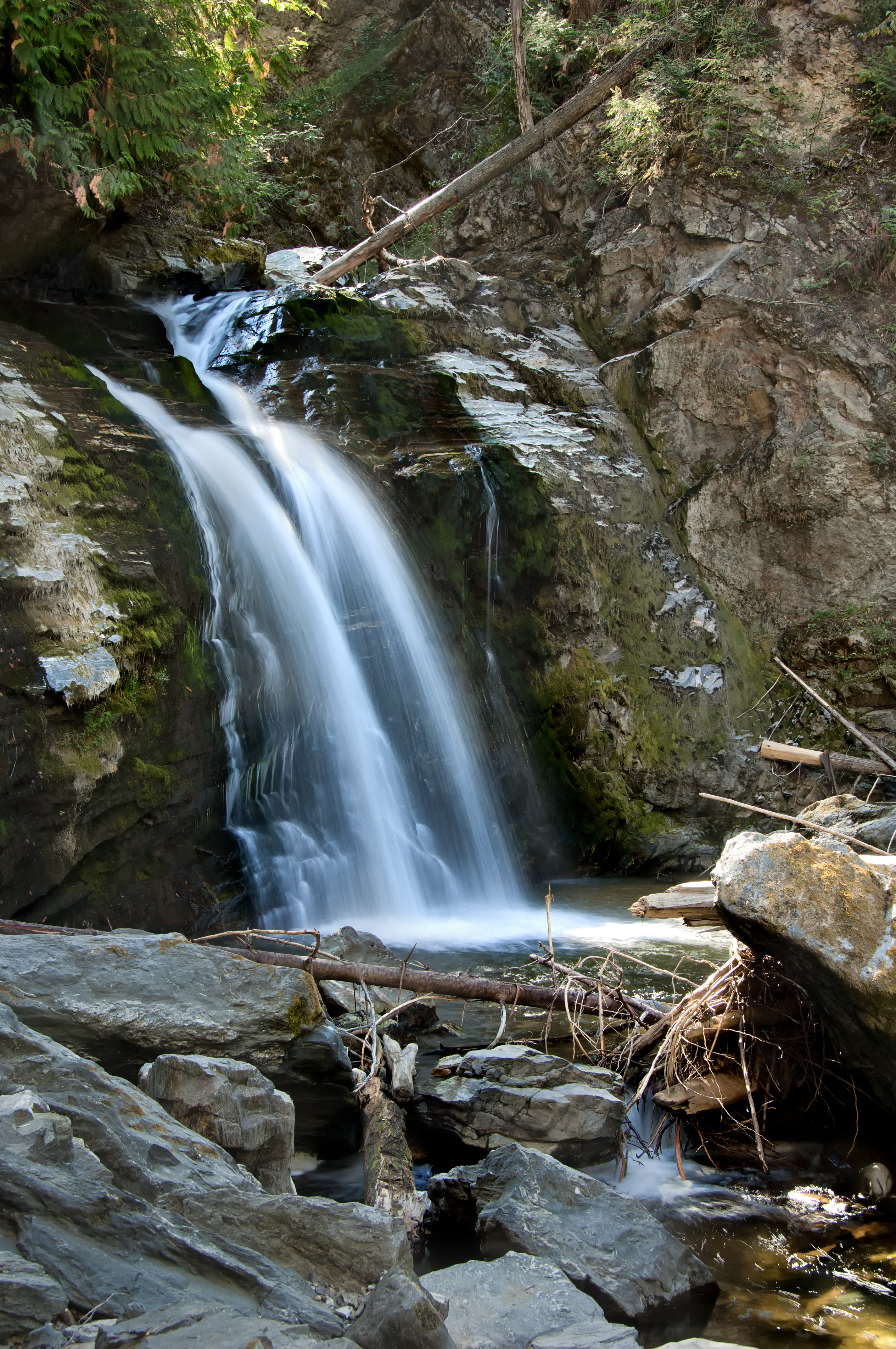
I brought along my tripod, selected my versatile 18-200mm lens, a polarizing filter, and a neutral density filter just in case there was lots of bright light, and headed out. When I arrived at the creek and walked along the well-worn path beside the rock-strewn creek up to the waterfall I found there was open shade everywhere. It was just before noon, and the sun’s direction against the large flat rocks that lined the narrow canyon was providing lots of soft, reflective light on the cliffs, the water, and the pile of logs that surrounded the falls left over from the flooding of waterways that occurred in British Columbia this spring. I don’t think I could have asked for better light. There was very little of the harsh sunlight I had anticipated so I didn’t have to use the neutral density filter, and because of all the soft reflected light I didn’t have deep shadows to contend with either.

I climbed down the large rocks to the stream just below the falls, set up my tripod and started shooting. I like the soft look of water that a long shutterspeed creates so I began by putting the polarizer on the lens, which reduced the light by about two stops. Then I set the ISO to 100 and stopped the lens down to F/11. That gave me a shutterspeed of three seconds.

Photographing water is fun. I enjoy waterfalls, but rushing streams or rivers, plant covered ponds, and mountain lakes are just as enticing. I think it’s how the water sculpts everything that surrounds it.

Waterfalls usually demand a wide-angle lens and a tripod. A wide angle allows photographers to capture the landscape that contains a waterfall and the tripod means there won’t be camera shake. The lens doesn’t need to have a wide aperture because in landscape photography, and that include a landscape with a water feature like a waterfall, one should be stopping the aperture down to create as much depth of field as possible. The important thing, if one wants that glowing, soft looking water is a slow shutterspeed.  And when the shutter is slowed the aperture must be closed, and with a smaller aperture comes more depth of field. I will also mention that a cable release is a good idea to reduce camera shake, but I seem to always forget mine, and so I use the camera’s self-timer instead.

For those who live in the British Columbia there is no shortage of waterfalls that are easy to photograph, and for many like me the waterfalls are only minutes away. Small falls like the one I go to certainly don’t match some of the spectacular waterfalls from around the world, but even tiny falls make good pictures if the photographer gets creative enough. I even have a picture hanging on a wall in my home that shows a waterfall of only four feet high. I put my camera on one of those little pocket tripods and got a very wet knee, shoulder, and hair taking that picture, and remember laughing at the contortions I was assuming to keep from getting too wet in that cold water. Now that would have been a good picture. But, as I wrote, water is fun to photograph and getting wet on occasion is worth the final picture I suppose. Someday I might get the chance to travel around British Columbia, or North America to photograph some of the magnificent waterfalls, but until then I’ll just make the ten-minute drive up the road.

And I always appreciate your comments.

My website is at www.enmanscamera.com
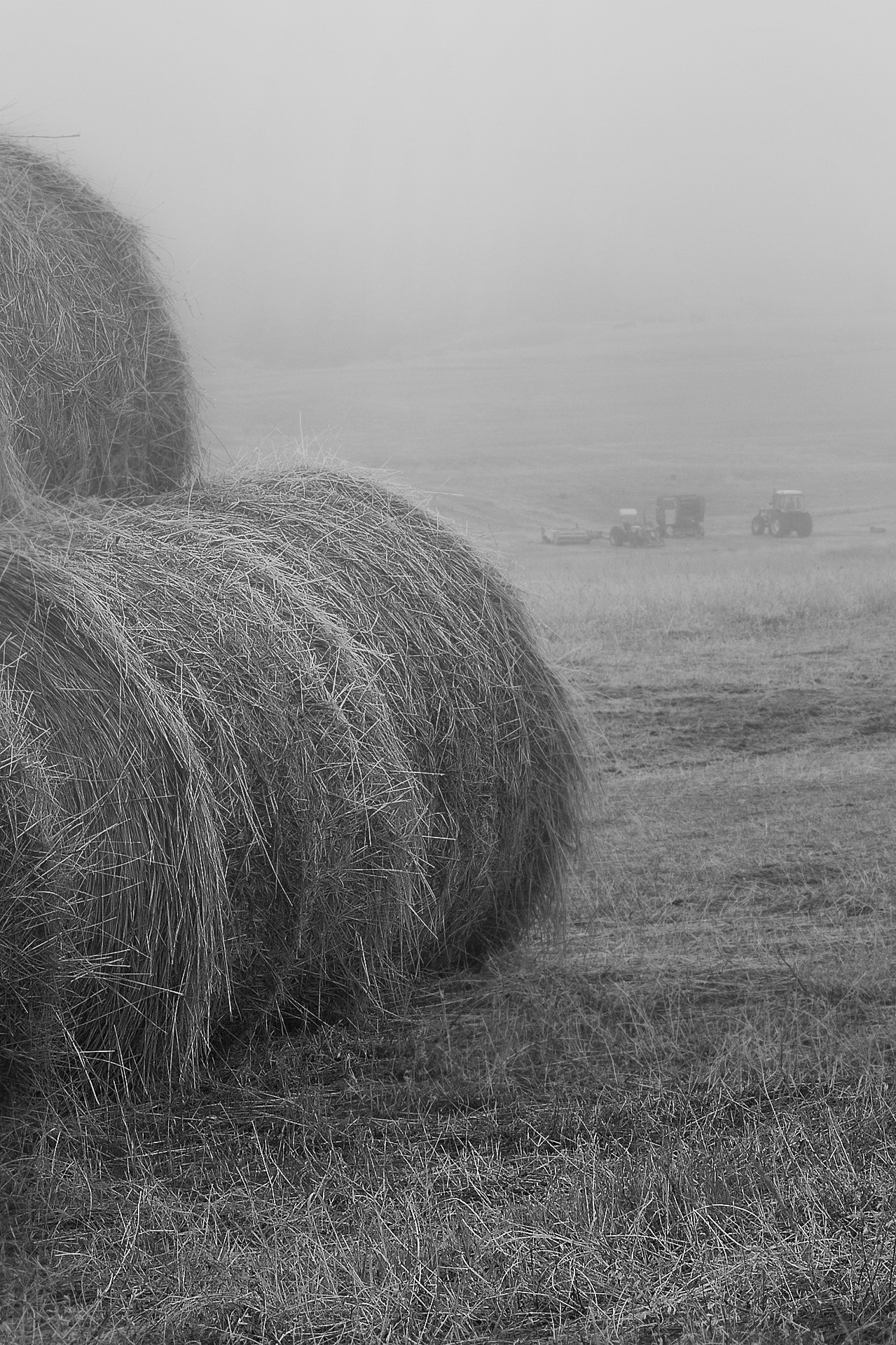
Thinking Ahead to Photographing Fall Landscapes


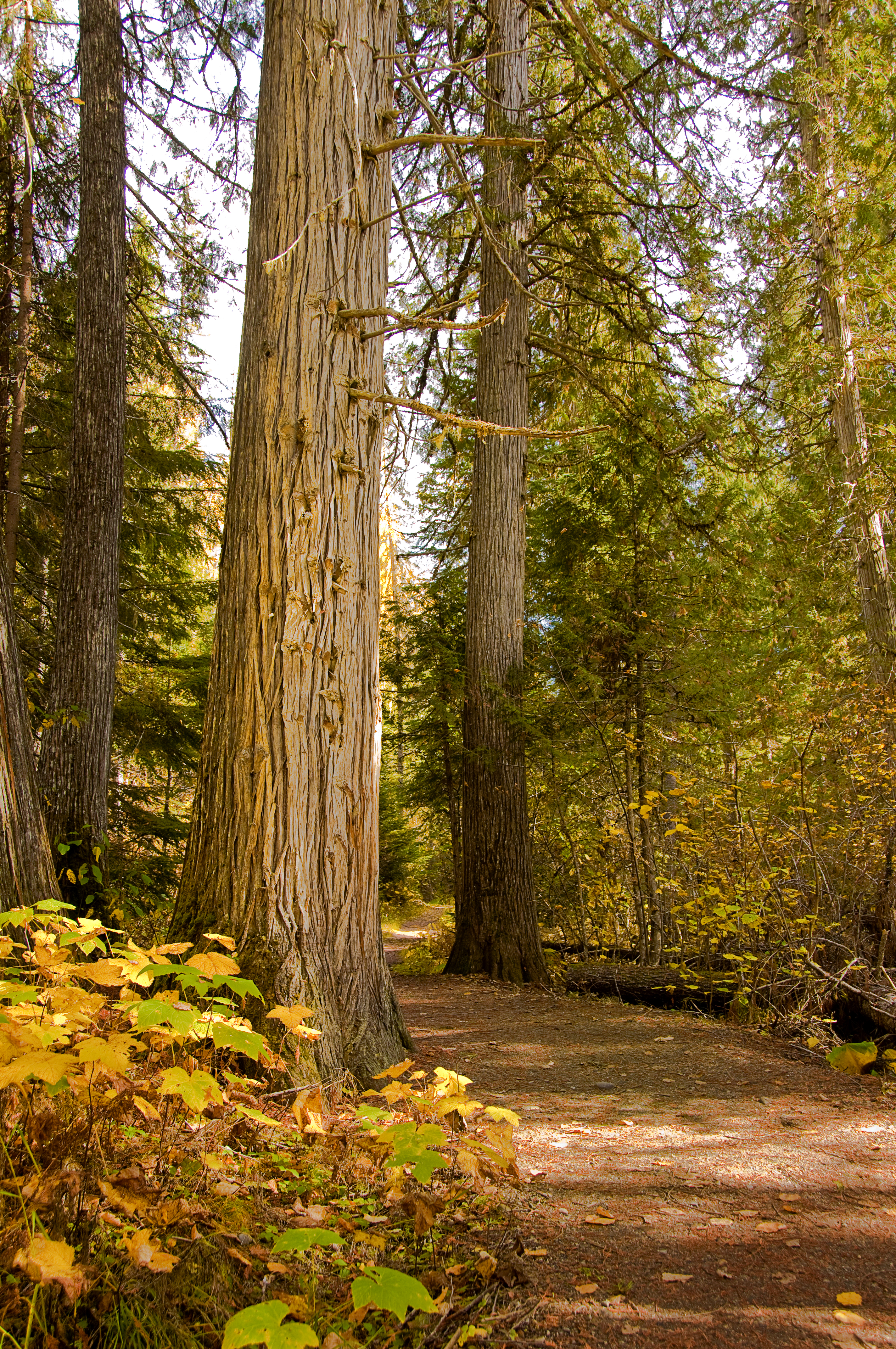
This time of year I always begin thinking about photographing fall landscapes. As of yet the colours aren’t really how I want them, everything is still hot and dry. I think I’ll be waiting the better part of a month for the changing leaves and landscape before venturing up into the mountains just a short drive north of my home in Pritchard, British Columbia

Books, especially those written by photographers, easily seduce me. I am in the mood for what is going to be weeks of fun colourful photography anyway. So when I walked by the well-worn copy of my favourite scenic photographer/writer, Eliot Porter’s book on landscapes I decided to thumb through it.

Porter’s book, “Intimate Landscapes,” will always get me thinking about taking time to visit some of the many picturesque locations in my part of the world and even though the book by Porter features photographs in north-western New Mexico and south-eastern Utah, it is filled with photographs that inspire me.

I have mentioned him before, but for those readers that don’t remember my past comments on this man, or those that aren’t familiar with him, the following is a quote from this book. “The natural world has always attracted my eye: associations of living and inanimate phenomena, from the tropics to the poles and from rain forests to deserts, have been favourite photographic subjects for almost half a century.  Grasses and sedges, especially, appeal to me – an appeal like disordered hair across a face, or a windblown field of hay before the mowing. When associated with water, as sedges so often are, the magic of restlessness is enhanced by reflections not foreseen. In mixed woods of pine and maple, the needles of pines drop throughout the year, building jackstraw mats of thin brown bundles on which, at the time of the fall of the leaf, the bright maple leaves settle at random, arranging themselves in harmonious patterns that defy improvement as though placed there intentionally.”

Reading this book or any other on photography for that matter, helps me examine the way I make photographs, and encourages me to try photographing landscapes differently.

Although I like to plan my photographic excursions and am apt to stand looking at a scene for a while before releasing my camera’s shutter, (The reason I like using a tripod is because it slows me down.) I do think photographic ideas and opportunities sometimes happen in a moment that once has passed will never be the same and I release the shutter for no other reason than it is fun to try photographing that scene.

Here is another quote from Porter’s book that I like.  Porter says, “I do not photograph for ulterior purposes.  I photograph for the thing itself – for the photograph – without consideration of how it may be used.  Some critics suggest that I make photographs primarily to promote conservation, but this allegation is far from the truth. Although my photographs may be used in this way, it is incidental to my original motive for making them, which is first of all for personal aesthetic satisfaction.”

Sometimes just the process of making a photograph for no other reason than doing it is enough and I have friends that regularly show me all types of pictures that are just made because they enjoy the medium of photography.  Photography, in this era of high tech digital images, has become so very easy. However, in my opinion, good photography is as time consuming as it ever has been, requiring practice and education.

I am hoping for a long, cool fall here in the interior of British Columbia with lots of colour. I’ll be driving to Wells Gray Park in the upcoming month. The environment of Wells Gray, although very diverse from the scenic locations in Porter’s book, has many of the features that I am sure would have appealed to him and if you have a moment check out landscape photographer Eliot Porter in your local library or on-line, and hopefully his photographs will inspire you as he does me.

PS, the two pictures are from last year…I’ll soon have some for this year…..

My website is www.enmanscamera.com

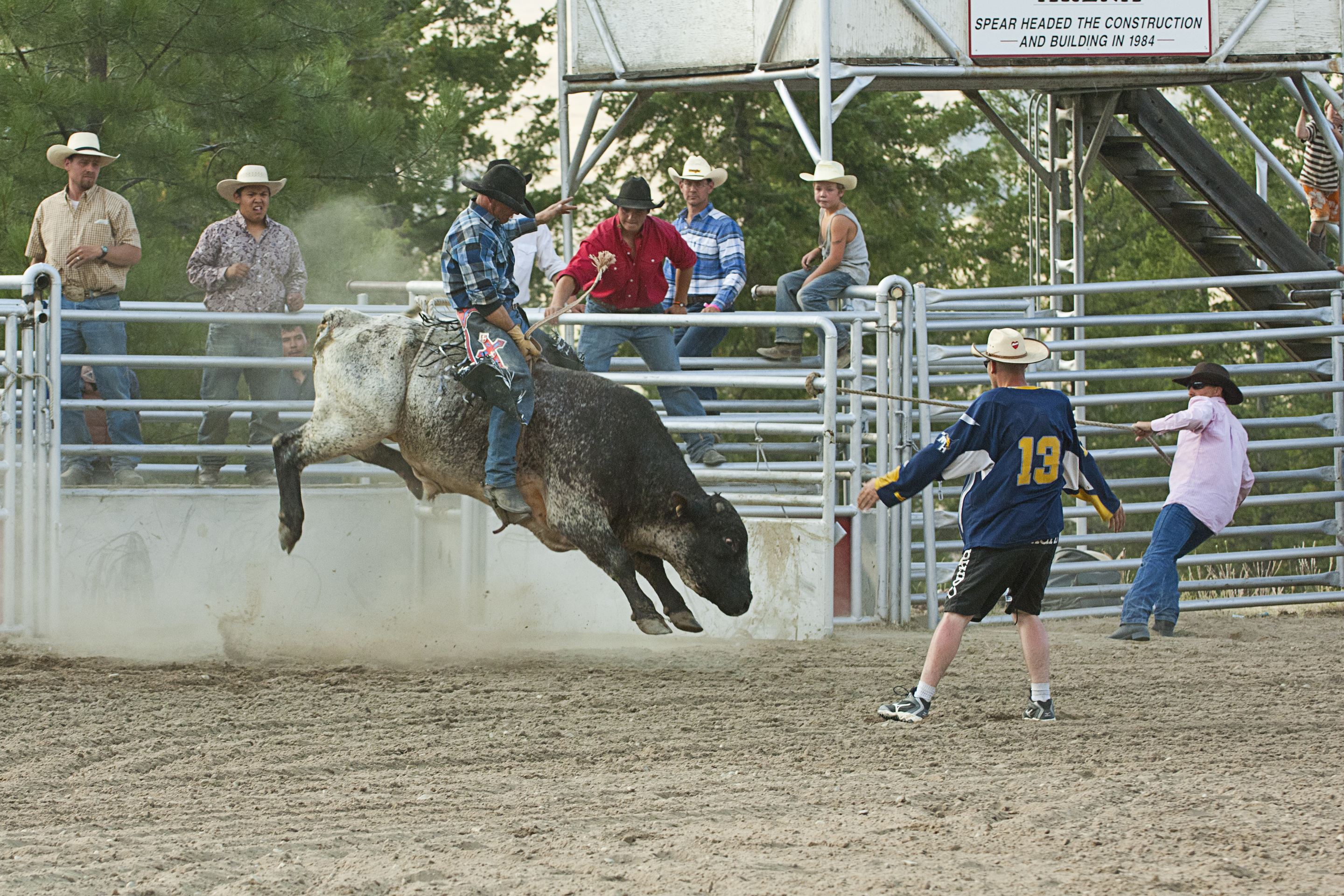
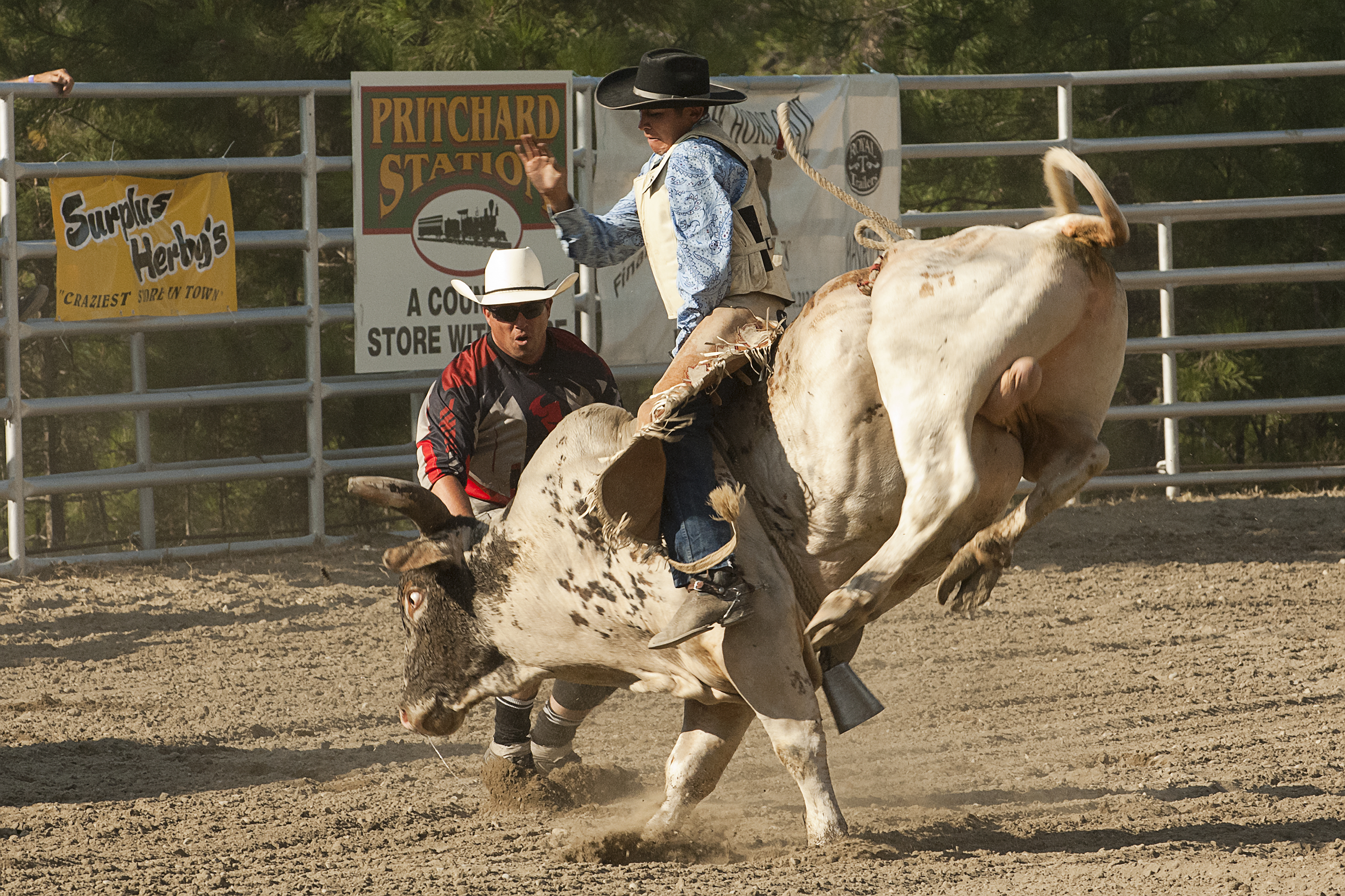
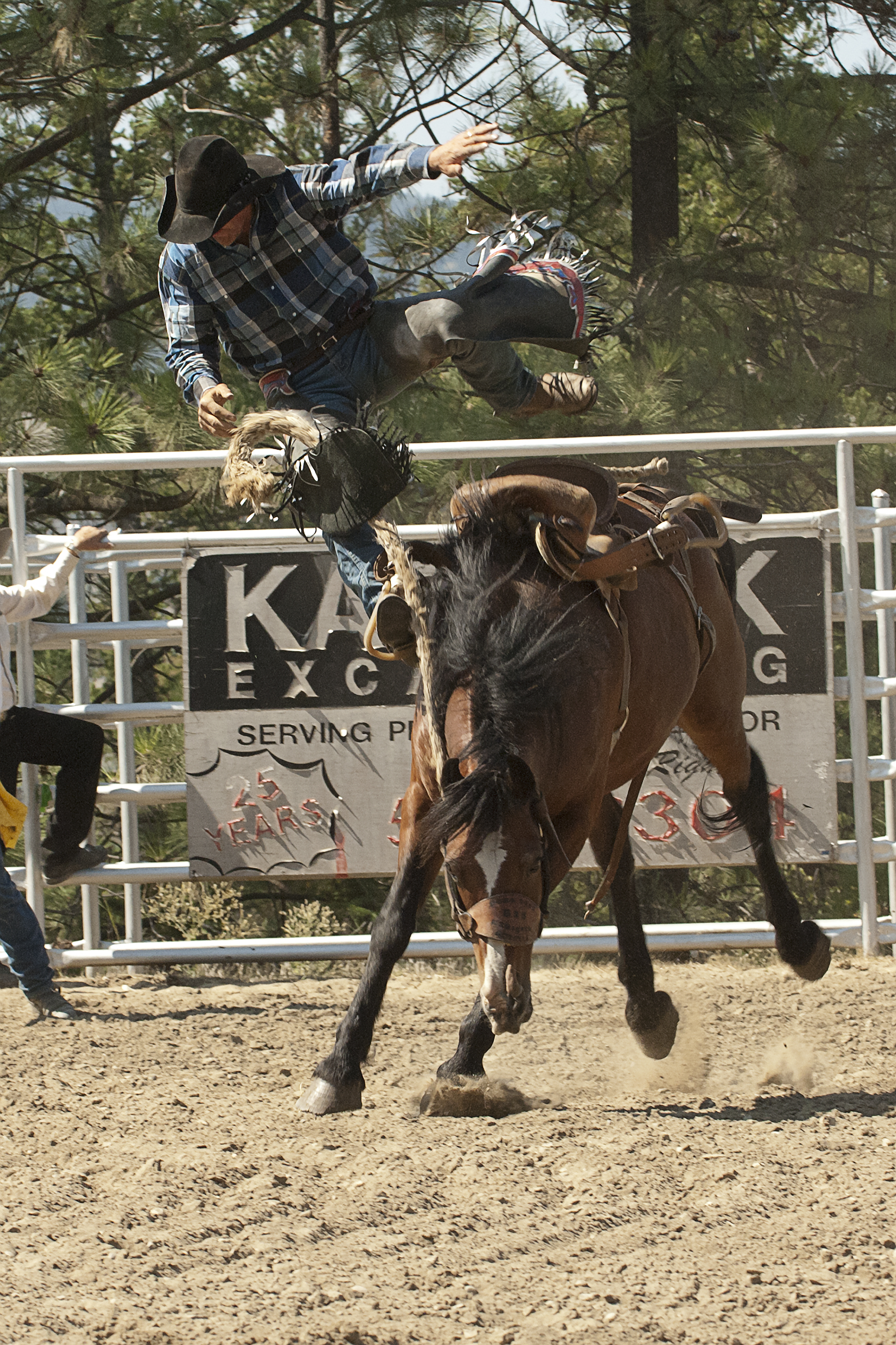
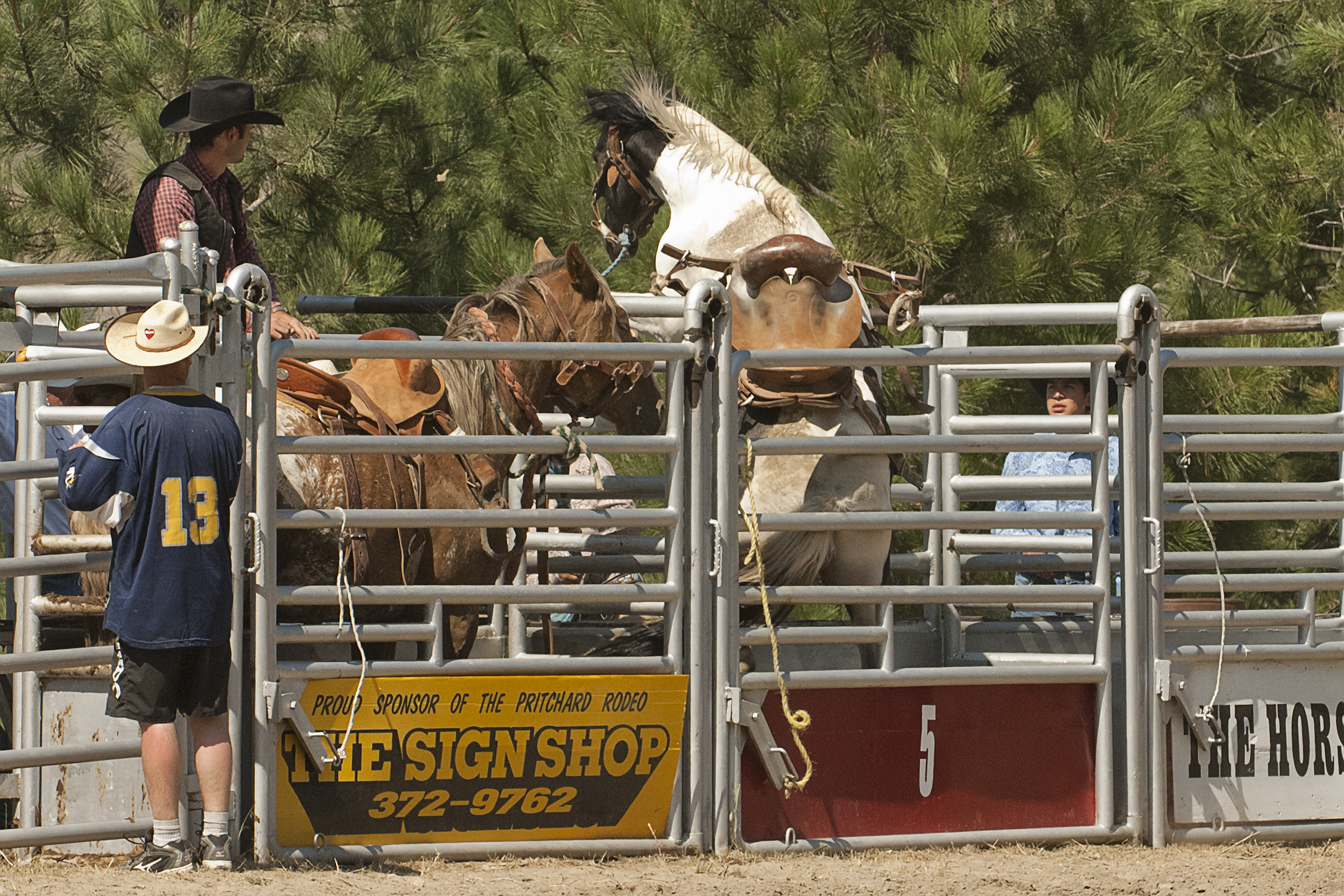
Grab your camera and go to the Rodeo

                                                                                                    I had finally reached Olympic games overdose. I enjoyed watching the Olympics, but in British Columbia, Olympics coverage was everywhere. Every radio station, television network, newspaper, and conversation had something about what was happening and I couldn’t get away from it. However, now they are over and I expect many (ok, I guess I’m included in this) might be going through some sort of withdrawal.


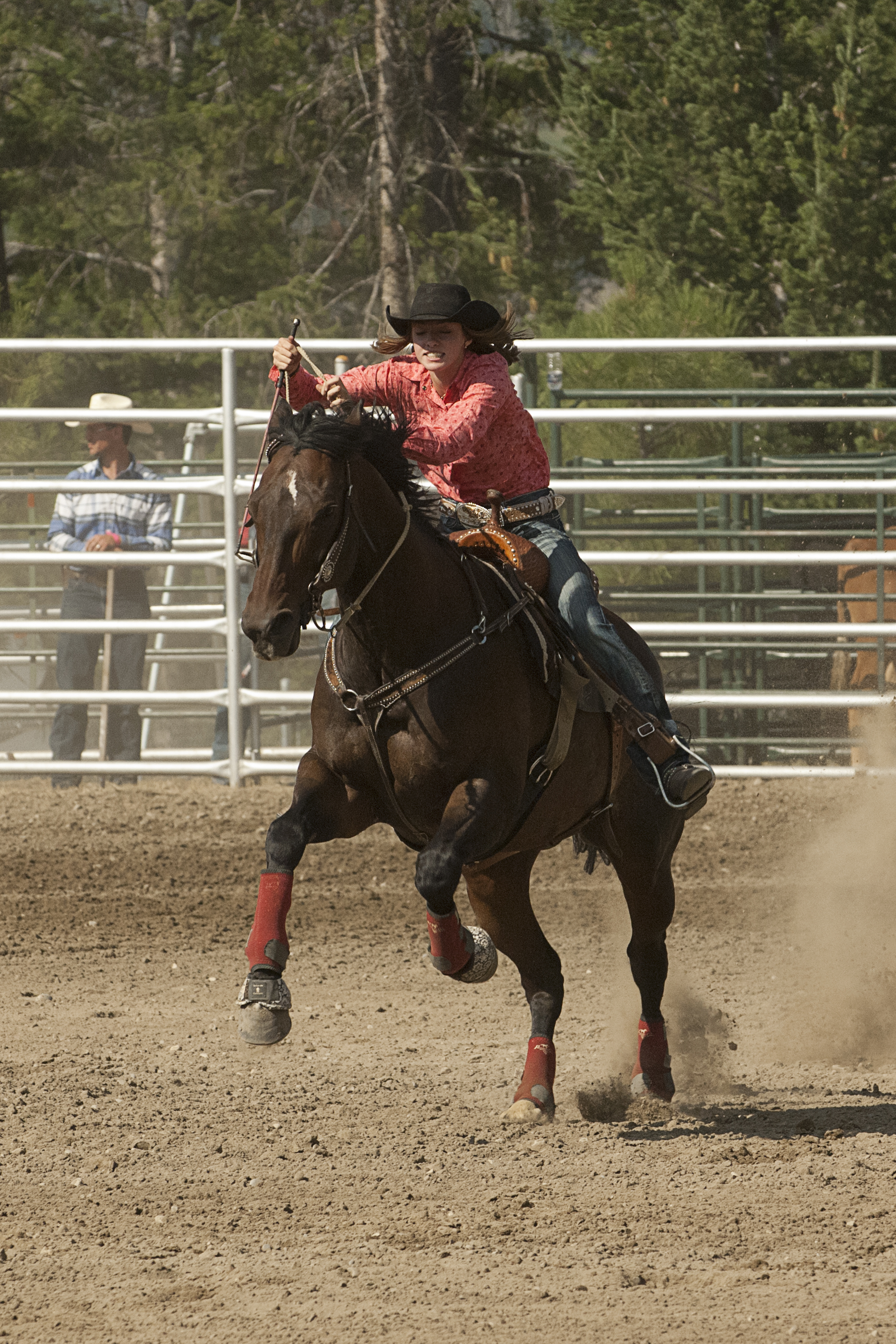
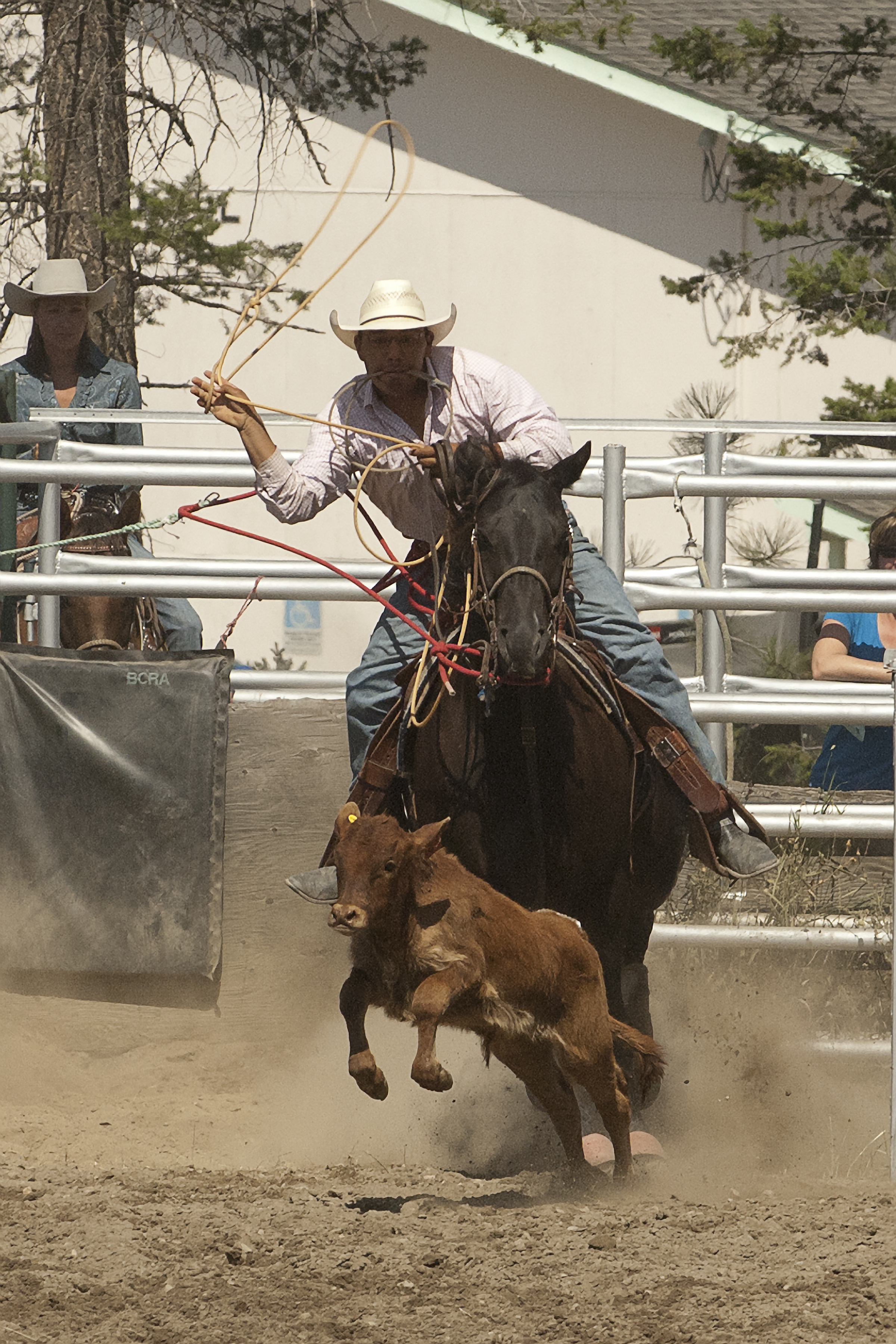
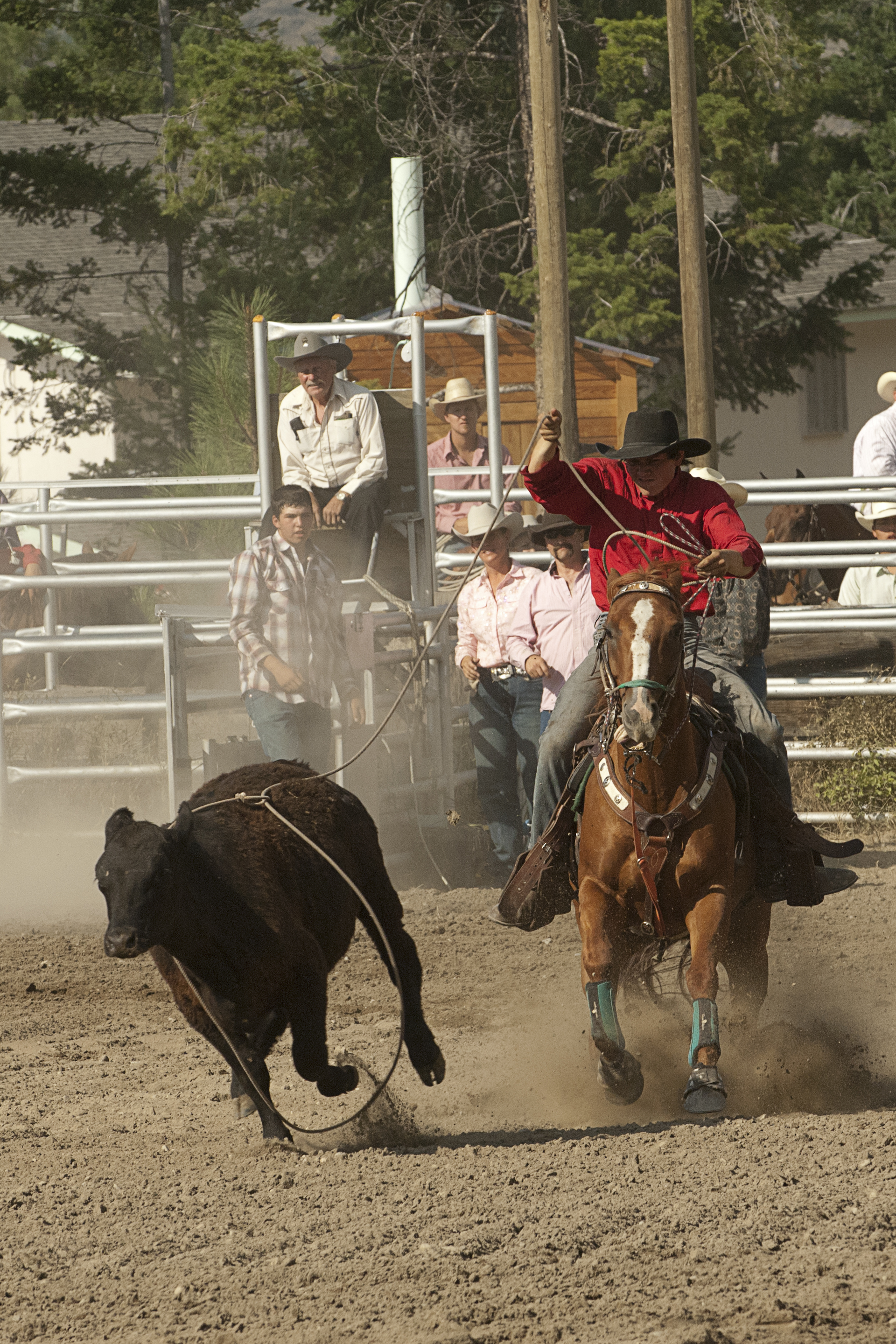
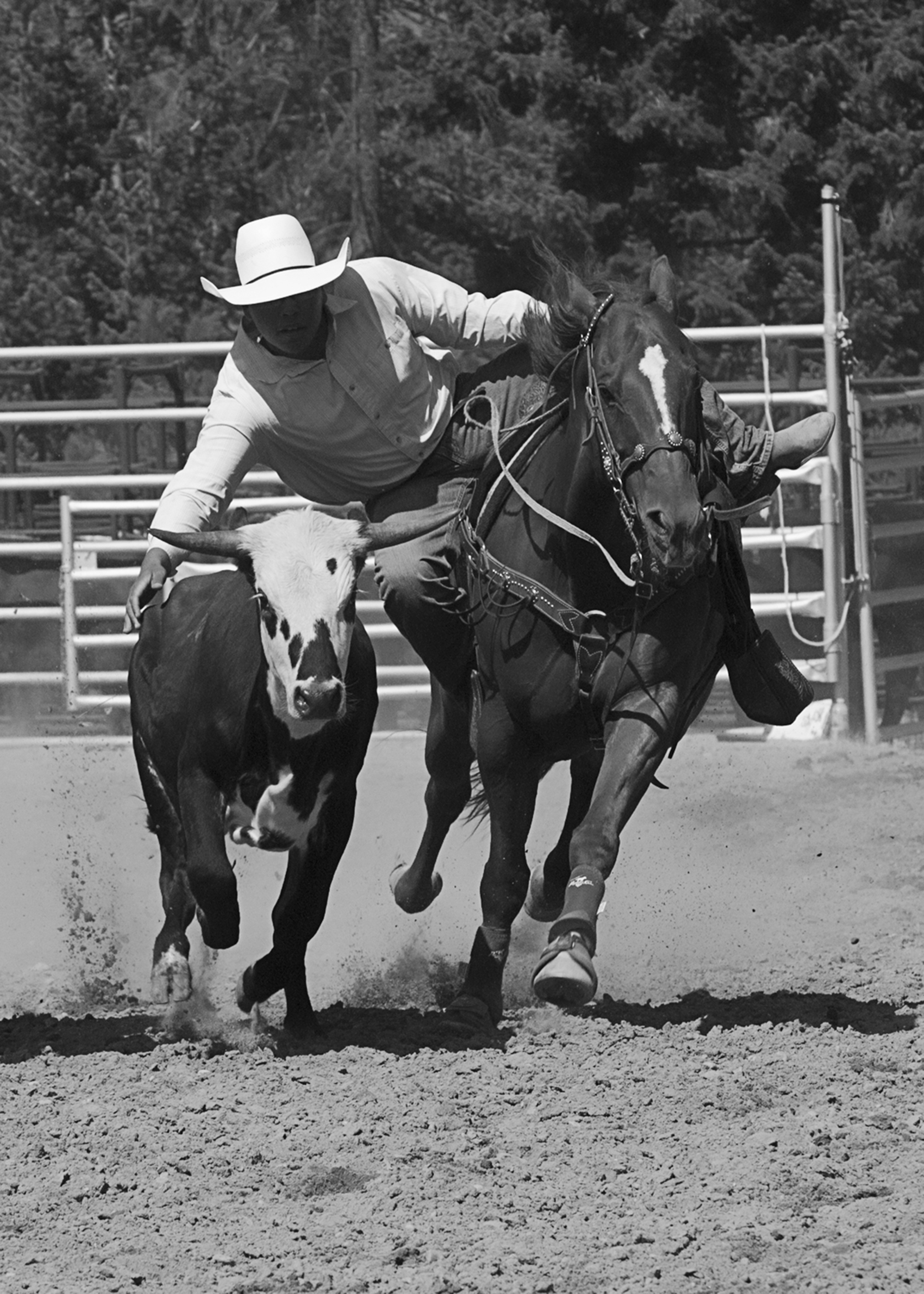
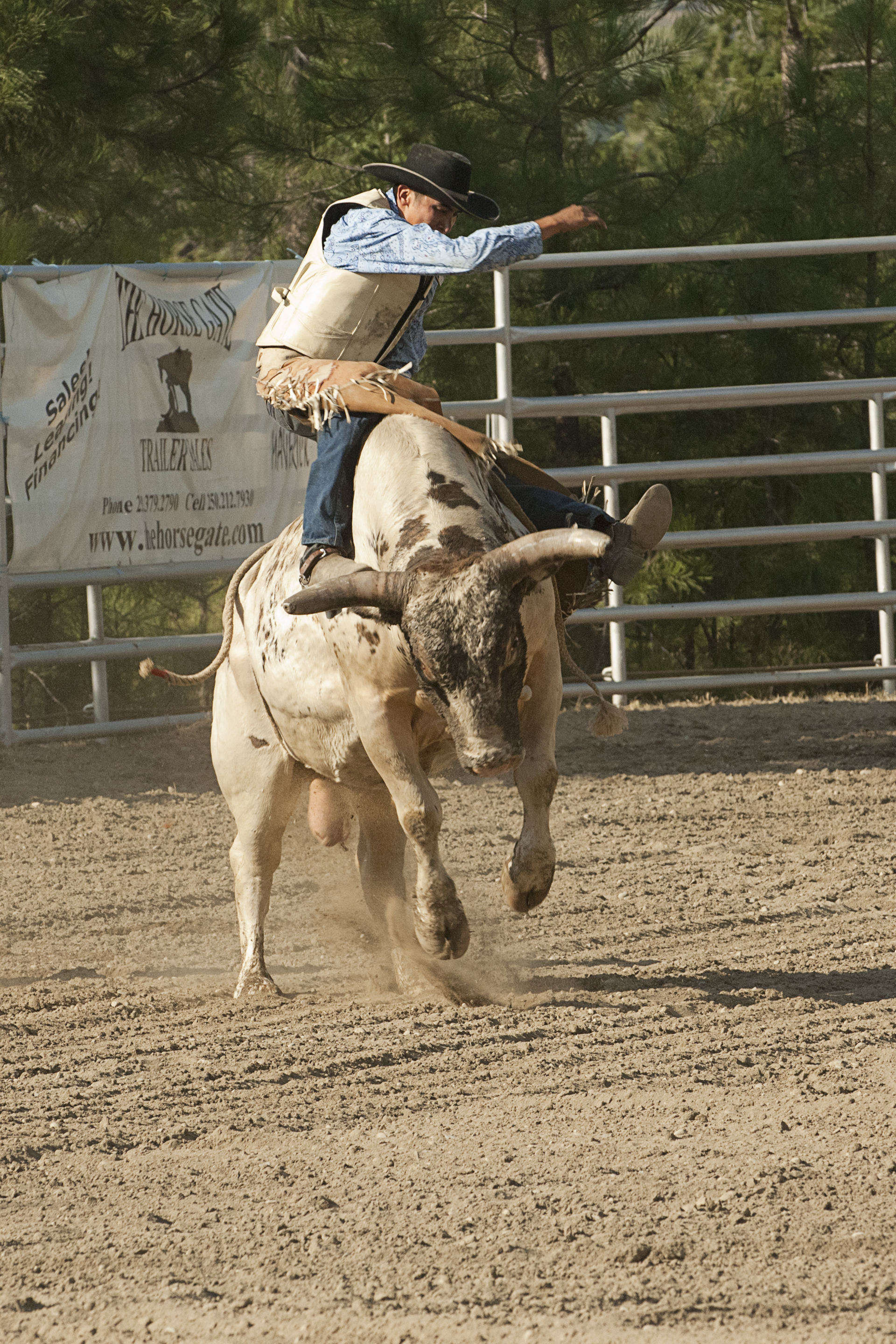
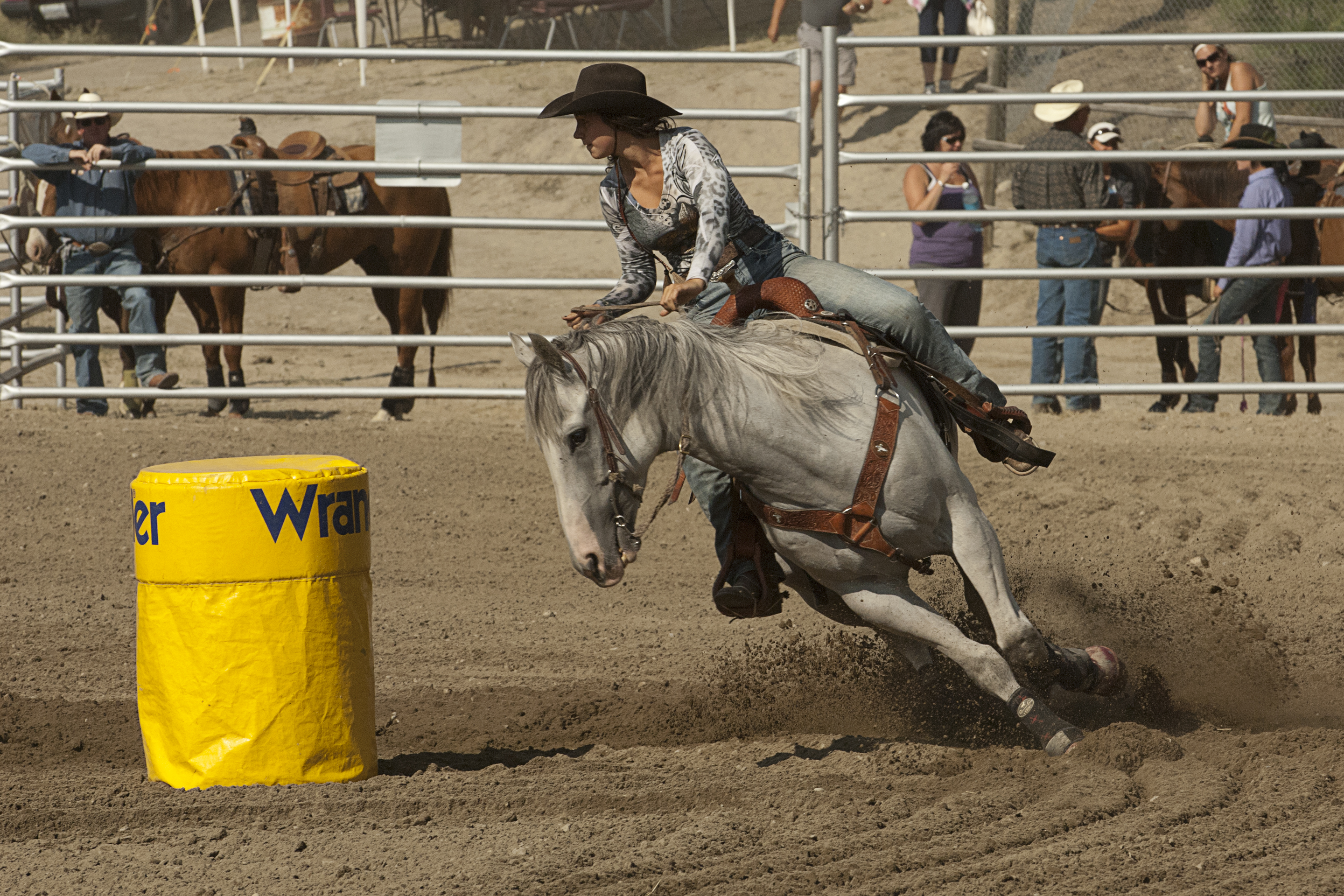
Well, for those who enjoyed watching and applauding athletes at their best I found a great way to get out of that withdrawal, however, they just need to be willing to get up off the couch and leave the comfort of their air-conditioned home.  Happening right now all over North America there is that time-honored tradition of the western Rodeo. Each year I look forward to the annual Prichard Rodeo. There are others all over BC that are worth attending, but I’m lucky because, “just down the road apiece” from my country home is the Pritchard Rodeo grounds.

As I strolled down the dirt lane to the bleachers, concessions, and rodeo arena, I looked around and could see some of my neighbors lounging in the fenced off beer garden, and others with their children waiting in the shaded bleachers. Then, of course, I checked out the photographers standing at the railing readying their equipment.  The first friendly face was local news photojournalist Hugo Yuen; we exchanged greetings, talked a bit before he left to get some of the participant names. He had a list to cover for his paper, so he was shooting fast and leaving.

I wandered on, watching photographers positioning themselves along the railing, I wanted to see what cameras they were using, and waved at the arena manager, Don Swift, as he readied participants and turned to see professional rodeo photographer Bernie Hudyma striding towards me. I knew I would see him there. He’s a good photographer and I always like to hear what he has to say. I’m sure many of the rodeo participants were also glad to see him arena side because of the pictures he will have waiting for them.


For those that haven’t yet photographed a rodeo, I’ll begin with the words, “Grab your hat and camera and do it!” You will have fun and get enjoyable pictures to share with friends and relatives.

Here one can see drama, explosive action, anticipation, heartbreak, defeat, excitement, athletic prowess, both male and female physical excellence, teamwork, sportsmanship and, of course, triumph. Then there isn’t, in my opinion, anything much better than attending a rodeo. And for those of us that are dedicated photographers, the action of a rodeo is the perfect way to spend the day.

My advice for first-timers is to get a DSLR. Little point and shoot cameras are great for taking pictures of family groups, and subjects moving slowly in one direction, but you won’t find much of that at the rodeo. When you shoot with the DSLR take the camera off the “P” mode and select  “A”, or  “S” mode if you own a Nikon, or on a Canon select AV or TV. Aperture priority means the photographer selects the aperture and the camera chooses the shutter speed. In shutter priority, it is the other way around, the photographer selects the shutter speed and the camera controls the aperture.

Fast moving, quick changing, rodeo subjects jump into the sky, quickly increase or close the distance from where the action began and, of course, constantly change the exposure by bouncing in and out of bright sun and deep shade.  While following the constantly changing scenarios it all happens very fast, and all one really needs is to control one part of the exposure equation.  Whether that is the shutter or the aperture really depends on what is important.

For example, when I am photographing the directional motion of horse racing or drag racing I prefer shutter priority. When at the rodeo I want more depth of field. That’s the field of focus in front of and behind my subject. Those horses and bulls move fast and I don’t want one moving out of my area of sharpness before I can refocus.

I suggest a zoom lens that goes to at least 200mm. Most modern lenses focus fast enough, following the action, and setting the focus takes a bit of practice, but there is lots of time to experiment at a rodeo, so just shoot and shoot and shoot. As I wrote, if you haven’t yet photographed a rodeo, grab your hat and camera and do it! Find a rodeo near your home and have fun.

My website is at www.enmanscamera.com
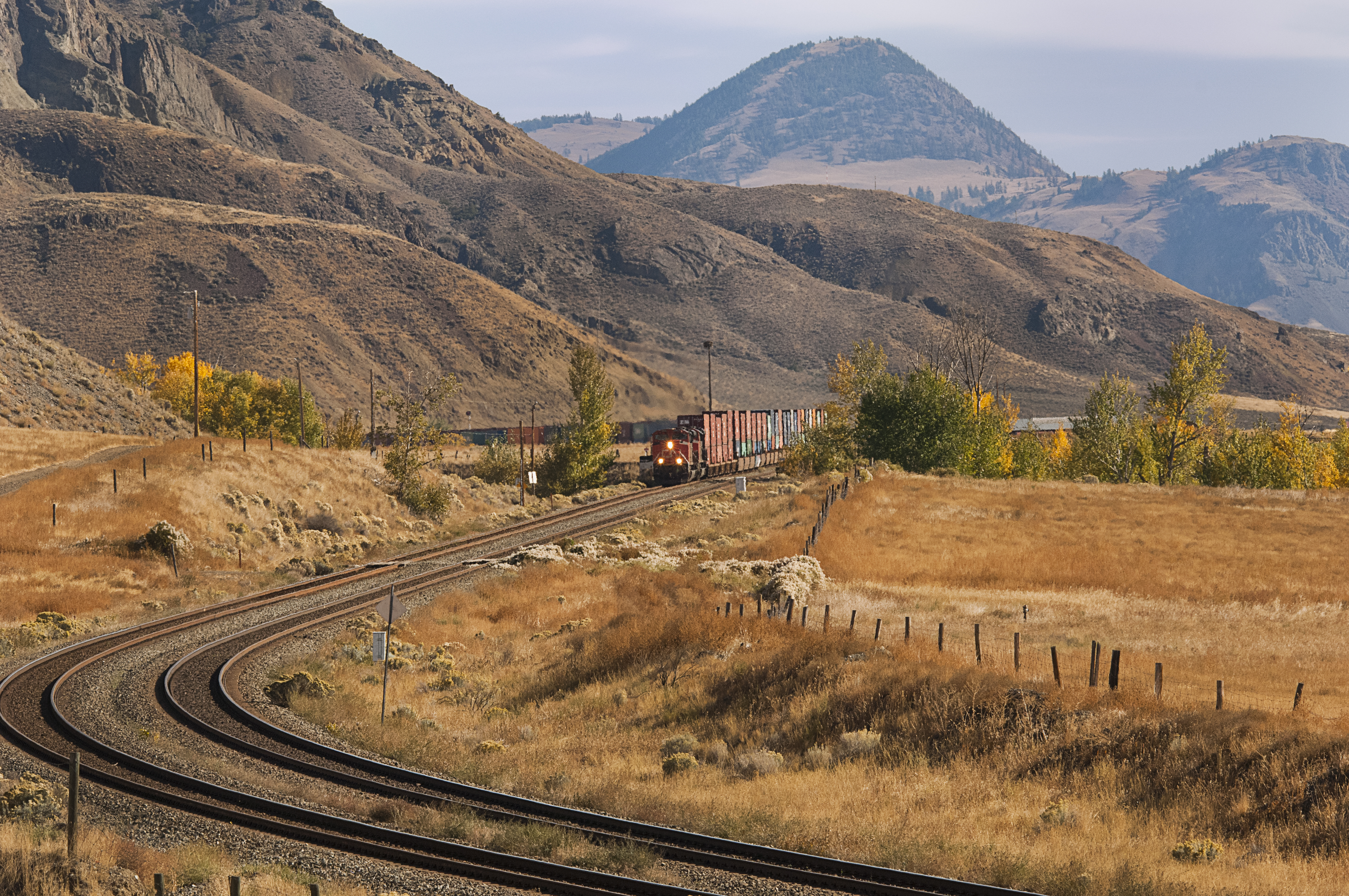
The Dog Days of Summer are Perfect for Infrared Photography


For several days I have been listening to fellow photographers complain about the hot, bright days here in the interior of British Columbia. When they stop by my shop I welcome them with the question “ What have you been out photographing?”  But mostly I have been hearing “Naw, I haven’t been doing anything. It’s too hot, muggy, and the light is crappy anyway. I can’t wait till September.”  Well, I must agree that my personal photography also stagnated during these dog days of summer.  I prefer summer’s end, fall colours and I suppose, the cooler weather.

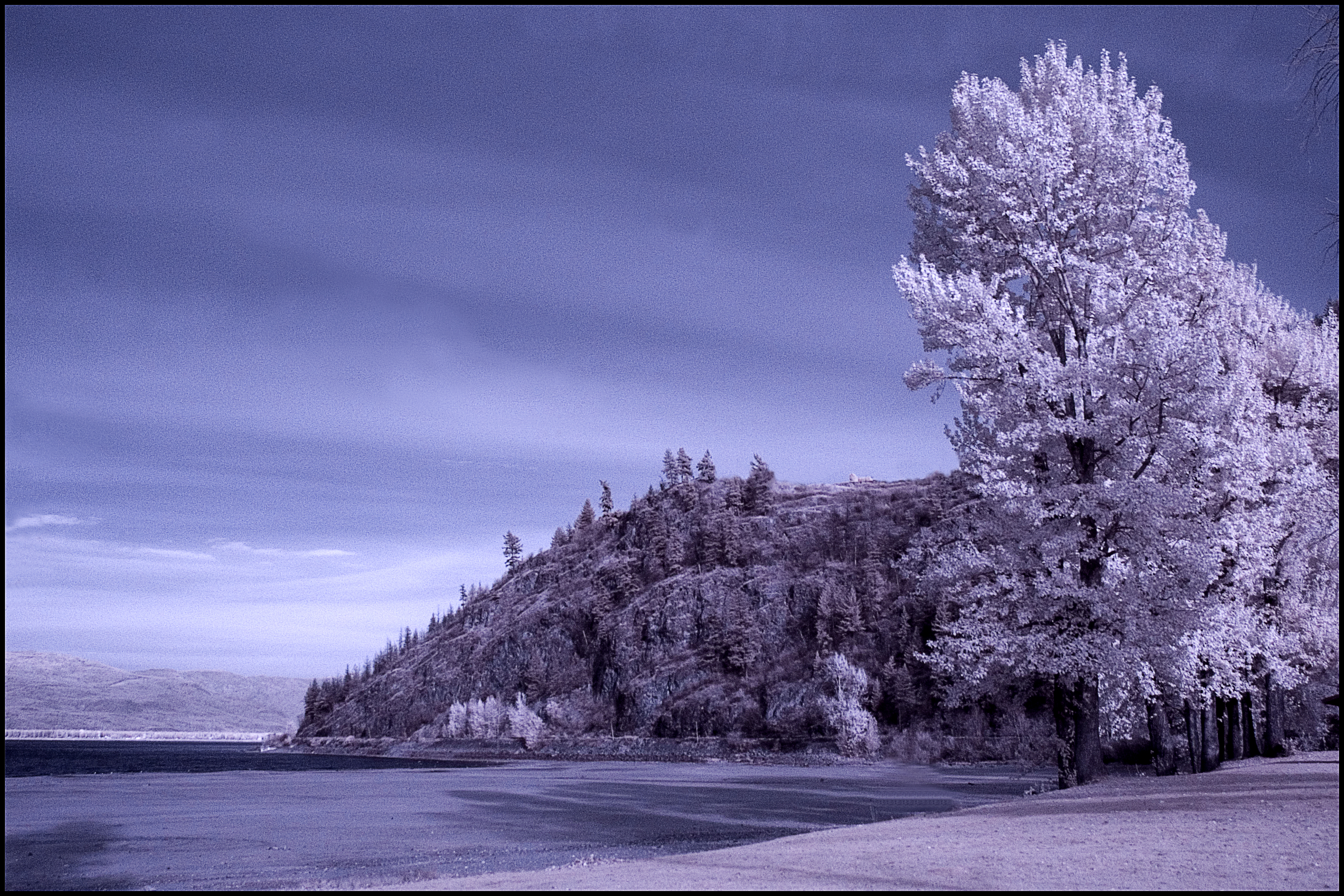
I had already spent a day doing stuff inside so when my wife mentioned that she wouldn’t mind a quick trip to the grocery store, so I grabbed a DSLR I had converted for infrared and we headed out. The closest town to our place is the small lakeside community of Chase, British Columbia. I like to drive the backroads when I go there and I thought the lake and bright sky would be perfect for a camera that only sees infrared light, plus I knew it would be nice and cool by the lake.

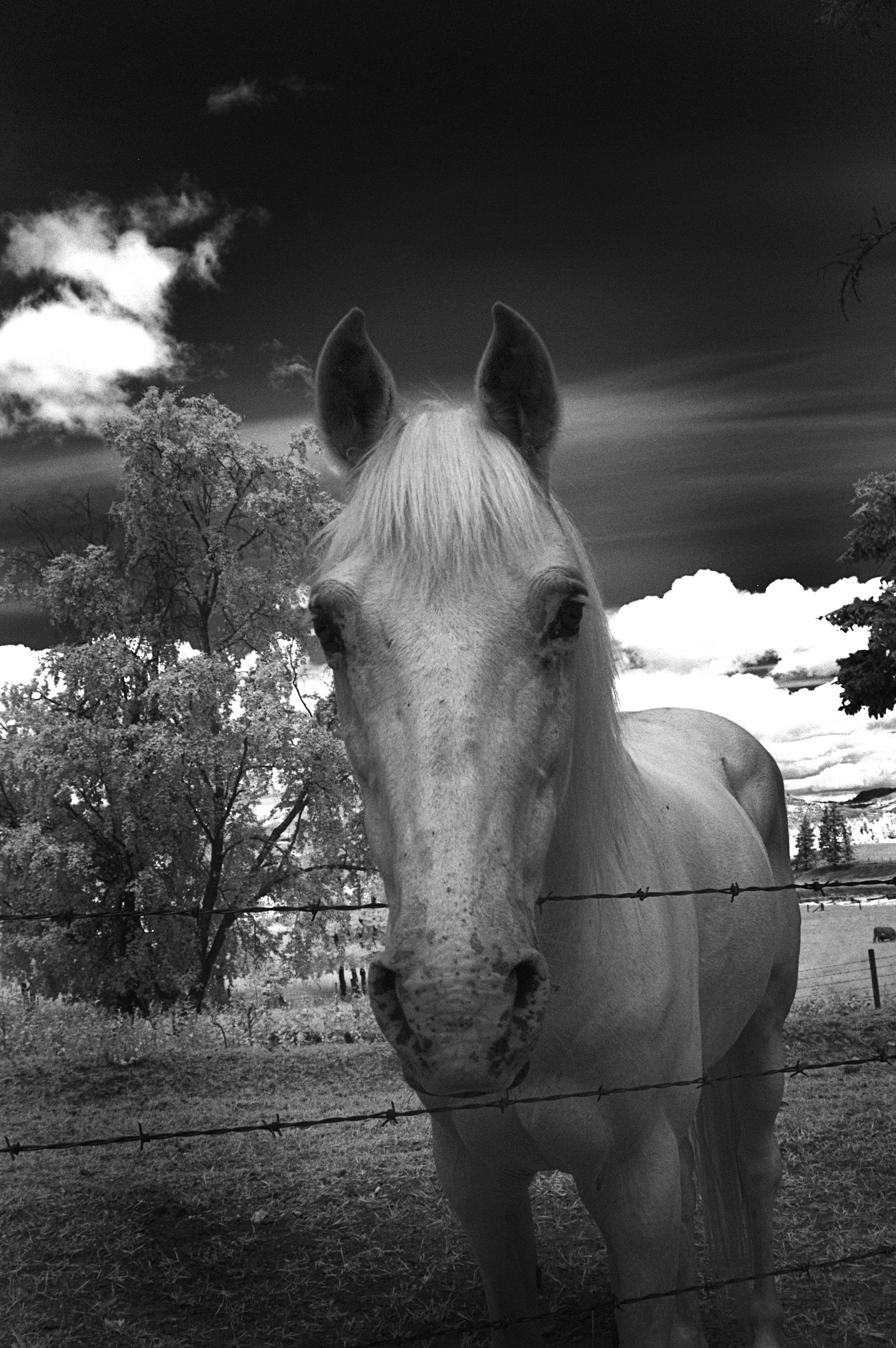
I have a camera that has been modified to only see infrared light and in my experience those harsh bright summer days are perfect for infrared image making. Infrared (IR) light is light that has longer wavelengths on the red edge of the spectrum and is invisible to human eyes.

Here is some trivia: In 1800 William Hershel described the relationship between heat and light and let the world know about his discovery of the existence of infrared light in the electromagnetic spectrum.

The sensors for digital cameras are sensitive to more than just the visible light spectrum. This causes problems with colour balance, so camera manufacturers place a filter in front of the sensor that blocks the infrared part of the spectrum that only allows visible light, and not infrared, to pass through.

The modification is accomplished by removing that filter, and then installing one instead that blocks visible light, allowing mostly infrared light to reach the camera’s sensor.

The camera still functions normally, with full auto focus and auto exposure, except that it’s now able to record the infrared wavelengths that are just beyond what the human eye is capable of seeing.  When infrared photographs are produced as black and white the photographs show trees with glowing white leaves and black skies opening up new visual opportunities for photographing the world around us.

Many think of infrared photography as the stuff of military night reconnaissance, or, as frequently portrayed in movies, as aerial thermal imaging that finds the bad guys. With thermal imaging one sees the heat the subject is producing, however, infrared as photographers use it, with our modified cameras is about capturing the light or radiation that is reflected off a subject and doesn’t involve thermal imaging at all.

I  wander around, and photograph pretty much anything, choosing different angles to see how the light would react. Some subjects don’t work very well with infrared, so I just experiment, take lots of pictures and hope for the best. Everything appears normal through the camera’s viewfinder and because so much light reaches the sensor on a sunny day one can use high shutter speeds and so it is easy to hand hold while exposing a picture.

I like infrared photography and have made prints from infrared film since the beginning of my career in photography, when infrared film had to be loaded and unloaded in complete darkness, and because dark red filters had to be used on the lens subjects were very hard to see through the viewfinder. When digital cameras were introduced all this changed.

For those interested, there is lots of information to be found on the internet. IR photography opens up a new visual dimension for the photographer willing to dust off that old DSLR and get it converted to an infrared camera.

Visit my website   at www.enmanscamera.com
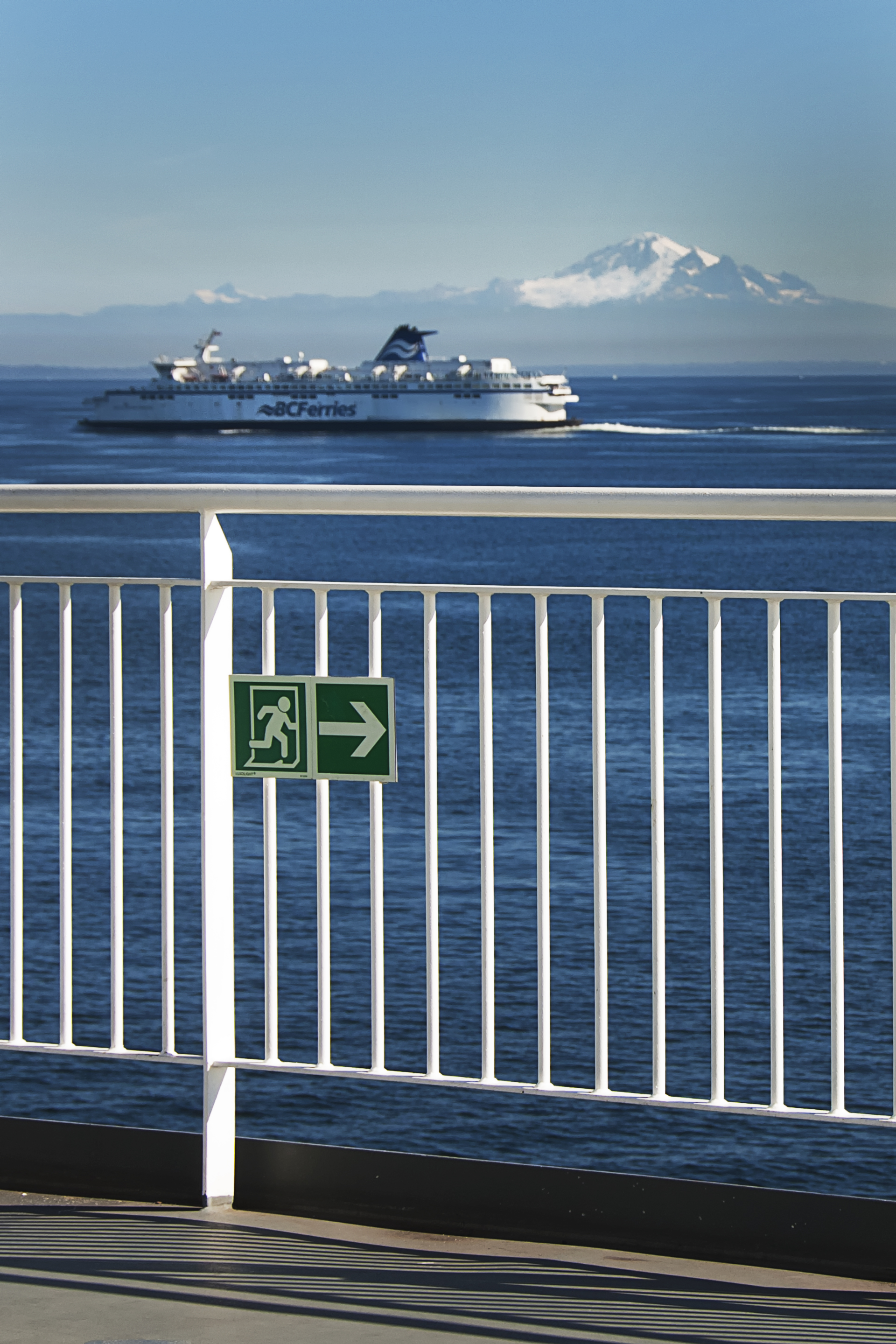
Pictures Shot in the Bright Hot Sun


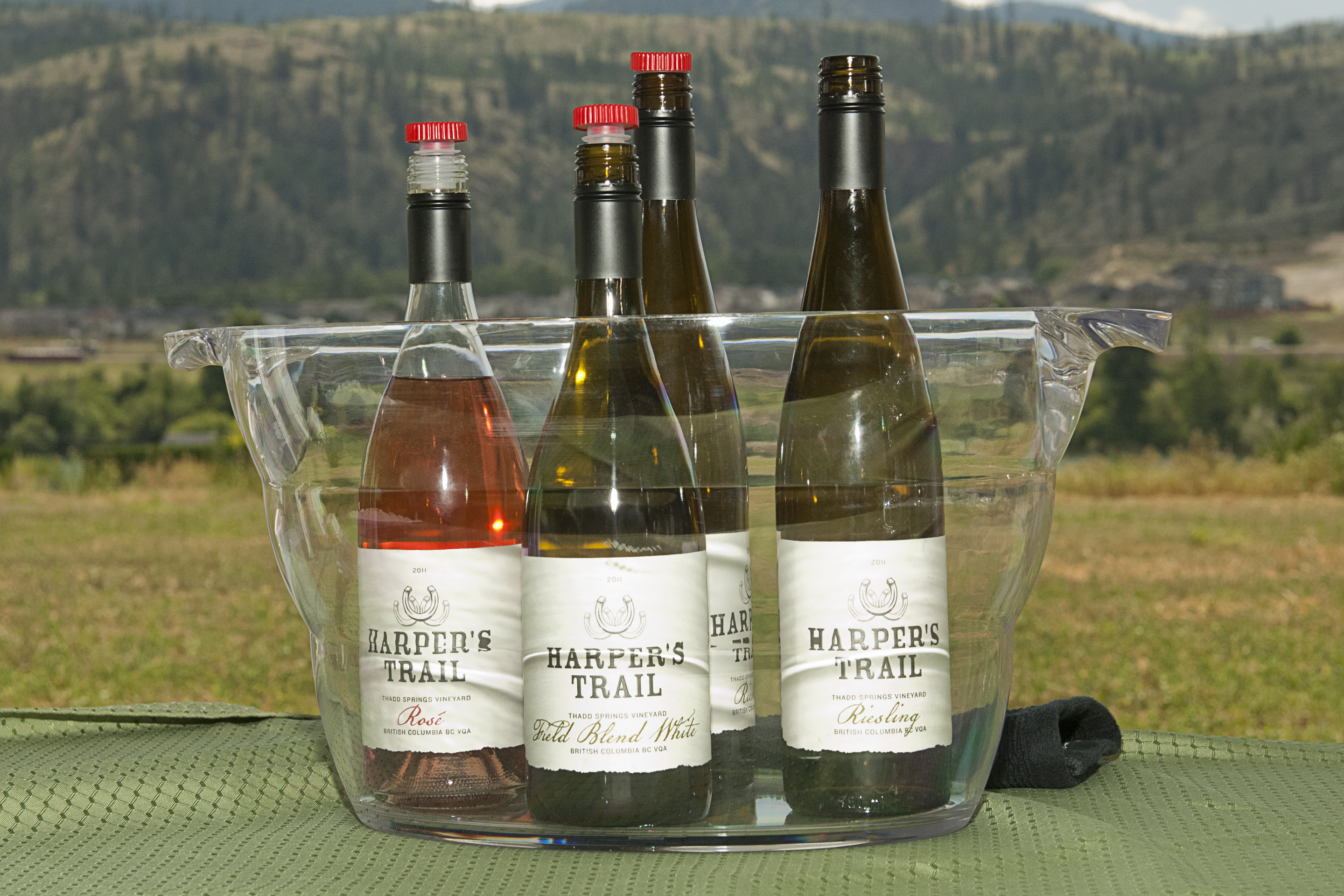
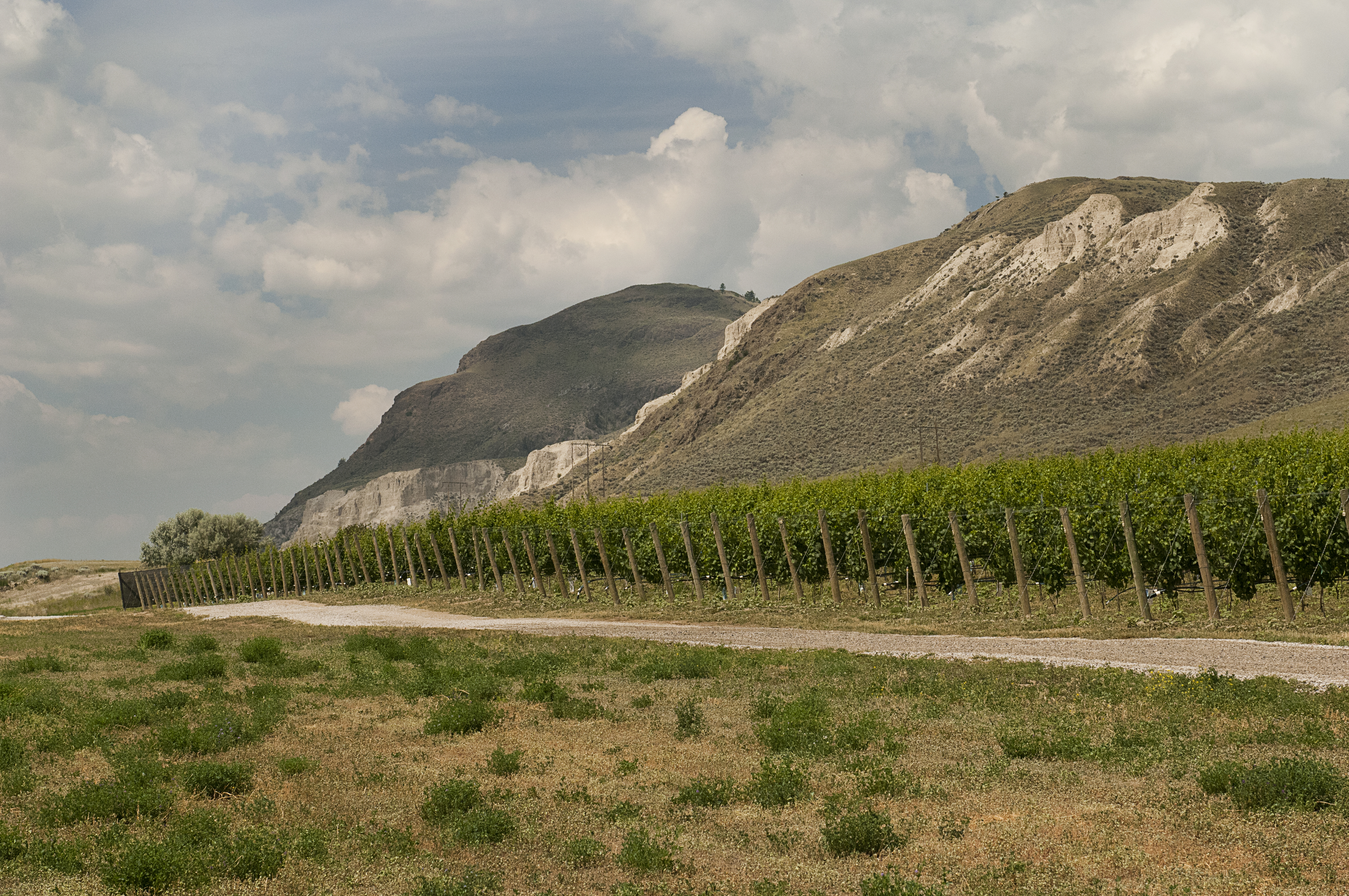
Bright sun and clear sky might be great for some scenic photographers, but it can cause many problems when photographing people.  My assignment this week was to photograph an event that began at 2:30 under almost clear skies, and where even in the shade the temperature hovered in the mid-30 degrees celsius. The location was on a south-facing, treeless, hill top with a sprawling vineyard in the background.

The event, other than a large group shot of all the guests, was held under five large, white tents, and my goal was to balance my flash and exposure to lighten up my subjects without glare, or shadows, and properly expose the field’s sun-drenched background.

The contrast in light from shadows to highlights on a very sunny day can be too extreme for a camera’s sensor to capture. I always look for open shade, or place the sun behind my subjects and use a flash.
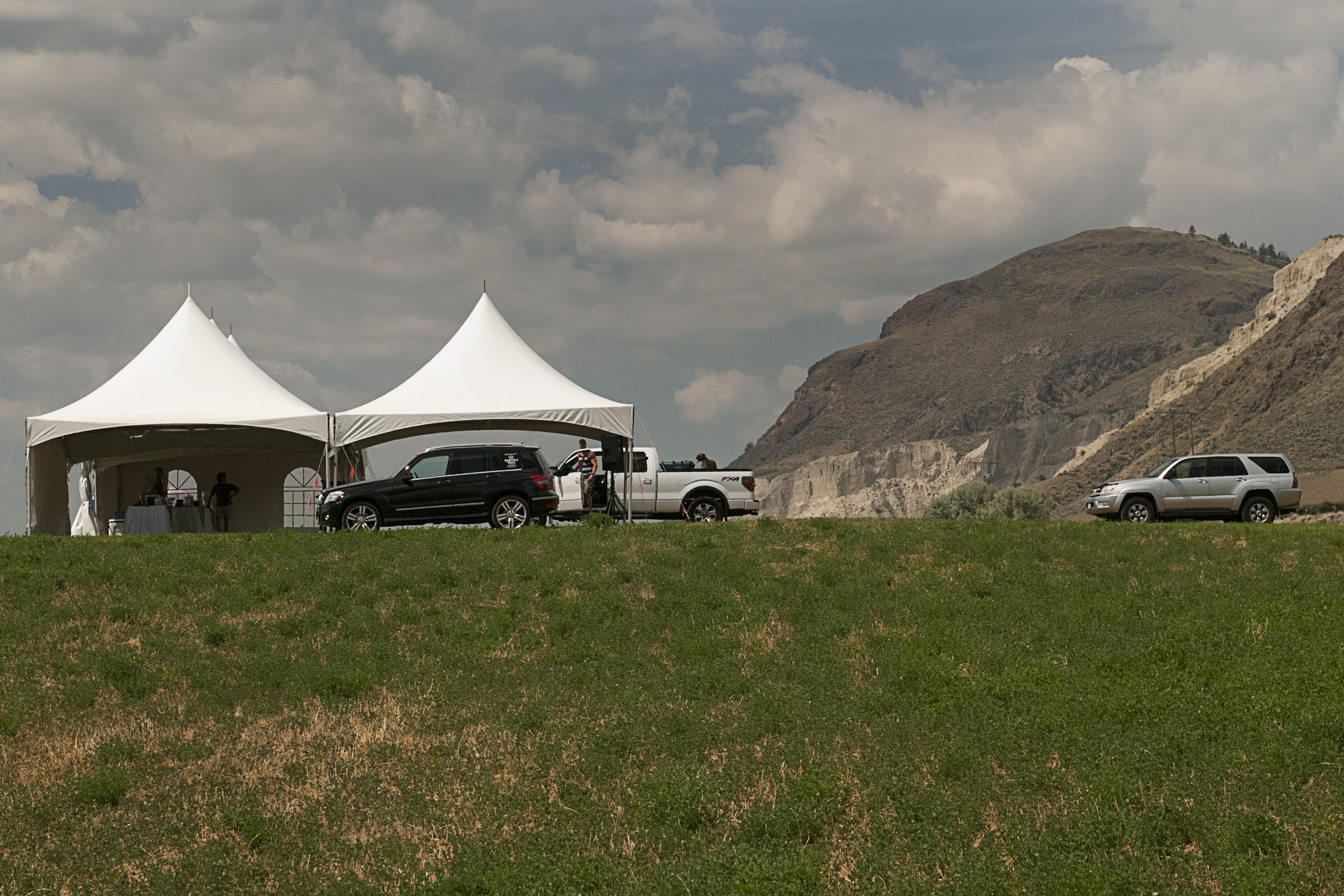
I meter for the mid tones like the grass, or, in this case, large open field, and underexpose about two stops, then balance the overall image using my flash. My flash sits on a bracket and the flash is attached to my camera with a wire so I can remove the flash and hold it at different angles if I need to. I did notice people wielding point and shoot digital and a couple photographers with DSLRs trying to use their pop-up flashes, but I am sure they were disappointed with their results on that sunny day as the extremes from black to white are just too much for digital sensors.
Fortunately, photographers can load images into PhotoShop and no matter if they are JPG or RAW files can be optimized using Adobe RAW – an amazing application that gives additional control over exposure, shadow, and highlight detail. Adobe RAW can even help with those not-so-well focused images.  I use that program to polish my images and make them all that they can be which is much better than settling for photographs mass corrected at a big box lab.

After selecting the best images I correct the white balance and colour using Photoshop.  I make the photo look pretty much the way they appear through the camera and the images taken in the bright sun now have lots of detail.

Another program I regularly use (and think is amazing) is by Nik Software Inc. and is called Viveza.   Viveza allows selective control of light and colour. With that program I can maintain the colour and tonality while changing the background and blending the effect exactly.  All this isn’t much different than I used to do in my old film darkroom except now it is more precise, the process can be duplicated, and overall everything is easier.   Between the two programs I am able, without spending too much time in post-production, to provide my clients with polished and balanced images that do not show the harsh environmental realities of that day.

Sure, sunny clear days please us all and when planning an outdoor event we prefer that to rain, but for photographers the sun and harsh unflattering shadows on people’s faces isn’t the best outcome. My advice is not to approach this type of photography the same way as a scenic and to begin with test shots and constantly pay attention to the exposure and absolutely use a fill flash for the best outcome.

My website at www.enmanscamera.com