

Photographers and Christmas Pictures

tree 2  presents Xmas Cat

Christmas is only a couple days away. Gosh, that was fast! Oh well, I like Christmas with all its trappings. I’ve been listening to Xmas music, watching plenty of not-so-great Xmas TV shows, attending both my granddaughters’ Christmas concerts, decorated our tree and most of our house and I have already been eating candy and lots of holiday snacks.  It’s Christmas.

This time of year is filled with photo opportunities. Yes, pictures of our home and the landscape covered in snow are great, and I have been having a great time wandering around in the fresh snow, but the unique opportunity I am writing about is the pictorial story of everything that happens around us during this holiday season. I have years of film slideshows and digital CDs of my Christmas’ and plan on continuing for many years to come.

Photographers might try to tell a story and take pictures of everything.  For example, the decorated Xmas tree and house, even that Christmas Eve dinner table, and maybe the morning breakfast with the family on Christmas. Then get the camera ready for the gift opening. Yep, photograph it all and approach every photograph as if it’s the most important you’ll make. It doesn’t matter whether it’s for a client or for family archives, all pictures should be printable and viewable. I prefer a DSLR camera and every image gets post-post processed before anyone sees it.

Not one for the point and shoot style, I usually think a bit about how I want to make each picture and I take lots of pictures while things like opening presents are happening. I always use a flash and shoot wide with the intention of cropping for the most dramatic effect later. I sometimes think setting up a couple lights on stands would be great, but my family will only put up with so much, and anyway a stand might get knocked over in all the excitement.

Always use a flash for family stuff and go for as much depth of field as possible. My lens of choice for the past few years has been either my 18-200mm or 18-70mm, either one works fine in the confines of my house. They both focus fast and close and that’s all I need.

My family is used to my photographic demands as I expect most photographer’s families are. When we are at the table there isn’t a bit of hesitation when I get up and move in with my camera, everyone knows what to do. Even my son’s young daughters pose. Please don’t embarrass people with pictures. Good photographers shouldn’t be the kind of picture taker that crouches down in everyone’s face as they eat.

My family and friends know that I’ll delete those that don’t live up to my personal expectations. Well, I think they know. Maybe my family and friends think I only take good pictures. Yes, lets go with that. They don’t need to know how long I spend editing in post-production.

As I began, Christmas is only a couple days away. Give that camera’s sensor and lenses another cleaning and make sure flash and camera batteries are charged up.  Yes, I am already having a good Christmas and that’s going to continue with lots of holiday picture taking that I’ll extend into the New Year.

From my wife, Linda and me, have a great Christmas and take lots of pictures.

My website is at www.enmanscamera.com
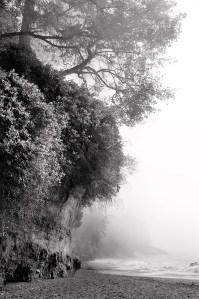
A photographer’s musing on Black and White photographs

beach fog Chase Falls Coast silhouette

This week there were two things that made me start thinking about black and white photographs. The first was a discussion with a fellow that stopped by my shop, a film shooter, who announced that, in his opinion, the only way to get high quality photographs was to use black and white film and to make prints with chemically processed, black and white photographic paper.  The second was a notation in facebook advertising an exhibition that for some reason selected out black and white photographs as their own medium separate from photography, i.e., two exhibitions – a black and white exhibition and the other was photography.

I don’t agree with those long time photographers’ that belief that only film produces high quality images. That is now a discussion long past its time, the technology has changed, and in my opinion, for the better with improvements in camera sensors and programs like PhotoShop.

When I used to spend hours in my black and white printing lab I had the best enlargers and enlarging lenses that I could afford, and searched and researched the different manufacturers’ chemicals to obtain the most control I could get over contrast and density of my negatives (film) and printmaking paper.

I would work for hours in a darkened room to make the final images more than they would be if I just printed the straight negatives, as they were when they directly came out of the camera. These days I search out computer programs that give me the most control over my digital files and instead of expensive enlargers and lenses, I have a computer and 30 inch monitor. And I still work, although no longer in a darkened room, to make my final images more than they are directly out of the camera.

I know most modern photographers like to talk about cameras, lenses, and of course sensor megapixels. Not much has changed. It seems like only a few short years ago that photographers were talking about cameras, lenses, and film. And many of those that I spent my time with were discussing how to get the best image out of a black and white roll or sheet of film.

A few short years ago I thought all this had been lost.  Digital technology arrived and with it a new and exciting way to produce my personal photography, but I was disappointed with the quality of printmaking, especially black and white.  I believed that manufacturers were only interested in selling mega pixels and cheap inkjet printers.

Colour photography was getting better and better, but not so with black and white. I was disappointed with the in-camera presets for B&W images.

Many photographers, and I include myself in that group, wanted to produce black and white photographs that matched those we used to print in our chemical based darkrooms. That took a bit of time for software makers to catch up, but these days I am seeing lots of excellent black and white photographs.

An understanding of PhotoShop is important, and with program’s like NIKsoftware’s Silver Efex, producing those film-like black and white images of time past is relatively easy and if one has a pigment ink printer, making a high quality B&W print, once only available in a chemical lab, is now absolutely possible.

I like black and white photographs and to me there are some pictures that just look better that way. When asked, I’ll say something like, I like the mood created by processing this image as B&W.  Now we can look at different versions of any picture and choose the one we think says the most about our personal vision and has the best impact on viewers.  I think a photograph is a photograph and don’t agree with those trying to describe B&W as a different medium than colour. I suspect those may be the same people that like to say any image that has postproduction work is not a “real” photograph.

Some pictures look better as B&W and some look better as colour. It depends on what the photographer is trying to say about the subject. As for B&W, I admit that lots of my images end up as B&W.  I’ll finish with a quote by famous Canadian photojournalist, Ted Grant.

“When you photograph people in color, you photograph their clothes. But when you photograph people in black and white, you photograph their souls!”

I always appreciate your coments.

my website is at www.enmanscamera.com

Photographing models at a Strobist meet.

Stephanie4 Molly 2 Monica 1 Stephanie 2 Molly Monica3 Stephani 3

Last Sunday I joined six other photographers and three models at photographer, Dave Monsees’, rural studio for what Dave organized and referred to as a Strobist work session.

The rustic studio, nestled beside a stream in a picturesque treed valley, is a short ten-minute drive from city center to the rural community of Cherry Creek, British Columbia. I had heard about it from other photographers and was looking forward to his Strobist session so I could check the studio out, and, of course, spend the afternoon with like-minded photographers. Now what could be better than that?

This Strobist get-together was the third held in my area that I have been fortunate enough to attend, and as with the first two, it had its own uniqueness.

Some of the participants had experience using off-camera lighting and got right to the business of arranging lights and posing our three models for the day, Molly Lampreau, Stephanie Johannesen, and Monica Nicklas.  I had agreed to begin with a mini lesson and to be available to answer questions for those invitees that were just beginning to enhance their portrait photography with artificial light, and with a few minutes of instruction and a bit of prompting before long everyone was in the act of portrait photography.

The word, Strobist, and gatherings like the one I was invited to have become popular because of American photographer, David Hobby’s, Strobist.com lighting blog that promotes off-camera lighting techniques among photographic enthusiasts, with an emphasis on the practical knowledge rather than just the gear. Those that think our meets in Kamloops are unique should try searching Stobist meet on the Internet. There will be page after page featuring Strobist meets all over the world.

My regular readers know that I rarely make a photograph of people, indoors or out, without using a flash. So getting together with other photographers, experienced or not, that like to use off-camera light for their portrait work is fun. The studio was jam packed with lighting equipment set up with wireless camera connection. There were two different backdrop set-ups and we had our choice of several larger studio type lights in the larger space, and some smaller hotshoe flashes on stands in the more intimate space. There were also lots of light modifiers, softboxes, umbrellas, snoots, barn doors, and so on for us to employ.

How a person in a portrait appears does have a lot to do with how the subject(s) are posed, but I think light and how it is applied is just as important. Using flash, on or off camera, to modify light gives a photographer more control than just using the sun, or relying on a high ISO.

In addition photographers always need to explore and experiment to learn how to balance the background, or ambient light, with flash, and get-togethers like a Strobist meet are perfect for practicing off-camera lighting in a studio, with willing subjects without the pressure of actual clients, and watching other photographers work is always fun.

I was in a hurry to download my images from that day and began sorting, editing and optimizing as soon as I got home. As I opened PhotoShop and began, I thought of a quote by American supermodel Tyra Banks that fit the day of photography from beginning to end, “There are three key things for good photography: The camera, lighting, and…PhotoShop”.  In my opinion there might be a few more important things for good photography, but to a model the final picture is everything.

I appreciate you comments.

My website is at www.enmanscamera.com
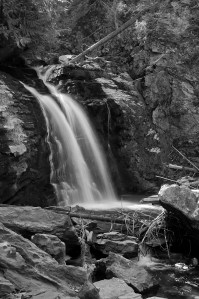
Printmaking – 10 Tips to Make Better Prints

Last week a previous PhotoShop student of mine stopped by my store to discuss printmaking. We talked about a lot about techniques, papers, and one of my favourite topics, how to make black and white prints.  Consequently, for this week I decided to pass along a summary of that discussion in the form of 10 tips for readers that should help them to make better prints.

1. I’ll begin with the most important tip for getting a good digital print, which is a good quality image. You will need a good original image in order to get top quality digital photography printing. It’s like the old saying, “garbage in, garbage out.”

2.  Learn to white balance your camera. Proper camera white balance means the camera’s sensor reproduces the “colour temperature” of a light source, or the relative warmth, or coolness of white light. Setting the camera’s white balance corrects all the colours in your pictures, taking into account the light in which they were shot.

3.  If you are using a DSLR (digital single lens reflex) camera be sure to clean the sensor regularly. Even if you never remove the lens, dust will get in and show up on your prints.  Some cameras have self-cleaning, but that doesn’t remove all the dust from the camera, it only shakes it off the sensor and it will eventually find it’s way back, so to make sure I regularly clean my sensor with a clean blower.

4.  Calibrate the computer monitor. Do this about every two weeks with a new monitor, and then every month or so after it is a year old.  Adobe Photoshop provides the Adobe Gamma Wizard or use a more a specialized product by Color Vision, Monaco, Digital Light, or other manufacturers.

5.  Choose a colour space for the camera’s image files.  The two most common with digital images are sRGB and Adobe RGB 1998.   Check the camera’s menu for that initial selection.  If you are making enhancements to your images in PhotoShop you will do better with Adobe RGB 1998; it covers a wider colour gamut.  Wider range of colours mean more precise colour adjustments. These are subtle.

6.  Improve contrast.  Photographs from digital cameras are sometimes pretty flat and lack the contrasts that were once provided by films like Velvia and Ektachrome VC.  If shooting JPGs learn how to use levels and curves. With RAW it’s easy using the sliders in Adobe’s RAW converter.

7.  Resize your image.  Choose a resolution from 250 to 300.

8.  Sharpen.  All digital images whether scanned, or direct from the digital camera, require sharpening for a satisfactory print. I leave my camera at normal and do the real work in PhotoShop. Sharpening isn’t all that hard, there are many ways. Just spend some time searching the Internet and choose a method that isn’t complicated. I like sharpening to fit easily into my printmaking workflow.

9.  Choose the right paper.  Just like traditional photography, the paper you choose to print with will make a big difference. In Photoshop select print with preview and choose your surface – matt or glossy.  Be sure to go on-line and download the correct profile into PhotoShop for the paper you are using.

10.  Set your printer’s driver.  To maintain the colour accuracy of your image, it is essential to set your printer driver correctly. When you are ready to print, select the print preview option in your file menu.  There are several steps – you should learn them by reading your instruction manual for your printer.   It is important to let your printer know the amount of ink for the type of paper and surface.

And lastly, after printing save those images on archival CDs, DVDs or on external hard-drives. Don’t make the mistake of leaving all those image files on your computer, that’s the best way to loose everything.  Cheap bargain discs will degrade with time. Don’t store them in the sun and don’t write on them.

I really appreciate your comments.

And my website can be found at www.enmanscamera.com

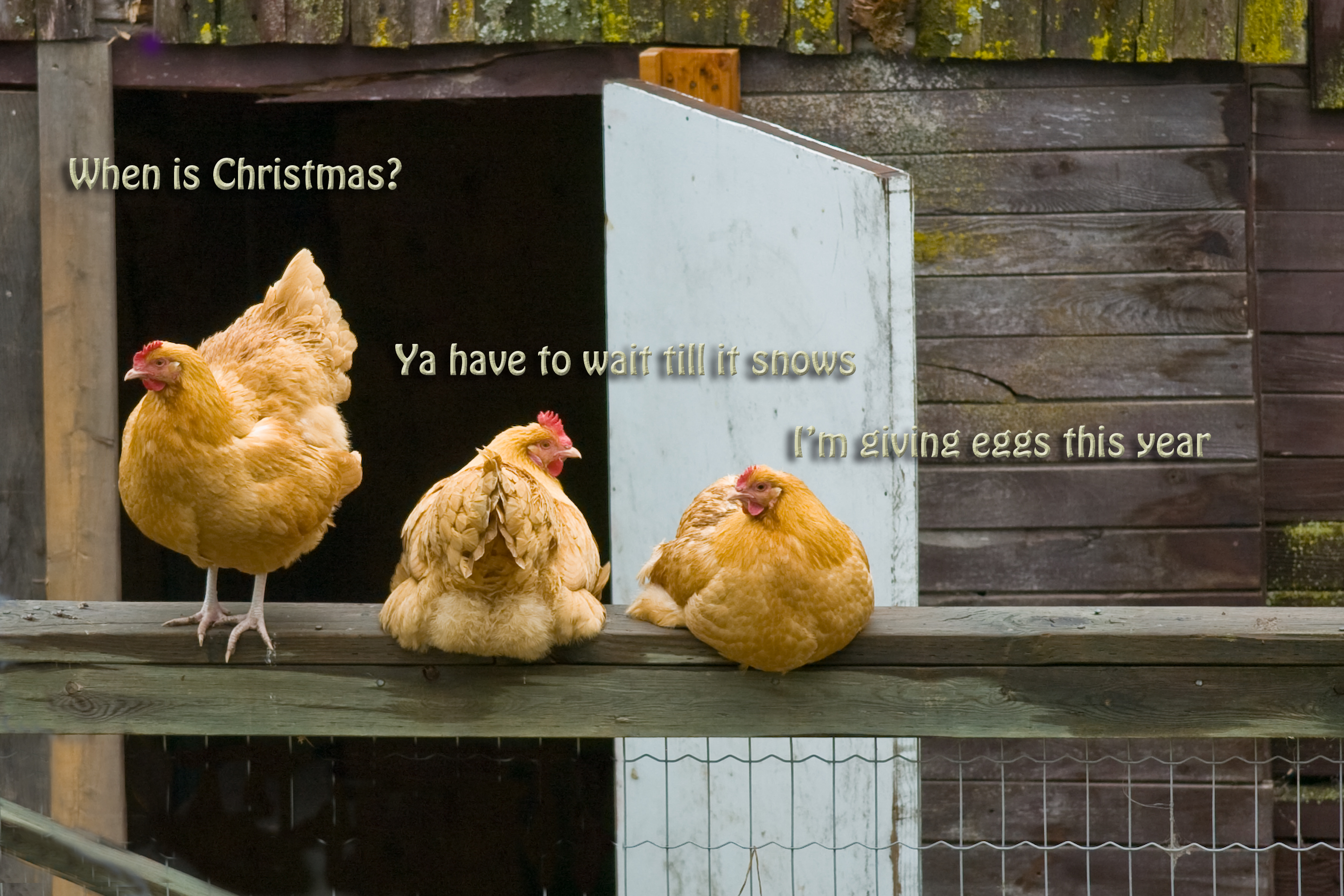
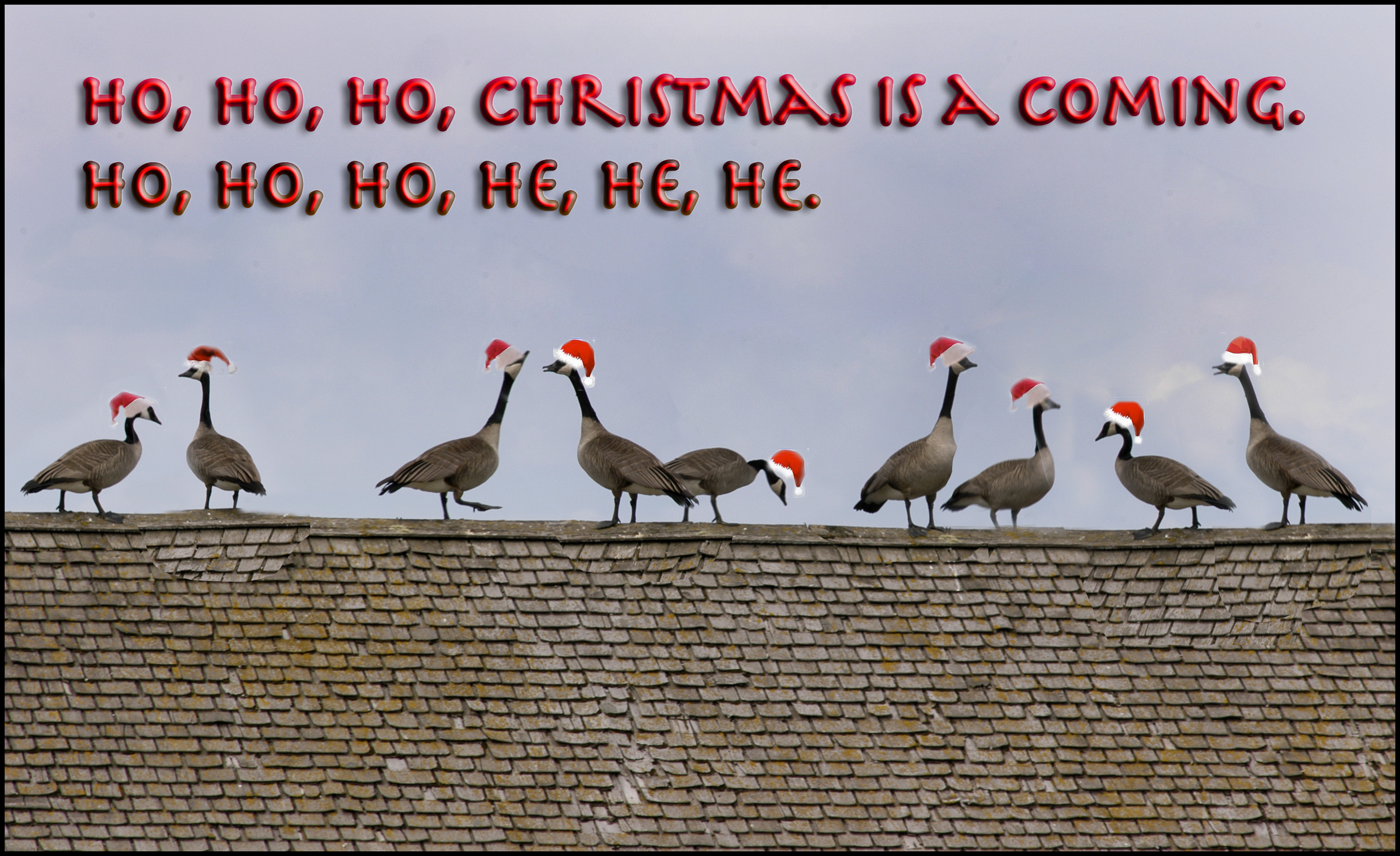
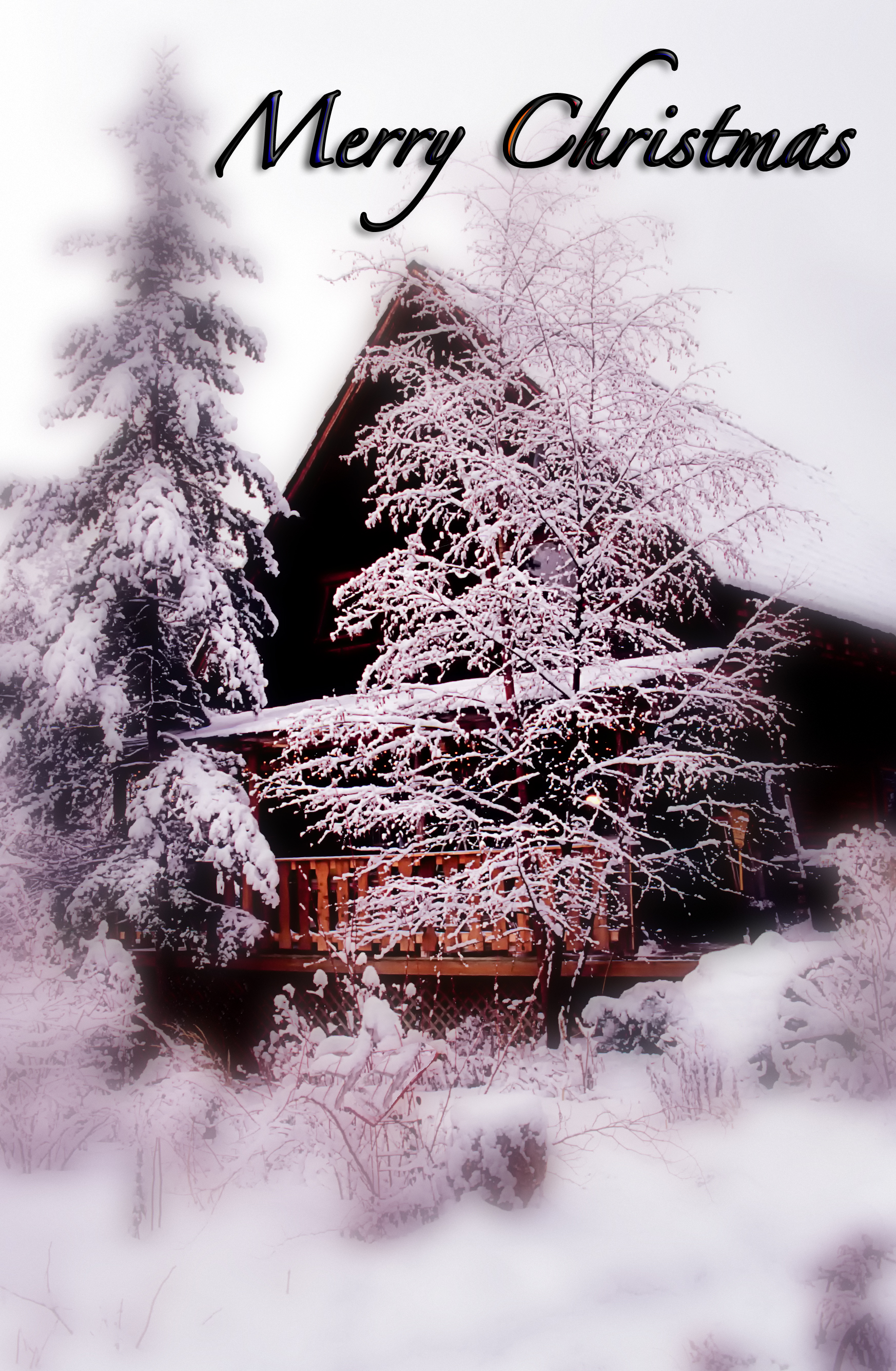
Hey, it’s Christmas Card Time

Television and local stores have begun advertising Christmas again. That was fast. Weren’t those same advertisers just pushing camping and barbecue stuff on us? Don’t get me wrong.  I like Christmas and all the festive celebration that comes with it, but it always sneaks up on me just the same.

This is a great time for photographers that want an excuse to give friends and relatives photographs. I always give photographs this time of year. Sure that could mean framed prints and I have some in mind as gifts, but what I am writing about is Christmas cards.

For those satisfied with mass produced generic Christmas cards, there are stacks and stacks being offered at stores, but for photographers, as I just wrote, it’s a perfect excuse to give people photographs. And personally, I want people to see and enjoy my photography. Even if it’s only as a 5X7 card, that’s better than having my pictures left languishing in some hard-drive.

When my wife and I go to some location with the intention of photography we always return with our memory cards loaded. That’s not much different from any other photographer. Then we return home, delete a bunch, work on some and print one or two, and then store everything in folders on backup hard-drives. For many that’s where it stops. Not for us.

I have written before that my wife and I always make a new monthly calendar. Alternating months. I get December this year. I also make cards for all occasions, like birthday’s, Valentine’s, Mother’s day, etc., from those photography trips.

Right now we are going through our many image files from this year’s photographs selecting those we want for Christmas cards. I prefer a vertical format, but sometimes a horizontal picture also works and I choose that also.

I print up lots of different images and place all sorts of greetings on them. It is rare that we give the same picture to more than one person. And not all the cards say Merry Christmas. To me, it doesn’t matter. Happy Holidays, Seasons greetings, Have fun, A good New Year, and anything else I think fits a particular picture. Sometimes I use bits of songs or quotes I have found instead of the words, Merry Christmas.

What matters is the picture and even that might be a manipulation of the original. What is important to me is that those I give a card to get something unique. And I will say that, unlike a framed print, I really don’t care what they do with the card I sent. I really hope people like what I give them, of course. However, if it gets thrown out with the gift-wrap after the holidays it doesn’t matter either, they got to see a photograph taken by my wife, Linda, or myself, and that’s what’s important.

So, to all the photographer’s out there I’ll say make your own cards this year. I print our cards on a sheet of 8×10 photo paper, fold it so we can write inside, and then cut it to fit inside an envelope. However, it’s easy to make a card gluing a photo to card stock or construction paper, or get a print made and write something festive on the back.  This weekend I’m booked to photograph two young female friends and their horses, and I know they will use their photographs for their Christmas greetings.

My point is, stop hiding all those great photographs. Just showing some picture on your iphone isn’t enough. Print it, make a card, put it in an envelope, and send it to friends and relative this year.  And if you realize on Christmas day that you’ve missed someone (or everyone) you can send your Christmas photo card electronically and instantly.

 I appreciate your comments and be sure to click “like”

My website is at www.enmanscamera.com
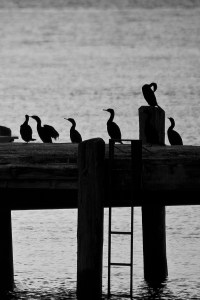
Anyone can take a picture with a digital camera

“Anyone can take a picture with a digital camera. There are even people calling themselves professionals who are not much more than point-and-shooters”.

That complaint has become all too common these days and I listened to those words again as they were voiced to me by a grumbling long time photographer last week. As he whined I thought about an article I wrote about a year a go entitled “Anyone Can Take a Picture”.

At that time I discussed a young photographer who worried his photographs would not be of any value in this popular, expanding medium and expressed his frustration saying, “Anyone can take a picture”.  His goal as a photographer was to produce images that are personal, visual statements of how he felt and hoped are more than just a documentary.

The medium of photography has become very accessible for everyone.  The days when a photographer had to be an engineer and chemist are long gone.  With modern technology, today’s supercharged camera, with machine-gun-like shutters, and seemingly speed-of-light focusing, many photographers can survive without any knowledge whatsoever of photography.  At one time photographers actually had to understand the combinations of shutter and aperture for a properly exposed image, and worried about camera shake, and film choice.  Photographers were obliged to carry more than one camera if they wanted the resulting photographs to be in both color, and black and white.

When that photographer continued with his gripe, “all this digital isn’t real photography”, I knew he wouldn’t remember that photography once needed large glass plates, hazardous chemicals, bulky cameras, and wagons to carry everything.

I am not sure that the photographers of the late 1800’s or early 1900’s were interested in photography as a creative medium as much as they were interested in an efficient medium to document reality, whether it was convincing some person to sit as still as possible for long time periods or setting up unwieldy photographic equipment on a cold mountain top to photograph the view and I am sure many photographers that loved the advancements since then would have tried photography if it had remained like that.

Yes, anyone can take a picture nowadays. However, many modern photographers that lack the technical skill make up for it with an intuitive ability to connect with their subjects. That’s a good thing and not something to complain about.  There are lots of excellent photographs being taken and those dedicated to this growing medium should celebrate their successes instead of finding fault with someone that has embraced digital technology and can make it perform.

I look forward to seeing photographs made by that young photographer that mused about “anyone being able to take pictures”. My advice to him was to use all the exciting technological advancements (because photography has always been about technology) he can find as he strives to make his photographs more than just a document.  He will work hard producing images that will be technically perfect visual statements about what he feels or wants to say. There are many photographers, myself included, who are interested in the resulting photos no matter how the image is produced as long as the final photograph has something to say and is visually exciting!

And as far as that complaint about, “people calling themselves professionals who are not much more than point-and-shooters” all I can say is we should leave that up to how their clients feel about their photography.

I welcome your comments. Thanks.

My website is at www.enmanscamera.com
Photography on a Foggy Day


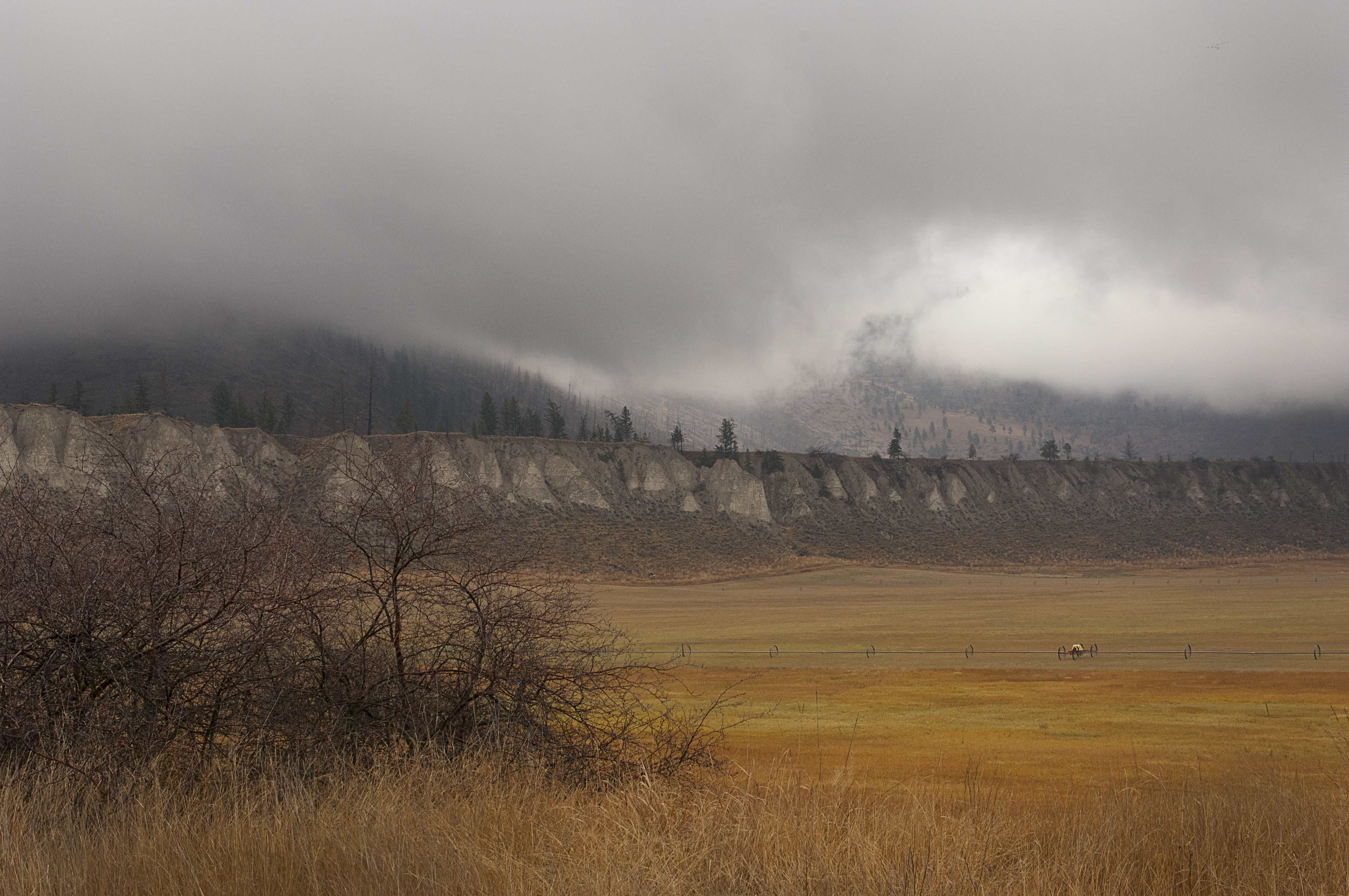
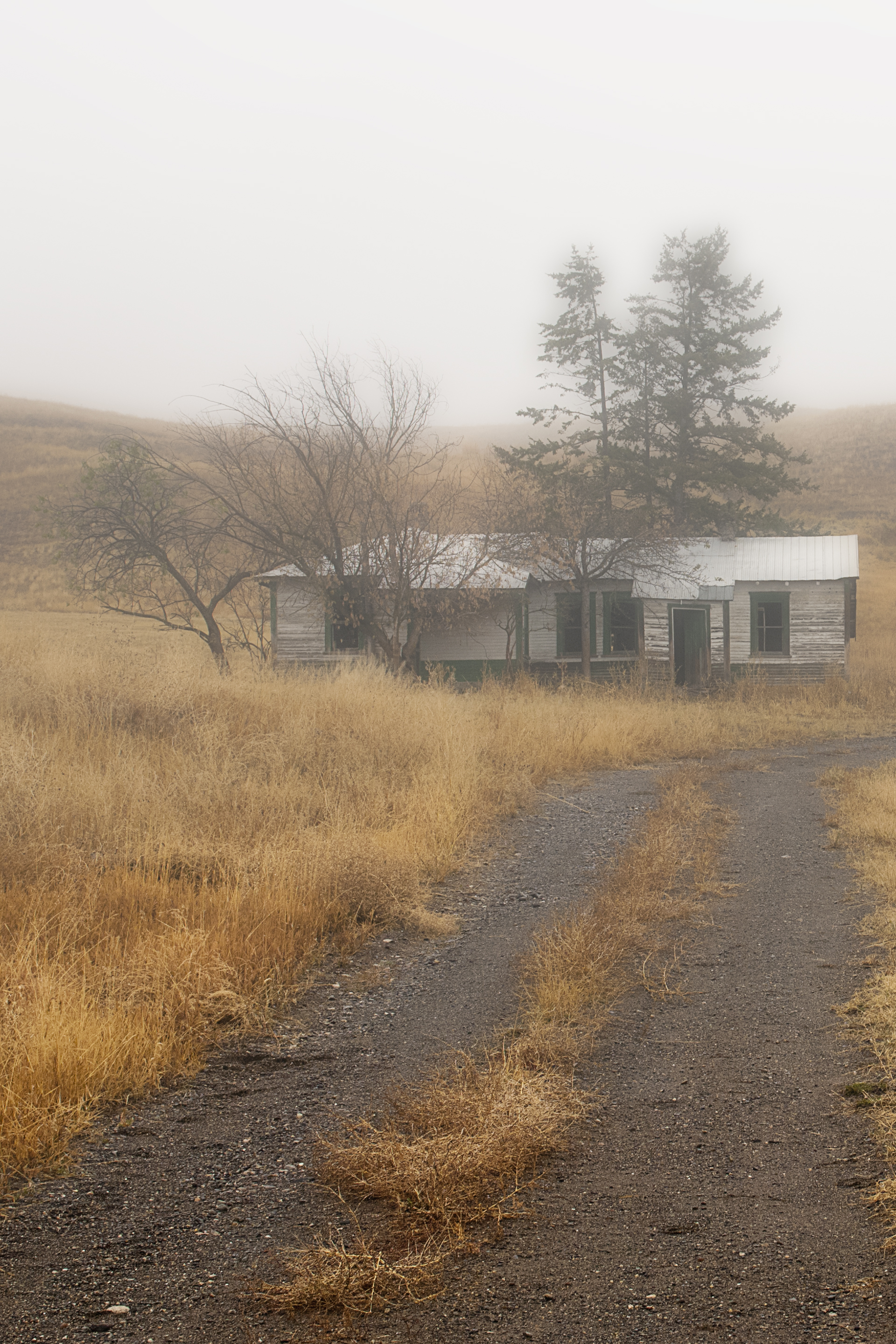
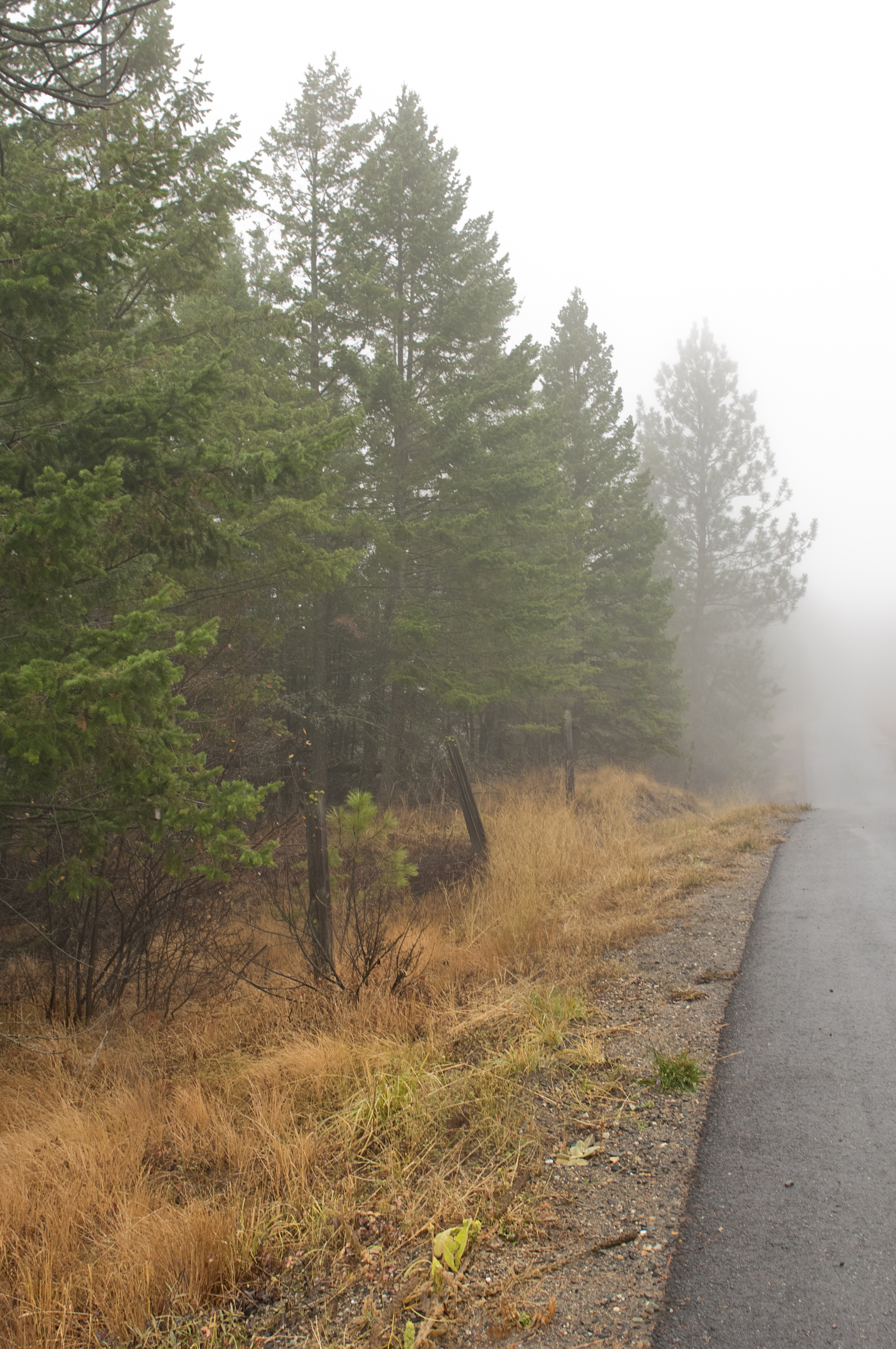
I like taking pictures on foggy days. I suppose I could have stayed inside and watched TV or read a book. I know that many photographers would have done just that as they complained about the damp, flat, lifeless-looking fog, but I like foggy, windy, snowy, and even rainy days. Inclement weather makes for unusual and interesting photographs, so when I woke on a morning with thick fog I knew I was going to have a fun day. Fog can conjure up feelings of mystery and awe, and of the many different conditions we encounter in landscape photography fog is one of my favorites.

Yes, the light was low, but October fields here in the British Columbia interior are mostly shades of gold, so there really is lots of colour. All a photographer has to do is select a subject angle carefully. I began by wandering through the wooded area across the road from my house, but I didn’t really get very far, the fog was so thick in the pines that there wasn’t much that I liked. I jumped in my car and I made the short, five-minute trip down to the Thompson River, and was happy to be just a bit under the fog, and that made for lots of great opportunities.

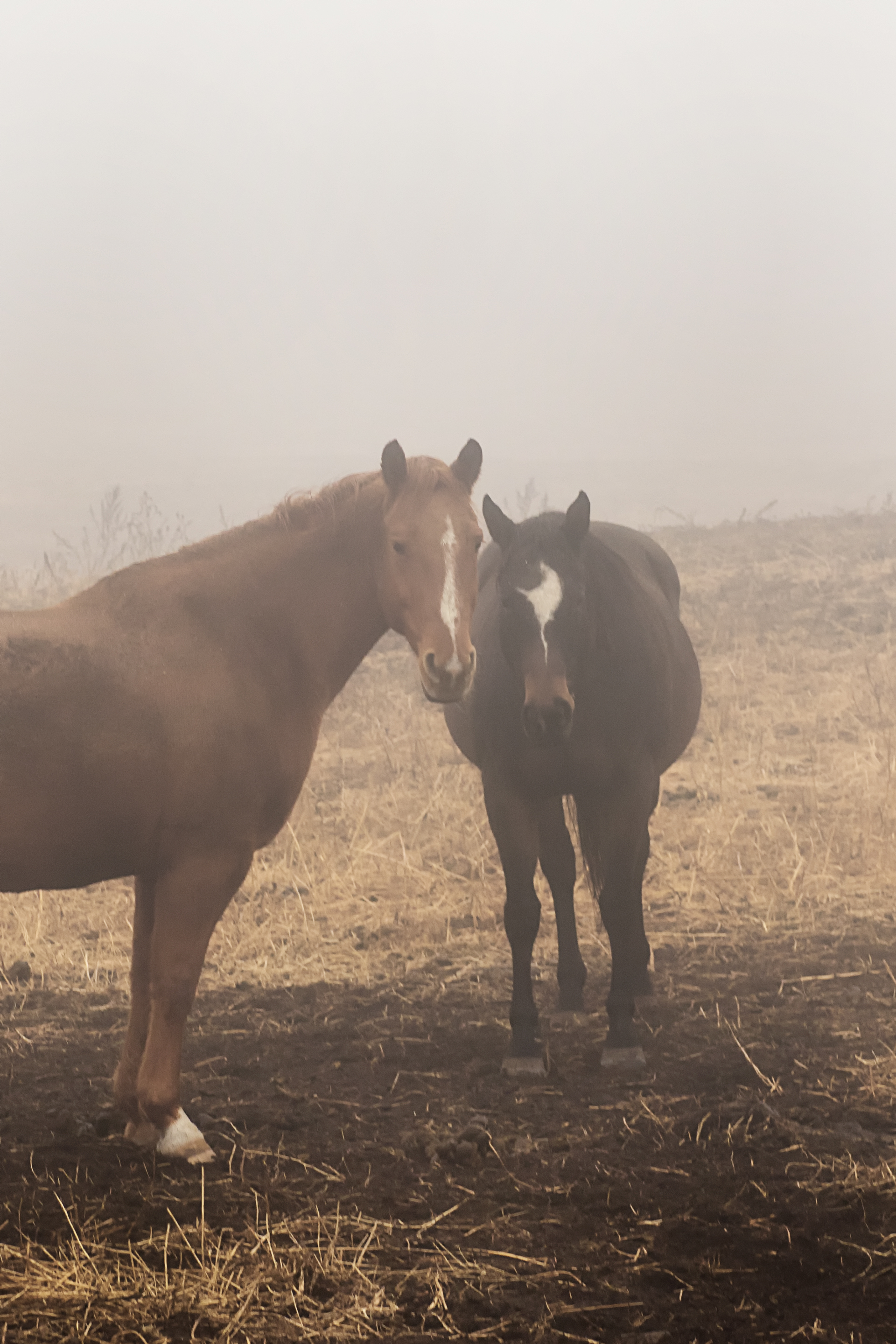
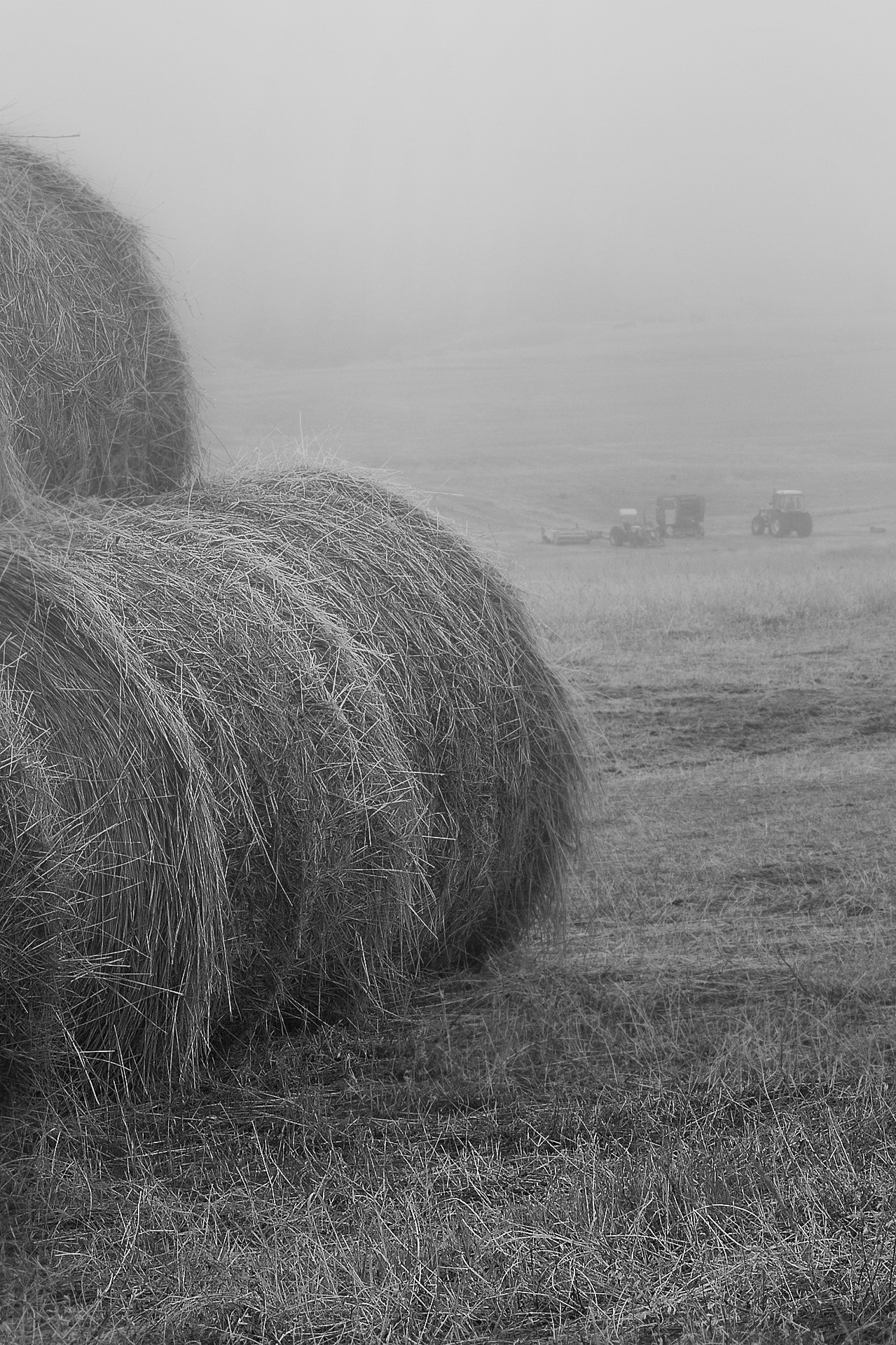
I really didn’t have any particular subject in mind. I had hoped the bridge that crossed the river would be embraced in fog, but there was a strong, wet, breeze in the river valley that had pushed the clouds and the fog away. I wanted fog or at least low clouds, so I lingered higher up, along the valley rim, searching out and photographing fences, stacks of hay, and abandoned buildings. And I even took a few pictures of cows and horses, as they looked for food in the damp foggy conditions.

I always meter for the mid tone in my composition. The foggy flat light can easily trick the meter and I prefer manual exposure where I personally can determine my aperture and shutter speed. I had remembered to bring my tripod, so even when the light was low and required a slow shutter speed I could still keep an acceptable depth of field using an aperture of f8 or smaller.

Outdoor photographs taken in fog often look flat and dull. The fog and the low light decreases image contrast and colour saturation significantly. However, for modern photographers this isn’t much of a problem since the contrast and saturation of a digital photo can easily be adjusted.  Fortunately, we can turn the problem into an advantage because an image with low contrast is easier to manipulate than an image taken in harsh light with strong shadows and highlights.

With most digital cameras the contrast can be adjusted before the photo is taken. But in my opinion, it is better to do a rough adjustment during post-production in the RAW converter, and a fine adjustment in Photoshop. In-camera adjustment is not always the best since we don’t know in advance what the right amount is, and clipping of shadows/highlights can occur.

Modern technology gives us a hand up on the flat, contrast less light even if some elements in a picture are improperly exposed they are easily corrected during post-production, and increasing the contrast on important subjects in flat light is easy.

I have always liked my photographs to be about my personal vision of a scene and not to be limited by what a particular film or camera sensor can record.  Even Ansel Adams said, “You don’t take a photograph, you make it.”

Fog forms when a humid, cool air mass moves under a warm air mass and those conditions seem to be recurring for a second day. I know that might cause problems for drivers, but I am hoping to see some in Kamloops when I go to my shop today. And if so, I will be out on the street with my camera.

I enjoy your comments, Thanks.

My website is at www.enmanscamera.com
Meeting Photographers and Photographing Bighorn Sheep.


Last week I wrote that I had a great time doing photography as I toured Victoria’s waterfront, and said that along with photographing a different environment I met interesting people, and even spent time with other photographers.

One of my goals for that Victoria excursion was to meet and spend time with the well-known painter, photographer, and documentary filmmaker, Karl Spreitz. His interesting career included working as a news photographer in Prince George, BC, for CTV television, for the BC Department of Travel and Industry, and as staff photographer/editor for Beautiful BC magazine.

Spreitz, now in his eighties, is a fountain of knowledge about film and photography and has been acquainted with most of the important west coast Canadian and American photographers for the past 50 years, and I was delighted to be able to spend the afternoon talking to him about photography and listening to his stories.

I like being a photographer. I also enjoy socializing with other photographers and spending time with a long time photographer like Spreitz is a rare opportunity I will always take if given the chance.

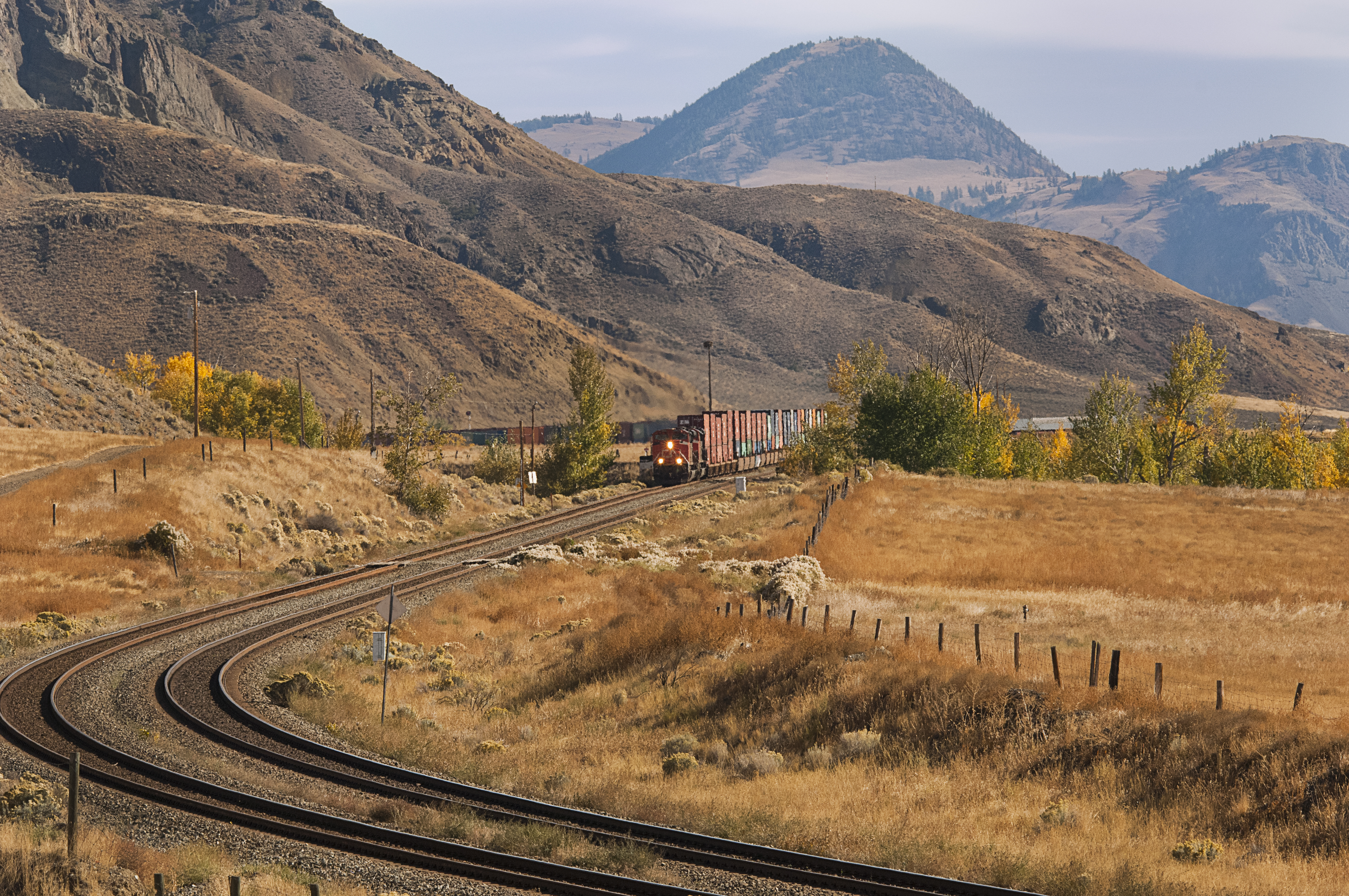
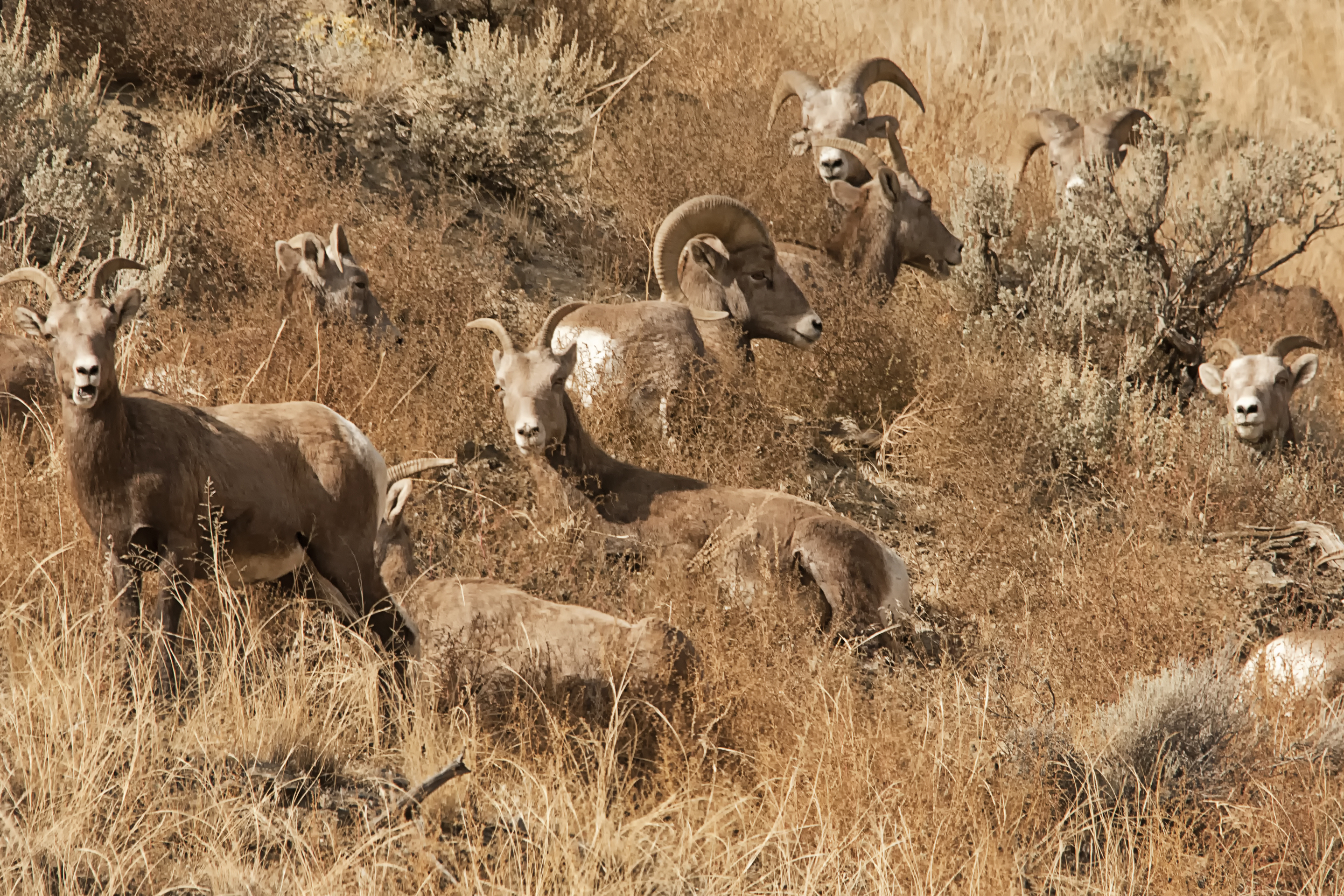
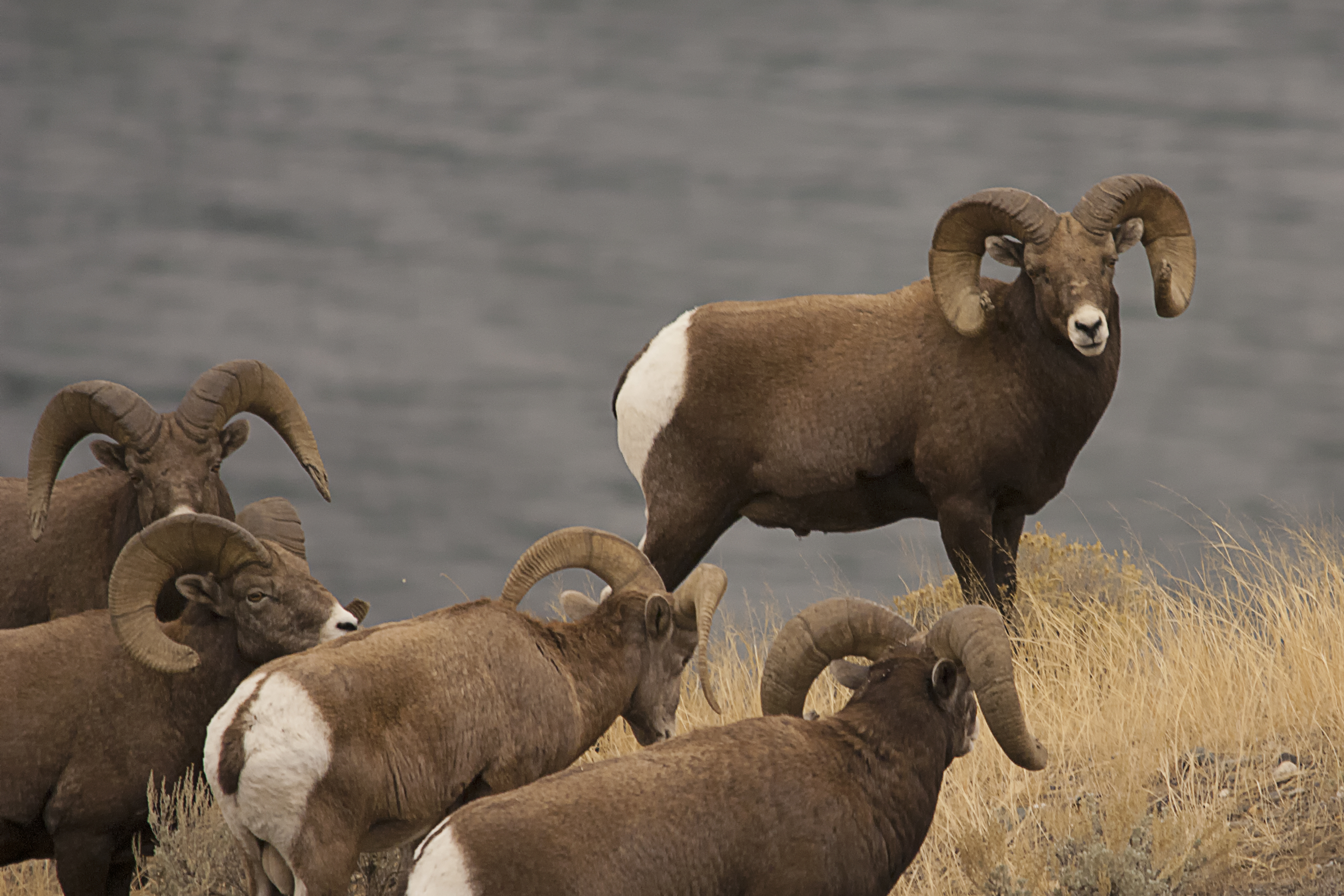
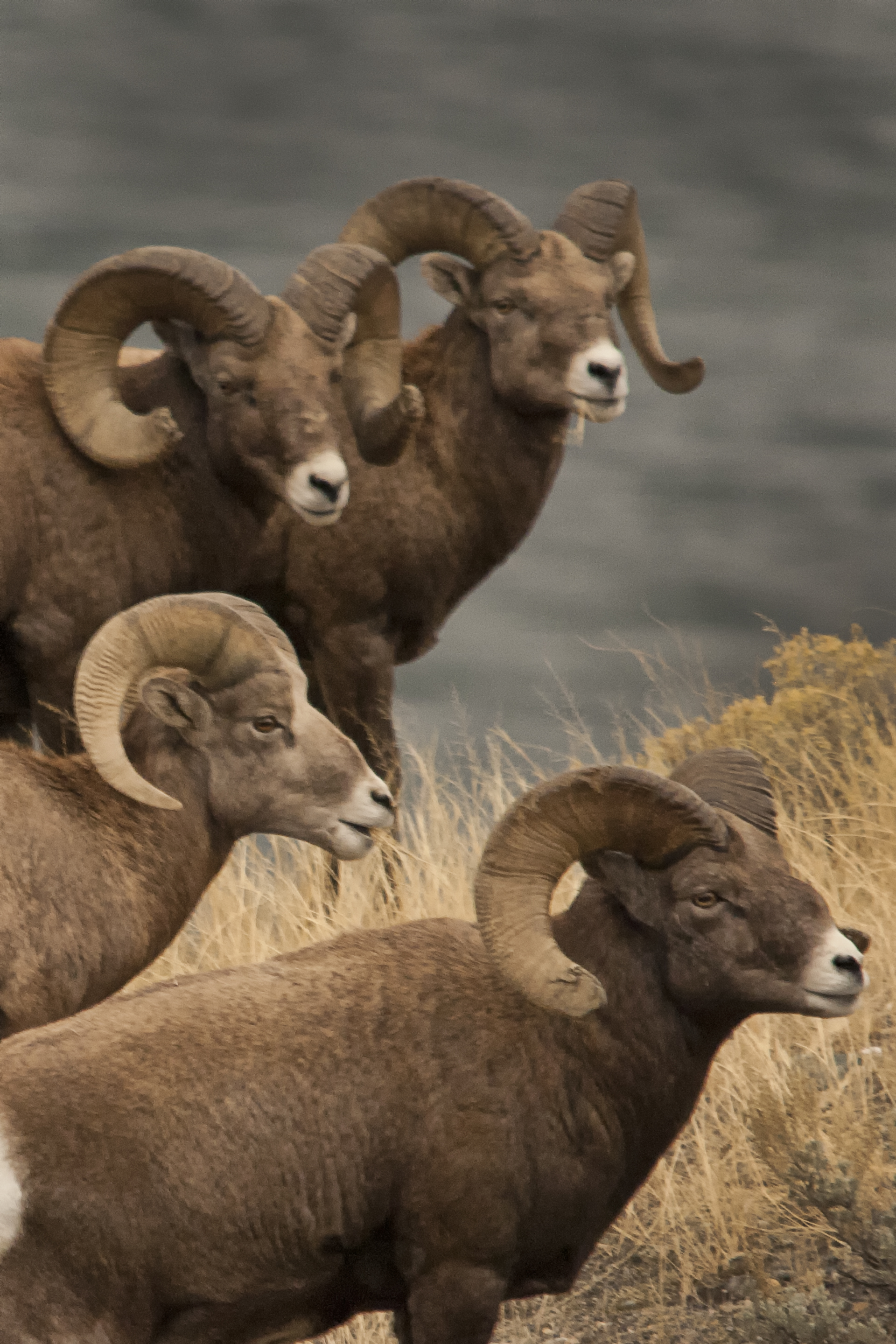
After I returned home from Victoria I was provided the opportunity to go out with my friend Walter to photograph bighorn sheep. We sat on a windy, sagebrush-covered hill overlooking Kamloops Lake. They should have been in rut at this time of year and we hoped to get shots of their violent head butting, but as it was most were bedded down or lazily wandering through the sagebrush.

As I sat I thought about Spreitz making fun of us that live in the BC interior. He said when the magazine needed pictures from the region I live in they would just look for any old picture of sagebrush and bighorn sheep and run with that. At the time I knew he was teasing me, I laughed then and again to myself on that windy hilltop, thinking that was exactly what I was viewing.

Our strategy was to let the sheep get used to us. We sat and waited for something to happen. Once the sheep got comfortable with our presence, we slowly moved in for closer and better pictures.

Both Walter and I had our long telephoto Sigma lenses. Walter’s is a 120-400mm and mine a 150-500mm. For this type of photography we preferred multi-focal (zoom) lenses. The sheep sometimes got pretty close and a fixed focal length lens would have been limiting.

I know I am always recommending tripods, but on that occasion with all the steep climbing and odd angles, tripods made photography awkward, so we had to hand hold those big lenses. The acceptable technique is to follow the old photographer’s rule; “Always use a shutter speed equal to or more than the focal length of the lens.”   I make multiple exposures, expect a few soft images and hope for the best.  However, on that occasion there wasn’t any real action from those lazy bighorn sheep and it was easy to get usable, shake-free exposures. I suppose the challenge was to get images that were interesting.  I don’t know about Walter, but for me that meant climbing around to get lots of different angles, and for that occasion I even ended up taking several pictures of an oncoming train in the colourful Kamloops fall landscape.

Finally, we were overcome when the wind became so strong that it became hard to stand (or sit for that matter) without moving, so we headed home. We had been in the hills most of the day and even though our memory cards weren’t loaded with exciting pictures we agreed that the day had been fun anyway.

How much better can it get? Two consecutive weekends filled with fun photography in very different places, and, in my opinion, both spent with, interesting photographer companions.

I appreciate your comments.

My website is at at www.enmanscamera.com

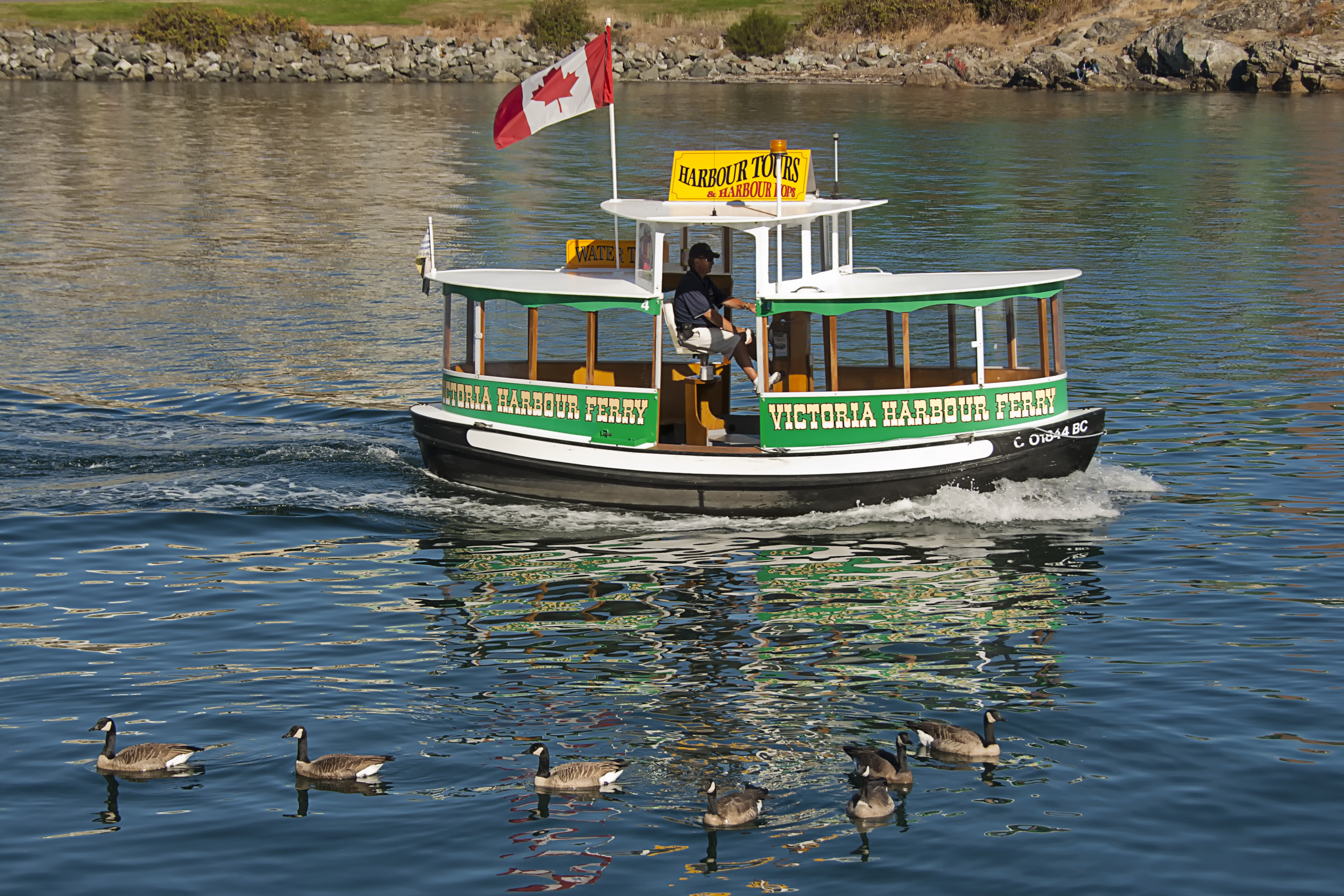
Photographing Victoria’s Harbour


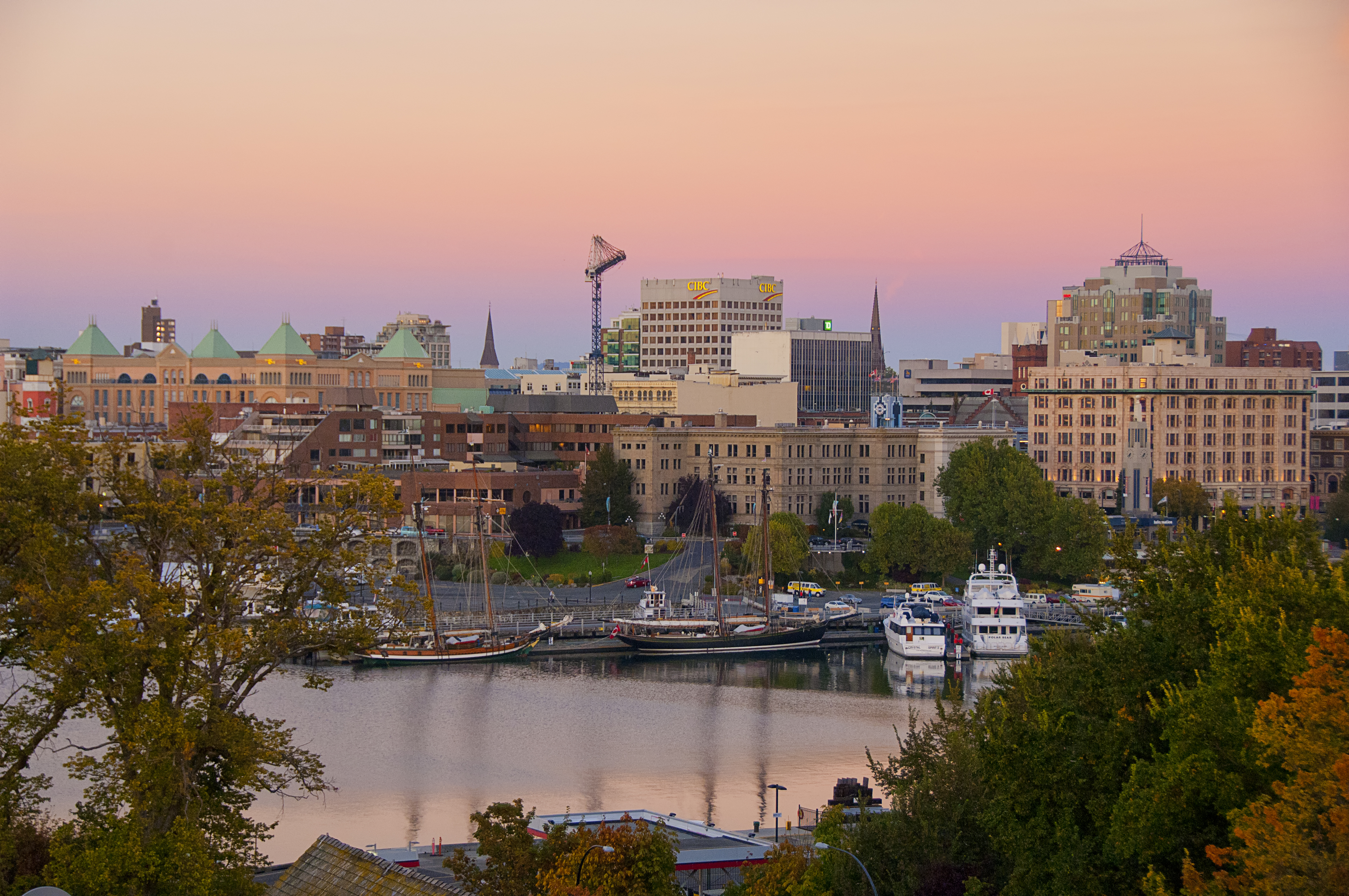
We had decided to escape for a few days to Victoria, British Columbia, over the Thanksgiving weekend. The ferry docked at Schwartz bay, we disembarked, and made the scenic drive into Victoria. This is a bustling, picturesque city surrounded by water that is, in this photographer’s opinion, a perfect place for a photographer to wander around looking for photographic opportunities.

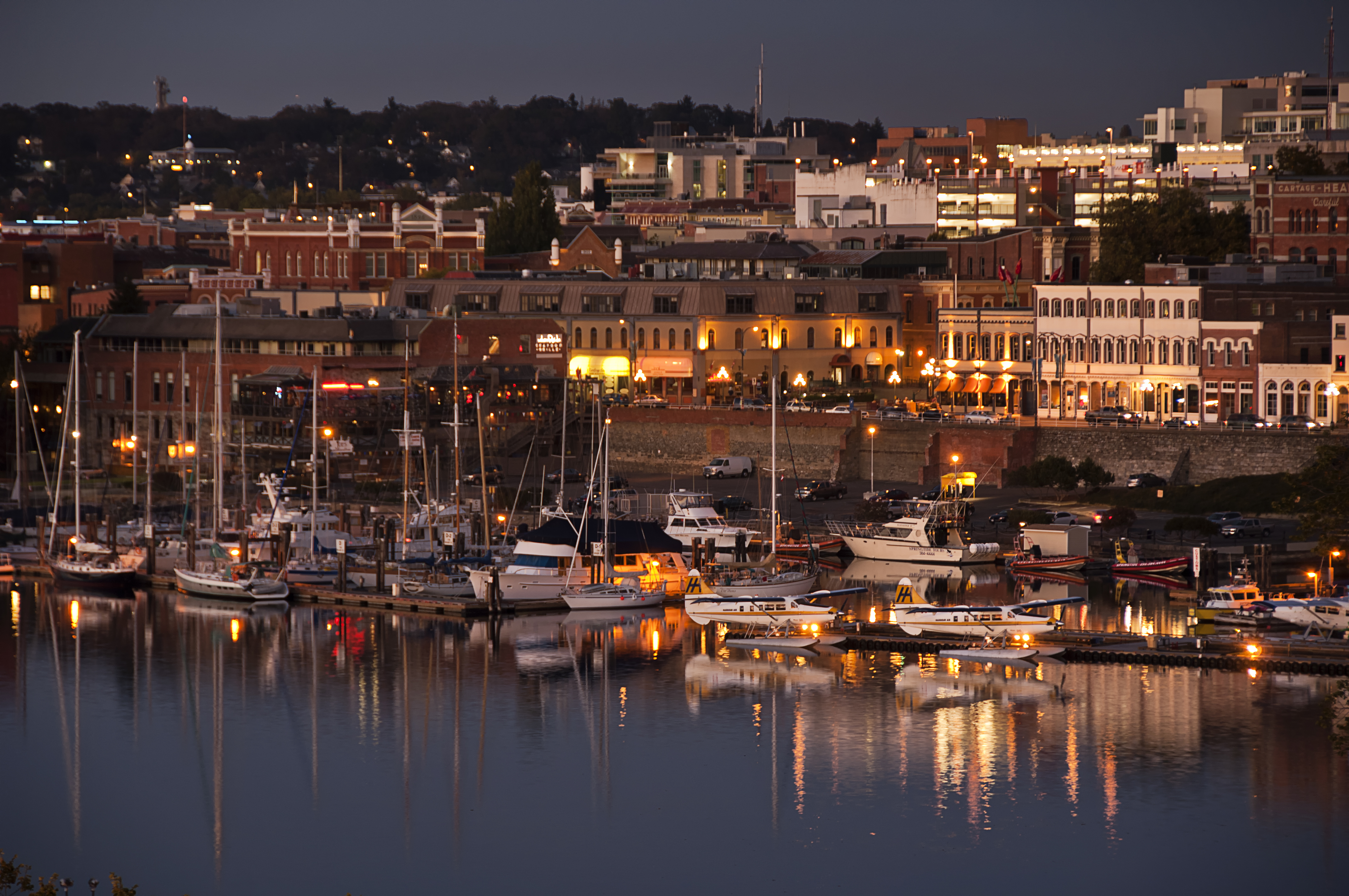
We were lucky in that our hotel room was on the ninth floor with a beautiful view overlooking a panoramic harbour only a block away. It was perfect setting for a photographer. Upon reaching our room, the first thing I did was set up my tripod on the balcony, attach the camera, and start taking pictures of the view. I wanted photos that showed the warm afternoon light, and later on more photos displaying the early evening sky as the city lights began turning on, and finally as the sun vanished, I made lots of long exposures with the only illumination coming from the harbor and the city.

Our first morning had a beautiful blue sky with only a slight breeze and as my wife got together with her long time friend and left for a day of site-seeing and some shopping, I got out my camera and made my way to down to the water front on foot.

My wife and I live in the very dry interior of the Province with rolling hills, lots of lakes, and a large river, however the ocean and everything connected to that environment there is unfamiliar and exciting and I couldn’t wait to start taking pictures.

I chose to bring my 18-200mm lens. The 18-200mm is a lightweight, multifocal length lens with an aperture range of f/3.5 – f/5.6. I know that many photographers these days are favoring wider apertures like f/2.8, but I would be using smaller apertures because I wanted scenics with a sharp focus from foreground to background. Using a wide aperture would reduce that depth of field. And for those readers that would say, “what about those lowlight evening images from the balcony?” My answer is that those were the images that especially needed all the depth of field I could get and most were f/8 or more.  Besides I was using a tripod and a cable release. Anyway, there wasn’t anything in my pictures of that lowlight cityscape that would be moving and I could use as slow a shutter speed as was necessary to get an exposure that worked.

I call lenses like that 18-200mm “vacation” lenses because they are so versatile. I have never been one for carrying lots of equipment and a lens that gives me both wide and telephoto capabilities saving me from carrying a bag full of lenses. My plan was to spend as much time as possible walking along the waterfront. I meandered back and forth thinking nothing of retracing my path when there might be another subject angle I wanted to consider, and the added weight of a heavy wide aperture lens, or additional lenses, would have slowed me down. Exposures change with how the sun reflects off a subject and returning to a place previously photographed several blocks away seemed worth the effort.

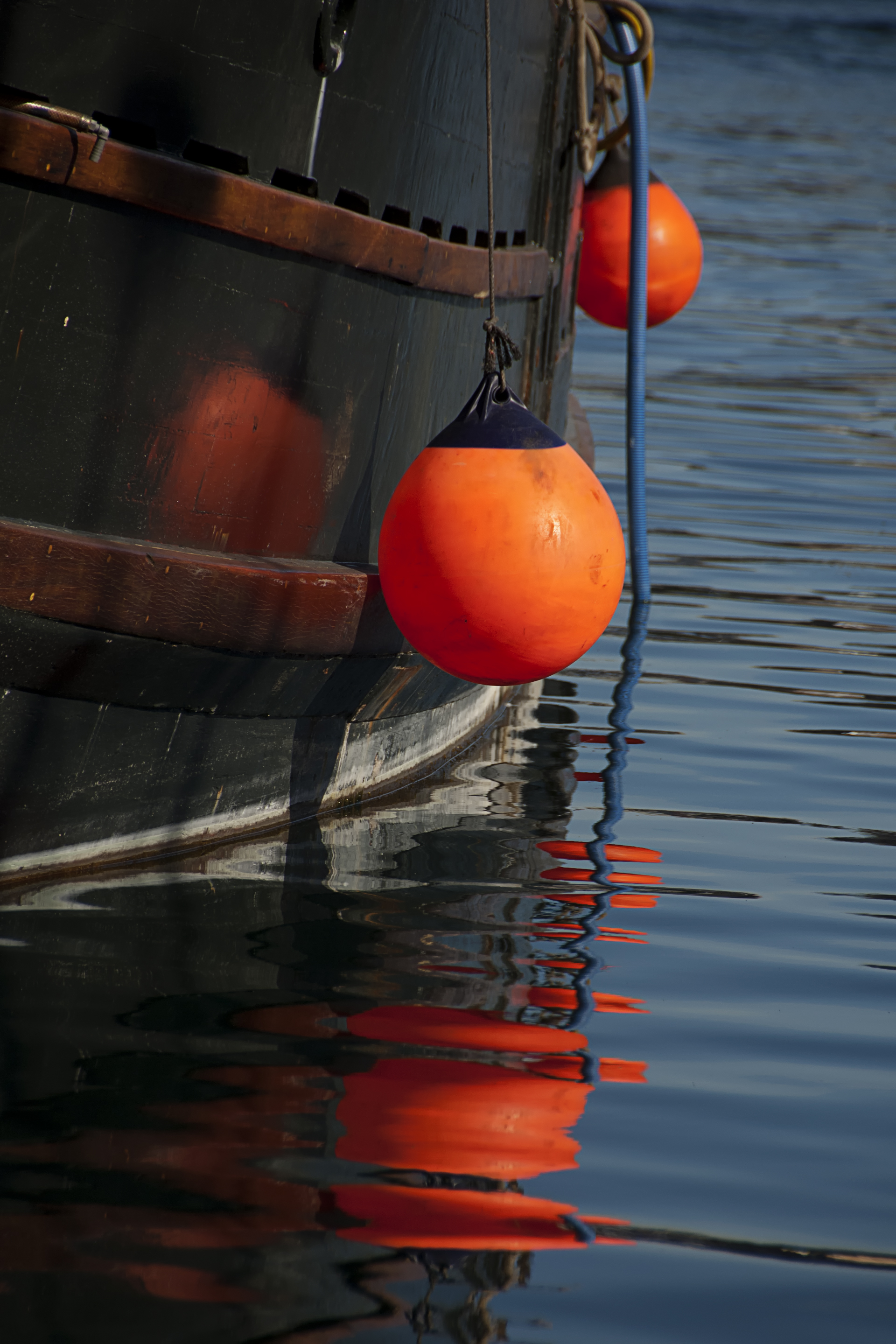
I had to get used to how the reflection off the water tricked my camera’s light meter. I don’t know if all cameras are the same, but in my experience relying on the camera’s meter in many cases will result in an over exposure. So I always underexpose around large bodies of water. That’s easy. I just make a few exposures and check my histogram until I am satisfied.

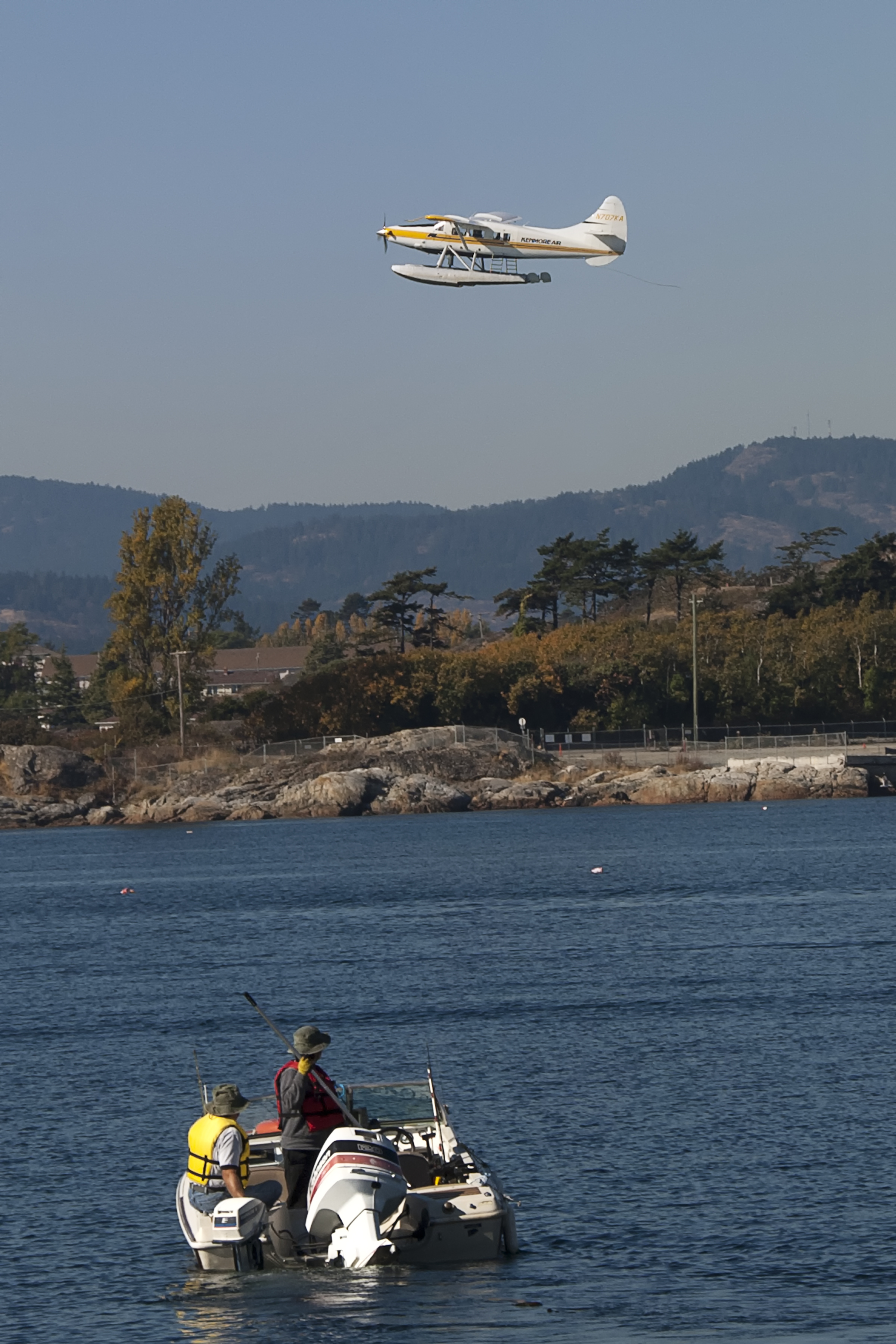
I had a great time photographing boats, planes, birds, and pretty much anything else on, off, and around the water that caught my eye as I roamed Victoria’s waterfront. I found new subjects, met interesting people, and even spent time with other photographers. I really enjoyed the change of photographic scenery and highly recommend any photographer to change things up to refresh their perspective.

I appreciate your comments.

My website is at www.enmanscamera.com
Metering to Achieve the Right Exposure

I was leading a workshop about off-camera flash and had been discussing lighting. I paused and to make sure everyone was following and asked if there were any questions. One participant responded, “I don’t know what you mean by metering each light differently?  What is a meter?”

Caught off guard, I replied, “It’s how you get a proper exposure”.  He blankly looked at me, but fortunately, before I confused him more, another in the class said, “no, he means in his camera”.   I realized he had just asked a question (maybe one of the most important of the day) I should have anticipated early in my lecture.

Today’s high tech cameras are wonders at balancing all the light in a scene and many photographers unfortunately choose one of the programmed modes, point their cameras, release the shutter, and never look at anything on the camera but the LCD again.  Even using a flash, just the right amount of light almost always seems to be perfect. However, if we want to control and master light, whether it’s the sun, a reflector, a camera mounted flash, or off camera lights, we need to understand how that light is bouncing off the subjects we are about photograph.  Why would we bother when these newfangled cameras are marvelous?

That photographer in my lighting workshop had never used his camera on anything but the Aperture priority mode. That means he selected the aperture and the camera’s computer selected the shutterspeed.

In this workshop we were directing one flash to brighten the background, one to create a highlight on the subject’s cheek, and another high to the front as main illumination. Each of those lights had different intensity, and it’s the meter (consider it a tool) in the camera that we use to easily tell us what each individual exposure is so we can control the image.

Here is an example of critical metering I wrote about on 6 September; “The guest had a perfectly good camera, but criticized it, and said he wished he had a better one because the backlighted couple we were photographing were being recorded as silhouettes.”  That photographer had his camera set on a program mode and was of the belief the camera was capable of solving the high contrast lighting.

The camera’s computer couldn’t determine correct exposure with a strong changing backlight, and since he didn’t know how to use the camera’s meter all he could do was claim it was the camera’s fault.

On that day I began by metering to determining the overall exposure. I started with an ambient exposure, and by reading my camera’s meter, I decided to stop down enough to make the ambient backlight an underexposure, then added a flash slightly off camera which brought up the luminance of my subject so that, unlike that confused photographer that didn’t use or pay attention to his meter, I ended with a very usable photograph that didn’t need to be saved in postproduction.

I prefer using my camera on manual, but in both situations those photographers could also have used their camera’s Exposure Compensation (EC) feature. EC works great, and worth reading the instructions to learn, but for the application at my workshop, and at that fast moving outdoor wedding I prefer the “M” or manual mode. However, I must admit that although I like using exposure compensation, as it is fast and efficient, I get involved thinking about other things and forget to reset the EC. Staying on manual, and using the meter display at the bottom of my viewfinder helps me to remember.

Using the metering tool determines how the camera sets exposure, and today’s cameras make it easy for the photographer to choose a metering mode for the shooting conditions. Understanding the meter tool allows for control over the different exposure modes that determine how the camera will set the shutter speed and aperture.  I can only stress that readers who have DSLR cameras learn to use the meter.

Everyone’s comments are welcome.

My website is at www.enmanscamera.com