Is it Time to Upgrade my Camera?

1. Cameras

getting the shot

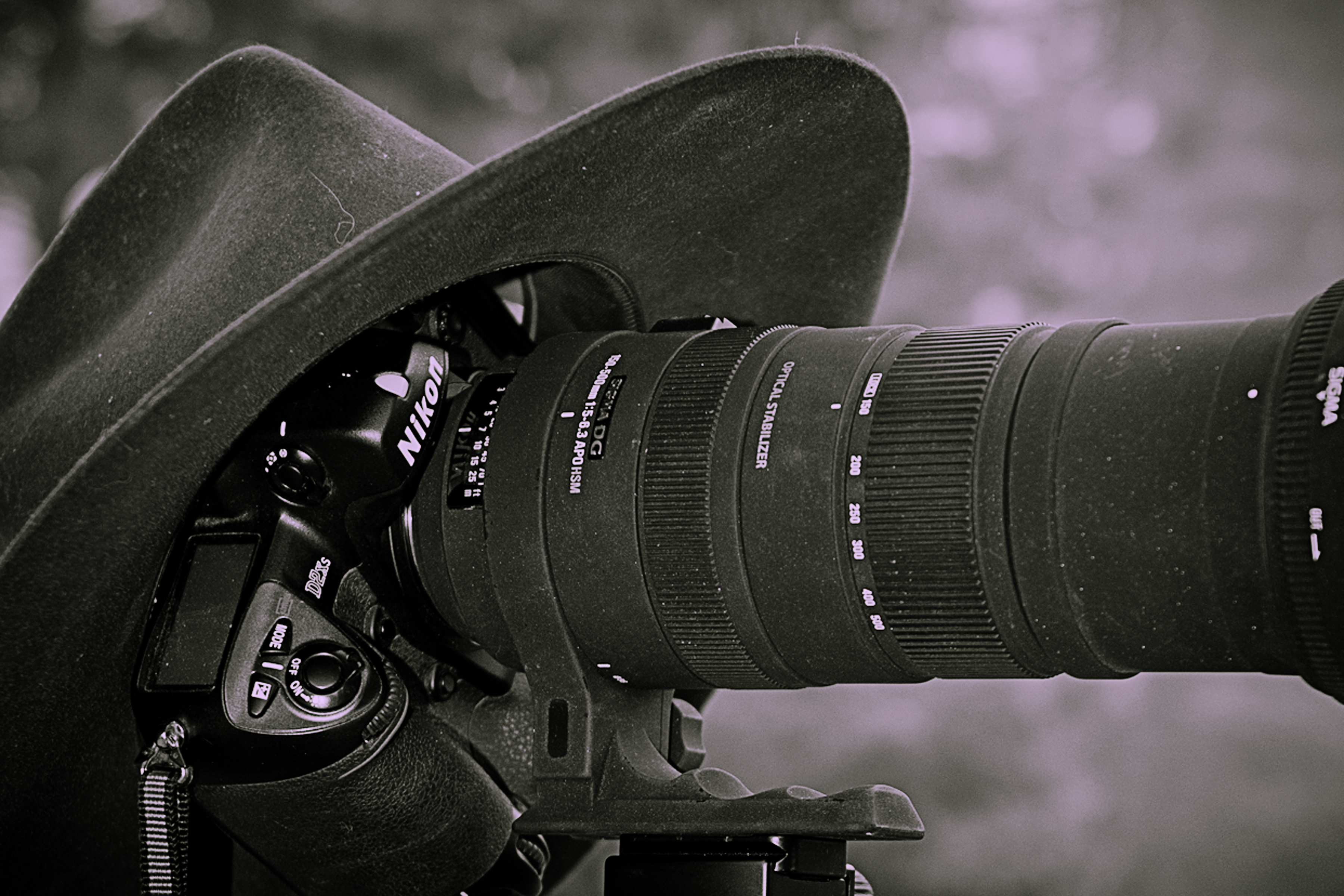
Tripod & Hat


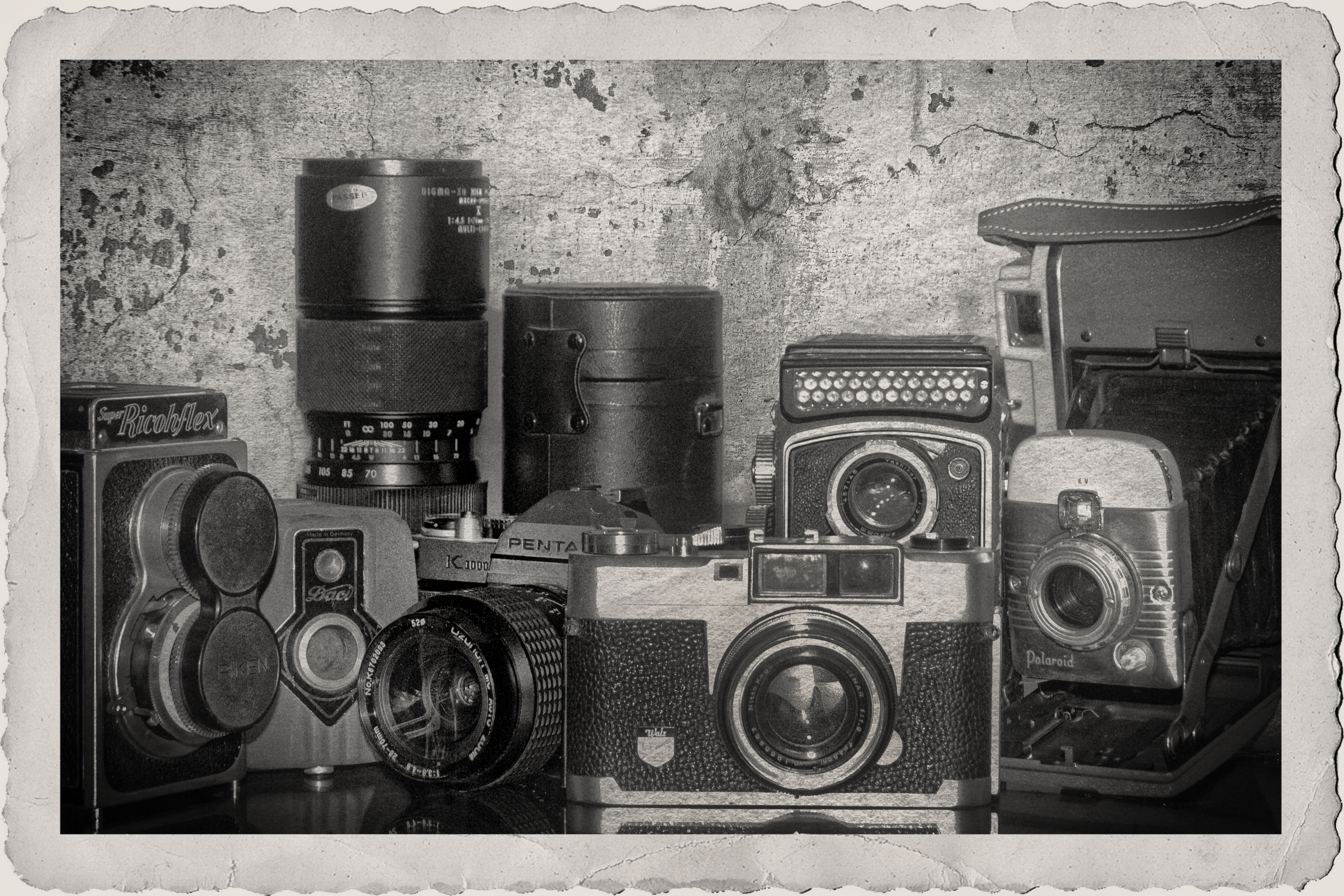
In the era of film cameras serious photographers would come to a point when they would consider upgrading from a 35mm SLR cameras to a medium format 120mm, or make the climb to a 4×5 view camera.

It was all about the size of the film and bigger really was better. I recall feeling bad for couples that had friends photograph their wedding with tiny 35mm cameras. Only those photographers wielding medium format cameras would be assured of quality final prints. If one wanted a colourful, sharp, grain free enlargement then 120mm or a larger format was a must.

What do I now say to photographers like the one I talked with recently who are considering a more serious approach to photography?

I always begin with the question, “what are your interests and what subjects do you like to photograph?”   My short answer for that digicam user was, if you want to shoot sports, wildlife, or even scenics and want enlargements bigger than 8×10, then, yes, get a DSLR.

I think printing quality 11×14, or bigger, enlargements are best produced with sensors that are considerably larger than what digicams provide.

I like digicams. They are perfect for intimate, candid shots. The compact size lets one put them in a pocket and go, and if used within their limits they can produce excellent images.   However, if one feels, like that fellow I talked with, they have reached their camera’s limits then it is time to move on.

I must add at this point, that with the entry of mid- and full-size sensor mirrorless cameras there are new and exciting choices. I would like to discuss those at another time, and hope for plenty of advice from readers on their preferences.

To simplify my discussion with him I put DSLRs into two categories, amateur and professional. However, the difference between amateur and pro cameras isn’t as easy as it was with film.

The most significant difference, in my opinion, is durability. Pro cameras feel sturdy, are heavy, and are sealed against the elements. When dropped, they bounce and usually don’t break, and even with hard use, the shutters will last a long time.

When the first DSLRs came onto the scene there was definitely a difference in the quality of the images between entry level and professional level cameras, but that is not as distinct now. The technology for sensors and in-camera processing has rocketed. The latest entry-level model may well have the same sensor as the previous summer’s expensive pro model as the technology is transferred over. The obvious difference may only be the weight and controls and debating megapixels has become just plain silly.

I know many are willing to argue about cropped frame vs. full frame, but I wonder if that’s more a personal preference than an upgrade.

For those, like the photographer I talked with, interested in purchasing used equipment; there will always be opportunities to purchase at reduced prices.

Whatever the camera availability, my advice to that fellow and others asking the “upgrading” question is to consider what kind of photography they want to do. Talk to other photographers about cameras that are interesting, go online and check out the many photography forums to find out what others with their same interest are using, and absolutely attend some classes.

Using a different camera is always fun and I believe learning how to control the technology a new camera offers is like a shot in the arm that gets the excitement going and helps ultimately to make better photographers.

Any comments on this subject, or mirrorless cameras are very welcome.

Thanks, John

My website is at www.enmanscamera.com
 

Problem Solving Approaches to Photography

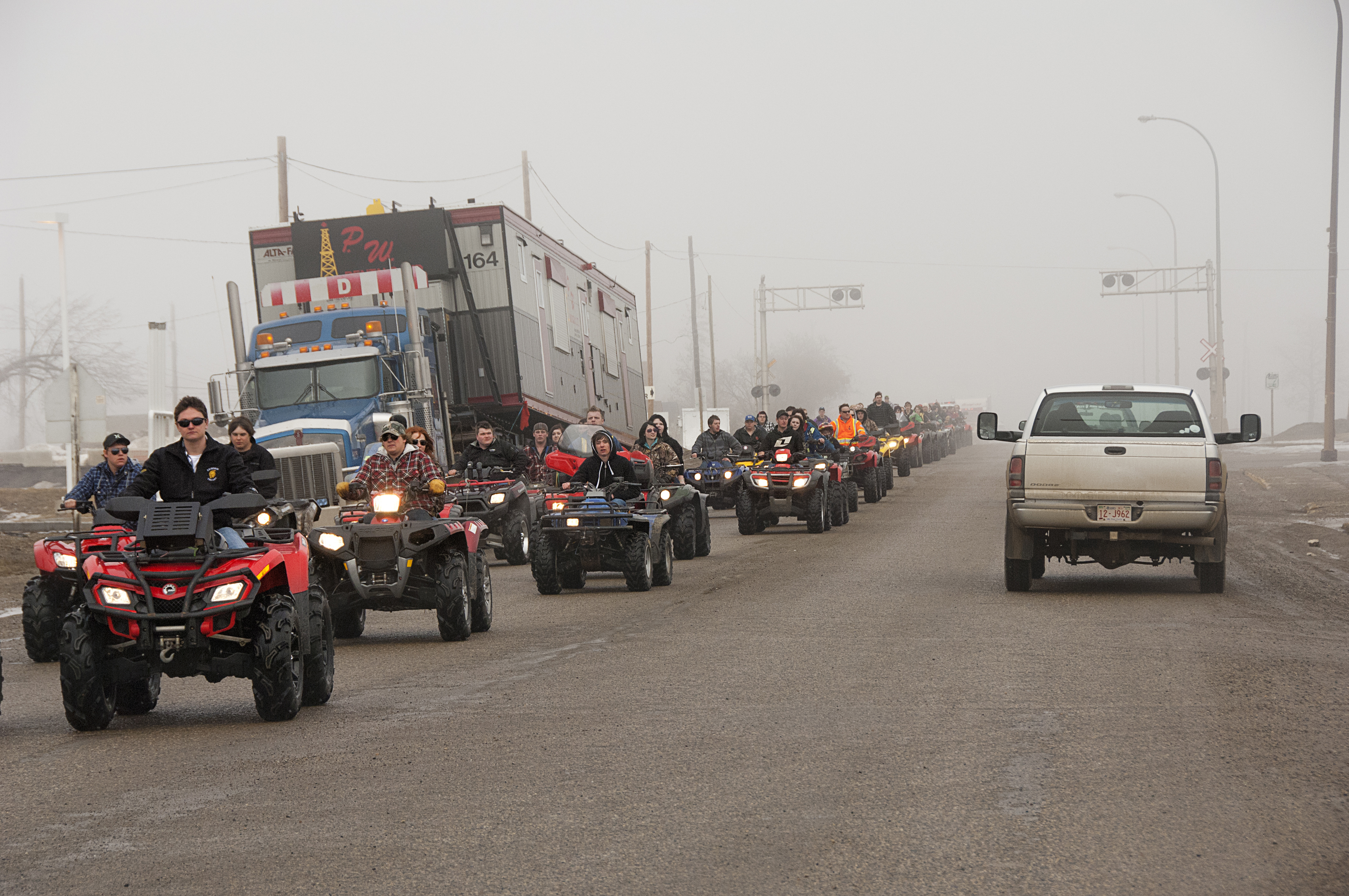
The procession 1

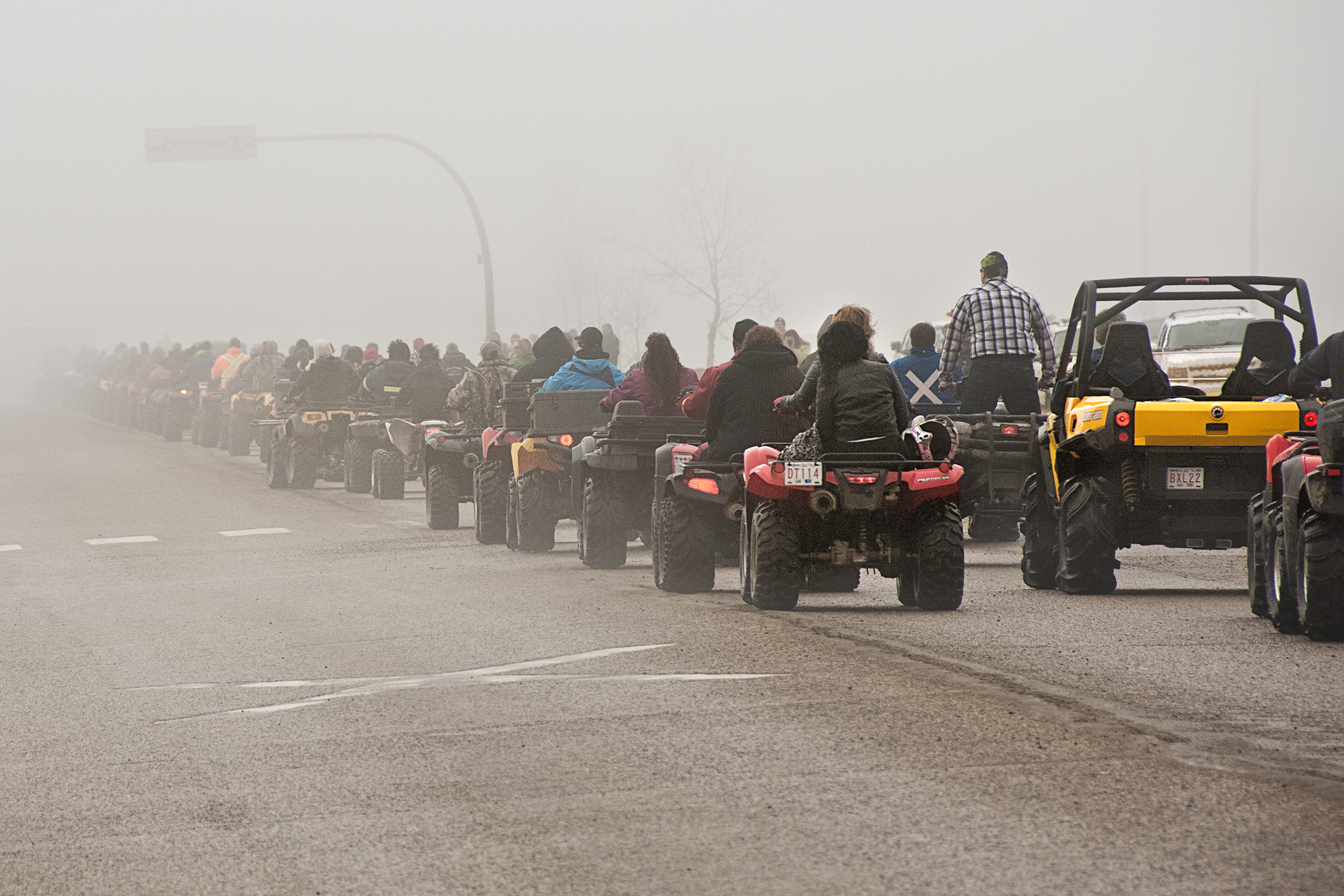
The procession 2

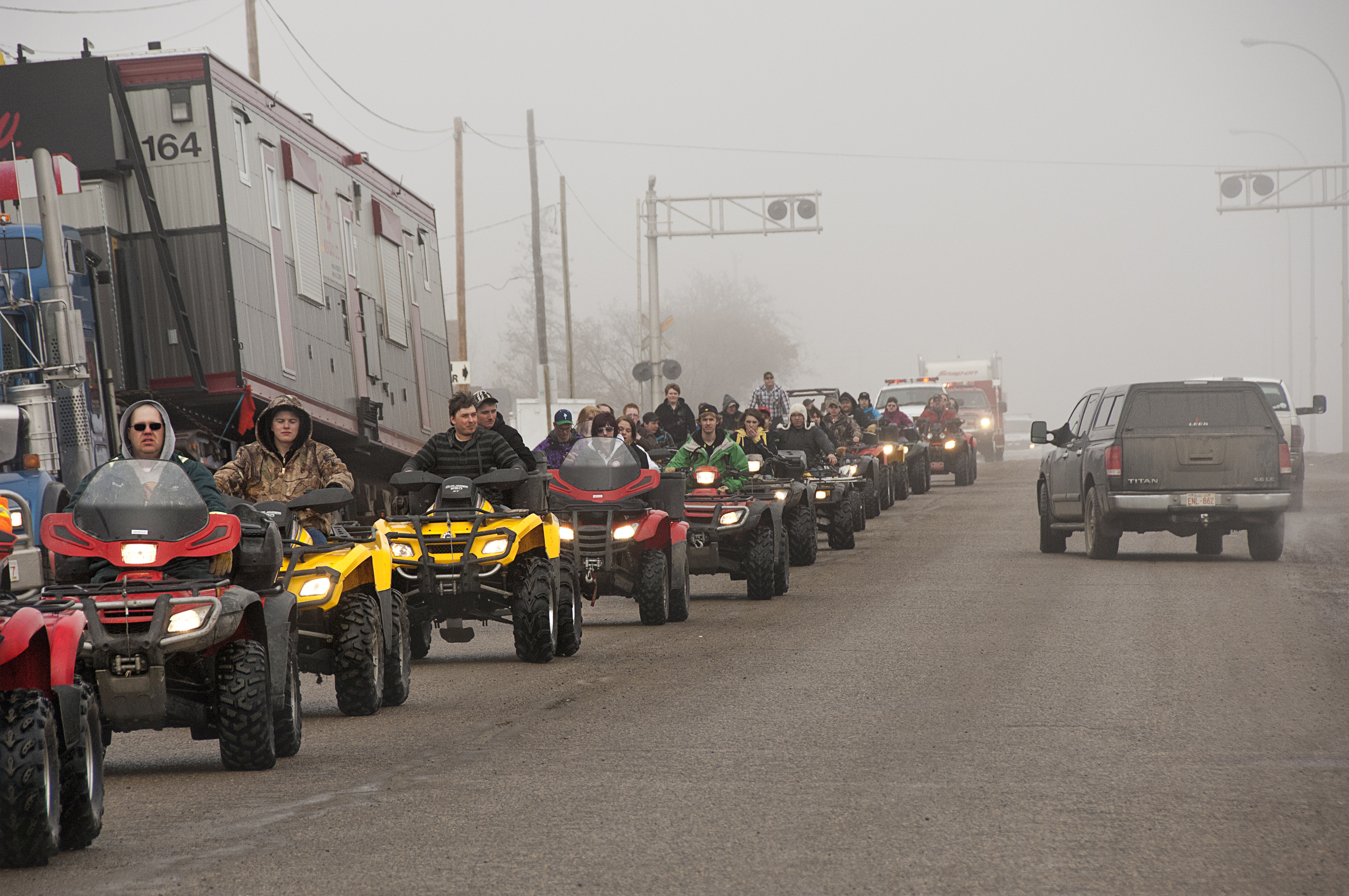
The procession 3


There are times when all photographers end up with faulty photographs. Once in a while it can be blamed on the equipment, or processing, although certainly not as much now as when film was used. However, in my opinion, even today most of those faulty photographs are because of poor techniques.

A friend stopped by my shop last week to tell me about his trip to Mexico. He complained that his daughter’s cheap little point and shoot camera got better pictures than he had with his son’s expensive DSLR. I don’t think he was happy when I told him the problem was most likely with his technique. I was certain that little point and shoot’s tiny sensor or it’s lens didn’t match the quality of a DSLR.

I listened to a local photographer grumble about how local photo labs are failing to make her prints the way she thinks they should be. I expect she totally relies on her camera’s programs and is one of those of the belief that if the camera they have been using doesn’t give good pictures then they should buy a newer or different manufacturer’s offering to make it so. In her opinion, that latest camera is advertised as producing wonderful images and when she doesn’t get the correct colour balance or sharpness it can’t be the camera or her fault, it must be the labs.

Years ago I was asked by the Abbotsford Photo Arts Club to give a lecture about problem solving in photography during their annual session. That was long before any of us even thought of the amazing control computers in our cameras or on our desktops now give us. However, at that time I felt, and still do, that the responsibility for a good photograph belongs to the photographer and not the film companies, camera manufacturers, or some poor, overworked lab technician. The point of that lecture, so long ago, was that photographers should look at each photograph as a problem to be solved, and go through the process of correcting faults before releasing the shutter.

Photographers used to say that it was all in the negative; that a properly exposed and developed negative gave the best possibilities of a fine quality print. I still agree with that principle only now it isn’t an image about to be developed on film.

By the time I arrive on the scene to photograph my subject of choice I have already made several decisions and I try to do as the famous photographer, Ansel Adams would do and “previsualize” the image or in my words, “problem solve for the final photograph”.

Like Adams, photographers should be thinking about how the final photograph will be used and how to accomplish that. If one thinks of a final photograph as a series of problems to be solved there will be a smooth transition from initial idea to final print. For example one could begin by thinking about the subject and its environment. What is the background and how will that affect the subject? What is in the foreground that will interfere with that subject?   If one considers depth of field a decision must be made how much is wanted to be “in focus”. Continuing on, in a landscape photograph, photographers will probably want everything from the foreground to far off distance to be crystal clear; whereas, for a portrait the photographer may want the background to be “out of focus”. Another consideration is what is the lighting like and will its direction be flattering?

The sun and its direction is always very important when photographing people. I prefer to have it coming from behind my subject and as readers know, I like to use off-camera flash. Although, if for whatever reason that isn’t possible, I problem solve my way into a photograph that works.

Photographers don’t need to see problems as a deterrent or bad thing. When I suggest to photographers to take a problem solving approach to photography I am really just saying that every element in any creative photographic composition is important, and from start to finish if a photographer uses a system of photographic problem solving there will be less faulty and more successful images.

With digital technology one can easily determine what went wrong or is going wrong and take the time to problem solve before downloading to the computer or relying on technicians at the local photo lab and hoping they are equipped with PhotoShop wizardry.

I appreciate your comments. Thanks, John

My website is at www.enmanscamera.com
When Do I Like Photographing Flowers?

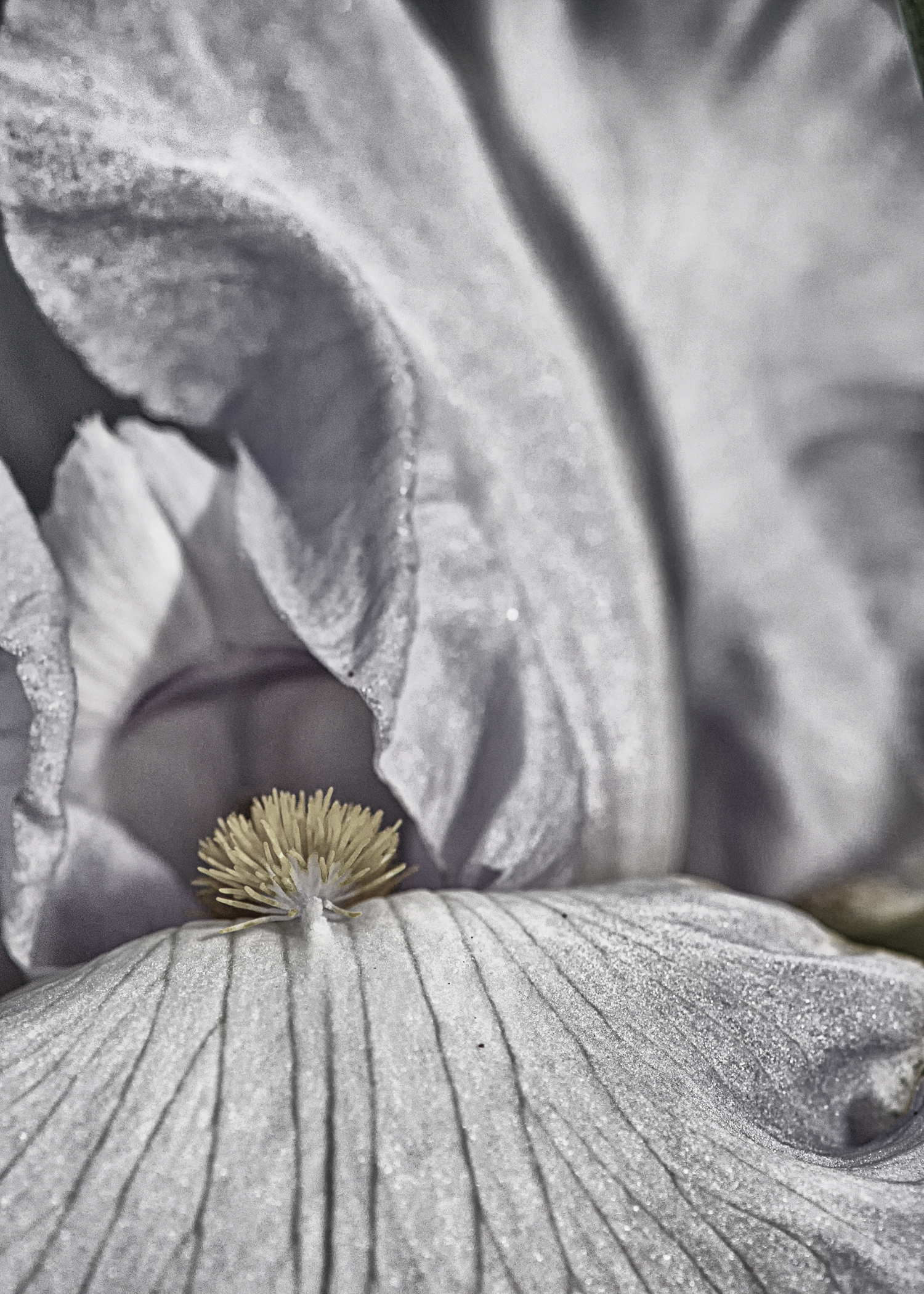
Iris sculpture

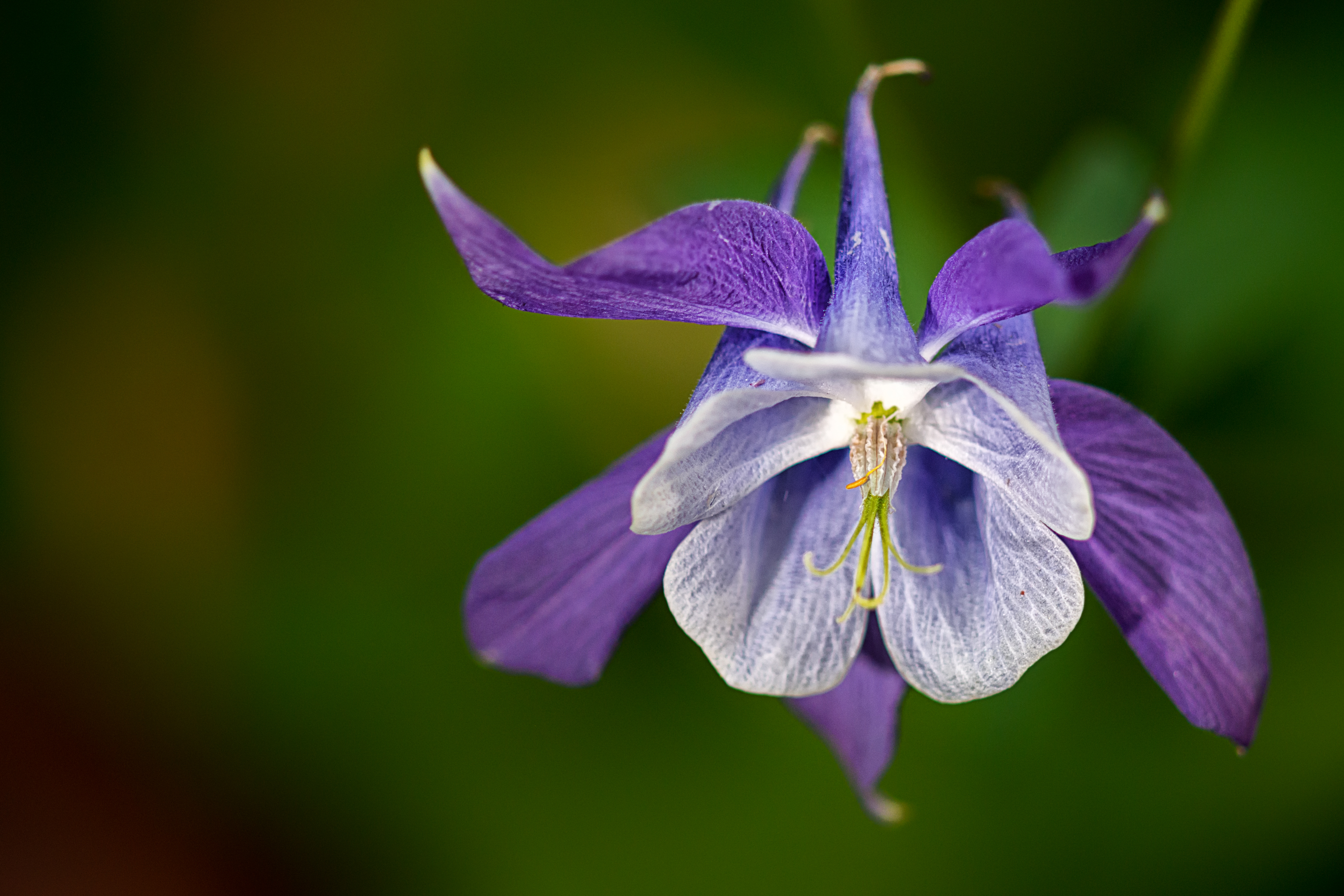
Columbine bloom


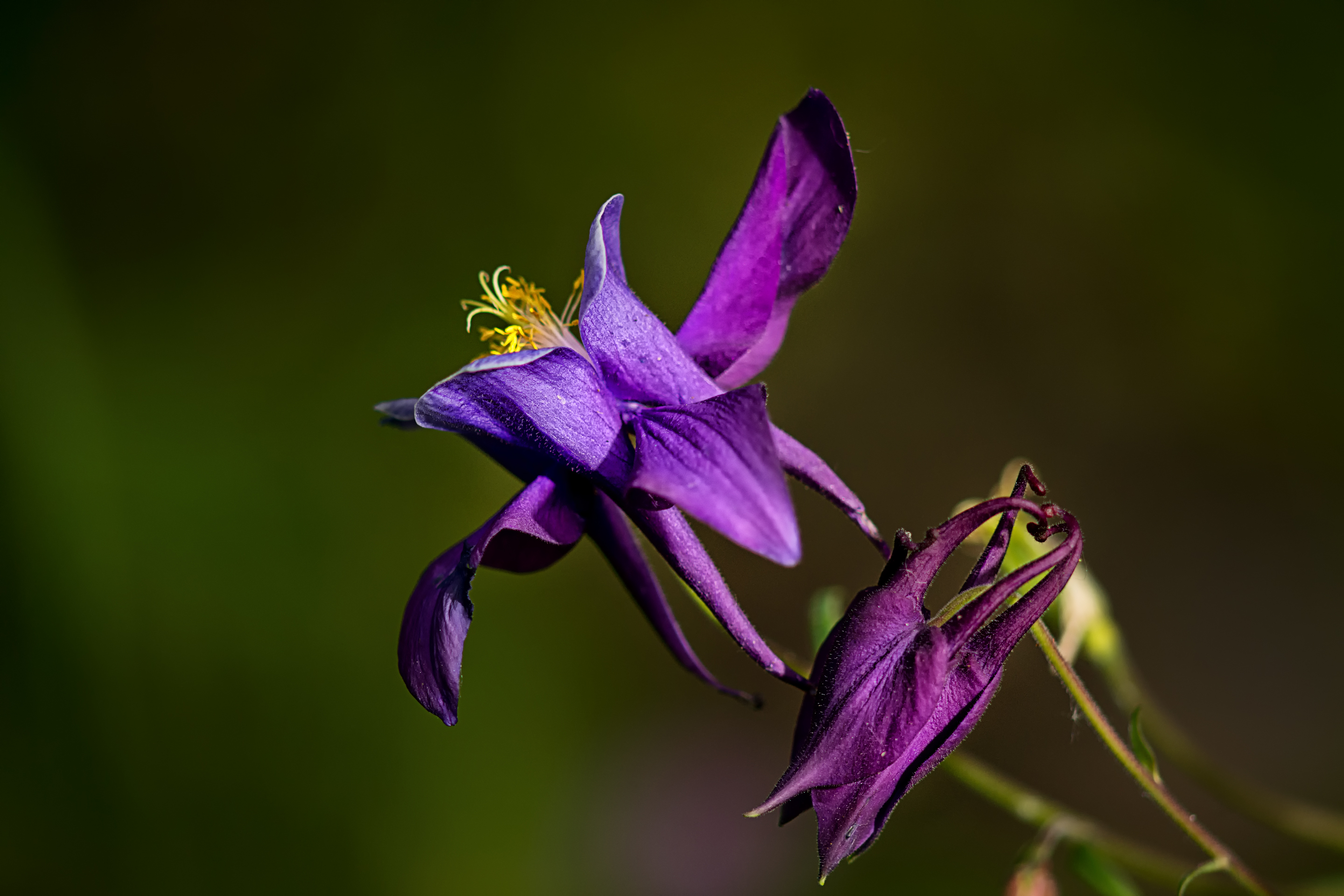
Columbine


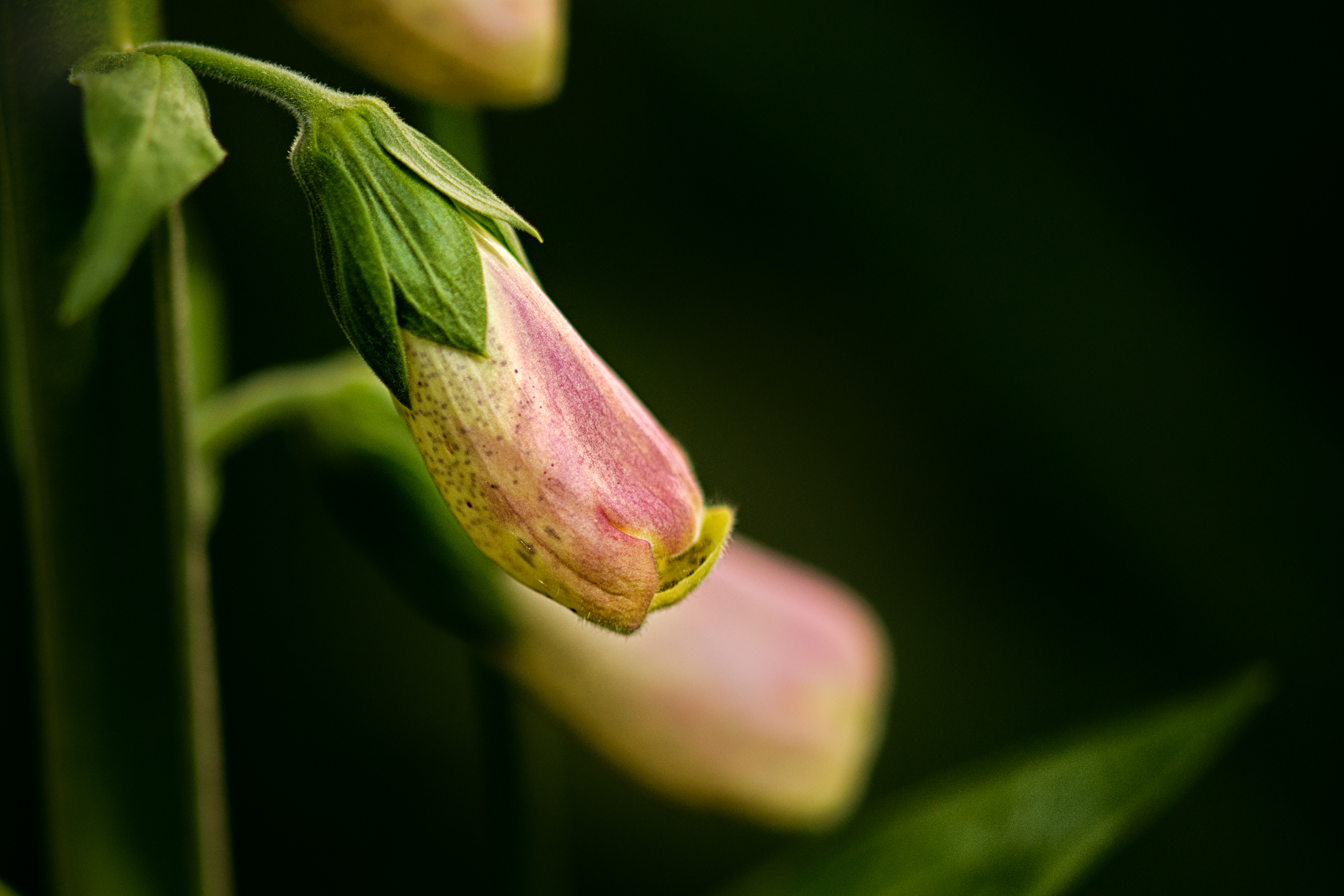
Foxglove


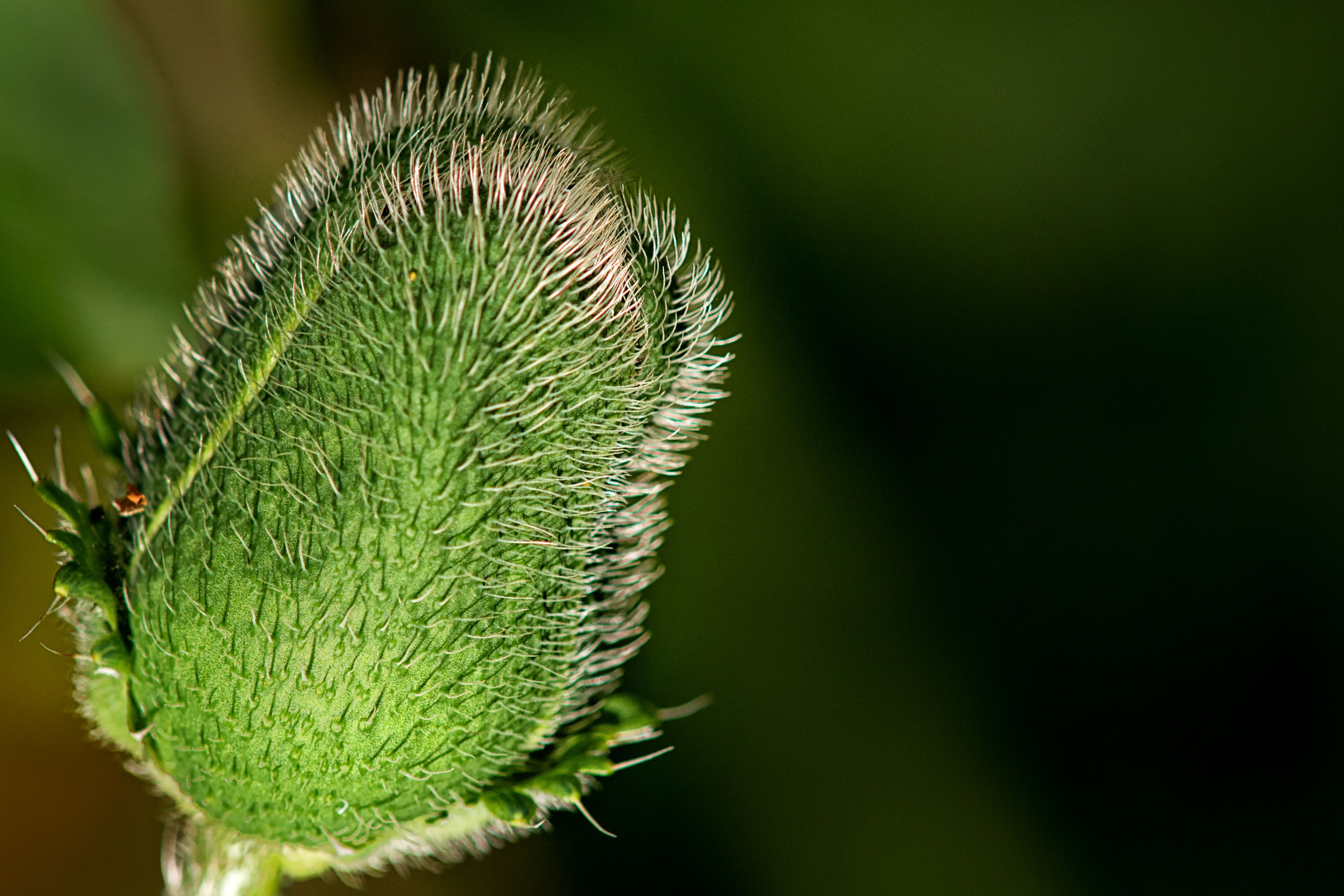
Poppy bud


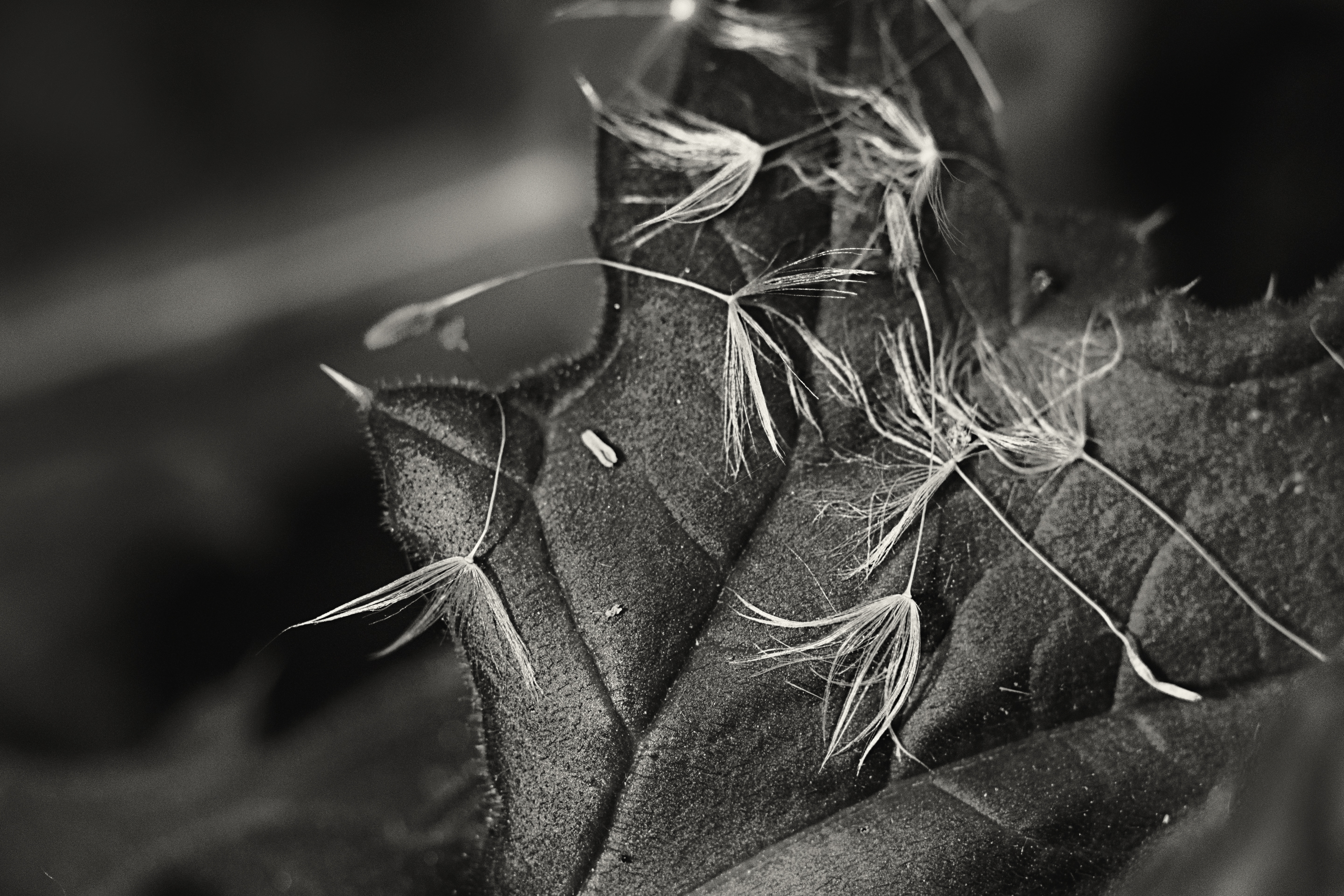
Dandelions seeds & Oregon grape

When I am bored, stressed, or just want to get away from crap that sometimes happens, I grab my tripod, camera, and flash, and head out to my wife’s garden.

I admit that I am not really a flower kind of person and plant names are more my wife’s interest than mine, although, I do try to document her sprawling garden as creatively as I can throughout the seasons.

Somehow pointing a camera at some colourful plant is calming, and wandering through a garden of differing shapes and tones offering photographic opportunities gives me a different experience than any other subject.

Unlike photographing people, animals, scenics, sports or almost any other subject, garden plants just wait to be looked at. One doesn’t have to cajole, creep, or climb, and it’s not necessary to get in a vehicle to search for some secluded or exotic location. Most of us can find a welcoming garden close by that is, in most cases, easily accessible.

The result of 30 years of my wife’s effort has put me in a fortunate position of having about a half-acre of garden right out our front door. However, even if I lived in a city and only had four or five potted plants, I still would have a place in which to get lost.

The past month has been busy keeping me constantly on the go. So when my wife and I went to the car to drive to a mid morning appointment, the doggone thing just stopped working, and I was confronted with another stressful problem. To make a long story short, I was (I’ll use nice words here) very irritated as I watched it disappear down our rural road, chained to the bed of a tow truck.

I stormed around for a while. Then as the bright afternoon sun began dipping into the mountains and the light started to fade I looked around. I had walked back into our yard and was standing hidden from the road in my wife’s garden. Everything was bathed in what photographer John Sexton called “quiet light”.

“It is light that reveals, light that obscures, light that communicates. It is light [that] I listen to. The light late in the day has a distinct quality, as it fades toward the darkness of evening. After sunset there is a gentle leaving of the light, the air begins to still, and a quiet descends. I see magic in the quiet light of dusk…”

As I wrote in the beginning, I was “stressed and just wanted to get away from the crap that happens” So I returned to the house, I grabbed my tripod, camera, and flash, and started looking at the plant shapes waiting in the garden.

Sexton had continued by saying, “I feel quiet, yet intense energy in the natural elements of our habitat. A sense of magic prevails. A sense of mystery – It is a time for contemplation, for listening – a time for making photographs.”

I immediately began to calm down. I wonder if it was the act of setting up a tripod and attaching the camera. Maybe it was figuring out the exposure and balancing the fading light with my flash. It might have been choosing an interesting plant and searching for a creative angle. Or it just might have been all of those together that stole my attention and allowed me to redirect my energies.

Another of my favorite photographers, Robert Mapplethorpe wrote, “With photography, you zero in; you put a lot of energy into short moments, and then you go on to the next thing.” I guess so.

I expect capturing an expression on someone’s face, photographing an exotic scenic or some sporting event, will get more raves from friends than a picture of some delicate flower. But none of those help to relax me and sometimes even trouble me more. So, next time I am, as I was this week, confronted with problems or just feeling pressure. You’ll know where to find me. And maybe it’ll work for some readers, whether it’s in their garden, a public park, or even on the side of the road; there are plenty of photos for the taking.

I enjoy all comments. Thanks, John

My website is at www.enmanscamera.com
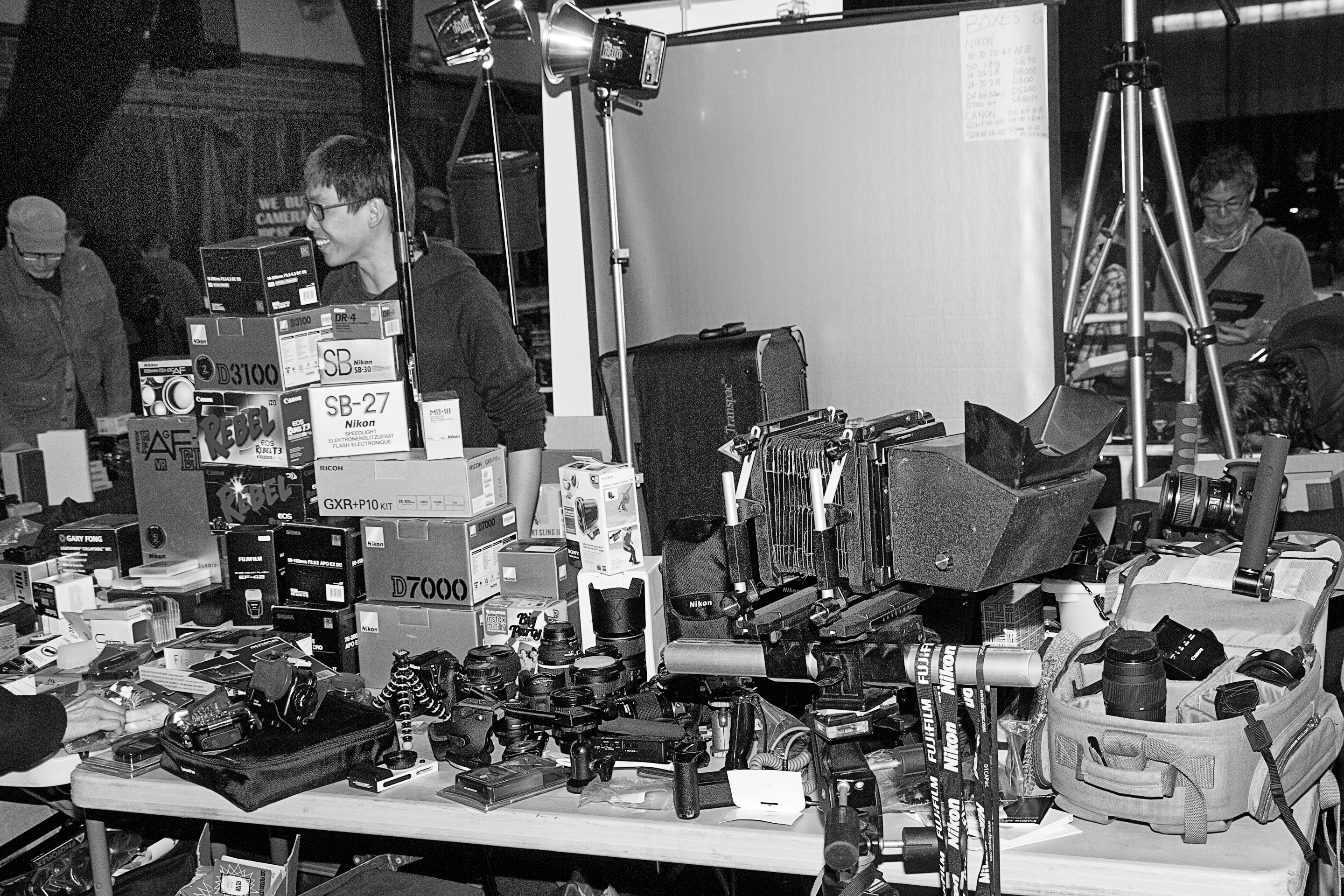
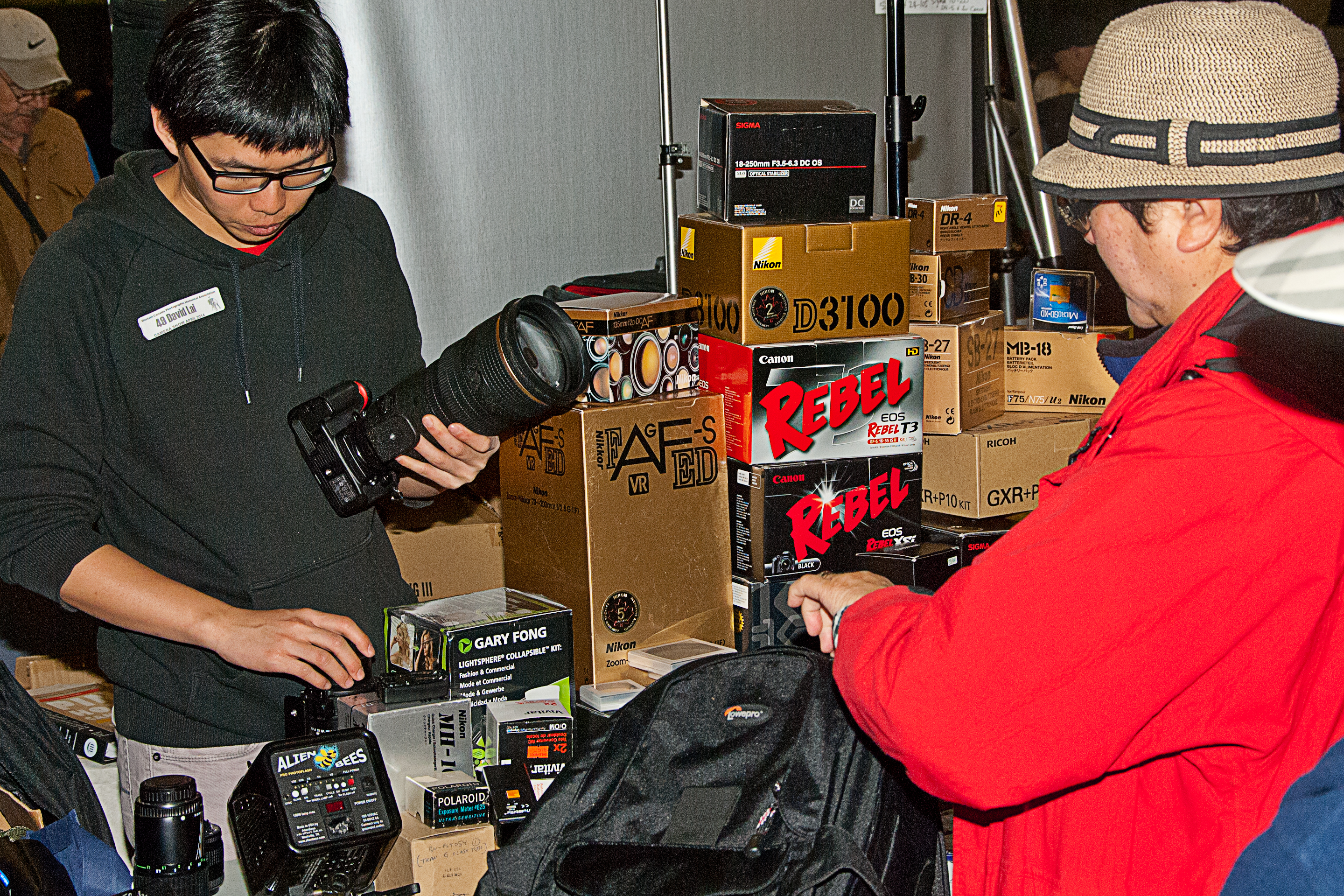
Vancouver Canada, Camera Show and Swap Meet

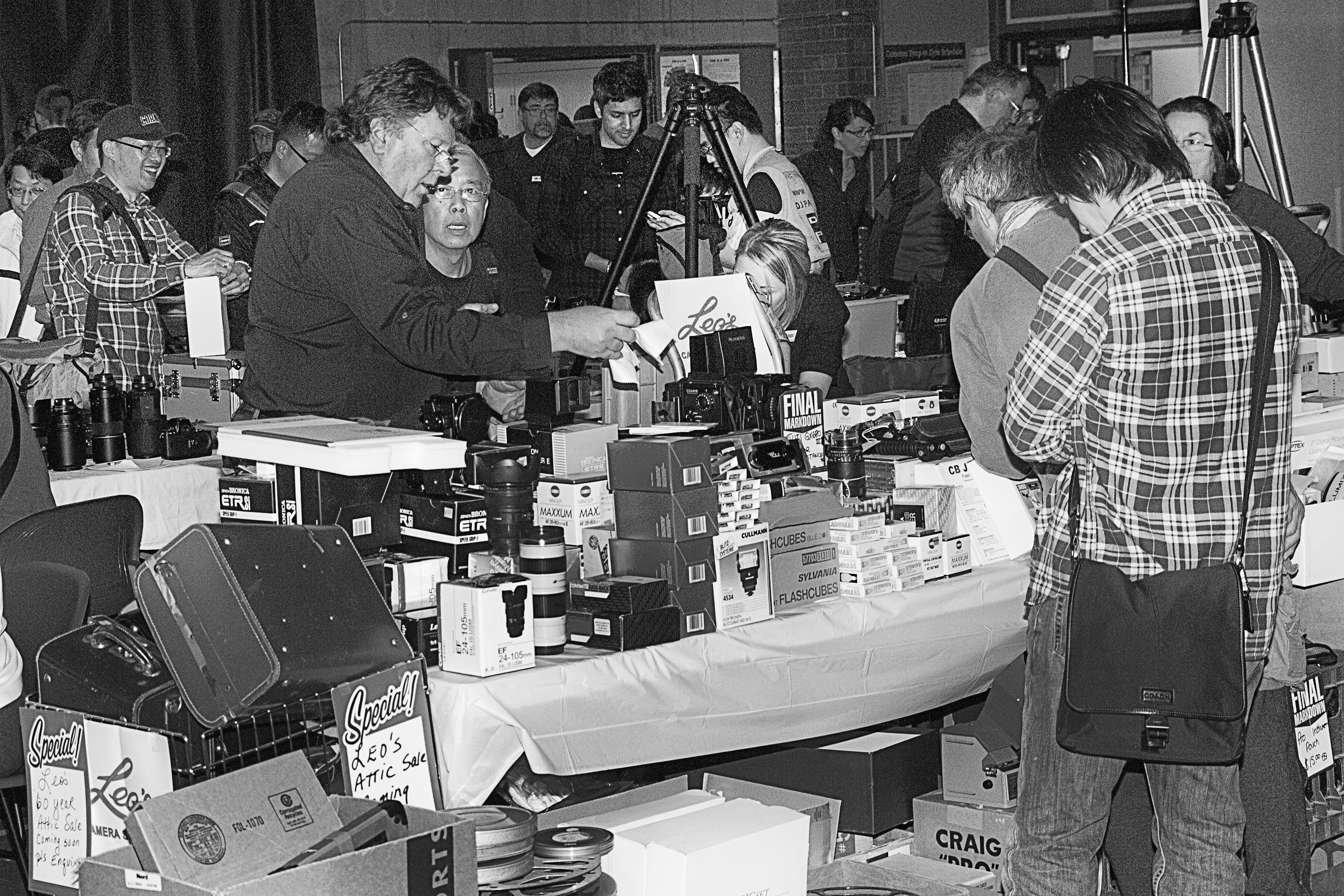
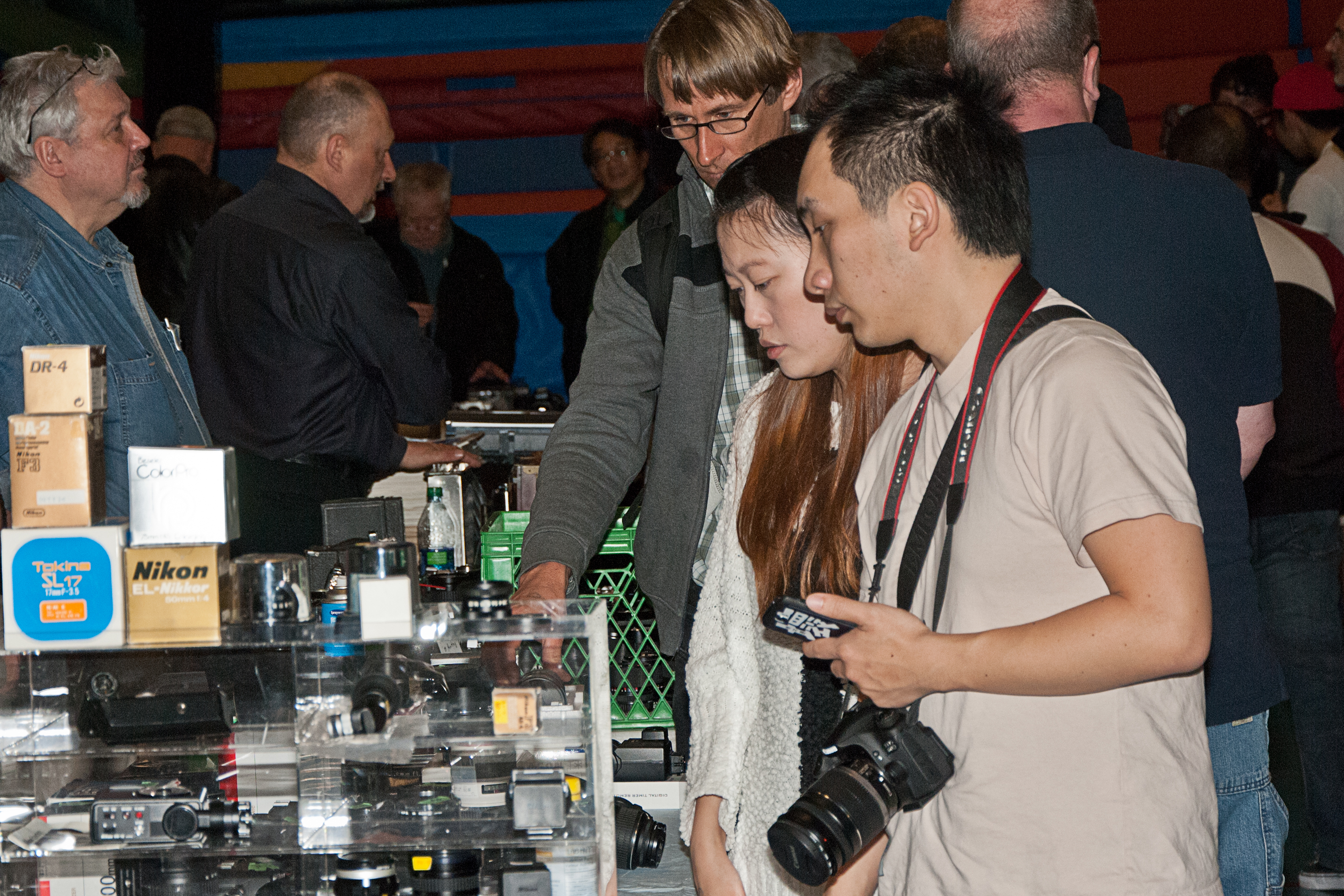
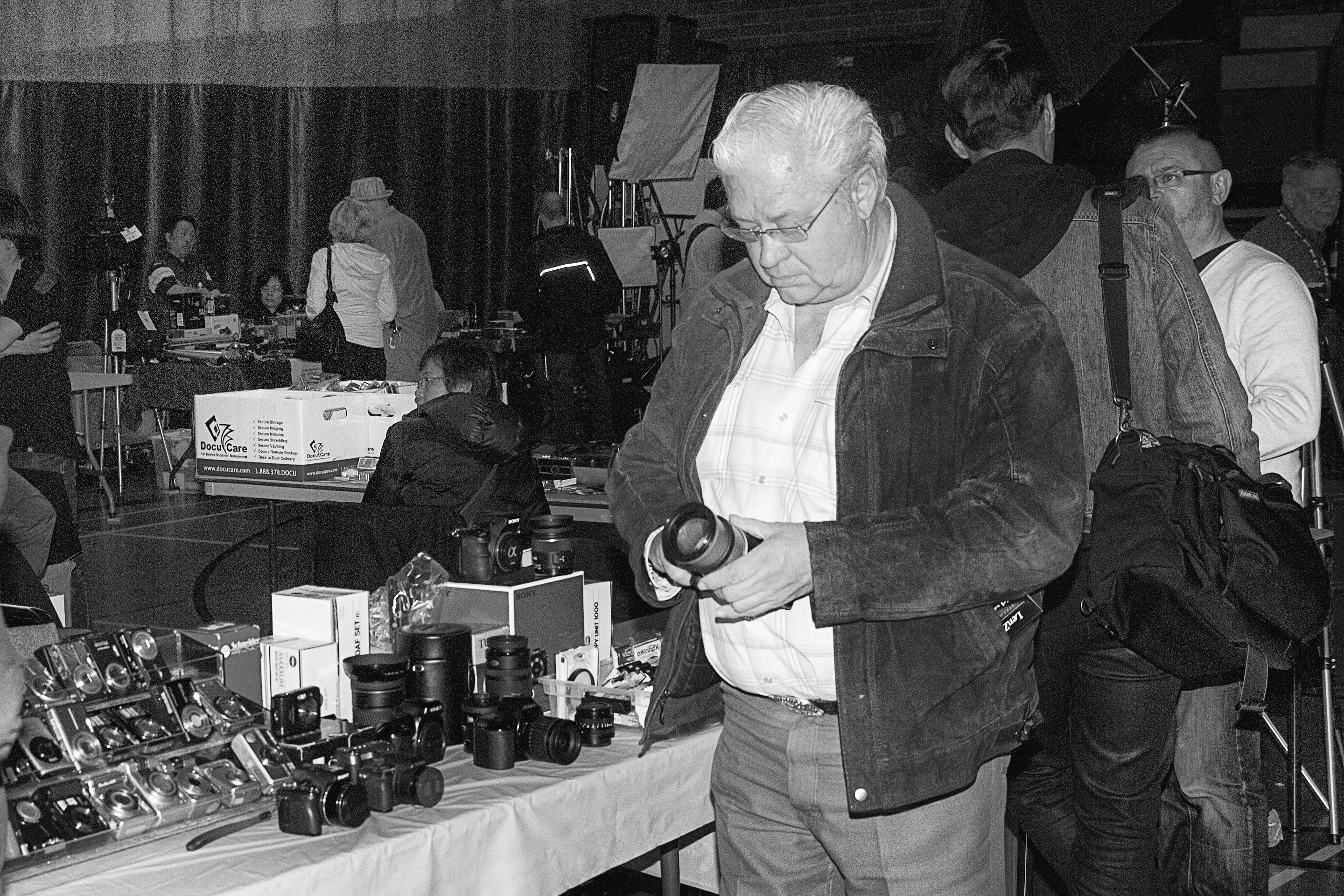
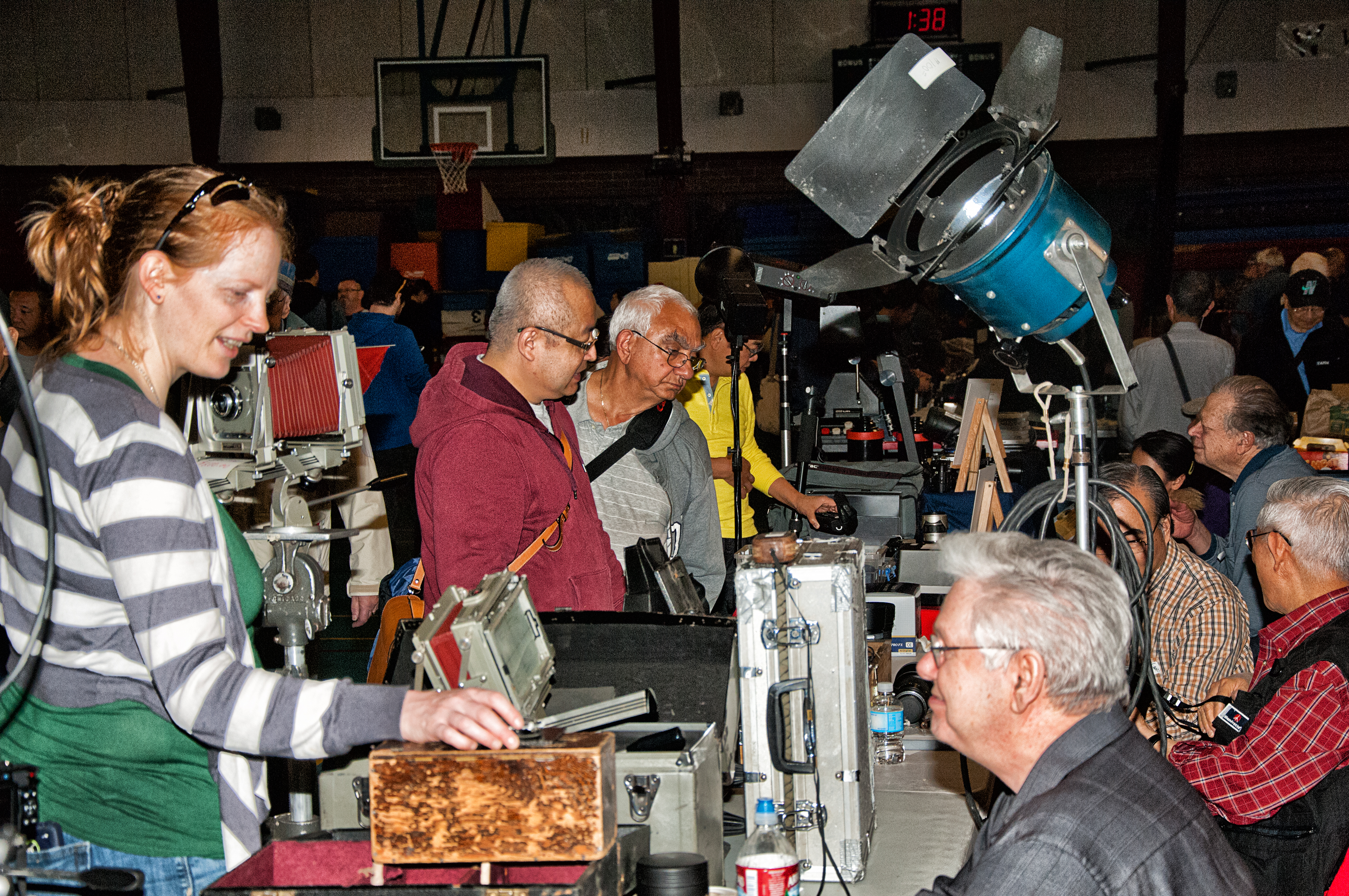
At the swap meet  Swap meet deals  Dave at swap  Another good deal  Photo equipemtn for sale  Check a camera

The clock on the stove signaled 7am and I heard the sound of my friend, Peter getting out of his truck in front of the house. I had my car ready as it was idling on the cold morning, and we jumped in and left for the hour-long drive to meet up with two more photographer friends, Dave and Pat at Dave’s place.

A bit over three hours later we had stopped for coffee in Merritt, driven across the scenic, mountainous and snow lined Coquihalla summit, driven through rain as we passed Hope, crossed the Fraser river into the warm coastal city of Burnaby and were parking across the street from the Cameron Recreation Center that was hosting one of my favorite events each year, The Vancouver Camera Show & Swap meet.

I will say the four of us were pretty excited. We had talked about the trip for weeks and had just driven for three hours talking about photography the whole way and now were walking into a large hall filled with photography equipment, all for sale.

Put on by the Western Canada Photographic Historic Association, and organized by Siggi and Brigitte Rohde, this long-running show has now reached its 38th show and makes the claim of being the largest in Canada with, I think, about 120 tables. And when I talked to the fellow at the door later that day, he thought well over 1,000 people had walked through the doors.

Yes, we were excited as we gazed at the crush of people. Hmm, maybe it was a congregation and we were entering some chapel filled with the faithful. Anyway, as soon as we walked in, Peter yelled, “see ya later” and headed off disappearing into the crowd and Pat and I started looking in earnest for a 60mm macro lens that he could mount on his new camera. I noticed Dave in deep discussion with a couple of photographers he had just met at a table packed with Canon gear.

The event was, as usual, well attended with all types of photographers from all walks of life. Photography, after all, is enjoyed and practiced by men and women of all ages and all cultures and I can safely say every demographic was there.

I have been attending The Vancouver Canada Camera Show and Swap for over twenty years and that was evident with all the familiar faces and constant catching up with people I only knew from this occasion each year. I even stopped to talk and congratulate the organizer, Siggi Rohde on another successful show. He mentioned how some people had wondered as far back as 1992 when the first one was held if a camera swap meet could be successful.

Well, the proof this year was in all the smiling photographers cradling gear in their arms as they wandered to the next table to purchase that one more “must have” item. I have always found the secret is to buy a camera bag in which to put stuff. And what about my friends, Dave, Pat and Peter? Dave decided against the lens he had checked out, but grabbed a neat photography vest, Pat found the 60mm macro lens he wanted, and Peter ended up with a Fuji 6×9 film camera. Oh, and although I wasn’t looking for anything in particular, I did find a great deal on a manual Yongnuo flash that will fit in perfectly in my off-camera flash kit and just for fun, bought an almost new camera bag with “Nikon” boldly sewn on the top. However, Pat talked me out of it on the drive home.

Now another Vancouver Camera Swap meet has come and gone and I am left with memories of how much I enjoyed myself. Truth be known, I could go without a cent in my pocket and still have a great time, but who wants to do that? I really enjoy all comments. Thanks, John My website is at www.enmanscamera.com
Critiquing Photography at the Kamloops Photo Arts Club

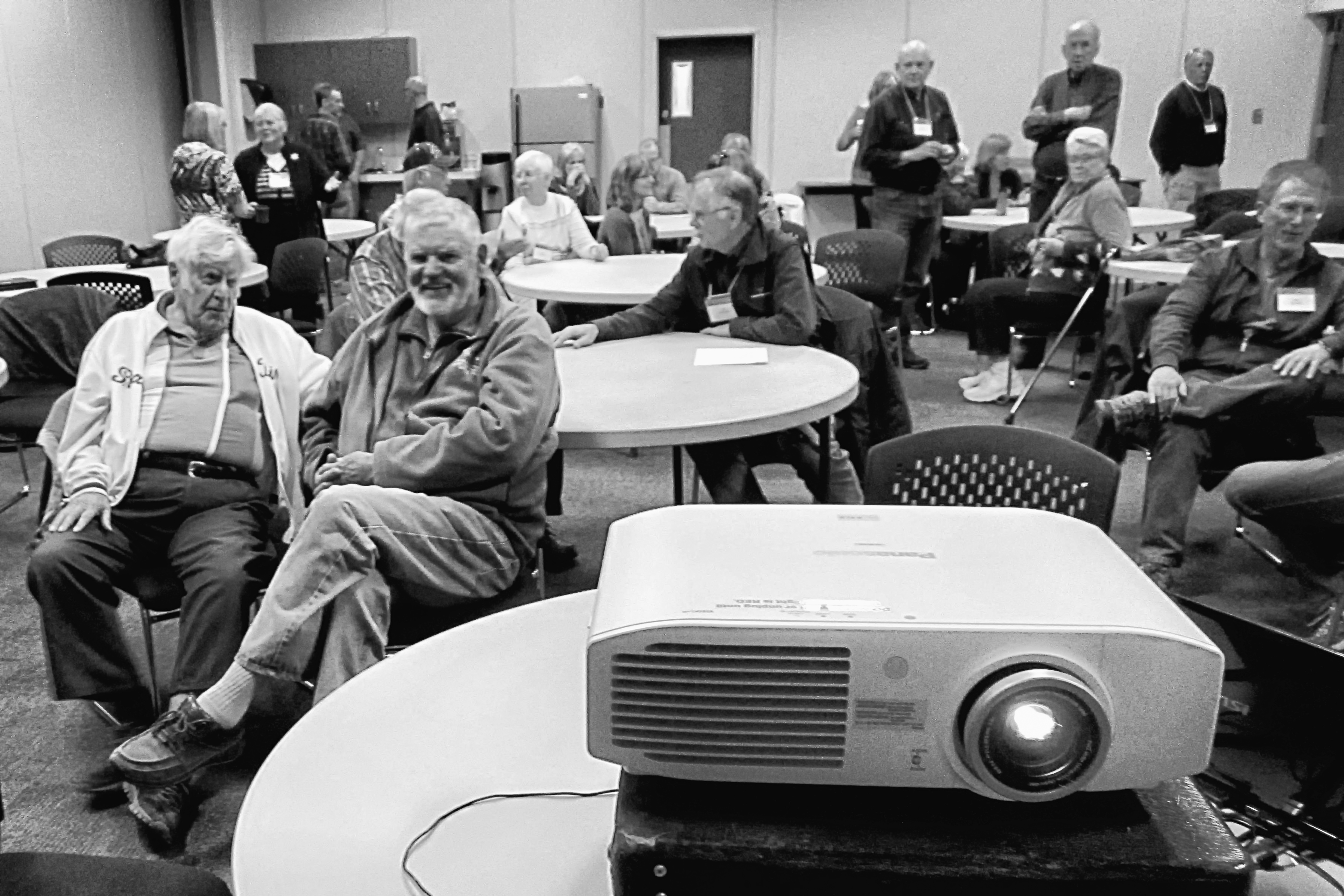
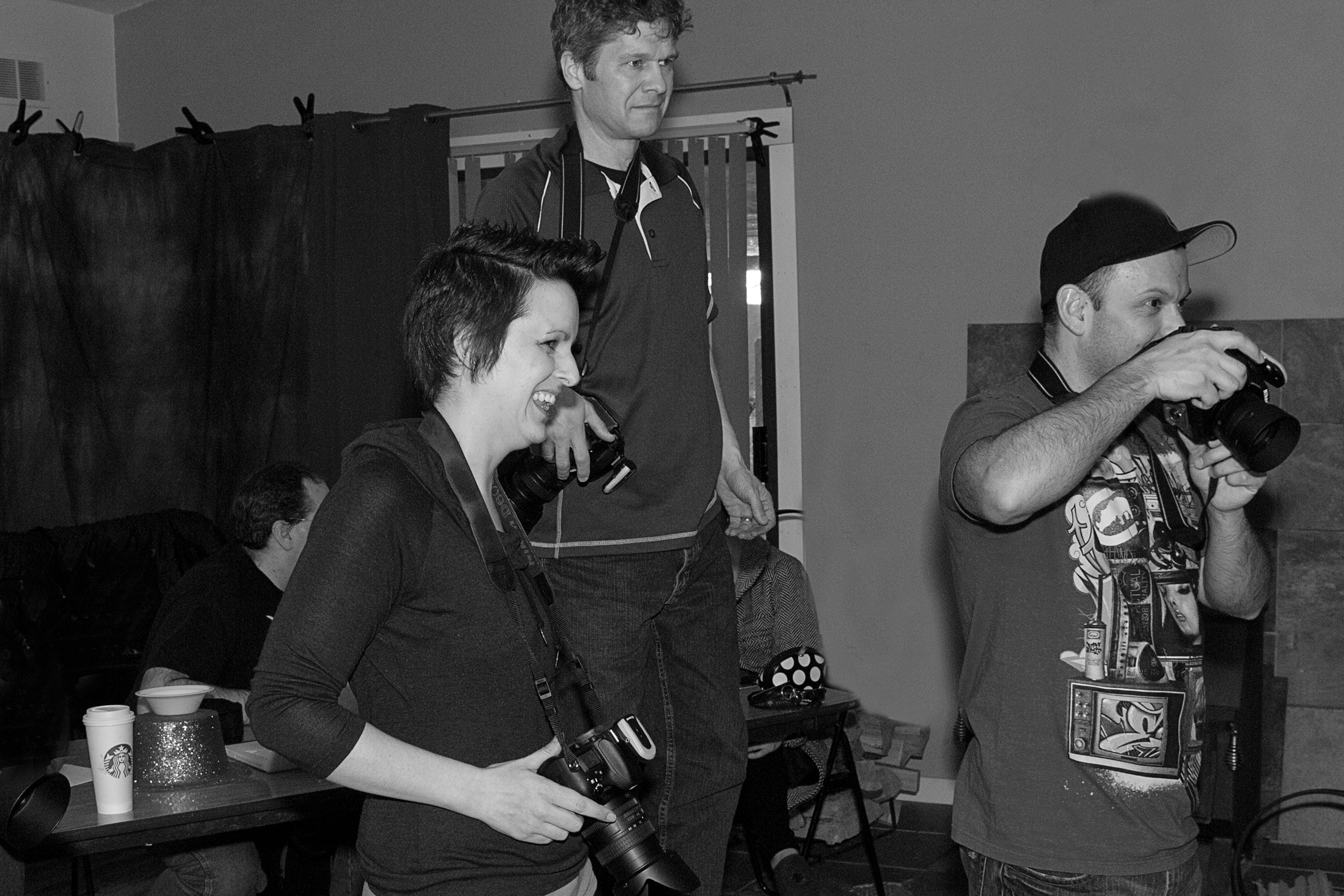
At the club critique

This past week I was invited to be the guest critic at the Kamloops Photo Arts Club.

Although I like discussing photographs, I was at first hesitant with that request. Organized photography clubs in Canada are accustomed to using specific competition rules of The Canadian Association for Photographic Art. Those rules are, of course, specific and must be very stringent.

Unlike that credible and important organization, my critiques of photographs tend to be filled with feedback, I am not selecting the best of the crowd, and I am more interested with what works than what doesn’t. However, the request came from photographer and club member, Linda Davidson, who wrote in the clubs newsletter about having me as a photography instructor in university, “The thing that Linda remembers from her classes with John were his critiques. He had the ability to see things that you may not see in your own work, look at images from a different perspective, not the usual point of view. He was always helpful and inspiring.” So with kind words like that I had no choice.

I remember a quote from the book “Impact – Photography For Advertising” by William Reedy, that puts into words how I view those photographers that are making good photography when he wrote, “To stop the eye, to set the mood, to make the sale.”  I believe that successful photographs must be interesting and thought provoking.

There is a general perception that “critique” means “to find fault with.” When I discuss a photograph I am not seeking to find fault. To me, the word critique means to respond to something, either positively or negatively, or both. The success of an image is how is works for the viewer.

Personally I prefer to use the word “Feedback”. Feedback is information-specific and based on opinion and observation. I have found that the best way to turn someone off is to find fault with their photograph. When I give feedback on a photograph I prefer to discuss what I like, or would like.

When a photographer seeks to make themselves better at their craft they, of course, need input from others about technical control like Exposure, Depth-of-Field and Composition. All those are important in creating a technically correct image. However, things like the mood the photographer set, and the story within the image, are what makes the viewer pay attention, and may not be so technically significant, but those are important all the same. Yet many critics fail to respond to those aspects.

Regarding the critique I provided for the Kamloops Photo Arts Club; I walked into a large meeting room with lots of people sitting around tables in conversation (catching up on each other’s photography I’m sure). The hall was set up with screen and digital projector, and after the club’s president quickly covered business and some announcements about future events I was introduced, handed a remote, the room darkened and I began to scroll through member’s images.

As I began I got a flashback of the years I spent teaching photography. I remember the slow growth as learners struggled with not only the concepts of photography and getting used to their cameras, but the long hours in the busy, darkened and sometimes smelly developing and printing labs. And I mentioned to those in attendance how much more I liked the shorter learning curve of digital image making and the amazing creativity one has with modern photographic post-production.

As I expected, the photography I was to discuss was a top-notch selection of quality images that crossed into all interests of photography. I felt like I should just sit back and clap as I scrolled through the selections and thank those present for the invitation. What a nice way to spend an evening.

I did discuss each image as it was presented on the large screen, and suggested a tighter crop on several, gave my perspective on what I liked about each, and asked questions about several. I think it would have been hard indeed to give negative feed on most of the photography I was fortunate enough to view.

I like to look at pictures. After all the dialogue about photographic equipment and where and what to take on that next photo excursion, what is really left is the final product of everything, the image. Whether in print form, on the computer monitor or, like that evening with the Photo Arts Club, on a large screen, everything comes down to that photograph “stopping the eye, setting the mood, and making the sale.”

I welcome readers comments. Thanks, John

My website is at www.enmanscamera.com
 

Another roadside photographer, again.

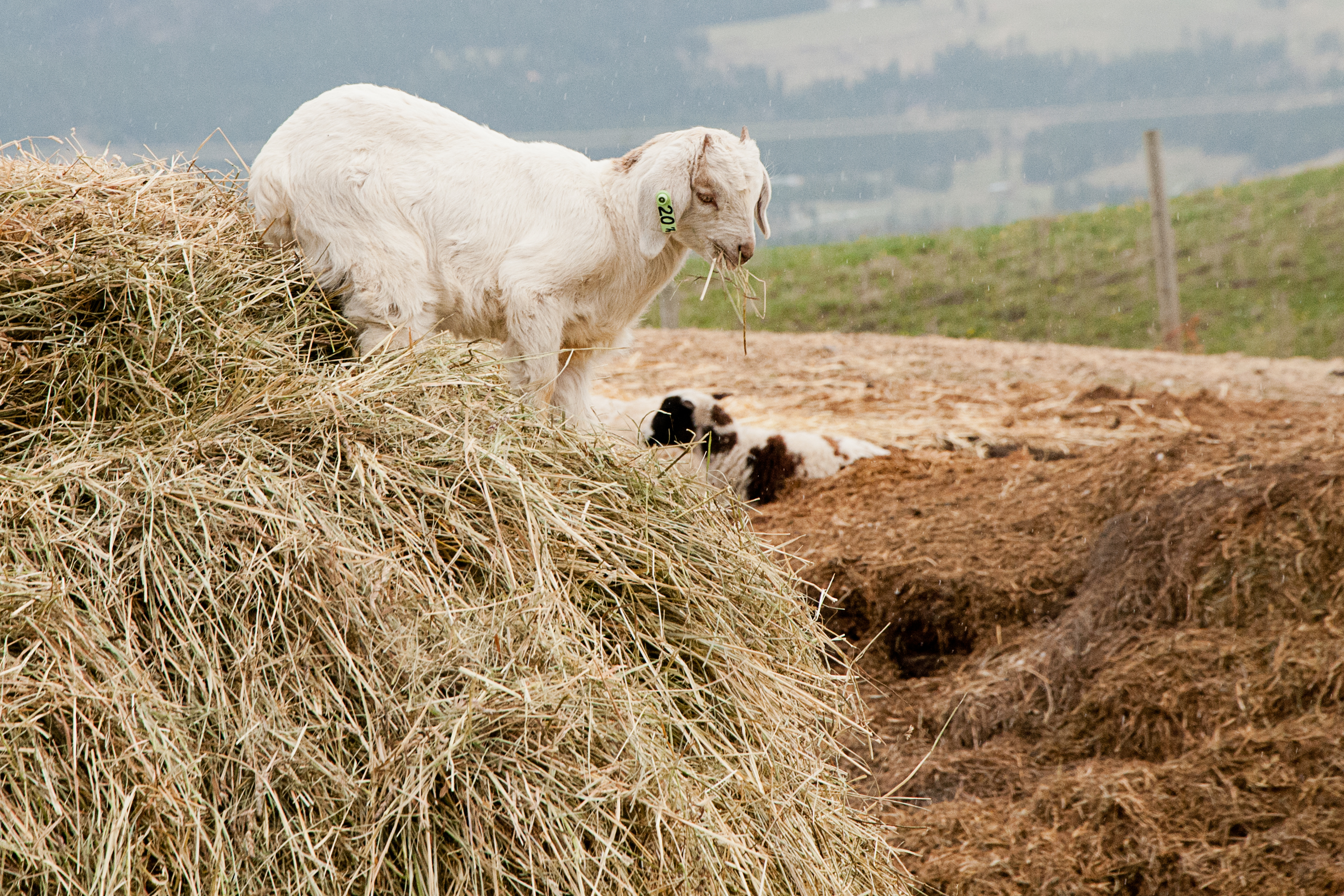
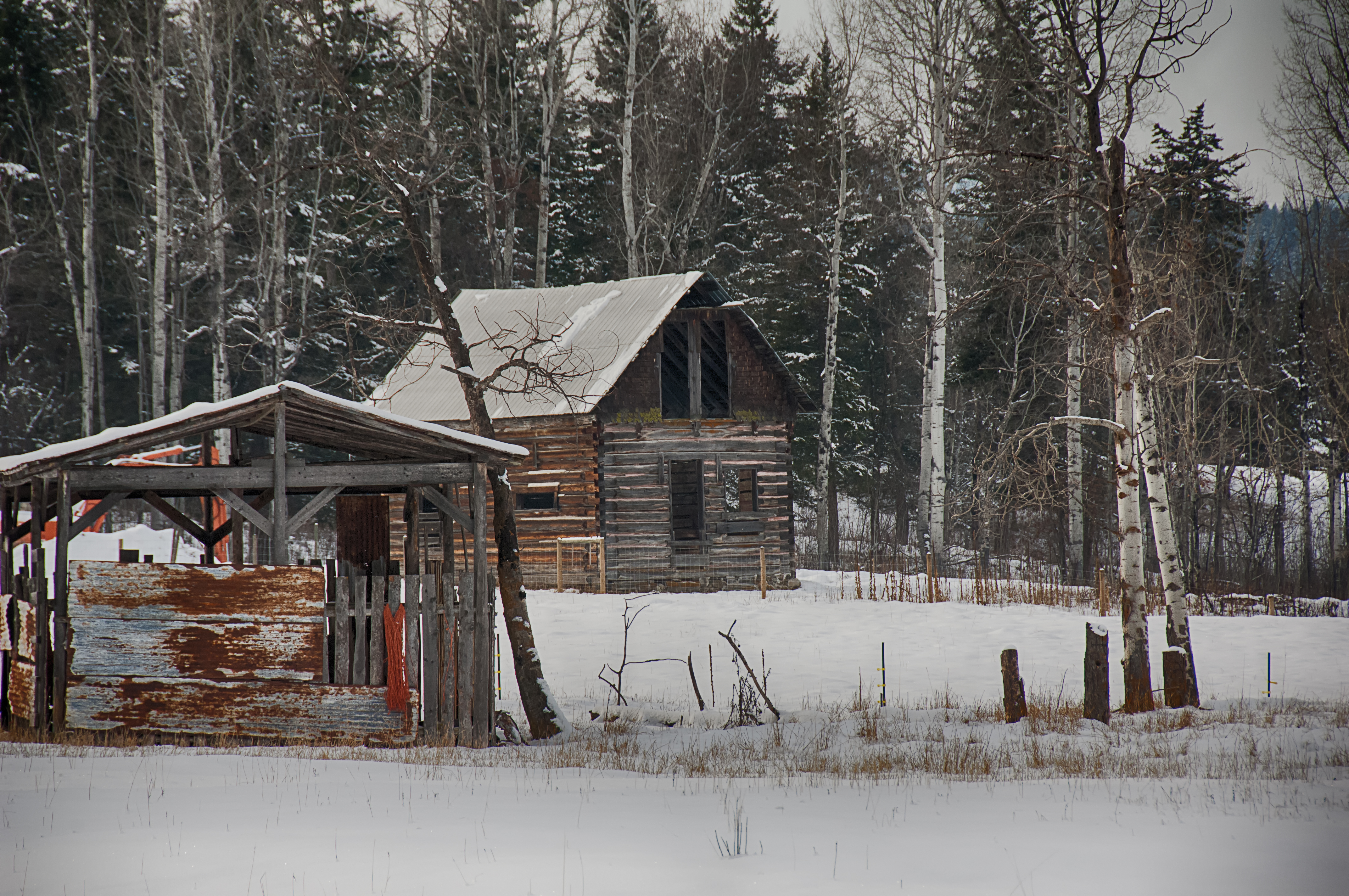
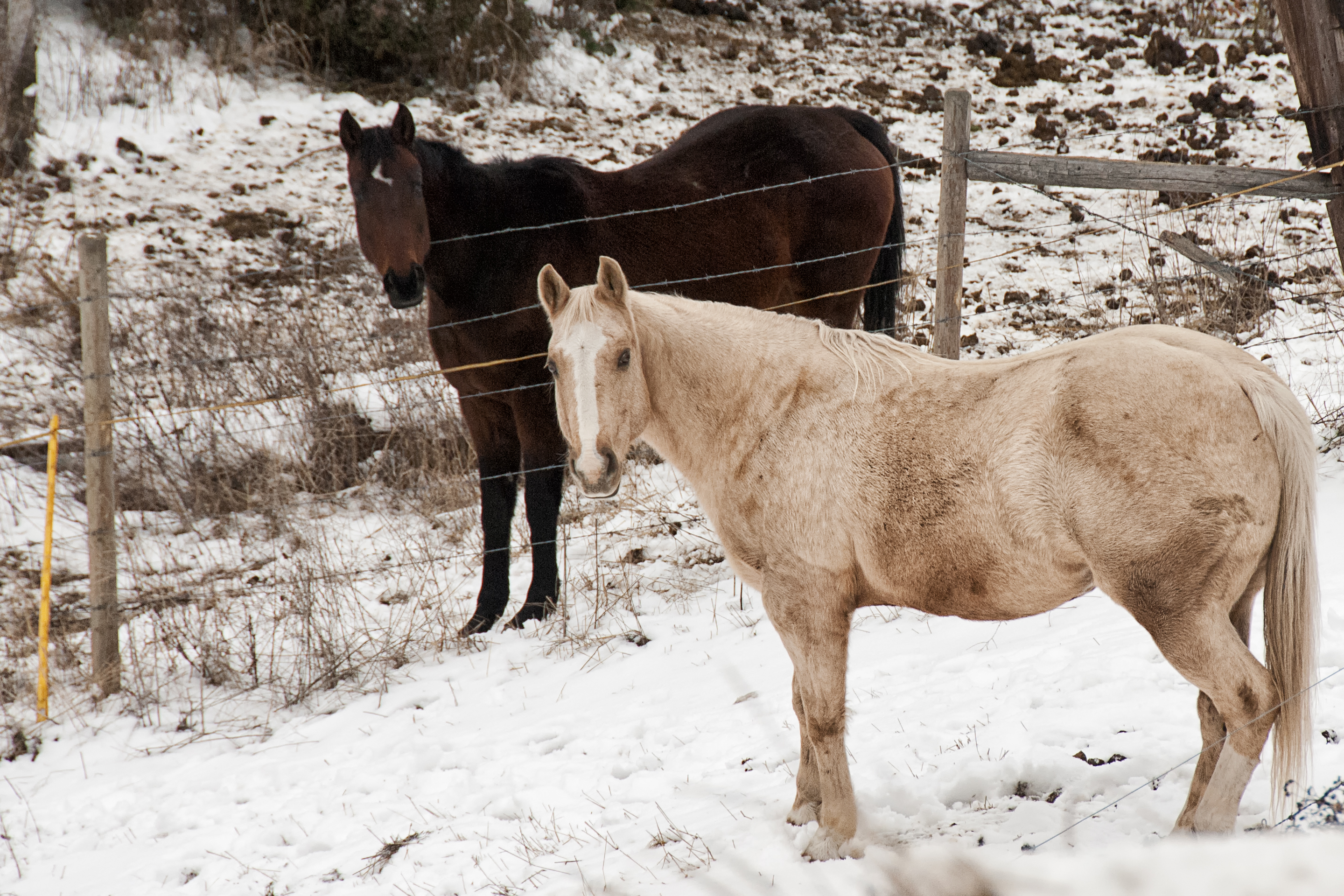
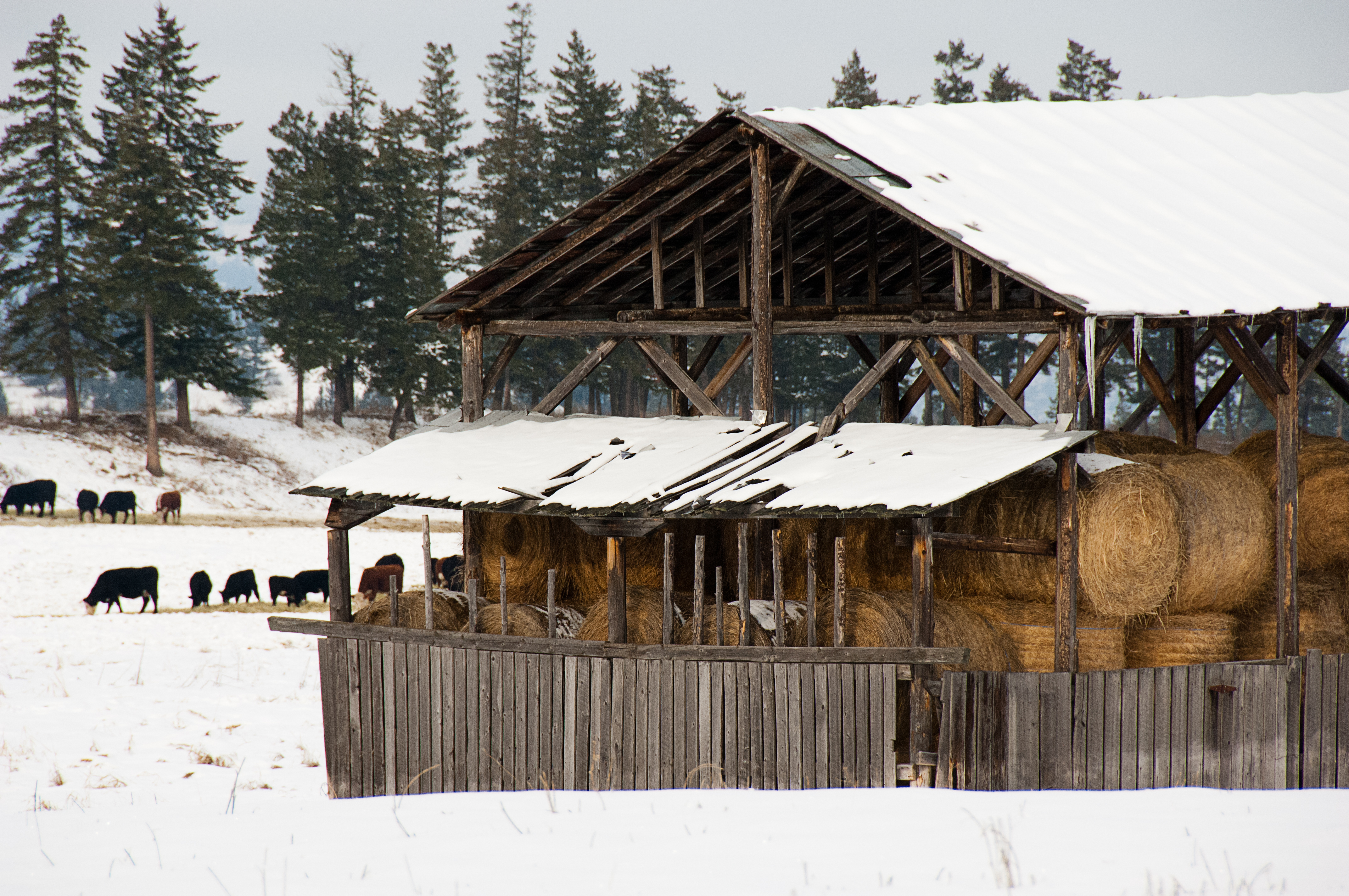
Thompson Valley  abandoned in the rain  Wet goat 1  wet goats 2  Forgotten in the rain  Rusting in the rain  Roadside in spring  Forgotten car  cows waiting in the rain  A wet road to Kamloops

Sometimes I just like to go for a drive. Rain or shine, it is always nice to just go out and look around.

We had been lazing around all day. I had put up one of those portable, collapsible canopies on the front porch hoping the day would be nice enough for us to sit outside for lunch, but the rain and cooling wind moved in. So I thought, what the heck, let’s get in the car and drive up the dirt road towards the forest ringed Hyas Lake and if the rain lets up a bit there might be a photo or two waiting to be made.

We packed our cameras in the car and set off. The day had a heavy overcast, but no low hanging clouds and the rain was, hmm…intermittent. Ya, that’s a good word for when its nice and dry till one gets about fifty feet from the car, then the rain comes down. And I forgot my hat. But I didn’t forget to bring a small kitchen towel and I kept wiping the camera down to stop water from pooling I places that might leak into the camera’s electronics.

Overcast days always make things looks much more colourful than bright sunny days. Not the sky, of course, but the trees, shrubs and grass do have a deeper color and I always add just a bit of contrast in Photoshop to bring out the damp colourful tones.

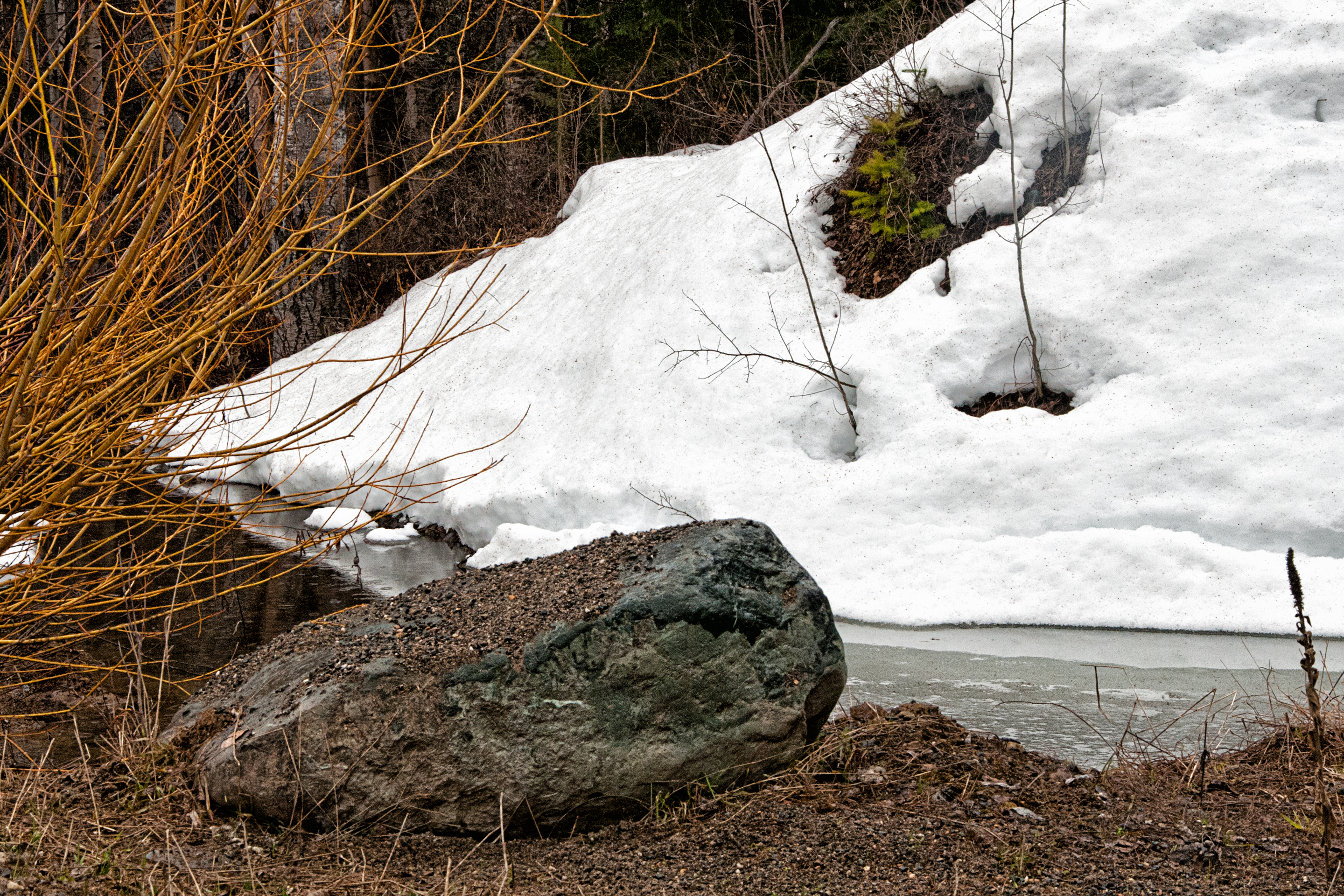
The dirt road was surprisingly dry till we started up the turn-off to Hyas Lake. Then it quickly became a snow covered, muddy rutted mess and we turned around.

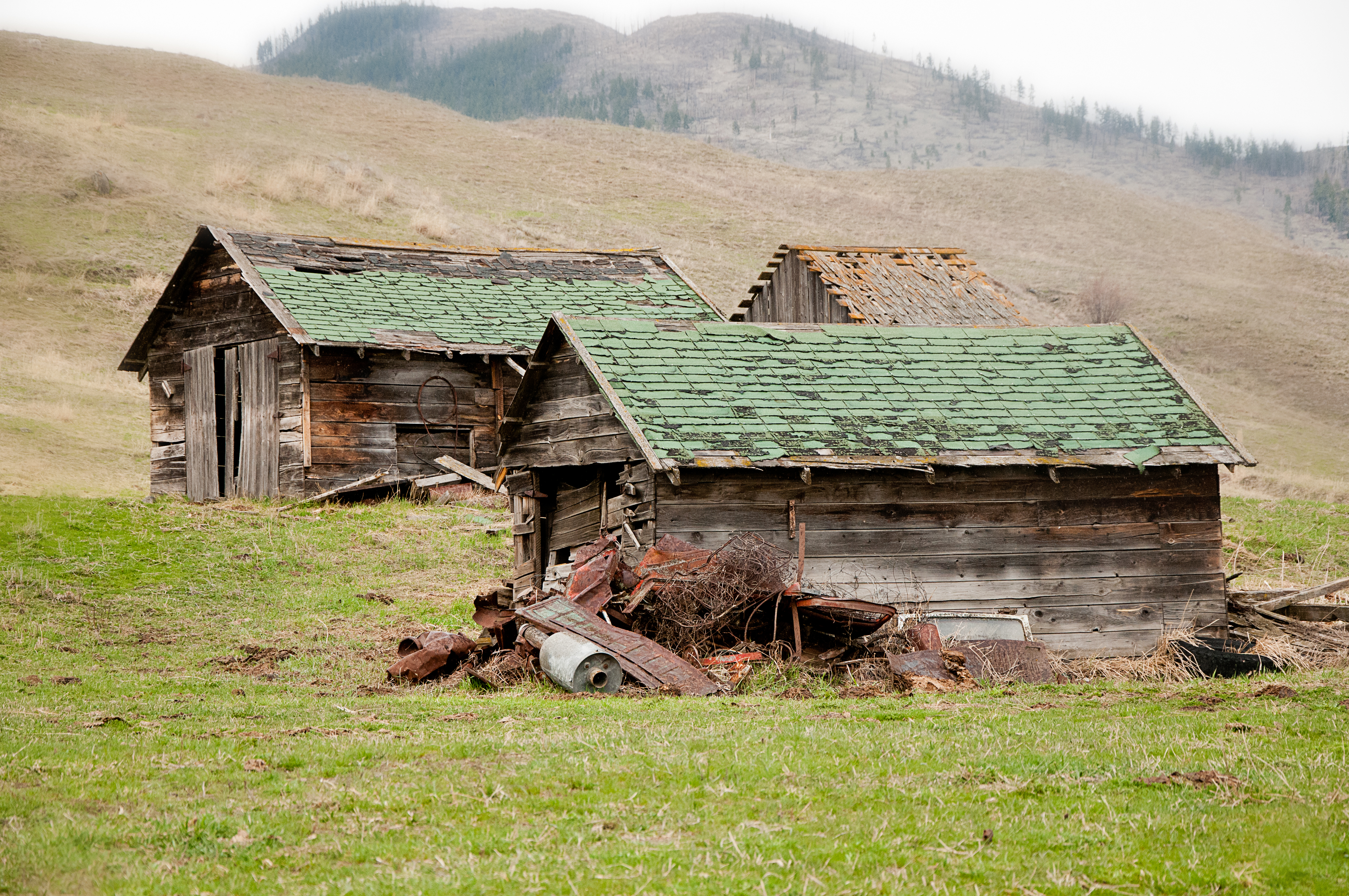
There are some old abandoned buildings along that road that are fun to photograph, although for years I have expected to see them gone. Old buildings have a habit of disappearing. Sometimes because of vandals, sometimes the landowners take ‘em down and sometime they just get tired of many years of standing.

I remember when I first moved to the Kamloops area. I spent months photographing crumbling wood and log buildings. The next year I engaged a local printer to make calendars for me that I easily sold that December. Within two or three years every one of the old abandoned buildings in that calendar was gone.

I am of the belief that the most successful pictures come about when one has a plan, but a slow drive is enjoyable whether one points a camera at something or not. I could say the plan was to look at the long valley, find out if those old building survived the winter, see how far we go before the road was impassable, and if the time was right make a picture or two.

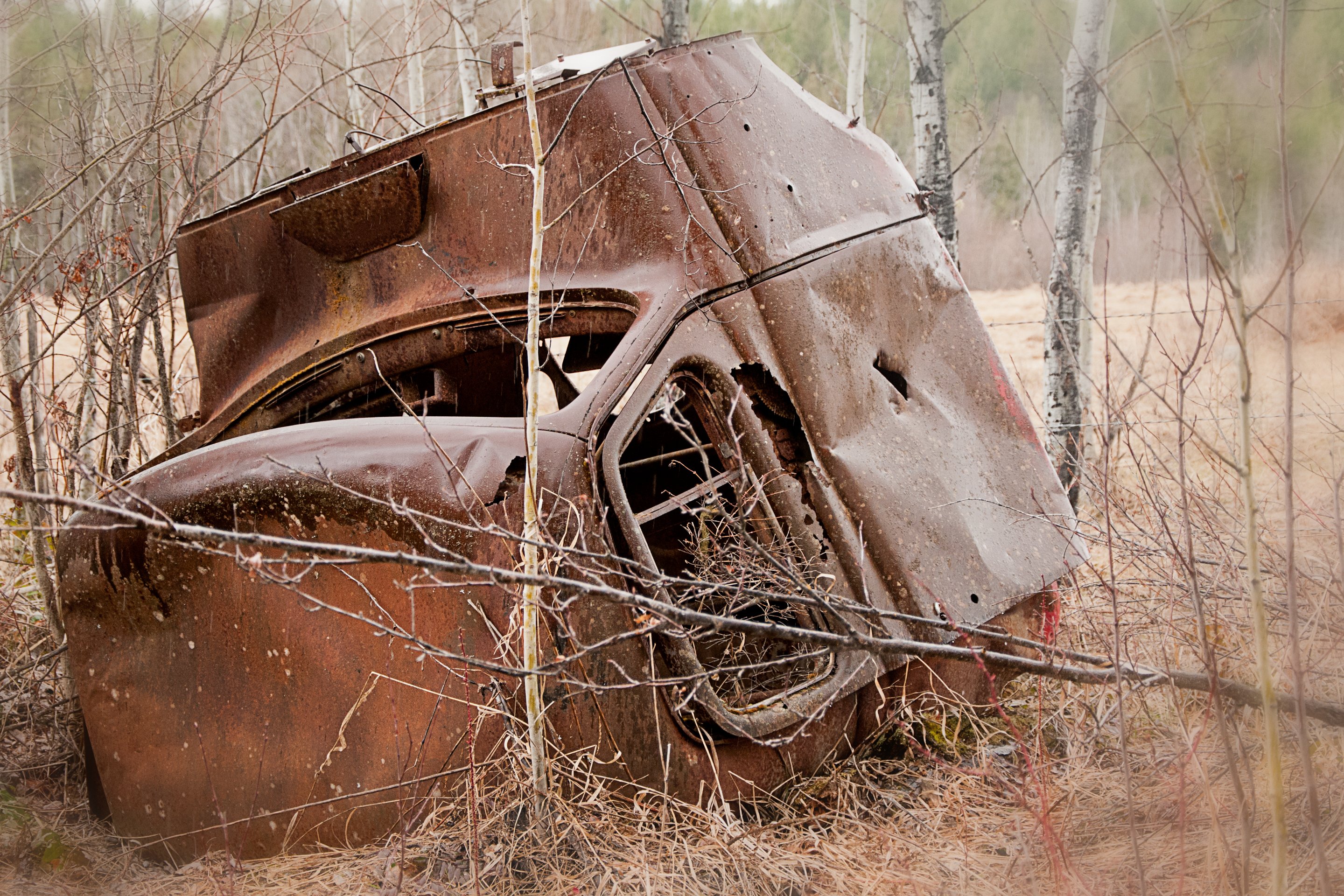
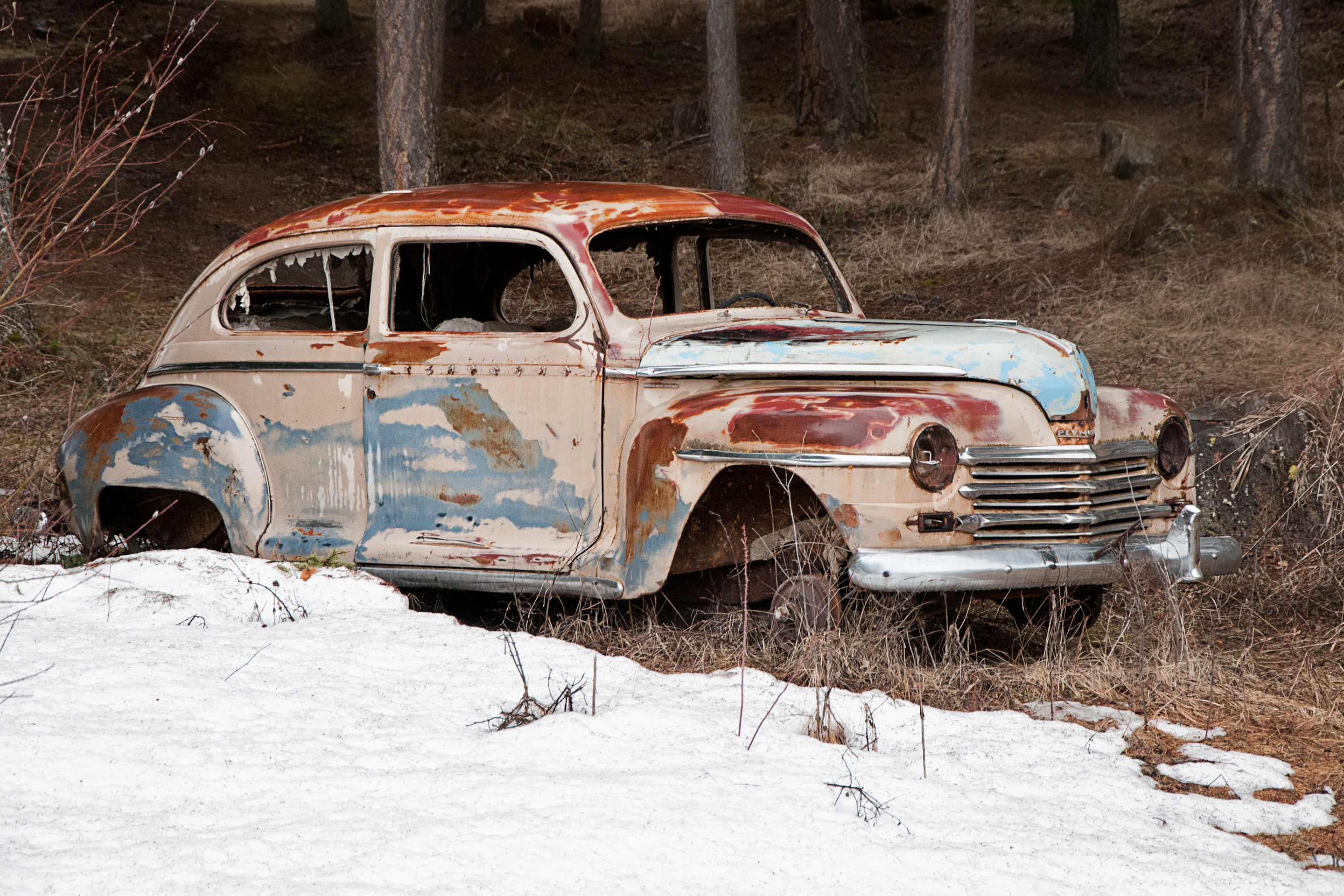
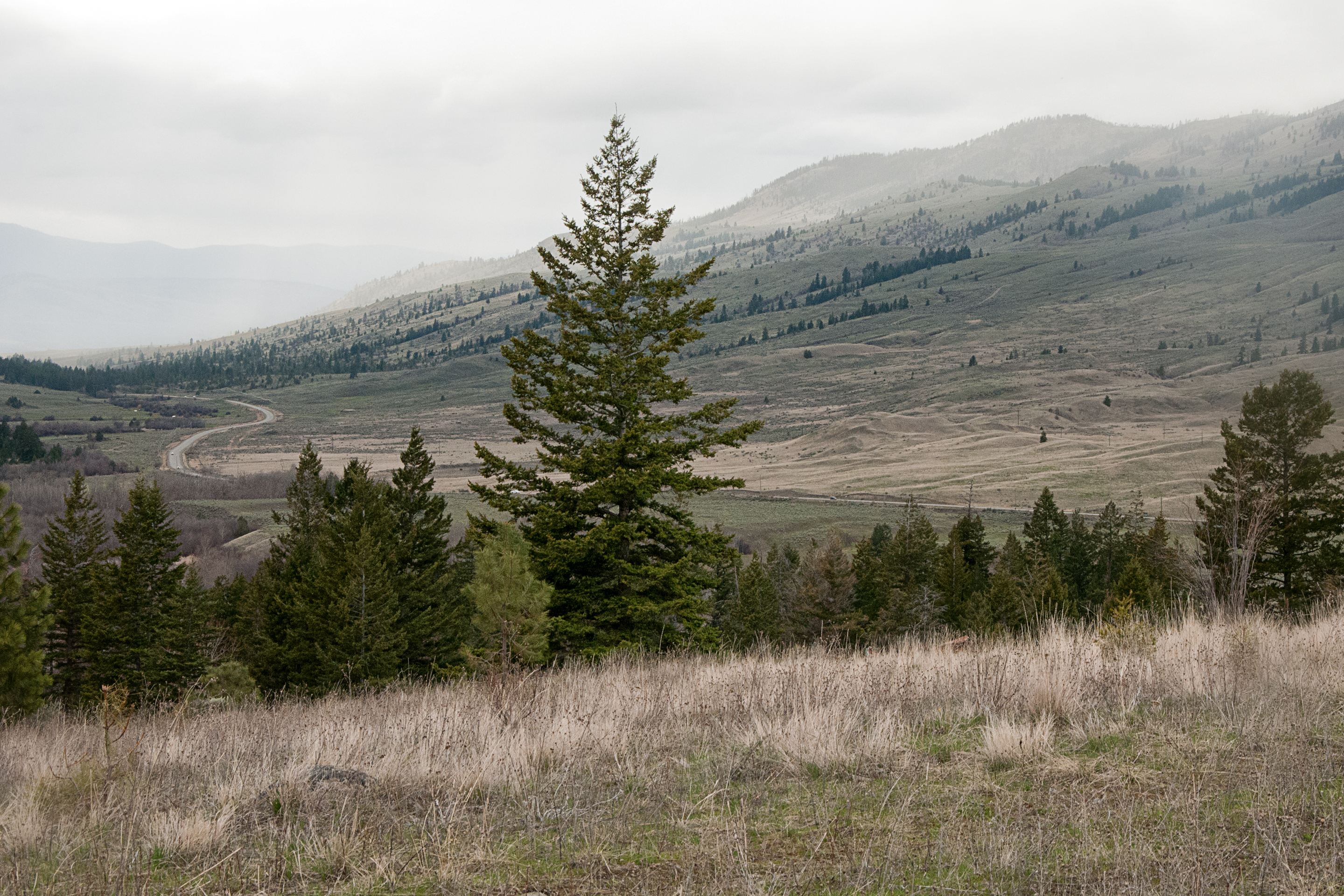
As it was I photographed a view of the snow capped Martin Mountain above my home, some goats playing on a mound of wet hay, a couple of rusting vehicles, some soaked cows in a field and another valley view. Not the most exciting day of photography I have ever had, but good enough for a lazy, rainy day I supposed.

Roadside photography is opportunistic and enjoyable, we talk, stop and look at things, make a few pictures. As we drove along the wet dirt road I thought of the many photographers I have known or read about that just pointed that camera and anything for the pure fun of it.

And I think many readers will agree with famous French photographer Jacques-Henri Lartigue when he said, “It’s marvelous, marvelous! Nothing will ever be as much fun. I’m going to photograph everything, everything?”

As always, I look forward to any comments. Thanks, John

My website is at www.enmanscamera.com


Not the Camera Store One Usually Expects

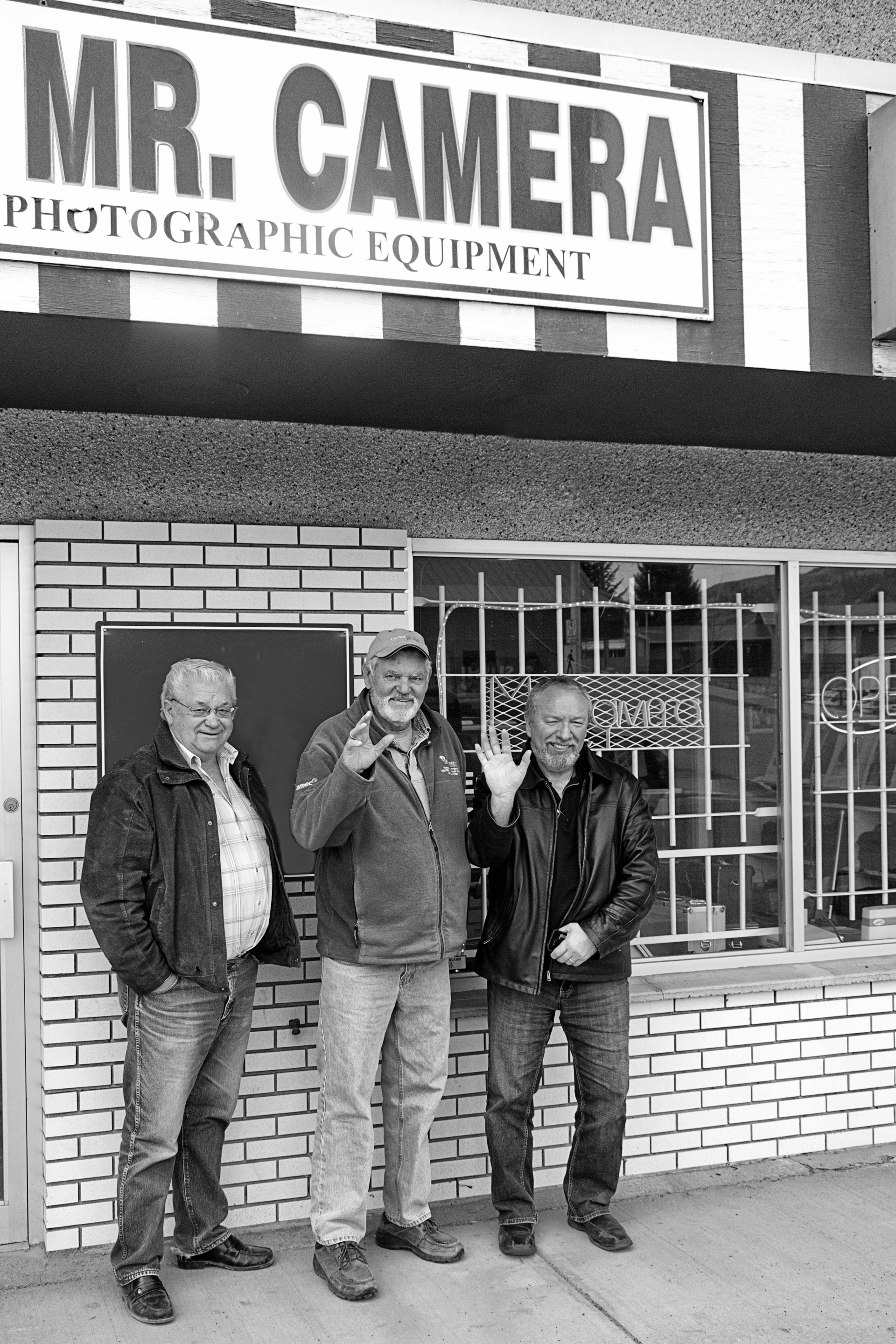
Dave, Pat and Sam at Enman's Camera shop

Photographer Edward Weston said, “Photography suits the temper of this age – of active bodies and minds. It is a perfect medium for one whose mind is teeming with ideas, imagery, for a prolific worker who would be slowed down by painting or sculpting, for one who sees quickly and acts decisively, accurately.”

I included that quote because the words “temper of this age” to me seem perfect for both the time we are living in and, if you looked at the accompanying image, long time photographers enjoying a rebirth in this exciting medium.

There is not much that I enjoy more than spending time with other photographers. Whether it is pointing my camera at some subject, or just hanging out talking about any and all things photography, it is always a good time.

I don’t remember when it started exactly, but some years ago several photographers started hanging out Thursday mornings at my shop. The discussions, over coffee and doughnuts and are usually about photography, are more often then not lively and heated disagreements are not at all unusual.

After all, like the medium of photography itself, photographers each come with their own personal views of how and what should be photographed and which camera best accomplishes those personal views.

It’s that diversification of opinion that keeps me interested and, I guess, entertained, and I admit I really look forward to Thursday mornings, with the sometimes filled with talk and sometimes photography sessions with a makeshift studio in the large meeting area behind the space I rent.

The numbers change. There are days with only two or three, like the accompanying picture, while other times the only room left for anyone is to stand behind the equipment counters.

I only open on Thursday, Friday and for a half-day on Saturday, except for when I host my Saturday morning mini-sessions, and my store sells anything photographic I can find. The term “used” is my preference, but with the interest in studio type photography in the last few years, I have been searching out off-camera lighting equipment distributors more and more.

I meet lots of photographers that claim to be passionate about photography. I don’t know if passionate is a word I would easily use for myself.  I guess I could say the words of Master photographer, Wynn Bullock, best describe my feelings about photography when he said, “I decided to become a photographer because it offered a means of creative thought and action. I didn’t rationalize this, I just felt it intuitively and followed my intuition, which I have never regretted.”

I could easily hide away in a studio and did for years let clients take up all my time. But now I prefer to keep my options and interest open regarding my subjects and photograph everything, no matter what, with the same intensity.

As I wrote in the beginning, there is not much that I enjoy than spending time with other photographers. And my shop certainly isn’t the usual kind of camera store. Yes, there are glass counters filled with all sorts of used photography equipment and some shelves with bags and unusual items. There are tripods and light stands blocking the window and sometimes a box or two marked “free stuff” and pictures are hanging on the walls or standing on shelves.

Things change; I never am sure what I have for customers used to those big stores that always stock their shelves with the same items. But one entering will, of course, find chairs for sitting on and talking from. People asking me questions about anything photo-related will find their time well spent, and if they see something interesting I’ll actually go behind the counter, but usually my favourite location is sitting on the other side talking with other photographers about photography.


I always welcome comments. Thank you, John

My website is at www.enmanscamera.com
 

Photographer’s Lighting Workshop

    Sarah, Bart & Ronny

  Ronny & Candice

Sarah & Dave

Candice & Bailey

Bailey & Bart

I have just finished my first day of leading another Photographer’s Lighting Workshop. I will admit that a day spent guiding excited and, I must remark of this session, very talented photographers, does tire me out.

Participants that are willing to express opinions and aren’t shy about getting shoulder to shoulder in a process of experimenting, exploring, and learning are hard to keep up with, and their enthusiasm is infectious. I try to stand back and watch analytically, but every animated smile draws me in.  Multiply times seven each fired up photographer I was working with and there is quite an energy drain.

After over 40 years as a photographer I do have a pretty large chest of experiences in just about every aspect of this exciting medium and I was employed as a photography teacher for nearly half that time. I can easily sit a group of learners down and lecture about pretty much anything photographic and, particularly the lighting workshops that are currently all the rage for photography keeners.  My knowledge is on par with most experienced portrait professionals, and I teach so that beginners and intermediate learners can keep up with the jargon and the concepts.

I enjoy the enlivened interaction that happens when a student of photography makes the decision to participate. My job is to present information on the subject at hand and keep things going. I don’t like to be a demonstrator on a stage, and rarely pick up a camera. That’s left to participants.

Sure, they tired me out, but in the recent daylong workshop on Lighting and Posing I was fortunate to be leading a group of surprisingly skilled and very energetic photographers, and I must add, two lovely and creative young models that in my opinion were willing to work hard in a demanding environment for modeling.

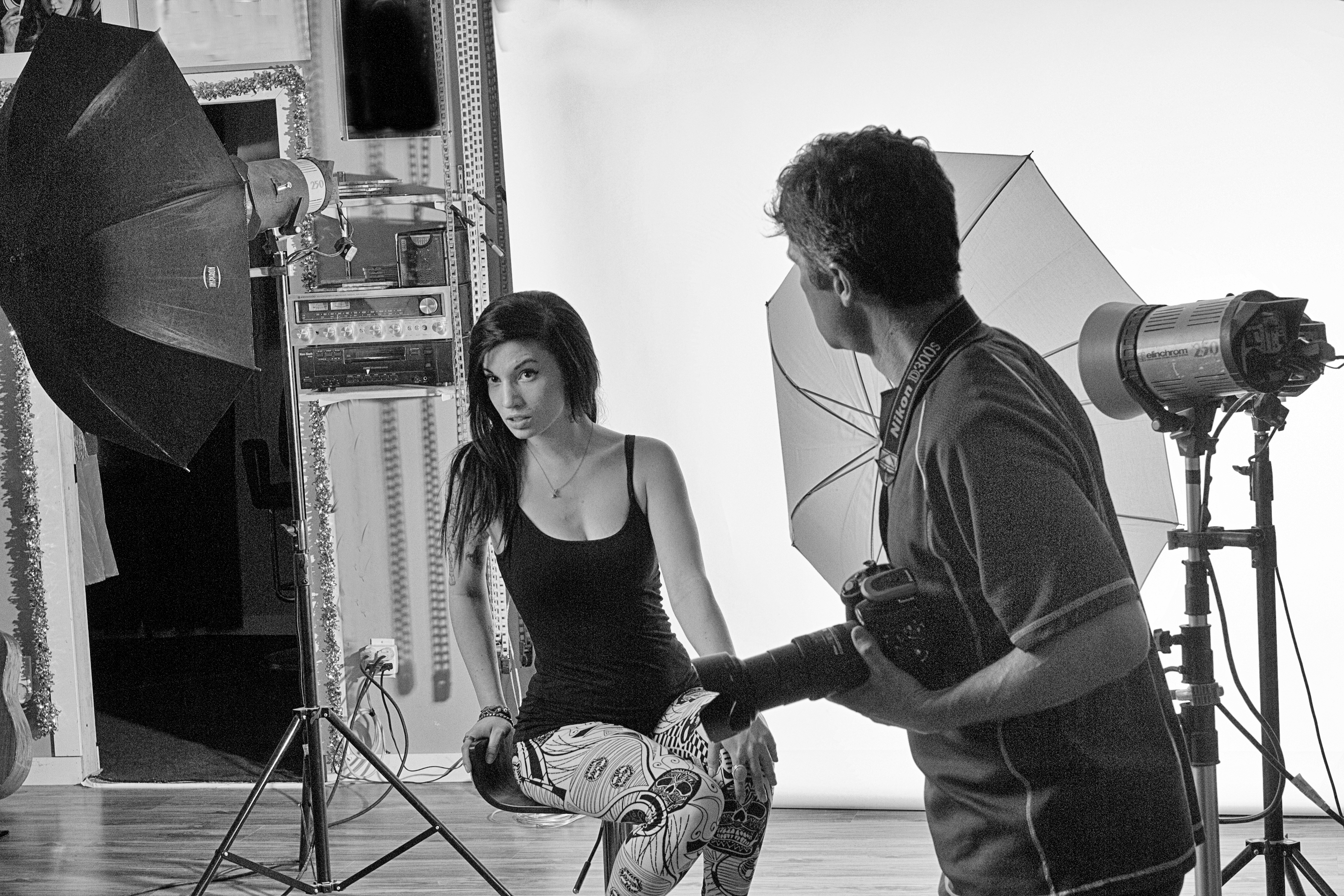
The workshop was held in a rural studio minutes outside of Kamloops, British Columbia. I like this studio because it owner, Dave Monsees, has filled it with quite an assortment of lighting gear. I think there are at least eight studio strobes to choose from, all setup for wireless connection with a drawer full of senders. There are soft boxes, umbrellas, diffusion screens, reflectors and a great selection of wall-mounted backdrops.

There was even a fully equipped kitchen at the back that we made good use of, with fresh brewed coffee, pastries, and a large pot of chili for lunch. It can’t get much better than good food, great people, and photography.

Monsees is regularly adding props and stools to sit and pose on, as well as a growing selection of light modifiers.

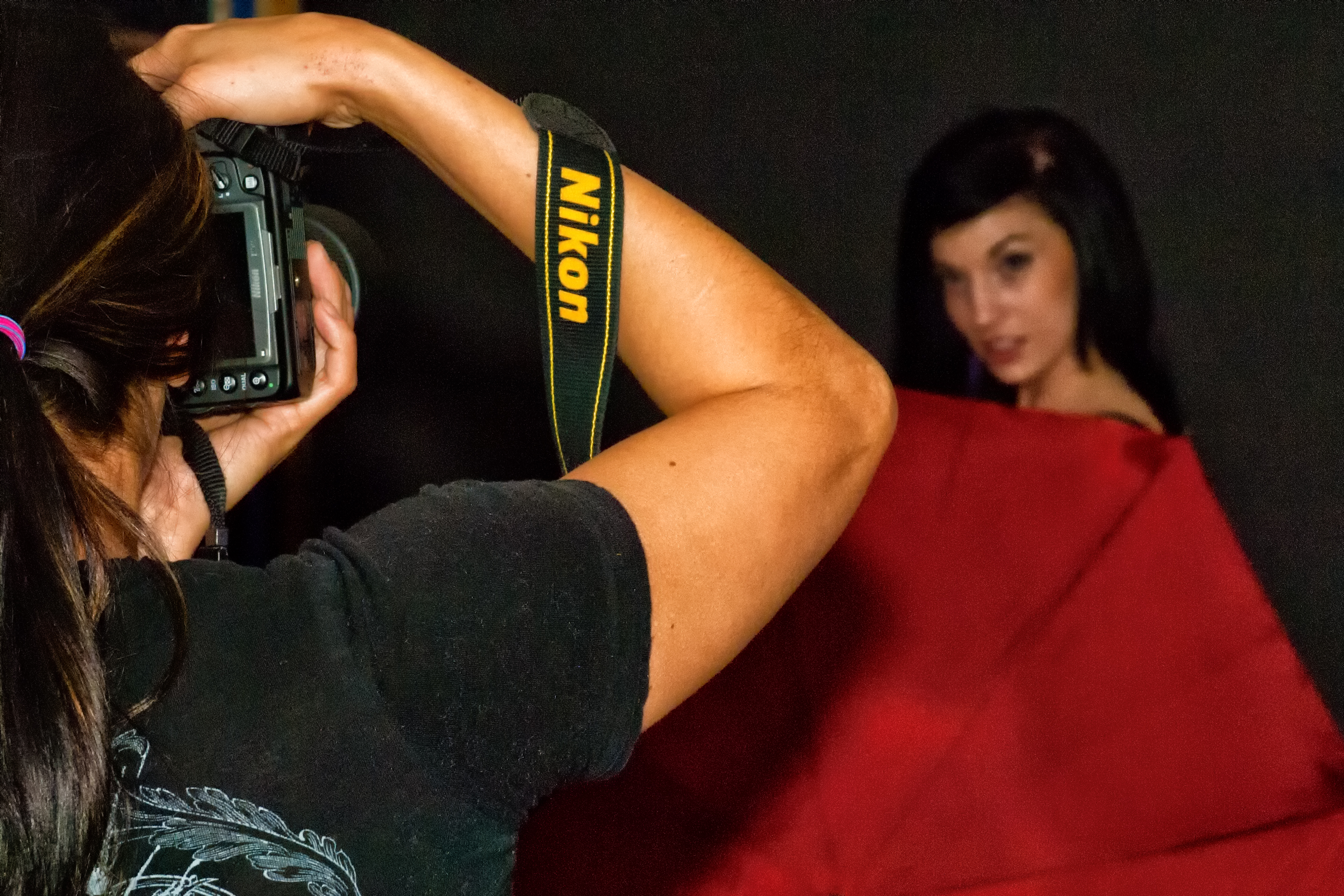
The large, well-equipped space is a great rental studio and a perfect environment for an instructional session like mine. We started the session with one light behind a reflective umbrella, and moved on from there adding a large softbox, a shoot through umbrella, and a rim light to give depth to our subject when we used a black background.  We changed backdrops and light positions regularly. And those creative photographers really kept our models active and, heck, made my day.

Regarding portrait photography, Famous portrait photographer, Yousuf Karsh, once said, “I try to photograph people’s spirits and thoughts. As to the soul taking by the photographer, I don’t feel I take away, but rather that the sitter and I give to each other. It becomes an act of mutual participation.”

The first of our two-day workshop is over. I prefer two days because on the second we can review and reinforce what happened on the first. Now I am looking forward to spending another day and preparing to lead workshop participants into new territory.

I appreciate any comments. Thanks, John

My website is at www.enmanscamera.com
Photographing an urban Still Life

No Loitering 

Framed flowers & Alarm

Afternoon Lines

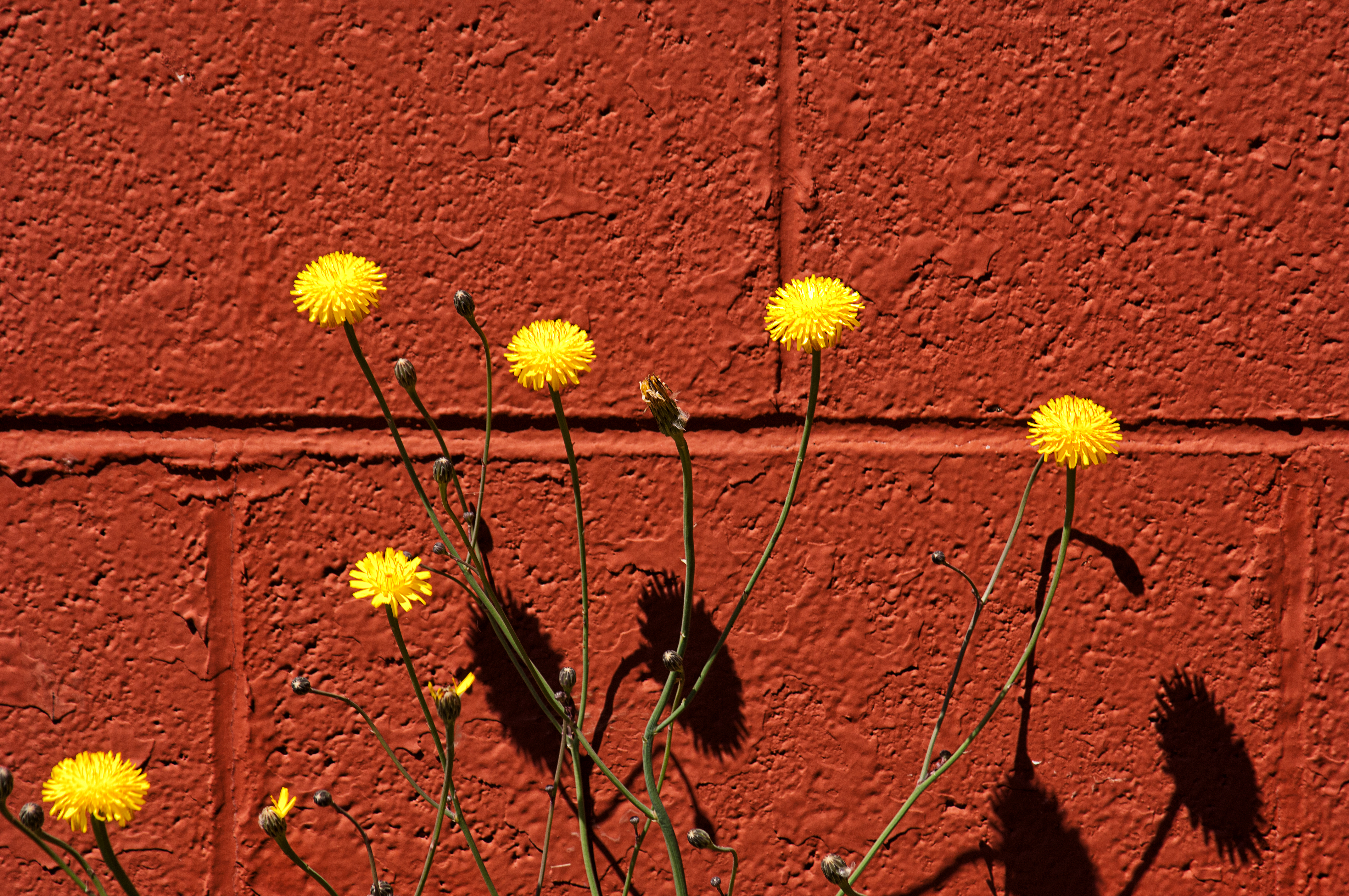
Still life in Red & Yellow

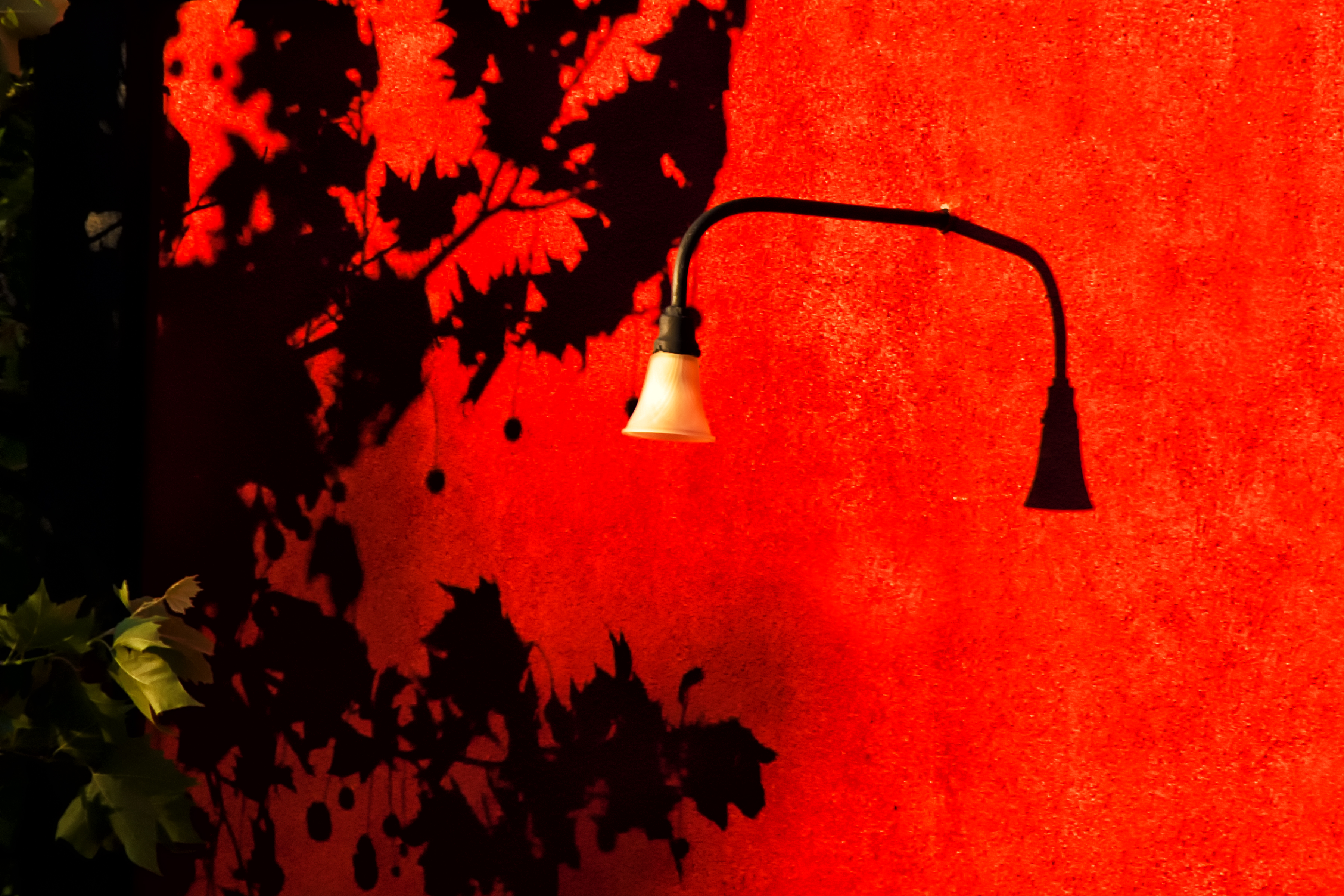
Shadows and Light

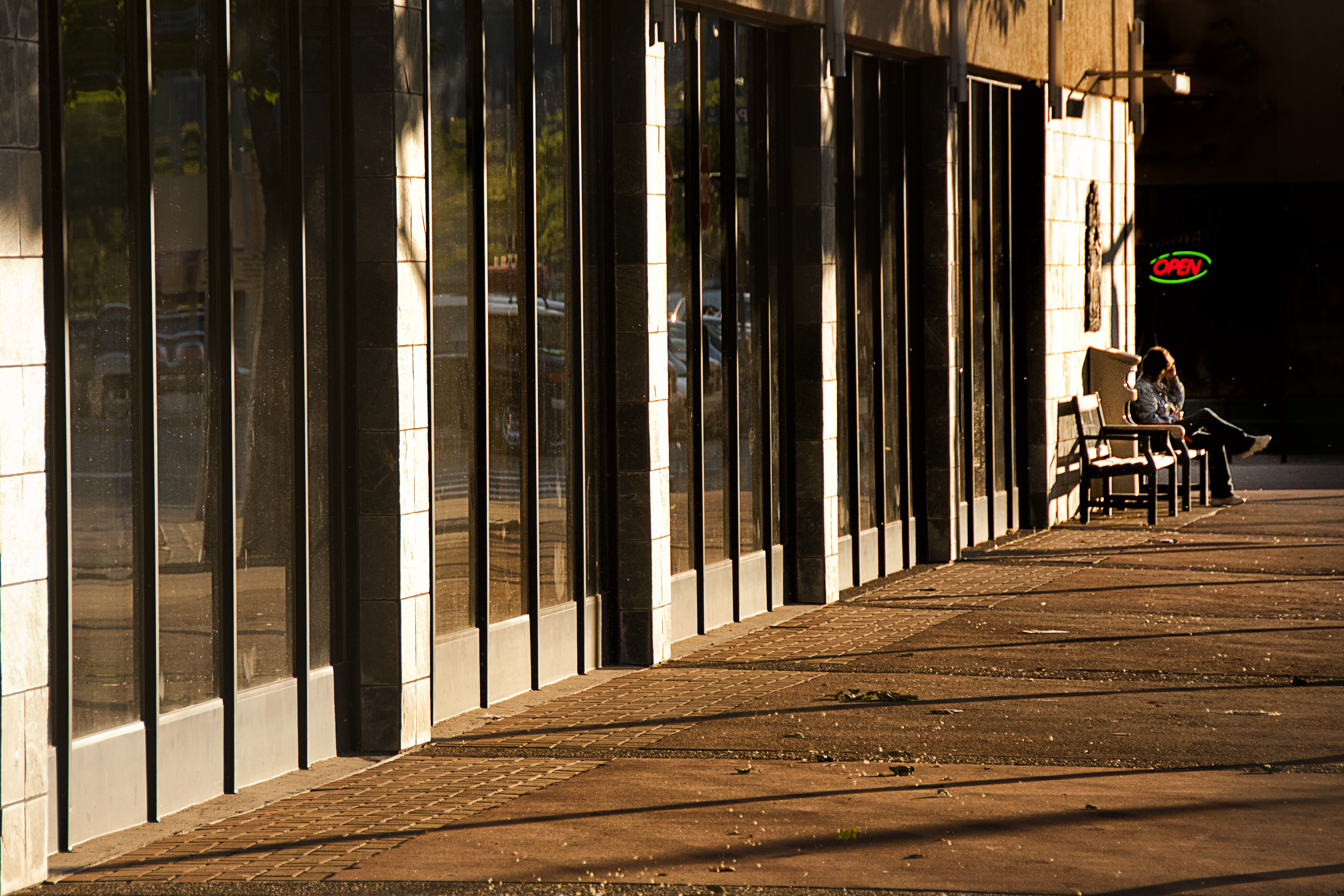
Open

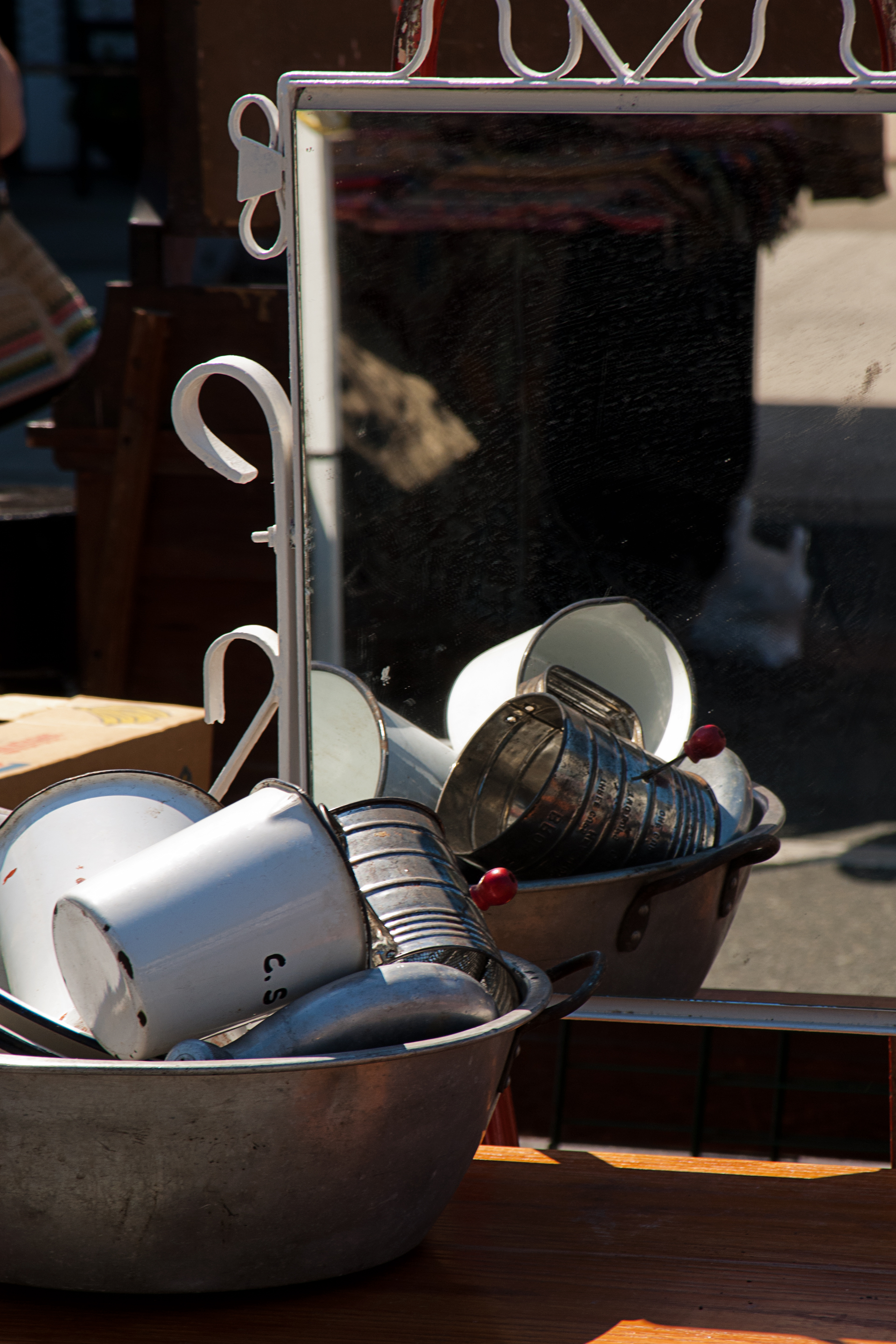
Reflecting cups

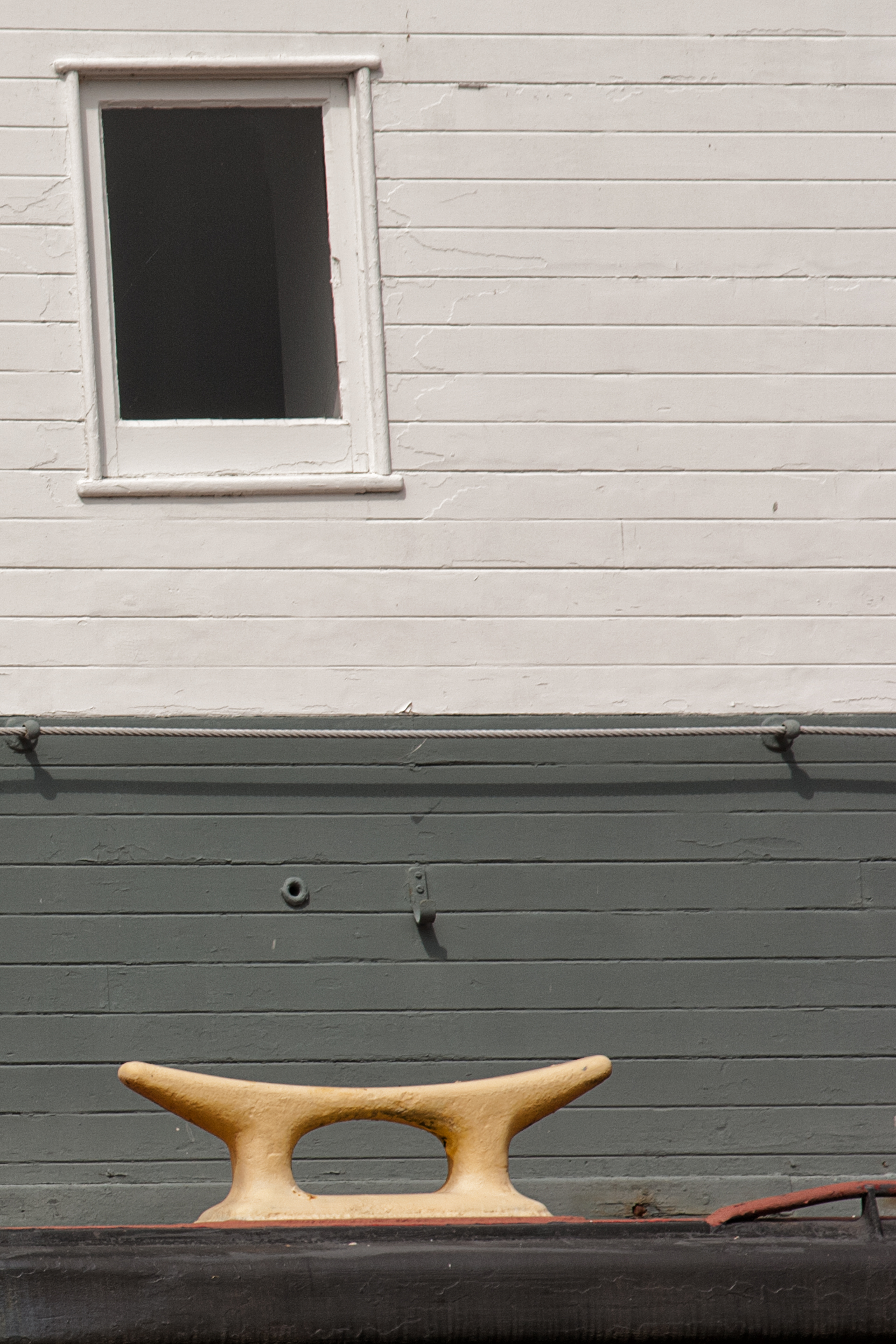
  Rope cleat

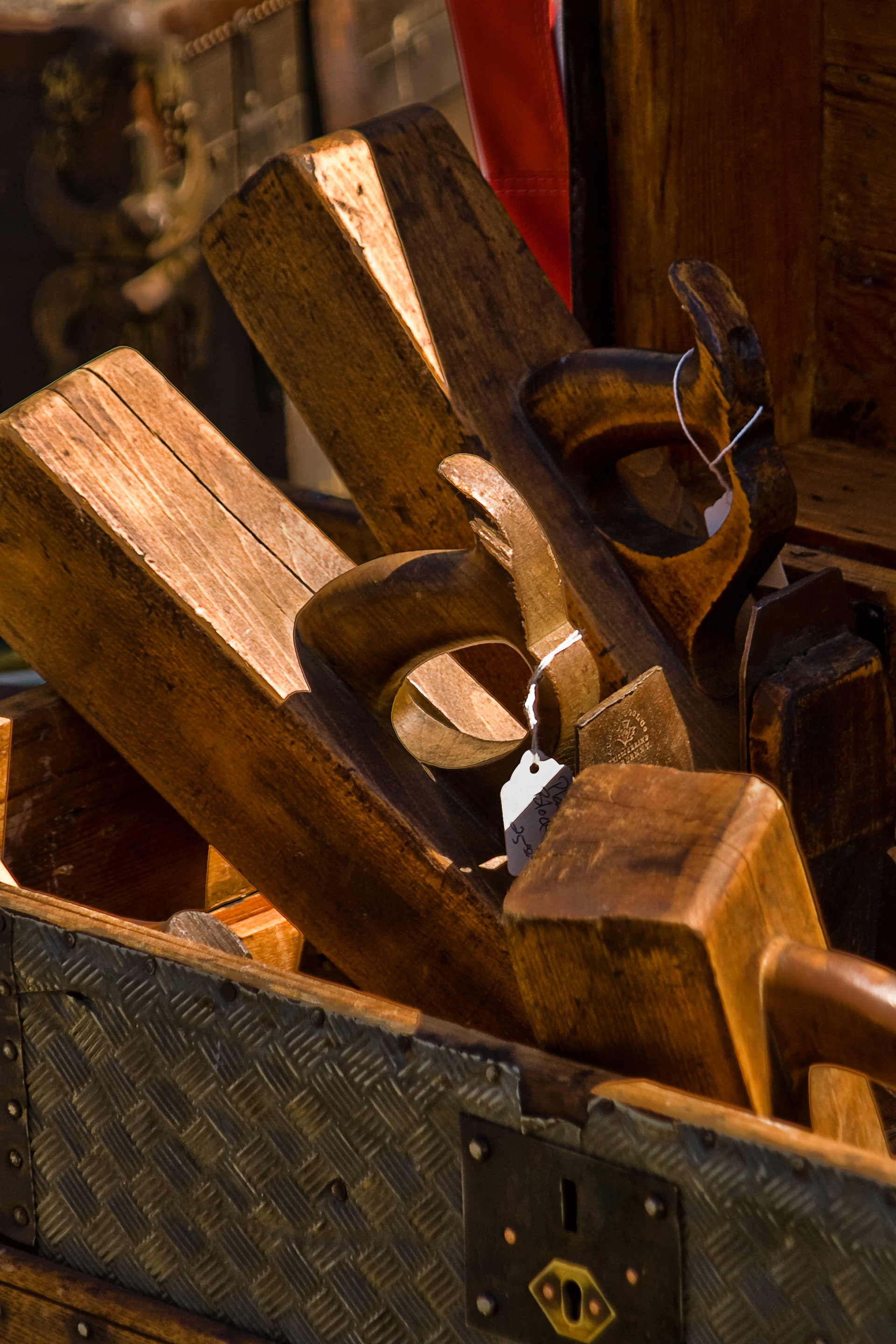
wood planes

In the Art classes that I took in college we would gather all sorts of interesting items to create what the instructor called “a still-life”, each week we would build a new still life to help us learn how to draw shapes, shadows, and reflections. We would compile a menagerie of odd shaped objects in some corner of the drawing studio and then place lights from different directions to produce interesting and unique shadows.

I enjoyed the art classes with all the creative mediums and imaginative people, but when one of my teachers suggested I try photography everything changed. Photography with it’s almost magical processes both behind the camera, and in darkrooms with their chemical filled trays, reached out and grabbed me and there was no going back.

Those original photography classes included a few sessions with live models, and sometimes mannequins, but I missed those long classroom discussions and the quiet periods of contemplation that accompanied those simple arrangements of objects in those art classes.

I wanted my photography to be something more than just a record of the world around me. Looking to do something other than scenics or portraiture, I decided it would be fun to join classmates that were into street photography. They wandered urban areas, pointing their cameras at scenes that included unsuspecting people in their hectic environments to create engaging images that suggested different stories to each person that viewed their pictures.  I enjoyed their compositions comprised of light, shadow, architectural features and, of course, those unsuspecting people.

I tagged along with them because I liked hanging out with photographers, enjoyed walking, and discovering the city, but always ended up either making posed pictures or excluding people all together in favor of some lamppost, architectural feature, or drawing on a wall. More often than not I’d wander off from the others to explore some alley or stairwell, searching for some more intimate features that were always part of, instead of the complete scene.

I did then, and still do, include people in some of my cityscapes. I like looking at the street photography of modern photographers, but the people in my “street” images are really nothing more than additional elements that fill a space that could as easily be occupied by any other object. I suppose my interest in still-life changed from drawing to photographing one.

I admit to photographing almost everything. I am pretty indiscriminant when it comes to the subjects I point my camera at, and without hesitation will photograph as creatively as I can, what ever moves me at the time.

And I like to think I adhere to the words of famous documentary photographer Elliot Erwitt who said, “To me, photography is an art of observation. It’s about finding something interesting in an ordinary place… I’ve found it has little to do with the things you see and everything to do with the way you see them.”

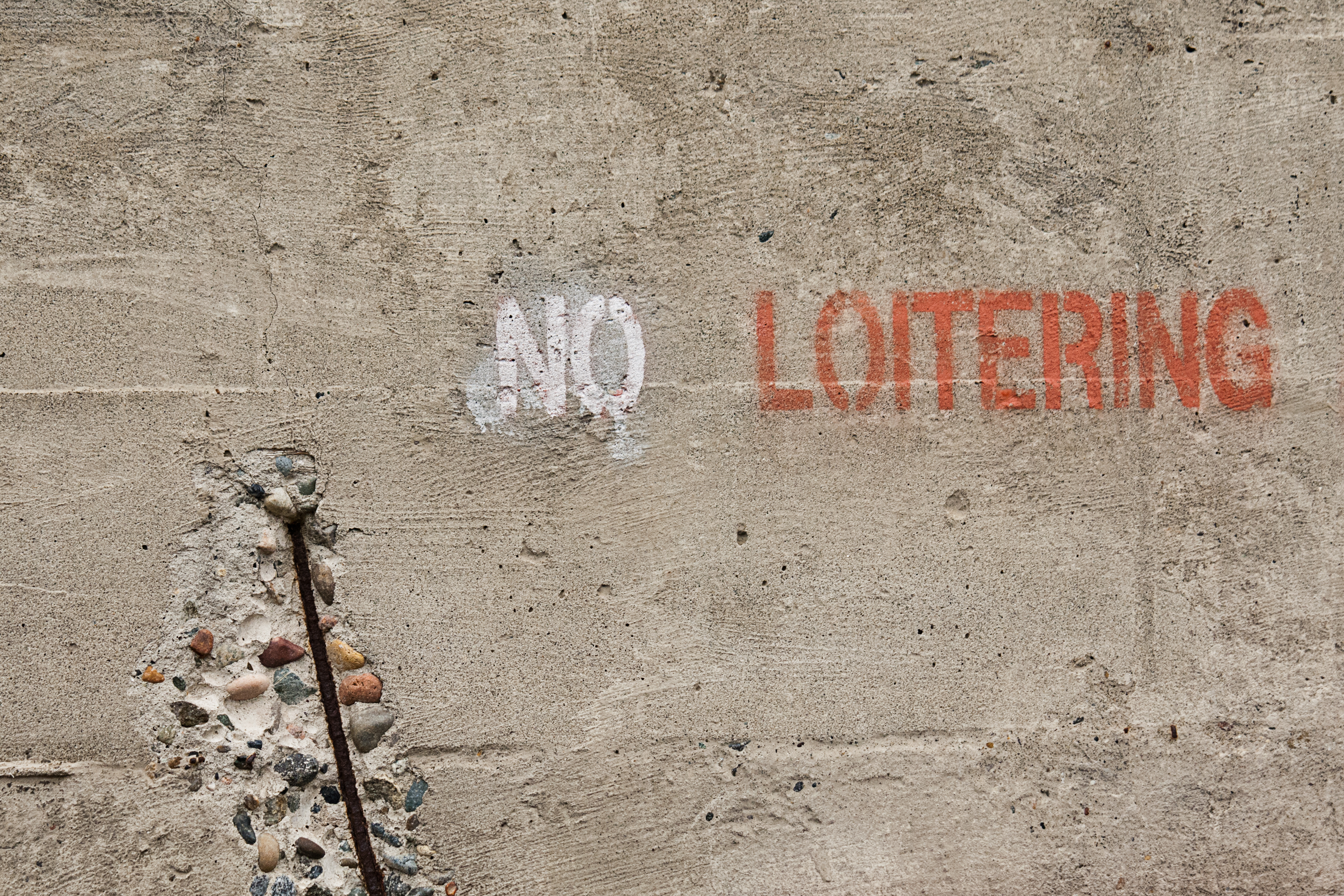
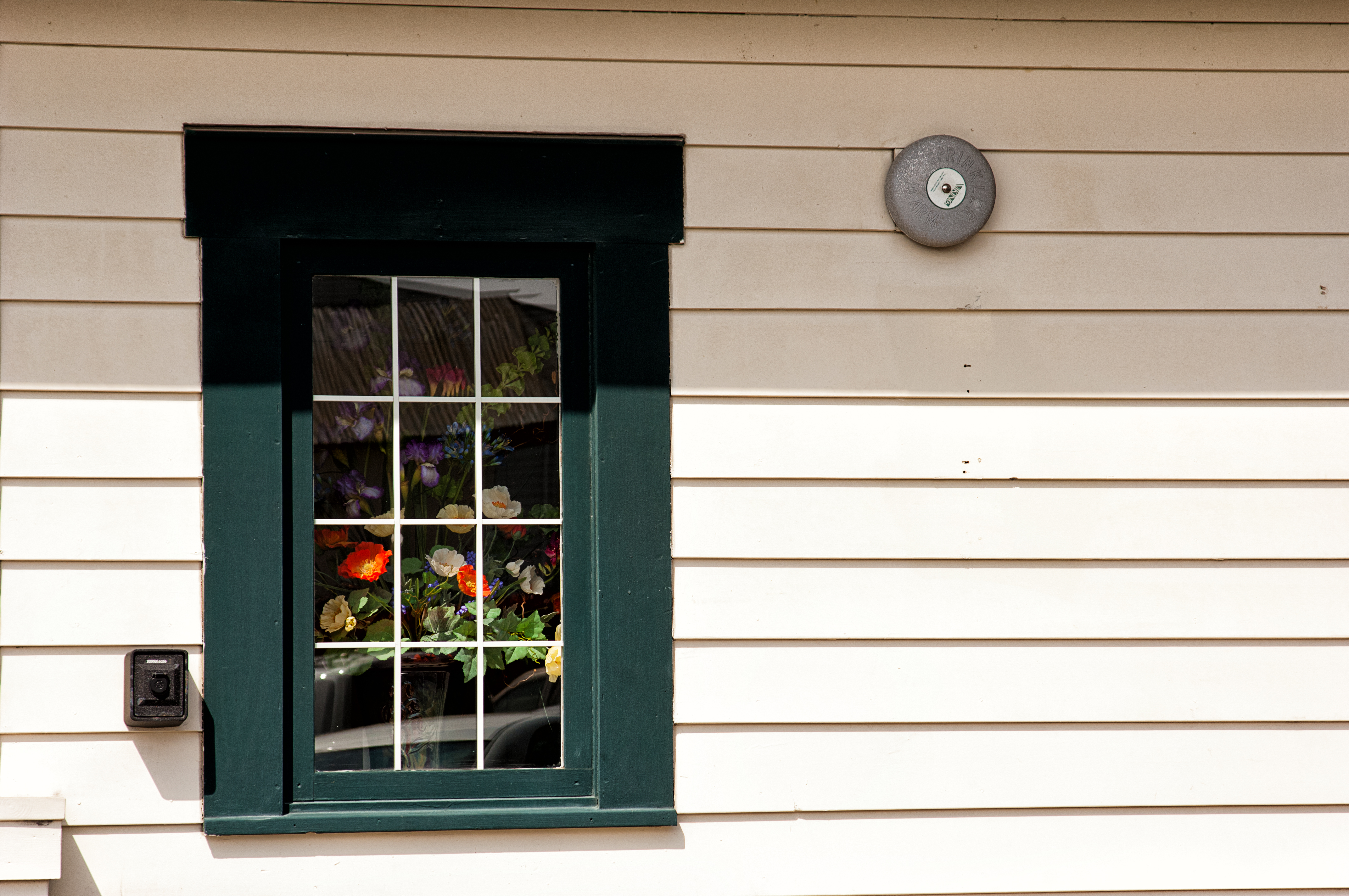
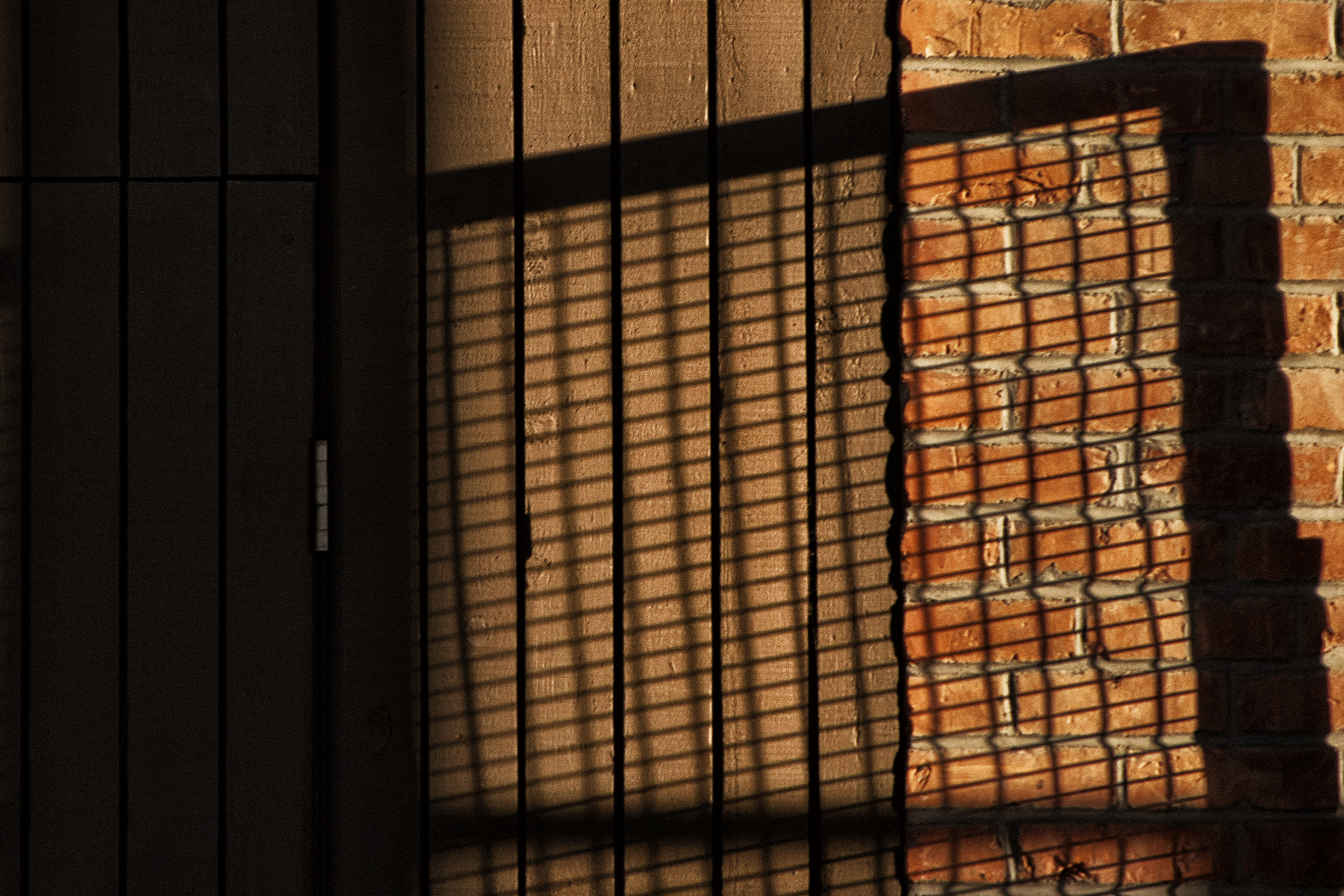
My process, while wandering in search of still-lifes, is to never be on any direct course as I forage for another still life and my photographs rarely show the whole. I photograph those parts that catch my attention; the still-life might include an interesting door, railing, or even window frame as I review and how the light touches them.

Drawing a still-life in those classes was much easier than hunting one with a camera. After all a photographer is forced to problem solve those found objects. I suppose one could move things around, but that’s kind of cheating. I like the search and the discovery and the process of thinking through how to make the original image. Sure, there is a lot one can do in post, and that’s just fine with me, but photographers still have to find the raw elements to begin with.

As always, I appreciate your comments.

Thanks, John

My website is at www.enmanscamera.com
Shoot Your Way to Work

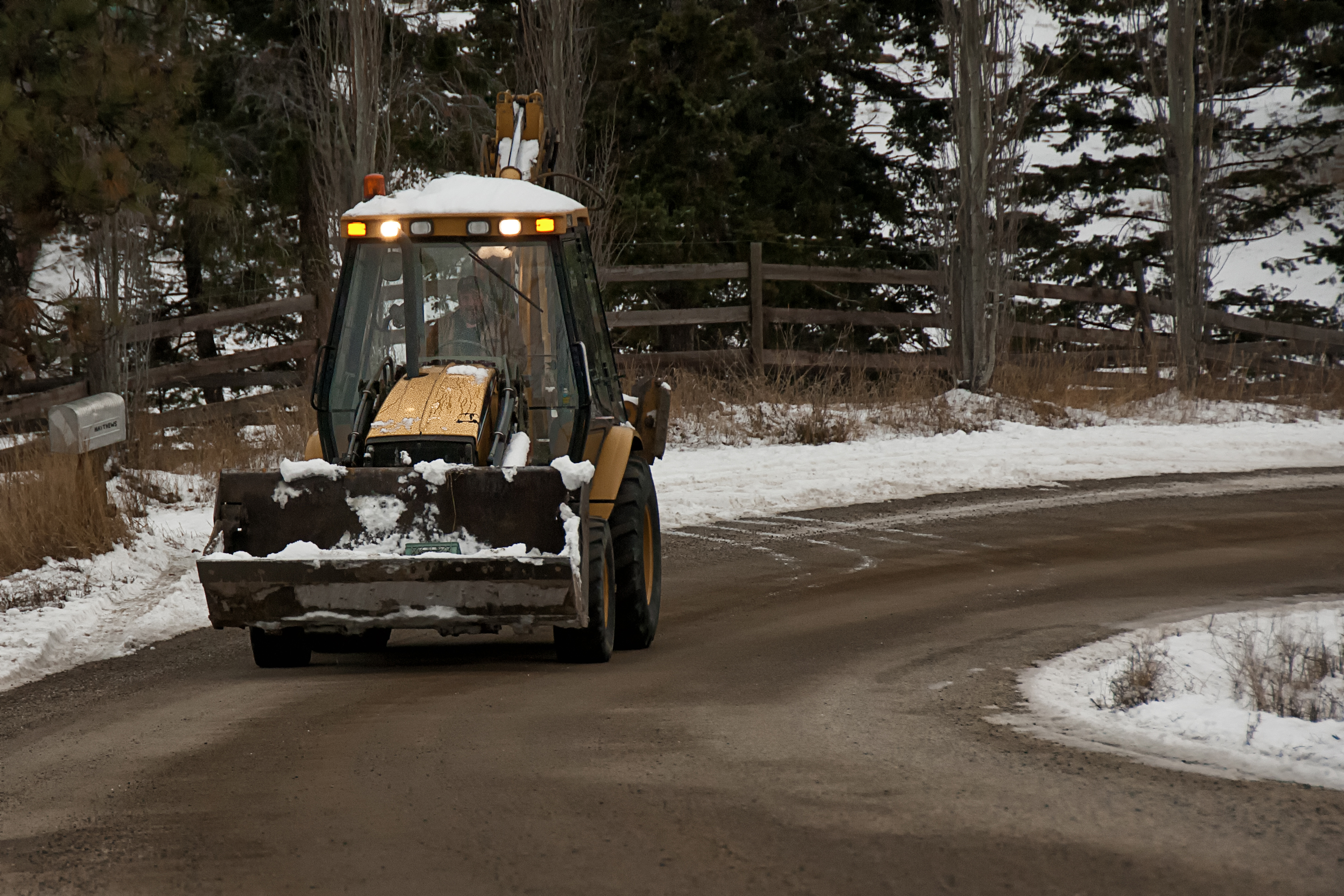
Going to work  Passing a neighbor  Just passing  Watching me go  Field view  Into the valley  On to Kamloops

It seems like several lifetimes ago when I worked as an instructor in California, and my students, were mostly inner city in third, fourth, and fifth grades, and in many cases, were not interested in anything other than getting through the day, so they could do something more enjoyable.

My job in the Alternative Education Program of the US Office of Education at the time was finding more creative methods for teaching children that would bring some excitement to learning the basics that seemed boring to young minds.

This story is going to get around to cameras, just bare with me.  At the time I wanted to involve photography, so when one of the lead instructors complained that young students couldn’t discuss the neighborhoods they walked through on the way to school, and he wanted to work on that as a project. I took the opportunity to insert photography into his project.

We started by giving the kids a pad and pencil and asked them to write about their trip to school. Some days later we all made pirate eye patches and gave them the centers from toilet tissue rolls. Students wore the patch on one eye, and used the roll tubes to look at things as they walked to school, and then later wrote about the trip to school. They saw more and more and wrote pages about the things they originally ignored.
On the final week of the project we gave them all Diana F cameras to take photographs along the way. The Diana F is a blue and black plastic, 120mm, roll film camera with a fixed shutterspeed, and, as I remember, a three-stop aperture. Actually, since then the Diana F has become a kind of “cult camera”.  Who knew? At the time it was just an inexpensive camera that the school didn’t mind loosing.
Some helpful parents had made double-layered, lightproof developing bags, that cameras and Kodak apron-type developing tanks were put into, and then tied to the student’s arms to keep out the light. After what seemed a painfully long time the tanks would emerge with the film safely inside.

We processed the film and the kids would run around the schoolyard with film flying high till it was dried in the warm California air. I once had to prove to an administrator that the developer was safe by drinking a little paper cup full. OK, I did have an upset stomach later, but I never told.

I made little cardboard and glass contact printers and everyone would place their film on Studio Proof paper and sit in the sun on the sidewalk till purple images appeared. Now long discontinued, Studio Proof paper was once used by portrait photographers to make sure the customers returned for their pictures. The deep purple pictures would fade to a solid colour in a few weeks.

Purple pictures of their neighborhood in hand the students would sit and actually write stories about the now memorable walk to school. Sure they had the pictures, but the viewfinder heightened the process of seeing.  There is something about photography and the act of image making that helps and reminds us how unforgettable and exciting it is to be in the place we live.

I recently thought about that long ago episode with photography. So for a fun thing for myself one day I thought I should try, as I had those students do, to shoot my way to work. I am always rushing at the last minute when heading to work in the morning and that makes taking pictures a rushed thing.  For my trip to work I used the spy it, stop-the-car, jump out, shoot fast and drive off method. Not my usual way, but I admit I had fun, got lots of interesting pictures, and wasn’t too late getting to my shop, and I had fun.

I hope you enjoyed the pictures of my way to town….

Please don’t hesitate to comment.

My new website is at www.enmanscamera.com