Judging Photography

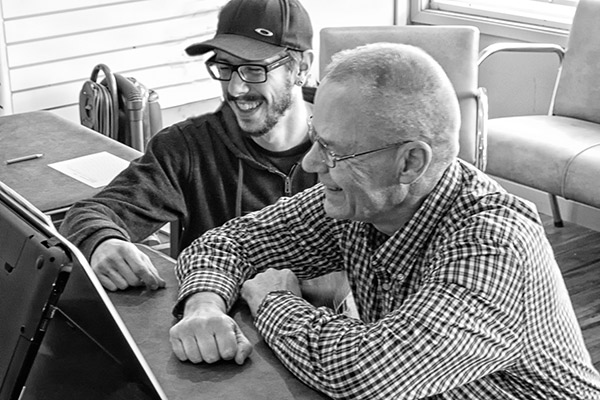
Ben-&-Dave-judging

Exhibition judges Ben and Dave.


I have written about judging photography previously, and I have also used the following quote by John Loengard, who worked as a photographer for Life, for Time, and for People magazines.                         “It is not important if photographs are “good.” It’s important that they are interesting”.

I agree with that statement and when I was asked to be part of the jury committee for a local exhibition by members of the Kamloops Photo Arts Club it was Loengard’s words that I first thought of.   I looked forward to a firsthand look at submissions and wasn’t let down by the interesting and creative work.

They entitled the upcoming juried exhibit of photographs taken within British Columbia as “Wild and Wet” and described it as displaying the impact of water on the environment and residents of this region.

To me, the poorest photographs are those that don’t speak to us, it’s those photographs appear boring. I think the viewer should feel something, should feel a level of emotion when they look at the images. A good photograph is one that creates an emotional response.

As I looked at the photographs I asked myself the following five questions that I think are questions any serious photographer should think about, as they are about to press the shutter.

  1. Is there a clear center of interest? In a successful photo, the viewer can immediately identify the subject.
  1. Is the image composed well? There should be a sense of overall organization.
  1. Is the focus tack sharp and is the exposure appropriate? With the exception of photos that intentionally show motion or soft-focus images (both should be obvious), tack-sharp focus is the first thing viewers’ notice about an image.
  1. Does the photo tell a story? The difference between a photograph one remembers and one that is easily forgotten depends on whether the photo tells a story.
  1. Is the approach creative? Creativity in an image involves more than predictable techniques and perspective. The creative photographer handles the subject in extraordinary ways that the viewer normally would not have seen.

I joined photographers Dave Snyder and Ben Verwey in an interesting discussion of the images as we reviewed the photographs. All the show’s photographs are worth taking the time to view and I look forward to the exhibition that will be held from March 12 until April 1, 2015. As this was to be a juried show, we ranked each submission and selected those that, in our opinion, stood out from the rest.

Whether readers attend this exhibition or any other, my suggestion to take along my guidelines and see how they apply. Then think about how the photographs appeal you. Are the photographs interesting and engaging? Do they capture a moment in time and what do they communicate to you the viewer.

I look forward to your comments. Thanks, John

My website is at www.enmanscamera.com
What Makes Photographers Happy?

Jada-2

I have read that there are 12 states of happiness. What they are, or how “happiness” is determined and is then defined, is beyond me, but I did find a short article that said to be happy people need to “anticipate with pleasure, savor the moment, express happiness, and reflect on happy memories”.

I know there are times and things that make me happy. Nevertheless, there are moments that no matter what my surroundings are, or the circumstances, I am just not happy. And I am sure I am not the only one that gets in a bad mood (or good mood for that matter) without knowing why.

I doubt one can find any studies on the states of happiness for photographers. So while readers think about what makes them happy I’m going to delve into that mysterious state.  Is it happiness about how things like camera equipment make them feel, or about how circumstances such as creating a good photograph make them feel? Most photographers are devastated when they receive a poor review on a picture, so there is lots of ego involved in their happiness. And I know that sitting around with other photographers talking about anything photographic is just plain blissful for me.

I don’t know any social scientists that I can call up, and I haven’t discussed happiness with any philosophers. However, I have always felt that photographers have a culture of their own. There are those who might argue that concept, but I am absolutely convinced that it is so. I constantly interact with other photographers in online forums, blogs, or talk to them personally, and those photographers are always ready and willing to tell me when they are happy or not.

Some are actually more interested in the technology of photography then the actual process of making pictures. I recall a guy that was happiest when he found a problem with a piece of photography equipment. He delighted in making test after test to find if a particular camera matched what the manufacturer or other photographers claimed. I’m disappointed when something doesn’t work as described, but this fellow would actually be down right cheery.

I had a friend that spent all his spare time wandering back roads. He’d show up at my shop with a grin as wide as all outdoors and stick his ipad or ipone on the counter for me to scroll through and happily describe how he photographed that hawk on the wire, the owl on a fence post or that eagle fishing on the river bank. What made him happy weren’t his pictures as much as his process of making pictures.

I know photographers that are continually changing equipment. Not because they find problems with what they own, or because their equipment is limiting, but because they read something, or talked to someone, about a new addition from their manufacturer of choice, and can’t live with out it. They excitedly talk about how wonderful that new piece of equipment is. I know their choices don’t so much meet a practical need as an emotional one, but they make it easy for me, and anyone else they talk to, to observe how darned happy they are with their new camera, or lens, and with, for that matter, everything they own.

This exciting medium has many levels and outlets to make one happy. There are portrait photographers, wildlife photographers, scenic and landscape photographers, sports photographers, baby photographers, those that specialize in plant photography and, of course, many more, each with differing sets of skills, and, to my mind, their own states of happiness. I don’t know if photographers have twelve states of happiness, or only the four I found in that short article, but I will say that I meet lots of people that are happy to be doing photography, and being involved with it in their own, very personal, way.

Care to comment on what makes ya happy?

My website is at www.enmanscamera.com
Thoughts on Photography in Low Light and Camera Noise.

Musicians 1

Musicians 2

Musicians 3

Musicians 4


Musicians 6

Musicians 7

Dancers


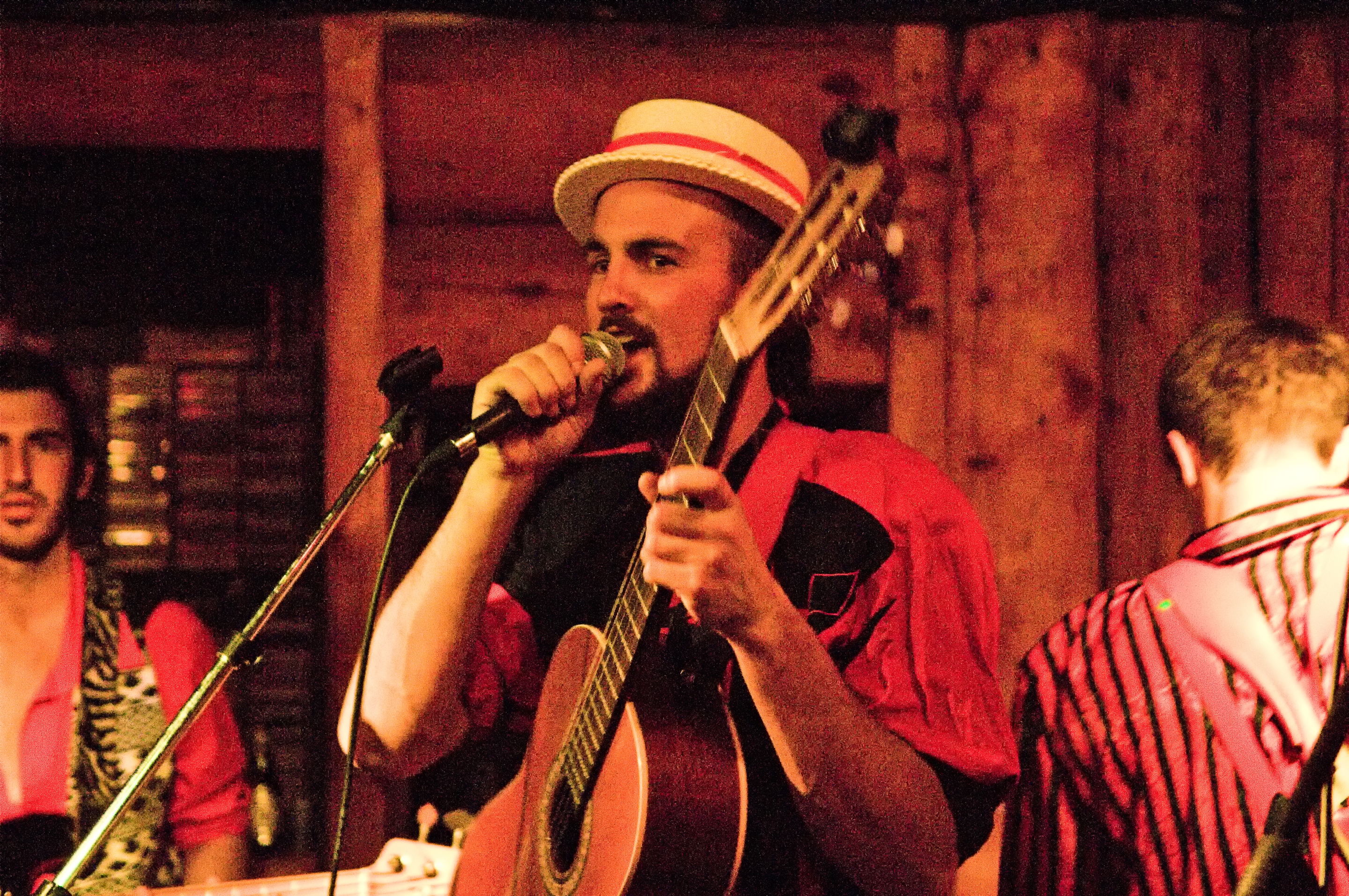
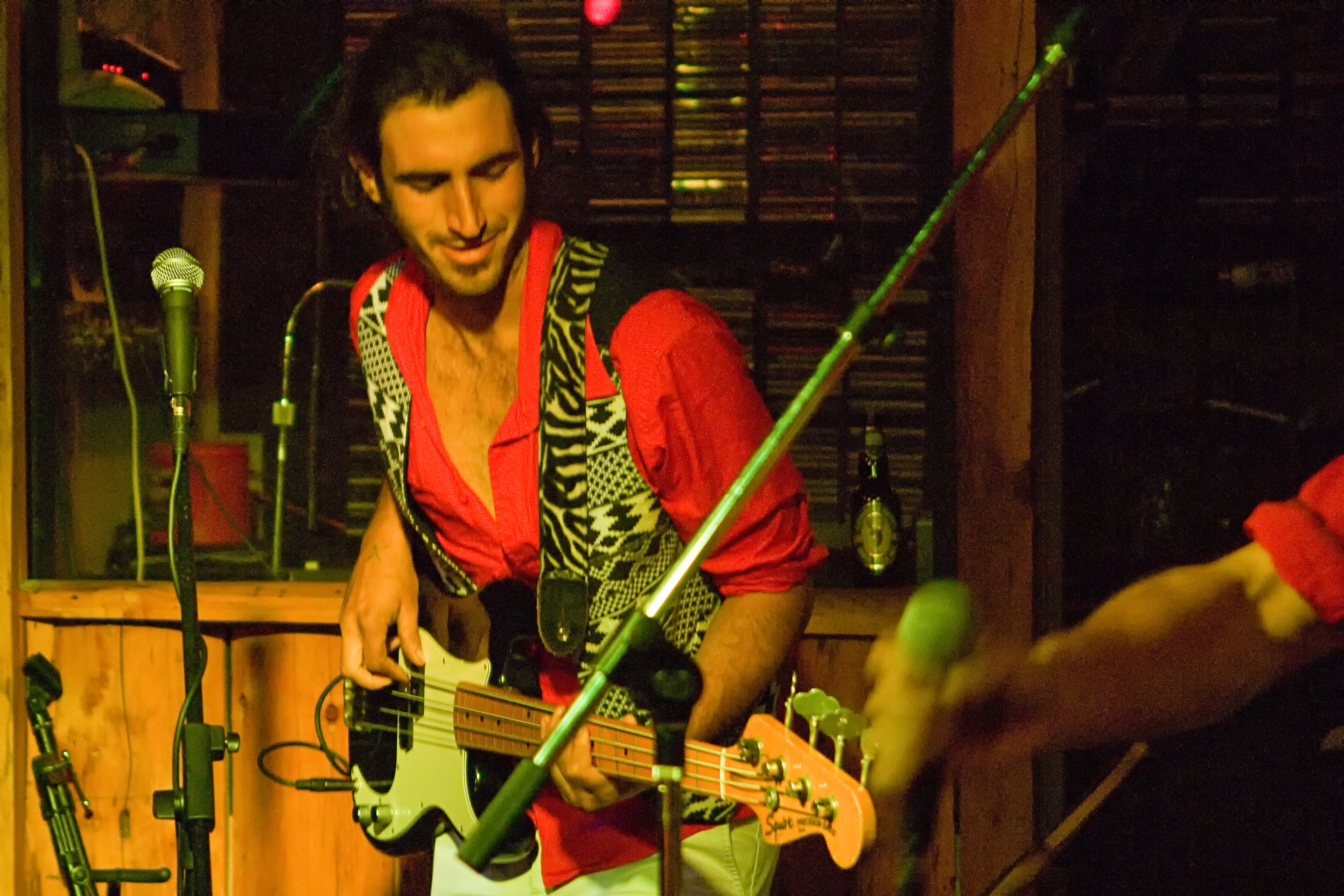
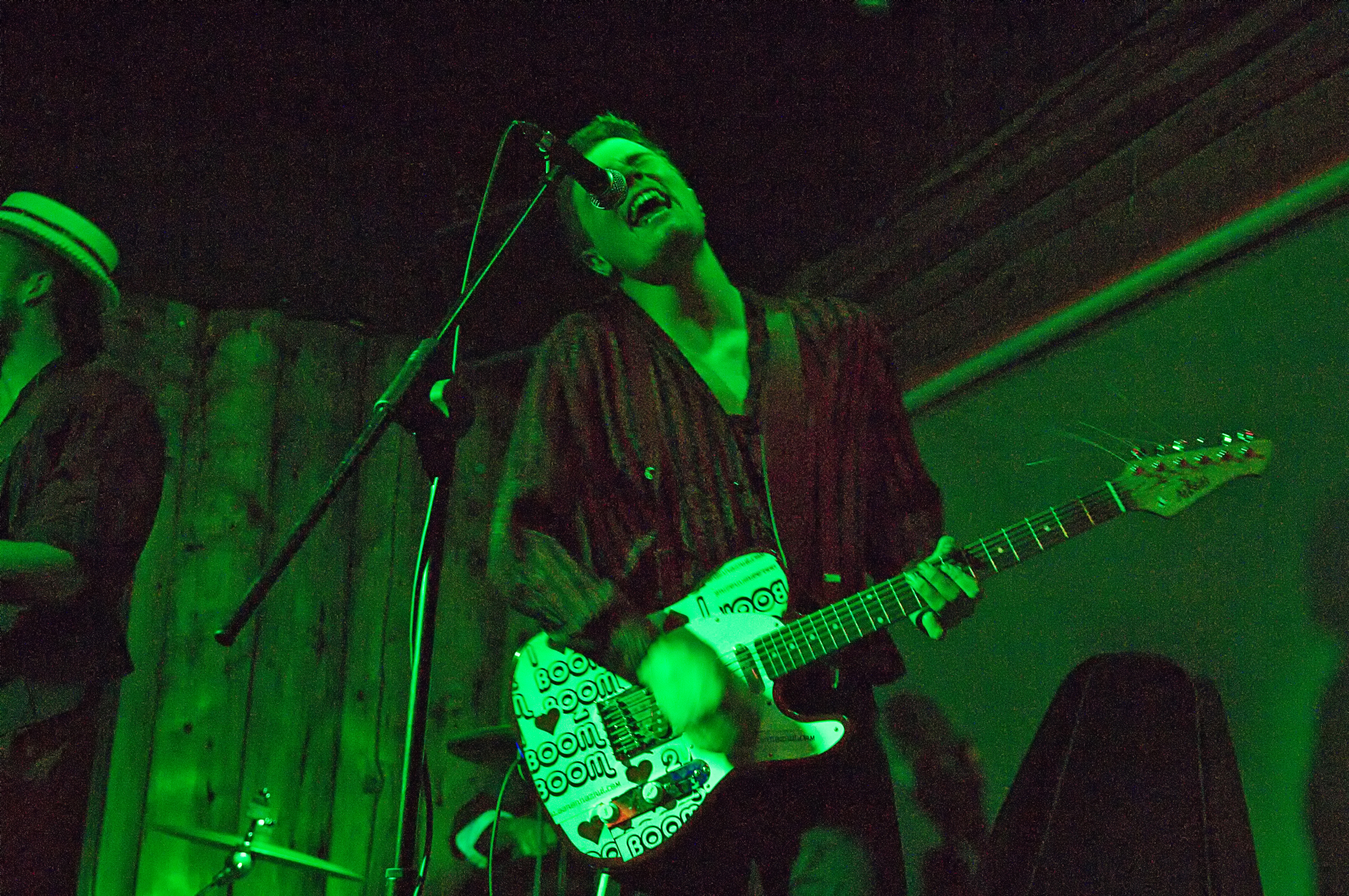
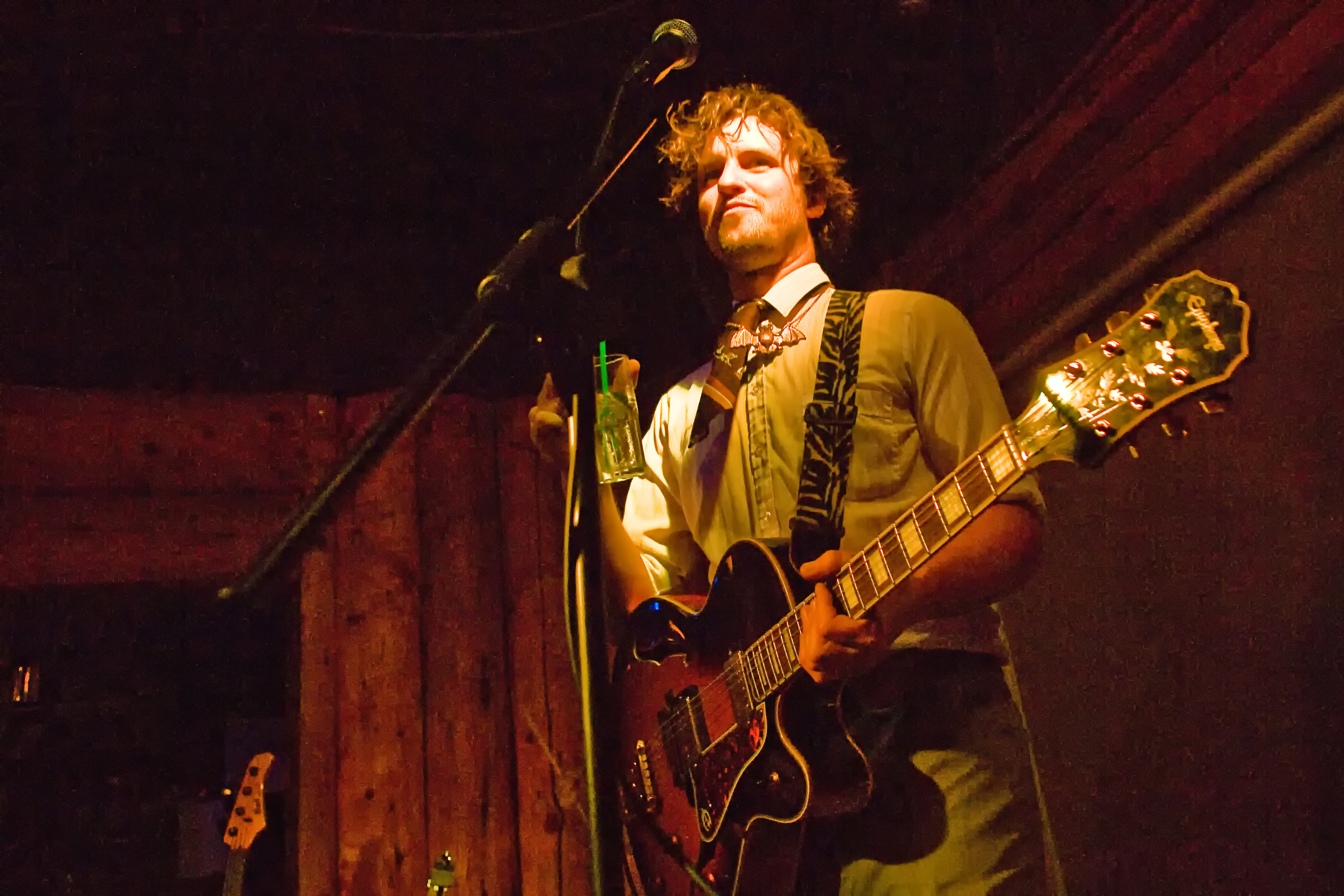
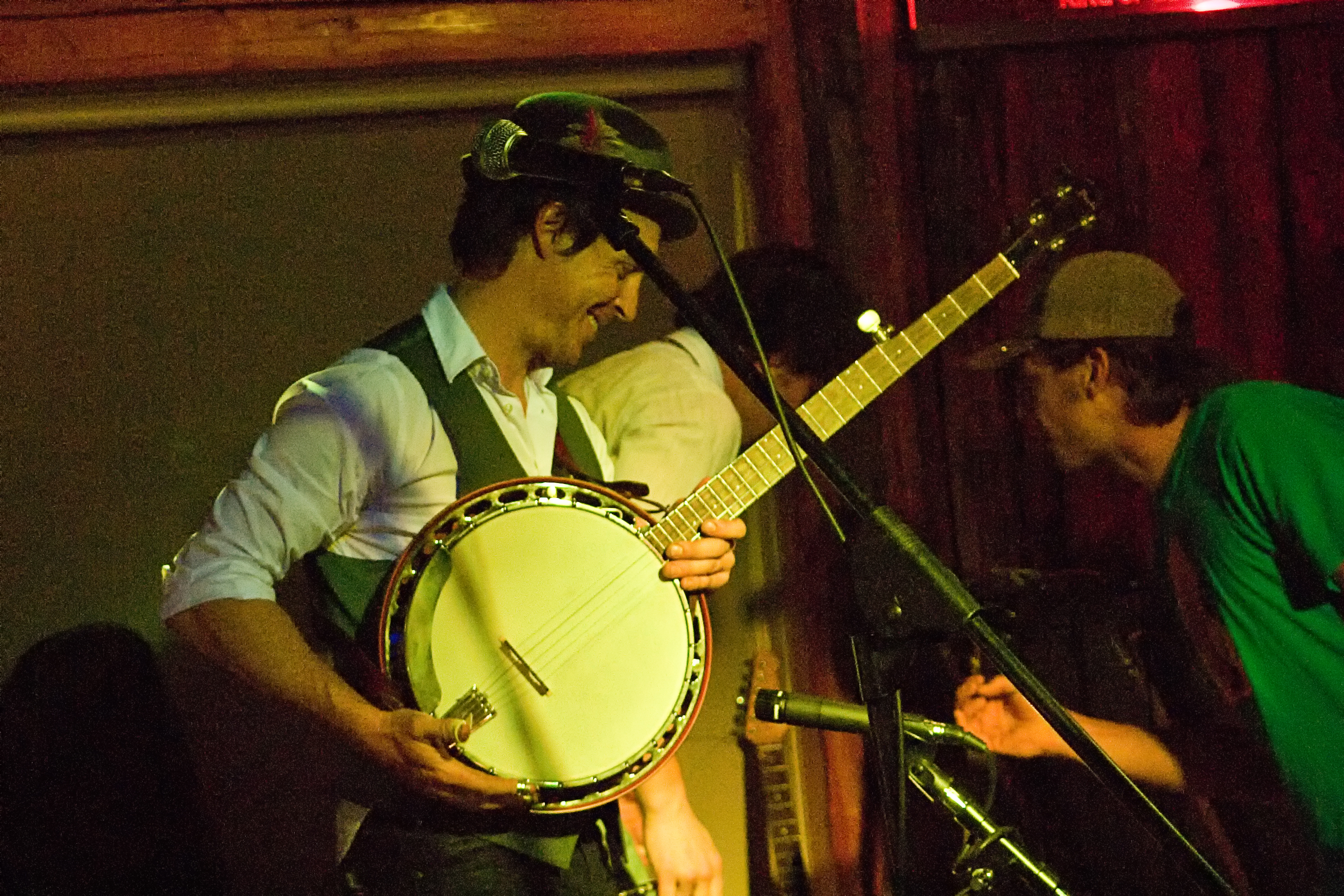
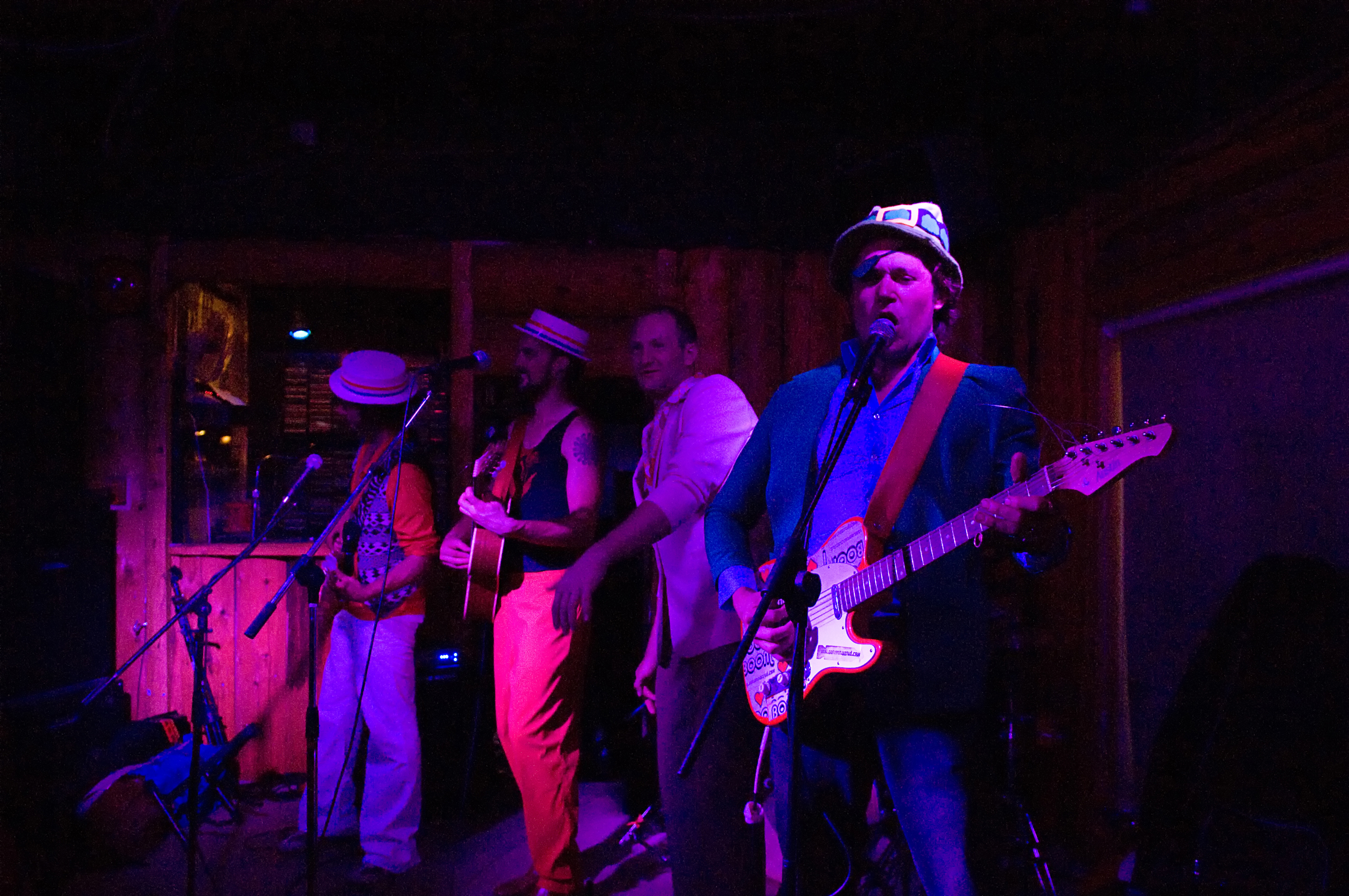
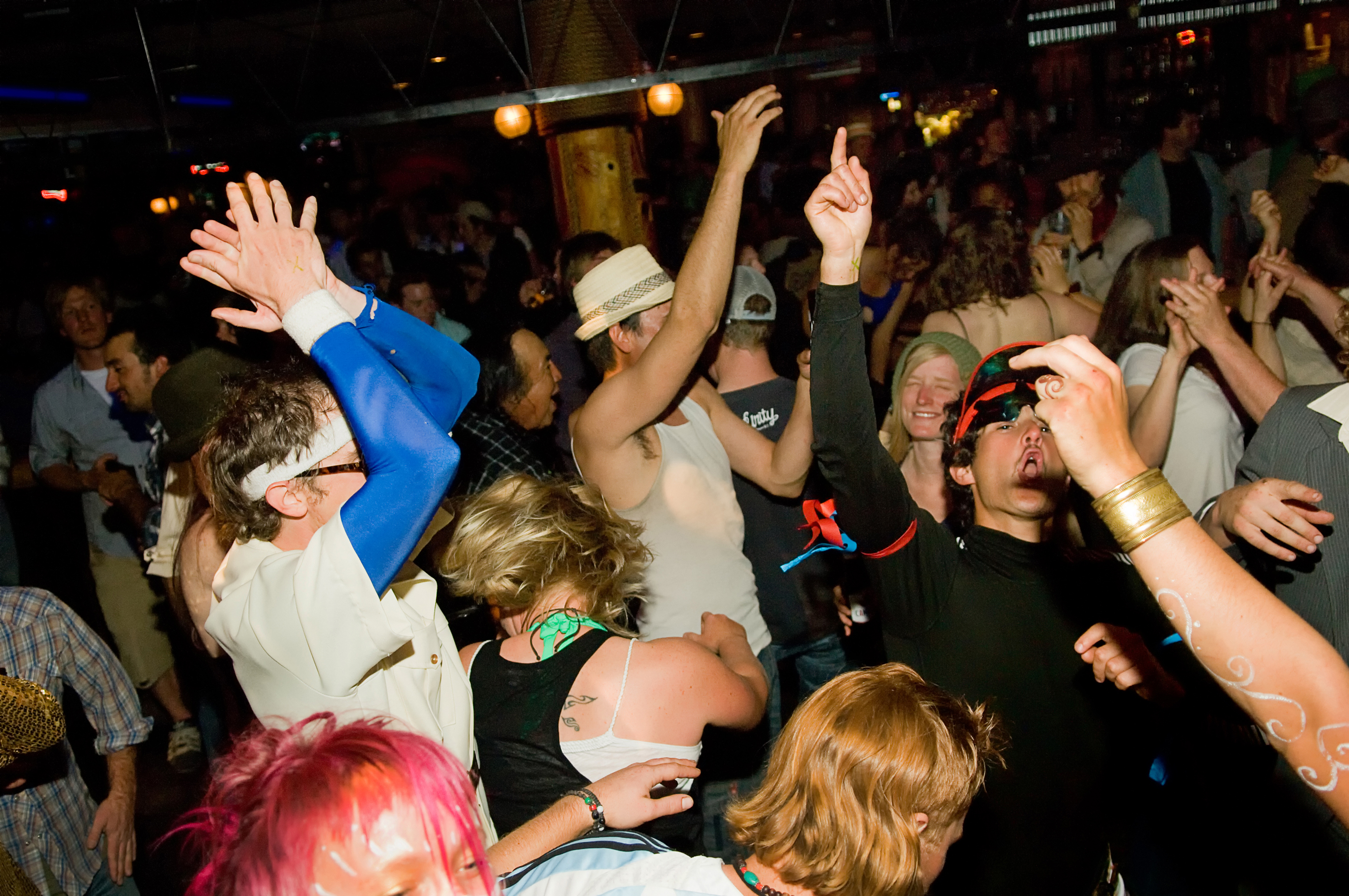
A friend dropped by my shop to show me photographs he took of some musicians performing at a local evening event. As we looked at his images, we talked about how successful they were and how he had to push his ISO higher and higher for lighting conditions he was forced to shoot under.

He began by rating his camera first at ISO 800, then later, higher than that because of the low mood lighting. He didn’t want to use a flash because it would have disturbed the ambiance of the musicians and for the audience. The only illumination was a couple of little spotlights that had been redirected towards the musicians. In compensating for the low light, his only concern as he prepared to shoot was image noise.

Digital image noise is noticeable by the presence of coloured speckles where there shouldn’t be any. For example, instead of clear dark or coloured background, there might be different colour speckles in the background. Noise is closest to the “grain” one used to see when using high ISO films, except with film it was more about those areas that didn’t expose correctly.

Photographers have always struggled with the effect of high ISOs and I remember when 400 ISO was considered a pretty grainy film. In the days when film was king there were all sorts of special chemicals to process film to try to get fine grain and allow for pushing film to a higher ISO than 400. Photography magazines had article after article discussing ISO grain.

If photographers asked my advice ten years ago I would have suggested they use Ilford’s Delta 3200 ISO black and white film and to rate it at 1600 and process it in Ilford Perceptol, but these days some camera sensors are amazing in their ability to “see” light. Modern camera companies control the way images are processed in their cameras, and there is a lot of marketing based on beautiful images to encourage buyers to spend money on whichever new model they are promoting.

When selecting higher ISO today, the signal from light photons is amplified, and with that the background electrical noise that is present in a camera’s electrical system is also amplified.

Without enough light for a proper exposure the camera’s sensor will collect a weak signal and more background electrical noise is also collected.

This isn’t the place for making recommendations for which is the best camera for low light shooting. I’ll leave that to others. I suggest readers do some research on different manufacturers and tests on the cameras they own. There are also programs like Noise Ninja, Neat Image, Topaz DeNoise, and NIK’s Dfine that can reduce the effect of high ISO, and those that aren’t in the mood to follow the herd of photographers that purchase a new camera every year just to reduce digital noise, might try one of those programs.

For me, it comes down to the purpose of the photographs. If I was photographing a college basketball game and the images would be used in brochures or magazines, I would want the cleanest, lowest noise images I could get; but if they were going to end up as pictures in an on line album, or just stored in a computer’s hard drive for friends’ viewing, I wouldn’t be too concerned about noise. Therefore, I suggest that photographers determine the purpose in advance of any photos taken in low light.

There is a lot of information on the Internet about specific cameras and their abilities regarding sensor noise. I suggest doing some research and checking out other photographers’ comments regarding what they own, or may be thinking of upgrading to, and as I said before, do some experimenting with the camera they have.

I enjoy receiving comments. Thanks, John

My website is at www.enmanscamera.com
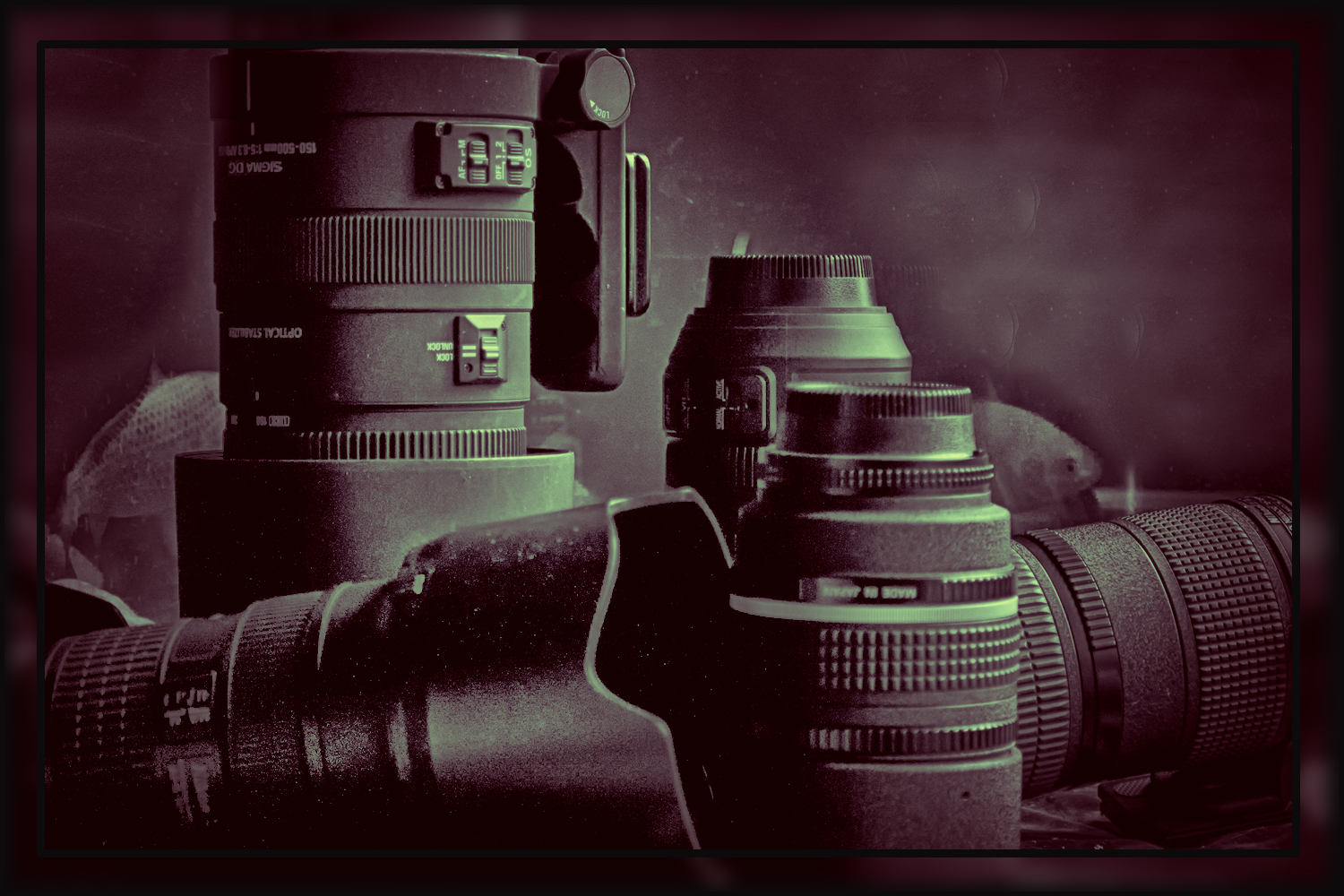
The Lens – The Most Important Part of the Camera

Lenses

The Lens – The Most Important Part of the Camera

Ask any experienced photographer whether to buy a new camera or a new lens and the answer will usually be, “it’s all about the glass,” or, “a good lens is more important than a good camera.”

A bad lens on a good camera will still make poor images, but a good lens on a poor or average camera will most likely give the photographer good results.

I listened to several friends talking over coffee about reviews they had read about the latest camera offering from Canon. The discussion began with questions like, “why does a photographer that doesn’t shoot sports need a camera with 7 or 8 frames a second” and “I really don’t spend much time shooting in low light situations, so why would I spend extra money on a camera because it is capable of a high ISO.” However, as expected, it wasn’t long before the talk easily turned to an exchange of views on lenses. Remember, because after all, “it’s all about the glass.”

The conversation easily moved from a difference of opinion between those that preferred prime (fixed focal length) lenses, and those, like me, that chose multi-focal length (zoom) lenses. We talked about the importance of wide angle and, of course, wide aperture lenses.

Just because you can change the lens doesn’t mean you have to, but I don’t know many photographers that are that sensible. Mostly we are willing to change lenses as soon as we have extra cash in our pockets, more emotional and impulsive than sensible.

I know very few are content with the short zoom that came as a package with the camera any more than they are with the tires the manufacturer installed on their car. Yes, the lenses, just like the tires aren’t high quality, but that’s not my point. What I mean is that changing lenses is like changing the visual personality of the image, and most photographers I know are engaged in, what I’ll call, a search for a perspective that fits their personality and personal vision.

The camera might capture some subject’s personality, but the lens, in my opinion, says more about the photographer than the subject.

Several photographers standing on a picturesque hillside using the same camera and lens will probably produce much the same image, but give them each a different lens and the resulting images will be diverse, distinct, and individual.

Yes, it is all about the glass, and there is such a pleasing and very exciting diversity of lenses out there waiting for each photographer to choose, discard, and choose again as they explore and create within this stimulating medium of photography.

As I wrote those words I wondered if there were others that I could use that were more applicable than stimulating. I could have used, intoxicating, invigorating, or even compelling. They all fit and, I think, could apply to some of the feelings I could see and hear from those photographers lounging around my shop drinking warm coffee on a cold November day as they talked about the lenses they used and would like to use.

A new camera is a lot of fun, but it really is “all about the glass.

I appreciate any comments. Thanks, John

My website is at www.enmanscamera.com
Lighting The Portrait Workshop

Class Participants

Bart&Sarah&wind Machine

Sarah

French poet and art critic Charles Baudelaire once said, “A portrait! What could be more simple and more complex, more obvious and more profound?”

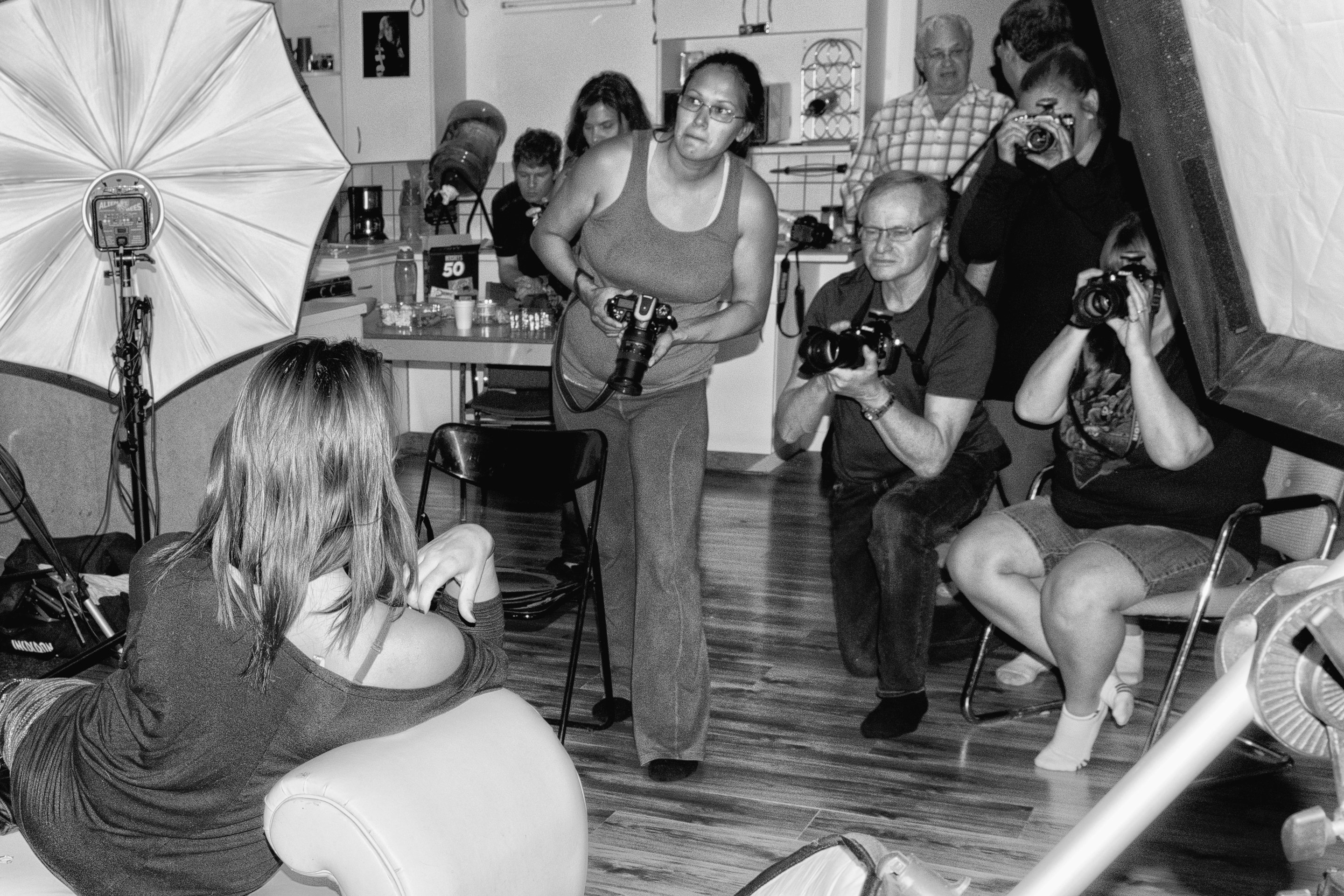
Last weekend I led an interactive studio session with students that covered off-camera lighting for portrait photography. My goal was to leave participants with enough knowledge and skills, that with additional practice and experimentation, they would be able to produce pleasing and creative portraits of friends, family, and clients.

Learning to take better portraits, or as I emphasized in my workshop, portraits that flatter the subject and which shouldn’t just be a flat documentary of a person, involves understanding lighting techniques and posing.

In this one-day course participants experienced several aspects of portraiture including directing both male and female subjects, as well as an introduction to light modifiers and their application.

My teaching experience has now expanded to over three decades. That experience has taught me (yep, I have learned lots too) that, rather than acting like a star or celebrity standing on a stage demonstrating what I know, I can be much more effective standing by their side leading photographers as a participant into new territory.

My job was to present information on the subject at hand and keeping things going. I’ll admit that wasn’t hard with last Sunday’s group. I stood back and could see what progressed from a spark to a wildfire as each photographer started getting the concepts and began excitedly making the kind of portraits future clients would definitely pay for.

Building bridges between what those photographers already knew and what had eluded them regarding portrait lighting was fun for them and, of course, for me and I enjoyed their enlivened interaction and creativity.

As with most of my current workshops this was held in a well-equipped studio filled with an assortment of lighting gear, complete with a drawer full of wireless senders for participants to use. There are soft boxes, umbrellas, diffusion screens, reflectors and a great selection of wall-mounted backdrops.

All equipment and setups I employed for this workshop could easily be added to any photographer’s kit without a large outlay of cash and could be used in a basement studio.

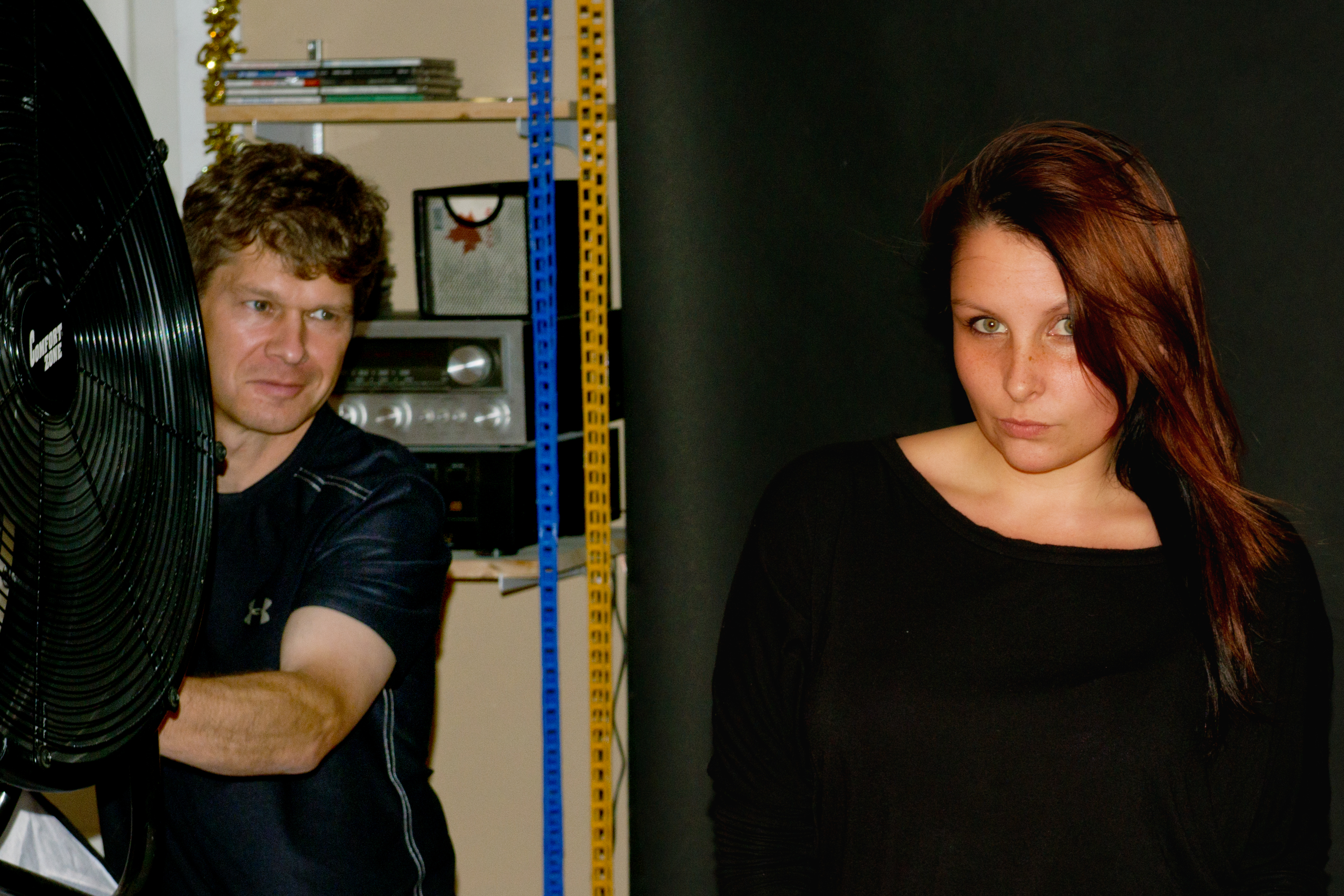
As the day progressed I included an assignment for participants to make a “business” style portrait of each other. That added to the fun and gave our overworked model some respite. My intention was to get photographers thinking about being creative and complimentary in their directing, posing and lighting.

Our model came made-up and ready to be photographed, whereas the rest of us, well, we intended to be behind the camera, not in front of it. So this was a perfect way to get photographers thinking about how that not so willing portrait client might feel.

By now regular readers know that I really like quotes. So I’ll end with this one by photographer Henri Cartier-Bresson that fits the mindset I hoped to impress on participants. He said, “Photography is not like painting. There is a creative fraction of a second when you are taking a picture. Your eye must see a composition or an expression that life offers itself to you, and you must know with intuition when to click the camera. That is the moment the photographer is creative.”

I always enjoy and respond to comments. Thanks, John

My website is at www.enmanscamera.com
Thoughts on Street Photography

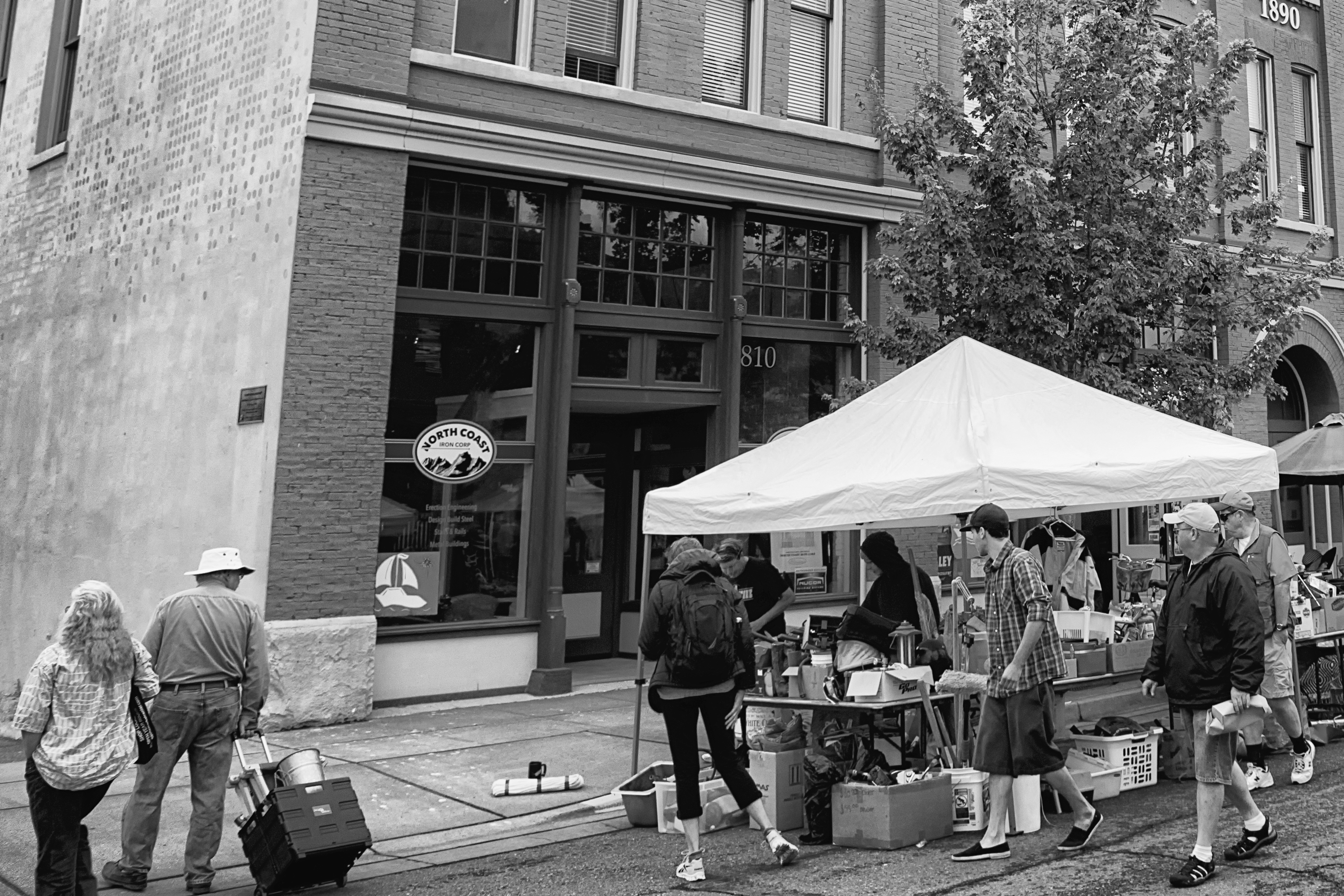
Thrift shop

Great shopping

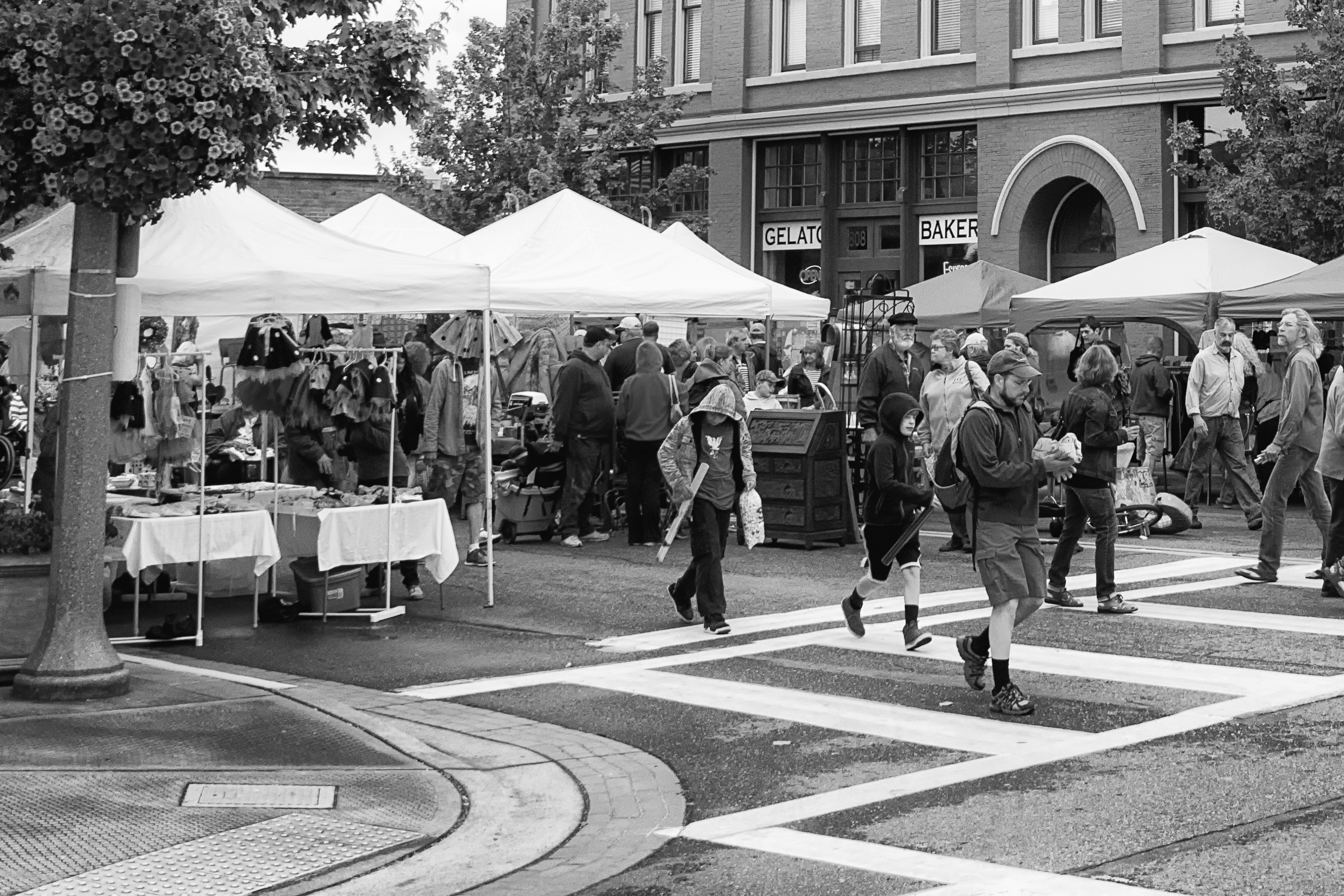
Bakery

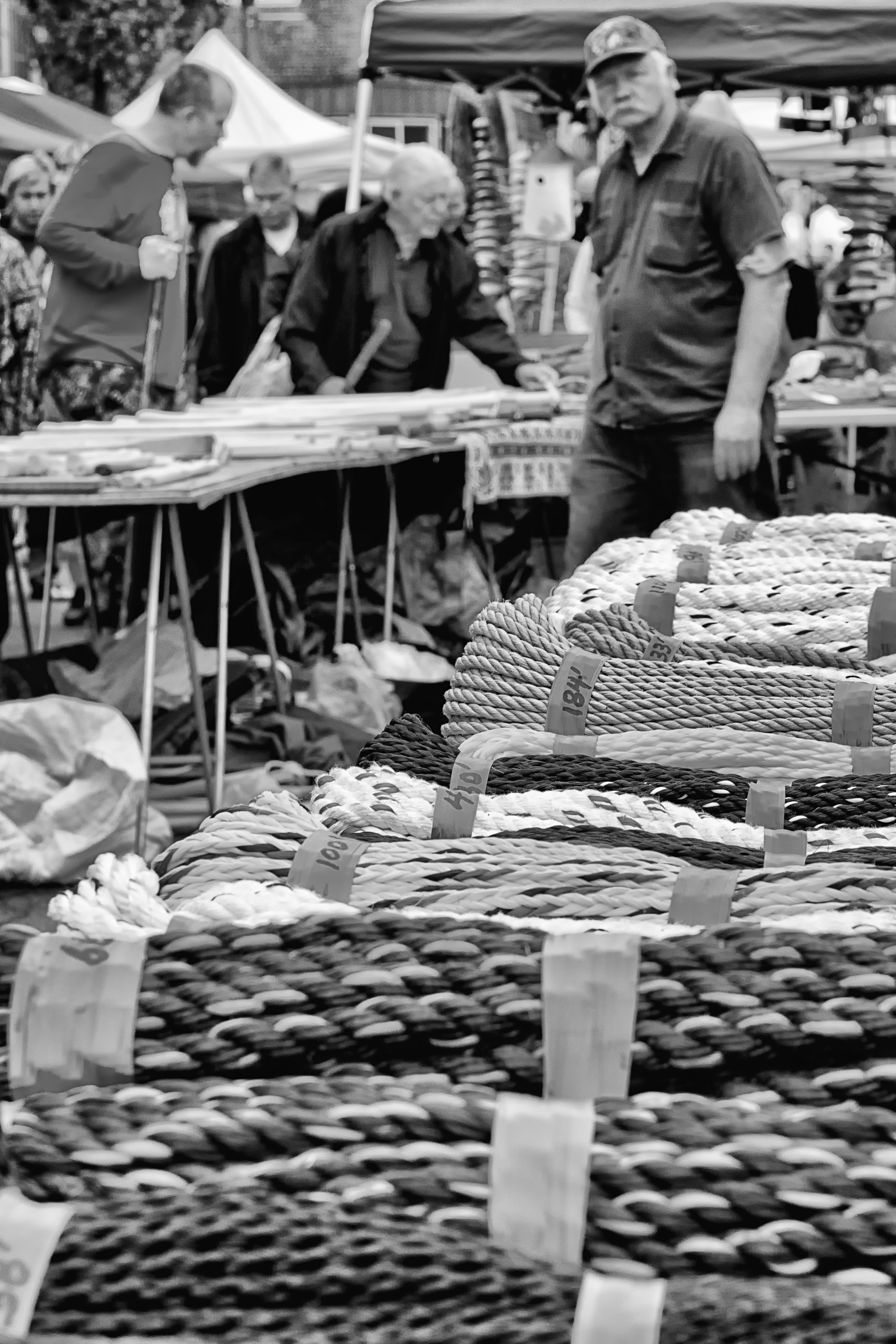
Rope guy

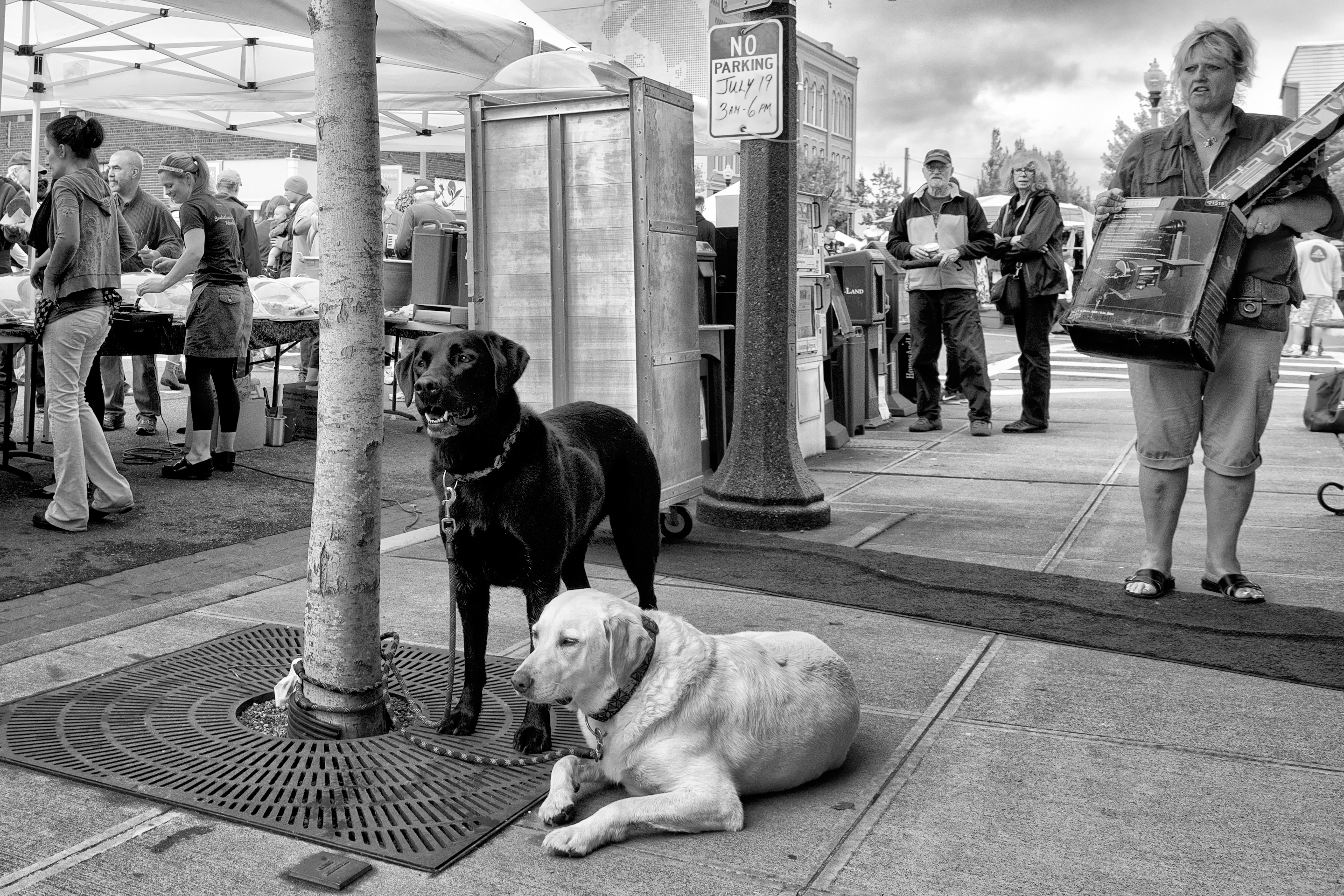
Waiting at the Festival

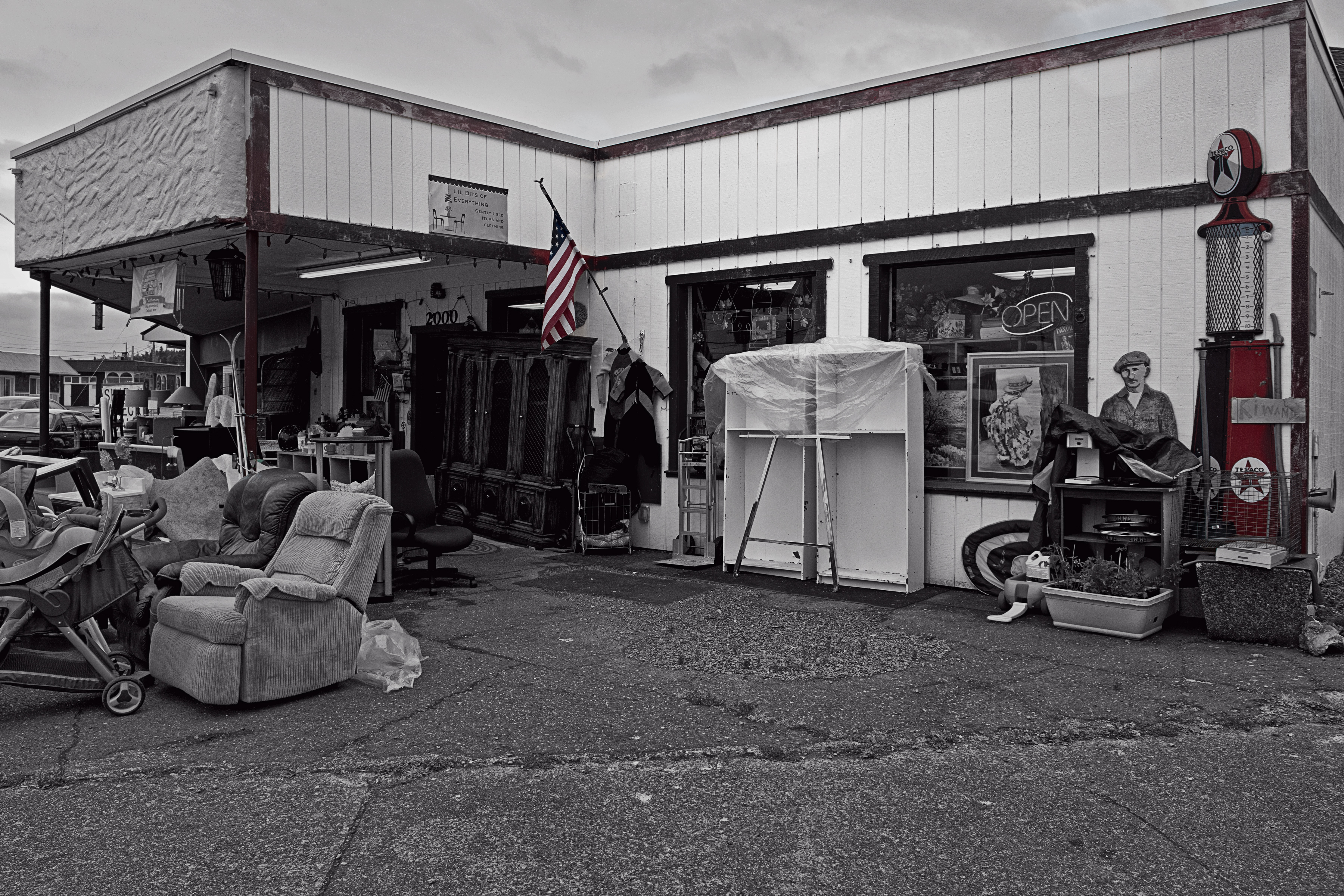
Of all the recent trends that has increased in popularity since digital cameras, it is street photography that intrigues me the most. Street photography is not a new phenomenon and has been around since the beginnings of photography. Just check out the work of French photographer Eugene Atget in the late early 1800’s, or Fred Herzog’s photos in 1950’s and 1960’s Vancouver, Canada. In spite of the long history the pastime is still a niche in the broad spectrum of interests that photographers have. However, I am spending more and more time viewing intriguing images of life on streets around the world captured by talented modern day photographers.

Wikipedia says, “Street photography is an art photography that features the human condition within public places and does not necessitate the presence of a street or even the urban environment…The origin of the term ‘Street’ refers to a time rather than a place, …when workers were rewarded with leisure time…and people engaged with each other …more publicly and therein the opportunity for the photographer.”

I’ve never been good at street photography. I have made a few pictures worth viewing, but I become more occupied with man-made things and get side tracked with some building’s shadow and miss those interesting people shots captured by photographers adept at seeing what I pass by.

On my recent visit to Anacortes, Washington, I did try a bit, but I quickly realized that with my big DSLR camera I was attracting too much attention. Whenever I stopped people slowed, turned to face me, and watched.

Since I started discussing photography on-line I have come in contact with some very skilled street photographers and regularly visit their blogs and websites to view their creative work. Those photographers don’t usually add comments, letting their work speak for itself, however, I found a discussion by Los Angeles street photographer, Eric Kim, and the following are some of his thoughts on being a street photographer.

Mr. Kim writes, “…When you start off in street photography you will be inspired by all these other photographers you see. You will look at their work and be amazed by their photos…my advice is this: start off copying the photographers whose work you admire. All the great renaissance painters started off as apprentices. They copied their masters for years, and learned all the basics and fundamentals. And once they mastered the basics, then they were able to go off and find their own voice.”

He counsels us to, “Follow your curiosity.” and says, “As a photographer you are a scientist. You experiment to find new results.”

Kim continues, “When I started photography I always thought it was my gear which held me back. I felt my camera or lens wasn’t good enough…but what I realized is that I was simply lacking education…I didn’t dedicate myself to learn enough about photography. I simply thought that buying gear would help me become inspired, and therefore become a better photographer.” I couldn’t agree more with him when he writes, “…education is the best investment money can buy. Education is something that will always stay with you, in your mind, thoughts, and actions.”

While writing this I thought about all the advice I could have gotten just by asking the talented street photographers I have come in contact with in the last few years. Those interested will find that a quick search will show many photographers to look at and from whom to learn. There is also “The International Collective of Photographers” at http://www.street-photographers.com/

I’m not ready to start roaming city streets yet, but there is a local Fall Fair coming up in September. That environment, with its festive participants, might be the perfect place to search for that decisive moment.

I always appreciate any comments. Thanks, John

My website is at www.enmanscamera.com
 

A Fun Day Photographing the Pritchard Rodeo.


A family event

Ride 'em


Doesn't look safe


Excellent riding


Horse 1 cowboy ?


JRE_6489 copy


Trick rider


Take-off


Bronco


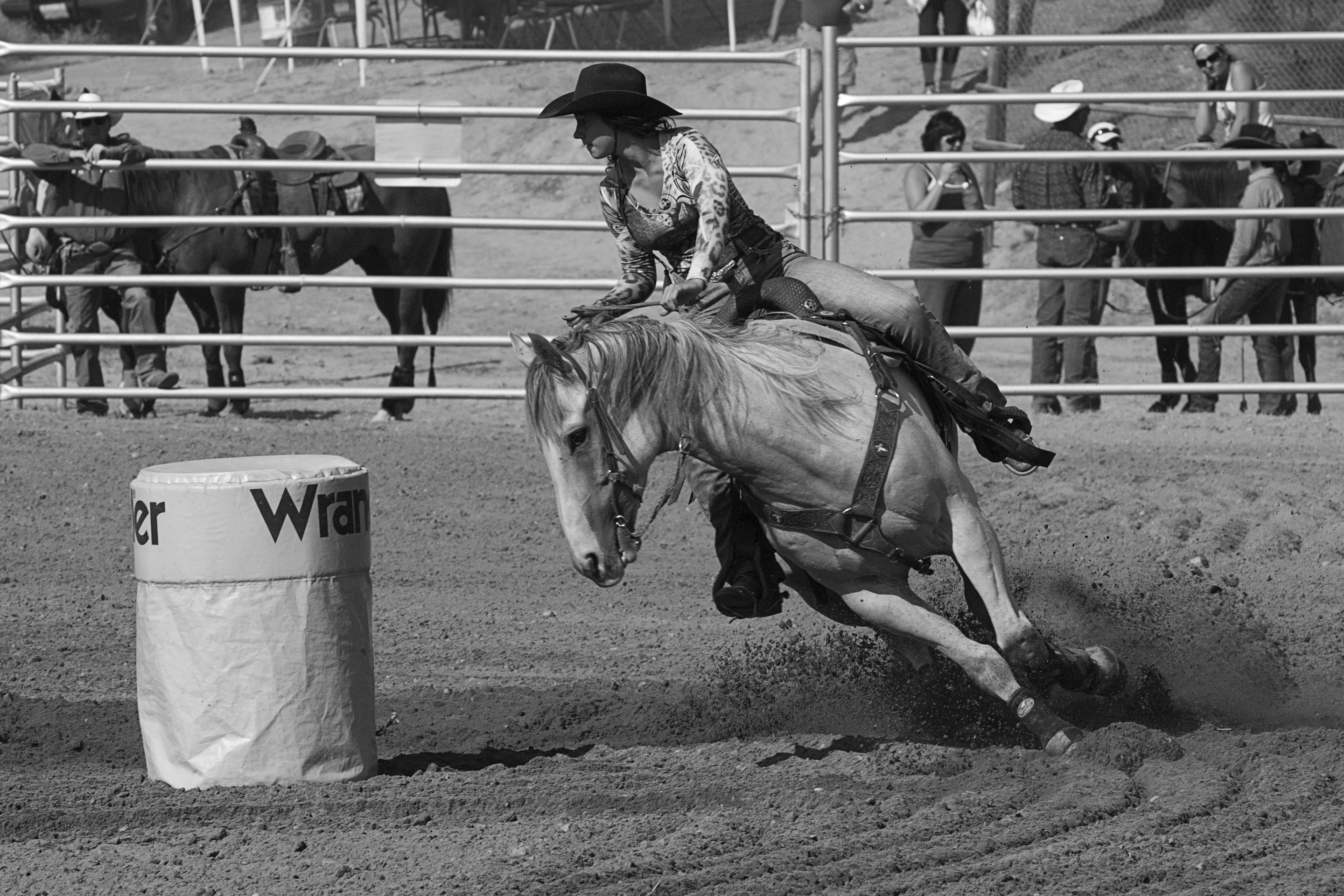
Barrel horse & Rider


Barrel Rider


Leaving the shute

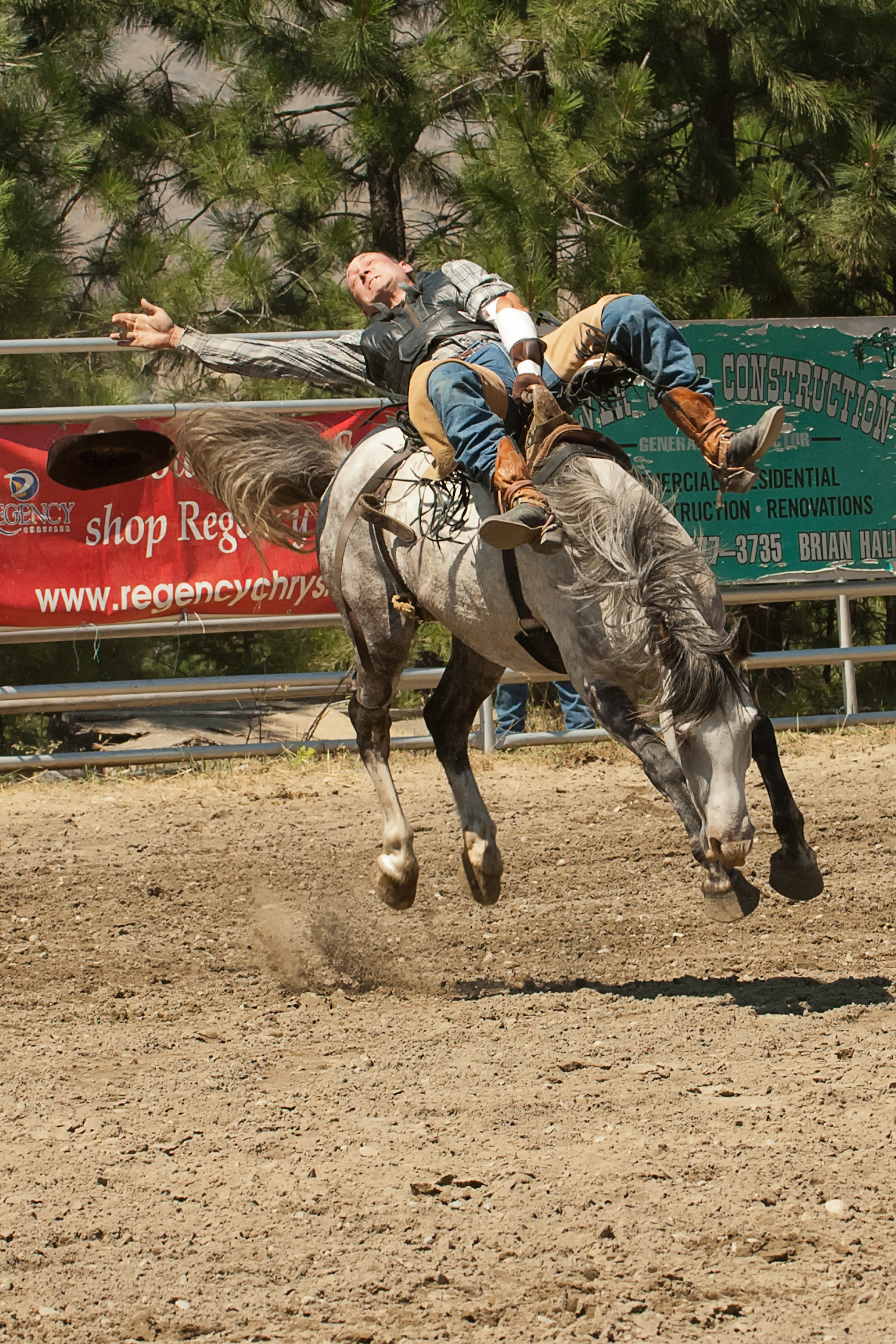
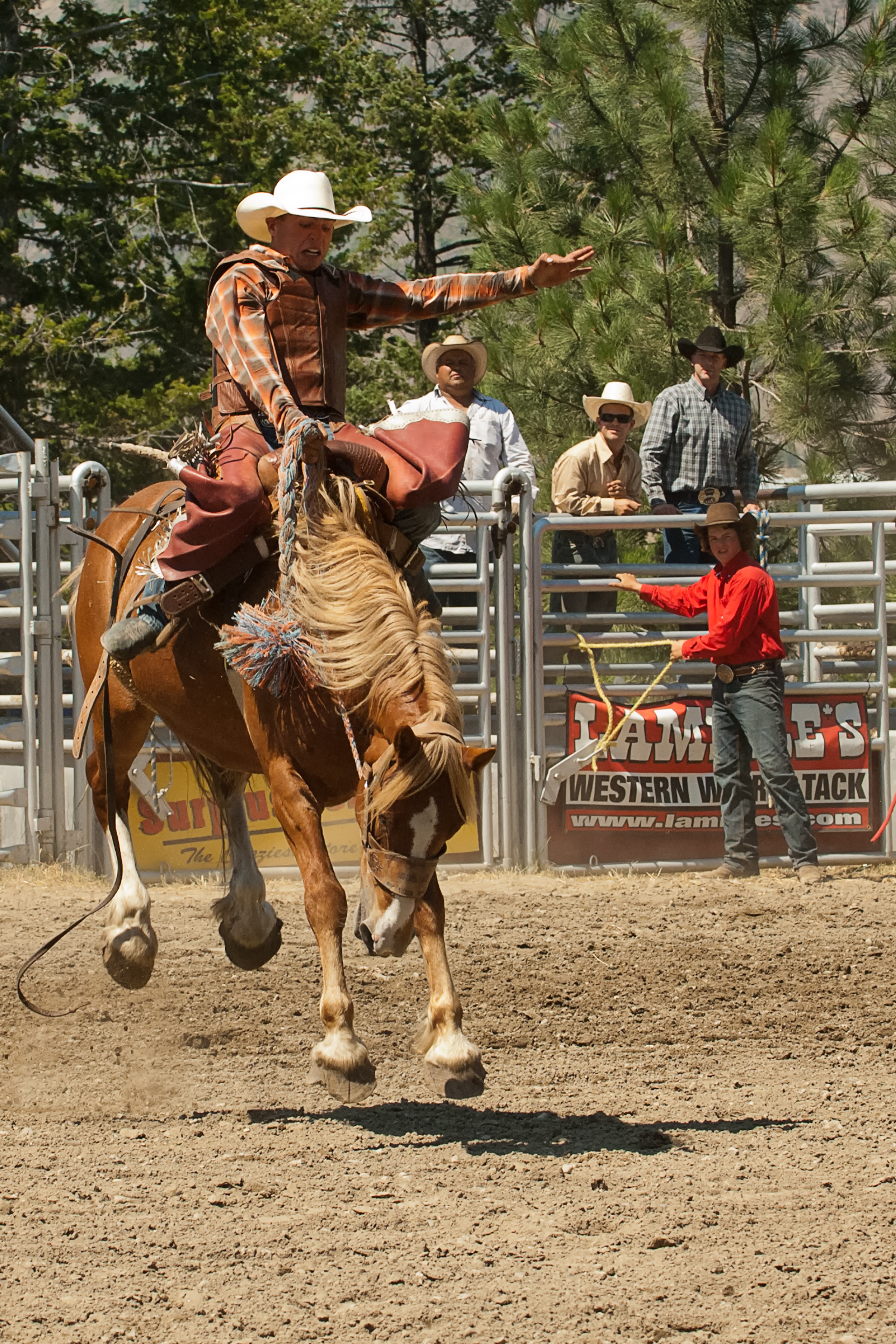
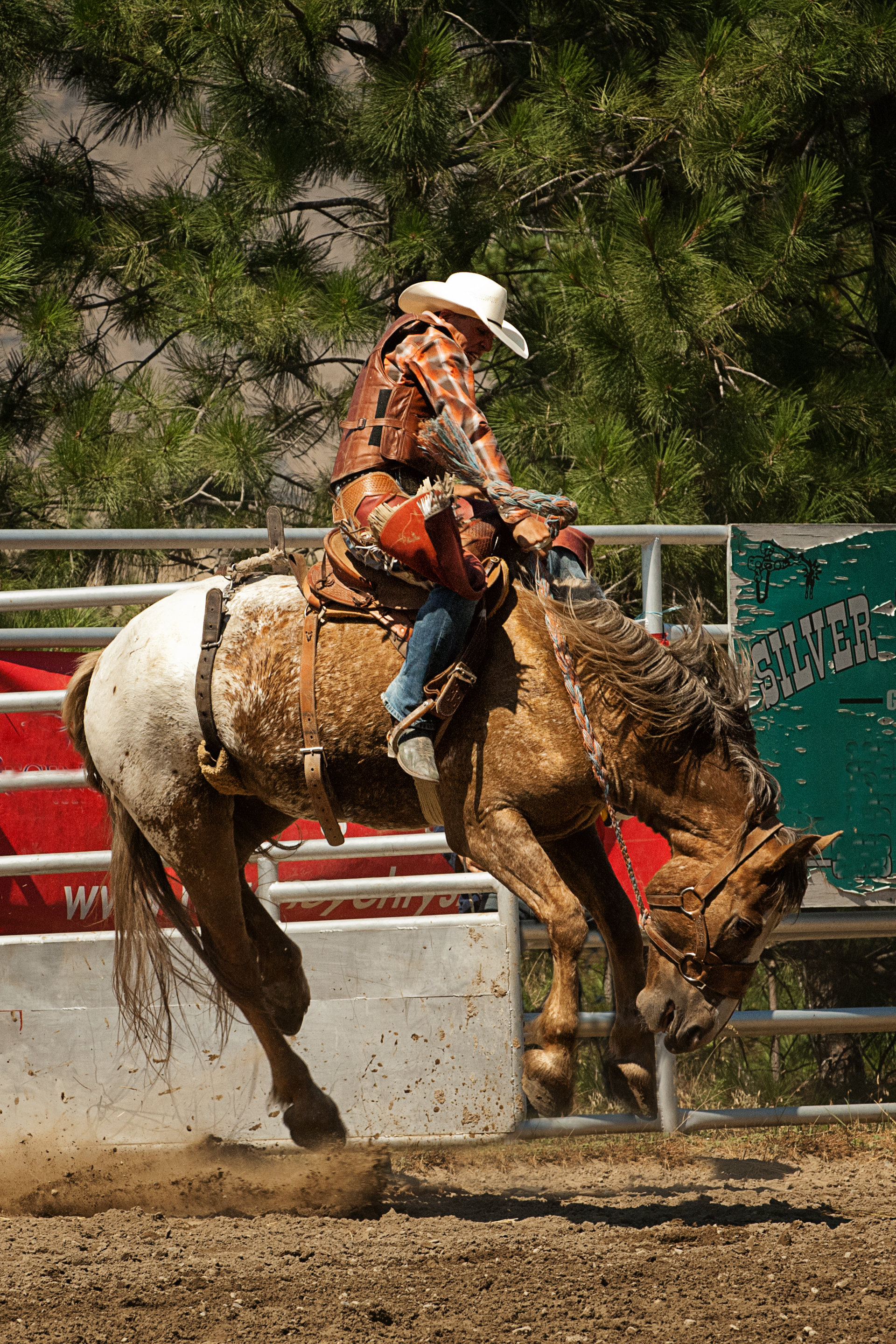
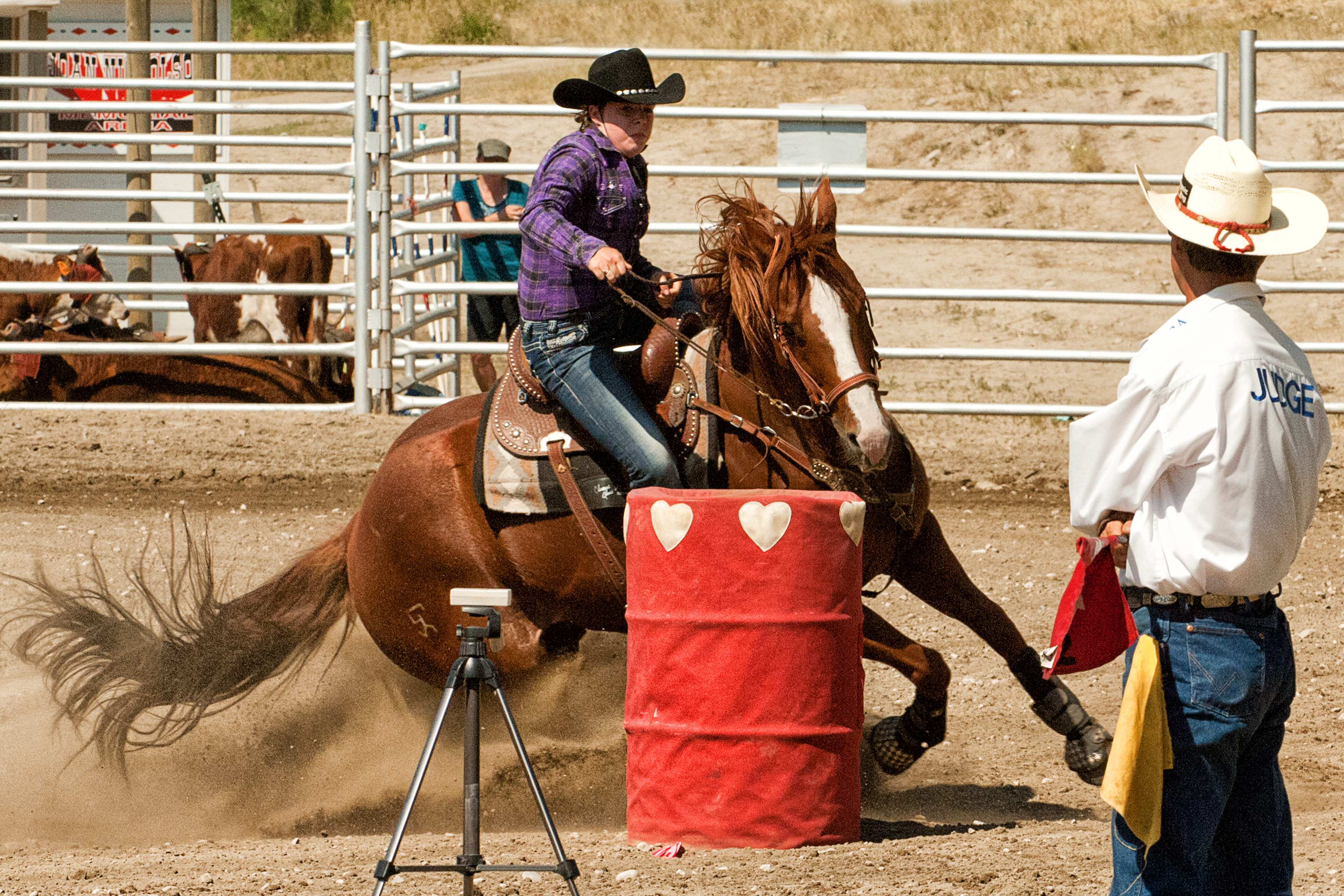
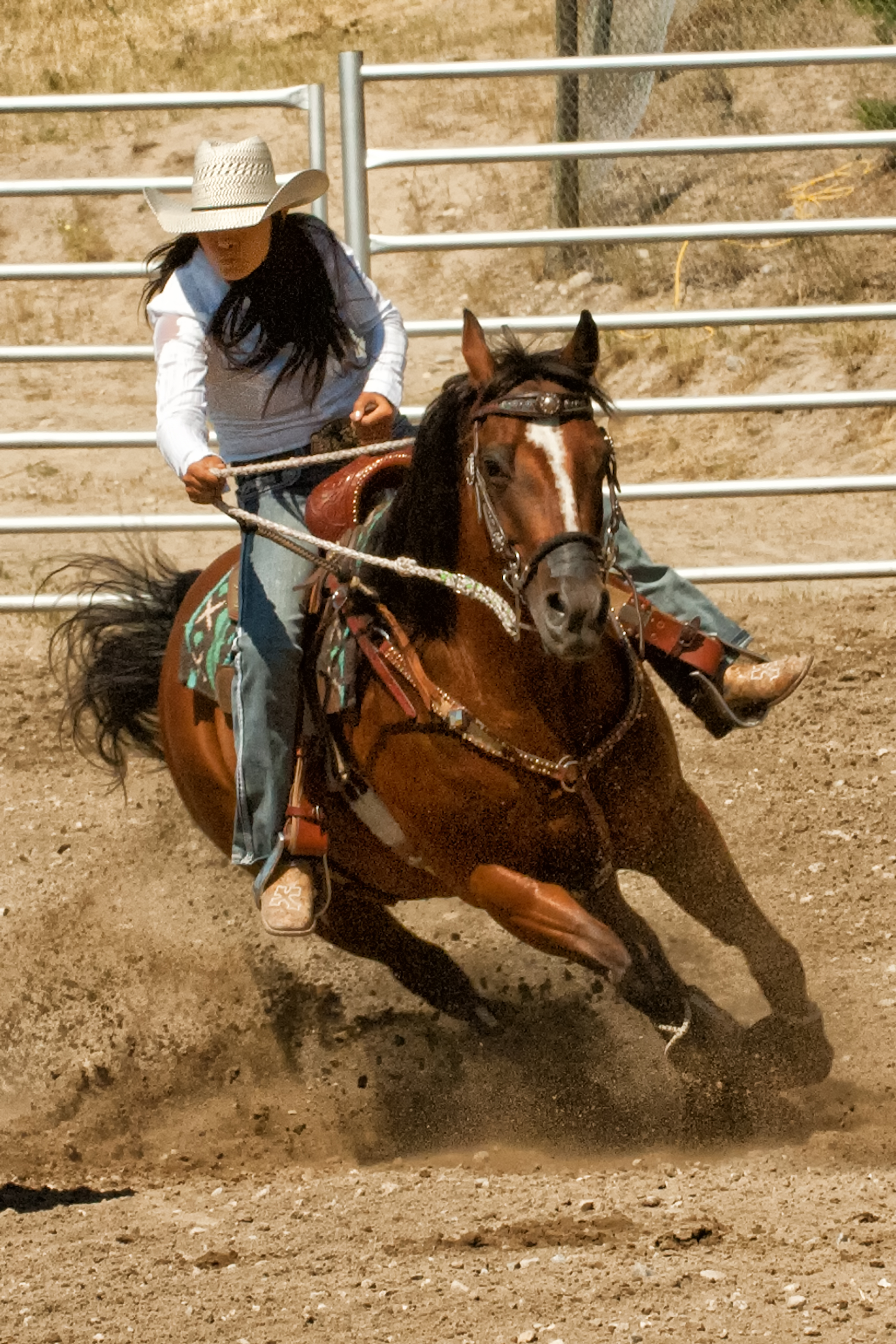
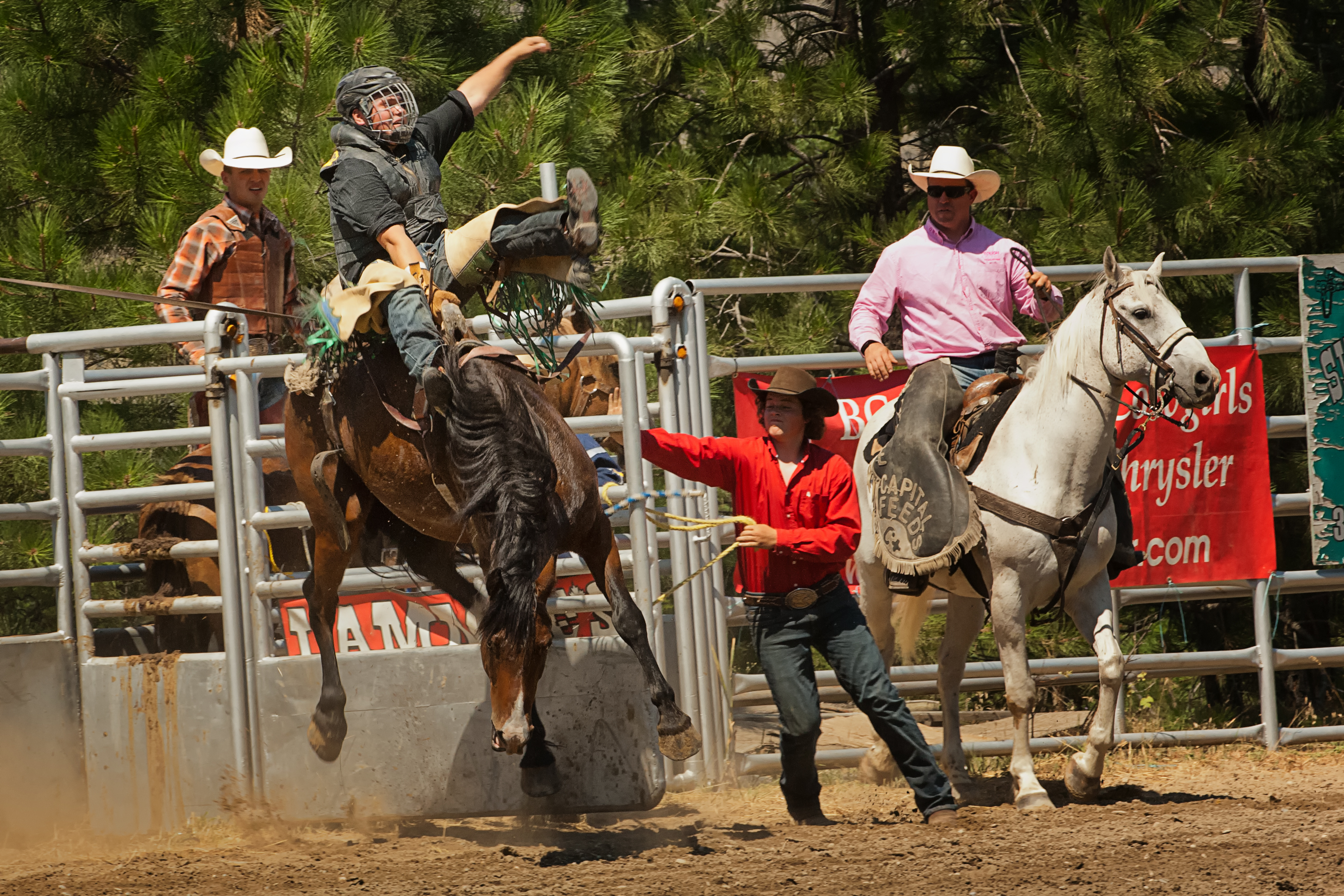
Every year I look forward to spending a dusty, fun-filled day pointing my camera lens thru the arena rails at the Pritchard Rodeo in Pritchard, British Columbia Canada.

My wife dropped me off and I walked down the dirt road to the arena. Events had already begun, and as I looked around at lots of familiar faces I spotted Karl Pollak, his Nikon cradled in one arm waving at me. Karl had driven four hours that morning from the large metropolis of Vancouver to attend our small rural community rodeo.

He had brought another photographer, Meko Walker, and this was her first time at a rodeo. As we were introduced, happy as I was to see Karl, meet Meko, and shoot with the two of them, I wondered how these photographers from the moderate humid climate of a coastal city were going to cope with the sunny, cloudless, windless, extremely dry, 40 degree Celsius day.

There was a lull in the action as we talked and the Pritchard fire department’s water truck drove around the arena spraying water. We moved aside continuing our conversation (protecting our cameras from the water), but two young girls ran rail side laughing as they danced around in the wet, cooling spray.

While we waited, sitting on the edge of the hill that ran down from the bandstand, I asked Karl why he would come all the way when there were other rodeos closer to Vancouver. He replied, “I like the wild location. Look at the hills, and trees, and all the open space.” And after snapping a wide angle shot of the arena the added, everyone is so friendly, they say hello even though they don’t know me, and there is a beer garden with people drinking, but no one is getting drunk, being loud, or causing trouble.”

The Pritchard Rodeo grounds are perfect for photographers. The arena is enclosed with a strong metal fence that’s safe to stand close to and doesn’t restrict the view. Of course, one has to be careful when excited horses are getting ready for the Barrel Race, but heck, it is a rodeo and one must remember that the animals, like any other athletes, are focusing on what they are about to do, not some silly person with a camera.

I like that rodeo, and as I wrote, every year I look forward to photographing it. I like capturing things that move fast, it challenges me to think and I enjoy the test of wills between animals and riders. Photographing any action event is fun, and one can be sure there will be action at a rodeo.

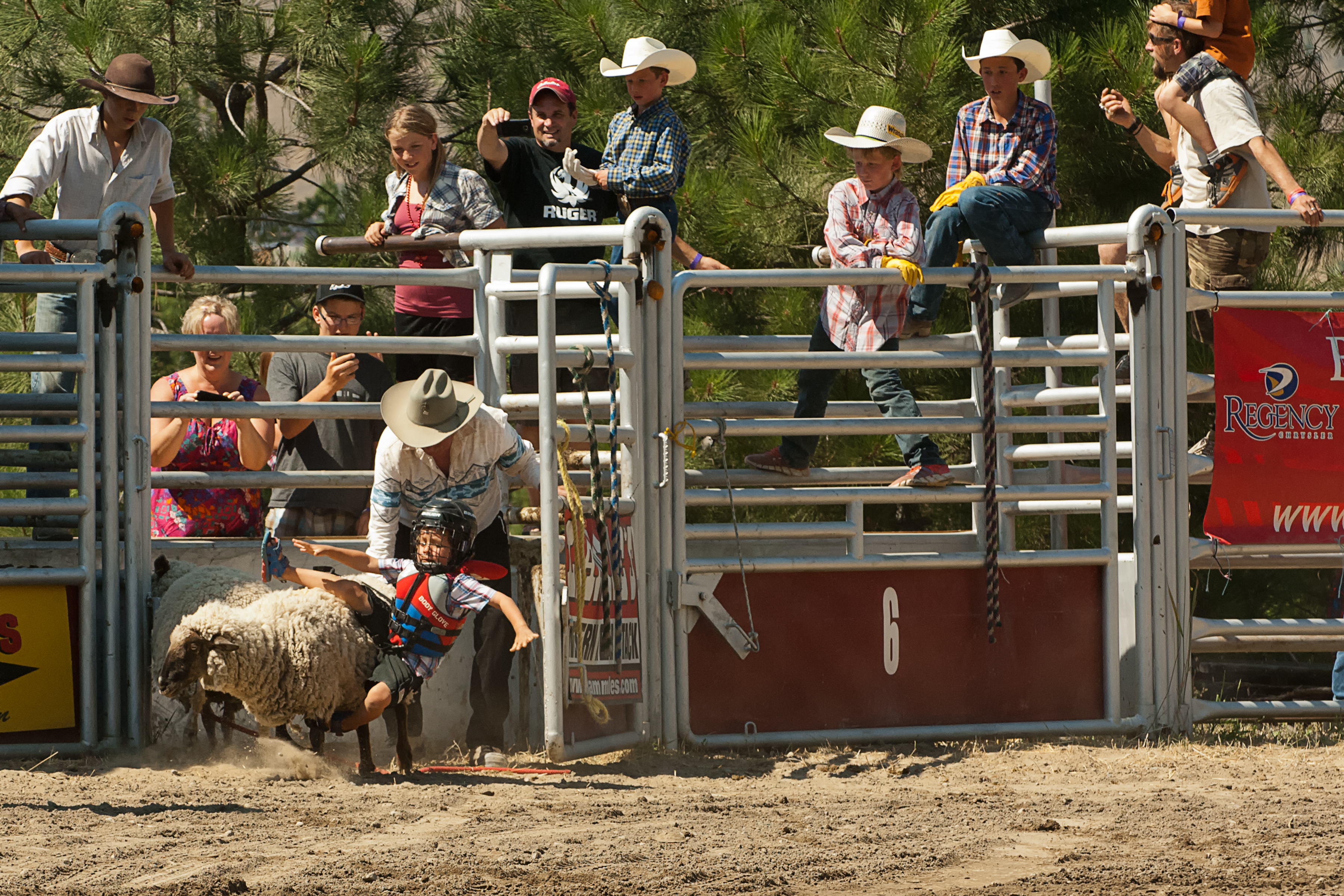
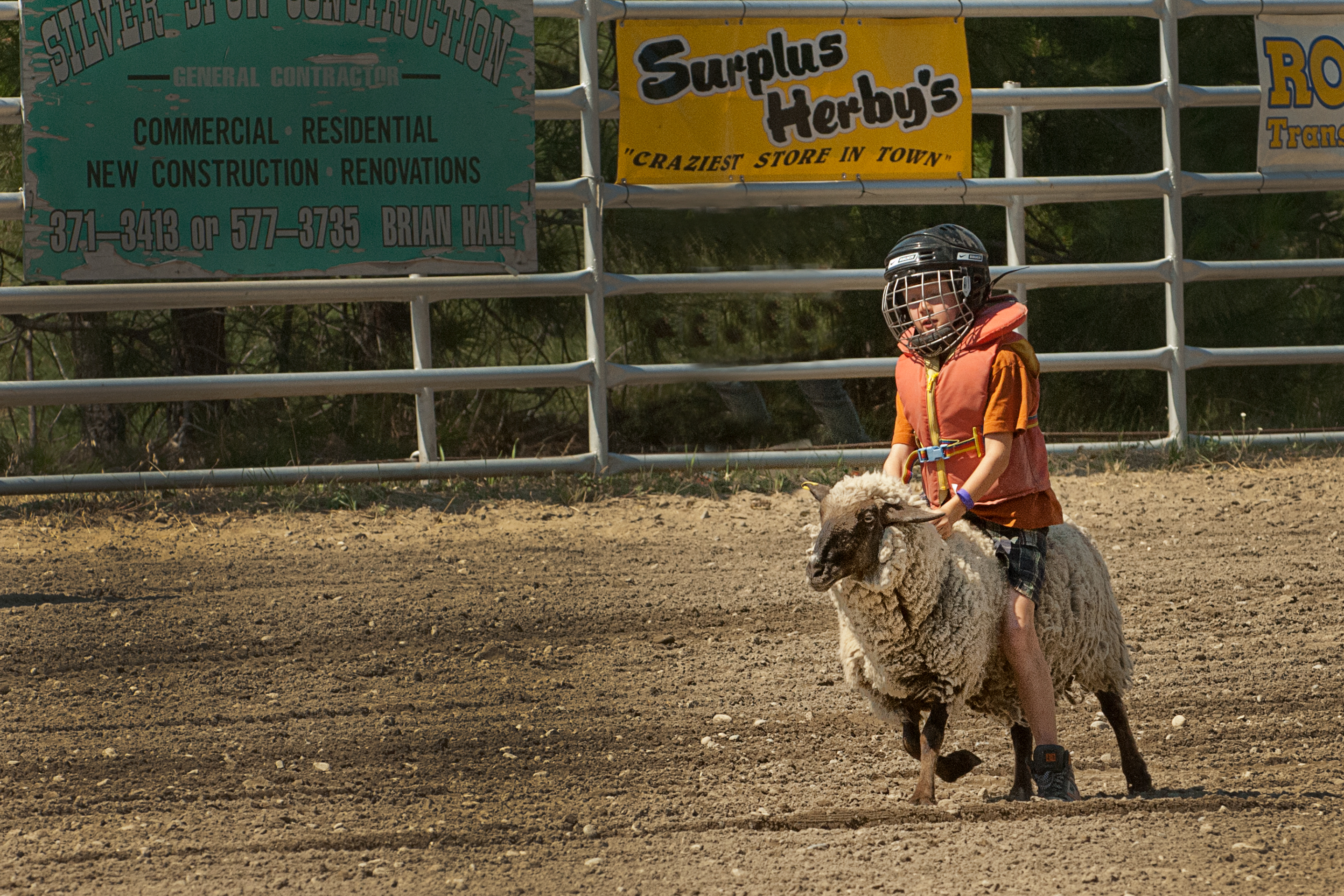
This year they added children’s sheep riding. I don’t know who is more bewildered, the poor kids being coaxed along by their parents, or the sheep trying to figure out why there is something on their back and why some big human is trying to persuade them to leave the enclosure they were just herded into. When the sheep finally were cajoled to move, the young rider would usually slide off, and fall to the ground pretty quickly. After all wool is slippery.

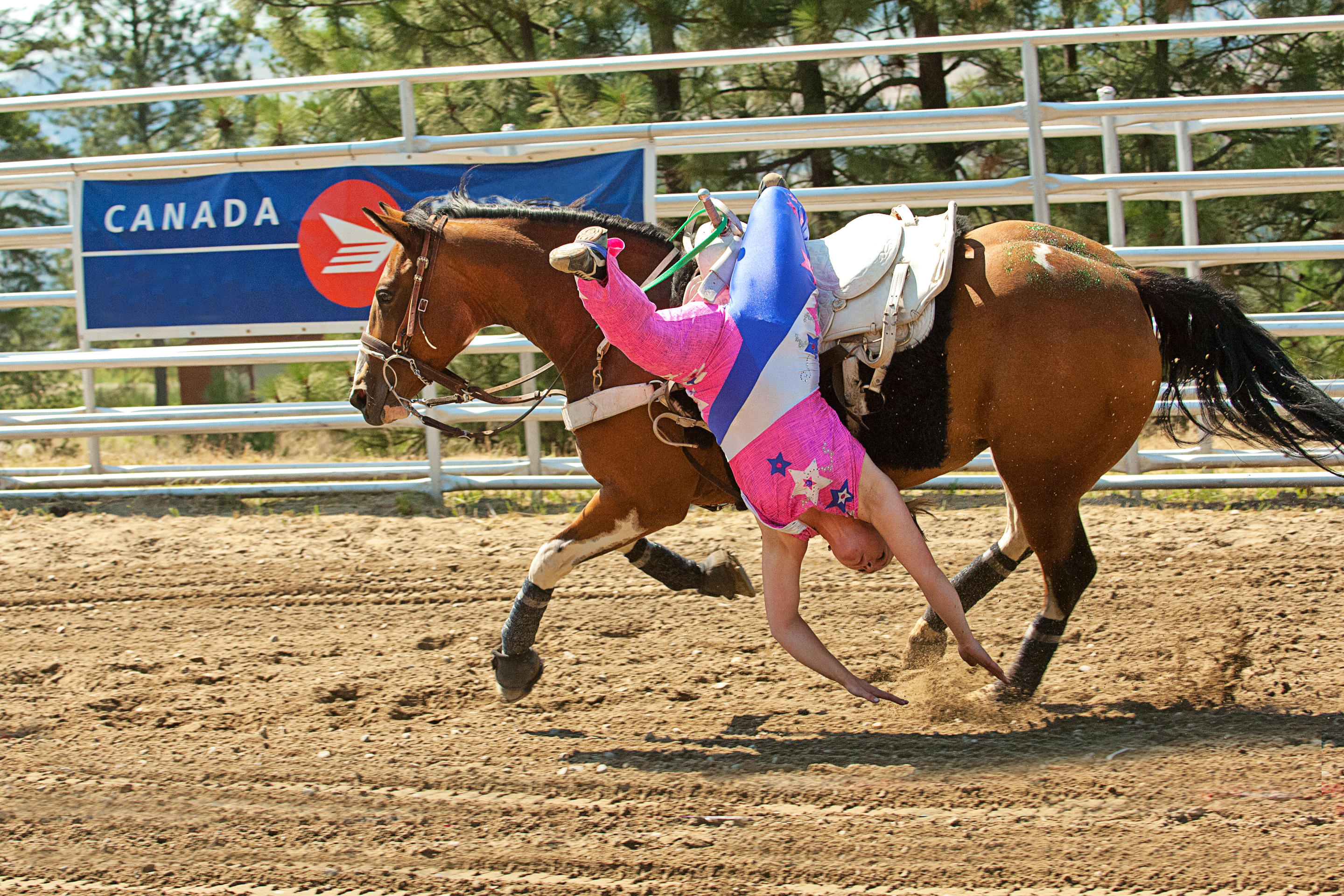
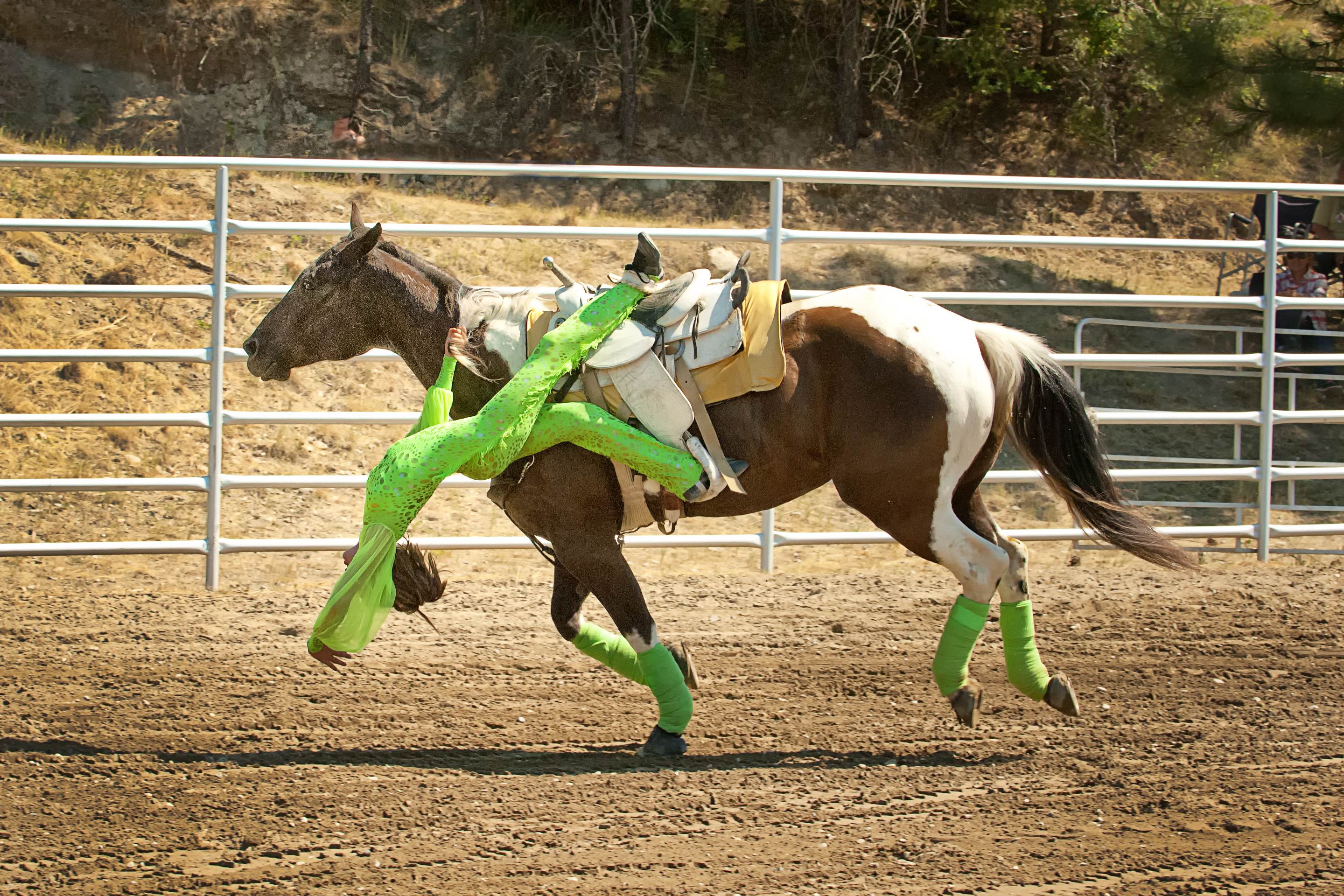
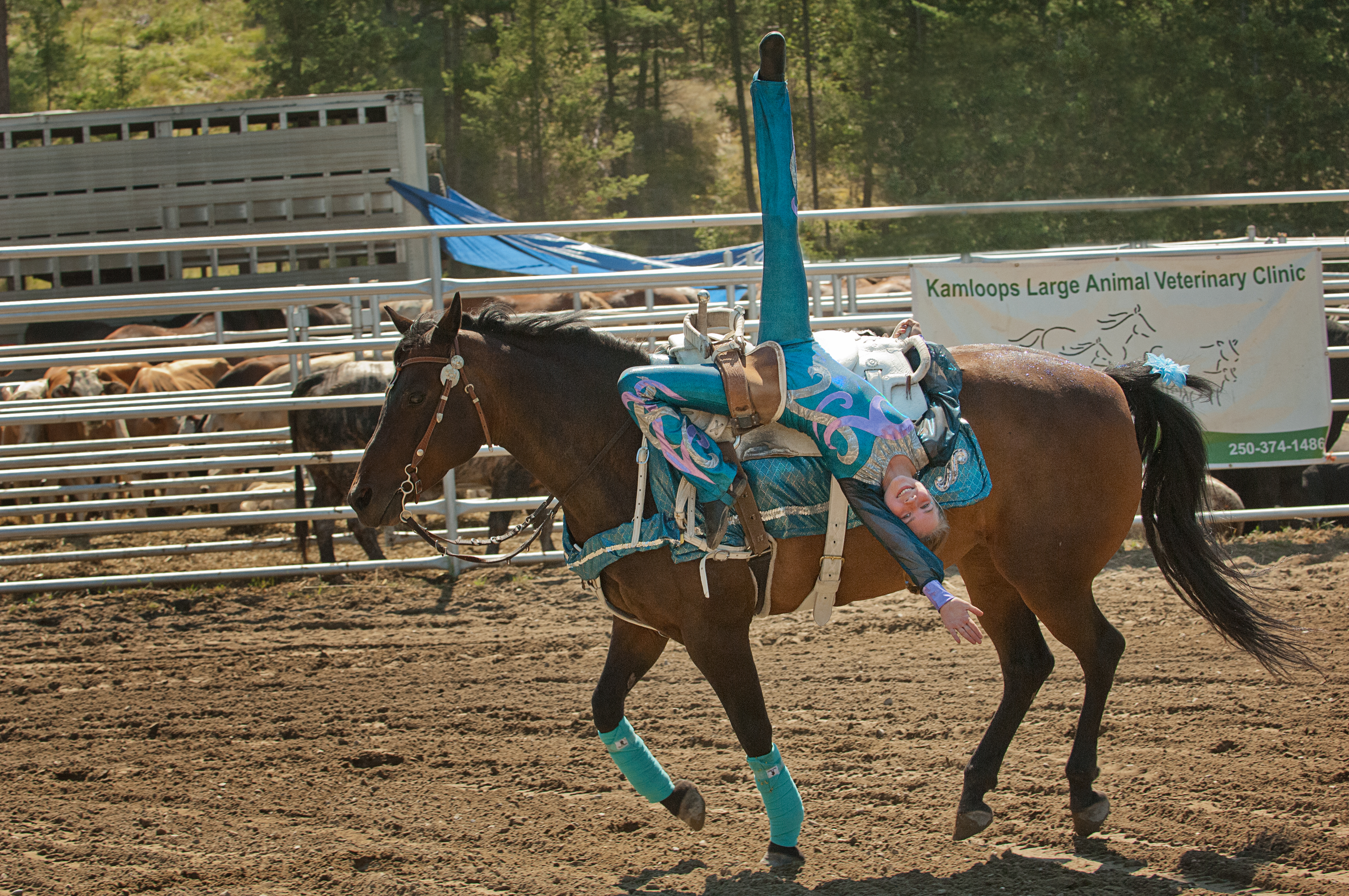
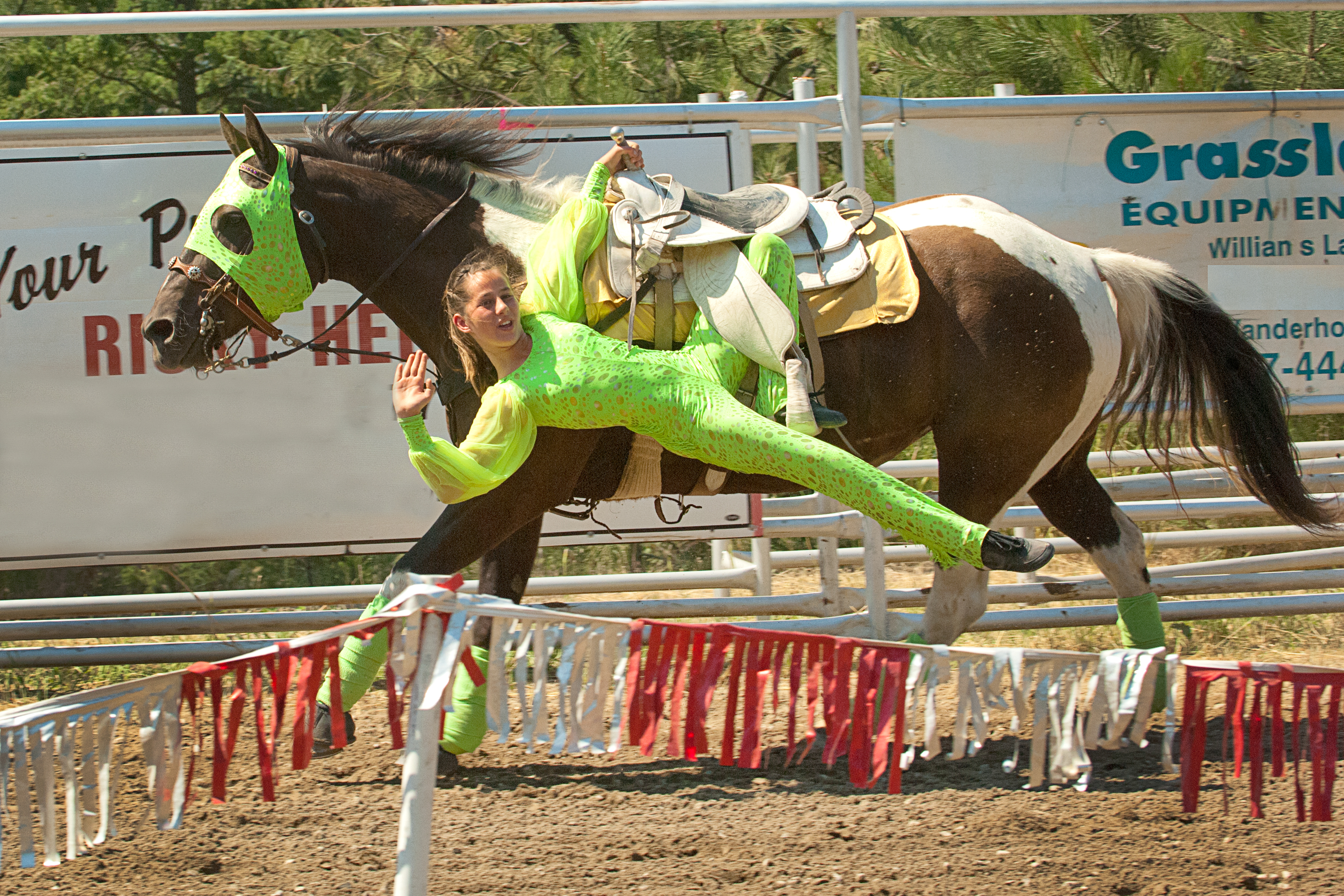
Another addition this year was the trick riders. Although I really like the Saddle Bronc, Bareback, Bull Riding competitions and, of course, Barrel Racing, I must admit those trick riders were amazing. I was actually requested to stand center arena so I could photograph them as they performed in a wide circle around me. Gosh, it doesn’t get much better than that.

When they beckoned Meko and I into the riding arena I was briefly worried that my 70-200mm lens would be too long, but as it was I had lots of room to move around and it was just fine.

Rodeos are easy to photograph. One just has to pay attention to where the action is coming from and take up a position that allows everything to move towards the camera.

Then choose a fast shutterspeed and start shooting. I prefer to use shutter priority; I select the shutter, and the camera chooses the aperture. All I need to do is follow the action as the camera’s computer handles the rest. Yep, it’s all pretty easy.

There should be a note saying, “No animals, cowboys, cowgirls, or photographers were hurt during the process of having a great time.”

I appreciate comments. Thanks, John

My website is at www.enmanscamera.com
Photographers Must Remember to Consider the Background

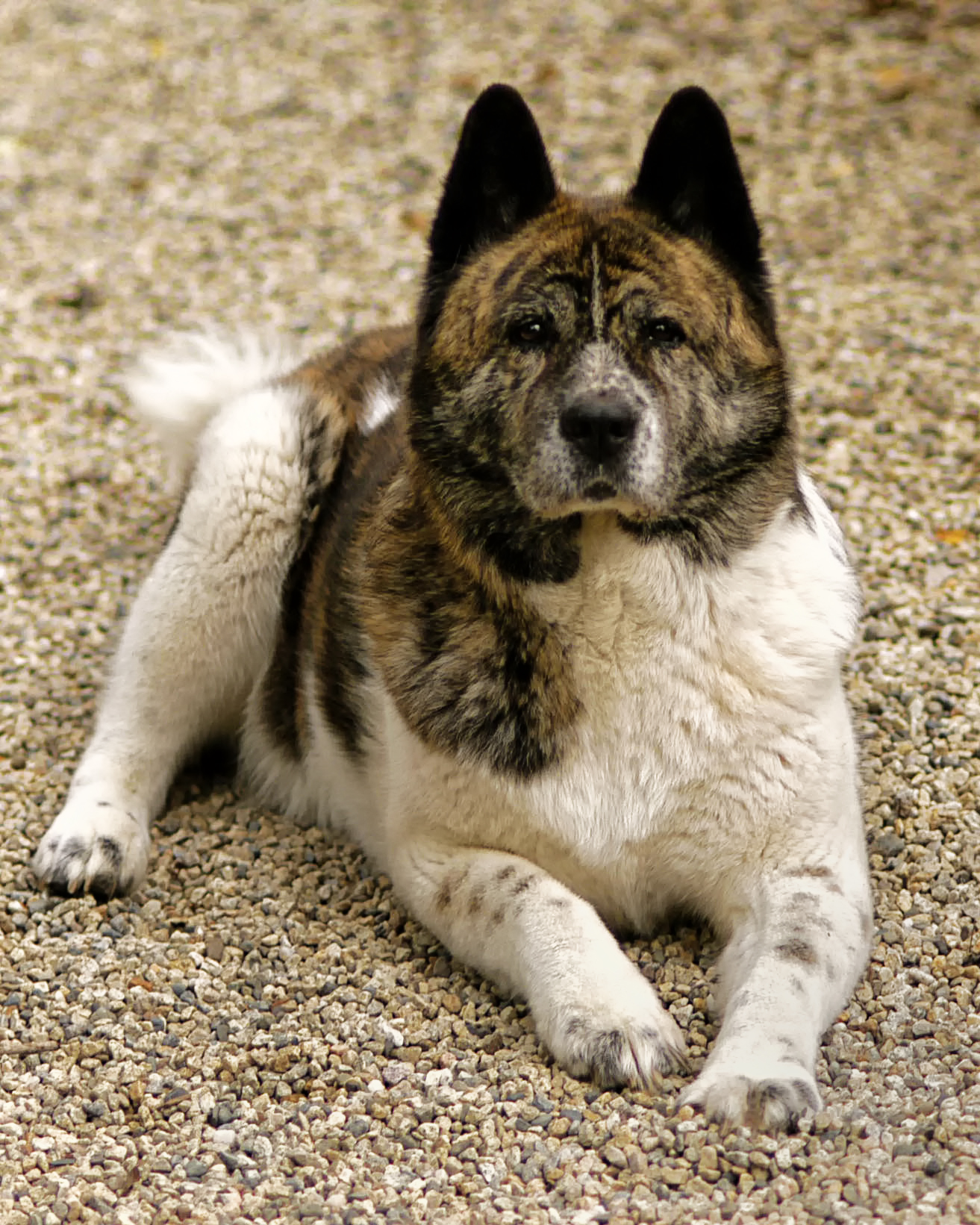
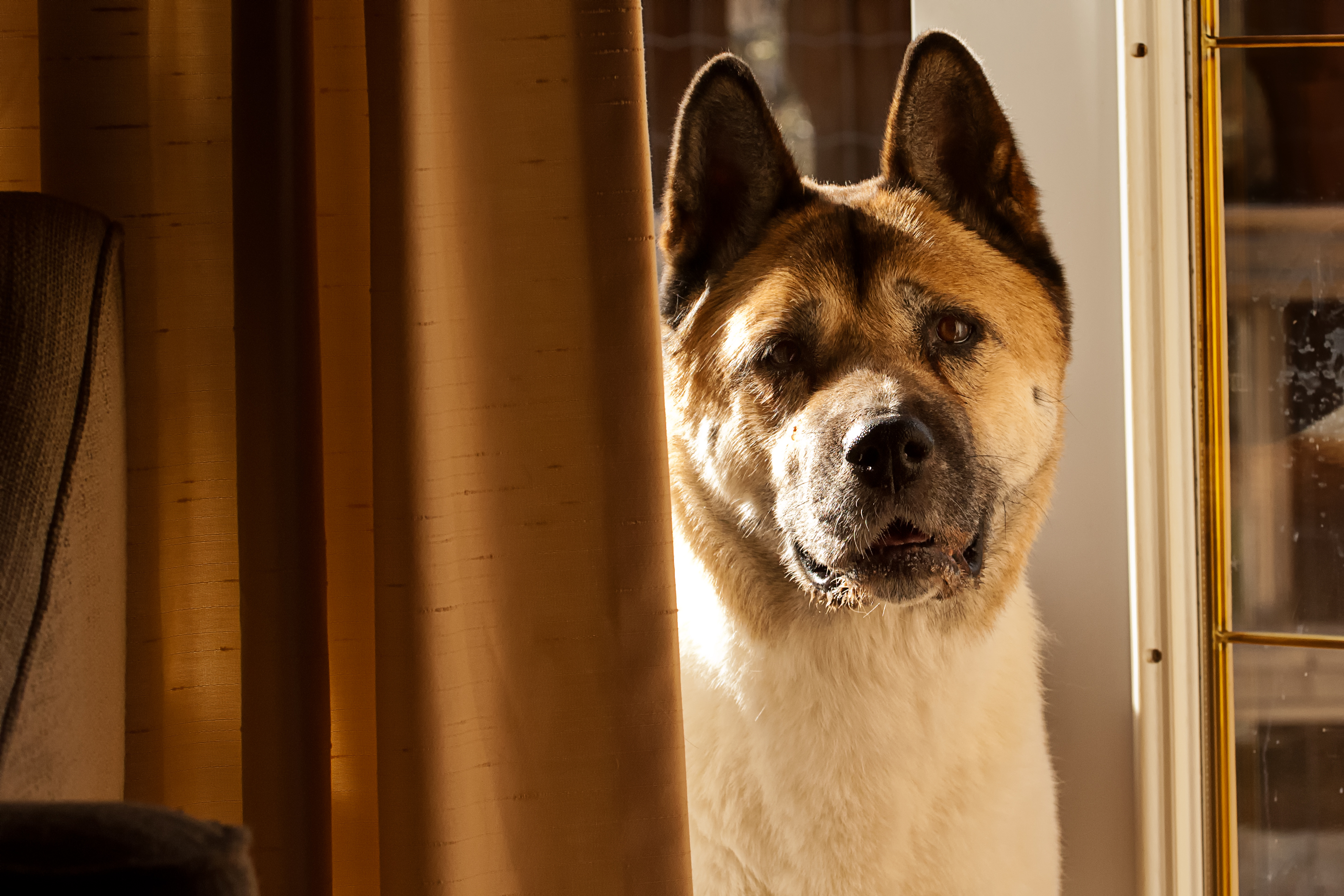
Brewster copy 2  Spirit

Gracie 1

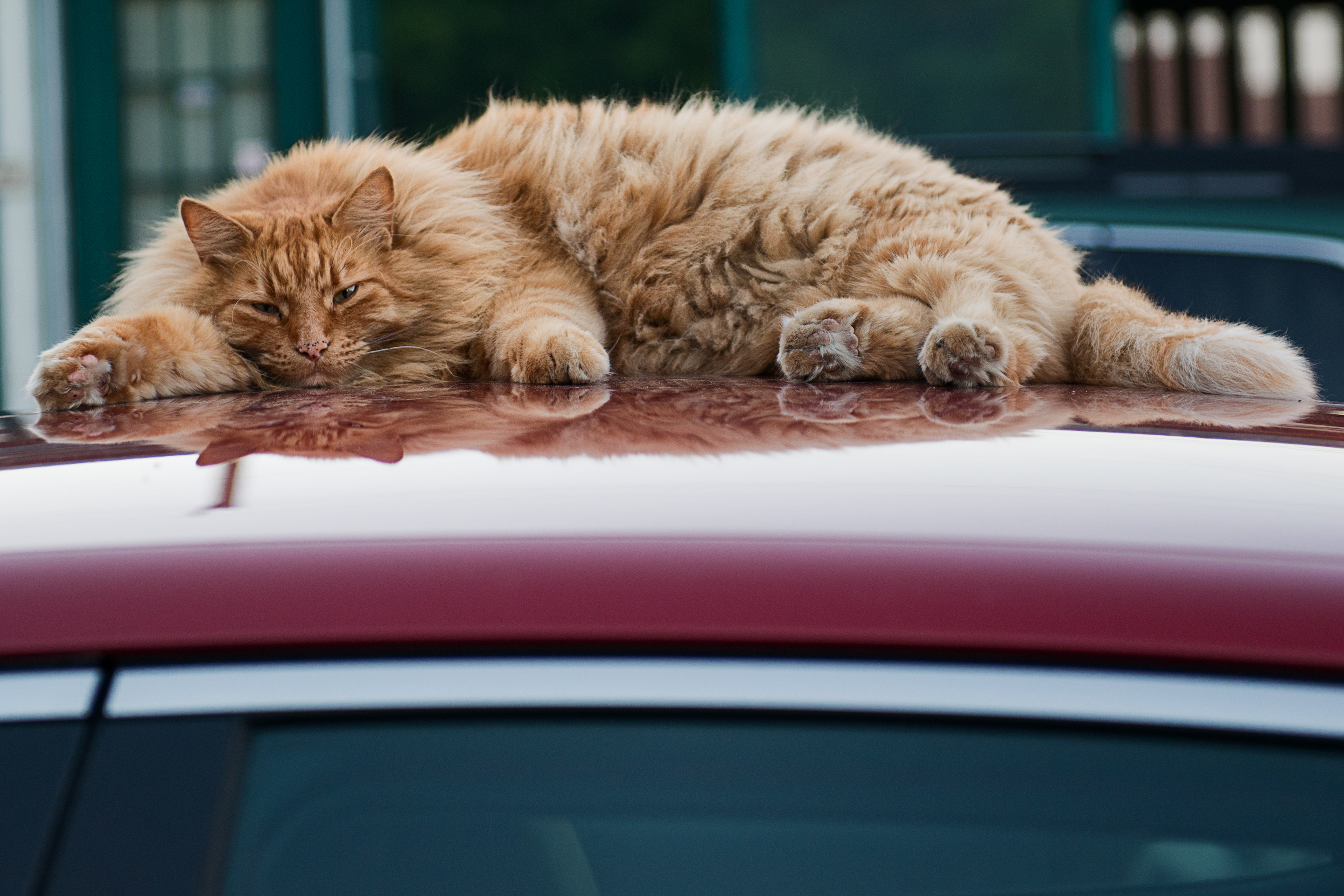
Fat Cat

chuck port copy

Looking Scout

Rikkonna 1

Much of the time photographers get so excited about the subject before their camera that they don’t pay any attention to anything else that is captured by the camera’s sensor when the exposure is made. Of course, things can be cropped out during postproduction, but what if the background is so busy that it obscures the intended subject of the photograph? The background can impact a subject in many ways and much of the time it interferes with the subject.

In the past I have written about composition, depth of field, and even bokeh. Composition can be as simple as creating an interesting photograph by using basic guidelines or compositional strategies for a balanced image. Depth of field is that area in front of and behind the subject that is acceptably clear, and bokeh refers to that portion of an image that is out of focus. Using those three mechanisms or strategies as a way to isolate a subject help photographers increase the impact their photographs have for viewers.

A serious wild life photographer once told me that it is important to have a background that is neutral and non descript. I had one experienced birder giving me tips on photographing Loons, explain that soft green water made better pictures than contrasty blue water. I think that this may be his personal opinion, but I have to agree that of the photos I took that day I liked way the green water looks better.

I recall a photographer who had exhibited his photograph in a local exhibition being angry because he didn’t get a mention by the judges on his photograph of an eagle posing on a branch. He had exposed it properly and displayed it sharply. He was so proud of his photograph of that bald eagle that he was unable to see the busy background and how it negatively impacted on the overall photograph. I believe the judges did see that.

My advice to that photographer would be to curb his excitement and spend some time examining his subject and its surroundings. Using the term, coined by Ansel Adams, that I mentioned in my 26 June 2014 article, he should “previsualize” the image for its best impact.

Compose and isolate the center of interest, and decide how to use the background to the best effect; whether the background should be in, out, or partially focused, or to have it clear or cluttered, and if it is appropriate for inclusion or to be excluded. A busy background distracts viewer’s attention.

Backgrounds present both opportunities and challenges to photographers. Here are four very simple suggestions other photographers have told me take into consideration to make the background work.

1. Check your background before pressing the shutter;
2. Pay attention to your shooting angle;
3. Use the aperture or the focal length to blur the background;
4. Fill the frame with your subject.
They are all great tips, or thoughts for us all to remember, and I personally like the words of Ansel Adams that fits well,  “A good photograph is knowing where to stand.” And I’ll add, remember to consider the background.

I enjoy all comments. Thanks, John

My website is at http://www.enmanscamera.com

Black and White as a Photographic Medium

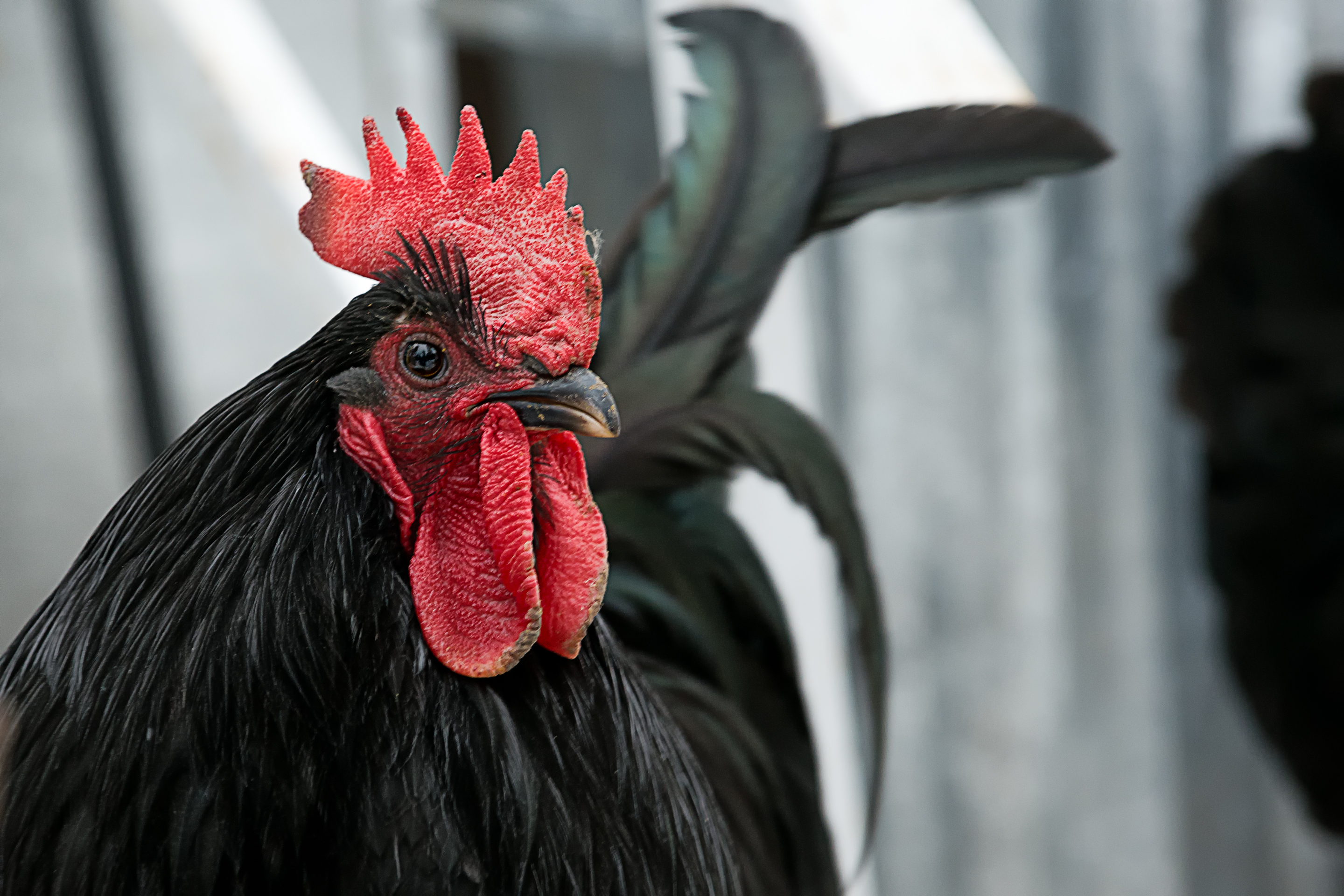
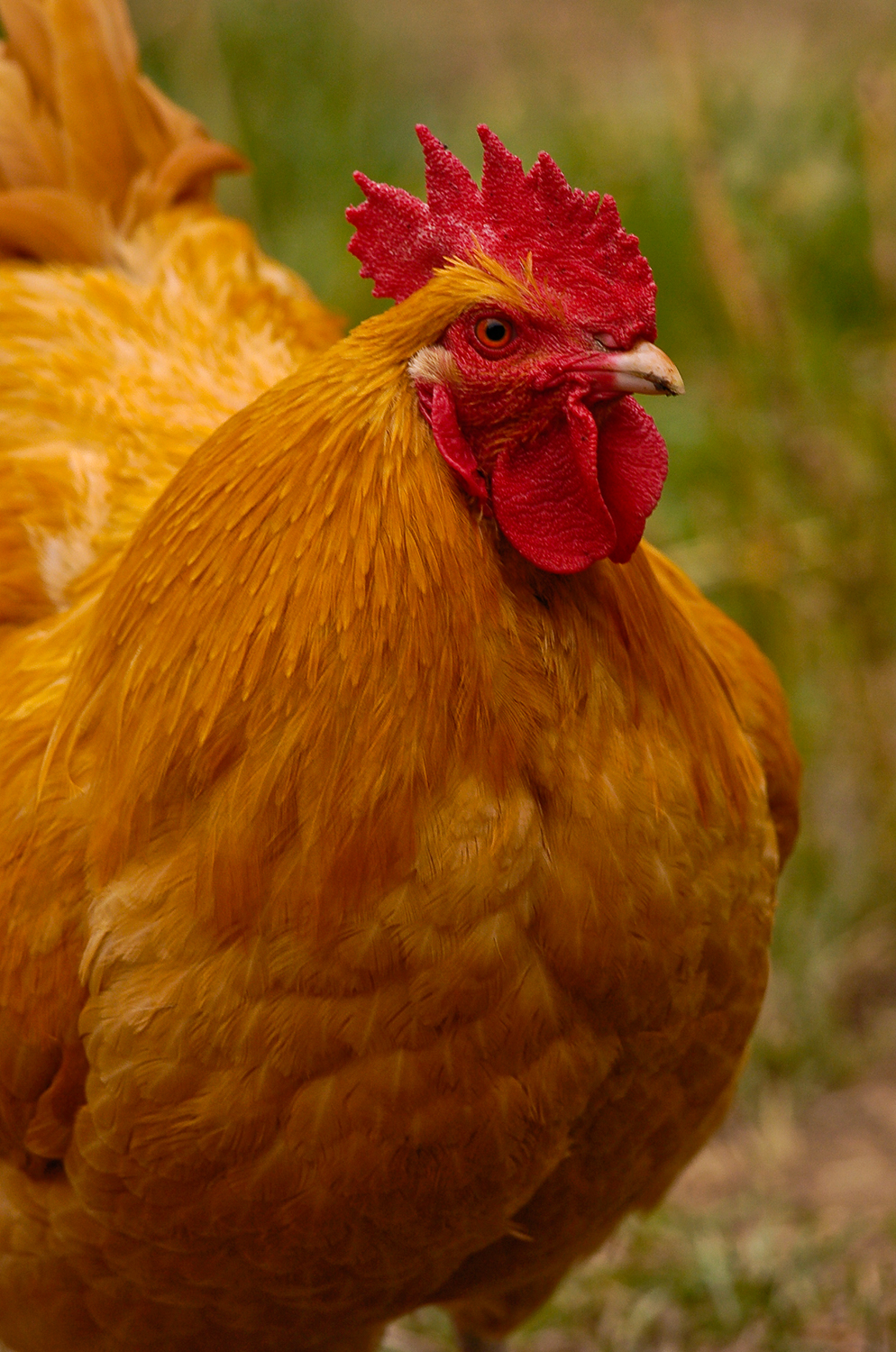
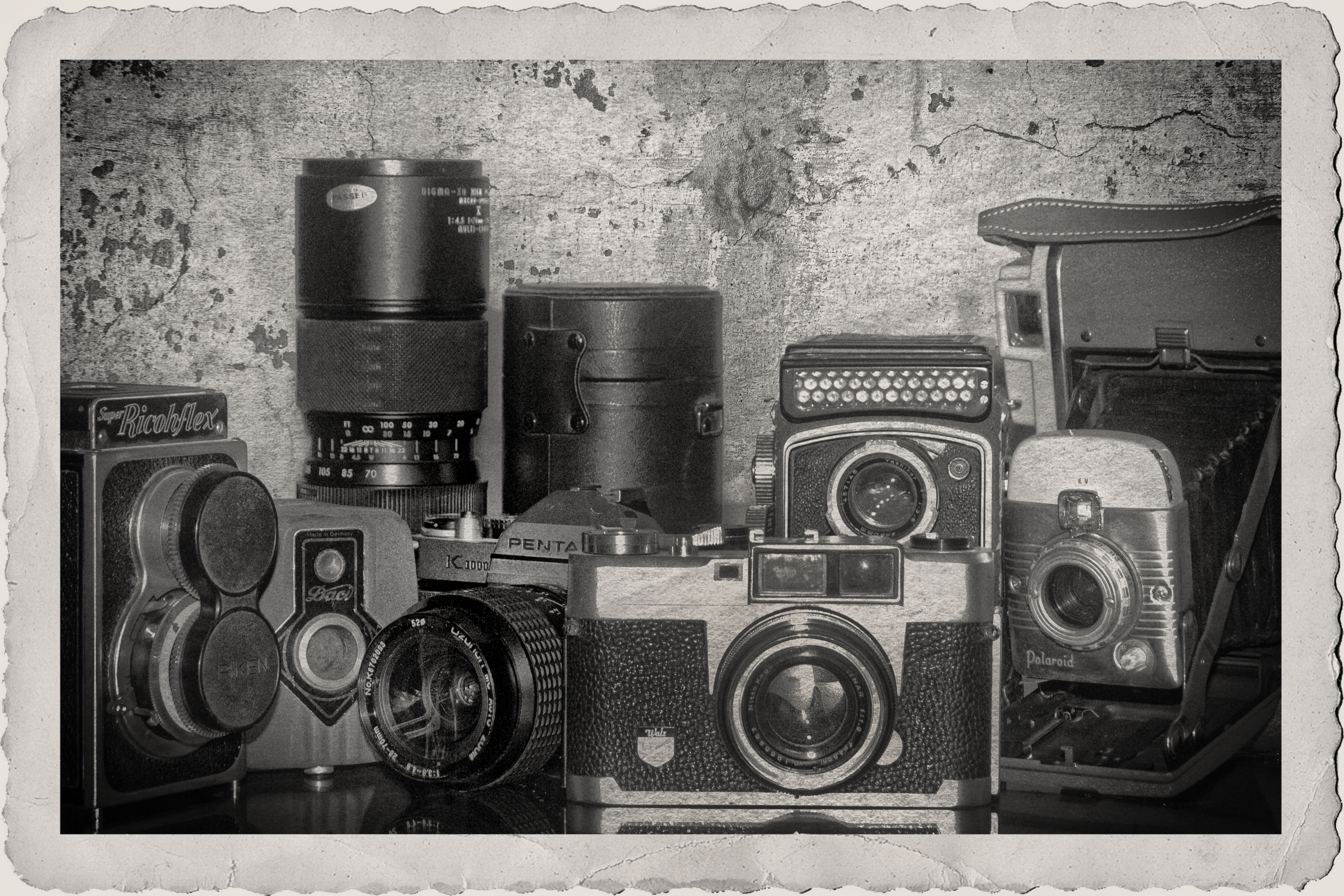
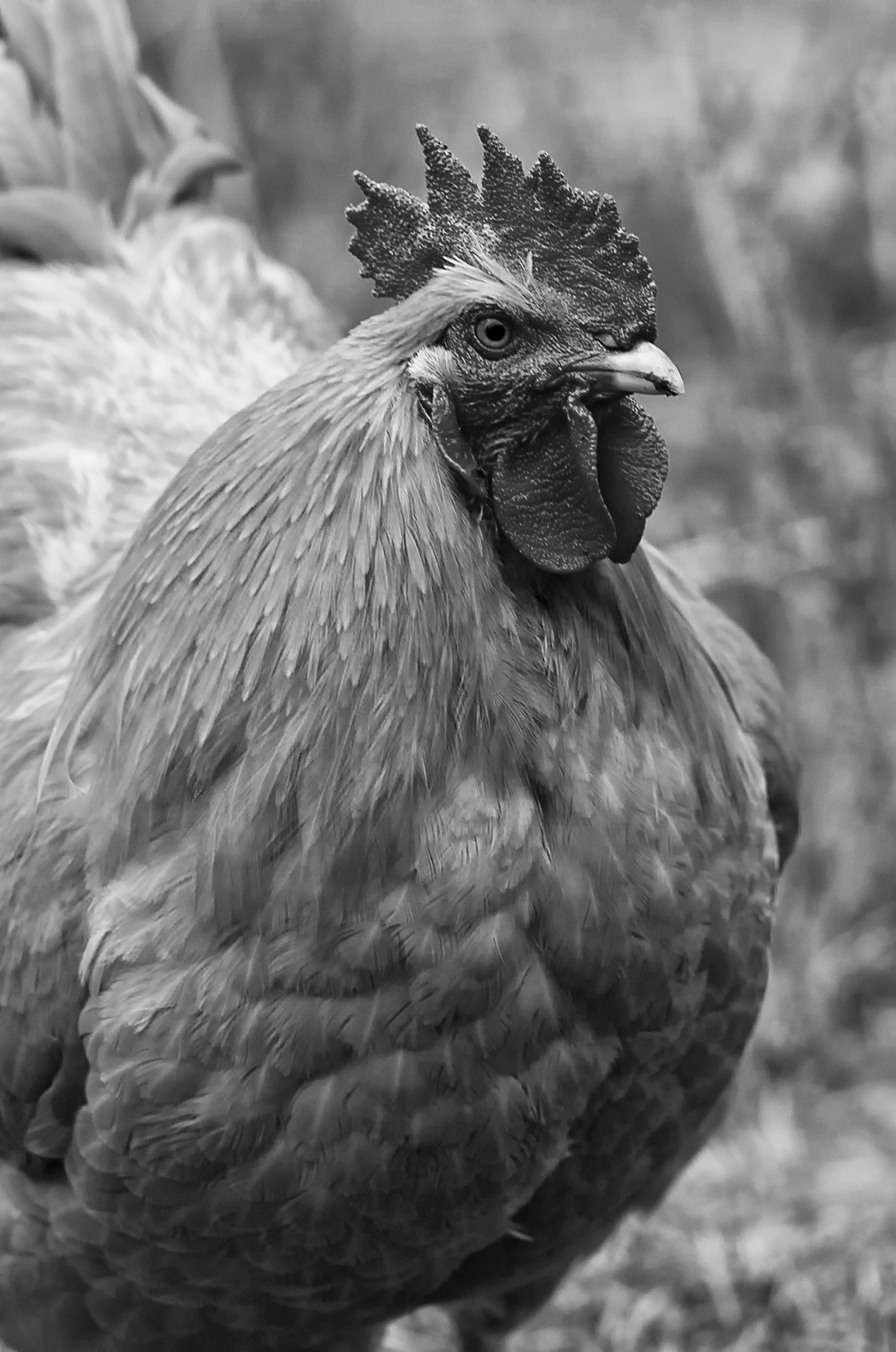
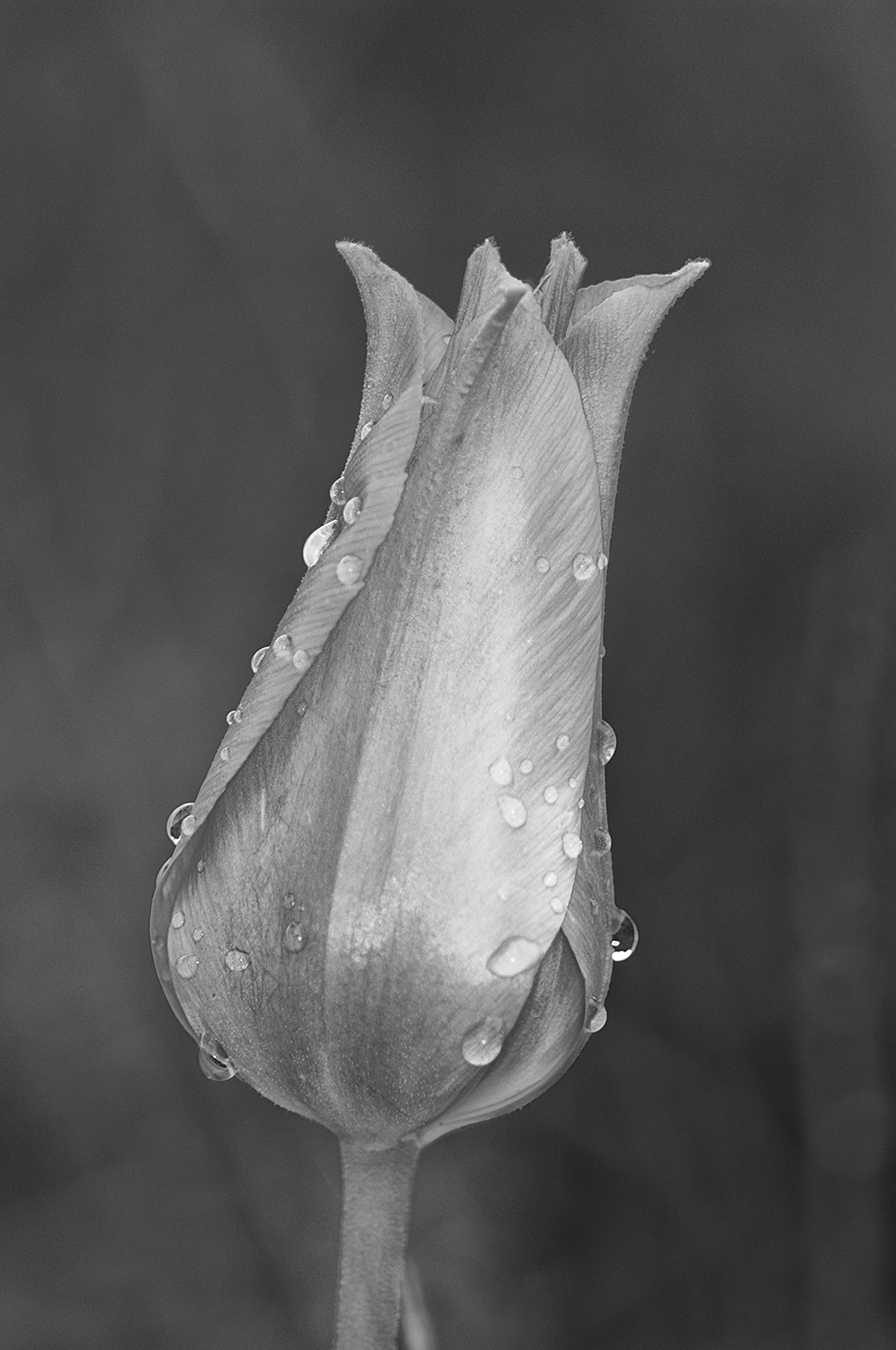
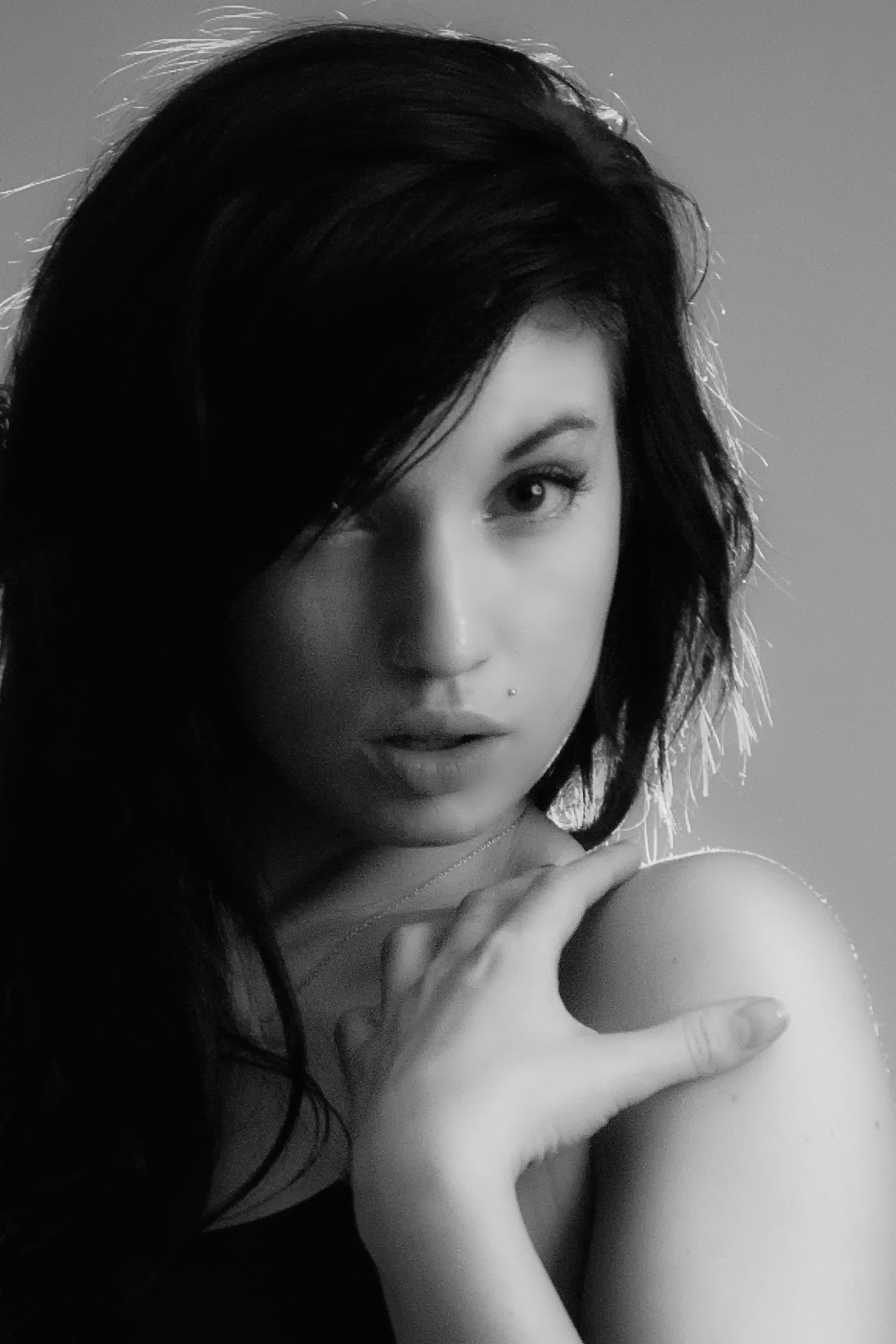
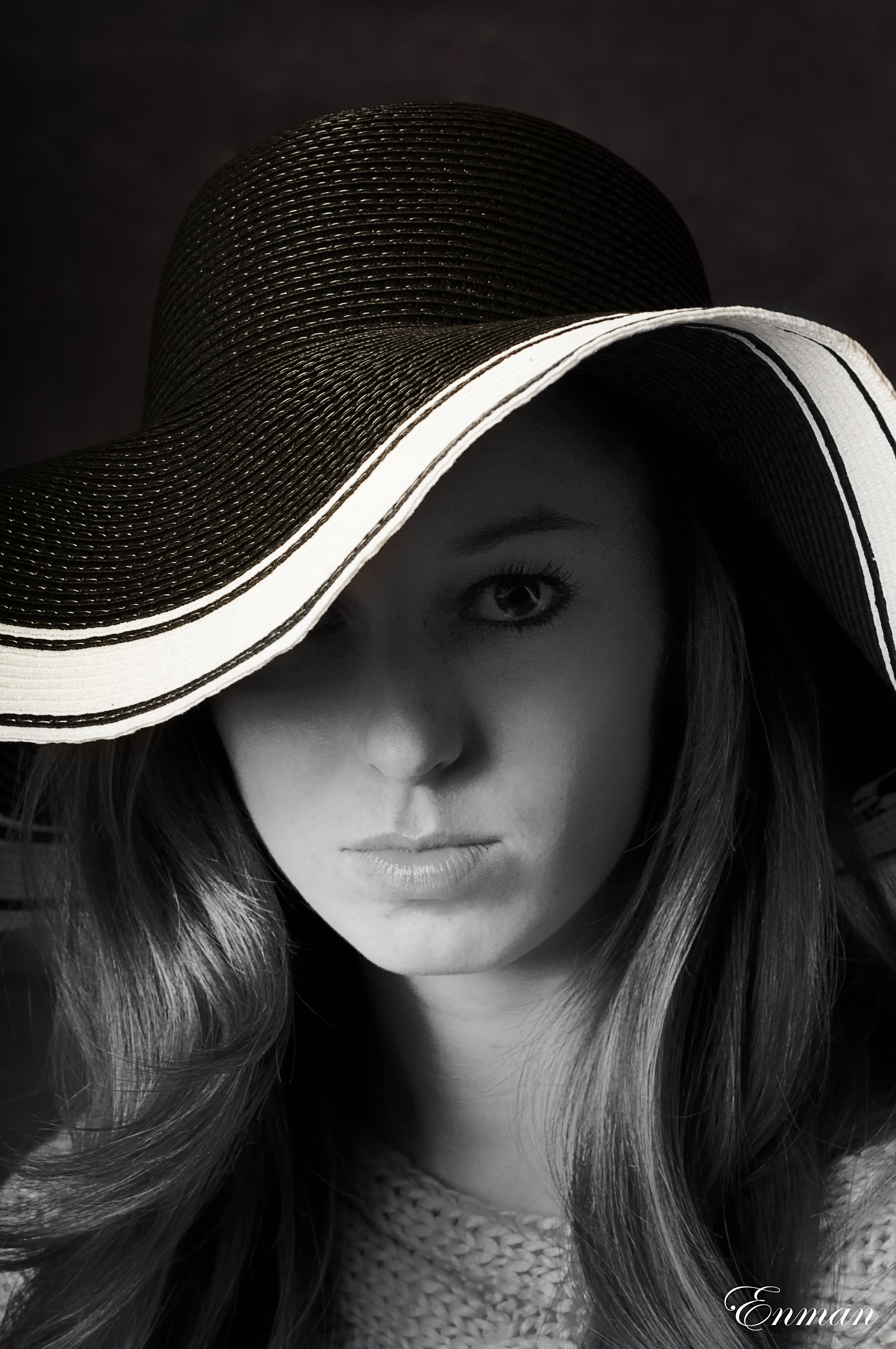
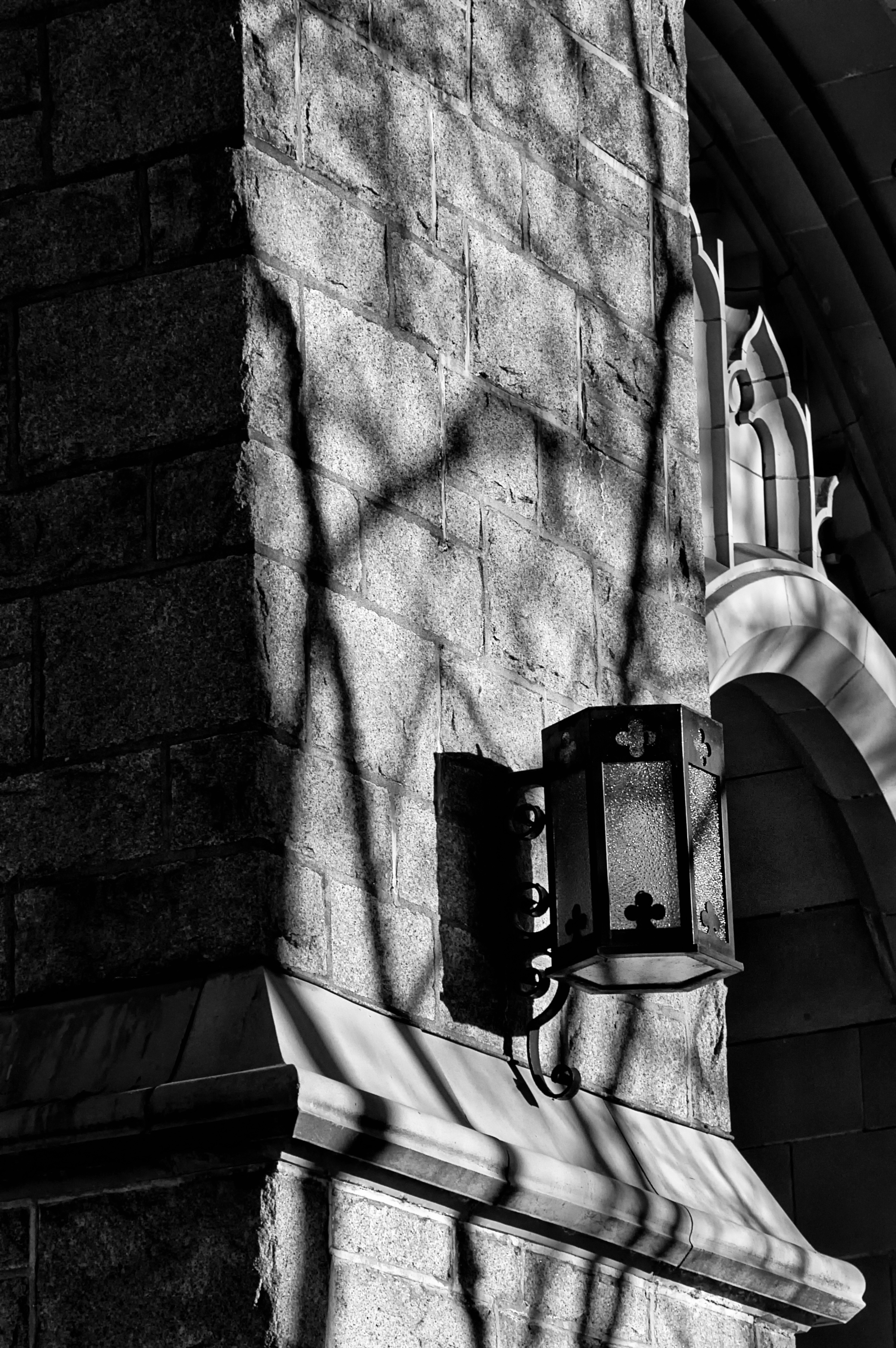
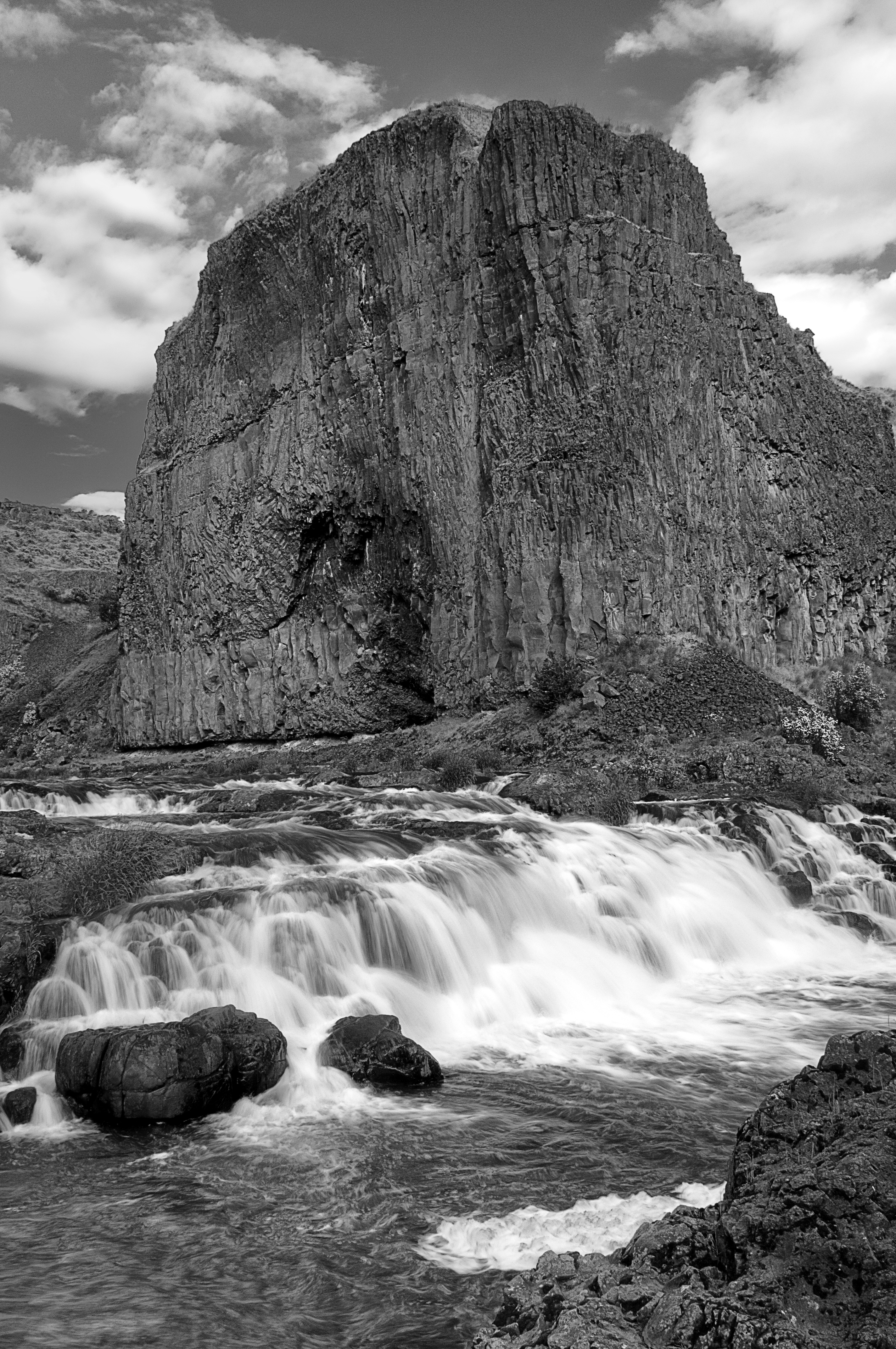
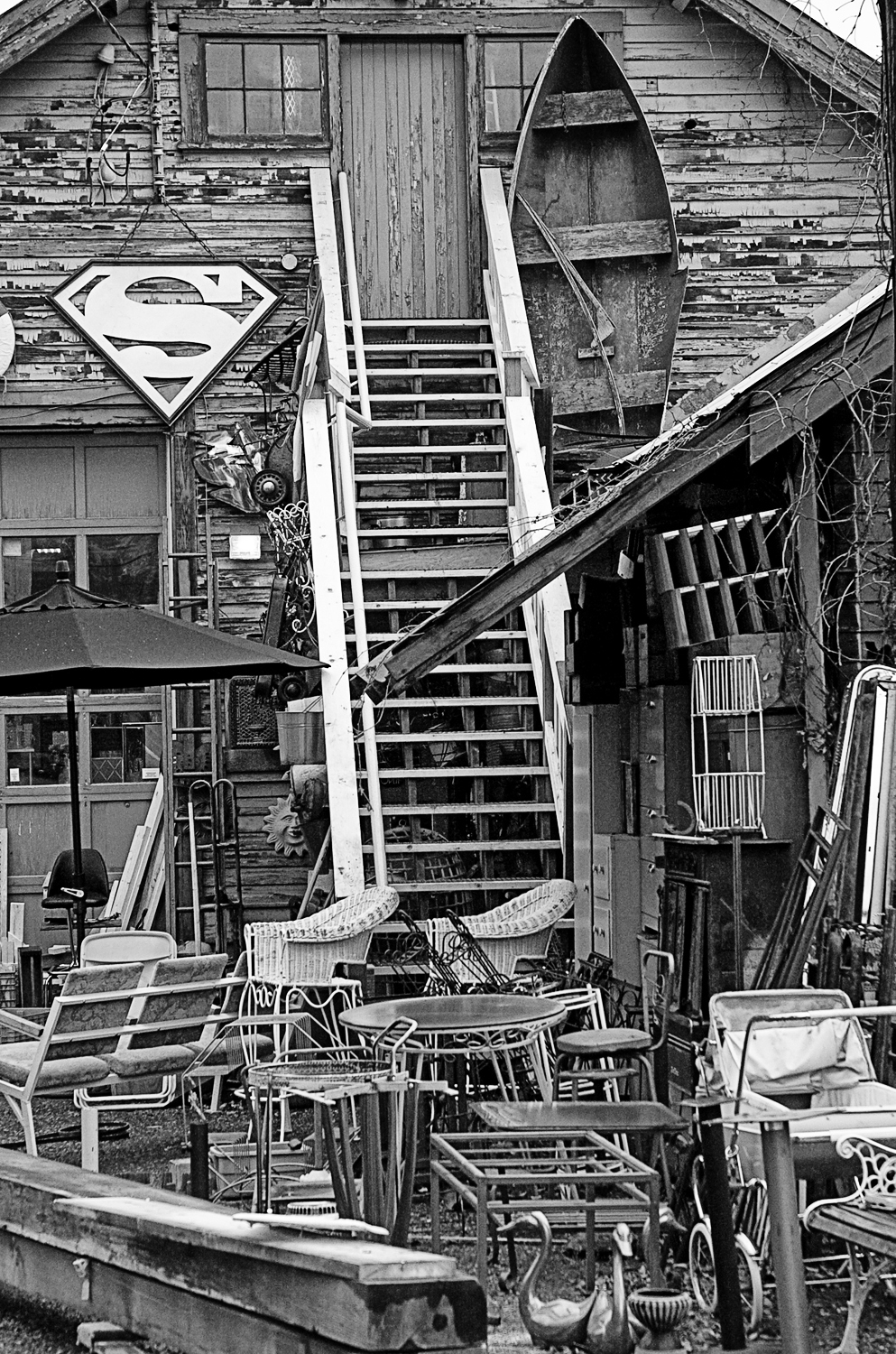
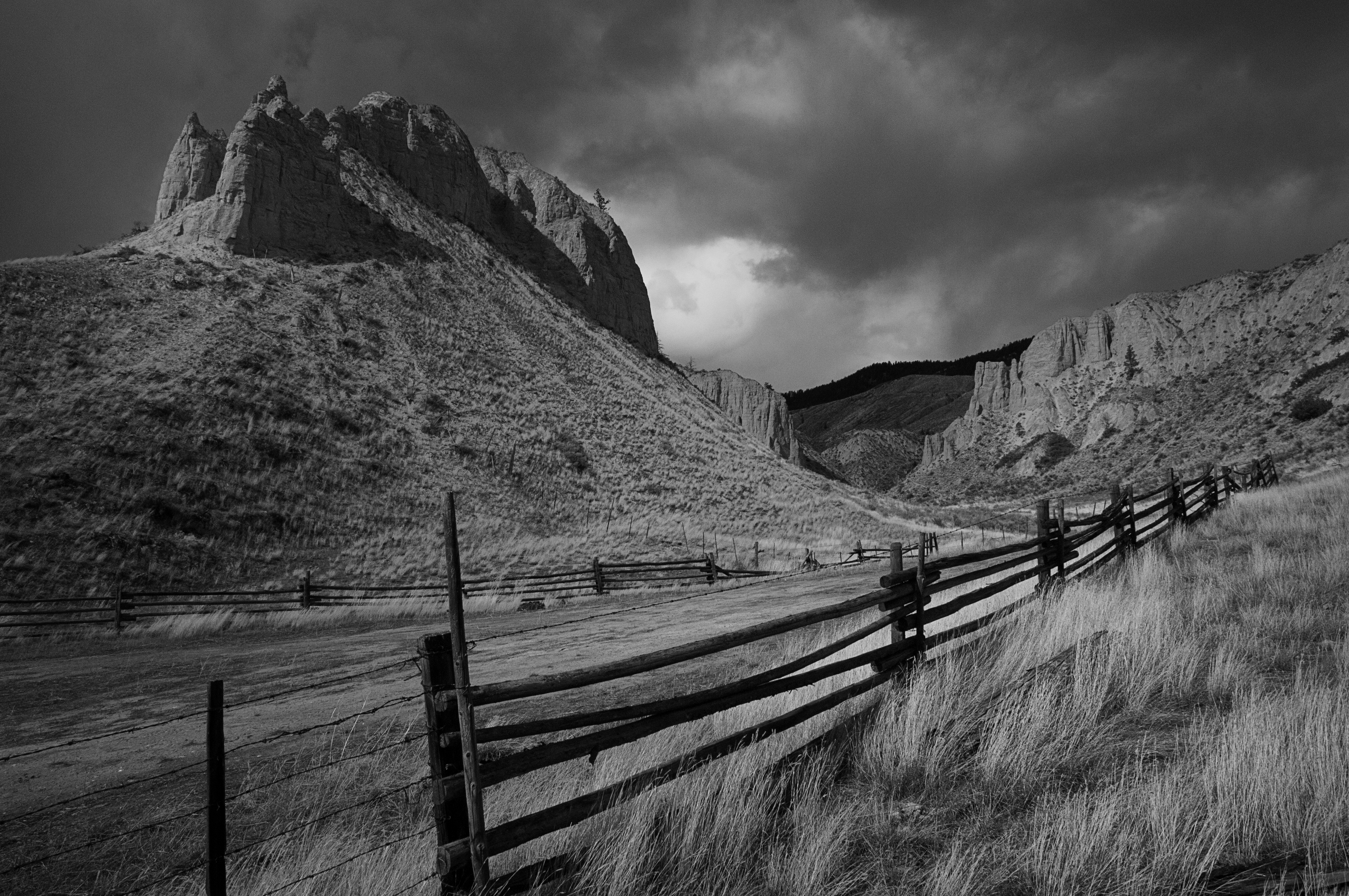
1. Cameras  2. Ghost town  3. Kamloops fence & hills  4. Quick turn at the rodeo  4.Chuck the rooster  5. Flower  6. Bailea  7. Monica  8. Church lantern  9. Headwaters

Lois Lane, Kelowna

Black and White as a Photography  has always been my favourite photographic medium. I recall when I first began pointing my camera at different subjects, and started making photographic prints, that I didn’t think too much of colour photography. Yes, colour was fine for documentary work as found in “National Geographic” magazine, or making snapshots of some family, but in the 1970s creative photographers seemed to be working in black and white, not colour.

Photojournalist Ted Grant, who is regarded as Canada’s premier living photographer wrote,

“When you photograph people in color, you photograph their clothes. But when you photograph people in black and white, you photograph their souls!”

Black and white photographs always (and still do in my opinion) seem to create moods and convey an almost tactile quality.

During the period of film photography, photographers had to decide whether their subject would look best in black and white print film, colour print film or slide film and most photographers trudged around with at least two camera bodies weighing them down. However, today that decision to make a black and white image is best left to the computer and some exciting post-production software. And there is no need pack around another camera. (Well, unless one is worried about camera failure.)

Thankfully post-production is no longer contained to dedicated, darkened rooms. I still have an 11×11 foot room in our basement, complete with a six-foot stainless steel sink and custom cabinets. However, it’s mostly used to store photo equipment and for washing my chickens’ eggs. Now my lab is on the main floor of our home and instead of chemicals, the image and print production has become an intricate combination of computer programs, quality printers, and papers that easily rivals the quality of chemical-based, traditional, black and white photography.

A black and white photograph depends on its ability to communicate, it doesn’t need to rely on eye-catching colours for its’ visual presentation. Those B&W images that stand and pass the test of time combine attention to subtle changes in light, composition, and perspective. And it stretches our creativity and forces us to visualize our world in different terms. I remember a photographer once saying that he believed shooting in B&W refined one’s way of seeing. And I heartily agree.

In spite of the many modern photographers that don’t bother with anything more than just accepting what comes out of their camera, black and white photography is far from being left behind in the past, and, in my opinion, with the current processing software, updates in high quality printers, and the latest in printing papers, black and white image-making will continue to be an option for a host of serious creative photographers.

Those photographers that are good at black and white photography learn to exploit the differences in tonal elements in a scene and present viewers with successful B&W portrayals that make excellent use of shapes, textures, light and shadow, and the loss of those original colours becomes irrelevant.

For those that haven’t tried monochromatic (another word applied to B&W) image making, I will mention that it is easier than ever. Most digital cameras have a black and white mode available in the menu. I don’t really like using that, as it does nothing more than de-saturate an images colour data file, excluding control of the different tonal values that make up a black and white image. I suggest trying one of the many great programs available on the Internet that can be downloaded to test for free. Who knows, you might, like I do, really like black and white photography.

Readers by now must know how much I like quotes from famous photographers. So I’ll finish this up with some words from a turn of the century fashion and commercial photographer, Paul Outerbridge: “One very important difference between color and monochromatic photography is this: in black and white you suggest; in color you state. Much can be implied by suggestion, but statement demands certainty… absolute certainty.”

I welcome any comments. Thanks, John

My website is at www.enmanscamera.com
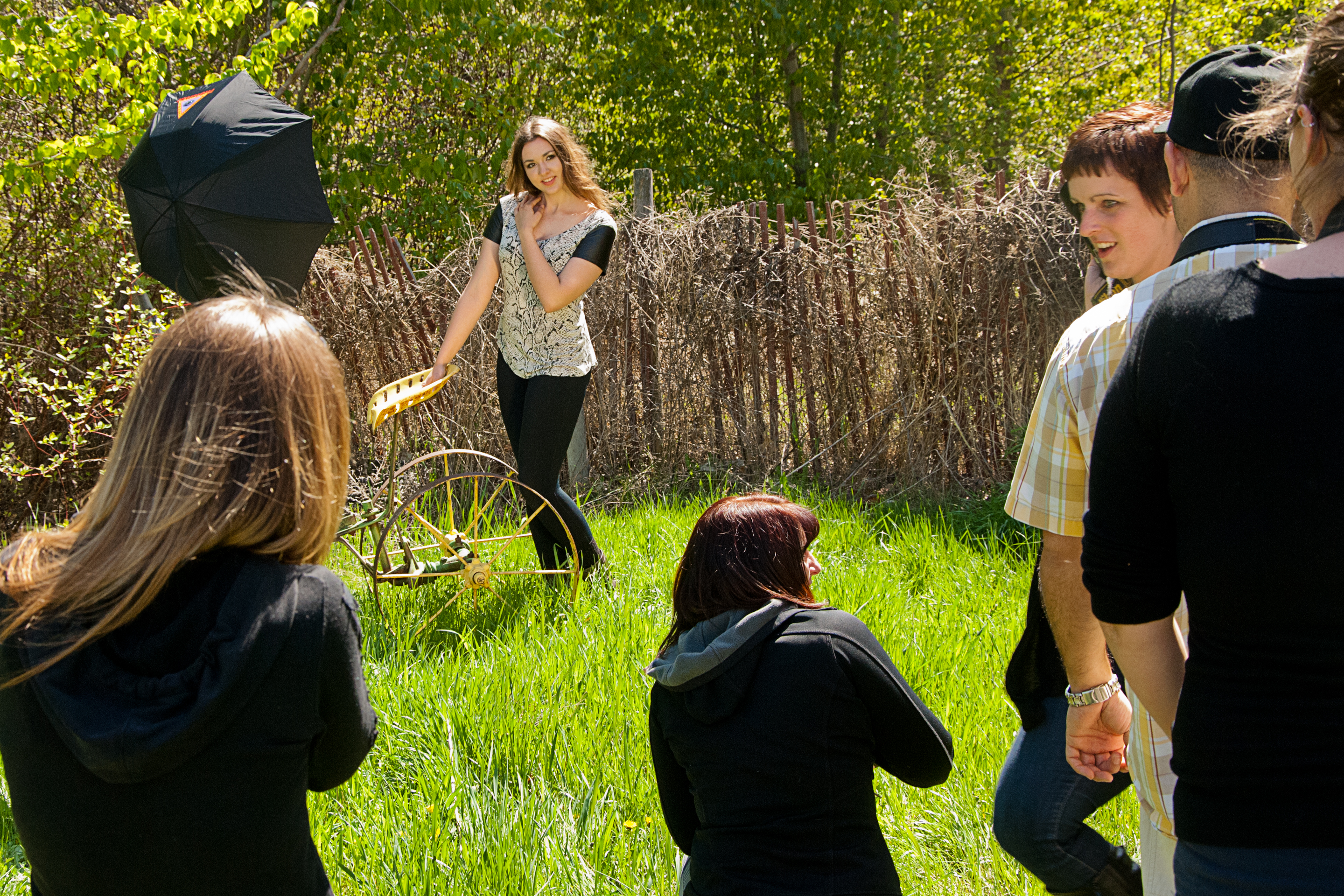
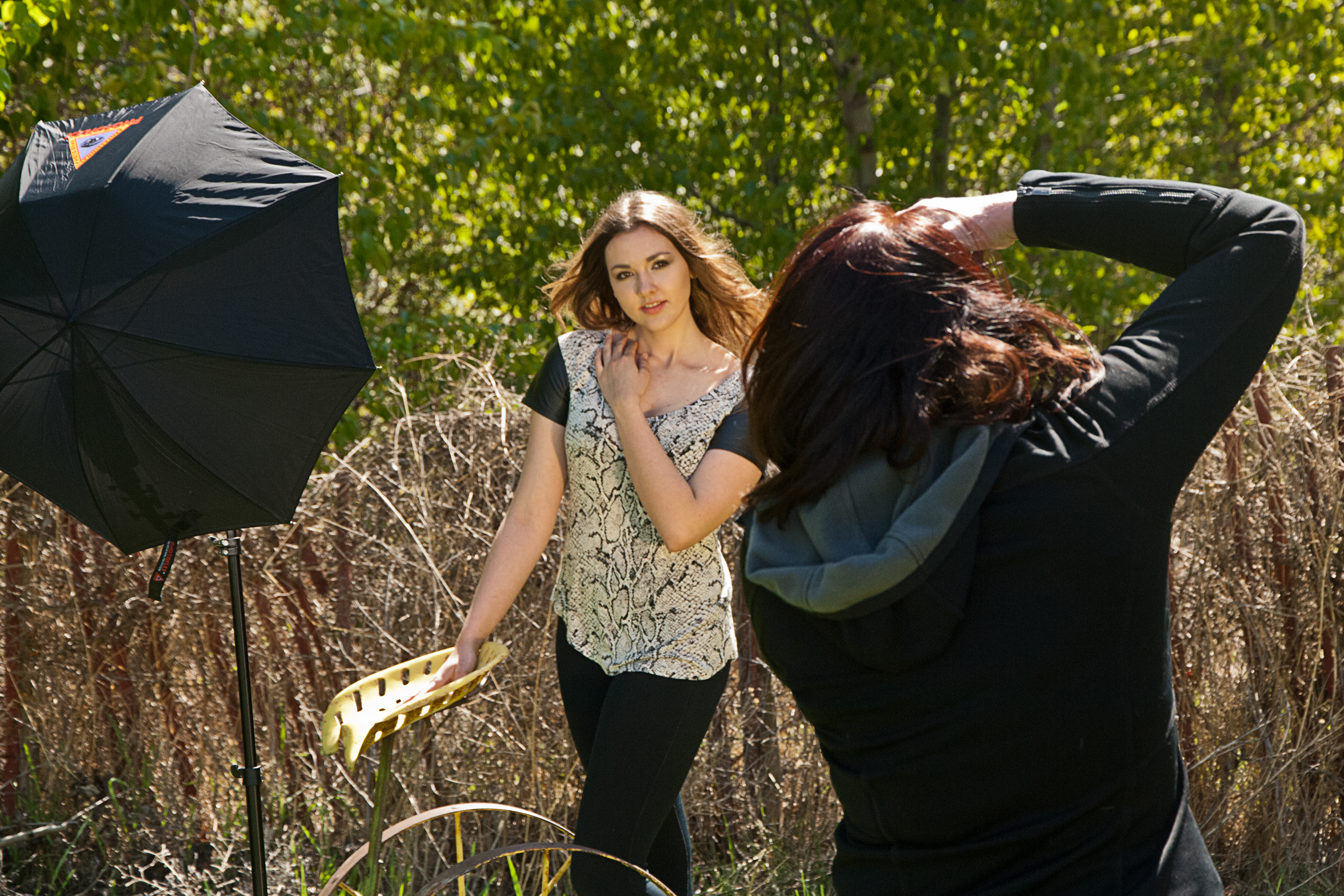
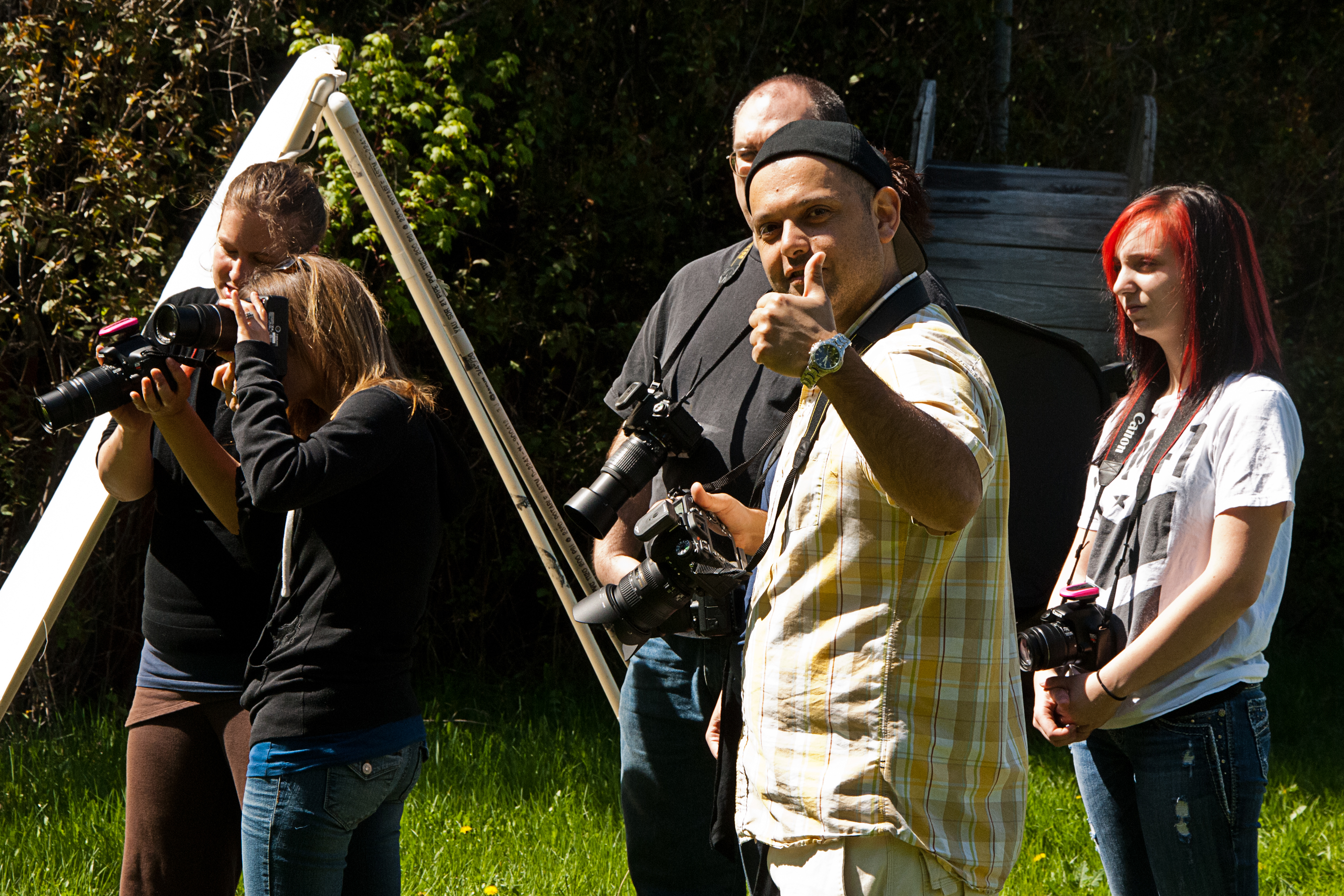
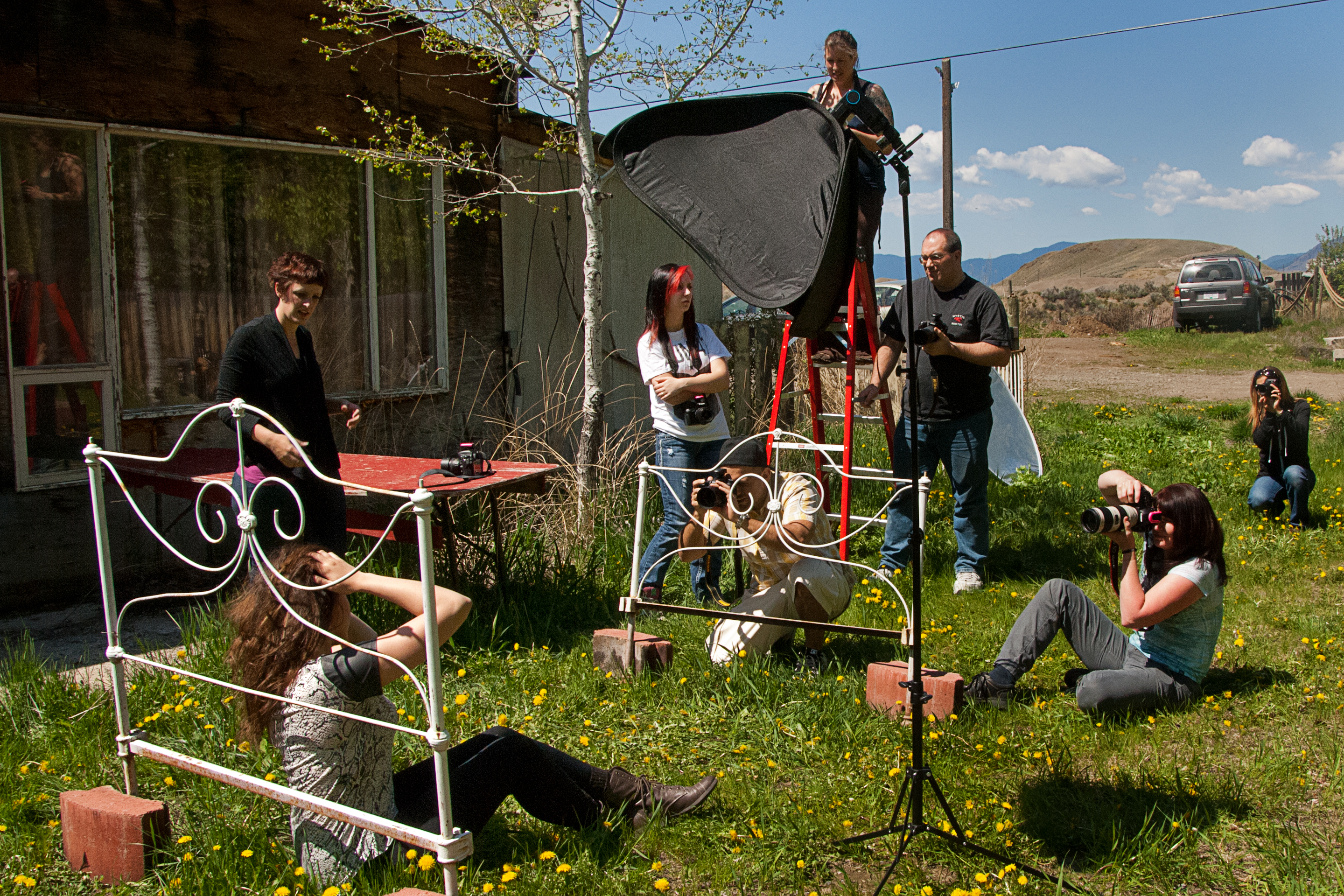
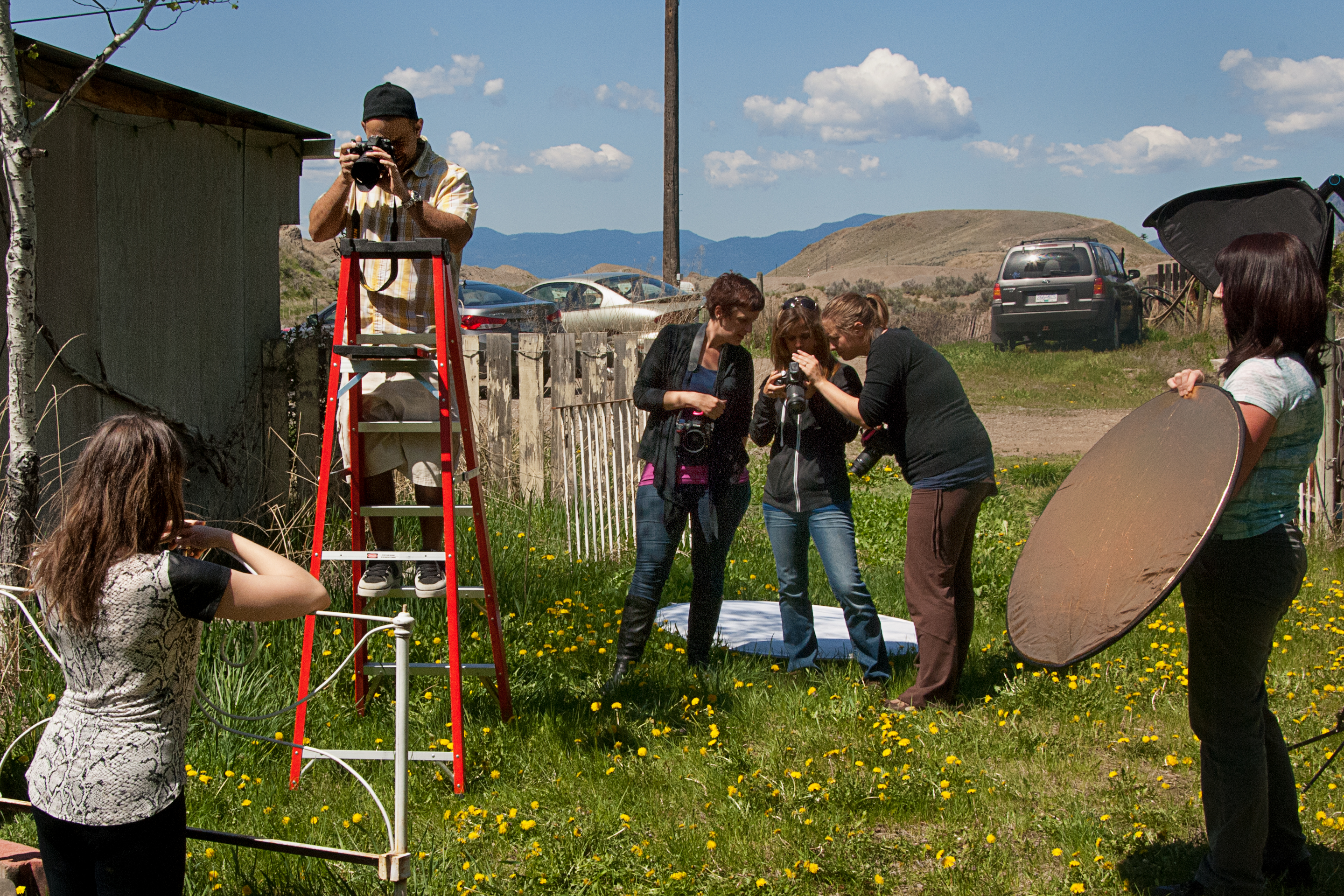
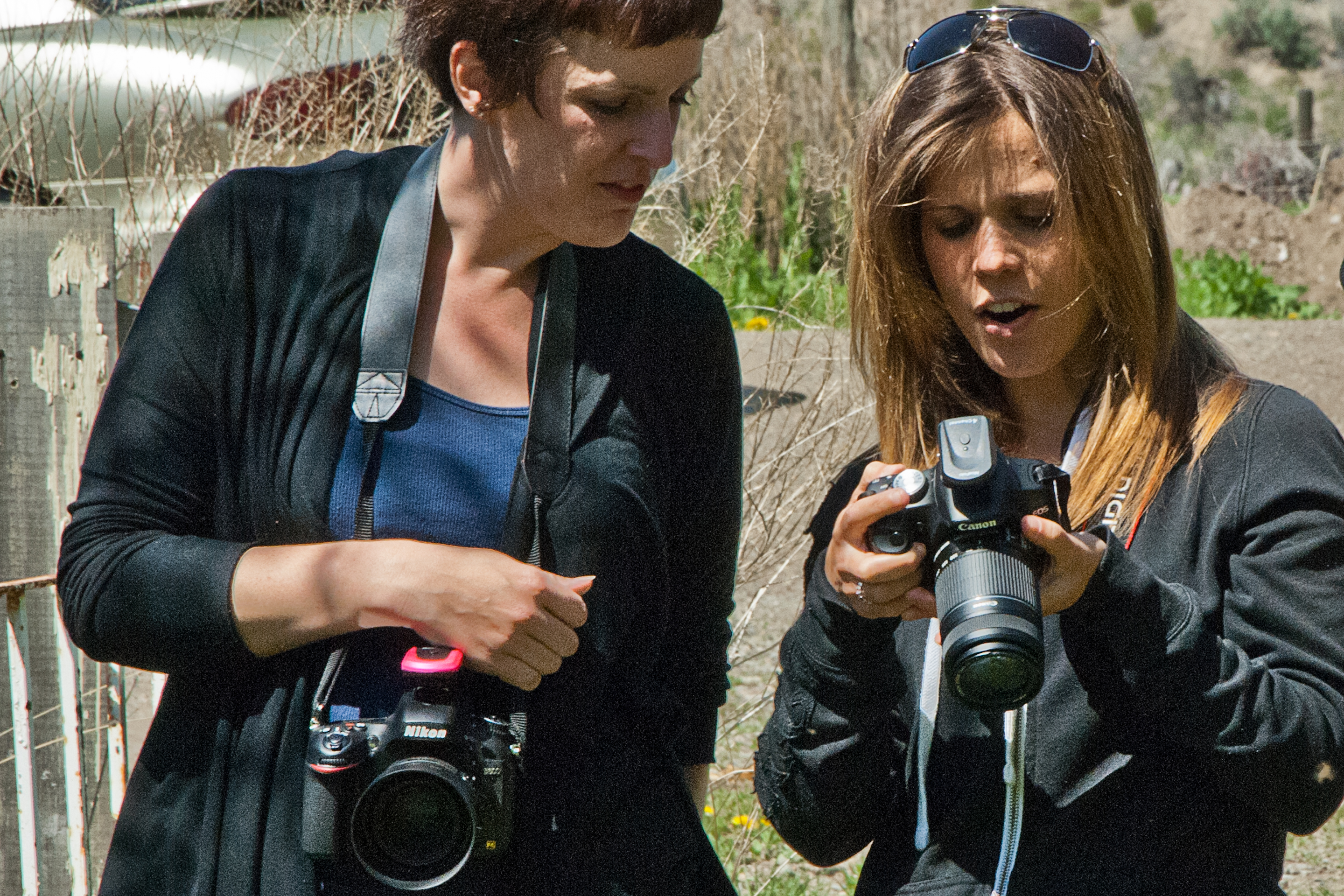
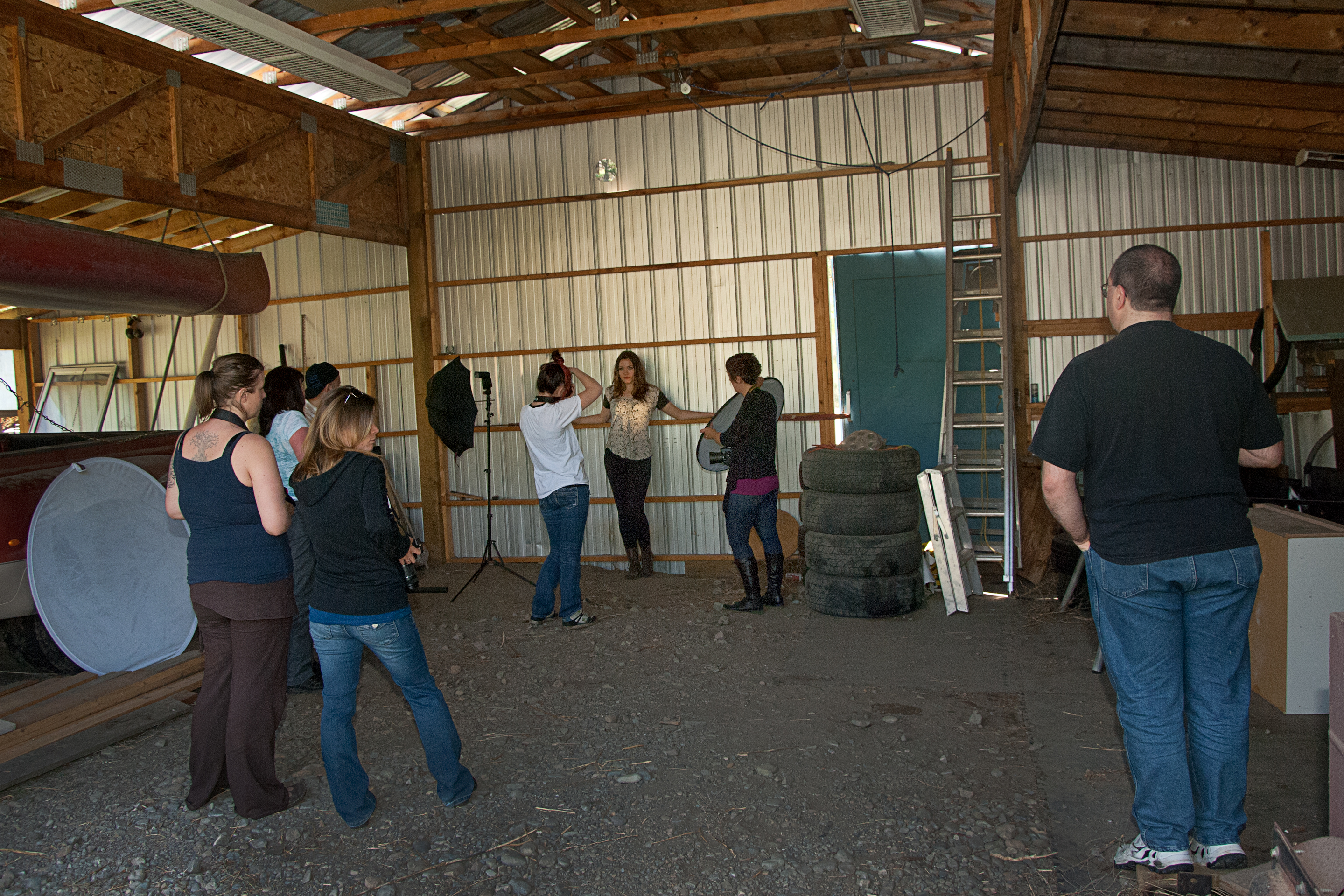
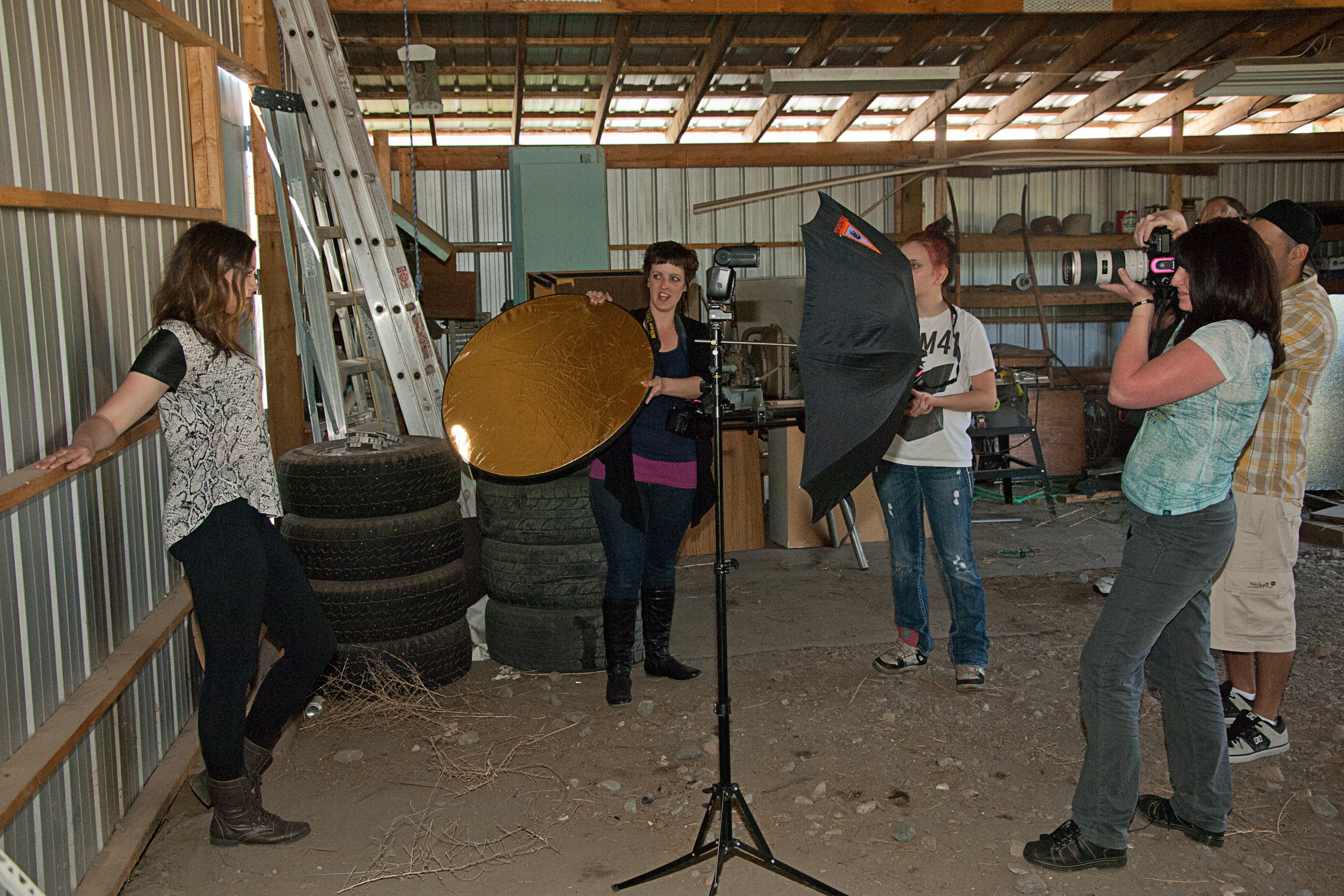
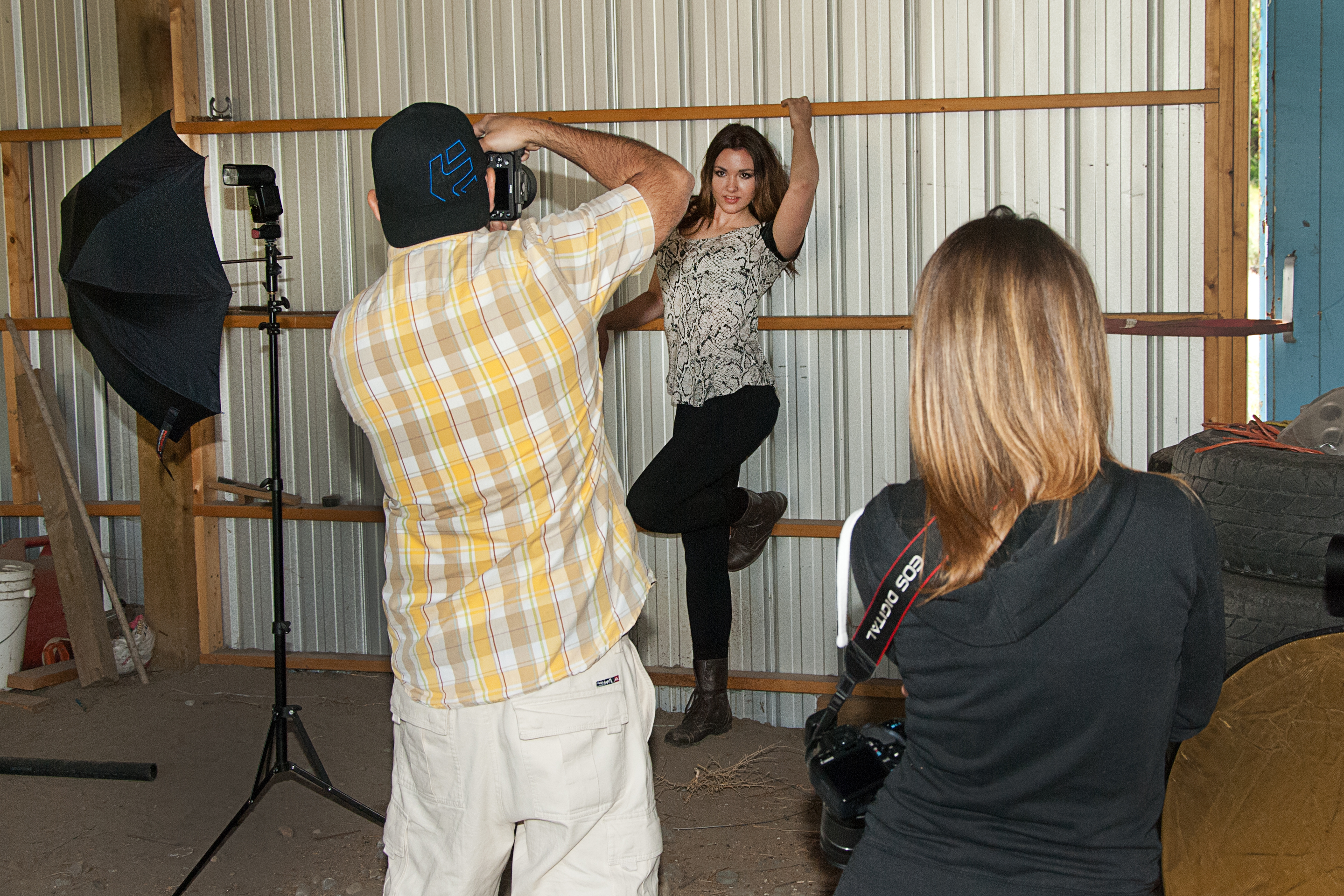
One more outdoor lighting workshop.

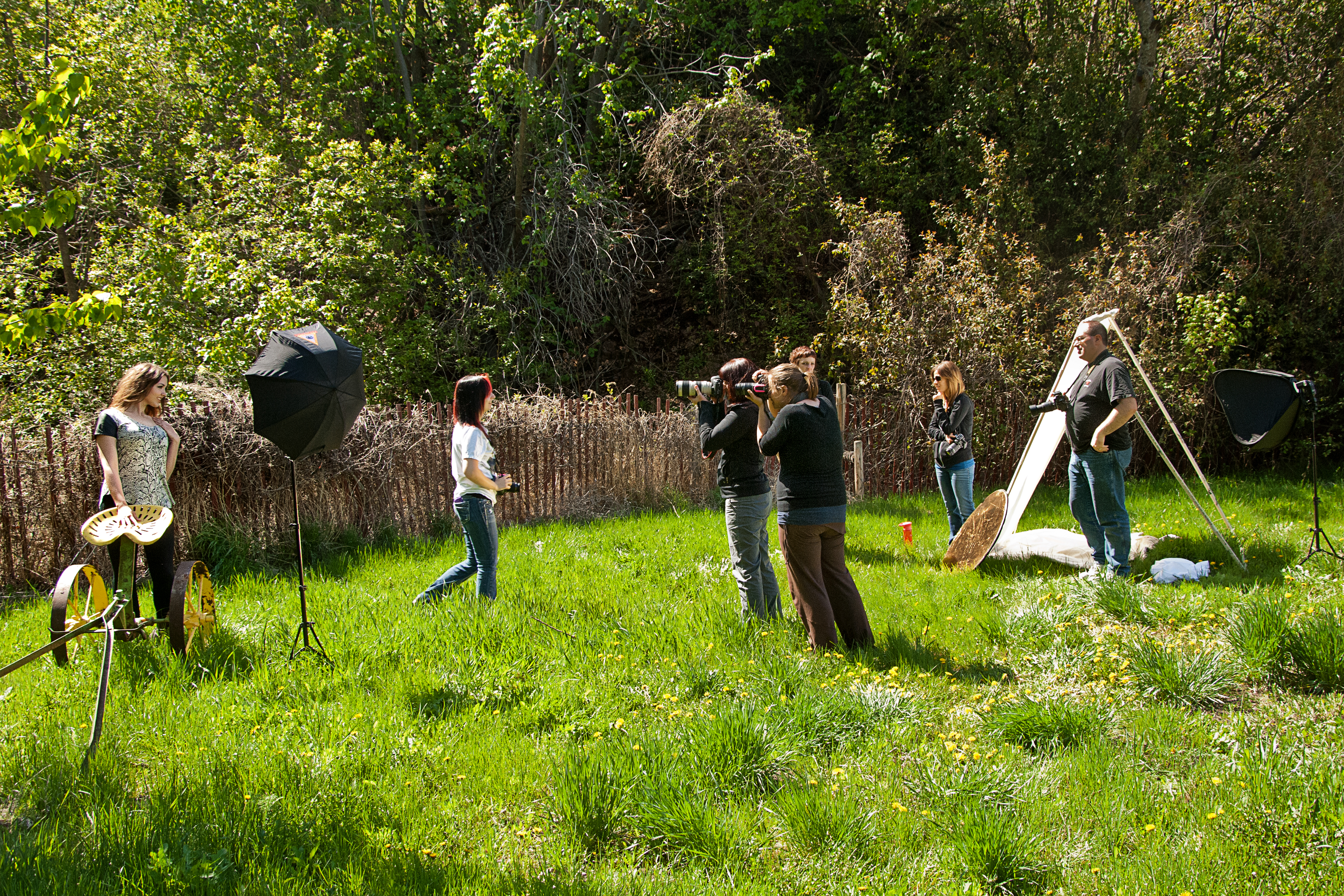
A. An outdoor studio  B. Workshop participants  C. Adding light  D. Outdoor shooting  E. Softbox by the buggy  F. Thumbs up  G. Outdoor with softbox  H. Ladder and reflector  I. Got it.  J. Portraits in the barn  K. Gold reflector  L. Umbrella in the barn

I’ll begin with a quote from an interview with American photographer, and author of the Strobist.com lighting blog, David Hobby. “…You hear a photographer say, “I’m a strictly available light photographer, I’m a purist…”. What “I hear is, “I’m scared of using light so I’m going to do this instead.”…. Well, for me lighting was a way to start to create interesting pictures in a way that I could do it…”
 I wish I had read that interview with Mr. Hobby before I began my series of workshops on off-camera flash. I would have started every class with his quote. With that, I thought I would let readers know about the last day of what became an enjoyable and successful day for everyone, the photographers, our model Danya, and me.

Unlike the last session’s stormy overcast weather, the day this time was warm, sunny, and we didn’t have to contend with a cold, constant breeze. However, I couldn’t have asked for two better learning environments. An overcast day demands different lighting techniques than those that accompany a bright, cloudless day, and all I had to do was present the participants with opportunities specific to each so they could begin experimenting, and learning how to effectively use off-camera flash.

In the first session I introduced the ten participating photographers to basic outdoor portrait photography, and off-camera flash techniques that would help them transform their outdoor portraits into something special.

This time I continued by putting together different lighting setups. In the meadow, I erected a backdrop, and placed a 4×6 foot light diffusion panel with a wireless flash to one side. The second set up was a lean-to that used a 4×6 light diffusion panel. For the third set up, I placed in the barn a softbox and a bare flash on stands. I also left extra wireless flashes on stands and a few reflectors outside the studio, ready for photographers to use when they wanted to select their own location.

My goal was to give participants plenty of options as they put into practice what they had learned about adding flash to natural light.

We positioned the 10×12 foot backdrop, made out of an old painter’s drop cloth, so it blocked the sun and swathed our model in diffused light, and then fired a flash through a diffusion panel placed on the left.

The lean-to was constructed with a diffusion panel on one side. It softened the sunlight, giving a subject a diffused glow that could easily be manipulated with a reflector or flash.

The softbox was perfect for the open shade in the barn. The large metal-sided barn gave lots of room and an interesting patterned backdrop. In that location the softbox, a flash and umbrella, and a reflector were used.
I always use a flash when I am photographing people, inside or out. I can’t control the lights in a large room, or the sun shining on my subject from 93 million miles away. Participants discovered how to control the light they added from small off-camera flashes in the natural ambient light, and by the end of the workshop were using flash effectively, and learning about creating and controlling shadows rather than just filling them.
We live in a time when cameras can almost see in the dark, and the art of adding light to a scene is under-appreciated. Those photographers ready and willing to turn down that ISO dial and learn about off-camera flash are beginning a journey of discovery that will remind them that photography is all about light. And I expect they might finally ask themselves, why not try to have the most perfect light possible…and instead of waiting for that perfect light, learn to control that light by adding flash to make the best of the situation.

I really appreciate comments. Thanks, John

My website is at www.enmanscamera.com