The Lens – The Most Important Part of the Camera

Lenses

The Lens – The Most Important Part of the Camera

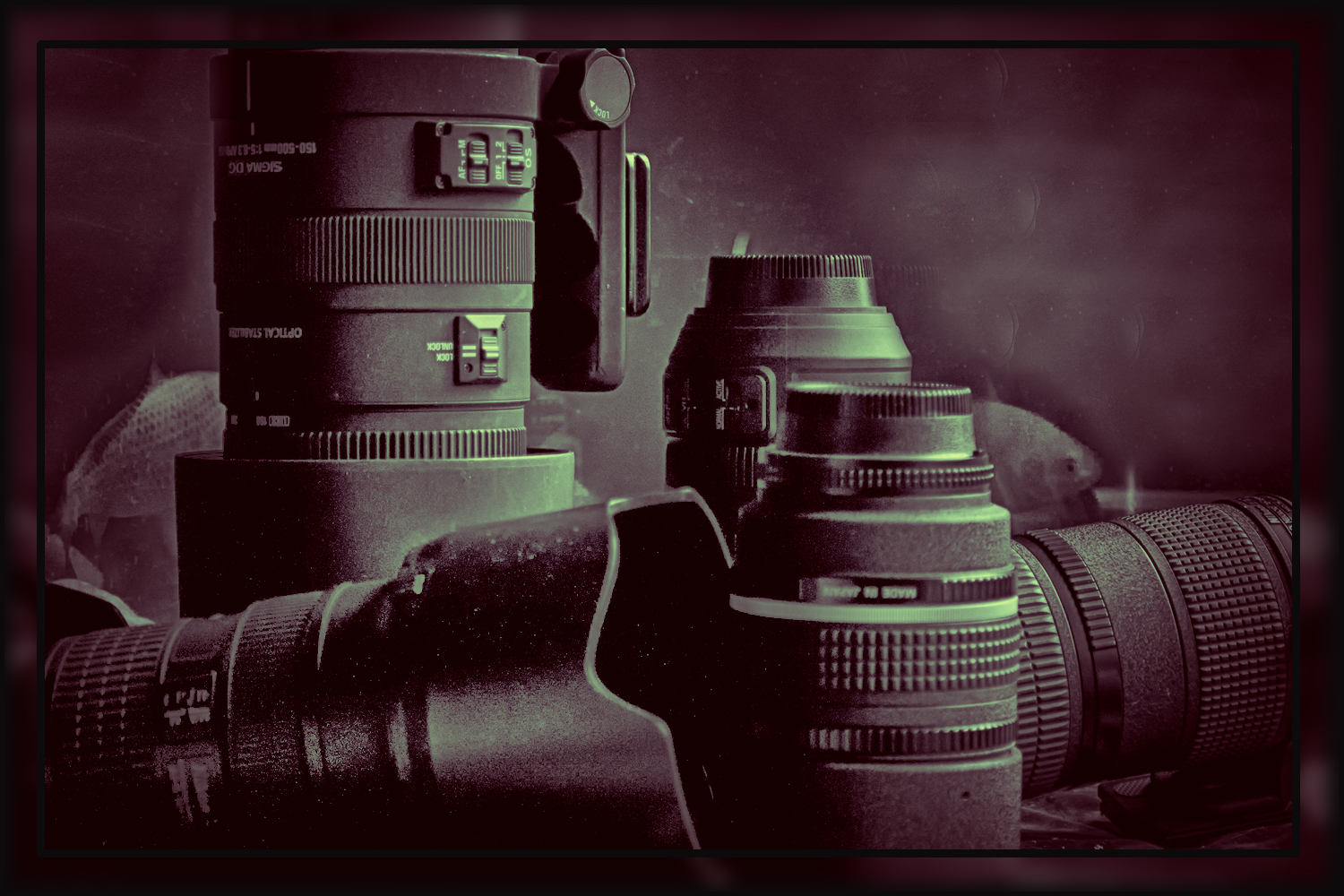
Ask any experienced photographer whether to buy a new camera or a new lens and the answer will usually be, “it’s all about the glass,” or, “a good lens is more important than a good camera.”

A bad lens on a good camera will still make poor images, but a good lens on a poor or average camera will most likely give the photographer good results.

I listened to several friends talking over coffee about reviews they had read about the latest camera offering from Canon. The discussion began with questions like, “why does a photographer that doesn’t shoot sports need a camera with 7 or 8 frames a second” and “I really don’t spend much time shooting in low light situations, so why would I spend extra money on a camera because it is capable of a high ISO.” However, as expected, it wasn’t long before the talk easily turned to an exchange of views on lenses. Remember, because after all, “it’s all about the glass.”

The conversation easily moved from a difference of opinion between those that preferred prime (fixed focal length) lenses, and those, like me, that chose multi-focal length (zoom) lenses. We talked about the importance of wide angle and, of course, wide aperture lenses.

Just because you can change the lens doesn’t mean you have to, but I don’t know many photographers that are that sensible. Mostly we are willing to change lenses as soon as we have extra cash in our pockets, more emotional and impulsive than sensible.

I know very few are content with the short zoom that came as a package with the camera any more than they are with the tires the manufacturer installed on their car. Yes, the lenses, just like the tires aren’t high quality, but that’s not my point. What I mean is that changing lenses is like changing the visual personality of the image, and most photographers I know are engaged in, what I’ll call, a search for a perspective that fits their personality and personal vision.

The camera might capture some subject’s personality, but the lens, in my opinion, says more about the photographer than the subject.

Several photographers standing on a picturesque hillside using the same camera and lens will probably produce much the same image, but give them each a different lens and the resulting images will be diverse, distinct, and individual.

Yes, it is all about the glass, and there is such a pleasing and very exciting diversity of lenses out there waiting for each photographer to choose, discard, and choose again as they explore and create within this stimulating medium of photography.

As I wrote those words I wondered if there were others that I could use that were more applicable than stimulating. I could have used, intoxicating, invigorating, or even compelling. They all fit and, I think, could apply to some of the feelings I could see and hear from those photographers lounging around my shop drinking warm coffee on a cold November day as they talked about the lenses they used and would like to use.

A new camera is a lot of fun, but it really is “all about the glass.

I appreciate any comments. Thanks, John

My website is at www.enmanscamera.com
Depth of Field

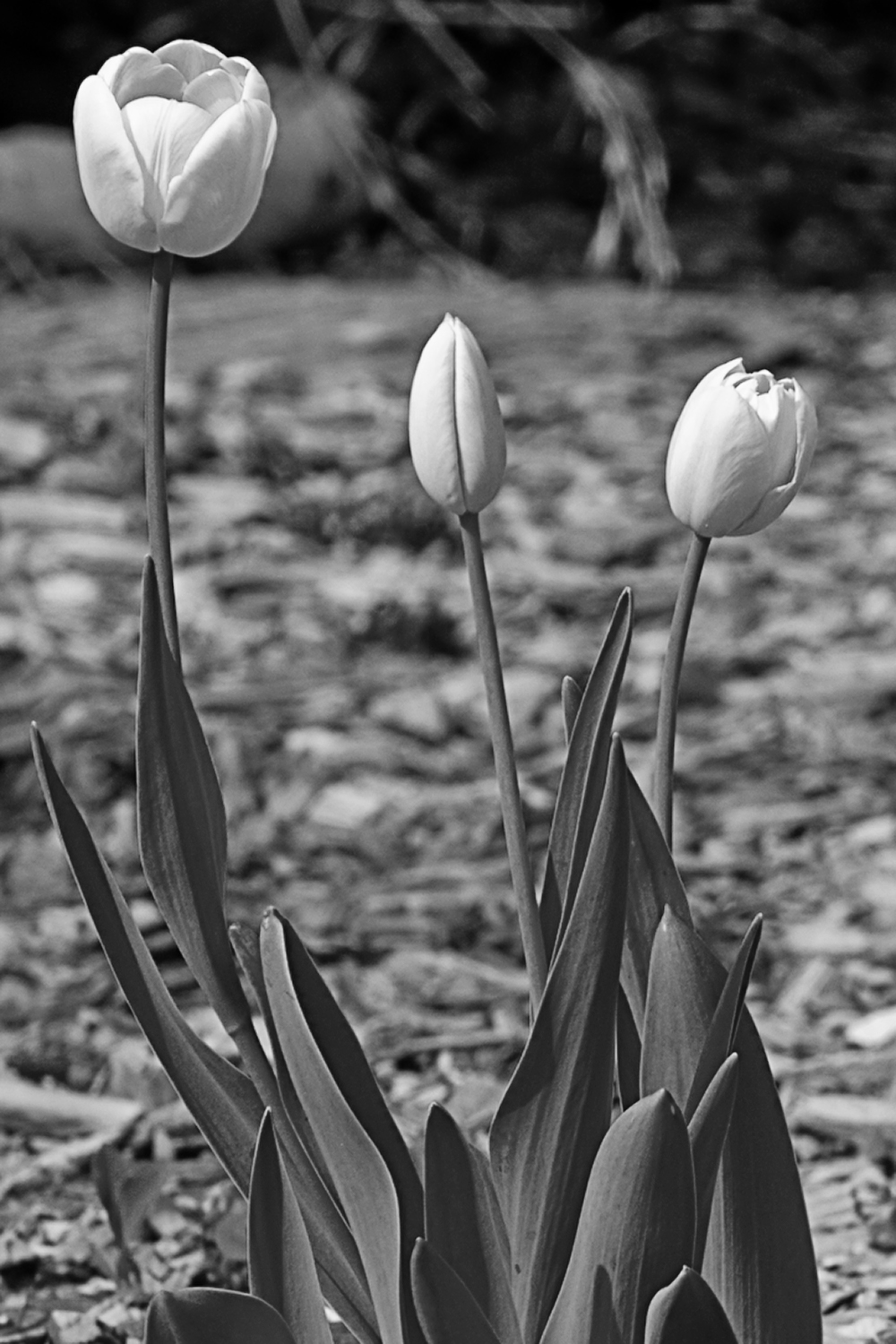
I have included a few examples that show the technique.

I have included a few examples that show control over the technique.

D of F 2

hoodo and fence 3

Plowing the field

Shoot'n the sunrise 1

A smaller aperture for more depth of field.

Shoot'n the sunrise 2

A wider aperture for less depth of field.

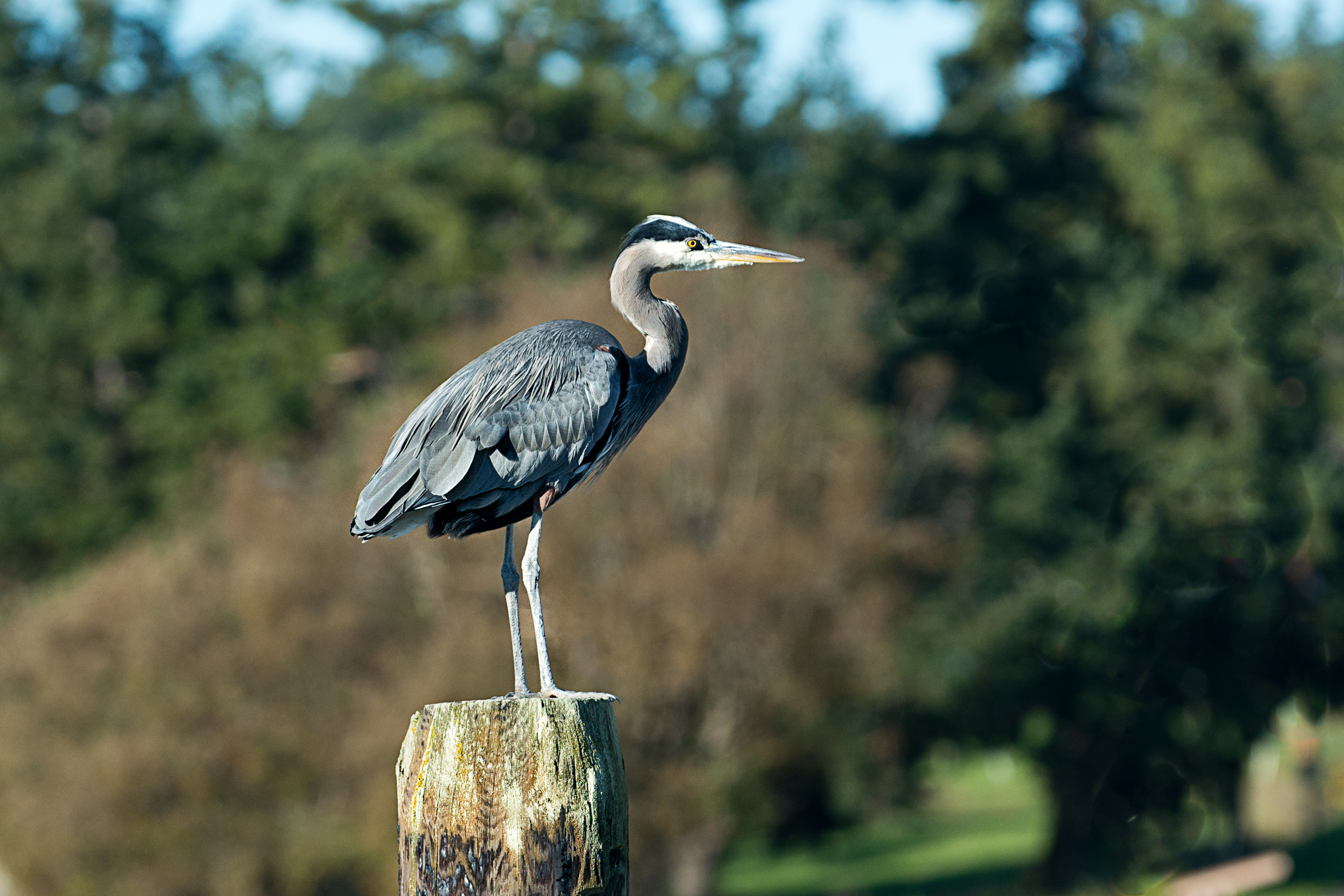
Heron

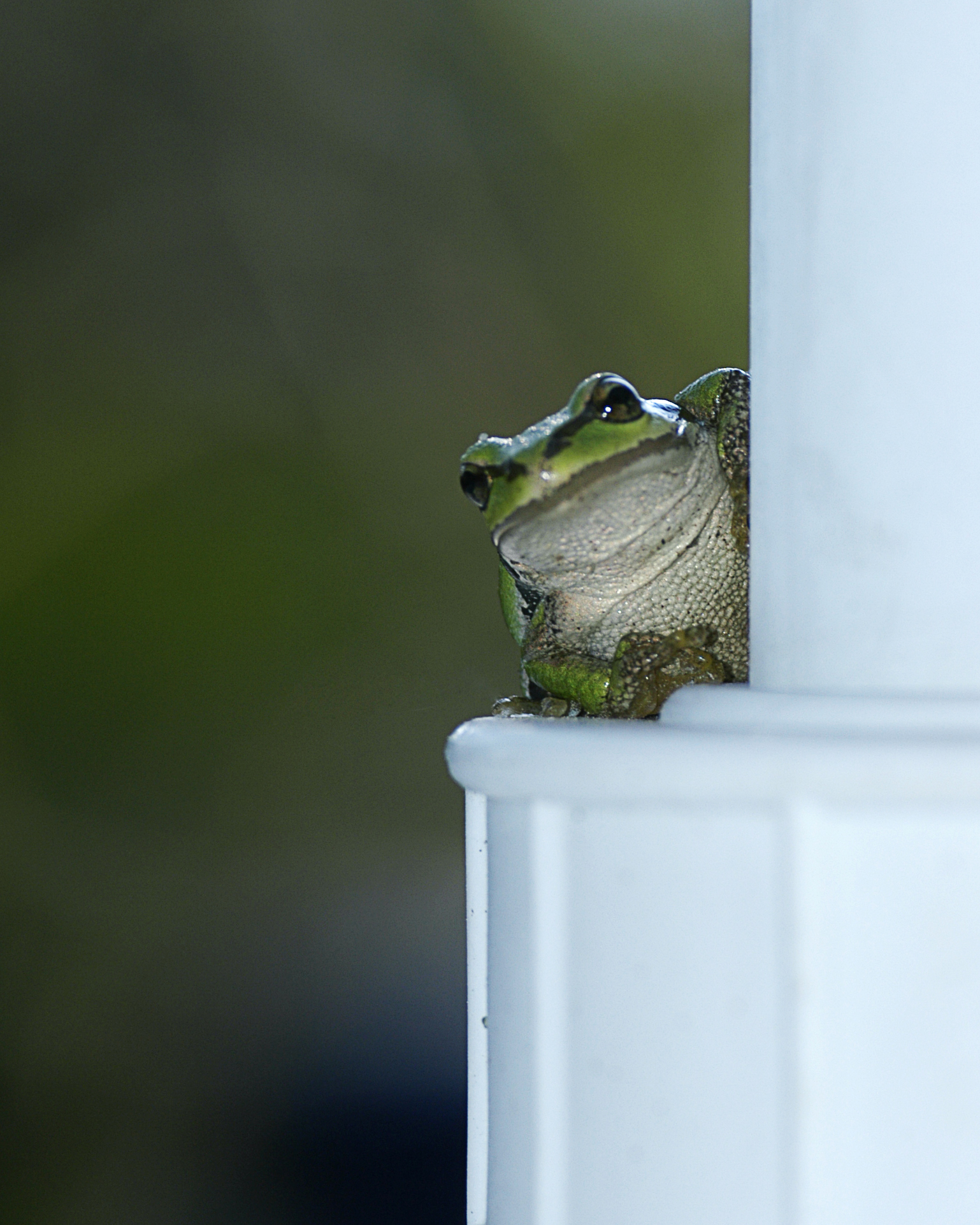
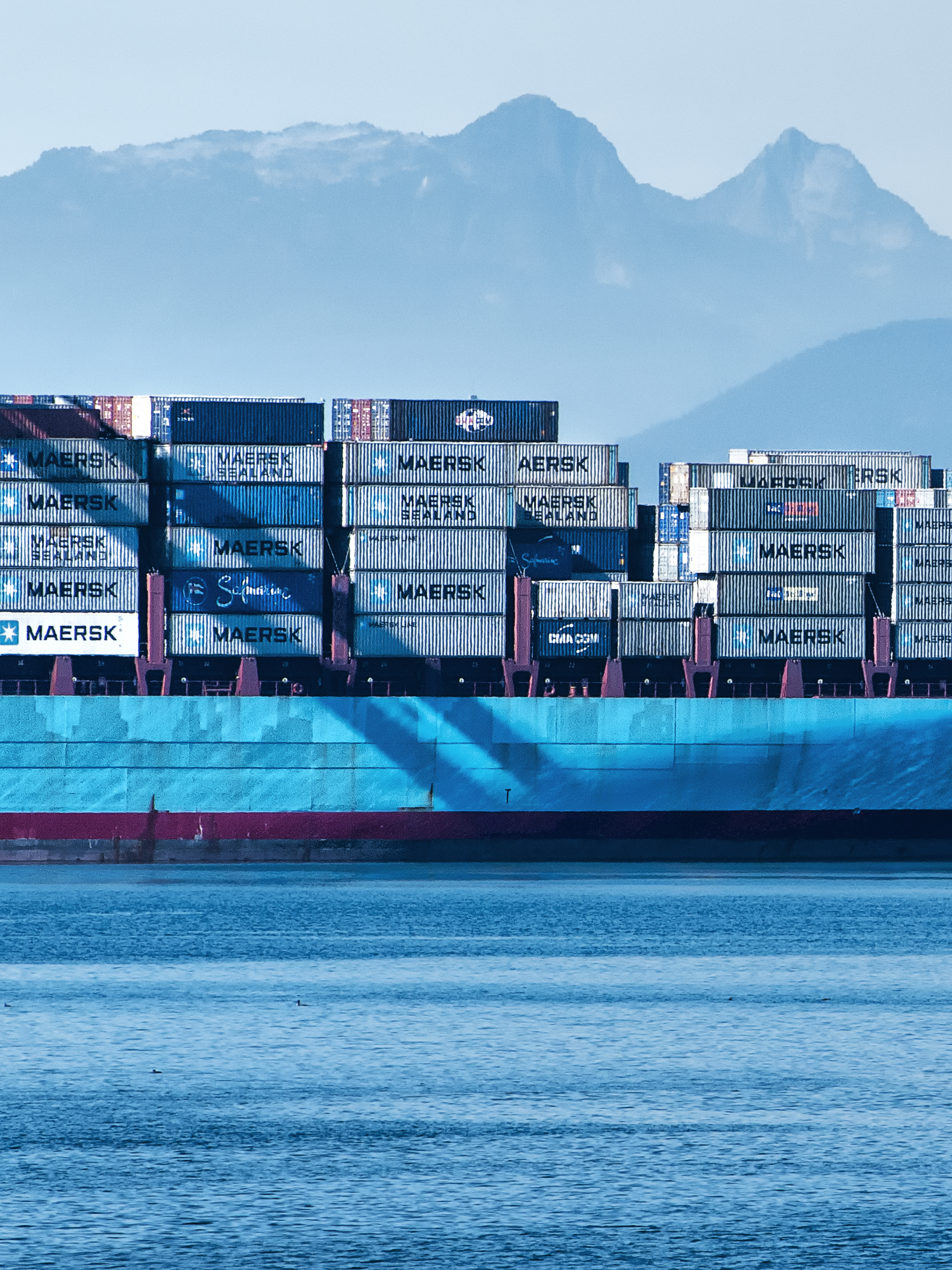
Blue Freighter Frog

Brewster copy 2

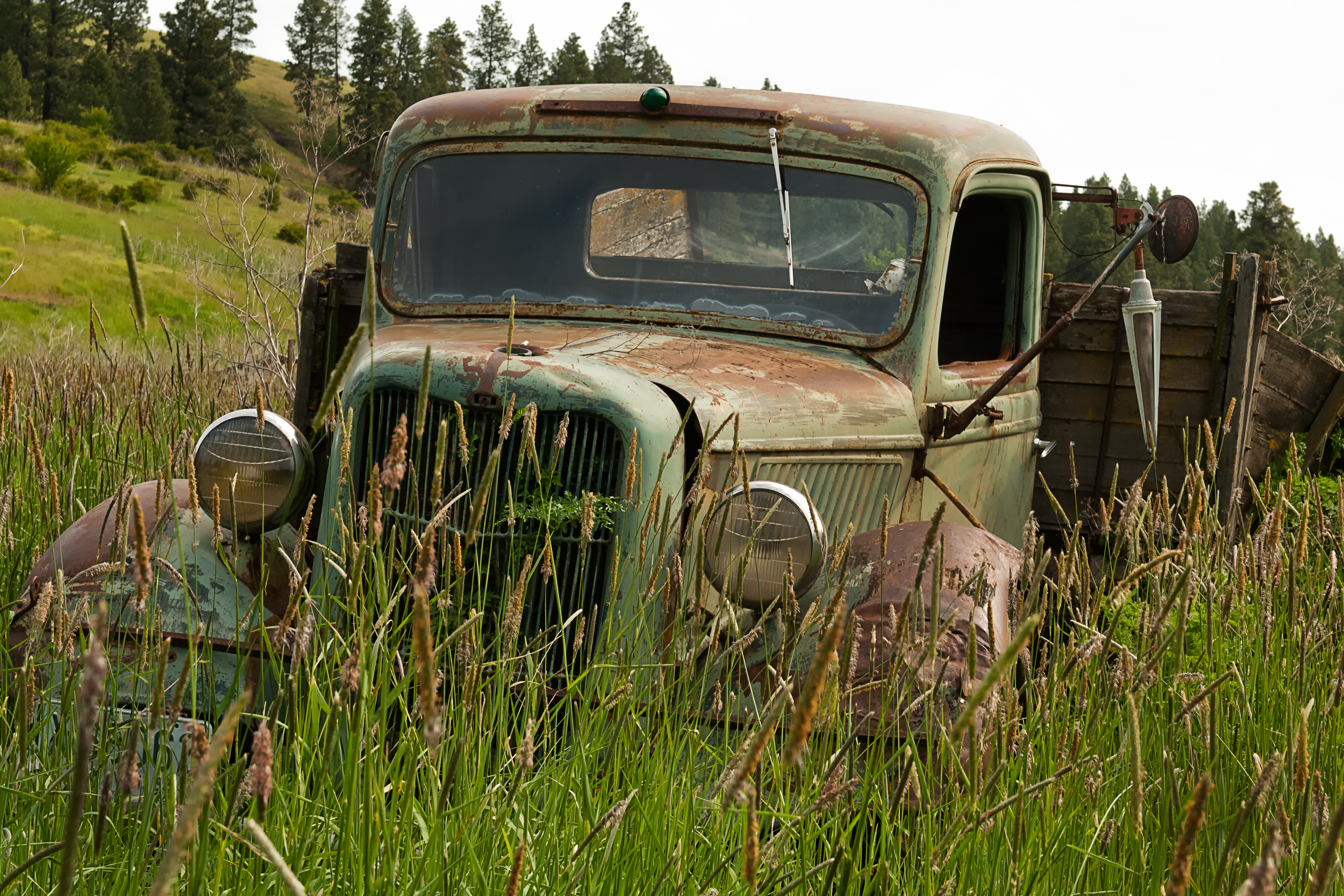
Truck in the meadow copy

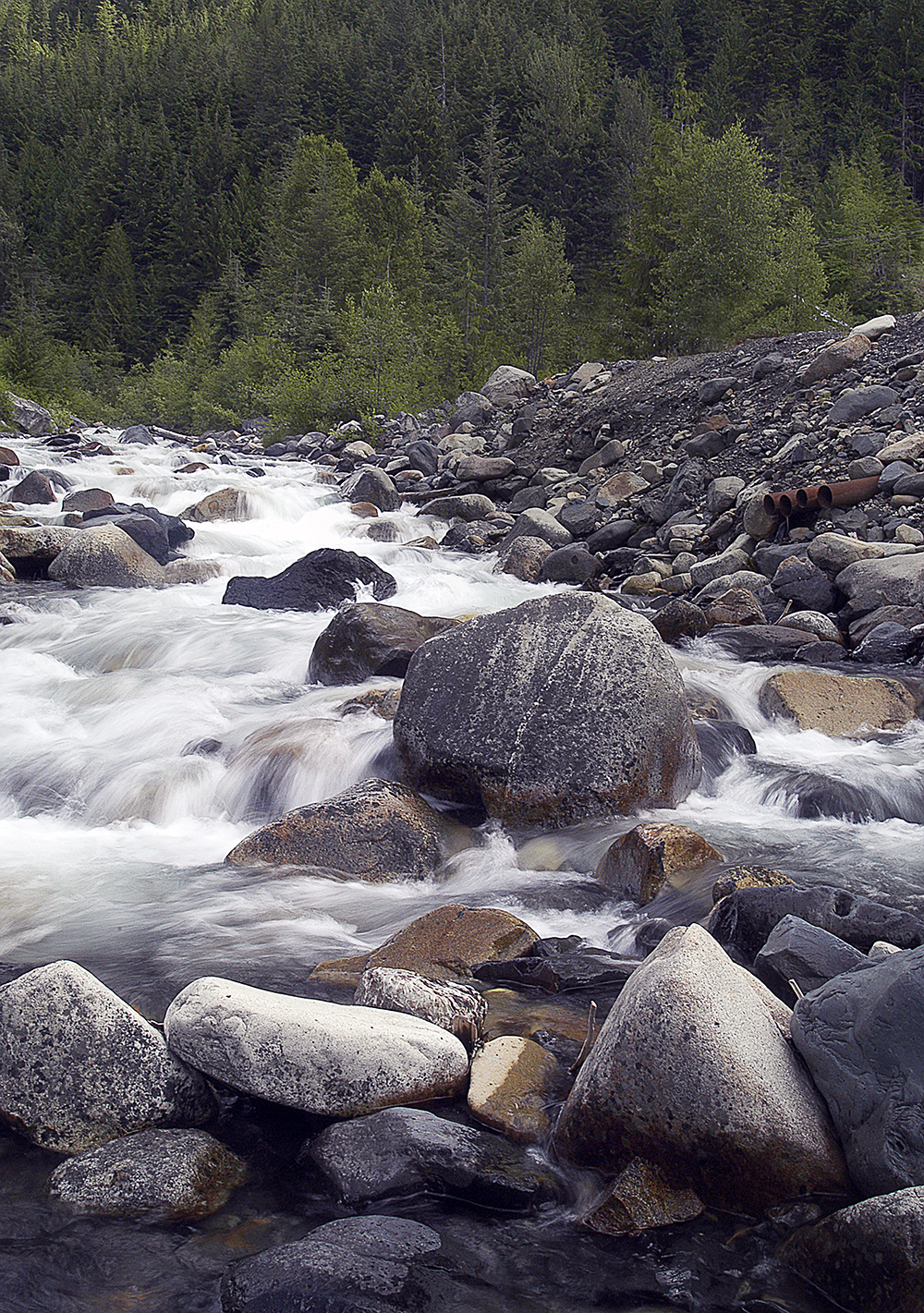
River Sandon BC


A topic that I recently discussed in my classes, that I repeatedly explain to photographers that come to my shop complaining about what they believe are lens focusing problems, and have written more than once about is “depth-of-field”, but it still seems to be an elusive concept for many. However, it is really important and photographers should make the effort to grasp it even though it appears difficult.

I pondered this last Thursday when a local photographer showed me an image she had made during a wedding. She showed it to me proudly and commented that she has chosen that lens because it let in more light when photographing in low light, but complained that the expensive lens she had didn’t seem all that sharp.

The image showed a view of the central aisle of the church with pews left and right, leading up to the bride in the distant centre, approximately 20 feet from where the photographer was standing. The overall exposure shot at an aperture of f/2.8 was fairly good. However, what that photographer saw was the lack of sharpness everywhere, except for the bride standing in the aisle.

The definition of depth-of-field is “that area around the main subject, in front of, and behind it, that is in acceptably sharp focus”. In application the wider the lens’ aperture is set the less will be the depth of field, or that area of sharp focus, around the main subject will be.

Wide aperture lenses are very popular these days and using a lens at a wide aperture like f/2.8 when making a portrait isolates the main subject and produces a soft, out-of-focus background referred to as bokeh by reducing the depth of field. Bokeh is a pleasing soft blur produced by a wide aperture lens in the out-of-focus area directly behind the subject.

In this instance the photographer was relying on the wide aperture to increase the exposure in limited lighting conditions. That additional light allowed a faster shutterspeed for handholding, but along with the benefit of additional light reaching the camera’s sensor the resulting effect was to reduce depth of field.

Using that wide aperture created a field of focus in front of the subject of a couple feet and only a bit more behind that would be fine in a portrait, however in that photograph of the church aisle with pews on both sides, that included lots in the foreground and much of the background, looked out-of-focus.

Many photographers unwittingly rely too much on their photography equipment to (magically?) make good images, and blame faults in their photographs on that same equipment. Understanding the basic concept of depth-of-field would have made that photograph more to the photographer’s liking.

The smaller the lens aperture number is the less the depth-of-field. I prefer using a small aperture (larger number) for scenic photography and, as in this instance, interiors. The answer to that photographer’s low light problem would be to increase the ISO and use a smaller aperture. (I would be surprised to find a modern DSLR that wouldn’t shoot noise free at ISO1600 or even more)

Assuming the lens isn’t sharp when the real problem is with photographic technique is expensive if the photographer goes so far as to replacing a lens. My recommendation is to spend time learning the basics of depth of field instead of blaming equipment when problems occur.


I appreciate reader’s comments. Thanks, John

My website is at www.enmanscamera.com
The Photographic Composer’s Score and Performance

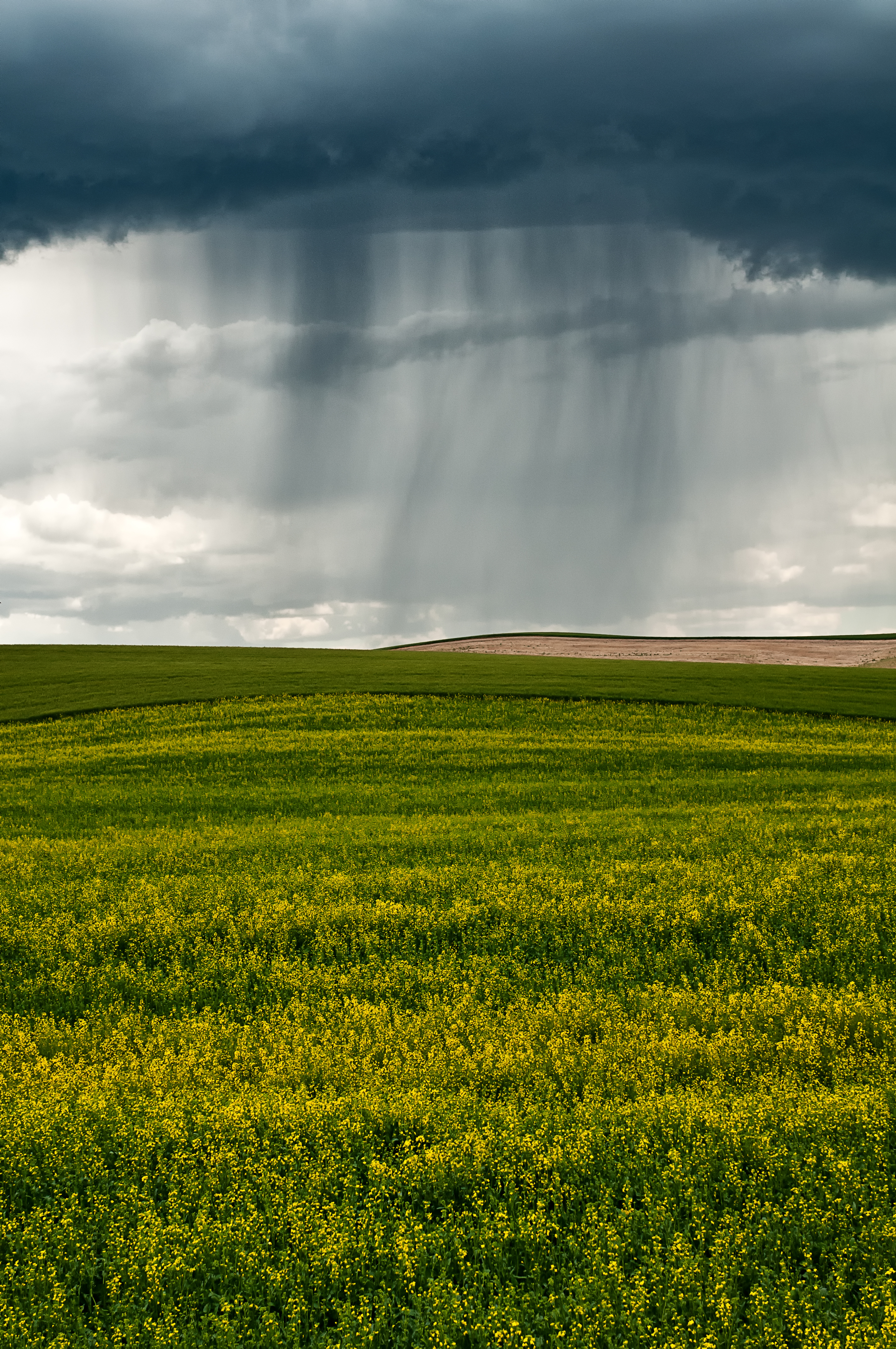
Spring storm

A storm o the prairie


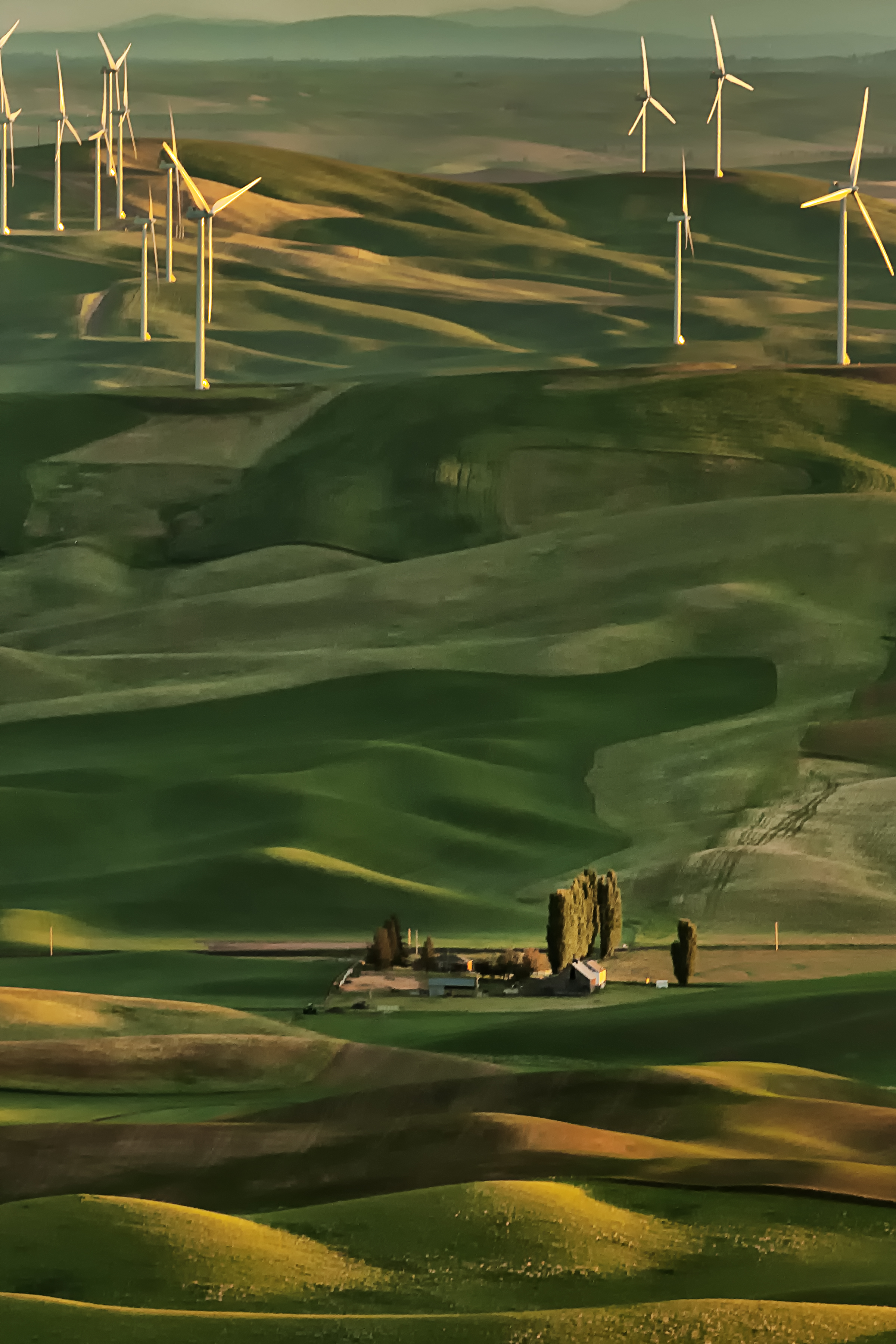
Wind power

Windpower

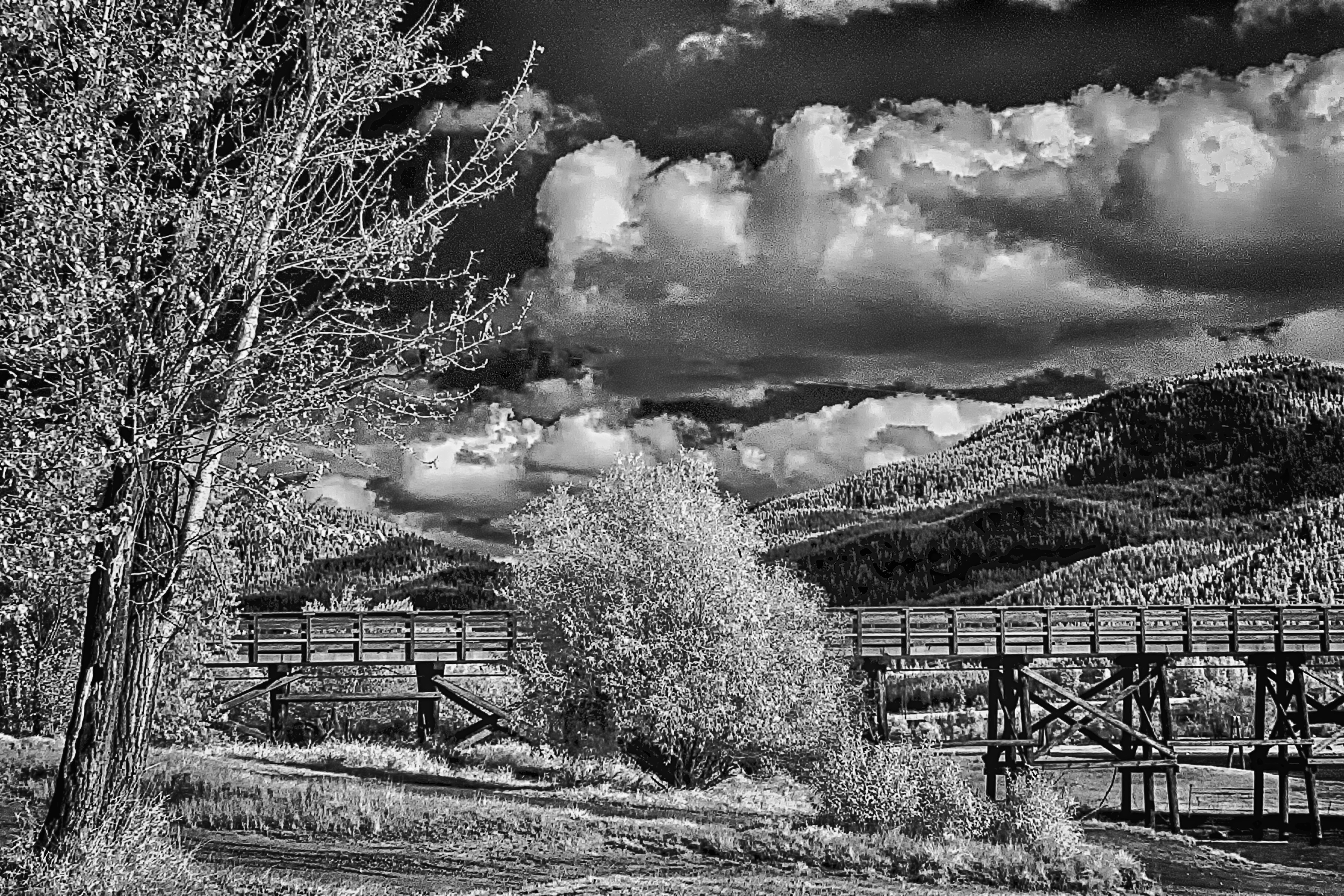
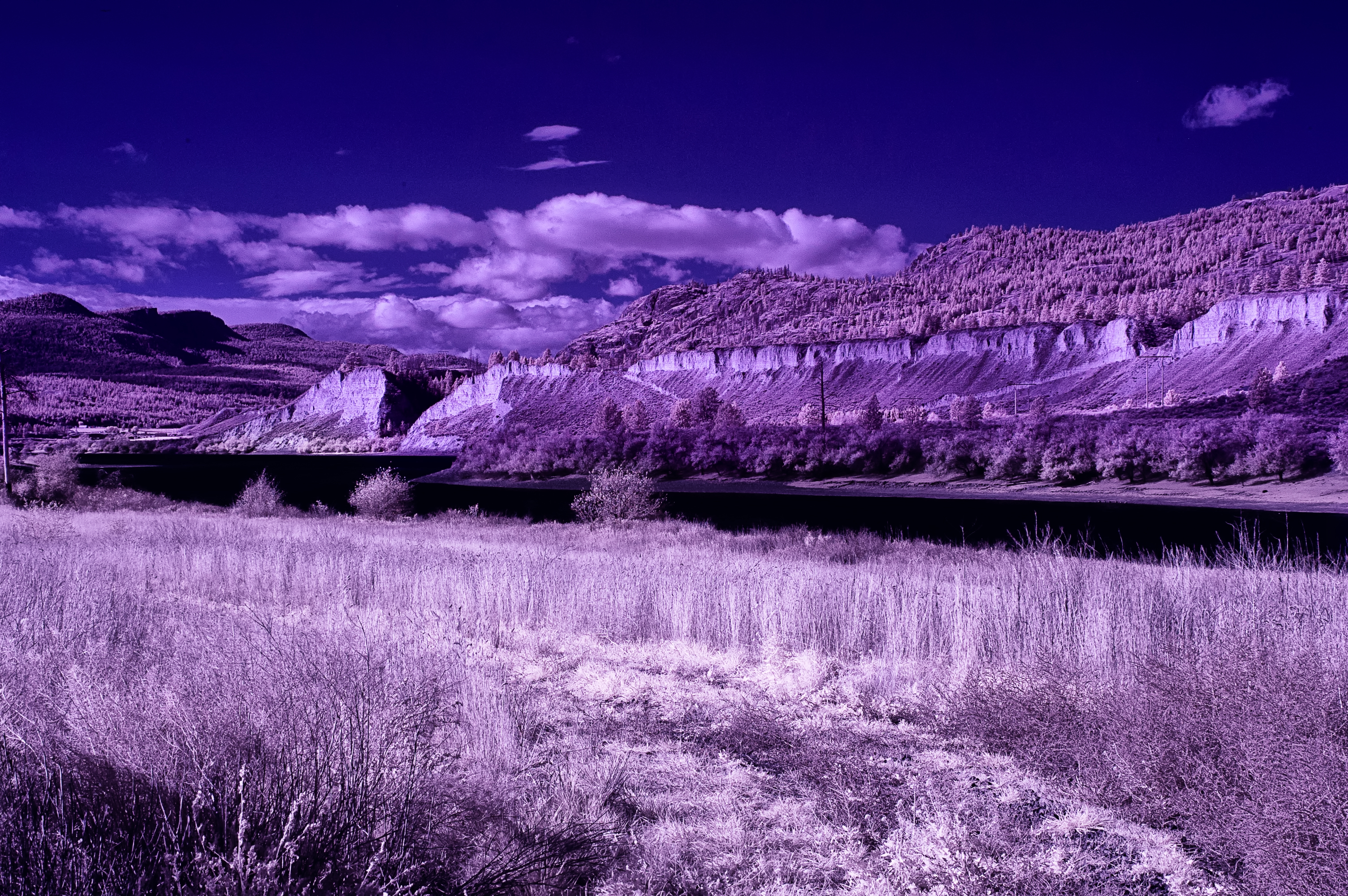
October Infrared

October walk in Infrared

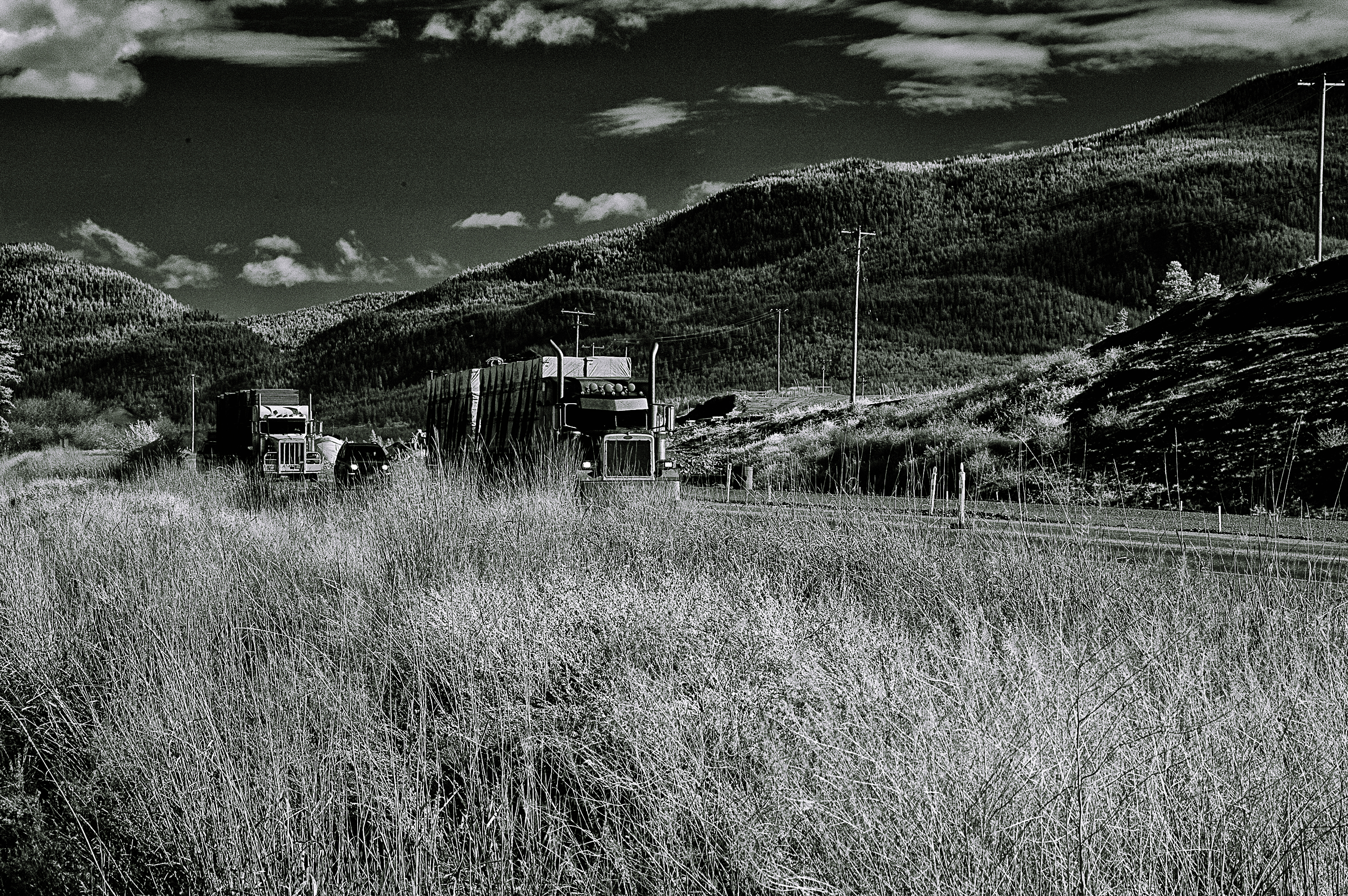
Trans Canada trucking

Trans Canada Highway – Infrared

River bluffs

Infrared of Thompson River


I taught photography in the 1980s and 90s for the University College of the Cariboo (now Thompson River University) when the only way to make a photograph was using film.

In my lectures I informed students that as well as learning about their cameras, they must become proficient in negative development and printmaking. I would emphasize that those serious about the medium of photography would come to realize that what they did with the camera and the negative it produced was only the beginning, and that it was their final print that would set them apart as a photographer. And I would quote famous photographer Ansel Adams, “The negative is comparable to the composer’s score and the print…its performance…”

Film has now been discarded by most serious photographers, although I expect artists will use film creatively for years to come, nevertheless, even with advancing photographic digital technology Adams’ words from the past are still significant.

The digital camera isn’t making a picture in the sense of light permanently imprinting itself with different intensities on a chemically sensitized surface like film. Instead there are sensors and in-camera computers processing light from thousands of photosites that are transferred to computers as data files for conversion into countless pictorial possibilities. I have become, more than ever, of the opinion that like the negative, the RAW image file, is now the “score” to Ansel Adams – the photographic print.

I know there are those that haven’t bothered to move their camera selector off JPG (Joint Photographic Group). However, choosing JPG files means those images are pre-processed in-camera and the photographer loses control. I prefer shooting RAW (not an acronym like JPG, RAW is unprocessed data) and choosing RAW is like having the negative Mr. Adams discussed, affording us total control over those data files or, more importantly, allowing a personal vision of how the final photograph will look.

A young photographer that came into my shop last week got me thinking about this when, with some kind of misplaced pride, he announced he would never use PhotoShop on any of his pictures because he was only into true reality. Although I didn’t comment, I thought about the manufacturer’s presets that were applied in-camera to his image files, the sensor’s dynamic range of only about five stops from black to white and the very limited number of colour spaces his tiny JPG files gave him.

Some years ago I attended a print-making lecture during which one of the speakers said in the past he would get up early and drive to some scenic location hoping to capture an impressive sunrise, after which he would package up his film and send it to the lab and leave all decisions to an unknown technician’s personal vision. However, now he shoots RAW and transfers his image files to his computer and the decision has become his to control how his photograph will be processed for viewing.

As in the days when I processed and altered negatives in special chemicals and manipulated prints by adding and subtracting light, I now use computer programs to process my RAW images in my quest to perfect my vision of each. And I expect the same thing is true now as it was with my students all those years ago, that what they do with the camera is only the beginning, and to repeat Ansel Adams, “The negative is comparable to the composer’s score and the print (is) its performance…”

I look forward to all comments. Thanks, John

My website is at www.enmanscamera.com
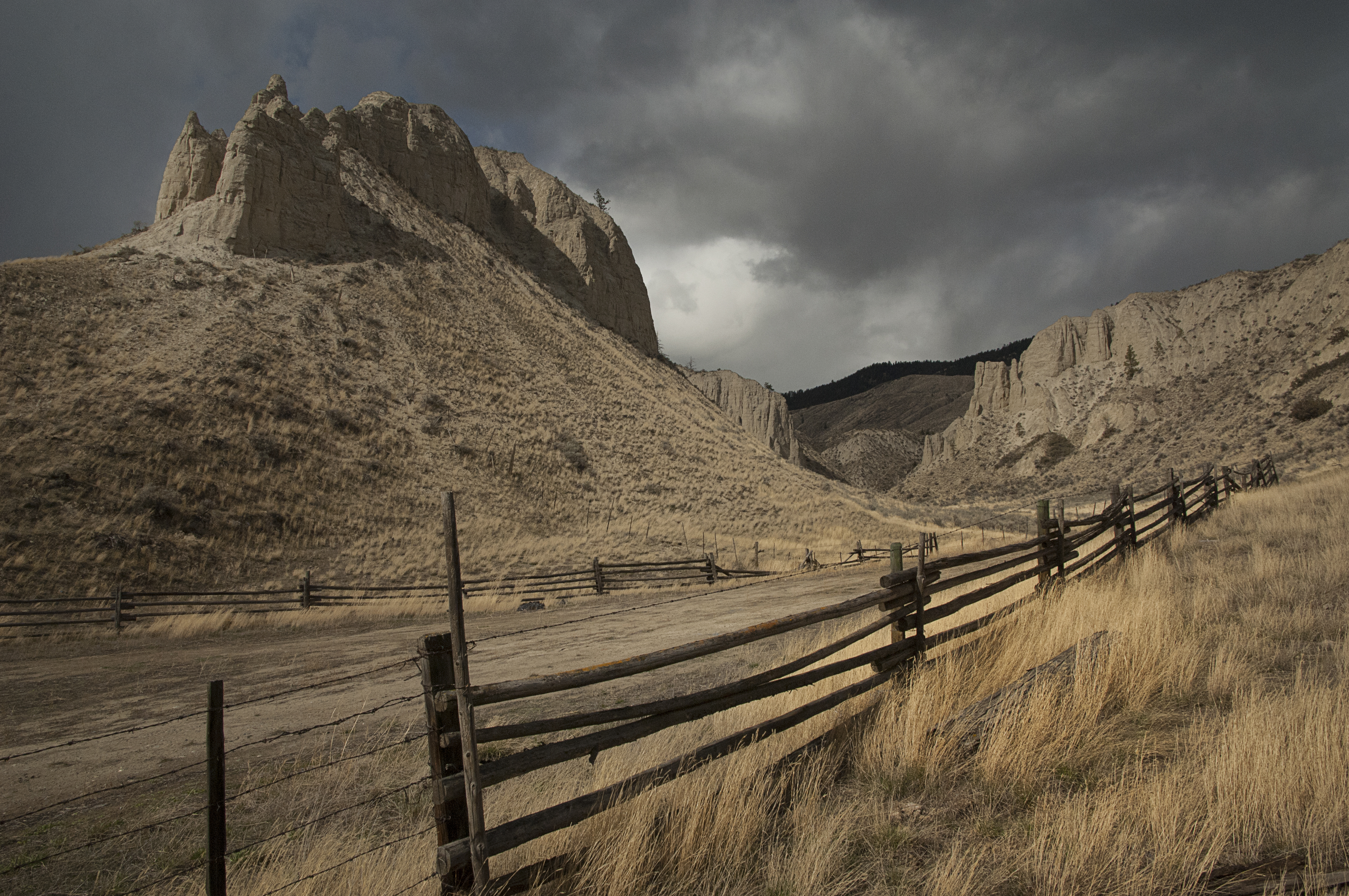
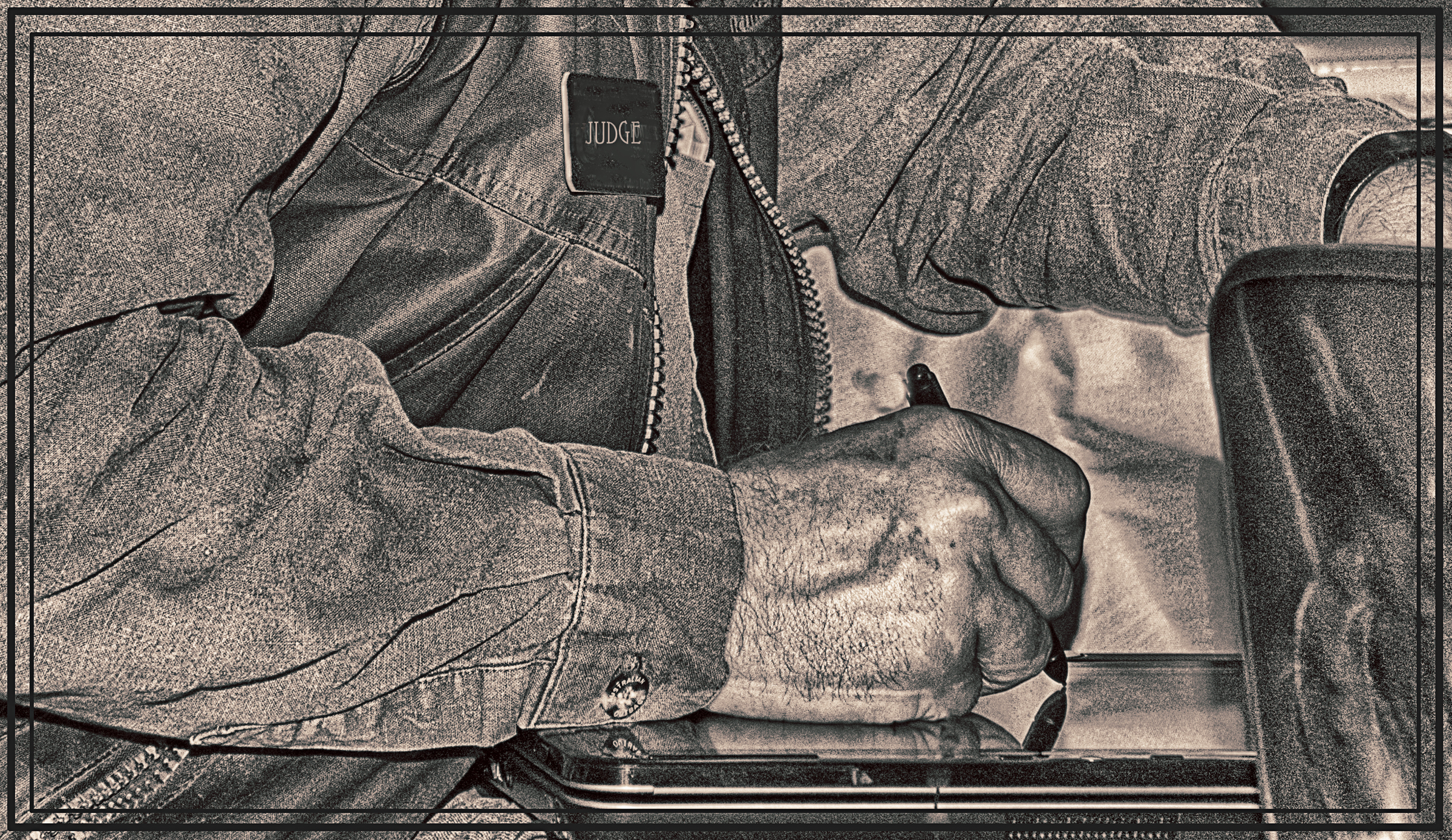
Judging Barriere 4H Photography

The Judge

On the Sunday of the September long weekend I spent an enjoyable day judging the Barriere 4H club members photography presentations at the North Thompson Fall Fair.

Although I have taken on the role of judge many times before, I am still slightly uncomfortable in a formal critique. Just looking at a photograph and discussing it, even placing a grade on it, as I did for years as a college instructor, is easier because everyone is competing with themselves. But when choosing a first, second, and third place is a competition about who is better, one has to work very hard not to be influenced by personal feelings, taste, and opinions on the subject.

Most photographers seem to think a photographic “critique” means “to find fault with.” I don’t think that’s right. When one critiques another’s photograph they should be analyzing its strengths and successes. What doesn’t work is important and should be part of the discussion, but the main concern is what works, not, what doesn’t work.

This was my first time with the 4H club. Photography in this instance was set apart from the other events at the North Thompson Fall Fair that included animal husbandry, and the judging was, in my opinion, more about the young member’s personal development in photography and how well they could adhere to the guidelines than how good their individual photographs were. Although unusual, the process was interesting, and I think valuable.

I will say that the quality of the photography was surprising for such young individuals. I was able to pick out specific interests and strengths in each of the young photographers. Yes, like all photographers, I expect those that are serious about the medium will undergo growth as they become more experienced with their cameras, and experiment with the medium of photography in general.

What is a good photograph?

“Life” magazine, “Time” magazine, and “People” magazine photographer, John Loengard, said, “It is not important if photographs are “good.” It’s important that they are interesting”.

Anyone who wants to take better pictures should focus on the fundamentals, and a successful photographer must have an understanding of composition and lighting because what is important for the viewer is how the photographer composes (or arranges) the image, and how the light is captured, both which sets the images apart.

William Reedy, in his book, “Impact Photography for Advertising” writes about how the successful photographer must, “…stop the eye…(and)…set the mood…” I have liked that quote for years. And I am pleased to say that there were some of those young 4H photographers that were able to accomplish that and I hope I get to see their again photography in the future.

Thoughts about Neutral Density Filters for Photography

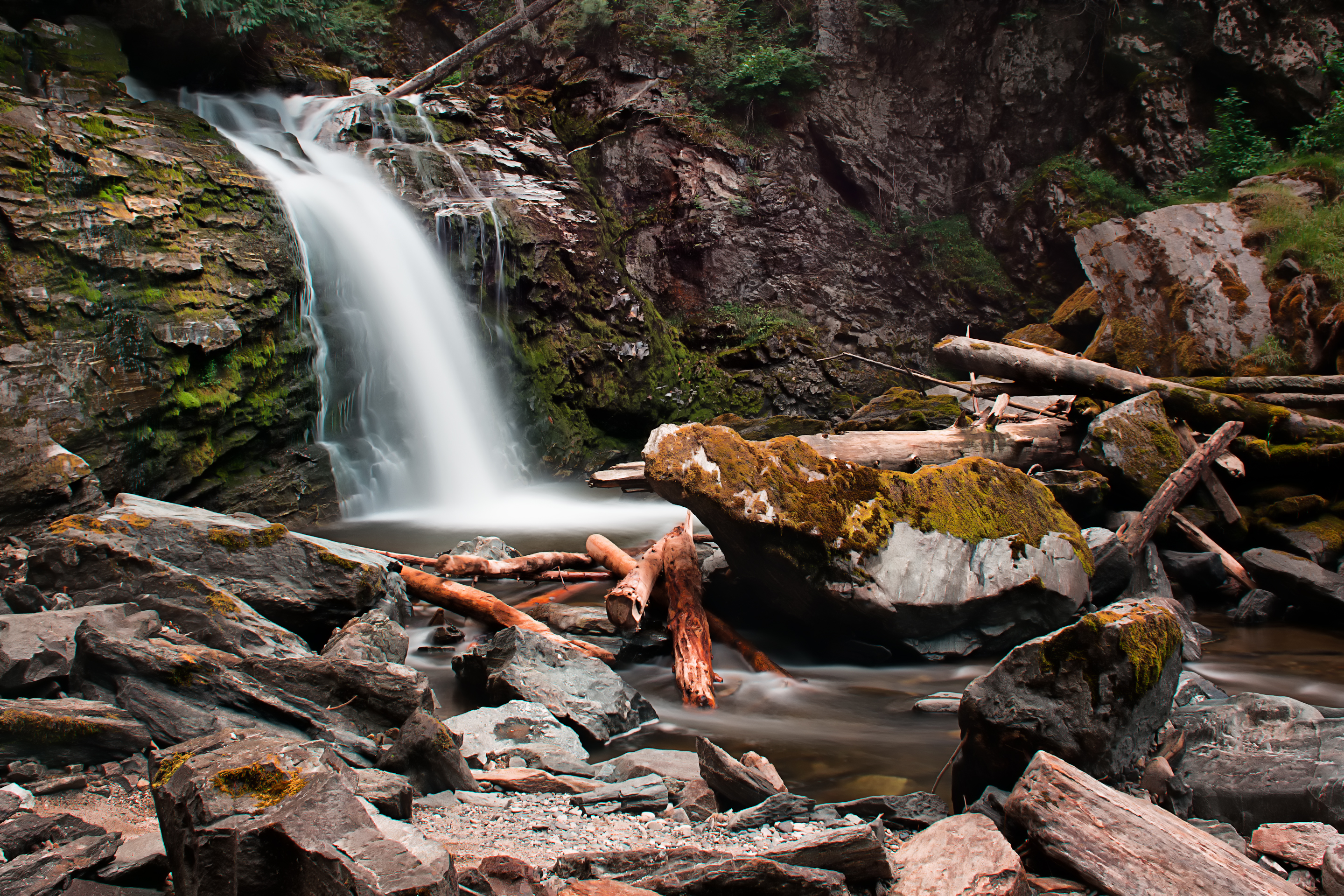
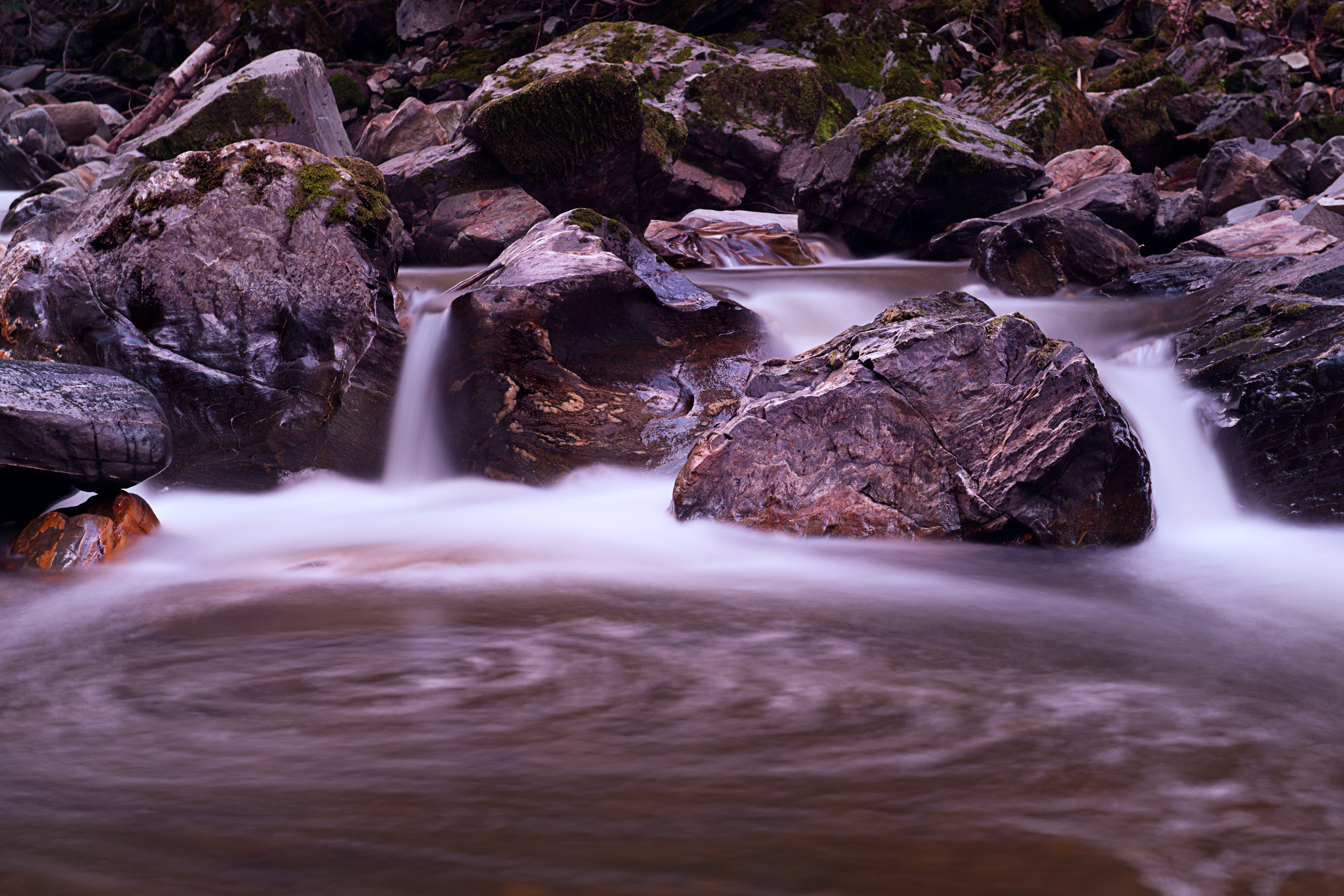
Chase falls in August

Cool waters

White water

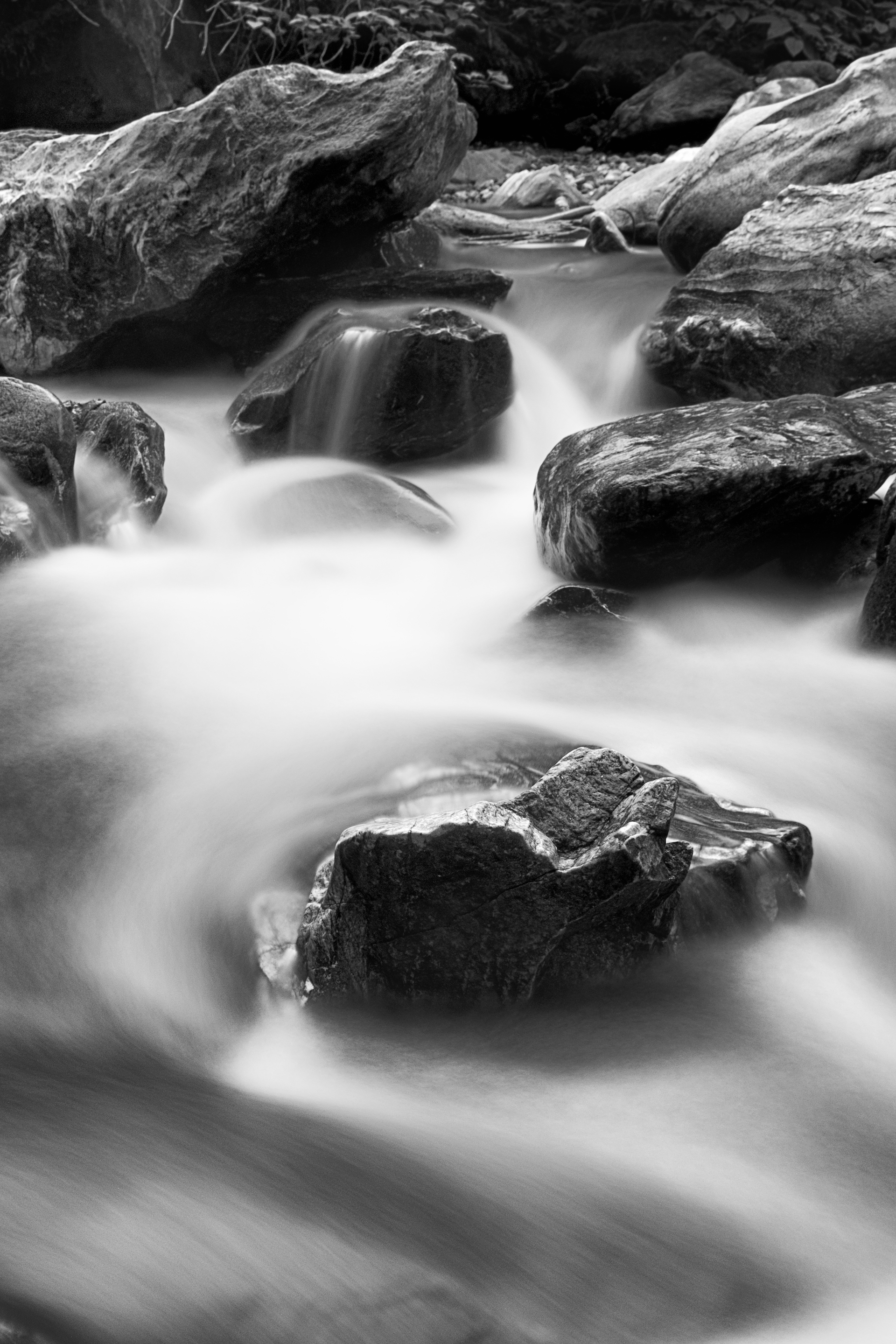
A neutral density filter is a clear, colourless, filter that reduces the intensity of all wavelengths, or colours of light, equally. It is usually a colorless (gray) filter that reduces the amount of light entering the lens. A photographer can select exposure combinations that would otherwise produce overexposed pictures. Using a ND filter allows a photographer to achieve a very shallow depth of field, or motion blur.

I’ll begin by saying quality ND filters have always been expensive. During the days of film, the exposure you made was the exposure you got. And when one used colour film one didn’t get a second chance if there was a colour shift, usually a purple cast, with less expensive filters. Some cheap filters weren’t all that sharp either.

I thought about that when during a workshop the leader loaned me a couple Lee filters (over a hundred dollars each) to try on long exposures of the waterfall we were photographing. He indicated if I were to order through him I could get a discount.

I’d already spent a bundle on costs including travel and lodging, and owned ND filters that worked well so I passed on the deal and came home thinking about maybe a future purchase.

My memory of ND filter problems were from the time of film. Film has a permanence that data files created in our modern digital camera don’t have.

Colour balance in film means colour correction filters. Where as, with digital I mostly leave my camera on auto white balance, and fix any shift when I open my RAW files in Photoshop.

A photographer could somewhat help a soft image when shooting black and white film by increasing the contrast, but with colour it was permanent. Nowadays, we have a number of software possibilities that can almost (well, almost) fix a not-quite-in-focus image.

With all that in mind I thought that unless I was making very large prints that those cheap ND filters might be usable. So I ordered several very inexpensive, no-name ND filters thinking the $60.00 or so I spent might be foolish, but I’d have some fun and discard them if they didn’t work.

I bought them, put them away and forgot about them. Then this past week as I sat looking at the overcast sky after a much-needed shower in the parched hills around my home, I decided to give those filters a try. I grabbed my camera, tripod, and the bag of filters, talked my wife into coming, and drove to a local waterfall.

The Chase Creek falls weren’t the raging torrent of spring or early summer. This year’s long, hot, dry spell has had an effect and capturing an exciting waterfall wasn’t possible. I tried a couple different angles, scrambling around the rocks and down to a now sandy shore, and then a group of young people came to splash in the cold water so I moved downstream in the creek. I was getting bored anyway and didn’t mind giving up my spot to those kids and their blanket.

Returning home, I loaded my RAW files in the computer, easily corrected the white balance, added contrast and sharpened the image in Photoshop.

My conclusion is those inexpensive ND filters are great if one is willing to shoot in RAW and make post-production corrections. I think an out-of-the-camera JPG would be disappointing.

I expect there will be opinions by experienced photographers who read this. However, the images look pretty good on my calibrated 30-inch Mac display screen. I haven’t made any prints, but I expect 8×10’s might be just fine, and if just sharing images on-line I think inexpensive ND filters will be fine.

I look forward to any comments. Thanks, John

My website is at www.enmanscamera.com
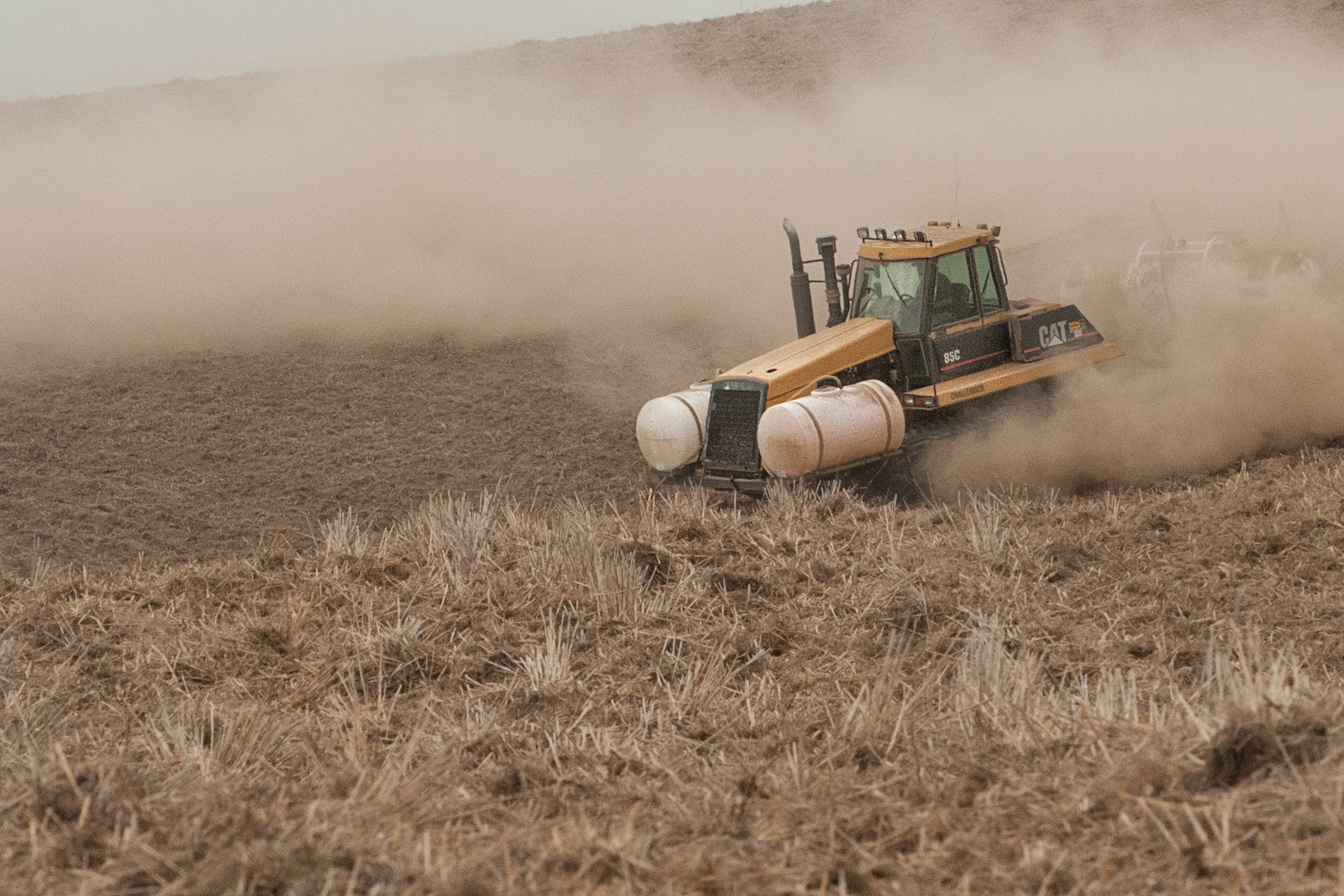
Anacortes, the Shipwreck Festival, and Photography

Welcome Seagull

Just waiting

Bargan hunters


What a crowd

Patriotic Hydrant

Fireman,armadillo,H2O bar

Red door

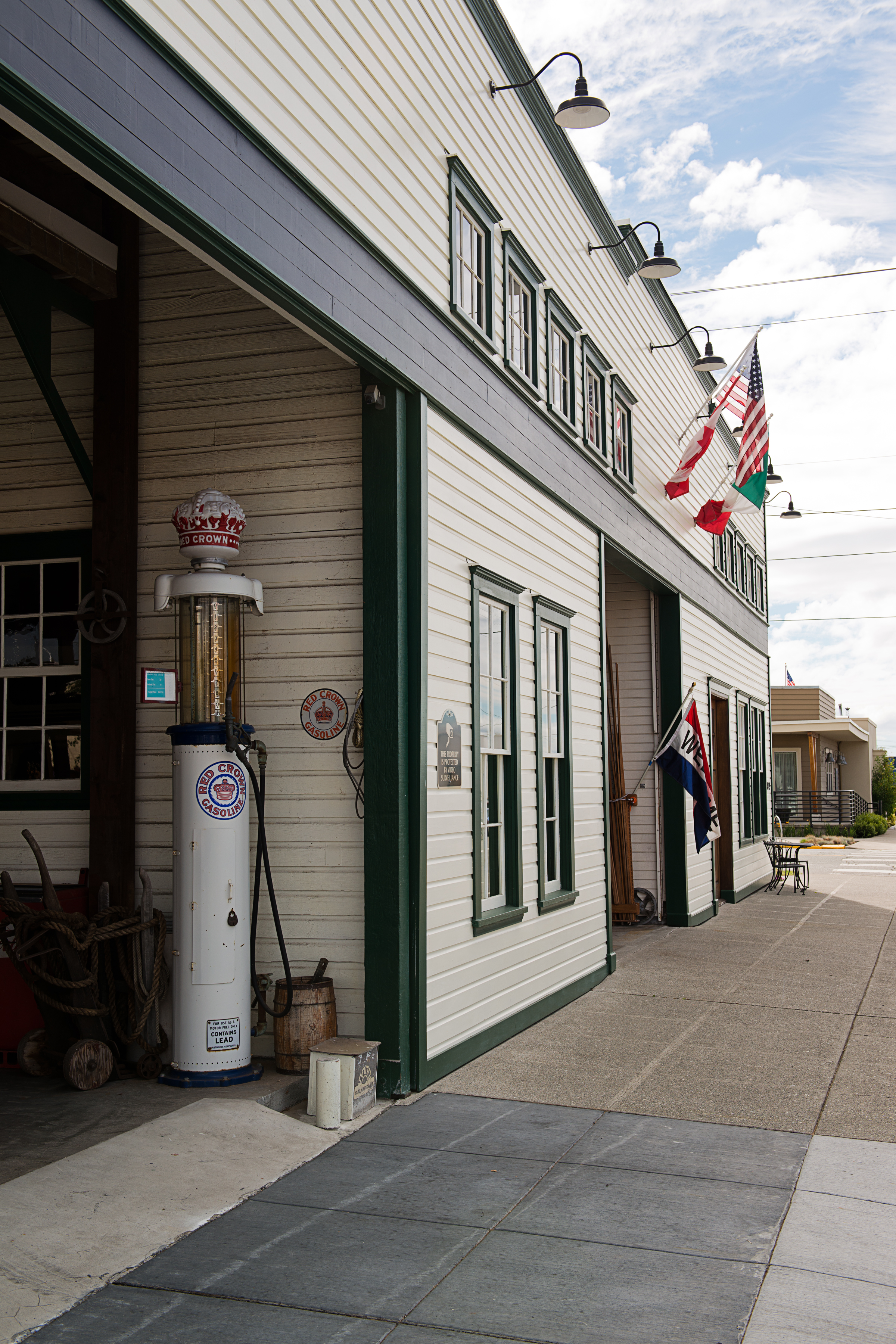
Red Crown gas

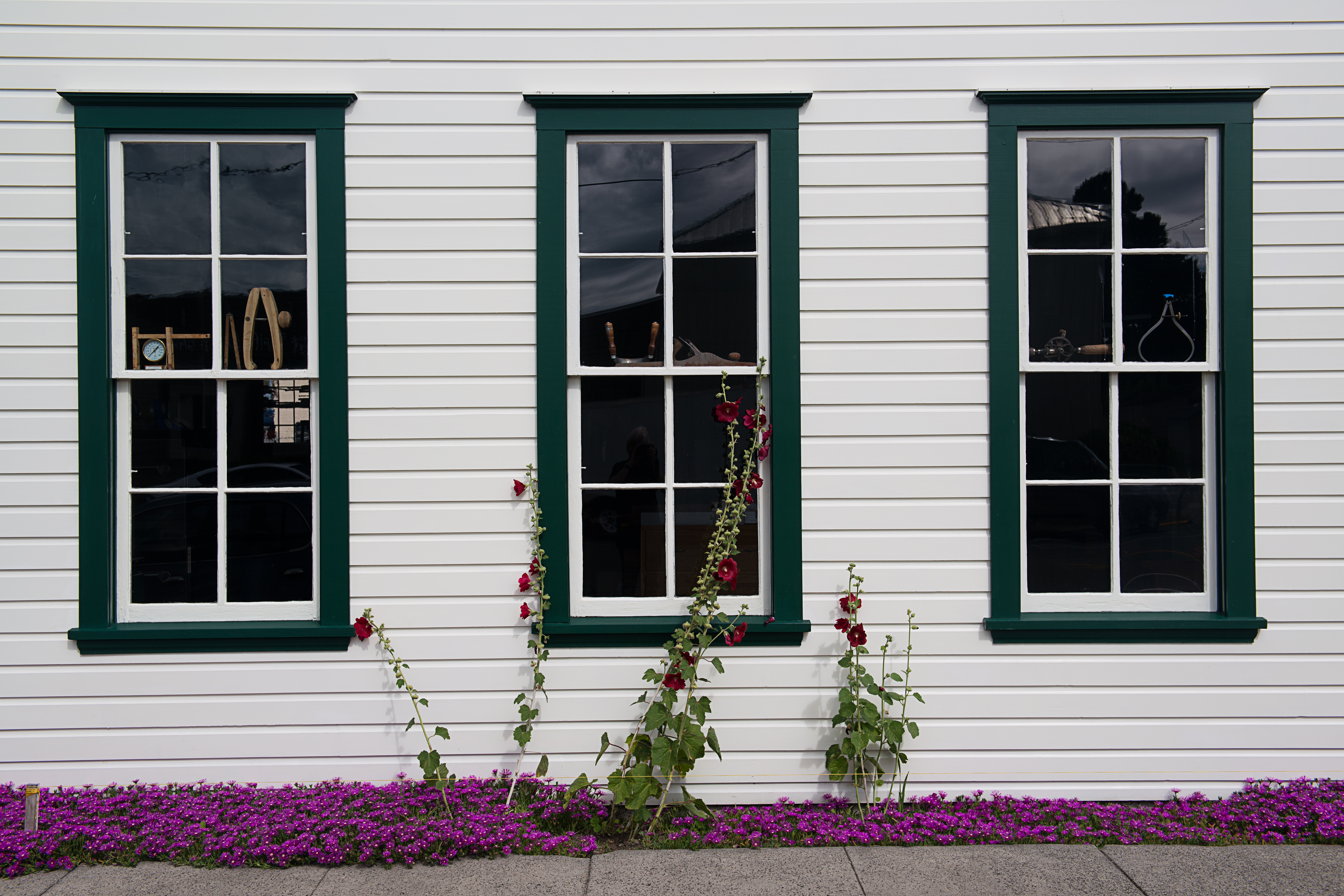
three windows

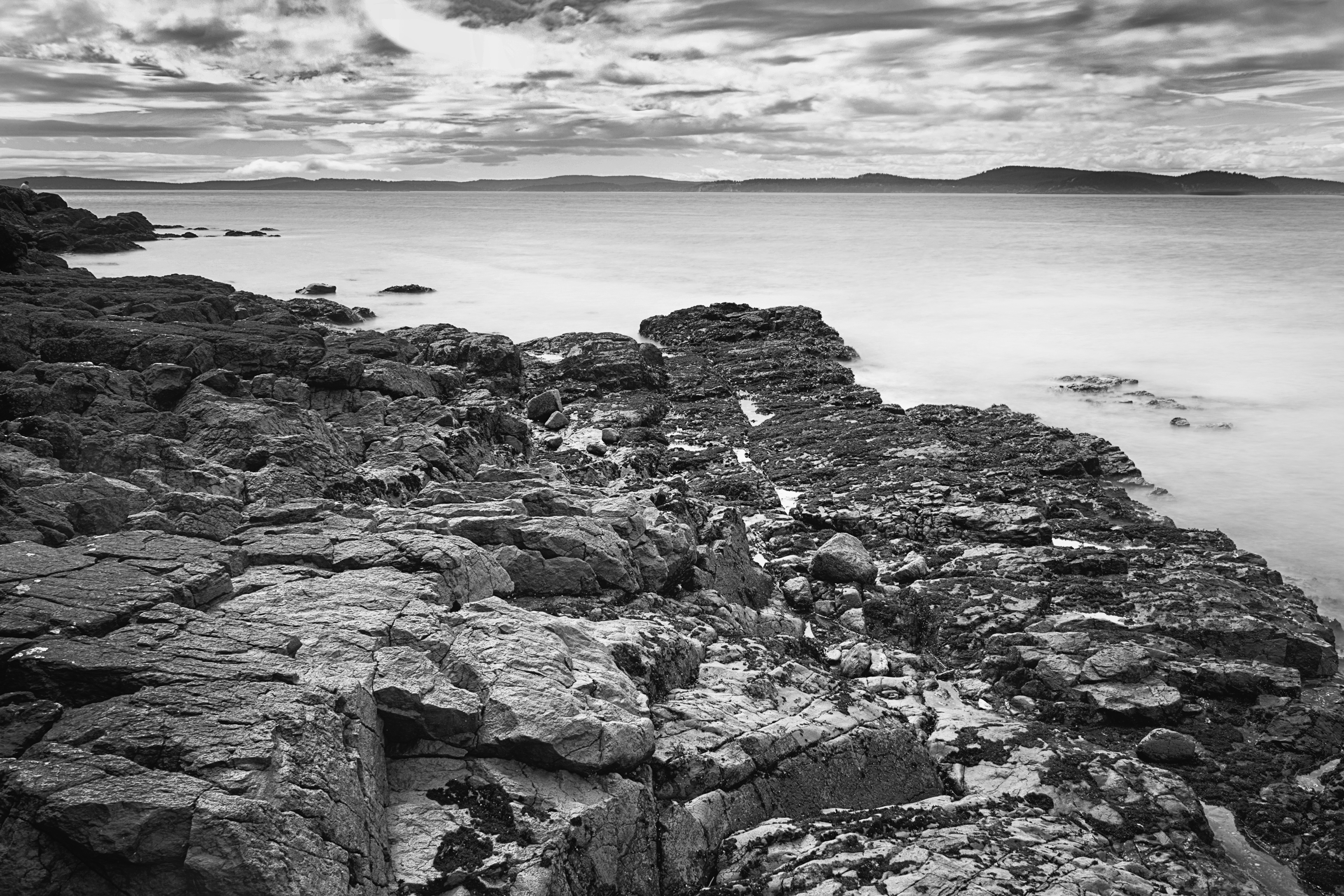
Calm ocean

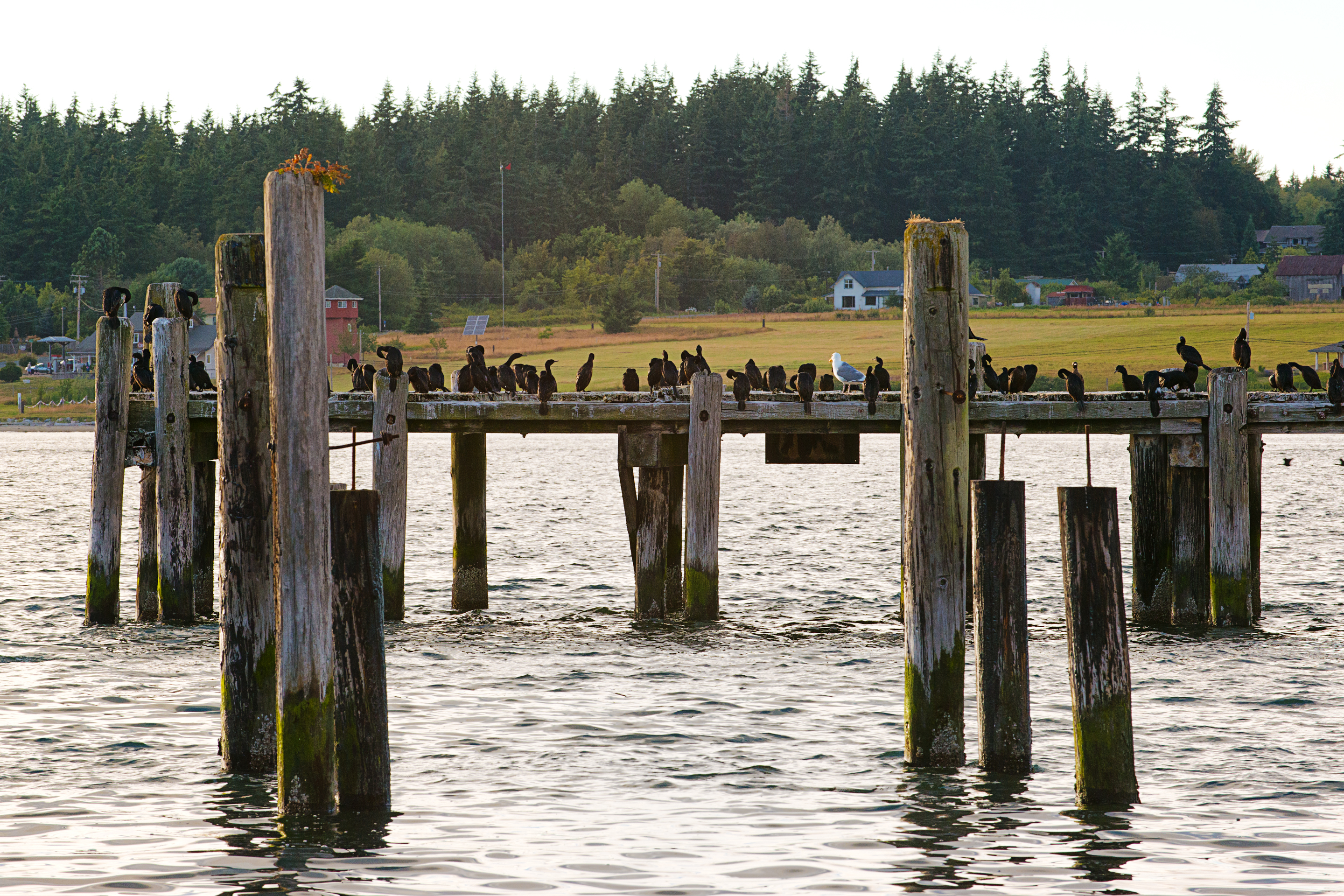
Cormorants

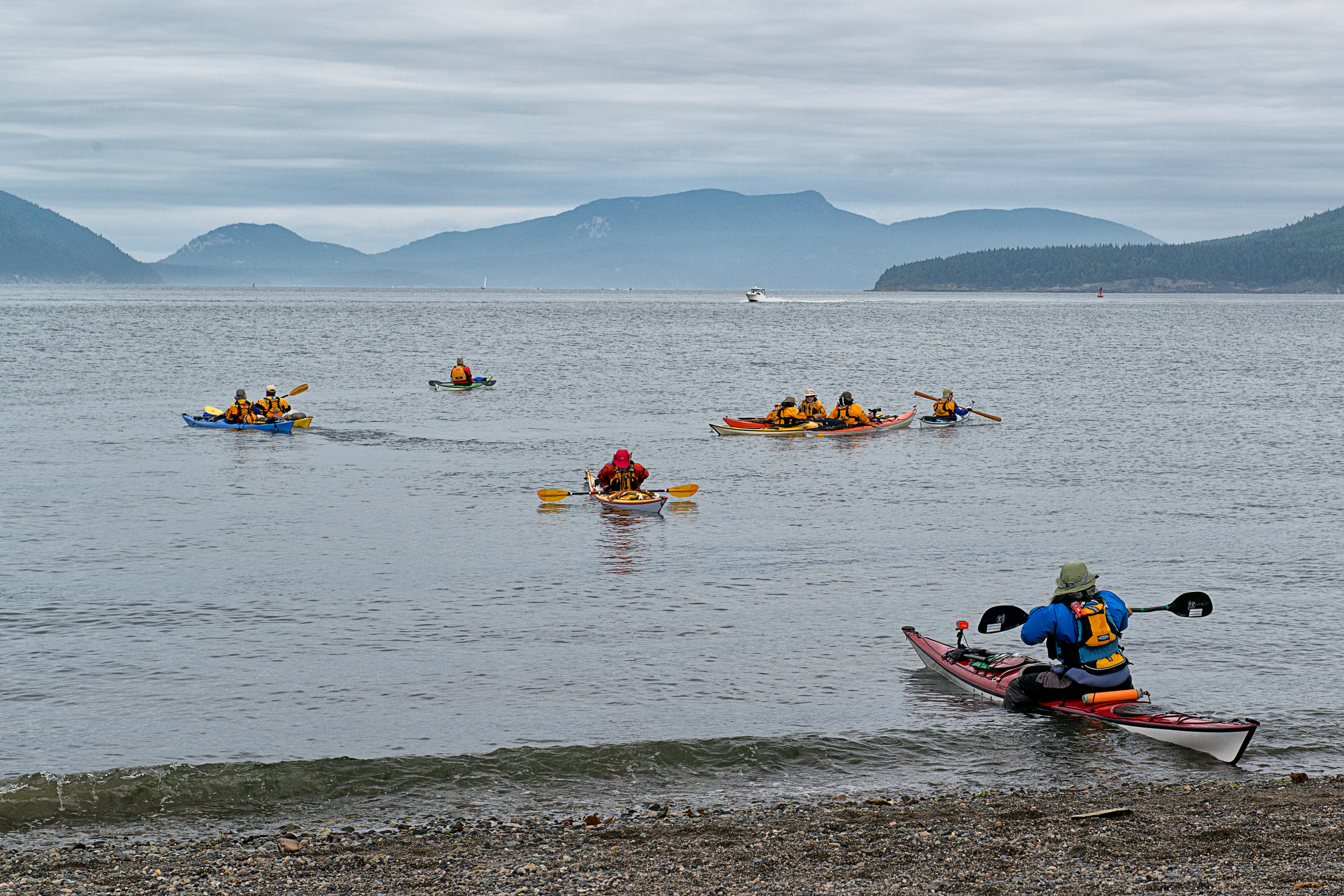
Kayaks away

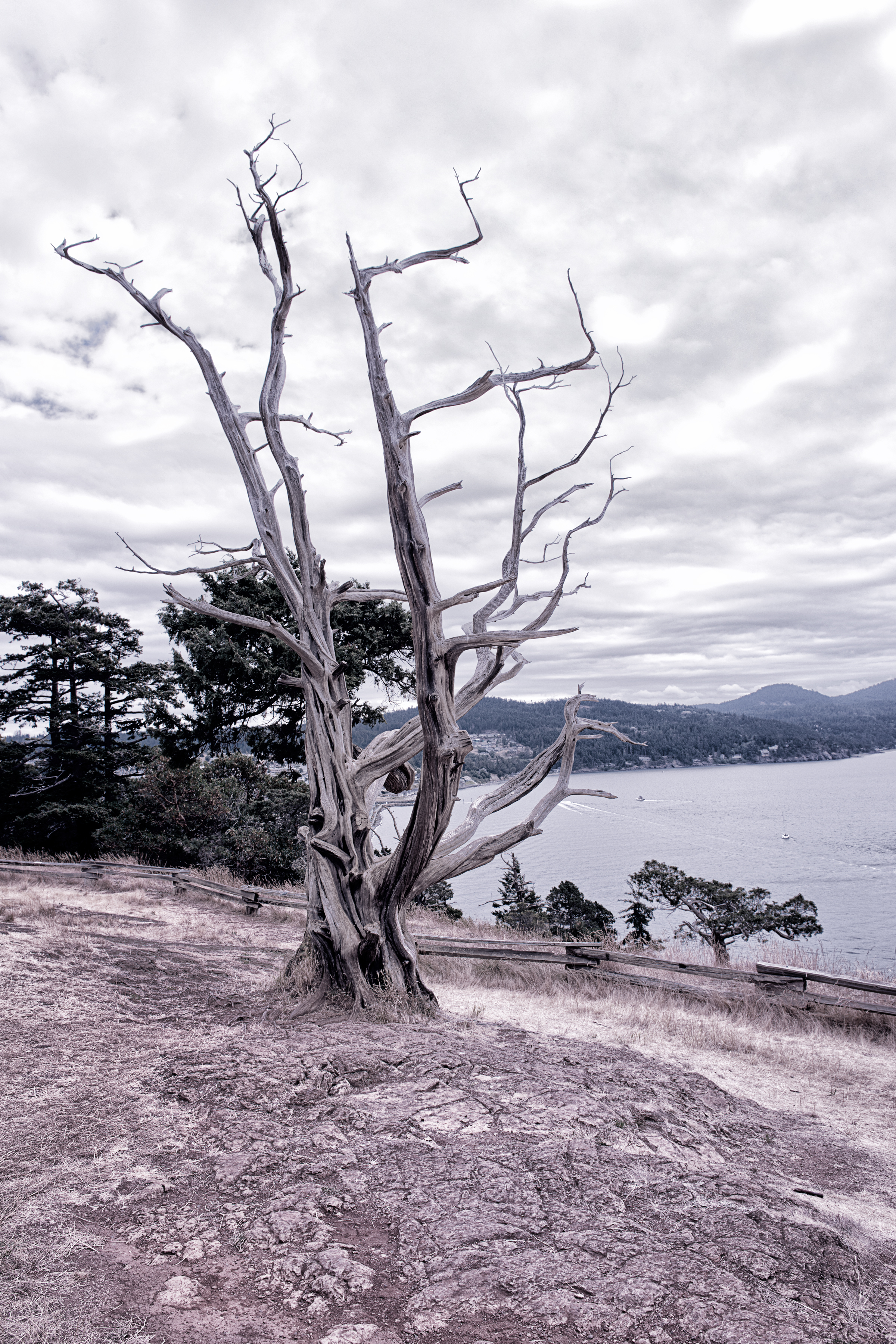
Tree at Washington park


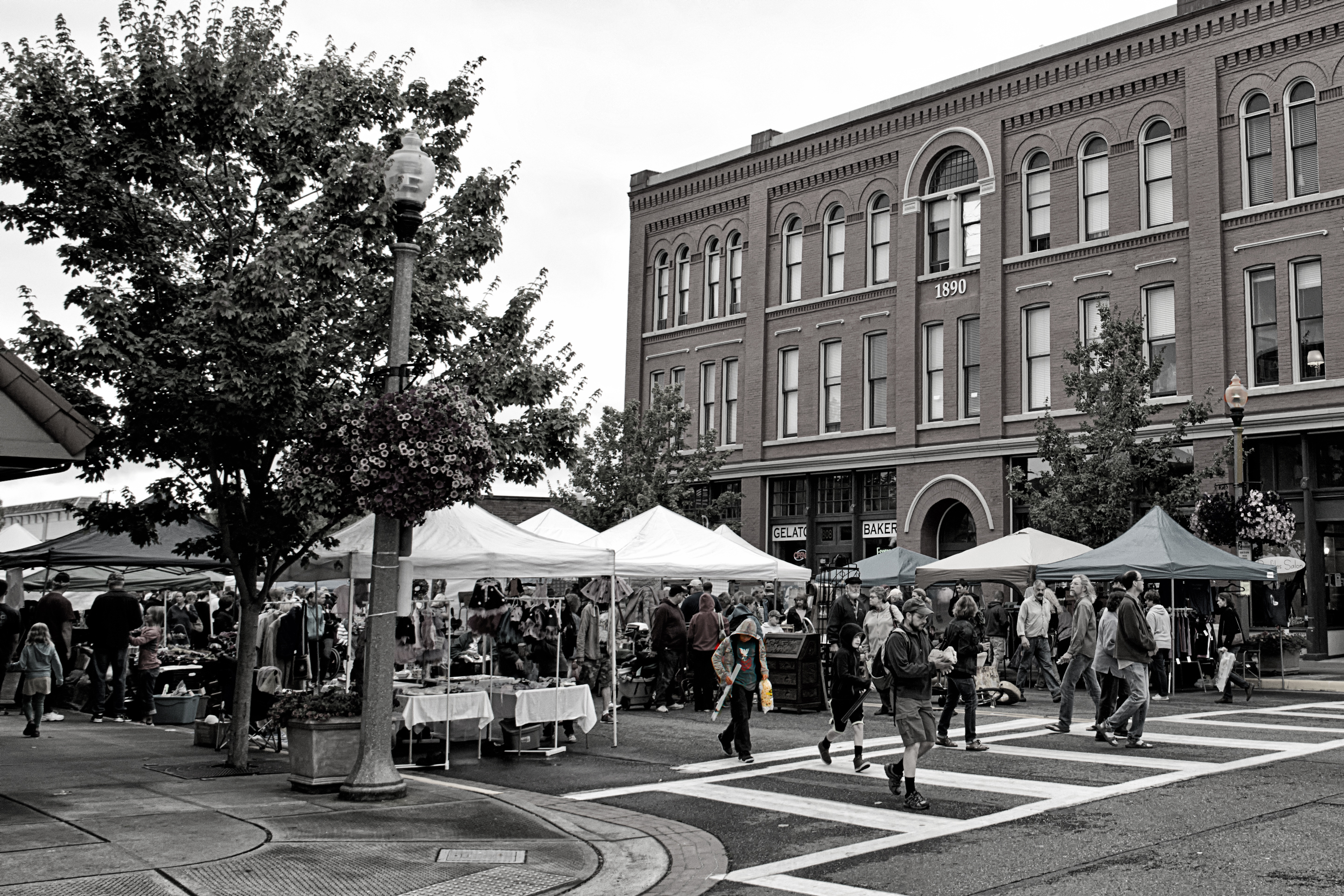
Any excuse I can find to visit the coastal town of Anacortes in Washington State is good. An easy four to five hour highway drive from my home in Pritchard to what is referred to as the homeport of the Pacific Northwest’s San Juan Islands, is the town of Anacortes and an annual event called the Shipwreck Festival.

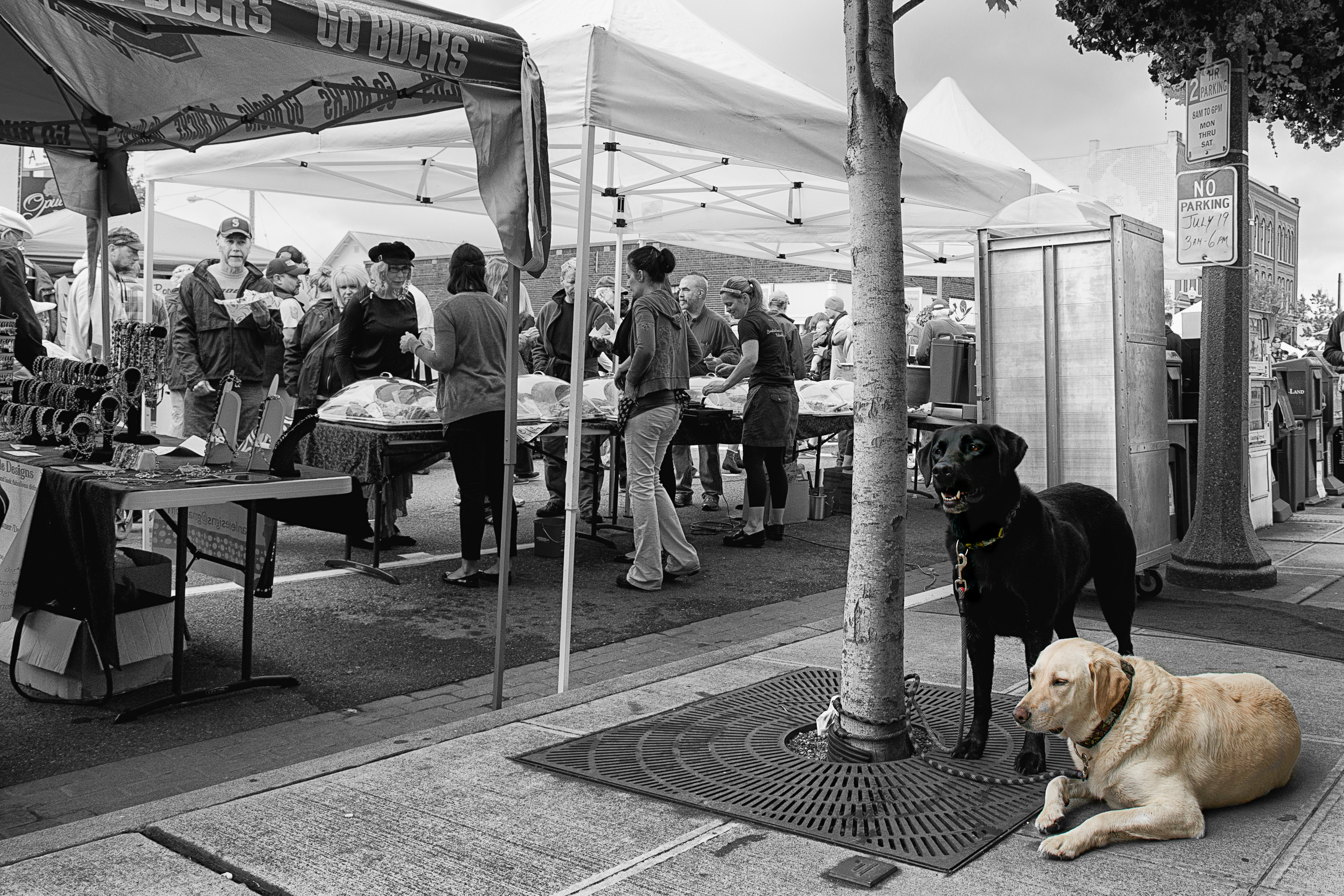
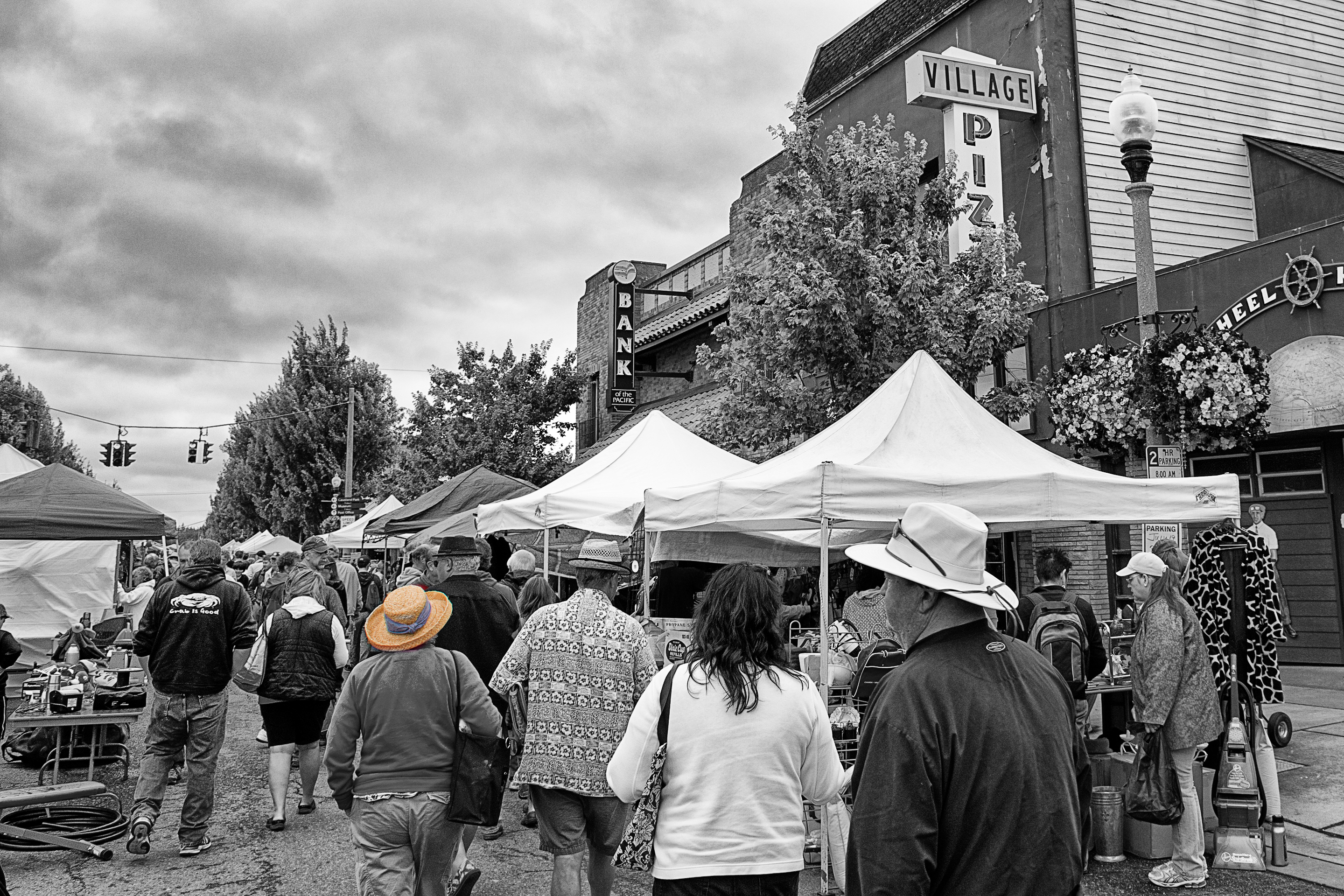
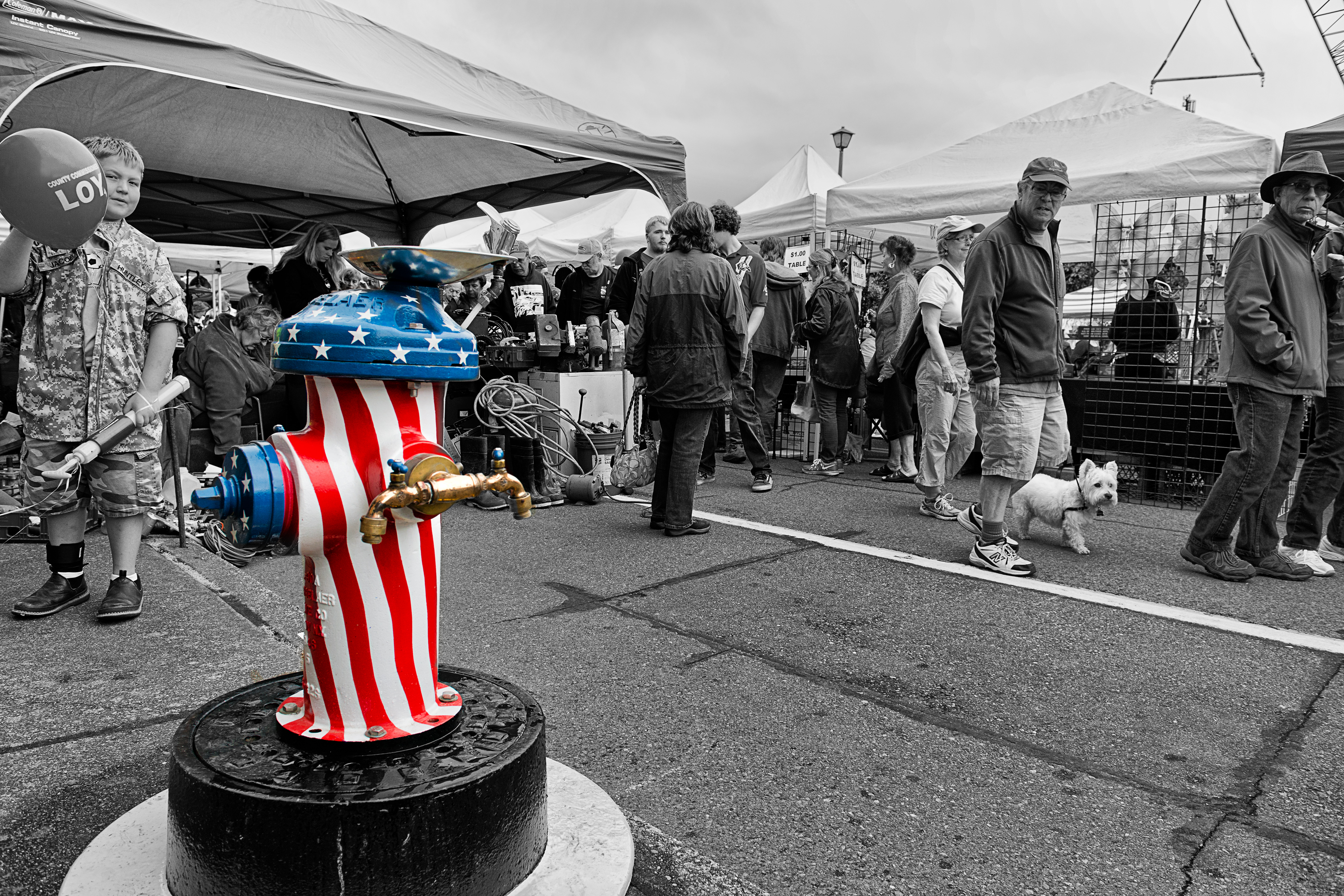
Since 1981, the Shipwreck Festival is actually a giant community garage sale that on the third weekend of July each year occupies about nine blocks of the town’s main street, offering, I suppose, “plunder” or “treasure,” which are the favorite local words from over 200 or more businesses, organizations, antique dealers, small vendors, and families for all the neat stuff they have for sale.

As I wrote, any excuse I have to visit Anacortes is good, and although my main goal is the photographic opportunities I can find in that old town’s architecture and the rugged coastline, I do enjoy wandering through the giant flea market while on my way and always, always meeting interesting people.

And this year was no exception. Just as I finished parking my car and was getting my camera out of its bag I chanced to meet, talk, and exchange emails with local photographer Dan Codd. Although we were both in a rush to get going, my wife and I to begin our journey into the street market and Codd to do some street photography, Codd (from what I can see online is prolific wildlife and scenic photographer) took the time to make some suggestions on places to photograph.

Later my wife Linda and I, met and had coffee with a couple that were spending the week sailing with a group on a very large two masted schooner. We talked about Anacortes, sailing and photography, and coincidently, they were named John and Linda.

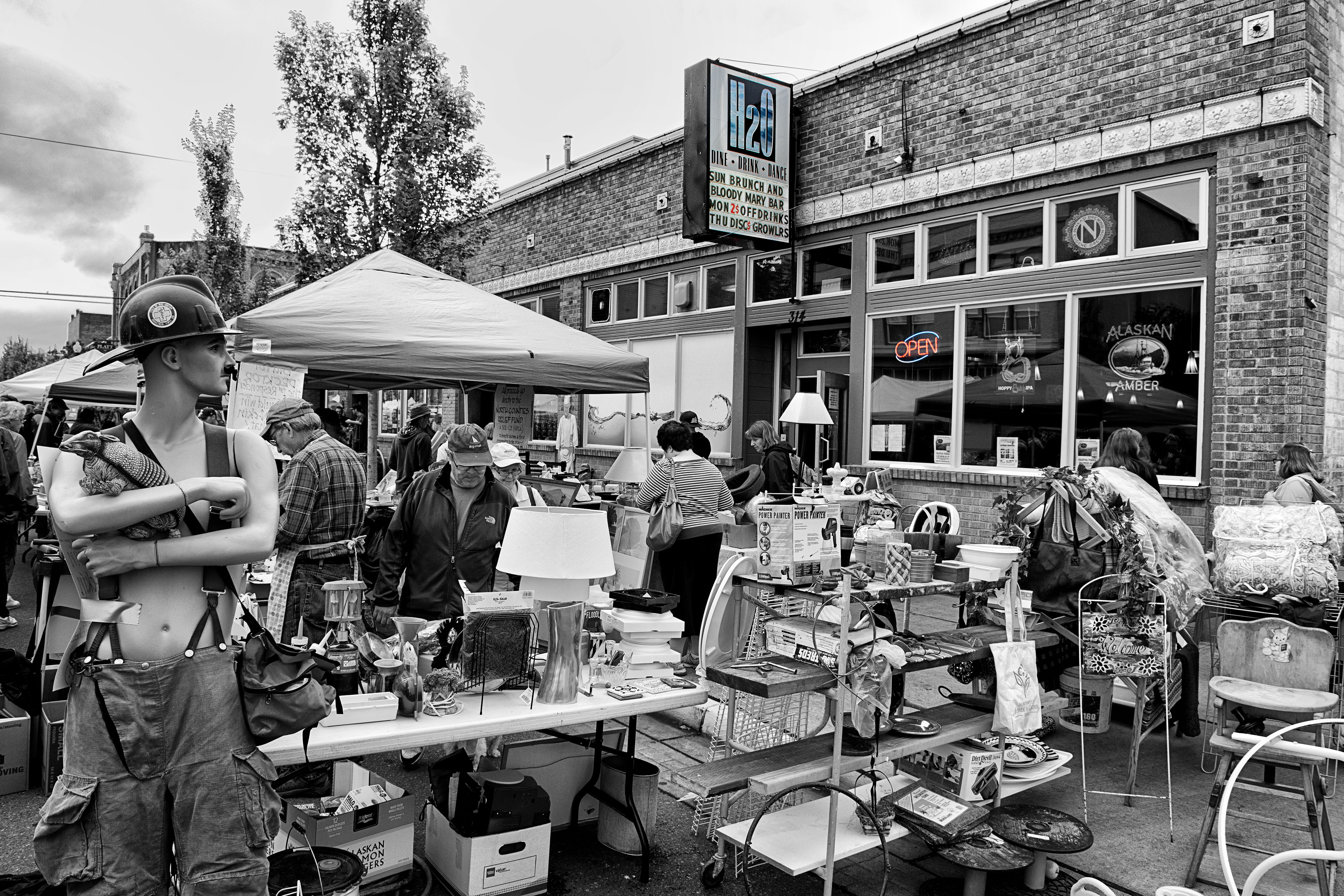
Upon arriving the first night we chanced on a downtown bar, “The H20,” and behold, they had live music. The place was packed, but a friendly waiter said, “Just wait”. And after a moment talking with the performers, “Curley Taylor and Zydeco Trouble”, who smiled from the stage area and waved, we moved to the front and sat at the table that had been set-aside for them. And naturally, later that evening, the lead singer, Mr. Taylor, slid in beside us to say hello.

I have to say a that late night at the bar and a day walking and poking through the street market tires a guy out, nevertheless, after a late lunch as my wife took a break back at the motel I grabbed my camera and headed out to prowl the alleys, marina, and eventually the rugged coast of the nearby Washington State park. I started out about at 3pm and got back when I began loosing the light several hours later.

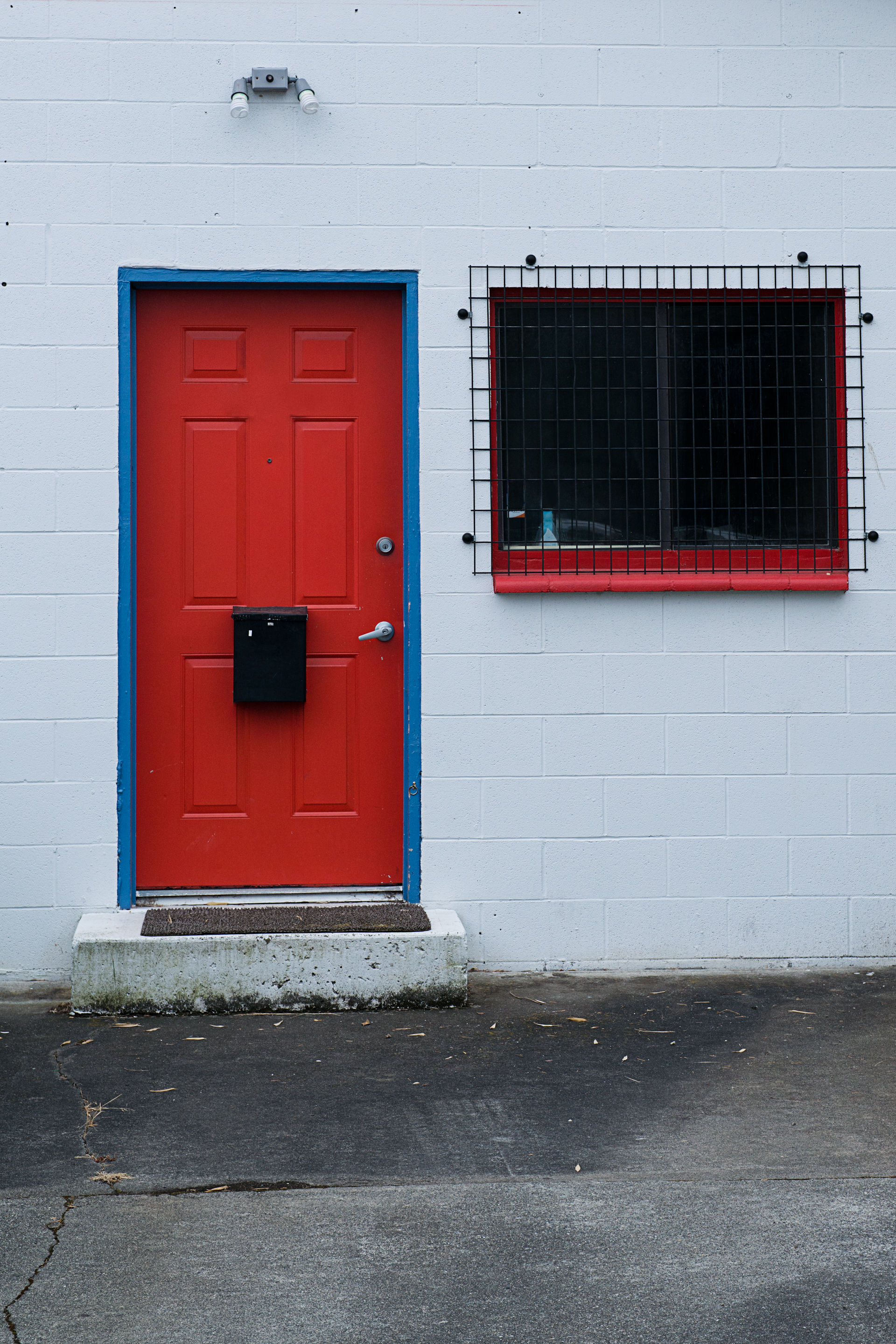
This was not the first time I have strolled through the neighborhoods of Anacortes. I like the bright colours owners have painted their doors, windowsills and porches. Along the main streets there are many buildings still standing that I expect must be from the late 1920s or 1930s. There is a shipyard filled with large vessels, a boat filled marina and, just a short drive away, the wonderful rocky, and easily accessible coastline that surrounds the park, all just waiting for me to photograph.

This was the kind of vacation that I like – the opportunity to photograph, within less than a day’s drive to a completely different environment then the one I live in, a chance to meet new people, great seafood restaurants, and, I almost forgot, the Shipwreck Festival.

I like your comments. Thanks, John

My website is at www.enmanscamera.com
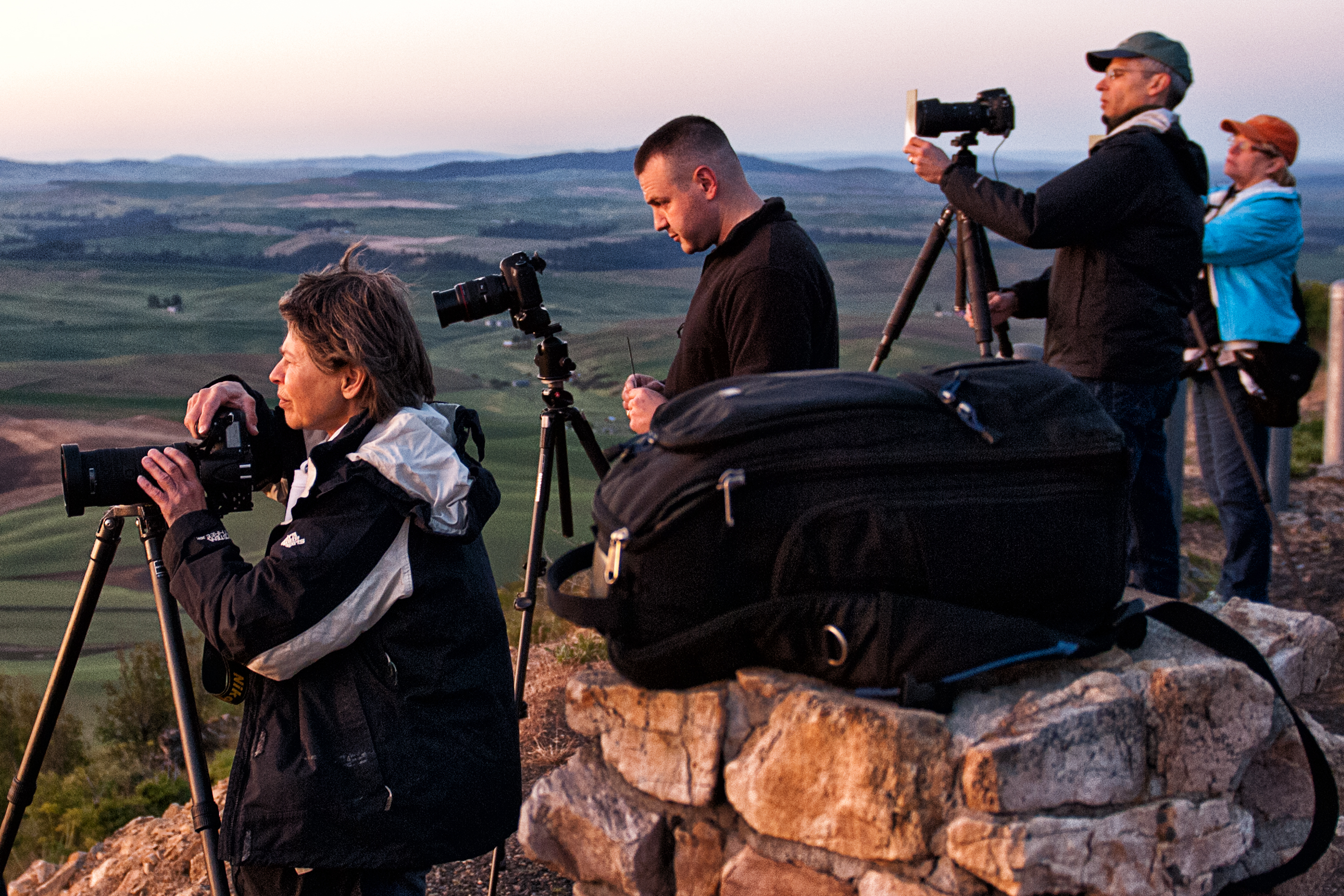
Photographing Rob’s and Camille’s Farm Wedding

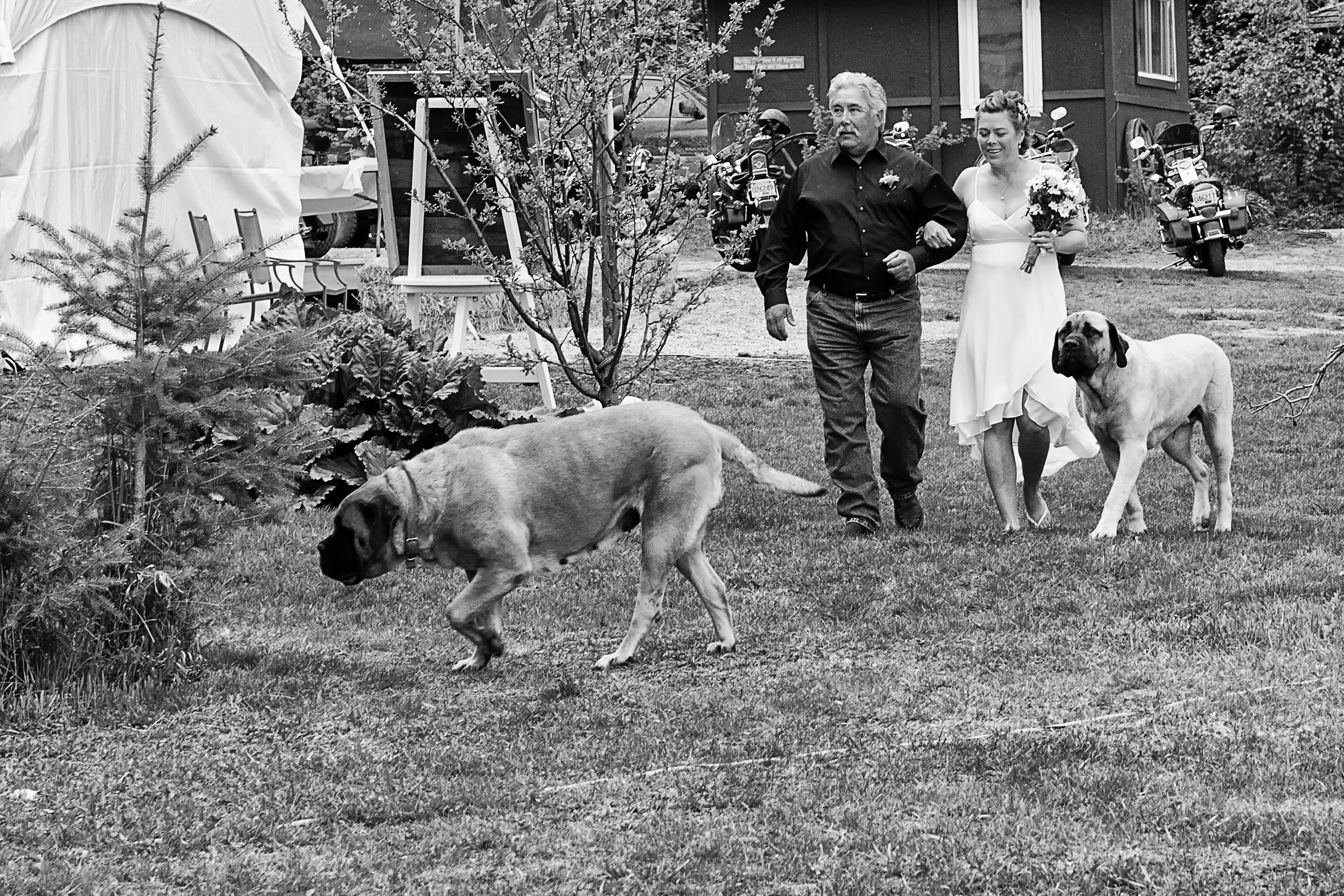
Bride and dogs

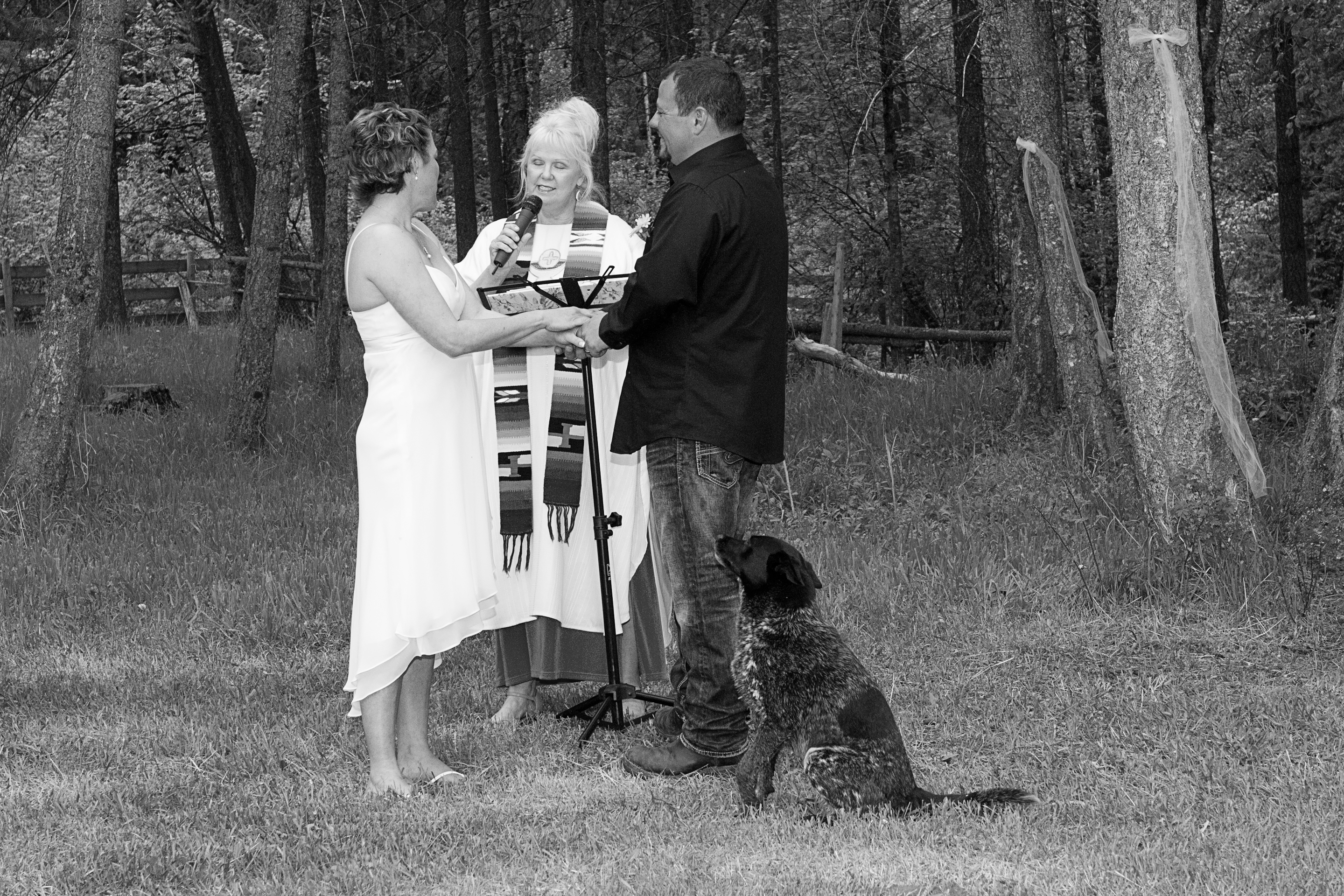
Exchanging rings

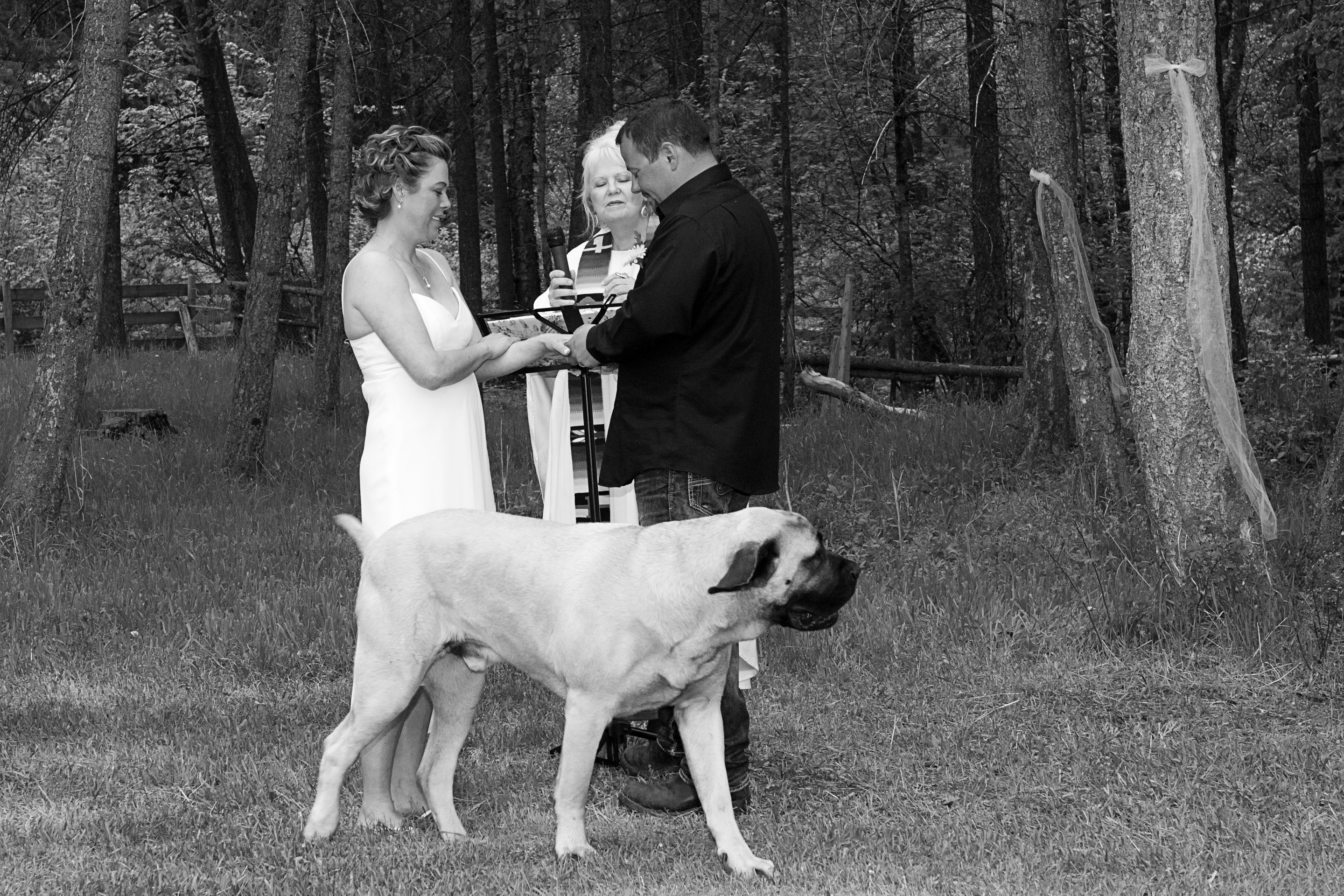
wedding vows with dog

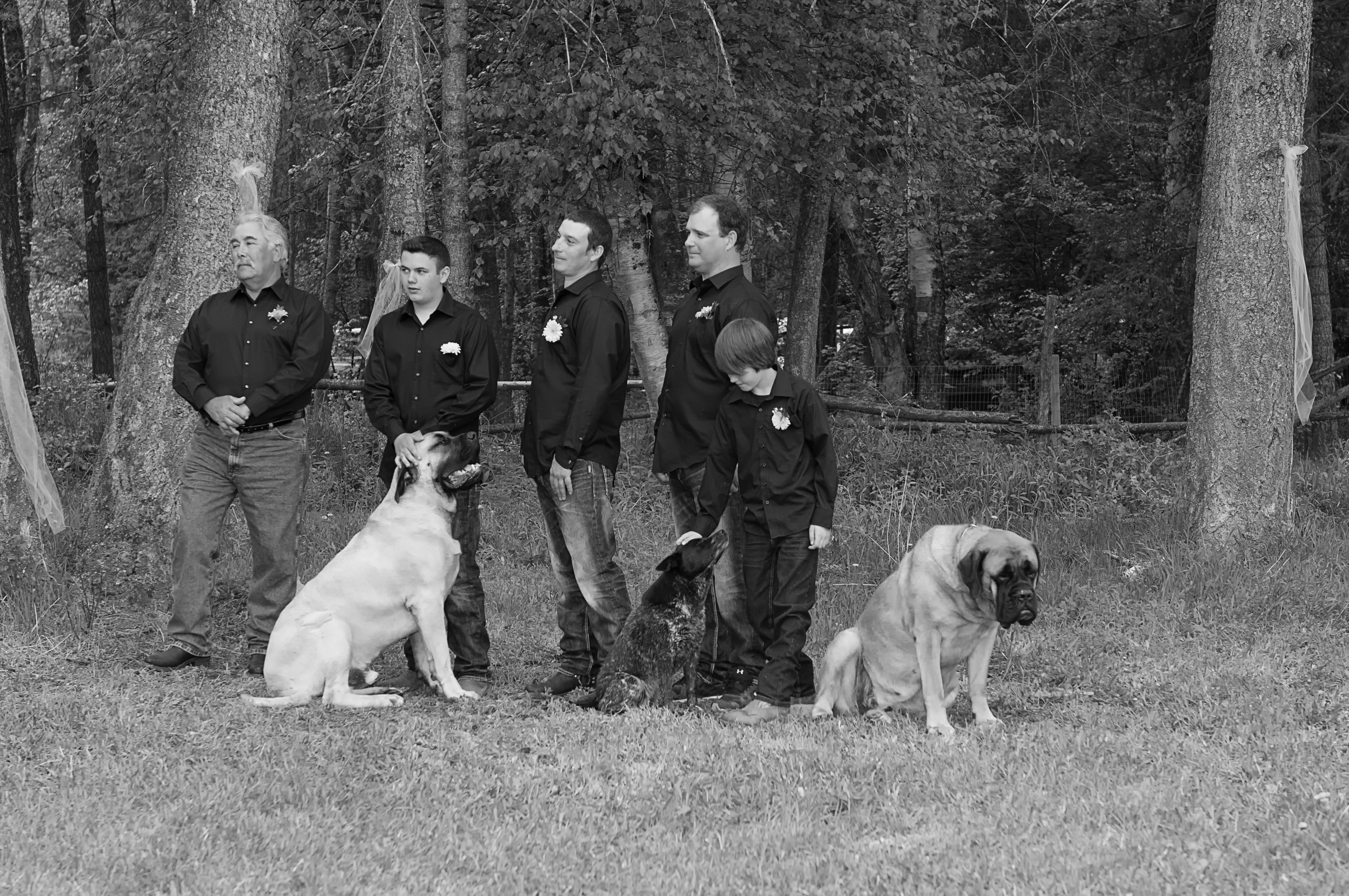
Groomsmen & Dogs

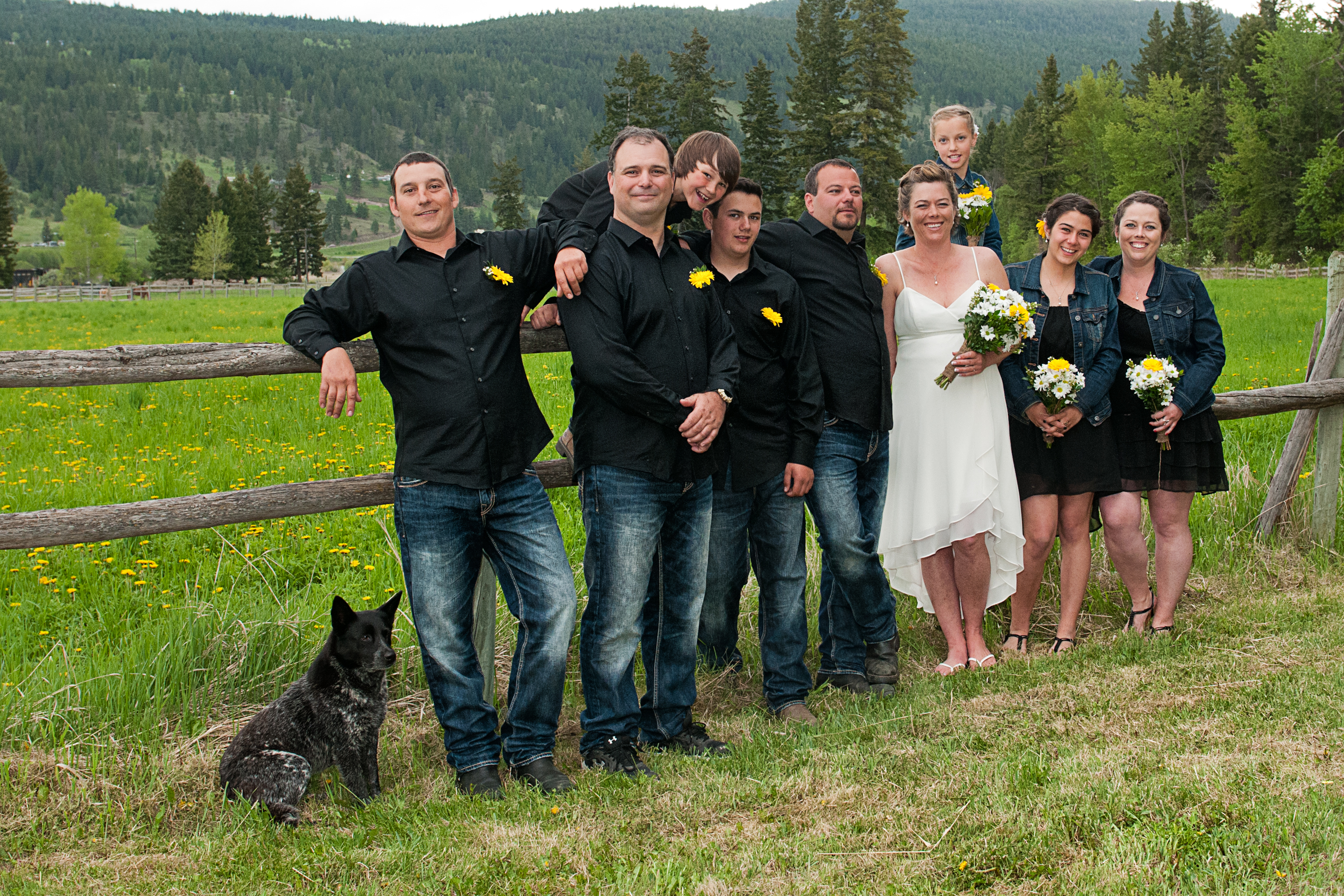
wedding party

Resting after the wedding


When Camille called and said, “Rob and I are getting married. Would you be our photographer?” I didn’t hesitate for a minute and replied, “Yes!” I think I added something like, “Its about time.” I knew it would be fun, relaxed, unusual, and I was absolutely sure they would be as non-traditional as possible.

These days I shy away from taking on the job of wedding photographer, only making myself available for those weddings that seem fun. I figure I have paid my dues when it comes to wedding photographer. It used to be that by spring I anticipated I’d be pointing my camera at excited couples every weekend till Thanksgiving. Those days are behind me and now I just pick and choose to photograph people I know or people that know people I know.

So I packed two camera bodies, a 24-70mm and a 70-200mm lens with a couple of flashes and set out for their rural farm down-the-road-a-piece from here at Monte Lake. I think they would have held the ceremony on the lake, but finding space between the boats, the trailers, and the campers this time of year is hard.

Rob had set up two large seating areas, one under a very large tarp and the other in an open-sided tent of the type the big stores use when they have a sale on furniture or something large. I said their wedding would be a fun, relaxed, unusual, non-traditional and will add that by the time I arrived the partying guests had spread out across much of the property.

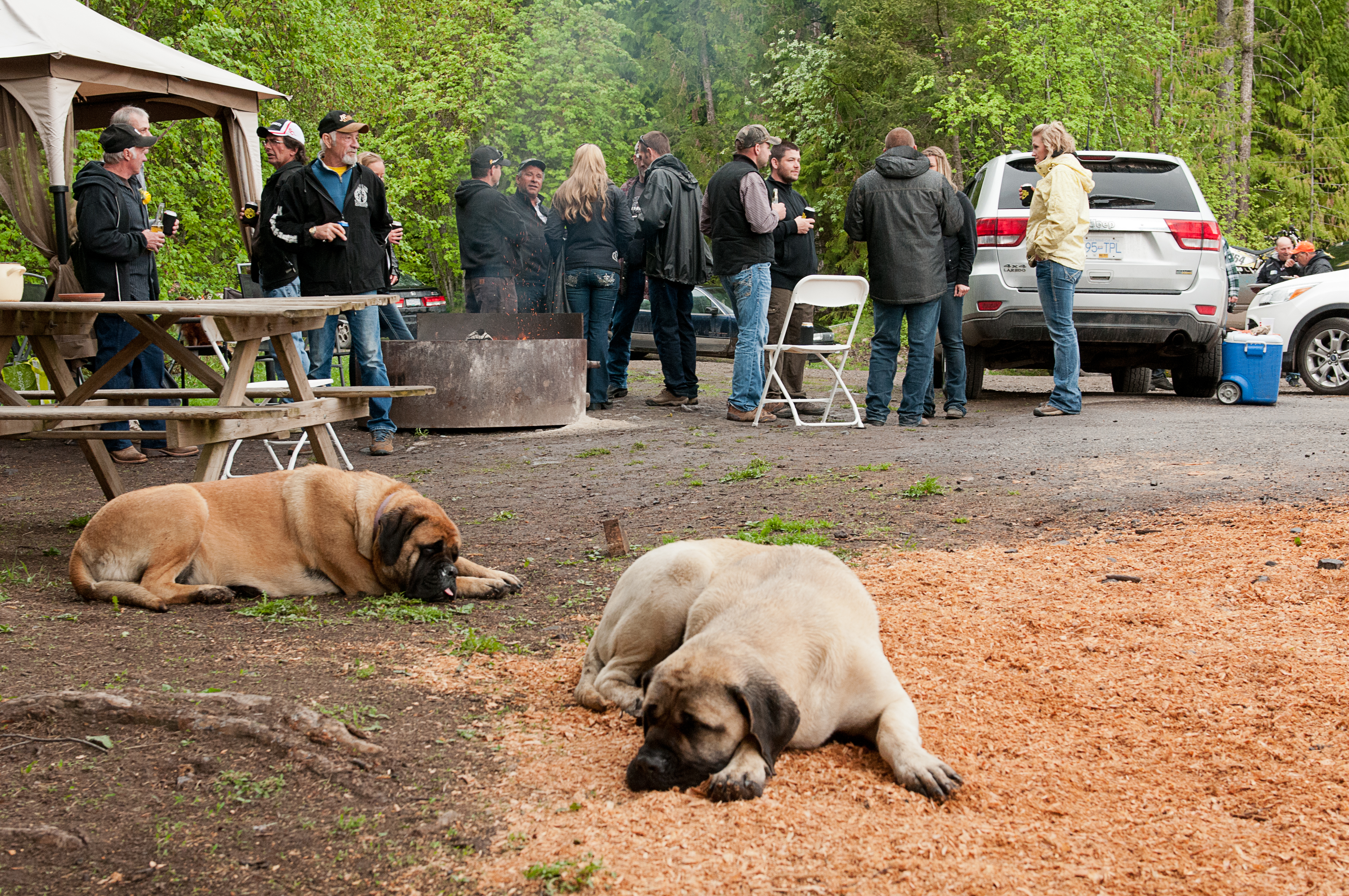
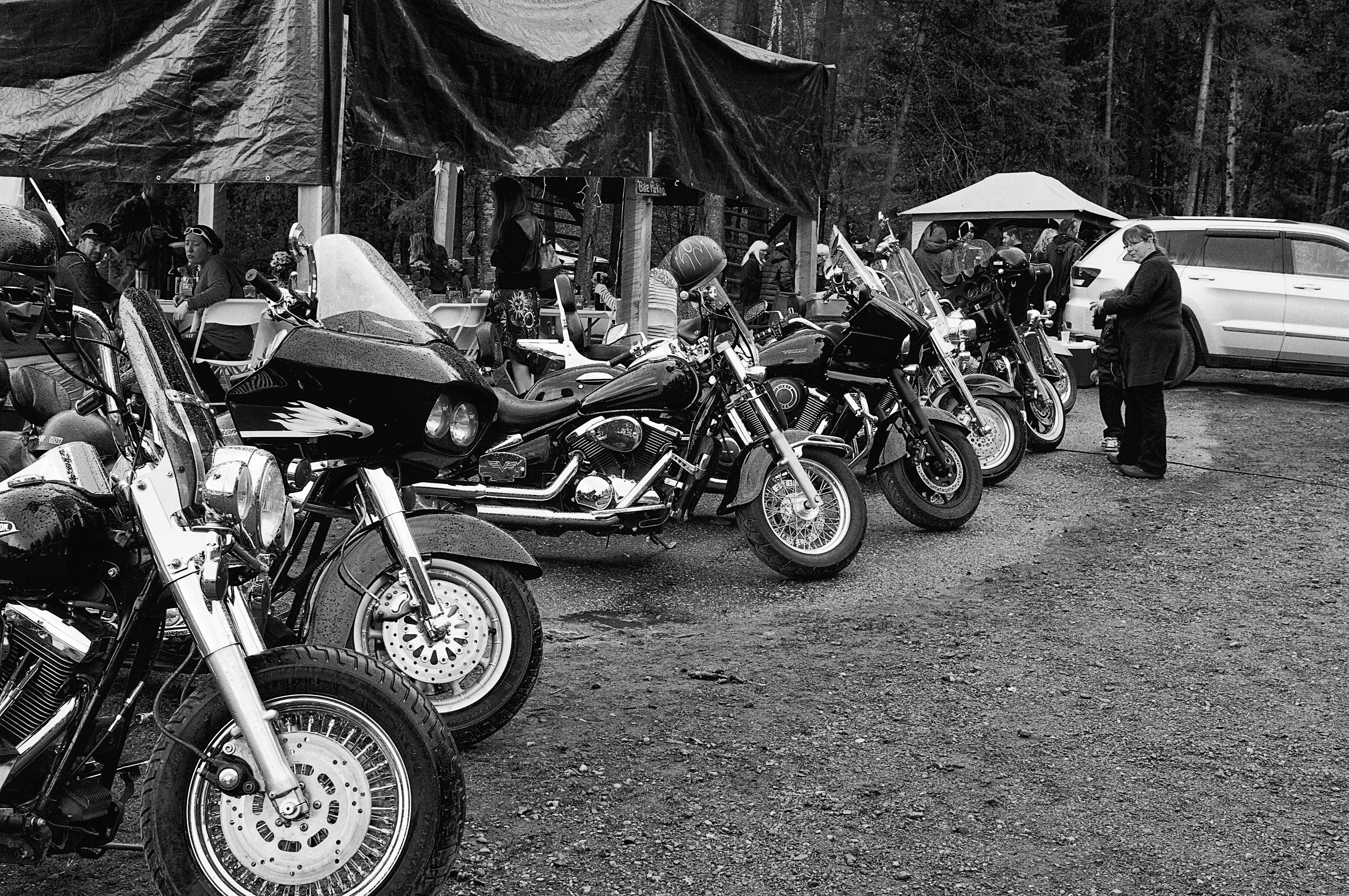
I’ll begin with all the shiny, big, loud-engined, large-tires with fancy rims kind of trucks with floorboards several feet off the ground that just kept rolling in honking and parking anywhere that wasn’t occupied by seemingly out-of-place cars like my little Honda, while at the same time Harley Davidson motorcycles were arriving and arriving. Add to that several very young drivers, zooming back and forth on quads, and little dirt bikes, greeting those guests as they got out of their trucks and off their motorcycles.

And dogs, I had to get around to the dogs. I knew Rob and Camille had four or five, but there were others running around and more waited for their owners to open their truck tailgates so they could join the festivities.

Several young men filled a horse-watering trough with beer, pop, bottled water, and ice. And as they arrived people would take food to tables in the center of a big truck garage. I would expect nothing different as Rob and Camille do like a party and all I had to do was point my camera any direction and watch the fun and enjoyment

As everyone walked though the meadow to rows of white chairs set up for ceremony, low clouds rolled in warning us all to beware of coming events with a sprinkle or two of rain and with the knowledge it was going to get darker, I selected ISO 800 on my camera. I also had an extra handkerchief ready in my pocket to wipe the rain off my camera and flash to keep it dry to prevent shorting the electronic circuits.

Weddings usually start the same. The guests sit in anticipation, with the groom at the front, waiting for the arrival of the bride. Then the bridesmaids come walking in, and the bride enters arm and arm with her father.

In Rob and Camille’s case, the groom was waiting at the front with his dog and the bride walked up with her father flanked by her two very large mastiffs and in the distance some horses and a calf watched. And folks this was unrehearsed. The dogs did what they did on their own.

Guests were capturing the event with their cell phones. I recalled a time when I had the only single lens reflex camera at a wedding. It seems history was repeating itself and technology has marched on and again I had the only SLR.

The wedding ceremony photographs included dogs. The minister; a “new age religion type” tried to keep everything solemn, speaking of love and commitment, but thanks to those very interested in being part of everything dogs, there was a lot of laughing.

I dialed down my flash (Readers know I always use flash.) to balance the diminishing light and shot the ceremony, dogs and all, did the obligatory family photos, and the bridal party leaning on a rail fence pictures. Then a cool breeze wandered in and the rain gods decided it was time to get things wet and opened the floodgates for the rain and the rest of my day was left to making a documentary of their friends at the party eating and getting wet by the bonfire.

The day at Rob and Camille’s was a perfect way to end the week. A great wedding with friendly and enjoyable people, a fun party, big shiny trucks and flashy motorcycles to look at, lots of animals and of course the kind of event any photographer would enjoy.

As always, I really appreciate all comments. Thanks, John

My website is at www.enmanscamera.com
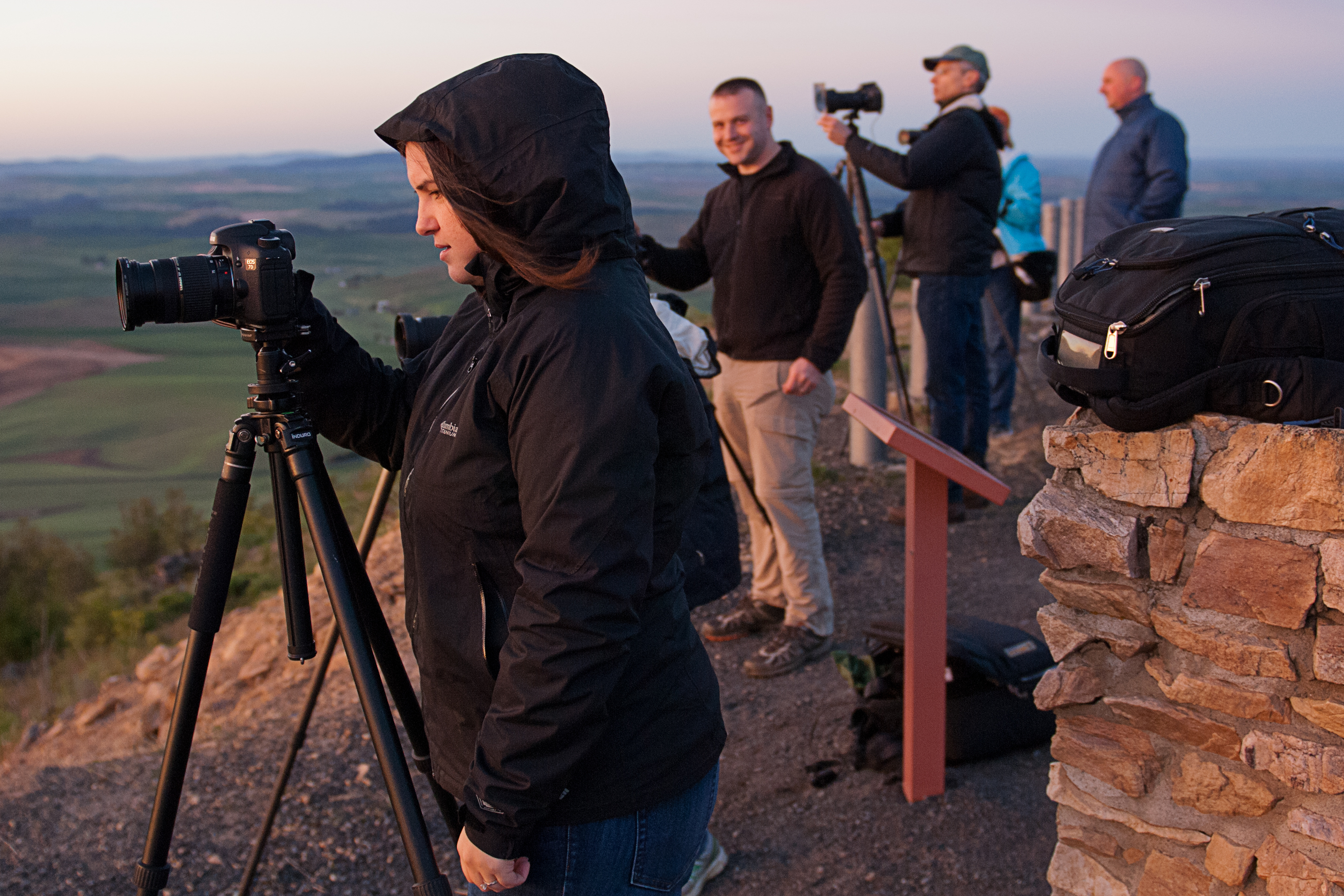


Vancouver Canada, Camera Show and Swap Meet

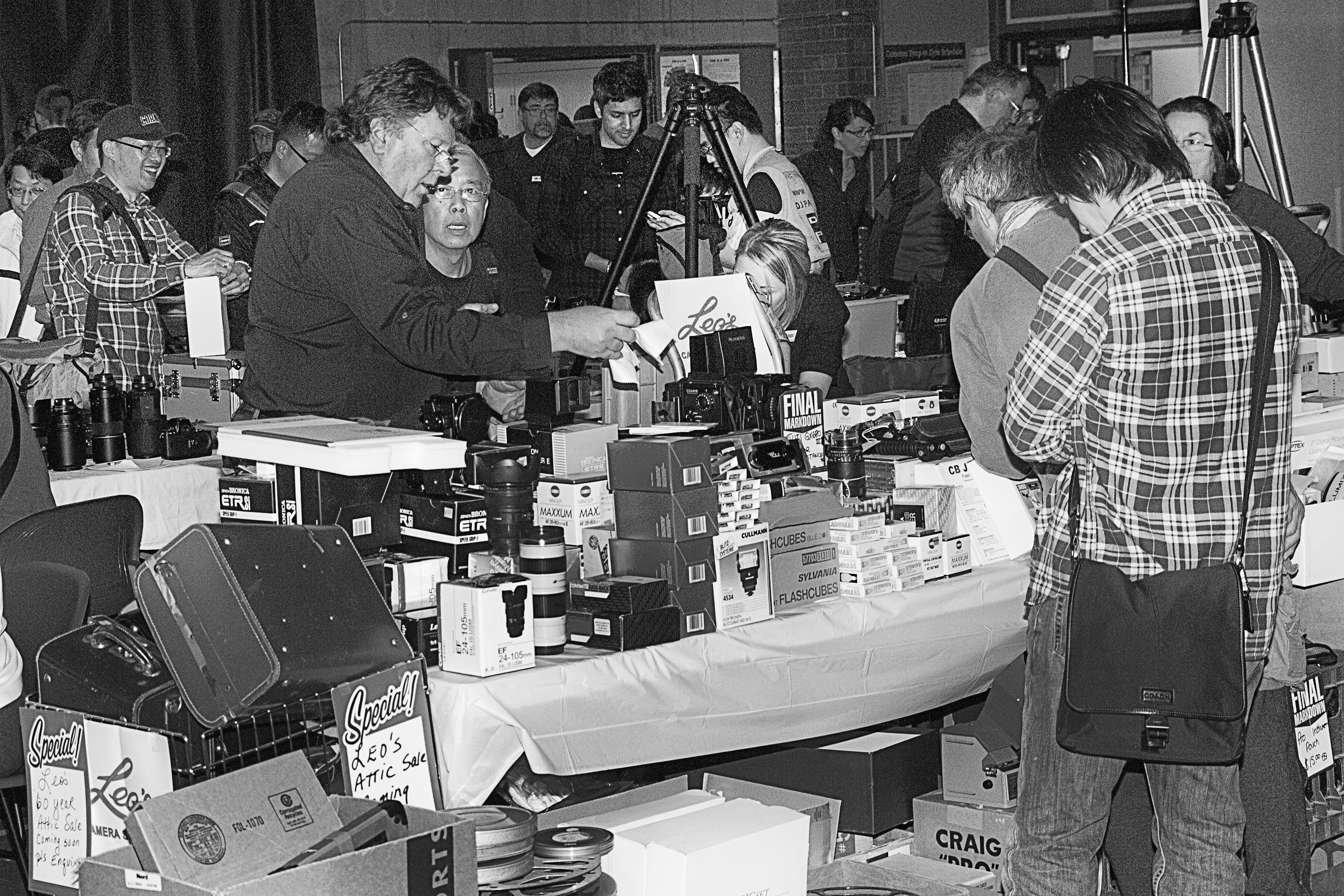
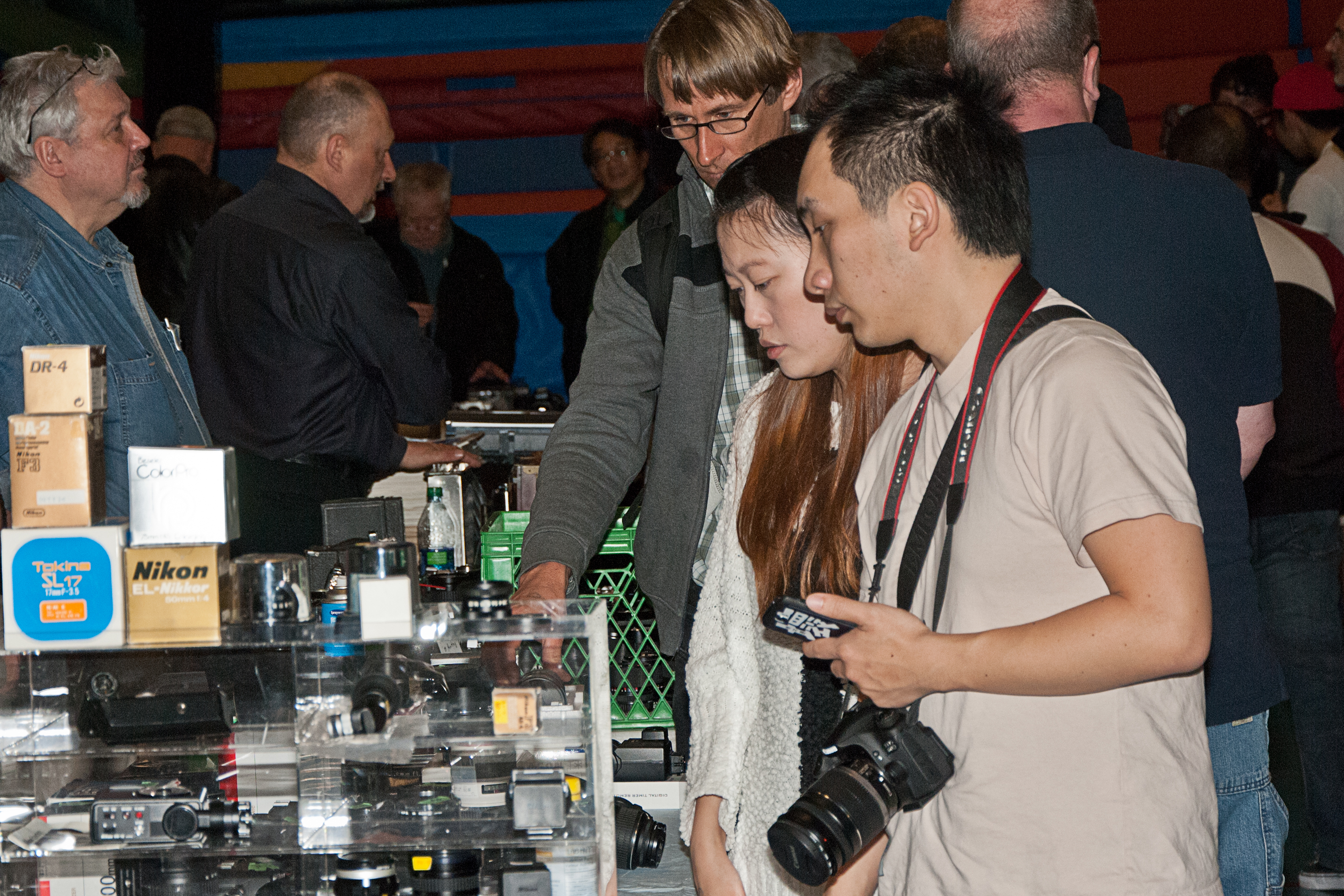
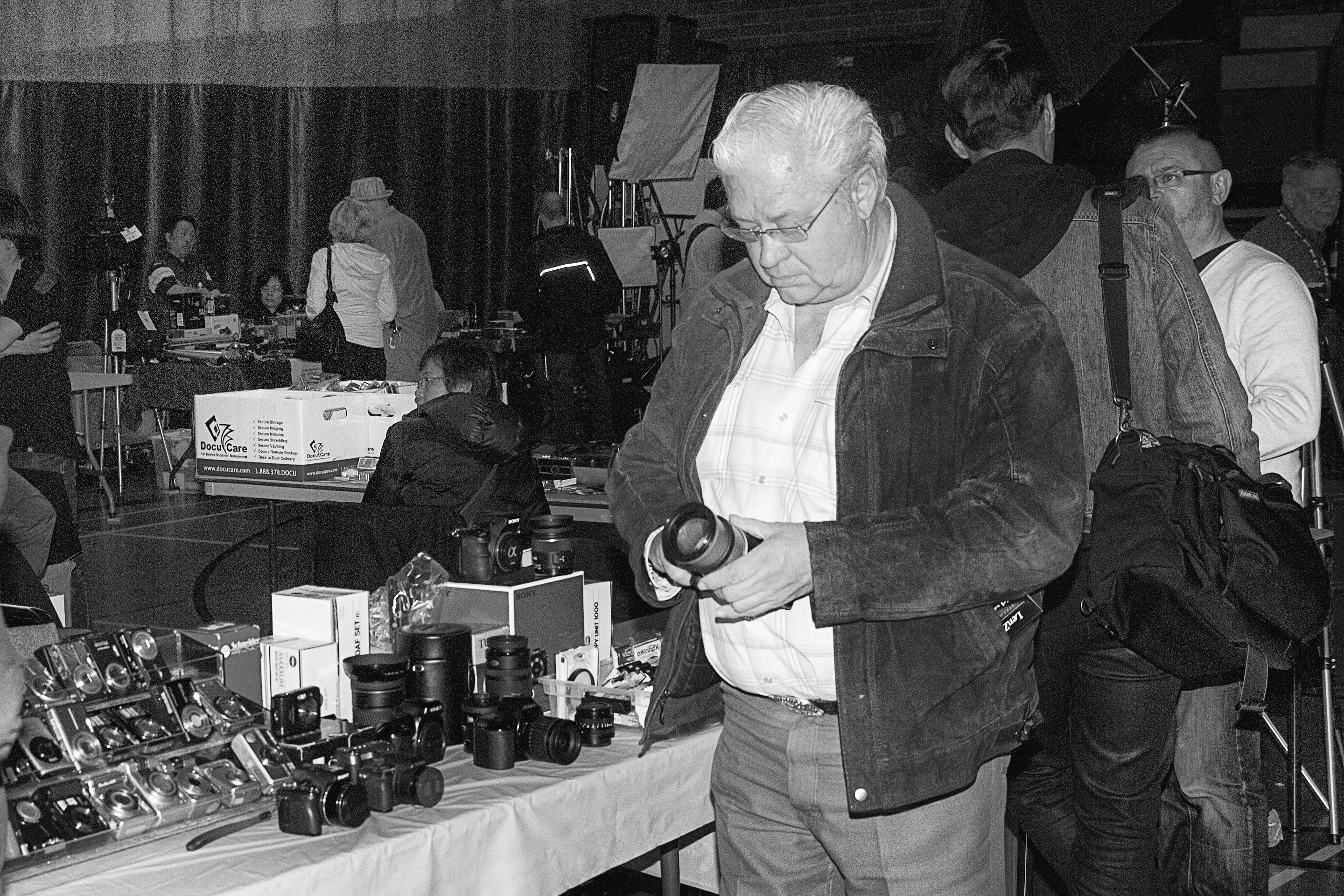
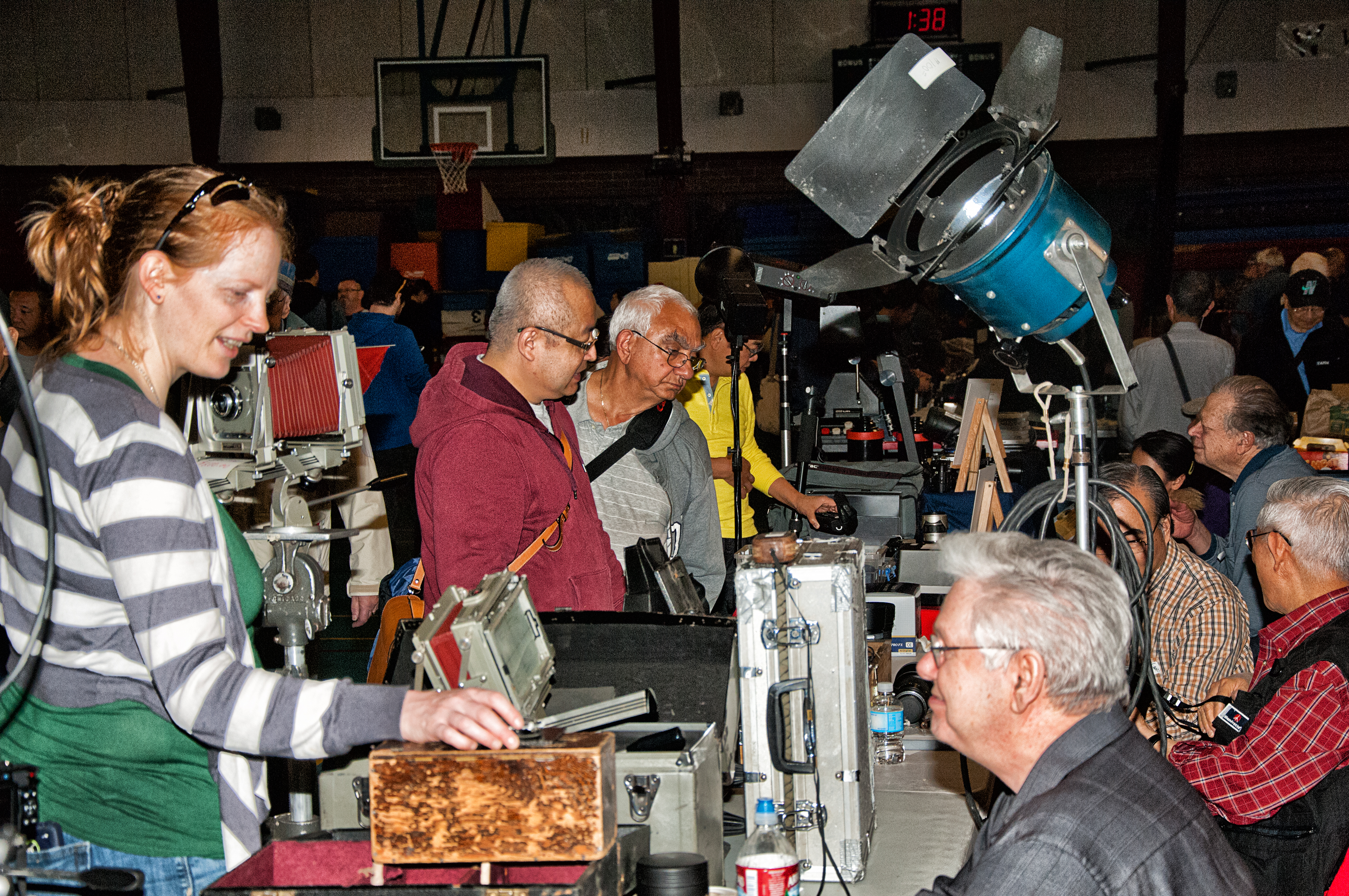
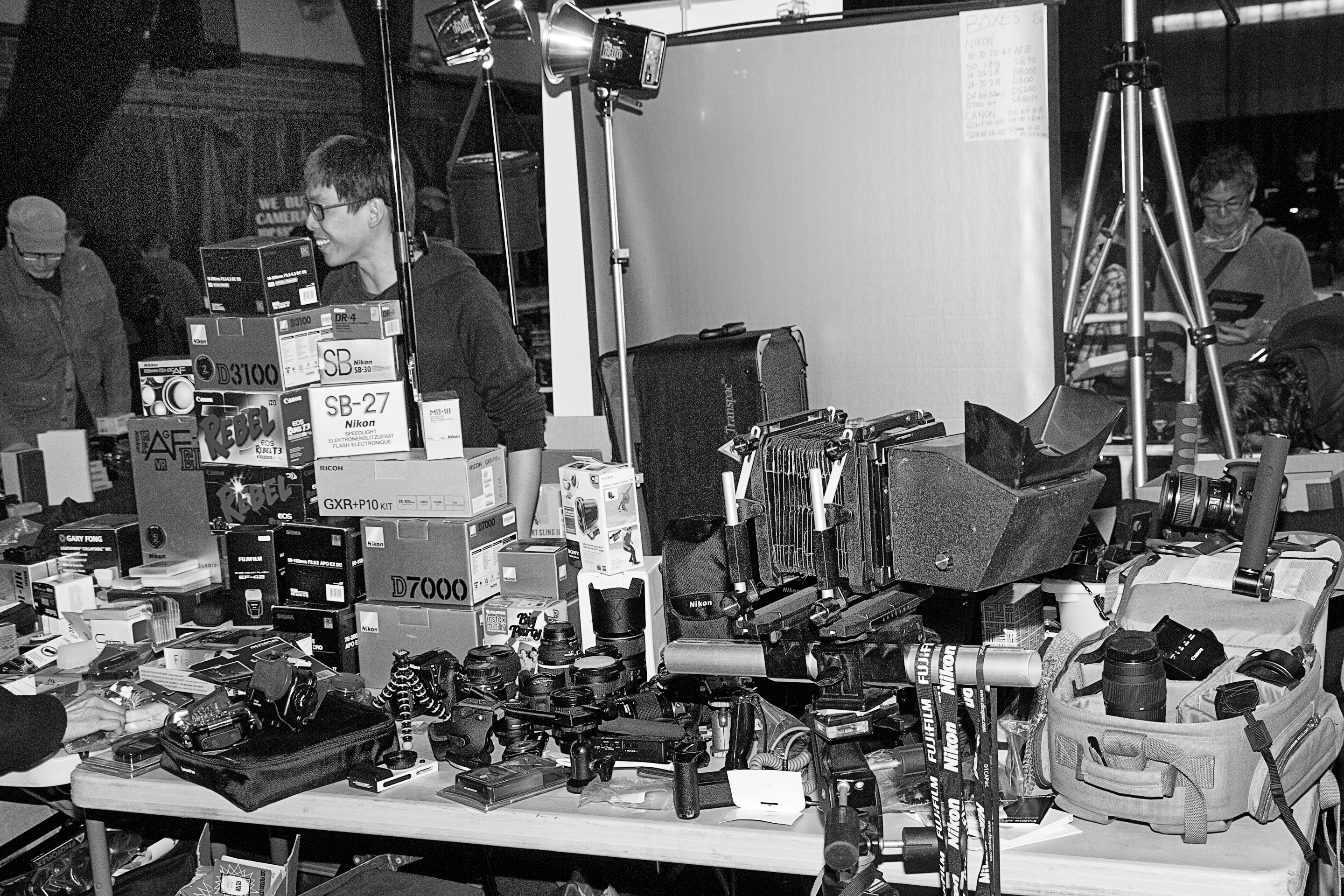
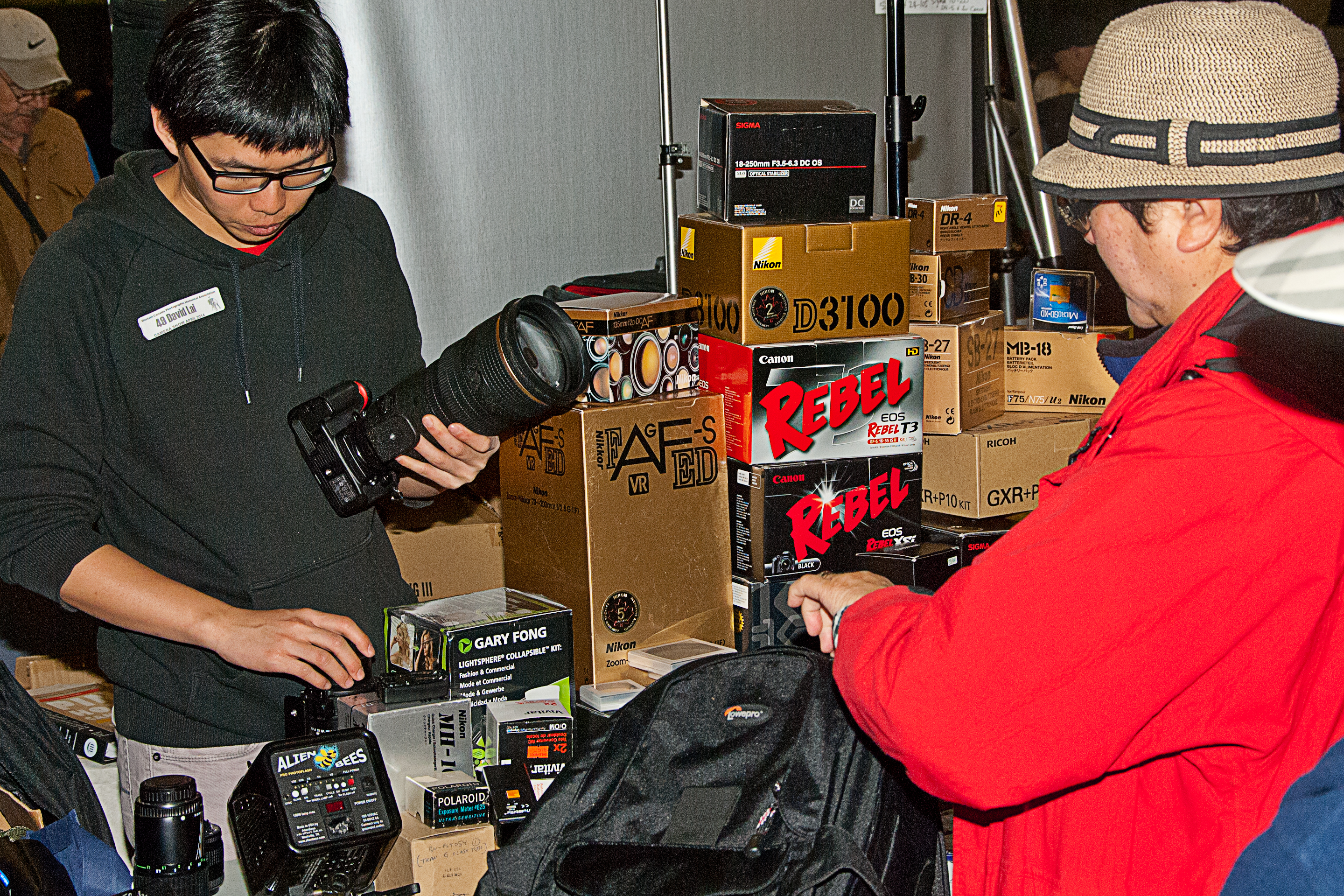
At the swap meet  Swap meet deals  Dave at swap  Another good deal  Photo equipemtn for sale  Check a camera

The clock on the stove signaled 7am and I heard the sound of my friend, Peter getting out of his truck in front of the house. I had my car ready as it was idling on the cold morning, and we jumped in and left for the hour-long drive to meet up with two more photographer friends, Dave and Pat at Dave’s place.

A bit over three hours later we had stopped for coffee in Merritt, driven across the scenic, mountainous and snow lined Coquihalla summit, driven through rain as we passed Hope, crossed the Fraser river into the warm coastal city of Burnaby and were parking across the street from the Cameron Recreation Center that was hosting one of my favorite events each year, The Vancouver Camera Show & Swap meet.

I will say the four of us were pretty excited. We had talked about the trip for weeks and had just driven for three hours talking about photography the whole way and now were walking into a large hall filled with photography equipment, all for sale.

Put on by the Western Canada Photographic Historic Association, and organized by Siggi and Brigitte Rohde, this long-running show has now reached its 38th show and makes the claim of being the largest in Canada with, I think, about 120 tables. And when I talked to the fellow at the door later that day, he thought well over 1,000 people had walked through the doors.

Yes, we were excited as we gazed at the crush of people. Hmm, maybe it was a congregation and we were entering some chapel filled with the faithful. Anyway, as soon as we walked in, Peter yelled, “see ya later” and headed off disappearing into the crowd and Pat and I started looking in earnest for a 60mm macro lens that he could mount on his new camera. I noticed Dave in deep discussion with a couple of photographers he had just met at a table packed with Canon gear.

The event was, as usual, well attended with all types of photographers from all walks of life. Photography, after all, is enjoyed and practiced by men and women of all ages and all cultures and I can safely say every demographic was there.

I have been attending The Vancouver Canada Camera Show and Swap for over twenty years and that was evident with all the familiar faces and constant catching up with people I only knew from this occasion each year. I even stopped to talk and congratulate the organizer, Siggi Rohde on another successful show. He mentioned how some people had wondered as far back as 1992 when the first one was held if a camera swap meet could be successful.

Well, the proof this year was in all the smiling photographers cradling gear in their arms as they wandered to the next table to purchase that one more “must have” item. I have always found the secret is to buy a camera bag in which to put stuff. And what about my friends, Dave, Pat and Peter? Dave decided against the lens he had checked out, but grabbed a neat photography vest, Pat found the 60mm macro lens he wanted, and Peter ended up with a Fuji 6×9 film camera. Oh, and although I wasn’t looking for anything in particular, I did find a great deal on a manual Yongnuo flash that will fit in perfectly in my off-camera flash kit and just for fun, bought an almost new camera bag with “Nikon” boldly sewn on the top. However, Pat talked me out of it on the drive home.

Now another Vancouver Camera Swap meet has come and gone and I am left with memories of how much I enjoyed myself. Truth be known, I could go without a cent in my pocket and still have a great time, but who wants to do that? I really enjoy all comments. Thanks, John My website is at www.enmanscamera.com
Waiting for the Best Light.

Early spring stream

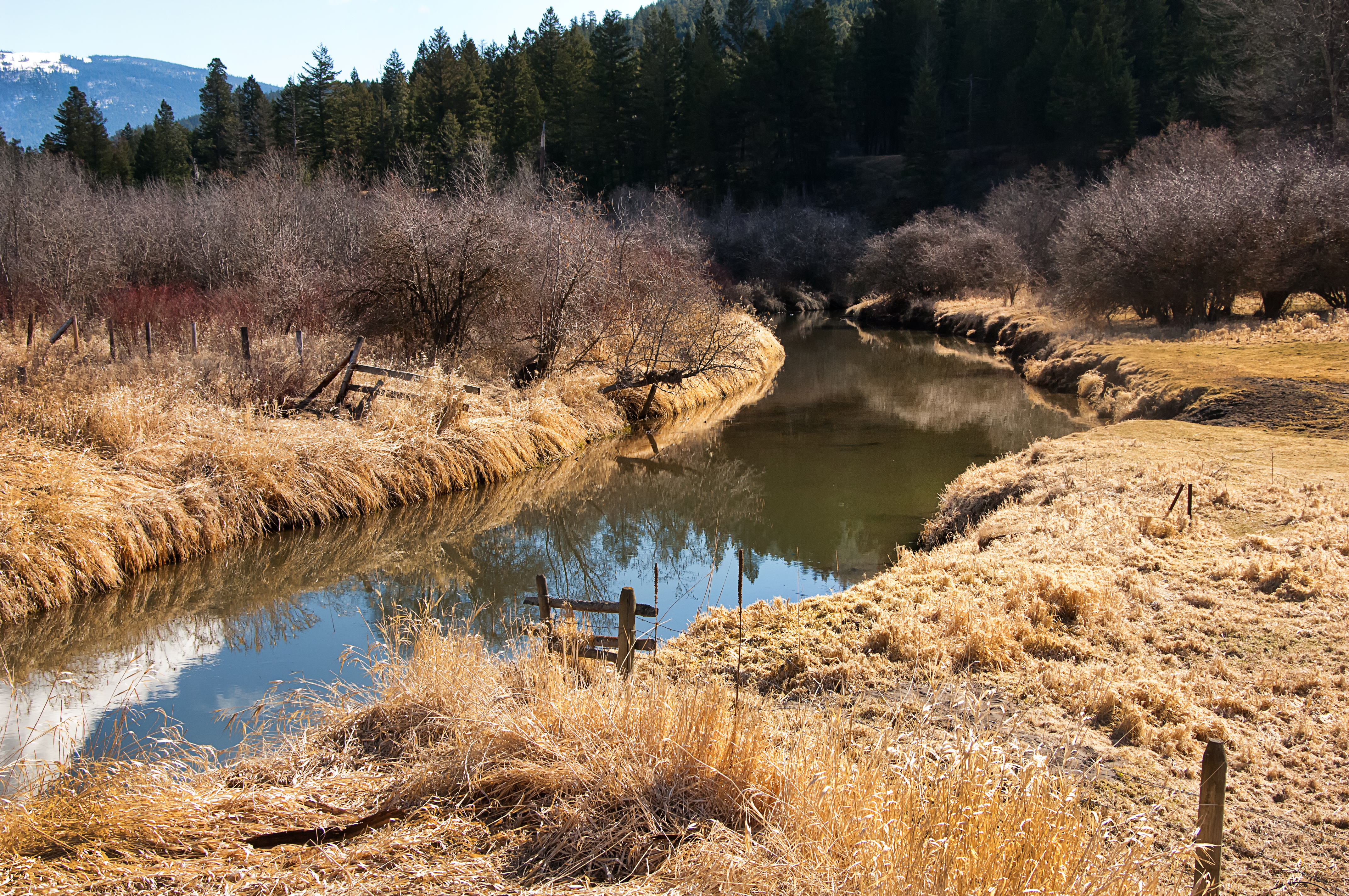
I am sure there are lots of photographers that have discovered a special location, or scenic spot, that looks good, but when the photograph just isn’t working out and the day just isn’t making things look good, photographers return again and again, hoping for the light to be just right. That bridge on the way to work or the gnarled tree outside of town bent from the wind, that never looks the way we want it. That was always the problem with a location that my wife and I regularly drive past along Highway 97 south of our home. We always, winter, summer, spring, or fall, slow down at a bridge crossing a drainage stream that flows out and onto wide lush hayfields. The stream turns a corner as it flows past bushy native shrubs and out of a pine forest.

The image I mention is a grass and foliage lined stream that for the past six years is usually  a shady, dark, flat, and poorly illuminated possibility. The elusive landscape is perfect with a fence in the foreground that creates three-dimensionality. Depth is easily achieved as a viewer’s eye easily moves from the objects in the fore, middle and background.

I always want a center of interest and the reflective meandering stream becomes that. The composition follows the rule of thirds without any effort. Walk off the road, stand in the deep grass and put a shoulder to the bridge-post to steady the shot, and the rest just comes natural. All that is required is interesting light (that has not been cooperating) to bring everything together to create interest.

At last, this week on a clear spring morning about 9:30am, the light was working. There are times when that open space along the road actually has had an all-illuminating bright light , but that defuses detail, or sometimes it’s cloudy and overcast with everything to be lost in shadow. However, to my great pleasure, this time the light was cool, and without glare, and the shadows weren’t dark and deep. I couldn’t have asked for a better morning to stop and make an exposure or two.

As I wrote earlier, we always slow down, and cast a glance up the stream (the constant traffic willing) as we cross the bridge in hopes that the light is working. I have even parked on a sunny day, got out and walked across the road, only to have some large cloud move in.

This location has been frustrating, but I just add it to the many other landscapes that I refuse to waste my time with unless the conditions are what I want. I recall the concrete bridge on the Thompson River that I watched every morning and evening for years as I drove to work. Everything has changed now, but once there was a young tree and a grass edged road leading to that bridge. I wanted to stand in the middle of the small road and make a low-angled photograph of that grey bridge. When the light was perfect I didn’t have my camera, when I had my camera there was no light. I struggled for five or six years with that picture. Film ruled photography in those days and I was determined that when I made the picture it would be with my medium format Hasselblad camera.

When the day finally came about 7am one foggy morning the low-angled light thinned at the bridge entrance and gave the young tree a golden glow and I was, for once, ready.   I originally called that image “six years” because that’s how long it took me to take the picture. However, when I sold several copies to an organization that gave them as gifts to visiting NASA scientists from the United States, they renamed it “Pathway to the Future”.

Well here I am again at another six-year point and thanks to my wife demanding that I stop the car and pull over, I finally have the image I have been after for all those years.

Photography can be a patient thing and I like having the time to think about my subject. Six years might be a long time for some, but I have always liked the process, and there are a few more landscape scenes out there waiting for the light and me to come together in agreement in the next few years.

As always, I remind readers that I really enjoy your comments. Thanks, John

My website is at www.enmanscamera.com
Photographer’s Lighting Workshop

    Sarah, Bart & Ronny

  Ronny & Candice

Sarah & Dave

Candice & Bailey

Bailey & Bart

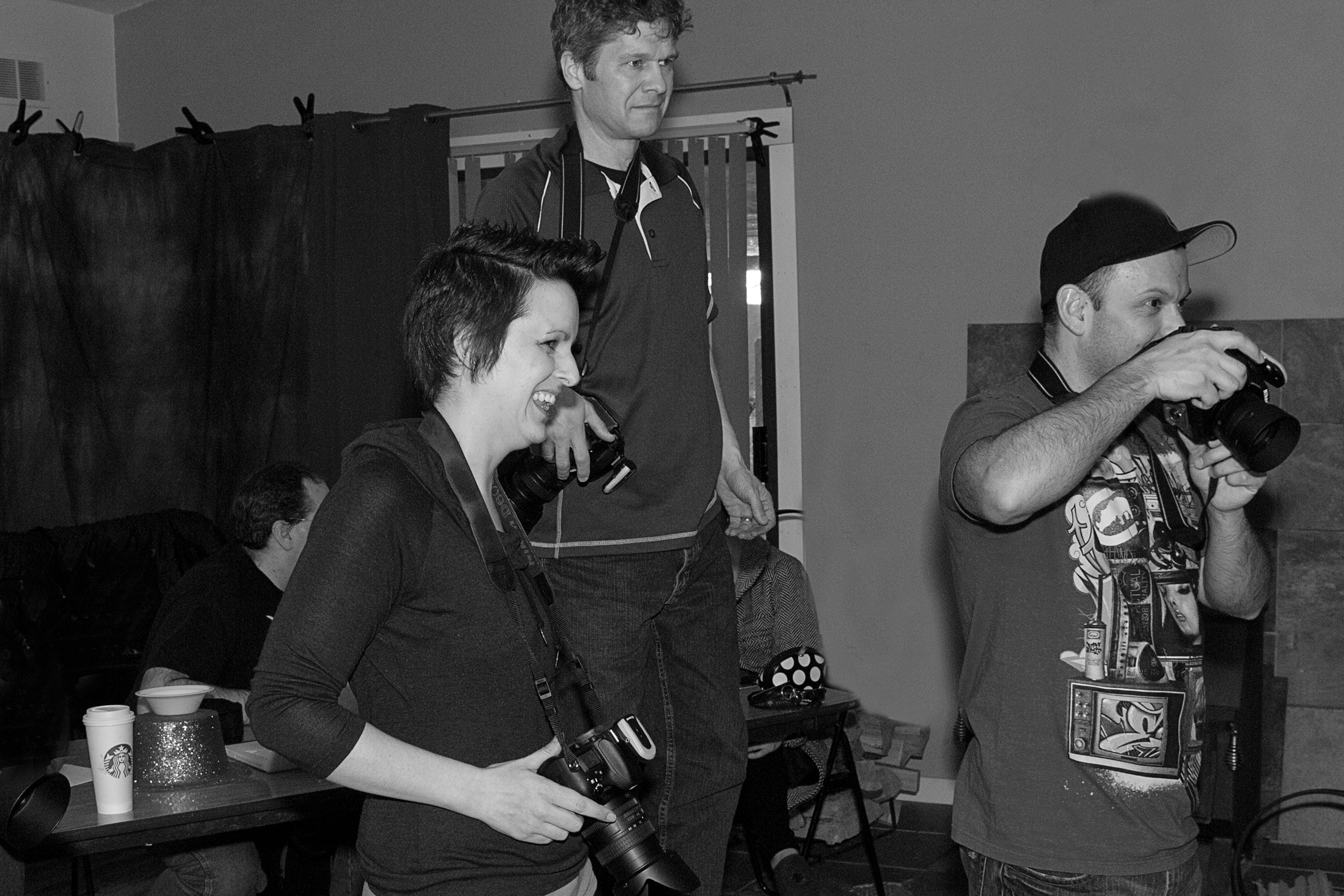
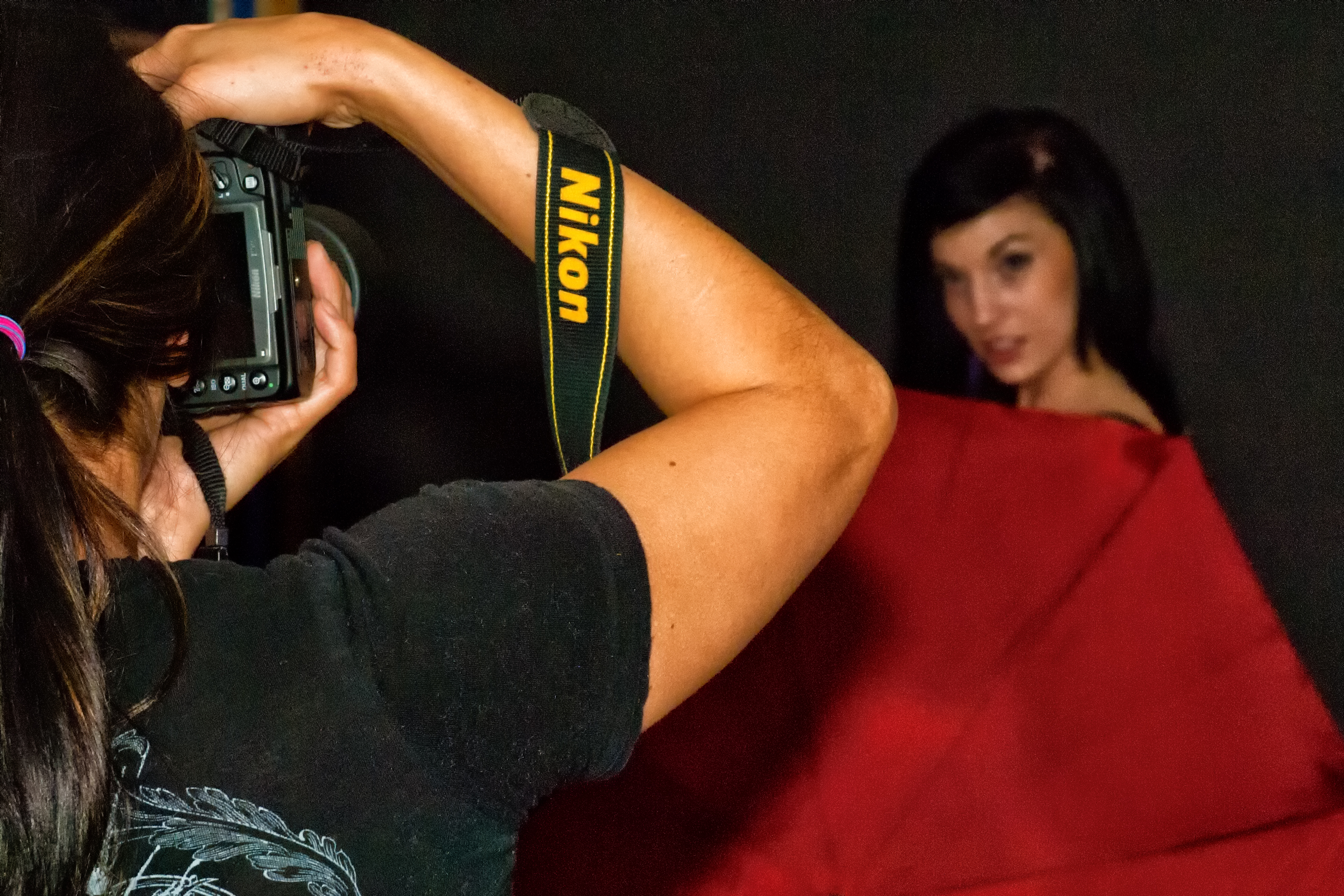
I have just finished my first day of leading another Photographer’s Lighting Workshop. I will admit that a day spent guiding excited and, I must remark of this session, very talented photographers, does tire me out.

Participants that are willing to express opinions and aren’t shy about getting shoulder to shoulder in a process of experimenting, exploring, and learning are hard to keep up with, and their enthusiasm is infectious. I try to stand back and watch analytically, but every animated smile draws me in.  Multiply times seven each fired up photographer I was working with and there is quite an energy drain.

After over 40 years as a photographer I do have a pretty large chest of experiences in just about every aspect of this exciting medium and I was employed as a photography teacher for nearly half that time. I can easily sit a group of learners down and lecture about pretty much anything photographic and, particularly the lighting workshops that are currently all the rage for photography keeners.  My knowledge is on par with most experienced portrait professionals, and I teach so that beginners and intermediate learners can keep up with the jargon and the concepts.

I enjoy the enlivened interaction that happens when a student of photography makes the decision to participate. My job is to present information on the subject at hand and keep things going. I don’t like to be a demonstrator on a stage, and rarely pick up a camera. That’s left to participants.

Sure, they tired me out, but in the recent daylong workshop on Lighting and Posing I was fortunate to be leading a group of surprisingly skilled and very energetic photographers, and I must add, two lovely and creative young models that in my opinion were willing to work hard in a demanding environment for modeling.

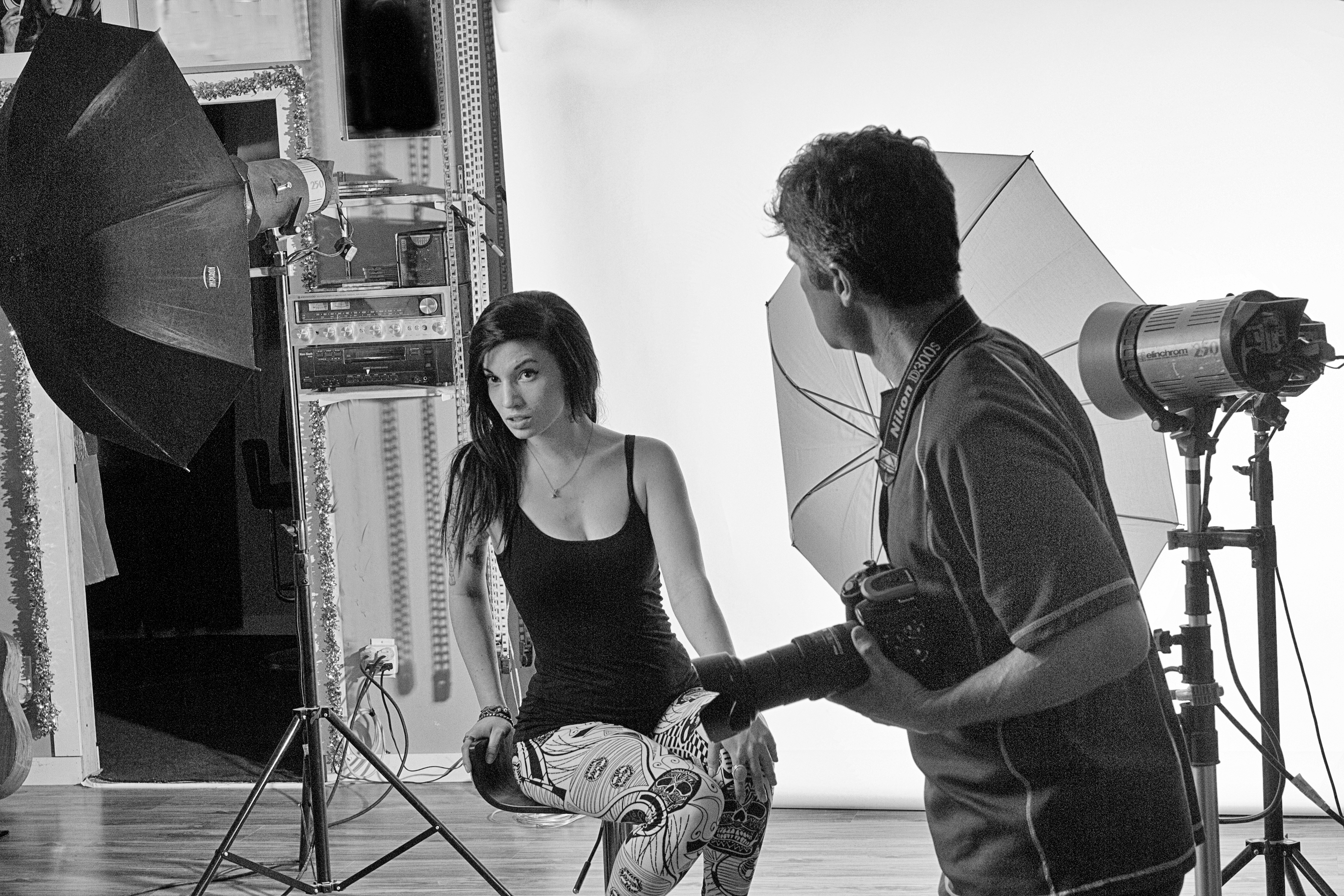
The workshop was held in a rural studio minutes outside of Kamloops, British Columbia. I like this studio because it owner, Dave Monsees, has filled it with quite an assortment of lighting gear. I think there are at least eight studio strobes to choose from, all setup for wireless connection with a drawer full of senders. There are soft boxes, umbrellas, diffusion screens, reflectors and a great selection of wall-mounted backdrops.

There was even a fully equipped kitchen at the back that we made good use of, with fresh brewed coffee, pastries, and a large pot of chili for lunch. It can’t get much better than good food, great people, and photography.

Monsees is regularly adding props and stools to sit and pose on, as well as a growing selection of light modifiers.

The large, well-equipped space is a great rental studio and a perfect environment for an instructional session like mine. We started the session with one light behind a reflective umbrella, and moved on from there adding a large softbox, a shoot through umbrella, and a rim light to give depth to our subject when we used a black background.  We changed backdrops and light positions regularly. And those creative photographers really kept our models active and, heck, made my day.
Regarding portrait photography, Famous portrait photographer, Yousuf Karsh, once said, “I try to photograph people’s spirits and thoughts. As to the soul taking by the photographer, I don’t feel I take away, but rather that the sitter and I give to each other. It becomes an act of mutual participation.”

The first of our two-day workshop is over. I prefer two days because on the second we can review and reinforce what happened on the first. Now I am looking forward to spending another day and preparing to lead workshop participants into new territory.

I appreciate any comments. Thanks, John

My website is at www.enmanscamera.com