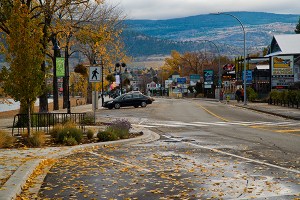
Road Trip to Penticton  

SS Sicamous

Walking the beach at night

SS Sicamous Penticton

StearnWheeler

Penticton Waterfront


The month of November has began and my wife, Linda, and I thought it might be a good idea to take a drive south before the cold winds blow the last leaves of fall from the trees. Sometimes it’s just nice to go for a drive. So we decided on Penticton; a scenic three-hour drive from our home for a fun, fall, overnight getaway. Any pictures we could get would be a bonus.

During the summer the city of Penticton, situated at the southern tip of British Columbia’s Okanagan Lake, is a thriving tourist destination. And I didn’t doubt a friend’s statement when he suggested that Penticton, a city of 30,000 plus population easily doubles in the summer. However, everything changes in the lull between summer and winter. When I called a motel the clerk told me, “You don’t need to bother with a reservation as there are plenty of rooms.”

I like cities at night. The lights sparkle and beckon to those of us that have our camera and tripod ready. Arriving after dark and settling in to our room it was no time at all before we had bundled up against the cold lake breeze and rushed out into the dark to wander along the wide sandy beach.

It’s easy to get sharp, colourful night pictures. I was out to photograph the SS Sicamous, said to be the largest surviving sternwheeler in British Columbia. The SS Sicamous, now a museum, prowled Okanagan Lake until 1936, servicing the lakeside fruit growing communities of Penticton, Kelowna and Vernon.

The big stern wheeler had strings of lights that illuminated and outlined it bow to stern, and the lights were perfect for some night shots. As I mentioned, it is so easy. I selected Aperture priority, and chose a small aperture that would give me lots of depth of field, and with the camera securely mounted on my tripod, set it on self-timer to reduce camera shake, and released the shutter.

Then after four or five shots I turned around and shot down the beach toward the brightly lit, big casino hotel in the distance and walked back to our room to stow our gear so that Linda and I could go out for dinner. Even in the off-season the charming Italian style restaurant was filled with happy patrons.

In the morning I returned to the now sun-lit beach to photograph the SS Sicamous again.

I think fall is a great time to go for a two-day drive. We called it our end-of-summer, mini vacation. Most people are more interested in getting ready for winter, which leaves plenty of accommodation available and reasonable prices.

I expect Penticton will fill up again when the snows arrives, and vacationers that spent the summer boating, wind-surfing, playing golf, hiking and cycling will return for downhill skiing, snowboarding and cross-country skiing adventures in the winter.

For my wife and I the cool autumn stay in that lakeside city was perfect. And I couldn’t ask for a nicer time to take pictures.
Bridge Lake Workshop Wireless Off-Camera Flash              

OffCamera Workshop 1

OffCamera Workshop 2

OffCamera Workshop3

OffCamera Workshop4

OffCamera Workshop5

OffCamera Workshop7

OffCamera Workshop8

OffCamera Workshop9

OffCamera Workshop10

OffCamera Workshop11


Last Sunday saw me making the scenic two-hour drive north to join the Bridge Lake Photography Group. I have been following that creative and talented group of photographers, (www.bridgelakephotogroup.com) since a long time friend, Derek Chambers, got in touch with me about a year ago. On Sunday I led a full day workshop for them about using off-camera speedlights indoors and out-of-doors.

There is so much that I want to tell photographers when they first attempt to use flash as a tool to create better photos instead of the flash being an uncontrollable device photographers perch on the top of the camera when it’s too dark in a room to take a photo.

In my opening presentation I had to hold myself back as I sometimes realize I am talking too fast. But I get excited and I really want to move from lecturing in front of students, and go to the studio setup where the learners, not me, are center stage. That’s where my fun, and, assuredly, the participants’ fun begin.

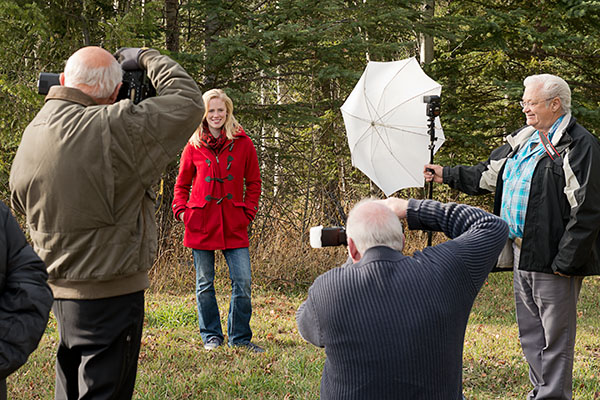
I always enjoy the enlivened interaction that occurs when a student of flash photography takes that first shot with one of the flash set ups. Usually, no one ever wants to be first. Everything is strange. The flash that usually is attached to their camera is now attached to a softbox or an umbrella. I always have to prod and coax the students to begin, but I can hardly wait for the first “oohs and aahs” that happen when they see the results of their first photos.

My job is to present information on the subject, and keep things going. I don’t like to be a demonstrator on stage and rarely pick up a camera during the workshops I lead. That is left to the participants, and watching them learn is the fun part for me. After everyone crowds around that first volunteer’s camera and sees the picture it is all I can do to hold them back.

Our ever-patient model was overwhelmed as she tried to pose for everyone at the same time. She pleaded, “Where do I look?”   I laughed and loudly said to that excited scrum of photographers, “If you want her to look at you yell, ’Me! Me! Me!’”

We spent the morning shooting in the inside studio. For that session I had the flashes set to manual mode so their output would always have the same power. That is the easiest way. If more light is wanted on the subject move the flash forward. Less? Move the flash away.

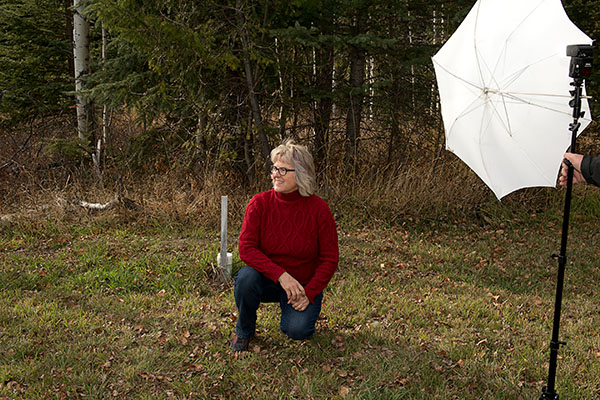
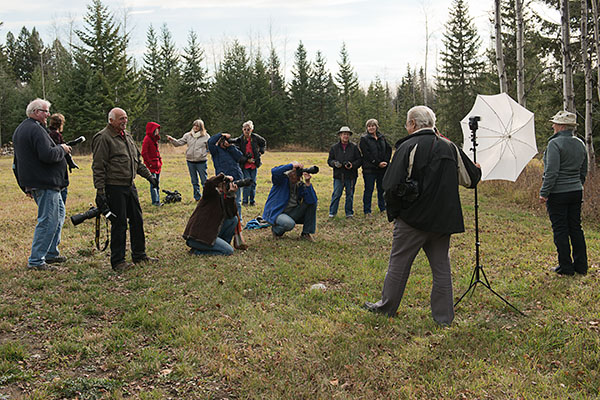
After lunch we moved outside and I set up one flash with a shoot-through umbrella, however, this time the flash was set to TTL mode. When using flash in an indoor studio one synchronizes the camera’s shutterspeed to the studio flash, and uses the aperture to determine the exposure of the light reflecting off a subject. Progressing, however, to an out-of-doors situation with TTL a photographer must balance the natural, ambient light with the off-camera flash; and using flash effectively is more about creating and controlling shadows than about filling them.

We walked out into the bright day and our model had barely reached a location in the meadow before 15 excited photographers got down to business. By then they weren’t at all shy about getting shoulder to shoulder in the process of experimenting, exploring, and learning about outdoor lighting.

I just received an email from Chambers saying, “You’ve definitely added a whole new dimension to our photographic adventures. Thanks a lot.” Gosh, a whole new dimension to their photographic adventures. That is one of the best “thank you’s” I have ever received.

I Like Calendars     


Calendars

I remember a life drawing class in which we would all have to hang our assignment for each week on the classroom wall. Then we would all noisily sit around and wait for our colourful instructor, Mario, to make his grand entry. Mario was a tall, dark, flamboyant Italian that always talked loudly while waving his hands around in the air for effect.

As we held our breath he would slowly walk along the exhibition of our talent and skill. Then he would suddenly stop and with a wide sweep of his arm gesture to someone’s drawing and in his thickest accent declare, “This, this, this, belongs on a Los Vegas Hotel room wall!” I remember more than once watching a fragile classmate moved to despair or with a bowed head rush from the room in disgrace. As cold hearted as that life drawing coach was I did get his point regarding art.

We rarely look at the artwork that is always hanging in the hotel room. It is just there to fill space on the otherwise blank wall, and if we did notice, that framed art was quickly forgotten when we left. I can honestly say that although my friends or family might have remarked at the cleanliness of a room, it’s location or the softness of the bed. I can’t remember anyone ever saying, “Gosh, the artwork in our room was marvellous.”

Good art is enduring. We live with it, cherish it, and the longer we do the more we take pleasure in it.

Now comes my delight with calendars. It is not that I need to know what day it is; that is a utilitarian benefit. I like those with pictures.
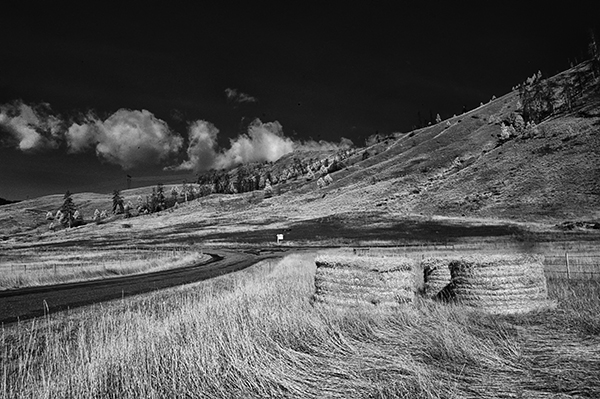
Calendar pictures must immediately have an impact. A successful calendar picture grabs our attention and quickly tells a simple story. However, unlike the art my instructor was demanding, calendars only have to endure for about thirty days at the most. Each picture only has to artfully work to capture our attention and give us the proper date for one month. Then we get to start all over, and we get to enjoy a different picture with more information on important dates for another month. Hmm…functional art, what could be better.

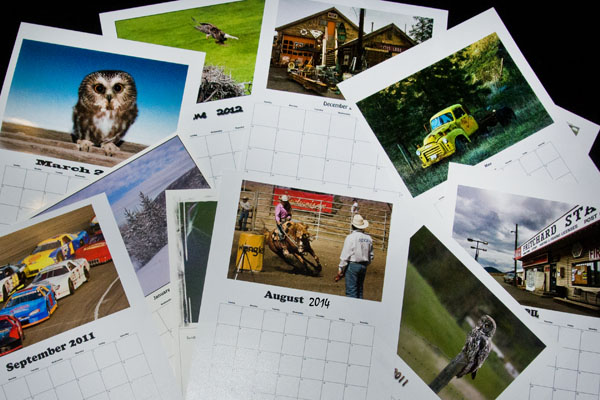
November is my month to start seeking calendars. I hate searching for calendars in January. There is something wrong in hanging a calendar mid-month. My wife and I have the perfect approach for photographers. We each choose from the photos we have taken during the month and I print a new calendar each month. No rules, no themes. We select a picture we each like and I make an 11×14 print that is half picture and half calendar – side by side, or up and down.

That’s not to say that I don’t get other calendars. If one grabs our fancy while shopping we’ll get that also. Then there are those we receive as gifts. I can’t have too many calendars. Getting to view lots of new pictures each month, it doesn’t get much better than that. We also choose images and have calendars made for us that we give away at Christmas.

My advice to readers like me, that enjoy having their pictures hanging on their walls, is to start putting your own calendar for 2016 together now. Stop by the local business supply store or look online. And remember calendars make great Christmas gifts.

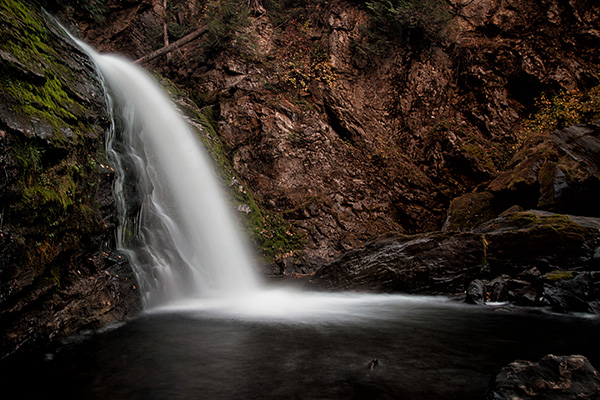
Photographing Chase Creek Falls  

Chase Falls 1

Chase Falls 2

Chase Falls 3

Chase Falls 4

The third season of the year is here, and it is my favourite season of the year for photography. Fall or autumn, it doesn’t matter which word is used, is so darn colourful here in British Columbia; and I really enjoy the cooler air, a welcome relief from the heat of summer.

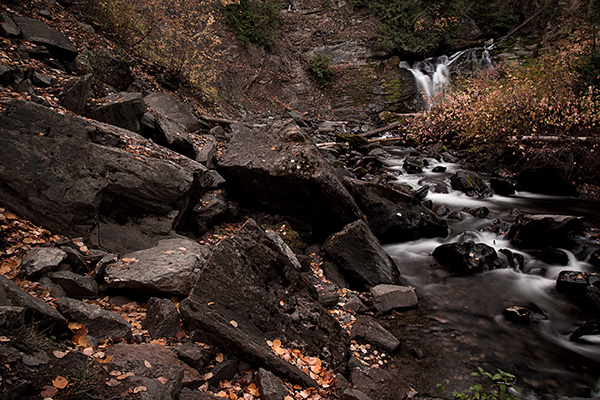
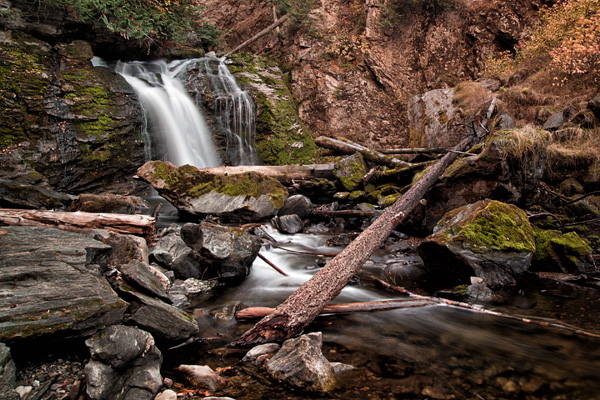
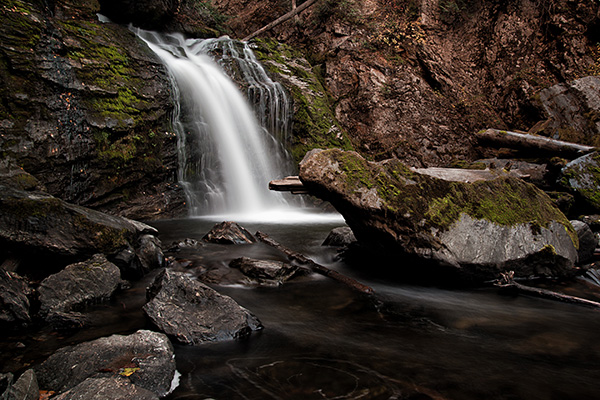
This week I drove the short distance down the road to Chase Creek Falls. I was in April just after the spring runoff when the high water began to subside. April is the second best time to go there, October the best. October has low water that makes scrambling along the colourful creek side easy, and lets photographers position their tripod and cameras close to the falls without getting wet.

In my April article I wrote that I have been photographing Chase Creek Falls since sometime in 1976. I have used 35mm, medium format, large format, film, and digital to photograph those falls every season of the year in every type of weather using black and white, colour, and even polaroid film.

I have gotten wet, walked away muddy after sliding down the steep bank, and bumped into the large river rocks a bit to hard. I’ve lost lens caps, a lens hood and even a polarizing filter on my visits. I have used the Chase Creek Falls once as a background for a large family reunion and another time for wedding portraits.

Photographing waterfalls is very easy and almost as relaxing as wandering around a garden. Modern digital cameras have improved the ease of taking photos by removing the requirement of much of the technical information that photographers once needed to know.

The equipment doesn’t need to be expensive or special. Select your favourite DSLR, a lens that has a wide enough focal length to see the falls, a tripod, and a neutral density filter. When I remember, I also like to use a cable release; but if forgotten the cable release isn’t a big deal, just use the camera’s self-timer instead.

Setting up the camera to get that soft looking water coming over the falls is very easy. Just choose a low ISO and a small aperture. The low ISO allows a slow shutter speed, and the small aperture gives lots of depth of field.

An ND, or neutral density, filter reduces the light going through the lens to the sensor and is the most trouble free filter for making long exposures. I prefer the square or rectangle ones that I can hold in front of my lens. I don’t use the fancy filter holder as that just gets in my way when I want to add additional ND filters to reduce the light.

I prefer shutter speeds of three or more seconds, and adjust the ISO, aperture and ND filters to accommodate that. Next, point the camera and start making pictures decreasing the shutter speed and checking the LCD as one goes along. It is all so easy.

This is a perfect time of year (here in British Columbia anyway) to spend some time photographing local waterfalls. They don’t have to be large and exotic, just have a bit of water going over them. And like me, after a dozen or so shots, put the camera back in it’s bag and sit quietly in the sand and lean back on a big smooth river rock so you can enjoy the sound of the water. Life is good.


Photography in the October Garden       


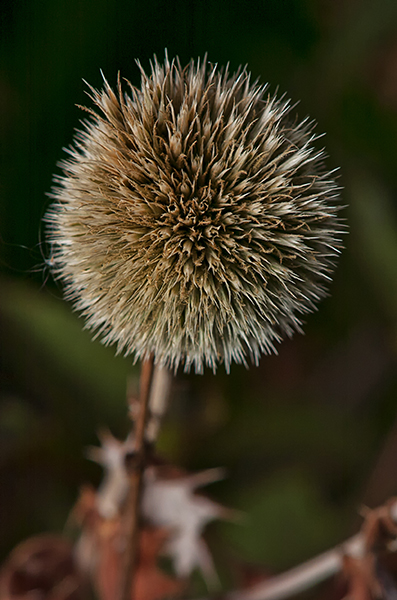
Echinops 2

grass 3

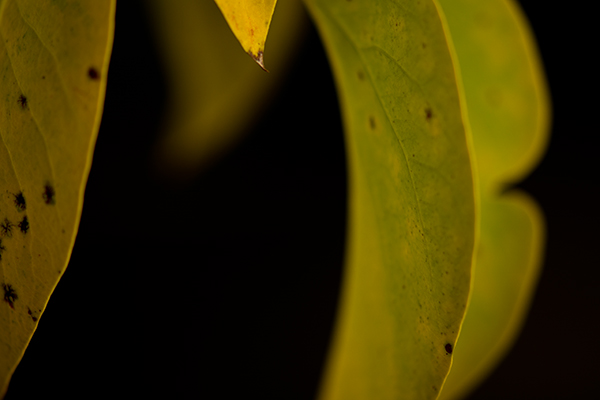
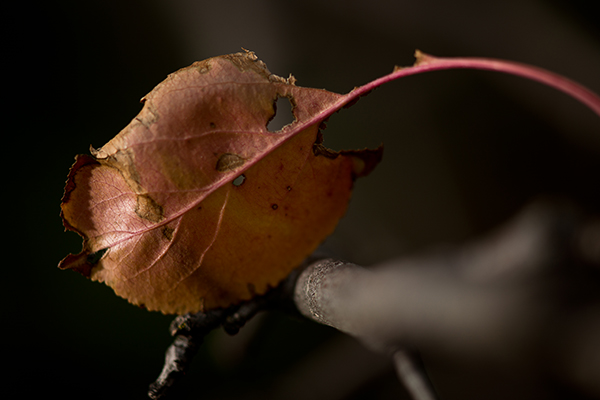
Yellow leaf 4

Oregon grape 5

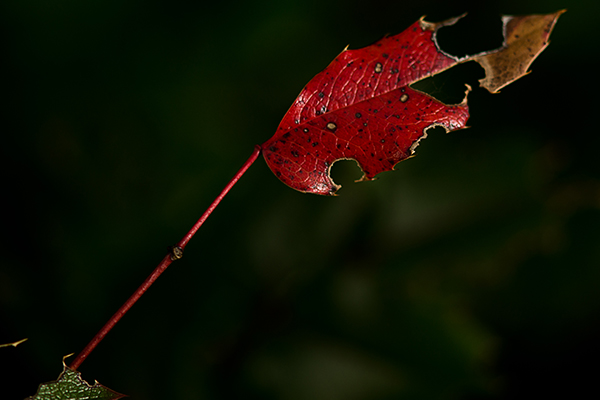
Pink leaf 6

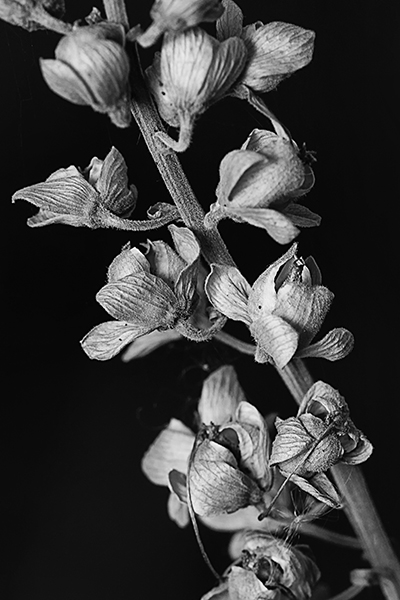
Salvia 1

I have written before that I find wandering around our home garden with my camera relaxing. Unlike photographing people, animals, scenics, sports, or almost any other subject, garden plants are just waiting to be looked at, and it’s not necessary to pack the car with equipment to search for some secluded or exotic location. Most of us can find an easily accessible and welcoming garden close by.

I know that spring’s brightly coloured plants, or the mature flowers bathed in light on a damp morning in early summer are what most photographers are interested in. I admit that I am not very savvy when it comes to the names of flowers. Plants are more my wife’s interest than mine. Her time is spent designing, planting, and coaxing her sprawling garden. Sure, I do much of the heavy lifting, but my time in her garden is mostly with a camera and unlike those photographers that I mentioned that do most of their gardens’ photography in the spring and early summer, I don’t really care about the season, weather, or the condition of the flowers for that matter.

My intention is to find something unexpected in the familiar plants. When I’ve chosen my subject, I look at it from all angles paying attention to the background so that whatever is behind won’t interfere, and I want the shadows, colours, and other plants to add interest to my composition.

I think some people get all tied up with a need to have inspiring subjects, and ignore the commonplace subjects just outside the door. I just walk out in my yard and make pictures of anything and everything. I guess the difference is between making and taking pictures.

My sojourn into the October garden was a bit about the colour and a whole lot about the shapes. I waited for late afternoon and lucked out when the sky clouded over just a bit. I like what photographer, John Sexton calls, “quiet light”, that as he says, “fades toward the darkness of evening.”

The light at day’s end allows me to underexpose the background and to add a “pop” of light on a specific subject from an off-camera flash.

I don’t really have a plan or a specific subject that I want to work on. I just wander and look. Figuring out the exposure and balancing the fading light with my flash only takes a moment as I choose an interesting plant and search for a creative angle.

It is that quiet and calming time on an October afternoon that welcomes me to the garden, and to quote Sexton again, “I feel quiet, yet intense energy in the natural elements of our habitat. A sense of magic prevails. A sense of mystery – It is a time for contemplation, for listening – a time for making photographs.”

Patience and Photographs  

Along Duck Range 2015

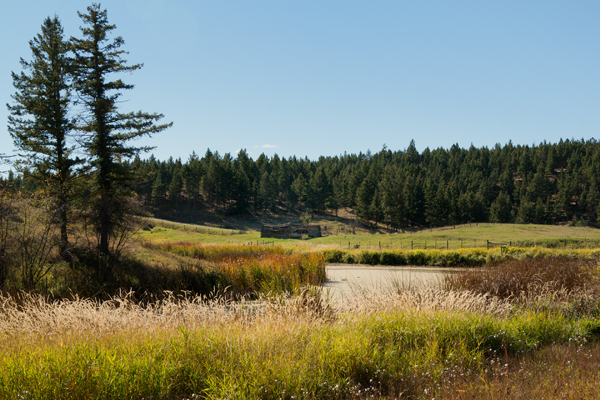
Falis Pond 2015

Ducks Falis Pond 2015

“The land does not flee the photographer’s lens like a deer or jackal, nor spoil a picture with an untimely blink or yawn….Relying on technique, patience, and timing, he works in reaction to the environment, searching for a situation that can be creatively explored.”

That was a quote by Tim Fitzharris from his book, “Nature Photography”.

I really like what Fitzharris says about photographers and how we differ from those who work in other creative mediums that allow them to make it up as they go.

Photographers are always at the mercy of the environment, and those photographs that have lasting value depend upon the technique and skill of the photographer. They also are a combination of timing and, of course, patience.

I think “patience” is my word for this month. This past summer has been hot and dry, with only a bit of rain to bring life back in our environment in the last few weeks. I drive to work marveling at how clear and beautiful the early fall days are and I try to make plans to take some time for photography.

However, every time I begin planning I end up doing something else, put away my gear and start into those things around the place that need to be worked on. Oh well, I still have years of photography ahead of me, and with patience I‘ll get the photographs I have been planning.

My wife and I have decided to at least give some time on Sunday mornings to photograph a small pond not far from our home that sometimes has geese and ducks paddling around it. I know that doesn’t seem like an excitement packed excursion, but it’s not far and with patience we might eventually get a good picture ore two.

We drive the short distance along Duck Range Road, (yep that’s the name of the road that meanders past my house) and stop beside the small pond.

Sometimes we see ducks, geese swimming, once even a muskrat, and occasionally owls perched there. However, if we get out of our car they just paddle to the far end or fly off out of our vision. So we come prepared to shoot from the car. One of us sits up front in the drivers seat while the other sits in the back seat and shoots out the window.

We use beanbags to rest our cameras on. If you haven’t tried a beanbag it is an invaluable tool that is a great, inexpensive camera rest, and excellent to use to take photographs from your vehicle. I made mine using an old canvas bag. I filled a discarded bread bag with beans (I think maybe lentils) then stuffed it inside the canvas bag and stitched that closed. I leave it permanently in the car.

A long-time-ago local photographer, Fred Billows, first introduced me to the concept of using a beanbag for camera support. Billows swore by beanbags and always kept a couple (that way he could share) in his car as he cruised around British Columbia, Alaska, and Washington in preparation for that elusive shot of wildlife.

In our preparations we move the car very slowly to where we want to park alongside the pond, and if there is anything on the water we sit quietly for a while as we let the waterfowl get accustomed to us being there. If we are not successful with wildlife we still get lots of fun photos anyway that I can sort through and discard later if they are boring. Maybe this weekend the light will be right and the pond will be interesting. If not I’ll just have to be patient.

Film Cameras     

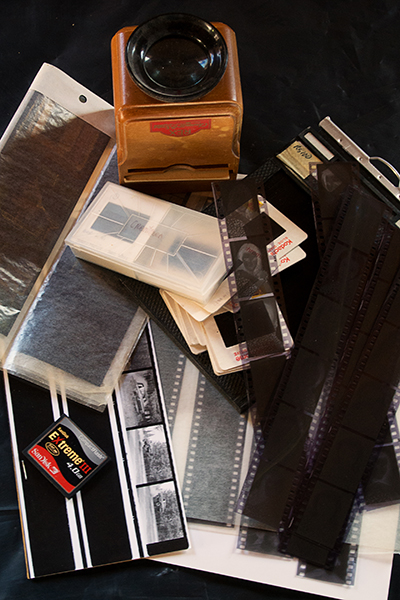
Film Photography

I was a bit surprised this past week when a couple loudly told me they preferred using film and doubted they would ever bother with digital. They smiled knowingly while pronouncing digital as an in inferior way of doing photography, and that those that used digital cameras couldn’t make good pictures without a computer. Of course, I told them I disagreed, but I also had to say that they should use whatever makes them comfortable. I like black and white film and mentioned that also.

I find that many photographers who use film cameras instead of digital constantly make sure others know their choice, and like to offer a rationale for using film with statements as they did, and saying, “This camera has always taken very good pictures why would I change”. I can’t argue with what seems to me a reasonable statement, however, in my opinion, the difference between digital and film is like driving a 1970’s car and the latest 2015 model car across Canada.

As with film, I really liked those old fuel-guzzling, muscle cars, but the smooth, inexpensive performance, the stylish comfort and the myriad of options available for the operator of the 2015 model car will make the experience safer and more relaxing and than the 1970 version, just like using a digital camera does.

This couple were so emphatic about how great the pictures were that their film cameras produced pictures that I naturally assumed they do their own darkroom work. But no, they take their film into a lab that processes it, then scans it to a computer, then with predetermined settings determined by a computer set up by some technician they get their prints. Hmmm…., not much photographer input there, and a lot more “digital technology” then I cared to mention. Oh well, at least they are taking pictures.
Later I as I contemplated about when I used to shoot film I thought, there was something to be said about the permanence, and how it demanded we get it right the first time. There were no second chances, and if more than 36 exposures of some subject were needed there was that “dead in the water” moment while changing film unless I had a second camera hanging around my neck. Forethought was a required option; and with regard to multiple cameras I can remember packing a bag with one body loaded with black and white film, another with colour film, and a third with slide film.

When referring to the time when we both earned a living as photographers using film, my friend Alex commented, “Oh, the days of click and pray.” As I wrote, there are no second chances. Especially for a photographer that relies on a lab for processing and printing that roll of film.

I will say that shooting film certainly slows one down. Shooting a roll of film every now and then might be a good idea. One can easily pick up an old film camera and put a roll of film in it for less than a $100. Relying on a lab for colour processing might lift the cost much, but I have no doubt with a bit of searching we all could find someone with a home dark room to process a roll of black and white film. I don’t know if that is getting back to basics, as a photographer that I met called shooting film, nevertheless, it would be fun to use one of those heavy, old, shiny, metal cameras again. And who knows, using film might become a regular way to, hmmm….get back to the basics of a time gone by.

What Inspired or Inspires you to do Photography     

Inspiring Viewpoint 2

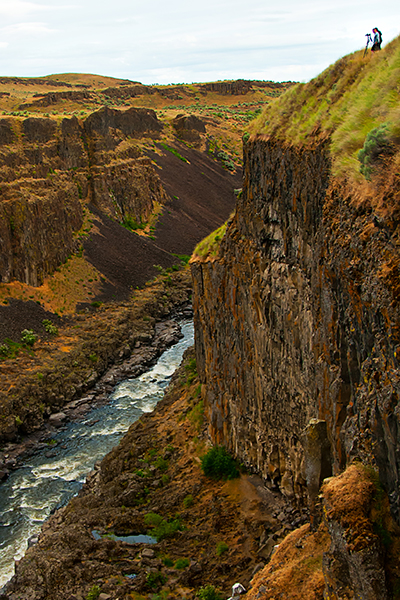
Palouse river canyon 2


A member of a photography site I frequented some time ago posed the question, “What inspired you?”

I took that to mean what inspired you as a photographer?

One would think that a question on a photographer’s website page would be a great opportunity for photographers to talk about those that encouraged, influenced, or affected their development in this exciting medium.

Anticipating discussions on celebrated photographers who had inspired others on that forum to get into photography I looked forward to reading members replies. However, I was surprised and disappointed with how few took the time to respond, and those that did seemed silly by only naming long gone painters like Rembrandt. Rembrandt? Not one member on that photographer’s forum mentioned another photographer.

Unable to contain myself I wrote, “I was inspired to do photography by photographers not painters. Those I admired and inspired me at different times include Man Ray, Richard Avedon, Irving Penn, Arnold Neuman, Gregory Heisler, Sarah Moon, Sheila Metzner and Annie Leibovitz. I must also mention scenic photographers like Elliott Porter, Ansel Adams, Edward Steichen and Edward Weston.”

Today I sent a friend a picture I had taken of him and several other friends in the early 1970s. I remembered at that time I was rarely without a camera, and how frustrating that was to some that just got tired of my constant picture taking. That’s when I recalled the preceding post on inspiration and my response.

I suppose there are painters and sculptors I like, but do they inspire my photography? No not really – I look to photographers for that. The first photographer and artist that inspired me all those years ago was Man Ray. It was after viewing his fascinating pictures that I began to study photography.

However, it is the second photographer on my inspiration list, Richard Avedon that I’ll quote here, “I think many photographers create in order to survive, both emotionally as well as financially. For a photographer, taking a photo is just as important as breathing”.

Sometimes when I see a photograph that I like I get excited. I might not be able to go to the location or find the subject of that picture, but it still makes me want to grab my camera and begin searching for something. I could say that photograph inspired me to create one of my own in my own personal way.

In my list to that forum I forgot to include the famous Canadian nature photographer and author, Freeman Patterson. I think any photographer interested in photographing gardens or landscapes will find inspiration in his photographs and his writing. Patterson wrote,  “Seeing, in the finest and broadest sense, means using your senses, your intellect, and your emotions. It means encountering your subject matter with your whole being. It means looking beyond the labels of things and discovering the remarkable world around you.”

There are many things and people that inspire me, too many to write down here, but the original post was on a photographer’s forum, so it’s photographers not painters that I thought about. There are many photographers past and present whose images are worth searching for, looking at, learning from, and of course, gaining inspiration from that will surely affect one’s own photography.

I always enjoy everyone’s comments. Please don’t hesitate if you have a moment.

Thanks, John

Will New Cameras Make Better Photographers?   

A new camera?

Will a different camera and more megapixels make a difference?

I received an email the other day from a photographer who is trying to earn some money at photography. She had been submitting prints to companies that purchase stock photography, but has not had any luck. Discouraged, she wondered if her problem might be that her camera wasn’t making high enough quality images, and thought purchasing a new camera with more megapixels might be the answer.

I began by saying that she should keep on submitting photography and suggested she take a look at her style and preferences in photography and to determine if there is a niche market that fits her subjects.

I suppose any excuse is a good enough to get a new camera. I am OK with that, however, I am not sure that “more megapixels” is the answer.

As long as I have been in photography photographers have blamed their failures on their cameras. It used to be that photographers wanting to become professional, would discard their 35mm and buy a medium format camera because they believed it was necessary to take professional pictures. Then they would decide their pictures still weren’t good enough, so they would sell their Mamiya to buy a Hasselblad, thinking that would really allow them to take professional pictures.
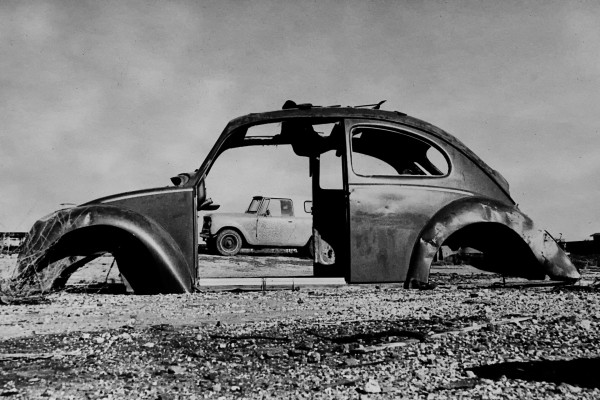
That attitude and rational about cameras hasn’t changed, only now instead of medium format cameras the answer is a bigger sensor with more pixels, and, of course, the belief that one camera company might be better than the other.

Will different camera models and more megapixels make a difference to the image quality? Well, maybe. Perhaps it could depend upon what an image buyer wants and how large the final image file needs to be. Research into that means pages of confusing charts and hours of reading other photographer’s opinions.

I believe we need to be comfortable with our cameras and learn how to make them perform the best. I taught photography for many years and I was always amazed at how much money students spent on camera equipment in order to achieve an A grade, when all they needed to do was learn better techniques.

I am not saying that one shouldn’t get the newest and best photographic equipment available. My advice is to make the choice the depending on the kind of photography one likes to do. However, the camera isn’t going to make a person become a better photographer.

As I write this I am beginning to wonder about that last statement. If a photographer purchases a new camera, they get really excited and go out and shoot, and shoot. More shooting equals more practice and when all is said and done more practice is what actually makes for a better photographer.

With that rationale we could say if a person bought a new camera every six or eight months (that seems about how fast new models are appearing) then that means a person would be improving at least twice a year. Gosh, in two years a person would be four times better than when he/she started!

Hmm… with that reasoning I should tell that photographer to go ahead and buy herself a new camera with as many pixels as she can afford.

Nevertheless, if after her hours of research she can’t make a decision on which new camera to spend her money my advice will be to study the work of successful photographers in her subject area, and spend lots of time experimenting and practicing with the camera she has.

What Influenced My Photography of Landscapes?  


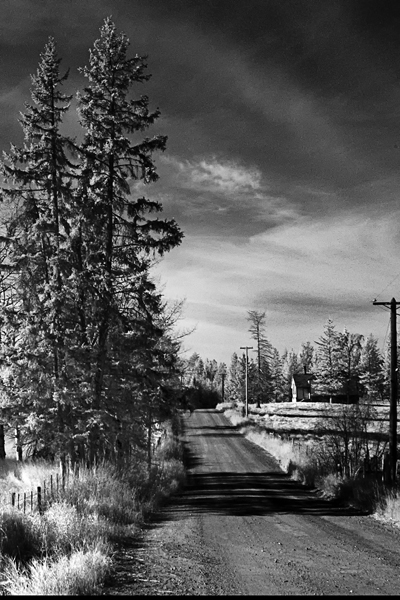
Along the back road 2

Bales along the road 2

River view

Lake view

Scout

Memories of roadside photography.


My interest in photography began in the early 1970s. I had grown up with cameras, but until that time they were no more than a simple boxy device with which to document family and friends. When I look at my tattered old albums packed with fading pictures taped to construction paper pages, I see lots of poorly composed and poorly exposed images, partly due to the inadequate technology of the day and my ignorance in using it.

When I did decide the medium of photography was worth using for more than documenting friends and family my first progression was into arty, creative images. I have mentioned before that the great photographer, Man Ray, was my first inspiration, but now thinking about my photography of those days I am amused at my youth, and contemplate how far I have progressed and of course how far the technology has come.

I think my influence with the photography of landscapes and other subjects in nature may have begun with the early advertisements by the American Automobile Association. That organization was the best place to get maps for road trips in North America. They sent their employees out, with cameras and mapping instruments, across the continent finding the best and most scenic routes. I remember seeing pictures of big, four-door International vehicles with people poised on platforms on top with camera and binoculars in hand on a dirt road in the middle of “no-where North America”. It all looked very exciting.

Then I was introduced to the writings and photography of Ansel Adams, and saw pictures of him standing on a platform on top of a vehicle very much like those used by the American Automobile Association with his large format camera making wonderful photographs any scenic photographer would admire. So, I saved my dollars, sold my jaunty little MG Midget, that was so easy to get around in on the streets of Los Angeles, and bought a bright yellow International Scout 4×4. Underpowered, poor turning capability, uncomfortable on long trips with back seats that were only accessed by climbing over a metal barrier behind the front seats; it was perfect in my young mind and meant that I, like Ansel Adams and the folks from the AAA, could travel the back roads in a cool looking vehicle with my camera gleefully capturing the natural world on film.

Years have passed and technology has changed and so have I. There are still lots of back roads to explore and photograph, but the days of climbing on my car roof are long gone. The American Automobile Association no longer explores the country and today I check maps on my iPhone. I don’t need a large 8×10 view camera like Ansel Adams used with the accompanying long hours working in a chemical darkroom to make good enlargements and certainly don’t want to drive around in that uncomfortable, gas guzzling International anymore.

I thought about all this as I was heading towards the city of Kelowna last week. My wife and I left early so we could stop for some pictures and still be there for a 5PM appointment. My car of choice is now a Honda Accord. Comfortable, fuel-efficient and if I drop the back seat down I can carry lots of equipment. As I drove I mentally made photographic compositions of the countryside and thought about how nice the day was for photography.

I reminisced about the many times I have made this same drive over the years, and the different photographic equipment I have used to photograph many of the subjects and scenes I was driving past, and the different vehicles I have used, and we talked about how easy it is to make pictures today. As the cameras get better and better, and equipment like tripods and lenses get lighter, and our vehicles are more fuel efficient, the life of roadside photographers like me is just great.