Excellent Photographic Adventure with old cars in the Palouse

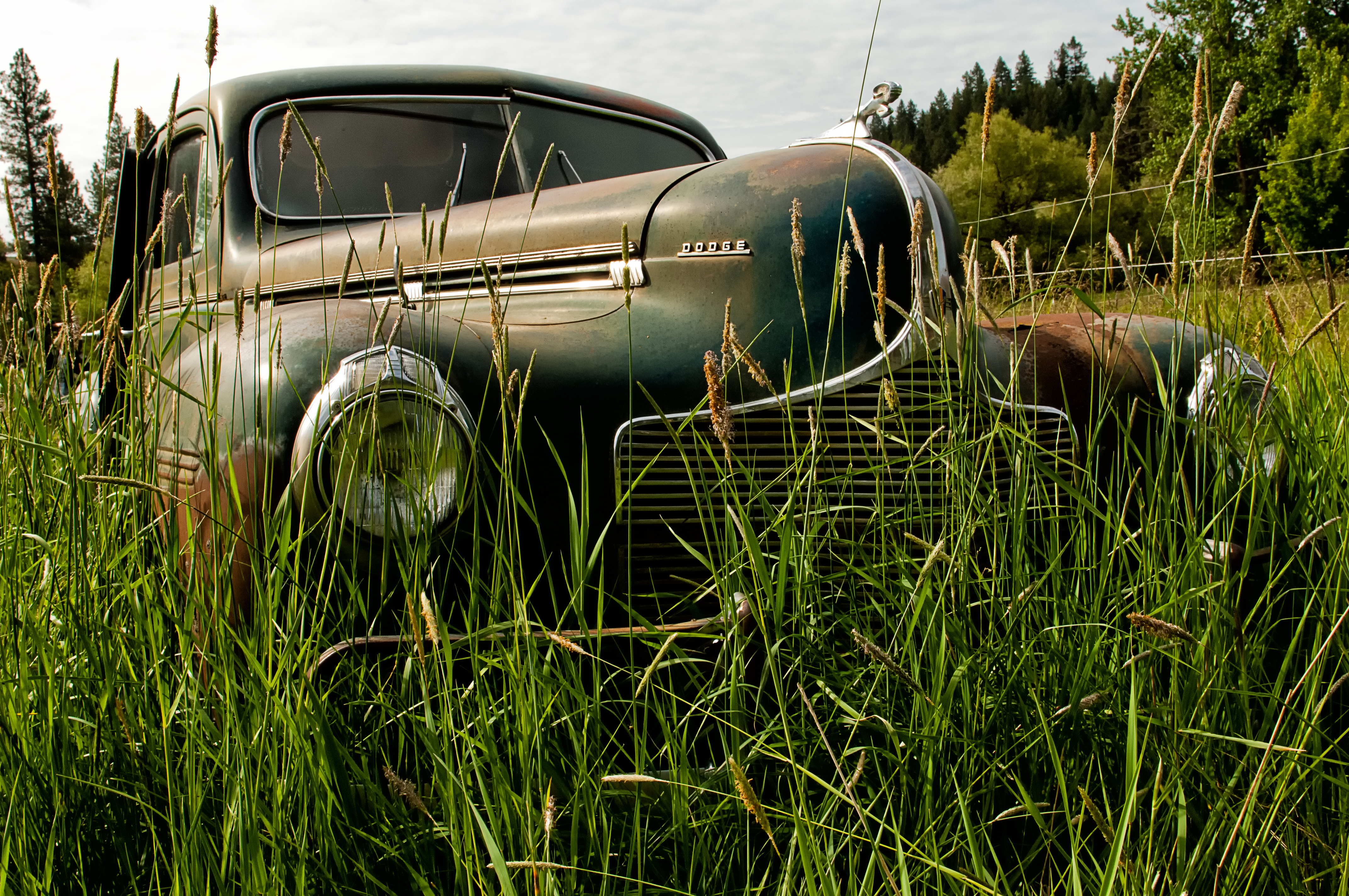
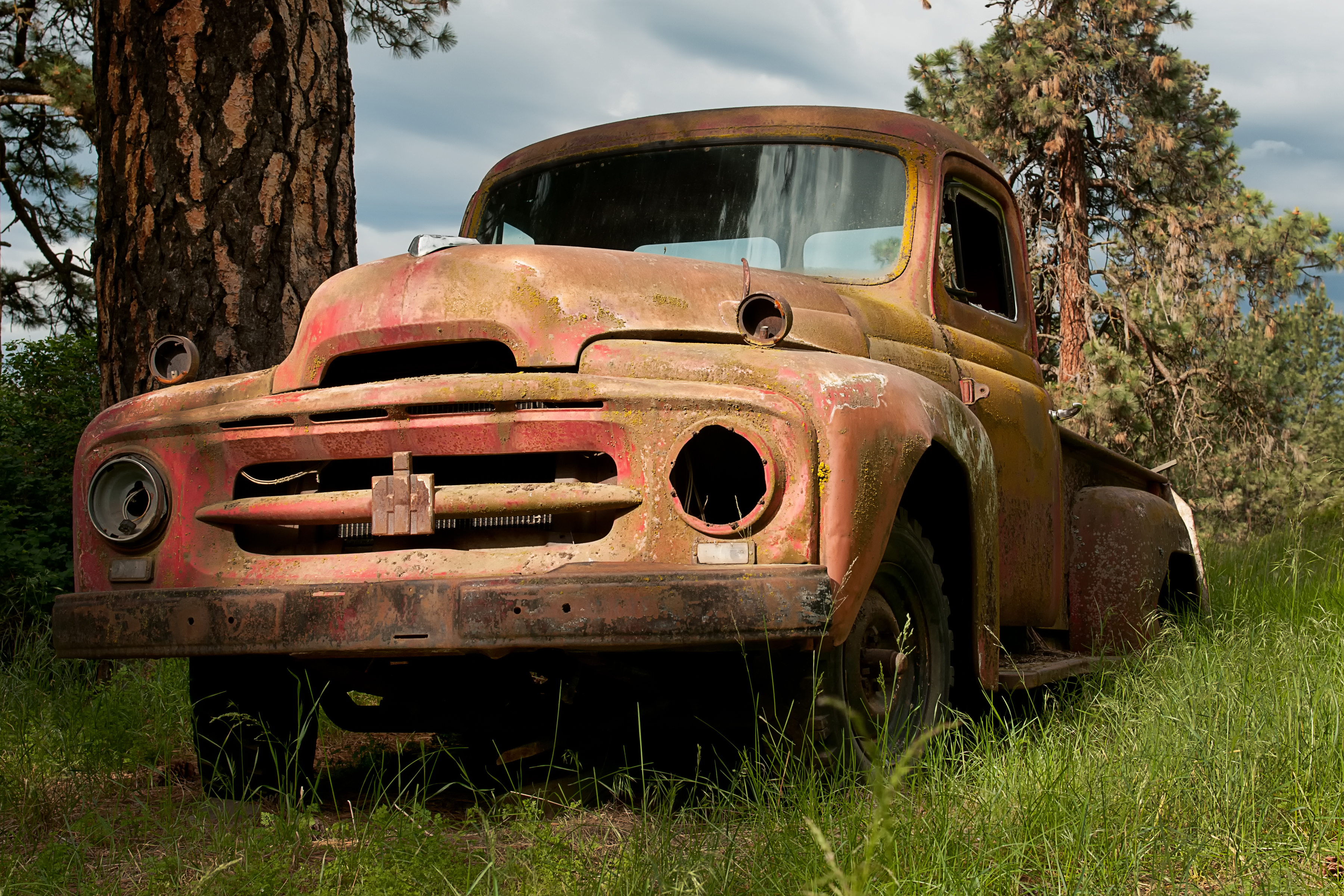
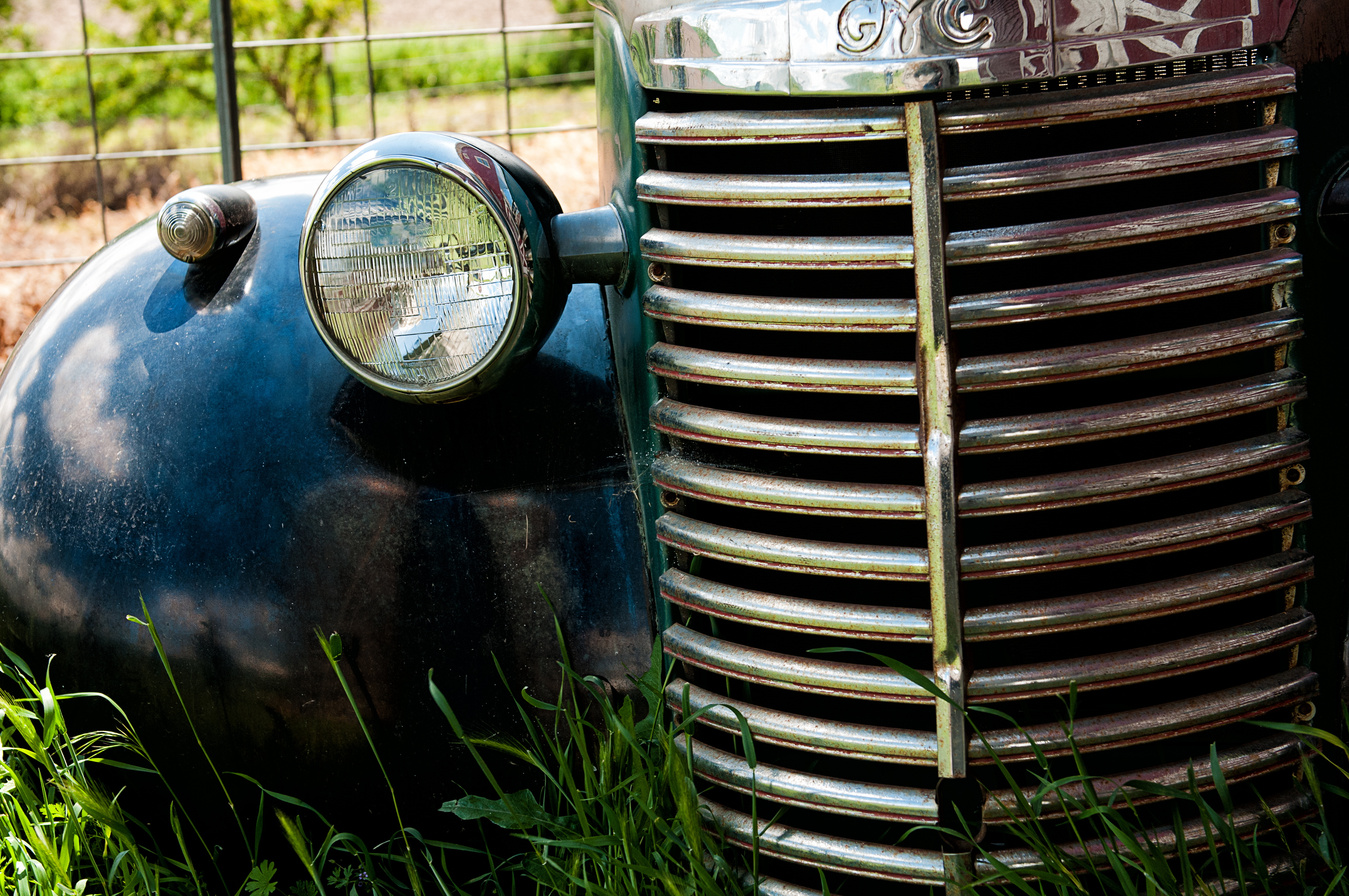
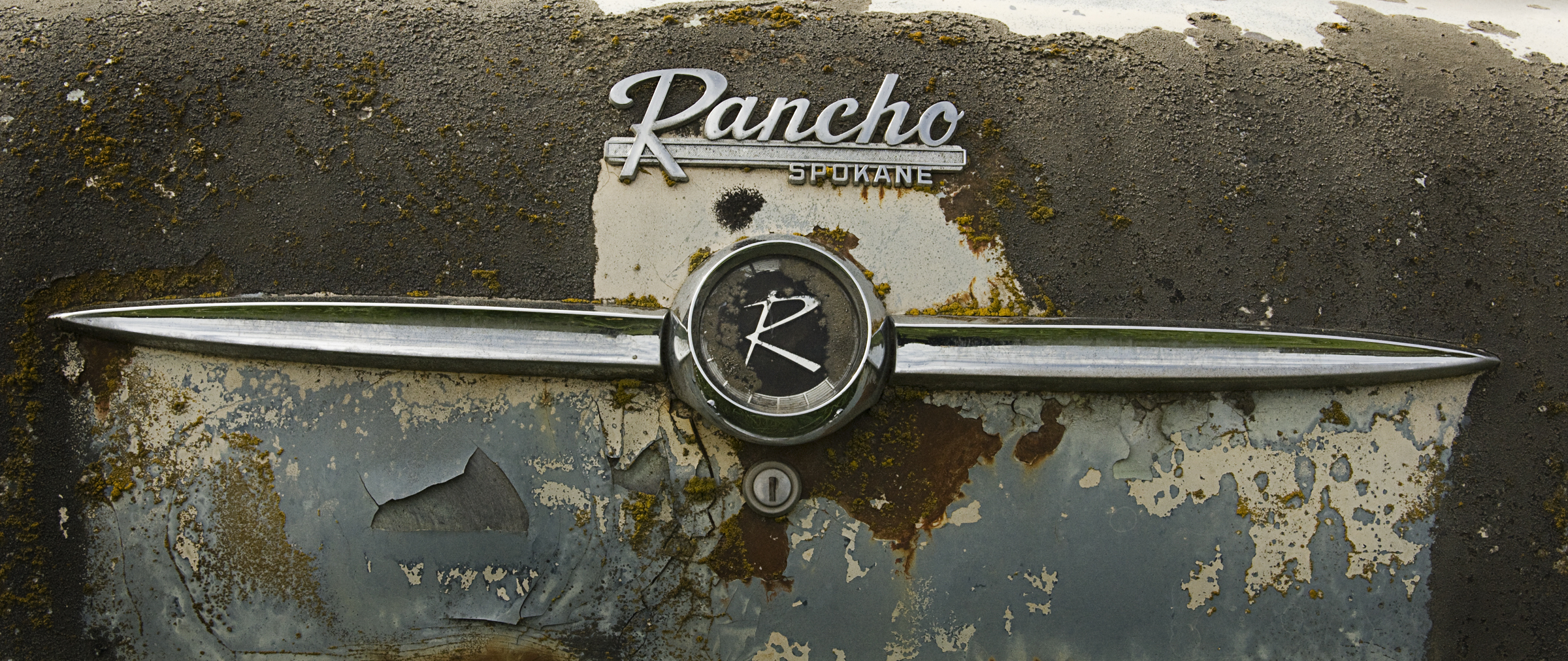
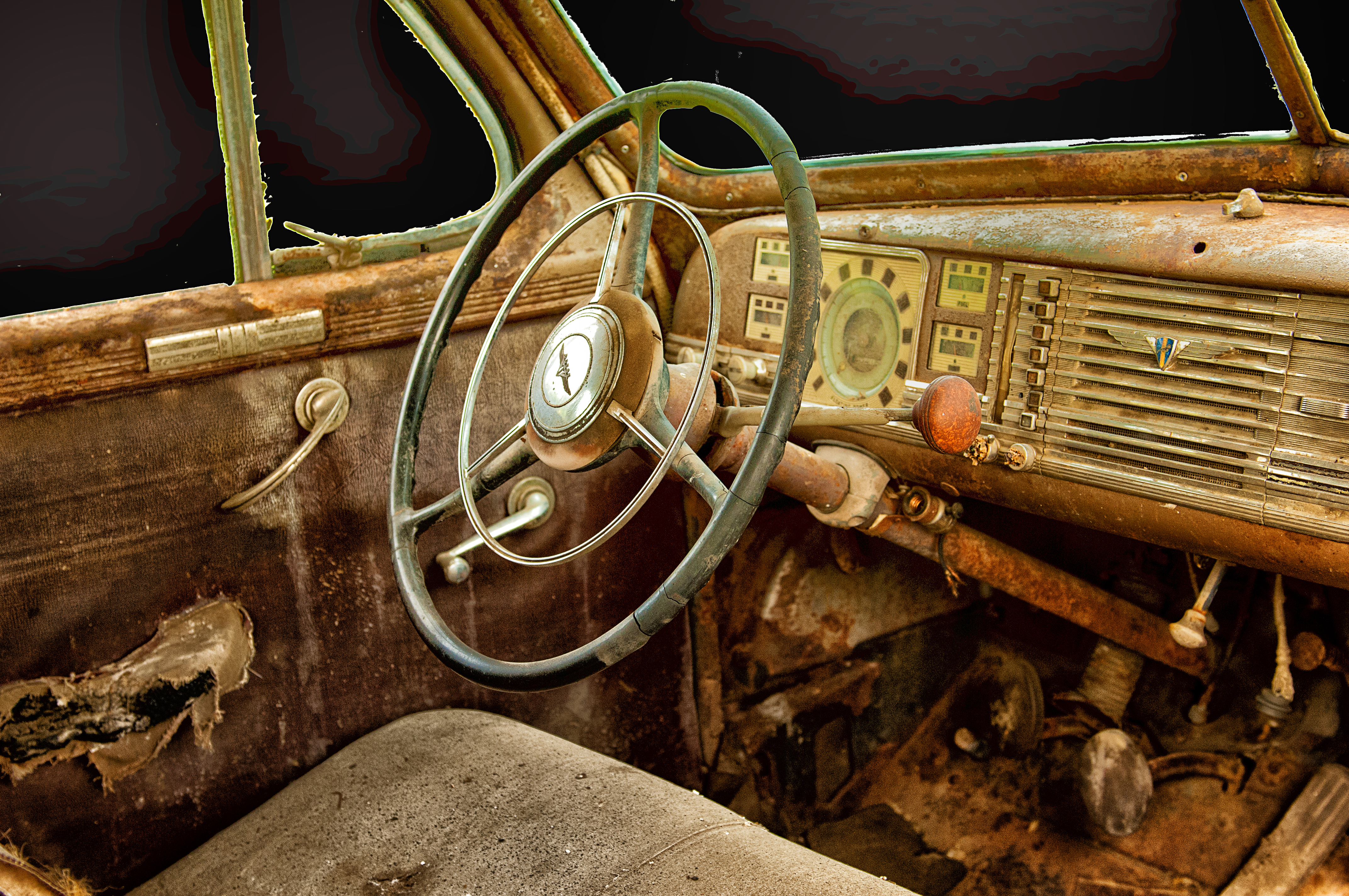
Resting in deep grass In a field of green  In the shade of a tree GMC grill   the trunkJRE_4530bJRE_4529b

Last week I wrote about my photography adventure in the Washington Palouse area, with its undulating landscapes and picturesque dunes.

For me, the most satisfying moments of that trip was photographing the patterned fields from the top of Steptoe Butte as the sun came up in the mornings, and, finally, at day’s end standing at a canyon edge capturing the falling light on the spectacular Palouse Falls.

However, during the day our group’s leader, Aaron Reed, offered the opportunity to photograph old derelict vehicles he had located on dusty back roads, and we spent our mid-day driving to several different locations.

I have always enjoyed photographing old clunkers left resting, rotting, and rusting in forgotten fields. Even though where I live in British Columbia they aren’t that hard to find, when we stopped and wandered out into some field when an old car was spied, I was as just as eager as the others.

My approach isn’t very formal and while the others strategically placed their tripods, and selected filters; I would kneel in the deep grass, or lie down in the dirt, and start shooting. Grass stains and dirt clung into my clothes as I shifted, rolled, and dragged myself along on the ground making photographs from low angles.  For me, it’s all about the picture, right?

My lens of choice usually is a 24-70mm used at the 24mm focal length, which on my camera’s ¾ frame sensor is equal to about a 35mm. I will add that in the days of using film cameras, a 35mm was what I liked the best then, same as now for photographing derelict vehicles.

I know many photographers prefer dramatically distorted images created with ultra-wide lenses, but even a 35mm has distortion, certainly not as much as the 11mm lens one person of our group on that trip was using on his full frame Canon, but distortion enough for me.

I usually place a polarizing filter on my lens when photographing automobiles. Not because I am concerned with controlling the sky as I would in a scenic shot, but because a polarizer allows me to reduce the glare on chrome and glass. And I prefer to photograph reflection-free windows, if I can get it, as opposed to those that mirror the sky and surroundings.

As I stated, my approach isn’t that formal. I usually operate my camera in manual mode, and I don’t use higher ISO like over 400, unless the lighting conditions demand.  Normally, I take a meter reading off the ground, get just as low as I can by sitting, kneeling, or laying down, depending upon the high grass or other obstacles in the way, then focus on the old vehicle, making both horizontal and vertical images, and then move on to the next.

I admit I also like close-up views and select features that interest me on the rusting clunkers, so I would set the focal length of my 24-70 lens to 70mm while looking through an open window, open door, or when I found an interesting hood, or trunk, ornament.

Photographing those dilapidated old automobiles was, in my opinion, the icing on the cake for what was already an excellent photographic adventure.

I always appreciate comments. Thanks, John

My website is at www.enmanscamera.com
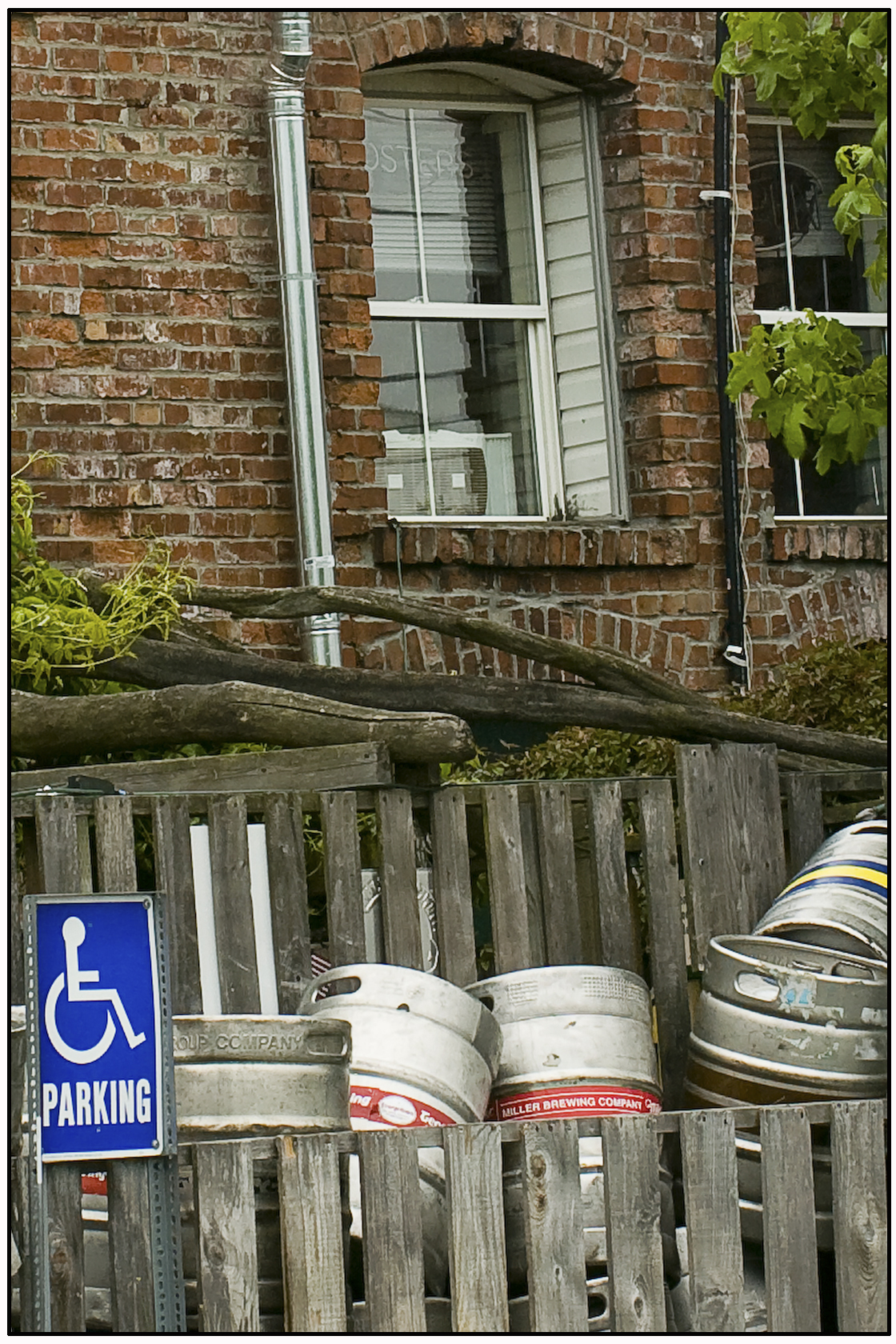
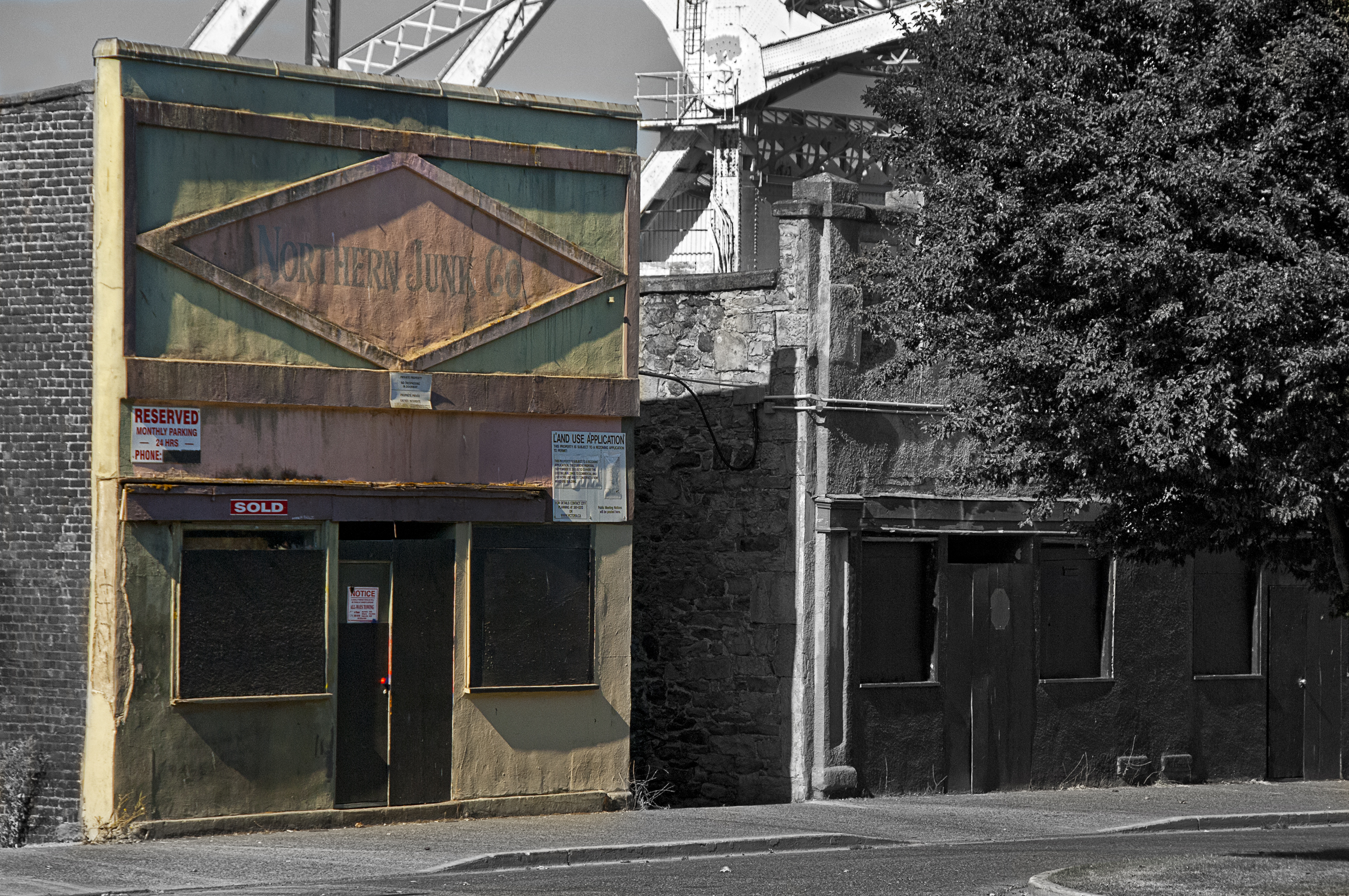
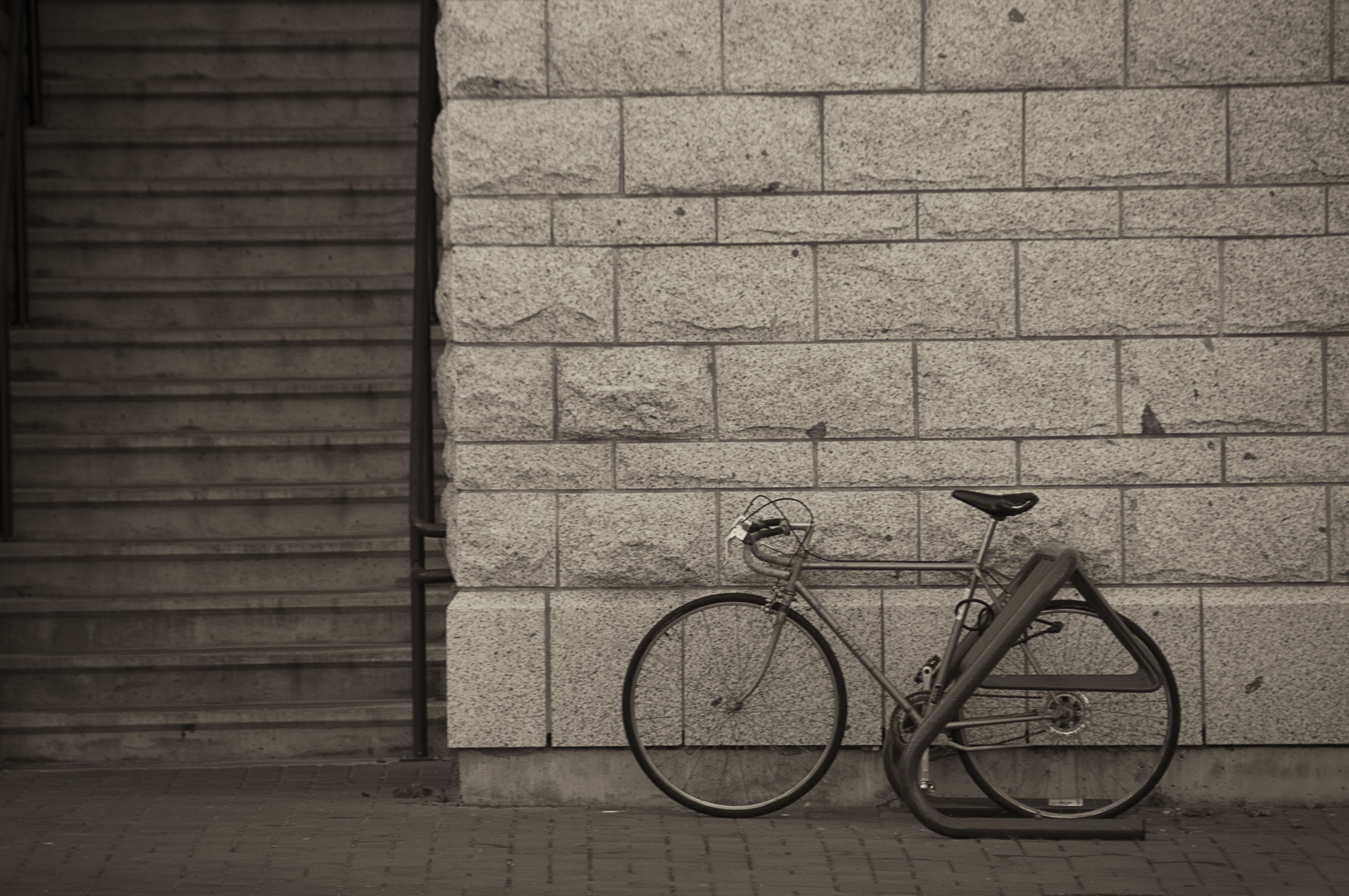
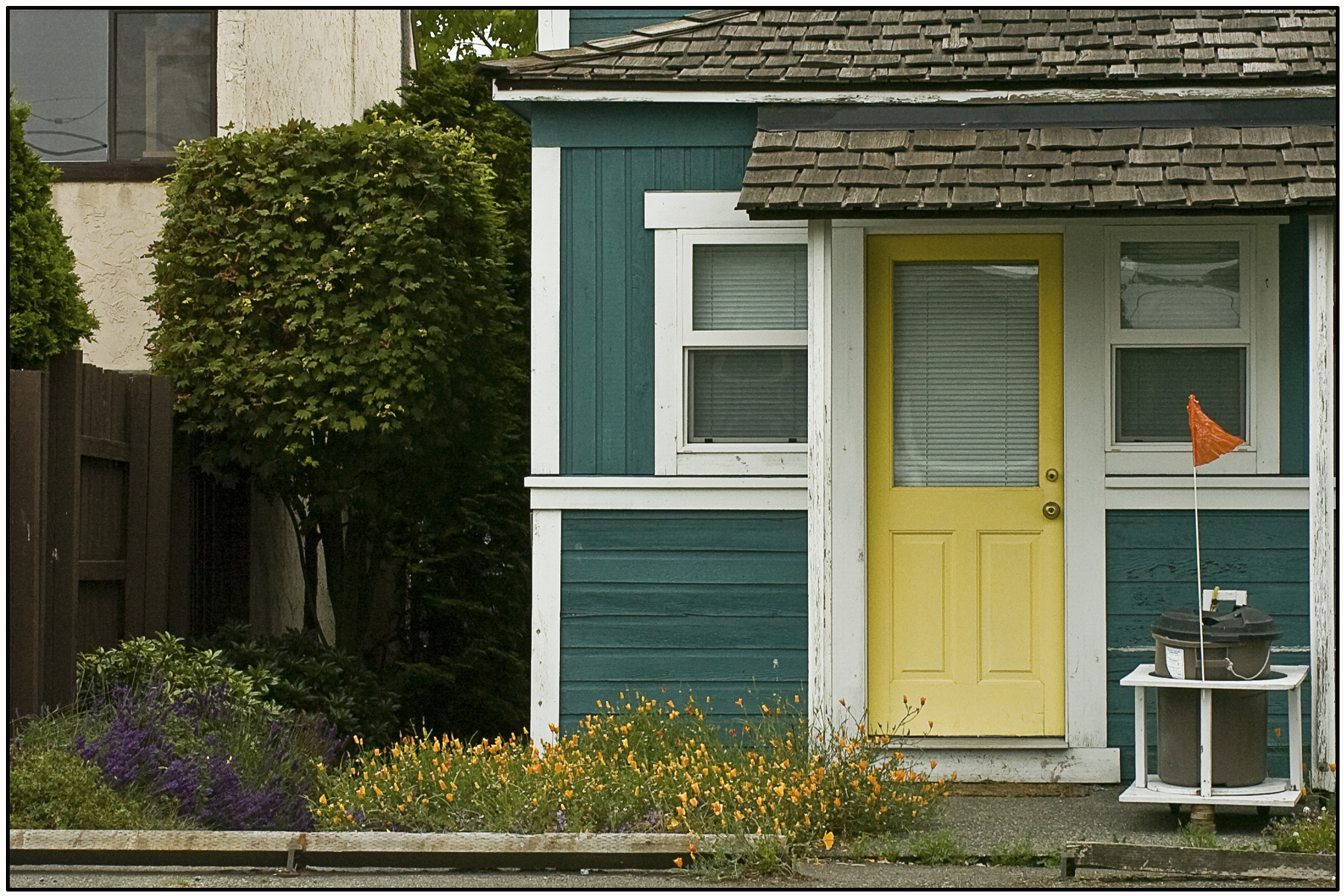
I like Photographing Buildings

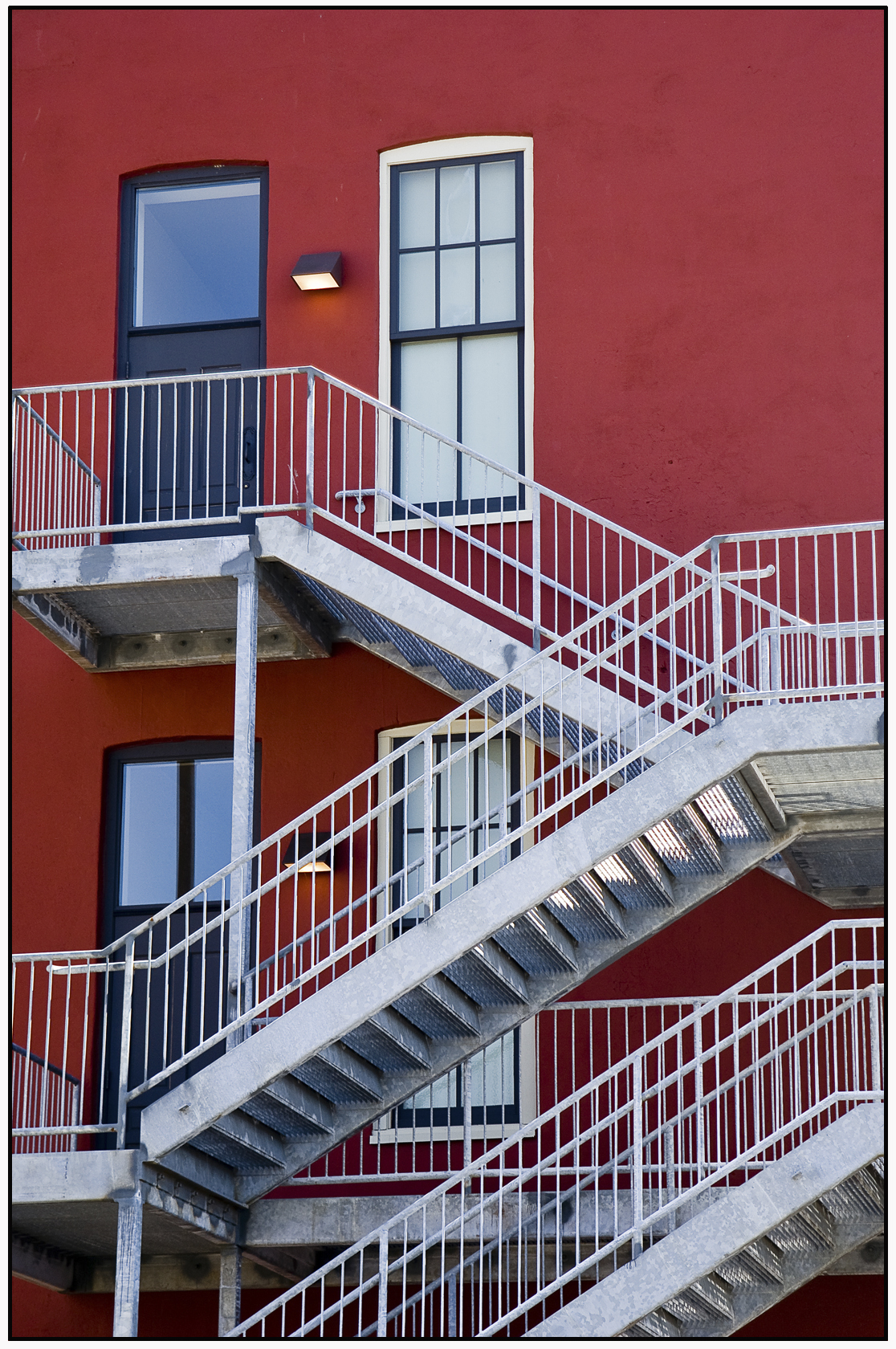
Red wall & Stairway1 blue door1 parking1Northern Junk co.  Captain's ride  porch couch1Brick doorway 1 the yellow door1 Waiting

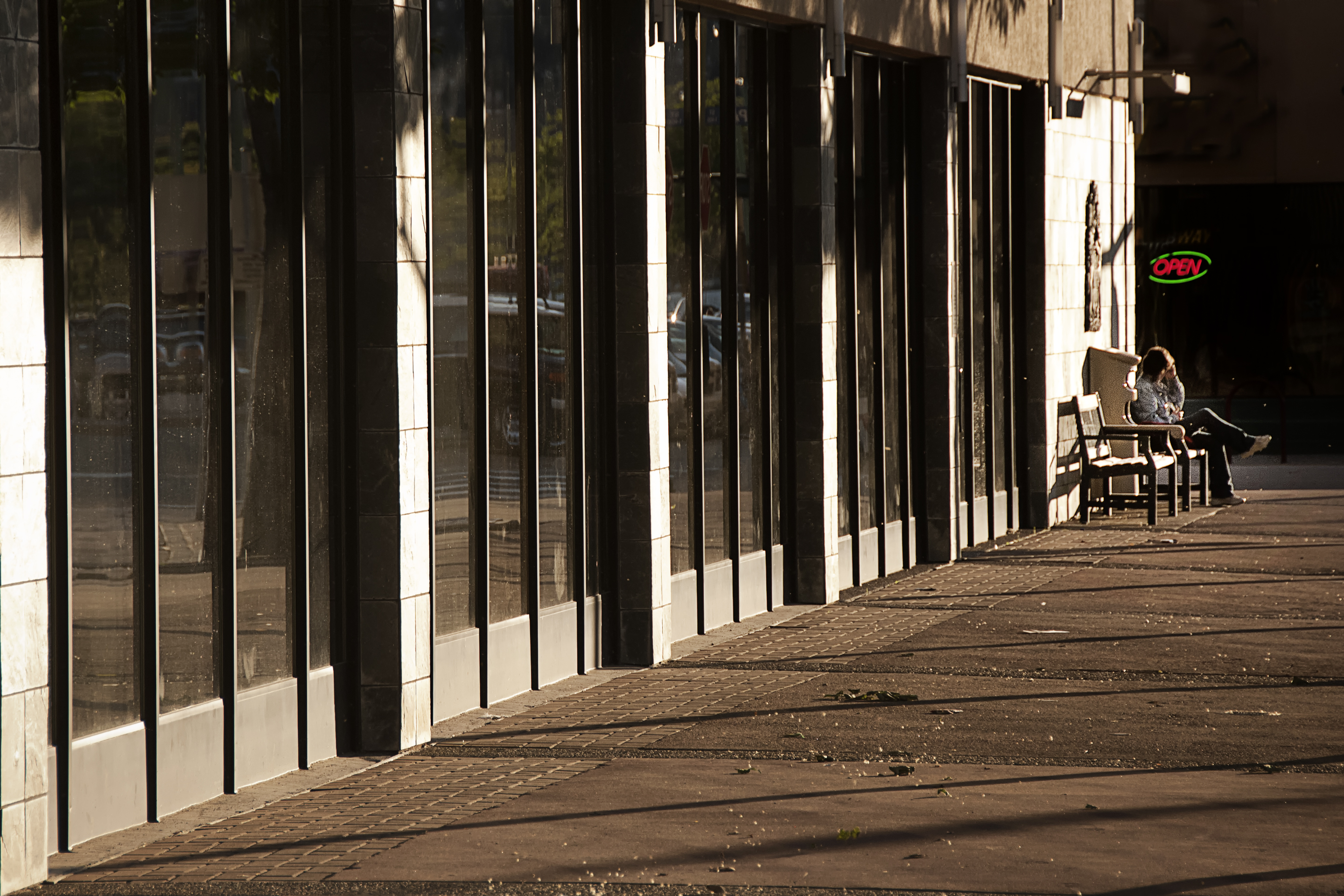
Strolling along sidewalks with my camera, in cities, large or small, is exhilarating. And whether the architecture is low and flat, or skyscraping, or old bricked, or shiny metal and glass, I always find something different to photograph.  Usually, I approach urban areas with a plan and I don’t just wander about hoping to find something interesting. That’s not my way.

Sometimes I am after the cityscape and watch for shadows, highlights and interesting sky. On other occasions, my plan might be to select a particular area and visually capture the story of how structures and features interact. I might be more interested in the colours, and spend my time using the colour evidence to make a story.

In October 2012, I wrote about images I made while walking along the waterfront in Victoria, and, in February 2013, I showed photographs and discussed the small South Thompson River town of Chase, in the BC interior.  In each instance I approached the municipalities with different photographic goals. Goals that were not so much defining visuals as they were photographic thoughts about the architecture in each place.

Some years ago I spend three days wandering the side streets of Anacortes, a town along the coast of Washington. Although I enjoyed both the downtown and harbor districts of the small American town, what struck me most were those places where people lived. The inhabitants appeared to go out of their way to differentiate each dwelling and my plan came about to document the entrances of the places where people lived.

In that instance and whenever I decide to work my way through, or around, some city I always take some predetermined course of action. I remember a late afternoon in Port Townsend, WA and on that trip I spent my time photographing the unique turn of the century buildings along the narrow, main street using an infrared modified camera. I wasn’t so much documenting the well-known seaport town, as was trying to create a distinct impression of the ornate Victorian architecture.

I once read a quote by an anonymous writer that said, “The difference between the recorder photographer… and the artist photographer… is that the artist will, by experience and learning… force the camera to paint the imagination…the emotion… the concept and the intent… rather than faithfully and truthfully reproduce an unattractive and unflattering record.”

I must admit that my intent isn’t usually to document the cities I visit, as much as it is to create a personal vision of the buildings I photograph. That vision, although uniquely mine, rarely strays much from reality other than when I use my infrared camera. I haven’t entered the artistic world of HDR (high dynamic range) image making yet. HDR is the process of merging multiple exposures into one image.  I expect that it is only laziness on my part, because I am intrigued by how well HDR post-processing with software like Photomatix, http://www.hdrsoft.com lends itself to the creative architectural work. I anticipate that I will tackle that process at some time in the future when I make plans to photograph my way along another city’s streets.

I will mention that I rarely use lenses that are wide enough to exaggerate the foreground or make those dramatic vistas. My camera isn’t a cropped sensor so an 18mm lens would be, effectively, only a 28mm. That allows me to include lots of visual details and limits the distortion between near and far objects.

Summertime is quickly approaching and with that my wife and I expect to do some driving around British Columbia and possibly stray into Washington State, and those trips will always include architectural photography opportunities in the towns and cities we pass through, or stop and visit.

As always, I appreciate your comments and please let me know you were here.

Thanks, John

My website is at www.enmanscamera.com
Close Enough for a Good Photograph

Continue reading

Planning a Photography Excursion to the tulip festival.


Now that the February blahs are over, and March has come and gone bringing warmer days (regular readers know how I feel about March, “Ides of March. 15 March 2012”), I am thinking about planning a spring photography excursion.  I am hoping the weather will be cooperative as I don’t enjoy photography in the rain, and don’t want to get my camera equipment wet.  I think I should include some protective rain gear in the event of bad weather.

I would like to go on spring excursion heading west and south and that should give me the best opportunity for photography that will not include snow or cold temperatures.  I want to go somewhere along the coast I think, as spring comes earlier along the west coast and I should have my choice of flowers, landscapes, or any possible wildlife.  A friend phoned last night from Vancouver saying there was green grass, and flowers, and the temperature was 12 degrees, and expected to get warmer.

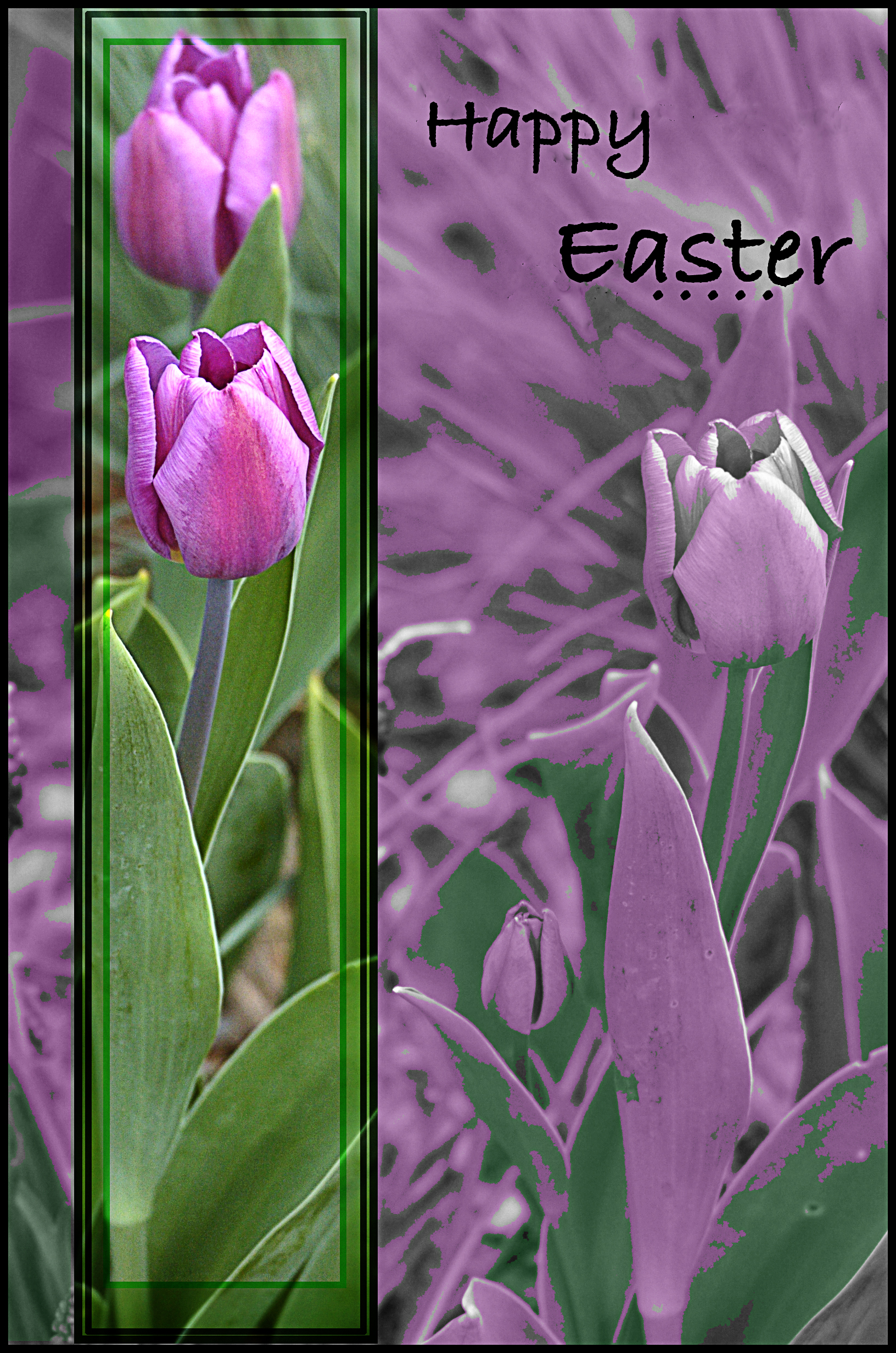
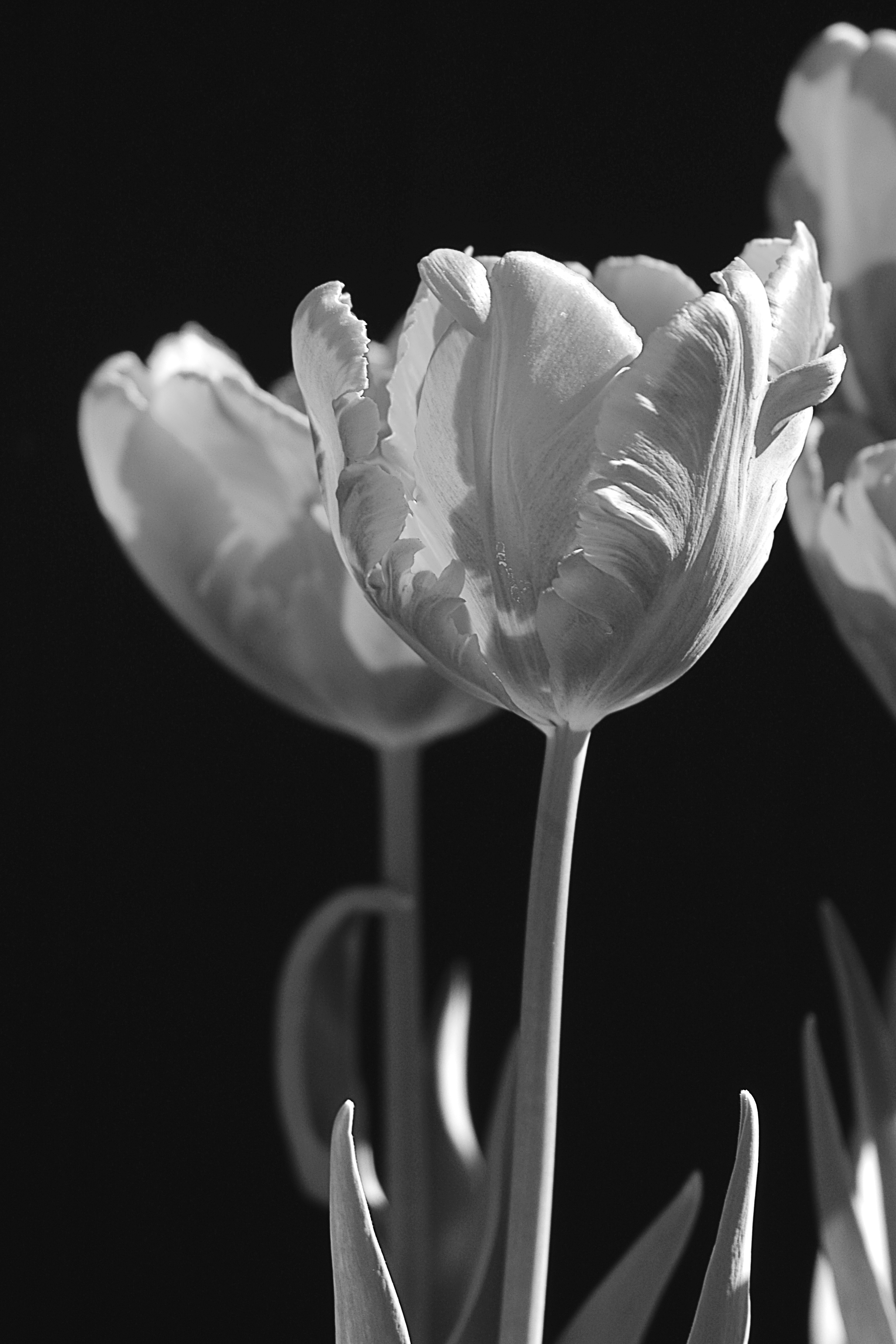
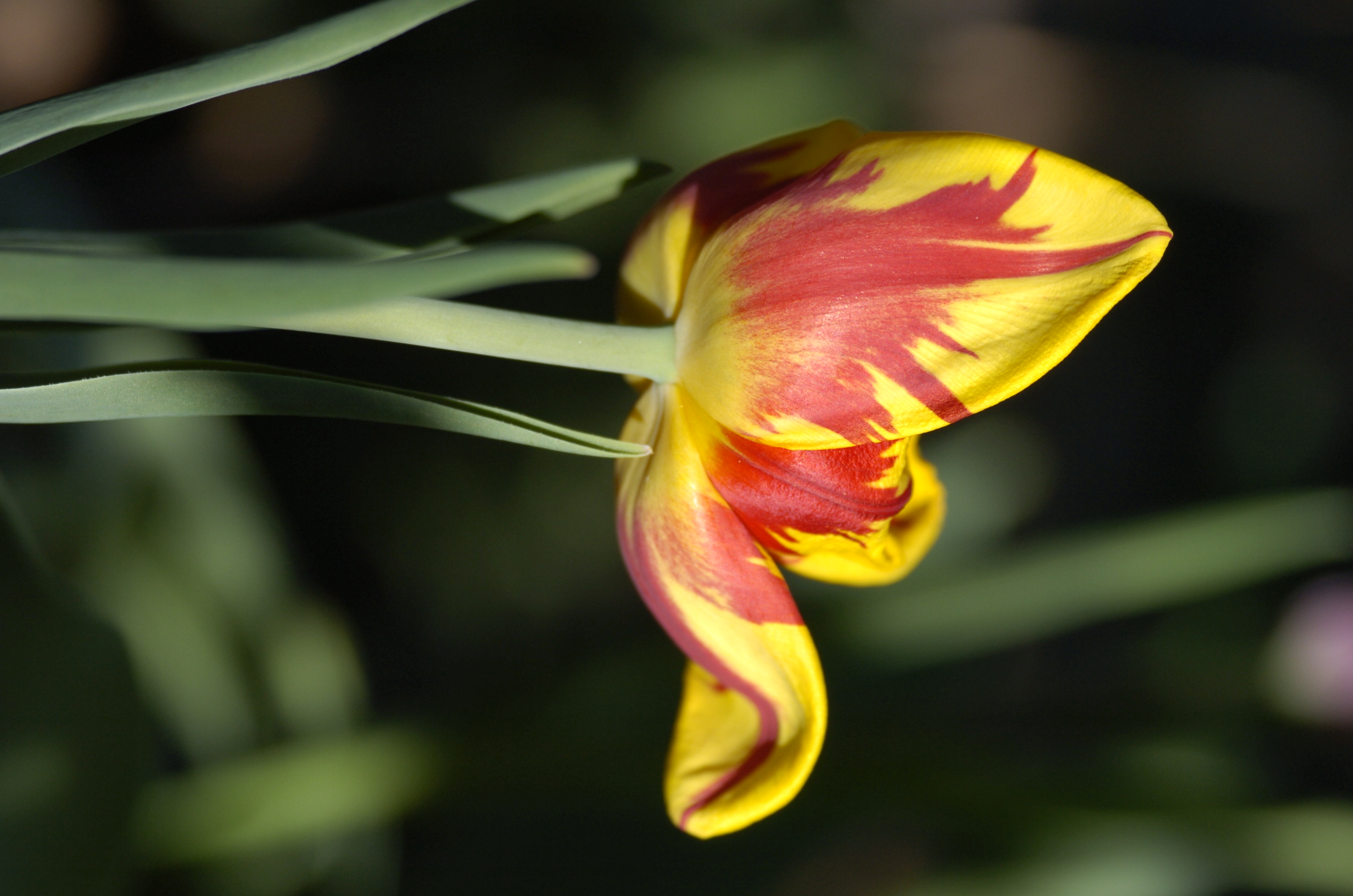
I just received an email reminding me of the spectacular blooming events along Washington State’s northern coast.  I could attend the 29th Annual Skagit Valley Tulip Festival from the 1st to 30th of April.  I know I could link up with other photographers going there from BC, or I could just head to LaConner or some other town on the coast of Washington, find a place to sleep, and join the festivities.  I am not so much a flower person, but like so many other subjects I photograph, I think multicolored fields of tulips would be an interesting photographic challenge. Choices ranging from extreme close-ups to landscapes would be just plain fun.

I don’t tent or RV so I will start browsing the internet for reasonable lodging. I have found fun places to stay in the past by checking out lodging websites, however, I have also ended up by chance in neat places just by going where I want to be and looking around.

If this brings up the question, “Have you ever had bad luck finding a place without advance reservations?”  Oh, yes!  I remember pulling our tiny Suzuki Sidekick off the highway at a roadside rest stop late at night because every hotel and motel was full.  My wife, Linda, and I tried unsuccessfully to spend the night sleeping in that cramped car. Morning came early (4am) and because nothing in the nearby small town was open we drove off tired and hungry. We finally ended up gobbling donuts and coffee hours later at a Tim Horton’s, then later collapsed on a sandy beach beside a lake and slept much of the day away.  Oh well, we will never forget that excursion!

I like to plan and organize such events to include preparing the vehicle, so when the time comes I will ensure the car is tuned up, and the winter tires are changed.  I like lists because I always forget stuff, and so I’ll begin making several brightly colored checklists of the items I will bring, and then I will start looking forward to the photography excursion, and have fun just thinking about the pictures I want to take.

That brings up the best part of planning.  What camera equipment do I bring?  I could bring every lens and camera I have, but that’s just silly as I wouldn’t have any room for a change of clothes.  Too much of the time I over pack my camera gear and end up stashing equipment in the car because it isn’t being used, so I will make an effort to minimize this year.

I don’t like to venture very far with only one camera, so I always carry a backup camera.  Cameras can malfunction and I don’t want to take the chance of reaching my distant destination and not being able to do the photography I went there to do.

Next on the list are the lenses I think I’ll need.  If I attend the tulip festival I’ll need a macro lens for close-up photography and a wide-angle lens for those colourful, flowered landscapes. There will be other opportunities and I’ll bring my 70-200mm and for wide low light opportunities will include a 24-70mm f2.8.  And very important, I will pack lots of memory cards.  By now the camera pack is getting full. That’s three lenses, two camera bodies, and I haven’t yet included my infrared camera that I think I’ll also bring. Oops, there is also my wife’s camera gear. Add her camera, macro lens, and favorite zoom lens, a 70-300mm.

Of course we will take our tripods, that’s a given.  Ahh, the decisions we must make. I just think it is so much fun.  The planning and anticipation of any photographic excursion is as much fun as the actual trip.  Whether I make it to the Washington coast or have to pull back my plans and stay closer to home, I will soon be venturing out camera in hand.

www.enmanscamera.com