Shoot Your Way to Work

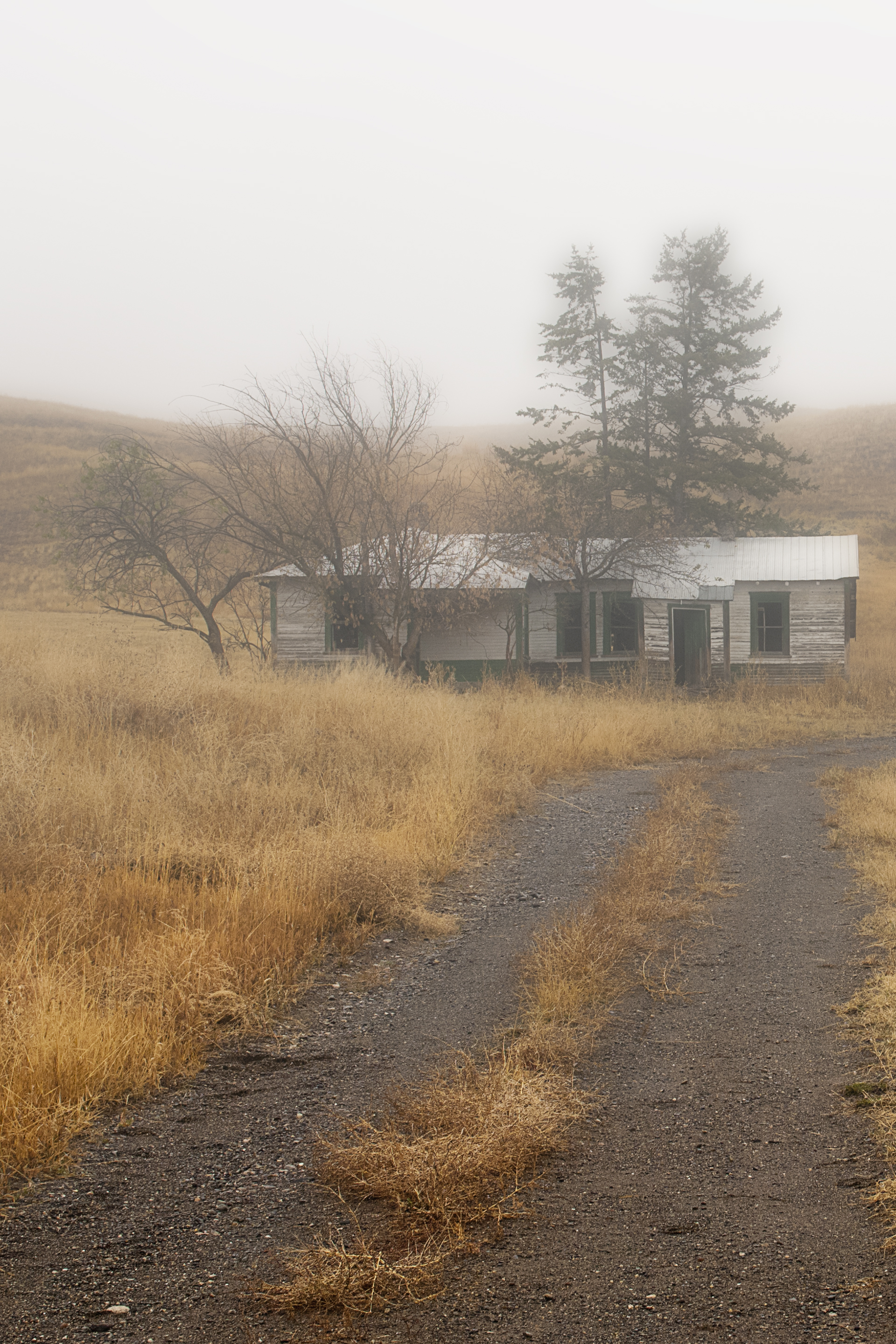
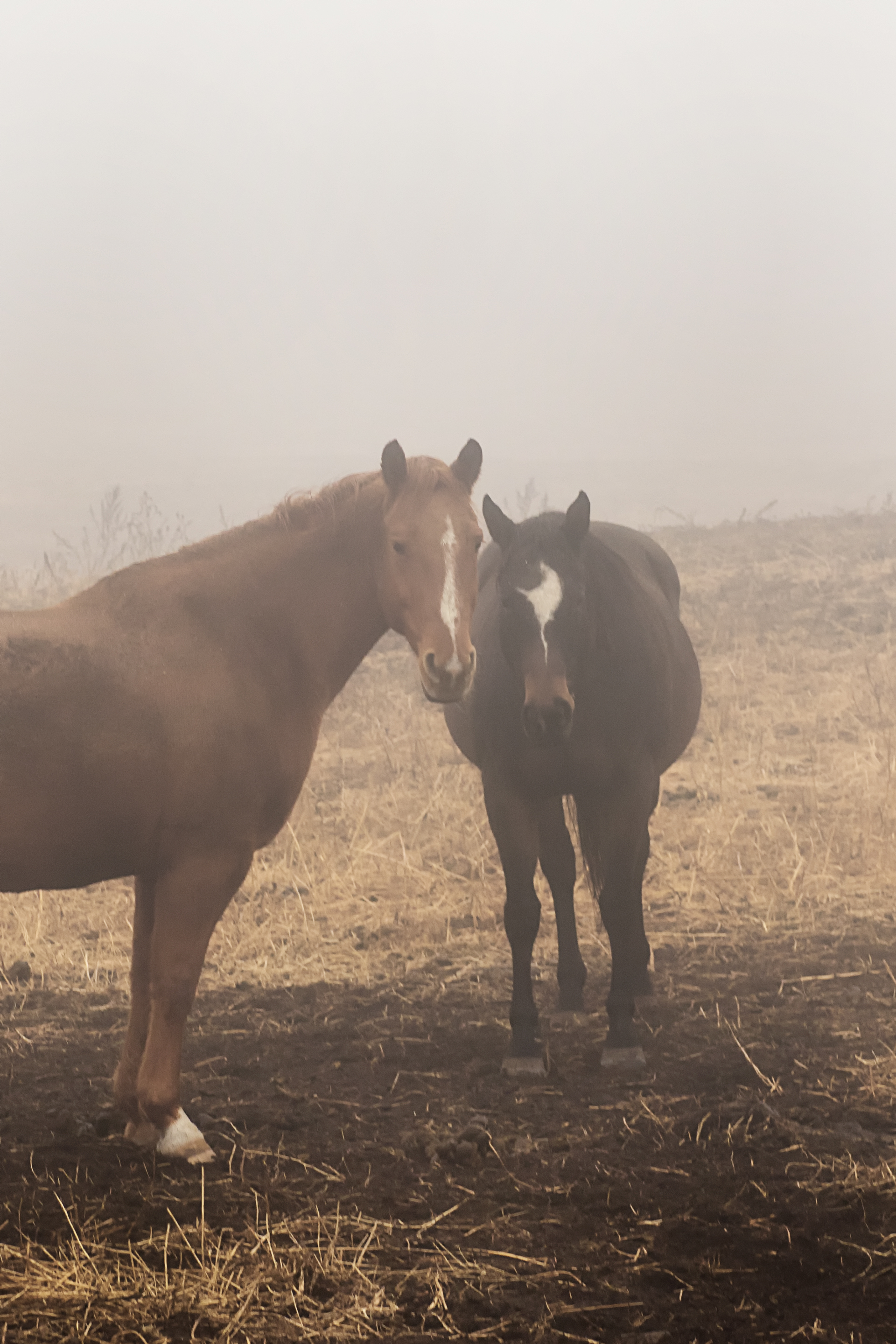
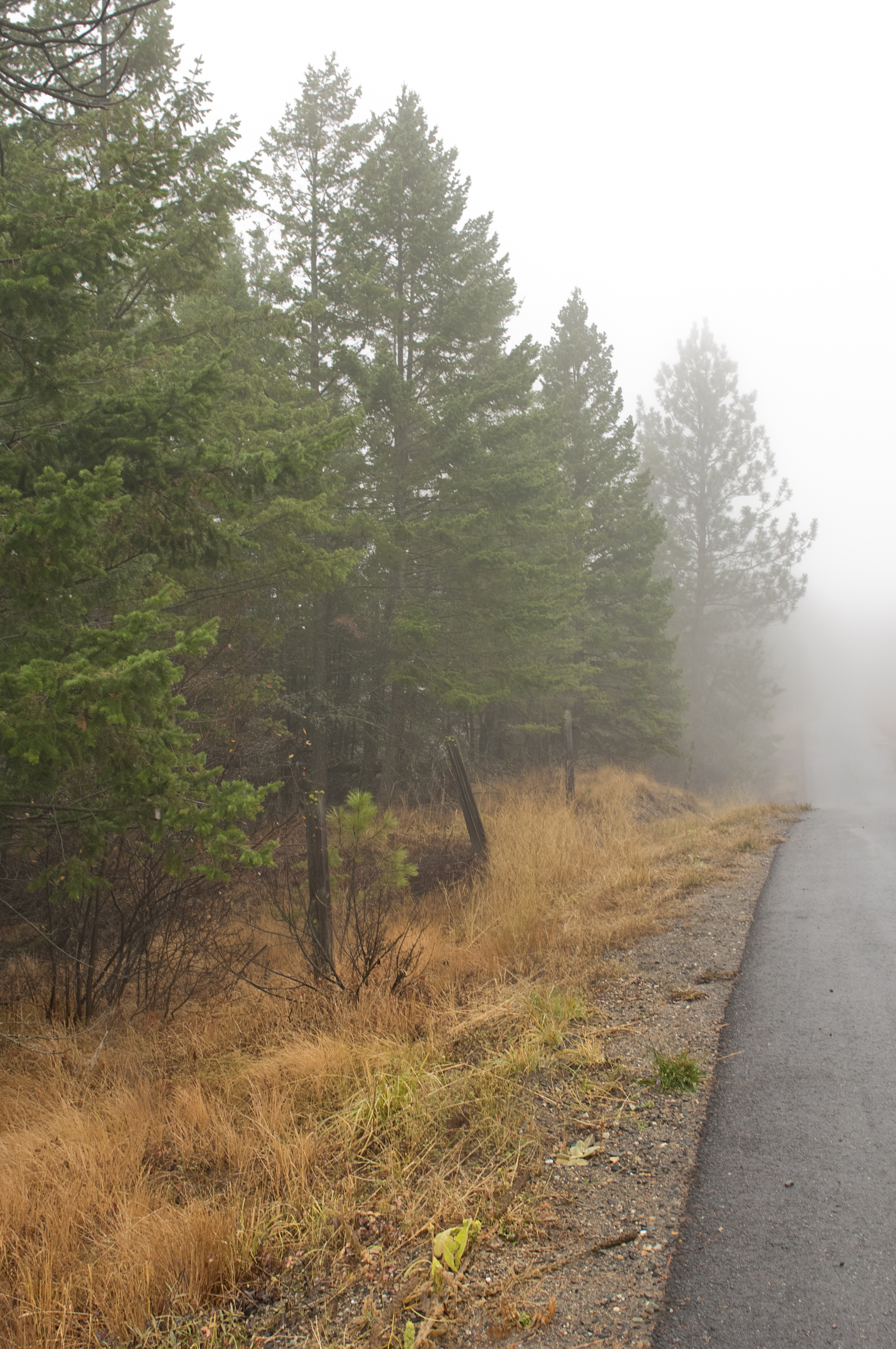
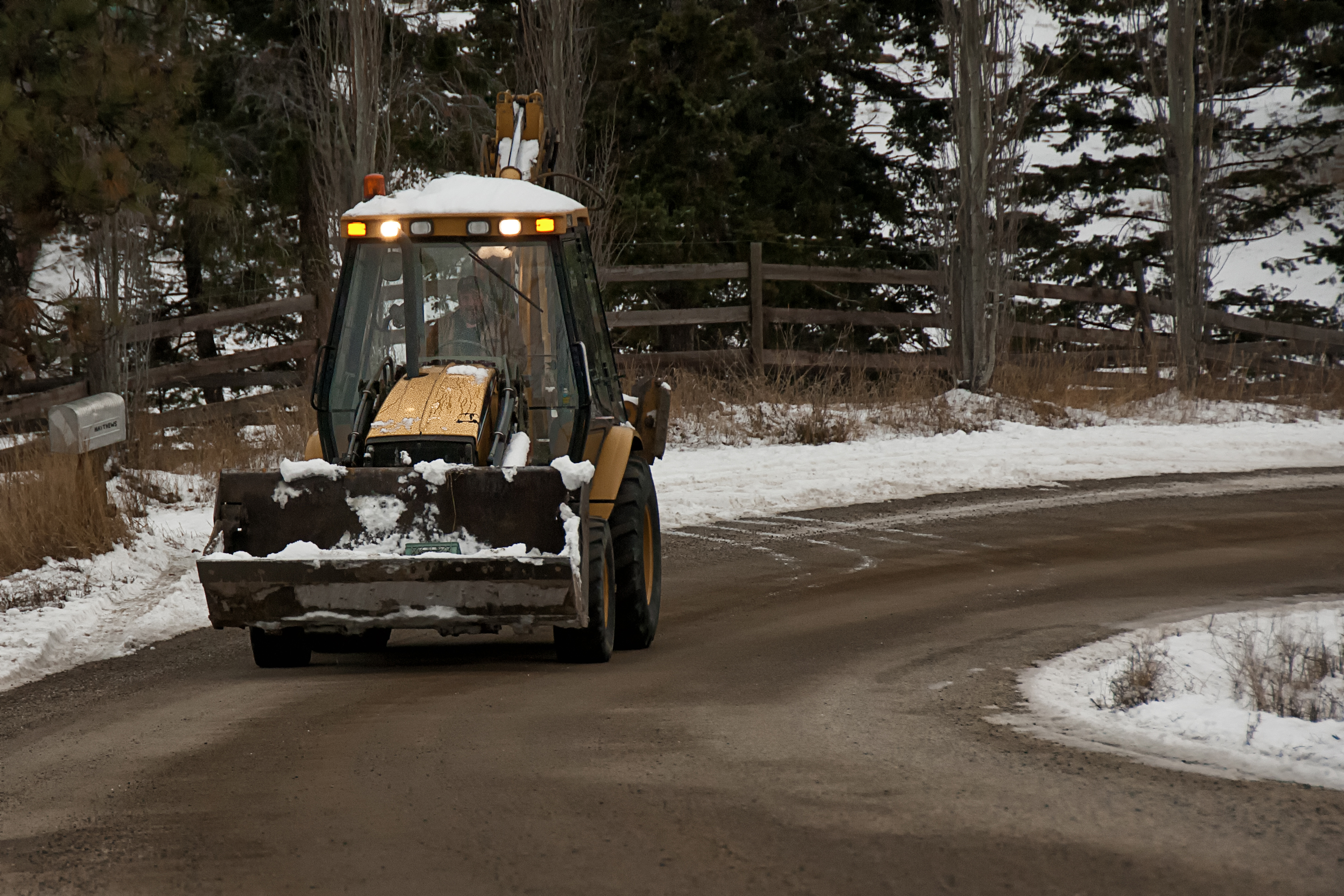
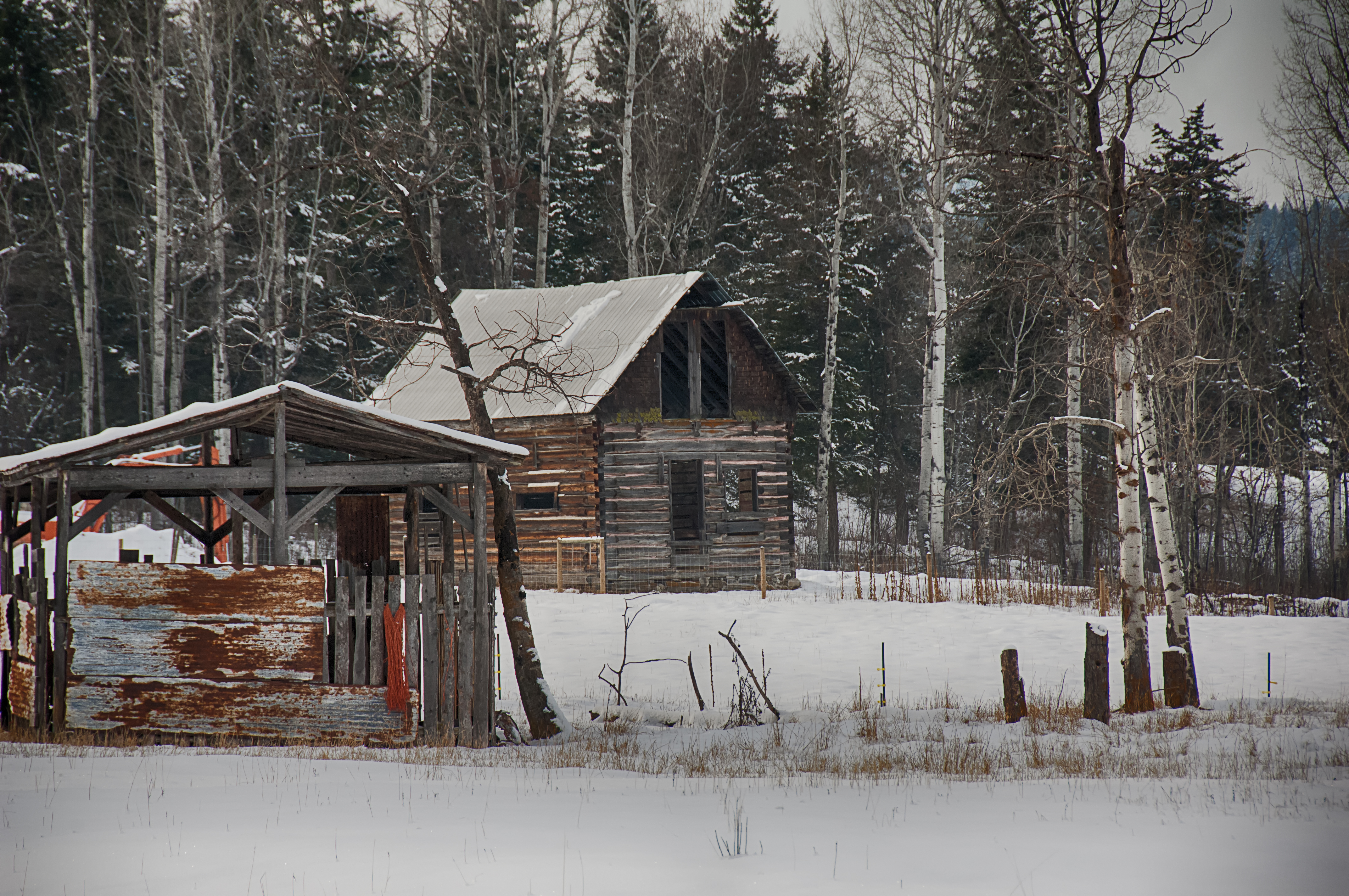
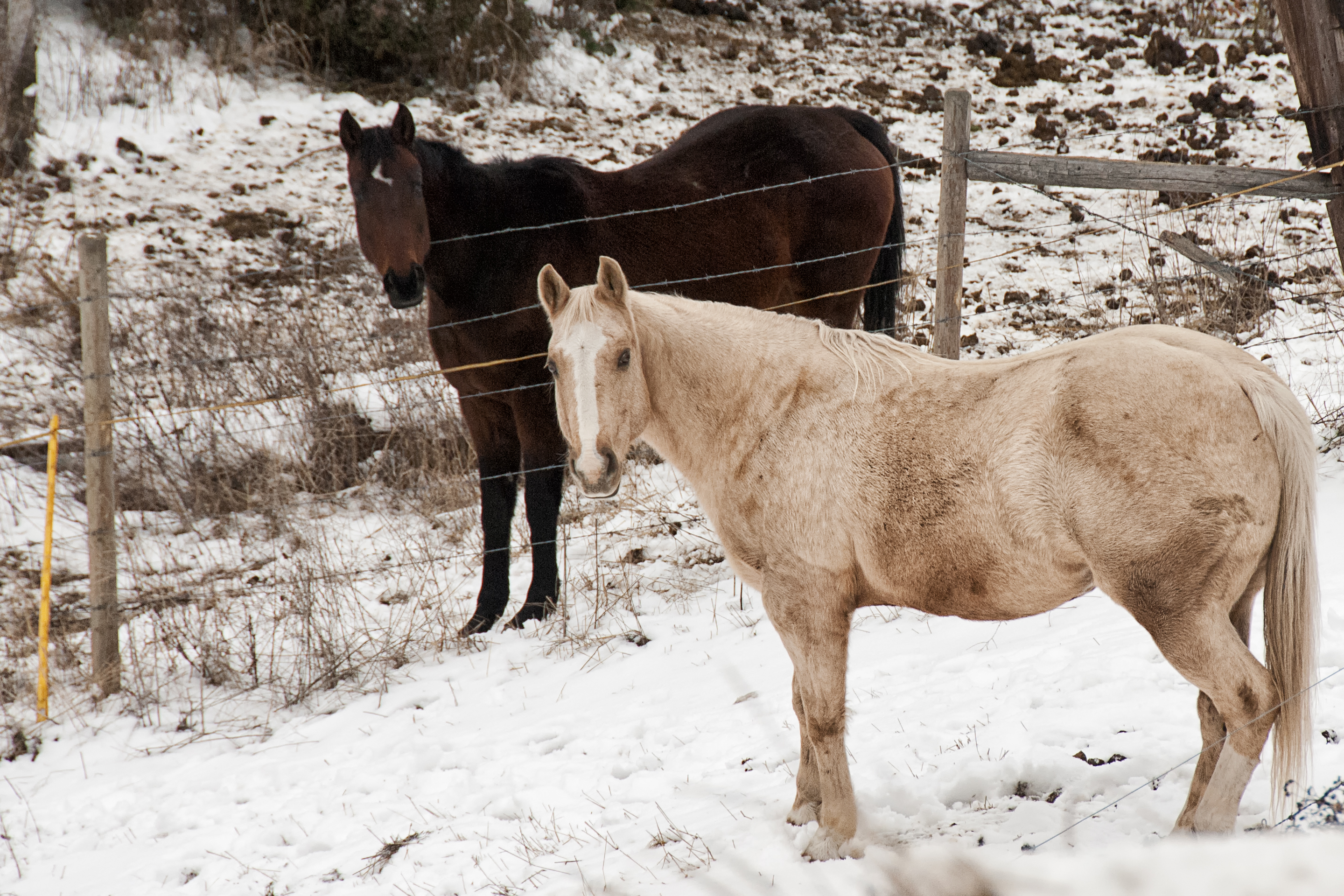
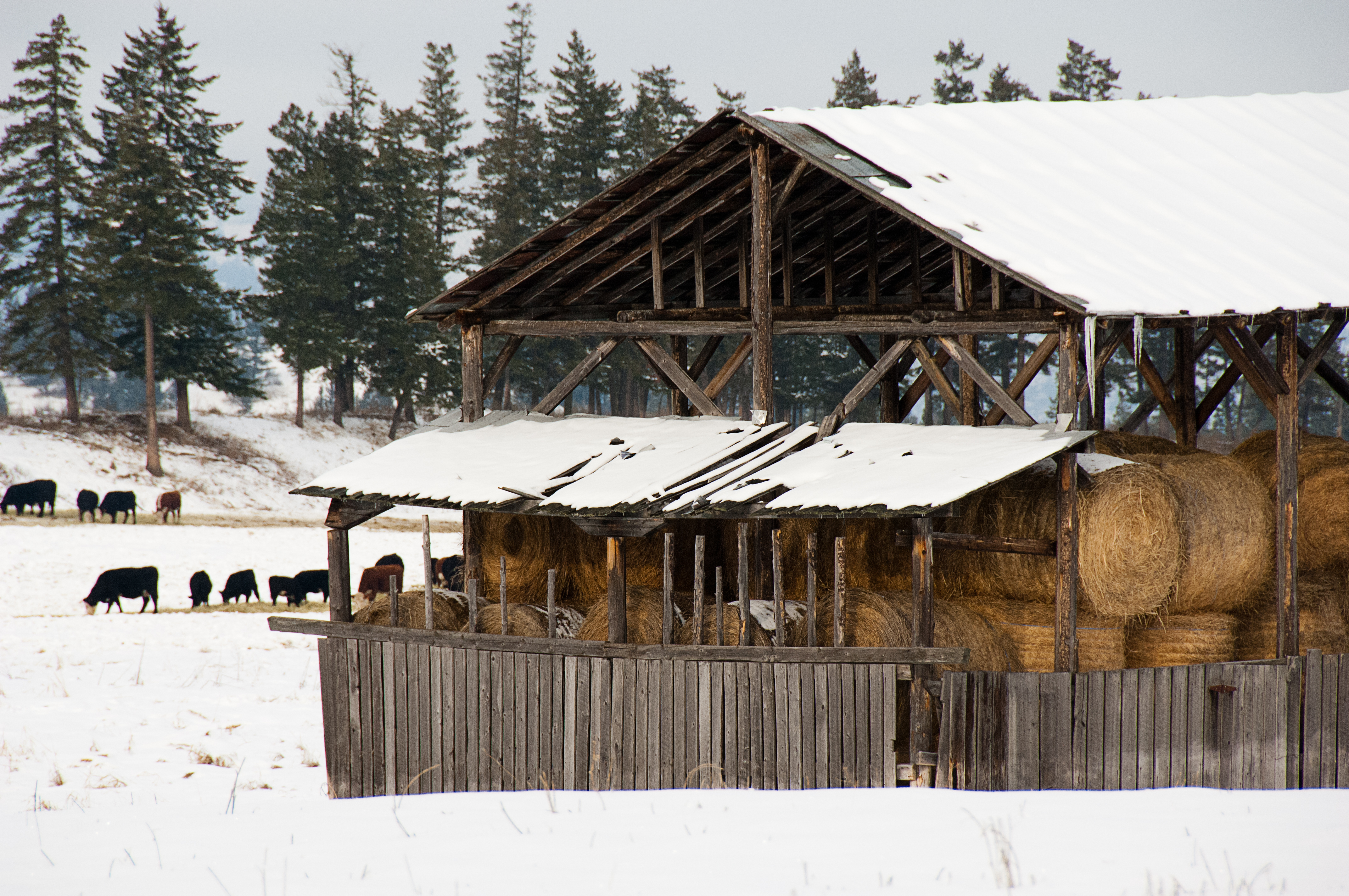
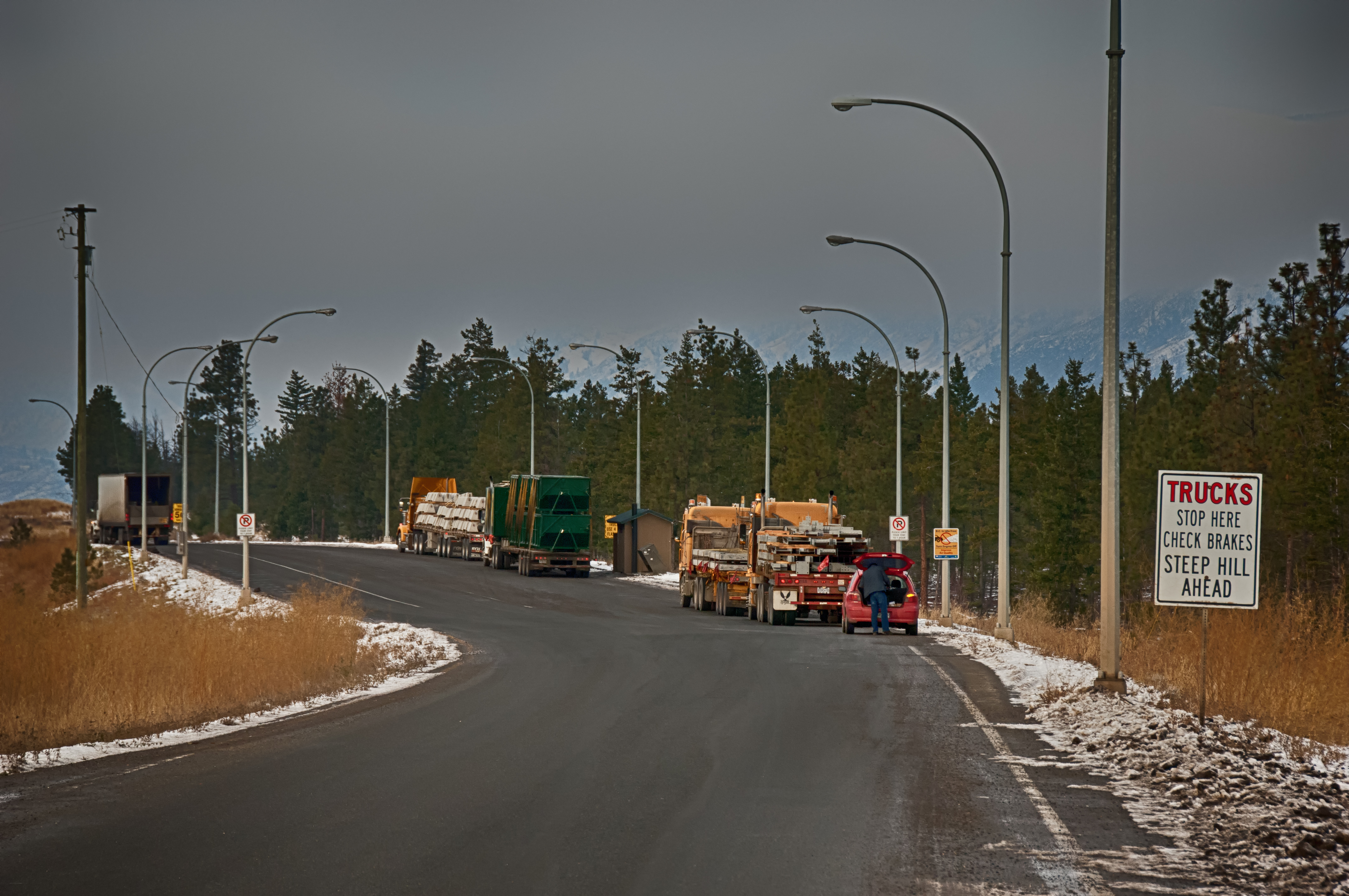
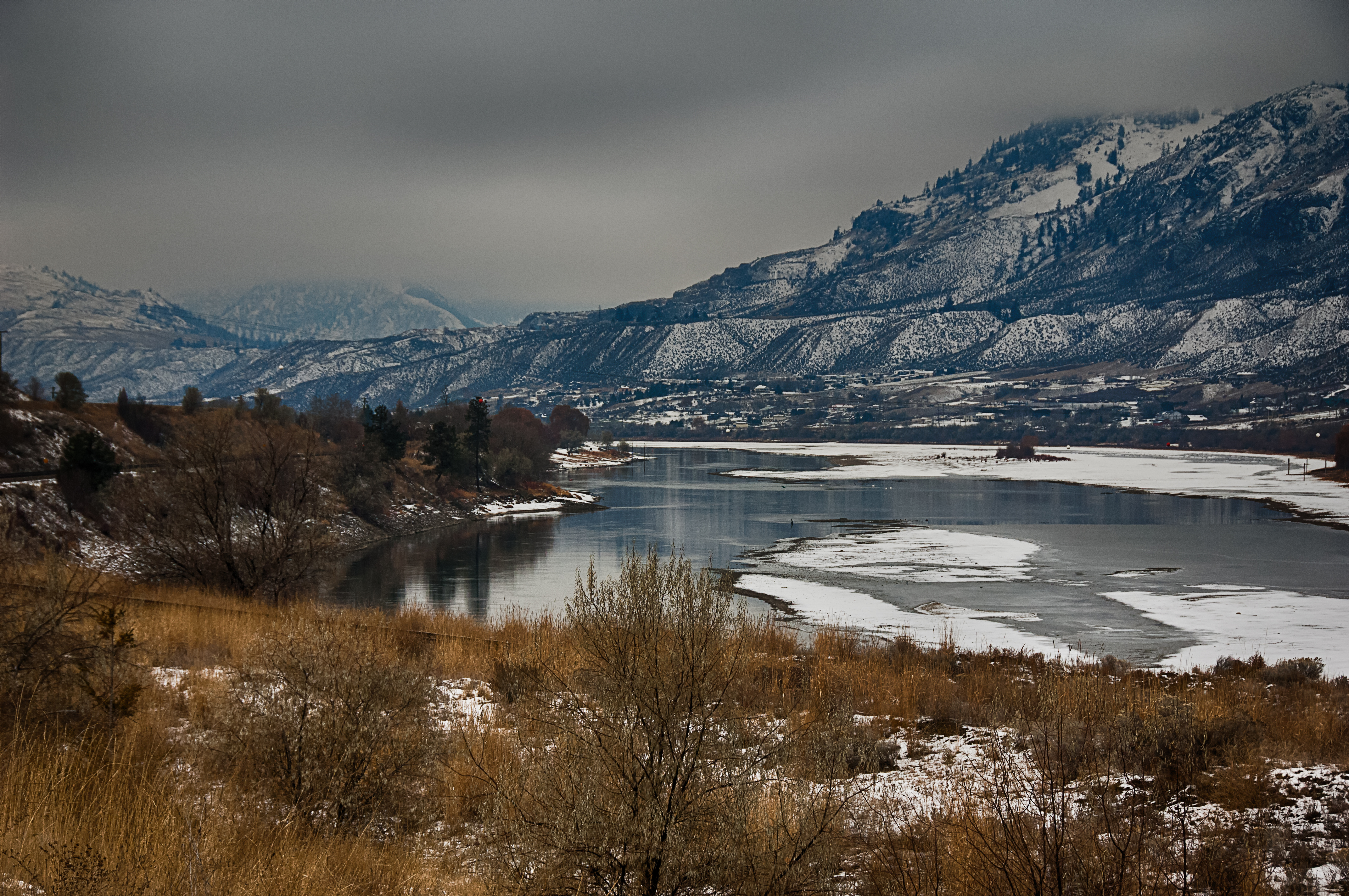
Going to work  Passing a neighbor  Just passing  Watching me go  Field view  Into the valley  On to Kamloops

It seems like several lifetimes ago when I worked as an instructor in California, and my students, were mostly inner city in third, fourth, and fifth grades, and in many cases, were not interested in anything other than getting through the day, so they could do something more enjoyable.

My job in the Alternative Education Program of the US Office of Education at the time was finding more creative methods for teaching children that would bring some excitement to learning the basics that seemed boring to young minds.

This story is going to get around to cameras, just bare with me.  At the time I wanted to involve photography, so when one of the lead instructors complained that young students couldn’t discuss the neighborhoods they walked through on the way to school, and he wanted to work on that as a project. I took the opportunity to insert photography into his project.

We started by giving the kids a pad and pencil and asked them to write about their trip to school. Some days later we all made pirate eye patches and gave them the centers from toilet tissue rolls. Students wore the patch on one eye, and used the roll tubes to look at things as they walked to school, and then later wrote about the trip to school. They saw more and more and wrote pages about the things they originally ignored.

On the final week of the project we gave them all Diana F cameras to take photographs along the way. The Diana F is a blue and black plastic, 120mm, roll film camera with a fixed shutterspeed, and, as I remember, a three-stop aperture. Actually, since then the Diana F has become a kind of “cult camera”.  Who knew? At the time it was just an inexpensive camera that the school didn’t mind loosing.

Some helpful parents had made double-layered, lightproof developing bags, that cameras and Kodak apron-type developing tanks were put into, and then tied to the student’s arms to keep out the light. After what seemed a painfully long time the tanks would emerge with the film safely inside.

We processed the film and the kids would run around the schoolyard with film flying high till it was dried in the warm California air. I once had to prove to an administrator that the developer was safe by drinking a little paper cup full. OK, I did have an upset stomach later, but I never told.

I made little cardboard and glass contact printers and everyone would place their film on Studio Proof paper and sit in the sun on the sidewalk till purple images appeared. Now long discontinued, Studio Proof paper was once used by portrait photographers to make sure the customers returned for their pictures. The deep purple pictures would fade to a solid colour in a few weeks.

Purple pictures of their neighborhood in hand the students would sit and actually write stories about the now memorable walk to school. Sure they had the pictures, but the viewfinder heightened the process of seeing.  There is something about photography and the act of image making that helps and reminds us how unforgettable and exciting it is to be in the place we live.

I recently thought about that long ago episode with photography. So for a fun thing for myself one day I thought I should try, as I had those students do, to shoot my way to work. I am always rushing at the last minute when heading to work in the morning and that makes taking pictures a rushed thing.  For my trip to work I used the spy it, stop-the-car, jump out, shoot fast and drive off method. Not my usual way, but I admit I had fun, got lots of interesting pictures, and wasn’t too late getting to my shop, and I had fun.

I hope you enjoyed the pictures of my way to town….

Please don’t hesitate to comment.

My new website is at www.enmanscamera.com
Photography on a Foggy Day


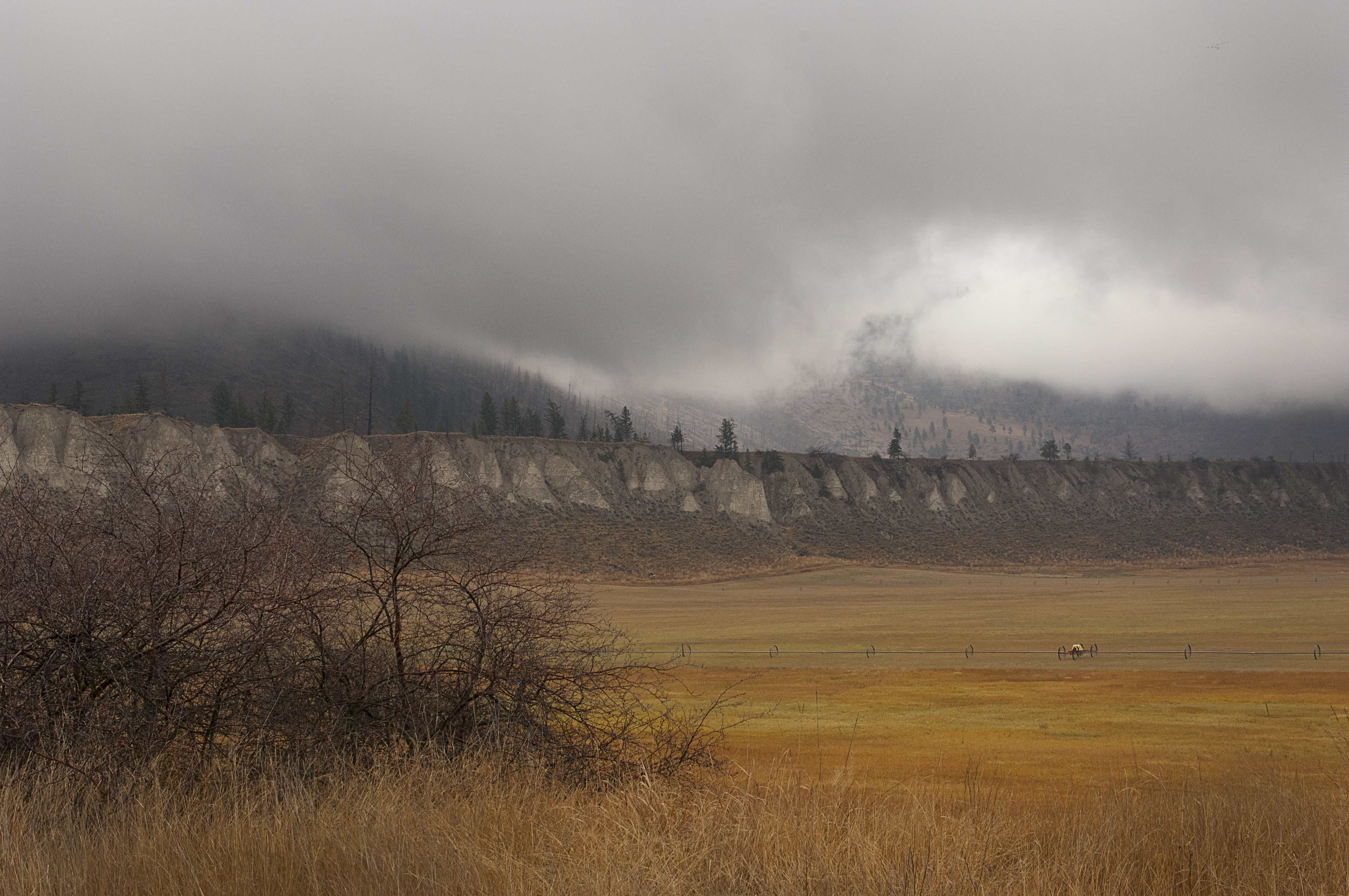
I like taking pictures on foggy days. I suppose I could have stayed inside and watched TV or read a book. I know that many photographers would have done just that as they complained about the damp, flat, lifeless-looking fog, but I like foggy, windy, snowy, and even rainy days. Inclement weather makes for unusual and interesting photographs, so when I woke on a morning with thick fog I knew I was going to have a fun day. Fog can conjure up feelings of mystery and awe, and of the many different conditions we encounter in landscape photography fog is one of my favorites.

Yes, the light was low, but October fields here in the British Columbia interior are mostly shades of gold, so there really is lots of colour. All a photographer has to do is select a subject angle carefully. I began by wandering through the wooded area across the road from my house, but I didn’t really get very far, the fog was so thick in the pines that there wasn’t much that I liked. I jumped in my car and I made the short, five-minute trip down to the Thompson River, and was happy to be just a bit under the fog, and that made for lots of great opportunities.

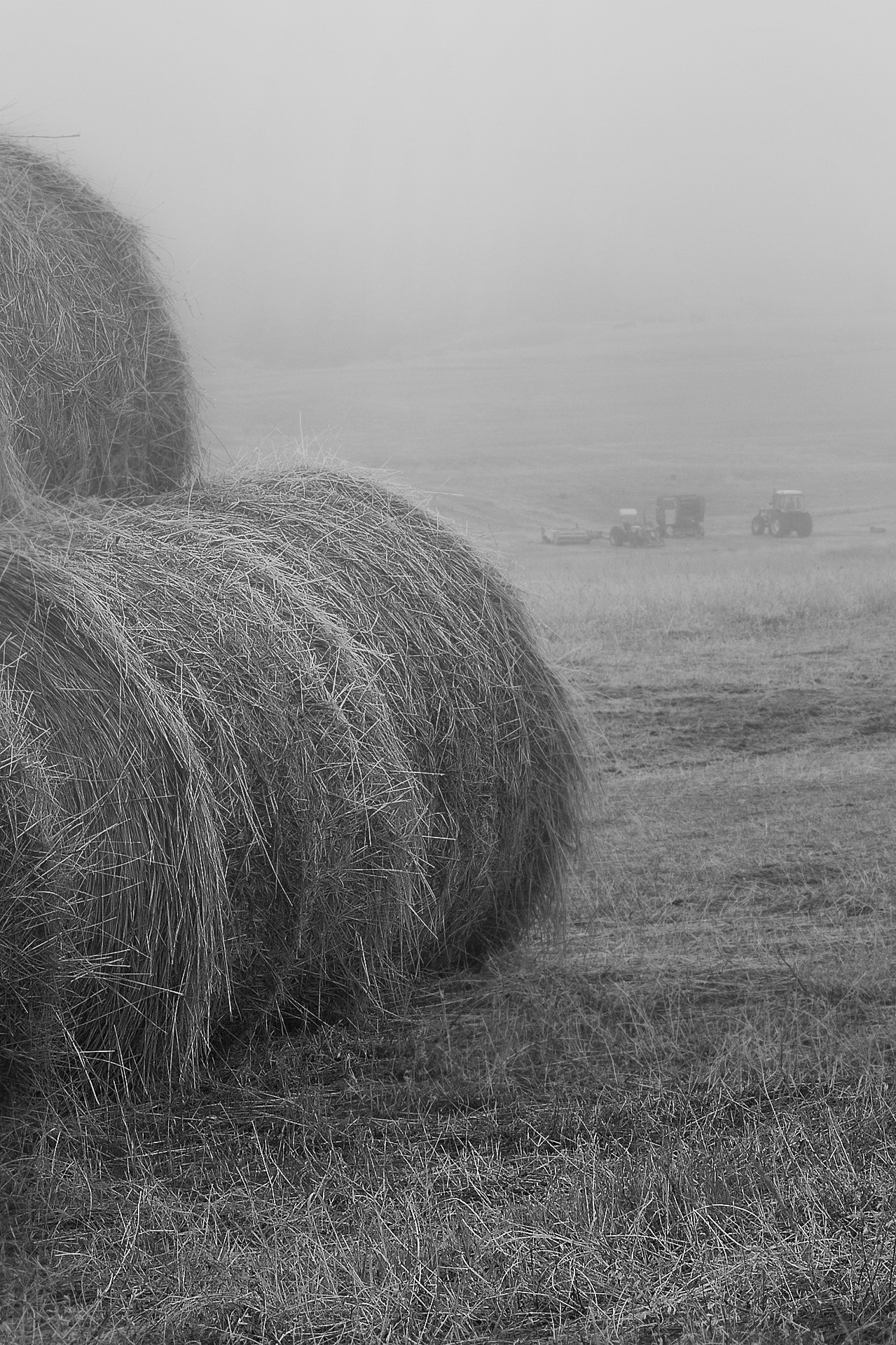
I really didn’t have any particular subject in mind. I had hoped the bridge that crossed the river would be embraced in fog, but there was a strong, wet, breeze in the river valley that had pushed the clouds and the fog away. I wanted fog or at least low clouds, so I lingered higher up, along the valley rim, searching out and photographing fences, stacks of hay, and abandoned buildings. And I even took a few pictures of cows and horses, as they looked for food in the damp foggy conditions.

I always meter for the mid tone in my composition. The foggy flat light can easily trick the meter and I prefer manual exposure where I personally can determine my aperture and shutter speed. I had remembered to bring my tripod, so even when the light was low and required a slow shutter speed I could still keep an acceptable depth of field using an aperture of f8 or smaller.

Outdoor photographs taken in fog often look flat and dull. The fog and the low light decreases image contrast and colour saturation significantly. However, for modern photographers this isn’t much of a problem since the contrast and saturation of a digital photo can easily be adjusted.  Fortunately, we can turn the problem into an advantage because an image with low contrast is easier to manipulate than an image taken in harsh light with strong shadows and highlights.

With most digital cameras the contrast can be adjusted before the photo is taken. But in my opinion, it is better to do a rough adjustment during post-production in the RAW converter, and a fine adjustment in Photoshop. In-camera adjustment is not always the best since we don’t know in advance what the right amount is, and clipping of shadows/highlights can occur.

Modern technology gives us a hand up on the flat, contrast less light even if some elements in a picture are improperly exposed they are easily corrected during post-production, and increasing the contrast on important subjects in flat light is easy.

I have always liked my photographs to be about my personal vision of a scene and not to be limited by what a particular film or camera sensor can record.  Even Ansel Adams said, “You don’t take a photograph, you make it.”

Fog forms when a humid, cool air mass moves under a warm air mass and those conditions seem to be recurring for a second day. I know that might cause problems for drivers, but I am hoping to see some in Kamloops when I go to my shop today. And if so, I will be out on the street with my camera.

I enjoy your comments, Thanks.

My website is at www.enmanscamera.com
Give people gift of Photography this year.

How many pictures did you take last summer?  How many pictures did you take while on your last vacation?  What did you do with all those images?  Make lots of small prints? Or did you, heaven forbid, just store them away on your computer’s hard-drive?  Maybe you have thousands of images on CDs and DVDs?

Some of you enlarged a few and maybe joined other photographers in an exhibition and might now have a some matted and framed photographs looking for space on your walls and if you are like me wall space gets pretty limited.   At least I have a shop that I can fill with my framed or matted photographs, but I still have lots of photographs that, in my opinion, deserve a better place than to be stored away and never to be seen.

I have always printed my photographs.  Before digital I would remove my film from the camera, take it to my home lab, then process and print every frame on the negative I liked. I rarely made prints smaller than 8X10 and if I really liked one or more of the shots I would make 11×14 enlargements that including the matt and frame became 16X20.  Nowadays I probably print even more because it is so easy to just sit down to my computer and get excited about the images my wife and I have captured.

As always, I try different techniques, paper, and colours, with an outcome of lots of prints piling up.  Now to get to the point of this column, giving photography as gifts.  I heard about a local photographer that places quite a value on the photography he produces and believes no one should have any of his photography unless they pay for it. As a working photographer I cannot find fault with the value he puts on his work, but I also like people to enjoy my photography and come from the belief that my photography is better suited to being displayed than gathering dust because I want money for every shot.

I have neighbours and because they are loggers they have gladly cut down a tree or two about to fall on my fence. Another neighbour is a skilled mechanic has helped me with my truck when it needed work. The people next door always take care of my chickens, pond full of fish and old cat when my wife and I must be away. None of these people have requested money for their professional skills.  I have friends that are fun to spend the evening partying with, and others that I just want to say hello to without disturbing their busy schedule. I guess I could go out and buy them presents. However, what better gift than a photograph or photographs by me? 

My favourite gift is to photograph their family and give them prints and a CD. If they want an enlargement or two for their family, I’ll make that for them also.   What about all those prints piling up? I haven’t tried this, but I remember that while at a party, a photographer friend of mine brought out a wonderful selection of dry mounted 8×12 and 11×14 photographs and

told everyone they could have any print they wanted. Cards and calendars of our photographs make great gifts also.

Years ago I stopped to photograph a little girl riding her horse along a dusty back road I live on. I printed an 8×10 and gave it to her the next time I saw her. She has since moved to Kamloops, grown up, married, and had children and I suspect her children have made her a grandmother by now. That photograph made us good friends. I know anytime she sees me she will make her way through the crowd or cross the street just to say hi. (I even photographed her wedding many years later) I have photographed my son’s friends on bicycles, motorcycles and cars and given them enlargements.  At one time I could say I had made pictures for everyone on the street I live, but many have moved away and we have new neighbours everywhere. Maybe it’s time to start walking around the neighbourhood again with my camera.  What a great gift a photograph can be.

www.enmanscamera.com