

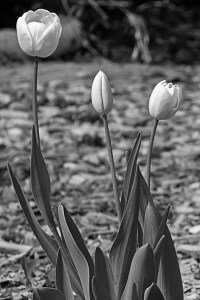

The topic of Depth of Field just keeps coming up and I suppose it deserves a revisit for this year. There must be a reason why Depth of Field is so elusive to photographers.
I wonder if it is because modern cameras have computers that focus, balance the colour, and control the exposure. All are impressive functions that make new users believe all they need to get a good photo is to point and shoot.
I have discussed Depth of Field in my blog numerous times. And find myself constantly explaining how depth of field works to photographers that visit my shop. I must admit that many photographers just smile and nod like they understand what I am talking about. However, unfortunately, when I see their photographs I realize otherwise, and I expect most would have been much happier if I just told them the reason their picture wasn’t really sharp was because they needed a new lens. (Buying a new lens is so much easier than taking a class in photography.)
Understanding of the concept (and I guess technique) of depth of field will make their photographs better and save them money, as they did not really need a new lens.
This past week, I viewed an image a photographer posted online. He wrote that he was proud with his creative and unusual view. The overall exposure was fairly good, the colours were close to reality, and the centre of the picture was in focus. Nevertheless, other than that small, in-focus, central area the rest of his subject wasn’t in focus at all. The foreground was blurry and the background was blurry.
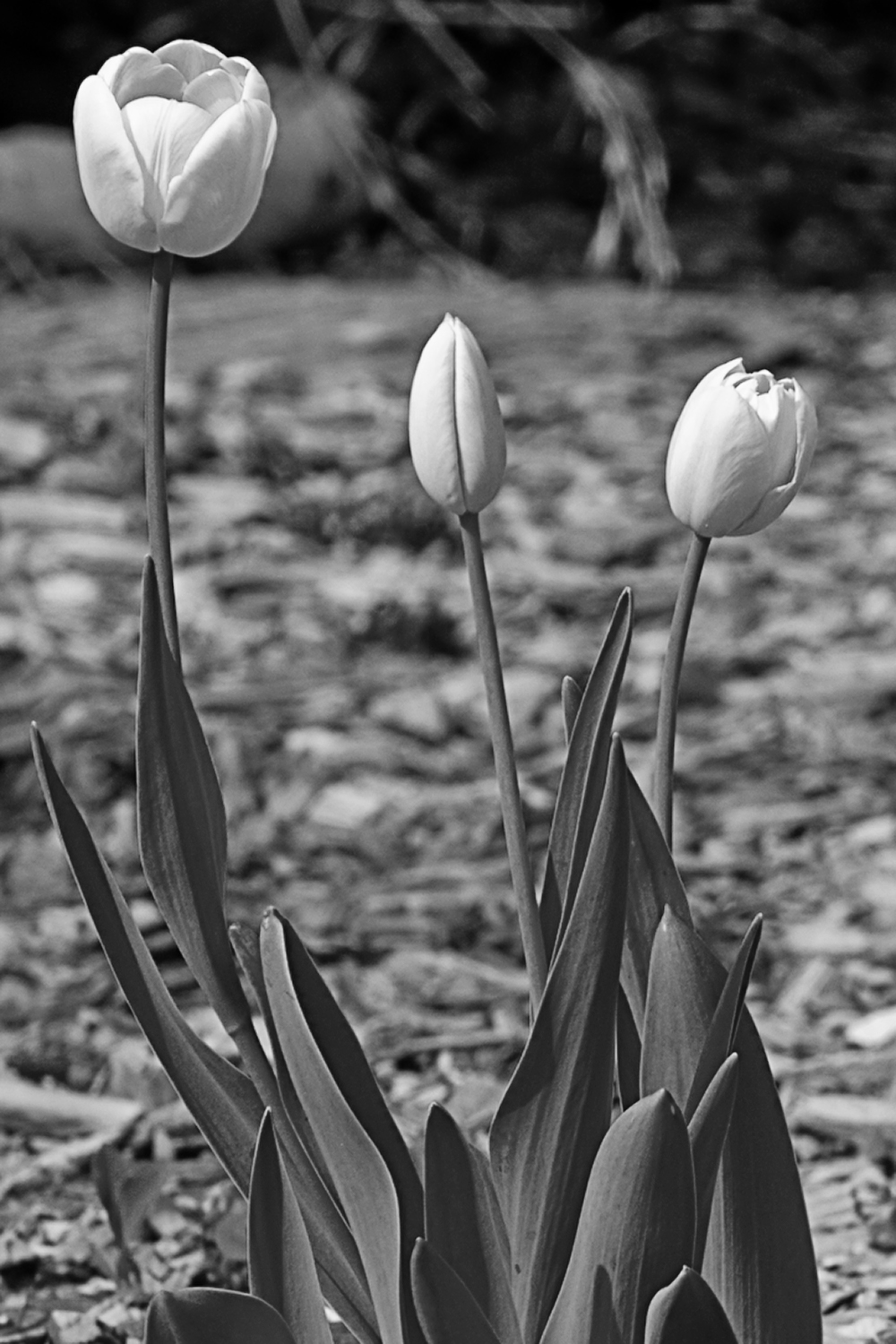
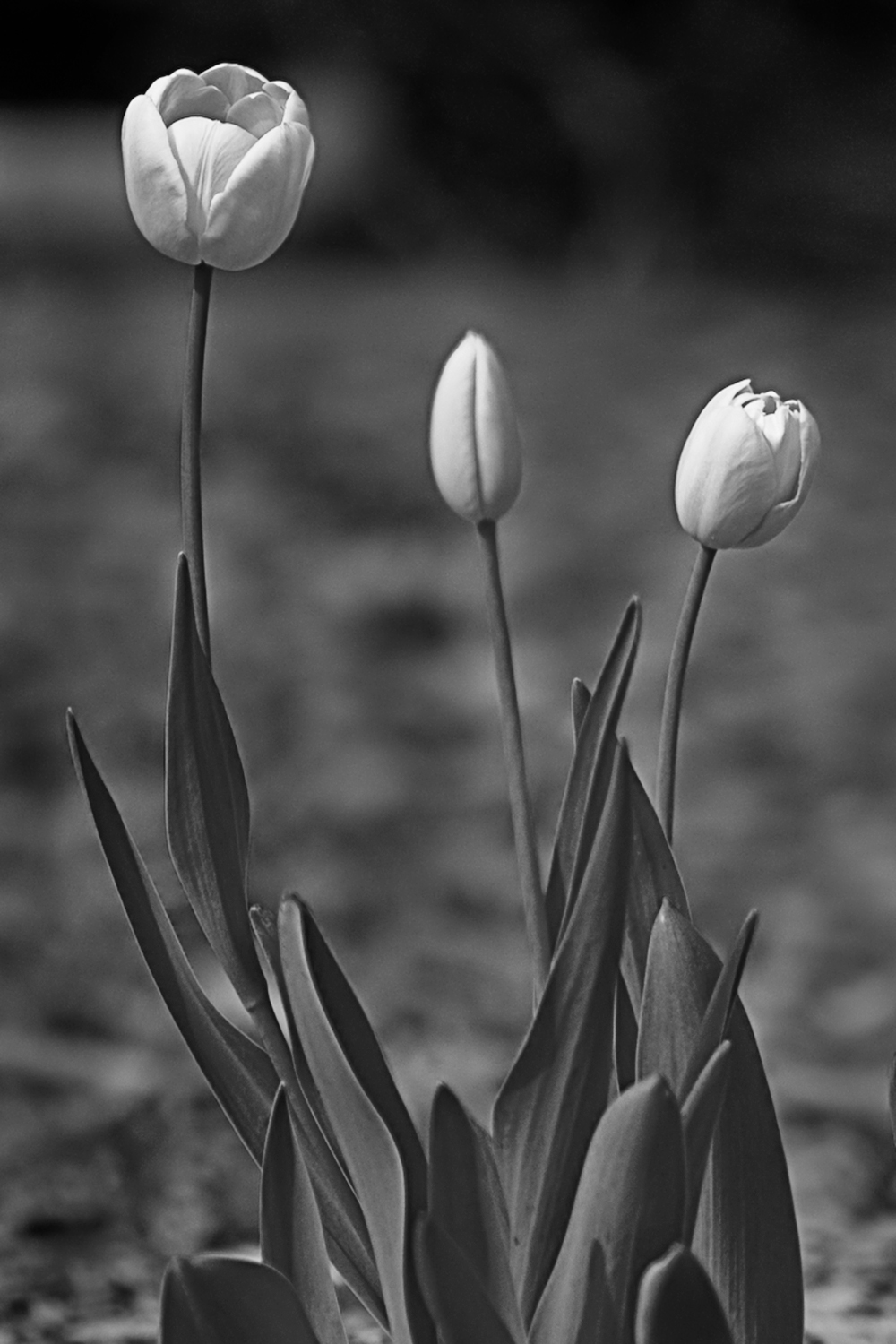
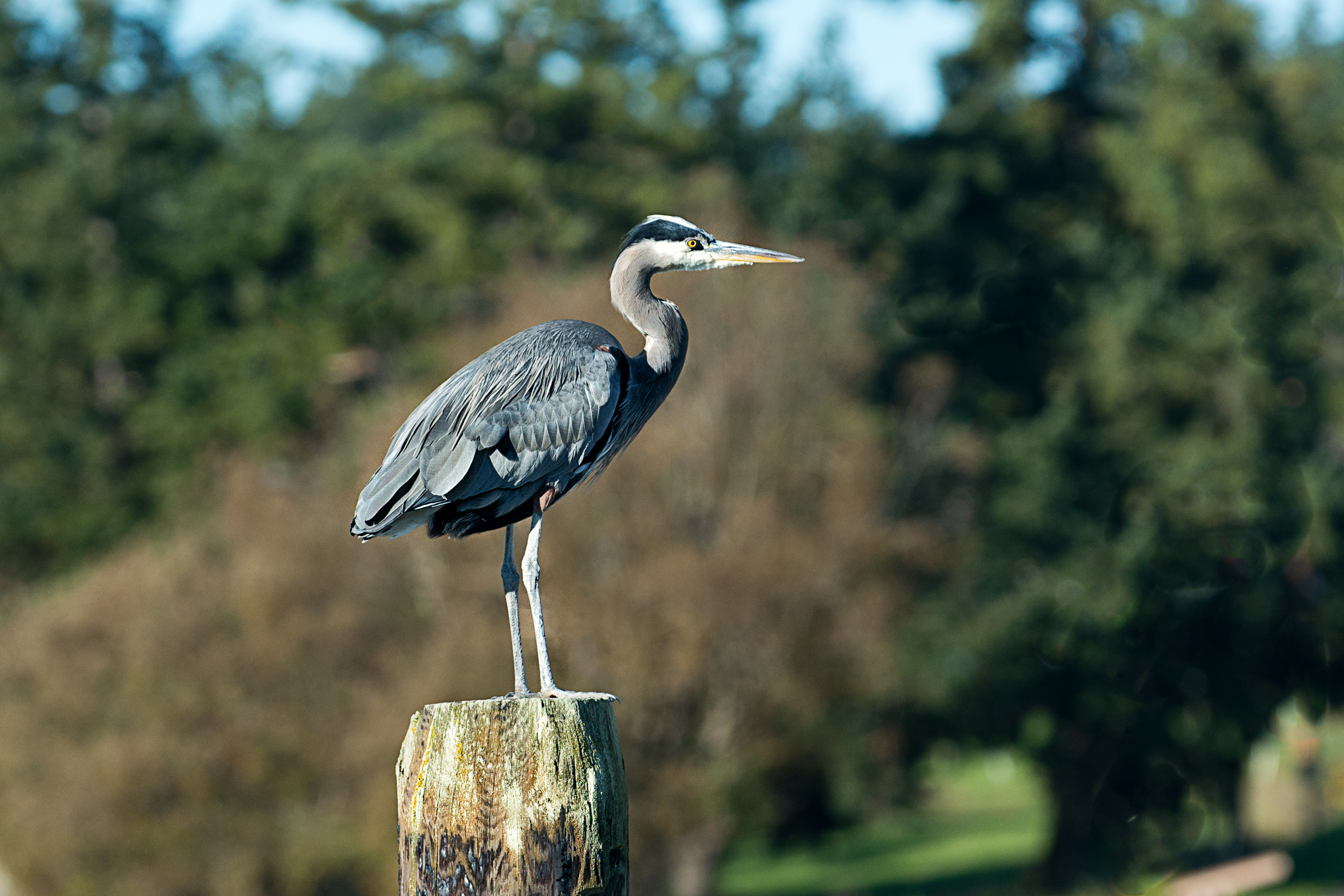
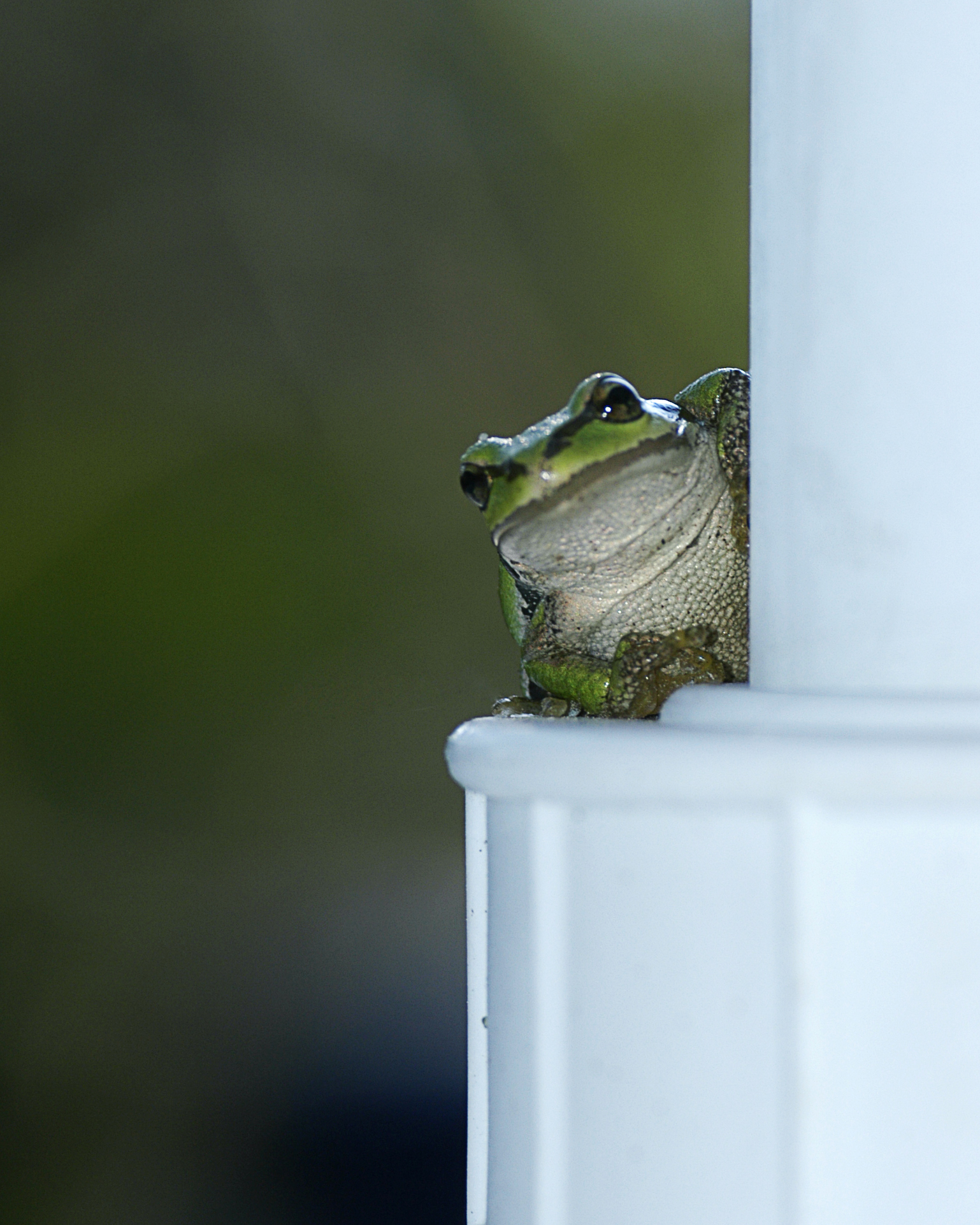
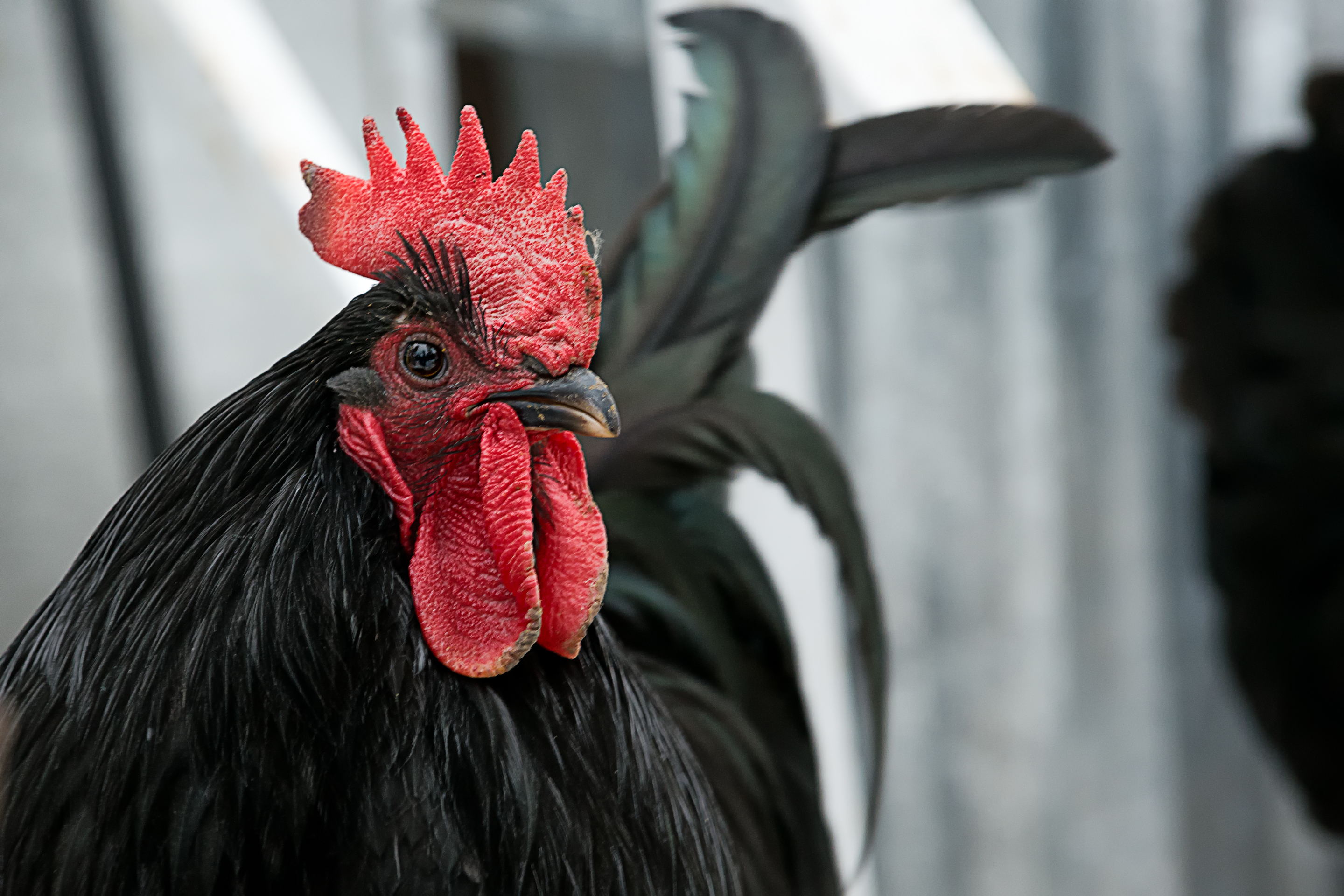
The definition of depth of field is, “that area around the main subject, in front of and behind, that is in acceptably sharp focus”. In application the wider the lens’ aperture is the less the depth of field, or that area of sharp focus, around the main subject will be. Practically, the depth of the field of focus will be 1/3rd in front and 2/3rds behind the subject.
Using a wide aperture can increase the exposure in limited lighting conditions; but, along with the benefit of additional light reaching the camera’s sensor, the resulting effect is reduced depth of field. Creating a field of focus behind the subject of 4 inches or so might look really good when making a portrait, but it is not effective in a scenic.
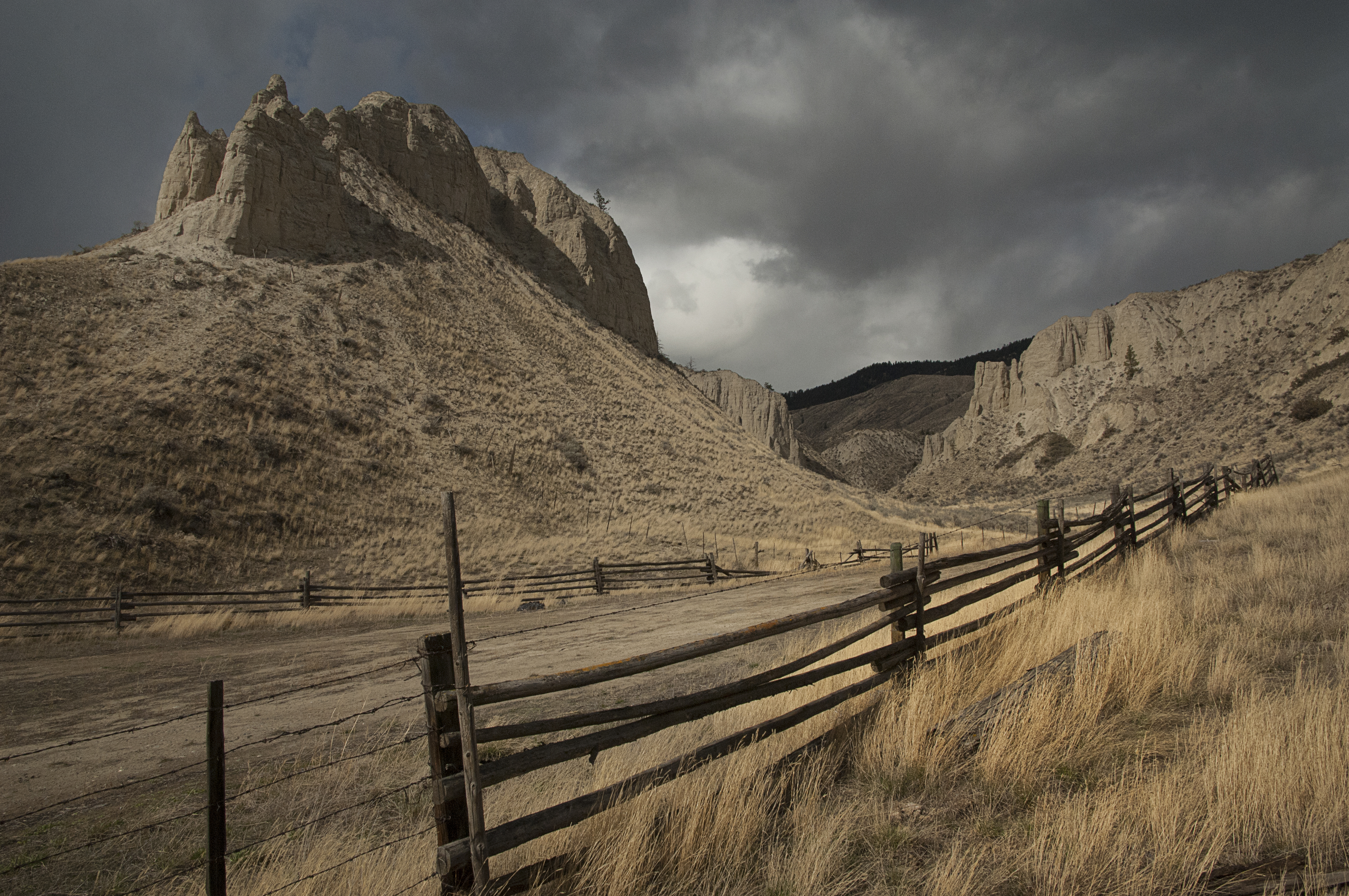
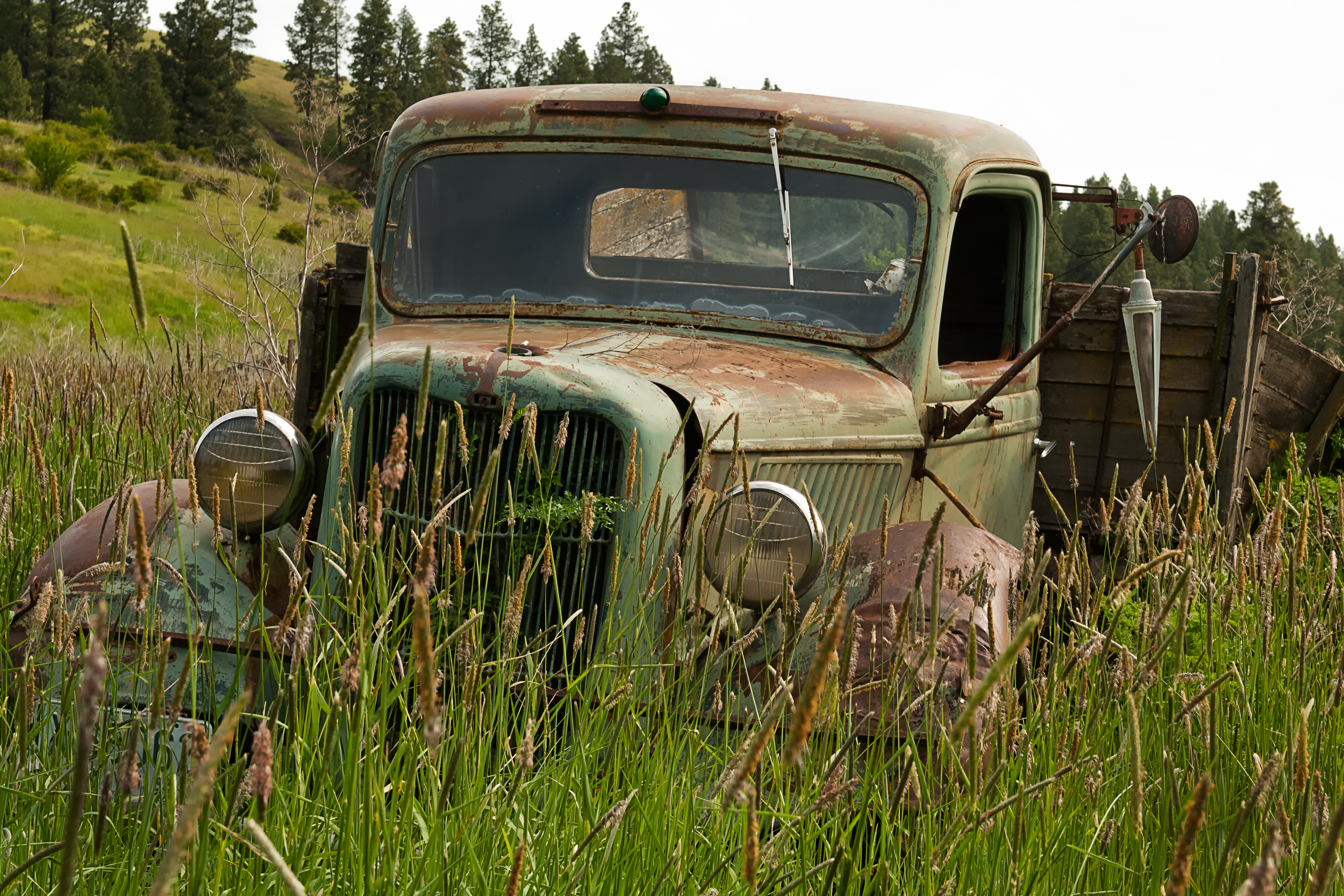
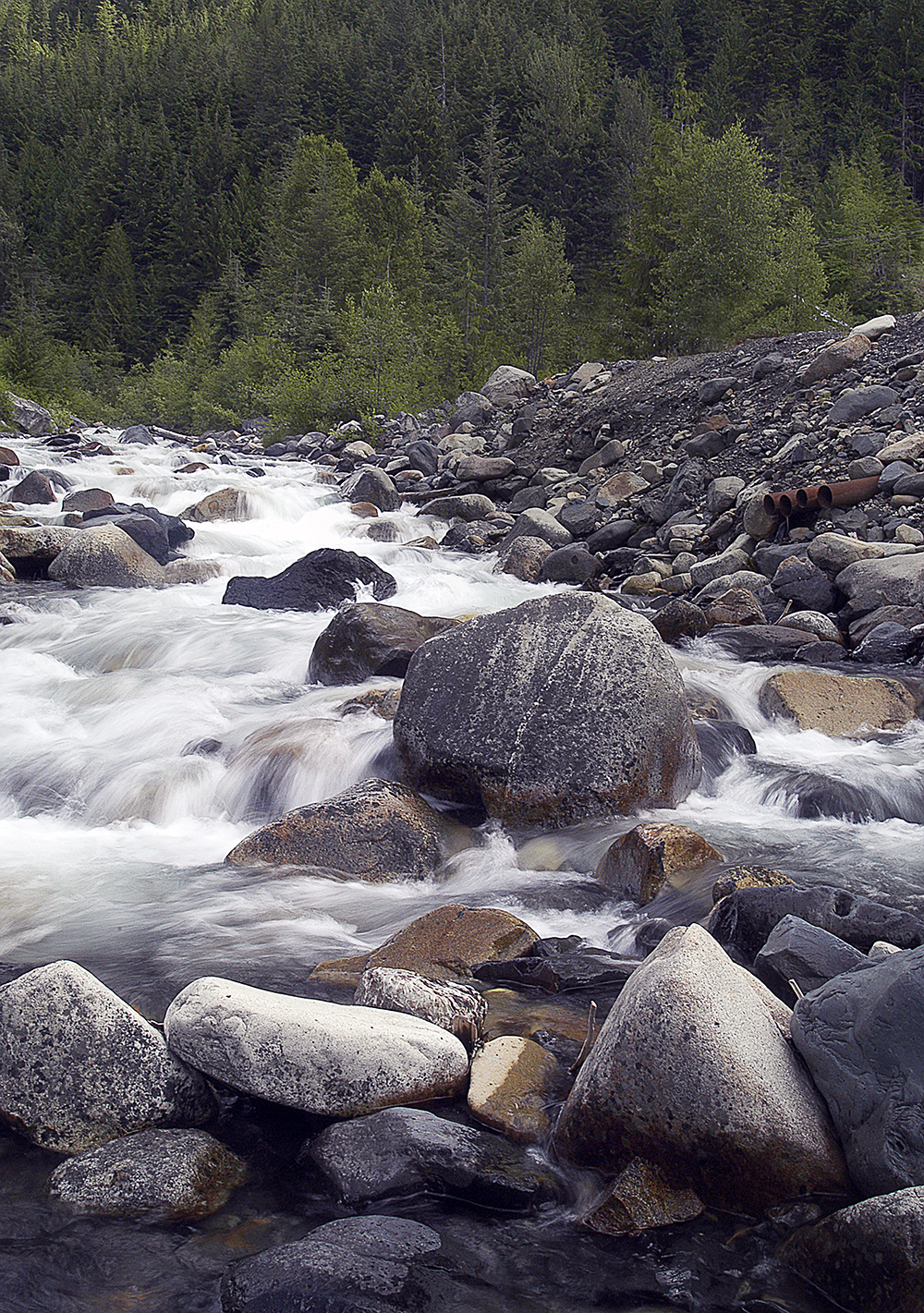
The smaller the lens aperture the more the area of focus around the subject will be. I prefer using a small aperture for scenic photography. I am concerned with all elements in the photograph, front to back, of being sharp and in “acceptably sharp focus”.
The Internet is packed with information on scenic photography, and there are thousands (millions?) of books on photography that are easy to read. I expect that any discussion on scenic photography will include a full discussion of Depth of Field.

 Enmanscamera's Blog - Kamloops