Judging Photography

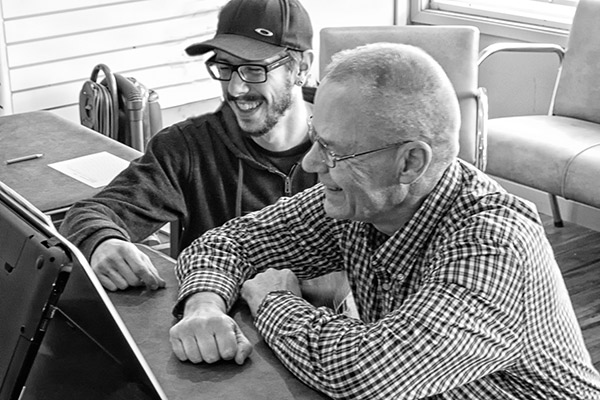
Ben-&-Dave-judging

Exhibition judges Ben and Dave.


I have written about judging photography previously, and I have also used the following quote by John Loengard, who worked as a photographer for Life, for Time, and for People magazines.                         “It is not important if photographs are “good.” It’s important that they are interesting”.

I agree with that statement and when I was asked to be part of the jury committee for a local exhibition by members of the Kamloops Photo Arts Club it was Loengard’s words that I first thought of.   I looked forward to a firsthand look at submissions and wasn’t let down by the interesting and creative work.

They entitled the upcoming juried exhibit of photographs taken within British Columbia as “Wild and Wet” and described it as displaying the impact of water on the environment and residents of this region.

To me, the poorest photographs are those that don’t speak to us, it’s those photographs appear boring. I think the viewer should feel something, should feel a level of emotion when they look at the images. A good photograph is one that creates an emotional response.

As I looked at the photographs I asked myself the following five questions that I think are questions any serious photographer should think about, as they are about to press the shutter.

  1. Is there a clear center of interest? In a successful photo, the viewer can immediately identify the subject.
  1. Is the image composed well? There should be a sense of overall organization.
  1. Is the focus tack sharp and is the exposure appropriate? With the exception of photos that intentionally show motion or soft-focus images (both should be obvious), tack-sharp focus is the first thing viewers’ notice about an image.
  1. Does the photo tell a story? The difference between a photograph one remembers and one that is easily forgotten depends on whether the photo tells a story.
  1. Is the approach creative? Creativity in an image involves more than predictable techniques and perspective. The creative photographer handles the subject in extraordinary ways that the viewer normally would not have seen.

I joined photographers Dave Snyder and Ben Verwey in an interesting discussion of the images as we reviewed the photographs. All the show’s photographs are worth taking the time to view and I look forward to the exhibition that will be held from March 12 until April 1, 2015. As this was to be a juried show, we ranked each submission and selected those that, in our opinion, stood out from the rest.

Whether readers attend this exhibition or any other, my suggestion to take along my guidelines and see how they apply. Then think about how the photographs appeal you. Are the photographs interesting and engaging? Do they capture a moment in time and what do they communicate to you the viewer.

I look forward to your comments. Thanks, John

My website is at www.enmanscamera.com
Photographing the Winter Garden

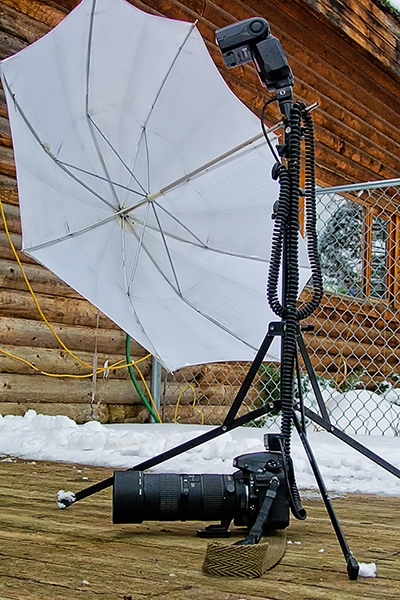
Outdoor lighting kit  Clematis

Erigron  Erigron b

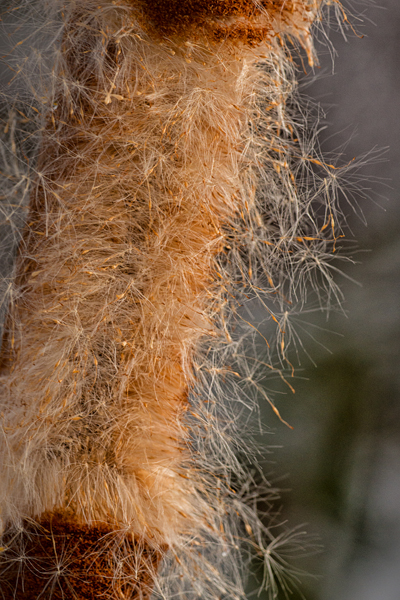
Winter blown bullrush

Step Ladder


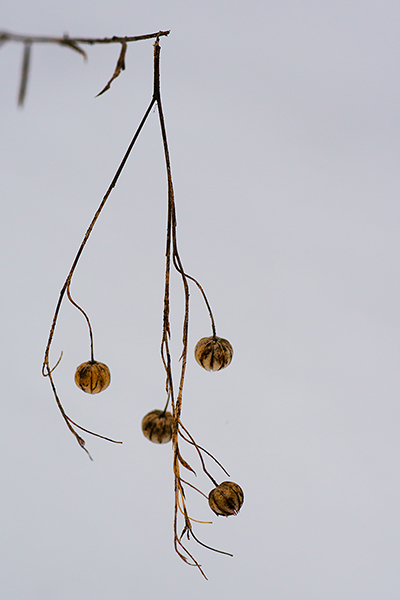
Sunday was one of those “let’s see how many small jobs I can do” days. One would think there is no chance of being bored on a day like that, but I finally decided it was time to relax and sat down with a glass of wine, and enjoyed lunch with my wife and listened to some jazz.

As I made my way from one chore to another I kept looking at the snow in the garden and wondering if there was an opportunity waiting to make a photo or two, but I pushed along thinking “maybe later”.   However, as I started on my second glass of wine I complained that the outside light was gray and flat and that maybe I should just forget it. Could that have been the wine talking, or that I am just lazy?

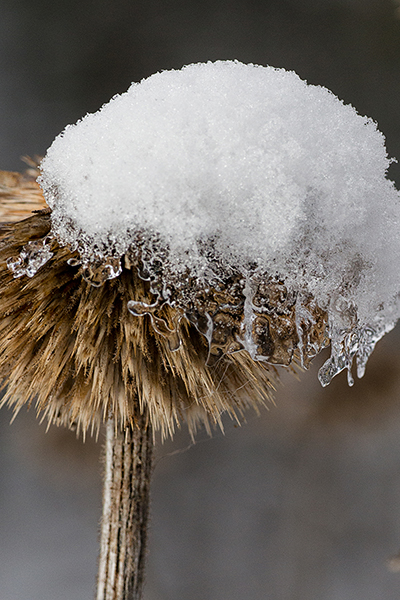
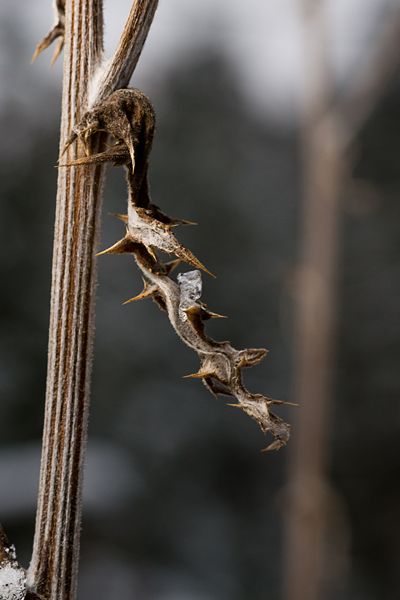
Ever one to keep me on my toes, my wife, Linda, reminded me of a lecture we once attended by Canadian photographer, and author, Sherman Hines. (I recommend readers check him out) As she remembered Hines had said something like; “there is always something to photograph when the weather is poor, look for the small stuff”. There was the challenge. I left the room to get my camera.

The snow was getting wet on the plus 1 degree C afternoon so I decide to leave my tripod behind and mounted my wife’s 70-180mm AF macro on my camera. That unique, fun to use lens is the only true zoom Micro (macro) lens ever made by Nikon. And I get to borrow it anytime, well, almost anytime.

I got my camera and put together my lighting for what would be an excursion to search out the intimate features poking through the snow in my wife’s garden.

I attached a flash on a stand and chose a shoot-through umbrella. I could have connected a wireless sender and receiver, but I decided to use a TTL camera-to-flash cord that would allow the camera’s computer to direct the flash to provide the correct exposure for the close-up kind of subjects I would be photographing.

Although I had complained about the limited light on the heavy overcast day, I knew it would be perfect for my sojourn through the garden. I could easily meter the ambient light, then under expose slightly so the flash would become the main light instead of the hazy sun. The modified light from a shoot-through umbrella is even across the image with a gradual transition from highlights to midtones to shadows, or a soft light.

I stuck the stand through the snow and easily positioned the flash. And unlike a snowless landscape, the snow kept the stand steady no matter the angle. All I had to do was choose an angle and release the shutter. That particular zoom lens allows for a constant macro at every focal length. It was pretty neat and easy.

I choose to photograph that garden in every season. I know there are many photographers that only take pictures of plants when they are in bloom and prefer colourful representations. However, spring, summer, fall, winter, snow, rain, sunny, or overcast, I find that our garden is filled with ever changing subjects that always offer something new and I expect that Sherman Hines surely would approve. My advise to photographers that think they must wait for inspiring weather before their next garden safari, is to take Mr. Hines’ advice, because there is always something to photograph when the weather is poor, just get up close and look for the small stuff.

I enjoy everyone’s comments. Thanks, John

My website is at www.enmanscamera.com


A Photographer’s Walk on Snowshoes

Snoeshoeing-2

Wind-swept-field-2


forgotten-barn-2

Tracks-2-


Almost a year ago to the day I wrote that I looked forward to enough snow-pack on the hills to snowshoe in, and as then, after a morning of shoveling a deep path to my chicken coops, clearing the driveway, and another path to the front porch, I was again taking my first winter hike up to the high meadow above my home.

Last year my January walk up into the meadow’s deep snow was on a sunless, stormy day. And I recall setting a high ISO so I could get a shutterspeed that would let me handhold my camera, and then returning home in a snowstorm.

This time I mounted a light-weight, 18-105mm lens on my camera, stuck an old tea towel in my pocket in case I got my camera wet from the snow, and headed out in the balmy minus 3C day under a bright, almost-cloudless, blue sky. And instead of struggling with low, flat light, my ISO was set at 400; and I added a polarizing filter to darken the skies, increase the contrast in the scene, and suppress glare from the surface of the bright white snow.

I trekked up the hill, and as I had so many times before photographed everything. When I stroll up into that long meadow I rarely see animals, however, they are surely there hiding, and I did hear a snort from something as it moved through the trees, and when I began to cross the meadow a crow cried a warning to hidden watchers, then everything quieted, and the only sound was from my snowshoes and my camera shutter as I photographed the Thompson River valley far below and the tracks I made through the meadow.

My last article was entitled, “What Makes Photographers Happy?” Photographers wrote me noting that, “there is nothing like a new lens” or “fun day with my clients”, and I can’t agree more. I must include the words of three bloggers that sent their comments to me: Northern Desert photography, Nature Photography by Martin Ryer and Jane Lurie Photography.

The first from blogger Northern Desert says that happiness is “The process of being out in nature searching for the shot, be it landscape or wildlife. I love the post processing, editing job. So fun to see what you can do with software. Love talking with and interacting with other photographers about photography.”

I also had to pause and think a moment about the words of blogger Martin Ryer who wrote about when he has“…results that exceed or even completely differ from any preconceptions I may have had. It’s when this happens that I feel myself entranced by all of the possibilities that photography offers.”

Blogger Jane Lurie’s comment is delightful, “…I’m very happy when my final result is actually what I conceived in my head when I saw the shot. Capturing that small moment in time is a beautiful thing.”

What great thoughts on photographic happiness and I agree with everyone.  As for me, I will include the following from philosopher and theologian, Paul Tillich, who wrote, ” Language…has created the word ‘loneliness’ to express the pain of being alone. And it has created the word ‘solitude ‘ to express the glory of being alone.”   To those words I will add that my quiet, solitary walk and photo excursion on snowshoes made me happy.

As always, I look forward to your comments. Thanks, John

My website is at www.enmanscamera.com
Photography in the Fog

Farm & Pond in fog 2

Moving cows in fog 2

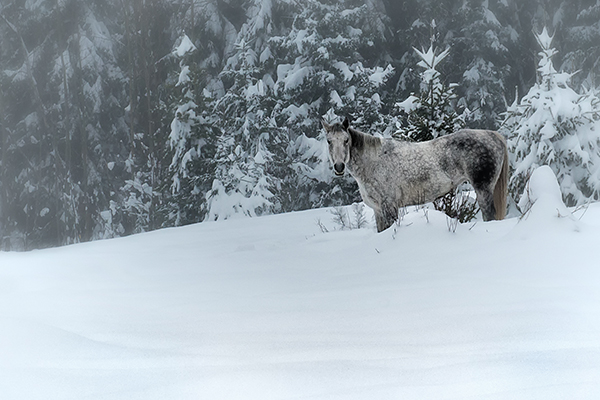
Horse in Snow 2

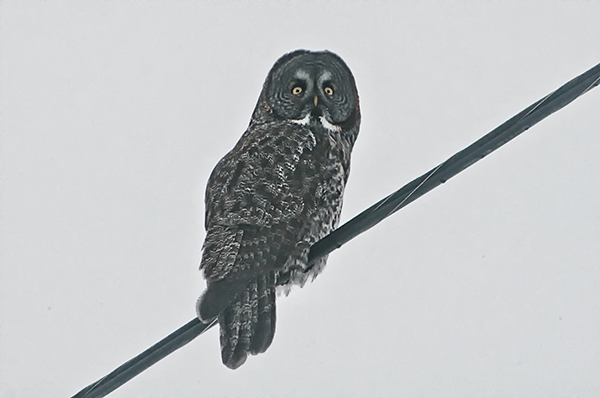
Owl on wire 2


Pritchard above the fog 2

The past snowfall gave us a grand depth of a bit over two feet. That exciting event included hours of shoveling and roads that were pretty much closed to driving for a while. I wonder why we “dig” dirt and “shovel” snow? Hmm…I remove the dirt from the hole and remove the snow from the walk. Yep, it’s the same thing as far as I can tell.  Both activities use the same tool and make my back tired.

Our yard now has deep three-foot deep trenches dug out and shoveled clear by me that lead to all the important locations. Basement door to chicken coops, front door to the car, and car to the road; however, I also made trails for the feral cats so they can come to the door for the food we leave them.

When the days of soft, cold snow finally ended, everything quickly warmed up and a suddenly a thick, damp fog settled in.

My first thought was to get out my snowshoes and head up into the hills surrounding our home. I mentioned that to my wife, but not in the mood for trudging through the snow she suggested we get our cameras and go for a drive around the now foggy neighborhood in Pritchard instead. So we bundled up, grabbed our cameras and took off.

Our car is perfectly equipped for photography with beanbags. Just set them in the window and nestle the lens on them to reduce camera shake when using our long lenses. However, on this day my wife set aside her 150-500mm, and decided her light weight 70-300mm would be better suited for the foggy landscape, and I chose my 24-70mm. But it’s good to always have the beanbags in our car even if we don’t need them.

Fog is a tricky business because contrast is all but lost and the moving mist reduces sharpness. Everything is so flat that it’s hard to get definition.

I enjoy fog and recall the imagery of a poem from Carl Sandburg.

“The fog comes

on little cat feet.

It sits looking

over harbor and city

on silent haunches

and then moves on.”

I think that description is pretty good and I enjoyed how the fog obscured my view of things in the distance and created a mystical looking world as I drove along our snow covered rural road.

Years ago when photographers were making exposures of foggy landscapes with film the best way to increase contrast was to use yellow, orange, or sometimes red filters. We could also over-develop the film, or as a last resort process it in hot chemicals. There were also filters that could be used while printing to reduce the tonal values, and some specialized chemicals would help also increase the contrast. All that was lots of work and if you screwed up the negative…well, you were screwed.

Today we have software like Photoshop (and lots of other programs available that are just as good) to help us out in those flat, foggy conditions, and when Linda and I drove off into the whispering fog I knew I would be spending a short time sitting at my computer increasing the contrast and reducing the grey tonal values.

It is now all so easy and it doesn’t take much time. As I sat manipulating the hazy images I thought about all the hours I used to put into producing our photographs. We have it pretty good these days.

Fog is fun in which to shoot. All one has to do is find subjects that are distinctive enough to be understood through the quietly creeping and silent fog. My suggestion is instead of drinking your chocolate and staring out the window on the next foggy morning waiting for the sun to come out, get your camera, go out, and see what you can do.

As always, I really appreciate your comments. Thanks, John

My website is at www.enmanscamera.com


Photographer’s 2015 New Years Resolutions


Auld-lang-sine


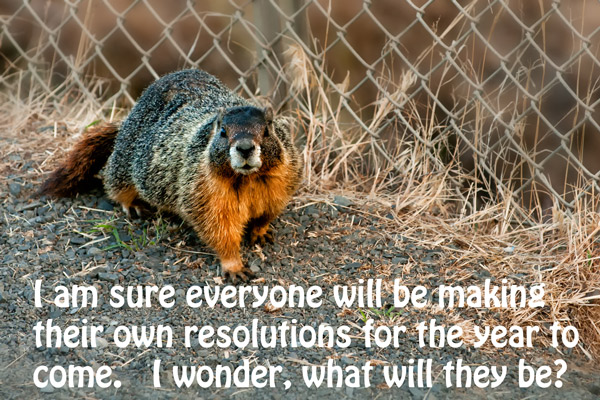
Marmot-b


It is time for me to write about New Year’s resolutions. The prospect of new opportunities is always exciting and jotting down a personal list of goals (resolutions) at the beginning of each year is a good idea if one wants personal growth.

This past month I have been asking people that come into my shop what their resolutions for the New Year would be. Here are a few from the many I heard that, in my opinion, are good solid resolutions.

Use a tripod more.

Turn off Auto mode.

Buy a new camera or lens.

Try shooting RAW.

Learn more about lighting.

Take more photos.

Learn about Composition and the Rule of Thirds

Learn to use Photoshop or Lightroom.

However, as good as those are I am adding seven that are a bit more inspirational (is philosophical a better word?) New Year Resolutions that I have put together (seven is a lucky number after all) this past year from all the long, coffee fueled discussions on ways to make improvements in the future with this exciting medium.

  1. Pay more attention to creative ideas. Without creativity a photographer doesn’t have a chance at moving forward. “This could be the year to begin evolving creatively”.
  1. There is too much focus on what is the best camera. When we spend too much time worrying and making everything about the camera we forget about the story. How about this year being more concerned with making images that tell a story”.
  1. Take risks photographically and move away from always trying to please. Make this the year to push-the-envelope beyond the comfort zone without being concerned with other’s opinions. Maybe this will be the year to put “me” in the photograph.
  1. Learn a New Technique. I think it’s as simple as experimenting, and definitely taking the time to “read up on some technique and then give it a try”. Photographers should always make the effort to learn new techniques, maybe by taking a class, or at least buying some books, or CDs, written or taught by experienced, educated photographers.
  1. Choosing new subjects to “get out of the rut of shooting the same thing over and over”. While practicing portraiture or landscapes is good, photographing the same thing the same way over and over can result in a lack of inventiveness and creativity. Sure it’s nice to stay in a comfortable rut, but as with Resolution #4, “Maybe this will be the year to put “me” in the photograph”.
  1. Make every shot count and stay away from the “spray and pray” shooting style. It should be about making each image a quality photograph, not massive picture snapping sessions hoping that a few to turn out.
  1. Become more ruthless with one’s photography and what is done in post-production; conditioning oneself to throw out the crap is the only way to keep improving.

Finally, I’ll wish everyone a great 2015, and end with a quote by award winning English author, Neil Gaiman. “I hope that in this year to come, you make mistakes. Because if you are making mistakes, then you are making new things, trying new things, learning, living, pushing yourself, changing yourself, changing your world. You’re doing things you’ve never done before, and more importantly, you’re doing something.”

Do you have any to add? I will be happy to read them.

My website is at www.enmanscamera.com. Thanks, John


Photography at the Christmas Party

Tree Planter's 009 Tree Planter's 040

Tree Planter's 076 copy Tree Planter's 255


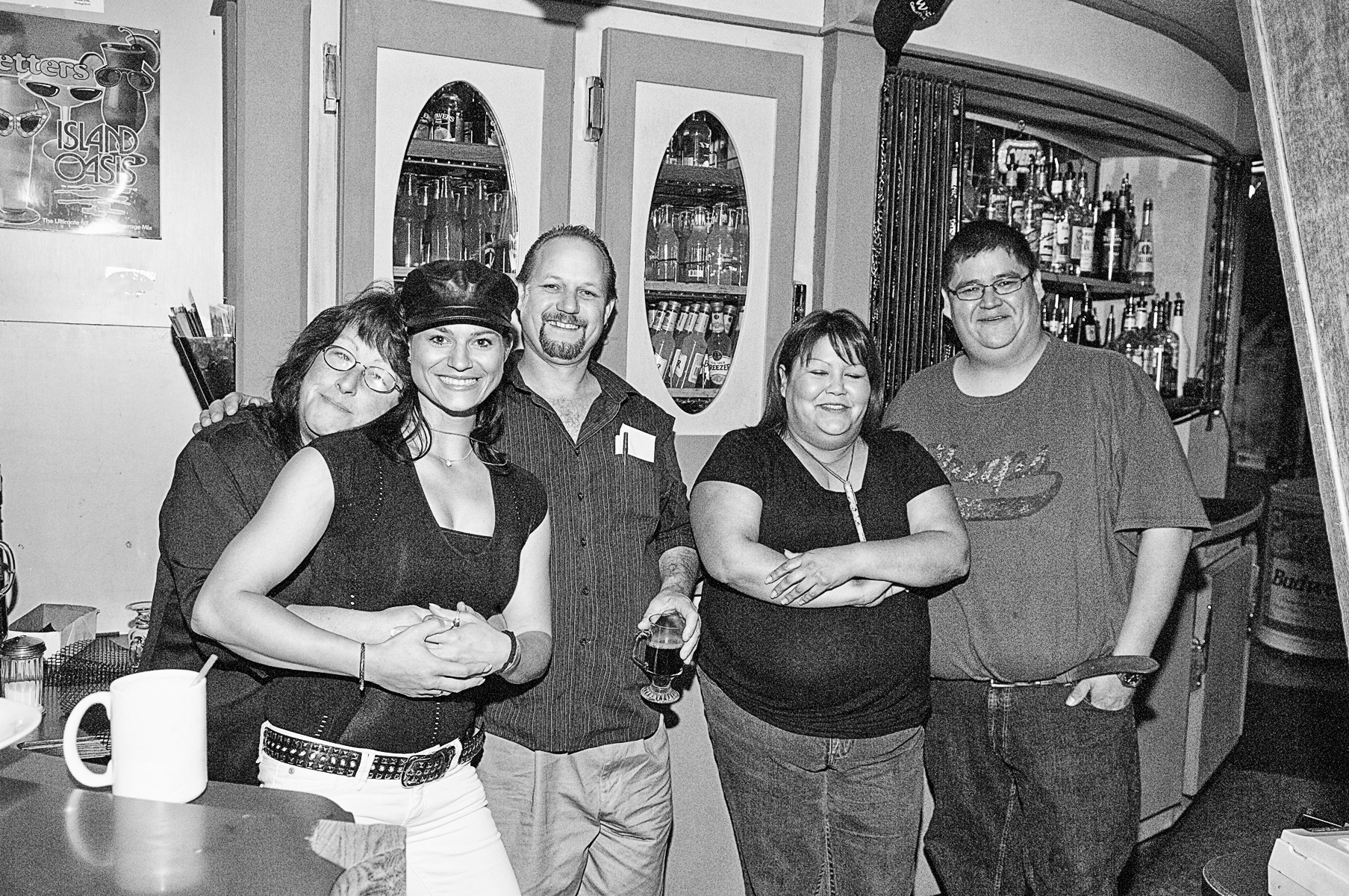
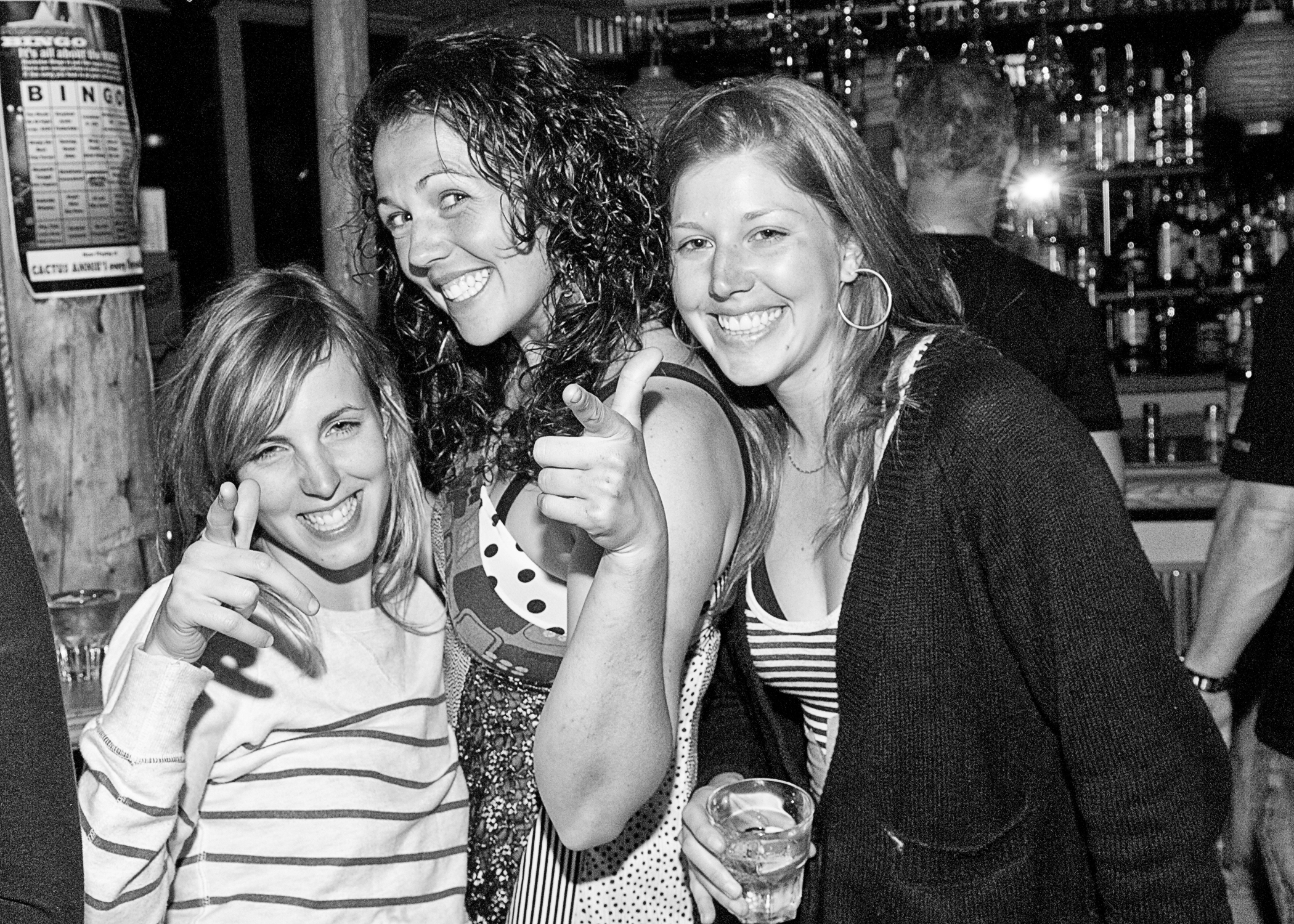
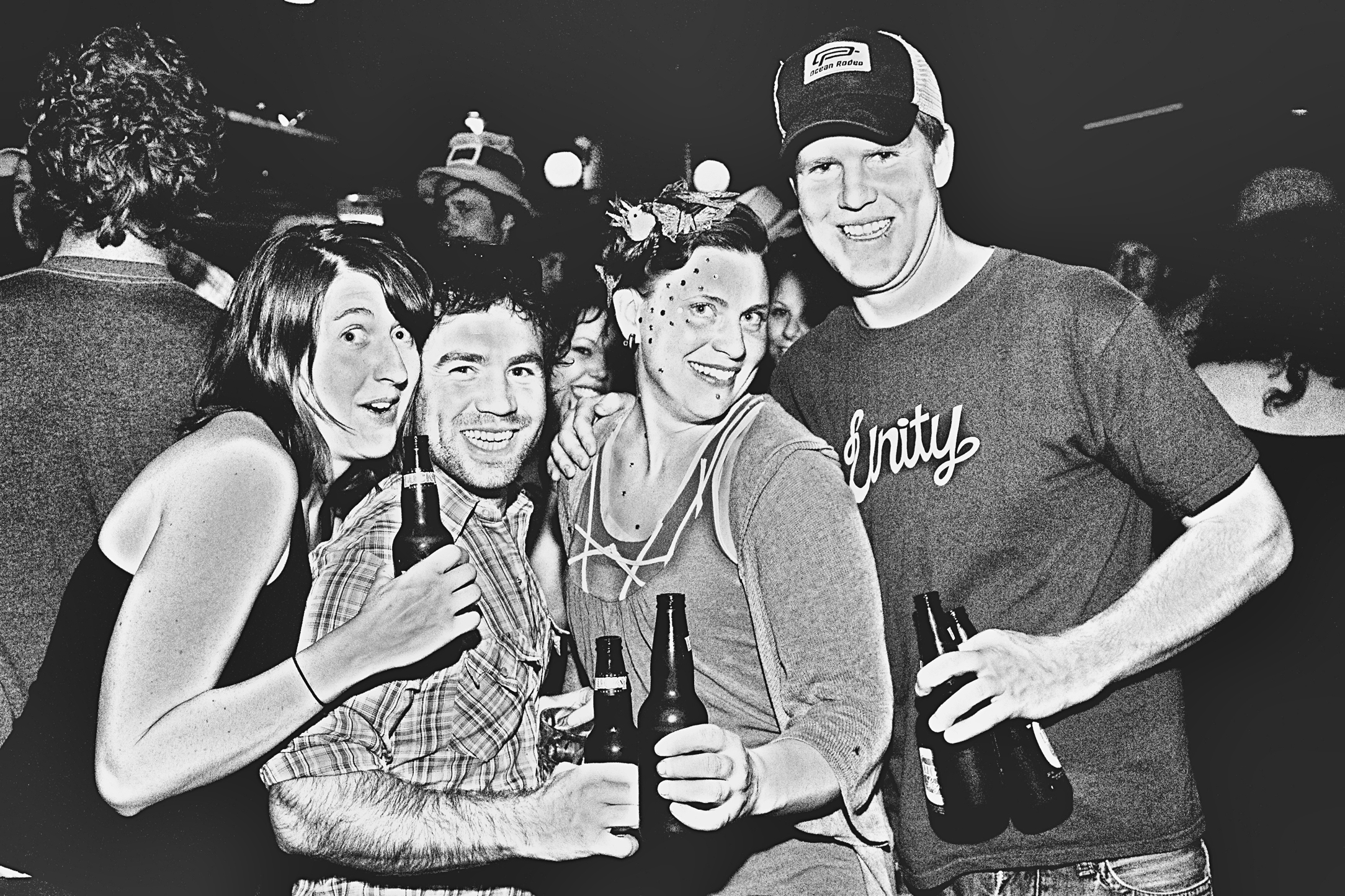
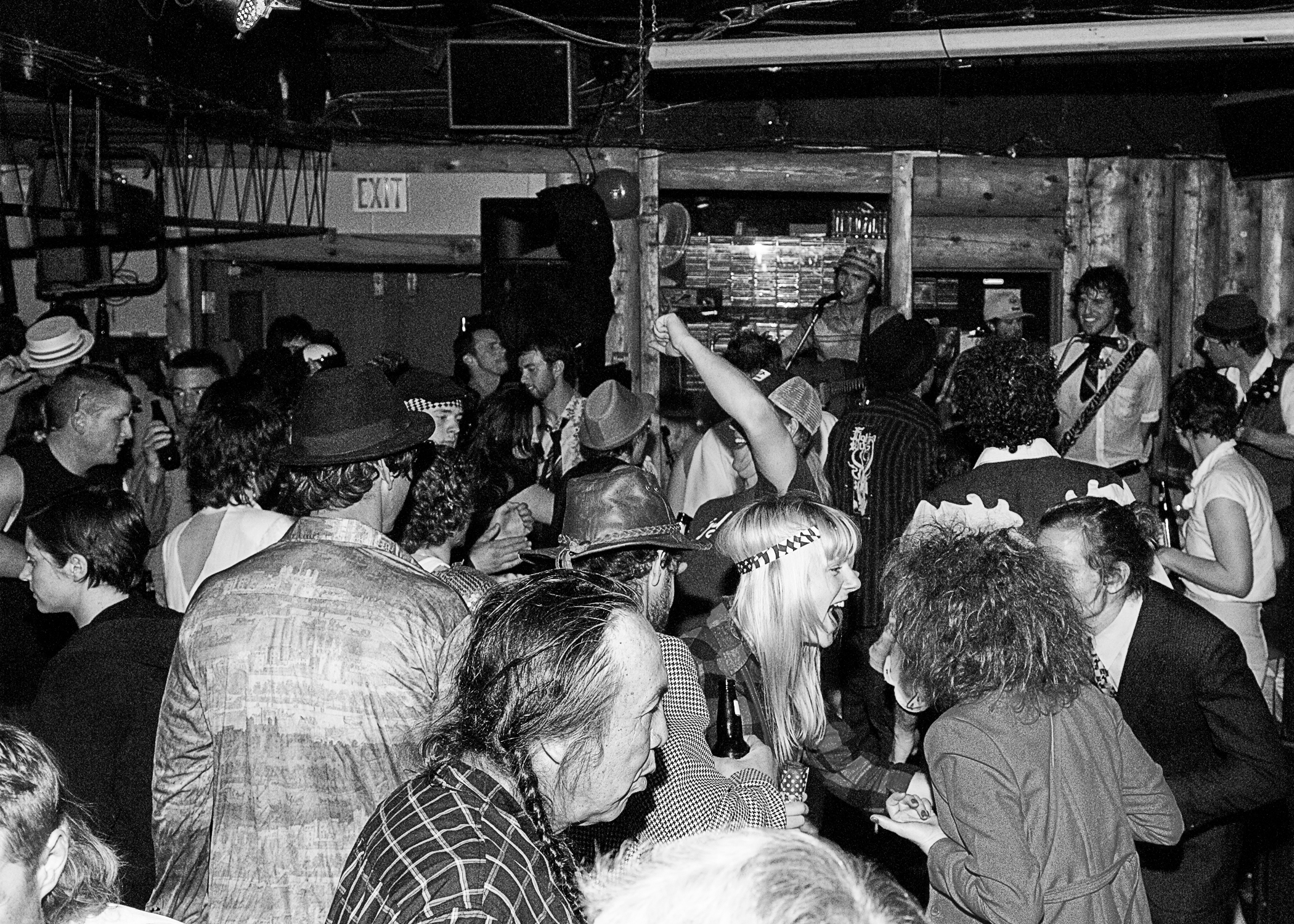
The Christmas season is here and that means photographers, digital cameras in hand, will happily begin filling memory cards with all the photographic opportunities as they join family, friends, and co-workers at all this month’s festive events.

I have the feeling that for many, it is more about the process of picture taking than it is about making memorable photographs, or even documenting the party.

The act of picture taking has become easy and so much fun as a process as photographers rush over to take a picture, look at the LCD, and quickly slide back to show others those tiny images. And seem more interested in that quickly snapped candid than what is actually happening at the moment.

Most images made in this fashion never become more than files stored on computers and tucked away on hard-drives with good intentions, but after that initial viewing, most photos loose their value because there are too many, and very few are good enough to give to others anyway.

What is my advice for photography at the next Christmas party? Yes, continue to make candid photographs of people having fun, but, perhaps, think about making pictures that tell a story, capture an exciting moment, and importantly, flatter the subjects. Most people don’t mind seeing a picture of themselves being silly or having fun, but they don’t like pictures that make them look stupid or unattractive.

My approach is to take a moment to look at the room in which I intend to make photographs, make a couple of test shots using longer shutter speeds (my favourite is 1/60th of a second), to include the room’s ambient light when making exposures using an on-camera flash (I always use a flash) so as not to end up with brightly lit faces surrounded by a black environment.

I suggest taking group shots with two or three people. Get them to position themselves so they are squeezed together with a tight composition, and include only a little background or foreground. Don’t shoot fast, steady the camera, and select a shutter speed that includes the ambient light, and use a flash. Fortunately most modern DSLRs easily allow ISO sensitivity that can be set to 1600, and some can go a lot higher.

Shutter speeds of 1/60th of a second, or less, doesn’t always work for children playing in the snow during the day because moving subjects will be blurry, but, with limited indoor lighting, moving subjects will only be properly illuminated when the flash goes off.

Lighting everything with complicated studio equipment would be great, but that would ruin the party for everyone. The occasion would become more about the photography than about the fun and festivities. I use a hotshoe mounted flash and make adjustments as I go. I want to join in on the fun, blend in, and not act like a photojournalist.

Family and friends don’t mind having their pictures taken as long as it’s enjoyable and I want pictures that show them having a good time. So, along with those quick candids I make posed portraits with smiling faces, and if I select some pictures to give away later I want people to like, not be embarrassed by, the pictures taken of them.

I always look forward to your comments. Thanks, John

My website is at www.enmanscamera.com
 

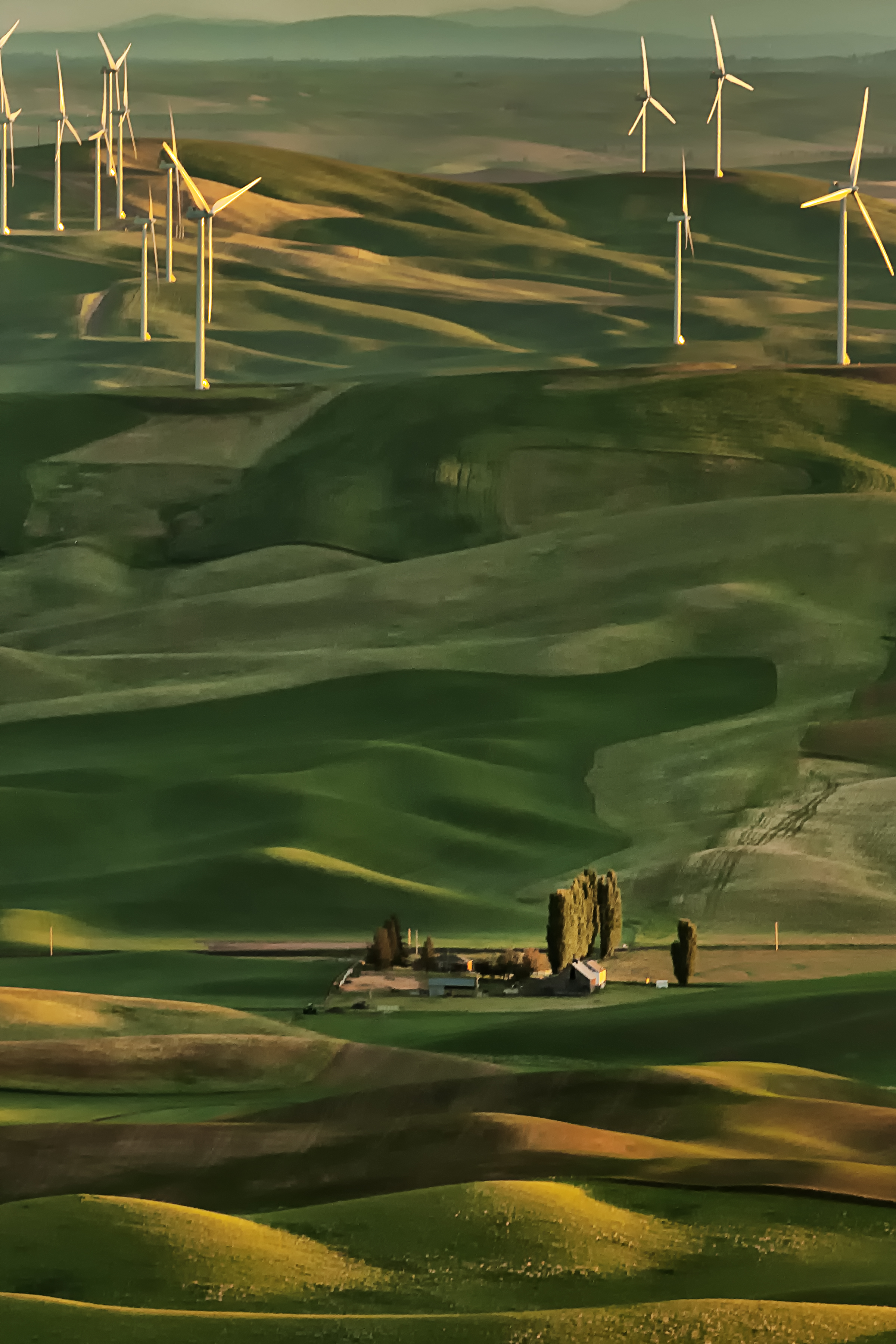
The Photographic Composer’s Score and Performance

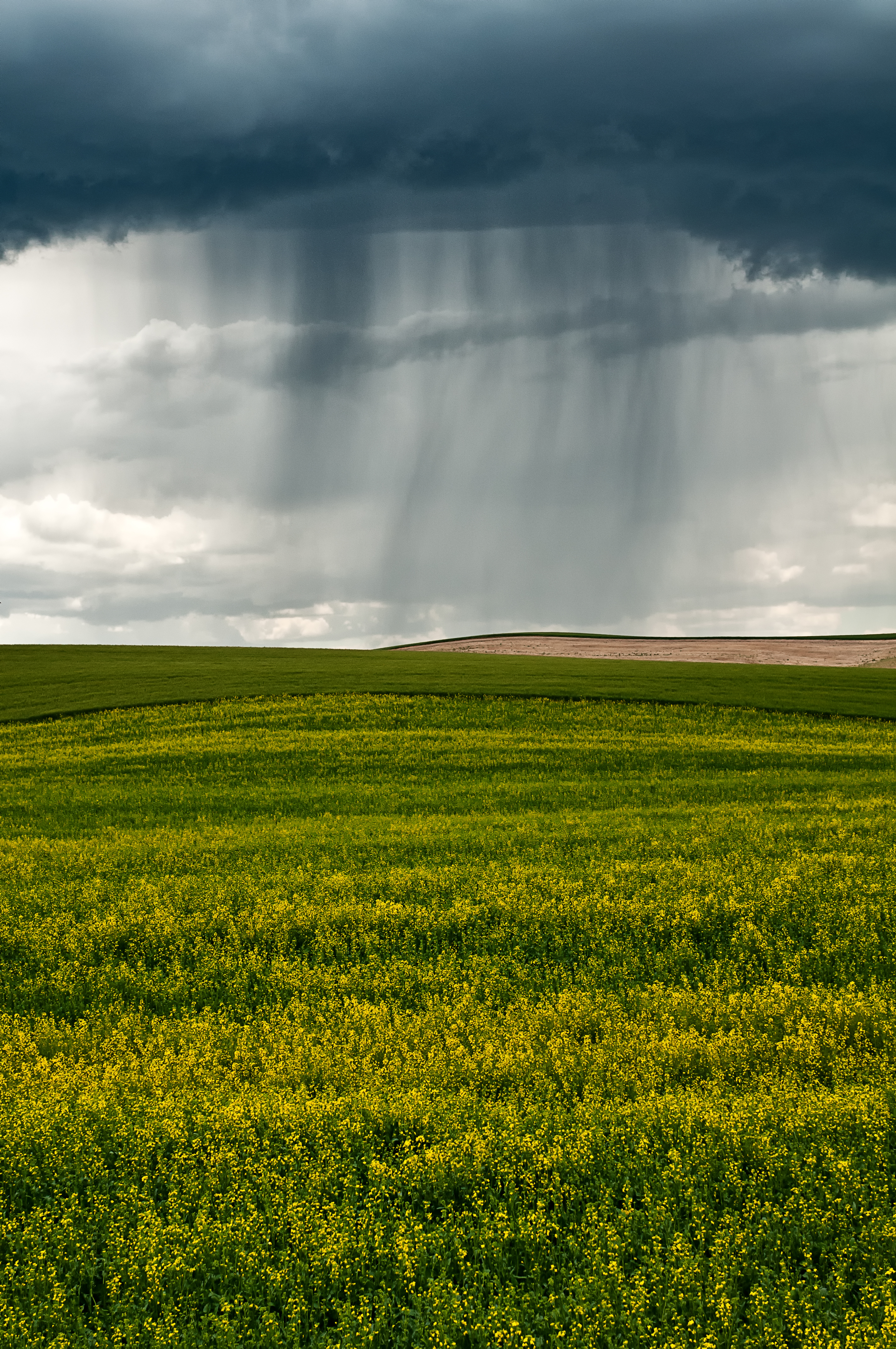
Spring storm

A storm o the prairie


Wind power

Windpower

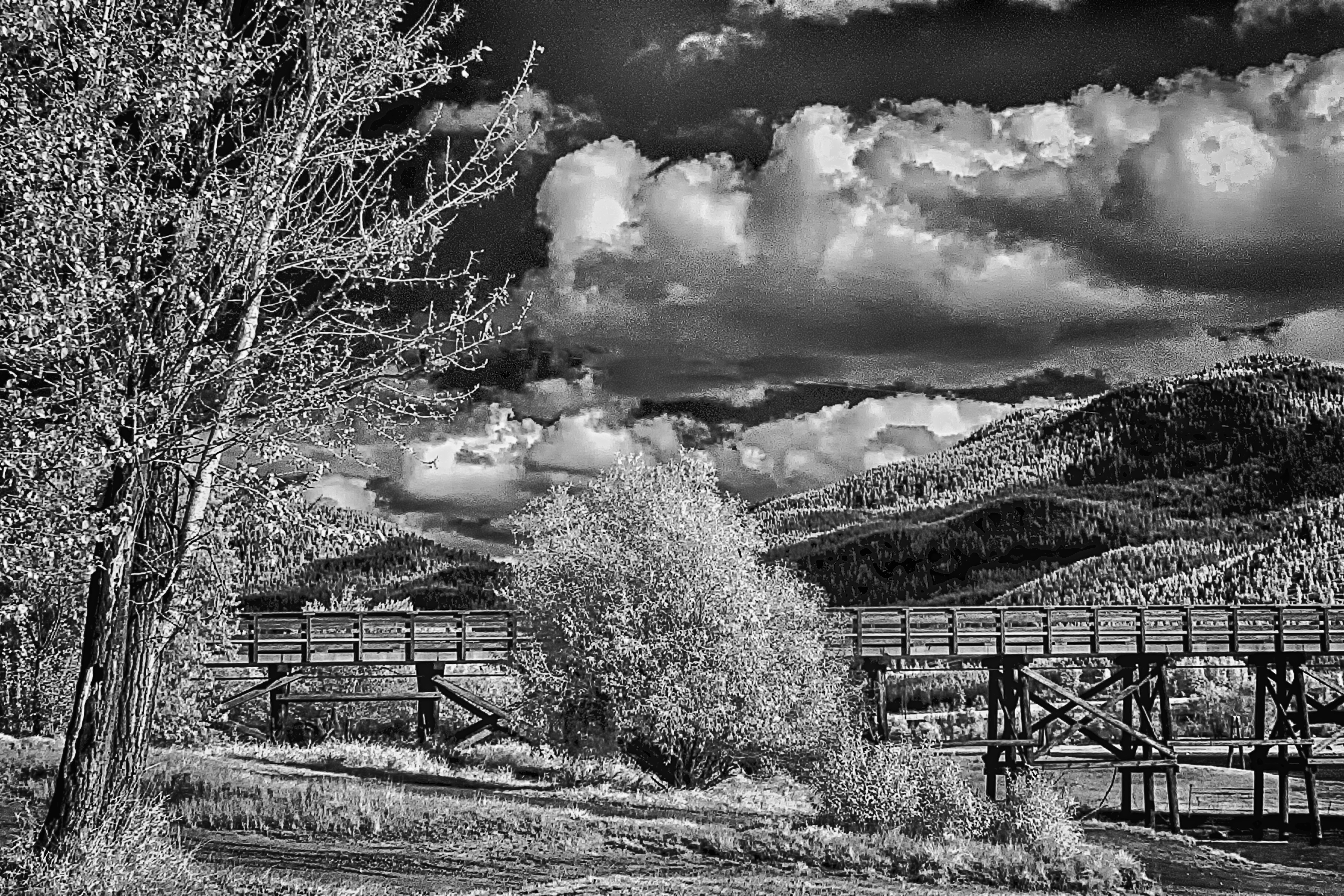
October Infrared

October walk in Infrared

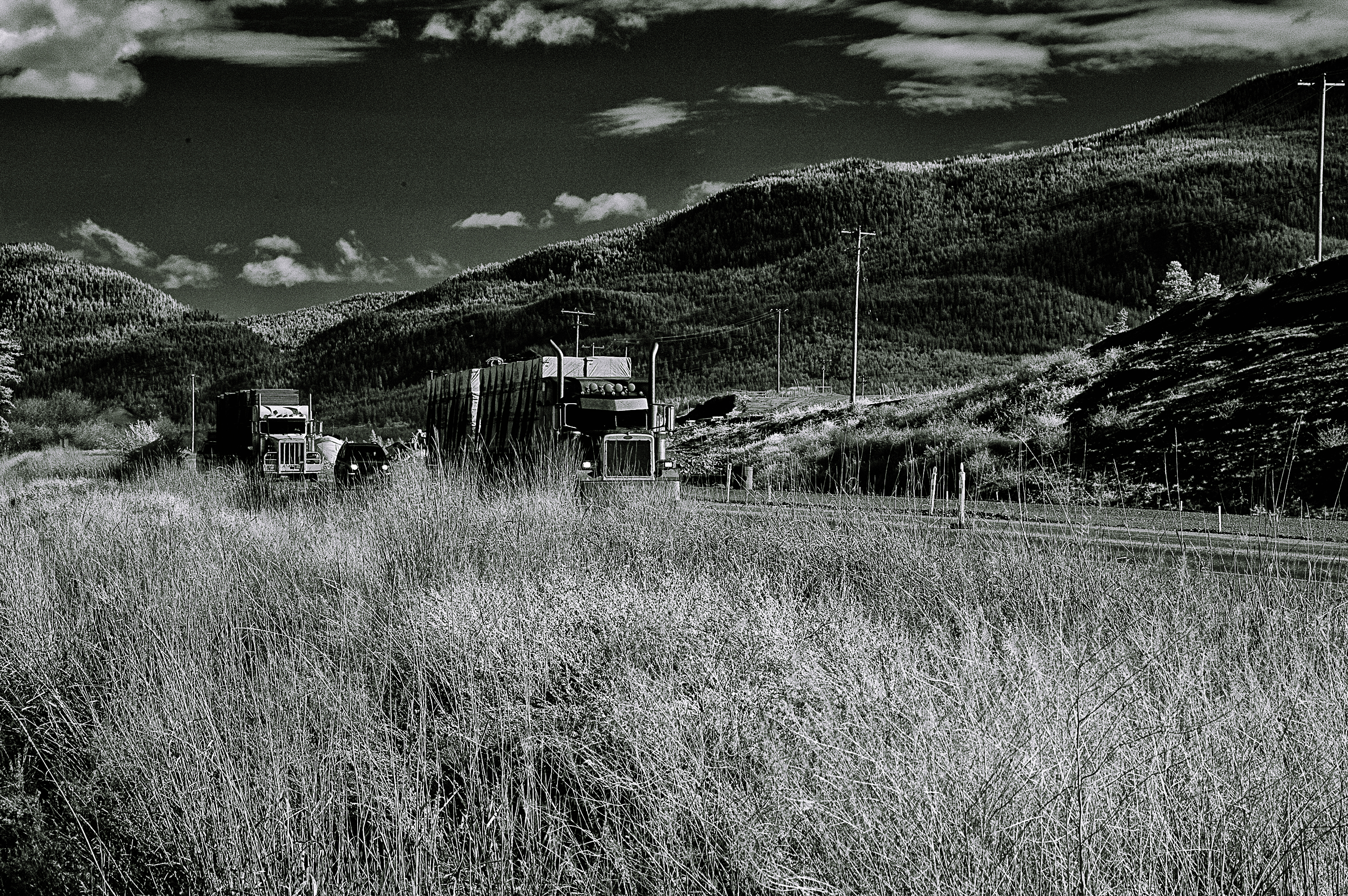
Trans Canada trucking

Trans Canada Highway – Infrared

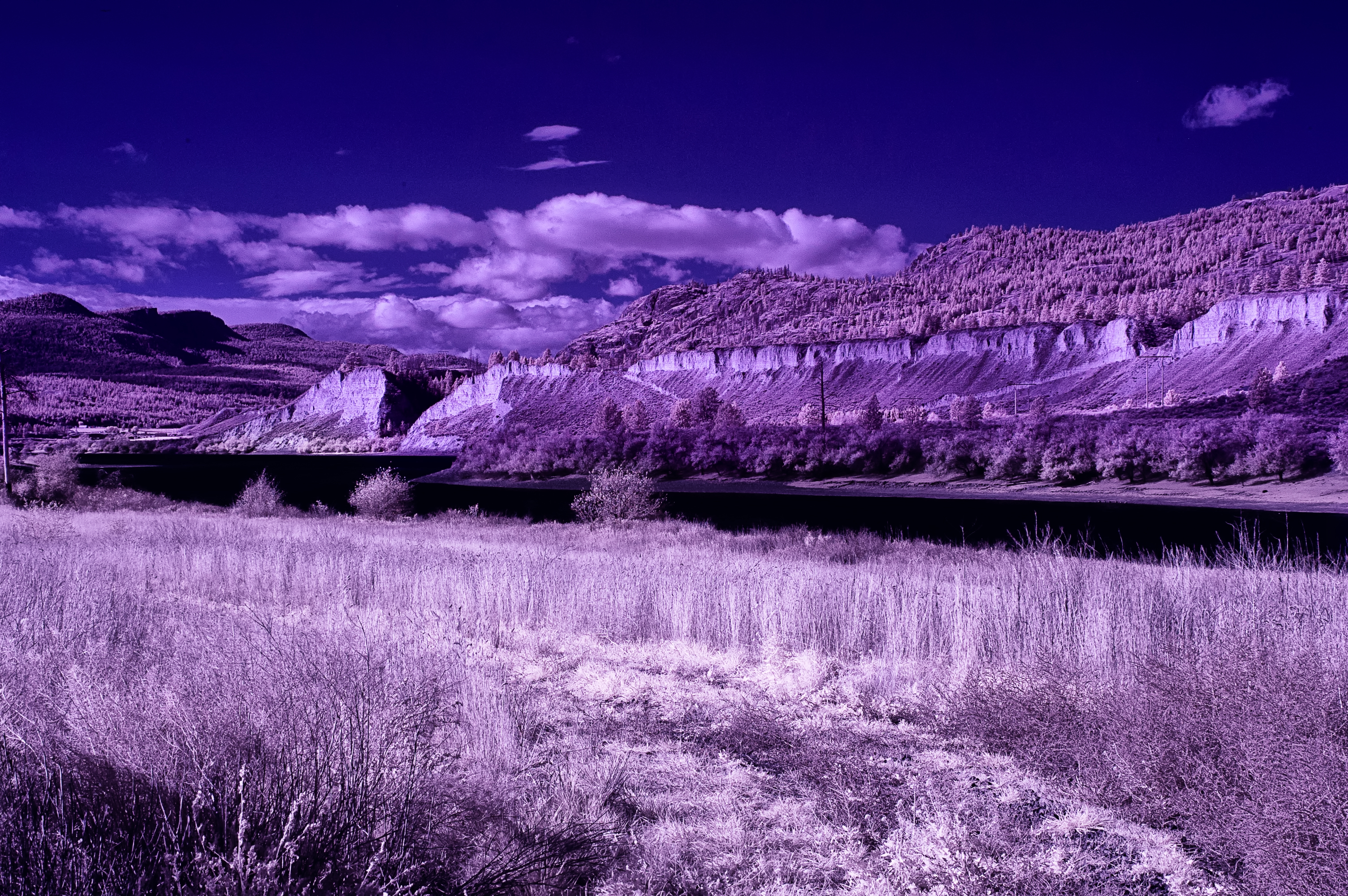
River bluffs

Infrared of Thompson River


I taught photography in the 1980s and 90s for the University College of the Cariboo (now Thompson River University) when the only way to make a photograph was using film.

In my lectures I informed students that as well as learning about their cameras, they must become proficient in negative development and printmaking. I would emphasize that those serious about the medium of photography would come to realize that what they did with the camera and the negative it produced was only the beginning, and that it was their final print that would set them apart as a photographer. And I would quote famous photographer Ansel Adams, “The negative is comparable to the composer’s score and the print…its performance…”

Film has now been discarded by most serious photographers, although I expect artists will use film creatively for years to come, nevertheless, even with advancing photographic digital technology Adams’ words from the past are still significant.

The digital camera isn’t making a picture in the sense of light permanently imprinting itself with different intensities on a chemically sensitized surface like film. Instead there are sensors and in-camera computers processing light from thousands of photosites that are transferred to computers as data files for conversion into countless pictorial possibilities. I have become, more than ever, of the opinion that like the negative, the RAW image file, is now the “score” to Ansel Adams – the photographic print.

I know there are those that haven’t bothered to move their camera selector off JPG (Joint Photographic Group). However, choosing JPG files means those images are pre-processed in-camera and the photographer loses control. I prefer shooting RAW (not an acronym like JPG, RAW is unprocessed data) and choosing RAW is like having the negative Mr. Adams discussed, affording us total control over those data files or, more importantly, allowing a personal vision of how the final photograph will look.

A young photographer that came into my shop last week got me thinking about this when, with some kind of misplaced pride, he announced he would never use PhotoShop on any of his pictures because he was only into true reality. Although I didn’t comment, I thought about the manufacturer’s presets that were applied in-camera to his image files, the sensor’s dynamic range of only about five stops from black to white and the very limited number of colour spaces his tiny JPG files gave him.

Some years ago I attended a print-making lecture during which one of the speakers said in the past he would get up early and drive to some scenic location hoping to capture an impressive sunrise, after which he would package up his film and send it to the lab and leave all decisions to an unknown technician’s personal vision. However, now he shoots RAW and transfers his image files to his computer and the decision has become his to control how his photograph will be processed for viewing.

As in the days when I processed and altered negatives in special chemicals and manipulated prints by adding and subtracting light, I now use computer programs to process my RAW images in my quest to perfect my vision of each. And I expect the same thing is true now as it was with my students all those years ago, that what they do with the camera is only the beginning, and to repeat Ansel Adams, “The negative is comparable to the composer’s score and the print (is) its performance…”

I look forward to all comments. Thanks, John

My website is at www.enmanscamera.com
Is it Time to Upgrade my Camera?

1. Cameras

getting the shot

Tripod & Hat


In the era of film cameras serious photographers would come to a point when they would consider upgrading from a 35mm SLR cameras to a medium format 120mm, or make the climb to a 4×5 view camera.

It was all about the size of the film and bigger really was better. I recall feeling bad for couples that had friends photograph their wedding with tiny 35mm cameras. Only those photographers wielding medium format cameras would be assured of quality final prints. If one wanted a colourful, sharp, grain free enlargement then 120mm or a larger format was a must.

What do I now say to photographers like the one I talked with recently who are considering a more serious approach to photography?

I always begin with the question, “what are your interests and what subjects do you like to photograph?”   My short answer for that digicam user was, if you want to shoot sports, wildlife, or even scenics and want enlargements bigger than 8×10, then, yes, get a DSLR.

I think printing quality 11×14, or bigger, enlargements are best produced with sensors that are considerably larger than what digicams provide.

I like digicams. They are perfect for intimate, candid shots. The compact size lets one put them in a pocket and go, and if used within their limits they can produce excellent images.   However, if one feels, like that fellow I talked with, they have reached their camera’s limits then it is time to move on.

I must add at this point, that with the entry of mid- and full-size sensor mirrorless cameras there are new and exciting choices. I would like to discuss those at another time, and hope for plenty of advice from readers on their preferences.

To simplify my discussion with him I put DSLRs into two categories, amateur and professional. However, the difference between amateur and pro cameras isn’t as easy as it was with film.

The most significant difference, in my opinion, is durability. Pro cameras feel sturdy, are heavy, and are sealed against the elements. When dropped, they bounce and usually don’t break, and even with hard use, the shutters will last a long time.

When the first DSLRs came onto the scene there was definitely a difference in the quality of the images between entry level and professional level cameras, but that is not as distinct now. The technology for sensors and in-camera processing has rocketed. The latest entry-level model may well have the same sensor as the previous summer’s expensive pro model as the technology is transferred over. The obvious difference may only be the weight and controls and debating megapixels has become just plain silly.

I know many are willing to argue about cropped frame vs. full frame, but I wonder if that’s more a personal preference than an upgrade.

For those, like the photographer I talked with, interested in purchasing used equipment; there will always be opportunities to purchase at reduced prices.

Whatever the camera availability, my advice to that fellow and others asking the “upgrading” question is to consider what kind of photography they want to do. Talk to other photographers about cameras that are interesting, go online and check out the many photography forums to find out what others with their same interest are using, and absolutely attend some classes.

Using a different camera is always fun and I believe learning how to control the technology a new camera offers is like a shot in the arm that gets the excitement going and helps ultimately to make better photographers.

Any comments on this subject, or mirrorless cameras are very welcome.

Thanks, John

My website is at www.enmanscamera.com


Black and White as a Photographic Medium

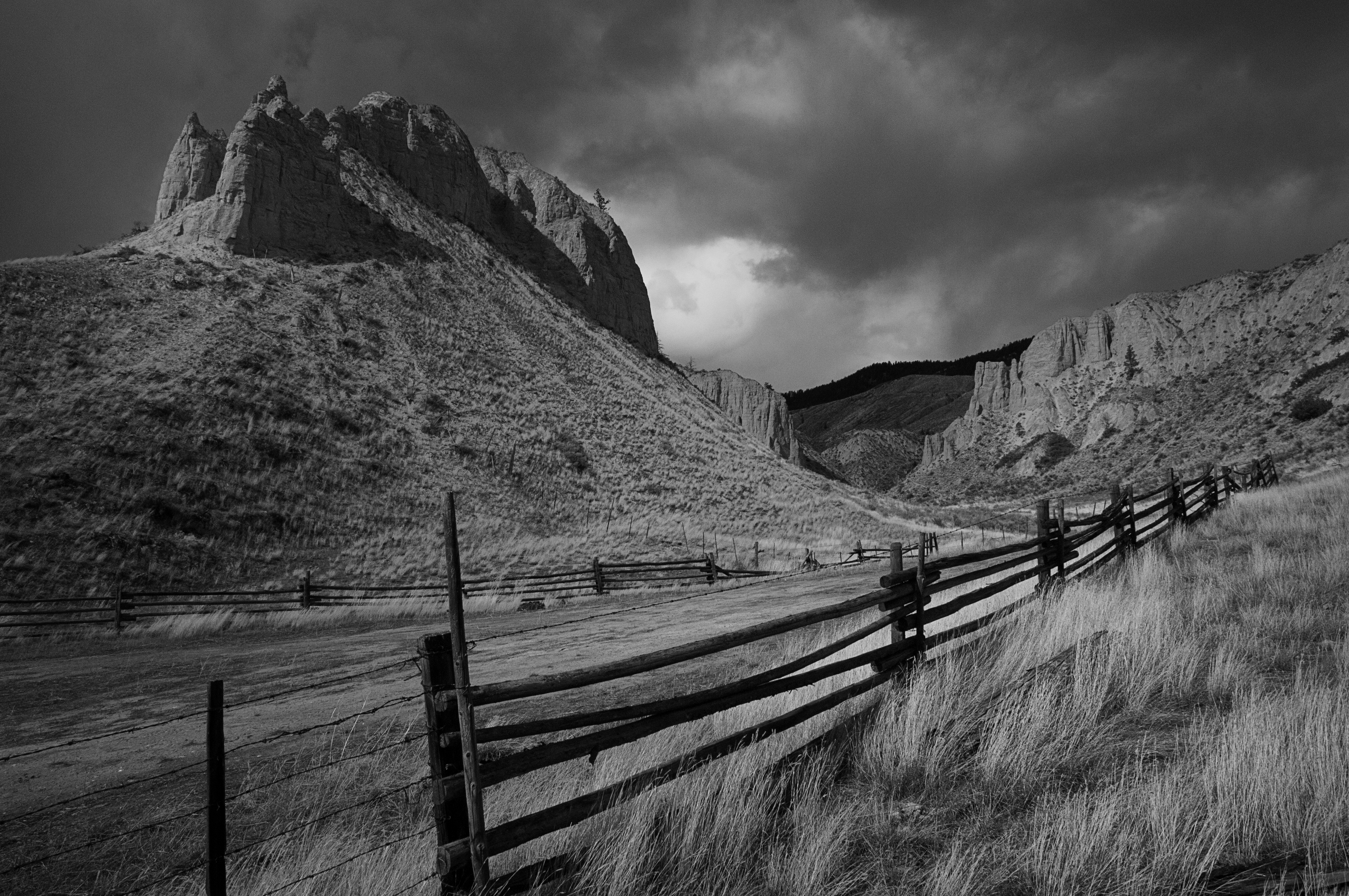
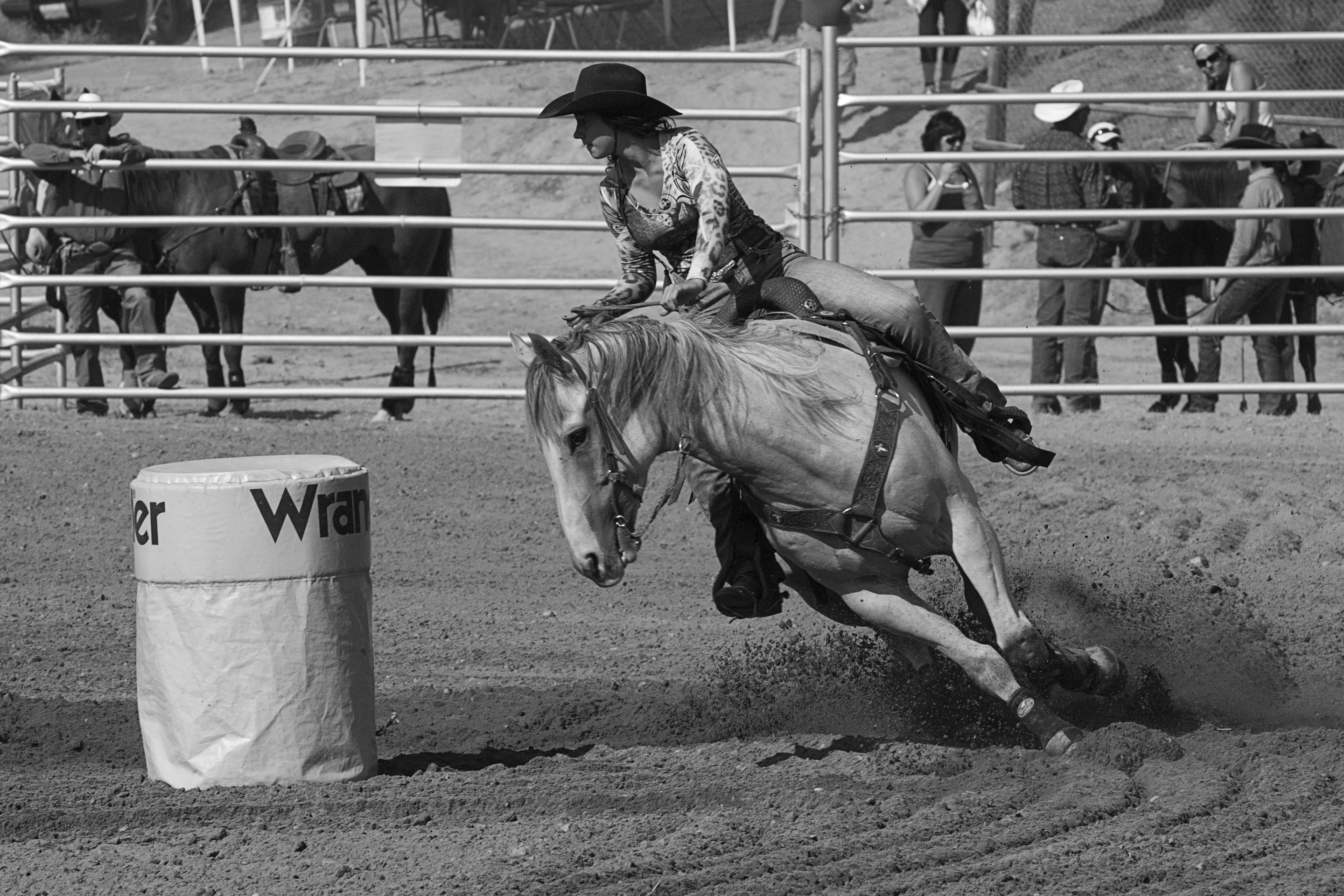
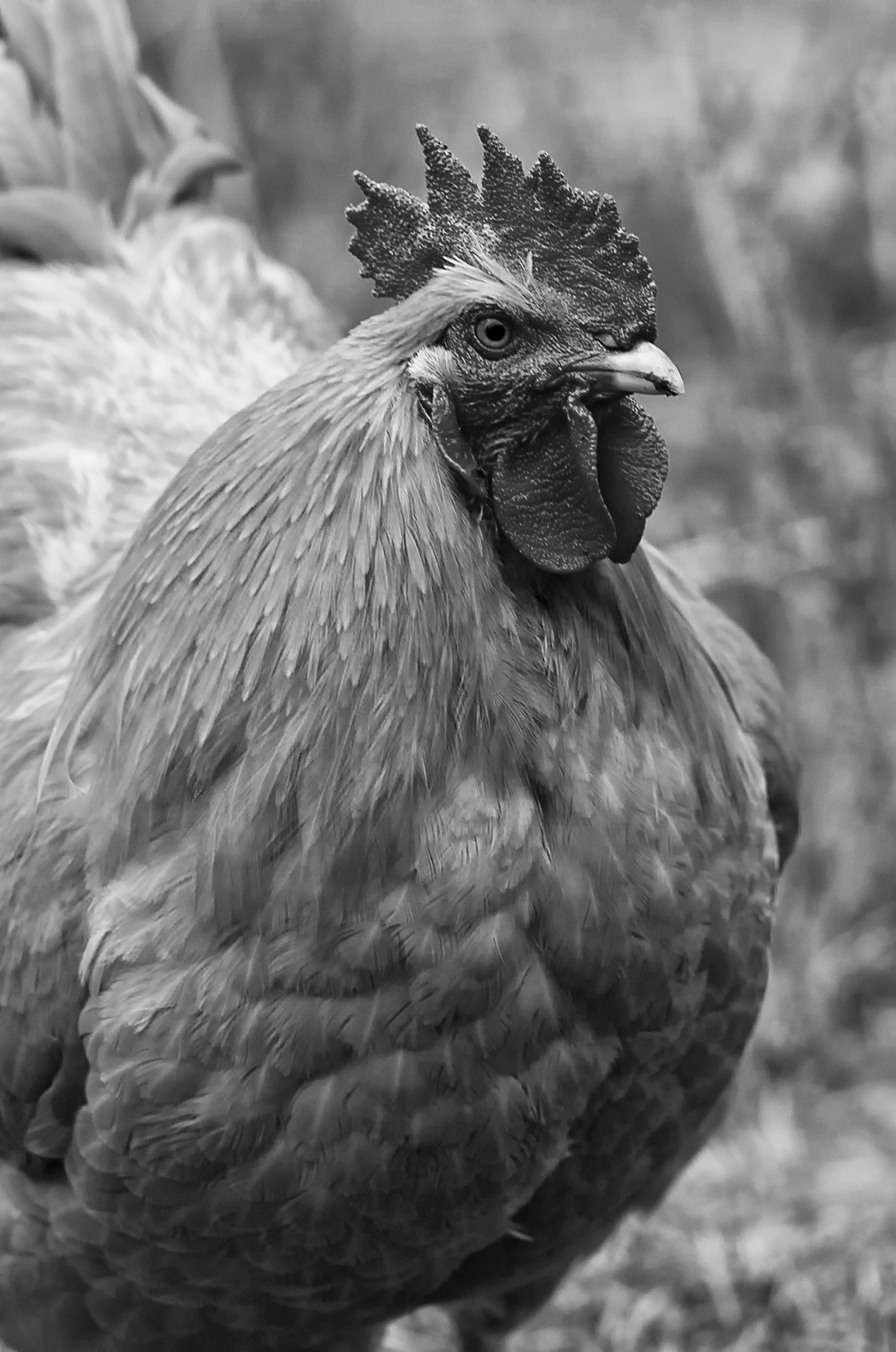
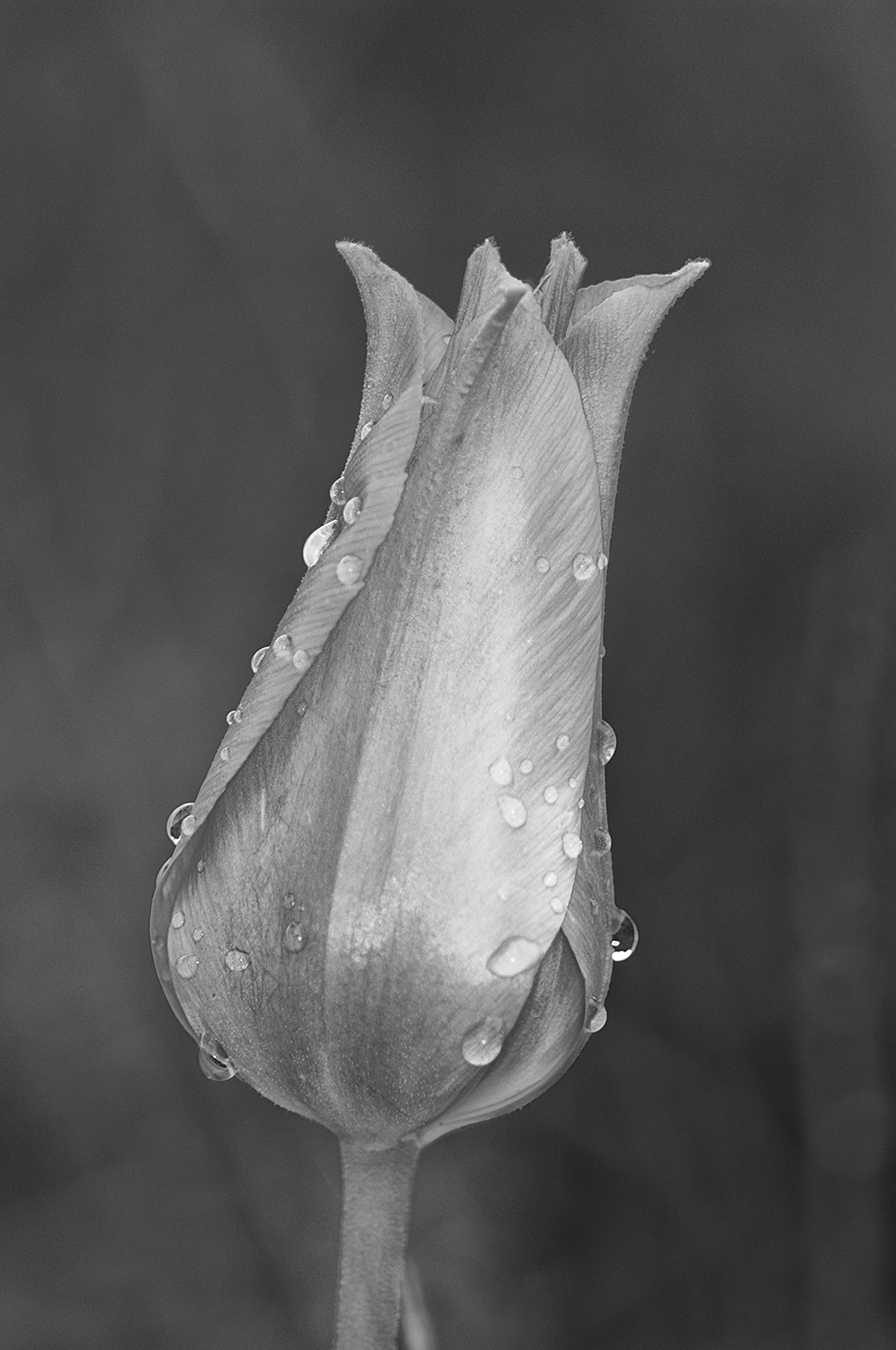
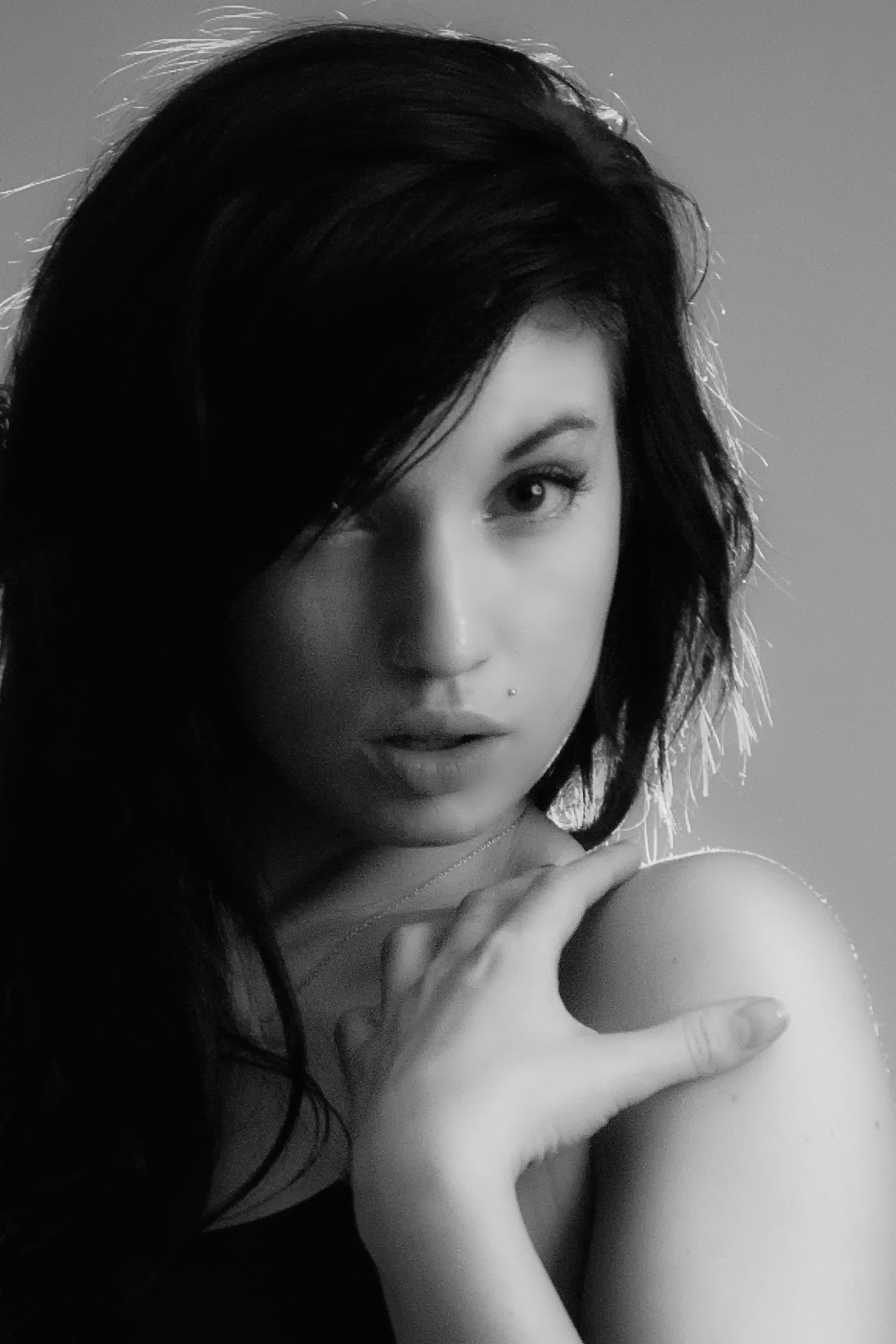
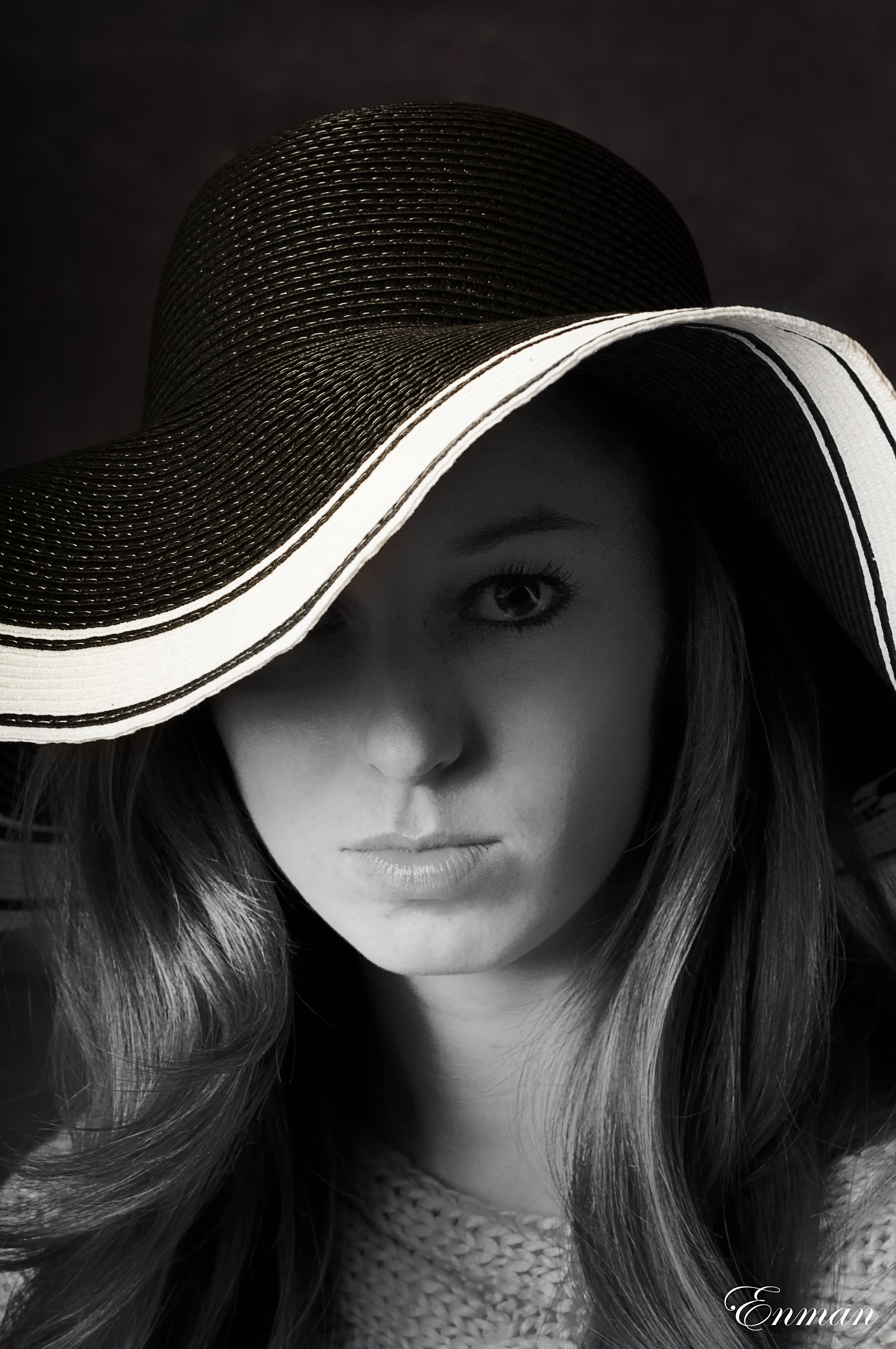
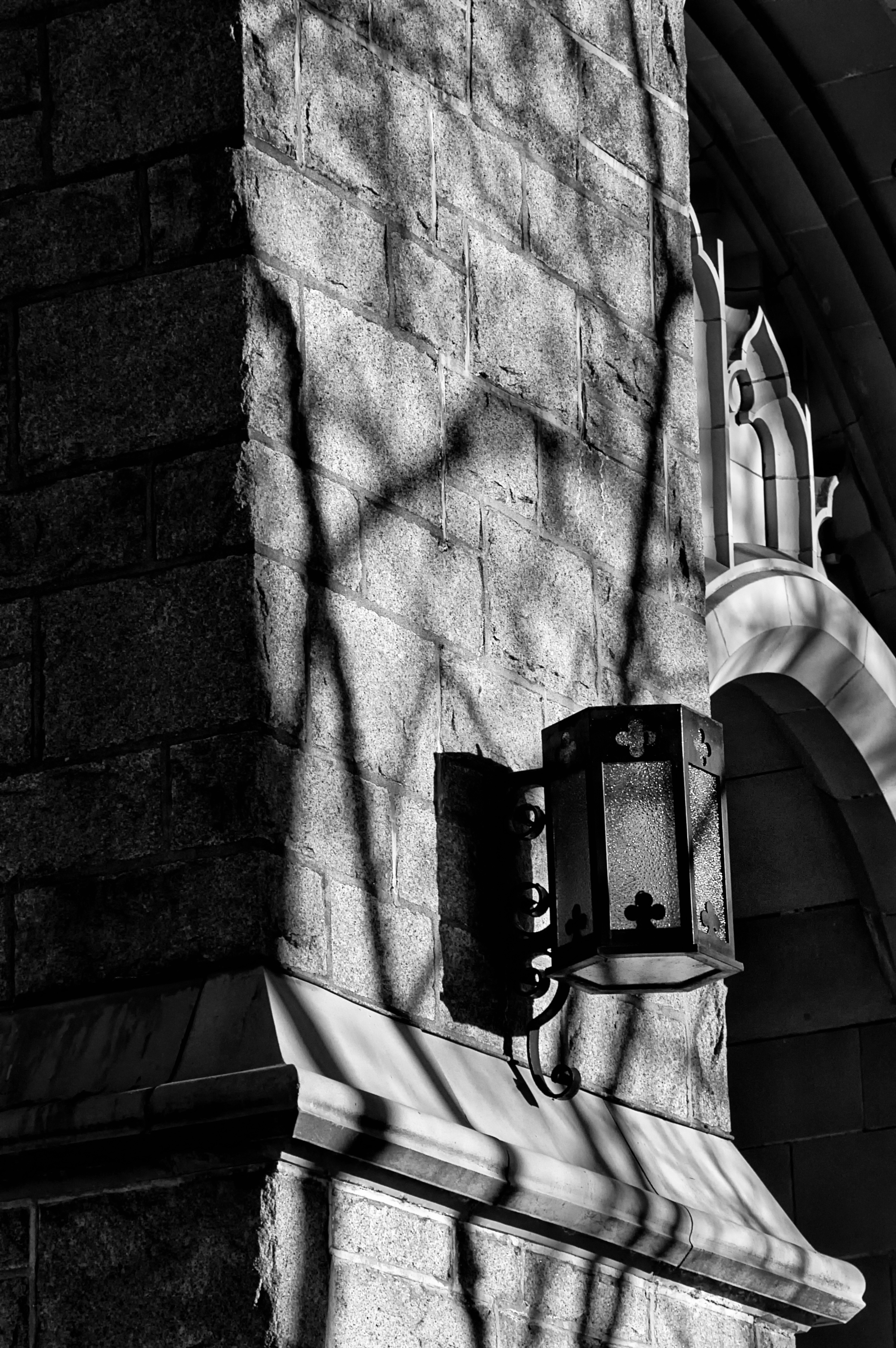
1. Cameras  2. Ghost town  3. Kamloops fence & hills  4. Quick turn at the rodeo  4.Chuck the rooster  5. Flower  6. Bailea  7. Monica  8. Church lantern  9. Headwaters

Lois Lane, Kelowna

Black and White as a Photography  has always been my favourite photographic medium. I recall when I first began pointing my camera at different subjects, and started making photographic prints, that I didn’t think too much of colour photography. Yes, colour was fine for documentary work as found in “National Geographic” magazine, or making snapshots of some family, but in the 1970s creative photographers seemed to be working in black and white, not colour.

Photojournalist Ted Grant, who is regarded as Canada’s premier living photographer wrote,

“When you photograph people in color, you photograph their clothes. But when you photograph people in black and white, you photograph their souls!”

Black and white photographs always (and still do in my opinion) seem to create moods and convey an almost tactile quality.

During the period of film photography, photographers had to decide whether their subject would look best in black and white print film, colour print film or slide film and most photographers trudged around with at least two camera bodies weighing them down. However, today that decision to make a black and white image is best left to the computer and some exciting post-production software. And there is no need pack around another camera. (Well, unless one is worried about camera failure.)

Thankfully post-production is no longer contained to dedicated, darkened rooms. I still have an 11×11 foot room in our basement, complete with a six-foot stainless steel sink and custom cabinets. However, it’s mostly used to store photo equipment and for washing my chickens’ eggs. Now my lab is on the main floor of our home and instead of chemicals, the image and print production has become an intricate combination of computer programs, quality printers, and papers that easily rivals the quality of chemical-based, traditional, black and white photography.

A black and white photograph depends on its ability to communicate, it doesn’t need to rely on eye-catching colours for its’ visual presentation. Those B&W images that stand and pass the test of time combine attention to subtle changes in light, composition, and perspective. And it stretches our creativity and forces us to visualize our world in different terms. I remember a photographer once saying that he believed shooting in B&W refined one’s way of seeing. And I heartily agree.

In spite of the many modern photographers that don’t bother with anything more than just accepting what comes out of their camera, black and white photography is far from being left behind in the past, and, in my opinion, with the current processing software, updates in high quality printers, and the latest in printing papers, black and white image-making will continue to be an option for a host of serious creative photographers.

Those photographers that are good at black and white photography learn to exploit the differences in tonal elements in a scene and present viewers with successful B&W portrayals that make excellent use of shapes, textures, light and shadow, and the loss of those original colours becomes irrelevant.

For those that haven’t tried monochromatic (another word applied to B&W) image making, I will mention that it is easier than ever. Most digital cameras have a black and white mode available in the menu. I don’t really like using that, as it does nothing more than de-saturate an images colour data file, excluding control of the different tonal values that make up a black and white image. I suggest trying one of the many great programs available on the Internet that can be downloaded to test for free. Who knows, you might, like I do, really like black and white photography.

Readers by now must know how much I like quotes from famous photographers. So I’ll finish this up with some words from a turn of the century fashion and commercial photographer, Paul Outerbridge: “One very important difference between color and monochromatic photography is this: in black and white you suggest; in color you state. Much can be implied by suggestion, but statement demands certainty… absolute certainty.”

I welcome any comments. Thanks, John

My website is at www.enmanscamera.com
Taking Pictures at the Party

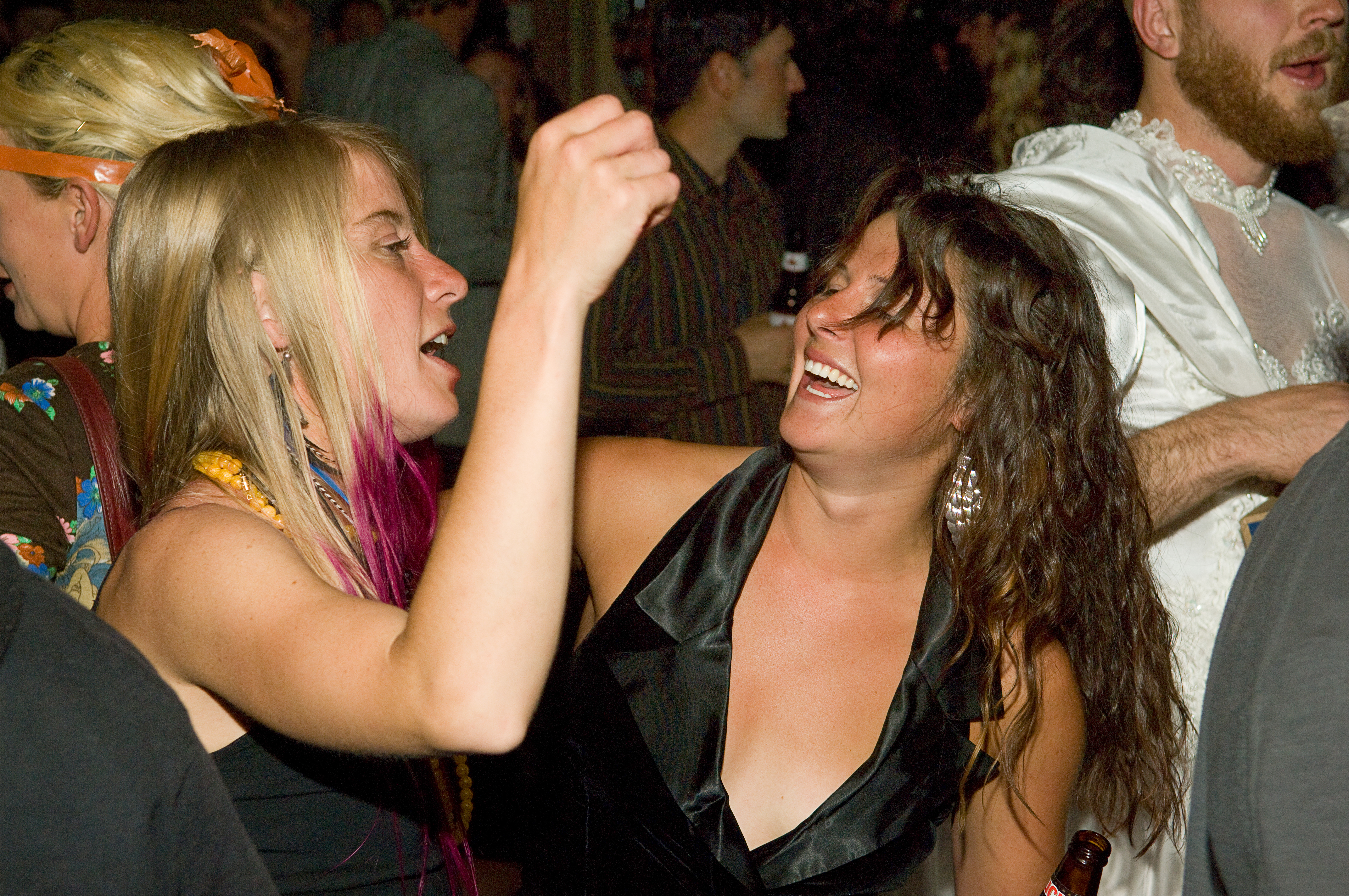
Tree Planter's 122  Tree Planter's 095  Tree Planter's 102  Tree Planter's 047   Tree Planter's 076  Tree Planter's 071

I can hardly believe how fast this year has gone by!  Wasn’t I just complaining about the unforgiving heat during a wedding I photographed on a cloudless +35C day?

Now, here I am bundled up in the +1c cold and snow, with new snow tires mounted on my car. Gosh, there is even an advertisement on television about what wine to bring to upcoming Christmas parties. Yikes!  Don’t get me wrong I like Christmas, and everything that goes with it, but I am not ready for winter’s snow yet, and neither is all the stuff in our yard that will get covered and damaged if I don’t get off my-lazy-whatever and pick them up.

Even though it seems early the Christmas season is coming up fast and that means photographic opportunities as we join family, friends, and co-workers at all the year-end festive events that are going to begin in December.

Photographer friends are going to dive in, digital cameras in hand, happily filling memory cards with candid photos.  The act of picture taking has become so easy and so much fun as photographers rush over to take a picture, look at the LCD, and quickly slide back to show others those tiny images.

For many photography has become more about the process of picture taking than it is about creating art, or even documenting the party; it is more about standing in front of people, taking lots of quick snapshots, than it is about making memorable photographs.

Most images made in this fashion never become more than space-taking files stored on computers that after quickly being looked at, laughed at, or smiled at, are tucked away with good intentions to be used in some fashion in the future, but after that initial viewing they loose their value because there are too many, and very few are good enough to give to others anyway.

How should readers approach photography at the next party?  Yes, readers should continue to make candid photographs of people having fun, but, perhaps, they should also think about making pictures that tell a story, capture an exciting moment, and importantly, flatter the subjects.

Most people don’t mind seeing a picture of themselves being silly or having fun, but they don’t like pictures that make them look stupid or unattractive.

My approach is to take a moment to look at the room in which I intend to make photographs, make a couple of test shots with longer shutter speeds (my favourite is 1/60th of a second), to include some ambient light when making exposures using the on-camera flash so as not to end up with brightly lit faces surrounded by a black environment.
I suggest taking group shots with two or three people. Get them to position themselves so they are squeezed together with a tight composition, and include only a little background or foreground. Don’t shoot fast, steady the camera, and select a shutter speed that includes the ambient light. Fortunately most modern DSLRs easily allow ISO sensitivity that is 1600, and some go a lot higher.
Shutter speeds of 1/60th of a second, or less, doesn’t always work for children playing in the snow during the day because moving subjects will be blurry, but, with limited lighting moving subjects will only be exposed when the flash goes off.

Lighting everything with complicated studio equipment would be great, but that would ruin the party for everyone. The occasion would become more about the photography than about the fun and festivities.  I use an on-camera flash and make adjustments as I go. I want to join in on the fun, not act like a photojournalist.

Family and friends don’t mind having their pictures taken as long as its enjoyable and I want pictures that show them having a good time. So, along with those quick candids I make posed portraits with smiling faces, and if I select some pictures to give away later I want people to like the pictures taken of them and honestly thank me.

I always enjoy everyones comments, John

My website at www.enmanscamera.com