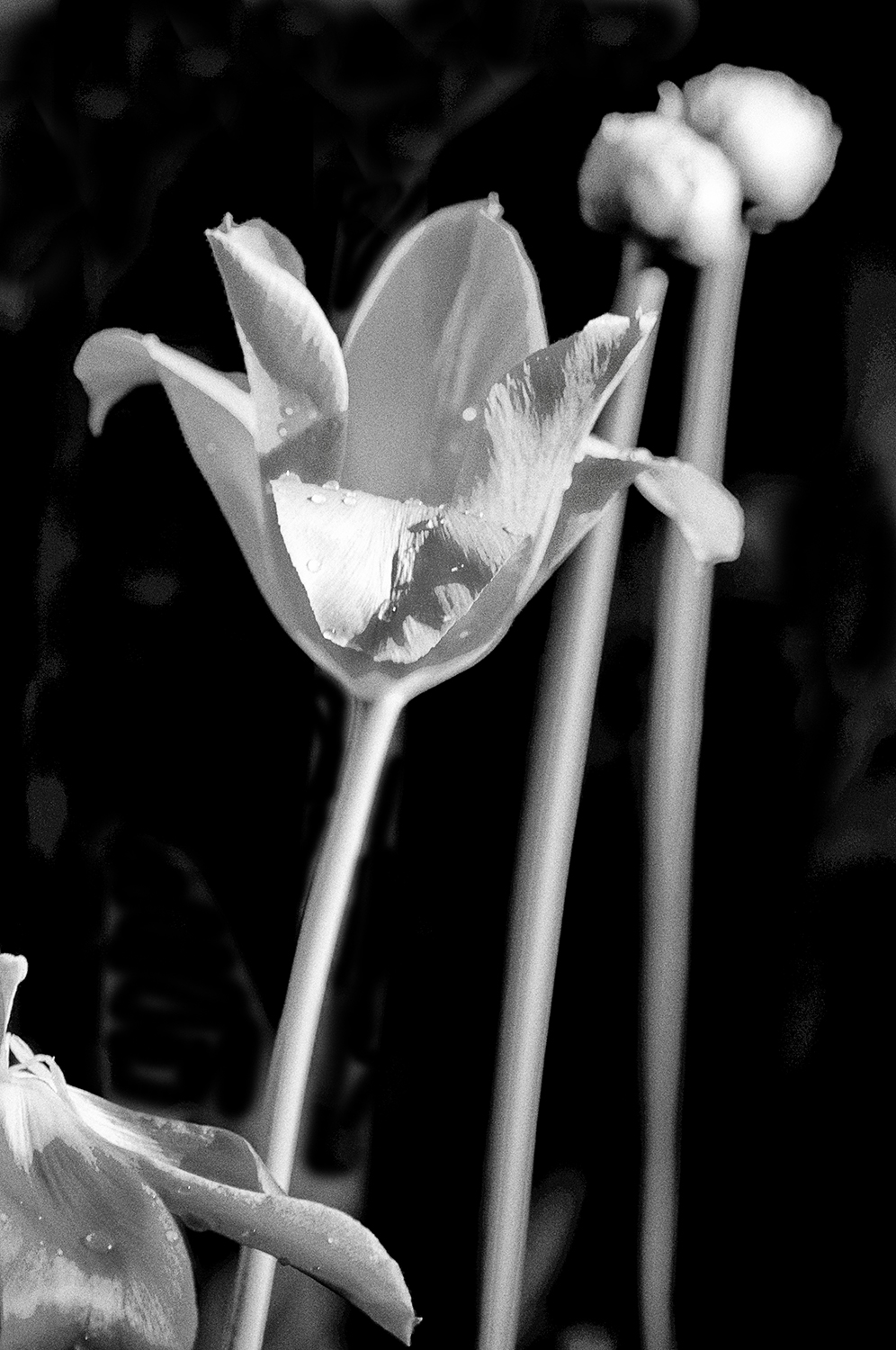
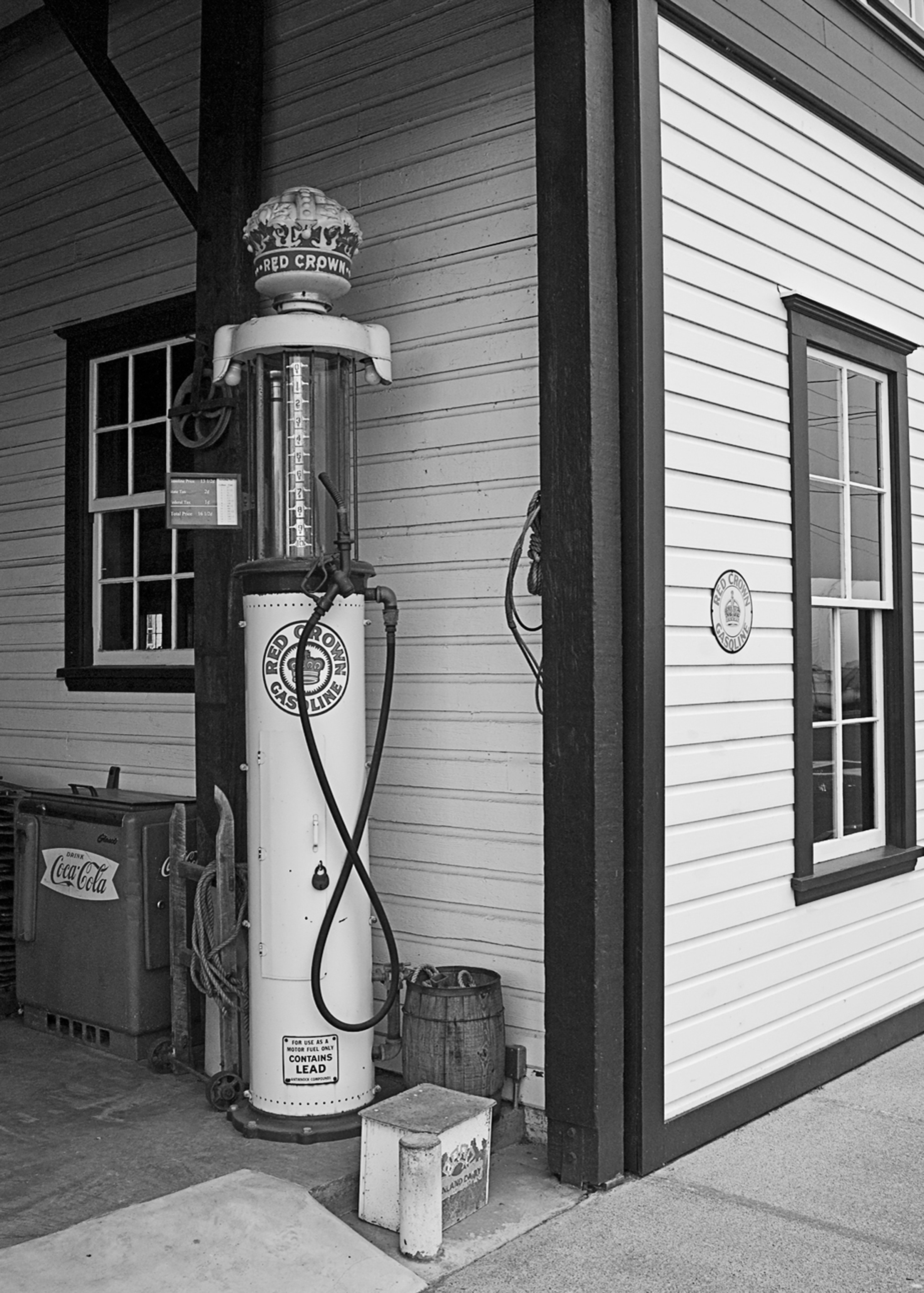
Liking Black and White Photographs


My last article entitled, “Wandering City Streets with my Camera” included both colour and black and white images and elicited the following remark from reader, Timothy Schultz, who said, “I don’t usually like black and white photos, but they were used very effectively here.”

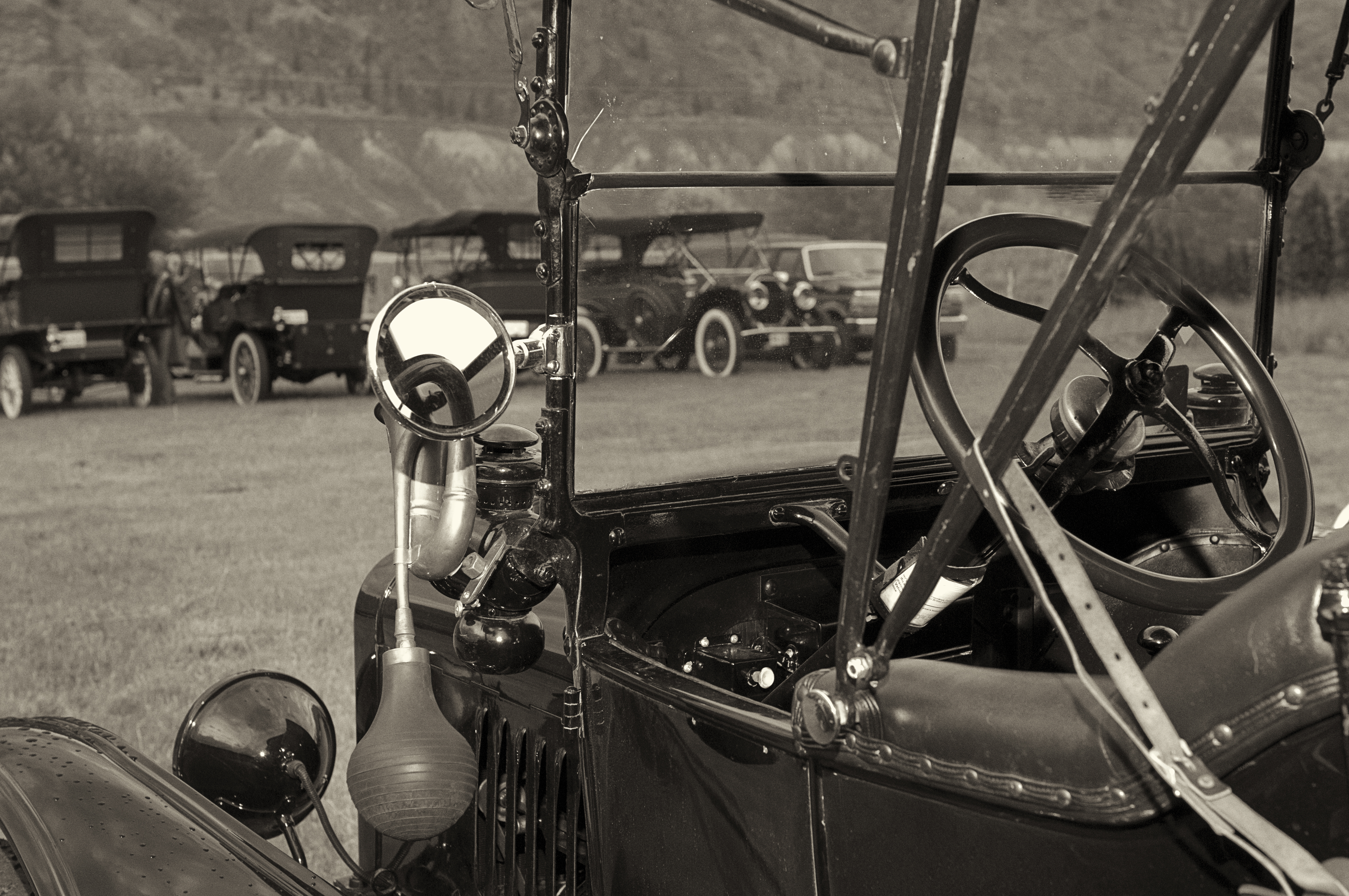
Black and white photography has always been a favorite of mine, and I am pleased that some readers agree that sometimes the use of black and white is effective.

During my years of involvement with photography I have seen changes in the kind of photography people are doing. When I first started making pictures as a child it was all about economics – B&W prints were cheaper than colour prints.  After that one-hour photo labs appeared in shopping center parking lots, department stores, and finally in malls, and colour prints became inexpensive and the mainstay for photographers.

I have always liked black and white and much of the time prefer the mood it evokes.  Since the introduction of digital image making and programs like PhotoShop and NIK software’s Silver Efex the need to carry a dedicated camera and to commit space for a custom-built lab has disappeared.  Now all that is necessary is learning how to effectively use the correct program.

Colour is reality, and black and white seems a bit “arty”, or as I wrote, “mood evoking”.  I have never produced an album of wedding photographs without including some black and white prints and when I ask the couple if they are OK with that, I always hear, “Oh, we love black and white. Yes, please”.

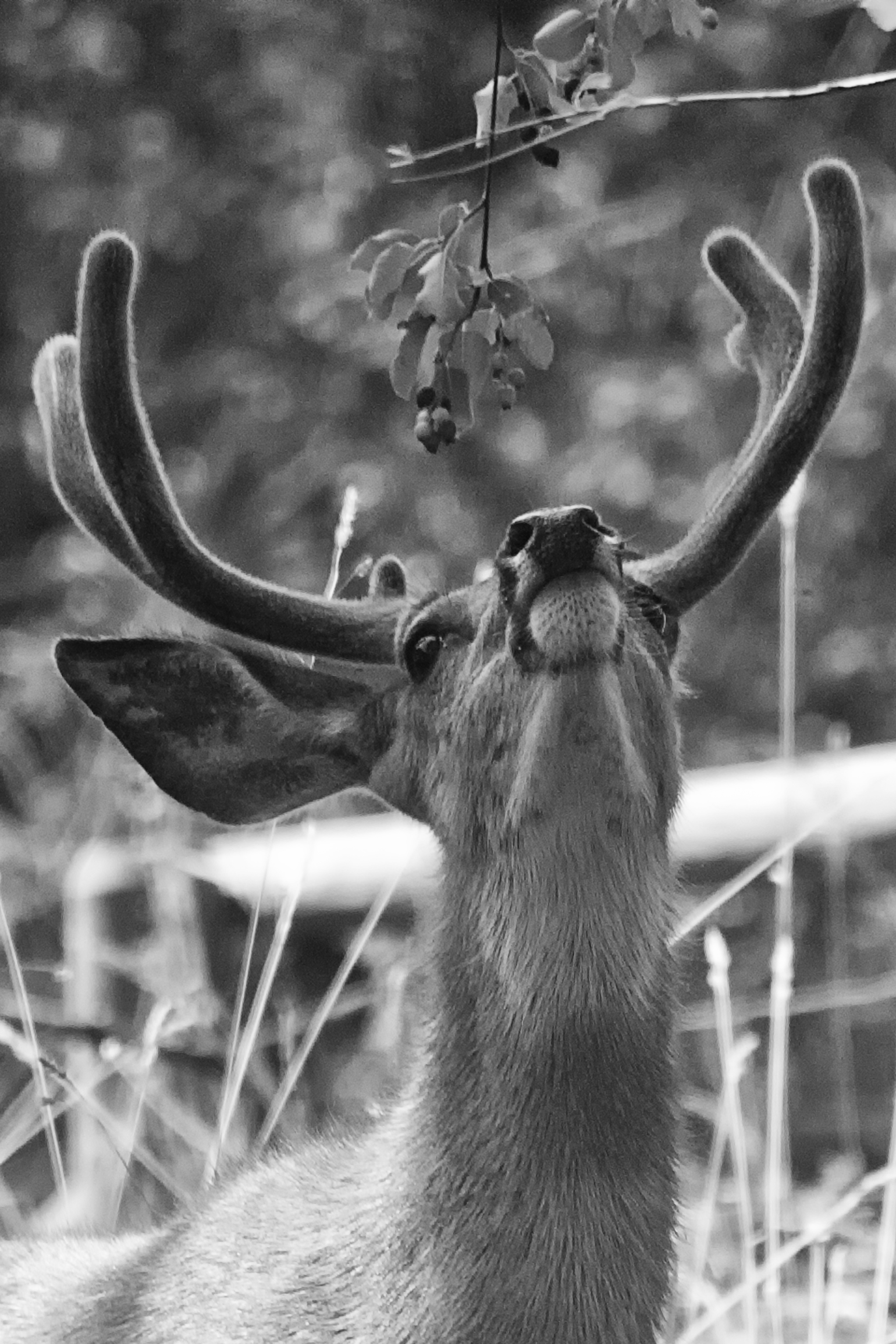
People comment that a black and white portrait speaks about a person’s personality.  I am not sure about that, but I do like, and sometimes prefer, black and white, depending on whether the subject is a person, an animal, or a building, and what I am trying to illustrate with the photograph.  And, I “previsualize” how those colours are going to work as shades of gray while I am composing the photograph.

I’ll mention here that famous photographer Ansel Adams introduced the idea of, and the word, previsualization. It is a term he used to describe the importance of imagining, in one’s mind’s eye, what the final print reveals about a subject.

We see everything in colour, and in the modern world of digital photographic technology that’s what is captured.  Then, we visualize and translate those images into black and white images using post-production technology.  I really do like B&W pictures and sometimes miss those singular times in my darkened room, where I would produce my B&W photos by hand in open trays of chemicals.  However, technology has changed and there are many options that now allow photographers to produce higher quality B&Ws.

I read an on-line discussion entitled, “Why Black and White Photography” by Robert Bruce Duncan. In it he wrote, “black and white has an inherent dignity”.  His opinion is thought provoking.  Perhaps we do see and interpret more in a B&W photograph. Duncan goes on to say that he thinks few colour landscape photographers have matched the black and white work of photography greats like Ansel Adams, Edward Weston, Paul Strand, Margaret Bourke-White, and Imogene Cunningham, for example. And on portraiture he says, “it’s more than arguable that black and white is at it’s best for people photography…From early portraits by Julia Margaret Cameron, and later, Steiglitz and Steichen….(and) the photographers who documented America during the depression, to a whole slew of great Hollywood glamour photographers…and all the masters that made Life magazine perhaps the best periodical of its era.”

I am intrigued with Duncan’s words, I could mention some famous colour landscape photographers, but I’ll leave them to readers to search out. I believe both colour and B&W has its place.  As I wrote, sometimes I prefer black and white depending on the person, animal, or building, and what I am trying to say with the photograph. I pick and choose what image I think will work best in black and white and that depends upon the subject, the circumstance, the light, and, of course, the colour.

My website is at www.enmanscamera.com
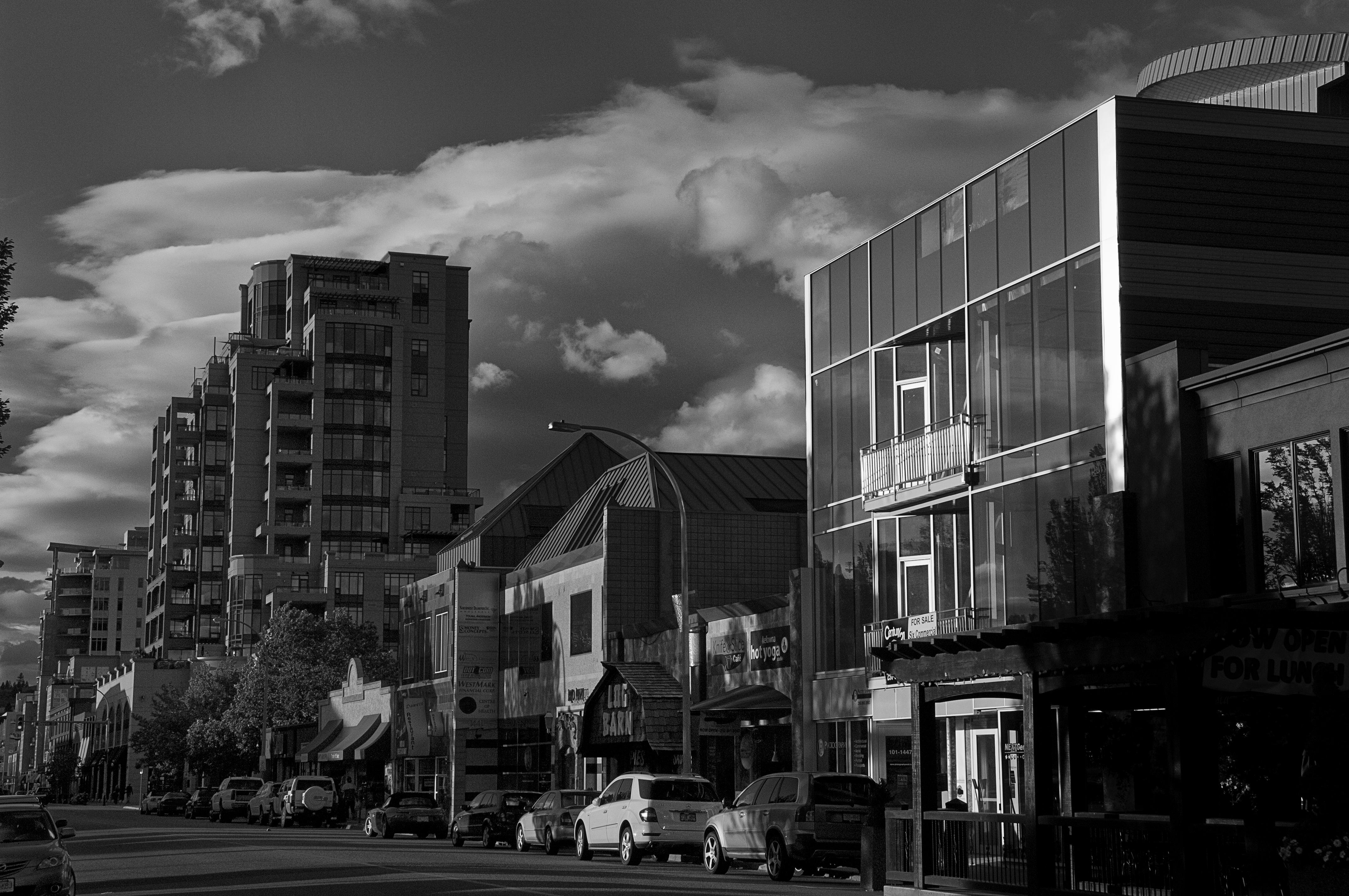
Wandering City Streets with my Camera


I enjoy wandering city streets with my camera because I think the possibilities for photographs of cityscapes are endless.  Let me begin by saying that my wife and I were in Kelowna, British Columbia,Canada, doing cleanup and some renovations to a house we own and rent out.

The day had been long and with lots of work done and we had reached the time when we wanted to just stop, rest, and find something to eat. Linda had said she had a craving for souvlaki. I don’t’ get cravings the way she does. Hers are always for some specific taste or particular food, while mine is just for food. She, of course, gets irritated with me when she asks for my help, “What would you like?” and I respond, “Hmmm….food”. So we stopped, washed up, and found a Greek restaurant called Yamas where I ordered souvlaki and she ordered lamb. Well, so much for her craving.

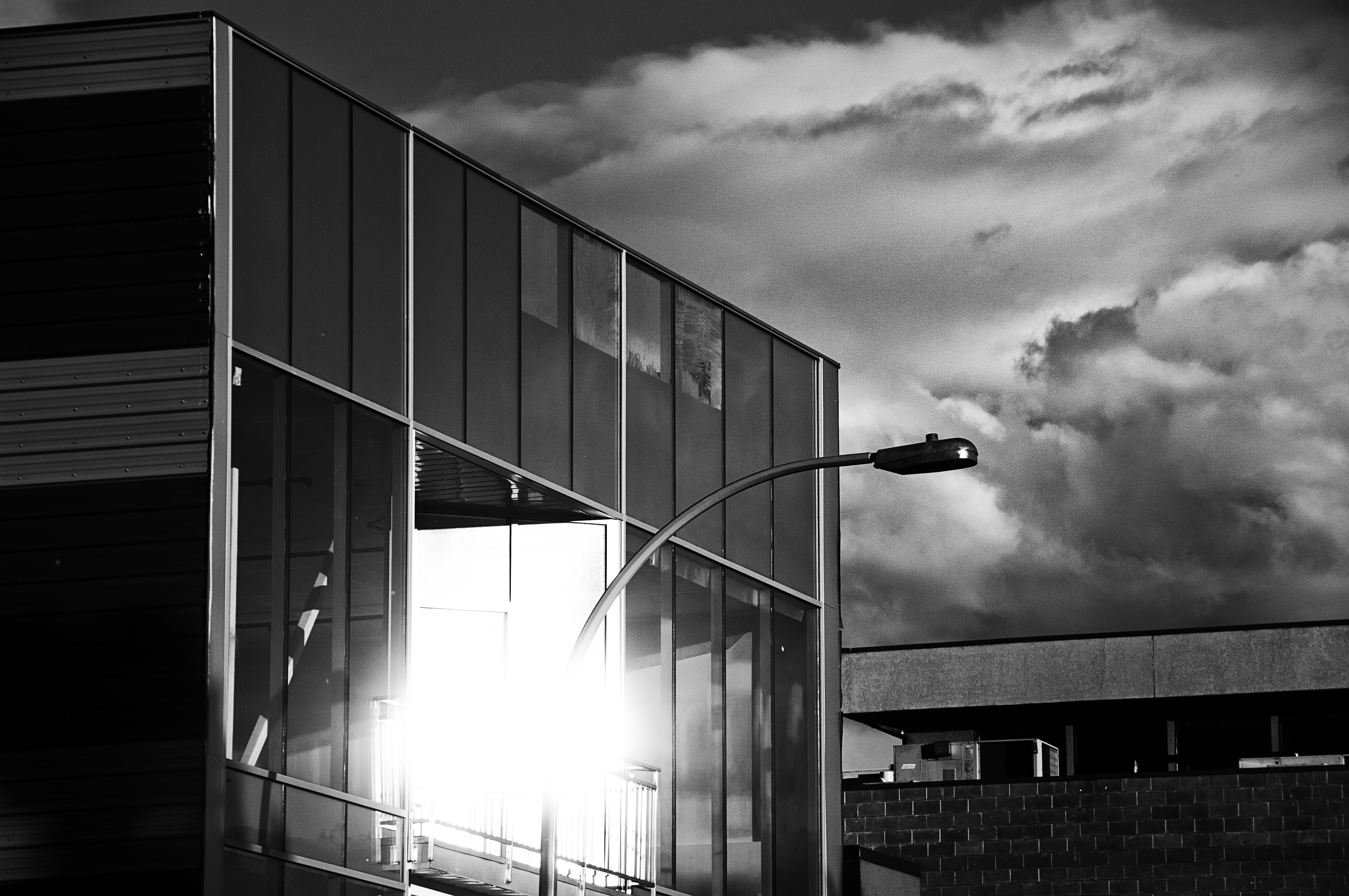
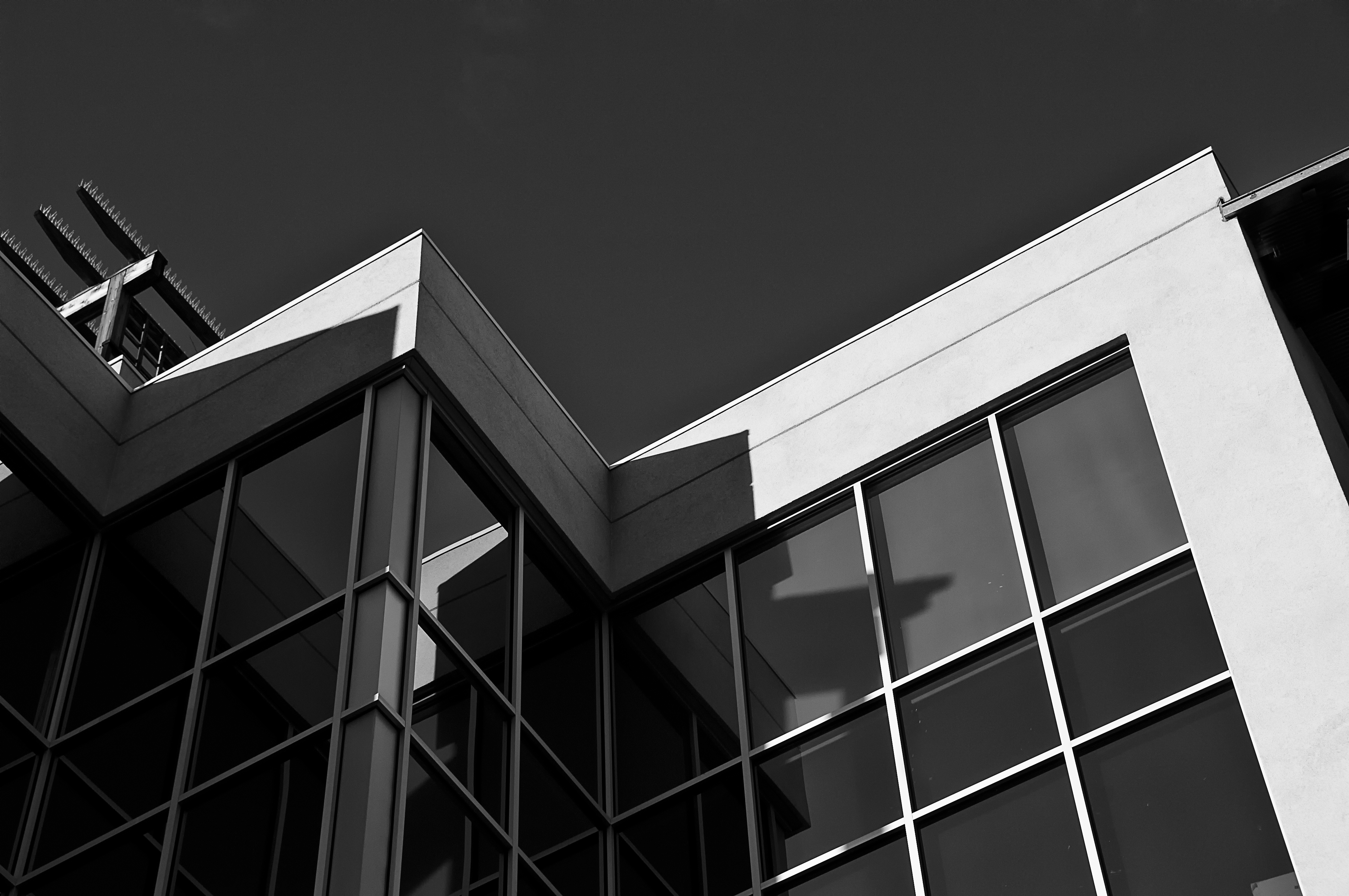
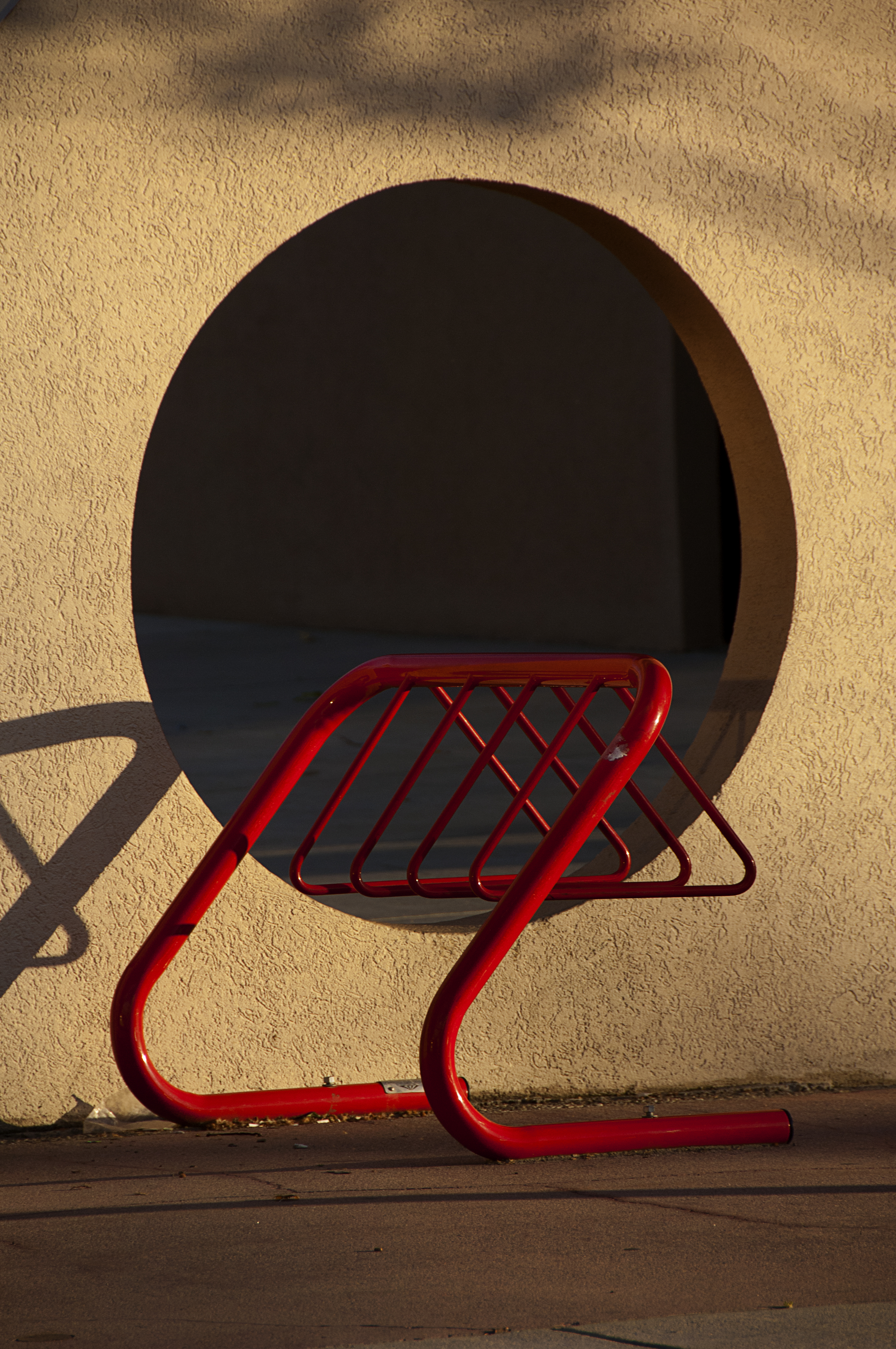
The day had been clear and bright, and at 7:30pm the sun was dropping and making the cityscape a mosaic of glittering glass, cold metal, coloured concrete, and deep, shadowy silhouettes. The sun on the downtown architectural features created angles, shapes, shadows, and textures.

I began this by writing “The possibilities for photographs are endless.”  Summer in the vacation city of Kelowna mean streets filled with tourists walking or bicycle riding, exotic cars, prowling Harley Davidson motorcycles, and just about any kind of architecture one wants. A photographer only has to select a subject.

So after one of those meals that makes one so satisfied that you must bump up the tip a bit to the waitress, we wandered out into that exciting scene and Linda suggested I take her back to the house so I could do what a photographic opportunist like me is most fond of, wandering.

I spent my time looking up, over, and around, jaywalking, precariously standing in the street, and oblivious to those that have just as much right to a sidewalk as I do.  I pointed my camera and made exposure after exposure, so totally preoccupied with what I was seeing and the act of photographing that, I admit, I do get caught up in what I am photographing.

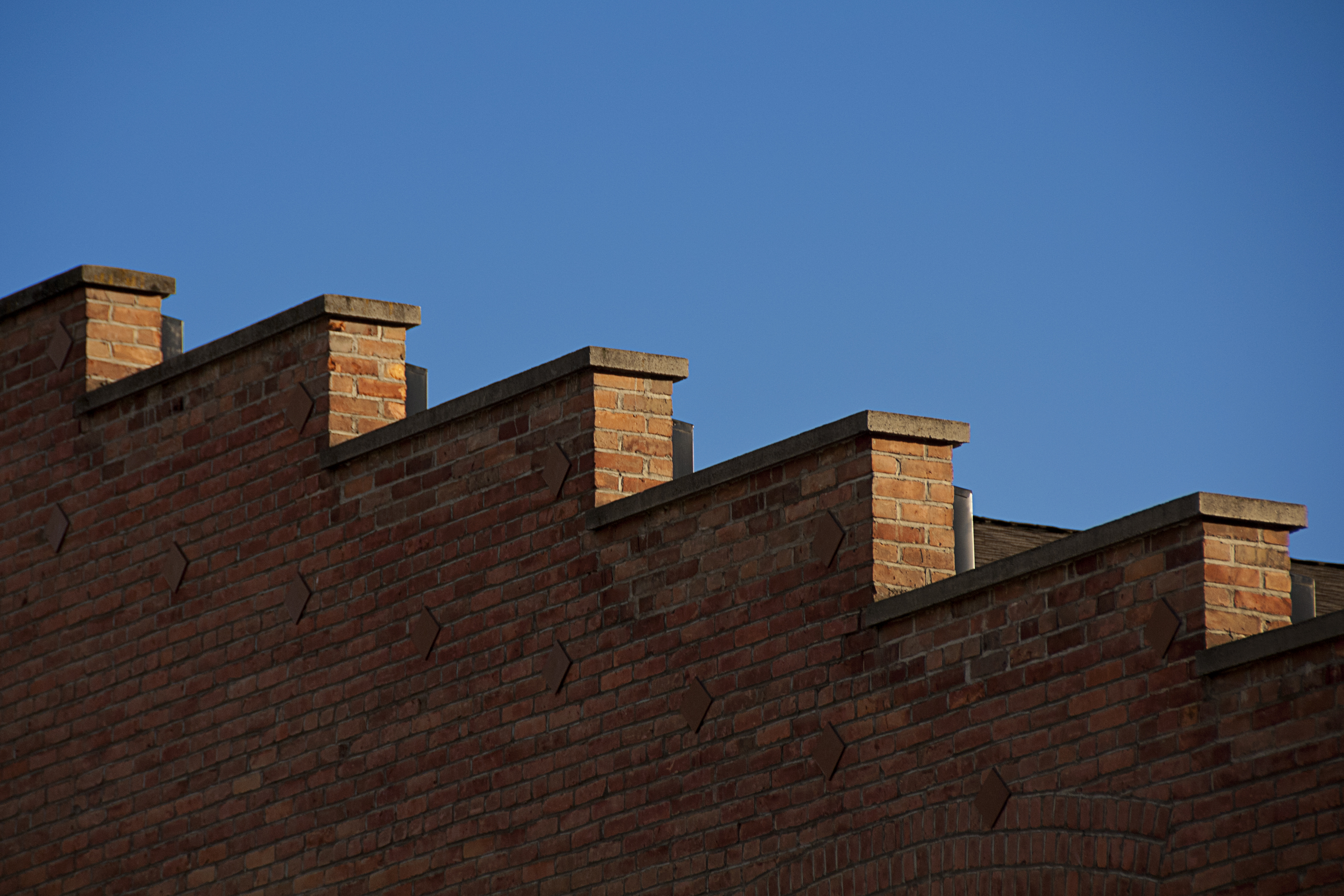
On this occasion I had decided to only capture parts or specific details of the architecture, and not the whole building, as part of the city’s landscape; just small parts of buildings that engaged me. I wanted shadows on the concrete, glaring and reflecting glass, the contrast of bricks, concrete, metal, and glass, against the sky or other buildings, and patterns of everything.

Our dinner had lasted long and the return trip taking my wife home took away time so I had to move fast, because evening shadows were growing and starting to take over the valleys between the tall buildings in a dim, flat scene, without the defining contrast that separates features.

When I finally put the lens cap on my camera and headed for the car I did notice bright neon signs turning on and bright light pouring from a couple of nearby bars, but both had some intense looking characters glaring menacingly at me and my camera, so I continued walking without composing a picture. I’ll leave those shots for another day when I can shoot and rush off without being weighed down with too much Greek food, or better yet, to younger photojournalists. I’ll stick to photographing buildings.

My website at www.enmanscamera.com
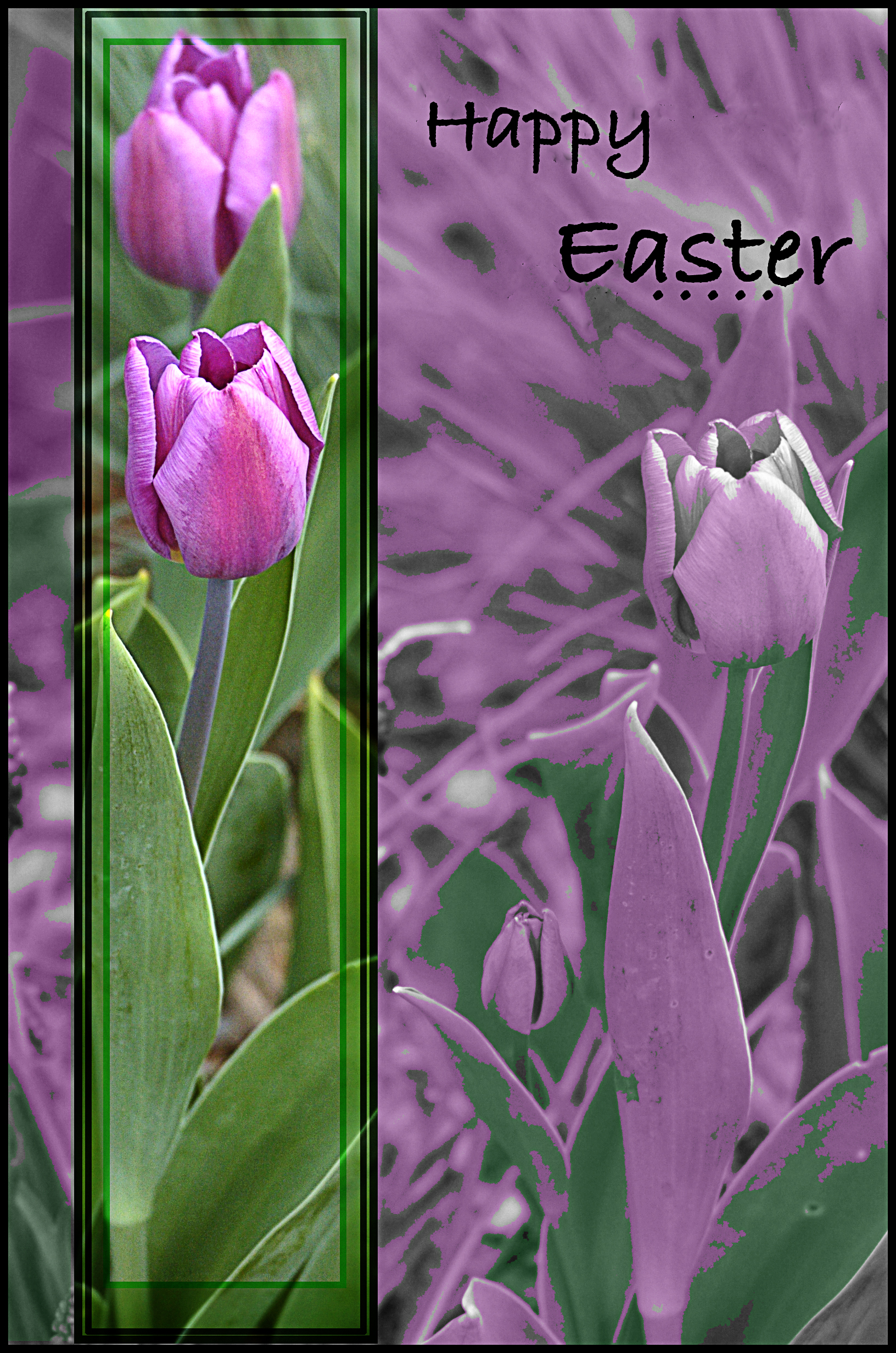
Photographing Vintage Cars Along The Road

     A year ago I wrote, “Roadside Photographers Just Get Lucky”. I said those photographers that cruise the highways and byways by vehicle looking for subjects, “must be prepared and ready at a moment’s notice to grab the camera from its bag on the back seat, roll down the window (that’s a must), take a quick exposure reading, and shoot.” I saw them as distinctive among scenic, bird, and wildlife photographers and discussed how I thought luck played an important part in their photography.

These photographers don’t always have the luxury of time to attach a tripod to the camera base, and need to quickly and accurately meter, shoot fast, and be ready for other cars that slowly pass as people try to see why the car is stopped.

Loosing composure by madly waving or yelling, “Go, go, go. Get out of my way!”  doesn’t work very well.  That car will pass and hopefully won’t ruin the shot. The light isn’t always optimal, and the perspective and angle of the shot is going to depend on the road and the placement of the vehicle in relationship to the subject to be photographed. There are those roadside shooters that only use little point and shoot cameras, but the serious roadside photographer is equipped with a DSLR, the skill to use it effectively, and experience to understand how to work with restricting conditions.

Roadside photographers don’t go out to photograph a particular subject. Much of the time, skilled multi-taskers that they are, roadside photographers will be involved in other activities like going to work, visiting friends, or making that run to the store before supper, yet still are on the lookout for any kind of subject to photograph, and are silent about how the picture they are showing was made by chance, and from behind the steering wheel of their car. It sounds so much better for viewers to think the picture was made after detailed planning or some lengthy excursion on foot.

Over the years I have described what kind of photographer I am in many different ways. I won’t bore readers with that, but these days I see myself as an opportunist when it comes to the images I capture on my camera’s sensor. Most of the pictures I am able to make on the roadside are because of my sharp-eyed wife, Linda.  I thought about this roadside, opportunistic photography as I pulled off the Trans Canada highway to stop and photograph a field filled with pre-1920 cars that Linda saw and I almost drove by.

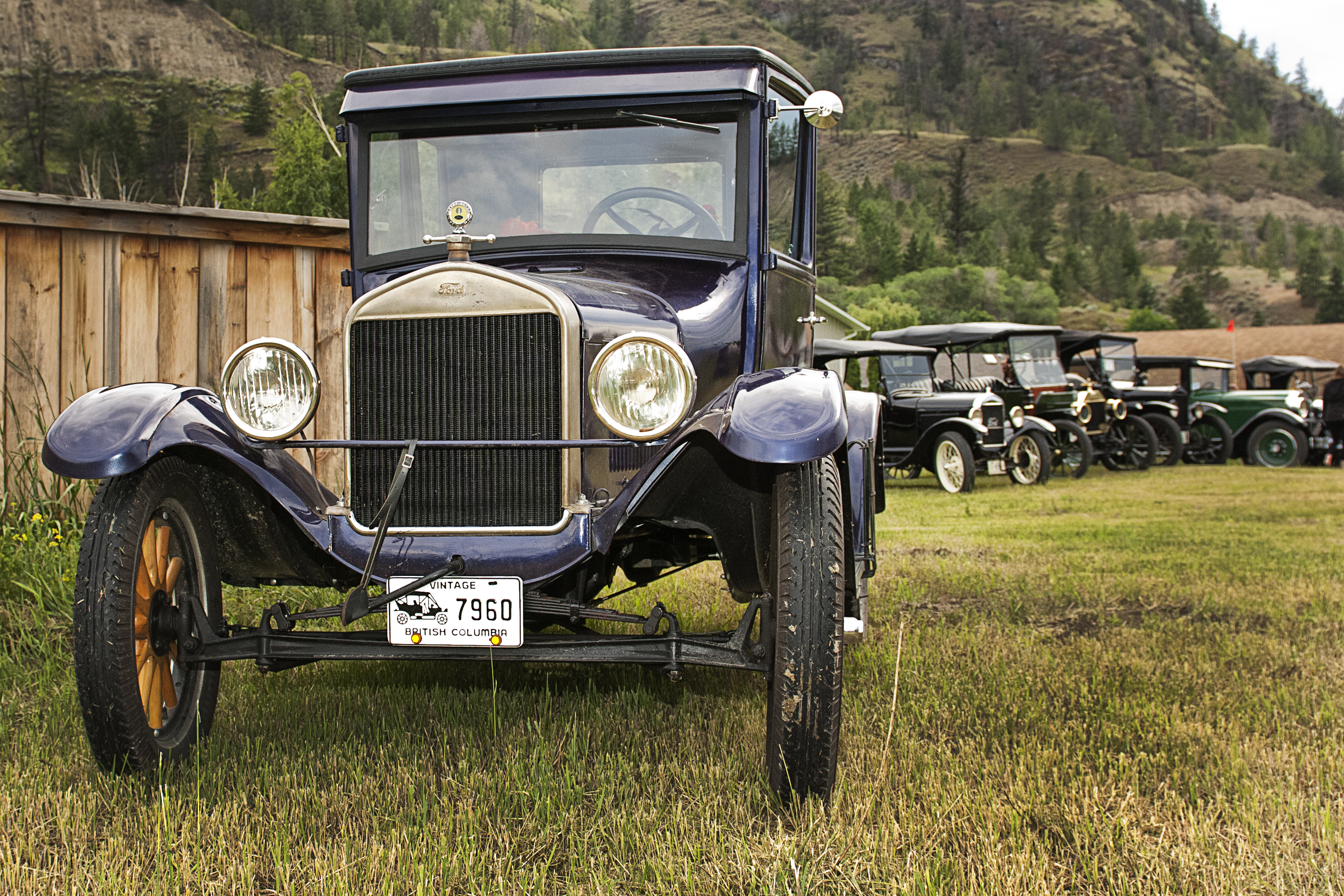
The Antique chapter from the larger organization, Vintage Car Club of Canada www.vccc.com had picked a location just outside of Kamloops, British Columbia, to hold their meet and had been touring around the area for the past two days. We sometimes see groups of restored old cars on the highways which I suppose is not that surprising with a 23 chapter, 1200 member-strong, Canadian car club. However, spectators usually surround them and chances of getting clear shots or even talking to the owners are rare.

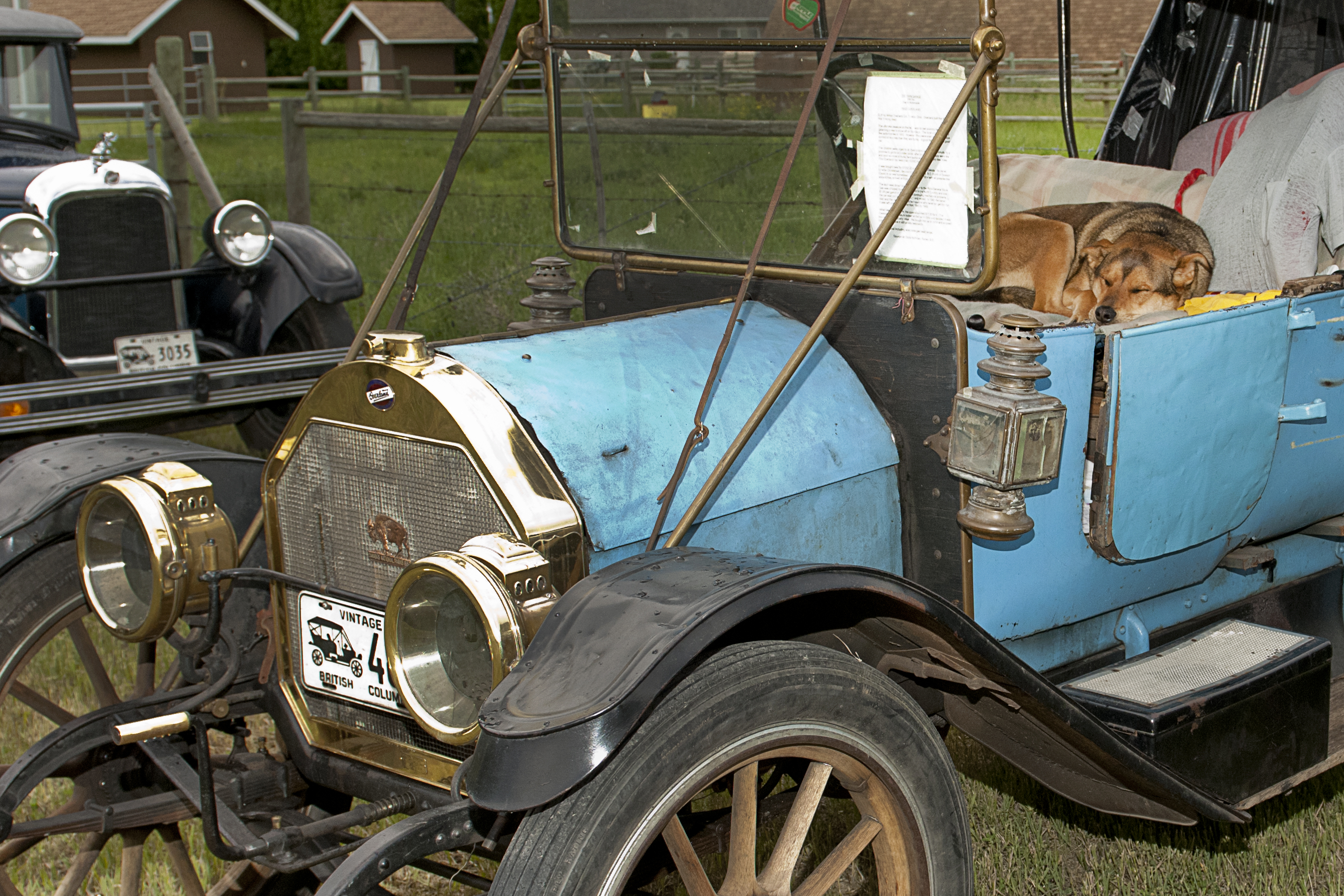
But in this instance the wonderful antique cars were parked in a circle in a wide-mowed field and, unlike other car shows, spectators were absent and I could take all the time I wanted composing pictures, and even talking to owners about the club and receiving personal stories about their cars.

I was lucky. I already said roadside photographers just get lucky. The cars, the lack of other people, other photographers, and because I had been working earlier in the day at another job meant that I had my 24-70mm lens and a good flash and I got to get out of my car ready for the pictures.  I was lucky.

The sky had clouded over reducing metal glare and the warm evening light was perfect, all I had to do was add some fill light with my flash to bring out the character of the vintage cars. I began by just photographing those that interested me the most, then after the initial excitement I slowed down and walked around again trying to compose my pictures to tell a story instead of just documenting cars in a field.

I like cars, and like many men view them as works of art. As a photographer the chance to wander around photographing vintage cars is just plain fun, however, truth be told, I will stop to photograph pretty much anything.

My website: www.enmanscamera.com

Photography in the Garden on a Rainy Day


Two weekends in a row have seen me climbing up steep, loose, shale-covered cliffs to photograph eagles where they live high above a long, green, lake-filled, British Columbia valley.  However, this last week the weather has been cool, pretty wet, and certainly not good conditions for climbing or wildlife photography.  Oh, well, I had intended to stay away from those eagles until the chick was ready to fly later in the summer anyway, and I expect the interior of this province was getting a bit dry so the rain is welcome.

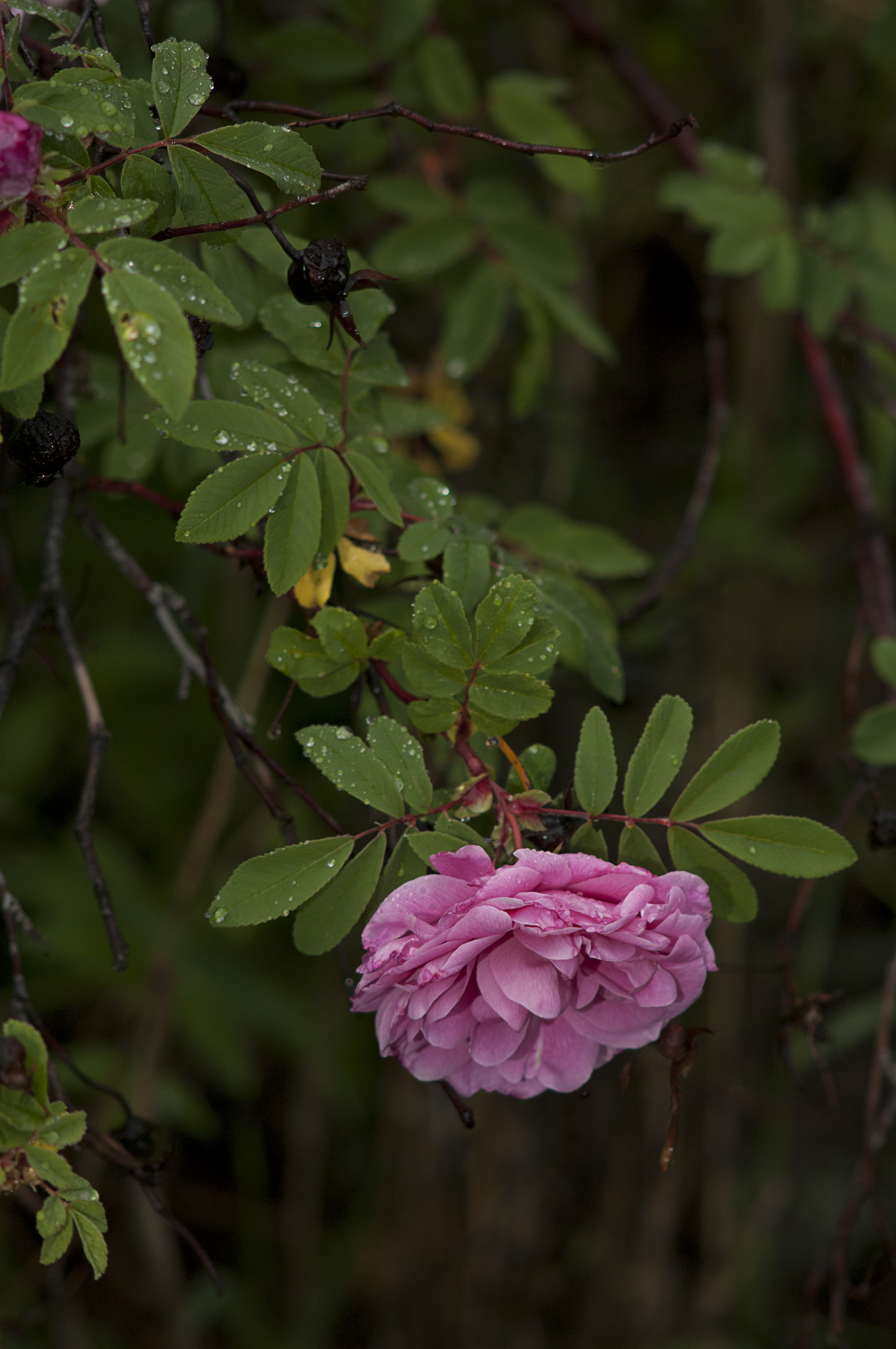
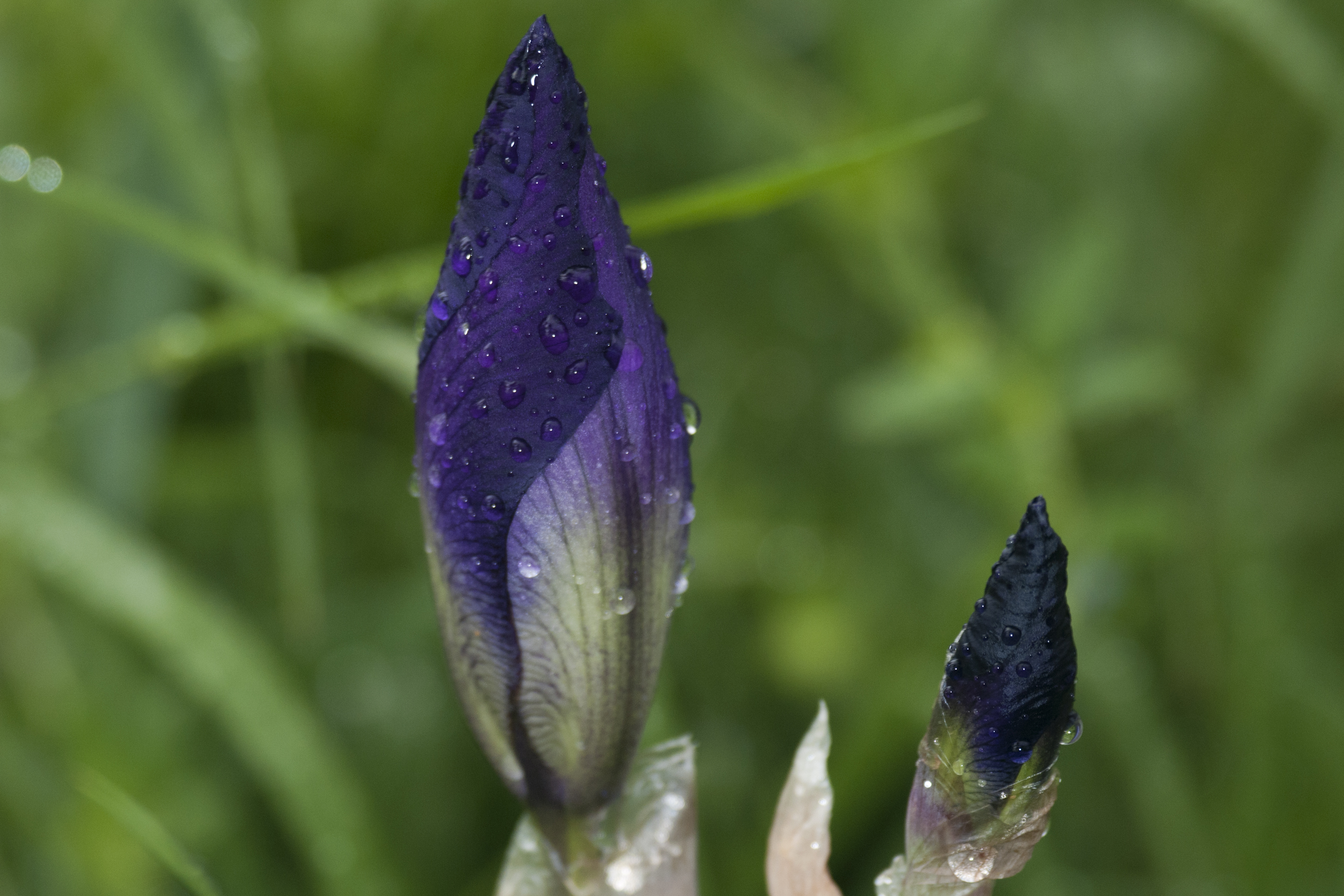
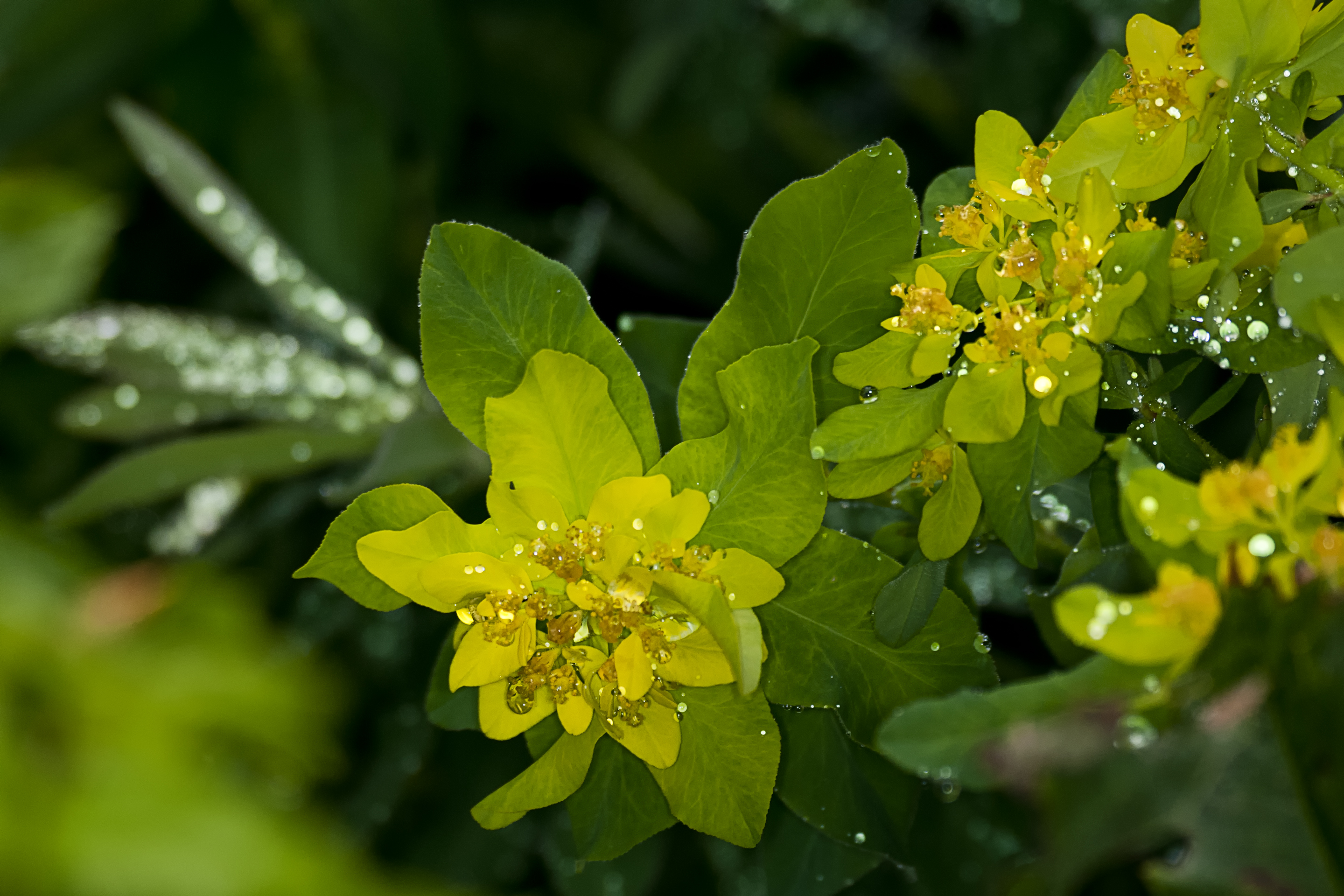
As I drank my morning coffee to a forecast of another day of rain I forgot about those birds and instead decided to go out into my wife’s garden to do some photography of her very wet plants. Hmm… I seem to make a lot of decisions over that first cup of coffee.  Just after a good rain is a favorite time to do garden photography and the dripping, spring morning was perfect.  When I mentioned I was going out, my wife, Linda, grabbed her camera and rubber boots and joined me.

Linda placed a ring flash on front of her 70-180mm macro lens and I used a 200mm macro and included a stand-mounted, off-camera flash. Adding light on the overcast day gave our images contrast and “pop” in the otherwise flat and limited lighting conditions of the rainy day. We both used monopods to steady our cameras as we moved around in the wet landscape.

When photographing plants I meter much the same as I would if I were doing an out of doors portraiture of a person. Selecting the camera’s manual exposure mode, I meter for the proper ambient, or existing, light exposure of my subject, and stop down to reduce the overall exposure. Then I add light. If the flash is set to TTL, then I use its exposure compensation feature to increase or decrease the power. If the flash is set to manual I move the flash closer or further away from the subject (in this case, the flower) until I get the illumination I want.

We enjoyed our photography in spite of the steady drizzle and I’ll mention that it is a good idea to keep wiping the slowly accumulating water off one’s flash. I don’t worry about my camera because it’s weather sealed, but the electrically charged flash is another matter. I know many photographers would opt for the dry comfort of home on a day like this, but sometimes we need to make our own photographic opportunities and even though this isn’t as exciting as hanging off a high ledge photographing eagles, I personally can’t think of any kind of photography I find more enjoyably relaxing than ambling through a garden capturing interesting light on interesting shapes, and the addition of rain drops on leaves and flower petals makes everything all the more creative.

We don’t have to go far to find something interesting to photograph. For my wife and me that location is just outside our front door and on that rainy day we would walk back to the cover of the porch to view and discuss the images on our camera’s LCD, and then we would step back into the garden and continue. There were no camera bags to be packed, trip planning, or driving of a car to a distant destination.

I am sure that is why I got interested in garden photography in the first place. It isn’t so much that I am fascinated with flowers, however, as a photographer, I am interested in colours, shapes, shadows and how easy it is to access all that. When I first started venturing into my wife’s garden, I would do it as a way to relax after a day of work.  Now it’s just fun photography that I recommend to any photographer wanting to be active with their camera.

Be sure to click the “follow” button.

Or, at least, select the “like” button.

See my personal website at www.enmanscamera.com
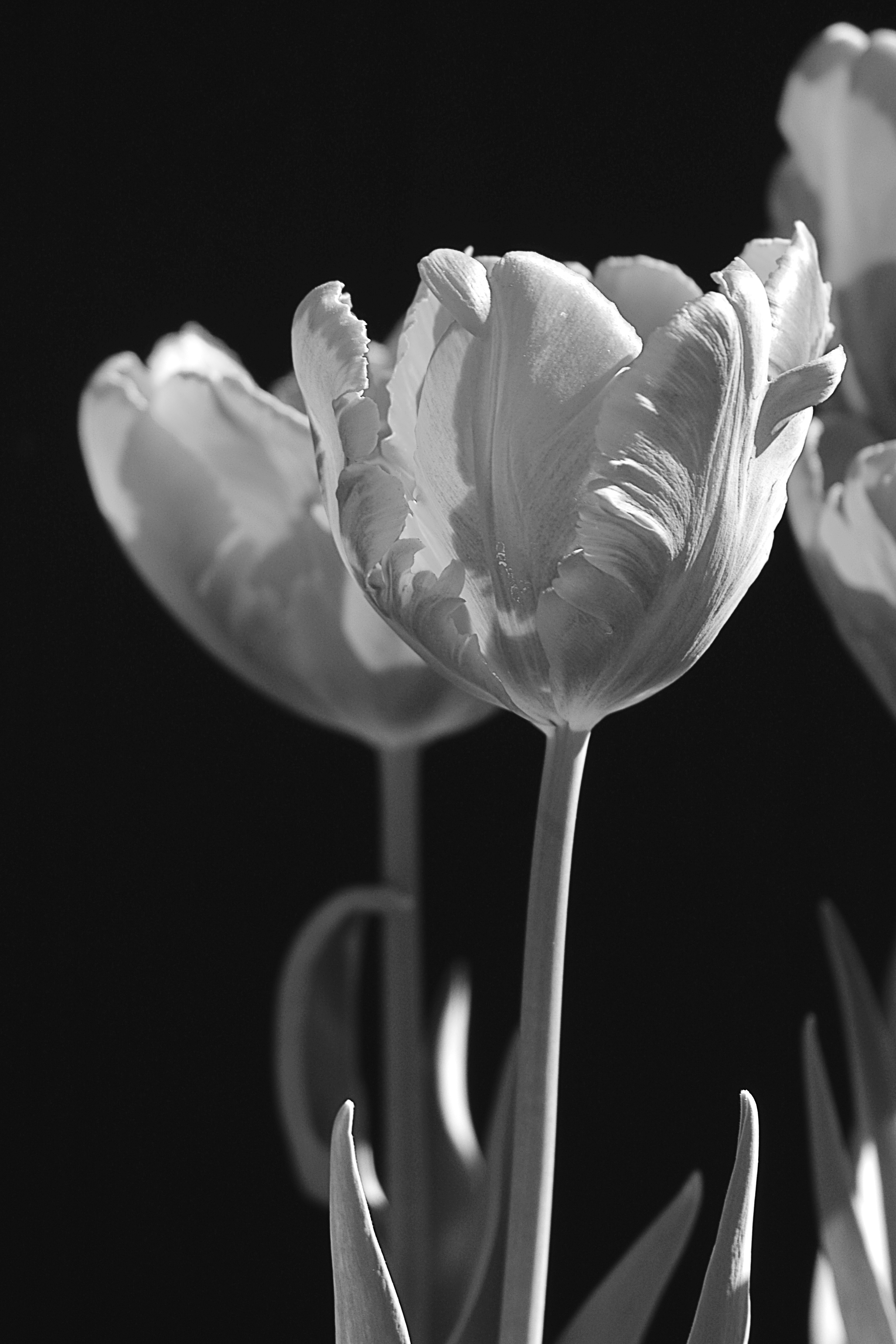
The Vancouver Camera Swap Meet for Photographers

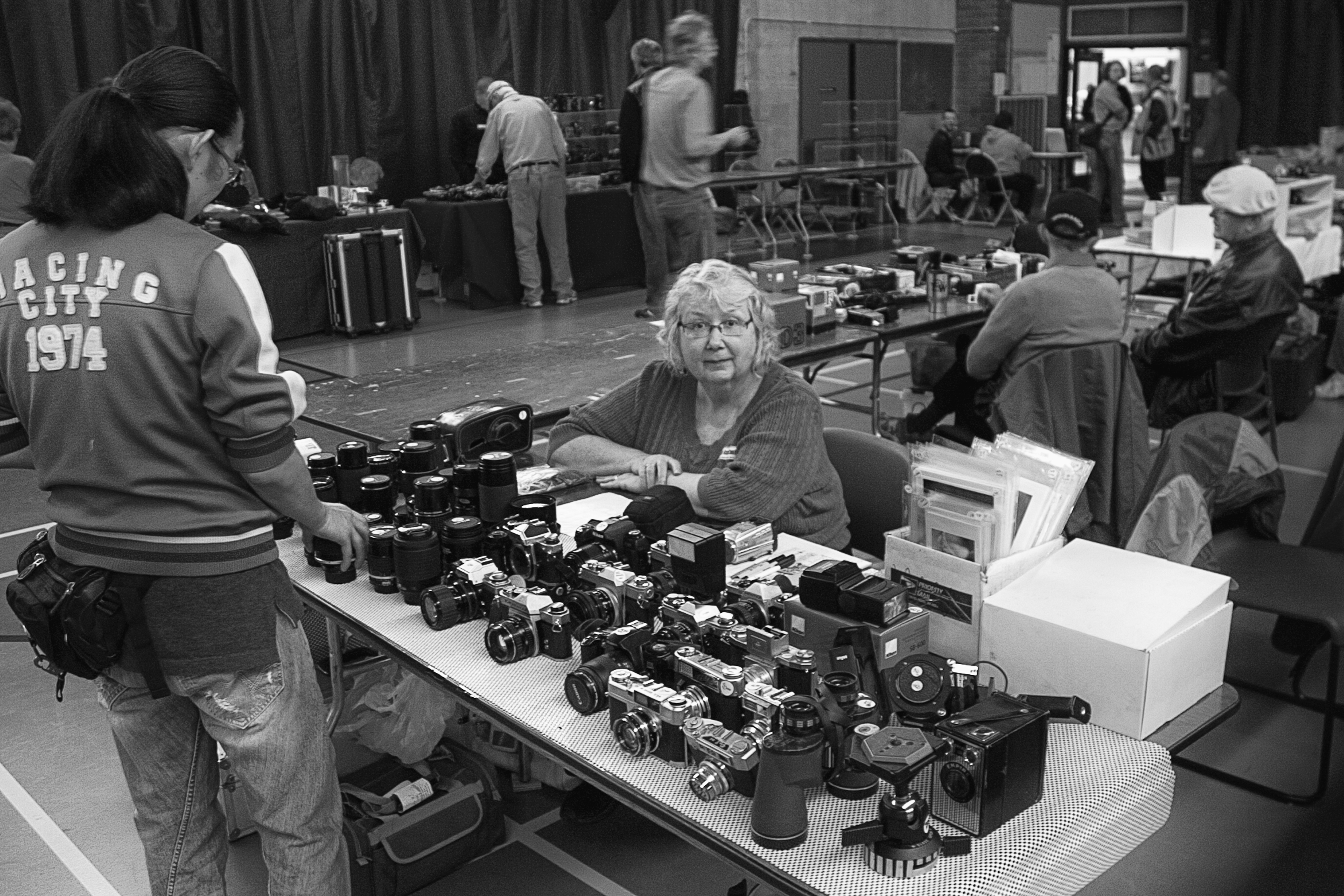
Every year at this time I attend one of my favorite events, the Vancouver Camera Show and Swap Meet. It was held again this past weekend and the Vancouver Camera Swap meet welcomed both vendors and buyers for a very enjoyable day.  Put on by the Western Canada Photographic Historic Association, and organized by Siggi and Brigitte Rohde, this long-running show has now reached its 36th year and makes the claim of being the largest (and maybe the best) in Canada with well over 1,000 people walking through the doors of the Cameron Recreation Centre (adjacent to Lougheed mall) where it was held.

A large photography and sale like the Vancouver Swap meet brings out an amazing diversity of photographers and what could be better then spending a day surrounded by a vast array of cameras, photography equipment, and talking with other photographers? I’ve been attending over 20 years and for me it’s a great place to sell photography equipment, and it’s a fun day of meeting old friends and making new acquaintances.

My wife and I drove from Kamloops the day before and stayed overnight so I would be fresh for an early start the next day.  As I entered, there is a buzz from other vendors busy setting up, talking, buying, and selling to each other.  I greeted lots of people I have known for years, and then prepared my table to be ready for the swap meets’ early bird shoppers who pay a premium to shop exclusively starting at 9am.  By 10am with the regular admission I was busy showing, demonstrating, explaining, and, of course, bargaining with photographers looking for whatever desirous item they had spotted and hoping for a deal that was just as sweet.

Every year I go wondering what the latest trends are, or what is popular with photographers I will meet there. This year I noticed a change in those I am accustomed to seeing. Many long time sellers and attendees I have known from previous years were absent and were replaced by a much younger crowd. The easy answer might be, like me, they are growing older. But I think it also might have to do with photography’s changing times, and for those that want to hang on to the “good old days”, so that modern technology and how young photographers are using it might be quite unnerving. In previous years I could expect to be accosted by aging “experts” that shuffled up to my table. They usually weren’t there to buy anything, and mostly were only there to show sellers and buyers how much they know, and how much experience they had. This year most of those I have become familiar with over the years were noticeably absent and, in spite of how exasperating some were, I missed them.

Young photographers stopping by my table introduced (for me anyway) a new way of doing photography. I had brought many older, manual-focusing lenses expecting there might be some individuals keen about “retro” equipment and interested in using older cameras from the 1970s and early 1980s, but that didn’t seem to be so this year. This year photographer’s would lay adaptors for different lenses on the table and try different manual lenses with each. They were using modern digital SLR cameras and the adapters allowed them to use the old lenses. And where I would have chosen a focal-length lens like 70mm or longer and stood back to take a portrait, these innovative photographers were selecting 28mm and 50mm lenses, and then moving in very close for portraits of each other when they tested out the lenses.  Photography is certainly not a static medium and is constantly changing.

In my opinion, an occasion like the Vancouver Swap is a perfect place to meet other photographers, learn what others are doing, and of course find excellent deals on many kinds of photographic equipment. Whether buying, selling, or just having a good time with other photographers, other than actually taking pictures, I couldn’t recommend a better way to spend one’s time.

www.enmanscamera.com
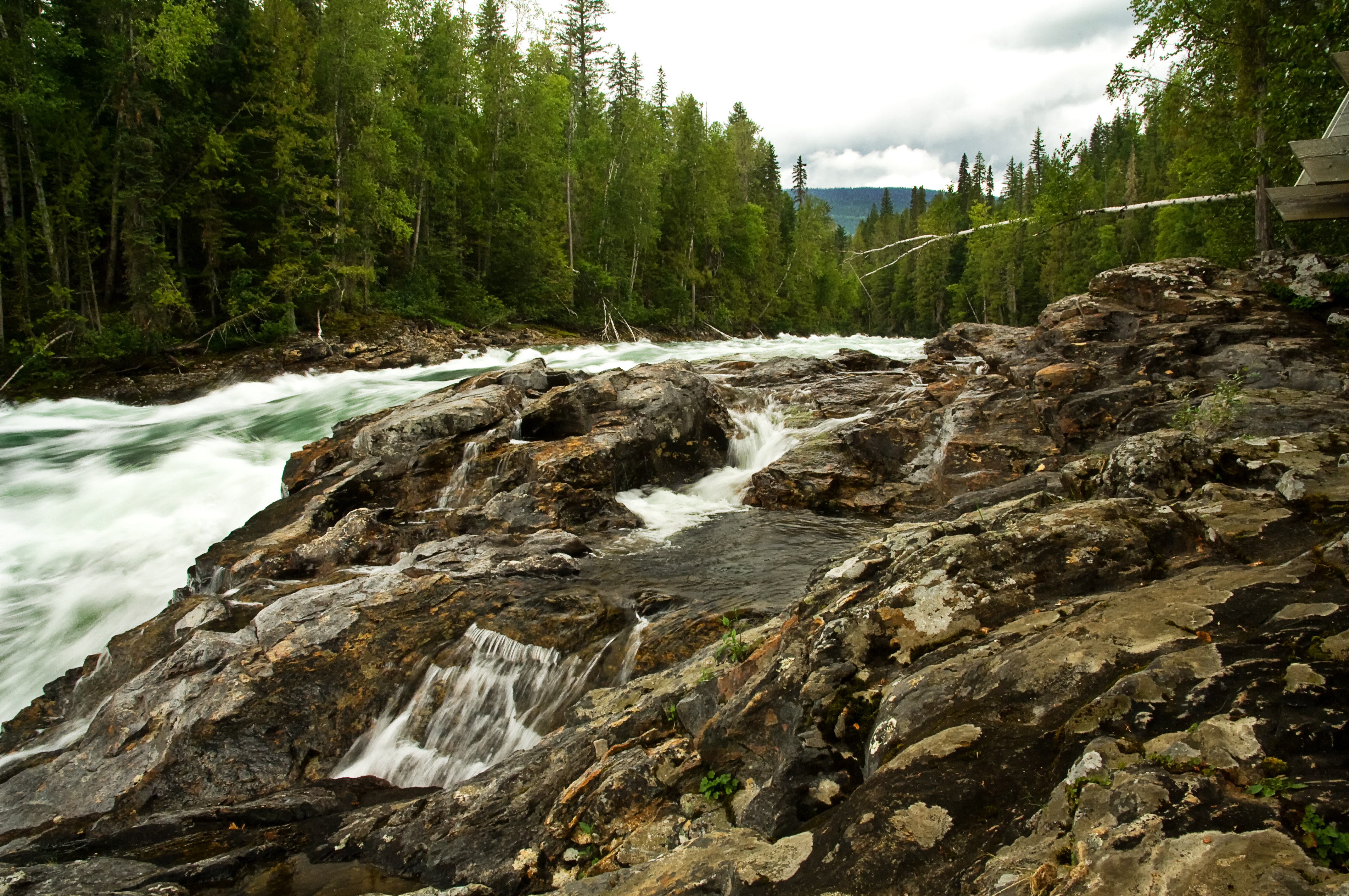
Follow me by selecting the “follow” button at top left.

Planning a Photography Excursion to the tulip festival.


Now that the February blahs are over, and March has come and gone bringing warmer days (regular readers know how I feel about March, “Ides of March. 15 March 2012”), I am thinking about planning a spring photography excursion.  I am hoping the weather will be cooperative as I don’t enjoy photography in the rain, and don’t want to get my camera equipment wet.  I think I should include some protective rain gear in the event of bad weather.

I would like to go on spring excursion heading west and south and that should give me the best opportunity for photography that will not include snow or cold temperatures.  I want to go somewhere along the coast I think, as spring comes earlier along the west coast and I should have my choice of flowers, landscapes, or any possible wildlife.  A friend phoned last night from Vancouver saying there was green grass, and flowers, and the temperature was 12 degrees, and expected to get warmer.

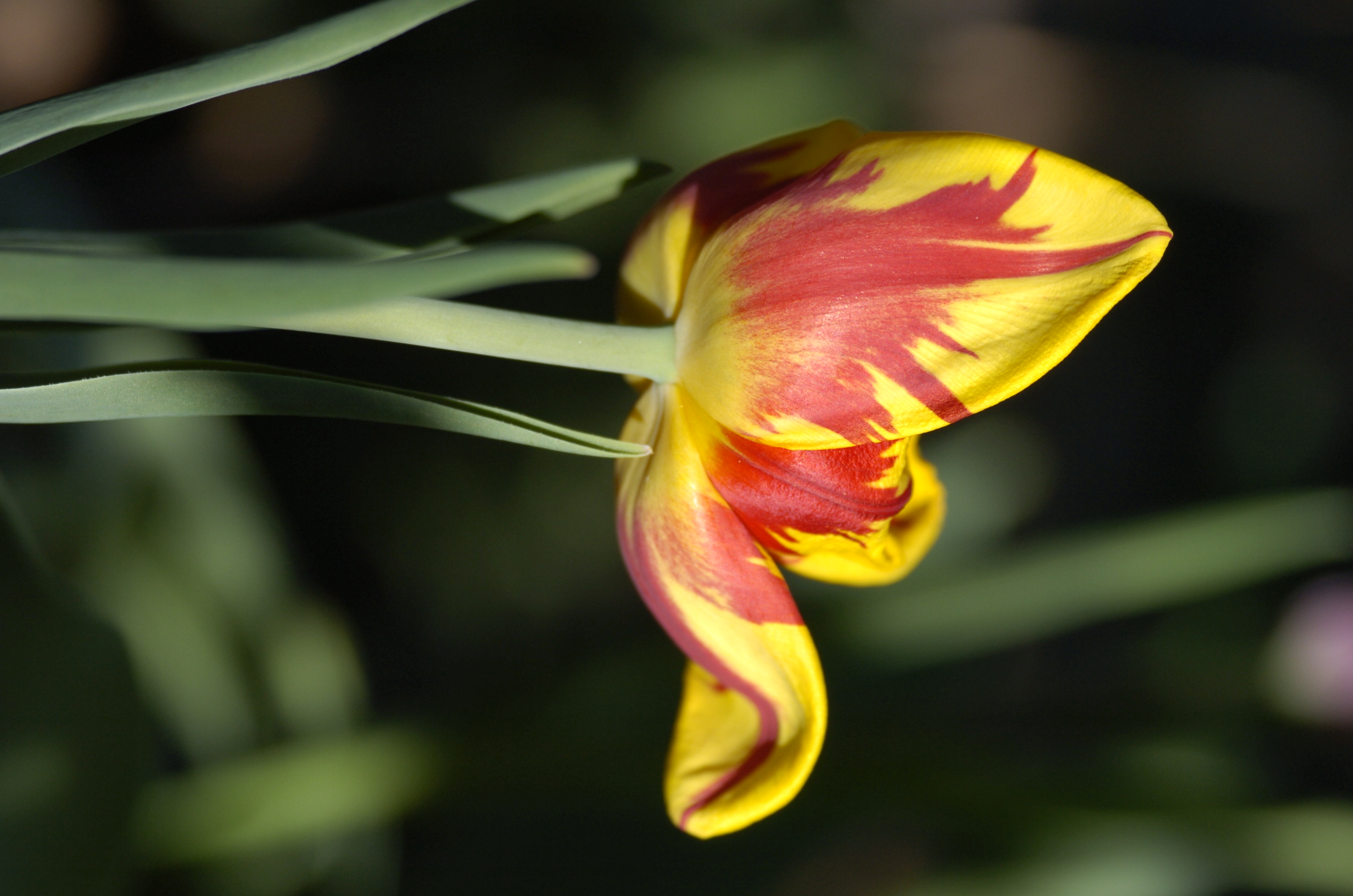
I just received an email reminding me of the spectacular blooming events along Washington State’s northern coast.  I could attend the 29th Annual Skagit Valley Tulip Festival from the 1st to 30th of April.  I know I could link up with other photographers going there from BC, or I could just head to LaConner or some other town on the coast of Washington, find a place to sleep, and join the festivities.  I am not so much a flower person, but like so many other subjects I photograph, I think multicolored fields of tulips would be an interesting photographic challenge. Choices ranging from extreme close-ups to landscapes would be just plain fun.

I don’t tent or RV so I will start browsing the internet for reasonable lodging. I have found fun places to stay in the past by checking out lodging websites, however, I have also ended up by chance in neat places just by going where I want to be and looking around.

If this brings up the question, “Have you ever had bad luck finding a place without advance reservations?”  Oh, yes!  I remember pulling our tiny Suzuki Sidekick off the highway at a roadside rest stop late at night because every hotel and motel was full.  My wife, Linda, and I tried unsuccessfully to spend the night sleeping in that cramped car. Morning came early (4am) and because nothing in the nearby small town was open we drove off tired and hungry. We finally ended up gobbling donuts and coffee hours later at a Tim Horton’s, then later collapsed on a sandy beach beside a lake and slept much of the day away.  Oh well, we will never forget that excursion!

I like to plan and organize such events to include preparing the vehicle, so when the time comes I will ensure the car is tuned up, and the winter tires are changed.  I like lists because I always forget stuff, and so I’ll begin making several brightly colored checklists of the items I will bring, and then I will start looking forward to the photography excursion, and have fun just thinking about the pictures I want to take.

That brings up the best part of planning.  What camera equipment do I bring?  I could bring every lens and camera I have, but that’s just silly as I wouldn’t have any room for a change of clothes.  Too much of the time I over pack my camera gear and end up stashing equipment in the car because it isn’t being used, so I will make an effort to minimize this year.

I don’t like to venture very far with only one camera, so I always carry a backup camera.  Cameras can malfunction and I don’t want to take the chance of reaching my distant destination and not being able to do the photography I went there to do.

Next on the list are the lenses I think I’ll need.  If I attend the tulip festival I’ll need a macro lens for close-up photography and a wide-angle lens for those colourful, flowered landscapes. There will be other opportunities and I’ll bring my 70-200mm and for wide low light opportunities will include a 24-70mm f2.8.  And very important, I will pack lots of memory cards.  By now the camera pack is getting full. That’s three lenses, two camera bodies, and I haven’t yet included my infrared camera that I think I’ll also bring. Oops, there is also my wife’s camera gear. Add her camera, macro lens, and favorite zoom lens, a 70-300mm.

Of course we will take our tripods, that’s a given.  Ahh, the decisions we must make. I just think it is so much fun.  The planning and anticipation of any photographic excursion is as much fun as the actual trip.  Whether I make it to the Washington coast or have to pull back my plans and stay closer to home, I will soon be venturing out camera in hand.

www.enmanscamera.com
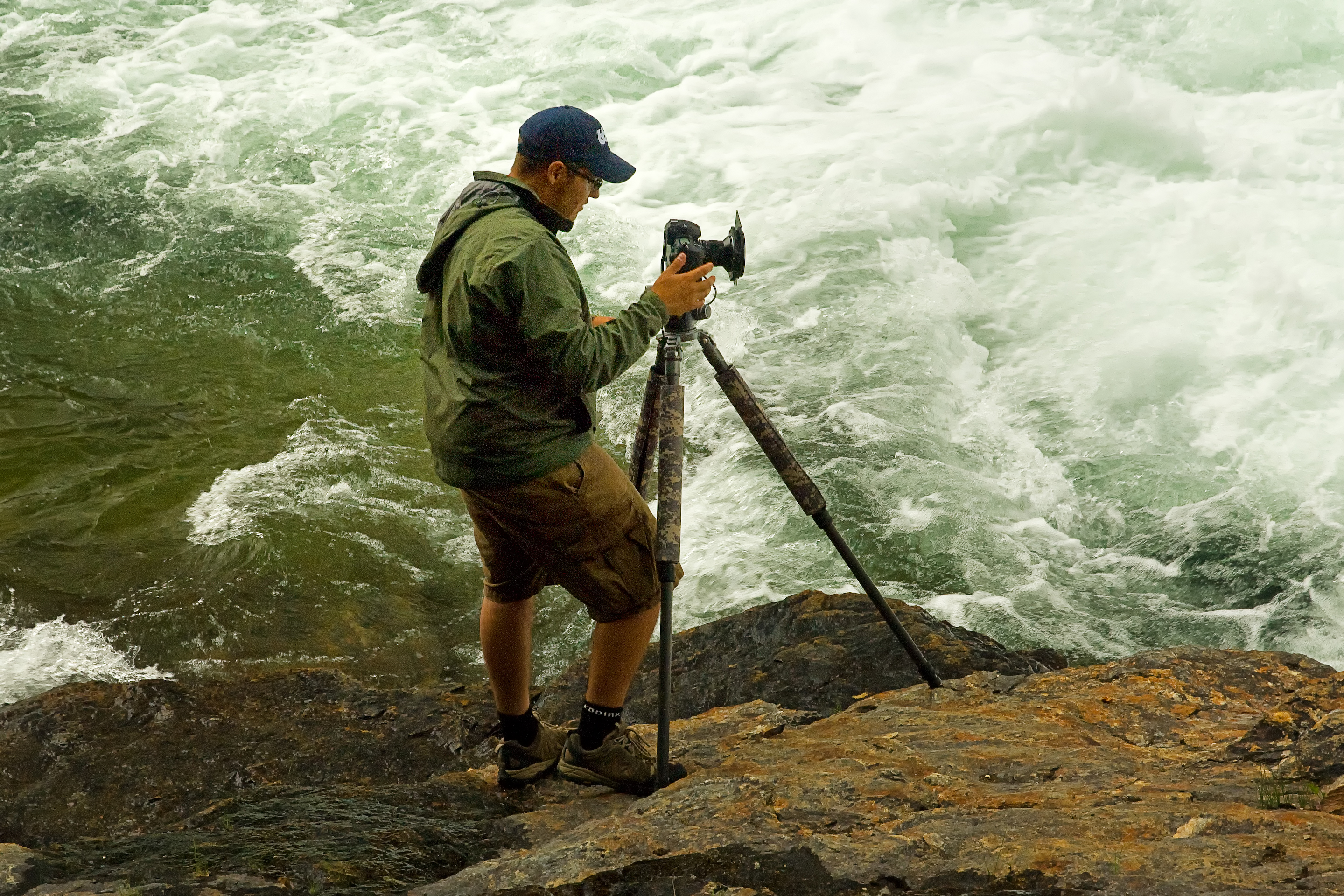
 

Photography on a snowy day

After days of overcast weather, British Columbia’s February skies dropped lots and lots of snow of light, fluffy, wet snow. Who would have guessed?  Certainly not the celebrities that read the news to us.  Nevertheless, there were several inches of fresh snow in the morning that wasn’t there the day before and the white landscape was a grand opportunity for photography. The foggy, white, crystallized, hoarfrost-decorated vegetation I wrote about two weeks ago was gone and replaced with soft billowy snow.  Everything was white, and with the increase in temperature I didn’t even need to wear gloves. It’s hard to turn the dials on my camera with padded fingers, and not fogging up my LCD was nice also.

 I wrote about the previous week’s damp, bothersome cold, however, this day it was comfortable wandering through the snow covered woods and fields. I was quickly reminded that I had to be careful not to get covered with that snow while I trudged through that landscape, I didn’t even get past our garden path before both my camera and I was covered with snow. However, I had a hat, and my camera was easily wiped off with the old dishrag I stuck in my pocket. As always, I also had a lens hood and clear filter on the lens.  A lens hood is good under any condition. Not only will a lens hood shade the front lens element from image softening cross light, and protect the lens from front impact, it shelters the lens from snow. And a filter can always be removed after bumping a lens into a snow-covered branch.

 Unlike my last cold day session when I used a flash and saw no need for a tripod, this time I opted to use a tripod. In my excitement I tried some handheld photographs, but the close, low-lit macro images weren’t very sharp. I expect photographers with image stabilizing lenses might have been more successful, but the combination of a long, manual-focusing lens, and my not so sharp eyesight left much to be desired. So I lugged along my tripod. I’m not complaining, as I like using a tripod and those that know me have surely heard me say, “If you don’t like using a tripod, it’s because you have never used a good one.”

 I was in no hurry and didn’t know what to expect, so I took two lenses with me. I hoped for some good landscape shots and stuck a 20mm in my pocket and mounted my 200mm macro on the camera. As it was I quickly exchanged lenses and took pictures of our house, the view down the street and photographed the somewhat bushy wooded area across the road from my place. 

 Although I initially began with landscapes, it was the intimate snow covered vegetation that demanded my photographer’s attention and having a telephoto lens designed for very close photography helped with that. Put a wide angle lens on a camera and we tend to miss what is happening up close, but a telephoto narrows our view and the 200mmm macro kept me looking closer and closer as I isolated parts of plants or drops of water on a wire fence.

 I wandered around for quite a while and took lots of pictures as the light changed. But, when I got back and loaded the image files into my computer I quickly realized those I liked best were from my wife’s garden, but I had enjoyed the long walk in the deep snow anyway. It’s always fun taking pictures even if all you do is delete them in the end.

 I know that snowy overcast days, or cold foggy mornings, like we have had recently put many photographers off going out and taking pictures, and they wait for the sun thinking there can’t possibly be anything worth photographing in flat light. Obviously, I don’t agree.

My wife reminded me about a lecture we once attended given by internationally renowned Canadian photographer Sherman Hines. Hines said, “ I don’t force myself on the environment, I let it manipulate me. There’s no confrontation with nature because I give in to it. I let myself be seduced completely.”

 www.enmanscamera.com

 I am embarrassed to write that I did not fill my obligation with regards to a previous Versatile Blogger nomination. I do have lots of excuses, but I hope readers accept my apology.

 I have again been nominated and will begin with thanks for the nomination by  compellingphotography.wordpress.com

 I understand that I now should make 10 nominations, so here are bloggers I have began to read and enjoy –  the following are my nominations:

RL Photography                                    rebeccaplotnick.wordpress.com

Pilot-Light                                             photoammon.wordpress.com

Shutter bug                                            travellingartist.wordpress.com

Clumsily Kathy                             clumsilykathy.wordpress.com

I Go My Way                                 igomy.wordpress.com/about/         

Indian Wedding Photographer       indianweddingphotographylosangeles.blogspot.com/  

Claire Atkinson                             clairejatkinson.wordpress.com

Mike Moruzi                                  insearchofstyle.wordpress.com/

Tim Cash                                       oregonfilmmaker.wordpress.com

Sheila                                             shecall.wordpress.com/


I also read that being nominated I must say seven things about myself……..Hmmm….Ok:

 1. I have been an active photographer since the 1970’s.

2. I taught college photography credit courses for about 20 years.

3. Writing isn’t so much a struggle – the struggle is choosing and placing the words in a   coherent fashion.

4. I am one of those that having learned photography using film – will never ever return to using it.

5. I earn my living photographing people. However, in spite of being very good making pictures of people, given the choice, I would photograph plants and buildings.

6. I have a small shop that on most Thursdays is filled with other photographers drinking coffee and talking photography. I don’t get much done on Thursdays.

7. My wife says I pay rent on my small shop so I can have a place to talk to other photographers.


Photographers talk about how wedding photography has changed.

My long time friend, and photographer, Alex Neidbala stopped by my shop. Who, until his formal retirement in 2005 owned and operated Billows Photography in Kamloops, British Columbia. 

As we talked about how we thought that changes in photography might affect the photographic art in the upcoming exhibition he had agreed to be one of the judges for, our conversation drifted into how we had photographed weddings in the 1980s and 1990s and how much different that is from today. 

If one wanted superior quality enlargements greater than 8×10 the only option was medium format film, and that meant using film that produced 2¼ x 2¼ negatives.  Medium format film could be purchased in rolls; mostly 120mm film size, and mostly 12 or 16 frames (pictures) per roll, depending on the camera.

At that time we both used a camera called a Hasselblad.  A roll of film was loaded in a 12-exposure film magazine and attached to the camera. When 12 exposures were taken another loaded magazine was exchanged for more photography.  This is one of the most significant changes and very different from the 190-image, 4GB memory card I normally use today.

Neidbala felt that our goal in those days was much harder than photographers have today, in that modern photographers can waste images, or give a client ten or twenty portraits of the same grouping to select from, without worrying about the cost of processing worthless prints.  When a photographer is limited to changing film every twelve frames at such an important event as a wedding, every shot had to count.  In addition, it took time to change film magazines, so photographers had to be prepared for every shot. 

The Hasselblad didn’t have auto focus lenses or any other programmable modes for that matter.  Photographers had to slowly change the manual focusing lenses that were much bigger, and heavier, in size then current DSLR lenses.  A metered focusing head that could be attached to the camera body was available for use, but most used a hand-held light meter and the heavy motorized model advanced film at a “sizzling one-frame-per-second”. 

Wedding albums contained either 5X5 or 8X8 and sometimes even 11X11 inch prints. The total number of prints shot was usually much less than 100 pictures, and each enlargement was printed in a custom lab, and any retouching was done by hand.

In modern photography we are able to take major risks with our photography; and if a creative shot didn’t work, delete it and try again.  Instead of being limited to 12 permanent exposures for a family grouping, one is able to make multiple exposures, select the best photo; with everyone smiling and eyes open, no grimaces or funny faces, and then delete the rest.  Retouching is no longer a long and laborious task with Photoshop; and even though there are custom labs high quality enlargements can be made at home; and the thought of less than 100 photographs in a wedding album is laughable. 

Because digital cameras can produce images that don’t cost anything until they are printed, photographers don’t hesitate to make multiple exposures of every subject.  It is not unusual for some photographers to arrive home from a wedding with over 1000 images stored on memory cards waiting for final selection.

Photography has been exciting for both Neidbala and I all these years because it has been an ever-changing medium, not only with the film and equipment we used, but also in the way we put that equipment to use working as professional photographers. I recall photographers older than me marvelling on my Hasselblad.  Some were intrigued while others, much like some I still meet today, felt it was better to hold on to the tried-and-true technology of years gone by. Both Alex and I sold our Hasselblads and purchased digital cameras over ten years ago and are happy we did. I wonder what the camera of choice will be for photographers ten years in the future.

www.enmanscamera.com

Connecting with other photographers


Connecting with other photographers, especially those with skill and experience, is a very satisfying and worthwhile experience. Some months ago, while reading my favorite online forum, http://www.Canadian-Digital.com, I came across a request from Jeff, a Manitoba photographer, who mentioned that he would be visiting relatives in Kelowna and inquired if any local members could point him in the direction of good scenic locations in the area. I posted that I couldn’t really help him with Kelowna, but if he was interested I would gladly spend a day introducing him to Wells Gray Park, and added a link to the park’s website.

He sent an enthusiastic return email and we made plans to spend a day wandering my favourite roadside locations in Wells Gray Provincial Park. Photographers that haven’t been able to visit the fourth largest park in British Columbia are missing a visual treat.

Wells Gray is a spectacular, almost pure, wilderness area that is easily accessible by car. Although the website advertises it as a world-class destination for canoeing, kayaking, hiking, and camping, photographers can enjoy a photo-packed day trip wandering along the pleasantly-winding, park road and will return home with memory cards filled with quality wilderness images.

I anticipated that photographer Jeff, my new friend from Manitoba, had no idea what to expect other than the picture postcard images from the website, and I was pleased when he remarked that he would like to look for more creative opportunities than those most would make from the dedicated tourist lookouts.

The experience of meeting a stranger, and then spending the day driving, talking, and site seeing might be uncomfortable for some, but for photographers, I think they only need photography in common to have an enjoyable time. At any time, if the other person’s opinion causes unease, just change the subject to cameras, lenses, or any other thing photographic.

In order to get to Wells Gray early, Jeff had to get up before the sun for a two-hour drive from Kelowna to Kamloops to meet me at my shop at 6am. (I wasn’t being mean! It was his choice.) We bought coffee and departed for Clearwater, an hour and a half drive away, because we had decided to be in the park taking pictures for 8am. From Clearwater we then roamed into the park with our cameras at the ready.

When I put my camera gear on the backseat of his car I had to move his tripod, and remarked that I liked the ball head he had attached to it. He said, “I always use a tripod”, and I thought to myself, “I think I’m going to like this guy.” There’s nothing like a tripod to let one know they are with a serious landscape photographer.

Wells Gray is a great park for roadside photographers with many places to stop, to photograph the spectacular waterfalls, old homesteads and the river’s many geological features tucked only a short walk away, and that is just what we did. Unfortunately, the wildlife was timid and we only briefly saw one black bear.

The comfortably cool day was excellent for photography with a slight overcast and high moving clouds. Jeff changed lenses and filters regularly as he worked the new environment, but for me Wells Gray has been a regular location for years and I was content to stay with my well-used, 24-120mm lens as I photographed the familiar landscape.

The internet is a wonderful way of bringing people together and I know I would really appreciate photographers extending hospitality to me when I travel to some far off place. In the event of any concern, checking up on other forum members is easy. I reviewed Jeff’s online posts (as he had mine), and when he wrote he was visiting BC I was sure he’d be fun to know and to stand beside as we made pictures. One doesn’t always have to participate as a host, but I am sure suggesting locations for photography would be appreciated. For local photographers who have never made the expedition to Wells Gray, it is well worthwhile.

Contact me at http://www.enmanscamera.com