Your Photographs Make Great Christmas Cards

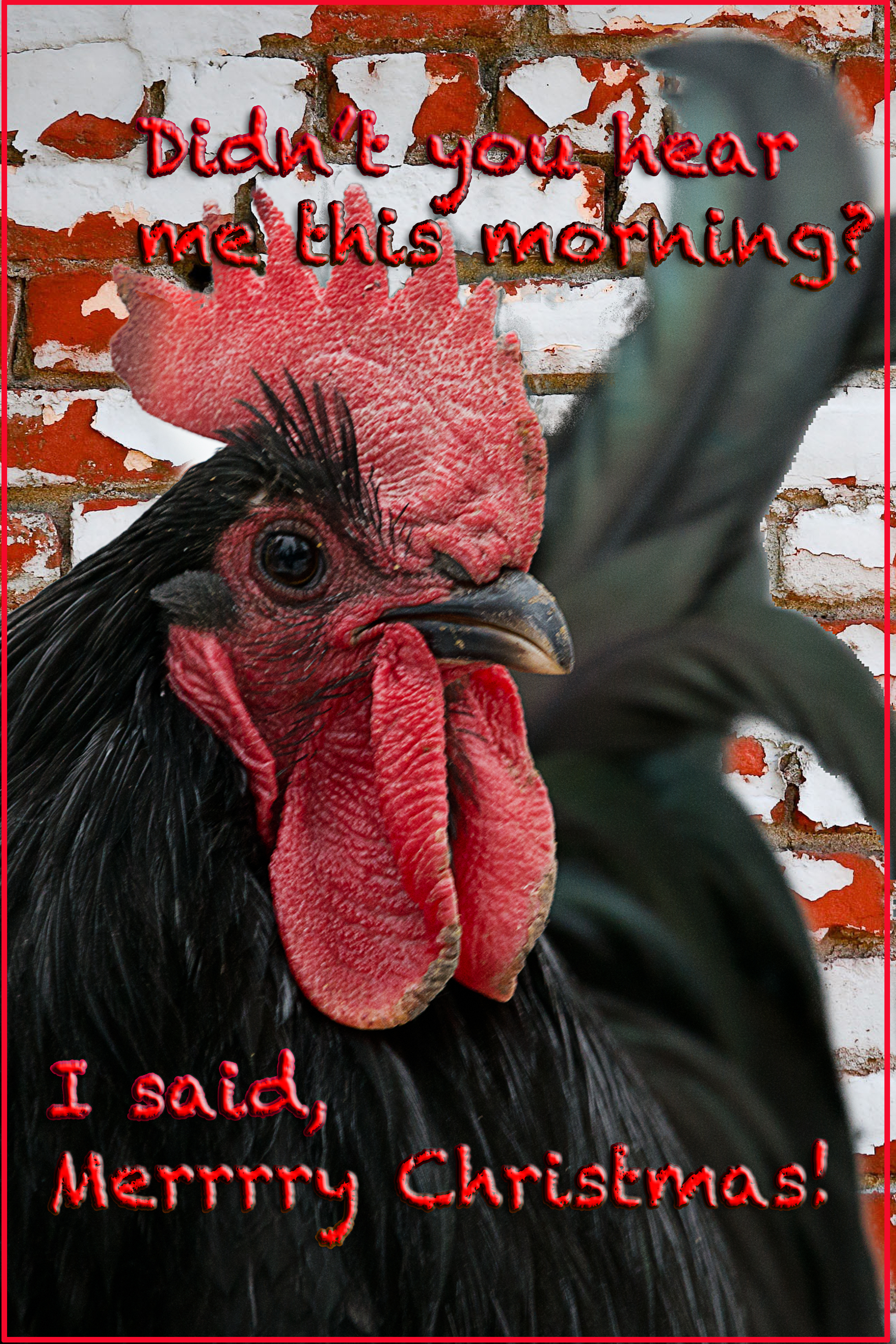
xmas chicken 1  Winter viewxmas chickens  Santa's Workshop  Xmas

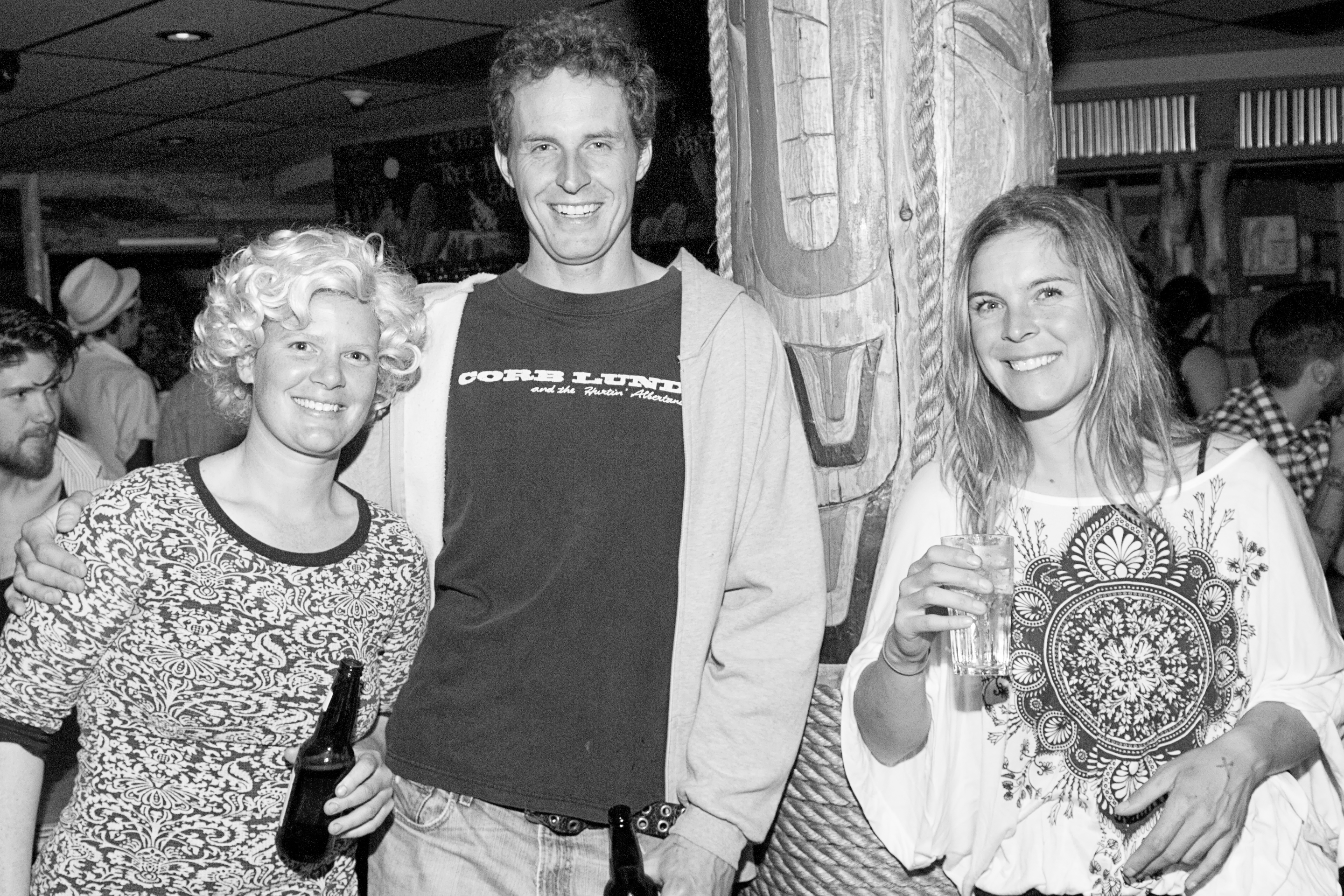
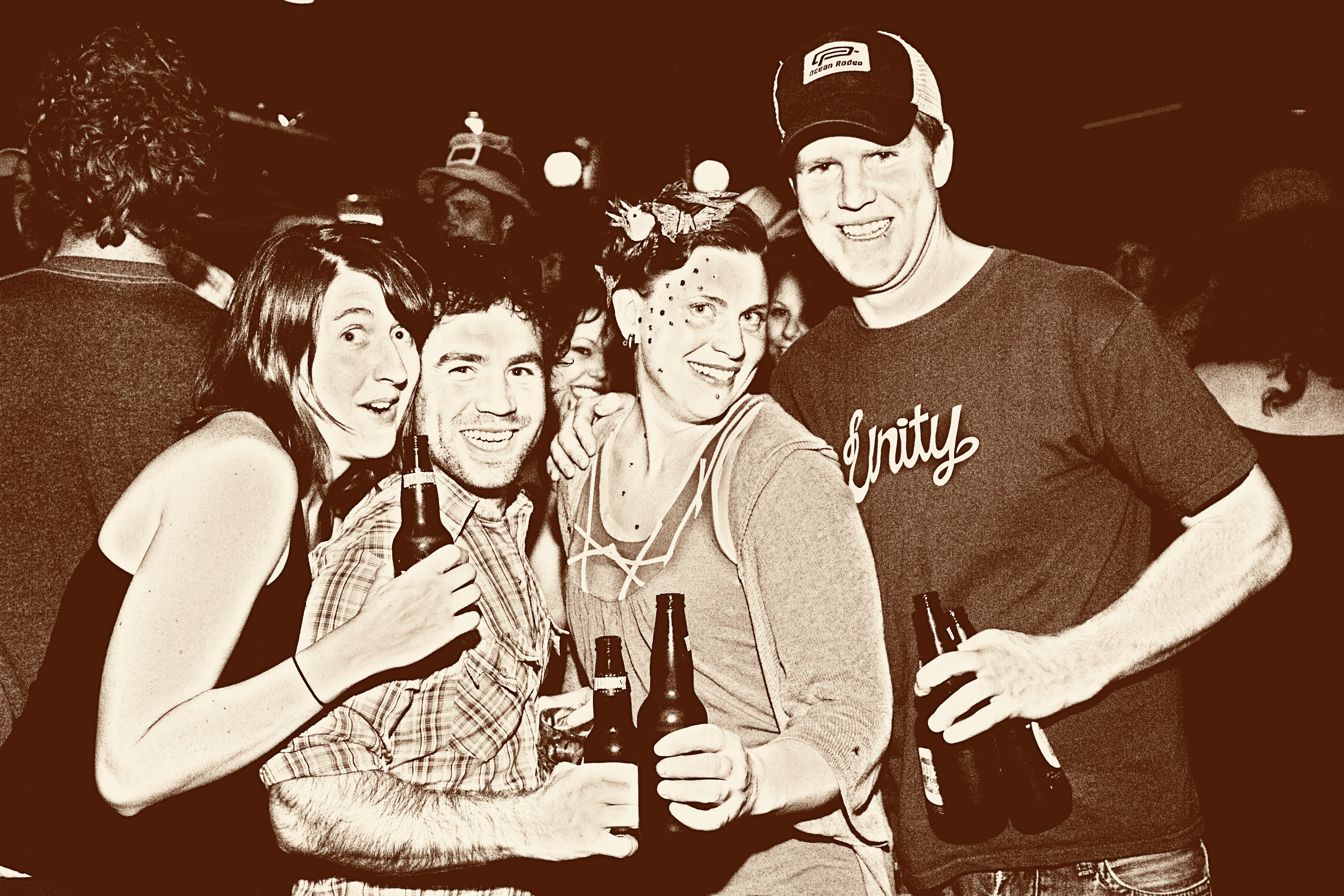
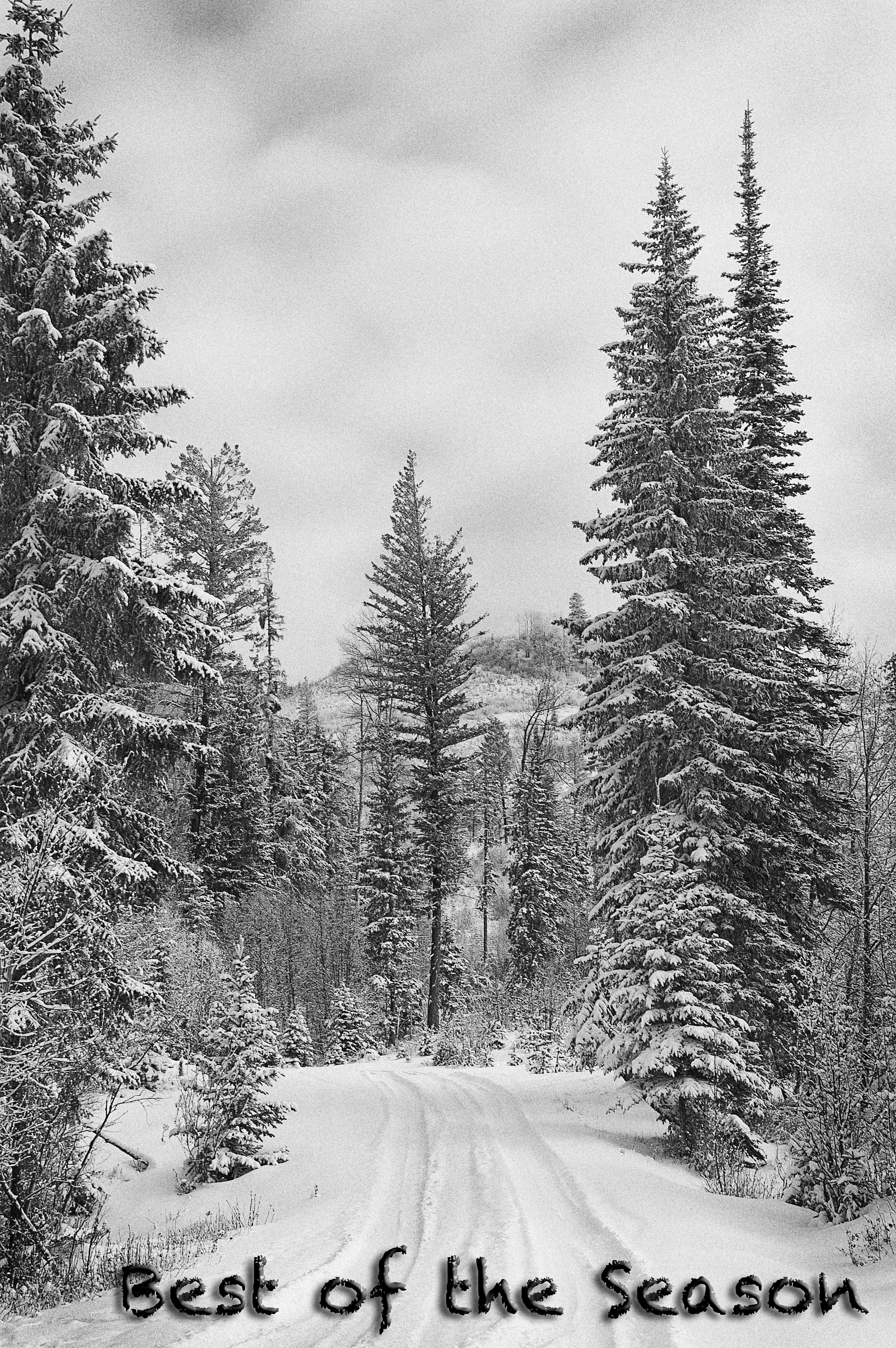
The Christmas season is a great time for photographers looking for an excuse to give friends and relatives photographs. I wrote last year saying that I always give photographs this time of year. That could mean framed photographic print gifts, but what I really mean are Christmas cards.

Several years ago my wife and I spent the beginning of December in San Francisco.

On our second day there we decided to spend the afternoon on a beach at John Muir Park, and while we were there we watched three young people involved in what we assumed was the production of a photograph for their Christmas greeting card for friends and family.  A young woman proceeded out to the water’s edge wearing a long dark skirt, a white shirt, a red vest, and a Santa Claus cap, all the while supporting a gangly four-foot Charlie Brown Christmas tree at her side.  She posed and smiled for her friends who were busy photographing her.  She was barefoot and the bottom of her long dress was getting wet as the surf rolled in.  They then each took turns holding the tree as they posed for the camera, but she was the most remarkable because of her costume.

For those satisfied with mass produced generic Christmas cards, there are stacks and stacks being offered at stores, but for photographers it’s a perfect excuse to give people photographs. And personally, I want people to see and enjoy my photography. Even if it’s only as a 5X7 card, that’s better than having my pictures left languishing in a hard drive.

My wife and I went through many of our image files from this year’s photographs selecting those we want for Christmas cards. I prefer a vertical format, but sometimes a horizontal picture also works and I will choose that also.

I print up several different images, and place different sorts of greetings on them. It is rare that we give the same picture to more than one person. And not all the cards say Merry Christmas. To me, it doesn’t matter; , have fun, a good New Year, and anything else I think fits a particular picture. Sometimes I use bits of songs or quotes I have found instead of the words, Merry Christmas

What matters is the picture and even that might be a manipulation of the original and doesn’t need to have a Christmas look at all. What is important to me is that those I give a card to get something unique. And I will say that, unlike a framed print, I really don’t care what they do with the card I sent. I really hope people like what I give them, of course, however, if it gets thrown out with the gift-wrap after the holidays it doesn’t matter either, they got to see a photograph taken by my wife, Linda, or myself, and that’s what’s important.

I like to give different pictures to different people.  Don’t be a Grinch and hide your pictures away, just showing some picture on your iphone isn’t enough. Print it, make a card, put it in an envelope, and give it to someone. And it’s easy to make a card gluing a photo to card stock or construction paper, or get a print made and write something festive on the back. In my opinion Christmas cards don’t really need to be just for Christmas. Call them greeting cards, holiday cards, or whatever you want. That way if it’s a bit late for Christmas they can be sent or delivered anyway.

Linda and I wish everyone a very Merry Christmas.

My new website is at www.enmanscamera.com

Twelve Gifts for a Photographer’s Christmas

Tree 2 xmas presents

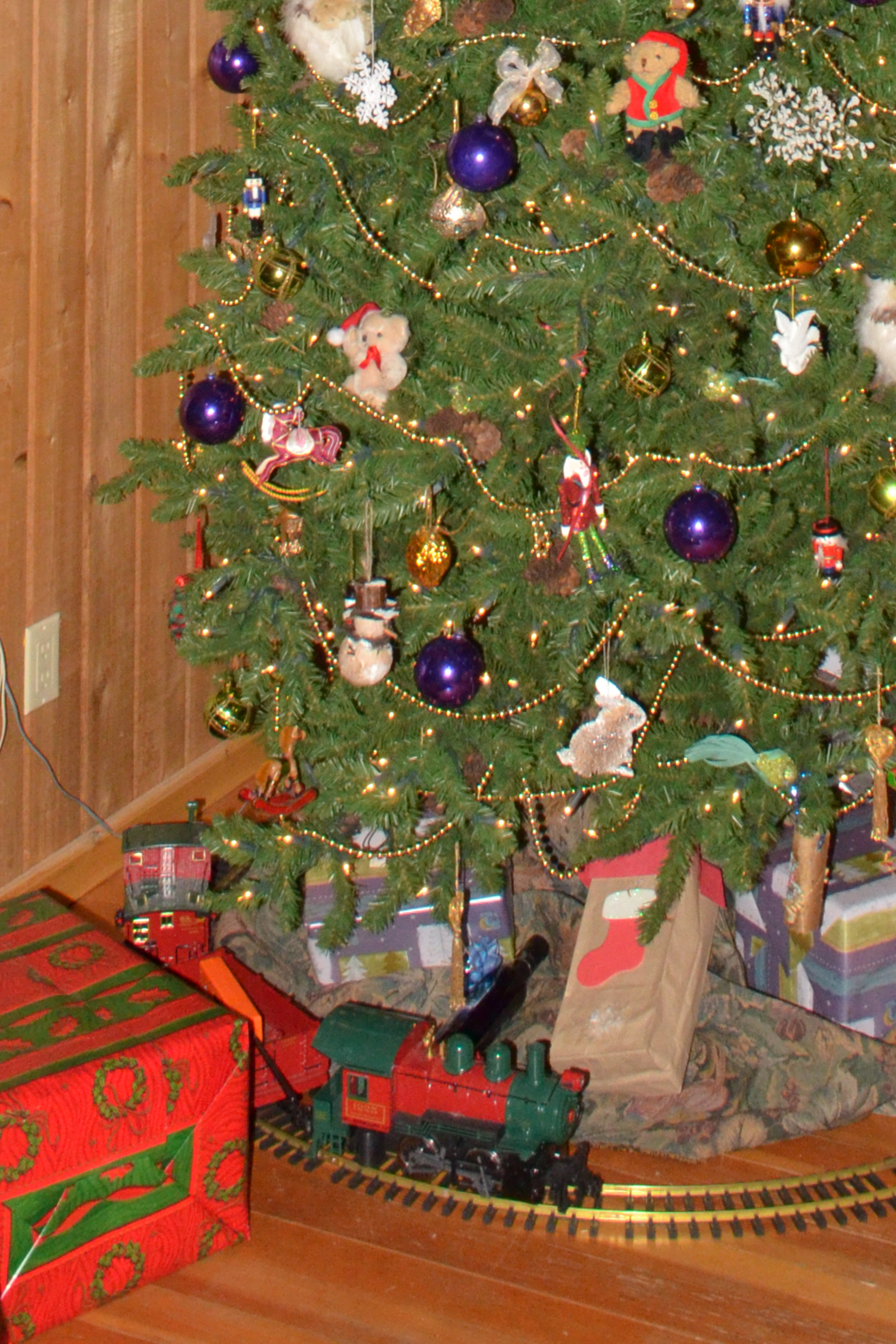
We finished decorating our 15-foot Christmas tree, and I started putting the tracks together for the Christmas train that goes round and round the tree.  Afterwards, my wife, Linda, resting and enjoying a cup of tea, and perusing the glory of our handiwork commented, “You haven’t told me yet what you want for Christmas. Do you want something for your photography?”

I hadn’t thought about what I wanted.  I had been enjoying the tree, the decorations, and the Christmas music, but as far as a gift for me, especially, “something for photography” left me at a loss of what to say, so I replied, “I suppose I want everything and anything that will fit my camera.”

I watched the train go round the tree, and I listened to the music coming from the satellite receiver (I like the channel that plays smooth Christmas jazz) and tried to think about what I could tell my wife.

In keeping with that subject, I decided to pose that question on a couple of photographer forums I frequent. There are so many different photographers with different ideas on what would be the perfect photography gift for them, that I edited them a bit and selected twelve in keeping with the tradition of twelve days of Christmas.

I am absolutely sure readers have their own Christmas list, however, here are some of the requests I picked out for this year.

(1) “I asked for the Canon 6D, worth a try.”  (The first on the list is one of many that wanted a particular camera, and I just went with the first response of many.)  One would have had to been really good to deserve this.

(2) “I thought about asking for an additional tripod; a smaller, lighter one for hiking… but I would not want to push my luck.”  Good choice.

(3) “I asked Santa for a 70-200mm lens.”  Very nice.

(4) “Lensbaby Composer Pro – This tilting lens is the first item on my list.”  Wow.

(5) “I already bought a Fujifilm X100s…I couldn’t wait.”  Good move.

(6) “I’ve asked for gift cards, better chance of getting some of those than the Nikon D800 I really want.”  That works for me.

(7) “A Bush Hawk Shoulder Mount would be great to find under the Christmas tree.” That would be so neat.

(8) “A 50mm f/1.4 lens would be perfect.” I agree.

(9) “I really would be happy if I could get a macro ring flash for Christmas.”  I agree.

(10) “I would like a wireless off-camera flash, light stand, and a softbox.” Excellent.

(11) “I’d be happy with a 5-in-1 collapsible reflector, or if I am really very good I would like a really big umbrella, 80 inches would be super.”  Absolutely.

(12) “A new camera backpack to hold the 70-200mm lens I hope I am getting.”  That would be so neat.

Personally, I could suggest to my wife that she empty out our savings and get me a really long focal length lens. But I doubt that item would actually find it’s way under our tree. After all there needs to be some money left for her. So, being the practical guy I am, I think I’ll request that Santa Claus puts a couple of good quality, 32GB memory cards in my stocking.

There is still time to get your list ready. Good luck and Merry Christmas.

Got any additions or comments? Let me know – Thanks, John

My new website is at www.enmanscamera.com
Photographing Things That Go Fast.

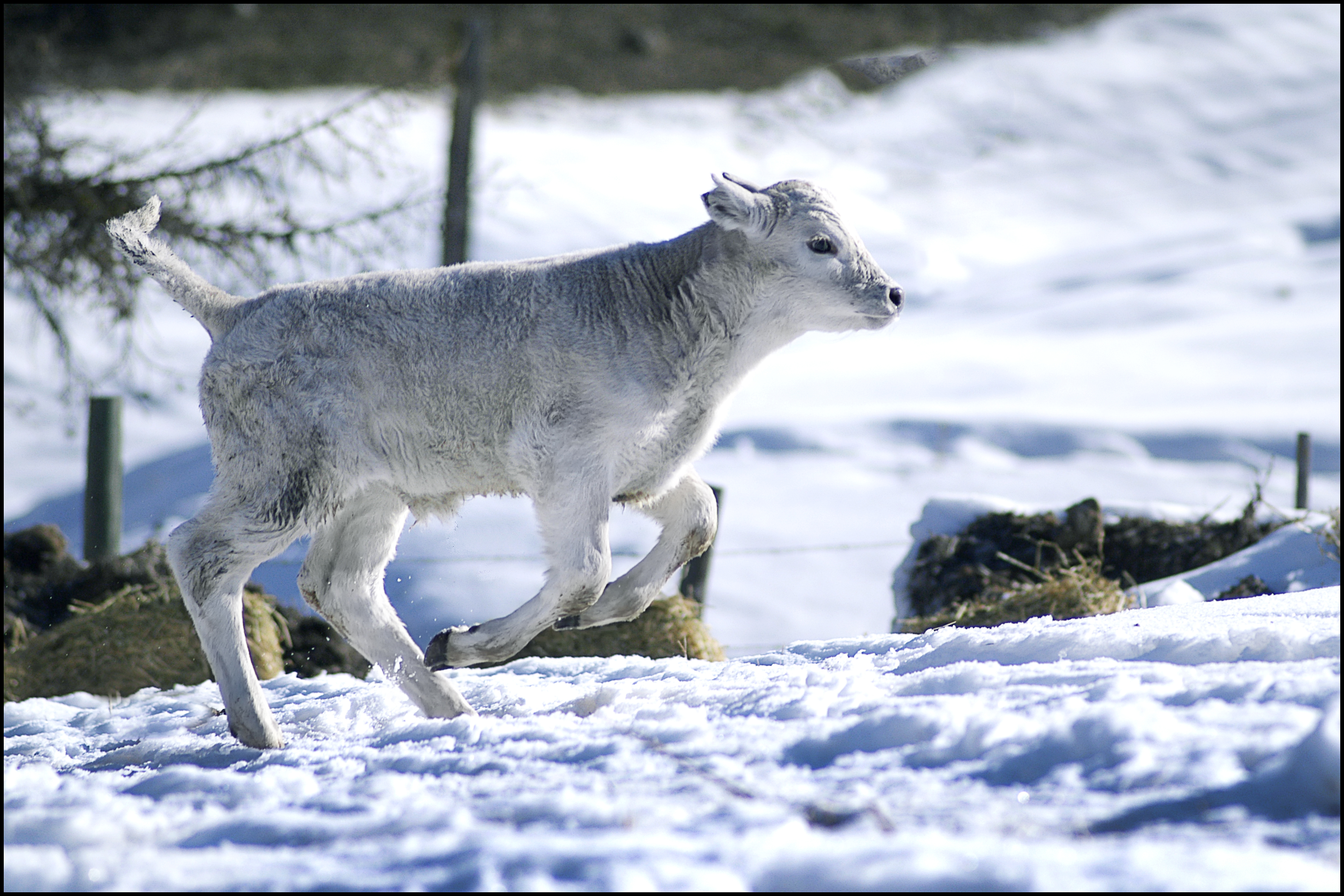
Lucas racing   Flying Black  Quick turning  At the gate  White bull calfa Fast court      Nascar

I received a call from a photographer asking help with a new camera purchase. He had selected two and was comparing their difference in frames-per-second. I had read about both cameras and have to admit with so many other spectacular and enticing features both offered I hadn’t paid much attention to how many frames each could shoot in one burst.

When I asked him why FPS was important he said, “So I can photograph things that go fast”.  A good point, although a minor one in my opinion, shooting with continuous advance might increase the number of keepers he has, as he learns techniques for photographing fast moving subjects.

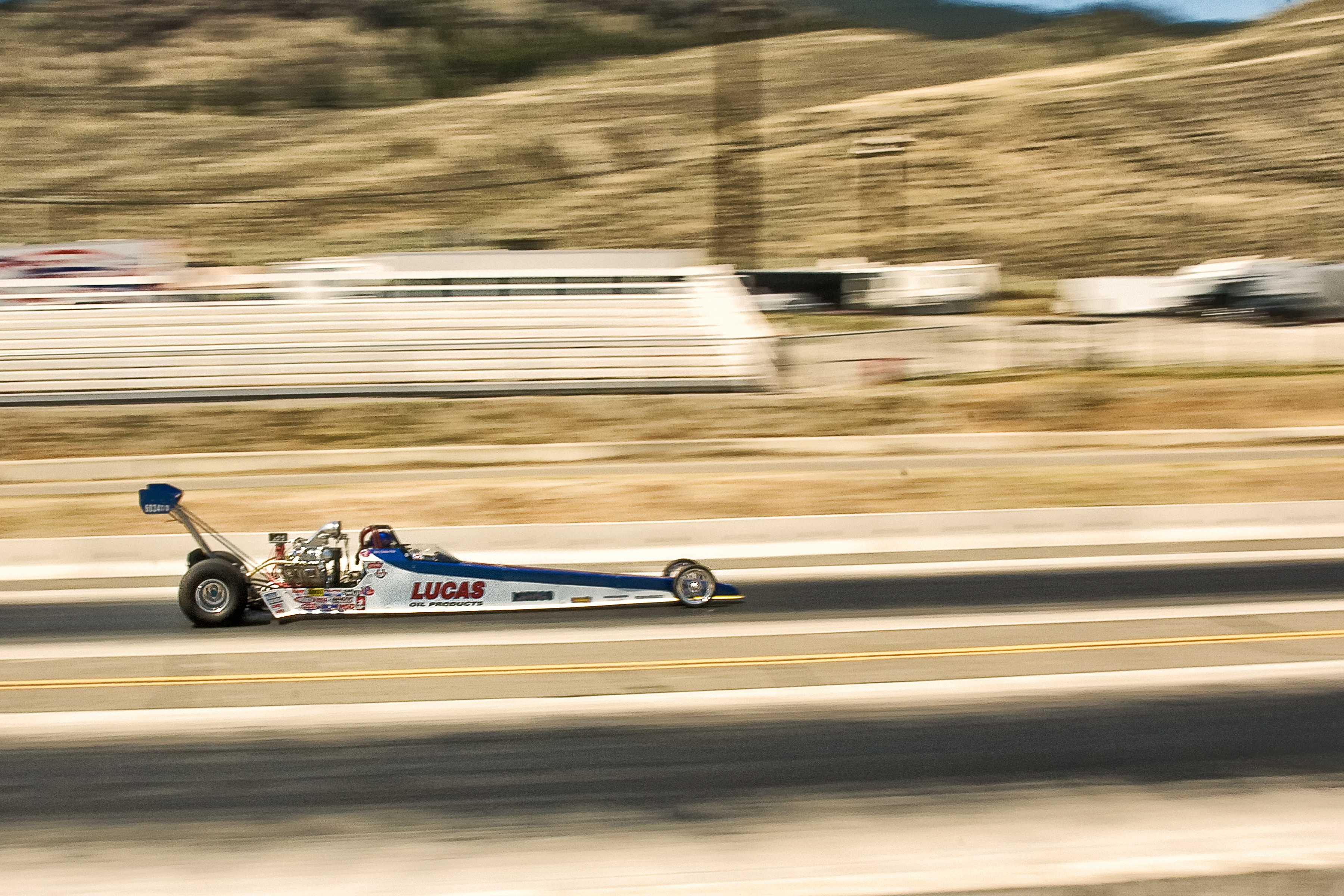
I will admit I like photographing things that go fast. Capturing less than of second of a subject’s life that will be gone forever is exciting.  That photographer could hope to stop the action by putting his camera into it’s P, or A mode, and employing his camera like a machine gun, make a burst of the shutter to stop a moving subject.

Some experienced photographers know how to get great results at the 8-frames-per-second or more, but if he is just starting out, he might want to dial it back a little and experiment to find what works best. The belief that faster would be better is not always the case. A DSLR cannot always find focus on a passing subject while the mirror is up and one can’t track the action through a viewfinder blocked while several frames are being made.

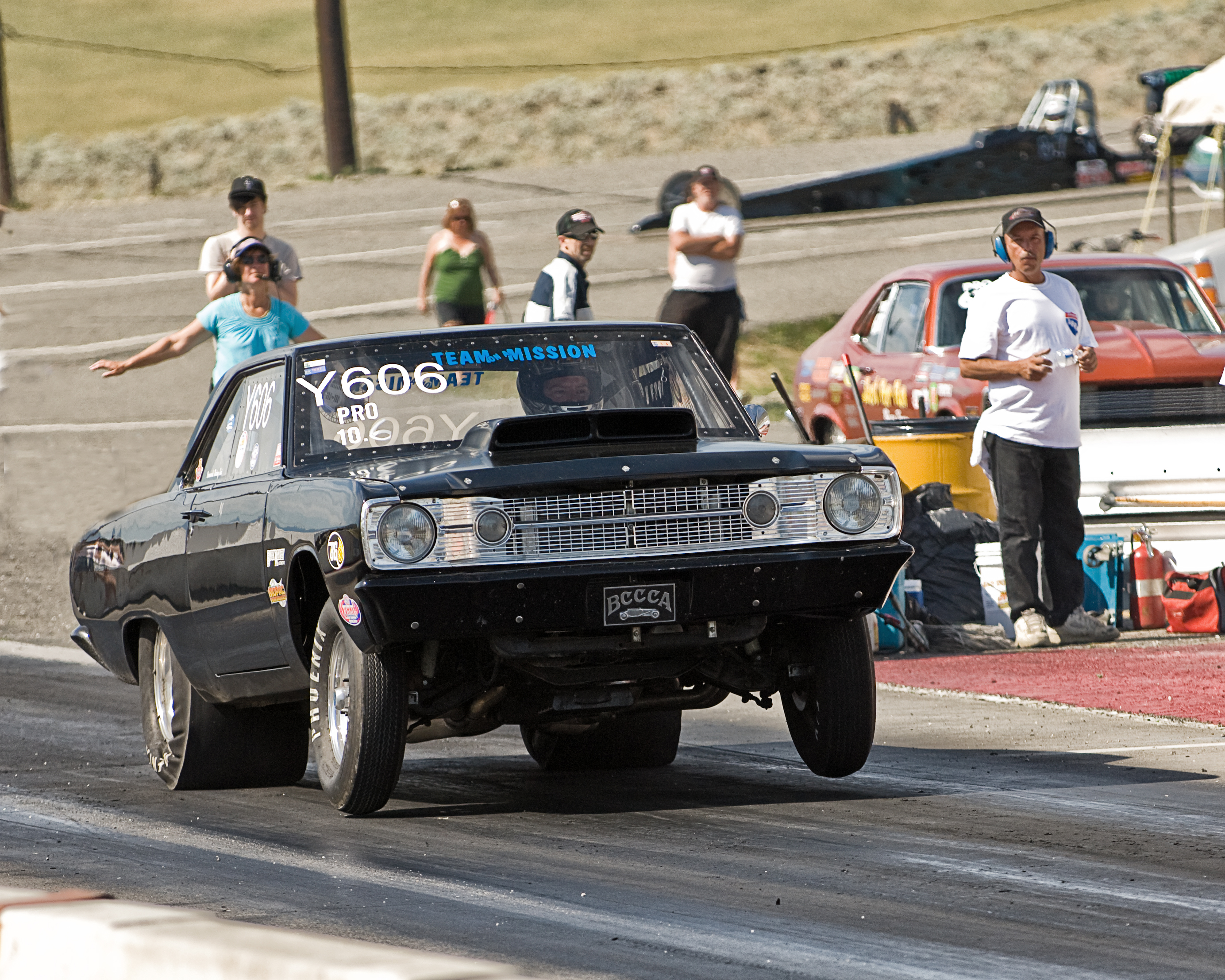
When I approach action photography at say, a basketball game, rodeo, or cars at a dragstrip, I don’t bother with the continuous frame feature on my camera. I know that the best way to stop action is with a fast shutterspeed. First I increase the ISO so the sensor is more light sensitive. Modern cameras have no problem with ISO settings of 800 or more and depending on how bright the location is I might move ISO higher or lower. I just make some tests before things get going.

Next I set my camera to a mode where I choose the shutter and the camera chooses the aperture. (S on Nikon and TV on Canon)  I select the fastest shutterspeed that will let me keep some depth of field, then do more test shots, and I am ready to start taking pictures.

I anticipate and choose the best location to catch the action. Gosh, it’s all that easy. I suppose one could do additional testing with a high burst of frames-per-second. I don’t think that is needed, it just eats up memory and might require hours of editing in Photoshop, but what the heck, with today’s exciting technology we need to experiment to find what works best for our shooting style.

My first camera didn’t have auto focus, programmed exposure modes, or eight-frames-a-second capability. I couldn’t even shoot at shutterspeeds over 1/500th of a second. But, I read a lot, took classes and learned about the aperture and shutter, learned how to follow a moving subject, and about how my camera exposed a subject. And practiced a lot in spite of the price attached to each roll of film.

Oh, and my advice to that photographer didn’t discuss the need for fast shutterspeeds. As I wrote, there were so many other spectacular, and enticing things about the cameras we talked about, that I forgot about adding an opinion about frames-per-second.

I really appreciate any and all comments. Thanks, John

My new website is at www.enmanscamera.com
Shoot Your Way to Work

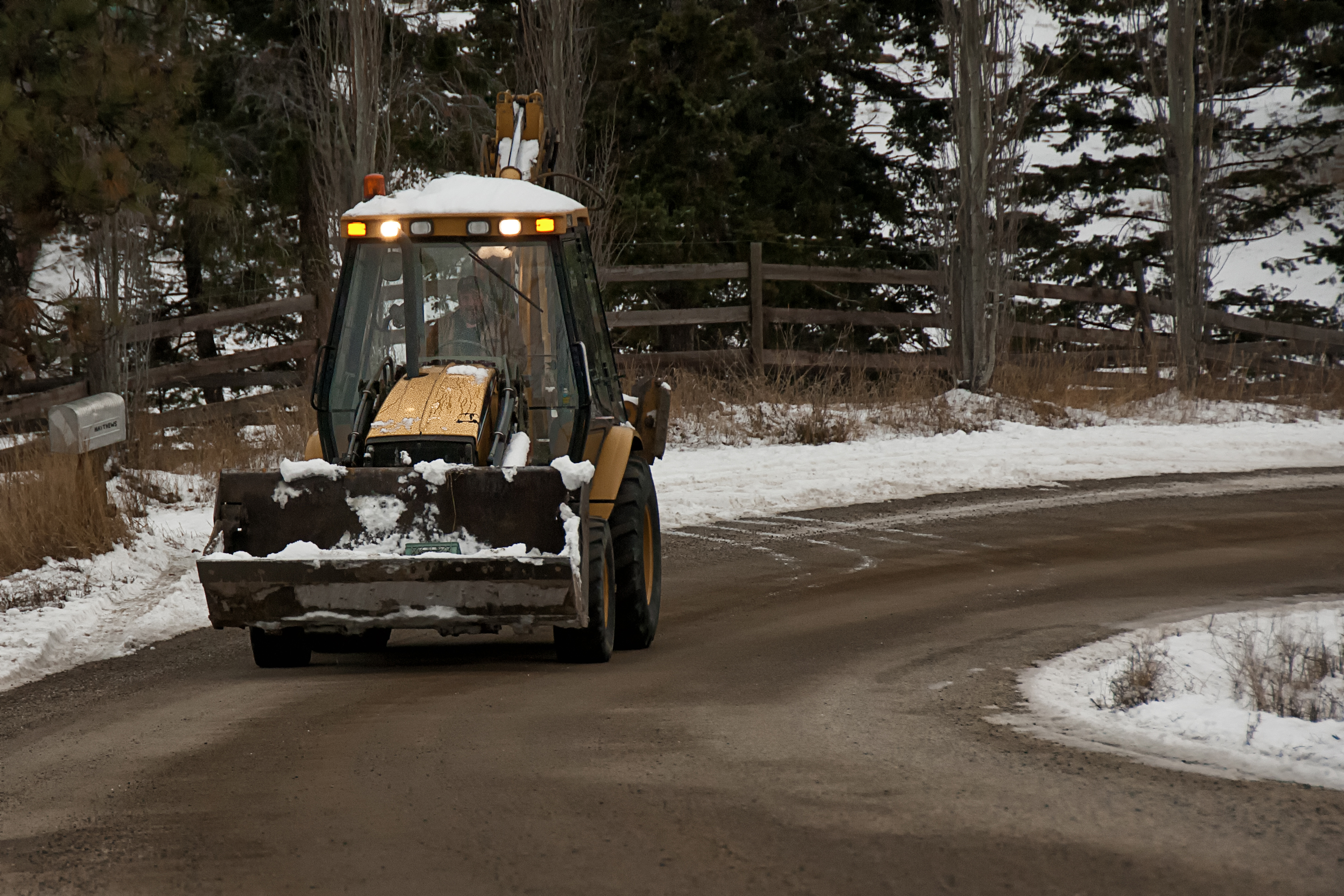
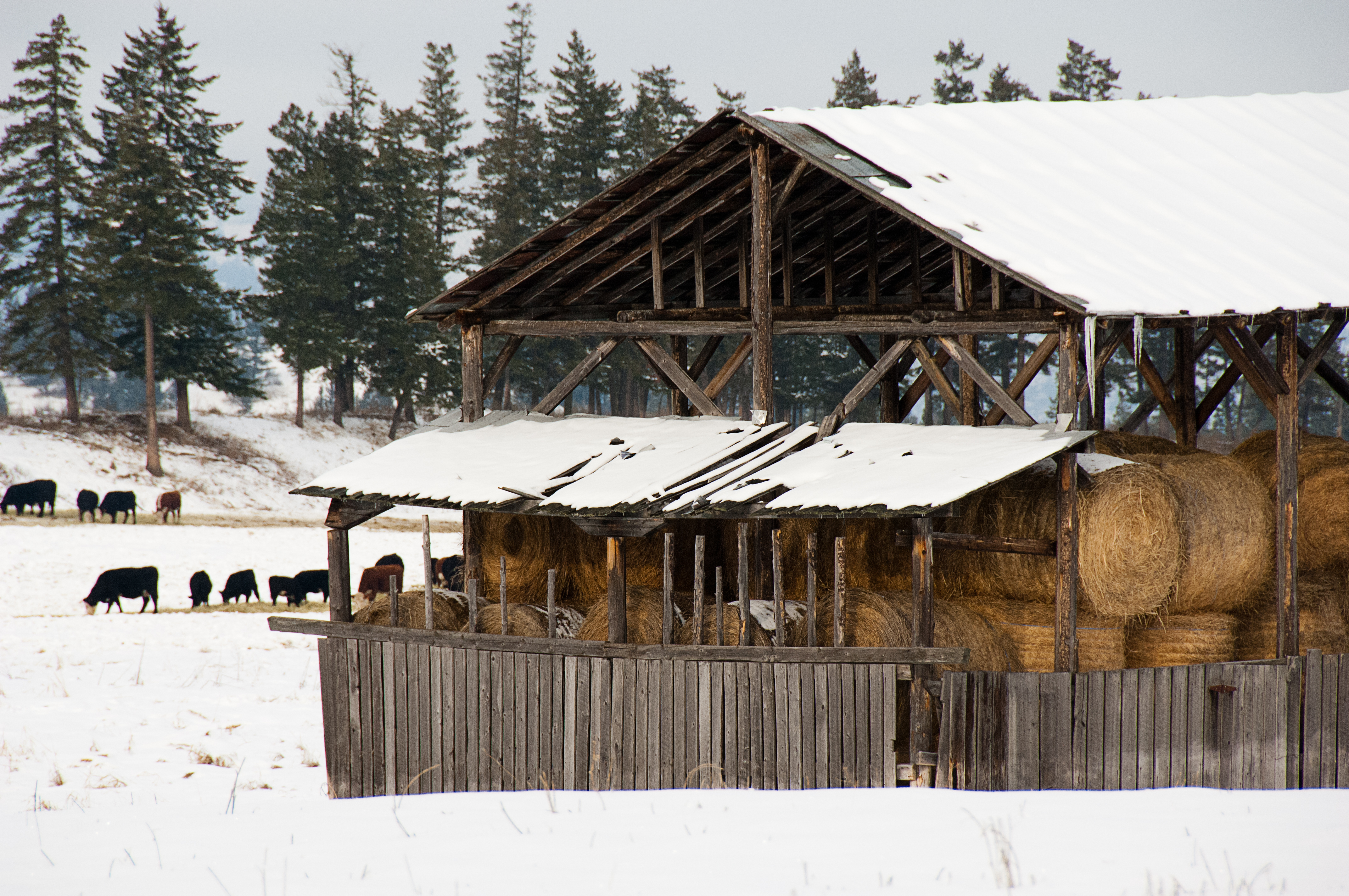
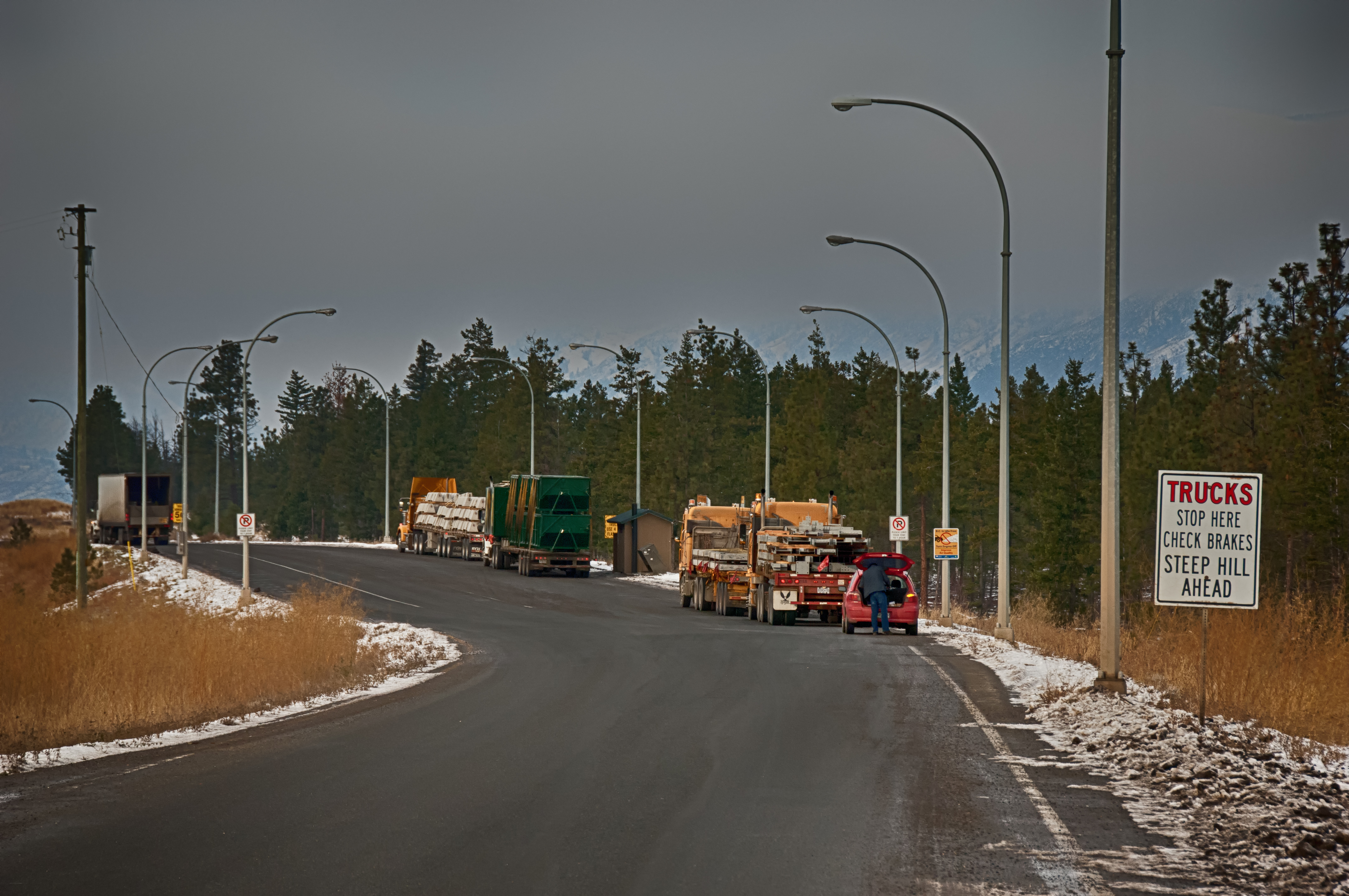
Going to work  Passing a neighbor  Just passing  Watching me go  Field view  Into the valley  On to Kamloops

It seems like several lifetimes ago when I worked as an instructor in California, and my students, were mostly inner city in third, fourth, and fifth grades, and in many cases, were not interested in anything other than getting through the day, so they could do something more enjoyable.

My job in the Alternative Education Program of the US Office of Education at the time was finding more creative methods for teaching children that would bring some excitement to learning the basics that seemed boring to young minds.

This story is going to get around to cameras, just bare with me.  At the time I wanted to involve photography, so when one of the lead instructors complained that young students couldn’t discuss the neighborhoods they walked through on the way to school, and he wanted to work on that as a project. I took the opportunity to insert photography into his project.

We started by giving the kids a pad and pencil and asked them to write about their trip to school. Some days later we all made pirate eye patches and gave them the centers from toilet tissue rolls. Students wore the patch on one eye, and used the roll tubes to look at things as they walked to school, and then later wrote about the trip to school. They saw more and more and wrote pages about the things they originally ignored.

On the final week of the project we gave them all Diana F cameras to take photographs along the way. The Diana F is a blue and black plastic, 120mm, roll film camera with a fixed shutterspeed, and, as I remember, a three-stop aperture. Actually, since then the Diana F has become a kind of “cult camera”.  Who knew? At the time it was just an inexpensive camera that the school didn’t mind loosing.

Some helpful parents had made double-layered, lightproof developing bags, that cameras and Kodak apron-type developing tanks were put into, and then tied to the student’s arms to keep out the light. After what seemed a painfully long time the tanks would emerge with the film safely inside.

We processed the film and the kids would run around the schoolyard with film flying high till it was dried in the warm California air. I once had to prove to an administrator that the developer was safe by drinking a little paper cup full. OK, I did have an upset stomach later, but I never told.

I made little cardboard and glass contact printers and everyone would place their film on Studio Proof paper and sit in the sun on the sidewalk till purple images appeared. Now long discontinued, Studio Proof paper was once used by portrait photographers to make sure the customers returned for their pictures. The deep purple pictures would fade to a solid colour in a few weeks.

Purple pictures of their neighborhood in hand the students would sit and actually write stories about the now memorable walk to school. Sure they had the pictures, but the viewfinder heightened the process of seeing.  There is something about photography and the act of image making that helps and reminds us how unforgettable and exciting it is to be in the place we live.

I recently thought about that long ago episode with photography. So for a fun thing for myself one day I thought I should try, as I had those students do, to shoot my way to work. I am always rushing at the last minute when heading to work in the morning and that makes taking pictures a rushed thing.  For my trip to work I used the spy it, stop-the-car, jump out, shoot fast and drive off method. Not my usual way, but I admit I had fun, got lots of interesting pictures, and wasn’t too late getting to my shop, and I had fun.

I hope you enjoyed the pictures of my way to town….

Please don’t hesitate to comment.

My new website is at www.enmanscamera.com
Taking Pictures at the Party

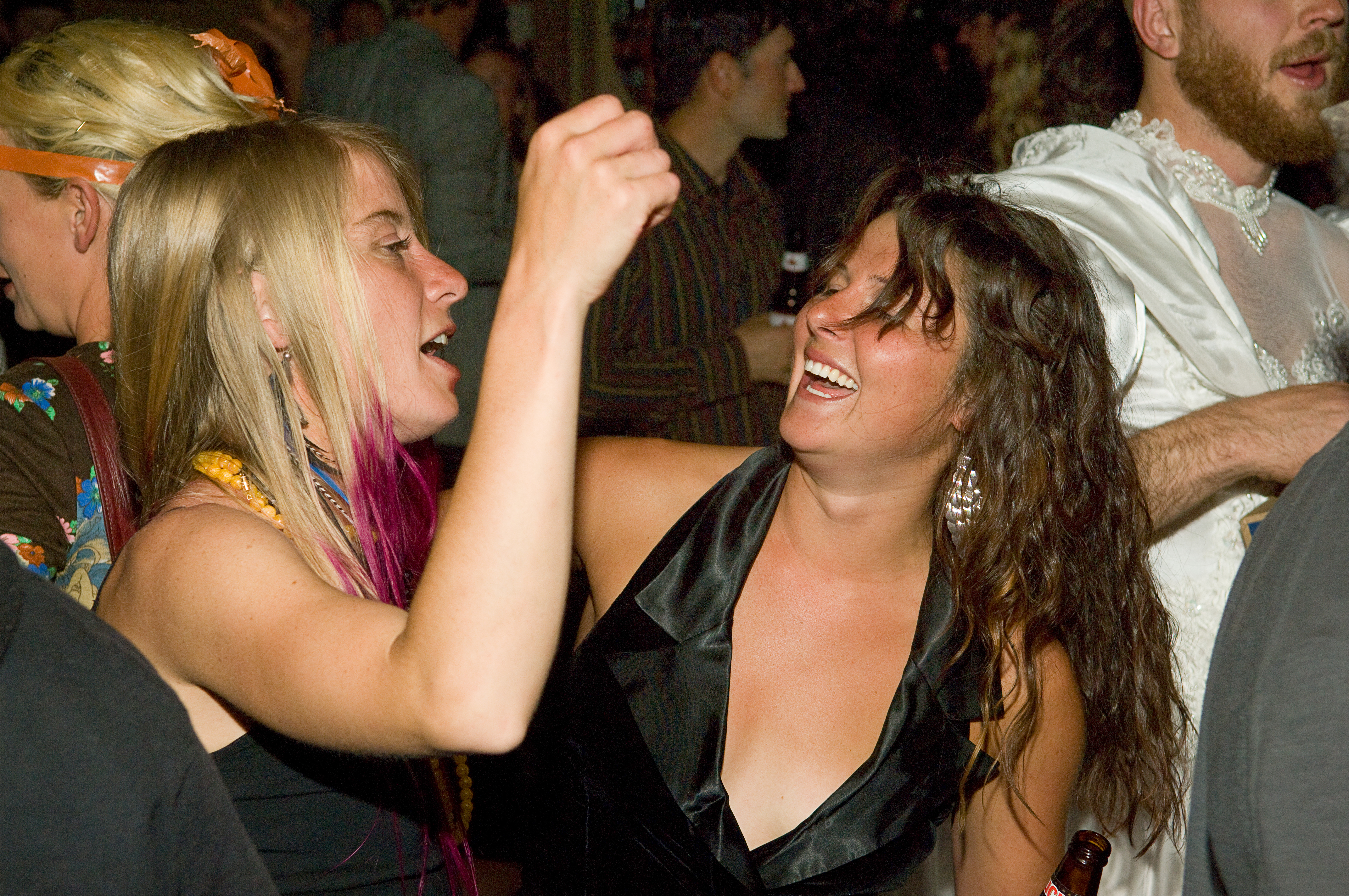
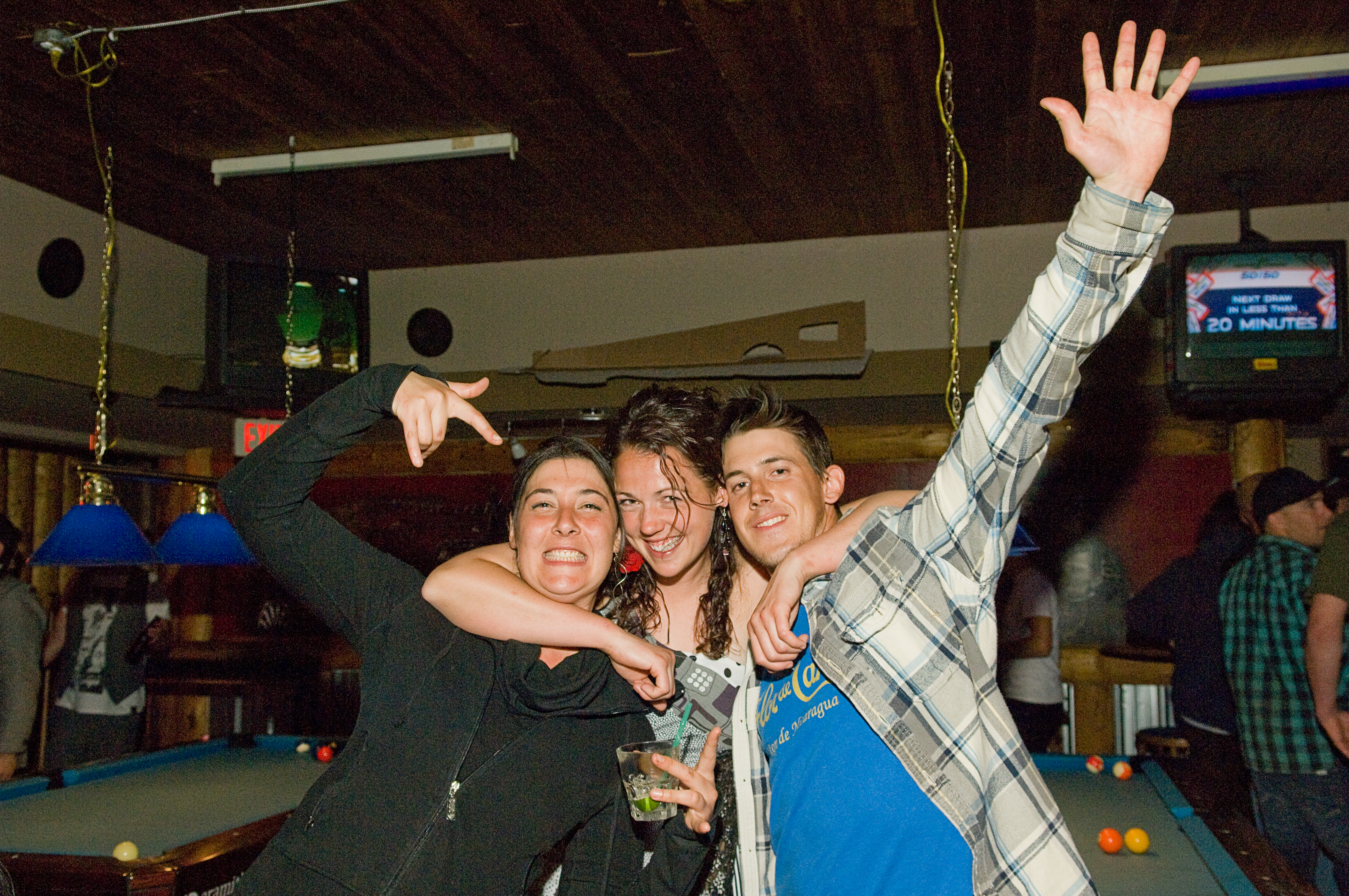
Tree Planter's 122  Tree Planter's 095  Tree Planter's 102  Tree Planter's 047   Tree Planter's 076  Tree Planter's 071

I can hardly believe how fast this year has gone by!  Wasn’t I just complaining about the unforgiving heat during a wedding I photographed on a cloudless +35C day?

Now, here I am bundled up in the +1c cold and snow, with new snow tires mounted on my car. Gosh, there is even an advertisement on television about what wine to bring to upcoming Christmas parties. Yikes!  Don’t get me wrong I like Christmas, and everything that goes with it, but I am not ready for winter’s snow yet, and neither is all the stuff in our yard that will get covered and damaged if I don’t get off my-lazy-whatever and pick them up.

Even though it seems early the Christmas season is coming up fast and that means photographic opportunities as we join family, friends, and co-workers at all the year-end festive events that are going to begin in December.

Photographer friends are going to dive in, digital cameras in hand, happily filling memory cards with candid photos.  The act of picture taking has become so easy and so much fun as photographers rush over to take a picture, look at the LCD, and quickly slide back to show others those tiny images.

For many photography has become more about the process of picture taking than it is about creating art, or even documenting the party; it is more about standing in front of people, taking lots of quick snapshots, than it is about making memorable photographs.

Most images made in this fashion never become more than space-taking files stored on computers that after quickly being looked at, laughed at, or smiled at, are tucked away with good intentions to be used in some fashion in the future, but after that initial viewing they loose their value because there are too many, and very few are good enough to give to others anyway.

How should readers approach photography at the next party?  Yes, readers should continue to make candid photographs of people having fun, but, perhaps, they should also think about making pictures that tell a story, capture an exciting moment, and importantly, flatter the subjects.

Most people don’t mind seeing a picture of themselves being silly or having fun, but they don’t like pictures that make them look stupid or unattractive.

My approach is to take a moment to look at the room in which I intend to make photographs, make a couple of test shots with longer shutter speeds (my favourite is 1/60th of a second), to include some ambient light when making exposures using the on-camera flash so as not to end up with brightly lit faces surrounded by a black environment.

I suggest taking group shots with two or three people. Get them to position themselves so they are squeezed together with a tight composition, and include only a little background or foreground. Don’t shoot fast, steady the camera, and select a shutter speed that includes the ambient light. Fortunately most modern DSLRs easily allow ISO sensitivity that is 1600, and some go a lot higher.

Shutter speeds of 1/60th of a second, or less, doesn’t always work for children playing in the snow during the day because moving subjects will be blurry, but, with limited lighting moving subjects will only be exposed when the flash goes off.

Lighting everything with complicated studio equipment would be great, but that would ruin the party for everyone. The occasion would become more about the photography than about the fun and festivities.  I use an on-camera flash and make adjustments as I go. I want to join in on the fun, not act like a photojournalist.

Family and friends don’t mind having their pictures taken as long as its enjoyable and I want pictures that show them having a good time. So, along with those quick candids I make posed portraits with smiling faces, and if I select some pictures to give away later I want people to like the pictures taken of them and honestly thank me.

I always enjoy everyones comments, John

My website at www.enmanscamera.com

Using a Camera Modified for Infrared on vacation.

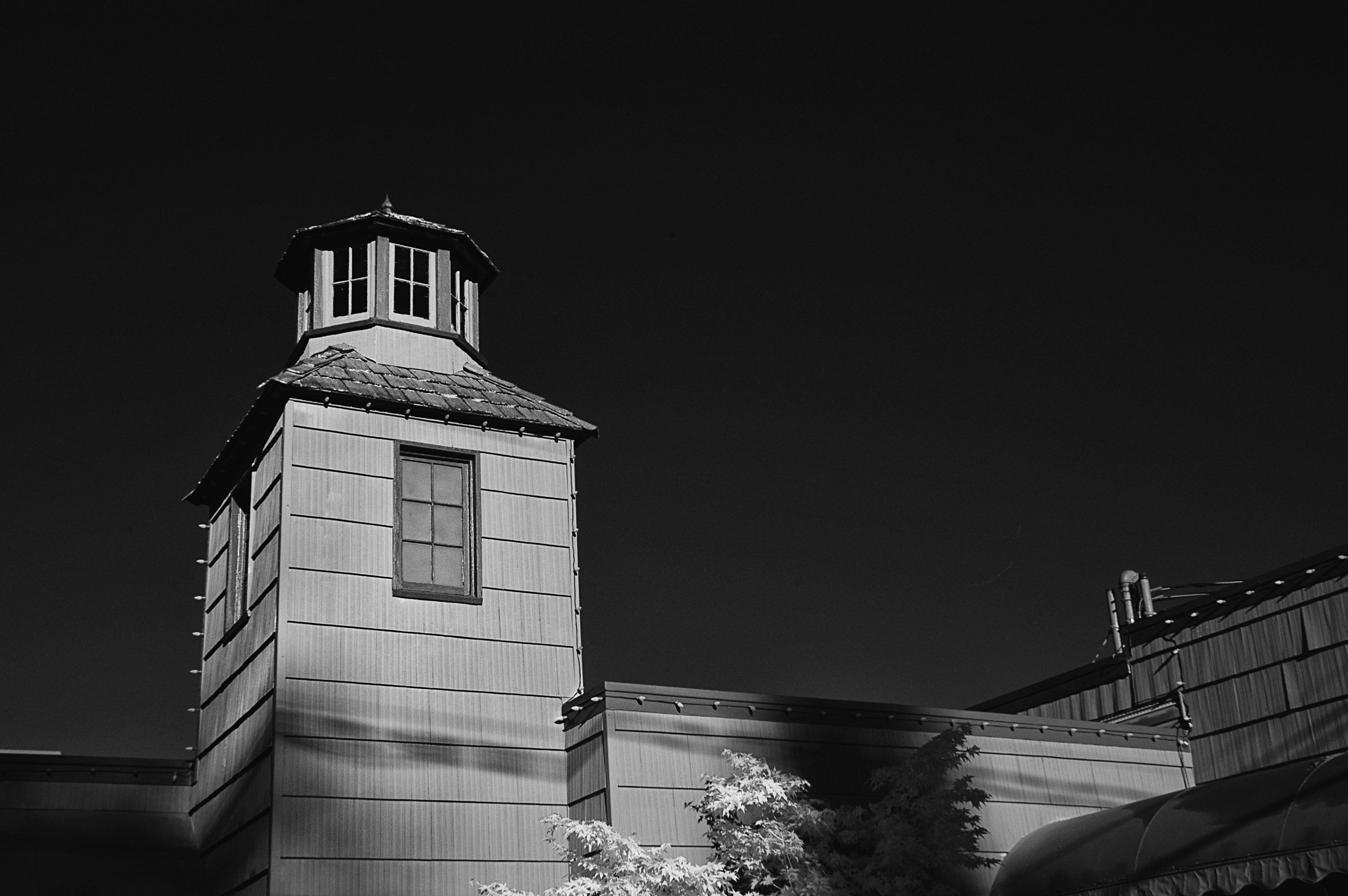
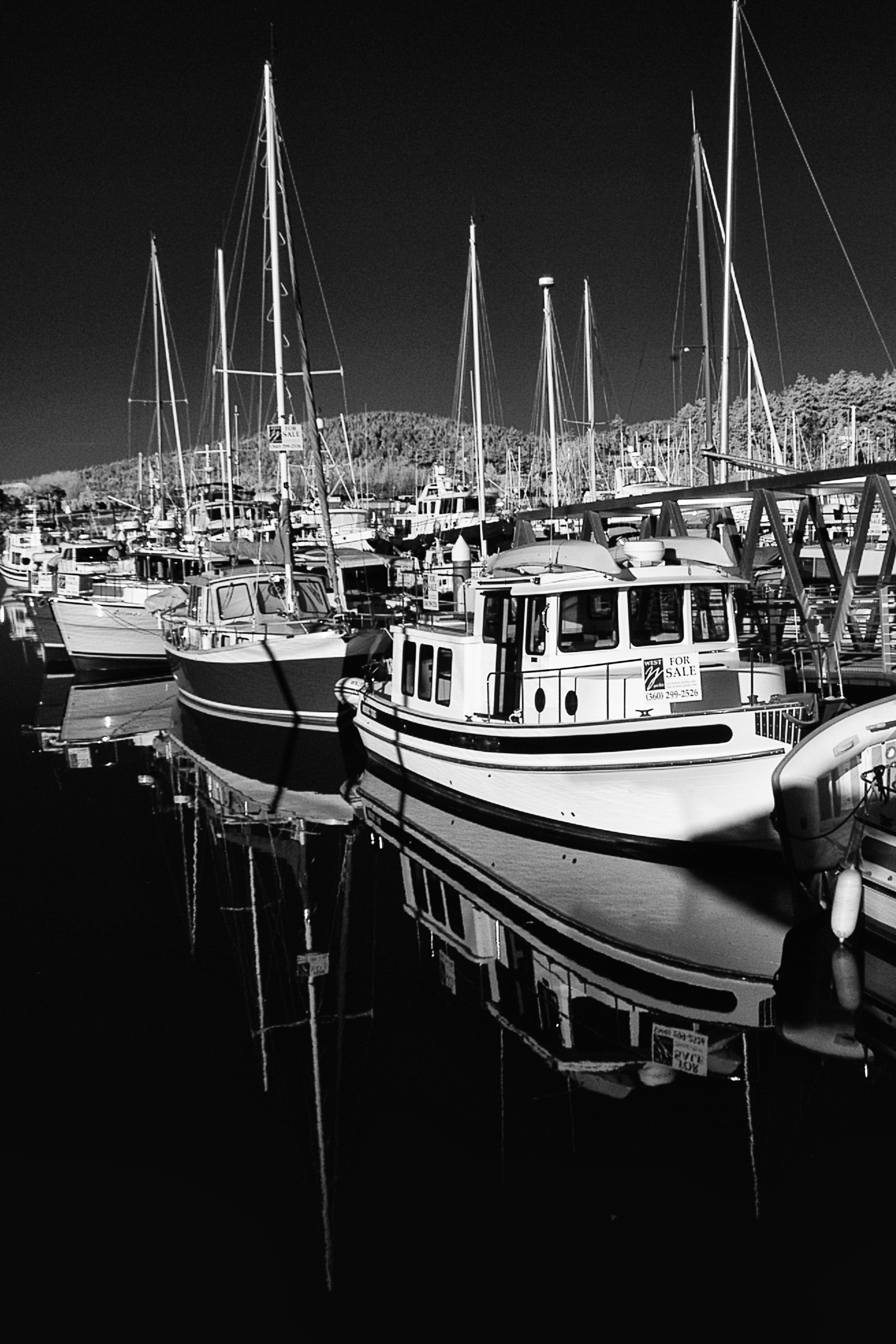
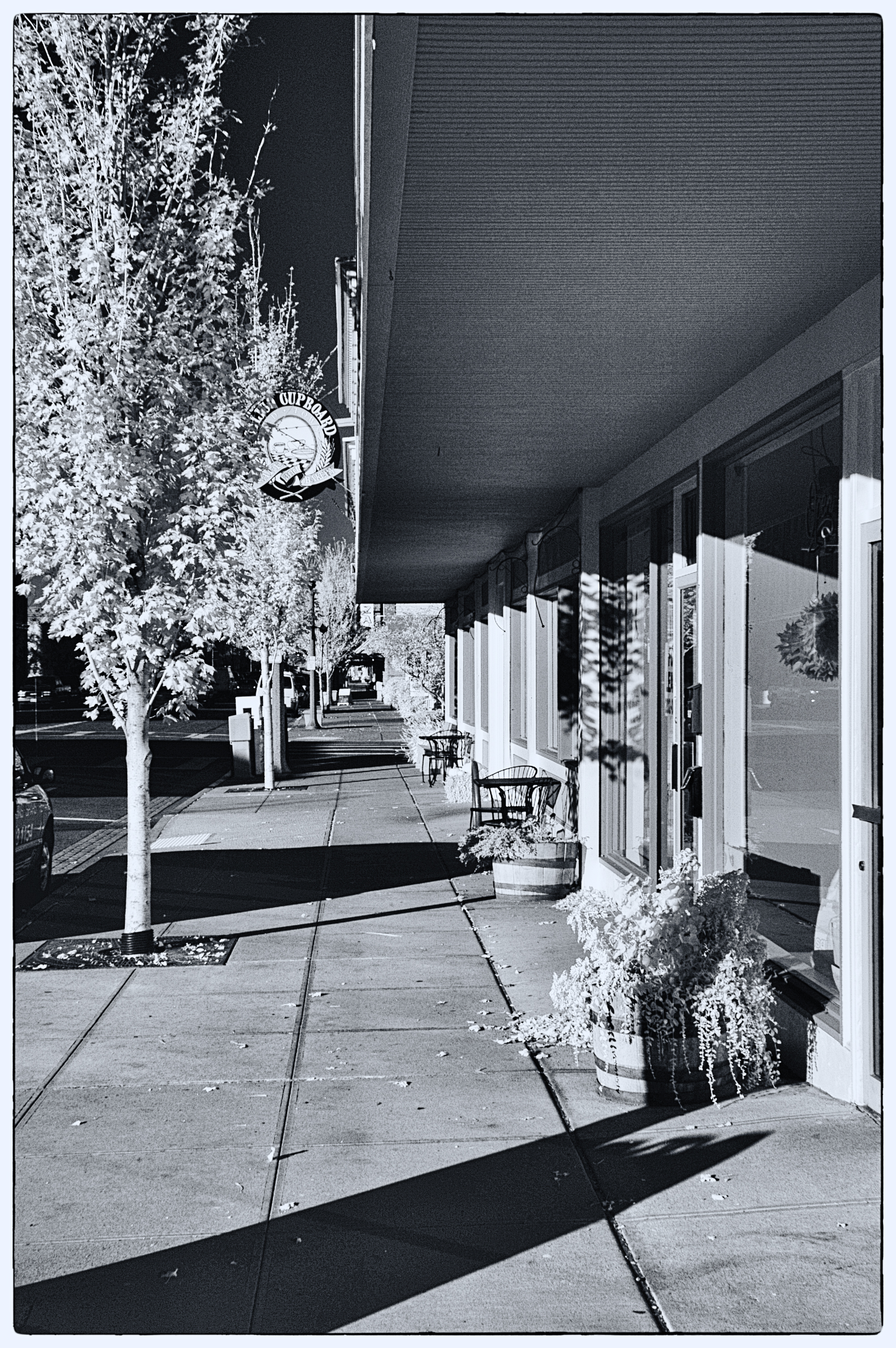
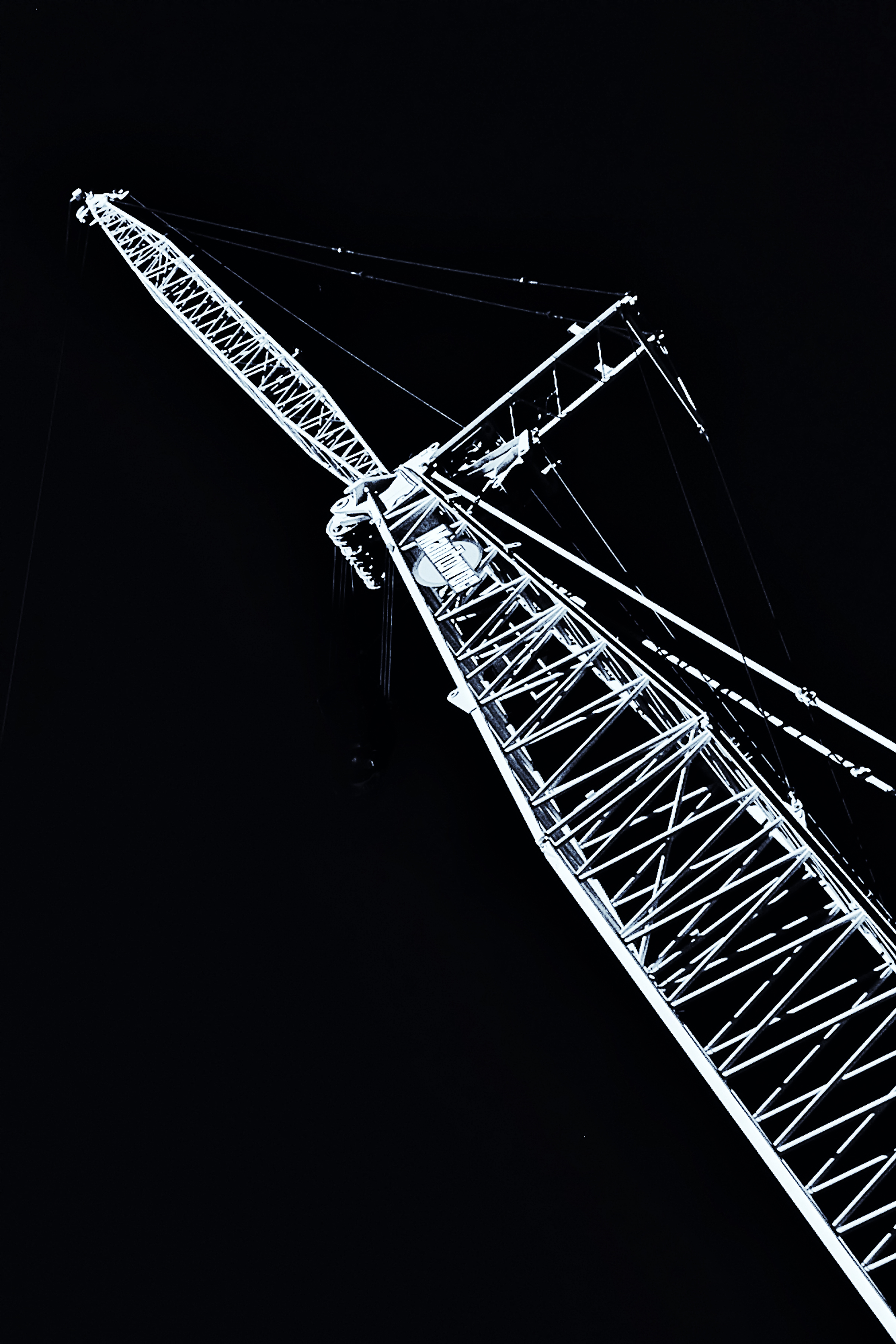
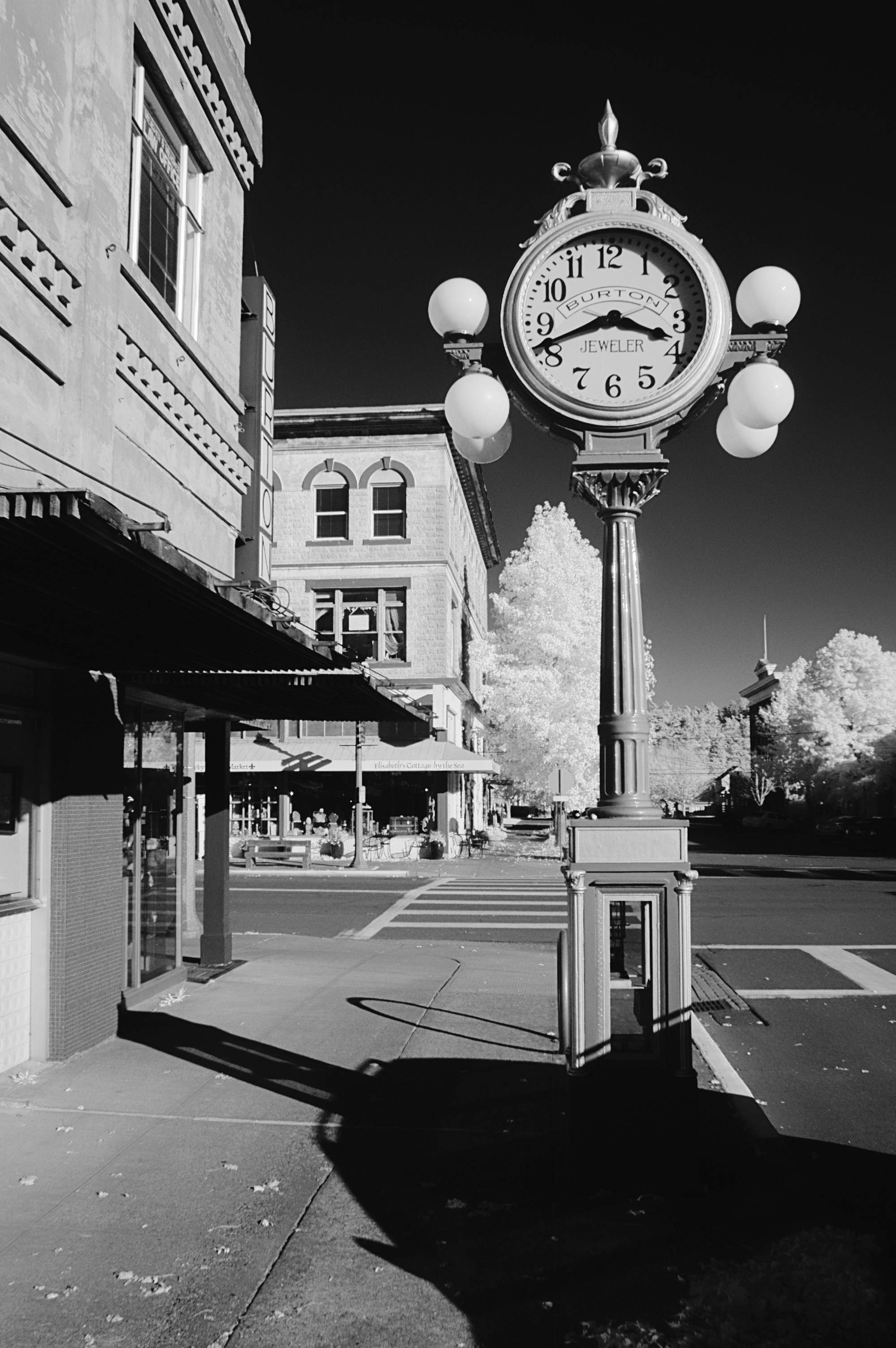
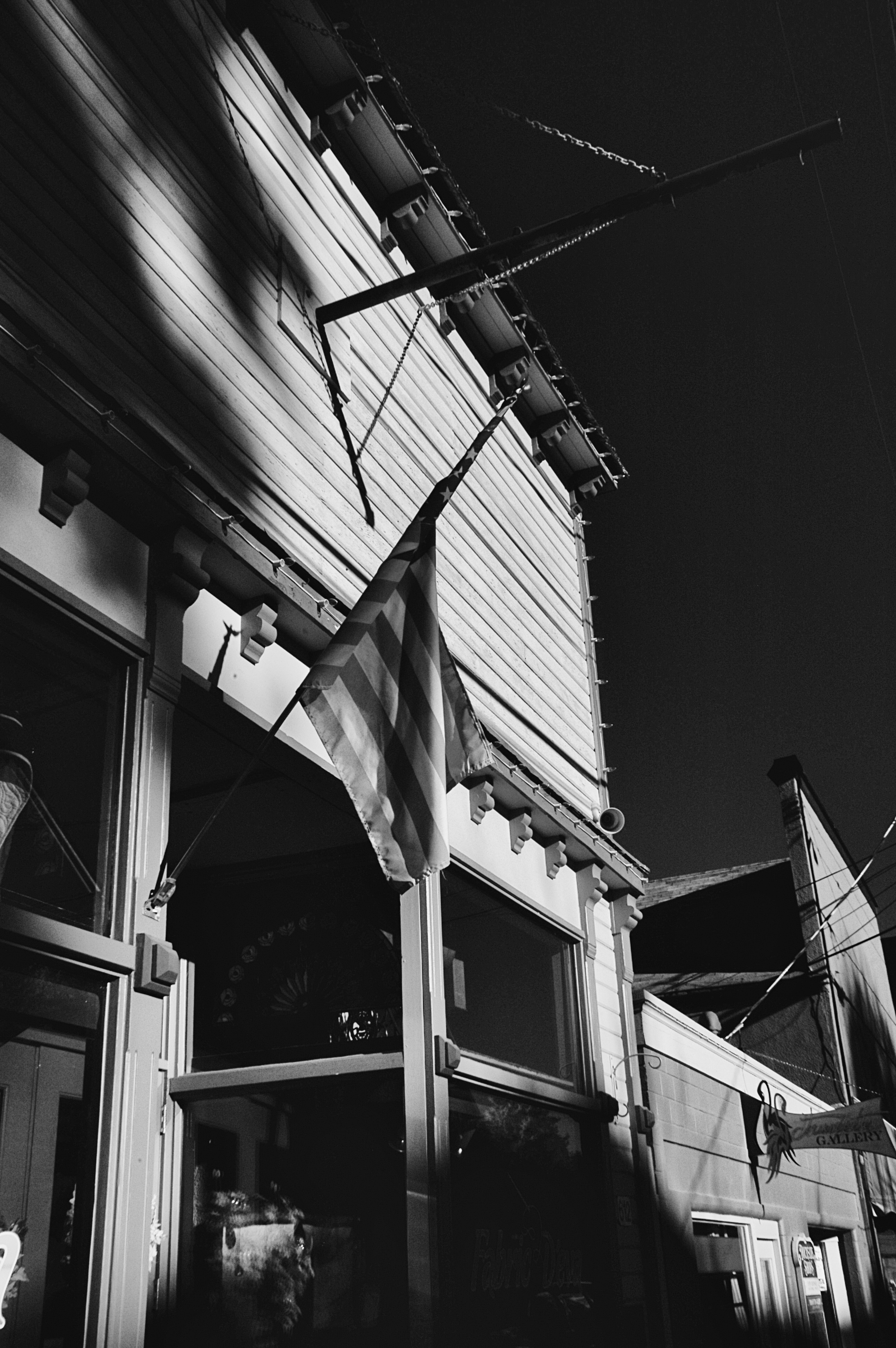
Infrared lightInfrared tree  construction IR  Cupola IR  Waterfront IR  Infrared and brick  Marina in IR    Infrared in street  Tower IR  IR light on clock  Flag & Building in IR

When on vacation I always bring along my camera. Actually most of the trips I take are for the purpose of relaxing and making pictures. If I couldn’t bring a camera I would suffer because I would see shots I wanted to take and wouldn’t be able to do it.

I enjoy wandering about with my camera wherever I go and for the short vacation my wife and I took to the coast of Washington state at La Conner.  For this trip I wanted to make a real change from my everyday shooting, and decided to spend each late afternoon making exposures with the well-worn Nikon D100 I had modified many years ago to only “see” infrared light.

Digital camera sensors are as sensitive to infrared light as to visible light. In order to stop infrared light from contaminating images manufacturers placed in front of the sensor what they call “a hot filter” to block the infrared part of the spectrum and still allow the visible light to pass through. My infrared modified D100 has had that filter removed and replaced with a custom filter for infrared only.

The first day we had lodging in the town of La Conner.  I began walking the town in the morning with my Nikon D800e, and then returned in the late afternoon walking the streets and waterfront with my Modified D100 for infrared images.

On the second day, after a leisurely drive sight-seeing unsuccessfully trying to get close to the annual snow geese migration, we went a bit further to some big stores at an outlet mall near Seattle my wife wanted to check out.  Next day we moved about 20 miles down the road to a motel in Anacortes and again I roamed the streets, alleyways, and oceanfront with my infrared camera in a new location.

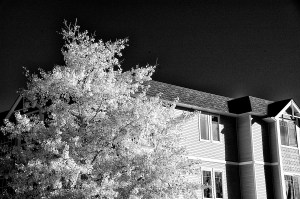
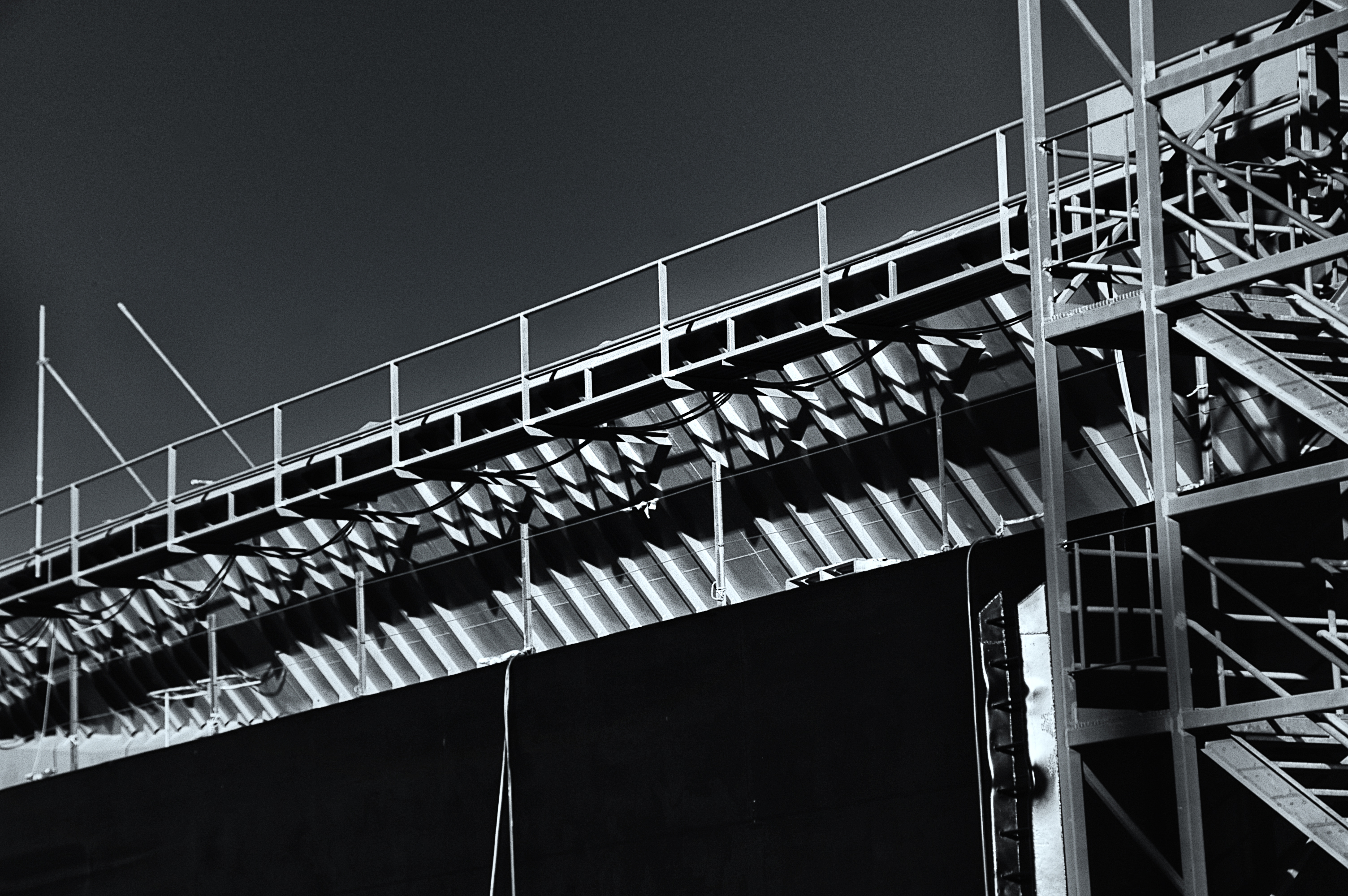
There is nothing quite like infrared (IR) Photography. Making an image with a modified camera is an exploration.  I like the contrasty tones that I can obtain when I convert the image to black and white. I suppose, like any form of photography, or art, it’s all a matter of taste.

Reflected IR light produces an array of surreal effects. Vegetation appears white or near white. Black surfaces can appear gray or almost white depending on the angle of reflected light. And the sky is my favorite part; it will be black if photographed from the right direction. The bluer the sky, the more the chance there is for a dramatic appearance.

Get everything right and there will be a “crispness” that’s rarely seen in regular photography, with everything looking very different from a normal black and white conversion.

The low-angled, late afternoon coastal light created lots of deep shadows on the buildings and trees, and it was that light and the contrasting effects that I was able to capture.

I like photographing architecture and other human-made structures. Well, actually, I like photographing just about anything. But on a trip when my goal is to photographically discover, or in this case, rediscover a small town or city, I let myself be as creative as possible with the many architectural structures, and a camera that sees only infrared does help. In addition, the colourful coastal architecture is very different from what one finds in the usually very dry, forested interior of British Columbia where I live.

I walked and walked. I photographed and re-photographed. I talked to people I met in the alleyways, along the street, and on the waterfront. My only goal was to capture the way the infrared light touched things and to be back at the motel before dark.

Life Pixel, http://www.lifepixel.com/ writes on their website, “Are you tired of shooting the same stuff everyone else is shooting?  Then be different & shoot infrared instead!”

I don’t think I care whether I’m shooting the same stuff as others, but I sure do like to change how other photographers sees the stuff I do shoot, and infrared works perfectly for that.

Of cours….I am always happy when someone comments. Thanks, John

Visit my website at www.enmanscamera.com

Discovering a Small Town with my Camera

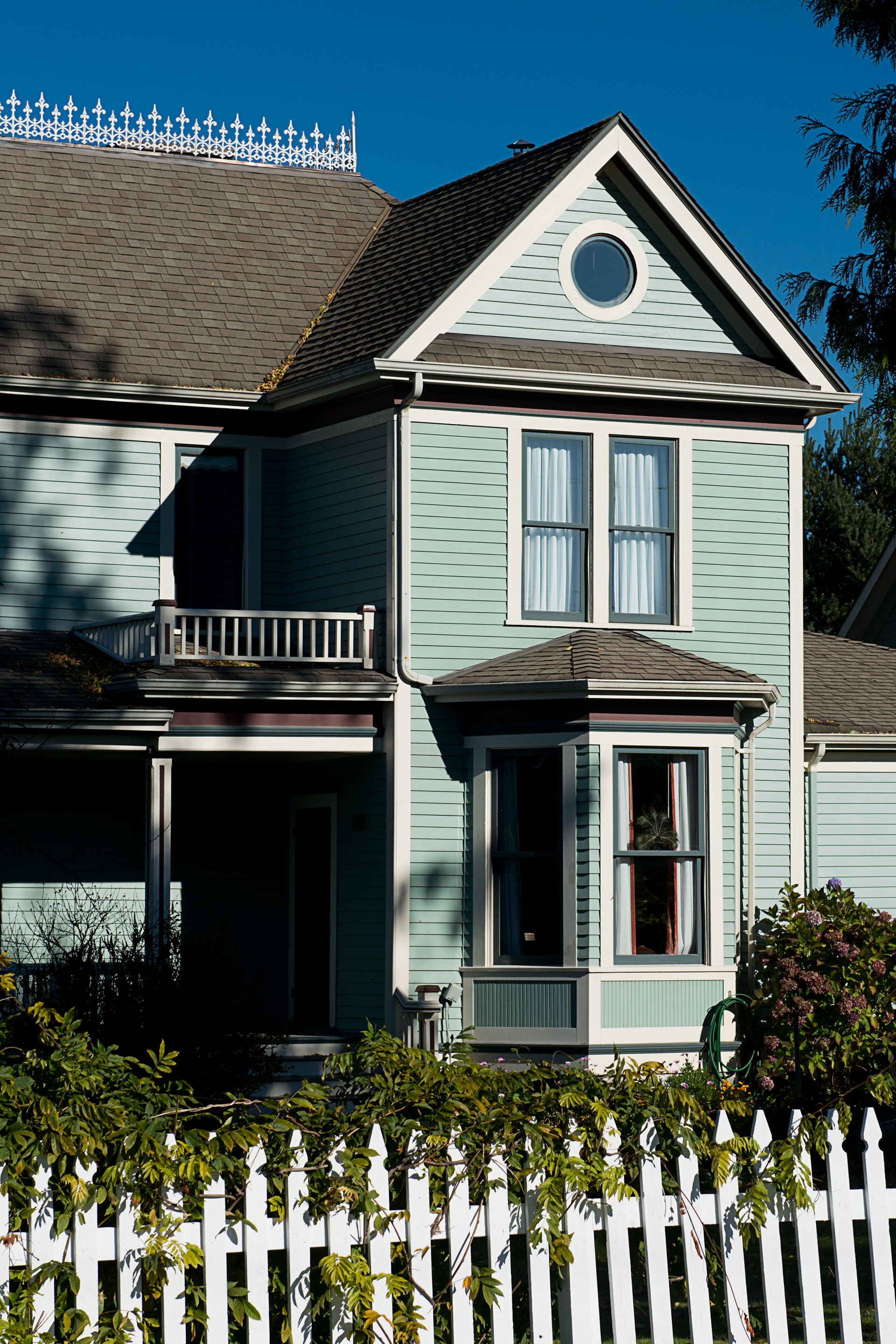
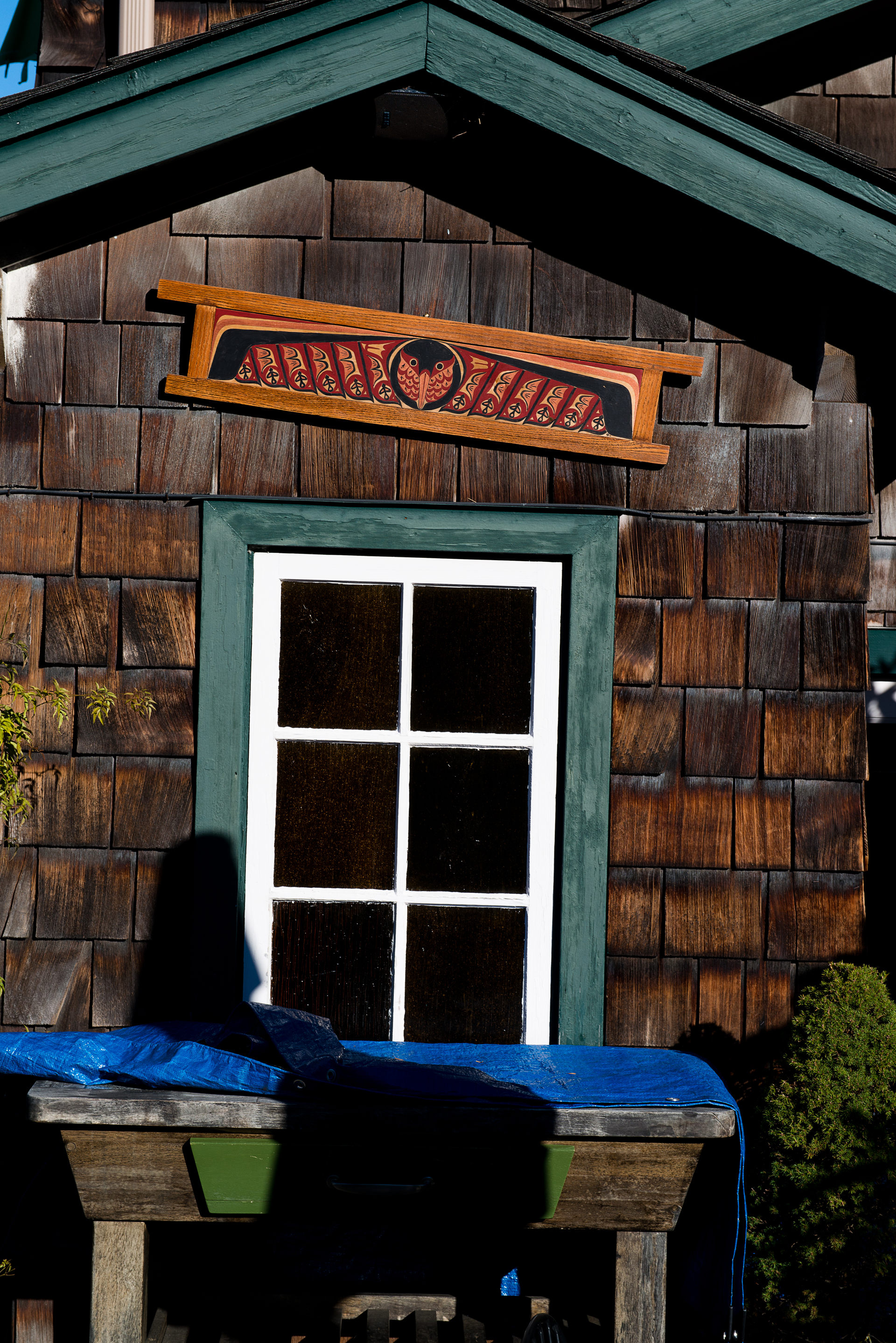
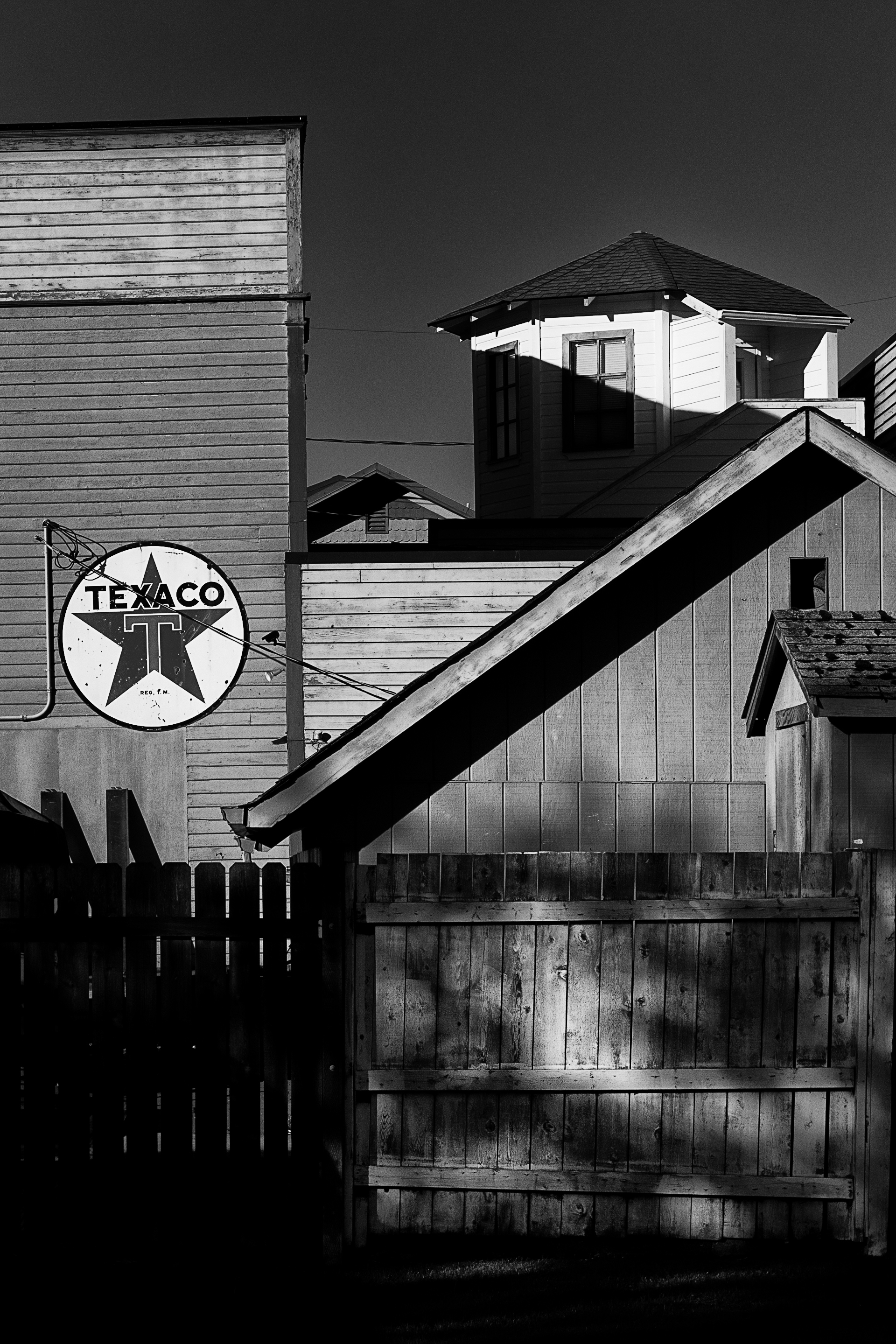
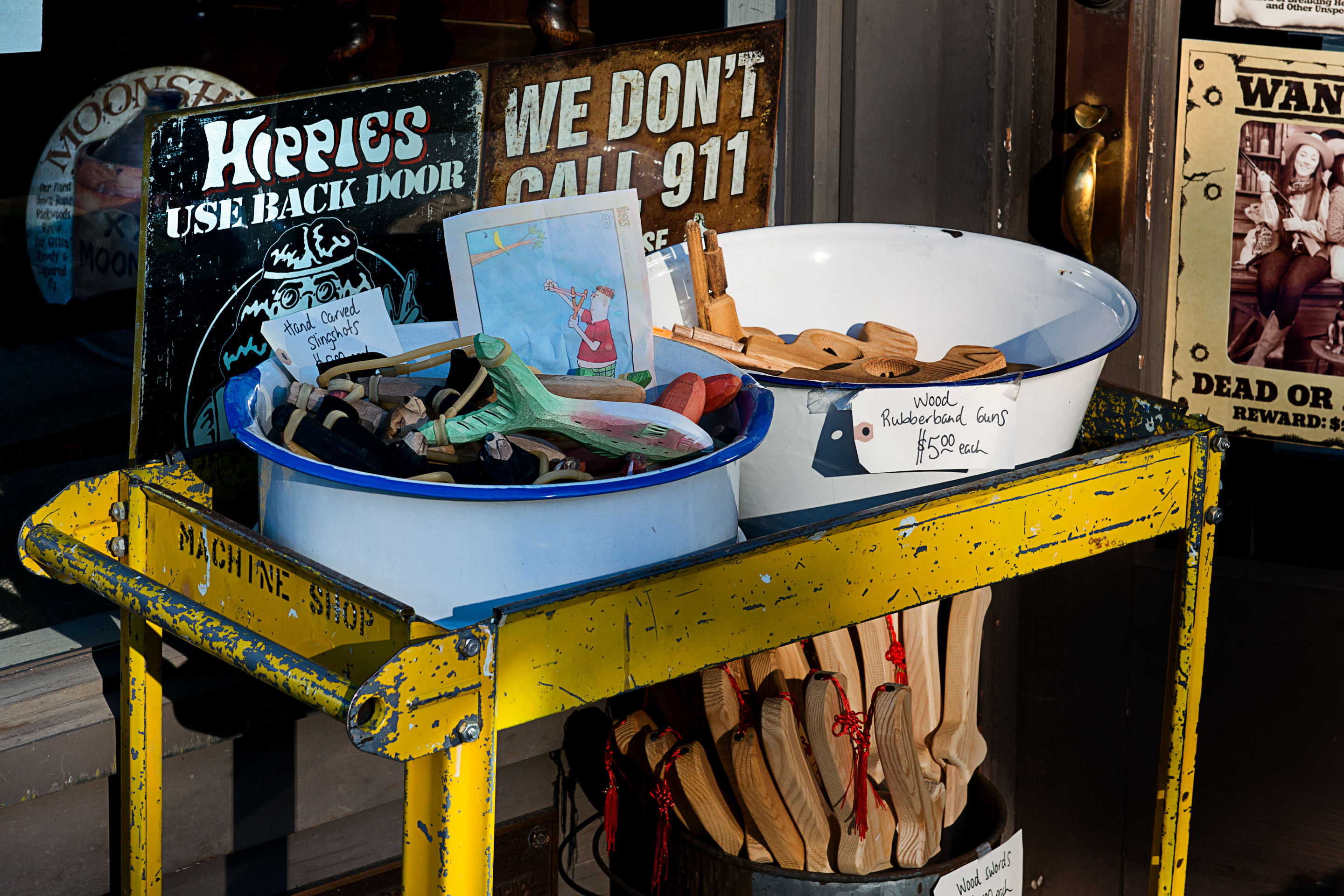
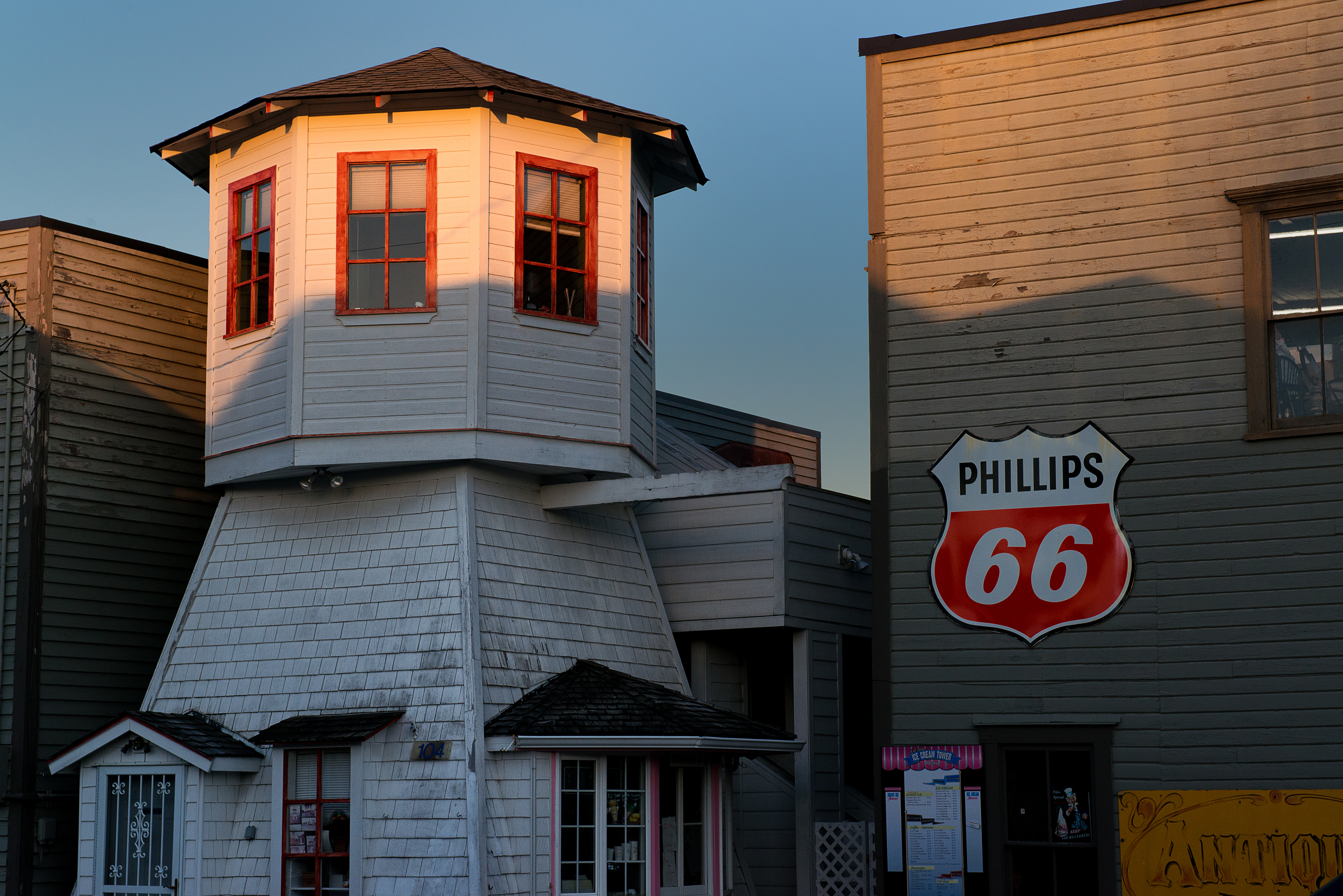
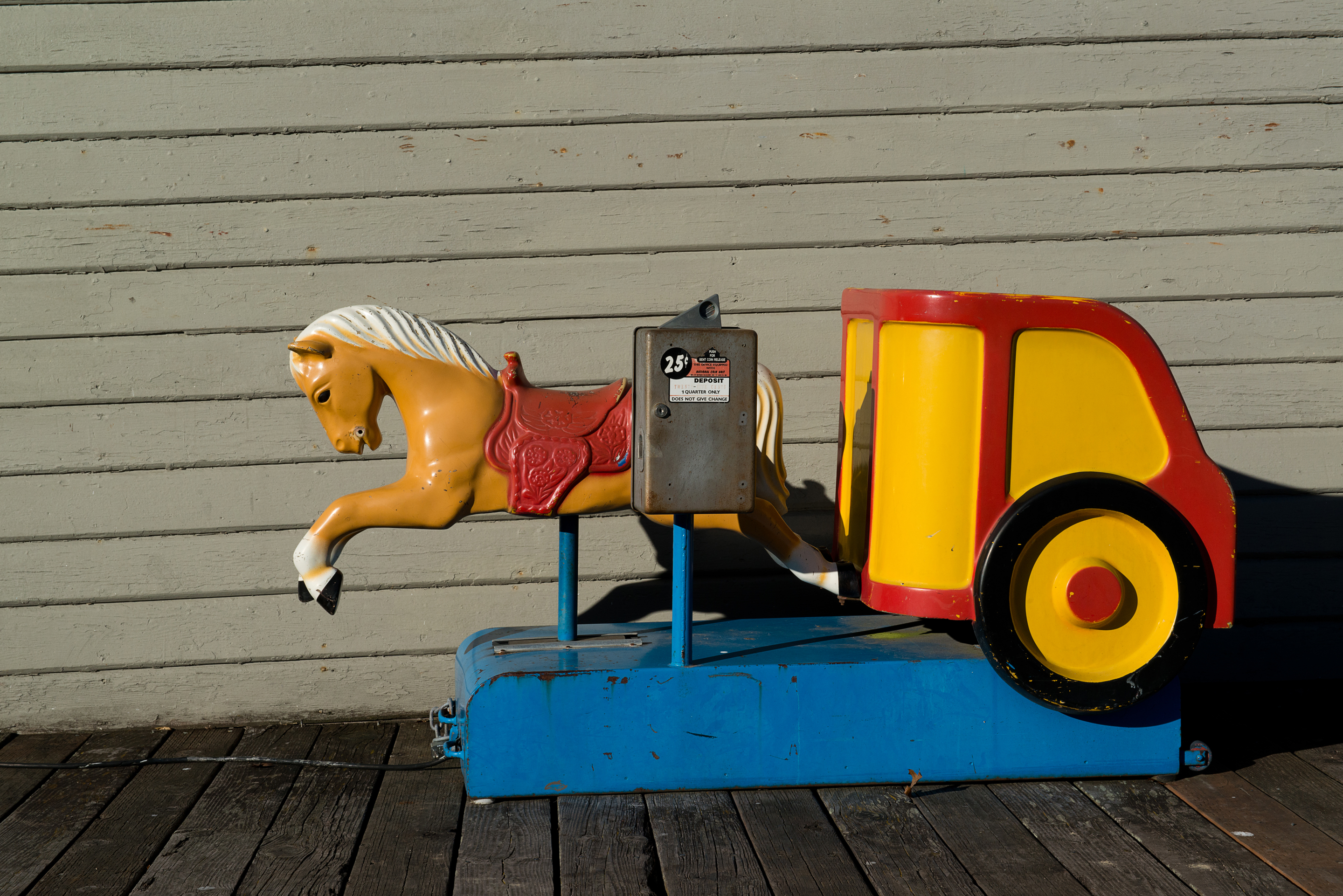
19th century view   Green window    Texaco 1      the boats   control pannel    Red Bricks  Hippies use back door  Phillips 66 twenty five cents a ride

I usually like to have a plan when I go out to photograph a subject. However, this past weekend when my goal was to photographically discover a small town or city like I did in La Conner, Washington, USA, the unusual and unknown becomes the accepted rater than the exception. The experience was one of those rare times when I just wanted to wander about and let the unexpected observations rule the day.

The distance from my lodging at the Wild Iris Inn in La Conner to the waterfront was about six blocks and that photographic stroll took me nearly two hours. I spent another hour photographing the buildings, and the boats moored along the boardwalk, and then approximately another hour roaming the adjacent neighborhood on my way back.

I to like wander, and yes, that’s the word that works best. I mounted a 24-70mm on my new (to me) full-frame sensor camera, stepped out of the room and let the historic, western architecture, and the coastal lighting, determine my path. I wasn’t on any direct course by any intent, and spent a lot of time backtracking when I decided to see how the light affected an interesting door, or window, from a different perspective than I had just photographed it.

I checked out the La Conner on-line gallery and it shows lots of scenics and wide images of street side buildings, but my photographic captures didn’t always show the whole. I chose to photograph those parts that caught my attention; signs, doors, railings, roof supports, or the moulding, and sometimes just the window frame, cornice or decorative lintel, and how the light touched them, was what peaked my interest and filled my the memory card of my camera

La Conner is a coastal town of Washington State and received its current name in 1870 from the owner of the area’s first trading post, J.S. Conner to honor his wife, Louisa Ann Conner.  One of my favorite writers, Tom Robbins, author of such great books as “Even Cowgirls get the Blues”, ”Life with the Woodpecker”, and “Another Roadside Attraction” is supposed to be a long-time resident. Each spring, La Conner attracts thousands of visitors to view the wide array of tulips at the annual Skagit Valley Tulip Festival.

Here is a humorous note about La Conner: in 2005, the town named the wild turkey as their official Town Bird, however, a debate in 2010 declared the turkeys to be a nuisance and they were removed from the town limits because of “complaints about noise, fecal matter, and ingestion of garden materials”.

This is one that is closer to my heart because it is a story about a dog.  There is a statue of a dog whose name was “Dirty Biter” and he once freely wandered the town. One of his favorite hangouts was an1890’s tavern, where a bar stool was always reserved for him. When he was killed in a dogfight, the heartbroken townspeople named a small park next to his beloved tavern for Dirty Biter and installed a bronze statue of the dog.

I didn’t see any turkeys, or writer Tim Robbins, but I took the time to stop in that tavern before continuing on my photographic stroll and I drank a pint to all of them; Mr. Robbins, the turkeys, poor old Dirty Biter, and of course, the subject of my photographic excursion, the historic town of La Conner.

I always appreciate your comments. Thanks, John

My website is at www.enmanscamera.com
Examining the Work of Famous Photographers

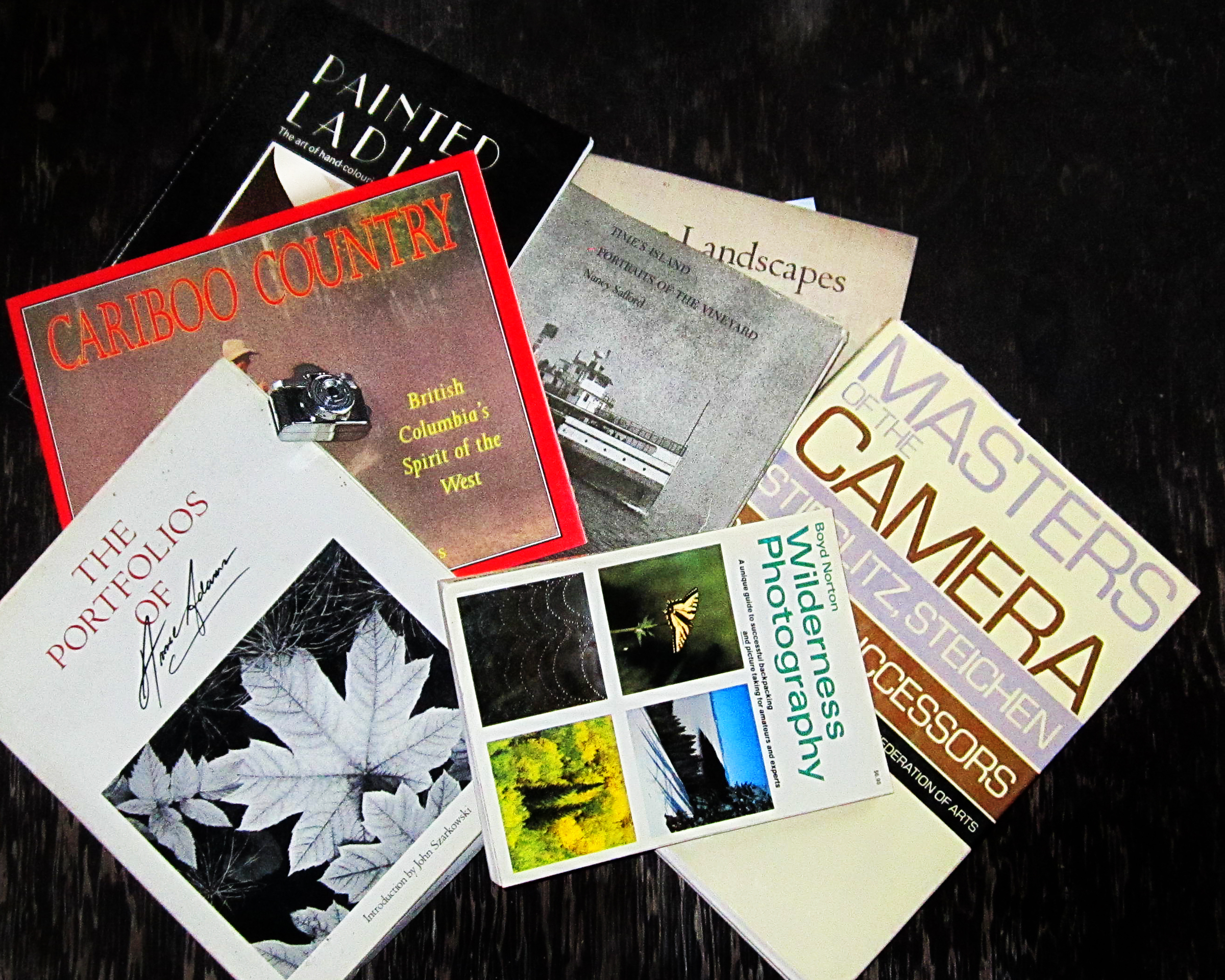
Good reading

I often search for what I would consider outstanding photography and I came across this article by the editors of Digital Camera World, “The 55 best photographers of all time.”

http://www.digitalcameraworld.com/2012/07/17/famous-photographers-the-55-best-photographers-of-all-time/

The editors begin, “We’re not afraid of courting controversy here at Digital Camera World…Over the years we’ve interviewed a number of famous photographers and have been inspired by each of them, but one thing we often hear from readers, social media followers, and others, is…. “Who are the best photographers of all time?” It’s a good question! We put on our thinking caps and took a stab it.”

I think the list provided is interesting and is a worthwhile read. It also includes Digital Camera’s 33 myths of the Professional Photographer and Famous Photographer’s tips for being the best.

Another website entitled, Picture Correct, also has a list of who they think are the top ten most famous photographers, http://www.picturecorrect.com/tips/top-10-most-famous-photographers-of-all-time/

They write, “If you want to take truly memorable and moving photographs, you can learn something by studying the pictures of famous photographers. Some of the most beloved artists are deceased, but some are still delighting us with their photographs. The list includes some of the more famous photographers that still impact our lives today.”

I liked what the editors of Picture Correct wrote about how famous photographers are, “impacting our lives today”.  Personally, I believe a good photograph is timeless and speaks to every generation.

I enjoy studying those that excel in the medium of photography and I concur with their statement that, as they wrote, “Can learn something by studying the pictures of famous photographers,” and that photographers can advance their personal work by examining the work of others.

Many of the photographers I come in contact with are content with viewing only the photography of their circle of friends, or those they exchange photos with on FaceBook. I expect, and regularly get blank stares when I talk about some photography book I have just purchased or when I excitedly discuss my observations about some Blogger/photographer I have recently discovered.

Photography is a medium that almost everybody within our contemporary culture has a personal familiarity with, and an opinion on, whatever photos they see.

John Kippin, the chairman of the, Association for photography in higher education,discusses photography and writes, “It is, after all, probably one of the only forms of communication that is truly universal, crossing social and cultural boundaries and interweaving itself seamlessly with so many aspects of our lives. On a global scale, relatively few of the world’s citizens are unaware of photography (either as practitioners, consumers, or subjects, suitable for photography). It not only reflects and offers commentary on our lives, but in many ways, shapes them too. Our desire and need for photography reflects our need for representation within a vast spectrum that runs from the personal use of the image within our domestic lives to the security and military requirements of an age blighted by terrorism. Many of the uses of photography are not benign – they frequently contribute nothing to celebrate or enhance the human condition. Photography as technology is mute and without mercy. It has no morality and its subject is invisible until we choose to make it otherwise.”

I suspect it is probably that familiarity with photography that drives many modern photographers to think that they will excel in spite of their lack of awareness of what is being done, and what has been done by other photographers, and that as long as they keep up with the latest technology their photography will be applauded by their peers.

I am of the belief that looking and examining the work of other photographers famous or otherwise will make positive and, I think, creative changes in one’s personal photography.

Those two lists are only the opinion of the authors and as I perused the comments that readers posted, many felt their favorite photographers had been excluded and others were unhappy with some included on the lists. In my opinion that just doesn’t matter who made or didn’t make the lists, I enjoyed reading about them and their personal perspectives on photography.

As always, I look forward to your comments.

My updated website is at www.enmanscamera.com
Why Photographers Use a Tripod

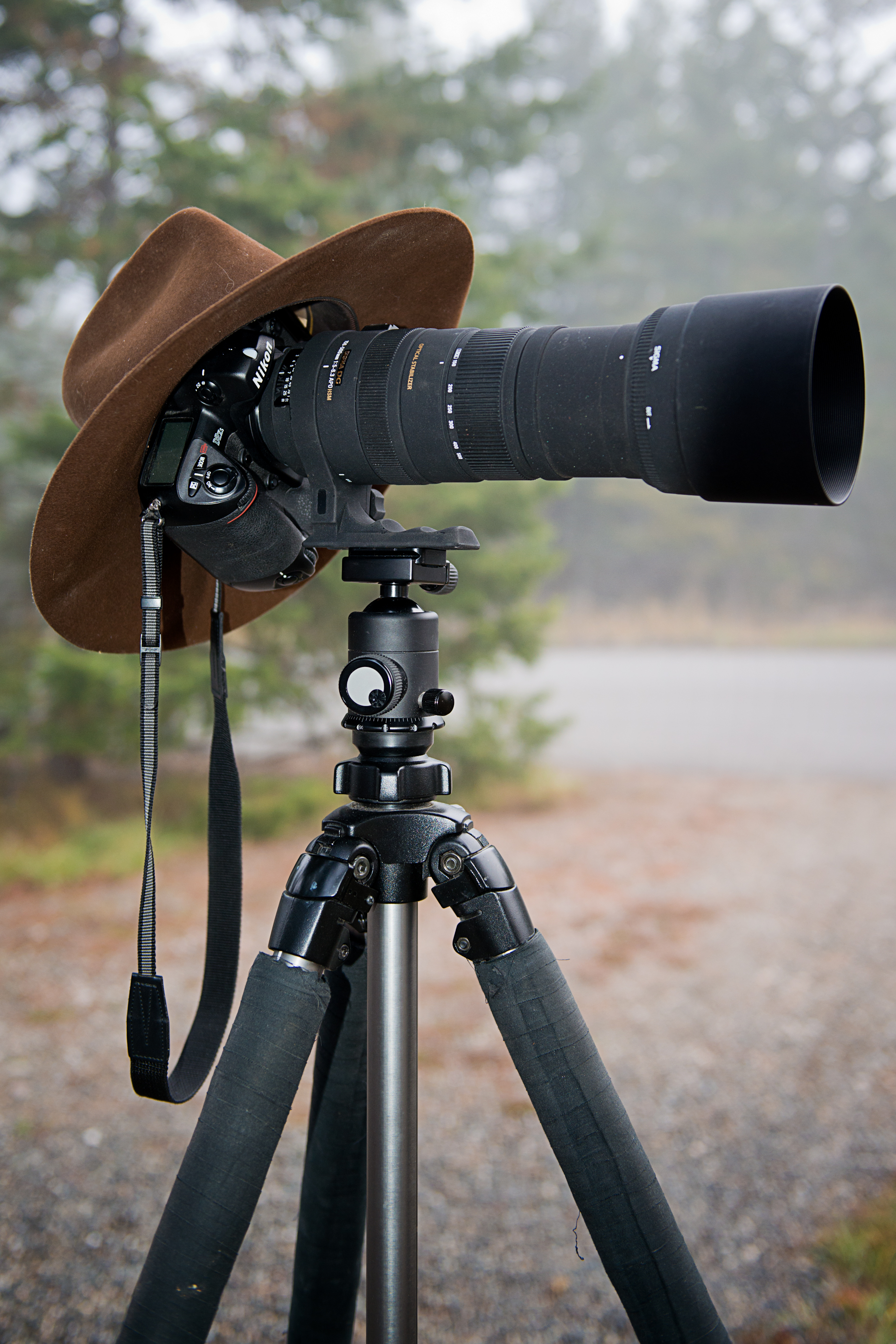
Tripod & Hat

In his book, “Backcountry Journal, Reminiscences of a Wilderness Photographer,” Dave Bohn, mountain and wilderness photographer writes, “The trouble with photographers, and anyone else attempting anything creative, and in fact doing anything, is that they get addicted…(and)…I was addicted to the tripod as a necessity for the photography of large landscapes.”

I will admit that there are times when I use my camera lazily, releasing the shutter after having aimed my camera at some interesting landscape without using a tripod. Then I quickly view the LCD in the hope of seeing a sharp image file. But, if I really care about the image, and want the best success at producing a quality enlargement, I should definitely use my tripod.

Last night I picked up my tattered old copy of Bohn’s book, “Backcountry Journal, Reminiscences of a Wilderness Photographer” and read for a while. I have had it since it was printed in 1974, and like to reread a few pages every so often.  Photographers I know are aware that I like using a tripod for landscape photography, and have heard me say, “ If you don’t like using a tripod it means you never have used a good one”. Today it’s popular to spend extra money on “vibration reduction,” or “image stabilizing,” lenses with the notion that this technology will allow the photographer to do scenic photography without needing a tripod. Many modern photographers are of the belief that the difference between a blurry and a sharp enlargement is megapixels or vibration reduction lenses. I disagree and say the difference is a good, stable tripod.

I’m not saying photographers shouldn’t get image stabilizing lenses, as they are great to use in certain situations and conditions when you can’t use a tripod, and must use slower shutter speeds. Nevertheless, using a good tripod that allows one to stand up straight, take time to analyze the scene, problem solve, compose, and contemplate is an excellent experience. In addition, it keeps the camera from moving.

When I select a tripod I want one that extends above my head so I can use it on hills. I don’t like bending over to peer through my camera’s viewfinder. I prefer tripod legs that can be extended out horizontally when the ground is uneven.  I don’t want a crank to raise the center column as that is just added weight, and becomes one more thing to get caught on things. I like a column lock that turns to lock and unlock so I can easily move the camera when I need to adjust it up or down.  An important feature on the tripod I select is a strong and easily available quick release on the tripod head. The tripod head is another subject completely and my advice is get one that has a reasonable size ball surface and that is lightweight.  A tripod shouldn’t be so heavy that it’s a bother to carry as I walk up and down the hills around my backwoods home. And here is an important reason: I also want a sturdy-enough tripod that is capable of supporting my camera, and I am always amazed when someone buys a cheap, little tripod to hold their camera and lens which are worth well over the thousand dollar plus mark.

I suggest buying from people that have used, or at least can discuss, the tripods they sell.  The department store outlets will allow you to bring it back if you aren’t satisfied, but I am sure they are not interested in paying for the damages to your camera and lens that crashed to the ground while using their bargain tripod.

In recent years more and more quality tripods have become available and are worth owning and using. All one needs to do is spend some time researching and checking reviews. Hopefully you spent time selecting your digital camera and lenses and my advice is to take the time and also purchase a really good tripod to go along with them.

I really enjoy everyone’s comments. Thanks, John

My website is at at www.enmanscamera.com
What is Your Favourite Photographic Accessory?

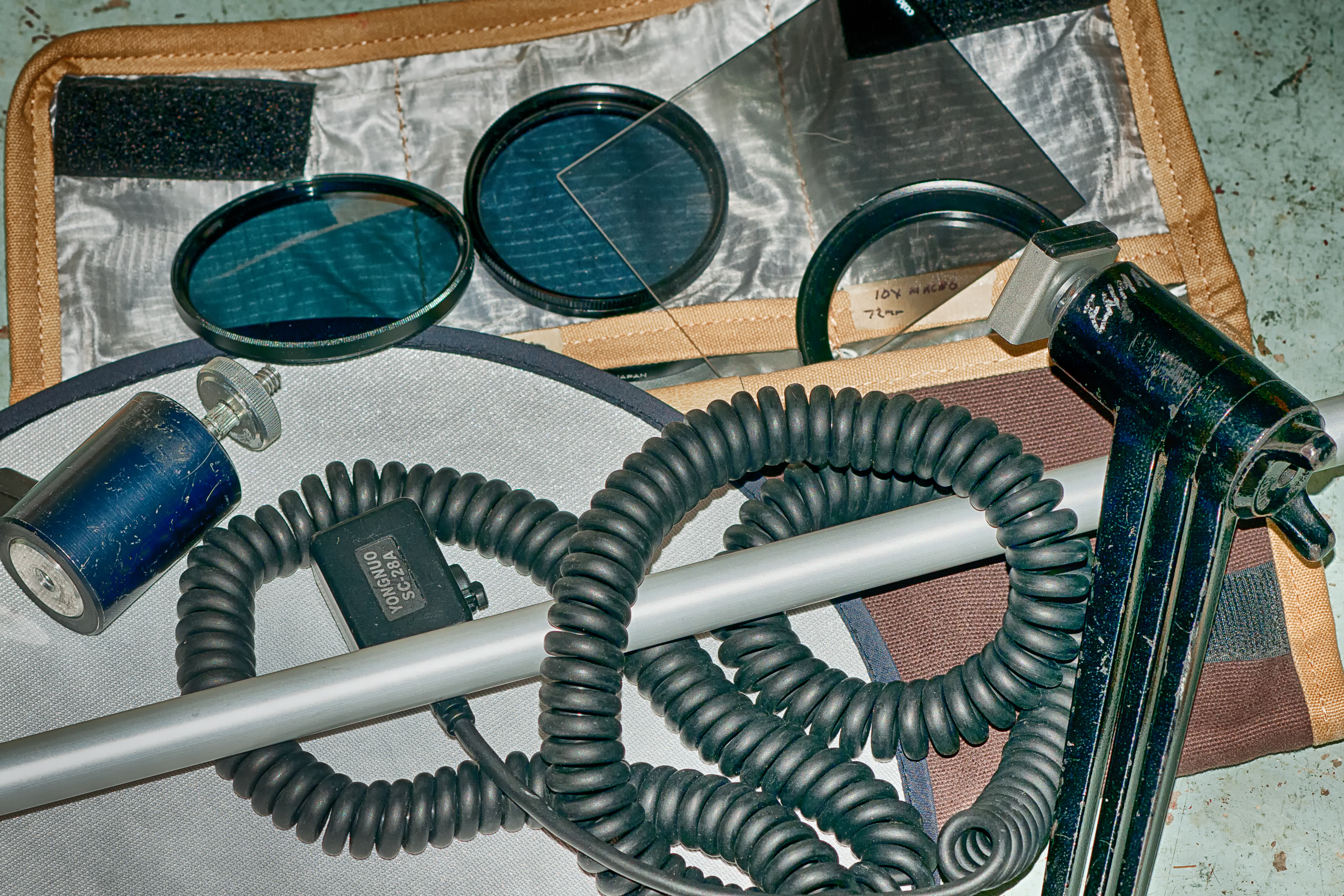
Accesories

Thursday mornings at my shop, I always have coffee with several friends. The conversation is always good, lively and is, of course, usually about photography.

Last week we ended our morning conversation discussing how off-camera flash technology was advancing, and I had mentioned how amazing it was to be able to synchronize a camera’s flash at 1/8000th of a second, and how I liked the versatility of positioning a speedlight with the off-camera flash bracket that I use.

Later that day as I thought about what my friends had talked about that morning, I got to thinking about how some accessories make our experience as photographers easier. There is always lots of discussion about cameras and lenses, but photographers only seem to mention occasionally the accessories that they use.

I decided to post the question, “What is your favourite photographic accessory?” on a couple on-line photography forums, but I received very few replies. I suspect “What is your favourite camera or lens” would have gained more attention. Nevertheless, here are some responses that I selected.

This first from someone called Hawaiiboy says, “I would have to say my tripod combined with my wired timer/remote.”
Then Merlin from British Columbia wrote, “My iphone.  I use maps to find my way around and play birdcalls when needed.  It acts as a flashlight at night.  Oh yeah I can even make phone calls with it.”
The third I’ll include is from a Toronto, Ontario photographer, “My 10 stop Neutral Density filter is right up there.”

Another photographer called Cicopo in Ontario posted, “My cable release and tripod because that allows me to shoot from a higher perspective and steadies my camera.”

Dave from Alberta included, “I would have to go with the obvious ones like an air bulb blower, and micro-fibre cleaning cloth. I photograph mainly out side so I use them a lot.

A photographer named Matt that shoots in Manitoba wrote, “My monopod, the next best way to stabilize my camera after a tripod. I also use it like a walking stick during my weekend hikes.”

My wife Linda leaned back over her chair, after I interrupted her reading with the question, and said, “My polarizing and graduated ND filters. I shoot mostly scenics and those filters help me control the sky.”

From Saskatchewan, Gary wrote, I’d include my 5 in One reflector as my favourite accessory. I shoot portraits and always use a reflector.

I think my favourite commentator was Hendrik, from Alberta who wrote, “My bean bag. It gives me the best stability I can ask for; it enables me to shoot from the safety of my car and lets me use my car as a blind. When I am out a whole day and stop for lunch, I can use it as a super comfy pillow to lay down in the grass and look at the clouds flying by.”

I’ll add one of my personal favourite accessories. I have written many times in the past that I almost never photograph people, indoors or out, without adding light from a flash. My favourite accessory that makes that all so easy is a flash bracket that I use to lift my flash way up off my camera.

I am sure readers will have their own, even if they never think about it, that is there in the camera bag, always waiting and ready to be used. These favourites that I listed from my responses aren’t that special, they are just those accessories that, as I wrote earlier, make our experience as photographers easier.

I like comments. Let me know what you think.

My website is at www.enmanscamera.com