
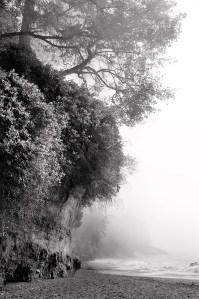
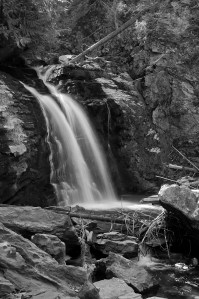

This week there were two things that made me start thinking about black and white photographs. The first was a discussion with a fellow that stopped by my shop, a film shooter, who announced that, in his opinion, the only way to get high quality photographs was to use black and white film and to make prints with chemically processed, black and white photographic paper. The second was a notation in facebook advertising an exhibition that for some reason selected out black and white photographs as their own medium separate from photography, i.e., two exhibitions – a black and white exhibition and the other was photography.
I don’t agree with those long time photographers’ that belief that only film produces high quality images. That is now a discussion long past its time, the technology has changed, and in my opinion, for the better with improvements in camera sensors and programs like PhotoShop.
When I used to spend hours in my black and white printing lab I had the best enlargers and enlarging lenses that I could afford, and searched and researched the different manufacturers’ chemicals to obtain the most control I could get over contrast and density of my negatives (film) and printmaking paper.
I would work for hours in a darkened room to make the final images more than they would be if I just printed the straight negatives, as they were when they directly came out of the camera. These days I search out computer programs that give me the most control over my digital files and instead of expensive enlargers and lenses, I have a computer and 30 inch monitor. And I still work, although no longer in a darkened room, to make my final images more than they are directly out of the camera.
I know most modern photographers like to talk about cameras, lenses, and of course sensor megapixels. Not much has changed. It seems like only a few short years ago that photographers were talking about cameras, lenses, and film. And many of those that I spent my time with were discussing how to get the best image out of a black and white roll or sheet of film.
A few short years ago I thought all this had been lost. Digital technology arrived and with it a new and exciting way to produce my personal photography, but I was disappointed with the quality of printmaking, especially black and white. I believed that manufacturers were only interested in selling mega pixels and cheap inkjet printers.
Colour photography was getting better and better, but not so with black and white. I was disappointed with the in-camera presets for B&W images.
Many photographers, and I include myself in that group, wanted to produce black and white photographs that matched those we used to print in our chemical based darkrooms. That took a bit of time for software makers to catch up, but these days I am seeing lots of excellent black and white photographs.
An understanding of PhotoShop is important, and with program’s like NIKsoftware’s Silver Efex, producing those film-like black and white images of time past is relatively easy and if one has a pigment ink printer, making a high quality B&W print, once only available in a chemical lab, is now absolutely possible.
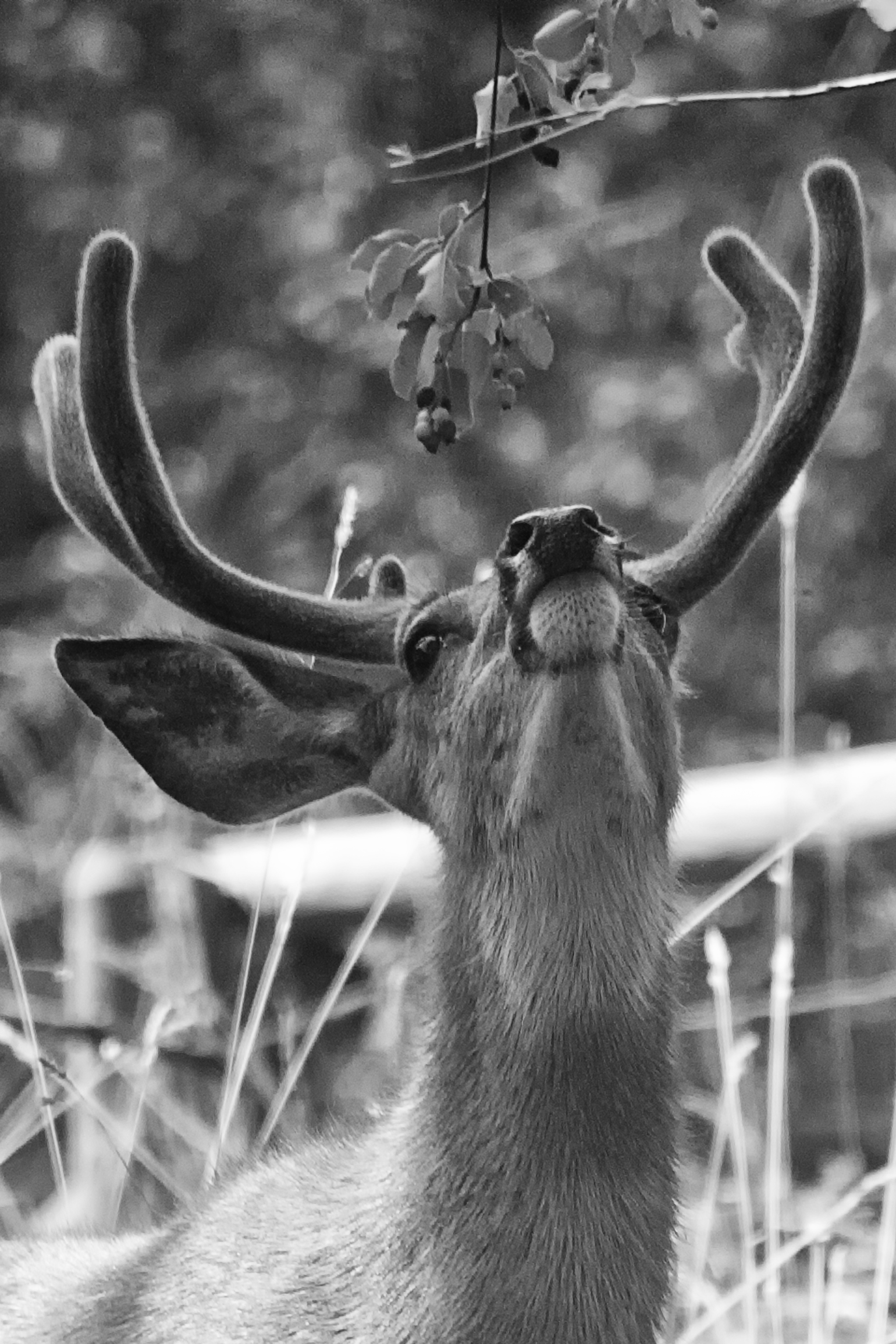
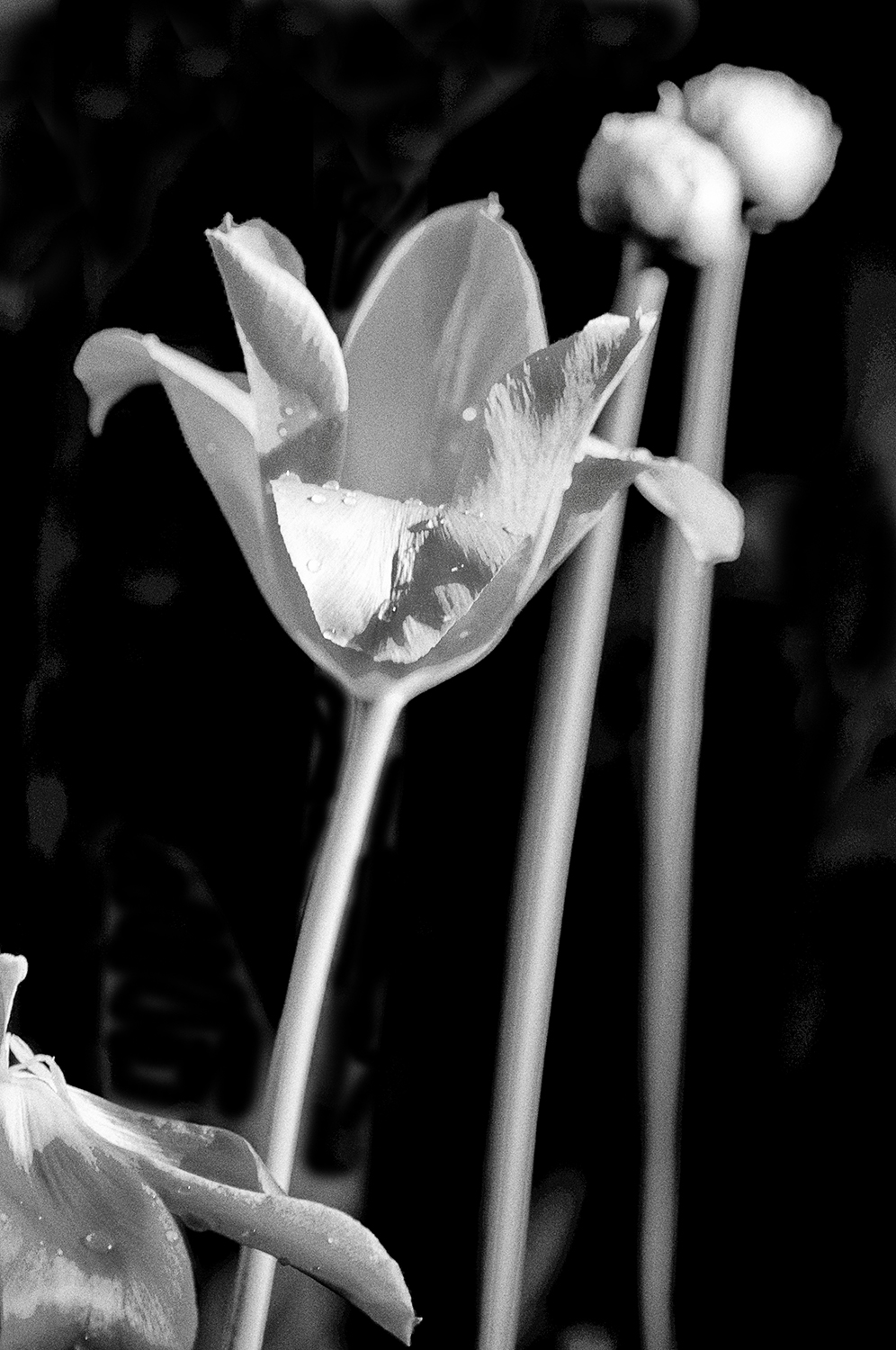
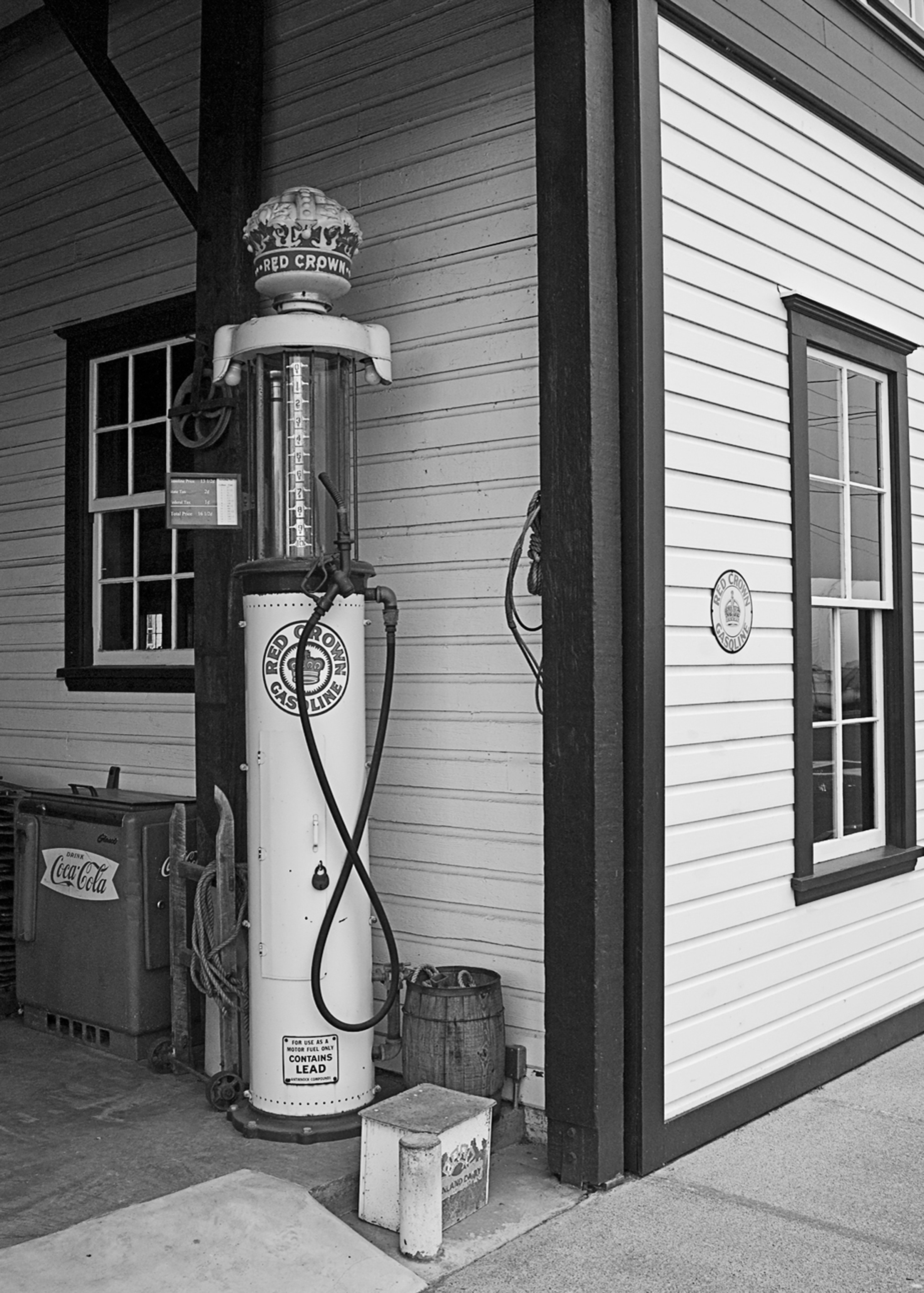
I like black and white photographs and to me there are some pictures that just look better that way. When asked, I’ll say something like, I like the mood created by processing this image as B&W. Now we can look at different versions of any picture and choose the one we think says the most about our personal vision and has the best impact on viewers. I think a photograph is a photograph and don’t agree with those trying to describe B&W as a different medium than colour. I suspect those may be the same people that like to say any image that has postproduction work is not a “real” photograph.
Some pictures look better as B&W and some look better as colour. It depends on what the photographer is trying to say about the subject. As for B&W, I admit that lots of my images end up as B&W. I’ll finish with a quote by famous Canadian photojournalist, Ted Grant.
“When you photograph people in color, you photograph their clothes. But when you photograph people in black and white, you photograph their souls!”
I always appreciate your coments.
my website is at www.enmanscamera.com

 Enmanscamera's Blog - Kamloops