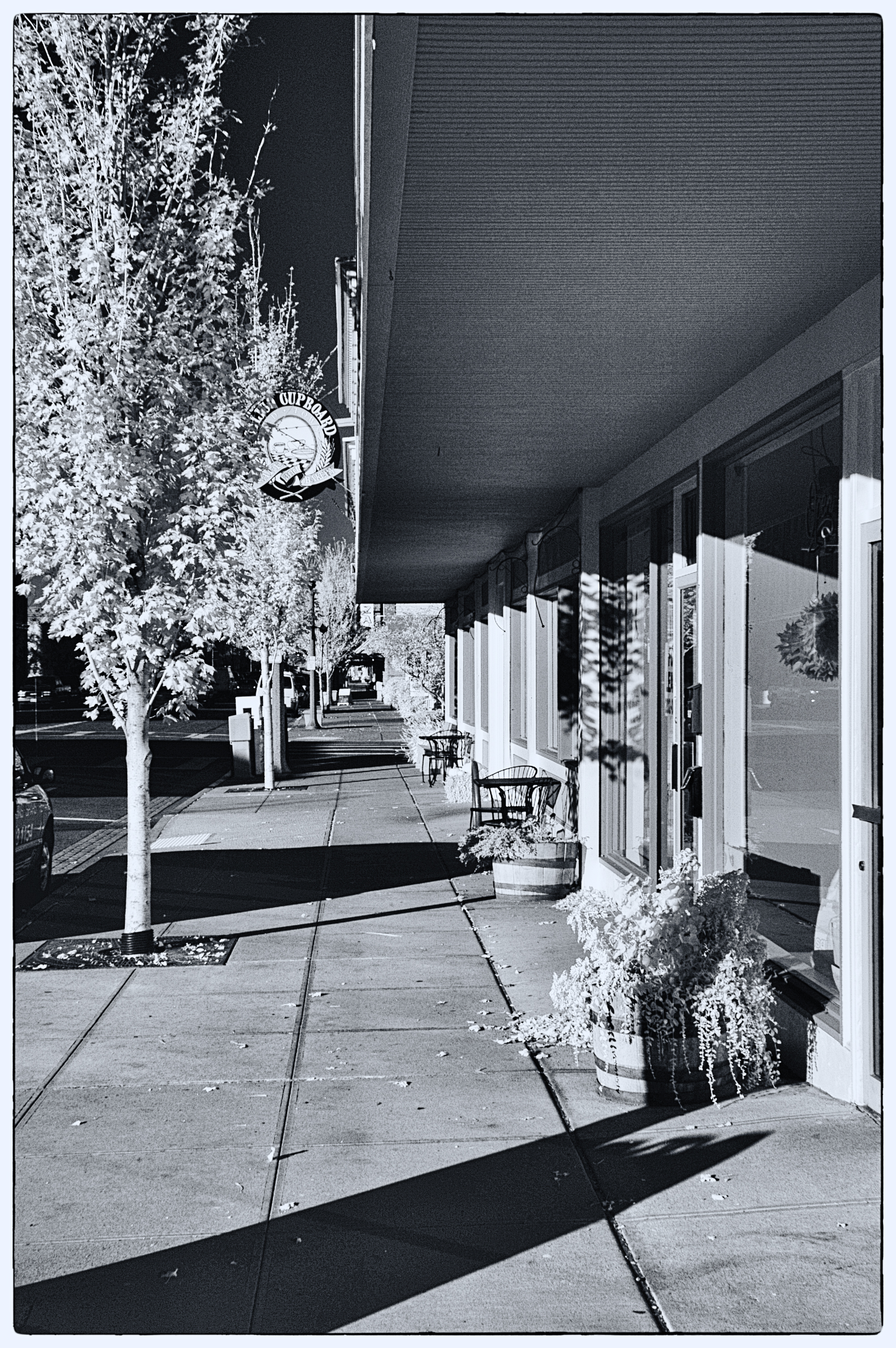
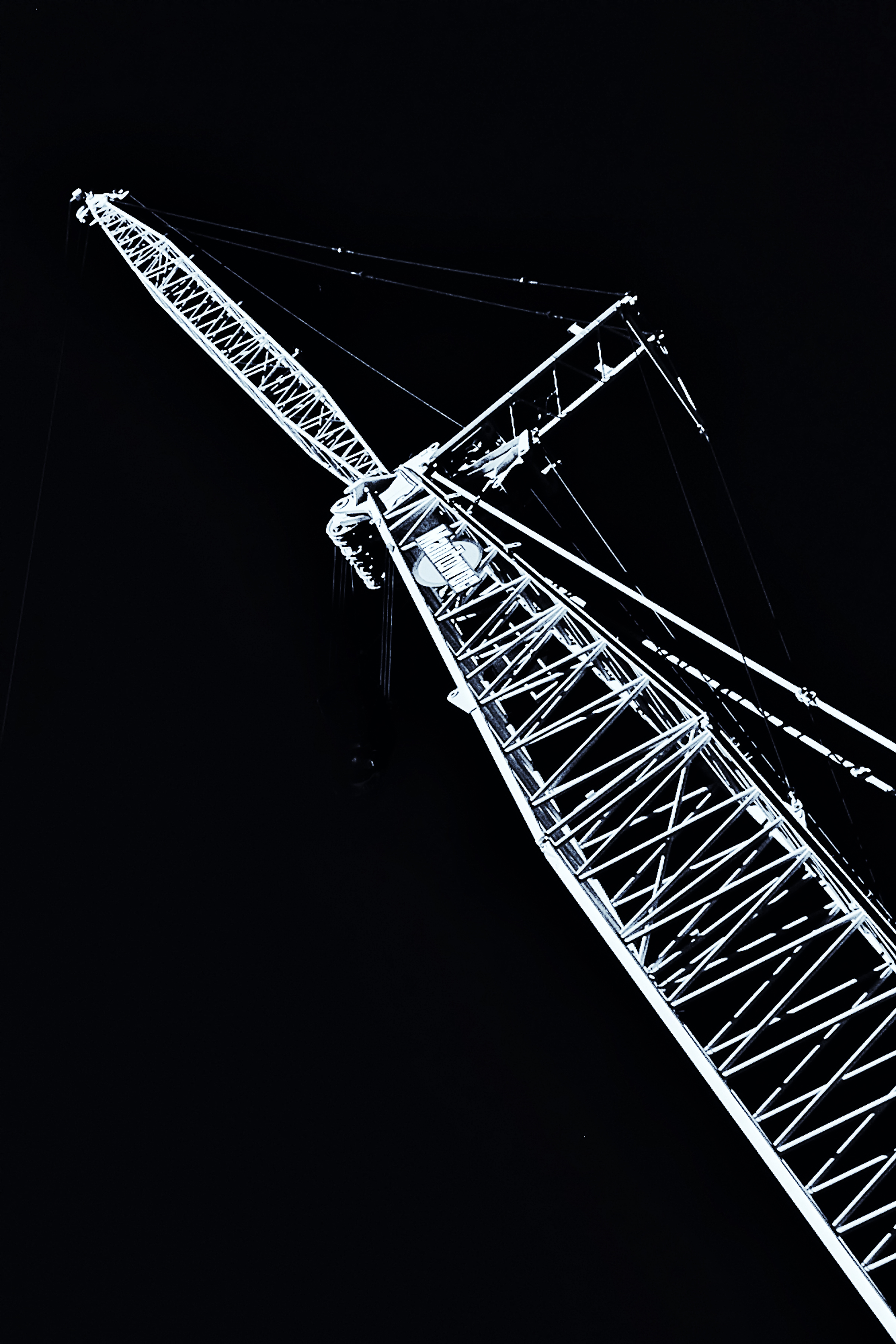
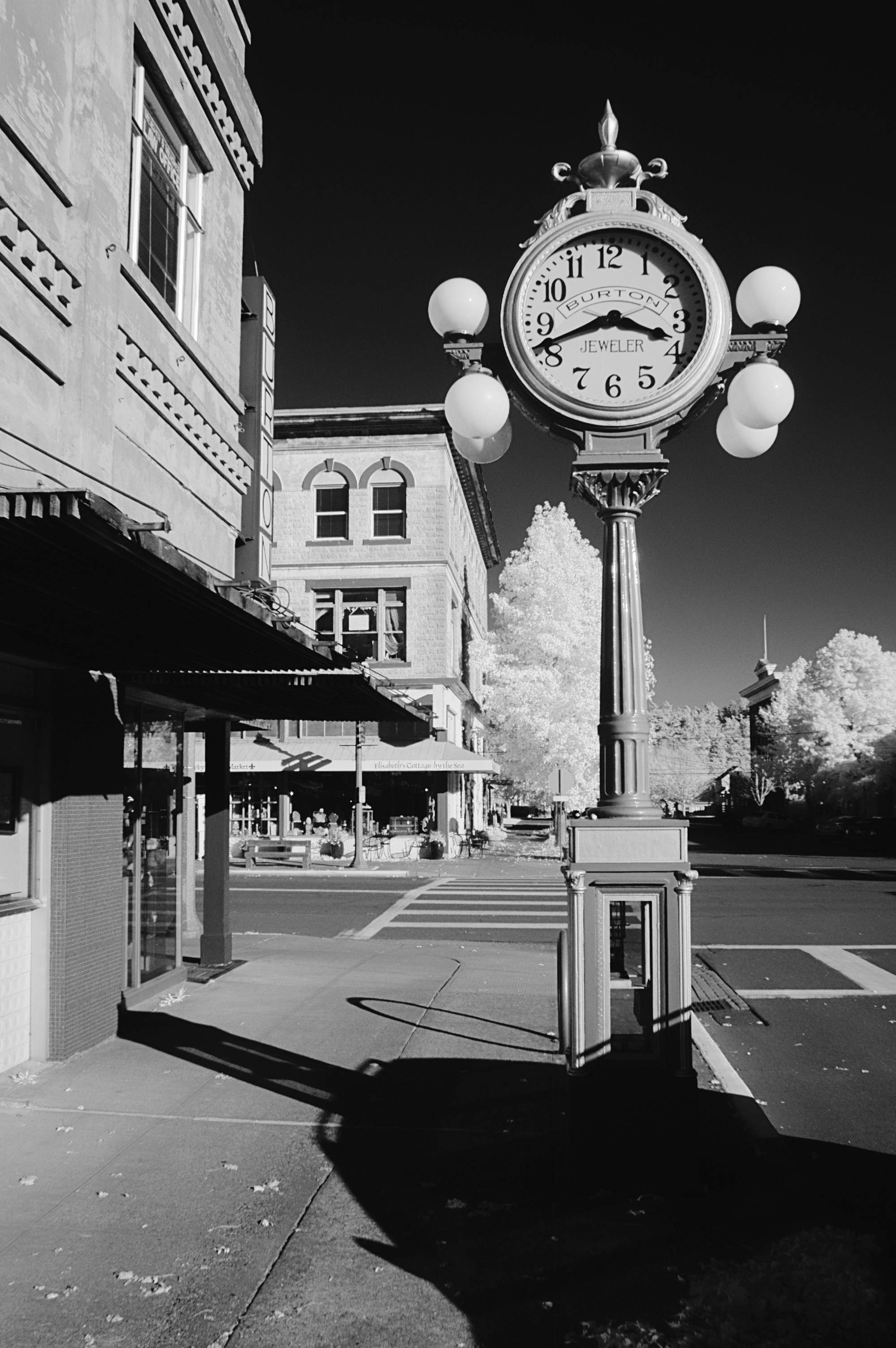
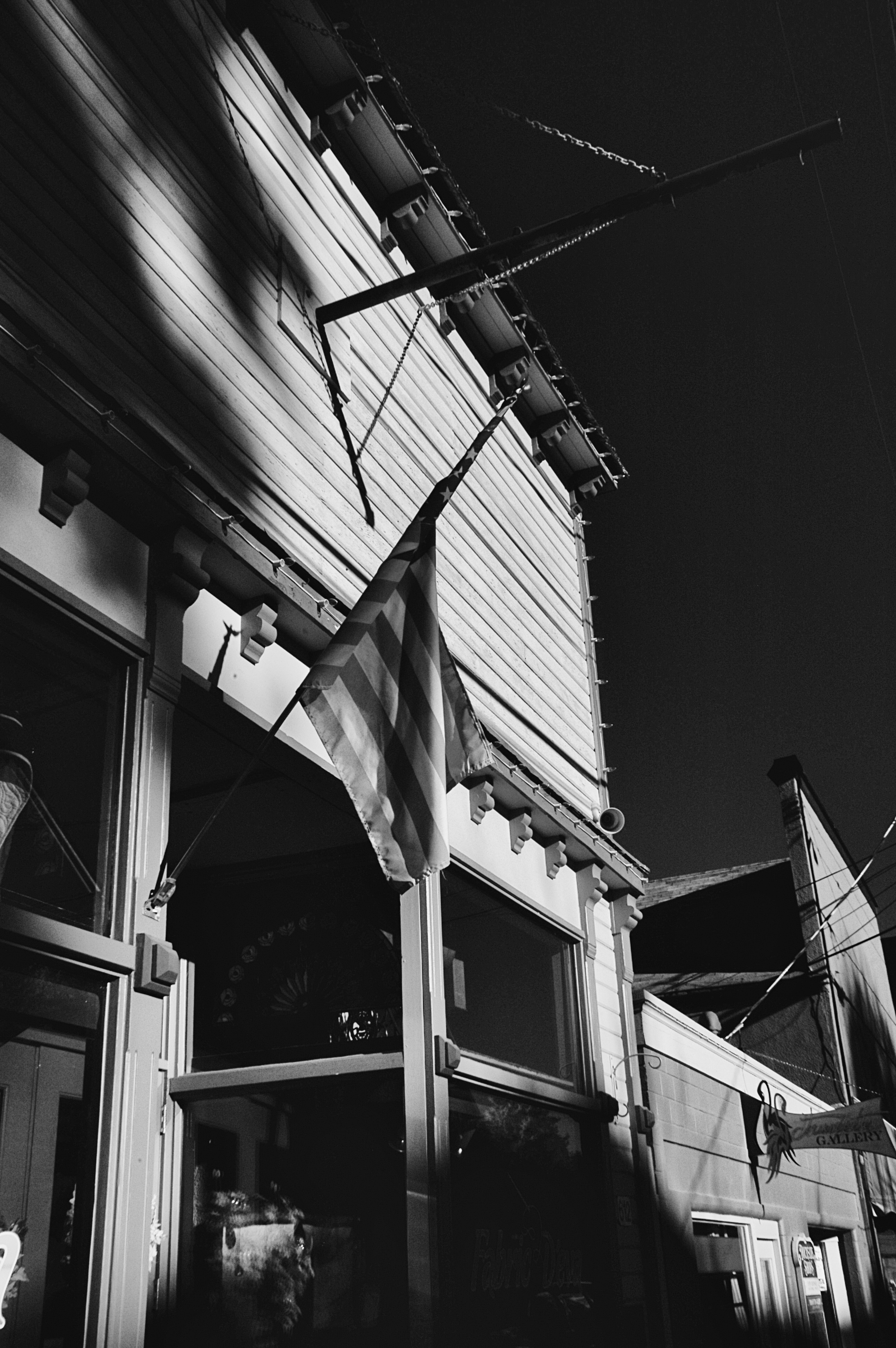
Using a Camera Modified for Infrared on vacation.

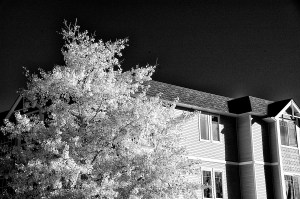
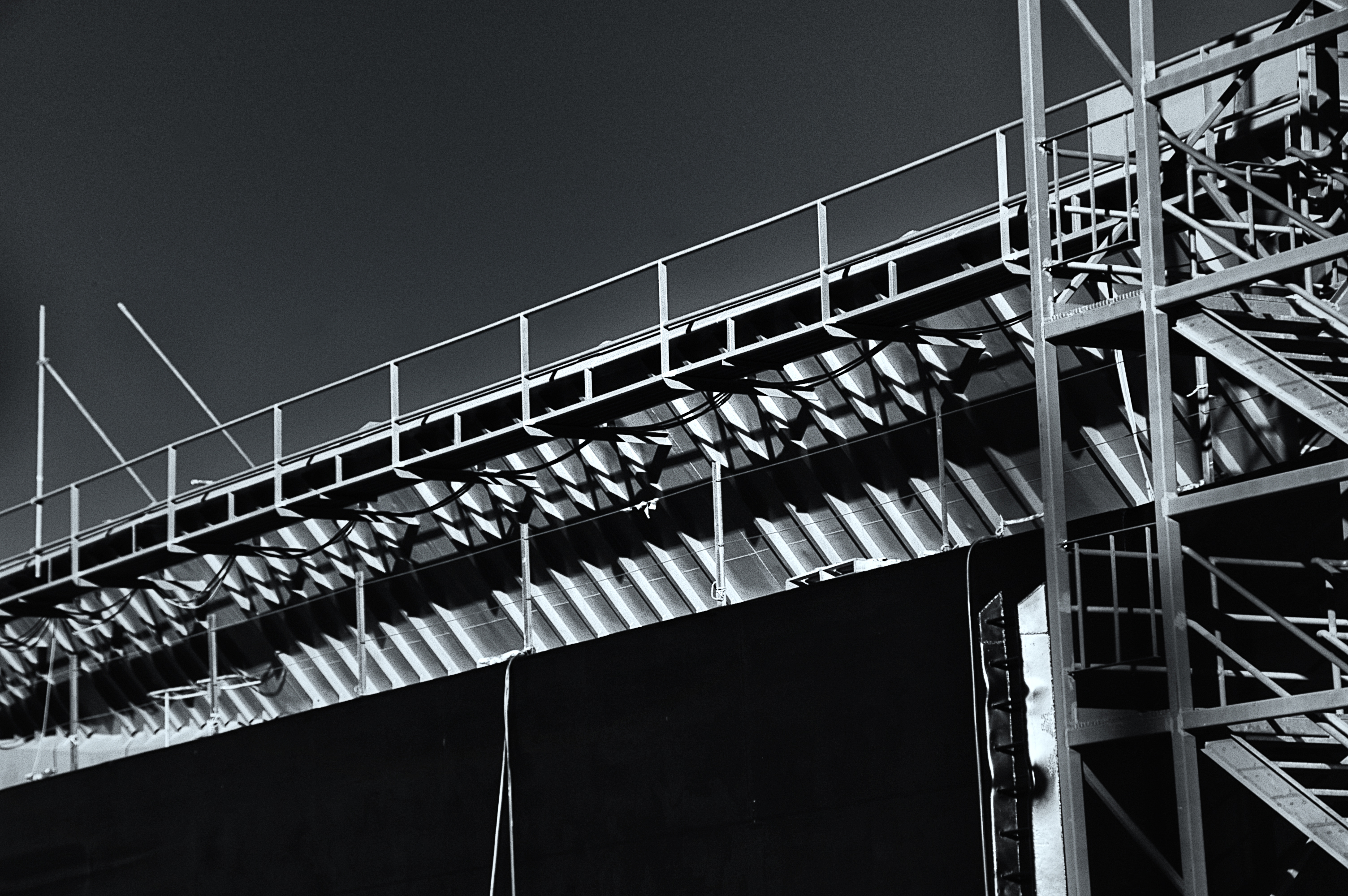
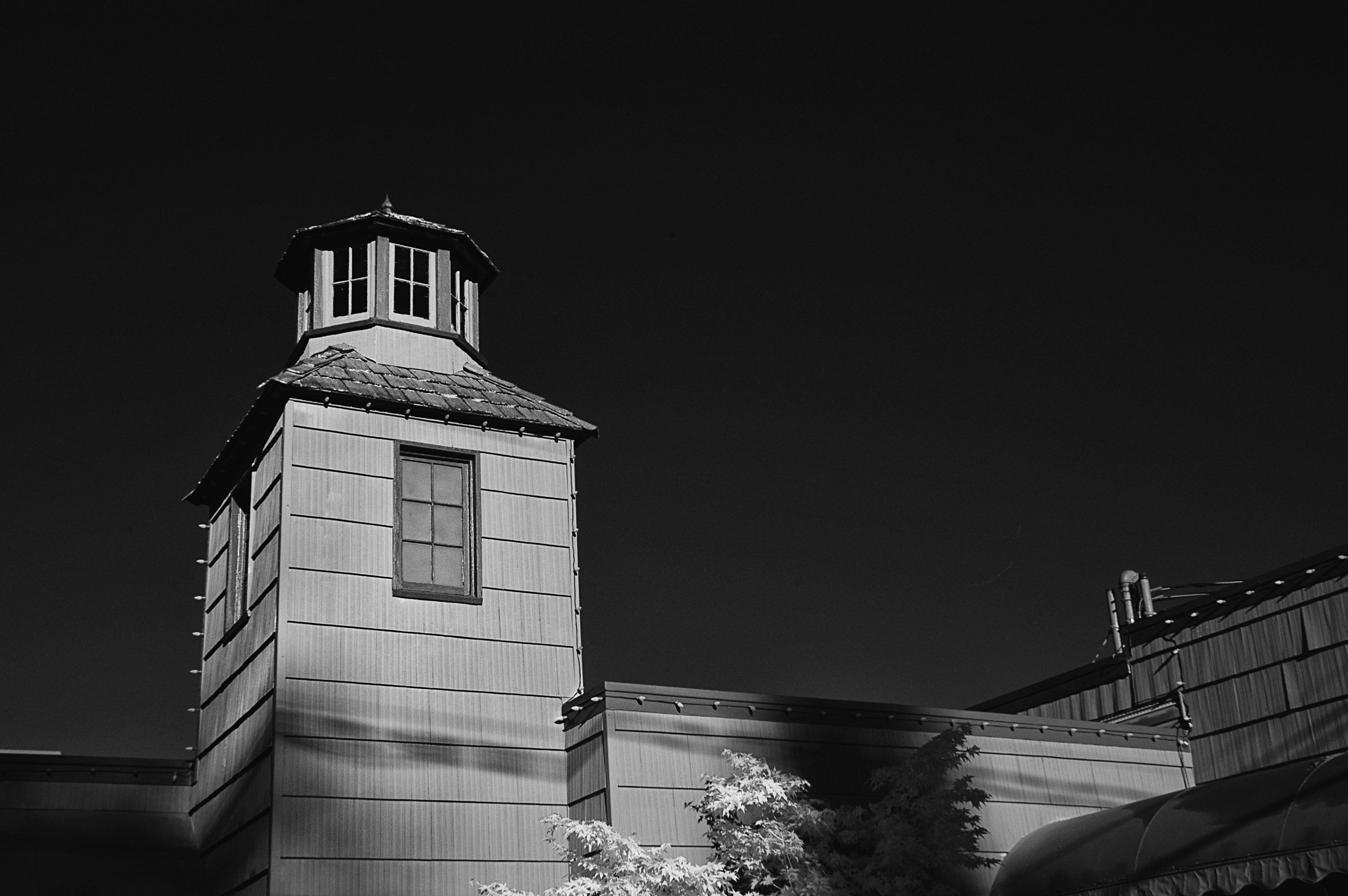
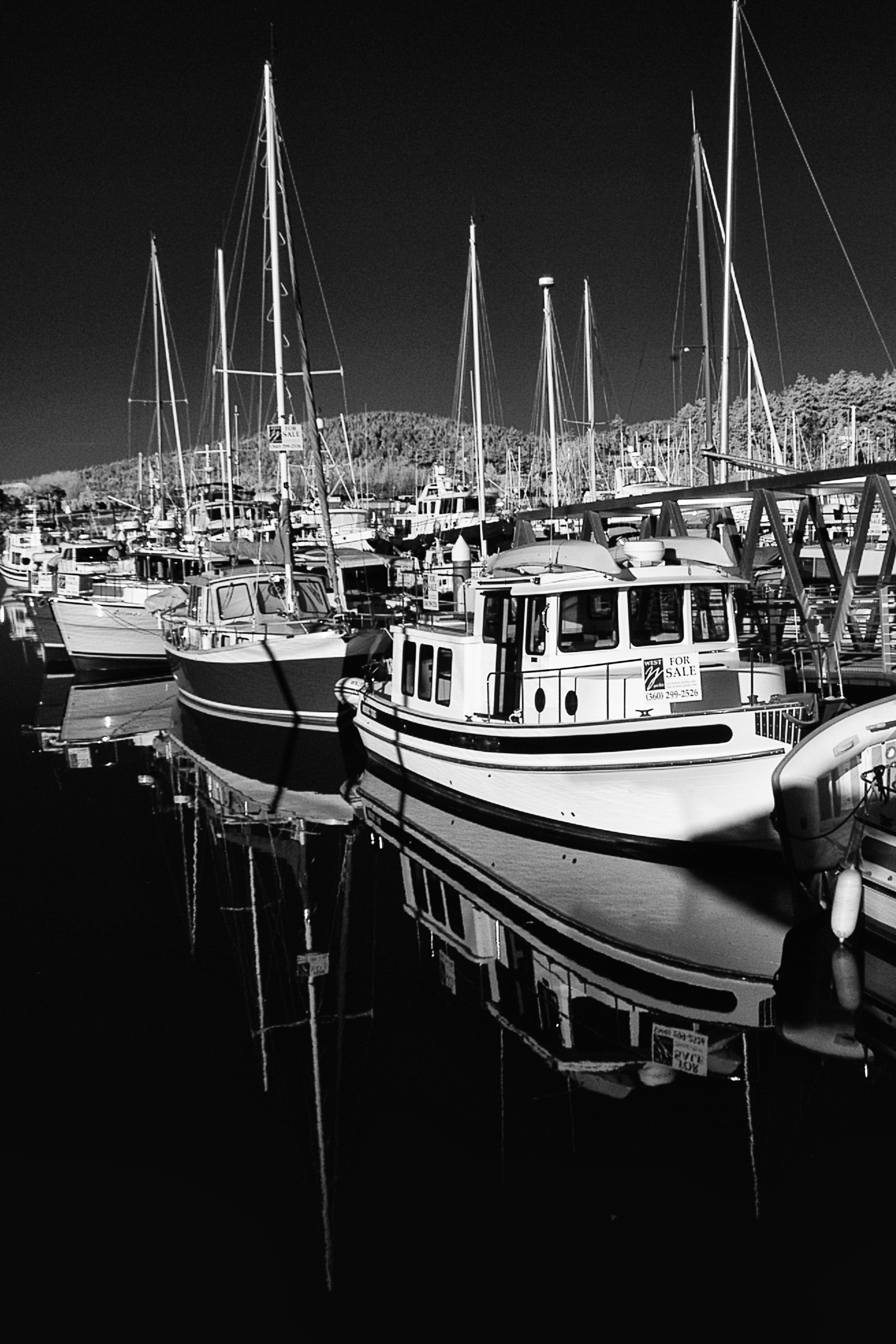
Infrared lightInfrared tree  construction IR  Cupola IR  Waterfront IR  Infrared and brick  Marina in IR    Infrared in street  Tower IR  IR light on clock  Flag & Building in IR

When on vacation I always bring along my camera. Actually most of the trips I take are for the purpose of relaxing and making pictures. If I couldn’t bring a camera I would suffer because I would see shots I wanted to take and wouldn’t be able to do it.

I enjoy wandering about with my camera wherever I go and for the short vacation my wife and I took to the coast of Washington state at La Conner.  For this trip I wanted to make a real change from my everyday shooting, and decided to spend each late afternoon making exposures with the well-worn Nikon D100 I had modified many years ago to only “see” infrared light.

Digital camera sensors are as sensitive to infrared light as to visible light. In order to stop infrared light from contaminating images manufacturers placed in front of the sensor what they call “a hot filter” to block the infrared part of the spectrum and still allow the visible light to pass through. My infrared modified D100 has had that filter removed and replaced with a custom filter for infrared only.

The first day we had lodging in the town of La Conner.  I began walking the town in the morning with my Nikon D800e, and then returned in the late afternoon walking the streets and waterfront with my Modified D100 for infrared images.

On the second day, after a leisurely drive sight-seeing unsuccessfully trying to get close to the annual snow geese migration, we went a bit further to some big stores at an outlet mall near Seattle my wife wanted to check out.  Next day we moved about 20 miles down the road to a motel in Anacortes and again I roamed the streets, alleyways, and oceanfront with my infrared camera in a new location.

There is nothing quite like infrared (IR) Photography. Making an image with a modified camera is an exploration.  I like the contrasty tones that I can obtain when I convert the image to black and white. I suppose, like any form of photography, or art, it’s all a matter of taste.

Reflected IR light produces an array of surreal effects. Vegetation appears white or near white. Black surfaces can appear gray or almost white depending on the angle of reflected light. And the sky is my favorite part; it will be black if photographed from the right direction. The bluer the sky, the more the chance there is for a dramatic appearance.

Get everything right and there will be a “crispness” that’s rarely seen in regular photography, with everything looking very different from a normal black and white conversion.

The low-angled, late afternoon coastal light created lots of deep shadows on the buildings and trees, and it was that light and the contrasting effects that I was able to capture.

I like photographing architecture and other human-made structures. Well, actually, I like photographing just about anything. But on a trip when my goal is to photographically discover, or in this case, rediscover a small town or city, I let myself be as creative as possible with the many architectural structures, and a camera that sees only infrared does help. In addition, the colourful coastal architecture is very different from what one finds in the usually very dry, forested interior of British Columbia where I live.

I walked and walked. I photographed and re-photographed. I talked to people I met in the alleyways, along the street, and on the waterfront. My only goal was to capture the way the infrared light touched things and to be back at the motel before dark.

Life Pixel, http://www.lifepixel.com/ writes on their website, “Are you tired of shooting the same stuff everyone else is shooting?  Then be different & shoot infrared instead!”

I don’t think I care whether I’m shooting the same stuff as others, but I sure do like to change how other photographers sees the stuff I do shoot, and infrared works perfectly for that.

Of cours….I am always happy when someone comments. Thanks, John

Visit my website at www.enmanscamera.com
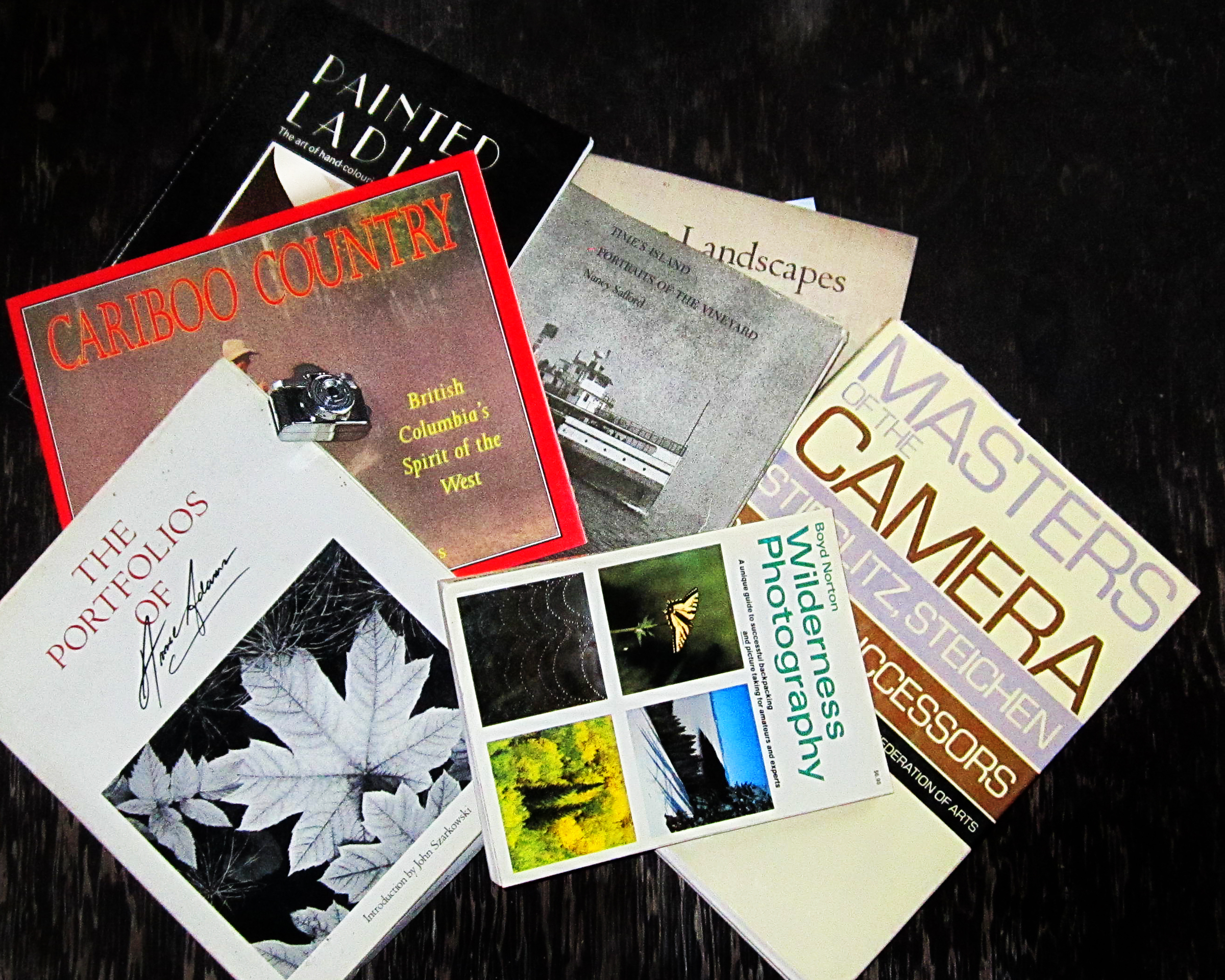
Examining the Work of Famous Photographers

Good reading

I often search for what I would consider outstanding photography and I came across this article by the editors of Digital Camera World, “The 55 best photographers of all time.”

http://www.digitalcameraworld.com/2012/07/17/famous-photographers-the-55-best-photographers-of-all-time/

The editors begin, “We’re not afraid of courting controversy here at Digital Camera World…Over the years we’ve interviewed a number of famous photographers and have been inspired by each of them, but one thing we often hear from readers, social media followers, and others, is…. “Who are the best photographers of all time?” It’s a good question! We put on our thinking caps and took a stab it.”

I think the list provided is interesting and is a worthwhile read. It also includes Digital Camera’s 33 myths of the Professional Photographer and Famous Photographer’s tips for being the best.

Another website entitled, Picture Correct, also has a list of who they think are the top ten most famous photographers, http://www.picturecorrect.com/tips/top-10-most-famous-photographers-of-all-time/

They write, “If you want to take truly memorable and moving photographs, you can learn something by studying the pictures of famous photographers. Some of the most beloved artists are deceased, but some are still delighting us with their photographs. The list includes some of the more famous photographers that still impact our lives today.”

I liked what the editors of Picture Correct wrote about how famous photographers are, “impacting our lives today”.  Personally, I believe a good photograph is timeless and speaks to every generation.

I enjoy studying those that excel in the medium of photography and I concur with their statement that, as they wrote, “Can learn something by studying the pictures of famous photographers,” and that photographers can advance their personal work by examining the work of others.

Many of the photographers I come in contact with are content with viewing only the photography of their circle of friends, or those they exchange photos with on FaceBook. I expect, and regularly get blank stares when I talk about some photography book I have just purchased or when I excitedly discuss my observations about some Blogger/photographer I have recently discovered.

Photography is a medium that almost everybody within our contemporary culture has a personal familiarity with, and an opinion on, whatever photos they see.

John Kippin, the chairman of the, Association for photography in higher education,discusses photography and writes, “It is, after all, probably one of the only forms of communication that is truly universal, crossing social and cultural boundaries and interweaving itself seamlessly with so many aspects of our lives. On a global scale, relatively few of the world’s citizens are unaware of photography (either as practitioners, consumers, or subjects, suitable for photography). It not only reflects and offers commentary on our lives, but in many ways, shapes them too. Our desire and need for photography reflects our need for representation within a vast spectrum that runs from the personal use of the image within our domestic lives to the security and military requirements of an age blighted by terrorism. Many of the uses of photography are not benign – they frequently contribute nothing to celebrate or enhance the human condition. Photography as technology is mute and without mercy. It has no morality and its subject is invisible until we choose to make it otherwise.”

I suspect it is probably that familiarity with photography that drives many modern photographers to think that they will excel in spite of their lack of awareness of what is being done, and what has been done by other photographers, and that as long as they keep up with the latest technology their photography will be applauded by their peers.

I am of the belief that looking and examining the work of other photographers famous or otherwise will make positive and, I think, creative changes in one’s personal photography.

Those two lists are only the opinion of the authors and as I perused the comments that readers posted, many felt their favorite photographers had been excluded and others were unhappy with some included on the lists. In my opinion that just doesn’t matter who made or didn’t make the lists, I enjoyed reading about them and their personal perspectives on photography.

As always, I look forward to your comments.

My updated website is at www.enmanscamera.com

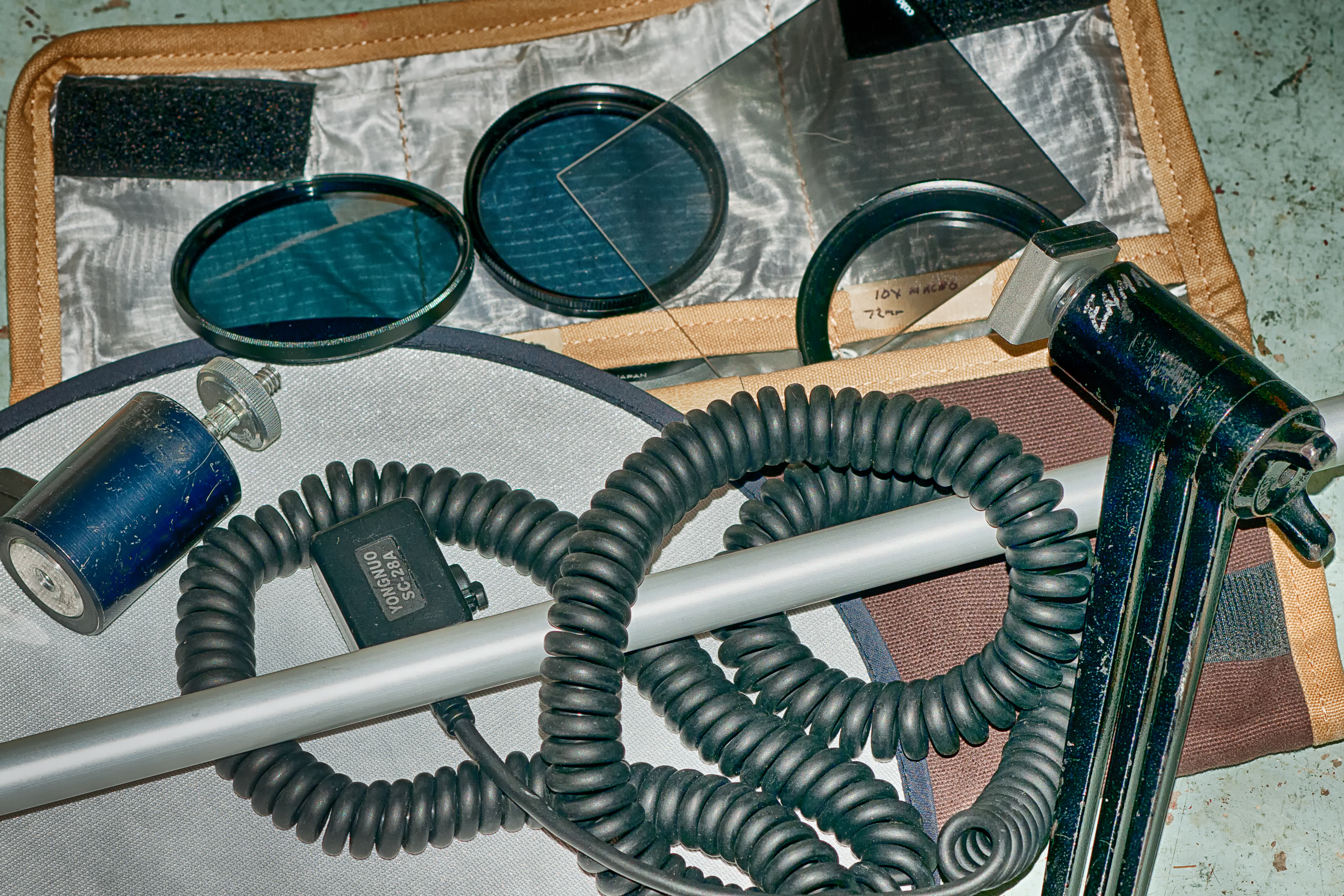
What is Your Favourite Photographic Accessory?

Accesories

Thursday mornings at my shop, I always have coffee with several friends. The conversation is always good, lively and is, of course, usually about photography.

Last week we ended our morning conversation discussing how off-camera flash technology was advancing, and I had mentioned how amazing it was to be able to synchronize a camera’s flash at 1/8000th of a second, and how I liked the versatility of positioning a speedlight with the off-camera flash bracket that I use.

Later that day as I thought about what my friends had talked about that morning, I got to thinking about how some accessories make our experience as photographers easier. There is always lots of discussion about cameras and lenses, but photographers only seem to mention occasionally the accessories that they use.

I decided to post the question, “What is your favourite photographic accessory?” on a couple on-line photography forums, but I received very few replies. I suspect “What is your favourite camera or lens” would have gained more attention. Nevertheless, here are some responses that I selected.

This first from someone called Hawaiiboy says, “I would have to say my tripod combined with my wired timer/remote.”

Then Merlin from British Columbia wrote, “My iphone.  I use maps to find my way around and play birdcalls when needed.  It acts as a flashlight at night.  Oh yeah I can even make phone calls with it.”

The third I’ll include is from a Toronto, Ontario photographer, “My 10 stop Neutral Density filter is right up there.”

Another photographer called Cicopo in Ontario posted, “My cable release and tripod because that allows me to shoot from a higher perspective and steadies my camera.”

Dave from Alberta included, “I would have to go with the obvious ones like an air bulb blower, and micro-fibre cleaning cloth. I photograph mainly out side so I use them a lot.

A photographer named Matt that shoots in Manitoba wrote, “My monopod, the next best way to stabilize my camera after a tripod. I also use it like a walking stick during my weekend hikes.”

My wife Linda leaned back over her chair, after I interrupted her reading with the question, and said, “My polarizing and graduated ND filters. I shoot mostly scenics and those filters help me control the sky.”

From Saskatchewan, Gary wrote, I’d include my 5 in One reflector as my favourite accessory. I shoot portraits and always use a reflector.

I think my favourite commentator was Hendrik, from Alberta who wrote, “My bean bag. It gives me the best stability I can ask for; it enables me to shoot from the safety of my car and lets me use my car as a blind. When I am out a whole day and stop for lunch, I can use it as a super comfy pillow to lay down in the grass and look at the clouds flying by.”

I’ll add one of my personal favourite accessories. I have written many times in the past that I almost never photograph people, indoors or out, without adding light from a flash. My favourite accessory that makes that all so easy is a flash bracket that I use to lift my flash way up off my camera.

I am sure readers will have their own, even if they never think about it, that is there in the camera bag, always waiting and ready to be used. These favourites that I listed from my responses aren’t that special, they are just those accessories that, as I wrote earlier, make our experience as photographers easier.

I like comments. Let me know what you think.

My website is at www.enmanscamera.com

What Does “Composition” Mean?

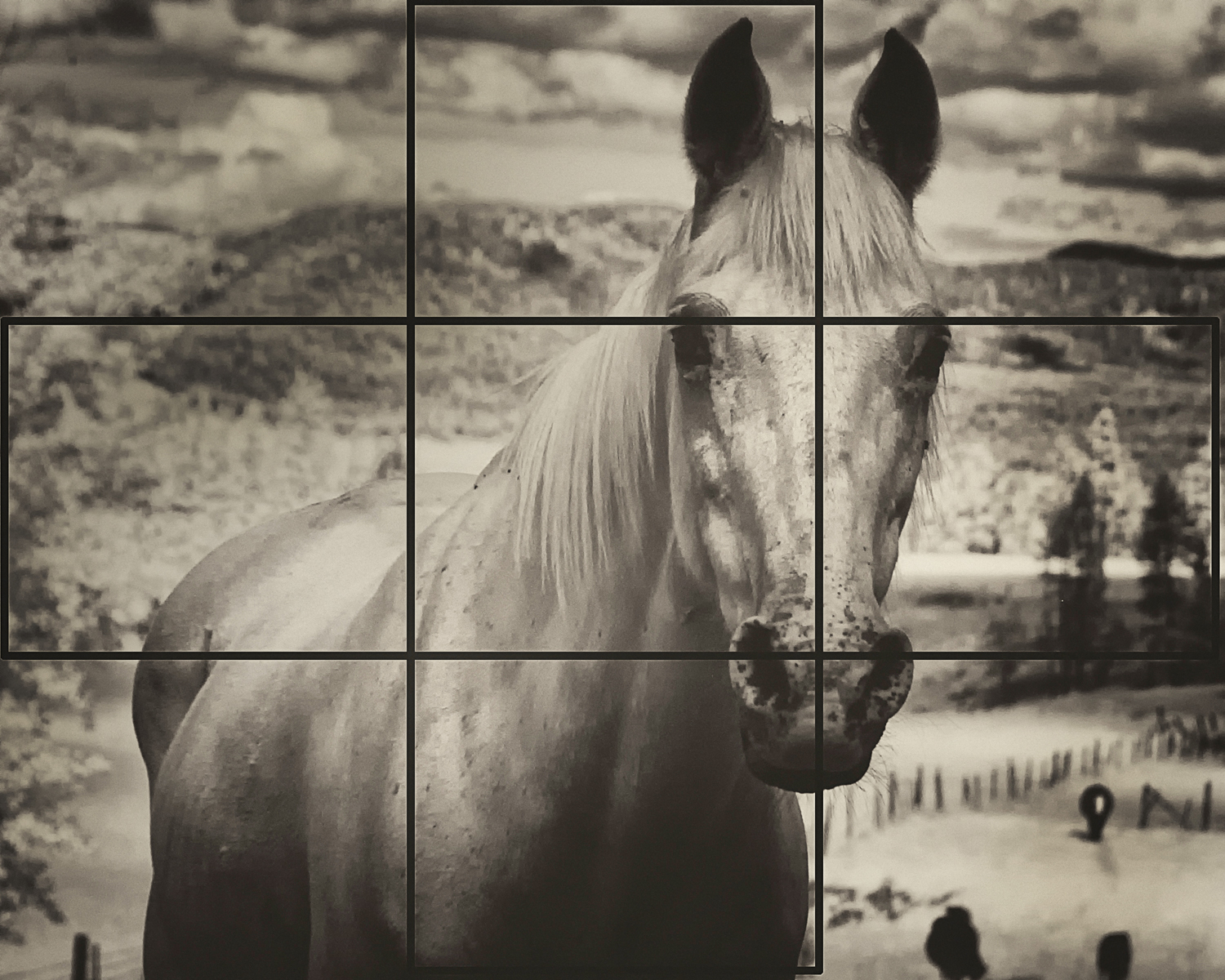
Cat & Rule of Thirds  White horse in field  OLYMPUS DIGITAL CAMERA

“Photography is not like painting. There is a creative fraction of a second when you are taking a picture. Your eye must see a composition or an expression that life offers itself to you, and you must know with intuition when to click the camera. That is the moment the photographer is creative.”    I included that quote by famous French photographer, Henri Cartier-Bresson, because he used the word “composition”, and it is that word and how it is currently being used that I have been recently thinking about.

The word composition gets thrown around a lot when discussing photographs.  I’ll read forums where responses to posted images might say something like, “great capture, good composition,” or sometimes, something as meaningless as “I love your composition”.

I know the posters don’t actually mean composition as a photographic technique. I think it has just become an alternative word that means “picture”.  Modern photographers seem to hesitate referring to a photograph someone has posted to an online site as a picture. They want a more modern word, and I guess using the word “composition” instead of “picture” has become that word.

That came to mind, when a young photographer said to me, “I don’t really know a lot about photography, but what I do know is that I am really good at is composition.”  That was one of the few times I have been left speechless.

Photographic composition is defined as, “the selection and arrangement of subjects within the picture area.”  And unlike those who replace the word picture with the word composition, I use composition and compositional guidelines to help me enhance a photograph’s impact.

Photographers are limited by the actual physical appearance of the subjects they are photographing, and depend on camera position, the perspective created by different lense’s focal lengths, and the elements that make up a picture to communicate to viewer’s what they saw when they made the photograph.

I think about what is important and how I want to arrange my composition, and I consciously subtract those elements that I think are unimportant or distracting. When setting up a composition I usually think about and apply the ‘Rule of Thirds’ wherein we divide the image into nine equal segments with two vertical and two horizontal lines. The Rule of Thirds says that you should position the most important elements in your scene along these lines, or at the points where they intersect, and by doing so, adding balance and interest to one’s picture.

I looked up composition online where there are page after page of composition tips. I decided I’d add my own, “apple technique to proper picture making and composition”.  Here goes!

While driving along and finding an inspiring scene.   Don’t just point the camera out the car window!

1. Stop the car.

2. Get out.

3. Leave the camera in the camera bag.

4. Get an apple and eat it as one looks at the inspiring scene. Think about what is likeable about it, and make some choices as to how compose, or arrange, the features within the picture area you photographing.  Photographers should ask; what would someone like to say about the scene to the viewer?

5. Finally, go back to the car, get the camera, and make the picture.

Elliott Erwitt, American, documentary photographer wrote, “To me, photography is an art of observation. It’s about finding something interesting in an ordinary place… I’ve found it has little to do with the things you see and everything to do with the way you see them.”

My website is at www.enmanscamera.com

Fifteen Photographers at Open House

fifteen photgraphers & a Model  Creek shooters  Modeling session  Lighting a portrait

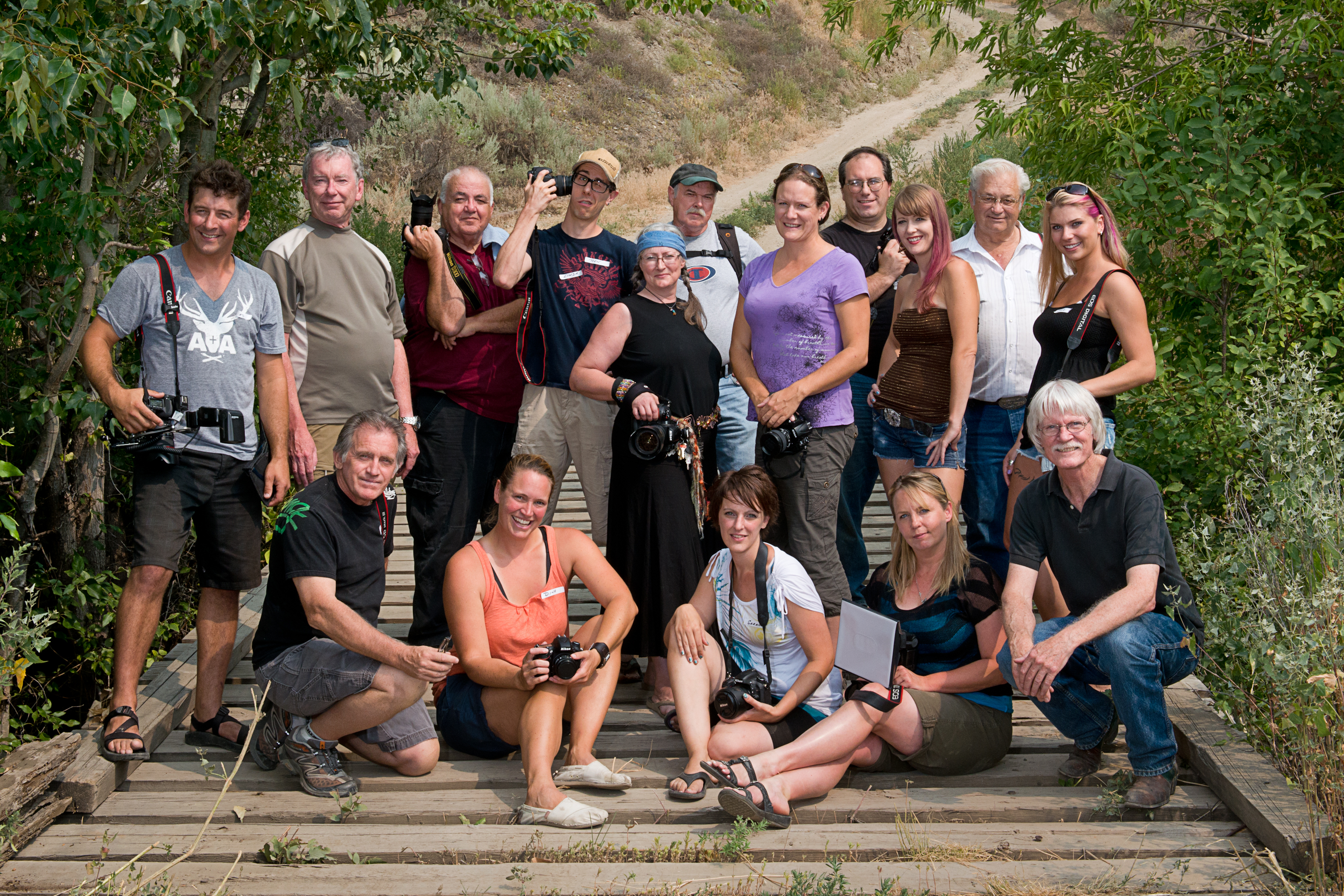
Last weekend fifteen dedicated, and I think, pretty excited, photographers attended the Versatile Studio’s photography open house just outside of Kamloops, British Columbia. It is aptly named Versatile Studio because it provides multiple locations for portrait photography inside and out.

The day began with coffee and numerous discussions on portrait photography. At one point I got up to refill my coffee and then stood back, realizing this group of photographers, with their many different styles and approaches was going to make the day interesting, educational, and a lot of fun.

Of course, it immediately began with a hitch, as only one (thank you, Ali) of the four models that promised to appear showed up; nevertheless, these relentless photographers didn’t miss a beat, and decided to split into three informal groups using each other as subjects.

Those that wanted to work with lights in the large studio space chose two of their number with the most experience in studio strobe lighting to lead, and they took turns modeling, moving lights, backgrounds, etc, and making pictures that delved into some interesting experimentation.

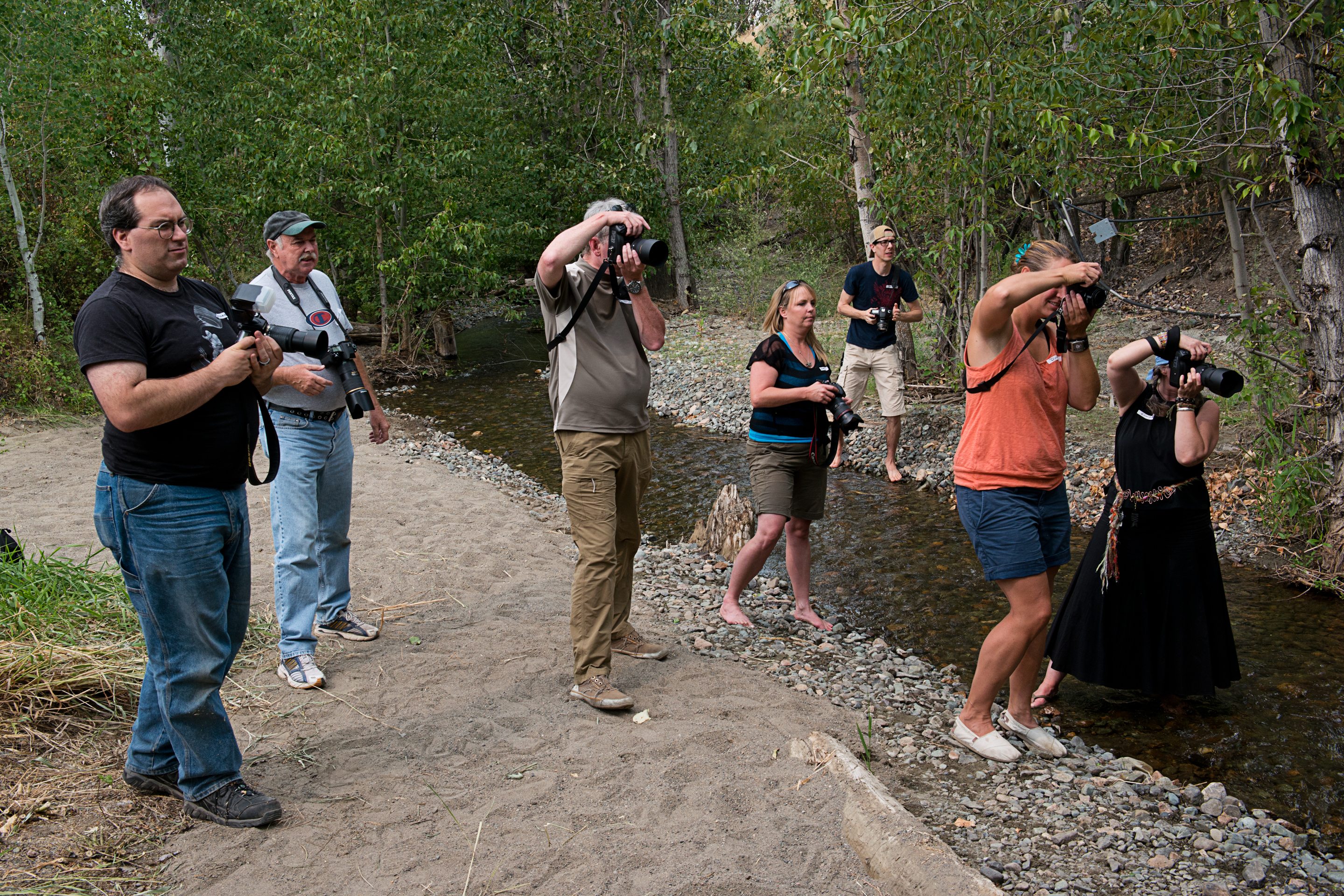
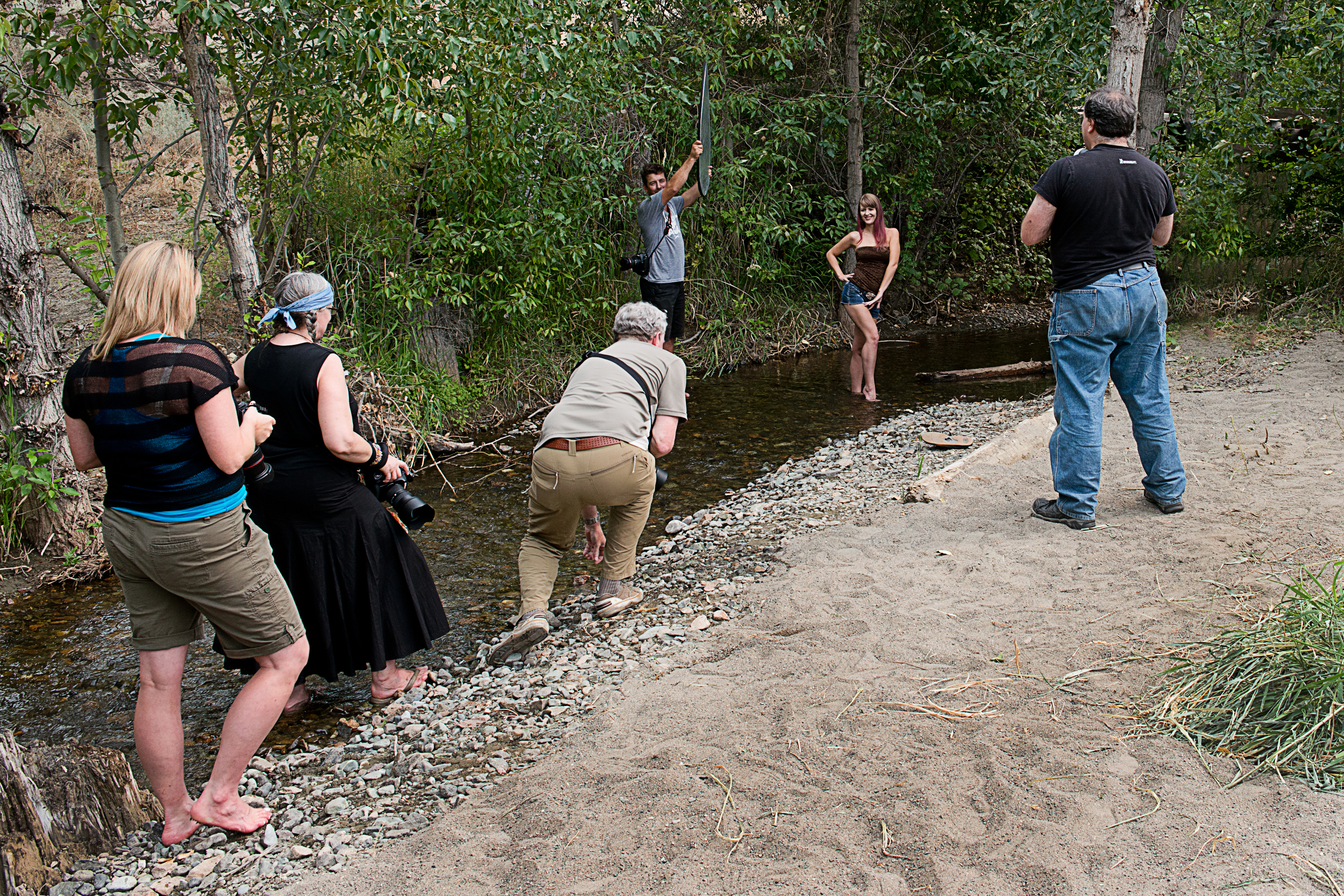
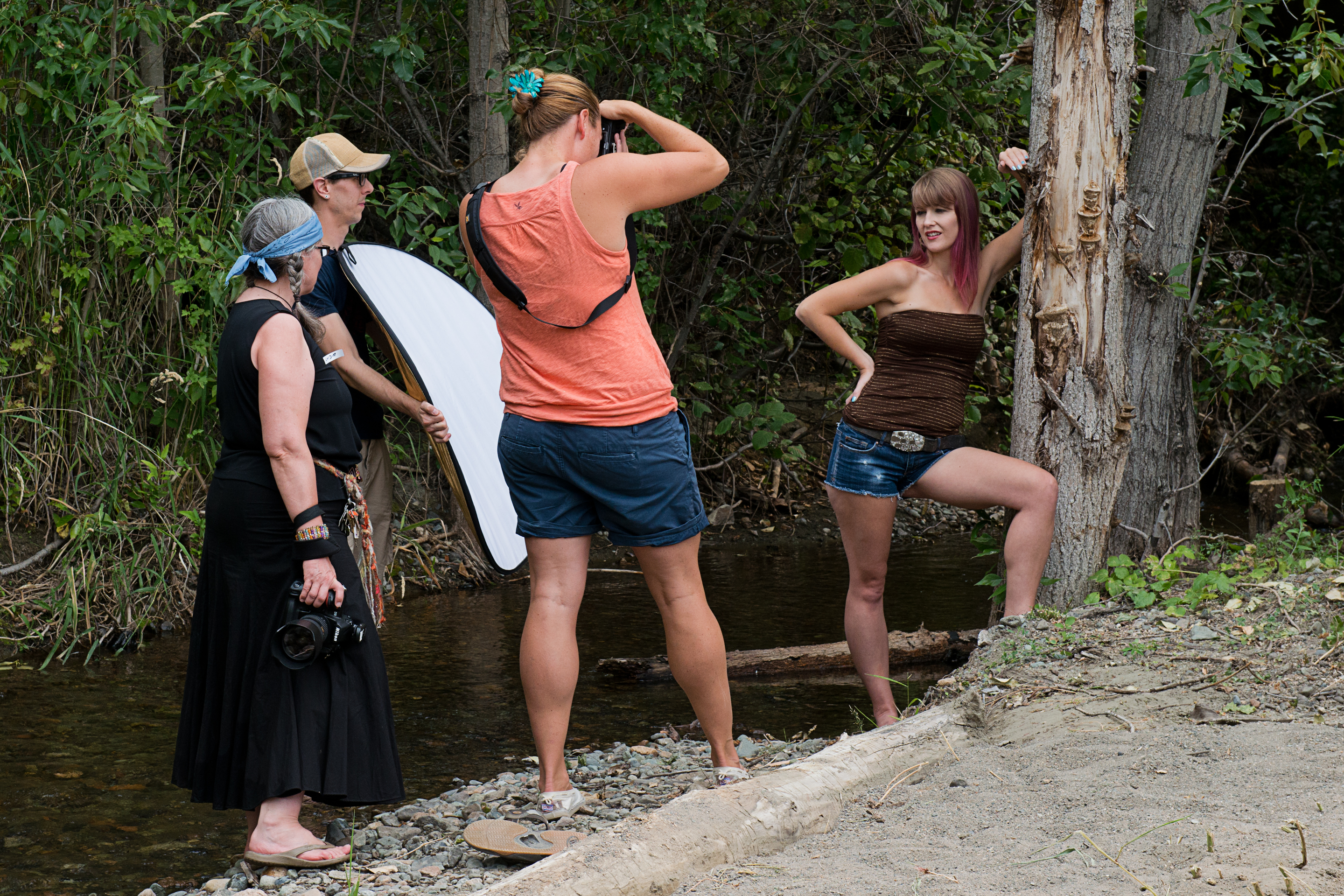
Several others picked up reflectors and gathered at the stream with the one model, Ali. The light filtering through the trees was perfect for the large reflectors, and I think wading in the cool running water was also enticing on the hot August day.

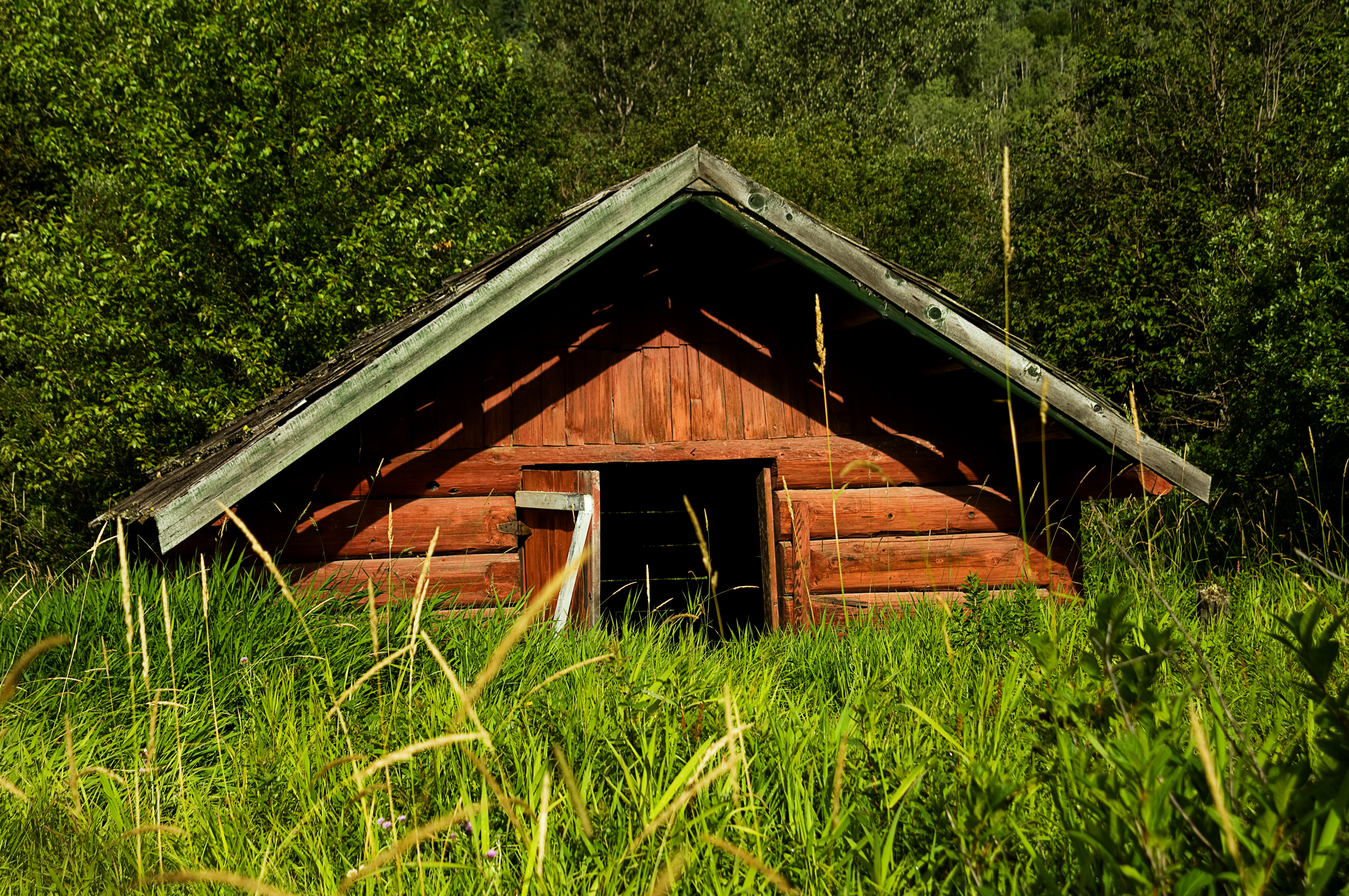
A few decided to try out the light-diffusion panels I had set up in the meadow behind the studio, and later made portraits using the portable strobe I had placed in what was once a large farm equipment/hay storage shed.

Small groups interacted, gathering to discuss different techniques and to exchange thoughts on photography, and in my opinion, it was that exchange of personal experience between the photographers that made the day a success.

As I got the chance to peak at the LCD of several photographers’ cameras, I was intrigued at how differently each photographer captured the same subject. As I write I think of some famous quotes, the first by iconic photographer Ansel Adams, “Photography, as a powerful medium of expression and communications, offers an infinite variety of perception, interpretation and execution.”   His words more than fit what I saw created by those assembled at Versatile Studio that day, and I also like this quote, by author Peter Bunnel, who in his book, “Creative Camera International” writes, “There is no single form or style of portraiture. Portraiture means individualism and as such means diversity, self-expression, private point of view. The most successful images seem to be those which exist on several planes at once and which reflect the fantasy and understanding of many.”

So of course, you can understand why I would include that quote because, indeed, I saw many styles of portraits being made on that day. That’s the interesting and enjoyable thing about getting together with other photographers, especially a collection of photographers as large and diverse in talent and experience as was there; everyone is an individual and creates from their own personal perspective.

Versatile Studio, situated in the small community about fifteen minutes from my shop in Kamloops, hosted this photographer’s event with the help of accomplished photographer, Gary Risdale and myself. Our roles weren’t that of instructors as much as we were there to introduce, demonstrate, and facilitate.

I was so involved with what others were doing that, other than the images I have posted, I didn’t get a chance for anything else.

The studio’s owner, Dave Monsees, commented to me that he liked being around fun people with a true passion for photography and said he enjoyed himself so much that he intends to try to have photographer and model get-togethers like this in his studio on an occasional basis, every month or so.

I enjoyed spending time with those photographers; some were long time friends, and some were new acquaintances; and, I must admit, some of my most favorite times of all, have been either doing photography, or being with people that are doing photography.

It is always great to have your comments, John

My website is at www.enmanscamera.com

Photography in Wells Gray Park

Helmkin Falls  LLW_6435a BailysShoot(1)  Clearwater falls  Homestead WellsGrey shed WellsGrey Infrared                                                                                                       The very first time I visited Wells Grey Park was back in the early 1970’s. The road wasn’t the wide, smooth, asphalt-surfaced thoroughfare, with lots of easy viewing pullouts that it is now. At that time it was a rough, winding, sort-of maintained, dirt passage with narrow, metal bridges reminiscent of those quickly constructed by military engineers during the Second World War.

I had been traveling across Canada east to west and was told by a fellow traveler that there was a mountain park somewhere in British Columbia that was great for hiking. https://en.wikipedia.org/wiki/Wells Gray Provincial Park.  I had no information at that time about the park, and all I could get out of the few people I asked about the park was that there is a big waterfall there, and I could camp there. So with a map I had purchased at a gas station along the way that first lead me first to the small town of Clearwater, after which I turned at a sign that said Wells Gray Provincial Park.

The first thing I recall about that trip along the dusty route into the park was a blockade across the road. There may have been ten or more women, and although friendly, they had a look that said, “We are serious and you better do as we ask”. We stopped, and were presented with a petition, and asked to sign, to the government to have the road paved.  I guess it worked, because by the time I moved to Kamloops five years later, and started to frequent Wells Gray Park, there was the well-maintained road that park visitors now enjoy.

Our rural home in Pritchard is a two-hour drive from the park. Just after breakfast on Sunday morning, when my wife, Linda, suggested we go to Wells Gray for lunch, I got the cooler out, made some sandwiches, and packed our cameras and tripods in the car.

My excursions into Wells Gray these days are pretty much as a roadside photographer.

I could dig out my back pack and tent and head off on one of the well-used trails up into the lush alpine meadows of the Cariboo Mountains, or I could borrow my son’s comfortable travel trailer and stay at one of the excellent campsites along the fast moving Clearwater river or at Clearwater lake itself.  However, there are lots of places to stop and photograph the park that don’t include the need for hiking attire, and anyway, as I wrote, Wells Gray is perfect for roadside photography.

There is so much to photograph; waterfalls, majestic river views, mountain vistas, old homesteads and, of course, lake panoramas. There is lots of wildlife there, but the park has so many visitors that other than a few birds and chipmunks, most forest inhabitants prefer to hide from view, although I have, on occasion, seen a bear or two, and one snowy winter I saw moose after moose walking along the road.

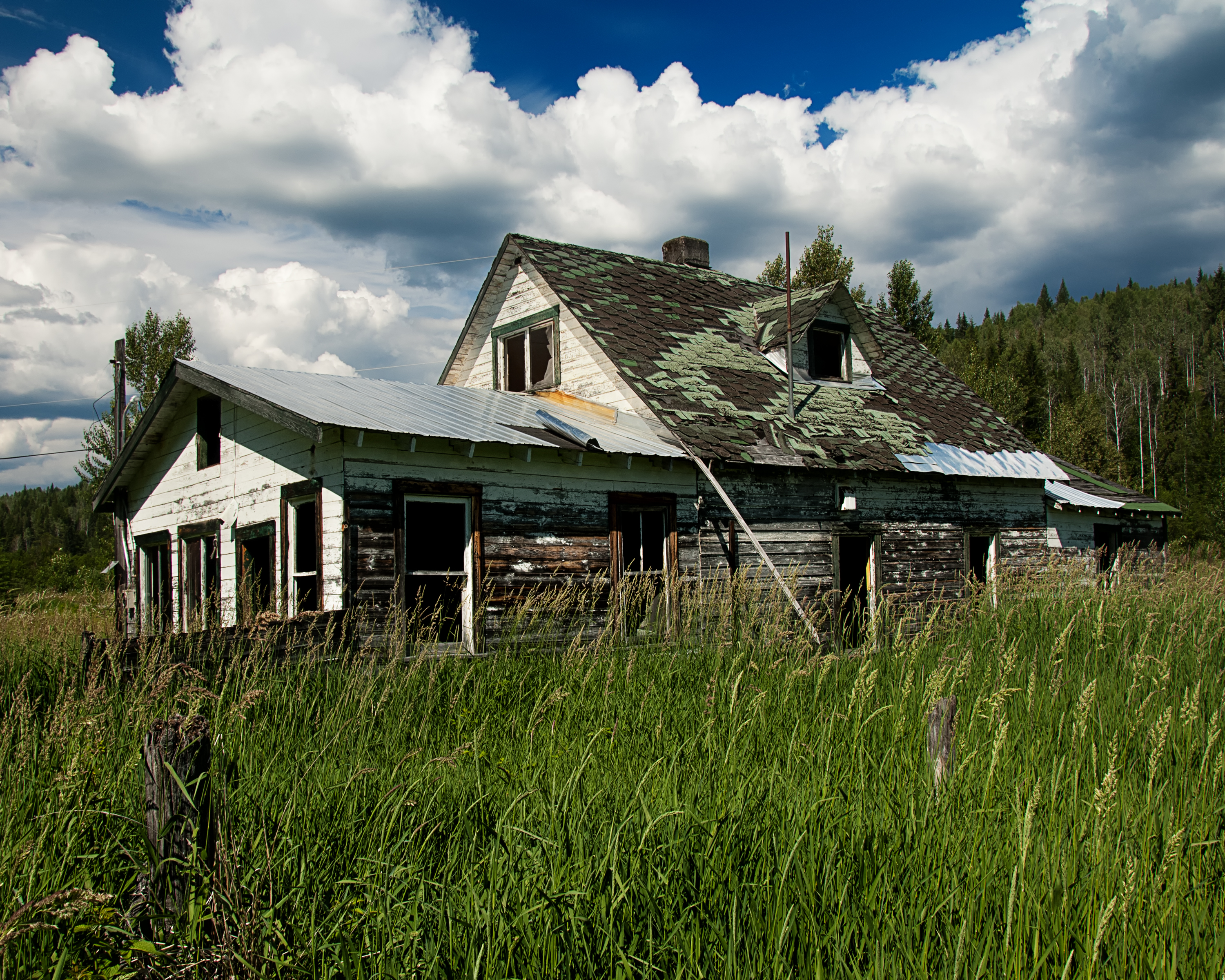
On Sunday’s lazy excursion we first stopped at a dilapidated, old building with amazing longevity, that I have photographed many times over the years. Each time I visit I expect it to be gone, but it just rests in a grassy meadow alongside the road waiting for another photographer to make a picture. This time I wondered if there was an angle, or season, that I haven’t pointed a camera at that once proud home. I have made pictures of it using every type of film and camera format, as well as infrared. I also expect I am one of those rare visitors that has never ventured inside that old house in the past 30 years. I guess I like to keep some mystery.

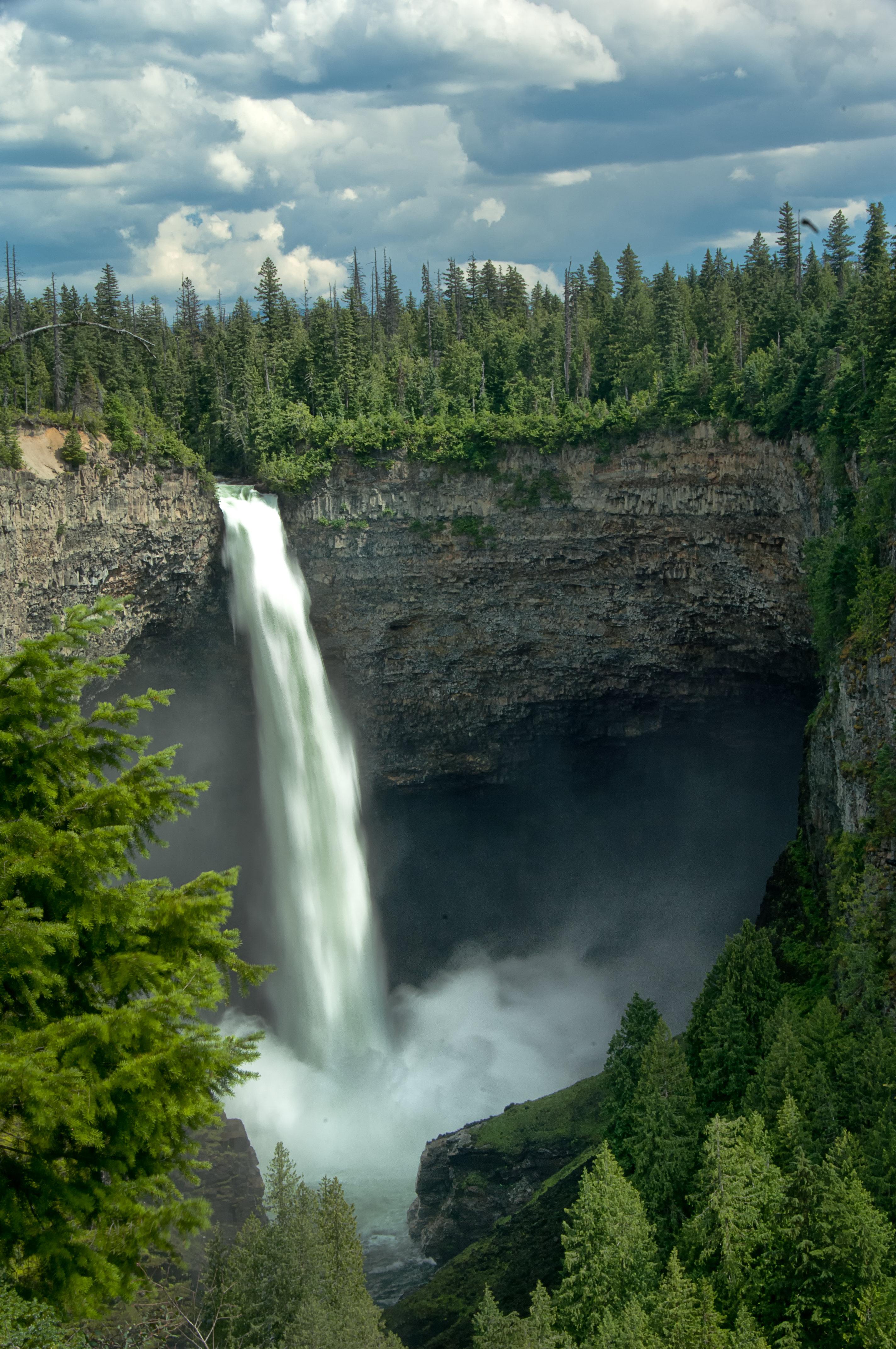
Our next stop was for lunch at the Helmcken Falls picnic area. As we sat talking and eating lunch I could overhear people at the nearby tables and along the guardrail speaking different languages. Wells Gray gets tourists from all over the world and I will say that it is a rare park visit that I don’t meet people from other countries.

Linda and I didn’t join the happy picture takers on the viewing platform. It is a nice place to sit, or stand, and enjoy that impressive waterfall, but for me it’s the wrong angle for a good shot. After lunch we picked up our cameras and tripods walked through the windfalls to my favorite spot, although this year there were so many downed trees that it was harder to get to our favourite spot along the canyon edge, Neither of us could use a very wide focal length without including a foreground of dead trees, however we persevered and finally left the Falls after a good half hour of photography, satisfied with what we were able to photograph.  All in all it was a very good day.

Wells Gray Provincial Park is a great place to wander about with a camera and worth the short drive from Kamloops. A summer photo excursion is fun, but my favorite time is the fall and readers can be sure this roadside photographer will be there again in a few short months.

Don’t hesitate to comment – I always appreciate comments. Thanks, John

My website is at www.enmanscamera.com

TTL Flash Photography in my Wife’s Garden

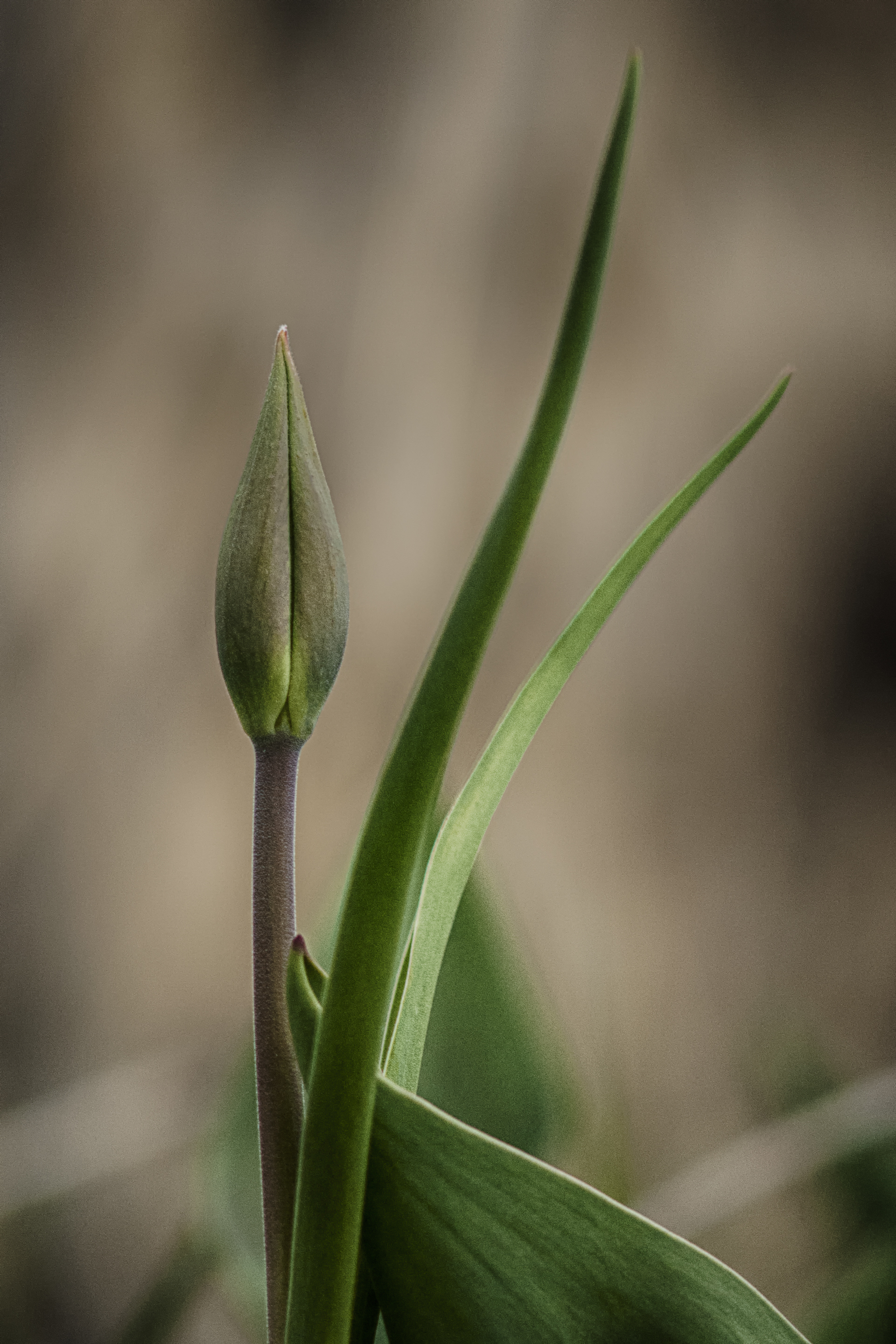
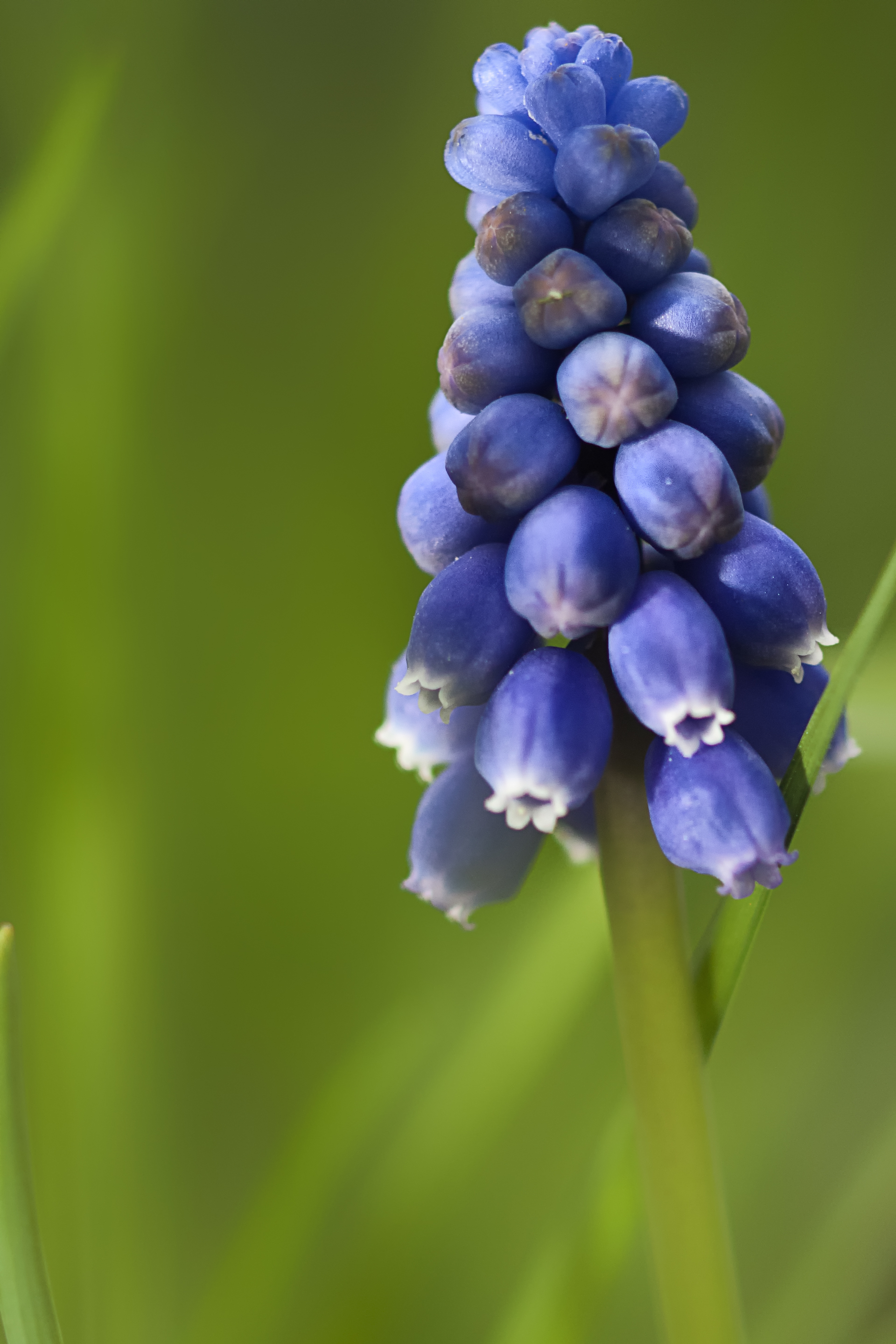
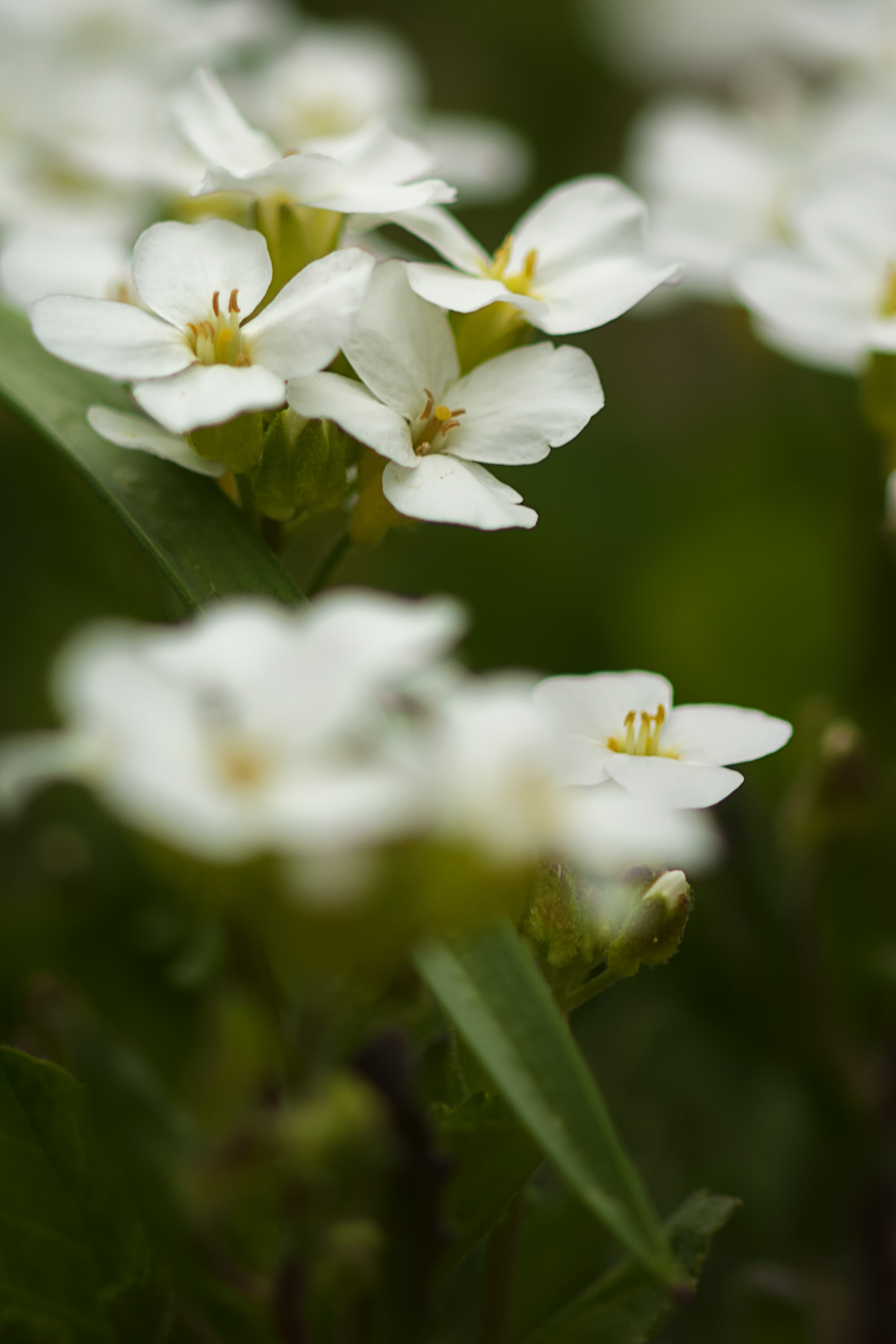
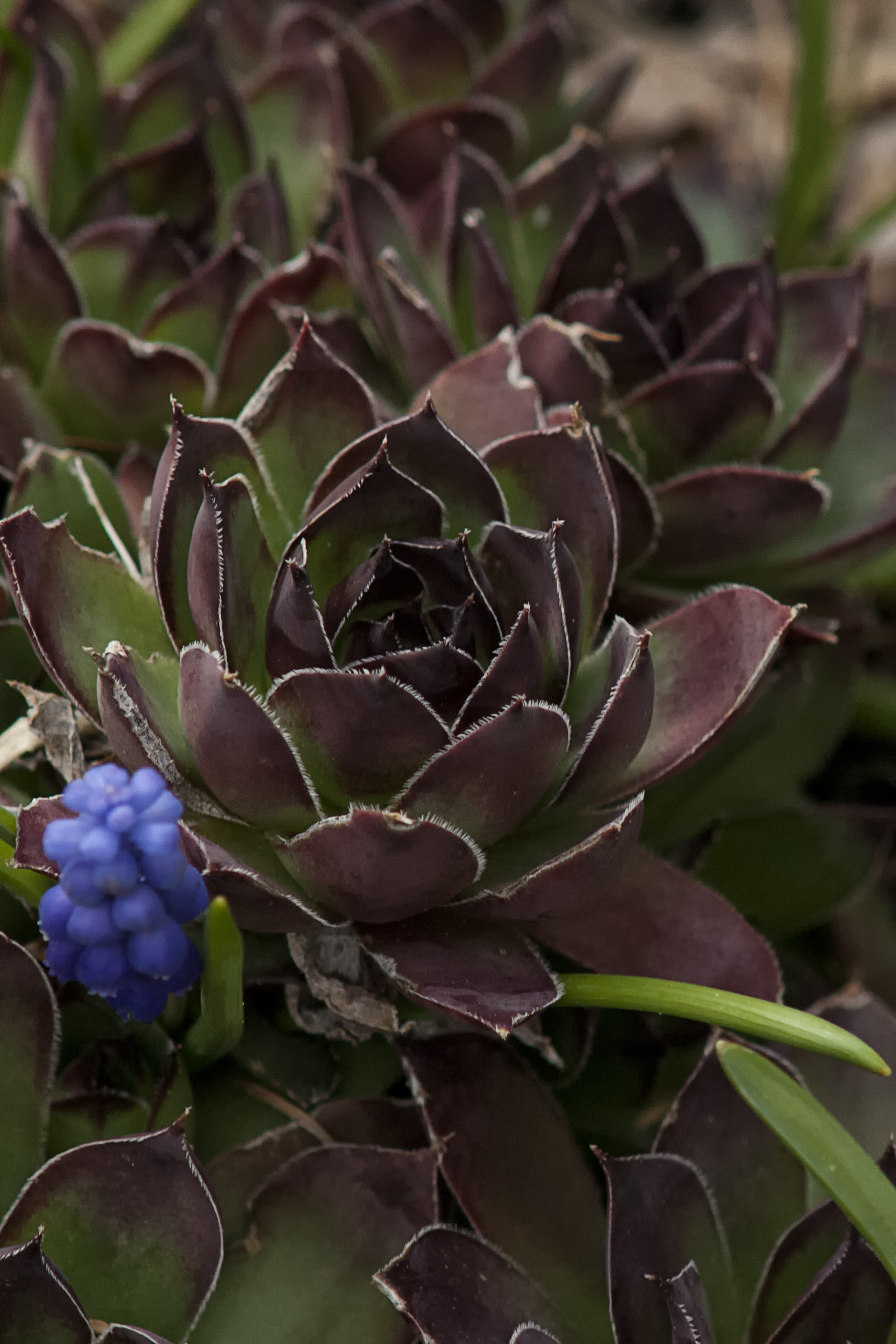
Tulip 1 Blue Muscari Arbis Sempervivum Pennesetum grass - fountain grass

This is beginning to be a busy spring. I expect that isn’t news to those in my area that have spent all day doing yard work the past few days. But for many photographers thoughts kept wandering to, “That could make a good picture.”

I really wanted to do some photography in my wife’s garden. The nights are still cold, but the days have been almost hot, and with that heat the first of her flowers are beginning to bloom. My goal is always to photograph what happens in the garden with the changing seasons.

There is always something in the garden no matter the weather, be it snow, rain, or like today, high clouds. The slight overcast day was perfect for my subjects. Bright sunny days increase the contrast of scenes, making it hard to capture details in the extremes and I wanted to retain what details I could. The diffused daylight reduced the number of f/stops from black to white.

My setup is a 200mm macro lens and depending on my mood and the light, either a ring-flash, a reflector, or as I used this afternoon, a wireless, off-camera flash.  Outdoor portraits, whether of people or flowers, in my opinion, aren’t that interesting when one only relies on illumination from the sun. Flash, on or off-camera, or even a reflector, adds dimension and depth that makes for a much better image.

I mounted my flash on a small 2-foot stand and carried a tiny six-inch tripod if I needed the light to be lower to the ground, and I this time I didn’t use a tripod because the few flowers were close to the ground and I prefer shooting very low level. That means almost every shot is made while lying on the ground.

By the time I could get out to the garden the sun was low and, sometimes, a heavy overcast. Perfect light. All I had to do was put the flash to one side and adjust my shutterspeed to decrease the bright ambient light.  Today’s TTL (through the lens) flash is amazing.  Previous generations recall when the flash/camera sync speed was limiting and we could only use a flash at 1/60th of a second! How did one survive?  Today I moved my shutter between 200th of a second and 8000th of a second. That gave me lots of control over the ambient light and easily allowed me to move my aperture to increase or decrease depth of field. My advice is check your camera’s manual, read about, and set the camera to hi-speed flash sync, if available.

I’ll include a brief explanation of TTL flash. When the shutter is tripped, the light from the flash fires off and hits the subject. Then that light from the flash bounces back to the camera, and a sensor reads it as it builds up exposure. The in-camera computer determines when the light has massed enough light for the correct exposure and turns off the flash.

The photographer controls the flash rather than the flash controlling our photography. With TTL technology the camera’s computer provides the correct exposure regardless of the aperture, or flash-to-subject distance.  TTL technology puts the control of depth-of-field back into the hands of the photographer.

Most of the time I kept my flash on TTL, increasing or decreasing the power depending on how far I positioned the flash from a flower, and only selected manual flash as I began loosing the light.

Books on garden photography recommend morning when everything is fresh, but I didn’t get a chance till late in the afternoon, as I was occupied building a temporary yard for six new chicks. We had an early morning marauder a few months ago, probably a bobcat, reducing my laying hens to two. I now have reinforced the chicken yard and think everybody’s safe now. I’ll give the garden another couple week’s growth and try for that fresh morning (and hopefully some overcast) light.

I’ll repeat what I wrote about garden photography last February, “Just about anytime is good for a dedicated photographer to make photographs. My advice is to be creative, have fun, and don’t worry about failures. Open them up on the computer, learn something from them, then quickly delete.  Of course, some tweaking with PhotoShop always helps and, for those photographers that are like me trying for something different, anytime and any conditions will be just fine.”

I always appreciate your comments. Thanks, John

My website is at www.enmanscamera.com

Photography viewed as Art

Green wall in alley

A photographer friend, Nancy, told me about once entering a hand-coloured, black and white photograph in a local art exhibition.  The organizers advised her that they had a problem deciding where to place it, with paintings or with photography.

Wanting to be creative, and a bit traditional, she had used black and white film to photograph a scene and printed it in the old way, using chemicals in trays, with black and white photo paper. She then used translucent oils to colour specific areas of the black and white photograph.  Please remember that hand-colouring black and white photographs has been in practice as long as photography has been around.

The individuals, who organized the exhibition being ignorant of the history of photography (I was told they were all painters), believed that because she had applied something on the surface of the emulsion-coated paper that her photograph now had become a painting. I think that, lacking respect for photographers as artists, they regarded her work as something one would do with a colouring book.

We both wondered what the opinion of those exhibition judges would have been if she had captured a scene with a digital camera, used PhotoShop to convert the image to black and white, and then placed colours on some areas of the image.  She could have erased some items in the image, cloned others, or added items into the image that came from different photographic digital files. Would they still call it a photograph?  The artist had used the medium of photography to create the final image, but I have met people that would not want to call that photography.

Ignorant of the strong tradition of creative modification by photographers, many will refer to film-created images as “real” photography, and digitally created images as “digital” photography that are somehow unreal, as if film based photographs have never been altered or manipulated.

It is not bad enough that many patricians of other artistic mediums have a hard time including photography as art; but there are also photographers that want to dismiss digital or digitally manipulated images as not being “real” photography.

In my opinion if the original image file or “negative” (whether it be paper, or film-based, or digital) came from a camera of some sort, the final print, no matter what is done to it between the time light is captured on a sensor or film and presented as a final picture, should still be called a photograph.

I am excited that the medium of photography is continually changing with modern technology. Film emulsion has gone through an amazing amount of changes since 1826 in France when Nicéphore Niépce produced the first permanent image. Incidentally, his picture took eight hours to expose.  I can only presume that if he were handed one of the latest digital cameras he would be excited, and would not foolishly hold on to outdated technology, and as a photographic inventor he probably would be happy to experiment with today’s cutting-edge technology.  Yes, if we want we can still produce images with 100-year-old techniques and materials; or we can embrace the medium as it changes.

The problem those judges had with photography might have been is that it is used in so many different ways and has become so accessible.  Try to find some aspect of our society that is not impacted by photography. The medium has reached a place that, through emerging technology, makes it very usable for many people.

There are those that use it only to document their lives, but it can also be used easily for creative purposes.  One only has to check out the multitude of online photography sites to find the truth in that. That might also be why those judges struggled to accept changes to my friend’s original image.

Nancy photographed an interesting subject, and, instead of choosing to use a digital file, or colour film, she decided to use black and white film to create a mood to help the viewer feel what she felt when she released the shutter. Then further, she continued to visually discuss the subject and the surrounding scene by adding hand colouring to enhance specific elements of the photo and produced an image that was able to go beyond being a documentary of a moment in time. I think photographers like Nancy are as much artists as those in any other creative medium.  There should not have been a problem in deciding if her print was a photograph or a painting.

I am surprised that there aren’t many exhibitions held in towns and villages here in British Columbia solely for photography. Yes, photography clubs hold private exhibitions, but those aren’t generally open to the public at large. I think lots of people would participate and lots more would attend. I certainly would.  I suggest that if there are not ongoing photography exhibitions in your community, get together with some other photographers and make one happen.

I really do appreciate your comments, John

Visit my website at www.enmanscamera.com
Cold Weather Photography

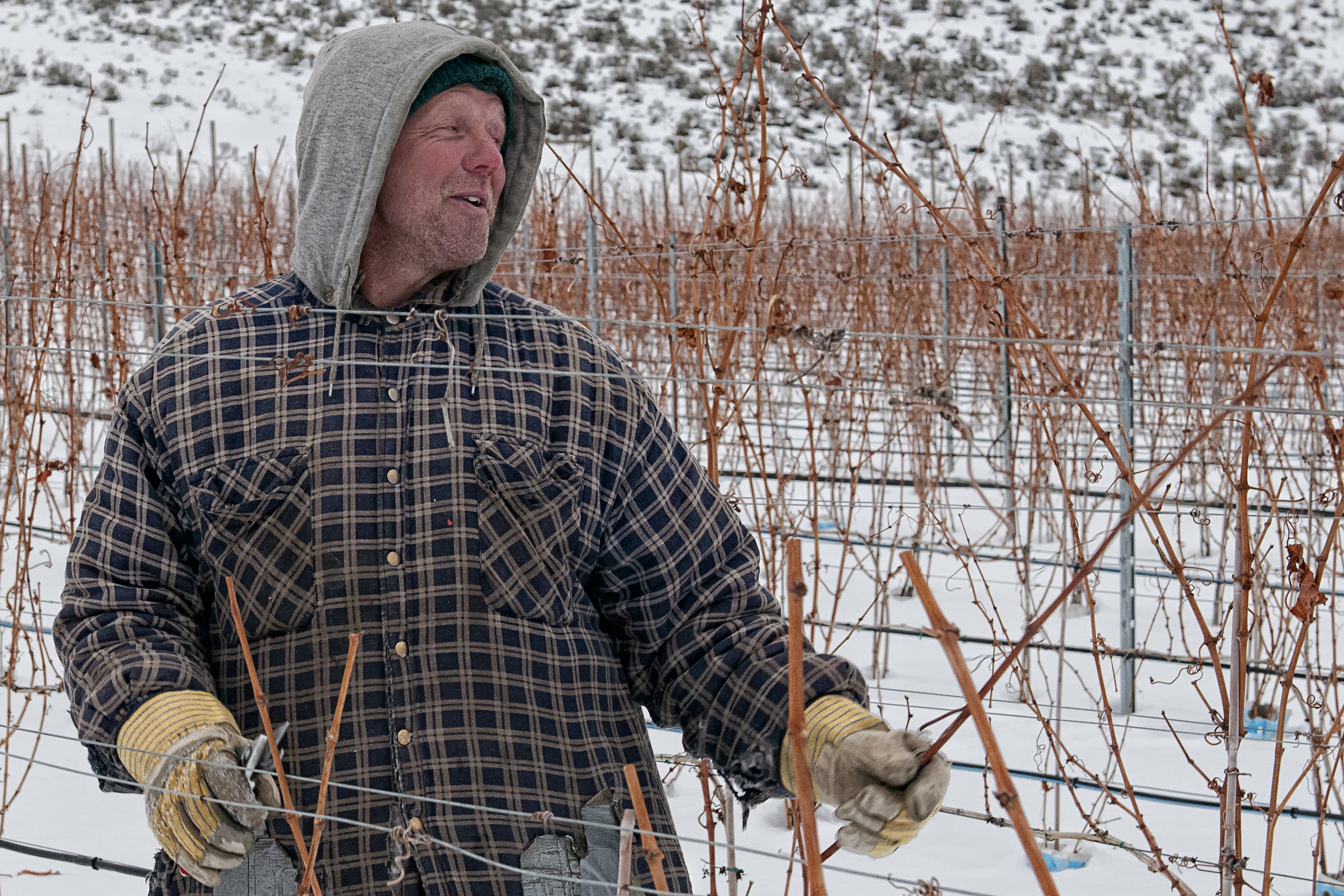
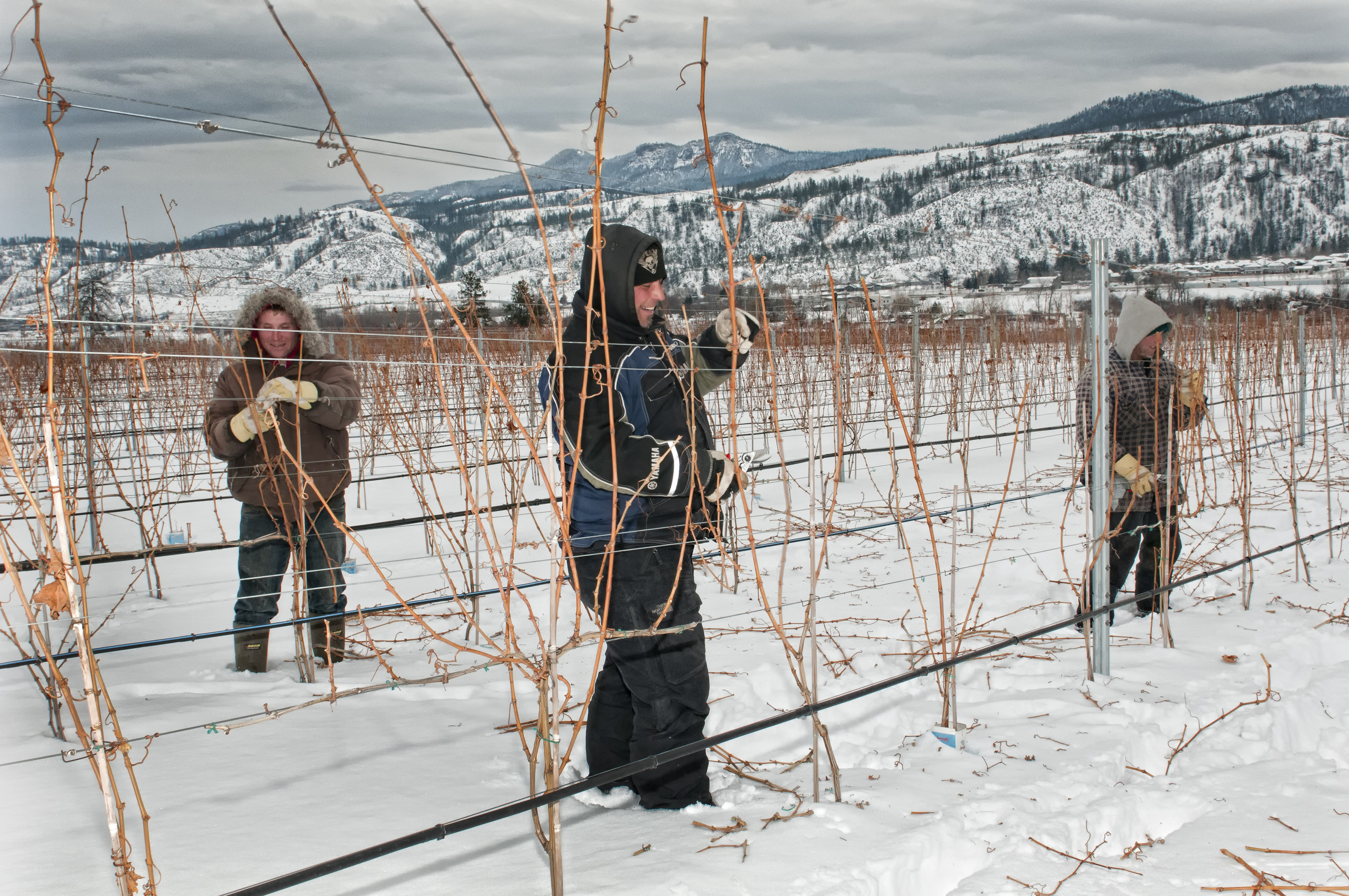
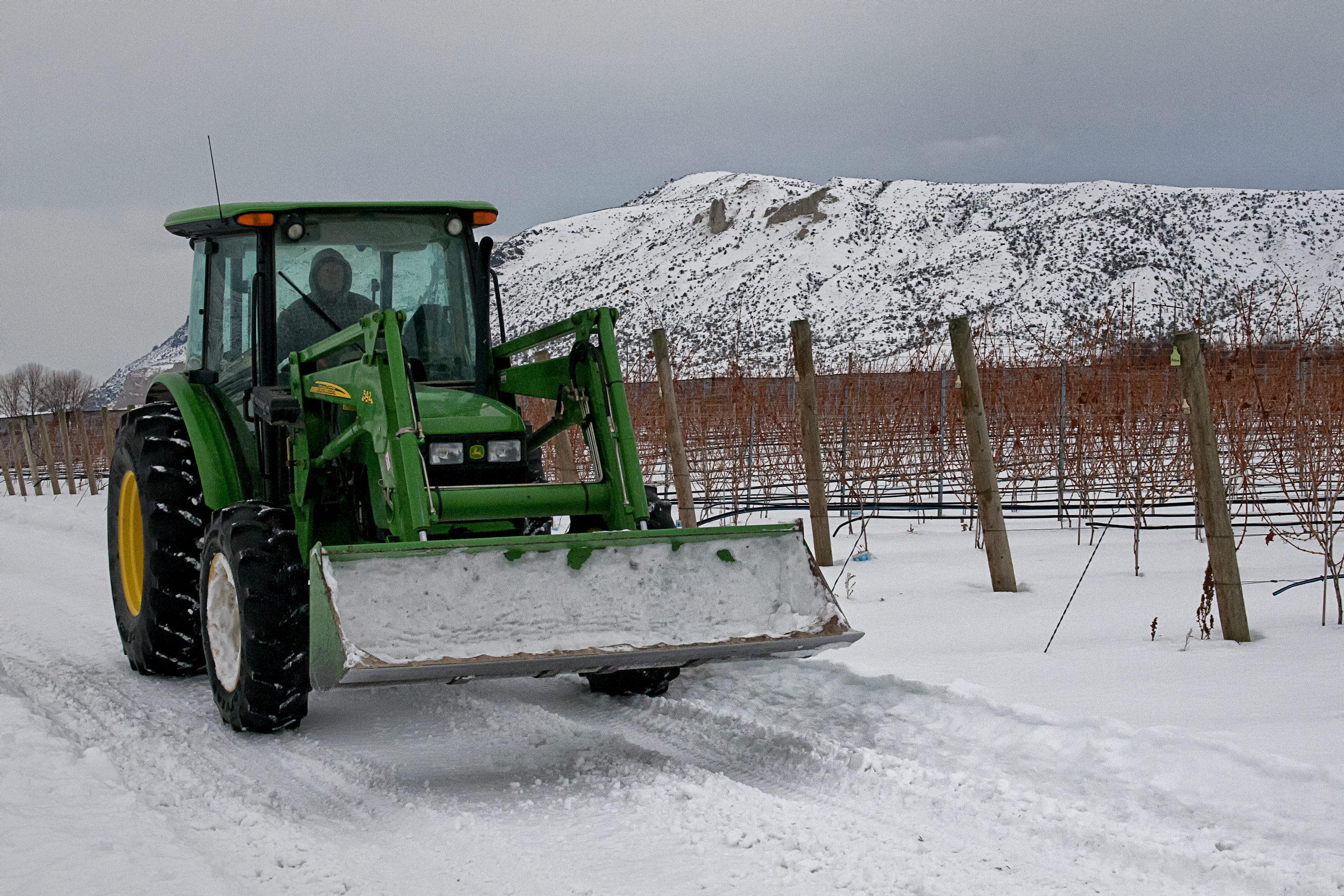
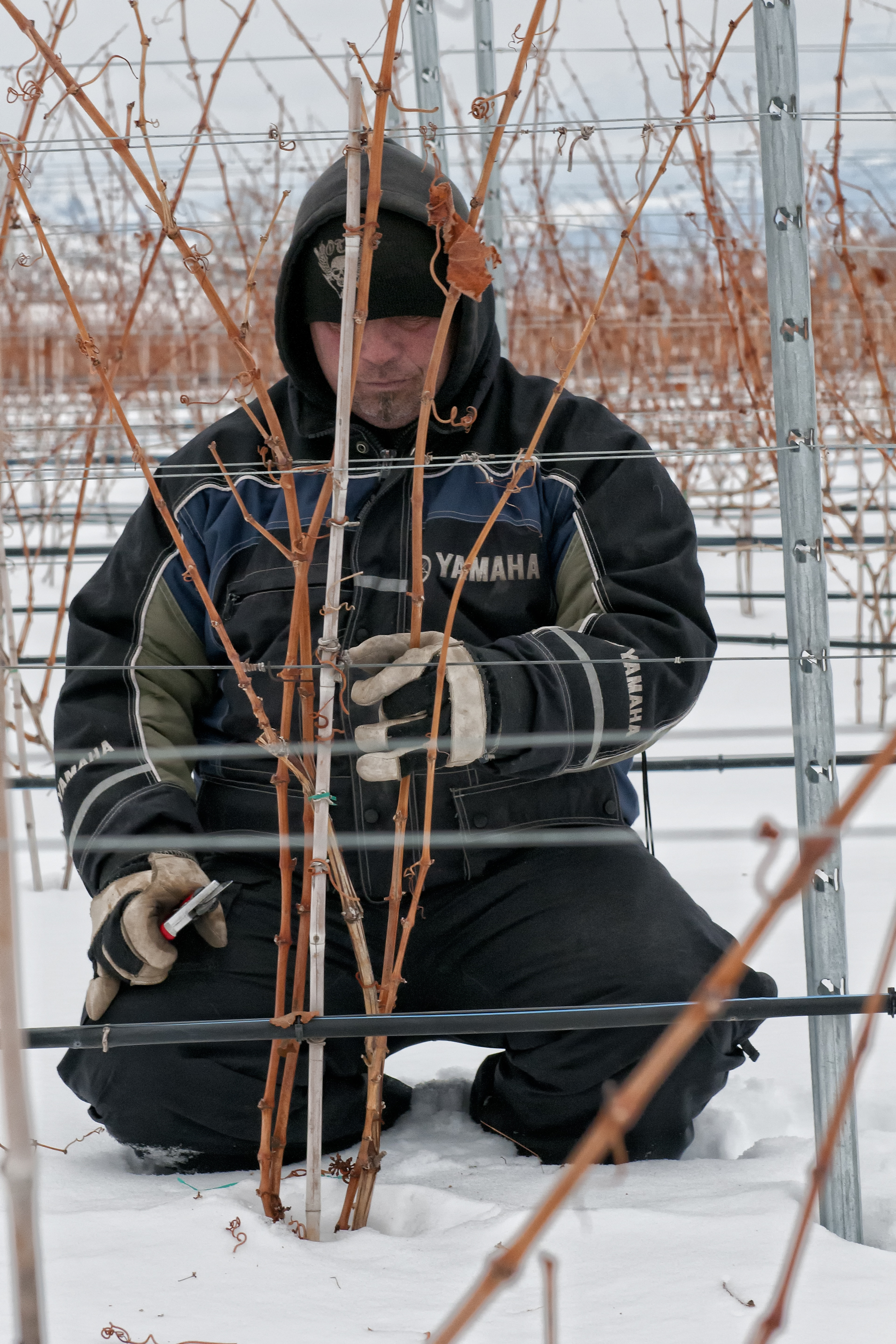
Snowy vineyard Jim Vineyard pruning Vineyard tractor  John

It’s beginning to be a long, cold winter. Lots of snow, wind, crappy roads, and well, I suppose that’s just winter in British Columbia.

I have been getting out with my camera (chasing the light as it were) whenever I can and just having fun photographing as many different subjects as I can.  Sometimes, however, I have to remember to make a living. So I packed up my camera and flash when I received an email from the owners of a vineyard I have been photographing since spring reminding me it was time to get pictures of the seasonal pruning.

I have written about my excursions in the winter snow, but on those I could take my time. I would wait for, or follow the sun, and when the weather got too windy or too cold all I had to do was go inside.  On this occasion I couldn’t do that. The day was very overcast, flat, and gray. The temperature on the high, flat, plain along the river wasn’t painfully cold, but even at minus 5 degrees Celsius the constant wind made fingers and ears uncomfortable quickly.

The vineyard workers slogged through sometimes knee deep snow and were all bundled up against the wind and cold as they pruned the acres of vines. My job was to make pictures that were more than just documents of people working at a local winery.

I put on my warm winter boots, several layers of clothes, and my convertible fingerless mitts. My biggest problem wasn’t the weather; my concern was the light, or at least, the lack of it. I didn’t want to be limited to a wide aperture. Limiting my depth of field would put foreground and background out of focus, and I wanted vines and/or people on both sides of my subject to be in focus.

To compensate, I increased my ISO to 800, selected 1/250th shutter speed, and tried to keep my aperture at F8 or smaller. For any close shots of the vineyard workers pruning vines I had a flash mounted on a flash bracket attached to my camera. I like that bracket. It positions the flash about ten inches above my camera so it doesn’t get shadow from my big lens hood like the pop-up flash, and I can easily move the flash off-camera to light subjects from different directions.

I didn’t have to worry about the vineyard people being camera shy because by now they are pretty used to me, and most have an easy smile and are happy to discuss their work and don’t seem to mind me joining into a conversation and even pose a bit to make my pictures better. That’s my style anyway. I’m not one to hide behind a camera. Whenever I am involved in an event I change my position a lot, and am never concerned with getting my clothes dirty or wet. I work to keep everyone relaxed and I quickly lift my camera to make an image, and just as quickly lower it do keep contact with my subject.

After the cold, windy hours of photography I hitched a ride on a tractor back to the barn. Those fellows were happy to get out of a long day in the cold snow and wind, returning to their warm homes to relax and pack ice on their sore, right hands. The hours of pruning comes at a cost.

For me it was a productive day. And, even though I now have lots of images for my clients I’ll keep an eye on the light for the next week and return to the vineyard hoping to get a few more shots.

I do appreciate any comments, Thanks

My website is at www.enmanscamera.com

Ten Resolutions for Photographers for 2013

When I wrote about New Year’s my resolutions last year I said they weren’t so much resolutions, as they were things I’d been thinking about for some time. This year they could be just as accurately called my photography goals for 2013 rather than my New Year’s resolutions.

I also asked members of Canadian-Digital.com for their resolutions. So here are some of the best from them, a couple from other photographer’s blogs I liked, and some of mine.  I kept the number at ten and mixed them into no real order. Too many goals don’t seem to work for me.

1.    This is the year to concentrate on personal strengths. So the first resolution might be called  “growth”.

2.    Plan a trip or photographer’s vacation this year.  Be sure to make it about photography, not one of those    rushing trips where one hopes for a snap shot or two. For me the resolution would be, a photographer’s excursion that allows and inspires me to use the equipment, knowledge, and talents I have.

3.     Photographers should always make the effort to learn new techniques. Maybe by taking a class, or at least buying some books, or CDs, written by accomplished photographic writers. This resolution can be called “education”.

4.    I will continue my ongoing quest to organize my old prints and slides.  I make this resolution every year. This never-ending struggle has been ongoing for years and may never end. I want to place as many as possible on archival CDs. I suppose this resolution is “organize”.

5.    My shop is a great place to interact with others interested in photography; I have a few chairs available, and it is fun to talk about photography. My advice for those that don’t have my convenience is to get together with other photographers with the only goal being to talk about, or do photography. How about searching out photographers interested in the kind of subjects one might like to photograph, for example, collaborate with like-minded enthusiasts and plan an outing, or just get together for refreshments and talk at some local spot. This resolution is “get involved with other photographers”.

6.    I could add a lens or maybe get a newer camera body this year, but I am never really searching. New equipment just happens, there isn’t any one camera or lens that I require.  However, because I prefer to purchase used equipment, I am always on the look out for bargains that fit the kind of photography I do. So the resolution for this year should be to sell something that I am not using and buy something that I will use.

7.   Many photographers are participating on “photographic challenges”. Anything that gets us out with our camera has got to be good. Whatever the challenge may be, whether about some specific subject like photographing all the bridges in one’s area, or a photo-a-day for some period of time. As I’ve stated before anything that gets us out with our camera has got to be good. So this resolution might be “take on a challenge”.

8.   Study famous photographers and look at lots of photos. When I am interested in a new subject I begin by doing an internet search on photographers that worked in that specific area. Then I find their books or photographs and choose an image and try to figure out why it works. This resolution will be to “look at lots of photographs” this year.

9.   “Out of Chicago” blogger, Chris Smith, wrote, “Slow down. This was my resolution two years ago and it changed my photography. I decided to buy that new tripod.” And he continues by saying, “Before this I was taking too many pictures.”  He explains that by reducing his captures, “I actually had many more keepers. So take your time with each shot.” I like what he wrote so this resolution will be “slow down and take more time”.

10. The last is from photographer, Ming Theinb, “(Be) More ruthless with the seeing and editing process; conditioning oneself to throw out the crap is the only way to keep improving.” This resolution is “quality not quantity”.

I am sure readers will make their own resolutions for the year we have just begun.

What could  they be? I can only imagine.