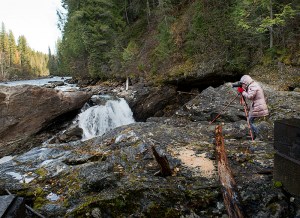
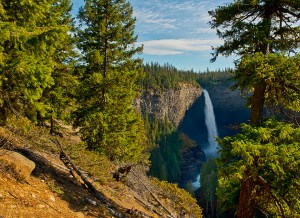
October photographer’s drive through Wells Grey Park   


My friend Jo and I decided to test out a big 400mm lens that came in to my shop.

I had brought it home to test and had tried couple shots in my yard, but decided it needed distance subjects for a realistic workout.

Jo had stopped by one evening and after a couple glasses of wine I flippantly said, “if we took it to Wells Grey Park we might find some bears”.

I was joking. Jo always tells me she would be afraid if she saw a bear wandering in the woods where we live. However, in an uncharacteristic comment she took a sip of her wine and said, “can we do that?”

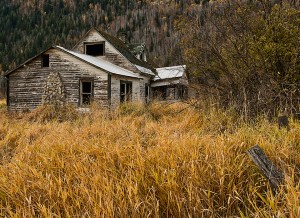
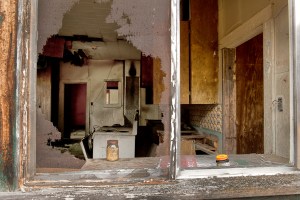
A week later we drove into the wilderness park and Jo had that big six-pound lens attached to her Nikon D800. We had began by stopping at Spahats Creek Falls 400mm lens for some wide angle shots, then wandered around a long deserted homestead and were heading to Helmkin Falls when we spotted the bears.

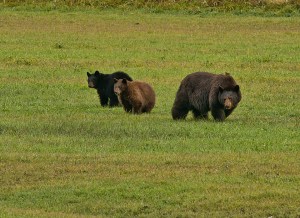
In the forest town of Clearwater, just before the park, I talked to a local that mentioned there had been a sow and two cubs hanging around a large meadow on the way to the park’s entrance, so we were watching and as we turned a corner there were cars parked on the roadside. And there in a farmer’s mowed field were the three bears.

I stopped, placed my beanbag on Jo’s open door and stepped back as she rested that big lens 400mm f3.5 on it and began pressing her camera’s shutter.

After that exhilarating event we drove on into the park.

We couldn’t have chosen a better day. The temperature was cool enough for a light jacket and the fall colours were inviting so we stopped and stopped and stopped again to take pictures.

The park is a favourite of hikers, boaters, trucks towing large trailers for overnight camping and for anyone, like Jo and I that want to do roadside photography.

Like most photographers, we over packed. We had our cameras, tripods, lots of lenses, a bag of filters, two flashes, extra memory cards and enough food for two or three days.

We didn’t eat very much of the food, use the filters, flashes or tripods and had no need to mount a flash on either of our cameras. I only used my 24-70mm and other than when she photographed the bears with that 400mm Jo stayed with her 20-40mm. But although the need never arose for us to employ that trunk full of equipment we were well prepared.

October is my favourite time of year for scenic photography and as last year at this time, Wells Gray Park is always on my list for fall nature photos.

When the shadows grew and the temperature began to drop we knew it was time to head home. Clearwater to our homes in Pritchard is about two hours and for us that meant two hours of talking about the photos we took, photos we plan to take and places we want to go with our cameras.

I looked for a quote to end with and found this by the most famous scenic photographer of them all, Ansel Adams.
Everybody now has a camera, whether it is a professional instrument or just part of a phone. Landscape photography is a pastime enjoyed by more and more. Getting it right is not an issue. It is difficult to make a mistake with the sophisticated technology we now have. Making a personal and creative image is a far greater challenge.


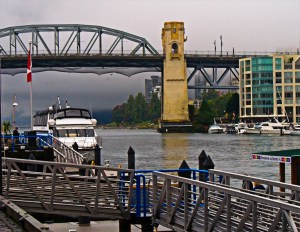
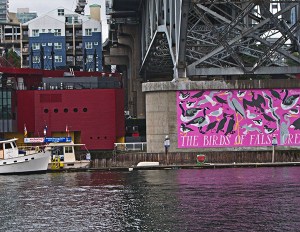
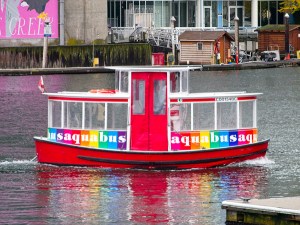
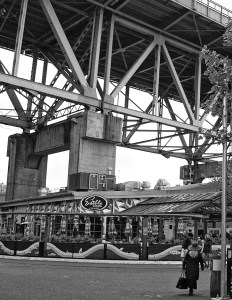
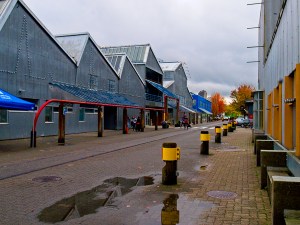
October 1st Granville Island photography wanderings       

As luck would have it my second Granville Island visit this year was again on a rainy day.

I suppose any Vancouverite would tell me I shouldn’t be surprised. Rain is normal in both spring and fall in that part of the province.

One could rationalize and say, “well, the colours are deeper on wet over-cast days”.

That is so true, but I still worried about getting my little Panasonic mirrorless camera wet as I strolled with wet hair between the colourful buildings, dodging people clad in rain coats and hiding under umbrellas.
My friend Laurie and I spent previous day at the Vancouver Camera Show and Sale. Laurie had brought a camera that needed repair and we were waiting till after 1’oclock for a camera technician to return home.
There was no discussion for a photographer; Granville Island rain or shine was the prefect place to kill time and wander with a camera.

Buildings filled with expensive artwork, a food fair, farmer’s market, artist studios and, of course the Emily Carr University of Art and Design, are all great places to take pictures. Laurie was forever loosing site of, and then catching up to me as I meandered only thinking about the next photograph.

Heck, I knew where our truck was and was sure he’d find his way there when we both were tired of getting wet in the constant drizzle.

But I did have my camera.

I always find a reason to go there before or after the camera show. It’s also a grand place to shop if one has money in their pocket. And in spite of the sometimes-long wait, buying lunch or breakfast and relaxing among the excited and busy throngs of people from all over the world are fun.

I searched for some info on Granville Island, and the city’s info page says that Granville Island draws 10.5 million people each year. And the island’s architecture, much of which comprises remodelled warehouses, still show the island’s industrial past.

“Granville Island is a peninsula and shopping district in VancouverBritish Columbia. It is located across False Creek from Downtown Vancouver.”

“The peninsula was once an industrial manufacturing area, but today it is a hotspot for tourism and entertainment. The area was named after Granville Leveson-Gower, 2nd Earl Granville.”

That is great trivia, but for me, the lure of the place is photography. Sure, I enjoy an early morning coffee and bagel, but the urge to keep photographing the place doesn’t allow me to sit for long.

I think the famous American photographer Annie Leibovitz describes my wanderings in Vancouver’s Granville Island when she said,   “The camera makes you forget you’re there. It’s not like you are hiding but you forget, you are just looking so much.”

Another Vancouver Camera Sale & Swap Meet   

Vancouver is famous for it’s rain.

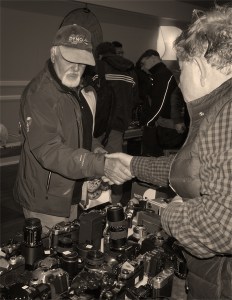
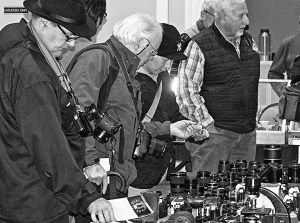
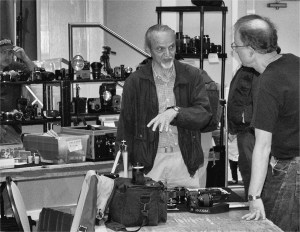
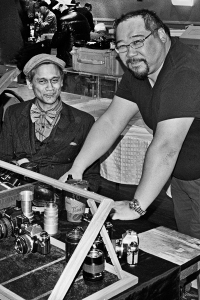
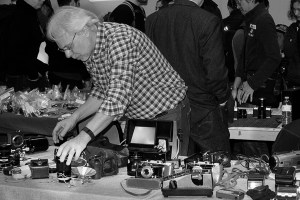
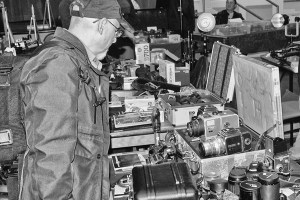
Pounding Vancouver rain was what greeted my friend Laurie Patmore and I as we rolled our loaded carts into a large room filled wet shouldered people that were arranging all sorts of camera gear on their tables for the Vancouver Camera Show and Sale.

It was 7:30AM and we had two hours to say hello to long time friends and get our equipment ready for an excited crowd of photographers anxious to exchange their hard earned money for the shiny items on our table.

Laurie, as always, disappeared and left me readying the table. Selling stuff is fun, but searching for and finding treasure is way more fun.

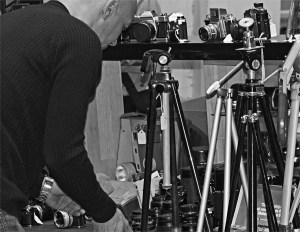
This time I had lots of old manual zoom lenses that I just wanted to get rid of any way I could and I wanted to organize my cameras so people would see them first.

Those zooms lenses were prized and sought after back in the 1970s and early 80s, but now they have lost their allure and aren’t even used as paperweights. Nevertheless, I keep trying to sell them. Actually, “get rid of them” are much better words.

Every show I go through the guessing game of what will sell. Last time anything from the 1970s was popular and digital equipment was totally ignored. However, this show there was little interest in the old manual equipment. It was mostly digital equipment that attending photographers were interested in.

What keeps me coming back year after year? Well the people, of course.

The large, bustling, international, coastal metropolis of Vancouver British offers almost anything one could wish for, and events like the Vancouver Camera Show are always a great excuse to spend time there.

The advertisement says. “ Antique, vintage, digital, and everything else for photography, new and used. Do not miss this opportunity to the fascinating world of photography”.

I agree. What an opportunity to enjoy the exciting and fascinating “world of photography”.

I enjoy the people.

Of course looking at, touching and discussing some precious piece of camera equipment is darn fun, making pictures is stimulating, exciting and a rousing force.

I know we all can hardly wait to look at our latest picture on the computer screen as soon as we depress the shutter and making those pictures is all consuming. But talking with other photographers is exhilarating.

The Vancouver camera show and sale is over for 2018 and I’ll have to wait till the spring of 2019 for the next show. I am more than satisfied knowing that I have already planned a couple more photography excursions for this year.

I found this fun quote by the famous Canadian singer Celine Dion,

“I don’t know if the camera likes me, but I do like the camera”.


Looking for an eagle to photograph, but I guess any bird will do.   


Last week a Canon 300mm lens was brought into my shop by an owner had decided to downsize her equipment. By “downsize” I mean that she was changing from her big DSLR to a much smaller and lighter mirrorless camera.

I thought I’d entice buyers by showing photographs of birds using that neat telephoto lens with a 1.4 Canon telextender that I also had to sell.

Everyone likes eagles, and I had noticed a few clinging to trees along the river on my drive home. I was sure a couple shots of eagles in the dismal valley smoke would be proof as to the quality of that 300mm.

I don’t have a Canon DSLR so I called my friend Jo McAvany and suggested that I’d drive along the river as she looked for eagles. I could pull over for her to use the 300mm and the 1.4 telex on he cropped frame DSLR. That meant she could shoot from the open window with what would effectively be around a 550mm lens.

Jo showed up at my house around 9AM as I was having my morning coffee. (Jo is one of those strange people that don’t eat breakfast or drink coffee…Ya, I know)

Anyway, as we were going to my car, Jo called to me to wait. I could see her sneaking slowly through my bushy garden.

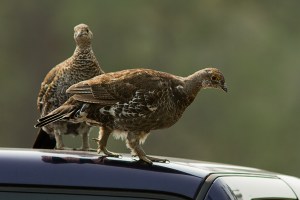
She had spotted five or six grouse sitting on her truck. They must have been drawn to the warm metal on the cool morning. I heard her say, “I wish I had my wide angle so I could get them all in”.

The first shot of the day was not an exotic eagle, but I think that a couple grouse standing on the top of he truck’s cab is pretty darned good.

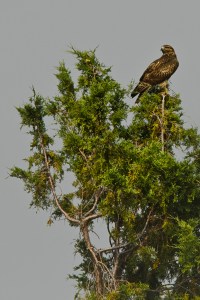
Talking and laughing about the silly grouse, we drove along the winding country road that leads down to the river from my home. I slowed down when I saw a hawk taking off from a fence post beside an open field.

That hawk is always hanging around there. It must watch for mice feeding where the cows dig up the pasture. I have never been able to get a shot of it, but I slowed and Jo got out to photograph it landing on a treetop across the field.

No eagles yet.

We drove down into the gloomy smoke settled motionless in the river valley and then as slowly along the highway as the big transport trucks speeding along would let us.

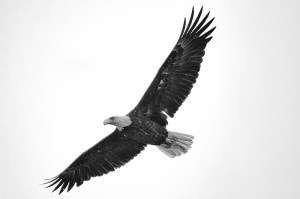
One eagle. Yep, we only saw one blasted eagle on a distant tree. I pulled over onto a train crossing and ignored the “No Trespassing” sign to get close enough for Jo to get a shot. Just as she got out to position herself the big bird took off, I yelled, “shoot” and she did. One out of the three was perfect! I think that’s a good ratio. We left and continued down the highway with out seeing another eagle.

Disappointed, we turned to take the back road to my place hoping to see a few ducks at the pond I had tried unsuccessfully all spring to get photos of geese at.

The reeds along the edge blocked most of the shots. But Jo was determined, and ran across the road to photograph ten or so ducks resting on a log. By the time she got a shot there were only three left.

Well no eagles, and no more birds waiting to be photographed. We did stop for a photograph of a deer. Big deal, there are hundreds of those.

We got back to my house and as I brewed myself another cup of coffee, my never-say-die friend went out to take pictures of my chickens. Chickens.

We didn’t prove that lenses’ quality with pictures of eagles. Well one. Nevertheless, Jo got some neat bird photographs, and we had fun.

Making up a reason, like testing a lens, is a pretty good excuse to get out with your camera if you actually need one. However, I think what it is really about is being enthusiastic about photography and, of course, stimulated and excited by just about anything one points their camera at.

Another day with infrared        

The days here in Pritchard, British Columbia have been hot, dry, with air that has barely moved. A cloudless sky and constant sun that beats down on my head as I walk around my parched property, None of which has been that inspiring for photography.

So when I woke up to an overcast day this week I hurried through my morning chores with the thought of going off somewhere with my camera, and by the time I had finished my coffee I had decided to pull out my infrared converted camera and travel out along the dusty Stony Flats road to see how the overcast sky would show off the tall Fir trees that line it.

I drove along stopping for pictures every now and then, but I started feeling I was having a “photographer’s block”. It was then that I thought about the Chase falls.

I had been there only a couple months ago and thought about how nice it would to photograph the falls on a flat day without having to struggle with the hash contrast that accompanies a sunny day.

I knew the light would be unusual in that tight little canyon. It always is with infrared. Colour photos are so much easier there with the light is reflecting off the canyon walls.

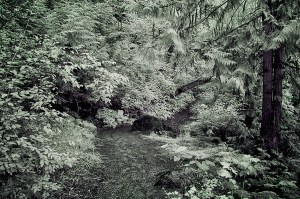
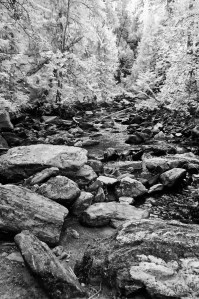
This time of year the path along the creek is overgrown and narrow. And in my opinion, was a perfect subject for infrared with the subtle changing shades of green to a tonal range of whites.

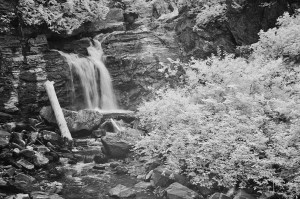
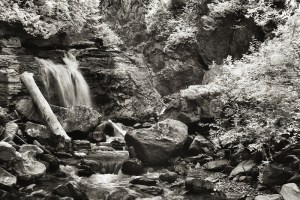
The most dramatic infrared photographs of the falls need to be wide enough to include vegetation. An unaltered infrared image turns out mostly brown with a few slashes of light drifting down to make some features blue. Without foliage converting the image to black and white that isn’t much different than a normal black and white picture.

To get the otherworldly effect of infrared one must find and angle that includes foliage that turns white.

When plants reflect infrared light the effect will show them as glowing white, and its that tonal change that one is after when using infrared.

My favourite photographs were not the falls. This time it was the tightly treed creek and the overgrown path leading to Chase falls. However, the falls will always be the focal point of any photographs and one needs to work with that so viewers have a feeling from that location

Patience is part of any scenic/landscape photographer’s tool kit. And anyone that has accompanied me knows that I don’t become annoyed or anxious if I have to wait.

On this outing as I waited for over a half and hour for a fellow poking a stick into the water moving dirt, then digging with his hands and sifting though the particles. I never talked to him. I was up along the rocks for wide shots and he was perched on rocks near the falls. I assume he was hoping to find gold in the streambed.

He was finding small bits of something because he kept putting his findings in his shirt pocket. I have never searched for gold along that creek, but I have noticed a lot of iron pyrite clusters glowing in the shallow water. Maybe “fools gold” was what he wanted. Or, who knows, maybe he actually was finding something valuable.

To me the value I find in that canyon stream is the photographs I get to make.

Anacortes Shipwreck Festival 2018   

On July 20th I made another six-hour highway drive from my home in Pritchard, British Columbia to the town of Anacortes at the tip of Fidalgo Island nestled in the Pacific Northwest’s San Juan Islands to their annual Shipwreck Festival. It’s certainly one of my favourite places and events of the year.

Again, as last year, long time friends Dave and Cynthia Monsees came along, and I was also very pleased that my photography partner Jo McAvany had decided to come along this year.

We arrived early enough so I could give Jo a quick tour of some of the places we would be photographing on Sunday, then drove down the main street of town to meet up with the hard working Fidalgo Island Rotary Club volunteers.

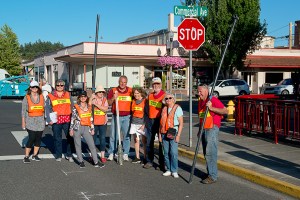
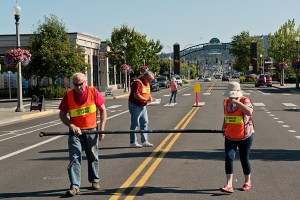
The Fidalgo Island Rotary Club organizes the Shipwreck Festival and again this year I volunteered to get a few pictures of them as they marked street locations for the next day’s vendors and also to take this year’s group photograph.

I’ll repeat what I wrote last year and say that over the many years I have been attending that popular festival in Washington State I have never heard or met with a sour word from anyone in the town. The people one encounters are always warm and generous and after a short time I always get the feeling they are old friends. Although I’m an out of town stranger, and a Canadian to boot, I immediately felt that way as I joined that group decked in their Rotary Volunteer vests.

I can’t remember what year I first started attending the annual Anacortes Shipwreck Festival, but it was some time in the mid-1990s I think, and although I have missed a few over the years, I am determined to make at least the next dozen plus. (Or at least till the Provincial Driver Licence Authority decide I am too old to be in charge of a vehicle)

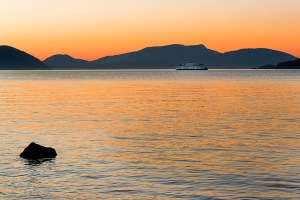
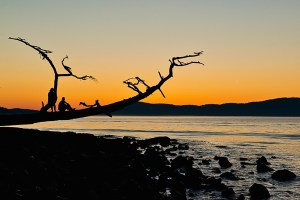
After I photographed the festival committee, Jo and I set off for a picnic and pictures at the beach. After a quick stop at a close by grocery store and a short drive to Washington Park we spent the evening photographing everything, and of course each other, as we waited for the sun to sink into the ocean.

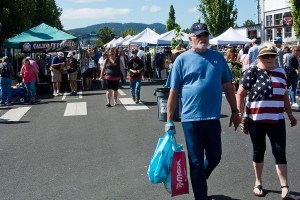
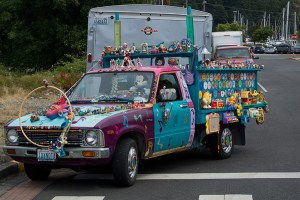
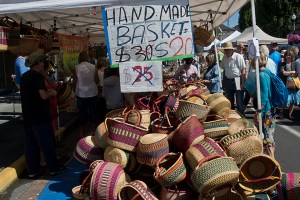
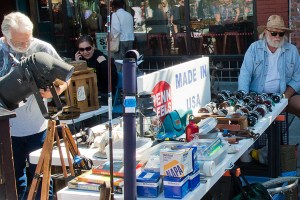
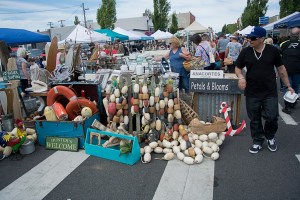
The next day was not only an exciting wander through the nine-block flee market on the main street of town, it was an excellent opportunity for us to try some “street photography” on the people packed avenue.

Whew, what a day. We saw, we touched, we photographed, and we talked to people from 9AM to 3PM. Then we stepped into a popular Commercial Avenue Alehouse called the Brown Lantern for a late lunch and I gladly got to rest my tired legs. I am sure Jo will recommend the crab and corn chowder and I agree that both my food and the two beers I drank were the refuelling I needed.

Then we were off for another quick look around and a few more pictures of the crowed street of happy bargain hunters.

Leaving the street festival we drove up to the high overlook at Cap Santé Park that offers a command view of the marina and city. We climbed over the large, smooth, flat rocks and photographed the city, ocean islands, and the many bright red Arbutus trees.

The next morning and for the rest of the day we drove around the island photographing many of the places I have visited in past years. The island location may be the same, but the image one creates in a different time is always a new creation.

I enjoy photographing just about anything. The Anacortes Shipwreck festival is always a good excuse to get me to the cool damp Pacific coast and away from what usually is a hot and dry July where I live in British Columbia.

Another Anacortes Shipwreck festival photography excursion has passed. We had fun and got creative and made lots of photographs. Now we are left with the memories and the photographs until next year. However, I am planning another trip in the fall, so the memories only have to last about three months because I’ll be back on the island and in Anacortes to make a few more.


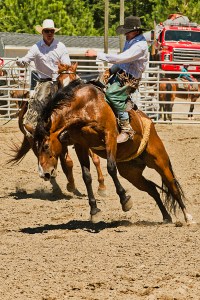
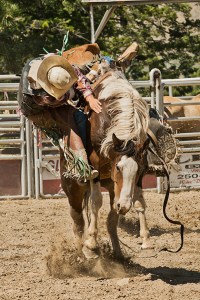
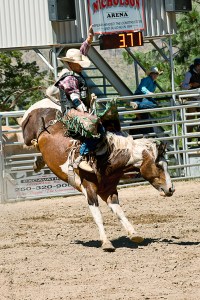
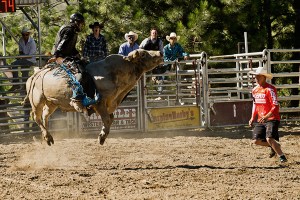
Photographing the 2018 Pritchard Rodeo       


The Pritchard rodeo has come and gone once again.

Gosh, its 2018. I need to dig though my storage of photographs to find out how long I have been attending and photographing that fun filled tournament.

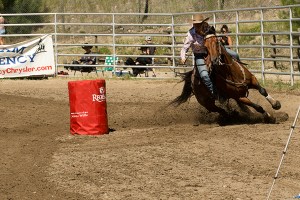
I will say that it is a much smaller event than it was years ago. Maybe it’s a sign of the times. The numbers of participants has declined dramatically and so has the crowd.

There are so many opportunities for people to attend each weekend that spending the day at a hot, dusty rodeo may have become low on many peoples list. Nevertheless, for anyone, especially photographers, that want to see great action, our local rodeo is still a worthwhile way to spend the day.

I arrived an hour early expecting to beat the crowds. However, there were already several photographers ready and waiting ringside for the action to begin.

It’s always so much fun saying hello and trading quips with photographer friends I only get to see once a year. As I looked at the cowboy hatted gaggle of photographers I noticed that every dang one of them were sporting Canon cameras, all to evident by the large white lenses attached to their cameras. So I was ready and waiting for the Canon vs. Nikon jokes that never end.

That said, when the dust and the jokes clear, those that I stopped to talk to were experienced, talented and certainly dedicated rodeo photographers.

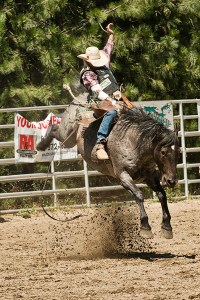
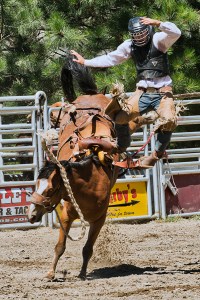
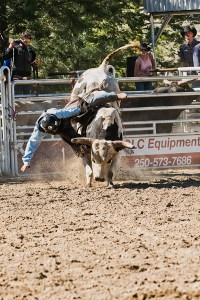
The first bronco-riding event started at 1AM and I comfortably positioned myself along the metal railing. I checked my camera and set my ISO to 400 so I could get a reasonable depth of field, selected Shutter Priority Mode and placed my shutterspeed at 1/500th of a second to stop the action.

My lens of choice for sports is the 70-200mm. There are longer focal lengths available, but my well used 70-200mm is easily hand holdable and quick focusing.

I like photographing any kind of action, and that especially goes for rodeos. Small venues like the one a few minutes drive from my home in Pritchard are photographically accessible and the organizers haven’t put restrictions that limit photographers. And for those new to rodeos, it’s a friendly and easy place to practice and, of course, experiment.

This hometown rodeo makes it easy for local participants to get quality photographs of themselves that can be made into wall prints. All they have to ask some one with a camera as they pass by.

I began this article with the words, “The Pritchard rodeo has come and gone once again”. As always, that fun packed rodeo was, well gosh, fun. I got to talk with other photographers and renew friendships with neighbours that I rarely see. And, of course, had a great time taking pictures.


Photography in the rain     


Last Sunday was cool and rainy. I had wandered a bit outside, but only long enough to feed my chickens and move some wooden chairs under a canopy so they wouldn’t get wet in the downpour.

Mostly, I just wasn’t interested in the rain or the cool light breeze and by noon I was content to just sit listening to music, and had just started a beer when there was a knock and my door and my friend Jo McAvany’s smiling face appeared through the window.

Some years ago one might have heard, “Can John come out and play?”   I really didn’t, I was enjoying the blues music and my beer on that rainy day. However, Jo had her camera and I knew I didn’t have much of a chance. She said, “How about we wander around, I want to take some pictures in the rain.

Ten minutes later we were ambling around pointing our cameras at features that on a sunny day might not have given us as interesting and creative photographs.

There are some cameras that are almost waterproof. A Nikon advertisement I once read stated that some models are, “splash proof’. Nevertheless, my main accessory for a rainy day is an old kitchen T-towel for wiping the rain off my camera. Every now and then I give my camera a wipe so the rain doesn’t accumulate, and continue on.

Shooting in the rain is one time that I enjoy a modern camera’s ability to use high ISO. Back in the painful days of film we were limited to 400ISO with colour film. There were a few black and white films that were rated at 3200, but their ability to give photographers reasonable image quality wasn’t all that good.

Wide scenic photos aren’t very pleasing in the overcast flat lighting, so we concentrated on more intimate and close-up subjects. Both Jo and I were using 70-200mm lenses that focused reasonably close. Not macro close, but close enough for us to confine and restrict the view.

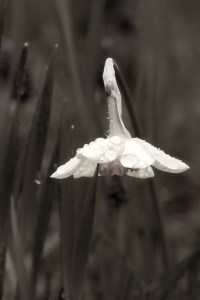
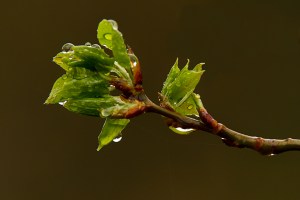
Cloudy days always seem to be more colourful for plant photography, and there is something about green leaves and grasses on rainy days that attract me.

I once read, “one should embrace the rain’s infinite photo opportunities”. I like that. Photographing in the rain gives the photographer the chance to explore a whole new world that on a sunny, shadow filed day is invisible. The raindrops and the wet subjects are so inviting.

I know those gray clouds can be disappointing. However, keep a positive attitude. Sure there is a strong possibility that your hair and the knees of your pants are going to get wet, but in my opinion, wet knees are certainly worth the voyage. And remember you don’t have to go far, and with a bit of creative thinking and preparation you’ll be out having fun making photos, even in wet weather.


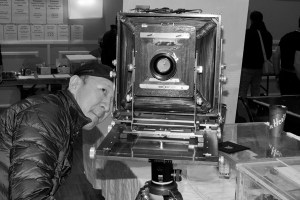
The April 2018 Vancouver Camera Swap Meet 


The time seems to move so darned fast, has it really been six months since I just wrote about one of my favourite yearly photo events, The Vancouver Camera Swap Meet?

There was a three-day break in the heavy snow that has frequently blocked the high mountain road between Kamloops and Vancouver, and we snuck through. As I am writing this, the news report is predicting heavy snowfall and recommending extreme caution for anyone that absolutely must drive the Coquihalla highway to coastal cities.

We made it, and in spite of three days of pouring rain my friend Laurie and I had a great time. As always, we ate and drank too much and stayed up too late the night before. Nevertheless, we were up early, ate a good breakfast (with lots of coffee) and arrived by 8:00AM to spread out our array of camera equipment on the table we had rented, walked around for a quick visit with long time friends that I have been meeting once or twice a year for the past twenty years, and looked at and drooled over all the exciting photographic equipment waiting for the doors to be open to the public at 9AM.

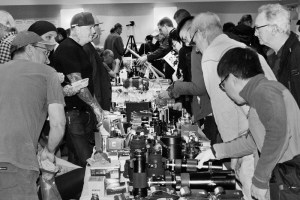
As usual there was a rush of people as they vied for positions at each table. I will say that there is never rude pushing and shoving, those avid photographers are quite adept at peering between those in front and somehow are able to reach with long arms to pick up the camera or lens they spied.

I have never had anything stolen, but I will admit to being on edge when there is a rush of excited photographers at my table. Keeping an eye on something picked up off my table and answering questions about six different items all at the same time is unnerving.

That said, what actually happens is I get to make a lot of new friends very fast. And there are always those that come up with a wide grin and say hello as they remind me about something they bought from me last year. My feeling is that I am in a large, noisy room filled with a thousand friends.

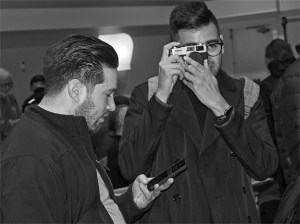
I have written before that the Vancouver Camera Swap is filled with a diversity of human beings that I enjoy. Photography brings people of all kinds of lifestyles, interests, and photographic specialties together. Everyone is interested in photography, whether film and vintage cameras, or modern digital technology, it’s just all about photography and can be found set out on someone’s table.

Twenty years ago it was really a good old boys club at these camera sales. However, I am delighted to say that those days are long gone in a forgotten past.

Ok, I guess there are a few like me that somehow are still hanging around.

It is now over until this fall, and was no different than the last that I had an exhilarating day with other photographers, and even got time to wander when the crowd cleared at days end.

As I wrote last fall, “a good word to describe the Vancouver Camera Swap meet? Invigorating, energizing, stimulating, exhilarating? Or maybe I should just say it was just good fun.”


Photographers – modify the light.


For some time I’ve been advising photographers to use a flash when they take pictures of people, whether indoors or out.

I understand that those with a few extra dollars in their pocket can purchase expensive cameras that can capture images in low light using a higher ISO, but using additional light is much more flattering for a human subject.

While sitting by the window in a coffee shop some time ago a friend casually snapped a picture of me using an ISO of 9000. I was impressed at the clarity and colour. Actually, it was a bit too clear and colourful for my old face.  Nevertheless, my comment was, “Nice picture, too bad you didn’t have a reflector”, which brings me to my topic this week – light modifiers.

Readers know what harsh sunlight looks like on our subject’s face in a photo, or have winced at the loss of detail caused by the direct light of a camera-mounted flash.  A flattering photograph isn’t just capturing or adding light, but modifying it’s path to the subject.

Modification might be as simple as bouncing the flash off the ceiling, or a wall. The pop-up flash might work at parties, but using a flash off-camera gives more control and pleasing results.

When outdoors without a flash a reflector is an easy to use light modifier. Place the subject out of the direct sun and direct the sun in a controlled way back to the subject using a reflector. Reflectors come in all sizes, shapes, colours and surfaces. Silver is gives cool cast, gold is warm, and white is neutral. I prefer the compact folding reflectors that fit in my camera bag. Reflectors are great outdoors, and are perfect with a bounce flash in that basement studio.

More and more photographers are using wireless flash. A small flash mounted on a stand can be aimed at the ceiling, a wall, or a reflector, for much nicer light than if pointed directly at the subject.  But the wall, ceiling, and reflector only give a broad indirect light. Yes, it is better than a bare flash, but not very controllable.

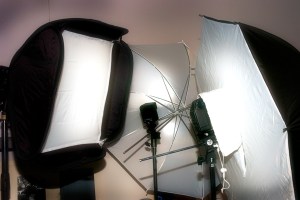
My choice is umbrellas, softboxes, and other devices that modify and control the light.  I like bouncing and reflecting light in some conditions. However, those I mentioned give more control as they reshape, restyle, alter, modify, and soften the light from a flash.

Umbrellas come in several types. Choose a shoot through or reflective, large or small. The reflective umbrellas are available with different surfaces – silver, gold, white – each has its own way of changing the light. For example, I like the soft broad light reflective umbrellas give when photographing several people or families.

Many portraitists seem to prefer softboxes. Whereas umbrellas give more control than a flat reflector, a softbox directs and defines light much better than an umbrella. Softboxes also come in many sizes and shapes depending on use – rectangle, square, octagon, etc.  When viewers see that soft shadowed “Rembrandt style” lighting in a portrait, they can safely assume the photographer used a softbox.

For photographers that want more luminosity than umbrellas and softboxes there is the beauty dish. A beauty dish provides a glowing kind of light, very directional, easy to control, and when used with diffuser it has an attractive smooth light.  There are, of course, many modifications to each of those I have mentioned. Again, it depends on how a photographer wants to apply light to a subject.

My set up much of the time is a simple flash above and behind me using either a softbox or an umbrella, with a sidelight bounced off a reflector, and backlight directed at the background with only a small dome diffuser covering it.  That’s one quick, effortless setup that I can easily carry in two small bags – one bag for light stands and light modifiers and one for my flash units, camera and lenses.

That gives me light that is more controllable and attractive than a pop-up or on-camera flash, the sun, or relying on a high ISO.