Remembering those Great Portrait Photographers that influenced me.

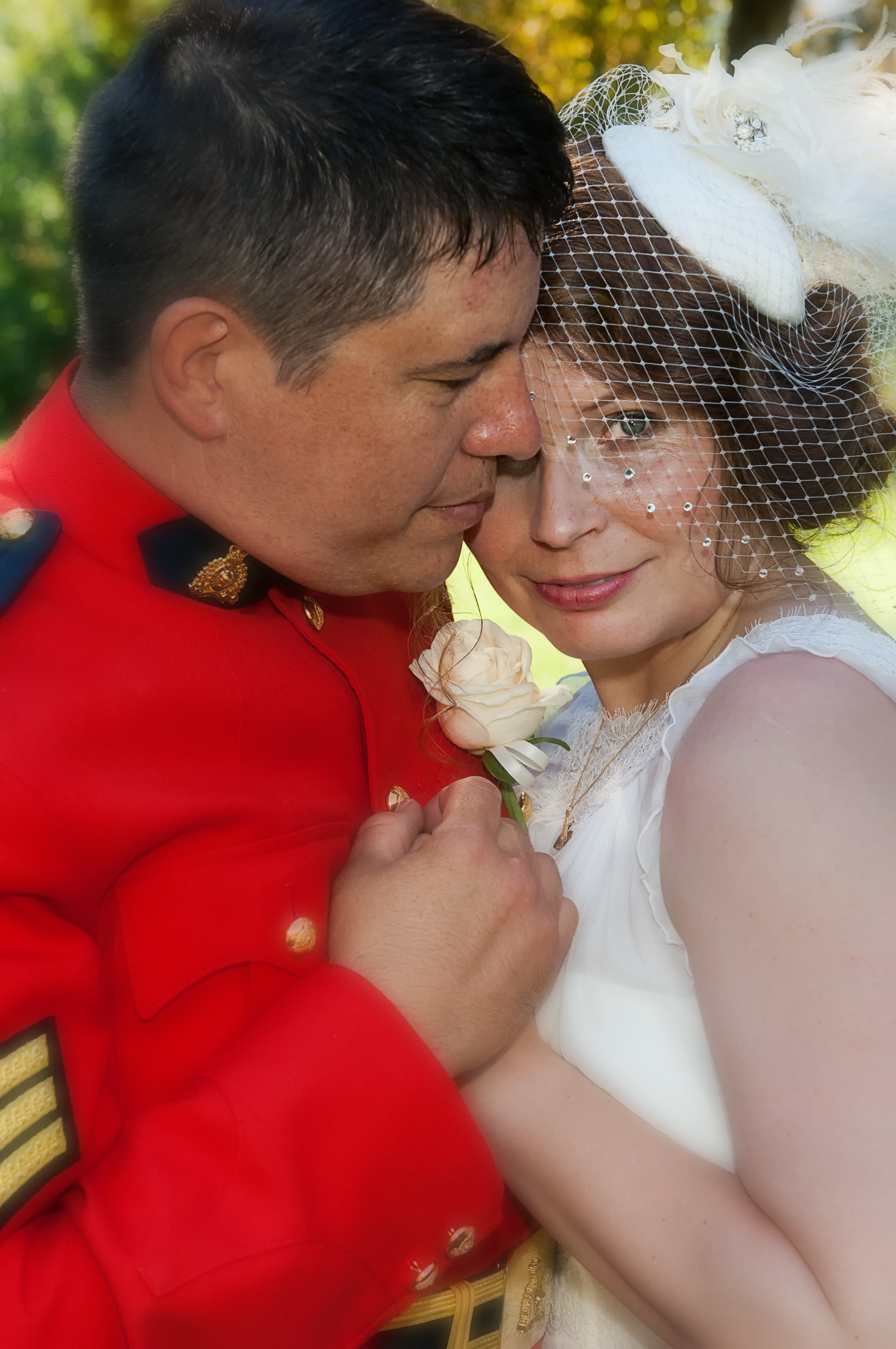
Mike and Shannon Moyer's wedding in Kamloops.

Mike and Shannon Moyer’s wedding in Kamloops.

I had been editing images from a wedding (pictured) I photographed on the weekend and decided to take a break, and settled down to watch a documentary that my wife had recorded on television about photography-great Annie Leibovitz.

Leibovitz made a name for herself with her collaborative style of portrait photography in the 1970s as a photographer for the Rolling Stone magazine and, of course, if you’re my age you may remember the incredible photos she made while touring with the actual Rolling Stones rock band.

The program was a walk down memory lane for me, and I thought about how she and other successful photographers had influenced my approach to photography, and as I watched I considered some other great photographers that impacted my view of portraiture.

The first photographers I became aware of while living and beginning my study of photography in Los Angeles so long ago were the co-founders of Group f/64, an association of west coast photographers.  I would go to exhibitions of their work and irritate my friends because I would ignore them to sit for long periods viewing each photographer’s work; I was amazed with the way they dealt with light and shadow. Ansel Adams and Imogene Cunningham, although not especially portrait photographers, were among those that changed the way photography was approached. Adams is well known to most, but Cunningham’s controlled photography of patterns, detail, and texture is worth viewing not only for her portraiture but also in her botanical work.  On portraiture she was known to comment, “The thing that’s fascinating about portraiture is that nobody is alike.”

Discovering Arnold Newman stopped me in my tracks. Newman photographed the world’s most influential people and his portraiture was termed “environmental”.  Unlike many of his contemporaries at the time, he might include tables, pianos, and other elements he deemed structurally important to a portrait and when interviewed about his style he said, “I am always lining things up, measuring angles…. I’m observing the way you sit, and the way you fit into the composition of the space around you.”

Another woman that challenged the way photographers approached portrait photography at that time was Sarah Moon. Her photographs were mysterious and surreal, sometimes in weirdly muted colours, or nostalgic with diffused grain. Her comment as to her portraiture was, “I never photograph reality.”

One of my favourite portraitists that I have mentioned and quoted many times is Richard Avedon, and his minimalist style with stark white backgrounds. The provocative three-foot high photographs from his exhibition entitled “In the American West” were an important hallmark in 20th century portrait photography. When talking about photography he said, “if a day goes by without my doing something related to photography, it’s as though I’ve neglected something essential to my existence, as though I had forgotten to wake up. I know that the accident of my being a photographer has made my life possible.”

There are many more that made me want to spend time making portraits in my early days with this medium, but the last I’ll mention is Irving Penn.  Truly an artist, his portraits are more than images depicting beautiful people and his prints take on the mantle of works of art in themselves. He said, “I myself have always stood in the awe of the camera. I recognize it for the instrument it is, part Stradivarius, part scalpel.”

Photographing people and stopping their lives for a fleeting moment is pure enjoyment, and for those photographers that want to become more proficient I recommend spending time searching out the famous photographers I have mentioned, viewing their works, and applying the lessons learned to their own portrait photography.

To complete my tribute to those portrait photographers that affected my photography, and that of many others. I will end with Imogene Cunningham’s famous quote “Which of my photographs is my favourite? The one I’m going to take tomorrow.”

Don’t hesitate to leave me your comments. Thanks, John

My website is at www.enmanscamera.com
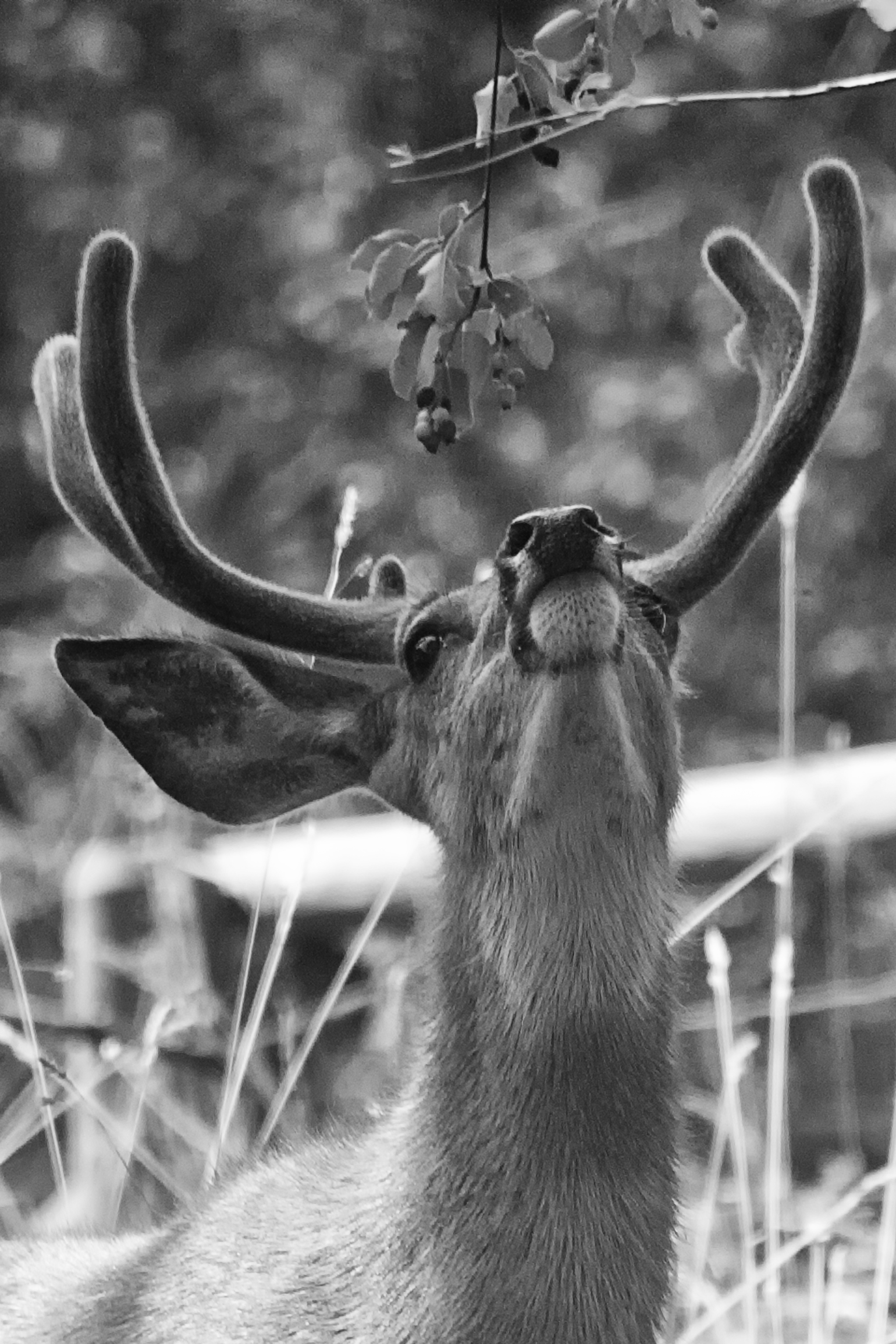
Liking Black and White Photographs


My last article entitled, “Wandering City Streets with my Camera” included both colour and black and white images and elicited the following remark from reader, Timothy Schultz, who said, “I don’t usually like black and white photos, but they were used very effectively here.”

Black and white photography has always been a favorite of mine, and I am pleased that some readers agree that sometimes the use of black and white is effective.

During my years of involvement with photography I have seen changes in the kind of photography people are doing. When I first started making pictures as a child it was all about economics – B&W prints were cheaper than colour prints.  After that one-hour photo labs appeared in shopping center parking lots, department stores, and finally in malls, and colour prints became inexpensive and the mainstay for photographers.

I have always liked black and white and much of the time prefer the mood it evokes.  Since the introduction of digital image making and programs like PhotoShop and NIK software’s Silver Efex the need to carry a dedicated camera and to commit space for a custom-built lab has disappeared.  Now all that is necessary is learning how to effectively use the correct program.

Colour is reality, and black and white seems a bit “arty”, or as I wrote, “mood evoking”.  I have never produced an album of wedding photographs without including some black and white prints and when I ask the couple if they are OK with that, I always hear, “Oh, we love black and white. Yes, please”.

People comment that a black and white portrait speaks about a person’s personality.  I am not sure about that, but I do like, and sometimes prefer, black and white, depending on whether the subject is a person, an animal, or a building, and what I am trying to illustrate with the photograph.  And, I “previsualize” how those colours are going to work as shades of gray while I am composing the photograph.

I’ll mention here that famous photographer Ansel Adams introduced the idea of, and the word, previsualization. It is a term he used to describe the importance of imagining, in one’s mind’s eye, what the final print reveals about a subject.

We see everything in colour, and in the modern world of digital photographic technology that’s what is captured.  Then, we visualize and translate those images into black and white images using post-production technology.  I really do like B&W pictures and sometimes miss those singular times in my darkened room, where I would produce my B&W photos by hand in open trays of chemicals.  However, technology has changed and there are many options that now allow photographers to produce higher quality B&Ws.

I read an on-line discussion entitled, “Why Black and White Photography” by Robert Bruce Duncan. In it he wrote, “black and white has an inherent dignity”.  His opinion is thought provoking.  Perhaps we do see and interpret more in a B&W photograph. Duncan goes on to say that he thinks few colour landscape photographers have matched the black and white work of photography greats like Ansel Adams, Edward Weston, Paul Strand, Margaret Bourke-White, and Imogene Cunningham, for example. And on portraiture he says, “it’s more than arguable that black and white is at it’s best for people photography…From early portraits by Julia Margaret Cameron, and later, Steiglitz and Steichen….(and) the photographers who documented America during the depression, to a whole slew of great Hollywood glamour photographers…and all the masters that made Life magazine perhaps the best periodical of its era.”

I am intrigued with Duncan’s words, I could mention some famous colour landscape photographers, but I’ll leave them to readers to search out. I believe both colour and B&W has its place.  As I wrote, sometimes I prefer black and white depending on the person, animal, or building, and what I am trying to say with the photograph. I pick and choose what image I think will work best in black and white and that depends upon the subject, the circumstance, the light, and, of course, the colour.

My website is at www.enmanscamera.com