Photographing Old Buildings

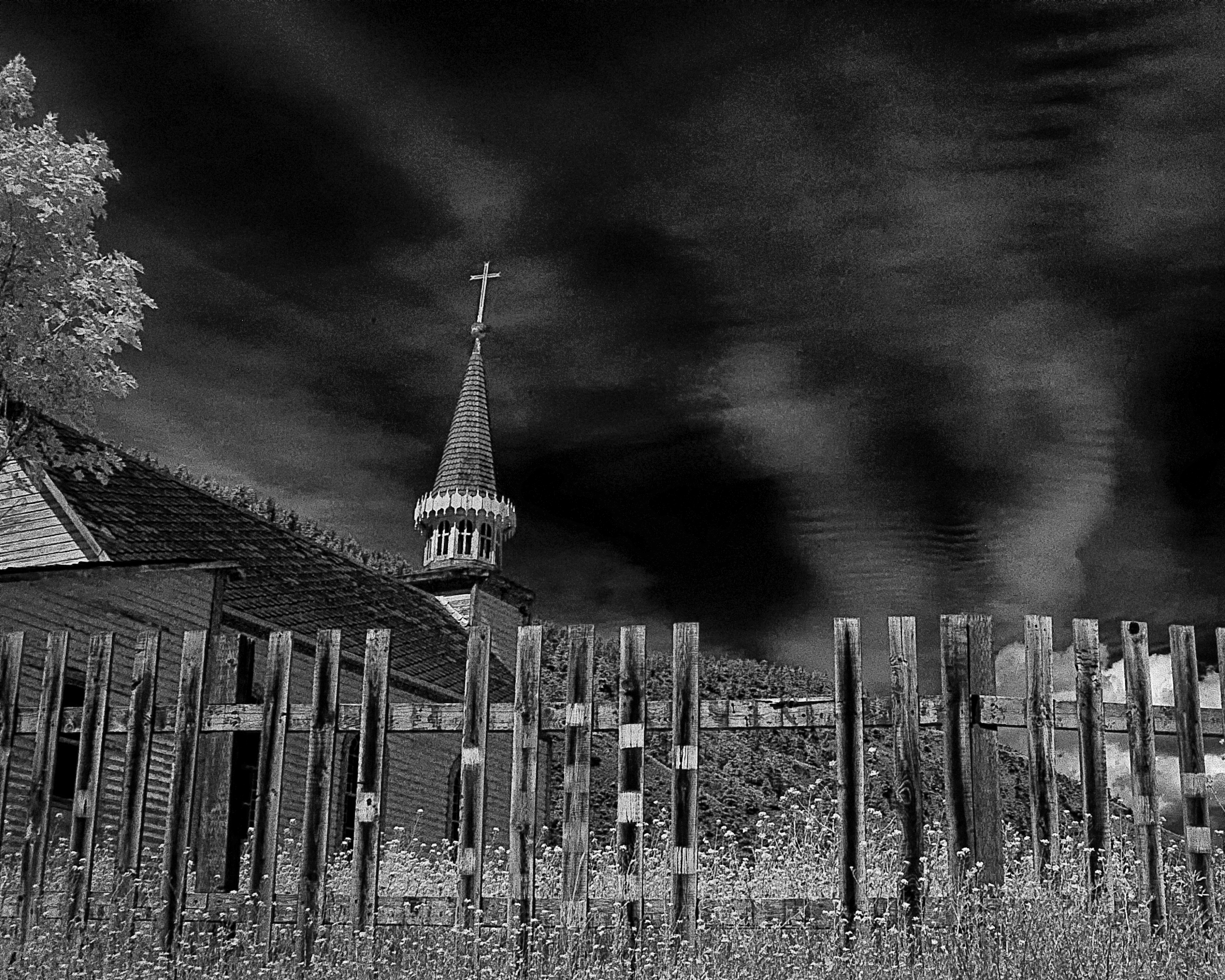
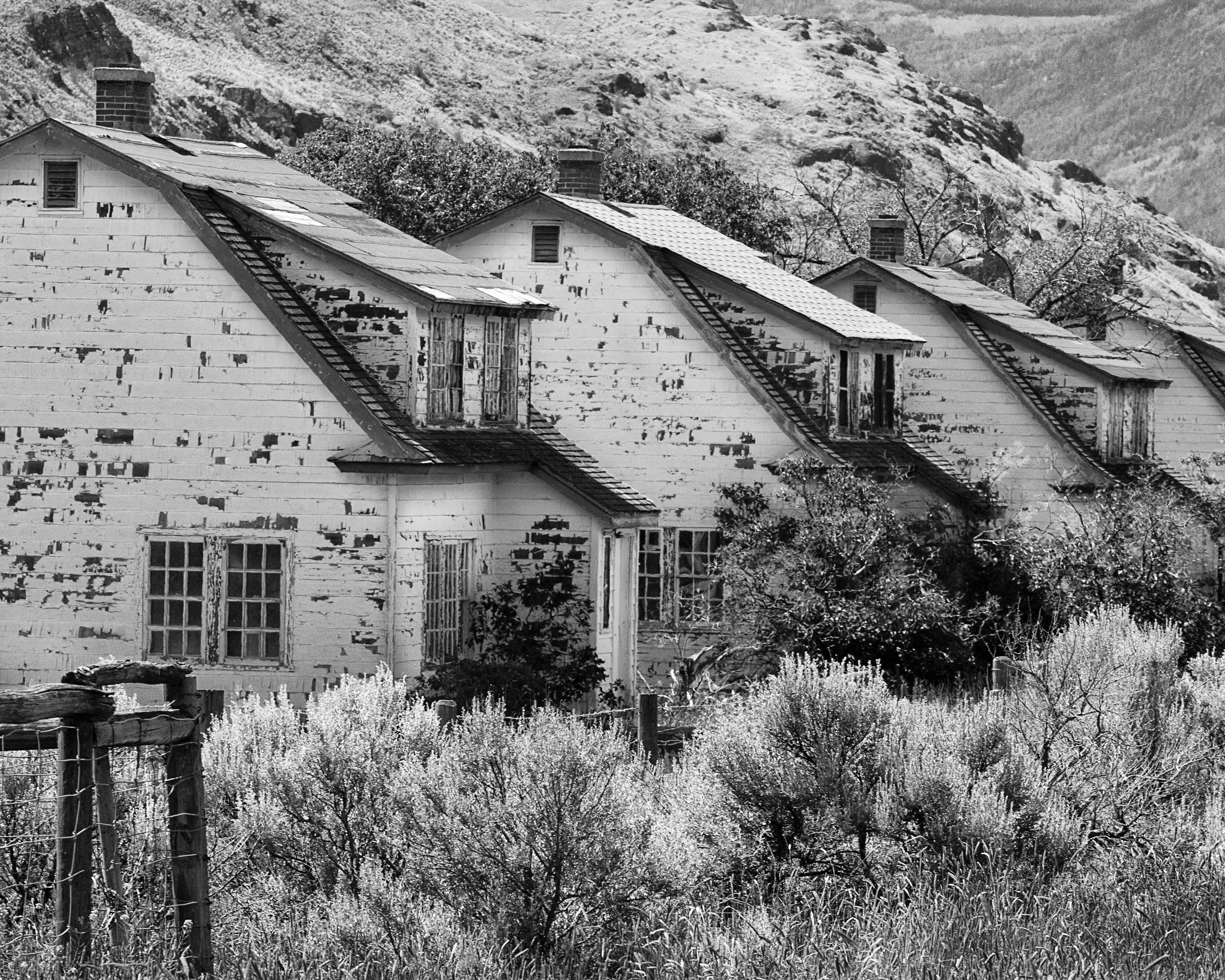
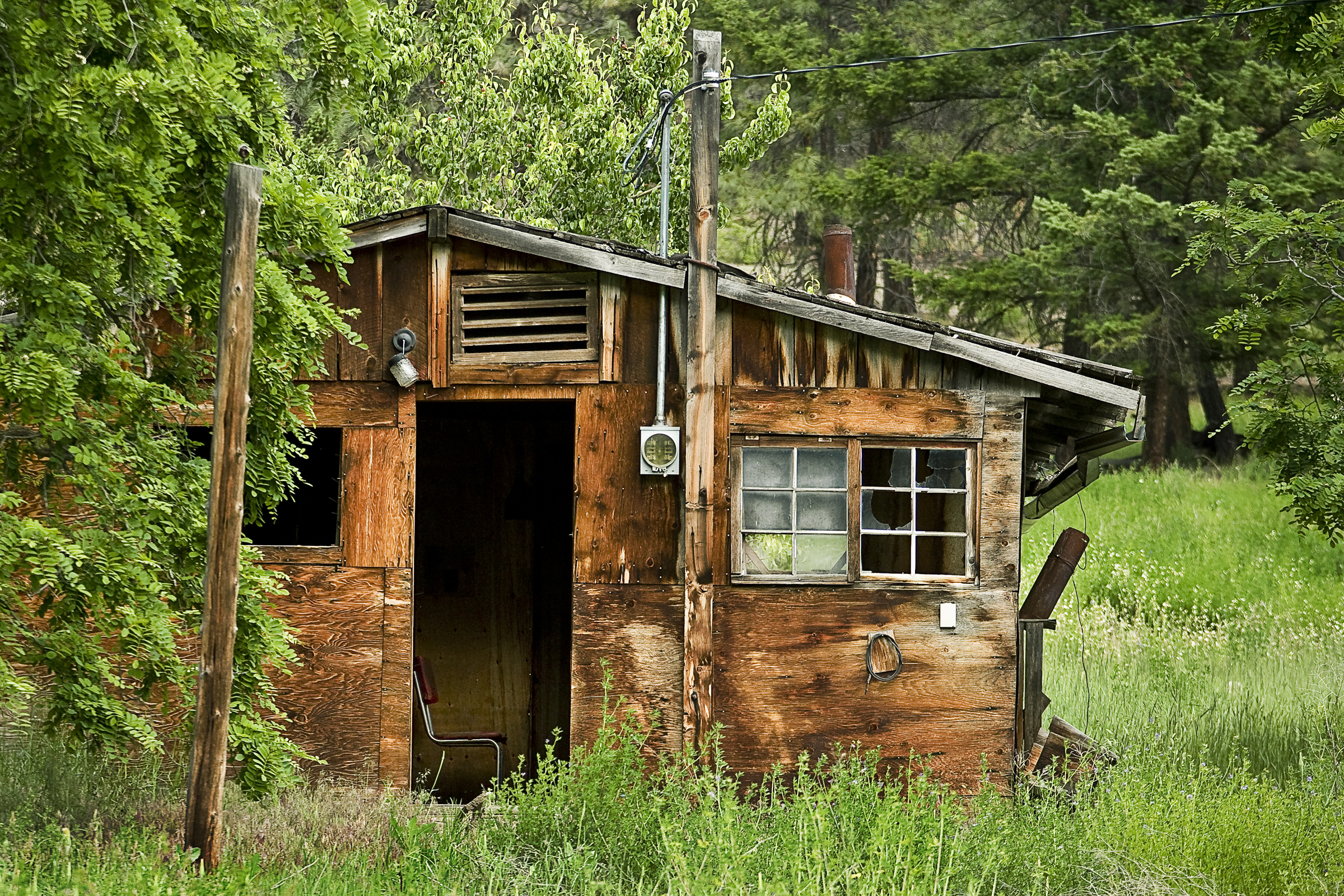
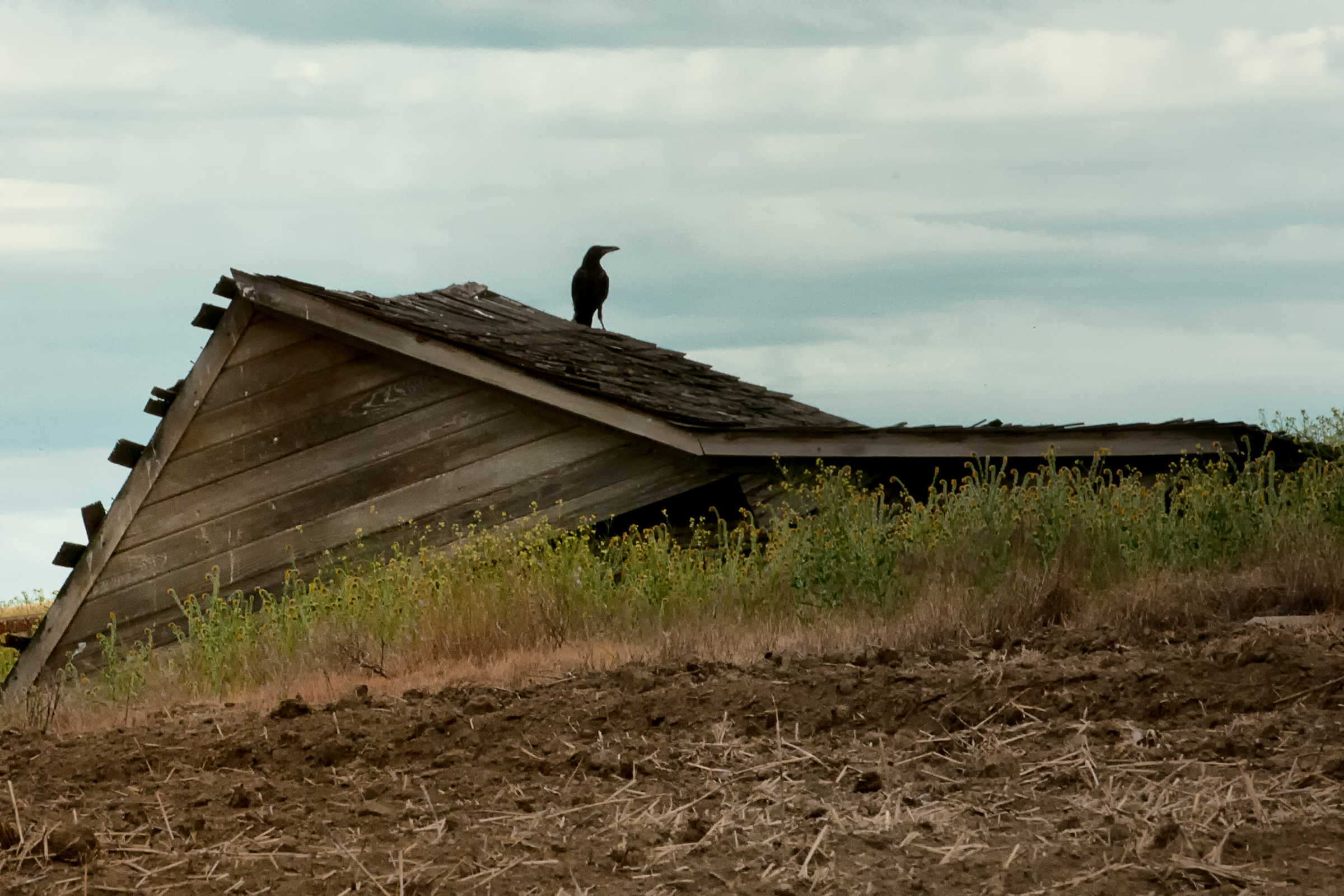
Customs house Forgotten lane Homestead Neglected barnBarn field forgotten in the storm b WellsGrey Homestead neglected churchyarderghost residencese old house & chair Last sentinal

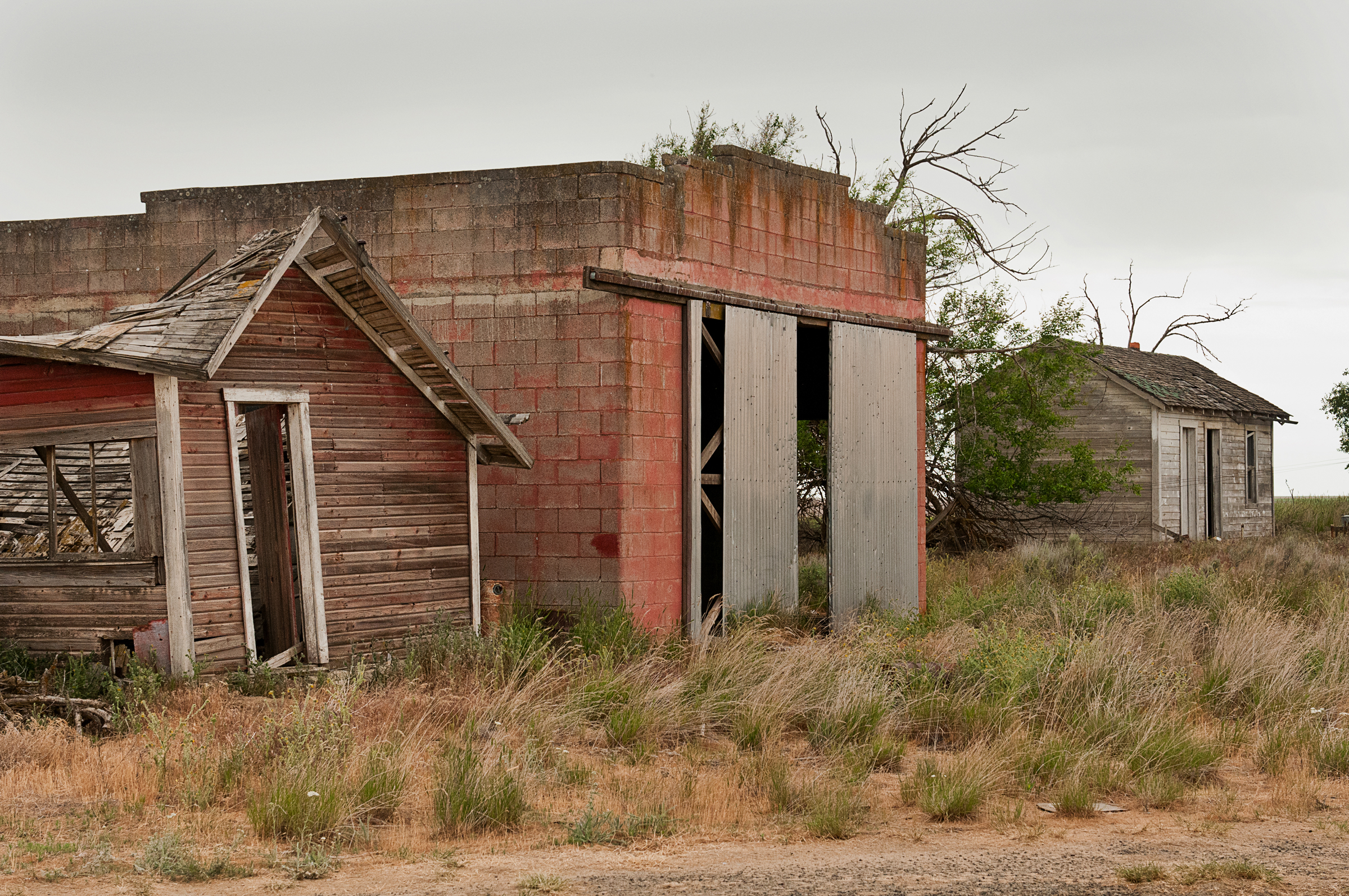
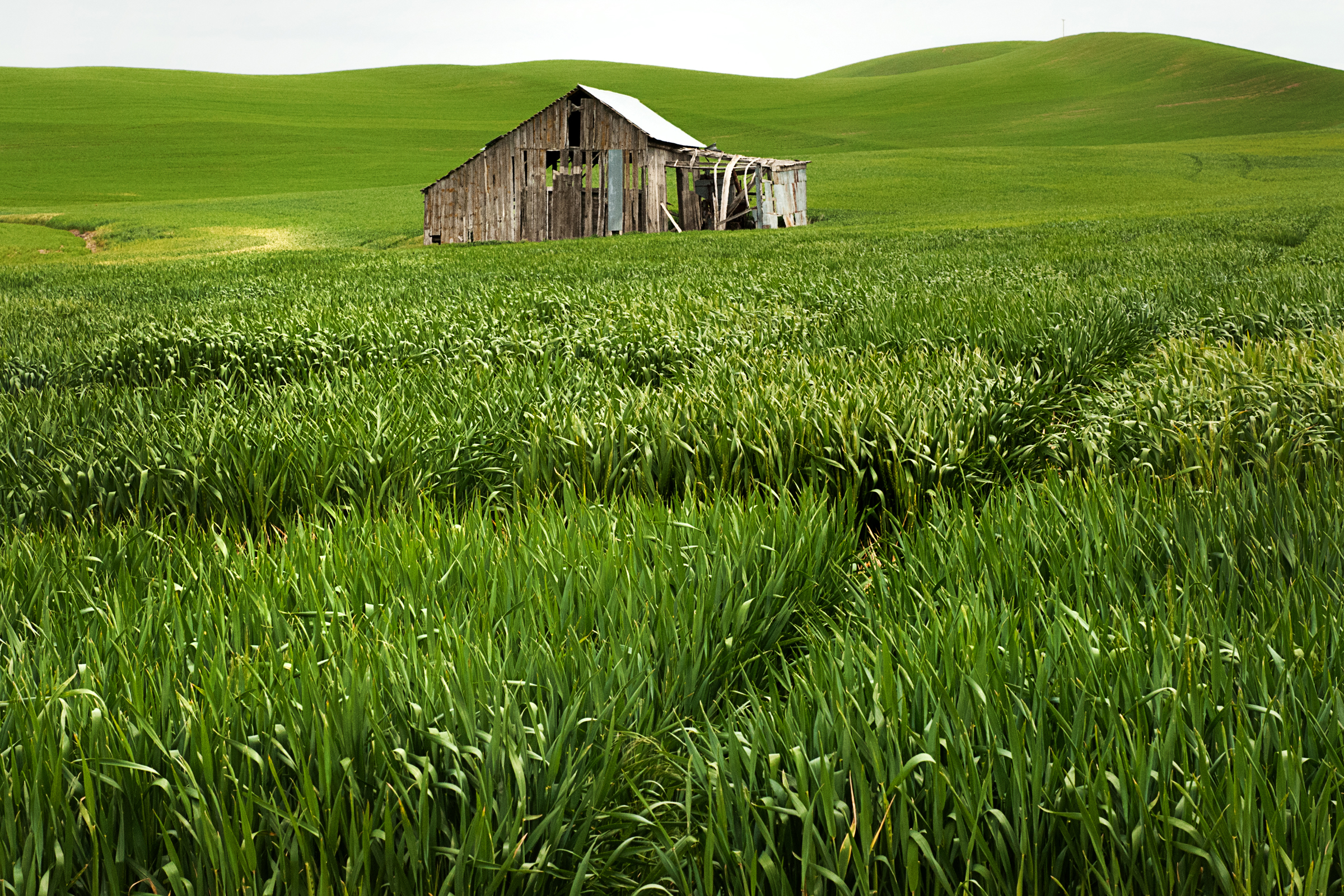
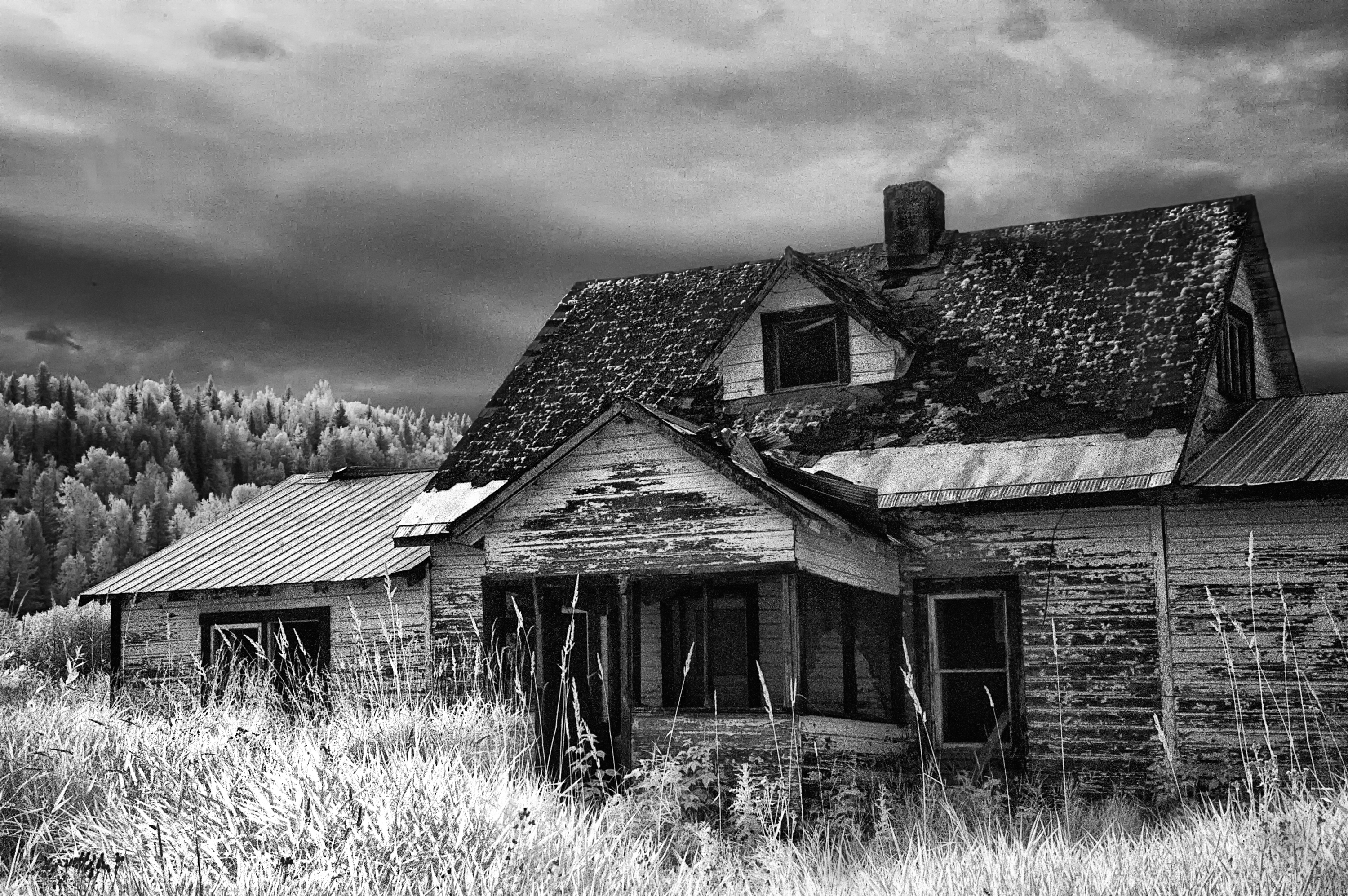
There are many camera-wielding travelers that cannot drive past an old barn, house, or an aging storage building standing and deteriorating in a field without stopping to capture a picture. And I admit that includes me.

I can’t begin to, or even try, count how many wooden relics of the past I have made photographs of since I acquired my first camera so long ago; or for that matter how many different types of cameras I have used in that pursuit.

I must wonder at my reason for stopping on the many roadsides, camera-in-hand, to take a picture of some rotting clapboard structure. For a moment as I look inside I wonder about the lives of those who lived there.  My wife likes to look for survivors of old plants and gardening that took place, e.g., rhubarb, and lilacs.  She says the fondest thing she ever discovered was some poets’ eye narcissus (daffodil) that had survived over fifty years on their own.  Very few photographs have ended as prints, and I suspect many readers will, like me, just file the memories away, because the act of documenting that old barn, or homestead, seemed important at the time, but when we developed the film, or downloaded our memory card, we didn’t have a plan that included dealing with the picture.

Hanging on my wall I have a very large (3’x5’) print of an old mining structure I had made using a 4×5 Speed Graphic camera; and once, in the late 1970’s I had a calendar made of buildings I found locally, in the interior of British Columbia. Sadly, as one might expect, none of those structures featured in that calendar still remain. However, most of my images like that languish in files, as forgotten as the structures they were made from.

What is it that makes it so exciting to discreetly, and precariously sometimes, to scramble over the barbed wire fence, onto some farmer’s private property, in spite of the “No Trespassing” signs nailed to the fence?  Our images rarely depict unusual subjects that haven’t been seen before or those of some architectural masterpiece; they are just of some decaying wood structure. However, those buildings are still intriguing and make us wonder about the life that was lived beside, around, and inside them, and why we need to make an exposure of that story on our camera’s sensor.

I don’t believe there is any one lens, or one particular way, to photograph a building. I think the words “whatever moves you” fits best.  Sometimes it’s the structure, sometimes the way it fits in the landscape. There are occasions that demand a long lens, others that call us to get close with a wide angle. My post-production might be some over-the-top effect, black and white, sepia toned, infrared, or a documentary as close to reality as I can make it. There isn’t a right or wrong way to make a picture, and in my opinion, almost any way one wants to present an image of an old building works.

No matter where the discussion goes regarding why so many photographers select dilapidated old buildings for their subjects, I think it is as photographer Elliott Erwitt says, “… I’ve found it has little to do with the things you see and everything to do with the way you see them.”

I always appreciate comments. Thanks, John

Check out my website at www.enmanscamera.com
Don’t Miss Photographic Opportunities

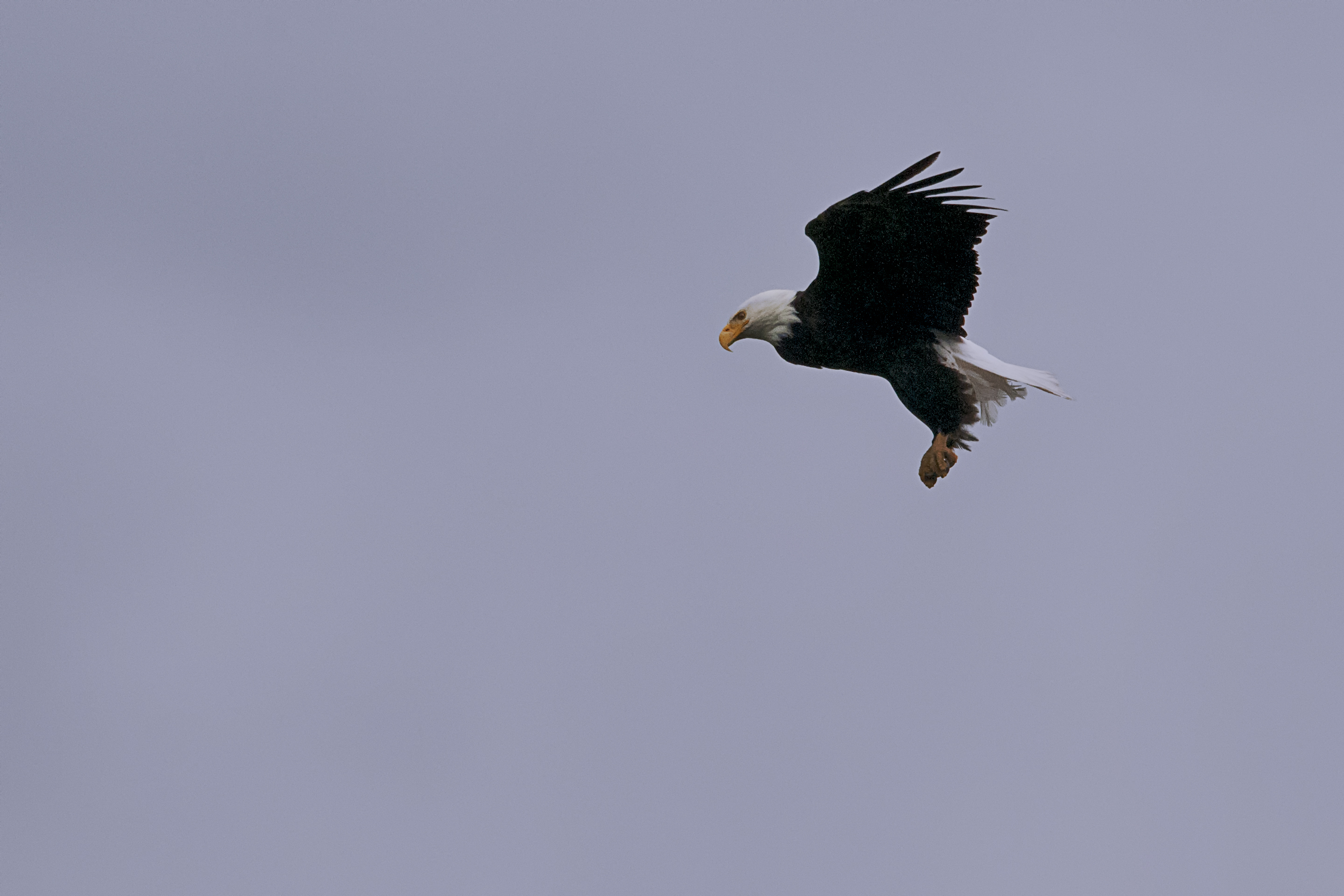
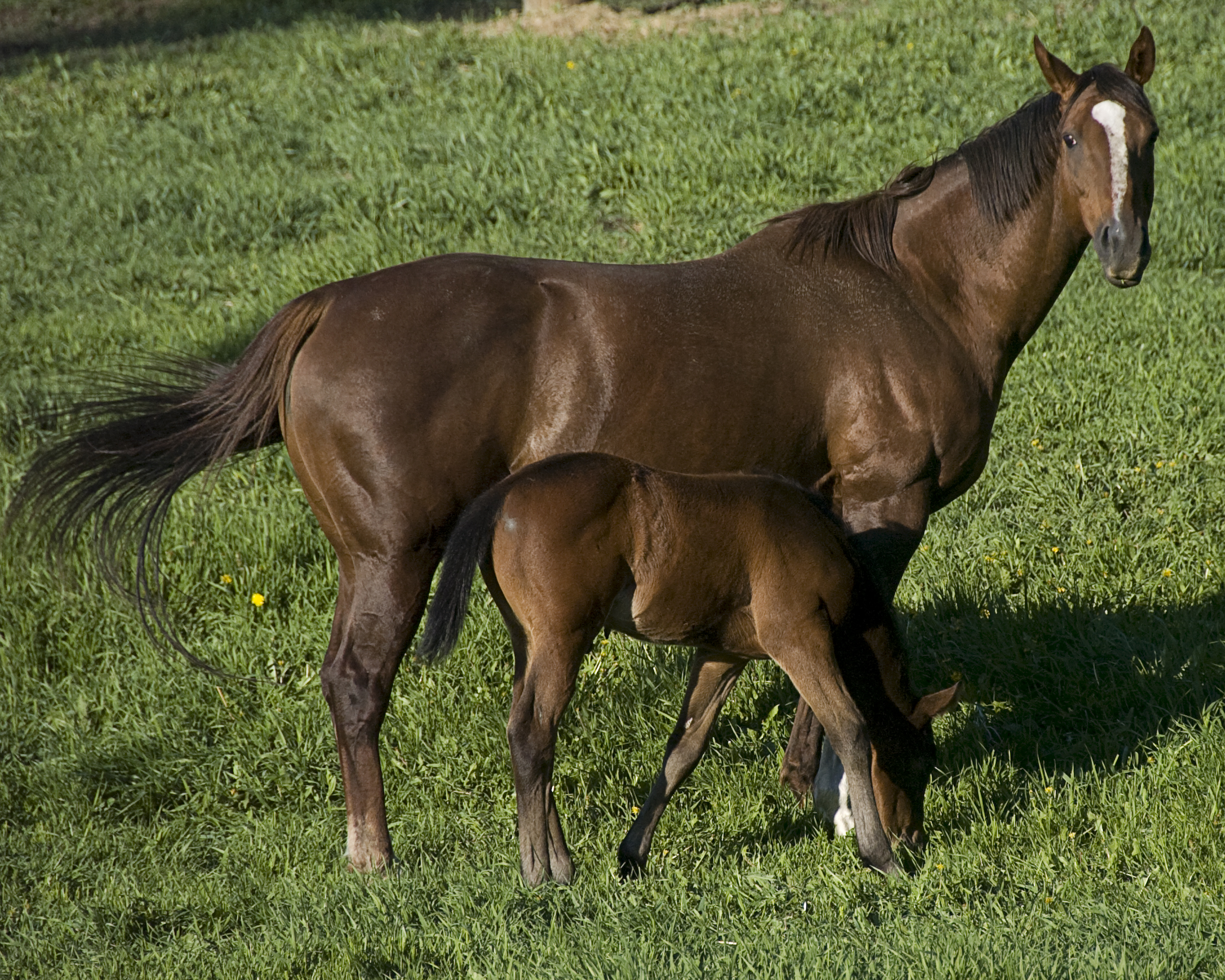
OLYMPUS DIGITAL CAMERA  Eagle Horses in fieldFalkland backroad

As my wife and I were rushing on a two hour drive to an appointment in Kelowna, British Columbia for which we couldn’t be late, we both lamented on the photographs we were missing – a heard of deer along the road, some coyotes hunting in an open field, eagles, a farmers field turned into a lake because of the spring run-off, and the sun glowing on white lakeside cliffs we were passing.

Linda reminded me of a long trip to Utah we made some years ago. Our route was to head east to Calgary, Alberta then turn south, follow the Missouri river as it snaked it’s way through canyons and gullies, and then head west to Salt Lake City.  We left later than we should and we were driving with as few stops as possible because I had promised my brother I would be at his house for a family event the next day. What a wonderfully scenic drive that was.  We kept realizing we should stop again and again, and we didn’t.  Linda said “We will never do that to ourselves again”, we need to leave lots of time, even days, to photograph subjects when we see them.

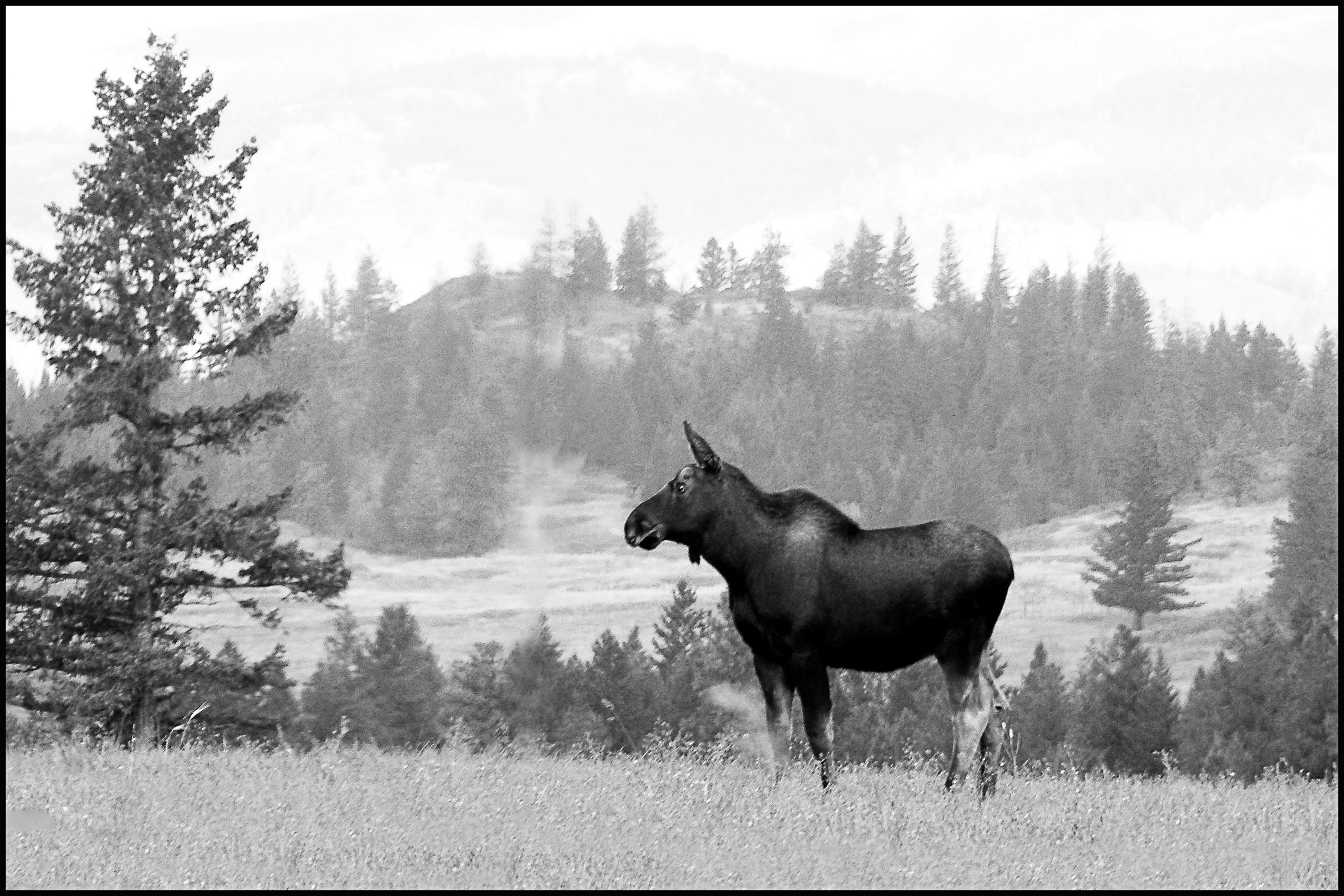
I think that many photographers have had the circumstance where the chance at a great photograph was missed because of the wrong lens or camera.  I remember a photograph of a moose in the hazy morning fog that I made with a little digicam because it was the only camera I had with me. At least I had a camera with me and I did get the shot, but the photo was lacking because of the limitations of the camera’s small sensor, the lack of a telephoto lens, and a tripod would have helped also. I spent time working on it in Photoshop, changing it to a black and white because I couldn’t correct the purple cast caused by the early morning’s low light on the camera’s tiny sensor.  I was able to make a passable 8×10 print, however, it lacked the quality I could have had by using a DSLR camera with a telephoto lens.

The Boy Scouts state, “Be prepared”, and I think that is a good idea for photographers. When film use was common, most serious photographers had more than one camera; one would be loaded with black and white film, the one with colour negative film, and sometimes one with colour slide film. Since digital imaging began many photographers now own only one camera, as colour, or black and white images can be manipulated in the computer.  I have my main camera, and can borrow my wife’s camera if I require a backup camera that uses the same lenses. My cameras get lots of use and I need to have a backup in case of equipment failure while I am working.

Sometimes I like the portability of a little digicam. I mainly use it for those subjects that are close to me and rarely use it for scenics. If I do, I prefer to use it with an old monopod that quietly languishes in the trunk of my car. It’s pretty beaten up, but it keeps my camera steady. Trying to take a scenic with arms extended and expecting a sharp image is asking too much of the technology.

These days it is easy to carry a camera around, and taking lots of pictures doesn’t cost anything except time, until one starts making prints.  As I began to write this article I thought about my father.  His chances of taking a good picture were pretty good because he was a prolific, dedicated photographer. As a contractor he worked all over the southwestern United States, and he usually had a beat-up, dirt-covered camera jammed under his pickup seat, or somewhere in his excavator, and he rarely missed an opportunity to photograph anything that interested him. The sheer volume of pictures he took outweighed the bad pictures. He mostly used slide film, and, as kids, my brothers and I looked forward to his evening slide shows. There were always lots of interesting (and sometimes unusual) photos and it was fun to view pictures that he hand-turned using our family’s old projector.

Like my father, photographers should be continually looking for photographic opportunities and always be prepared for them by having some kind of camera with us. And when we miss that photograph because the equipment we have is wrong, or because we aren’t using it correctly, we should at the very least learn from that so in the future we won’t have missed opportunities.

As always, I appreciate your comments. Thanks, John

My website is at www.enmanscamera.com

Another Enjoyable Event – Vancouver Camera Swap Meet

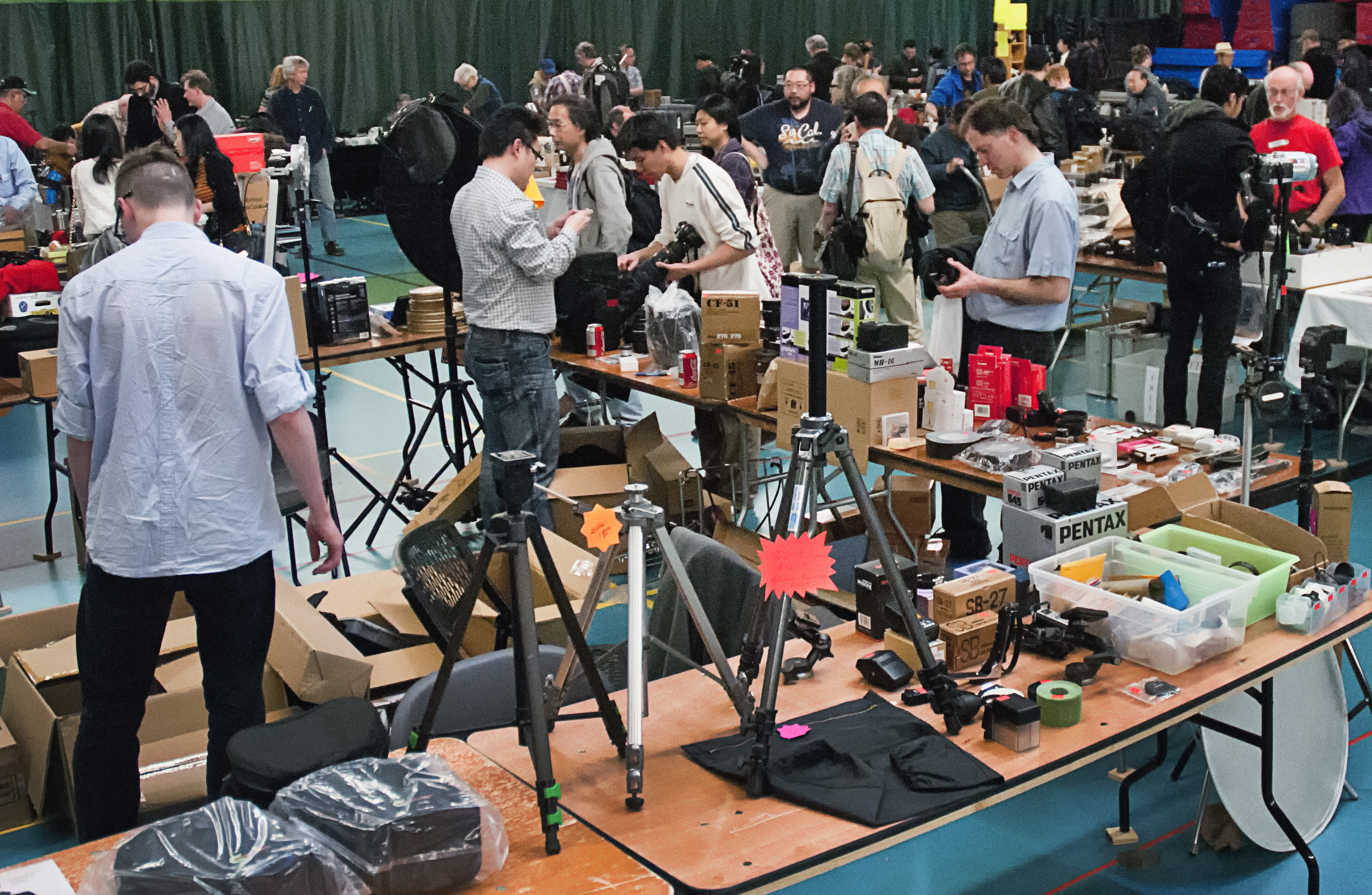
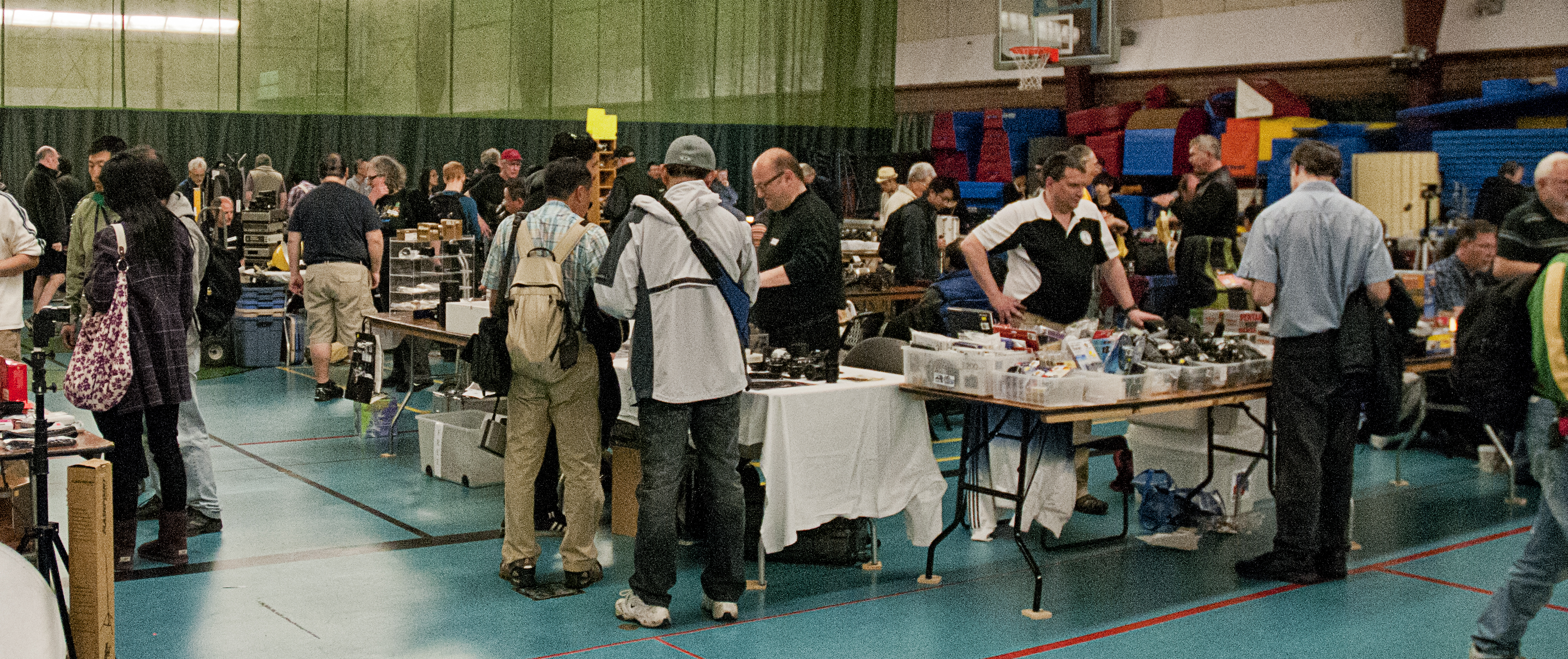
Swap 4 Swap 3Swap 2Swap 1

Another one of my favorite events, and one I look forward to attending every year: The Vancouver Camera Show and Swap Meet was held this past weekend at the Cameron Recreation Centre in Coquitlam, British Columbia.

This long-running show, put on by the Western Canada Photographic Historic Association, and organized by Siggi and Brigitte Rohde, has now reached it’s 37th year and makes the claim of being the largest (and maybe the best) in Canada with well over 1,000 people walking through the doors.

Speaking of walking through the door, participants that did walk into the large photographic-equipment-packed hall joined an amazing diversity of other photographers all looking for deals and eager to exchange information and ideas. In my opinion, there isn’t better way of spending a spring day than being surrounded by a vast array of cameras and photography equipment, all the while getting a chance to talk with other photographers.

My wife and I always make the three-hour drive from Kamloops the day before and lodge overnight so I am fresh for the early 7:30AM setup.  I enjoy the early morning scene and have come to expect an exciting buzz from other vendors who are busy setting up, talking, and buying as one sees lots of early deals before the show even begins. I walked to my table greeting people I have known for years, and organize my table quickly so I’d be ready for the swap meet’s early bird shoppers who pay a premium to shop exclusively starting at 9am.  This year there was a long line of early birds waiting at the door. That line extended all the way down the hall and stretched all the way out into the parking lot.

By the 10am regular admission I was almost out of breath from non-stop showing, demonstrating, explaining, and, of course, bargaining with photographers who were checking out what I had on my table.

Every year I go wondering what the latest trends are, or what is popular with photographers I will meet there. Last year I noted that I saw a change in the attendees in that long time sellers and attendees were absent and replaced by a much younger crowd. I could still repeat some of that this year, but my observation about the younger crowd was far from the truth this year. I’ll use the word “diversity” to describe the mixed bag of photographer types at this year’s Camera Show and Swap Meet. They were of every age, from folks using walkers for assistance, to young people accompanied by their patient parents. That included all kinds of lifestyles and interests, and specialties in photography, film, digital, past and present technology.  They all were excited, searching for some sweet deals that I am certain they got.

In my opinion, other than actually pointing a camera at some inspiring subject to make a picture, an occasion like the Vancouver Swap is the quintessential place of happiness to meet and exchange information with other photographers, and of course look at and check out the many kinds of photographic equipment that would not be so easily available anywhere else.  An interesting example would be my old friend, Hai from Calgary, who said he has become interested in taking 3D photographs and I viewed some of his 3D photos taken in the Vancouver area since he arrived.  I knew of the 3D technology, however, I had not had the opportunity to check out any of the new cameras, until his.

Overall, I had a great time talking with other photographers; the conversations were many and constantly changed depending on who joined me at my table. My day of selling was a success, as it was for most of the dealers I talked to at the end of the day.  And I even had some time to purchase a few things for myself, which is always nice.

As always, I appreciate any comments.

My website is at www.enmanscamera.com

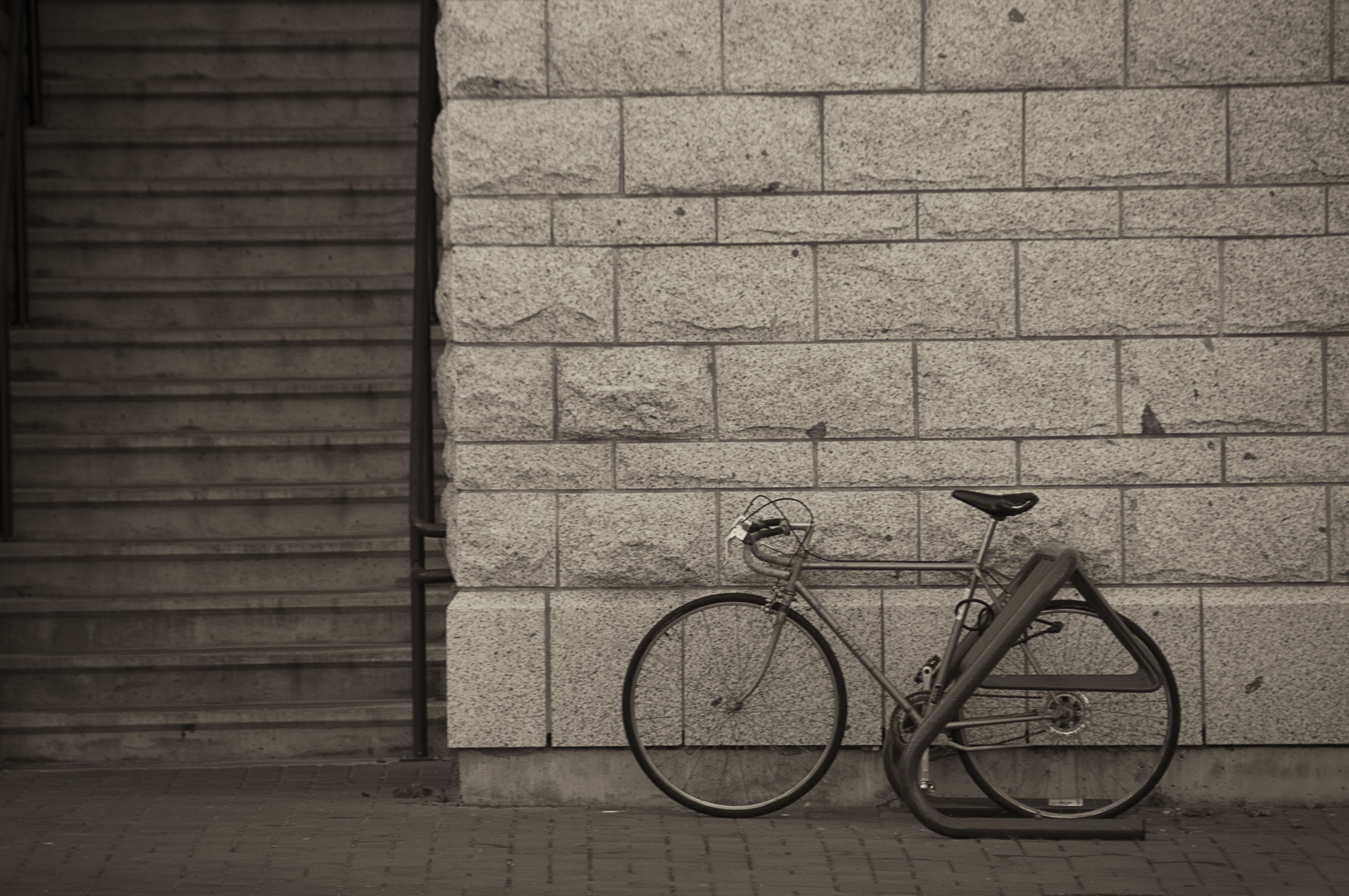
I like Photographing Buildings

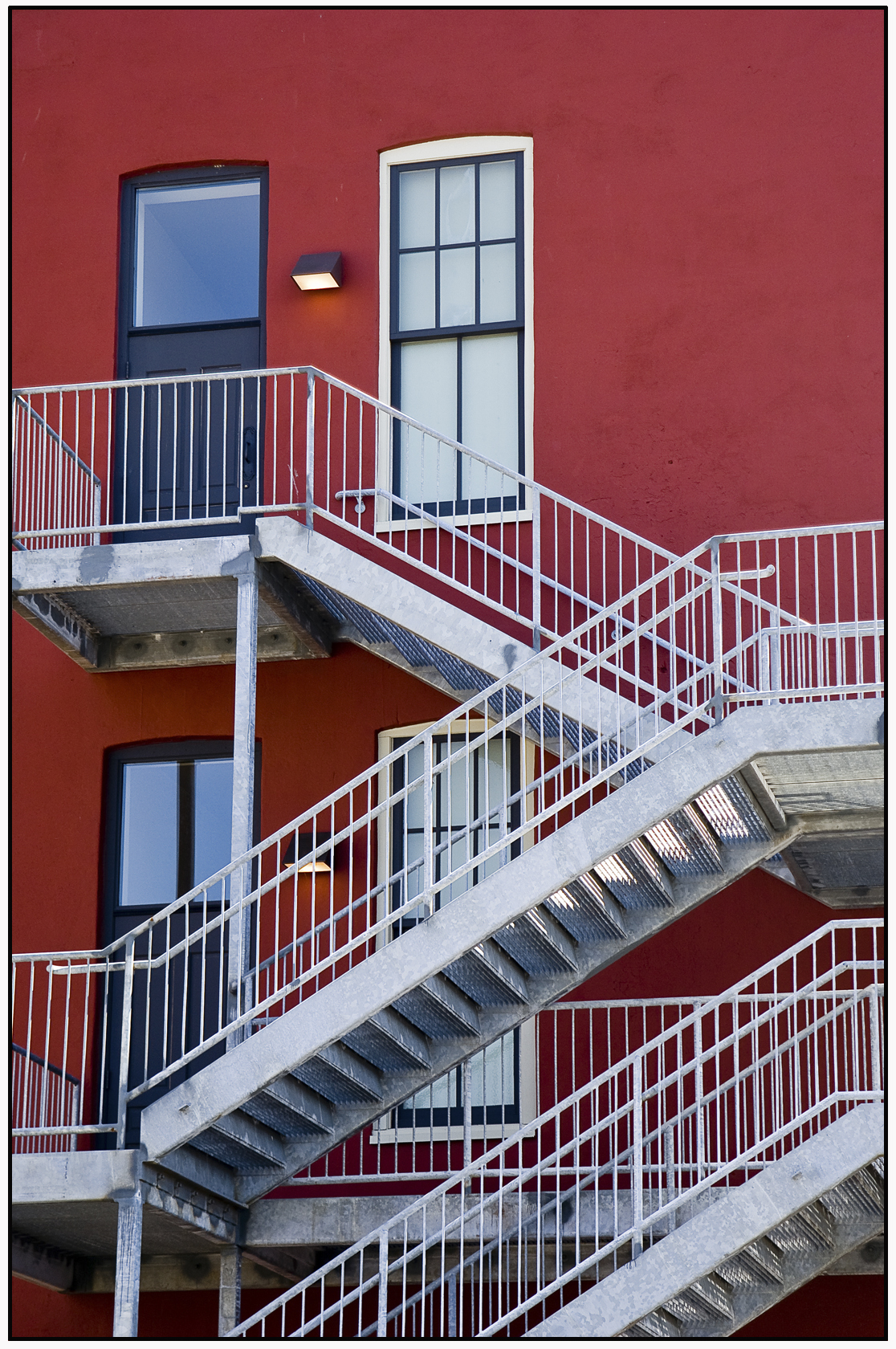
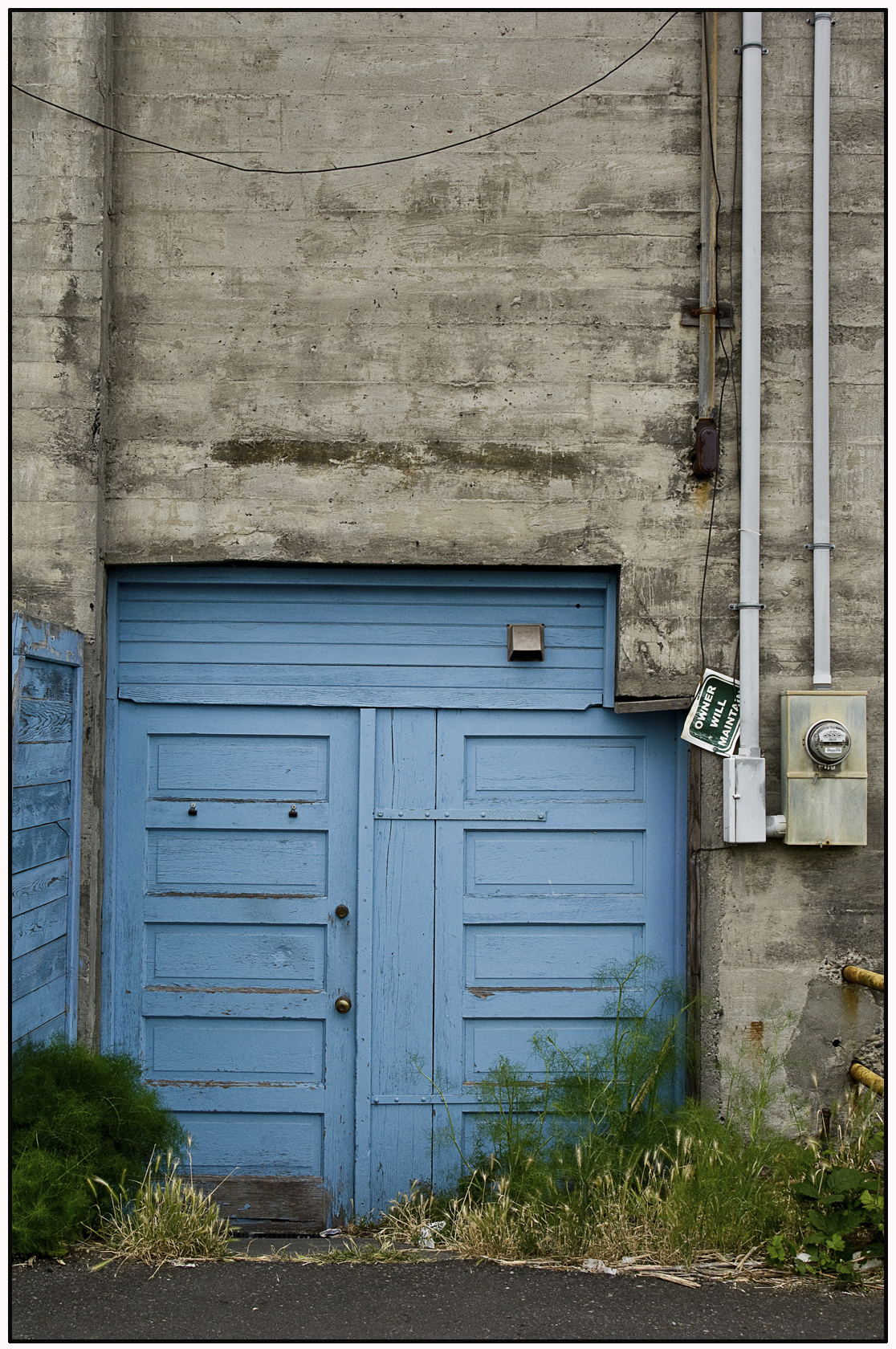
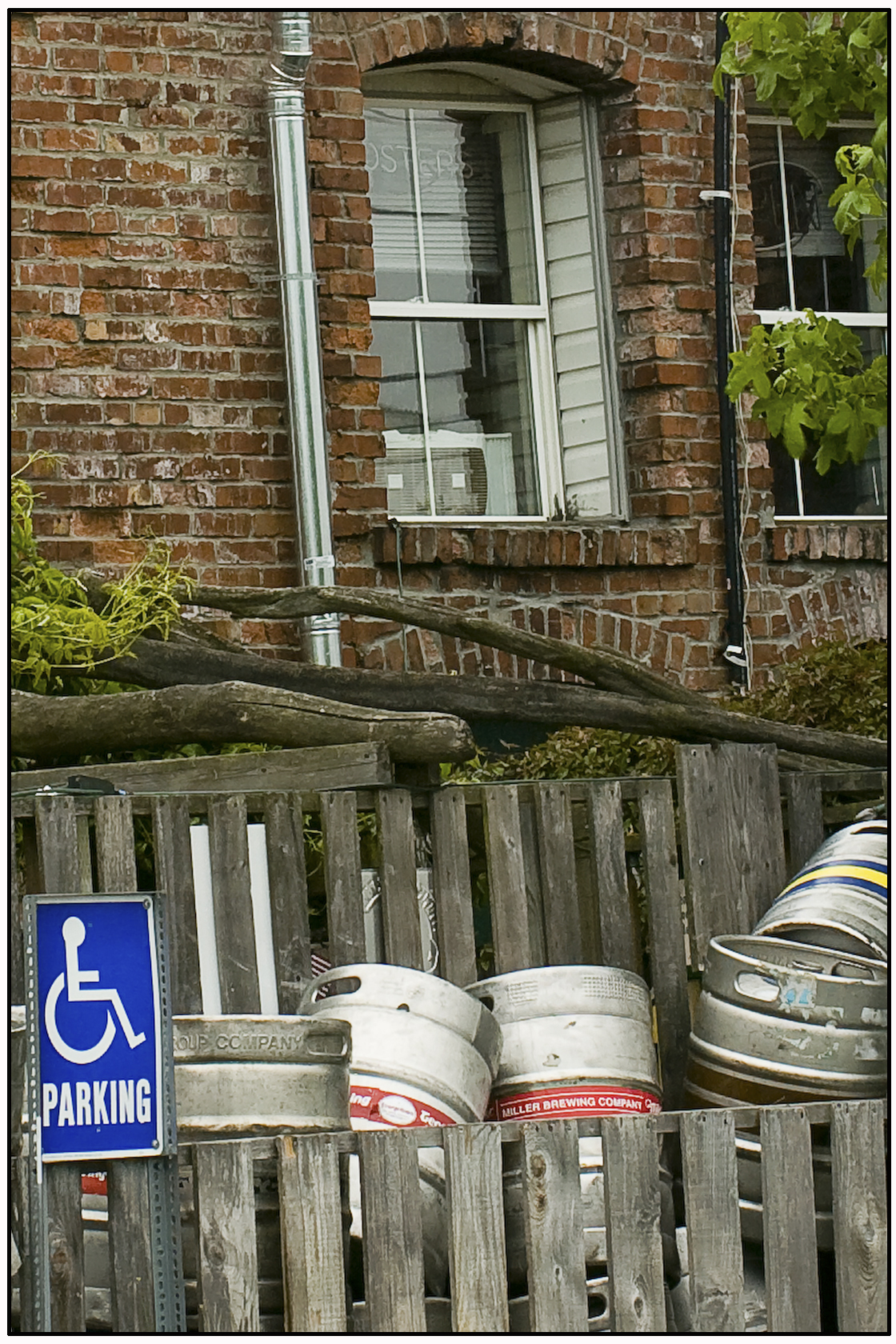
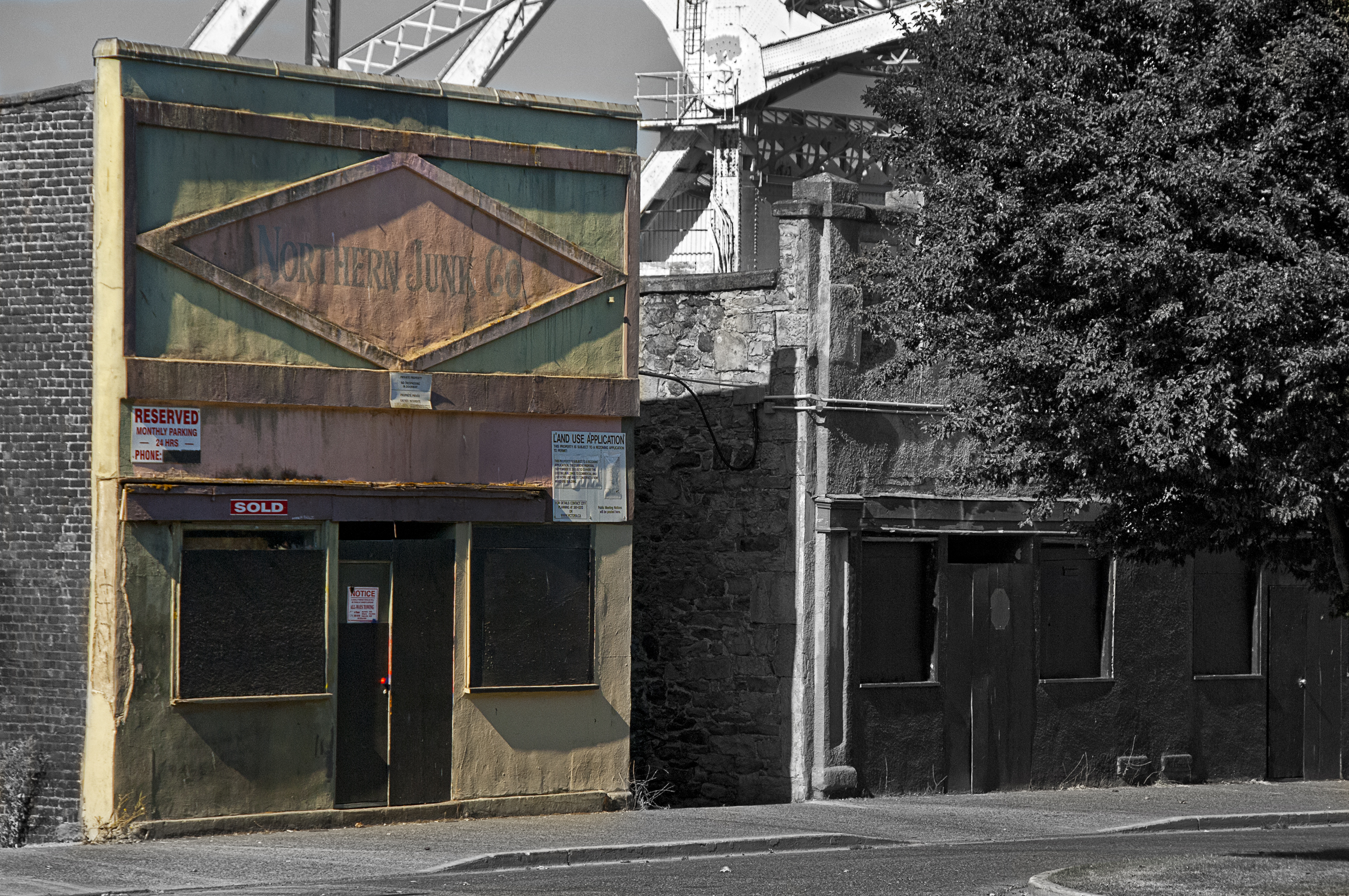
Red wall & Stairway1 blue door1 parking1Northern Junk co.  Captain's ride  porch couch1Brick doorway 1 the yellow door1 Waiting

Strolling along sidewalks with my camera, in cities, large or small, is exhilarating. And whether the architecture is low and flat, or skyscraping, or old bricked, or shiny metal and glass, I always find something different to photograph.  Usually, I approach urban areas with a plan and I don’t just wander about hoping to find something interesting. That’s not my way.

Sometimes I am after the cityscape and watch for shadows, highlights and interesting sky. On other occasions, my plan might be to select a particular area and visually capture the story of how structures and features interact. I might be more interested in the colours, and spend my time using the colour evidence to make a story.

In October 2012, I wrote about images I made while walking along the waterfront in Victoria, and, in February 2013, I showed photographs and discussed the small South Thompson River town of Chase, in the BC interior.  In each instance I approached the municipalities with different photographic goals. Goals that were not so much defining visuals as they were photographic thoughts about the architecture in each place.

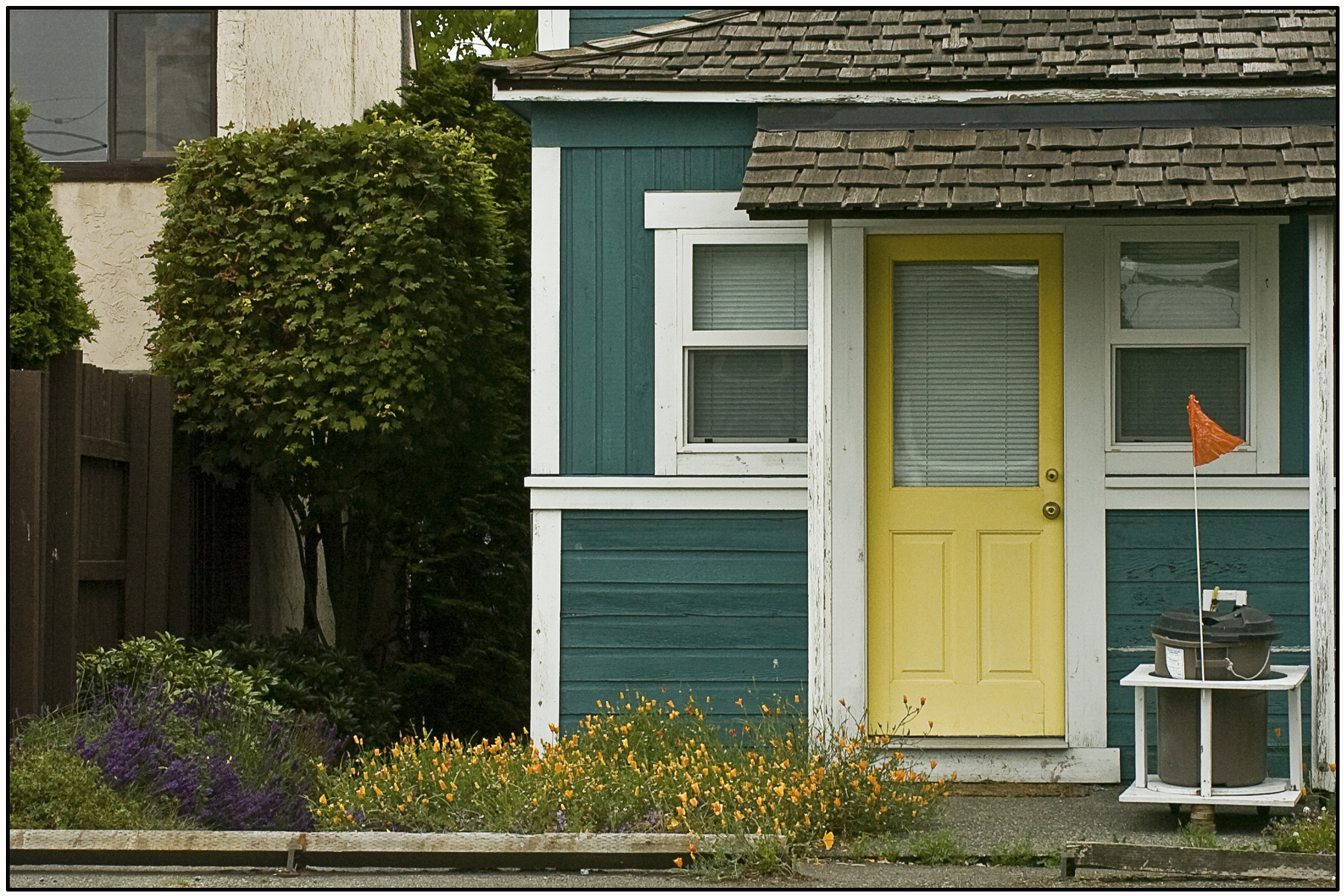
Some years ago I spend three days wandering the side streets of Anacortes, a town along the coast of Washington. Although I enjoyed both the downtown and harbor districts of the small American town, what struck me most were those places where people lived. The inhabitants appeared to go out of their way to differentiate each dwelling and my plan came about to document the entrances of the places where people lived.

In that instance and whenever I decide to work my way through, or around, some city I always take some predetermined course of action. I remember a late afternoon in Port Townsend, WA and on that trip I spent my time photographing the unique turn of the century buildings along the narrow, main street using an infrared modified camera. I wasn’t so much documenting the well-known seaport town, as was trying to create a distinct impression of the ornate Victorian architecture.

I once read a quote by an anonymous writer that said, “The difference between the recorder photographer… and the artist photographer… is that the artist will, by experience and learning… force the camera to paint the imagination…the emotion… the concept and the intent… rather than faithfully and truthfully reproduce an unattractive and unflattering record.”

I must admit that my intent isn’t usually to document the cities I visit, as much as it is to create a personal vision of the buildings I photograph. That vision, although uniquely mine, rarely strays much from reality other than when I use my infrared camera. I haven’t entered the artistic world of HDR (high dynamic range) image making yet. HDR is the process of merging multiple exposures into one image.  I expect that it is only laziness on my part, because I am intrigued by how well HDR post-processing with software like Photomatix, http://www.hdrsoft.com lends itself to the creative architectural work. I anticipate that I will tackle that process at some time in the future when I make plans to photograph my way along another city’s streets.

I will mention that I rarely use lenses that are wide enough to exaggerate the foreground or make those dramatic vistas. My camera isn’t a cropped sensor so an 18mm lens would be, effectively, only a 28mm. That allows me to include lots of visual details and limits the distortion between near and far objects.

Summertime is quickly approaching and with that my wife and I expect to do some driving around British Columbia and possibly stray into Washington State, and those trips will always include architectural photography opportunities in the towns and cities we pass through, or stop and visit.

As always, I appreciate your comments and please let me know you were here.

Thanks, John

My website is at www.enmanscamera.com

Photographing a yard of old cars

Red hood 1Sentinal 1 Gunshot Fading away Gunshotsnowed in 1

This week my wife and I decided we were long overdue a visit to friends Mike and Leslie. Like us, they have a rural home tucked up and near a forest not far from Kamloops.  It’s always fun sitting around the kitchen table in their woodstove warmed home talking and catching up on each other’s lives. Mike makes his living as a rock scaler and blasting contractor helping to keep British Columbia roads clear of impending rock slides and Leslie is one of those artistic people that will amaze you whether singing, drawing or aiming a camera. Leslie also operates a good size organic farm that gives them most of the food they eat.

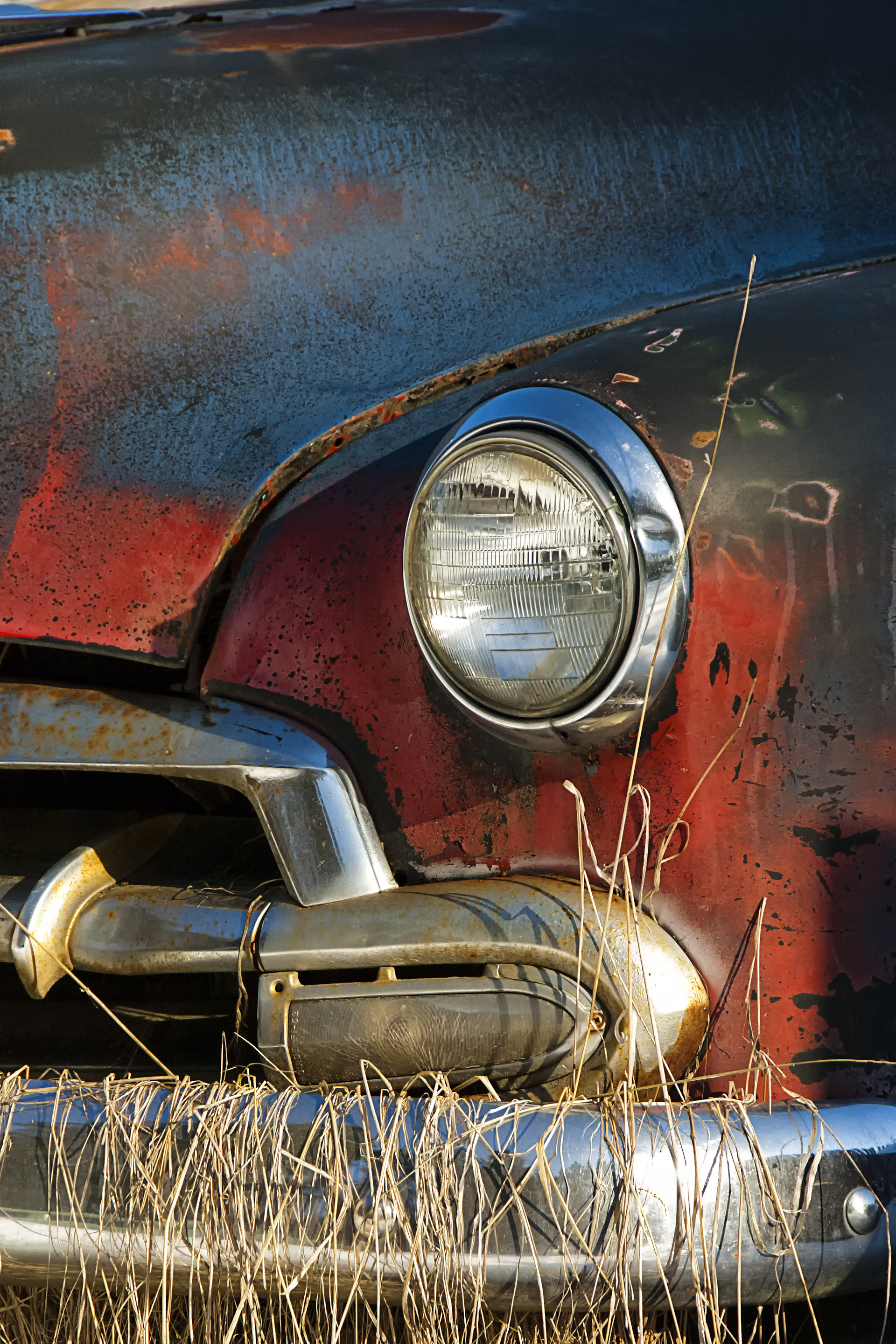
On this visit I hoped the snow was melted enough that I could wander around in Mike’s car yard. Mike is a collector of old cars of all years and models and has created a wonderful metalscape that becomes a photographer’s paradise if you like cars like I do.  Rust, paint, dents on cars of all years and parts of cars are everywhere.  I could spend the day there just making pictures.  Each time I get the chance to wander in Mike’s car yard I discover something different.

We arrived mid afternoon and after a good while of yawing and discussing our lives I realized the sun was getting low and beginning to create shadows on the cars. Perfect for prowling the diverse collection of car bodies looking for sculptural details. I remember the first time Mike showed me his cars. I only had a little Olympus point and shoot with me that day, nevertheless, I almost filled the camera’s small memory card, and since then I have been back many times with better cameras.

On this day I mounted my trusty 18-200mm lens on my camera that was set to manual mode as usual. The slightly wide to slightly long lens was perfect for those shots of hard-to-get-to cars. I knew I’d be climbing around, so I set an ISO of 200 in the bright clear afternoon light that also gave me lots of depth of field when I wanted and could be I easily reduced when I softened focus in front of and behind some features.

Some cars have lost fenders, hoods, and windows as they are dismantled and sold. Others seem to be loosing a battle with the elements and there are always newer cars added, so the landscape changes each time I roam the yard.

This time I began with shots that showed car after car resting in the melting snow. Then I started tightening my view, eventually working the light reflecting of the changing colours of the metal, and narrowed my visual search to small features.

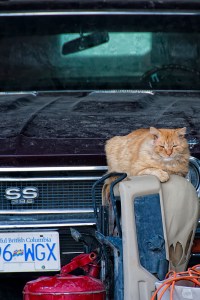
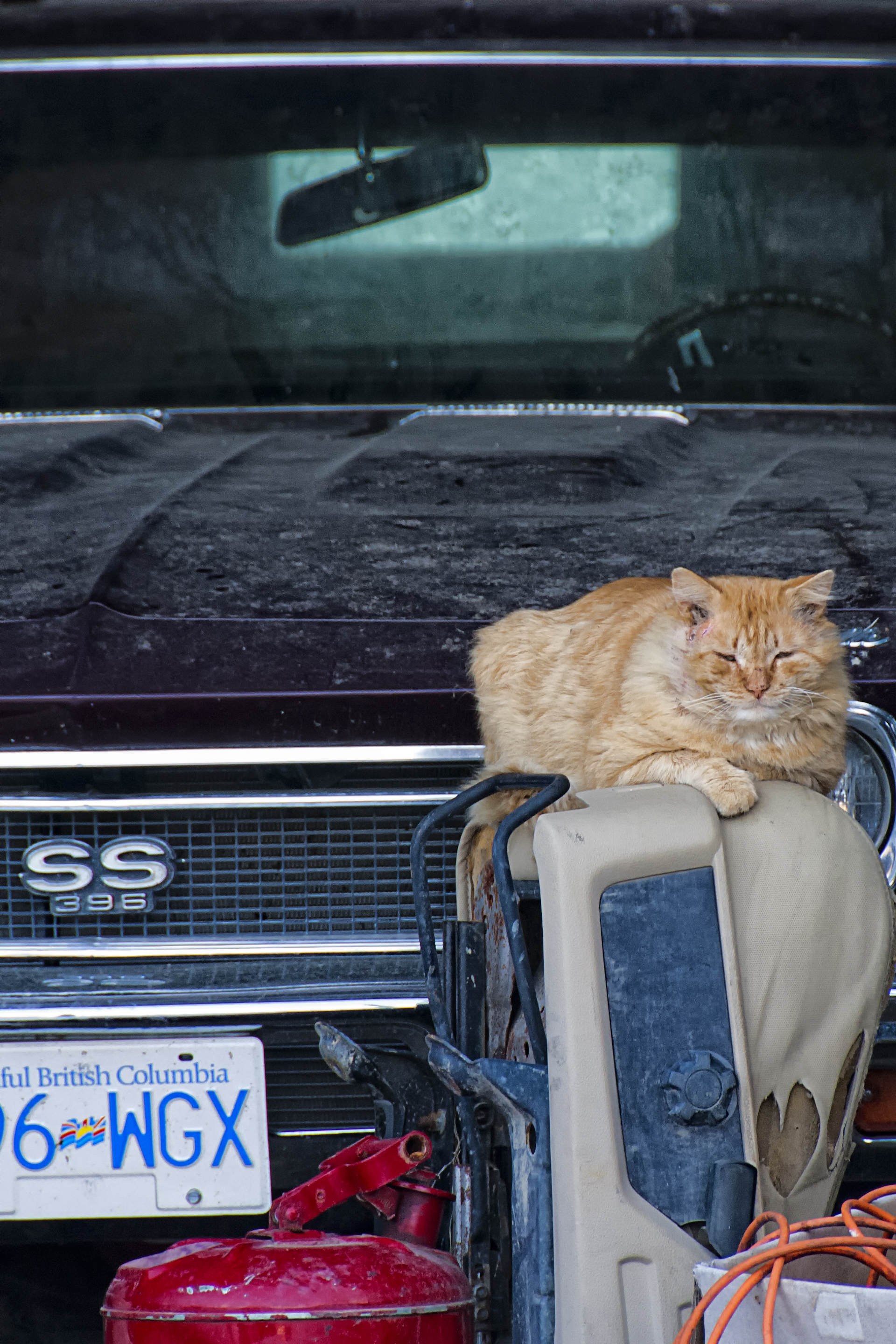
I could have spent several hours, but reluctantly wove my way out remembering I was ignoring my hosts. Yes, they are used to me being preoccupied when I have a camera, but all the same I shouldn’t be neglecting them.  Still, I had to make one more stop when I saw their scrappy old tomcat resting on an upturned car seat in front of a 1969 Camaro super sport. I was happy enough just to get a photo of that classic car, but that cat was the frosting on the cake for me.

As I sat writing I thought about how I enjoyed the day that began with a drive along a winding country road, then a long visit with good friends, and finally a really good time making pictures. Can it get much better than that?

I always enjoy your comments. Thanks, John

www.enmanscamera.com

Photography viewed as Art

Green wall in alley

A photographer friend, Nancy, told me about once entering a hand-coloured, black and white photograph in a local art exhibition.  The organizers advised her that they had a problem deciding where to place it, with paintings or with photography.

Wanting to be creative, and a bit traditional, she had used black and white film to photograph a scene and printed it in the old way, using chemicals in trays, with black and white photo paper. She then used translucent oils to colour specific areas of the black and white photograph.  Please remember that hand-colouring black and white photographs has been in practice as long as photography has been around.

The individuals, who organized the exhibition being ignorant of the history of photography (I was told they were all painters), believed that because she had applied something on the surface of the emulsion-coated paper that her photograph now had become a painting. I think that, lacking respect for photographers as artists, they regarded her work as something one would do with a colouring book.

We both wondered what the opinion of those exhibition judges would have been if she had captured a scene with a digital camera, used PhotoShop to convert the image to black and white, and then placed colours on some areas of the image.  She could have erased some items in the image, cloned others, or added items into the image that came from different photographic digital files. Would they still call it a photograph?  The artist had used the medium of photography to create the final image, but I have met people that would not want to call that photography.

Ignorant of the strong tradition of creative modification by photographers, many will refer to film-created images as “real” photography, and digitally created images as “digital” photography that are somehow unreal, as if film based photographs have never been altered or manipulated.

It is not bad enough that many patricians of other artistic mediums have a hard time including photography as art; but there are also photographers that want to dismiss digital or digitally manipulated images as not being “real” photography.

In my opinion if the original image file or “negative” (whether it be paper, or film-based, or digital) came from a camera of some sort, the final print, no matter what is done to it between the time light is captured on a sensor or film and presented as a final picture, should still be called a photograph.

I am excited that the medium of photography is continually changing with modern technology. Film emulsion has gone through an amazing amount of changes since 1826 in France when Nicéphore Niépce produced the first permanent image. Incidentally, his picture took eight hours to expose.  I can only presume that if he were handed one of the latest digital cameras he would be excited, and would not foolishly hold on to outdated technology, and as a photographic inventor he probably would be happy to experiment with today’s cutting-edge technology.  Yes, if we want we can still produce images with 100-year-old techniques and materials; or we can embrace the medium as it changes.

The problem those judges had with photography might have been is that it is used in so many different ways and has become so accessible.  Try to find some aspect of our society that is not impacted by photography. The medium has reached a place that, through emerging technology, makes it very usable for many people.

There are those that use it only to document their lives, but it can also be used easily for creative purposes.  One only has to check out the multitude of online photography sites to find the truth in that. That might also be why those judges struggled to accept changes to my friend’s original image.

Nancy photographed an interesting subject, and, instead of choosing to use a digital file, or colour film, she decided to use black and white film to create a mood to help the viewer feel what she felt when she released the shutter. Then further, she continued to visually discuss the subject and the surrounding scene by adding hand colouring to enhance specific elements of the photo and produced an image that was able to go beyond being a documentary of a moment in time. I think photographers like Nancy are as much artists as those in any other creative medium.  There should not have been a problem in deciding if her print was a photograph or a painting.

I am surprised that there aren’t many exhibitions held in towns and villages here in British Columbia solely for photography. Yes, photography clubs hold private exhibitions, but those aren’t generally open to the public at large. I think lots of people would participate and lots more would attend. I certainly would.  I suggest that if there are not ongoing photography exhibitions in your community, get together with some other photographers and make one happen.

I really do appreciate your comments, John

Visit my website at www.enmanscamera.com

Photographing a late winter garden.

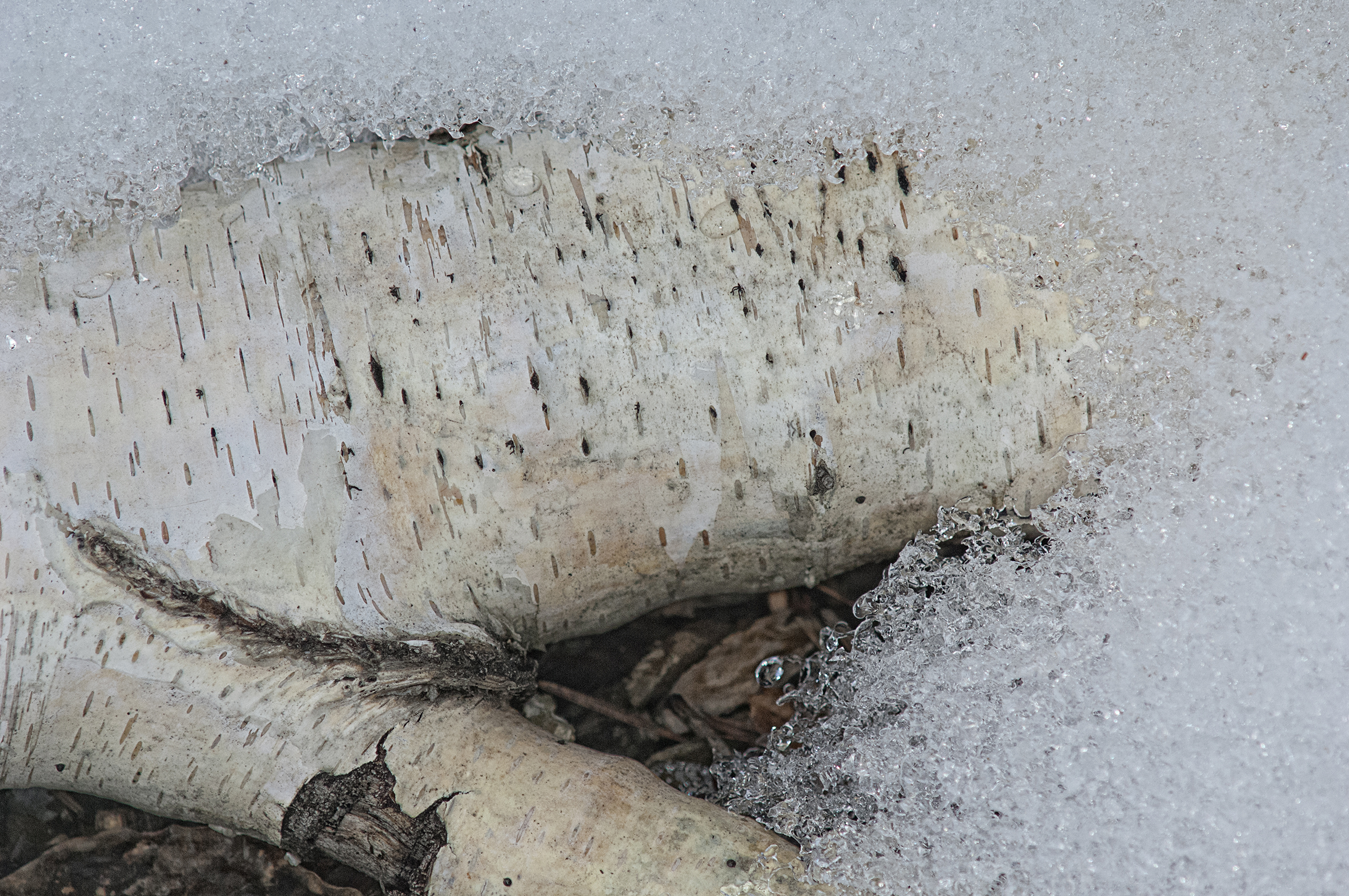
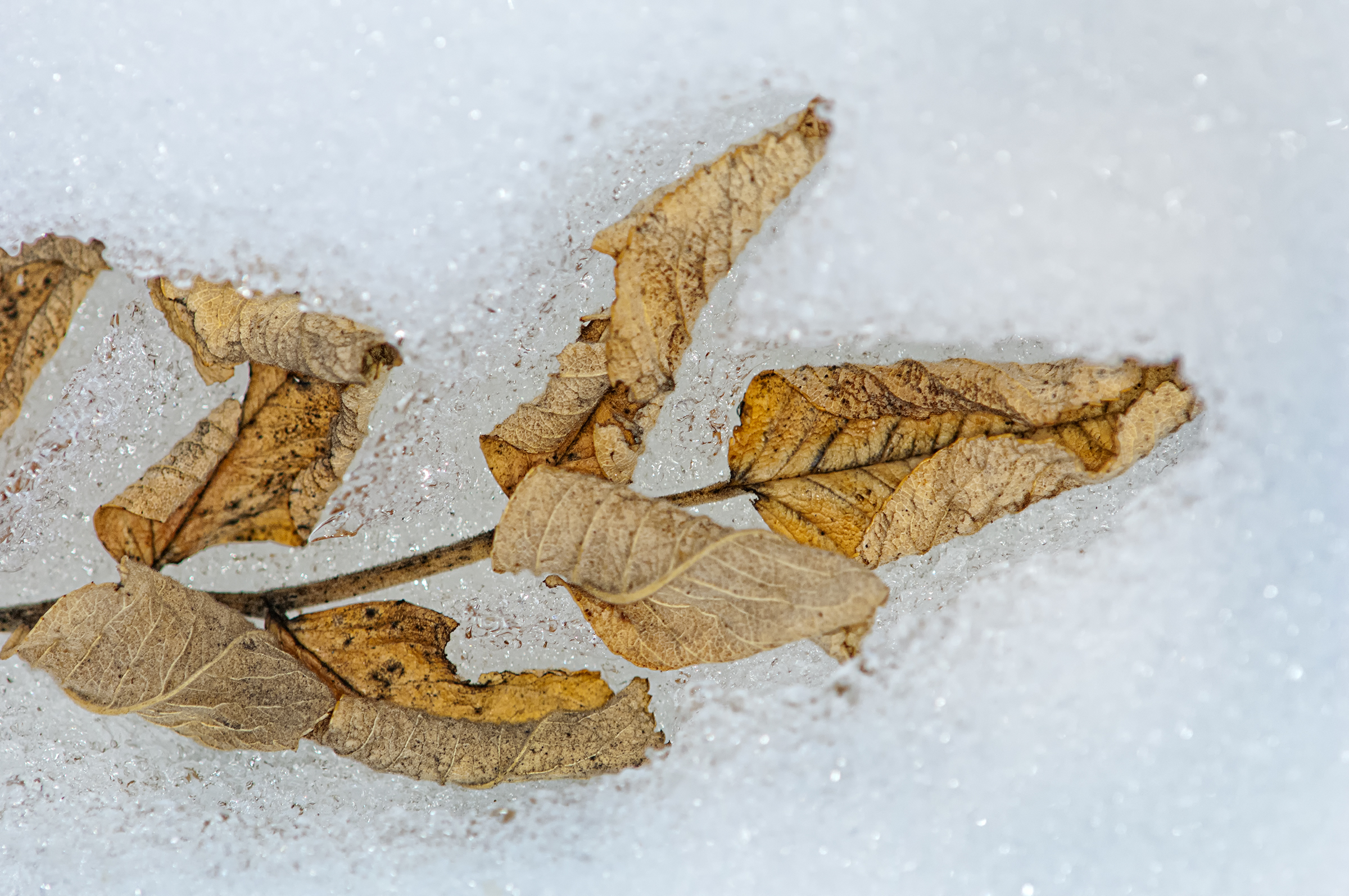
Oregon Grape birch  golden leaves  dry&frozensedum

Last September I wrote about how I like photographing my wife’s garden in every season and I didn’t really care about the weather conditions. I mention here that the more uninviting the elements better I like the photography.

The day here in the interior of British Columbia wasn’t really cold, it was only about -3 Celsius. With a slightly overcast sky I knew it would be perfect for photographing things poking out of the snow. I mounted my 200mm macro on my camera and connected a ring flash on that and stepped out into the snow-covered garden.

We had lots of snow this winter and if one digs down the soil is damp and unfrozen. The images I made last September were of dried out faded plants with a golden hue. But as I wandered around this time I found more than one green plant sticking out of the slowly melting snow. The deep, powdery snow that I had been photographing in all winter had turned crusty and no longer clung to the trees. There had been enough of a melt that I even could see some of the garden hose I forgot to put away last fall.

I mentioned that the overcast day was perfect for my subjects. Bright sunny days increase the contrast of scenes, especially snow covered ones, making it hard to capture details in the extremes and I wanted to retain what details I could. The diffused daylight reduced the number of f/stops from black to white.

I used a ring flash. That is a flash that mounts around the front of a lens and can emit a soft direct light towards small subjects. When I add flash to a daylight scene I usually underexpose the ambient light and create fill light with the flash. My ring flash doesn’t have the TTL technology with which modern flash users are familiar.  I must first determine the exposure, remembering that the shutter controls ambient light and flash intensity is controlled by the aperture. The flash is constant power, but can be full, quarter or sixteenth power output.

I began by photographing tall plants, but the small features poking out of or just above the snow seemed more interesting and instead of looking eye level I wandered searching the snow covered ground at my feet. I wandered around with my tripod searching the snow-covered garden for intriguing shapes.

I again ignored what books on garden photography recommend. I shot late in the day, not in the fresh morning light. Of course, spring is the most popular season for flower photography, but that is still months away, and, as I have written before, I doubt presenting winter photographs of shriveled lifeless plants to garden or photography clubs would be acceptable. However, my photographs are more about colour and shape than of a garden environment

Just about anytime is good for a dedicated photographer to make photographs. My advice is to be creative, have fun, and don’t worry about failures. Open them up on the computer, learn something from them then quickly delete.
Of course, some tweaking with PhotoShop always helps and, for those photographers that like me are trying for something different, anytime, and any conditions will be just fine.

I appreciate your comments. Thanks, John

My website is at www.enmanscamera.com
Photographing Small Towns

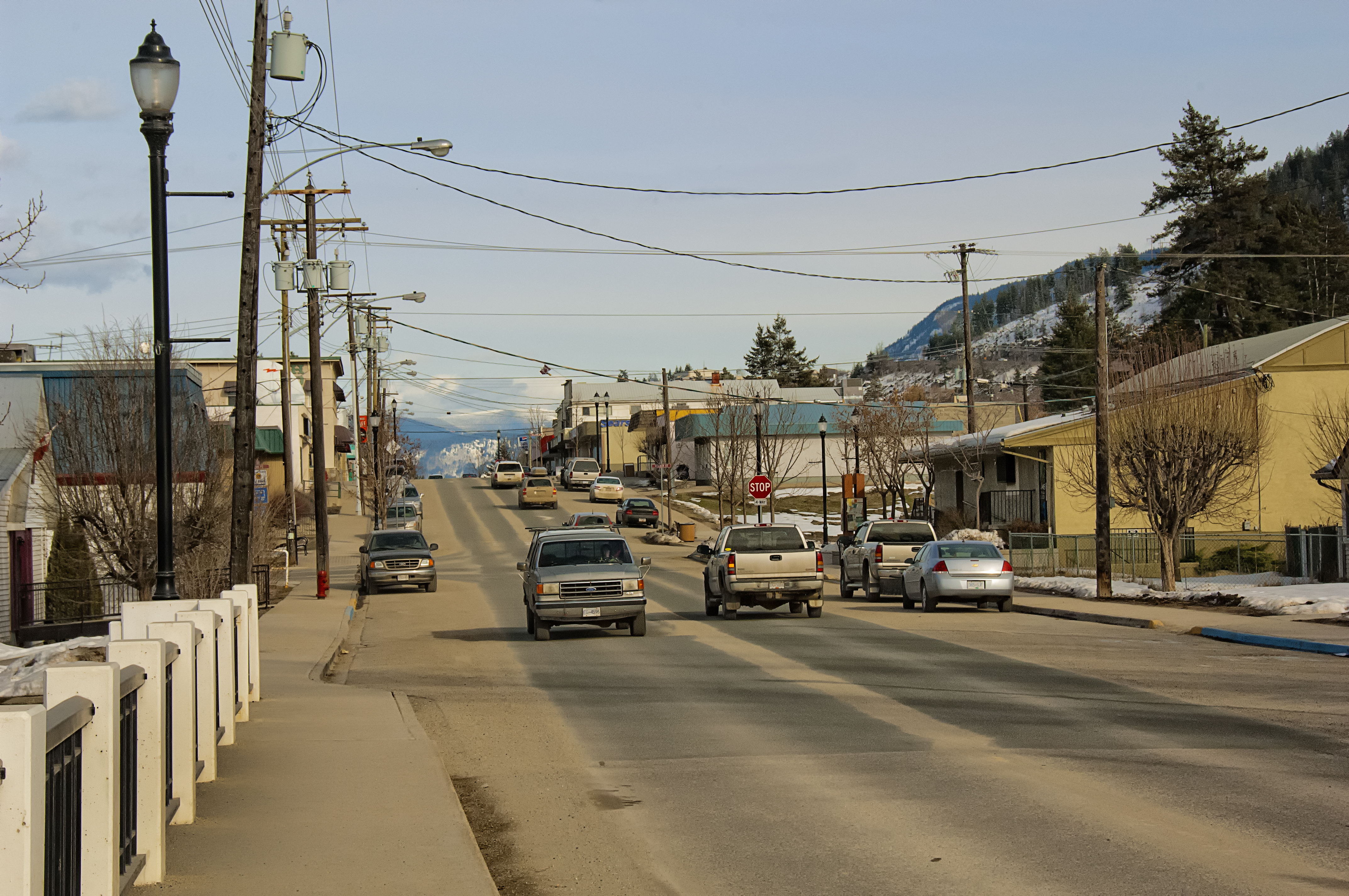
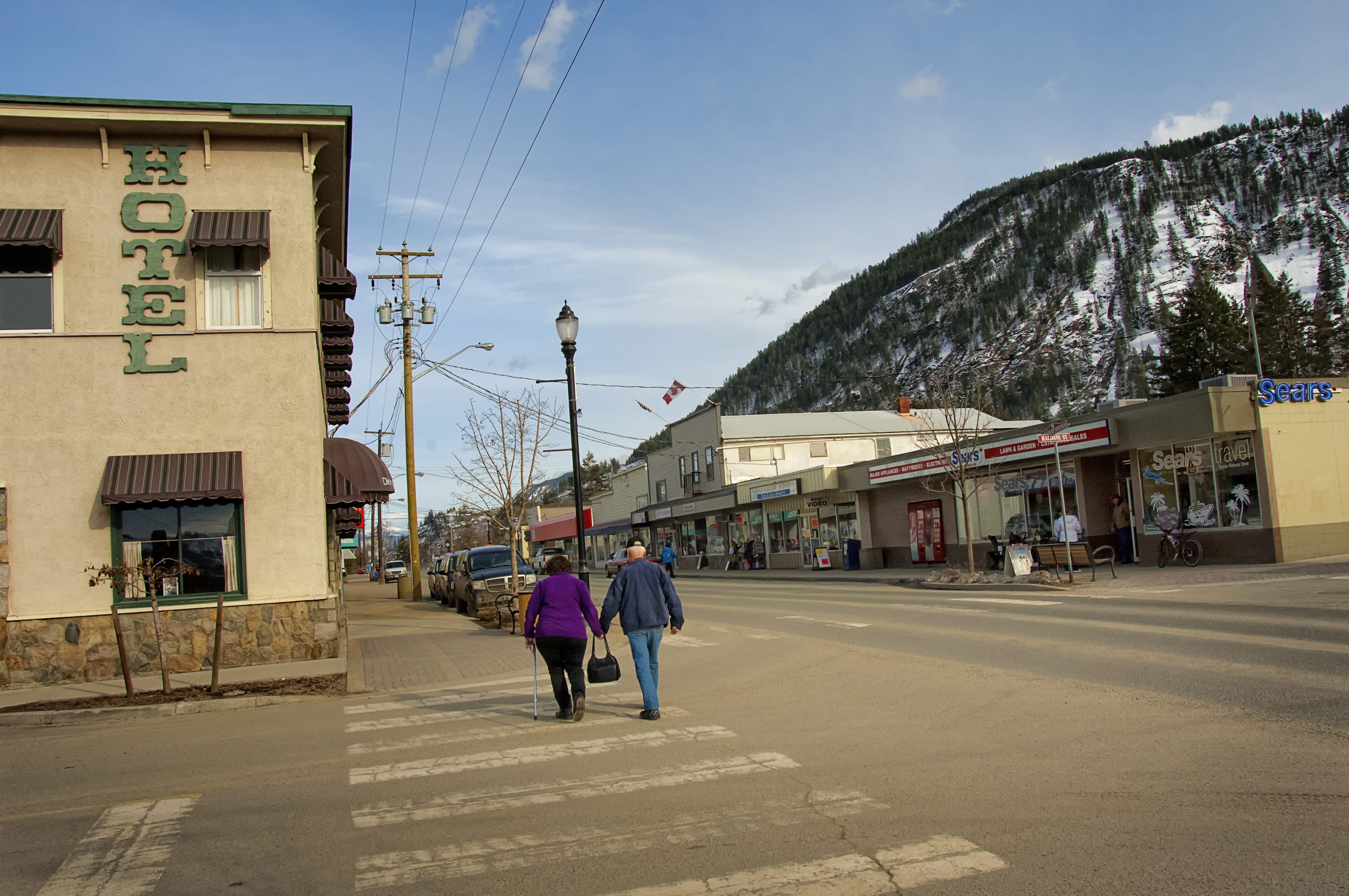
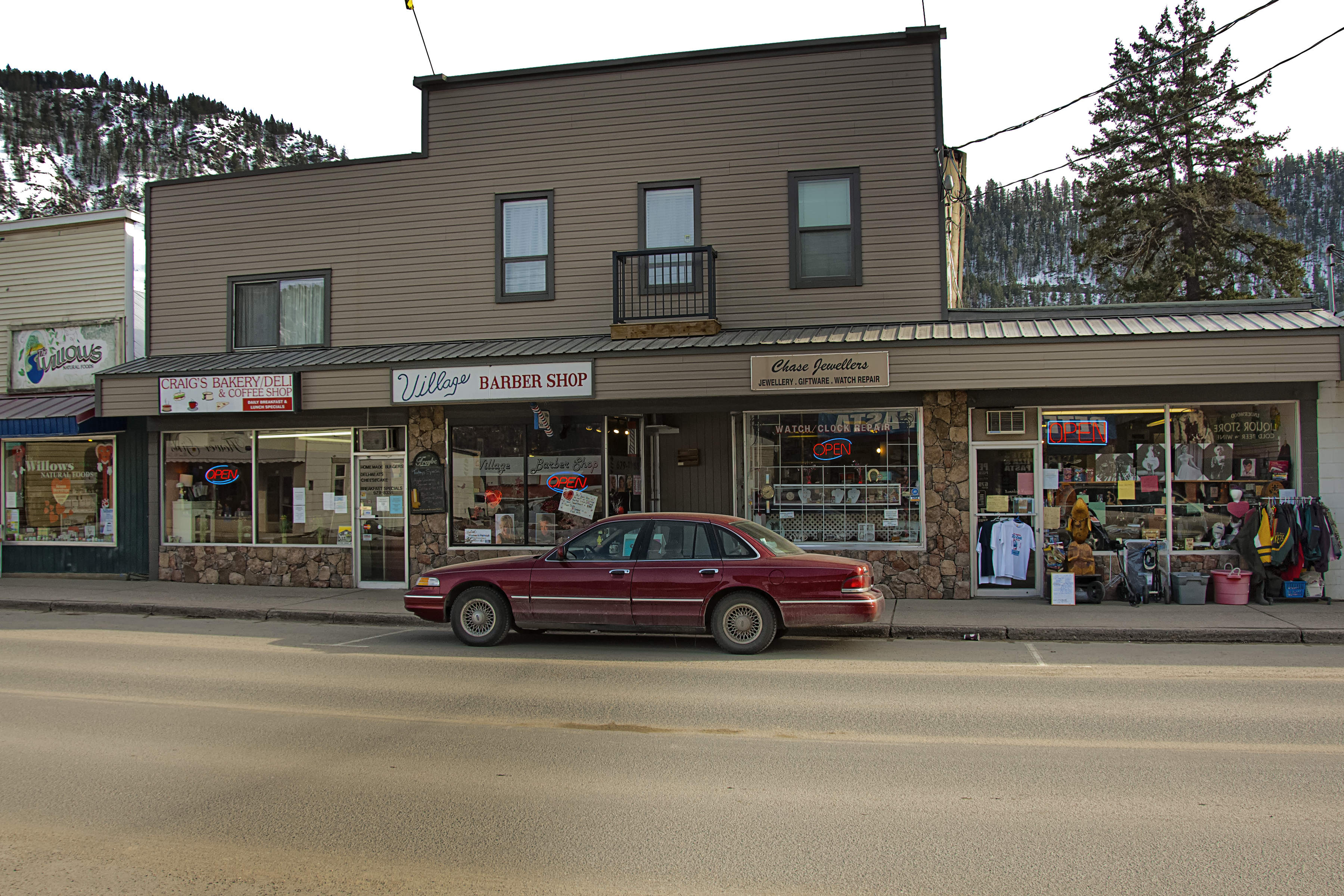
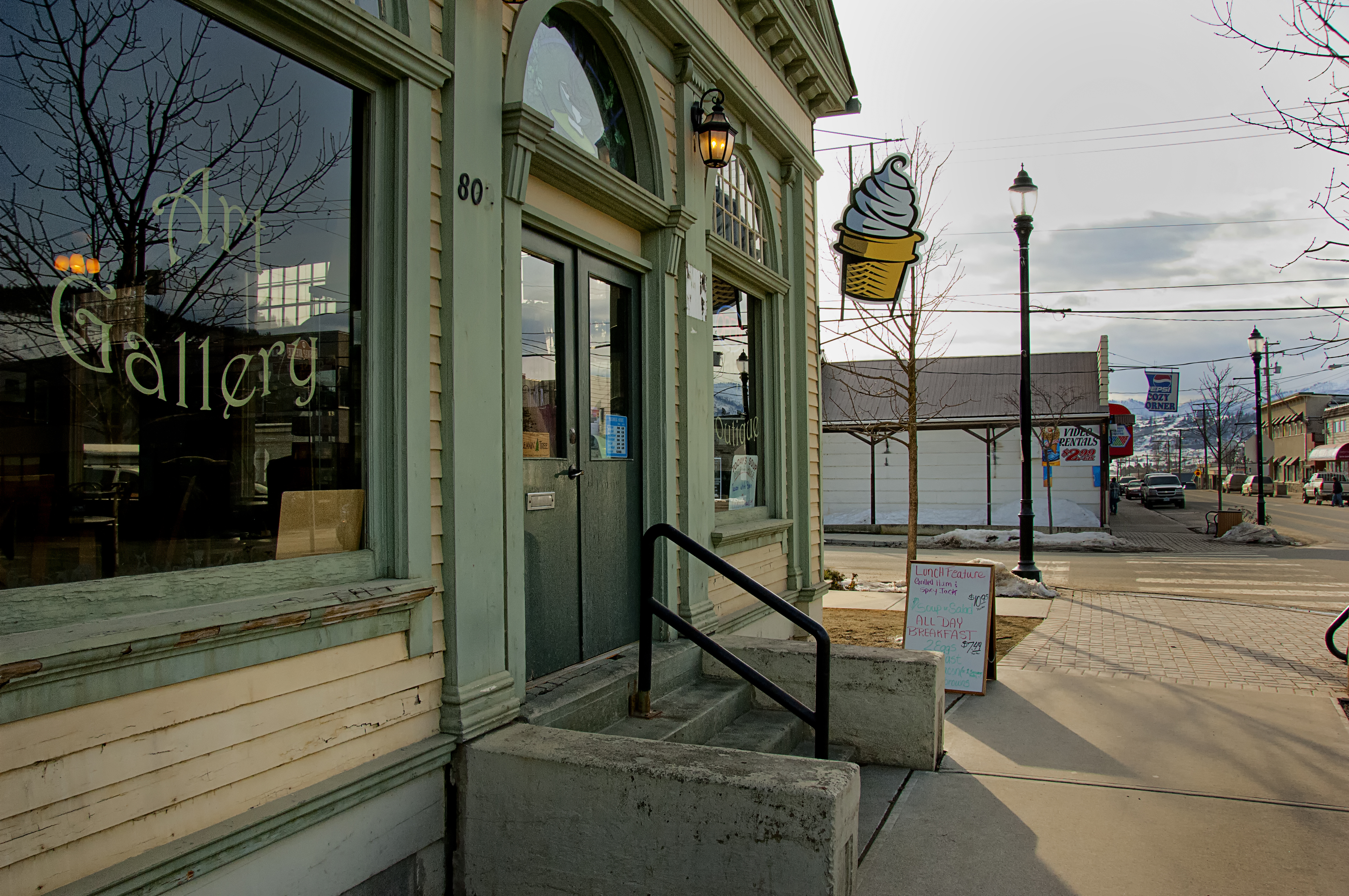
1.The main street 2. town clock 3. out to dinner 4. barber shop 5. gallery 6. church

The pictures I see of cities and towns are usually of exotic locations, and show glamorous and architecturally interesting buildings. I admit that I enjoy photographing cityscapes and easily loose track of time when I am left to wander about on my own in just about any high-building packed city.

Recently, I have been fortunate enough to view the colorful building photography by Australian photographer, Leanne Cole, at http://www.leannecole.com.au and French photographer, Mathias Lucas’ architectural work at http://mathiaslphotos.wordpress.com.  Both photographers got me to think about winter building photography, but, for me, it is a drive of many miles from my rural home to a city with tall buildings.

I wondered about small communities that are scattered along the Thompson River valley. Most aren’t glamorous, or exotic, and although there might be some architecturally interesting buildings left from bygone times, they are often treated by most travelers as convenience stops on the way to somewhere else.

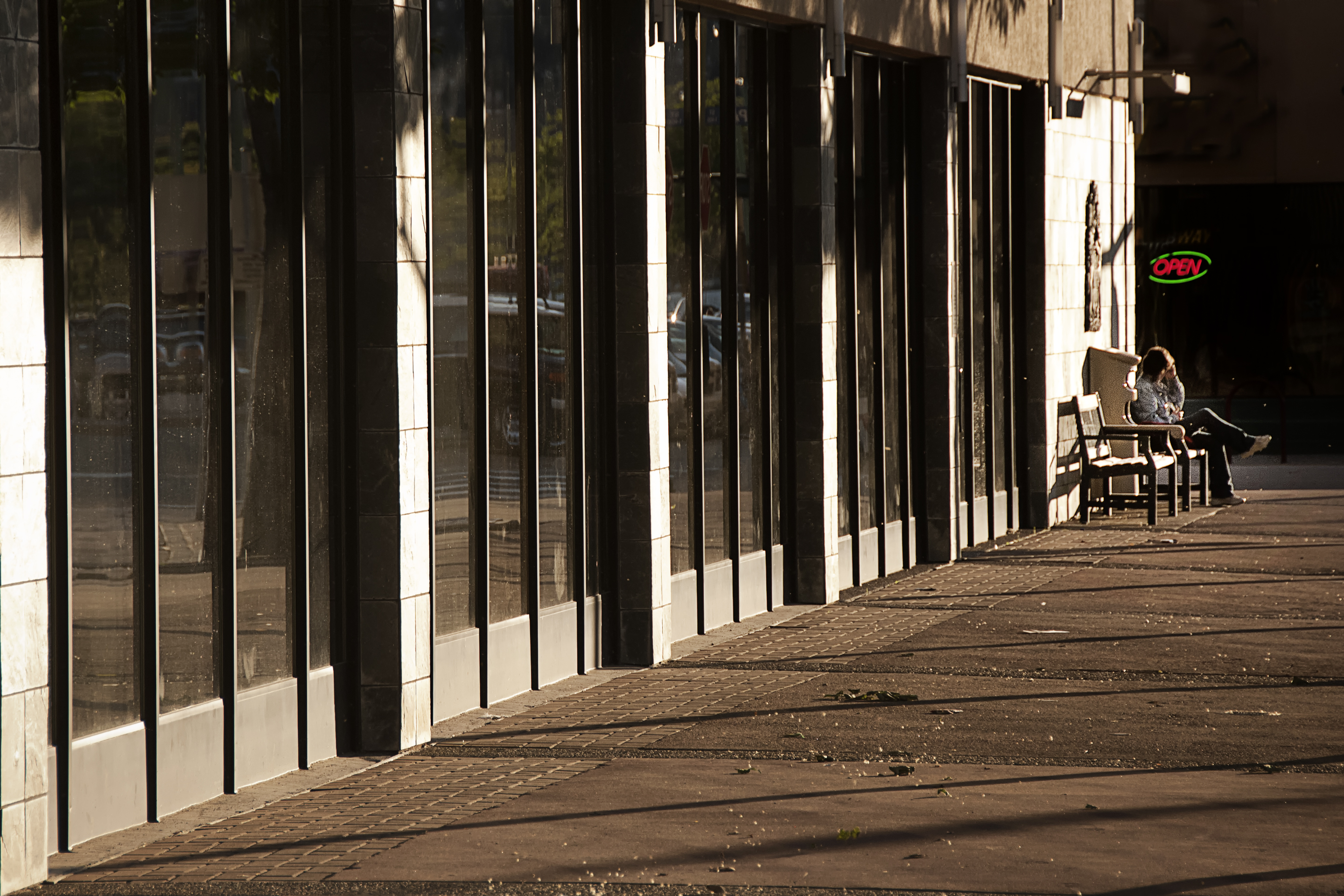
Not far from my backwoods home is the small lakeside town of Chase. When photographers go there they pass through the town center  with barely a glance on their way to the park beach and boat pier. The single-street town isn’t really significant to view with its single story, flat-topped, mostly featureless buildings, and I go to Chase as a place to get something forgotten from my main shopping trip to the larger city of Kamloops where I work.

I sat looking at Lucas’ and Cole’s engaging building images, and even searched out some of my recent files from my October trip to Victoria, British Columbia, and wondered if I might be able to make some interesting photographs of that little village up the valley.

The day had climbed above freezing with some patches of blue sky. I mounted an 18-200mm lens on my camera and headed off on the short drive along the Thompson River to Chase.

My choice of an early afternoon, midweek day was perfect. There were a few vehicles parked at the city curbs, the traffic (unlike on a weekend) was light, and I could easily walk across the street anytime, and I even stood center-street for a few shots.

I took my time wandering along trying different angles, exposures and took more than one shot of each scene choosing different cars, trucks, people and buildings in my quest to make interesting images of the village. I always can tell local residents. They are the ones that don’t mind a photographer, smile, and say hello as they pass. Tourists seem impatient, avert their gaze, and quickly walk past as if my camera is stealing something.

Photography in larger centers is easy, sometimes overwhelming, and always exciting. However, one has to get in the mood and culture when photographing small towns like Chase. I suppose it’s all about trying to observe the town with a thoughtful attitude.

I found a quote by iconic documentary photographer Elliott Erwitt that seemed to fit what I hoped to accomplish as I made images in that small town, “To me, photography is an art of observation. It’s about finding something interesting in an ordinary place… I’ve found it has little to do with the things you see and everything to do with the way you see them.”

I made lots of pictures of that small town for this article and included only those that showed the village in its valley location. In any event, I was pleased with the results of my adventure in Chase. In my experience going over ones pictures with a fresh look days later is always a good idea and I intend to do that and may post them sometime later.

I know there are many photographers living in the towns along the British Columbia, Thompson River valley; yet, I rarely see creative work showing the places they live. For years I have attended local art shows that always include local photographers who try their best to produce art-worthy images, but I can’t remember seeing any depicting Chase or any other small city here in the interior. I suppose we become too familiar with our homes and don’t take the time to observe and photograph an interesting view that comes from an ordinary place.  I encourage readers to take a new look.

I always appreciate your comments, Thanks

My website is at www.enmanscamera.com
Cold Weather Photography

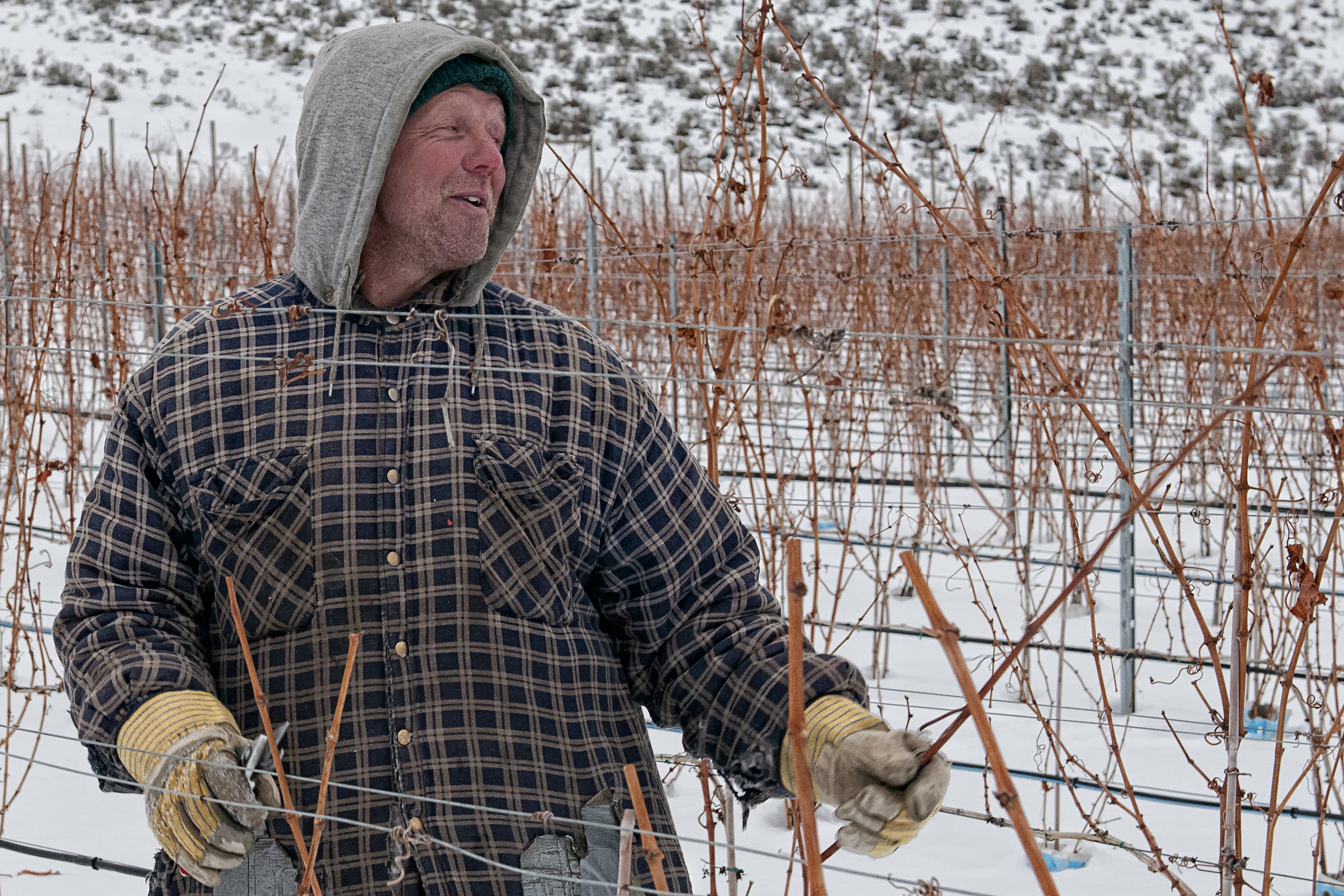
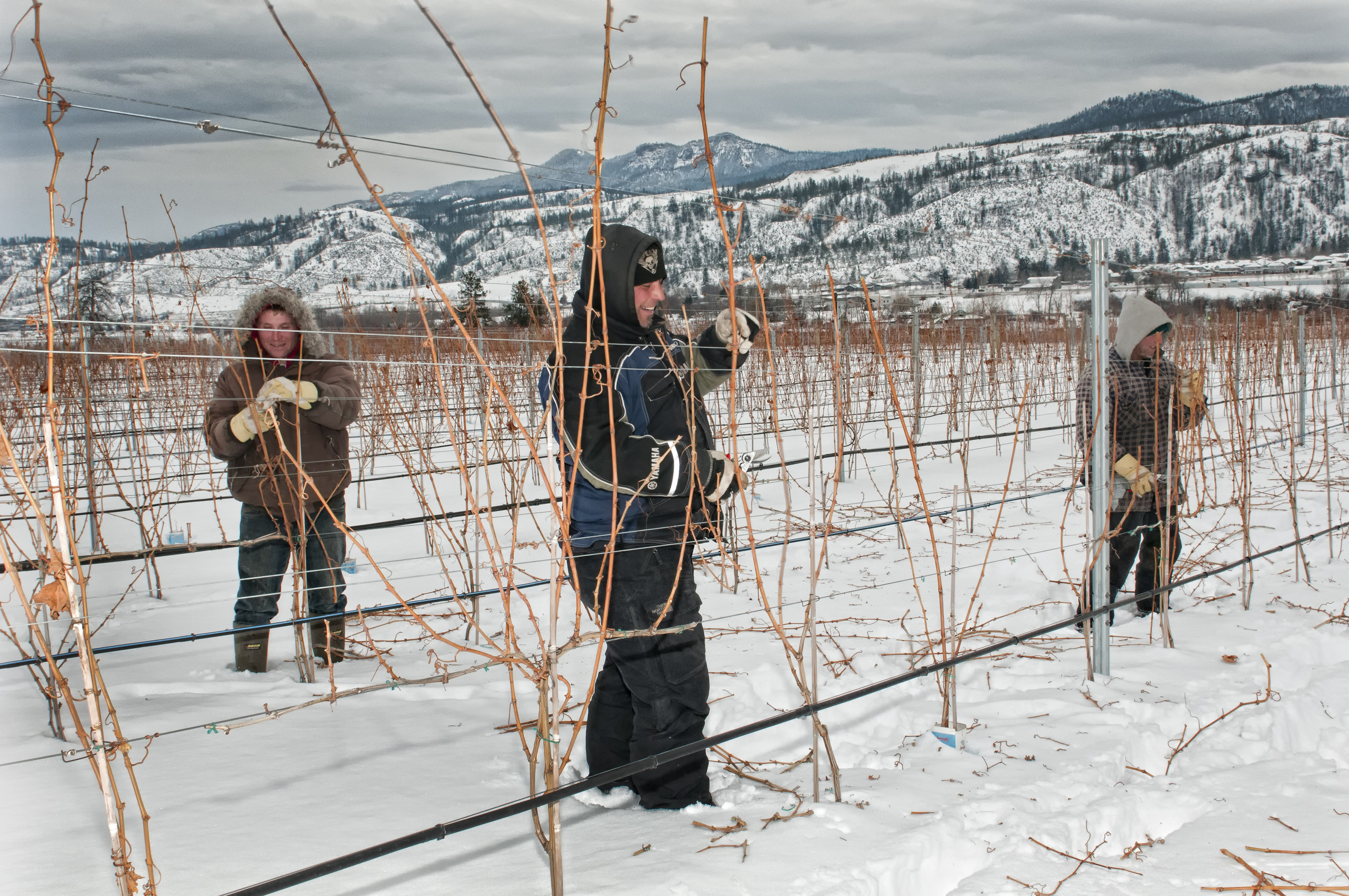
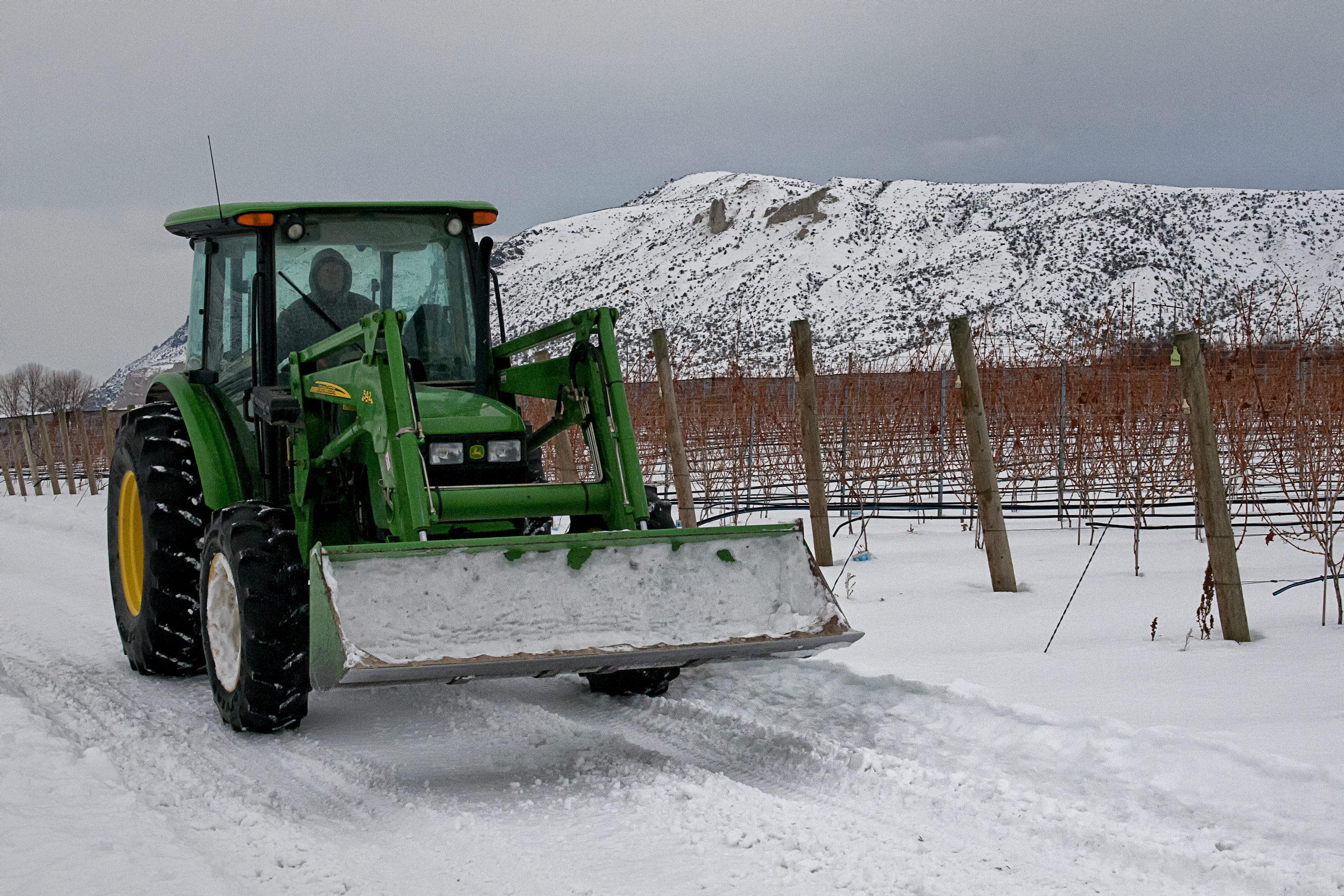
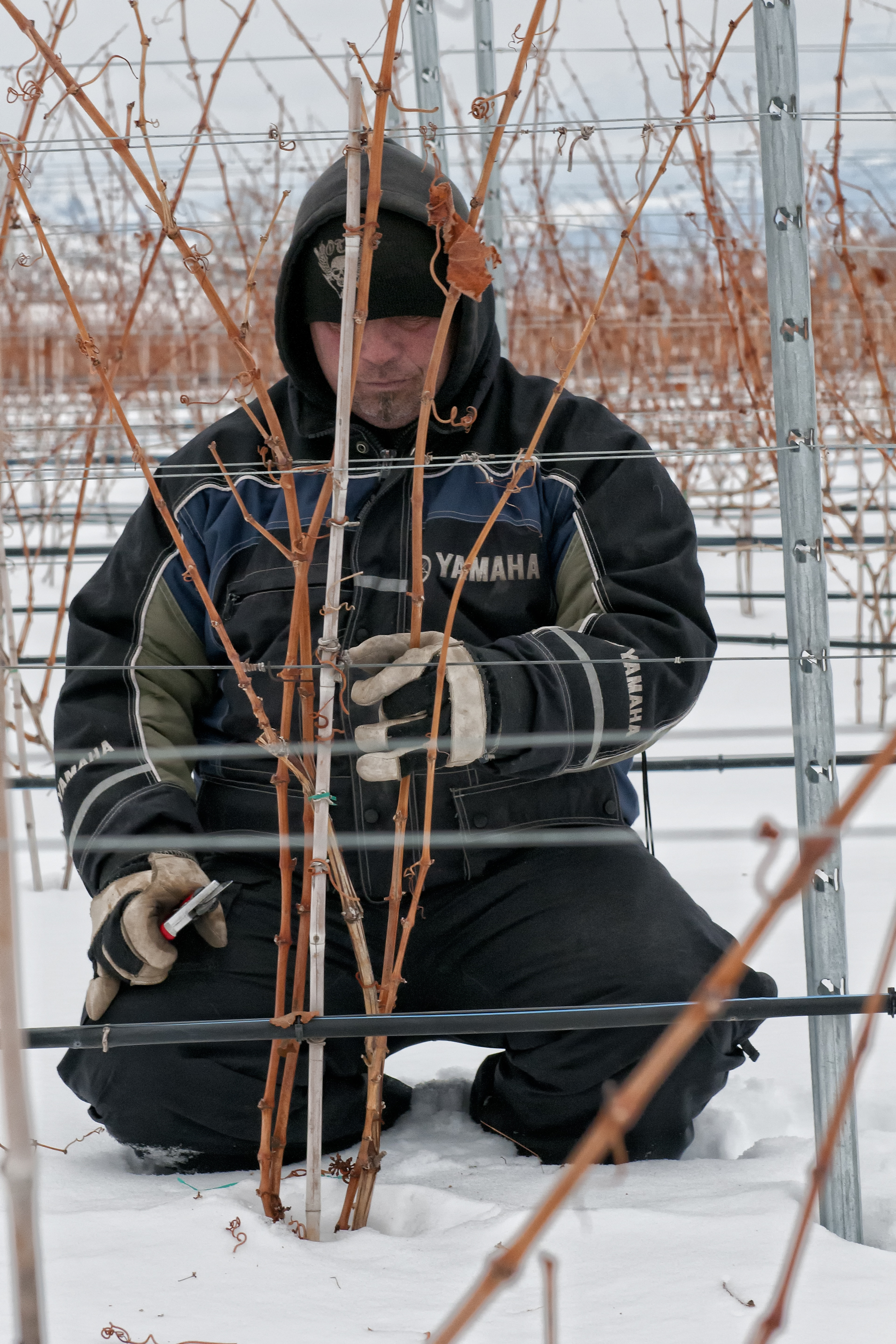
Snowy vineyard Jim Vineyard pruning Vineyard tractor  John

It’s beginning to be a long, cold winter. Lots of snow, wind, crappy roads, and well, I suppose that’s just winter in British Columbia.

I have been getting out with my camera (chasing the light as it were) whenever I can and just having fun photographing as many different subjects as I can.  Sometimes, however, I have to remember to make a living. So I packed up my camera and flash when I received an email from the owners of a vineyard I have been photographing since spring reminding me it was time to get pictures of the seasonal pruning.

I have written about my excursions in the winter snow, but on those I could take my time. I would wait for, or follow the sun, and when the weather got too windy or too cold all I had to do was go inside.  On this occasion I couldn’t do that. The day was very overcast, flat, and gray. The temperature on the high, flat, plain along the river wasn’t painfully cold, but even at minus 5 degrees Celsius the constant wind made fingers and ears uncomfortable quickly.

The vineyard workers slogged through sometimes knee deep snow and were all bundled up against the wind and cold as they pruned the acres of vines. My job was to make pictures that were more than just documents of people working at a local winery.

I put on my warm winter boots, several layers of clothes, and my convertible fingerless mitts. My biggest problem wasn’t the weather; my concern was the light, or at least, the lack of it. I didn’t want to be limited to a wide aperture. Limiting my depth of field would put foreground and background out of focus, and I wanted vines and/or people on both sides of my subject to be in focus.

To compensate, I increased my ISO to 800, selected 1/250th shutter speed, and tried to keep my aperture at F8 or smaller. For any close shots of the vineyard workers pruning vines I had a flash mounted on a flash bracket attached to my camera. I like that bracket. It positions the flash about ten inches above my camera so it doesn’t get shadow from my big lens hood like the pop-up flash, and I can easily move the flash off-camera to light subjects from different directions.

I didn’t have to worry about the vineyard people being camera shy because by now they are pretty used to me, and most have an easy smile and are happy to discuss their work and don’t seem to mind me joining into a conversation and even pose a bit to make my pictures better. That’s my style anyway. I’m not one to hide behind a camera. Whenever I am involved in an event I change my position a lot, and am never concerned with getting my clothes dirty or wet. I work to keep everyone relaxed and I quickly lift my camera to make an image, and just as quickly lower it do keep contact with my subject.

After the cold, windy hours of photography I hitched a ride on a tractor back to the barn. Those fellows were happy to get out of a long day in the cold snow and wind, returning to their warm homes to relax and pack ice on their sore, right hands. The hours of pruning comes at a cost.

For me it was a productive day. And, even though I now have lots of images for my clients I’ll keep an eye on the light for the next week and return to the vineyard hoping to get a few more shots.

I do appreciate any comments, Thanks

My website is at www.enmanscamera.com
A Good Day of Roadside Photography

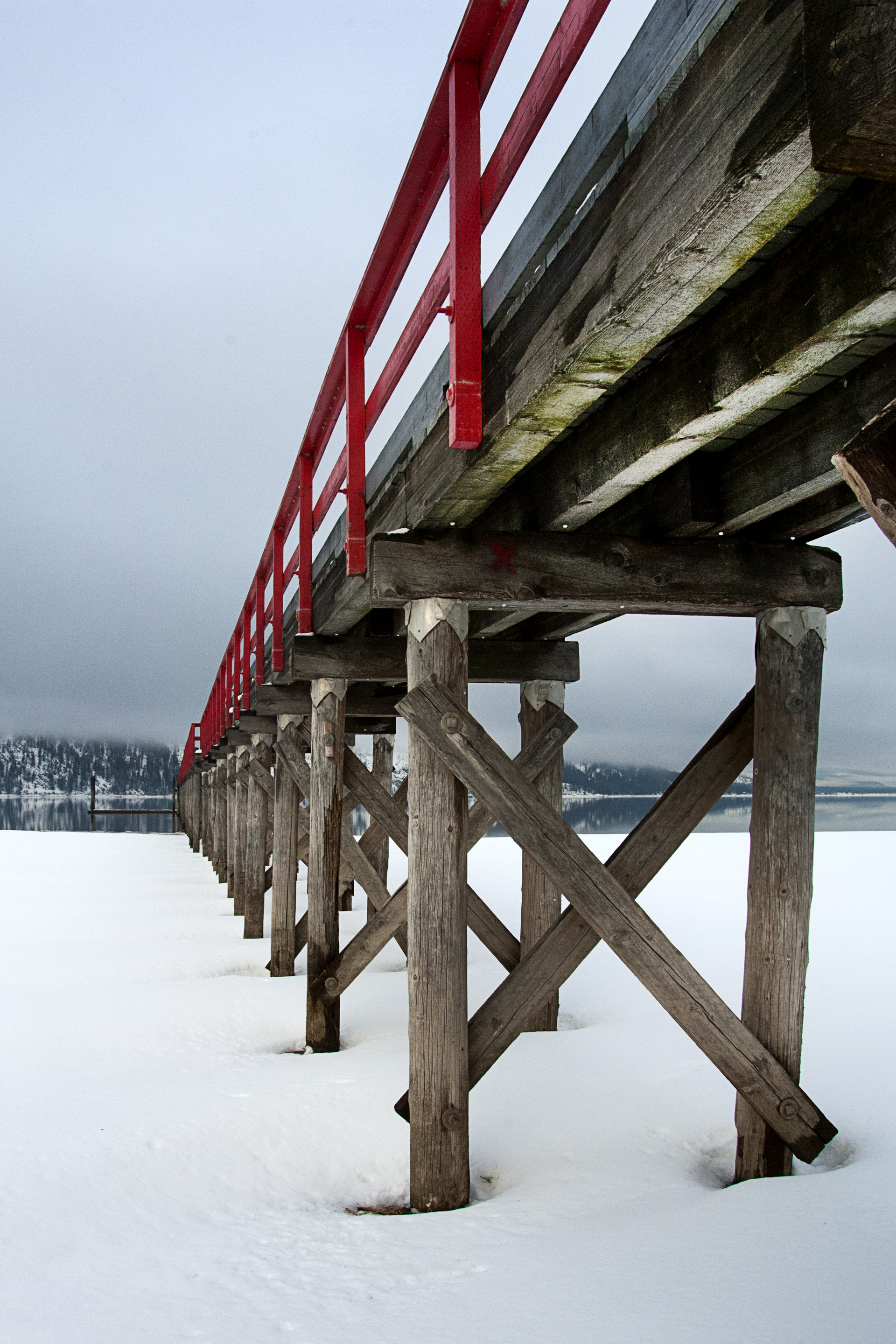
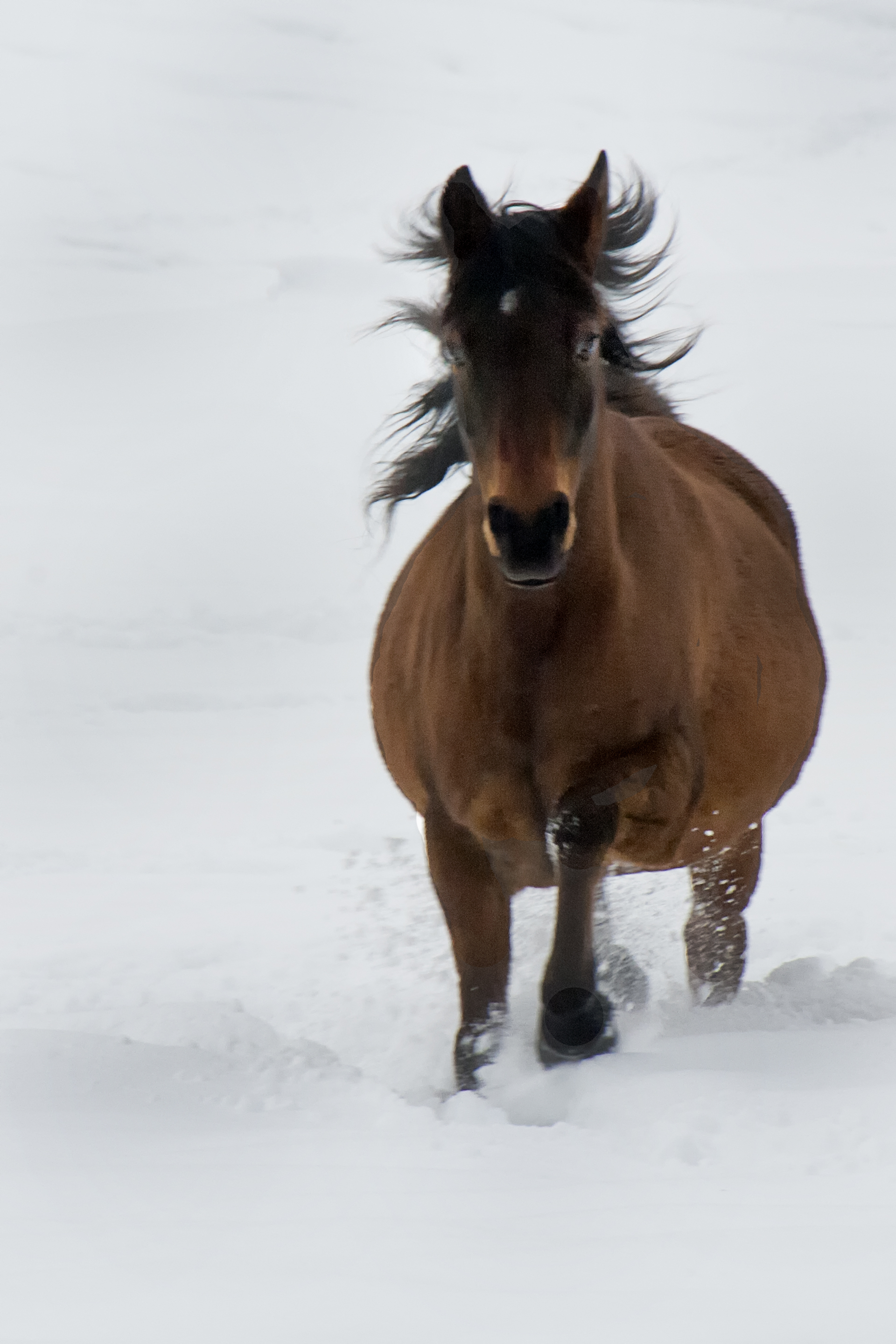
River view copy   REd pier copy Horse running copy

I recently talked to a long time photographer that said the landscape photography in early advertisements by the American Automobile Association was what got him into photography. That organization was once the best place to get maps for road trips in North America. They sent their employees out, with cameras and mapping instruments, across the continent finding the best and most scenic routes. I remember seeing pictures of their big, four-door cargo vehicles with people poised on platforms on top of the vehicle with large tripod mounted 8×10 cameras on some obscure dirt road in the middle of North America. It all looked very exciting.

We both remembered pictures of Ansel Adams standing on a platform on top of a vehicle very much like those used by the American Automobile Association with his large camera making wonderful photographs that scenic photographers still admire.  I actually sold my jaunty, little, two-seater MG that was so easy to get around the streets of Los Angeles, and bought a bright yellow International Scout 4×4. Underpowered, poor turning capability, uncomfortable on long trips with back seats that were only accessed by climbing over a metal barrier behind the front seats, it was perfect in my young mind and meant that I, like Ansel Adams and the folks from the AAA, could gleefully travel the back roads in a cool looking vehicle with my camera capturing the natural world on film.
Years have passed, and technology has changed, and so have I.  There are still lots of back roads to explore and photograph, but the days of climbing on my car roof are long gone.  The American Automobile Association no longer explores the country, and today I check maps on line or my cell phone. I don’t need a large 8×10 view camera like Ansel Adams used with the accompanying long hours working in a chemical darkroom to make good enlargements, and certainly don’t want to drive around in that uncomfortable, gas guzzling International anymore.
I thought about that conversation and the many scenic photographs I have made while driving along the South Thompson River towards Kamloops, British Columbia as I pulled off the road to meet up with fellow photographer Peter Evans. Evans and I were hoping the sun on the gray, overcast day would poke through the clouds enough for us to make some worthwhile pictures. We had headed out on the snow-covered roads without a plan. Not the best way to success, but both of us just wanted to get out.  We drove along the highway photographing horses, snow covered trees, and Evans even jumped out trying for some photos of distant deer bounding through a meadow. There were lots of opportunities in spite of the flat light, but our main problem was getting my car far enough off the snow lined highway so as not to be clipped by large passing transport trucks.

We stopped and wandered along the Shuswap Lake in the small town of Chase , and photographed the pier, reflections in the water, and trees along the white icy shore.  When the sun finally peaked though and we dashed back to the car, our goal to catch the sun along the river near a bridge that crosses the Thompson River a few miles from where we were. Chasing the sun seems to be part of roadside photography sometimes.

By the time we reached the Pritchard river crossing the sun was creating diagonal shafts of light that slowly illuminated some features in the landscape, and then in minutes moved leaving them absent of light.

We parked and rushed on to the bridge, yelling at each other, “look, look, look”. Then in spite of cars crossing the narrow bridge, we stood by the railings and shot away. The river scene was exciting, and I constantly altered my meter trying to keep the exposure under the fast moving light. Then in about ten minutes the sun moved into the clouds and dropped behind distant hills and the sky, hills, and river were back to unexciting flat light. However, we were like two happy young kids as returned to the car talking about our luck with the light.

That’s what I call a good day of roadside photography. Pictures of running horses, reflections on the lake, cool shots of the Chase pier, all capped with luminous pictures of the river and I didn’t even need a platform mounted on a gas guzzling vehicle, a big heavy camera, or back roads.

I appreciate your comments. thanks

My website is at www.enmanscamera.com