Photographing a home’s interior


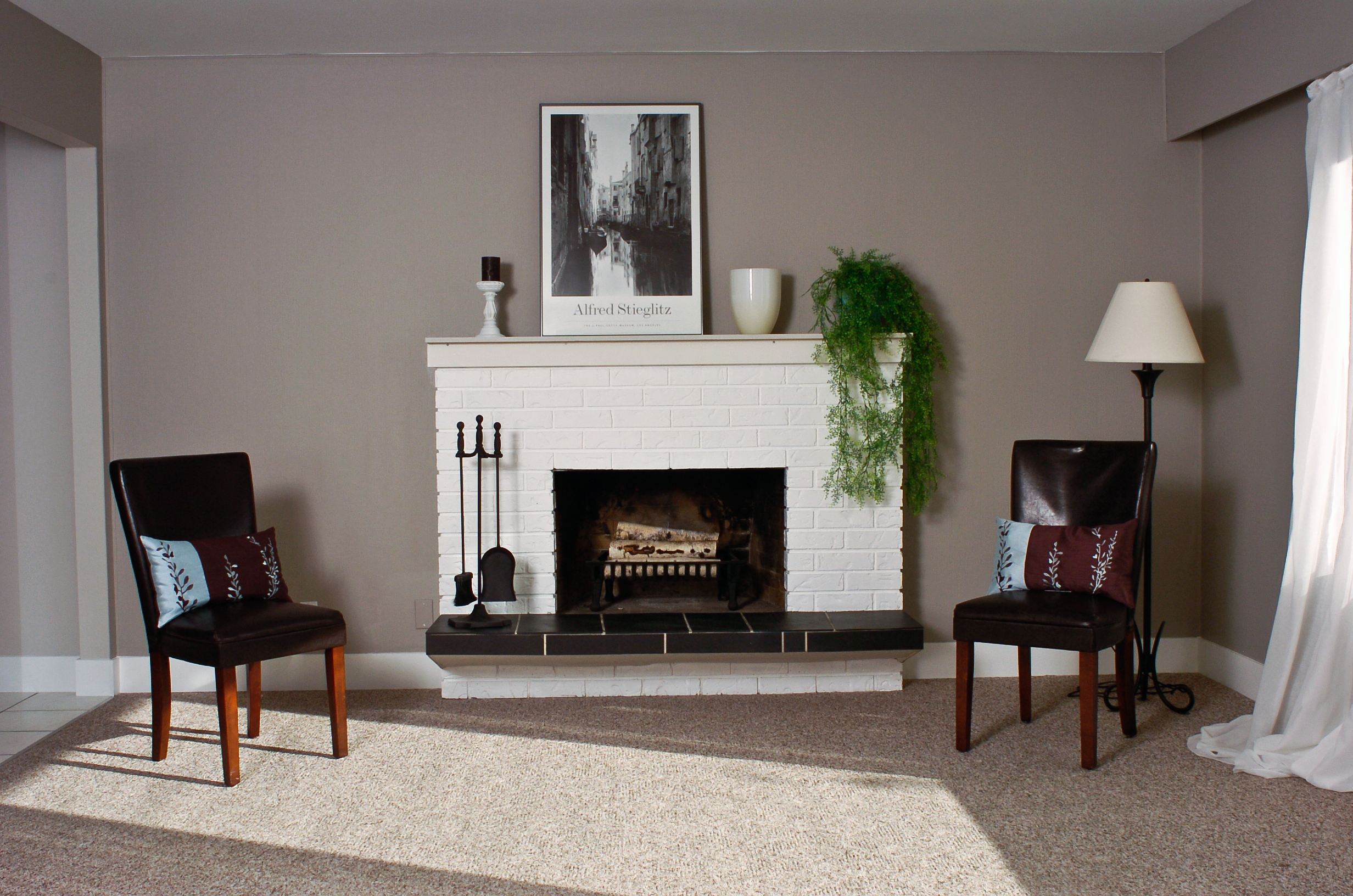
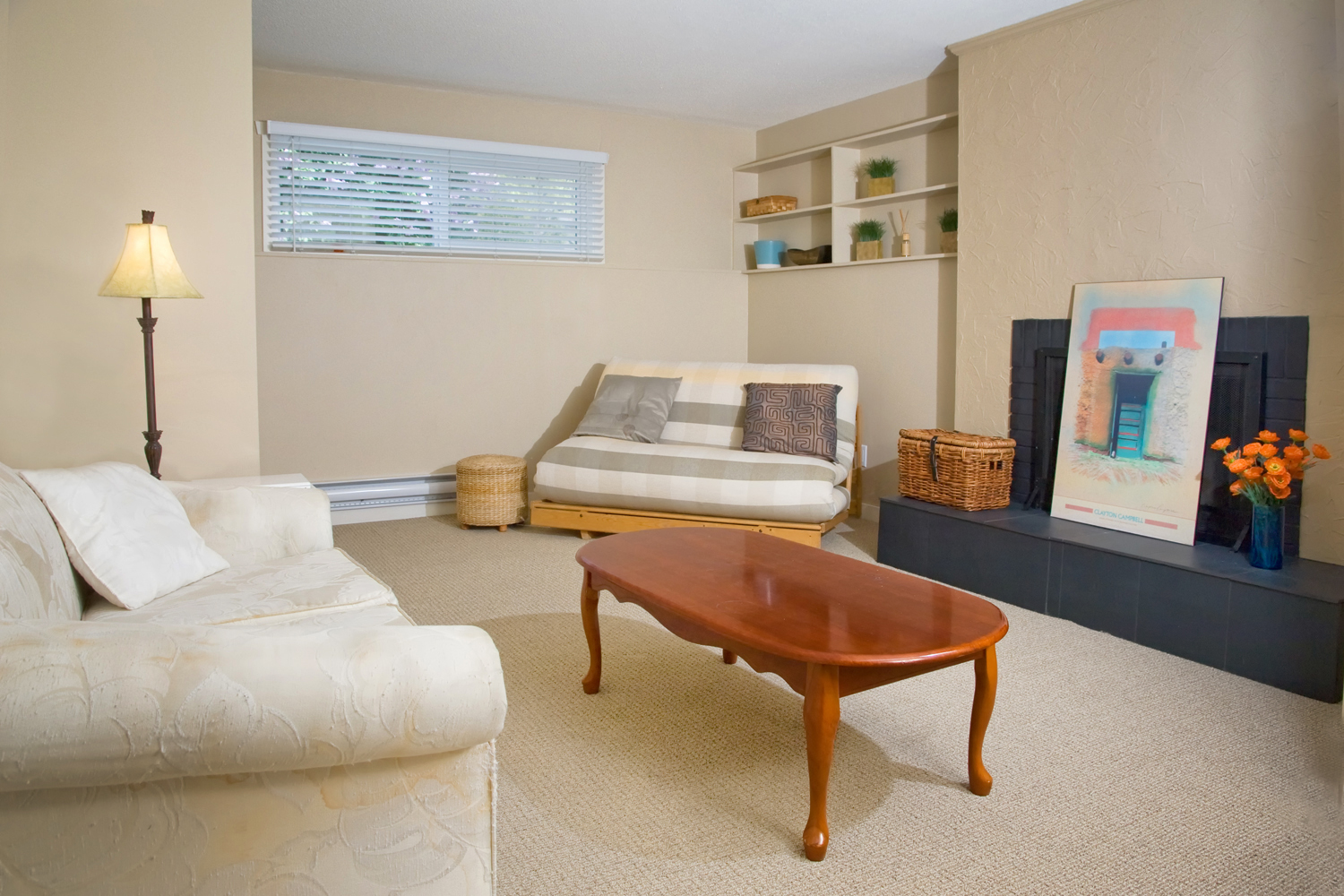
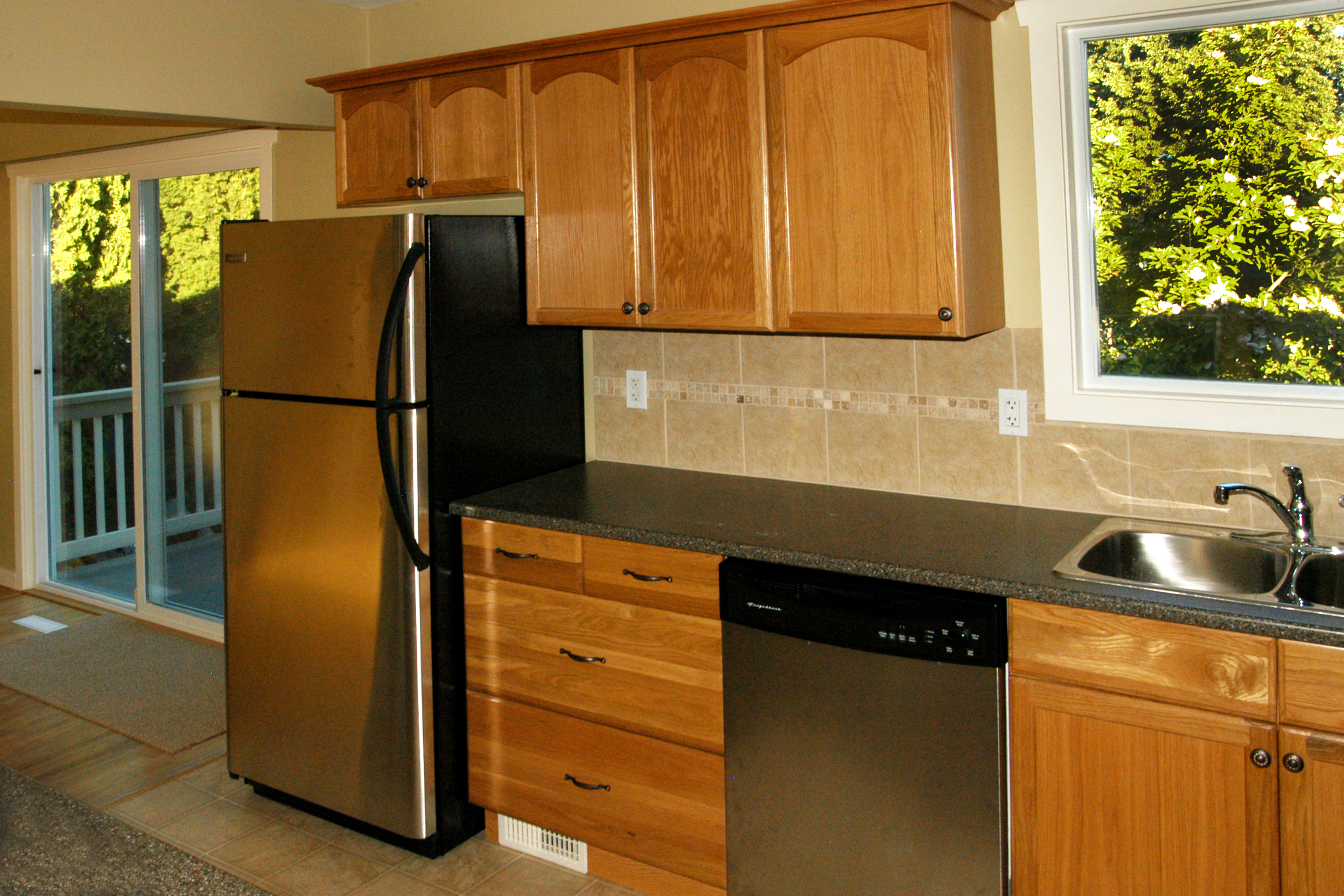
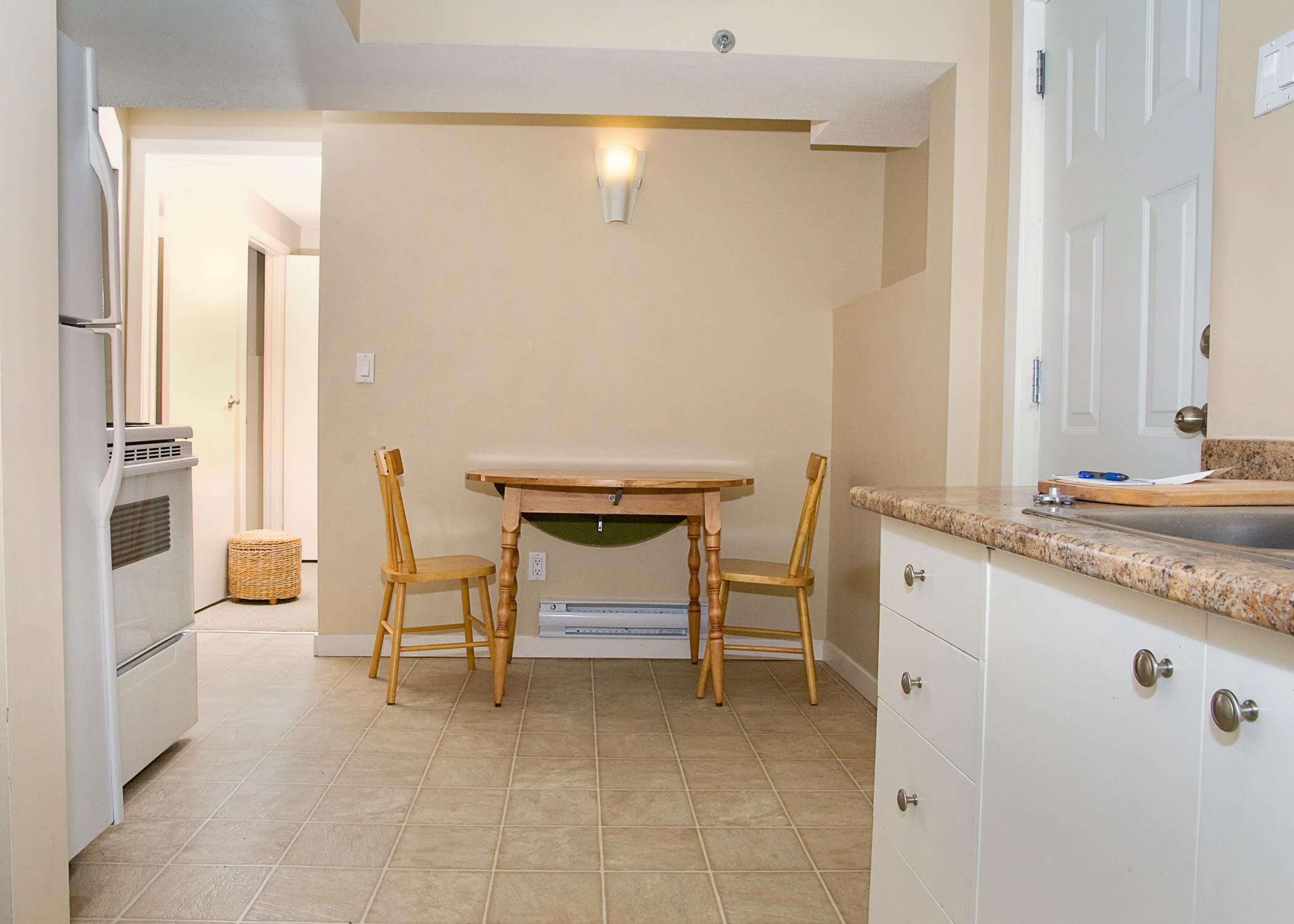
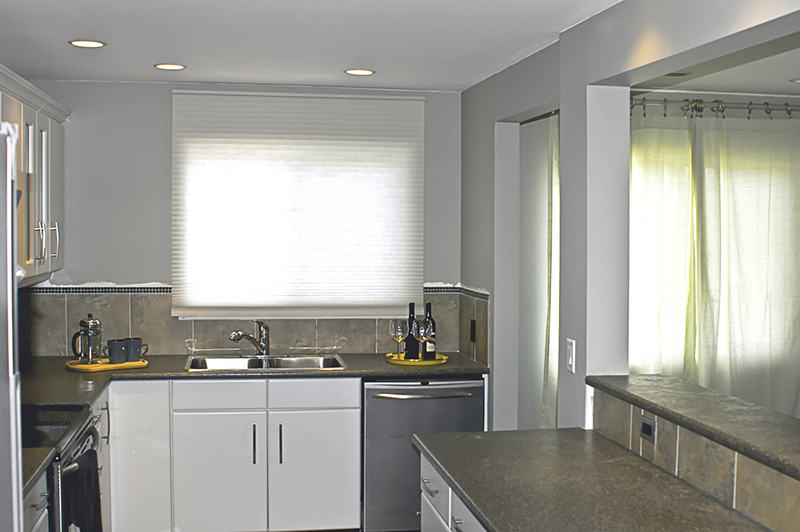
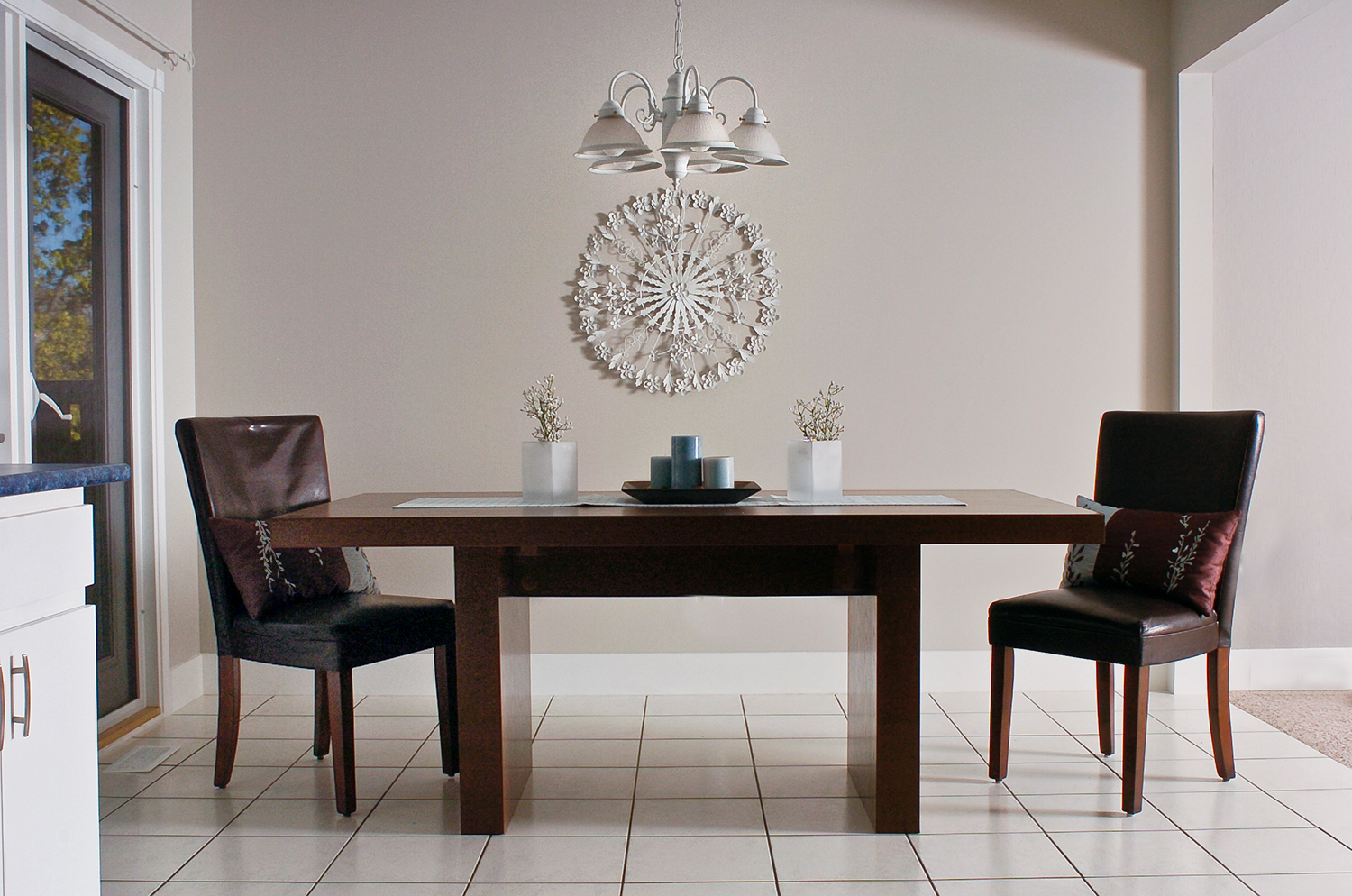
a. front room  B. front room  c. Kitchen  d. dinning suite  g. kitchen wine  h. dinning room

The past month has seen me spending hours and days painting a rental property that my wife and I own. The tenant had lived in it for the seven years since we purchased it and was already there for about four years when we purchased the duplex, so needless to say, when that nice, old lady finally decided it was time to leave the place showed plenty of wear.

I loaded my truck with tools and pretty much moved in to change a worn out house back into an inviting home. Finally, after what seemed to this lone-painter, to be a never-ending job has reached an end. I have painted the complete interior for the one side and all the exterior trim for both sides. Whew!

We have decided to sell and relinquish the job of landlord to other investors, and that means after I pick up all the ladders, paint cans, brushes, and vacuum the place; my fun days will begin. It’ll be time to get out my camera, tripod, and flashes, and produce images of that shining place that will make it easy for a realtor to find buyers for us.

I suppose pointing a camera inside a building to take a few pictures has never been easier than it is today, and I have seen some interior work where a photographer saw and worked with the existing light, without any additional flash units, and was able to produce excellent images. But I like using flash, and any chance I have to modify a room’s ambient light I am going to take. Yep, I just like using flash.

I remember the difficulty of trying to hide my lighting unit’s power cords before we had the benefit of Photoshop, and then after Photoshop was available the extra time it took to clone out those ugly flash cords. However, now everything is wireless, the cords are gone, and I no longer pack in large studio type lights. Gosh, other than the light stands, my whole lighting “kit” of four-hotshoe type flashes fits into a small seven by ten inch bag.

Later this week I’ll show up at the renovated rental unit with two flashes on light stands and start taking pictures. I don’t like to use lenses that are too wide angle. Everything gets distorted, so I will be using my full frame D800e and a 24-70mm lens. I prefer the zoom rather than a fixed focal length (prime) lens because it gives me a bit of in-camera perspective control. And although I use a tripod, I find much of the time I end up jamming my shoulder into a corner, or sitting on the floor, or standing on a stool to get the most interesting view of the small rooms. The neat thing about using a wireless sender/receiver on one’s camera and flash is that the flash can be positioned in another room to illuminate a hallway or give the effect of light coming through a window.

I’ll arrive in the late afternoon and stay till late morning. There’s lots of food and drink in the refrigerator and I’ll stick some CDs in my portable player and start having a great time, listening to music and doing my photography.

Photographing any interior space presents a variety of photographic challenges and coming up with interesting ways to light the indoor space to show texture and form, and solving the challenges that windows and exterior lighting introduce is time consuming and enjoyable.

Adding light to a portrait is probably one of the best ways to improve the mood, emotion, contrast, and impact for viewers. And the same applies for interiors and architecture.

I welcome comments. Thanks, John

My website is at http://www.enmanscamera.com
Photographing Rob’s and Camille’s Farm Wedding

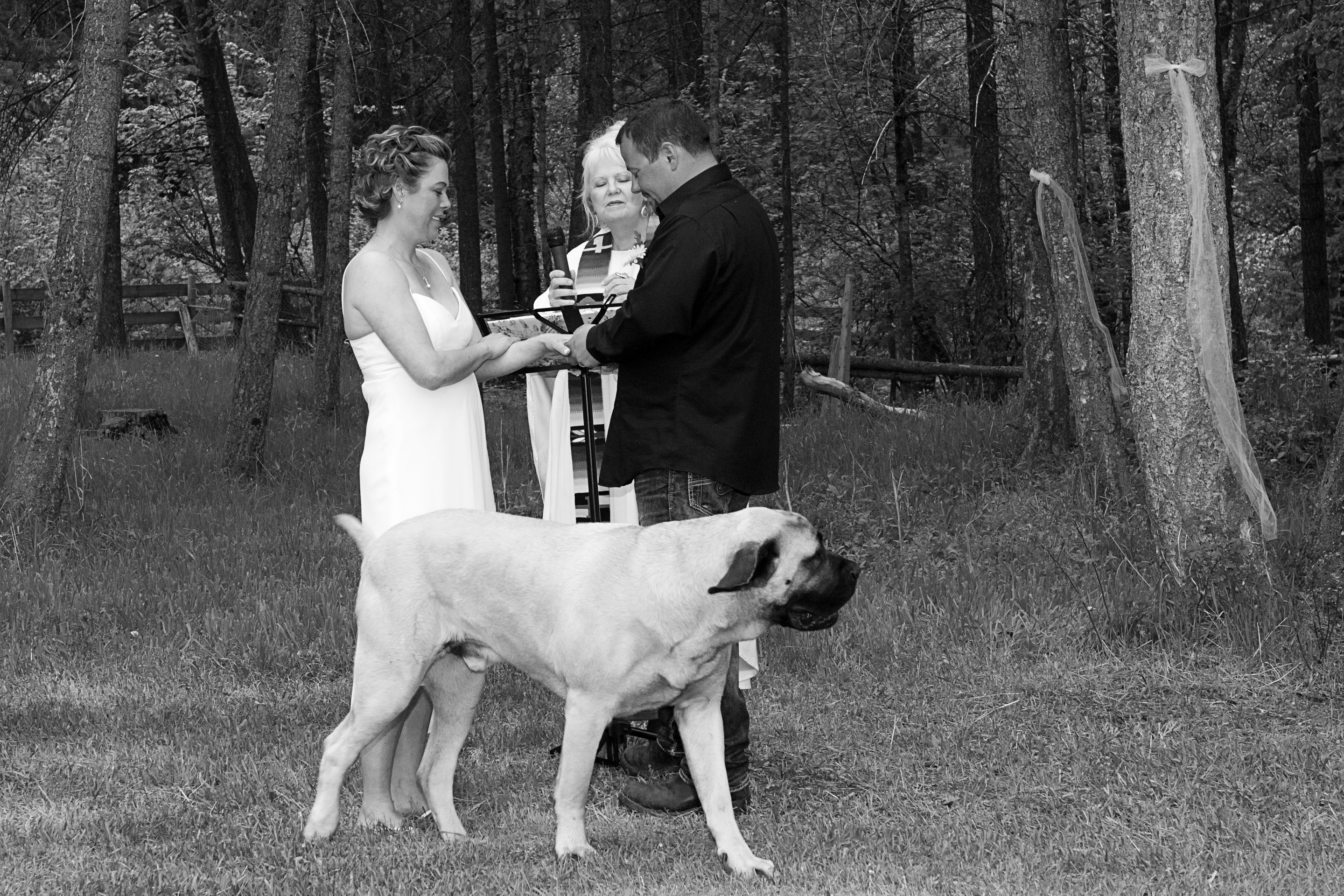
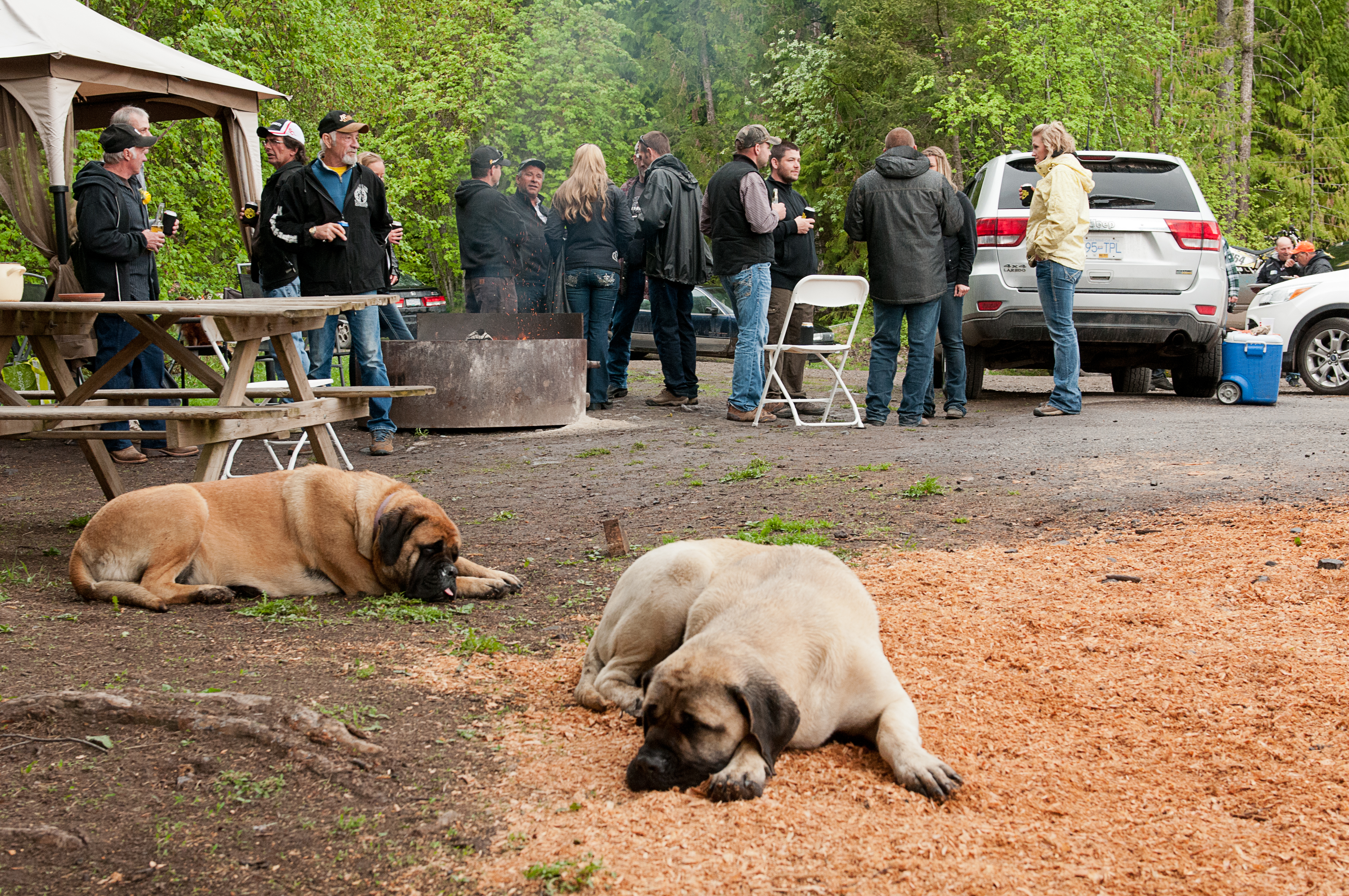
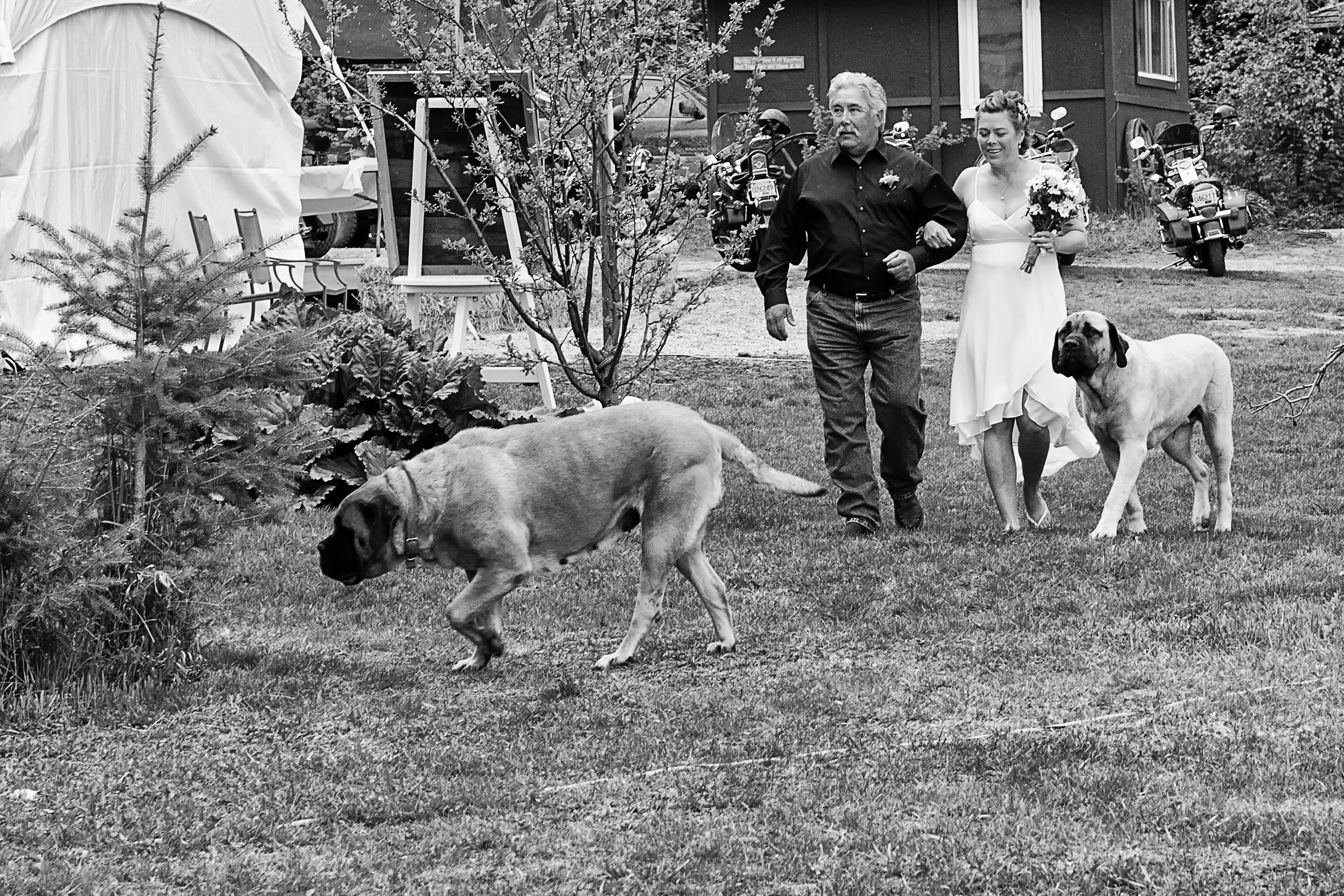
Bride and dogs

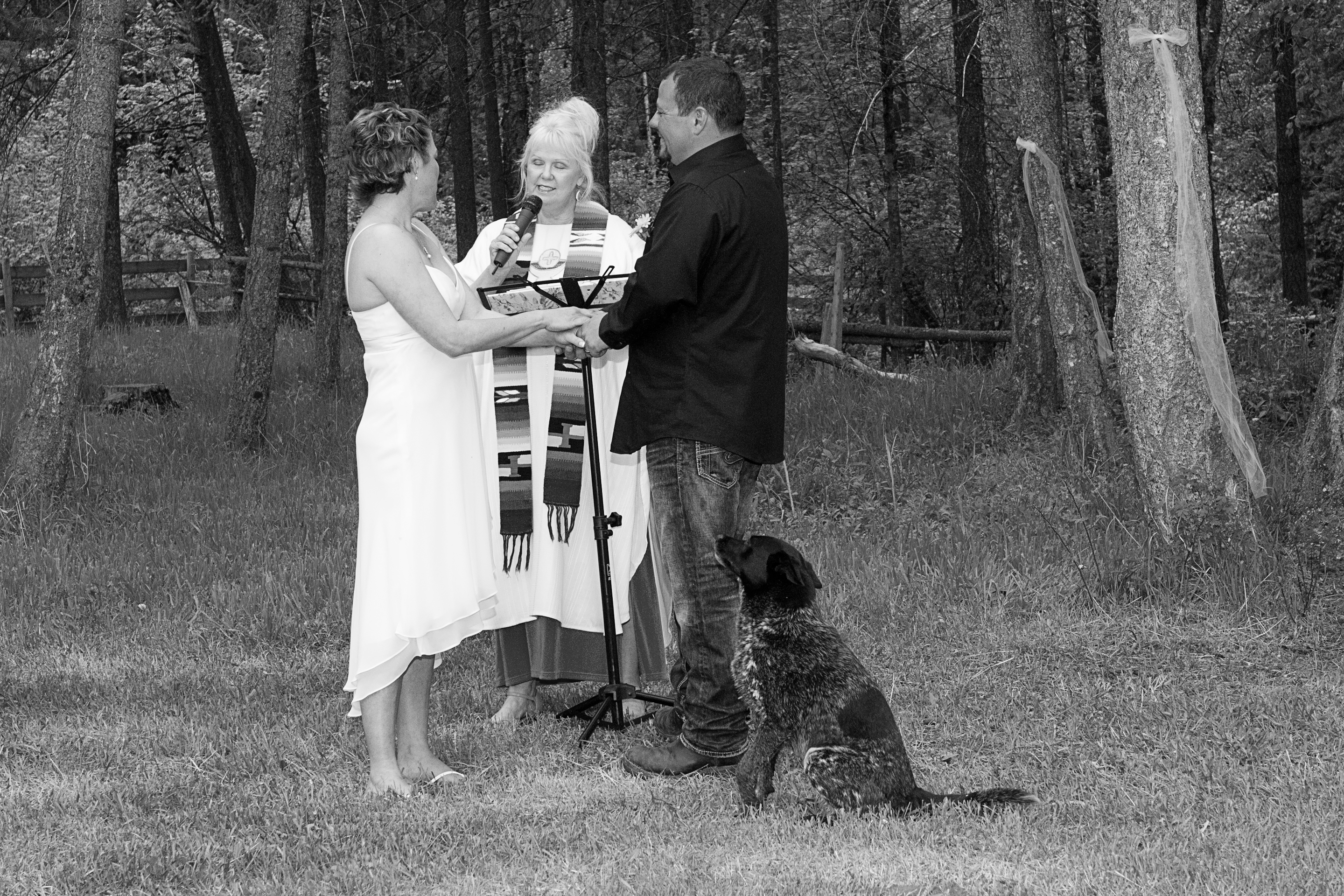
Exchanging rings

wedding vows with dog

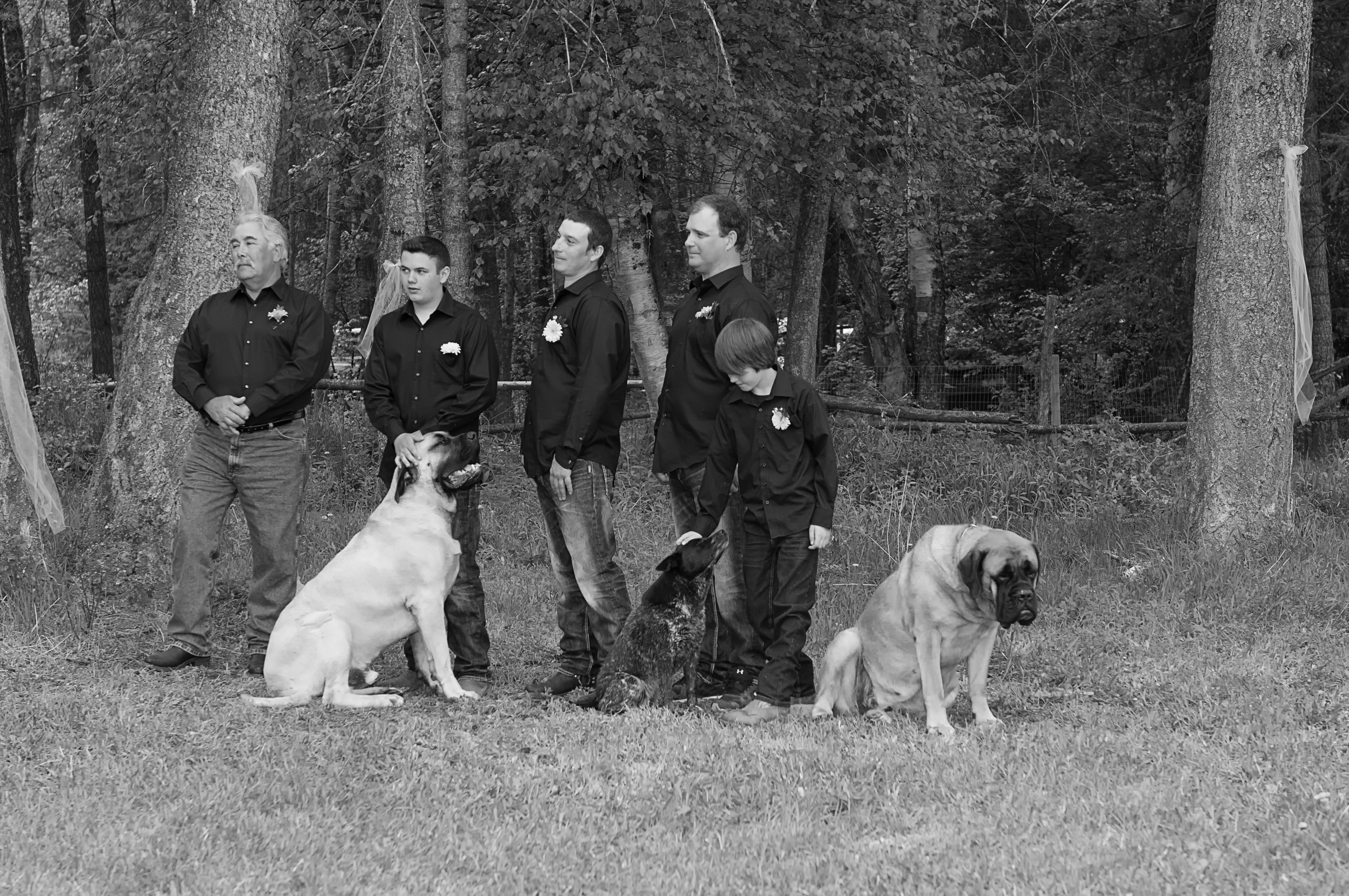
Groomsmen & Dogs

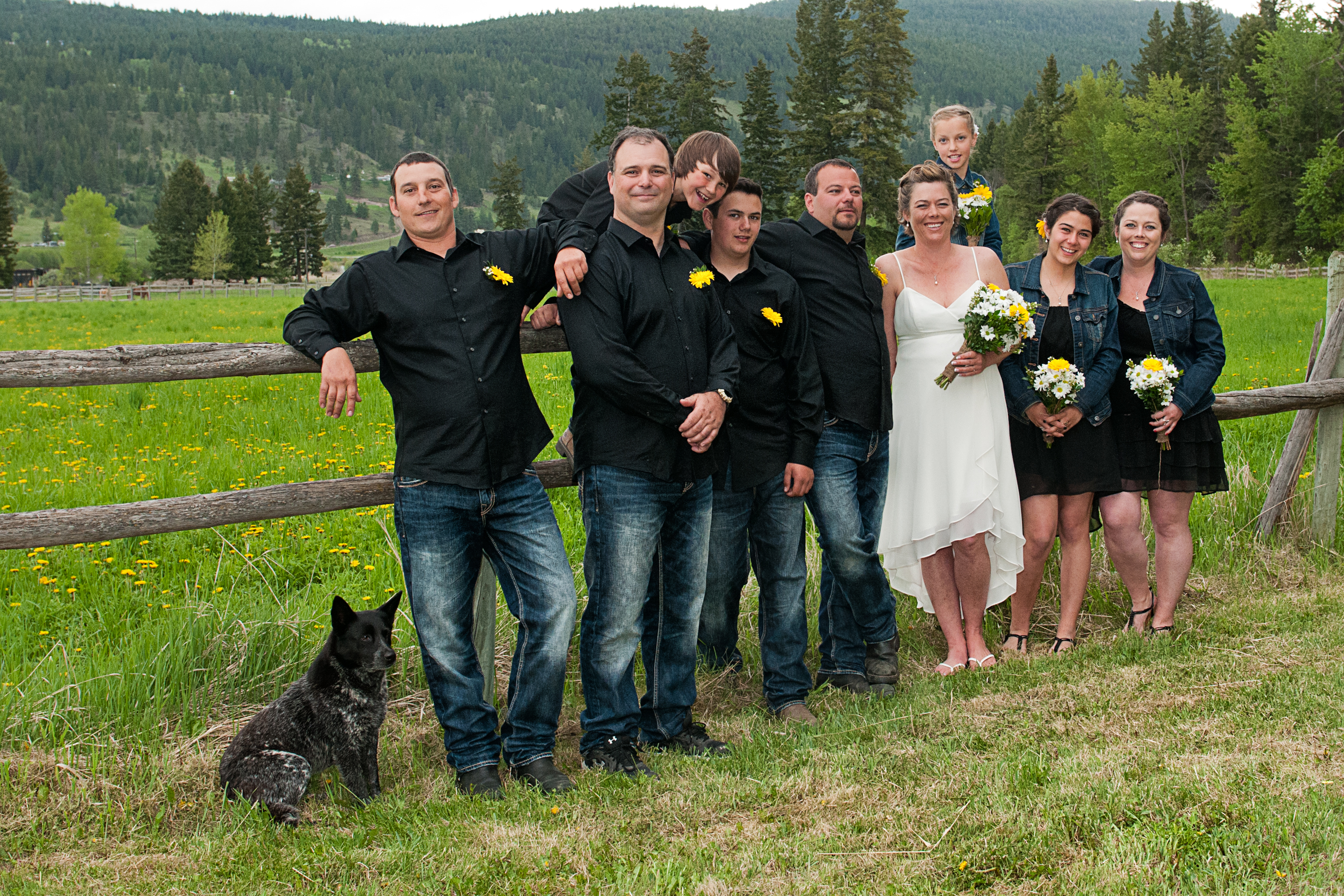
wedding party

Resting after the wedding


When Camille called and said, “Rob and I are getting married. Would you be our photographer?” I didn’t hesitate for a minute and replied, “Yes!” I think I added something like, “Its about time.” I knew it would be fun, relaxed, unusual, and I was absolutely sure they would be as non-traditional as possible.

These days I shy away from taking on the job of wedding photographer, only making myself available for those weddings that seem fun. I figure I have paid my dues when it comes to wedding photographer. It used to be that by spring I anticipated I’d be pointing my camera at excited couples every weekend till Thanksgiving. Those days are behind me and now I just pick and choose to photograph people I know or people that know people I know.

So I packed two camera bodies, a 24-70mm and a 70-200mm lens with a couple of flashes and set out for their rural farm down-the-road-a-piece from here at Monte Lake. I think they would have held the ceremony on the lake, but finding space between the boats, the trailers, and the campers this time of year is hard.

Rob had set up two large seating areas, one under a very large tarp and the other in an open-sided tent of the type the big stores use when they have a sale on furniture or something large. I said their wedding would be a fun, relaxed, unusual, non-traditional and will add that by the time I arrived the partying guests had spread out across much of the property.

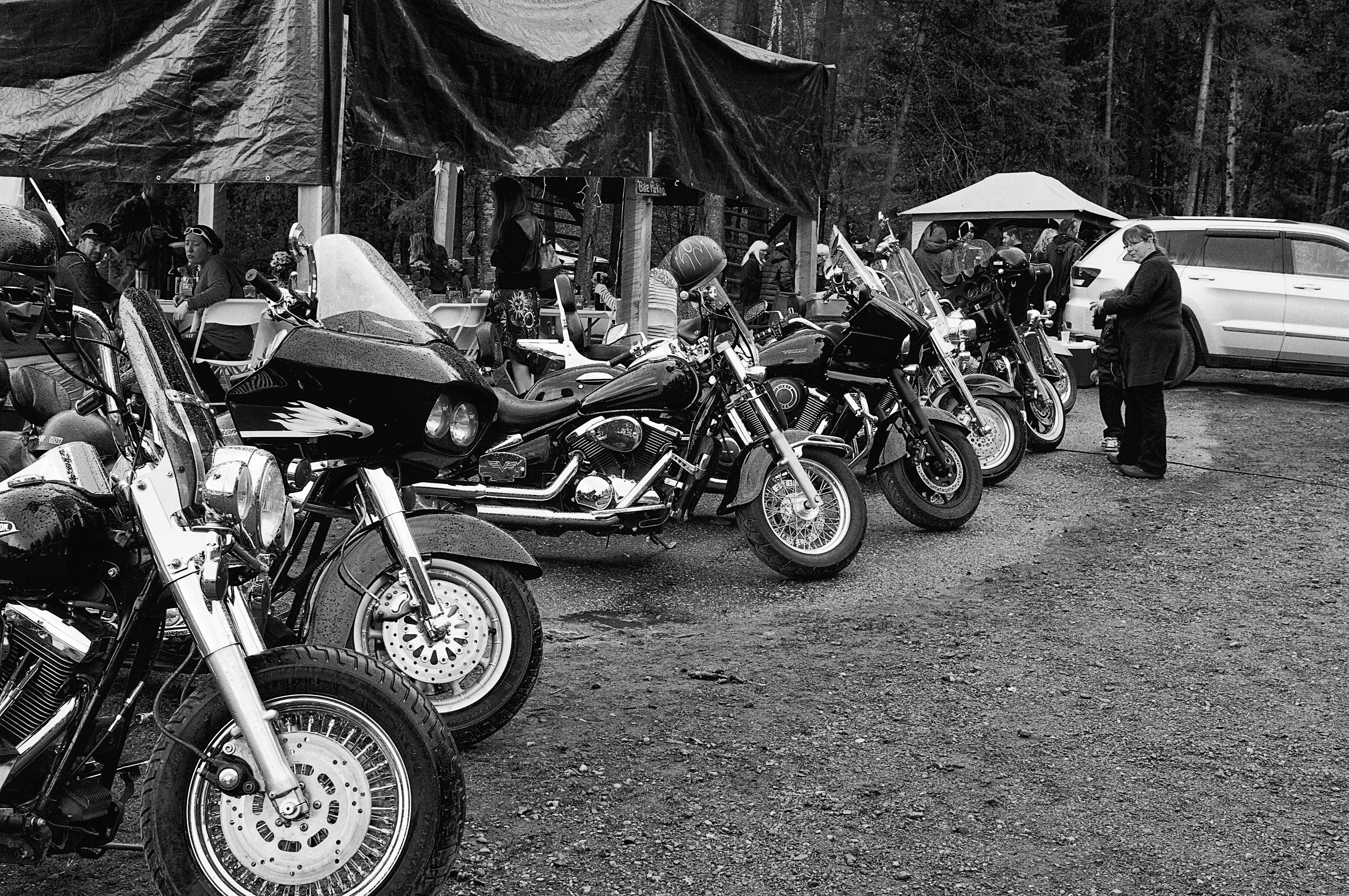
I’ll begin with all the shiny, big, loud-engined, large-tires with fancy rims kind of trucks with floorboards several feet off the ground that just kept rolling in honking and parking anywhere that wasn’t occupied by seemingly out-of-place cars like my little Honda, while at the same time Harley Davidson motorcycles were arriving and arriving. Add to that several very young drivers, zooming back and forth on quads, and little dirt bikes, greeting those guests as they got out of their trucks and off their motorcycles.

And dogs, I had to get around to the dogs. I knew Rob and Camille had four or five, but there were others running around and more waited for their owners to open their truck tailgates so they could join the festivities.

Several young men filled a horse-watering trough with beer, pop, bottled water, and ice. And as they arrived people would take food to tables in the center of a big truck garage. I would expect nothing different as Rob and Camille do like a party and all I had to do was point my camera any direction and watch the fun and enjoyment

As everyone walked though the meadow to rows of white chairs set up for ceremony, low clouds rolled in warning us all to beware of coming events with a sprinkle or two of rain and with the knowledge it was going to get darker, I selected ISO 800 on my camera. I also had an extra handkerchief ready in my pocket to wipe the rain off my camera and flash to keep it dry to prevent shorting the electronic circuits.

Weddings usually start the same. The guests sit in anticipation, with the groom at the front, waiting for the arrival of the bride. Then the bridesmaids come walking in, and the bride enters arm and arm with her father.

In Rob and Camille’s case, the groom was waiting at the front with his dog and the bride walked up with her father flanked by her two very large mastiffs and in the distance some horses and a calf watched. And folks this was unrehearsed. The dogs did what they did on their own.

Guests were capturing the event with their cell phones. I recalled a time when I had the only single lens reflex camera at a wedding. It seems history was repeating itself and technology has marched on and again I had the only SLR.

The wedding ceremony photographs included dogs. The minister; a “new age religion type” tried to keep everything solemn, speaking of love and commitment, but thanks to those very interested in being part of everything dogs, there was a lot of laughing.

I dialed down my flash (Readers know I always use flash.) to balance the diminishing light and shot the ceremony, dogs and all, did the obligatory family photos, and the bridal party leaning on a rail fence pictures. Then a cool breeze wandered in and the rain gods decided it was time to get things wet and opened the floodgates for the rain and the rest of my day was left to making a documentary of their friends at the party eating and getting wet by the bonfire.

The day at Rob and Camille’s was a perfect way to end the week. A great wedding with friendly and enjoyable people, a fun party, big shiny trucks and flashy motorcycles to look at, lots of animals and of course the kind of event any photographer would enjoy.

As always, I really appreciate all comments. Thanks, John

My website is at www.enmanscamera.com


A Short Walk on Snowshoes

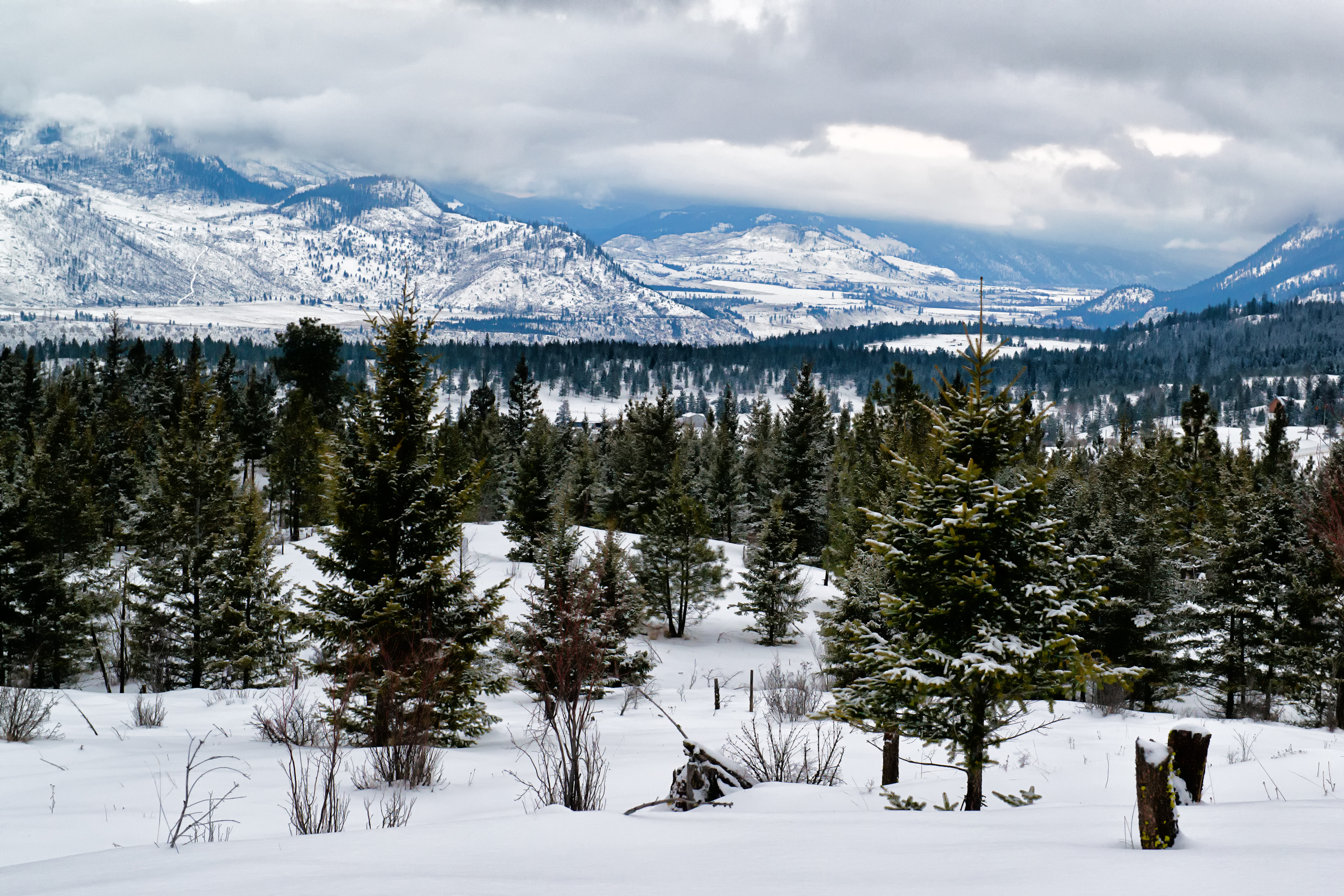
Photos by Snowshoe 2   Thompson River Valley

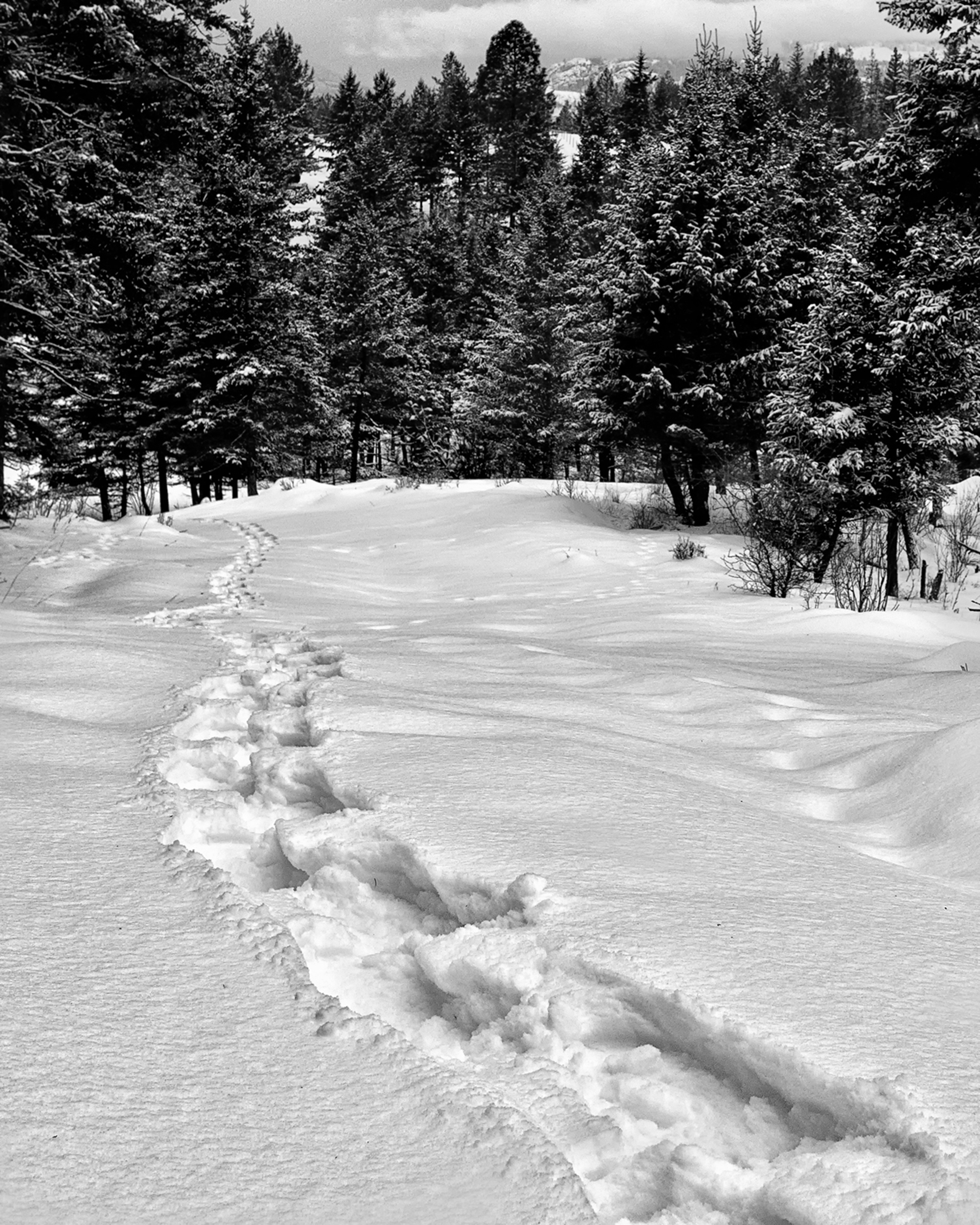
windswept snow

Old car in snow

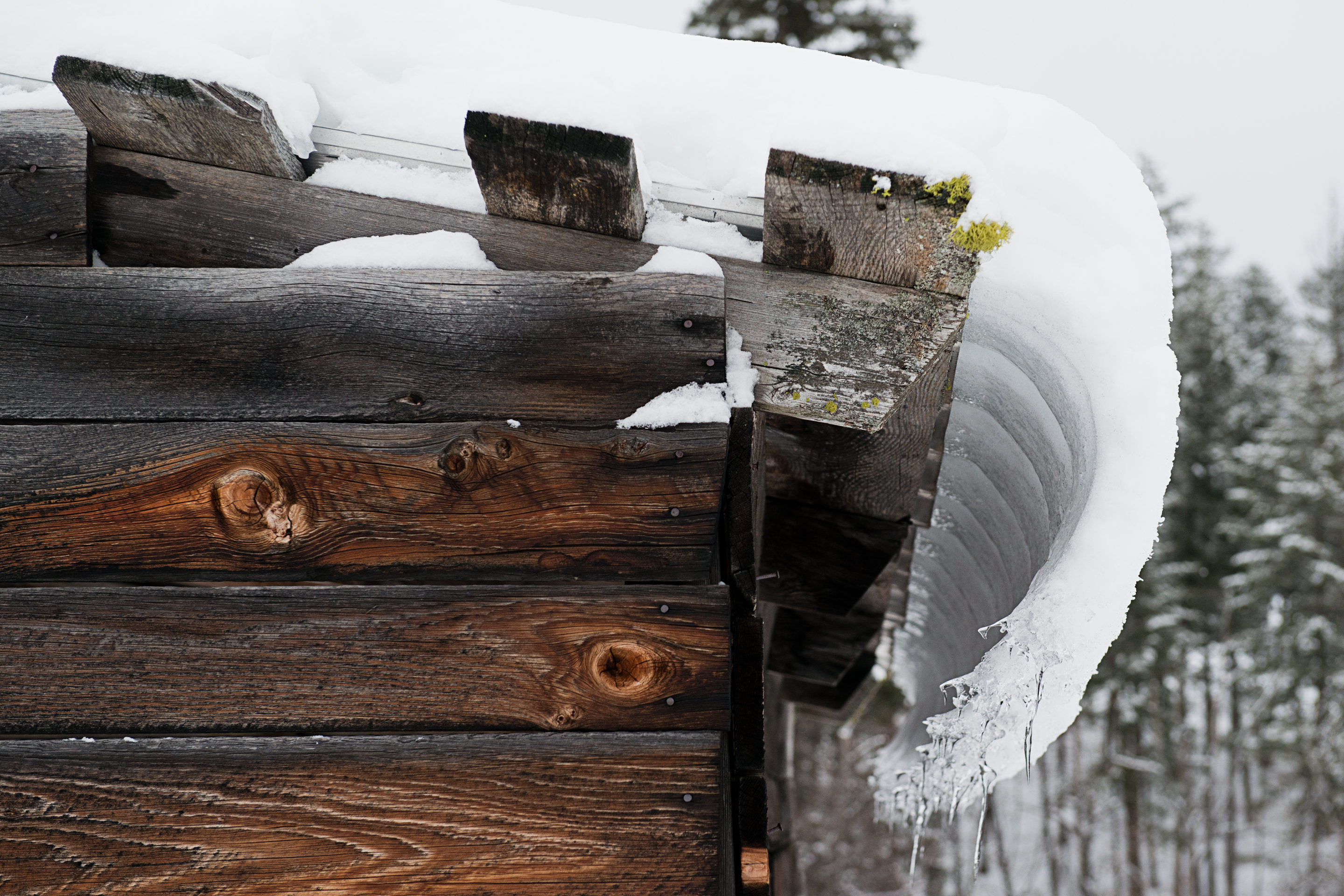
Log building in snow

My snowshoe easily broke through the two feet of snow that covered the well and down I tumbled into the soft snow. My years of experience as a photographer reminded me to “  at all costs”, and although my leg twisted and snow covered me, I held the camera up high and safe from the wet snow.

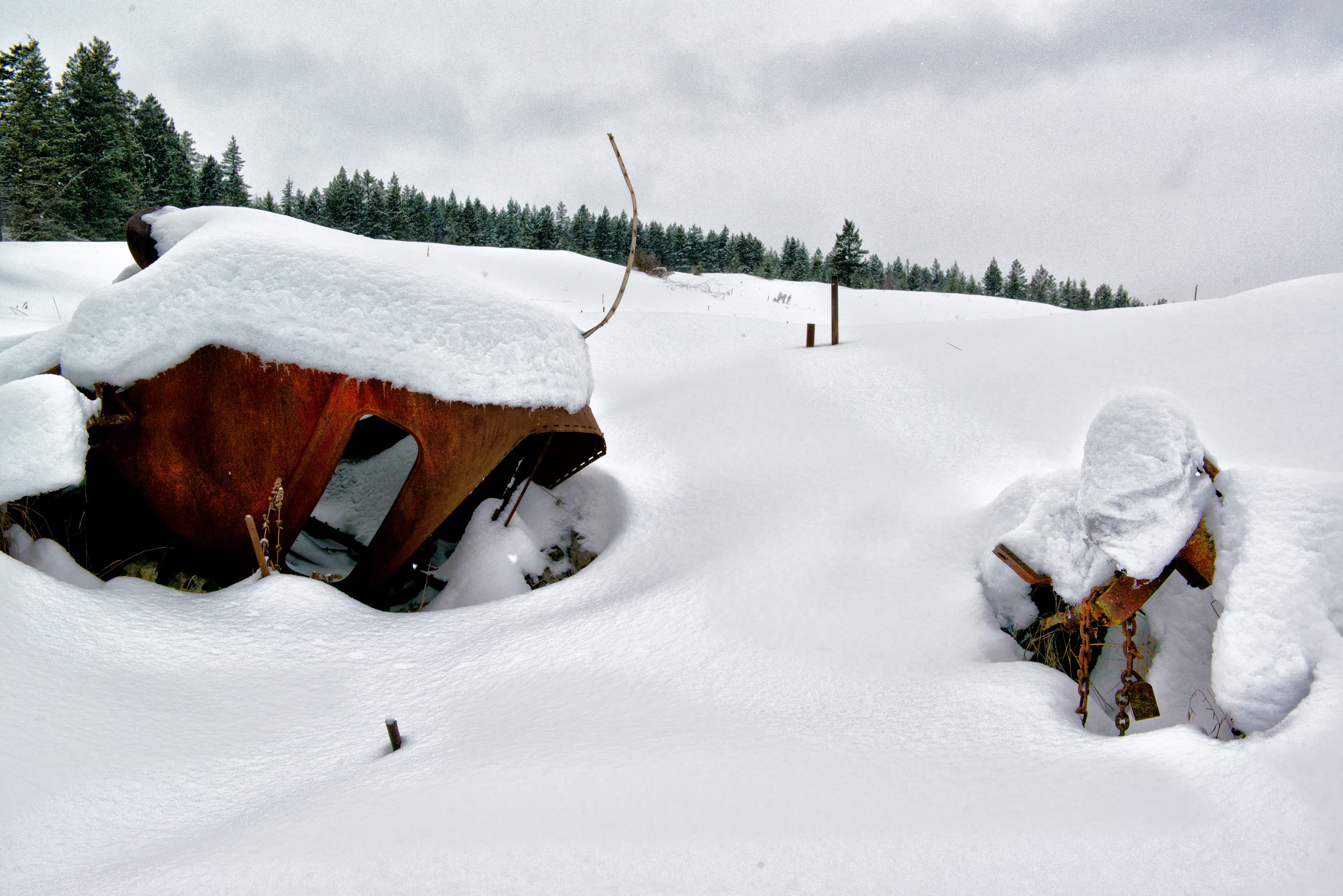
I should have remembered that hole. It’s not like I hadn’t been there many times over the years photographing the rusting 1930’s car. I would go there spring, summer, fall and winter in the rain, snow, and sunshine. I should have remembered where it was, but as usual, it’s always about the photograph. I had put on my snowshoes and hiked up the rolling hills to a long meadow not far from my home.

I have always liked snowshoeing. In my teens my friends and I would head out cross-country trekking for hours through the deep powder in the mountains.  I remember overnight trips where we dug snow caves to spend the night in (snowshoes also made great doors). Then we’d ski down long valleys and snowshoe up hills as we moved through the snow covered mountains.

My rural home is surrounded by wooded forests and rolling hills that are perfect for walking, or as today, snowshoeing. Each year I look forward to enough snow-pack to snowshoe in, and after another morning of shoveling a path to my chicken coops, to the car and cleaning the driveway, I decided it was time for my first winter hike up to the high meadow above my home.

The day was overcast, but today’s modern cameras easily handle ISOs of 800 and 1600, so the lack of bright reflection and low contrast on a snowy landscape made everything so much easier to see and photograph. And handholding is undemanding as one can keep the shutterspeed way over 1/400th of a second and still achieve lots of depth of field.

I mounted a 24-70mm on my camera and set out to photograph the snow covered hills on the quiet, cloudy day.  I like hiking when the only sound is my footsteps, or in this case, my snowshoes.

I hiked up and, as usual, photographed everything. When I stroll through that long meadow I rarely see animals, but I always feel as though I am being watched. That’s a good thing. This time a crow swooped low and circled me as I photographed the Thompson River valley far below. I am sure it was wondering what I was doing there.

I could see a storm rolling down from the mountains and photographed that also. Soon another crow appeared overhead, and this time cried a warning that I am sure was about the storm. And then it began snowing. There is nothing like standing in a forest meadow during a snowstorm; it’s quiet. The sounds from both the Trans Canada Highway and the CN Railroad alongside disappeared.

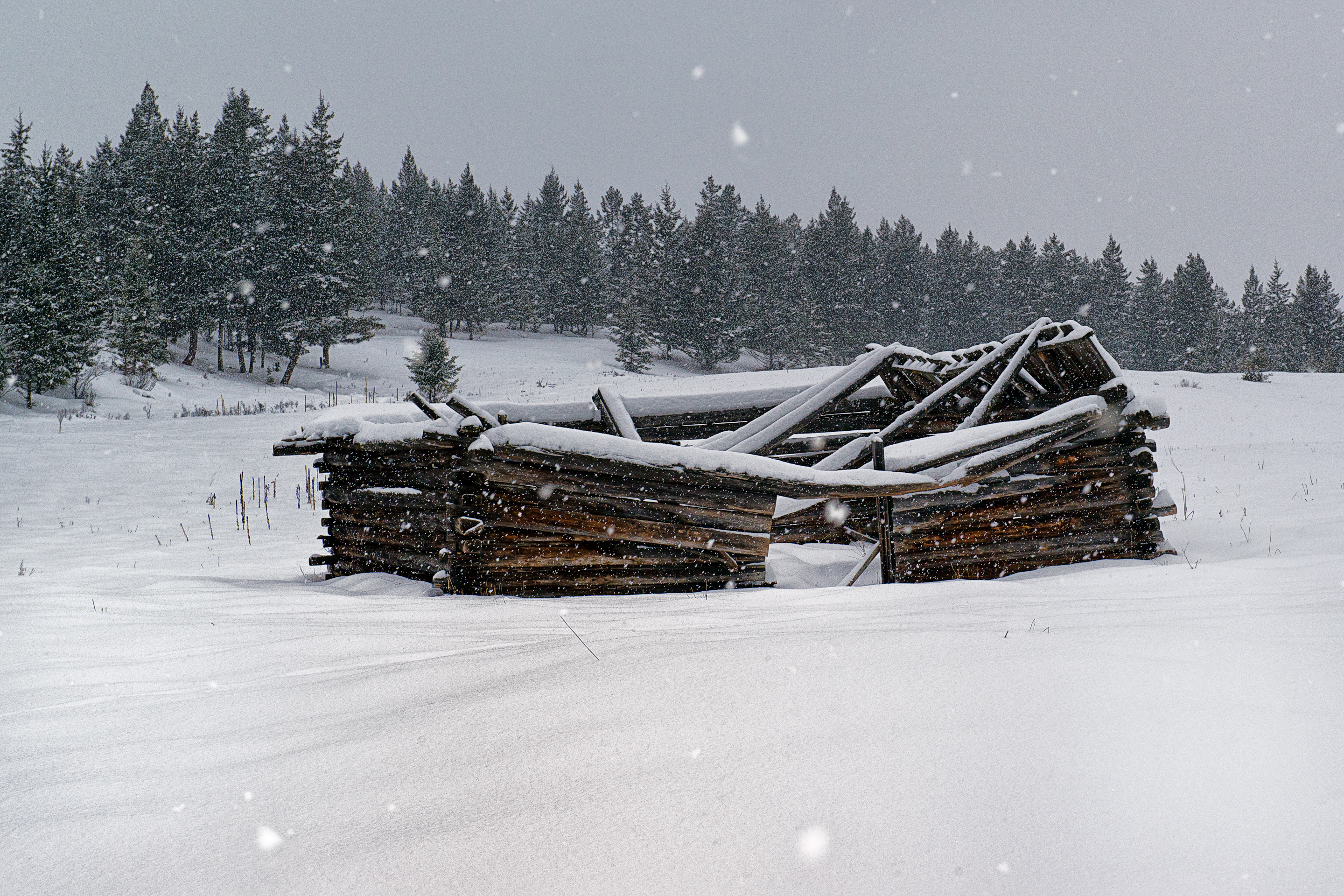
Thirty years ago, when I first started wandering that area there were three buildings, two old cars and an apple tree.  Now the struggling tree no longer bears fruit, someone hauled off the better of the two cars, one building fell down, and the last two are just hanging on.

Still, it’s a great place to snowshoe with a camera and I was having fun and the heavy falling snow didn’t bother me, I just kept wiping the water off my camera as I photographed the on-coming storm, the old buildings and the remnants of that old car and that’s when I fell into the well.

I think stumbling, bumping into things and sometimes falling while paying more attention to the subject being photographed than things in the way isn’t that unusual to those of us that participate in the exciting medium of photography.

I was wet, but I was fine, the camera was fine, and the snowshoes were fine, and best of all, I got lot of great winter pictures.

I’d really like to read your comments.

My website is at www.enmanscamera.com

Excellent Photographic Adventure with old cars in the Palouse

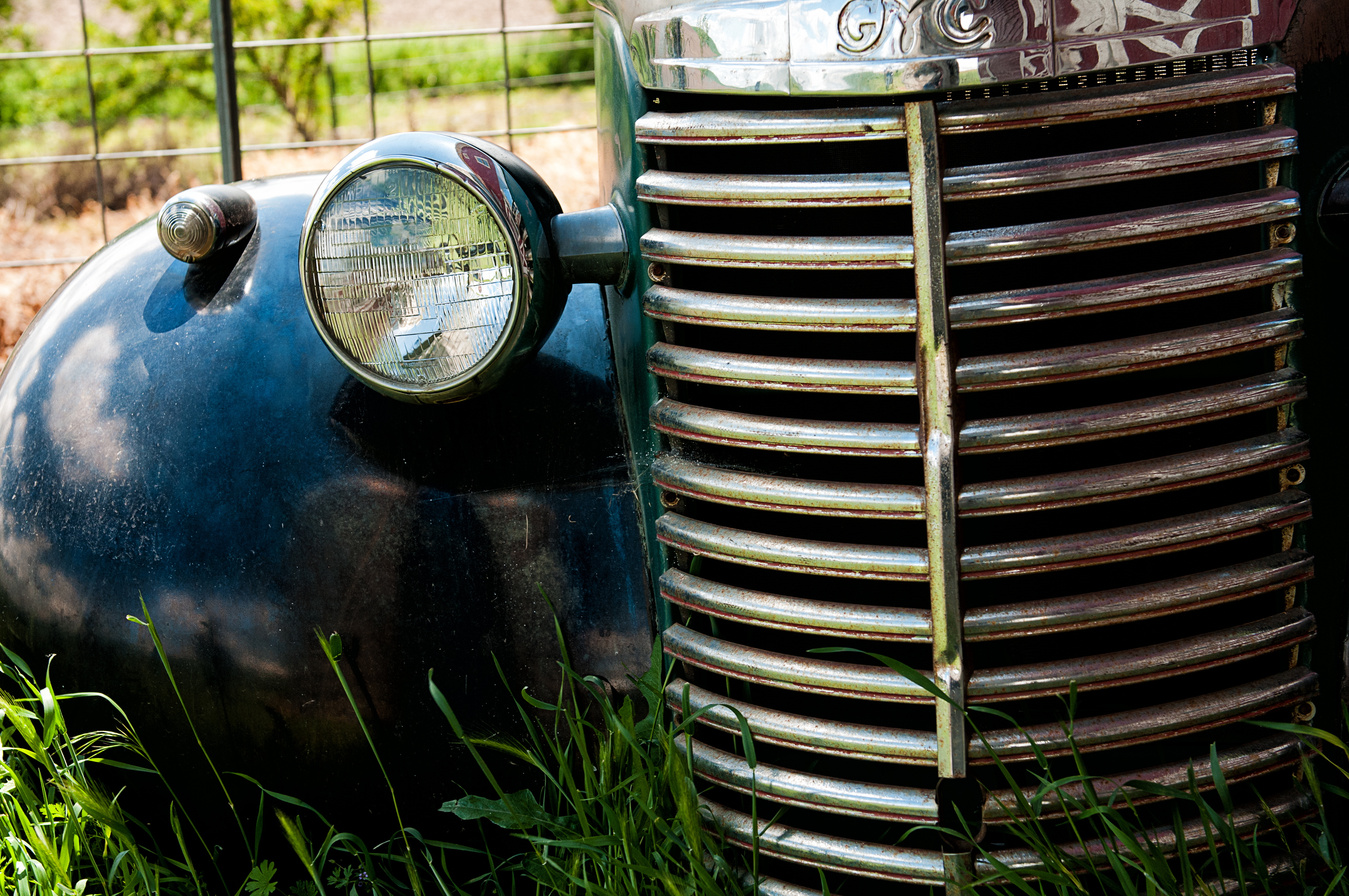
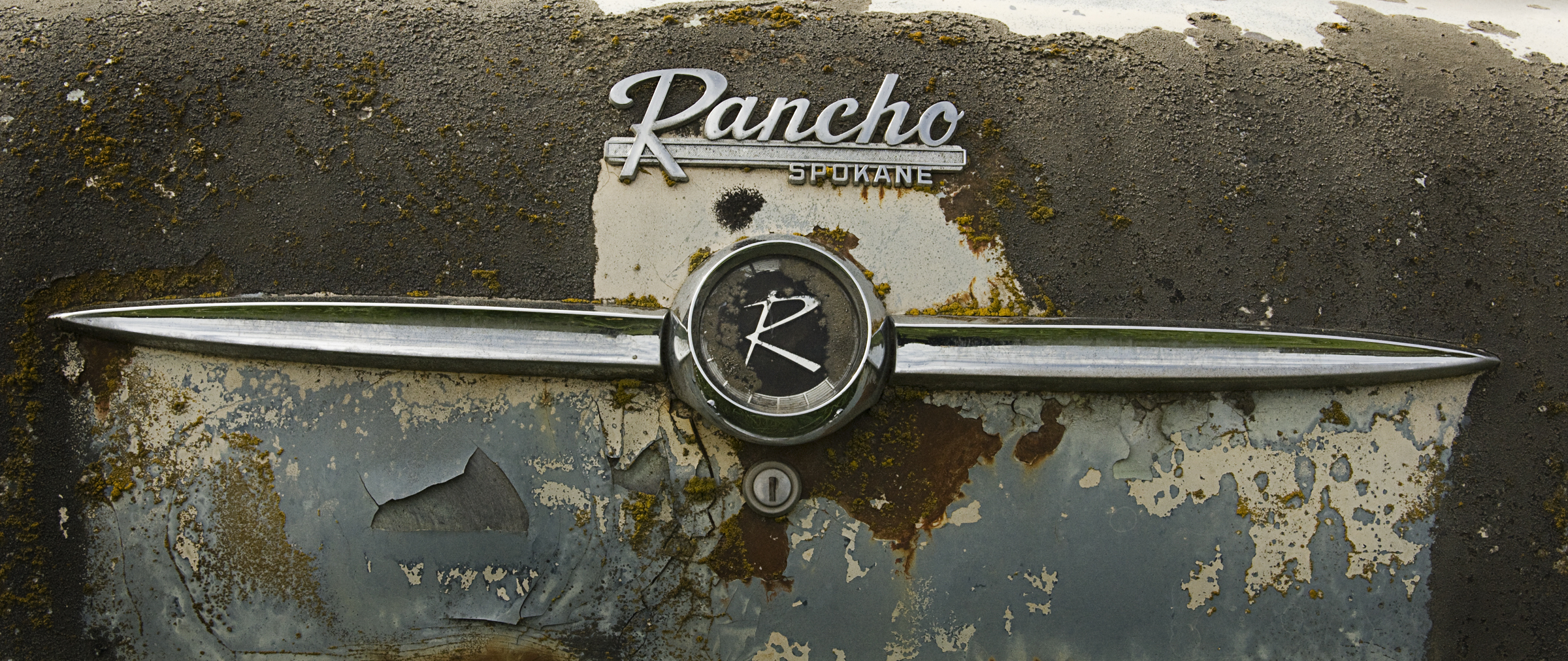
Resting in deep grass In a field of green  In the shade of a tree GMC grill   the trunkJRE_4530bJRE_4529b

Last week I wrote about my photography adventure in the Washington Palouse area, with its undulating landscapes and picturesque dunes.

For me, the most satisfying moments of that trip was photographing the patterned fields from the top of Steptoe Butte as the sun came up in the mornings, and, finally, at day’s end standing at a canyon edge capturing the falling light on the spectacular Palouse Falls.

However, during the day our group’s leader, Aaron Reed, offered the opportunity to photograph old derelict vehicles he had located on dusty back roads, and we spent our mid-day driving to several different locations.

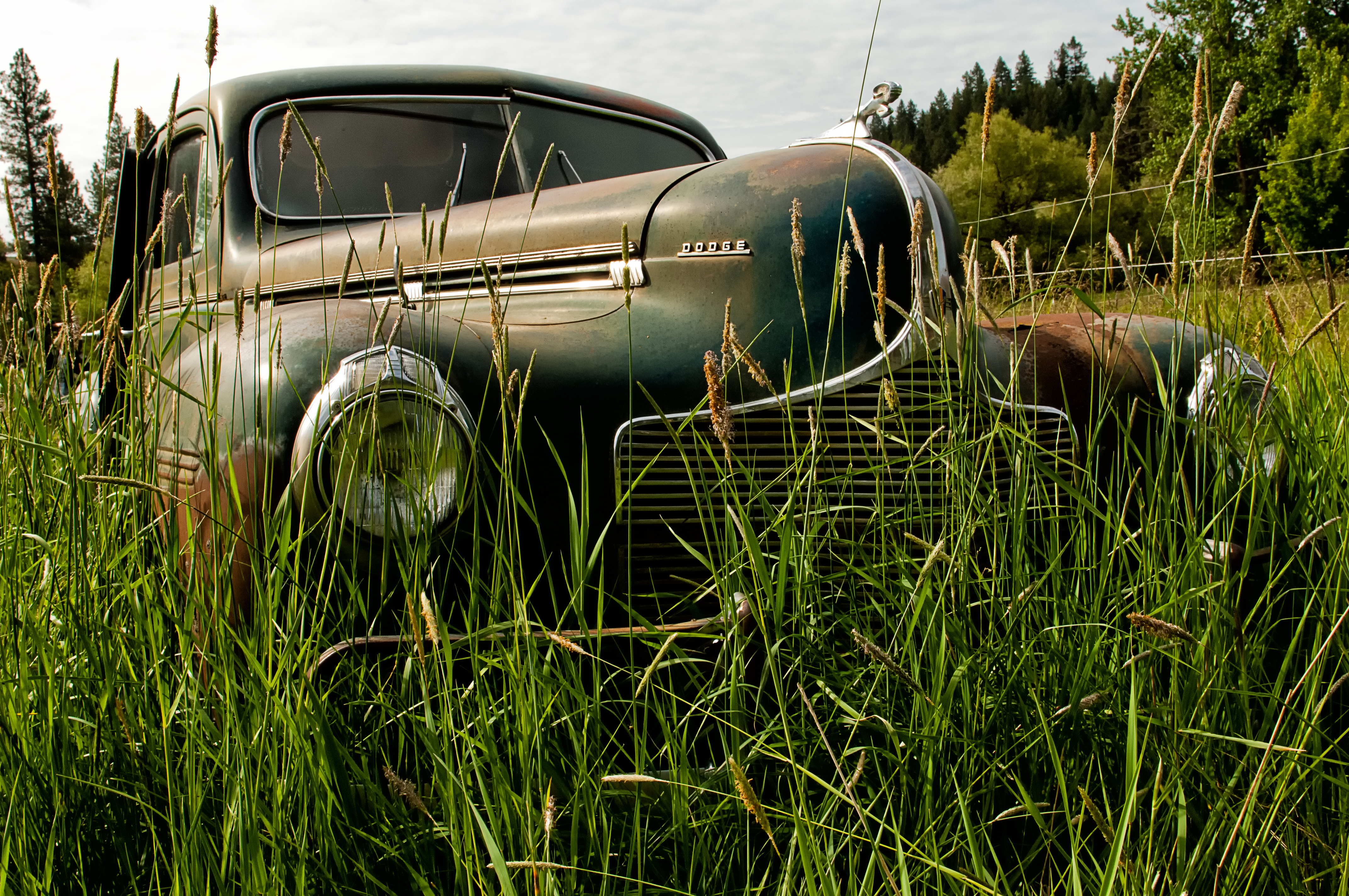
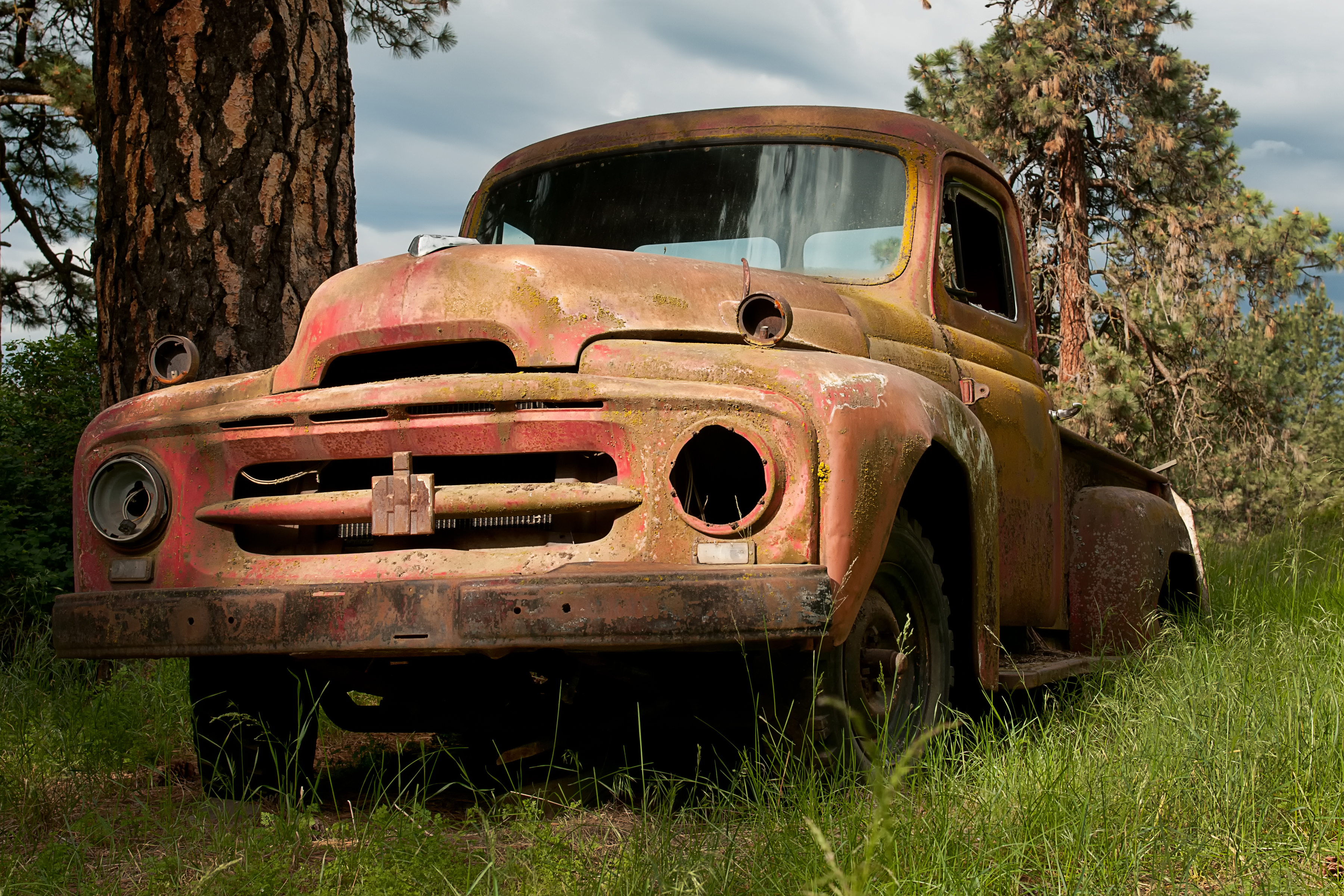
I have always enjoyed photographing old clunkers left resting, rotting, and rusting in forgotten fields. Even though where I live in British Columbia they aren’t that hard to find, when we stopped and wandered out into some field when an old car was spied, I was as just as eager as the others.

My approach isn’t very formal and while the others strategically placed their tripods, and selected filters; I would kneel in the deep grass, or lie down in the dirt, and start shooting. Grass stains and dirt clung into my clothes as I shifted, rolled, and dragged myself along on the ground making photographs from low angles.  For me, it’s all about the picture, right?

My lens of choice usually is a 24-70mm used at the 24mm focal length, which on my camera’s ¾ frame sensor is equal to about a 35mm. I will add that in the days of using film cameras, a 35mm was what I liked the best then, same as now for photographing derelict vehicles.

I know many photographers prefer dramatically distorted images created with ultra-wide lenses, but even a 35mm has distortion, certainly not as much as the 11mm lens one person of our group on that trip was using on his full frame Canon, but distortion enough for me.

I usually place a polarizing filter on my lens when photographing automobiles. Not because I am concerned with controlling the sky as I would in a scenic shot, but because a polarizer allows me to reduce the glare on chrome and glass. And I prefer to photograph reflection-free windows, if I can get it, as opposed to those that mirror the sky and surroundings.

As I stated, my approach isn’t that formal. I usually operate my camera in manual mode, and I don’t use higher ISO like over 400, unless the lighting conditions demand.  Normally, I take a meter reading off the ground, get just as low as I can by sitting, kneeling, or laying down, depending upon the high grass or other obstacles in the way, then focus on the old vehicle, making both horizontal and vertical images, and then move on to the next.

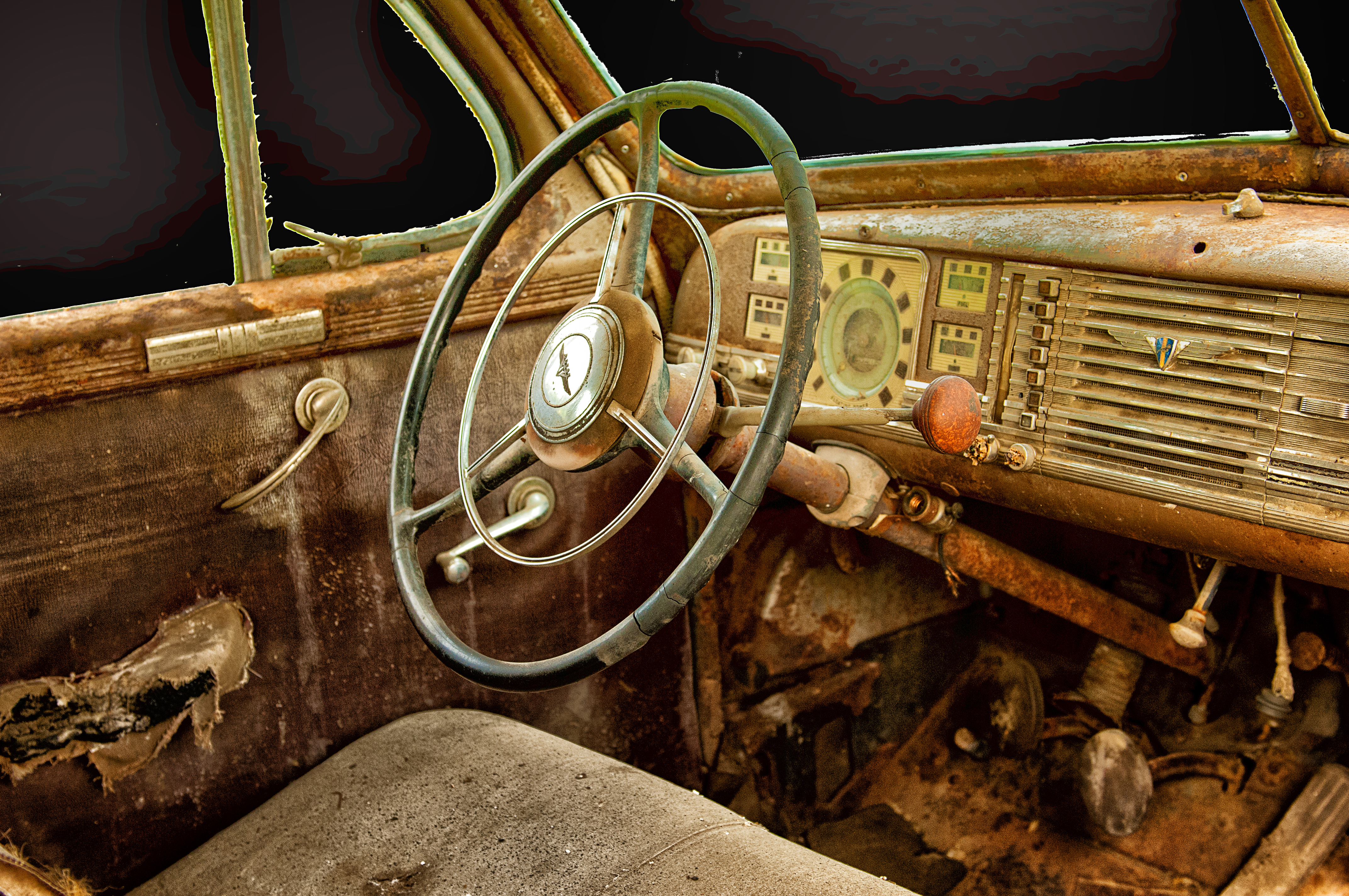
I admit I also like close-up views and select features that interest me on the rusting clunkers, so I would set the focal length of my 24-70 lens to 70mm while looking through an open window, open door, or when I found an interesting hood, or trunk, ornament.

Photographing those dilapidated old automobiles was, in my opinion, the icing on the cake for what was already an excellent photographic adventure.

I always appreciate comments. Thanks, John

My website is at www.enmanscamera.com