
I have never been very positive about March. It is a transition period, or month for that matter, and we are now in the middle, well in “the ides of March”, and I suppose I am not that good waiting for change. I would like to go out and search for some subject that demands to be photographed, but I can’t rouse any creativity as I stand staring out the window at the melting snow. Charles Dickens in “Great Expectations” aptly described my feeling when he wrote, “It was one of those March days when the sun shines hot and the wind blows cold: when it is summer in the light, and winter in the shade.” This foreboding for March began when as a child I read “Moby Dick” by Herman Melville. I do remember that until my teacher made us delve into the imagery of the novel, line by line, I had just enjoyed it as another adventure story. “Beware of the ides of March,” said the soothsayer, and poor ole Captain Ahab gets himself pinned to a whale and dies in the end. Even at that young age I wondered, why March? Then to my dismay came the same words when I read Shakespeare’s Julius Caesar, and there is was again, he was told to beware of the ides of March. Today I know that the “ides of March” is just a way of saying March 15 in Roman times, but I have been frustrated by March for a long time, and I want it to be over soon because I hate waiting for the unknown. To make things worse there is, “In like a lion and out like a lamb.” Does it never end, these disturbing warnings of March? I just want to wander around in a photogenic landscape taking pictures. I don’t care if there is lots of snow, or lots of grass; I just want one or the other. Last week I was hired to do a staff photograph by a local organization. Gazing from the office window I saw a large lawn, but as I turned to the woman organizing things she said sadly, “ It looks really nice, but it’ll be too cold for people at ten in the morning, and it’ll be muddy. We’ll have to move things around and use the cafeteria”. I knew that would mean the 22 people, my lighting, and I would be jammed tight in that space, and I’d be spending time after the photo session “PhotoShopping” stuff out. With a snow-covered lawn I’d have made them bundle up, or on a wet spring day they could have worn raincoats, and I would have photographed them under either of those conditions with success. I just shook my head and thought about poor Caesar and poor Ahab. March doesn’t work for me either. I like the topography created by snow and I like trudging through it with my camera and I always find something to photograph. Spring works for me also, I don’t mind rain and mud is just a minor irritant and I like nothing more then photographing fog moving across a rain soaked ridge. Yet March doesn’t give much, it just makes one wait. The host of the British public television program “Making Things Grow,” Thalassa Cruso, once quipped, “March is a month of considerable frustration – it is so near spring, and yet across a great deal of the country the weather is still so violent and changeable that outdoor activity in our yards seems light years away.” And prolific writer Ogden Nash said “Indoors or out, no one relaxes in March, that month of wind and taxes, the wind will presently disappear, the taxes last us all the year.” March, in my opinion, is not a month that photographers embrace. Well, maybe a foray or two to photograph some hungry coyote, or deer, wandering the countryside, and some birds that hung about through the winter are seen looking for any morsels they can find, but even for those subjects one has to hunt in an uninspiring landscape. I suppose we could put our heads down and get up earlier because of the time change (one more problem with this month), in anticipation of a better season and friendlier months, and just march onward, awaiting a time to do photography again.
Category Archives: Photography
If it gets us out with a camera its good or a 52-week photography challenge.

As I perused different photography forums and different photographer’s facebook pages the past couple months I have been noticing the popularity of starting a 52-week photography challenge. For example, on Canadian-digital.com forum member Sambr posted “Okay folks we are starting a new challenge on this forum, it will be a daily or weekly event to suite your schedule. I really hope we get lots of participation from the membership at large. This will be solely for personal development and growth of your photographic skills and technique. All submissions must be shot on the day or week and can be of anything you want animals, people, and landscape, whatever you decide. Members can comment on your photos – it will be up to you if you want to take their comments or advice.” That’s a great idea. Anything to get us out there making photographs is good. Some have even suggested a 365-day challenge. I suppose that’s good also, only I expect many will just revert to a point and shoot at anything just to fulfil the obligation to post a picture. I would prefer that those taking up the challenge do so to help their photography grow in some way and select a subject with some thought as to creating an interesting image.
One photograph a day or one photograph a week might not always fit one’s personal style either. Especially if the photographer’s intention is to show something he or she thinks might be interesting.
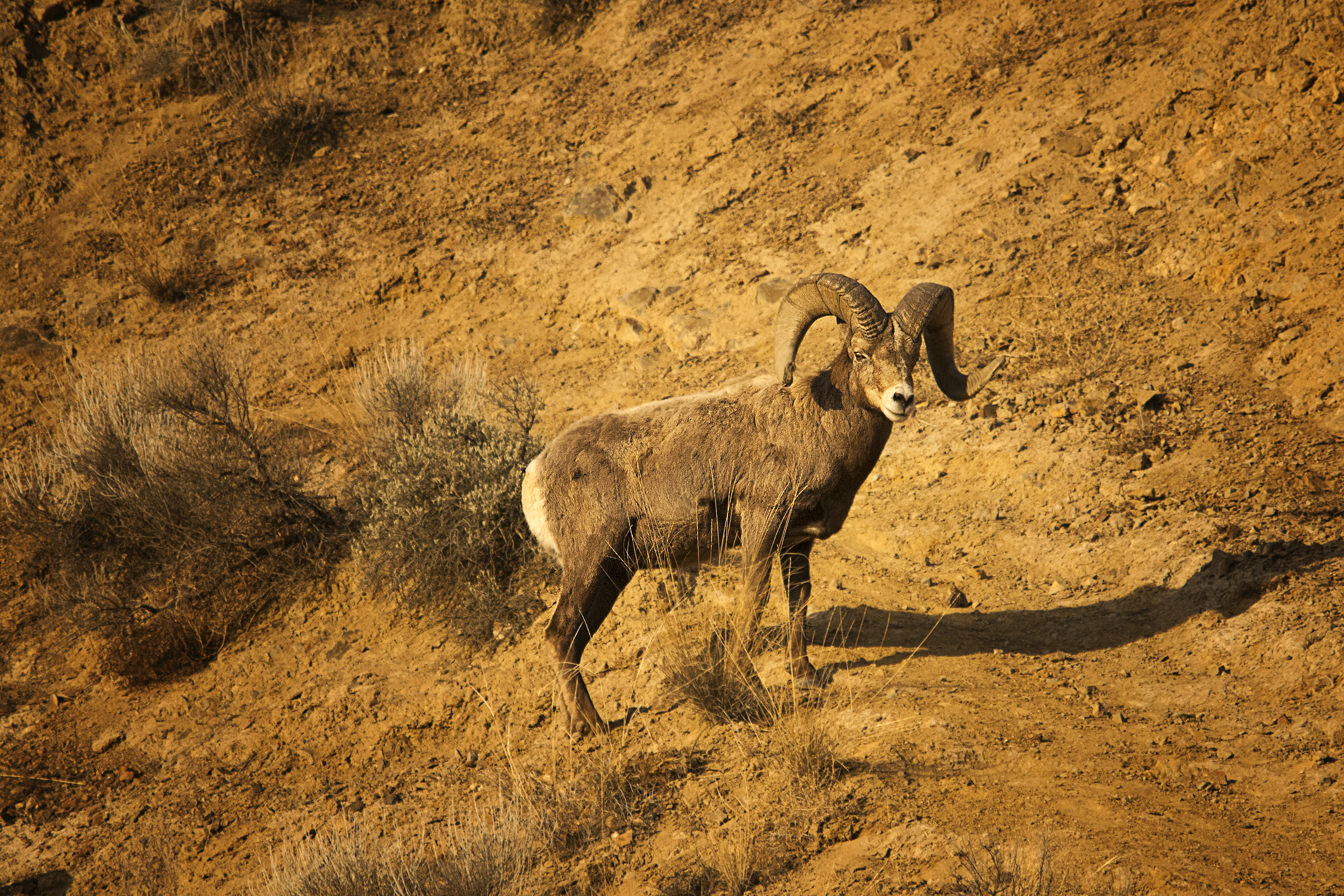
Anything that gets us out with a camera in our hand is good. If anyone agrees with that then the challenge could instead be a 12-month challenge. I have written before that my wife and I (for years now) each have to produce a picture for our monthly calendar. I suppose that would be more like a six month challenge since we alternate months; January was my month then February my wife’s and March mine and so on. I must admit that I am really late this month. I have been trying to get together with two other photographers to photograph some large river otters that seem to be hanging out in the Thompson River east of Kamloops Lake. We tried this week with out success, but got some pretty good images of the Bighorn sheep along the foothills instead. And I will have to be satisfied with sheep picture for this month to fill the empty space in our home that should at this moment have a calendar hanging in it.
I know I personally could fill the weekly challenge with miscellaneous images, but I like those that have challenged themselves with a theme. I read one that will be choosing “shadows”. I like that because I think it will force that photographer to be creative in his approach, selection and final production.
My personal goal for this year is to photograph a different bridge every month. Those that read my last article know that I began (late I now) with the Pritchard Bridge that crosses the Thompson River not far from my home. The project shouldn’t be hard for me to get going because there are lots of bridges only short drives away and at first seems too easy.
My wife doesn’t think too much of my project. She thinks it pretty boring. Ok, I must aspire to produce photographs of the bridges that go beyond just documenting some structure crossing water and I will be forced like the “shadow” photographer, to be creative in my approach, selection and final production.
My first photograph was the Pritchard Bridge and I made the picture with a wide-angle lens from one end while standing in the sand just left of where the pillars came out of the sand. I like the shot, but if I am to make this real challenge my next bridge needs to be photographed from a different angle and I need a less leisurely execution.
Those taking up the daily, weekly or monthly photography challenge should as Sambr says “… for personal development and growth of your photographic skills and technique.” Choose a theme or subject. Or just photograph any subject because you really like to use your camera. I know we are already into March, but who cares, there aren’t any rules.
Looking into the Landscape
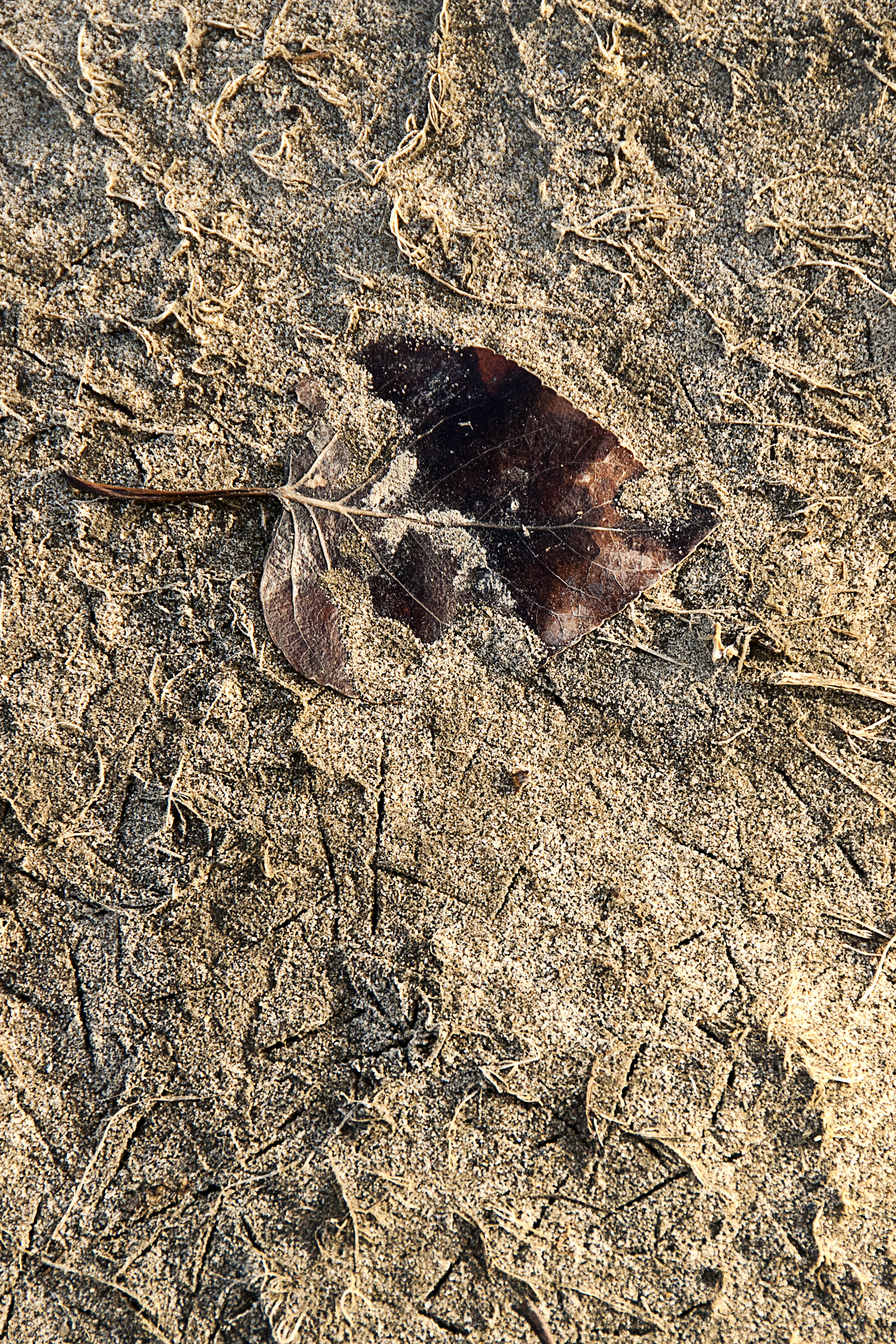
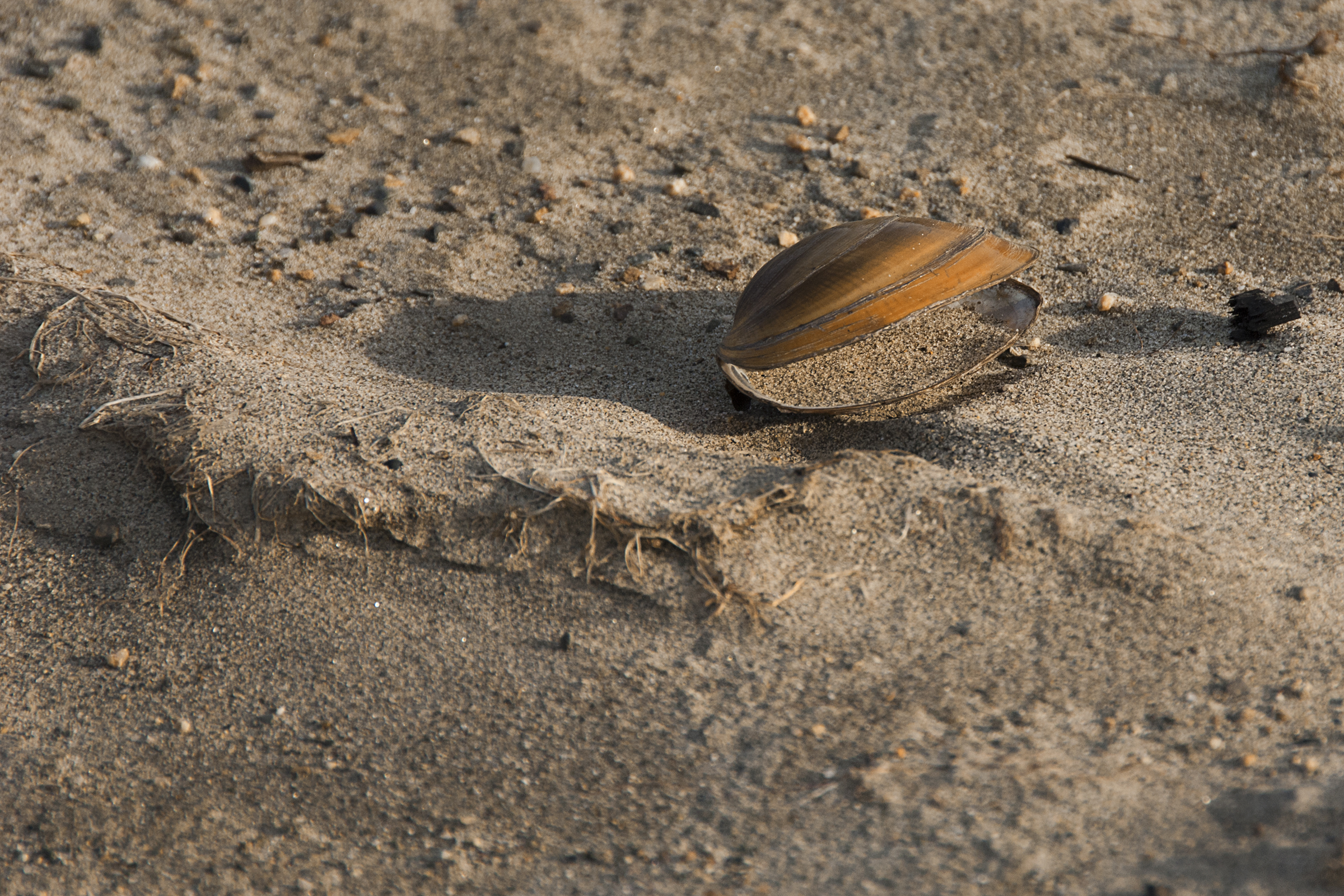
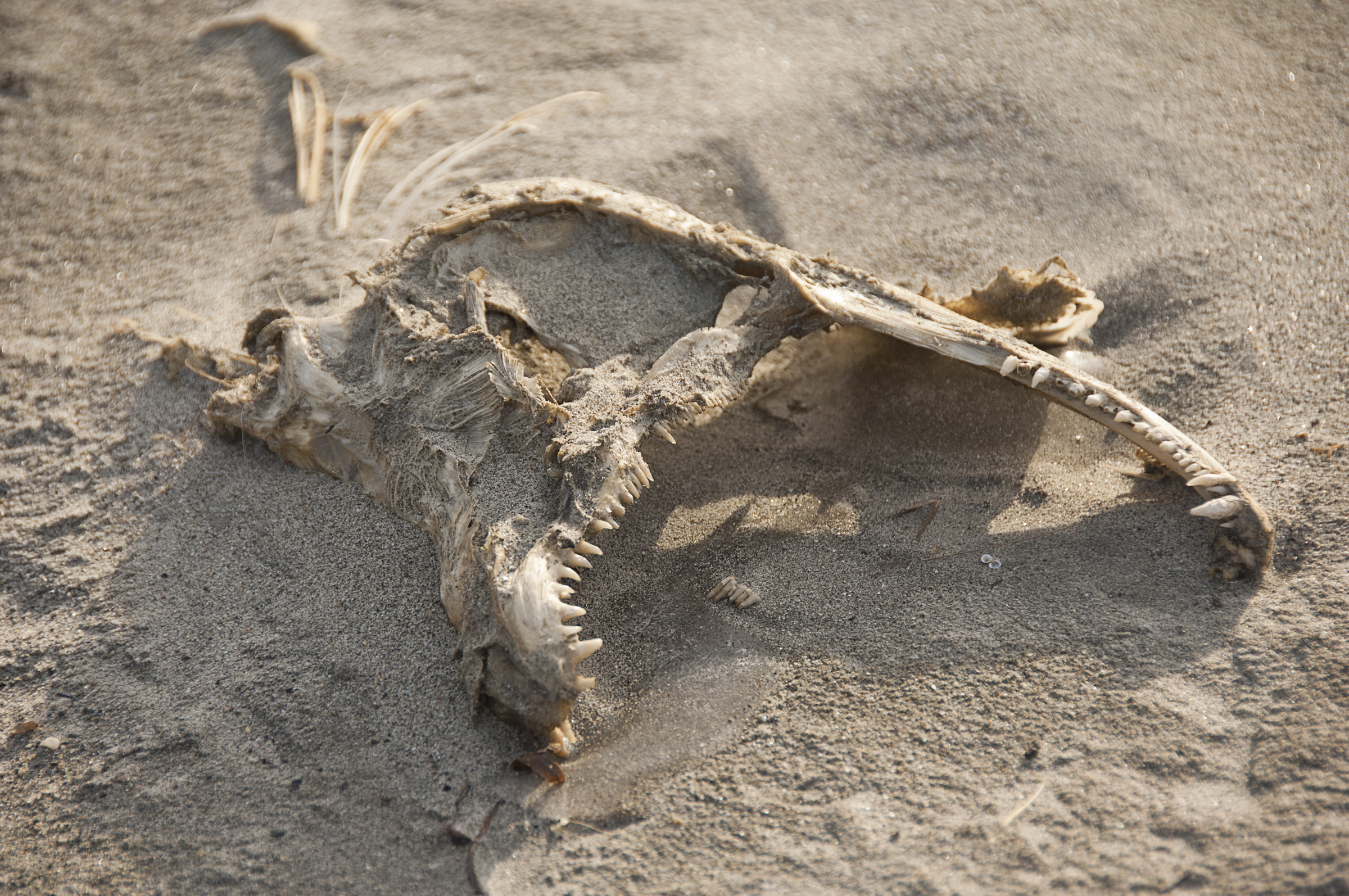

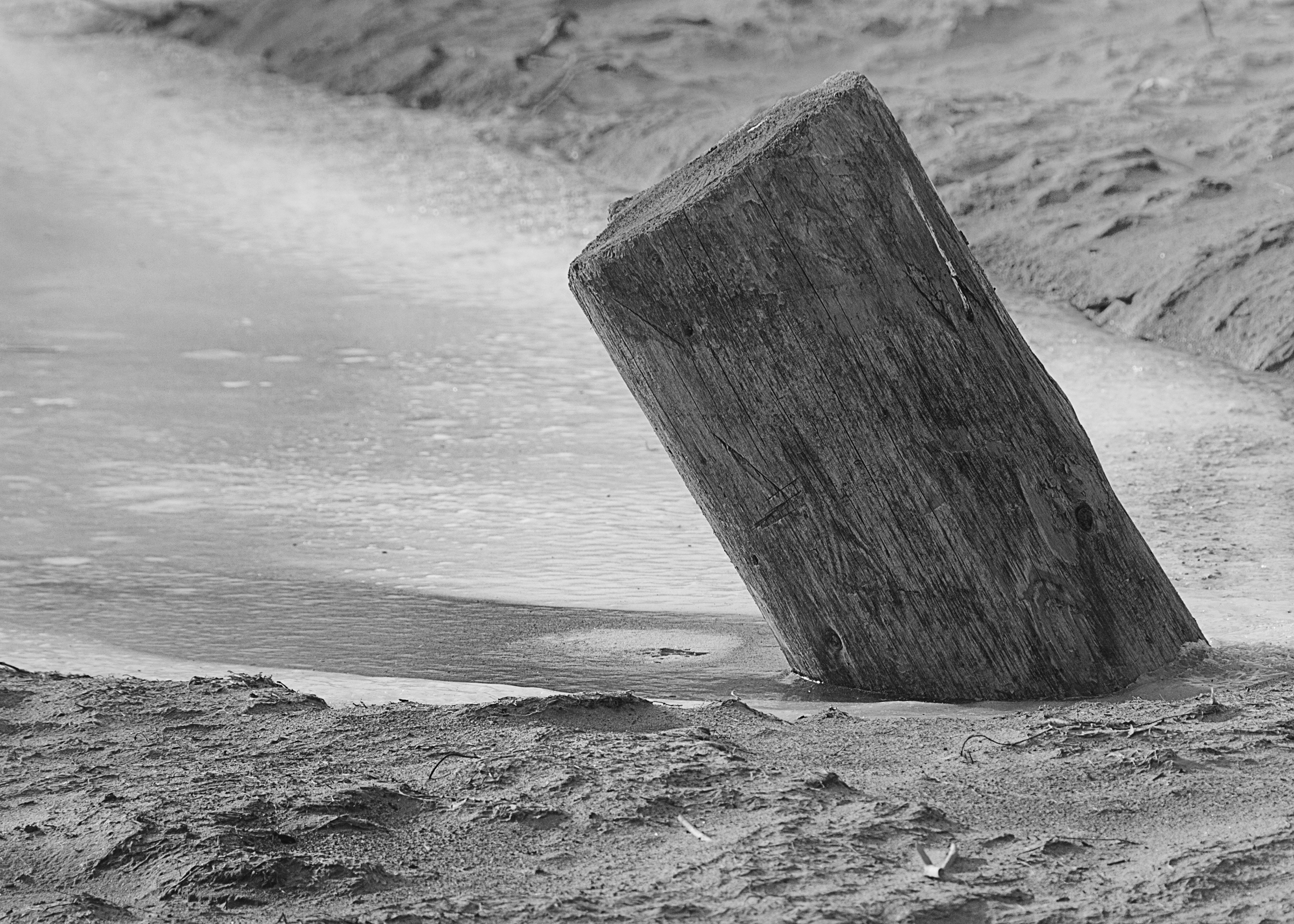
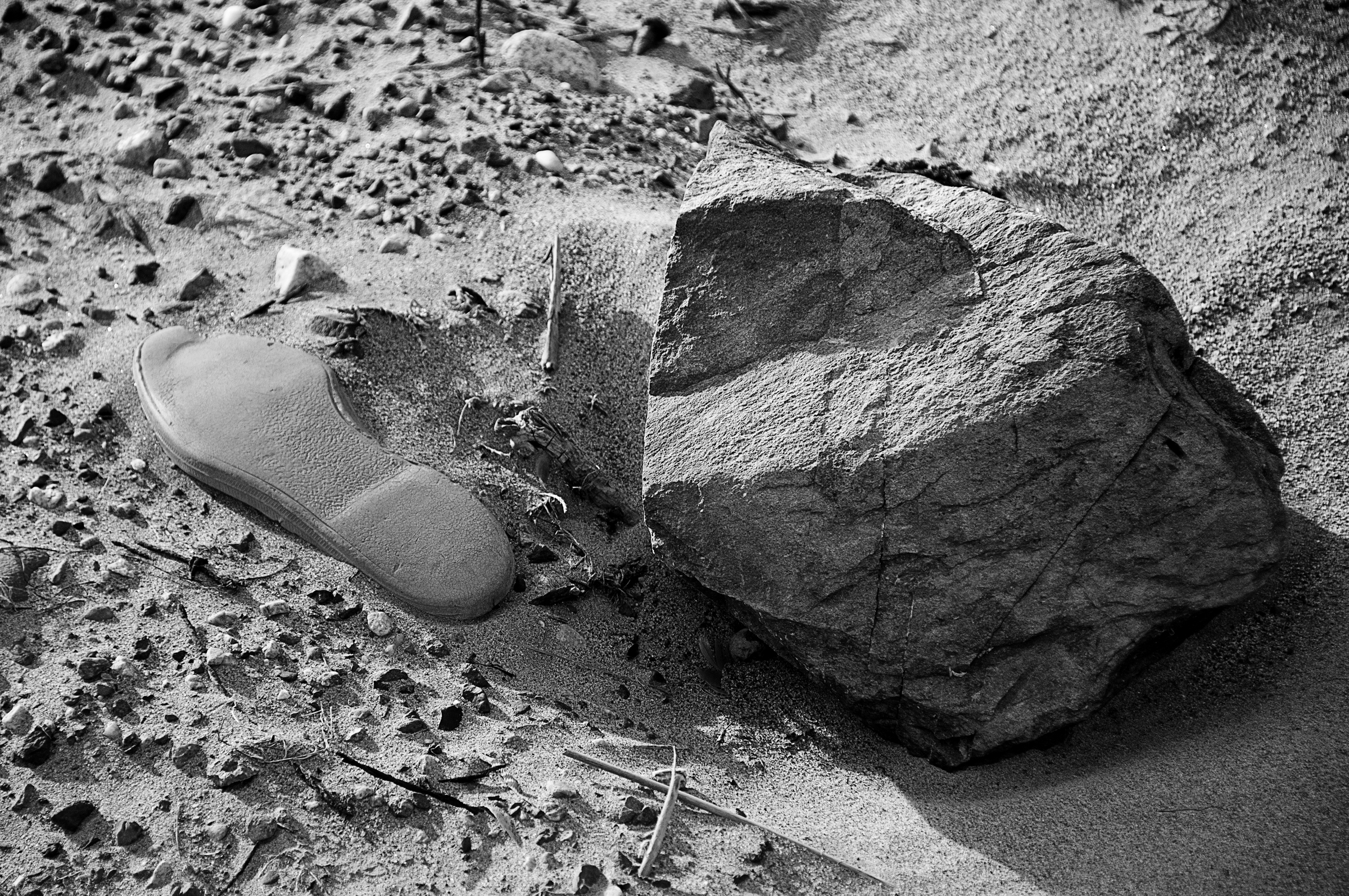
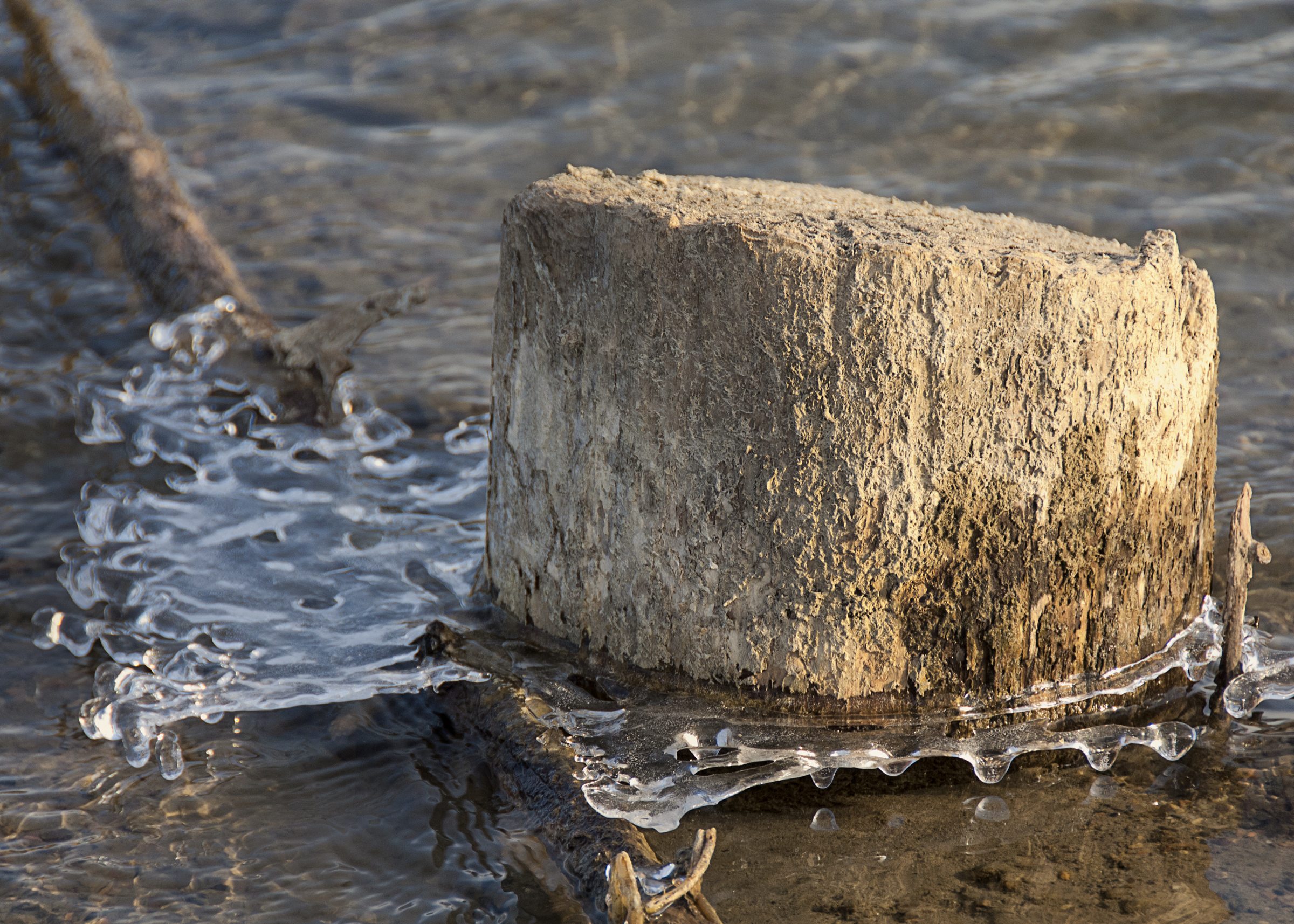
Landscape photographer Elliot Porter once said, “Sometimes you can tell a large story with a tiny subject”.
On the weekend I bundled up against the damp, windy cold and headed down to the frozen shore along the South Thompson River not far from my home. My intention was to photograph the Pritchard Bridge that spanned the river and I had hoped to see large chunks of ice jammed against the pillars.
I like photographing architecture, and any kind of structure, whether it is buildings, fences, and yes, bridges, is just plain fun for me. I look for how the light plays on stone, wood, metal, glass, and any other building material and how it creates shadows and features, like ice, that interact with the structure. However, to my disappointment, the large chunks of ice I had noticed a few days earlier were gone. The strong wind that constantly blew along the river valley must have cleared all the ice from around the bridge pillars.
I wandered along under the bridge looking for interesting angles. I had mounted my camera with a 16-85mm lens thinking that its wide view would give me an interesting perspective. My intention was to photograph the bridge in a fashion that would look good when converted to black and white. I looked for shadows and highlights that would create enough contrast to give depth and dimensionality to black and white images. Much of the time I see black and white images that have been changed to monotone without regard to the tonality of the subject. All I see are flat tones of black and white with no relationship to the actual colour quality of the full colour original. There are several programs that convert image files to black and white while keeping that tonality, PhotoShop among them, but my preference because of the control and finality is Silver Efex Pro from www.niksoftware.com.
I walked along the shore and crossed under the bridge looking for creative opportunities and trying to find interesting perspectives of the bridge. Eventually, however, what caught my eye were features protruding from the sand like posts and branches, and I began looking down and along the shore instead of up and that’s when I really started to take pictures that were working for me. There were shells, small bits of water worn wood, a half-buried rusty oil drum, fish skeletons and much more, like an overturned shoe in the sand. I changed lenses to an 18-200mm to have more focal length and a narrower view for ground level shots of posts and other revealed objects sticking up from the sand.
The light was perfect and its low angle created intriguing shadows that added definition to each of the subjects I selected as I walked along the sandy beach. Each small object, in Eliot Porter’s words, had its own “story” and I tried to show something in each that was more than just a snap shot of an object on the beach.
Often we forget that there is more in the landscape than majestic peaks and expanses of fields. I began by ignoring the “tiny subjects” thinking only the bridge would be worth photographing. If this was a garden, then I would immediately contemplate close-up photography and grab my macro lens, but it took me a while to realise how much more there was to photograph on that frozen river beach. Soon, I will be walking through the sand with my camera again, this time keeping my eye on the ground, and I will be dressed even warmer.
Photography on a Frosty Morning
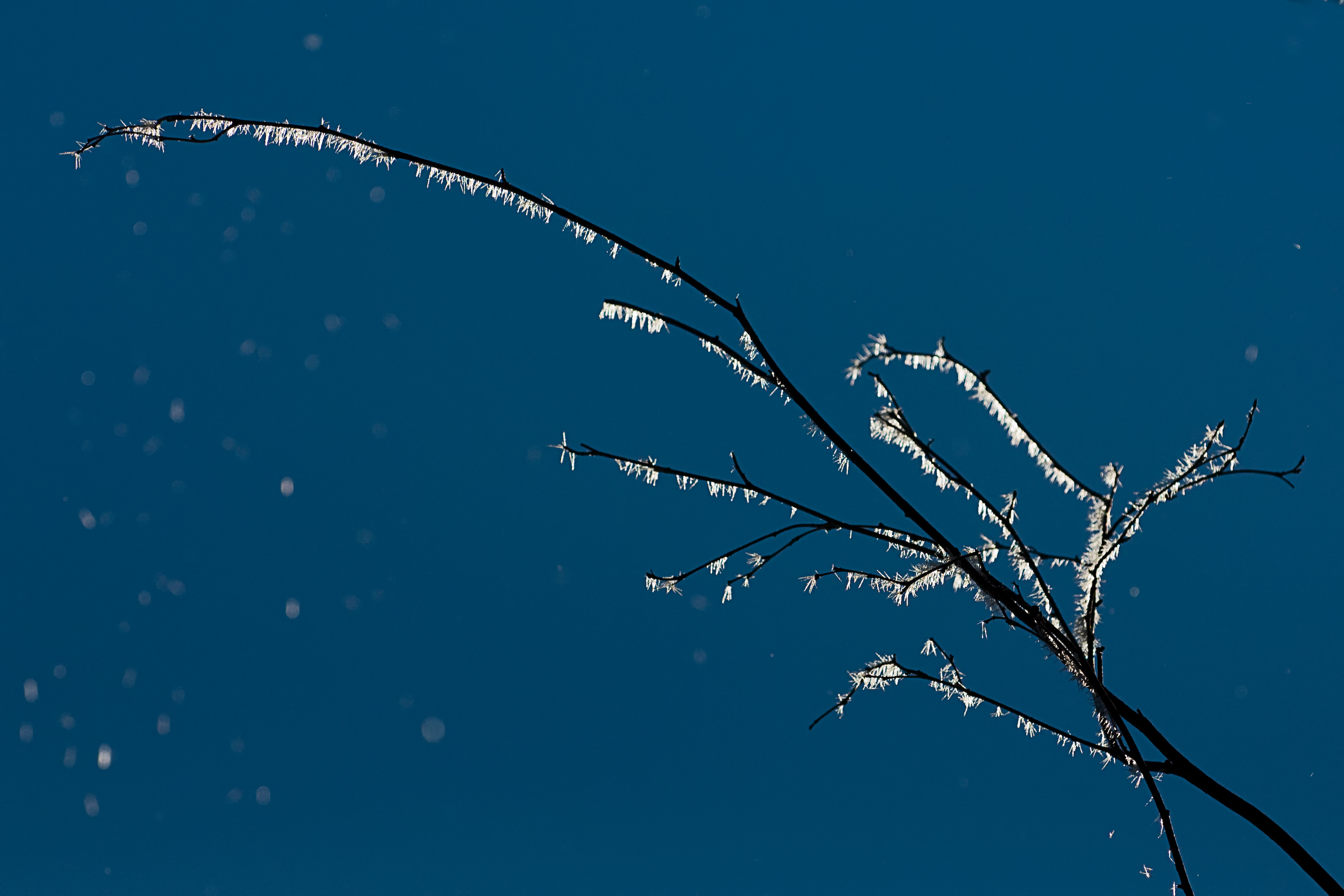
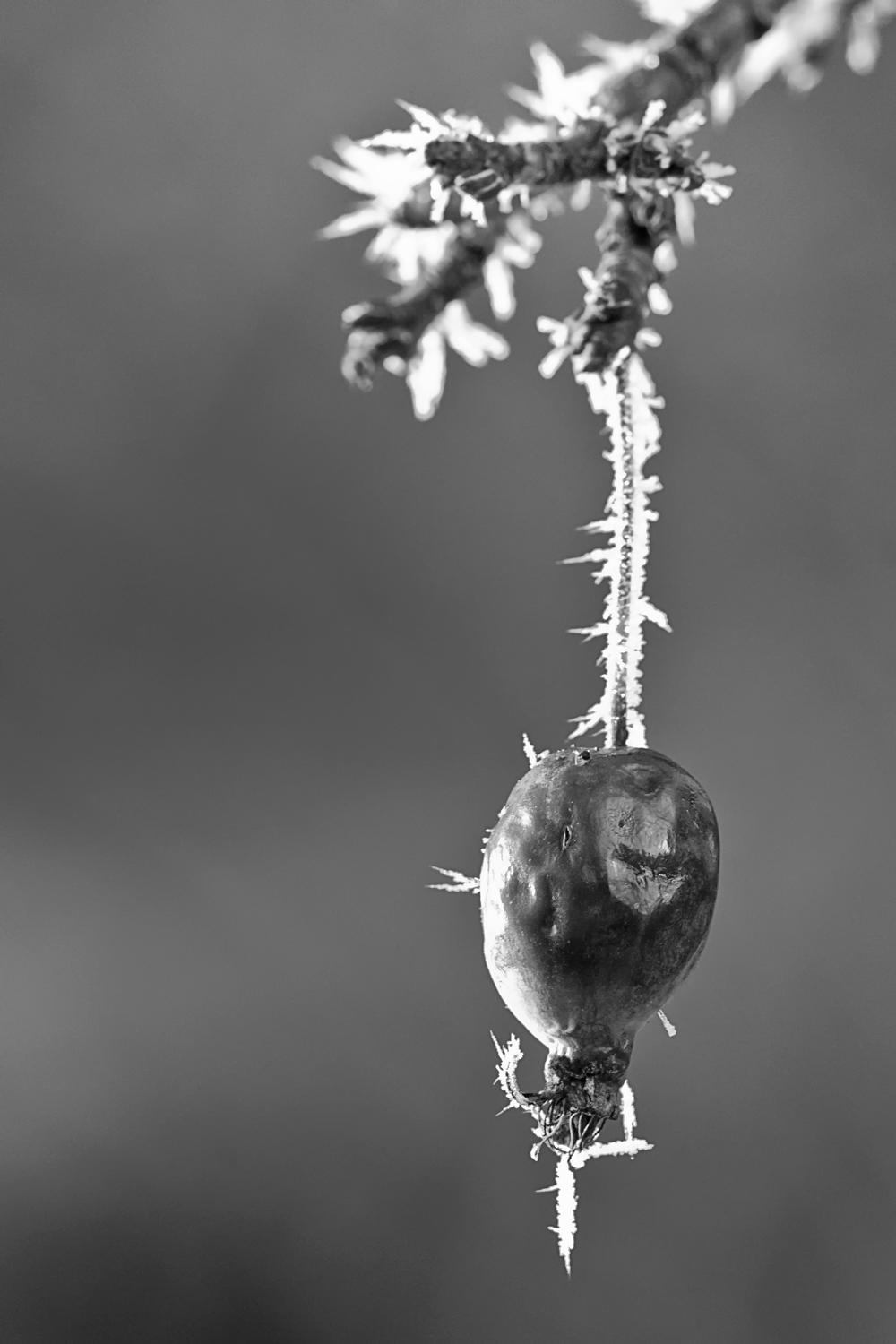
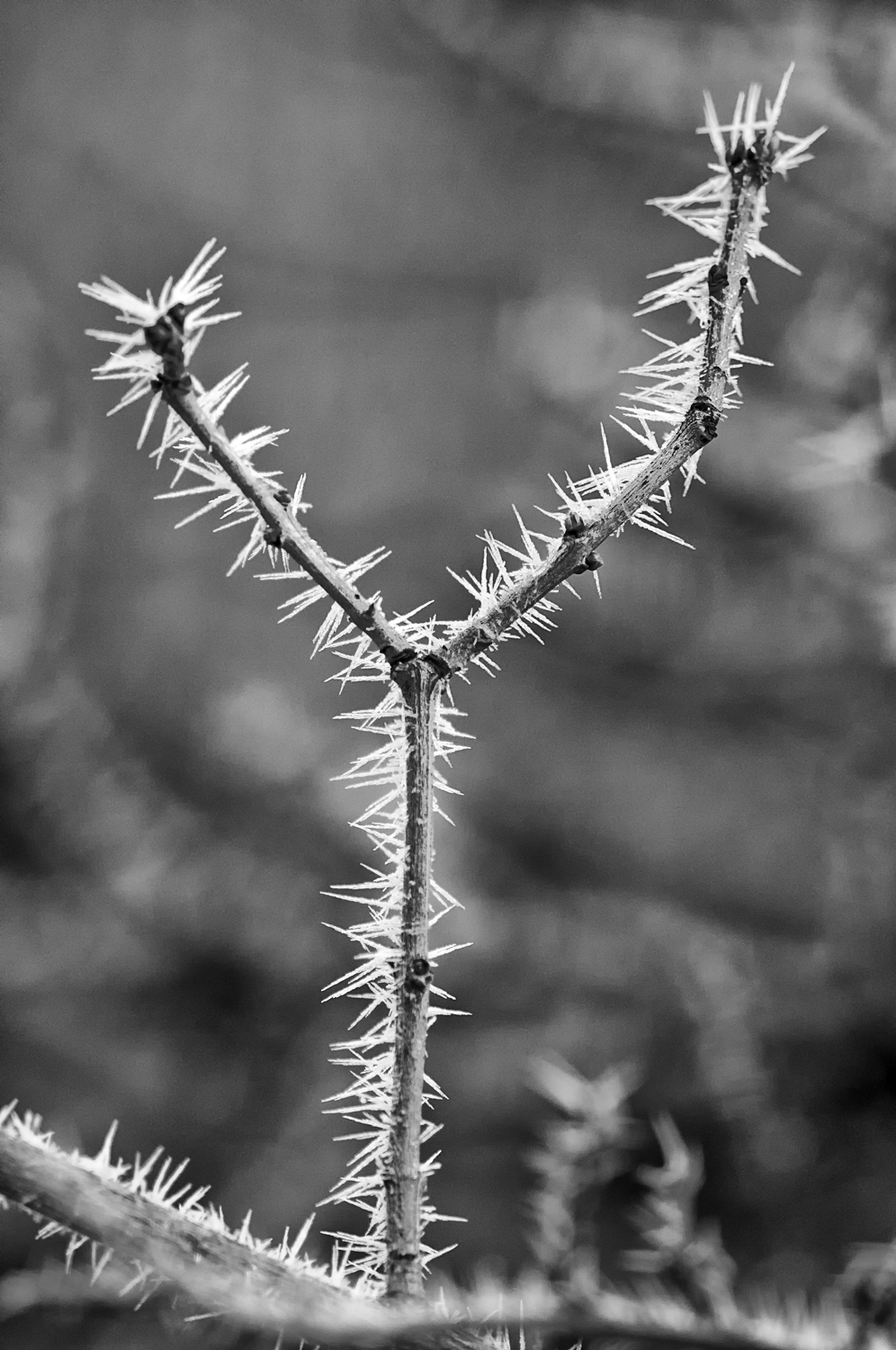
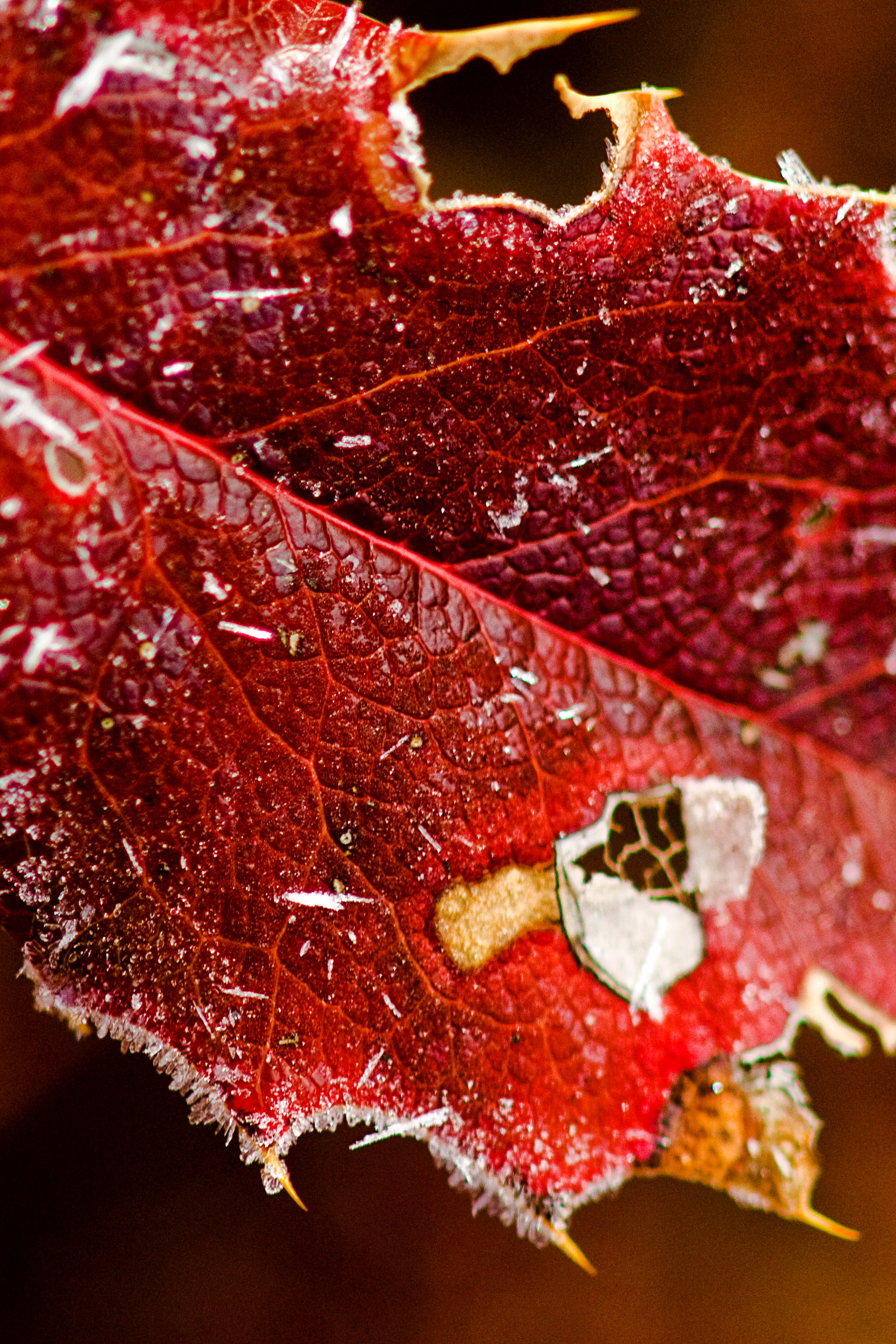
 Daybreak was foggy within a white, crystallized wonderland of hoarfrost-decorated trees and vegetation. That scene is what I have been waking up to every day this past week. The damp cold has been bothersome, but what photographer could pass up such a creative opportunity to wander through frosty woods and fields trying out different lenses and locations. I like the search and the discovery.
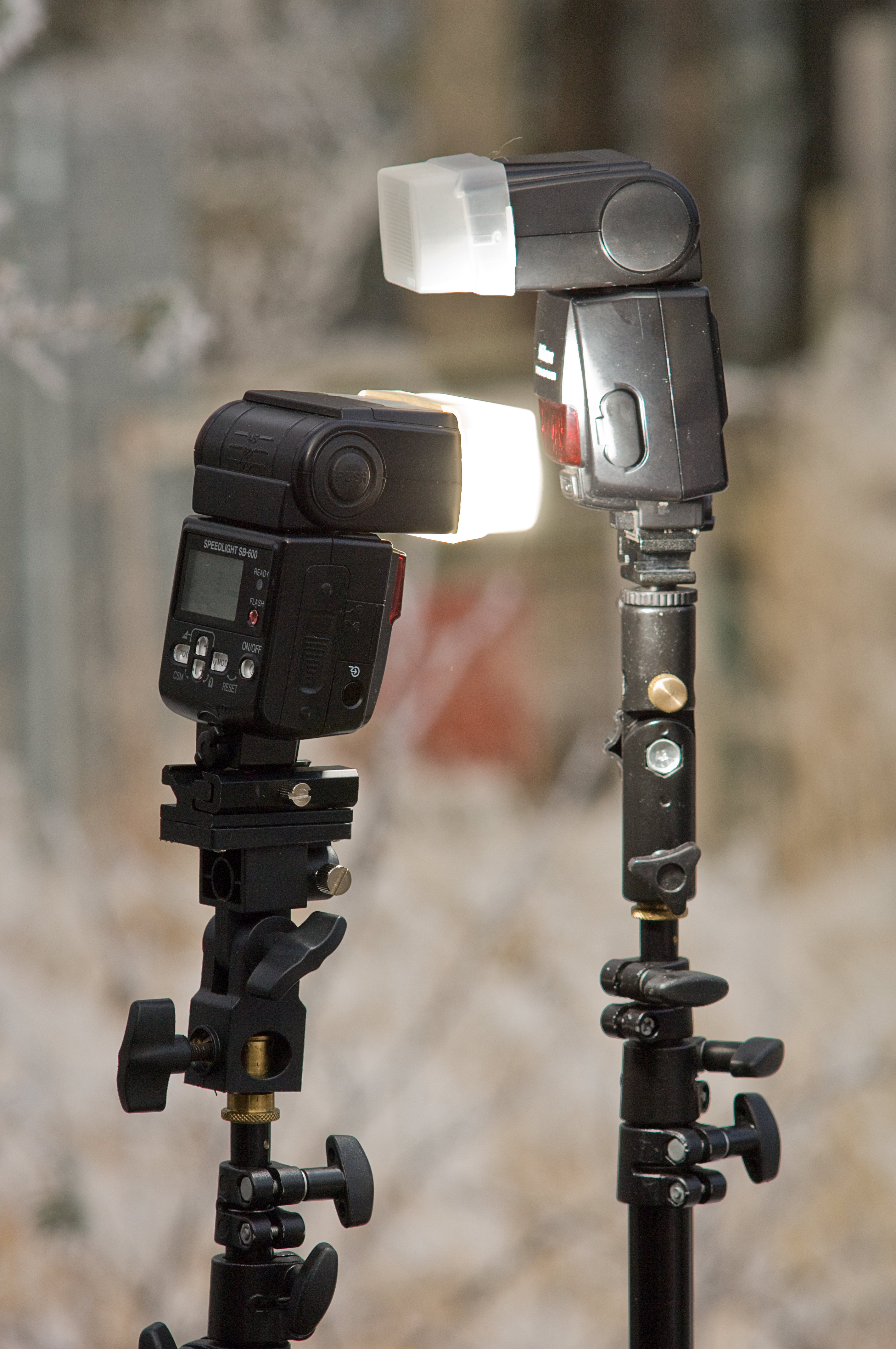
This morning I talked my wife, Linda, into venturing out into the cold to photograph the hoarfrost in her garden. For that we each mounted macro lenses on our cameras and I included a flash mounted on a light stand for both of us. There was a time when we would have been burdened with wires running from the flash to camera, but those days have passed now that wireless flash technology has become the standard.
The morning was overcast and foggy, so the addition of flash was a must in the dim light. I have a ring flash that I like to use when I photograph plants, but the white crystalline hoarfrost would have been easily over exposed with the direct light from a flash mounted around my lens and I wanted to preserve as much of the delicate details as possible. All we had to do was position our flashes for the best light angle.
Our cameras allowed us to sync the shutterspeed above 1/250th of a second. Many modern cameras have a feature in their menus called “Hi-Sync” or something close to it and I recommend readers check their manuals on how to select and use a high flash synchronizing speed so they won’t be limited to 1/250th of a second shutterspeed.
Handholding at 1/500th of a second (or greater) reduces camera shake and with the addition of flash it is easy to stop any plant movement. Whenever I use a flash outside I like to reduce the ambient light by a stop or two so that if I didn’t use a flash the scene and subject would have been under exposed, consequently, I add the flash to illuminate the main subject, and those elements that the flash doesn’t affect are under exposed, and that flash is off camera sending light from the side or the rear, not limiting us to the on camera flash directly in front of the subject, or forcing us to position ourselves dependent on the sun.
We had a lazy morning and got out late, so although we both prefer to use tripods for close-up photography, we needed to working fast as the temperature rose. We could hear and see the crystals falling with the morning breeze. I suppose if we had a warm outside couch and been bundled up, just sitting on the porch would have been nice. Nevertheless, we got right into photographing our frosty subjects only stopping when we had to reposition our flash.
I approach and light a plant the same way I would a person. I begin by checking the exposure with my camera meter. I always use manual mode so in today’s foggy low light and because I was using hi-sync I could keep my shutterspeed at 1/650th and sometimes higher. Next I chose the best angle of view for my subject, and as always pay attention to what’s in the background. Lastly, I move the light around making exposures until I am satisfied with the highlights and shadows on my subject just as I would if I were doing portraiture of an individual.
I like foggy, frosty mornings and the last few days have been a great time to wander around with my camera. Soon everything is going to change. The frosty vegetation will be replaced with green buds and the cold, foggy, overcast days will be filled with sunny days and blue sky. Yes, I am looking forward to that, but for now winter is a creative challenge and I wouldn’t change it.

And thanks to 96arley (www.shootabout.com) for the nomination.
Talking about cameras
I am still a bit surprised when people inform me they have decided to keep using film cameras in this day and age of high-quality digital camera image output, and that is just what I was told by a couple last week. Of course, my response was that they should use whatever makes them comfortable.
I find that many photographers using film want to offer a rationale for using film and make statements like “this camera has always taken very good pictures”. I suppose that’s a rational statement, however, but the difference between digital and film is like driving an old 1970 Ford sedan and the newest Ford hybrid model across Canada. There is a lot more performance, comfort and options available for the operator of the newer model so that the experience can be more pleasurable and certainly more efficient.
This couple were so emphatic about how great their old film cameras produced pictures that I assumed they do their own darkroom work, but they take their film into a lab that processes it, then scans it to a computer, then with predetermined settings the computer makes the desired print sizes. Hmm, not much photographer input there and most of the process seems to be digital technology. Oh well, at least they are taking pictures.
I do believe that digital camera users become better photographers faster because of the instant reinforcement of their camera’s LCD, then again because it is so easy and quick to check images on a computer display. Last Thursday my shop was filled with people discussing equipment. I have to mention that just before I talked to the film camera couple, I had been discussing digital cameras, but the question was “ What’s the best digital SLR camera, what do you like?” Well, I like them all. I haven’t had the chance to try every new camera out, but from my reading I think Nikon, Canon, and Pentax all have excellent products.
My advice was they should first decide what they had available to spend, and then decide on how they like to shoot: sports, landscapes, family and so on. Of course any camera will do everything, but some are better for sports and some won’t hold up to the elements if packed on your horse or bounced around getting cold on the back of a snowmobile. My suggestion was before they choose to do some research before they buy.
But film? Well if one is into “retro” or likes to experiment with technology from the past picking up an old film camera and the equipment for processing and printing doesn’t cost much and might be lots of fun. However, for those like me that are dedicated to producing quality photography I would, of course choose a DSLR (digital single lens reflex) camera.
www.enmanscamera.com
Class was about Demystifying the digital camera.
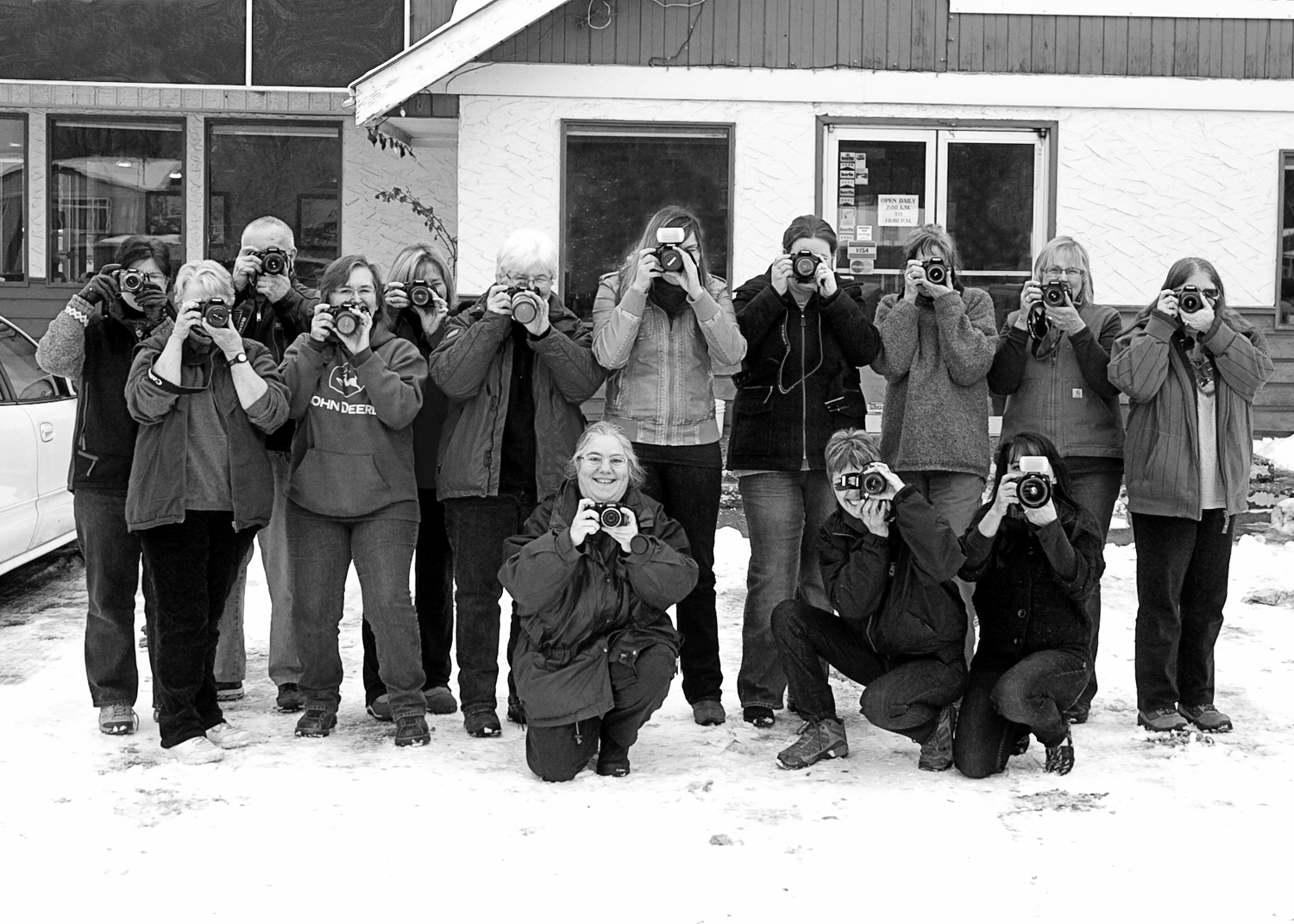 The scenic hour-long drive from Kamloops to Barriere always has me wanting to pull off the road and take pictures, but for the two previous Sunday mornings stopping would have made me late for the two-session class I was leading and 18 enthusiastic photographers who would have been left wondering. I remembered being told, “Once photography enters your bloodstream, it is like a disease”, and I am sure they would have patiently smiled if I loaded my morning’s images into the projector and said, “I couldn’t help my self”, after all they had “photography in their bloodstream” too.
The class wasn’t so much about photography as it was about “demystifying” the digital camera. My goal for the two-day session was to help participants become comfortable and familiar with their cameras. I wanted them not to be afraid to push all the buttons, scroll through menus and change default settings as they explored each function.
We discussed controlling exposure, understanding the histogram, and manual metering. Then we talked about the relationship between the aperture and the shutter to better understand depth of field. For those interested in scenic photography I included a section on photographic composition, and finally there was time set aside to consider selecting lenses, tripods and presenting information about other accessories that enhance the photographic experience.
I know that some felt overwhelmed as we examined the myriad of features available on their modern cameras. As camera technology advances and more options are added new users will certainly feel intimidated, but as they use their cameras and become more familiar with the possibilities they realize the added options give more and more control over picture making.
Interactive lecture classes like this one are more demanding than the usual photography classes that assume participants already know how their camera functions. In my opinion that assumption often has participants going home without understanding camera basics, and although they can read their notes on panorama, portraiture and scenic photography most revert to using the camera in it’s point and shoot Program modes. What a waste!
I always enjoy these types of sessions where eager learners ask lots of questions and are demanding of information that will help them to pursue their particular interest in photography and I get to really delve into the mechanics of this amazing pastime. To me there is more than just aiming the camera at some subject, and, depending on technology, to magically transform that passive action into a photograph. And that was what I wanted the two sessions to be about.
In this study group I was fortunate enough to have active photographers Jill Hayward and Shelly Lampreau sitting in. They were not only were responsible for organizing and advertising the two-day class, but jumped to help when I wasn’t able to get to someone right away. It’s people like Hayward and Lampreau that make an interactive workshop all the more valuable to learners and I extend my appreciation to them.
The class was filled with serious people that really wanted to learn about photography. I had a great time and I thank everyone for inviting me, and there is a plan to get together again in the spring and do a day of scenic photography in Wells Gray Park.
During the class there was an announcement that Barriere photographers will shortly be starting their own photography club. Those interested can now connect with others on the Barriere photography club’s Facebook page.
This photographer’s thoughts on Composition
Much of the time the photographers I meet and talk to really have only one interest in photography and that is to discuss equipment. Nowadays, especially, they are very excited about the newest products. Photographers should be building a selection of equipment that will allow them to do photography the way they like and that works effectively for the subject they want to photograph.
As much as I do like talking about cameras, lenses, and other assorted equipment, what I really like to talk about is photographs. So, last week, when a photographer stopped by with some nice enlargements, I was pleased to say the least. We talked about how successful her photographs were at capturing the viewer’s attention, where the photos were taken, her objectives for each, the colors, and why she cropped them the way she had. They were good photographs and looking at good photos sometimes lets you know a bit about the person who took them. We started talking about photographic composition; not so much of the photos we were looking at, but just a general discussion. So today I thought I’d put some thoughts down that people could think about when composing a photograph.
A person painting or drawing can truly compose an image; they have total freedom to place, arrange and alter the appearance of visual elements. Photographers are limited by the actual physical appearance of the subject being photographed and depend on using camera position, point of view or the perspective created by different focal lengths of their lenses. With photography we try to produce exciting, well balanced images, depending on the subject and how we want to communicate with those elements in the photograph.
What is your photograph about? Instead of shooting right away, stop to decide which part of the scene you really want to show. Let the content determine the size and importance of the objects. Try what I call the apple technique: You are driving along and see an inspiring scene. Don’t just point your camera out the car window!
1. Stop the car.
2. Get out.
3. Leave the camera in your bag.
4. Get an apple and eat it as you are looking at that inspiring scene. Think about what you like about it. Make some choices. What would you like to say to the viewer?
5. Then get your camera and make the picture.
As you are making your basic choices and deciding on what visual elements are important think about what the famous War photographer Robert Capra, known for the intensity and immediacy of his images, said, “If your pictures aren’t good enough, you aren’t close enough.” Getting closer eliminates distracting objects and simplifies the contents of a picture. It reduces busy backgrounds and focuses attention to the main subject or center of interest.
Another consideration is whether to photograph horizontal or vertical. I listened to a discussion by successful magazine photographer, Scott Bourne. He asked the question, “When do you take the horizontal?” His answer was, “After you take the vertical.”
A final thought is to think about important visual elements and how best to arrange them in your photograph. The Rule of Thirds – Draw imaginary lines dividing the picture area into thirds horizontally, than vertically. Important subject areas should fall on the intersections of the lines. For example, a photograph of an old barn in a field; move your viewfinder around to see how it would look placed in the upper right intersection the each other after that. If you take the time to decide and compose, your photographs will be much more successful.
Do I Need Another Lens?
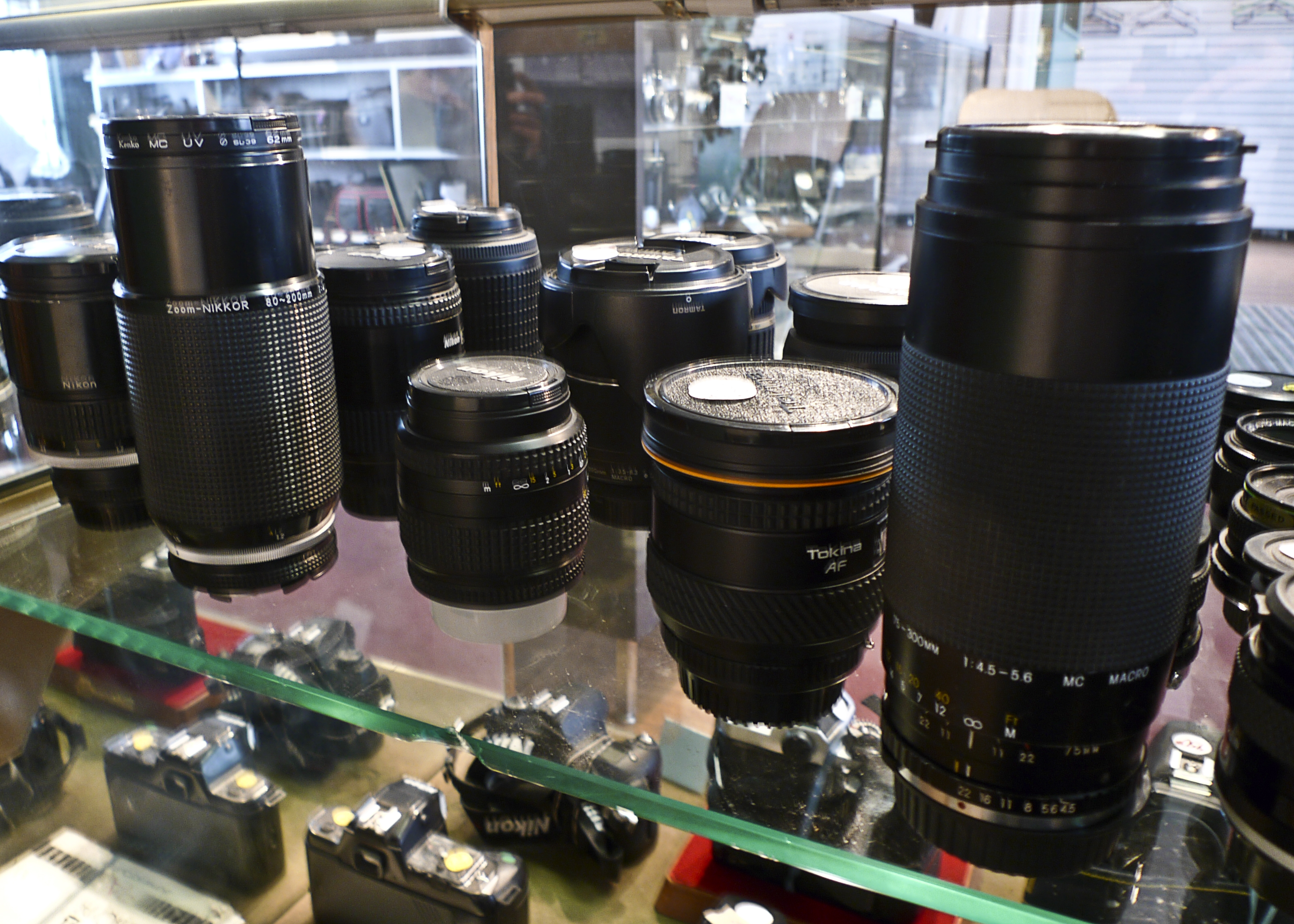 In my experience, any image can be altered (sometimes dramatically) when one changes lenses. A subject can be isolated and the perspective in front of, and behind, the subject flattened with a telephoto lens; while landscapes in many cases look better with a wide-angle lens as the field of focus increases and the view around the subject widens.
I select my lenses depending on what I want to photograph and say about the subject. Because control over my image is important to me I question two items. What am I photographing? And what result do I want?
For close up photography, one will be more successful with a macro lens that is designed to move in close to a subject than a mid range zoom that only focuses ‘sort of’ close, but is really designed for distance work. For those wide expanse landscapes in the interior of British Columbia one may want a lens with wide-angle capabilities. For example, I might select my 18-70mm or 16-85mm as I search for a focal length that helps me include important features.
Last week I discussed lenses with a photographer who wants to get serious about photographing the abundance of wildlife here in the interior of British Columbia. I suggested starting with a 70-300mm and then a longer telephoto in the future. Those lenses have a narrow angle of view, but plenty of magnification for wildlife photography. Most of the 70-300mm lenses available today are lightweight and easily hand held. One can dig into their piggy bank and purchase some of the super telephotos like a 500 or 600mm, but until then moderately priced lenses like the 70-300mm should do.
There are interesting lenses like the 18-200mm that are just great. These multifocal length lenses are lightweight, and excellent for vacations or just walking around. However, for serious enthusiasts there are wide aperture lenses with maximum apertures like f/2.8 that allow much more light in than lenses with f/3.5 or f/4 that are most common. These large aperture lenses give the user lots of light gathering capability and the ability to use higher shutter speeds for reducing camera shake, and help stop fast moving subjects.
To explain that, there is an optimum amount of light that reaches the camera’s sensor for a correct exposure. When the aperture is closed down it lets in less light and one must slow the shutter speed. With large aperture lenses the shutter opening can be increased and let in a lot more light, therefore one has the ability to increase the shutter speed and still get a proper exposure.
All this also affects “depth of field”. Depth of field is best defined as that area around the main subject, in front of and behind, that is acceptably sharp. Photographers like to blur non-essential elements in the background by reducing the depth of field, and do that by increasing the size of the lens aperture. In addition, letting in more light makes shooting in low light conditions less difficult.
So we get back to my earlier question: Do I need another lens? Even though I like the wide range focal length lenses like the 18-200mm for everyday use there are lots of other choices that will better help me visually say what I want when I make a picture. A brief summary might be as follows; a macro for close-ups, a wide angle for landscapes, a telephoto for wildlife and, of course, some lenses with wide aperture for low light and for more control of depth of field.
Each year manufacturers introduce more lenses with different technology, which improves imaging capabilities, and naturally, increases the price. Now you understand why one of the favourite sayings in photography is “it’s all about the glass” as I’ve explained to readers in this short discussion. So, go ahead, check out the many offerings and ask yourself “Do I need another lens?”.
Considering a 4×5 View Camera?
Photographers are always looking for the perfect camera, even in these days of high megapixel, large sensor, programmable cameras. The selection for many has become more than just a choice between manufacturer loyalties, as it extends to technical demands, and practicality when approaching a particular subject.
There is no doubt in my mind that some of the finest landscape and scenic photographs have been produced, and continue to be made, with the type of camera that is a design that has been with us for over a hundred years, the “view” camera. The great nature photographers Elliot Porter, Ansel Adams, Imogene Cunningham, and Brett Weston used them, and many publications still prefer the quality of 4×5 inch, or larger, sheet film (some readers may never have even seen film).
A local photographer, Peter, stopped by the other day to talk about a 4X5 Burke and James view camera he had purchased. Photographers can easily obtain moderately priced, used, 4×5 inch format film camera by manufacturers like Burke and James, Graphic, Sinar, Linhof, Calumet and many more, that, depending on the use, are similar in application to DSLR (digital single lens reflex) cameras in that there is an extensive array of lenses available, but unlike DSLR’s there is not a limiting lens mount. One must merely find a lens board that has a hole in it the size of the lens you want to use and voila, the camera is ready to go.
For those unaware of just what a view camera is I’ll describe it as an accordion looking contraption, consisting of a flexible light-tight bellows with a focusing screen and film holder on one end, and a lens board and lens on the other. This assembly is usually mounted on a rail or platform and uses a rack and pinion system to move the bellows back and forth for focusing. The main advantage of view cameras is the technical control that one can get because both the front and back have the means available that allows for up, down, and lateral movement. At one time some cameras like his were called “press” cameras because they were the camera of preference for news photographers (seen regularly in old movies), so depending on what the source is the camera might be called a press, field, or large format view camera.
I know that may be confusing to those that have only used DSLR type cameras, but volumes have been written about using view cameras and if you are interested information is readily available and I suggest starting with http://www.viewcamera.com.
Simply put: Consider being able to move a digital camera sensor and lens at different angles. Light certainly doesn’t go around corners, but with a view camera one can change perspective, control distortion, and sharpen an area of focus just by aligning film, lens and subject.
For example, walk up close to a tall building, aim the camera upwards, and release the shutter. The resulting image will show the building having a wider bottom and narrower top. With a view camera one can adjust the film plane and lens plane positions parallel with the building’s wall, and of course this would be easy to accomplish because between the film and the lens there is a bellows that bends easily. This time the resulting image would not be wide at the bottom and narrow at the top, but whatever, the photographer set it to.
It is this control, and not so much the large negative, that draws serious photographers to view camera technology. However, the large 4×5 inch negative does produce impressive results. Although one would traditionally need a photography darkroom with enlarger, chemicals and trays for processing and printing, many modern photographers now use scanners. The film still must be processed, but once done just scan that beautiful, large sheet of film into a computer and then proceed as usual into PhotoShop for image enhancing and printing.
Peter plans on taking his 4×5 on some hikes in and around the British Columbia interior. That’s a neat thing about these foldable cameras; they collapse nicely into a portable box. With a lightweight tripod, a few sheet film holders, and a camera that is easily stuffed into a small backpack, he’ll be on his way. The hills are covered with snow, but if the light is good I know he’ll have a great time there and I look forward to seeing his resulting pictures.
This photographer isn’t sure about an advertisement television.
Currently, there is an advertisement being shown on television with the goal of convincing new camera owners to purchase more another lens for their new DSLR camera. The ad begins with a picture of little girl in a playground. Viewers see the child in the foreground with lots of stuff behind her. Then as viewers are told to purchase a better lens the picture changes to a sharp portrait of the child with a soft out-of-focus background. The subject much remains the same, but, because the clutter in the background is diminished, now the portrait is more pleasing.
Viewers are given the impression that there is a special type of lens made specifically for portrait photography and to buy it if we want good portraits. I agree that buying the best quality lenses will give photographers the highest quality image, however, the difference between the two pictures viewers are shown doesn’t really have anything to do with good quality lenses. Any photographer can easily create the effect of a blurry background by using the same lens (or any lens) by choosing a wider aperture to reduce the depth of field.
Depth of field is defined as the area around the main subject, in front of, and behind, that is in acceptably sharp focus. The smaller the aperture the greater the field of focus is, and the larger the aperture the less the field of focus, thus by focusing on the subject and reducing the field of focus, much of the area in front of, and behind, the subject looses sharpness.
In my opinion learning to use a camera effectively is more important than falling for the hype put forward in ads like that. All photographers should learn about depth of field, composition, and metering. They should have an understanding of perspective, and why at times subjects in the foreground seem uncomfortably larger than those standing only a few feet behind. Fast action is easily controlled by increasing the shutterspeed, and if the elements in the picture aren’t bright enough, by increasing the camera’s ISO. Sharpening the landscape on a bright sunny day only takes the additions of a lens hood to reduce lens flare; and, as always, in my opinion, the best scenics are those where the photographer uses a good sturdy tripod.
I advise saving some money and purchasing a book on portraiture, or, at least basic photography instead, and there are lots of online forums where photographers show, discuss, and exchange advice on their pictures. Or, readers could take a class.
The voice in the advertisement advises that photographers can change from a good shot to an amazing shot if a better lens was purchased. I regularly talk to photographers that believe the only way to make better pictures is to buy a new camera, and I expect because of that advertisement they will go out and purchase new lenses in the misguided belief that they will suddenly become better at photography.
What I actually like about the ad, in spite of the not so truthful claim that a good portrait is only accomplished when one buys another lens, is that it gets photographers thinking about adding to their collection of lenses. All camera manufacturers (just like auto manufacturers) have various levels of quality and one type of lens isn’t necessarily the best for all subjects. As long as I have been involved with photography the catch phrase “it’s all in the glass” has been around. And I regularly tell those new to photography that they should be changing lenses before changing cameras. Nevertheless, I also tell them that they should know what they expect from a lens before purchasing it; and after researching it to match their expectations with what they can afford to acquire. There isn’t necessarily any lens that might be called a portrait lens and the selection of which lens to use is really up to the photographer. I think an in depth discussion of lenses is best left to another time.
 Enmanscamera's Blog - Kamloops