
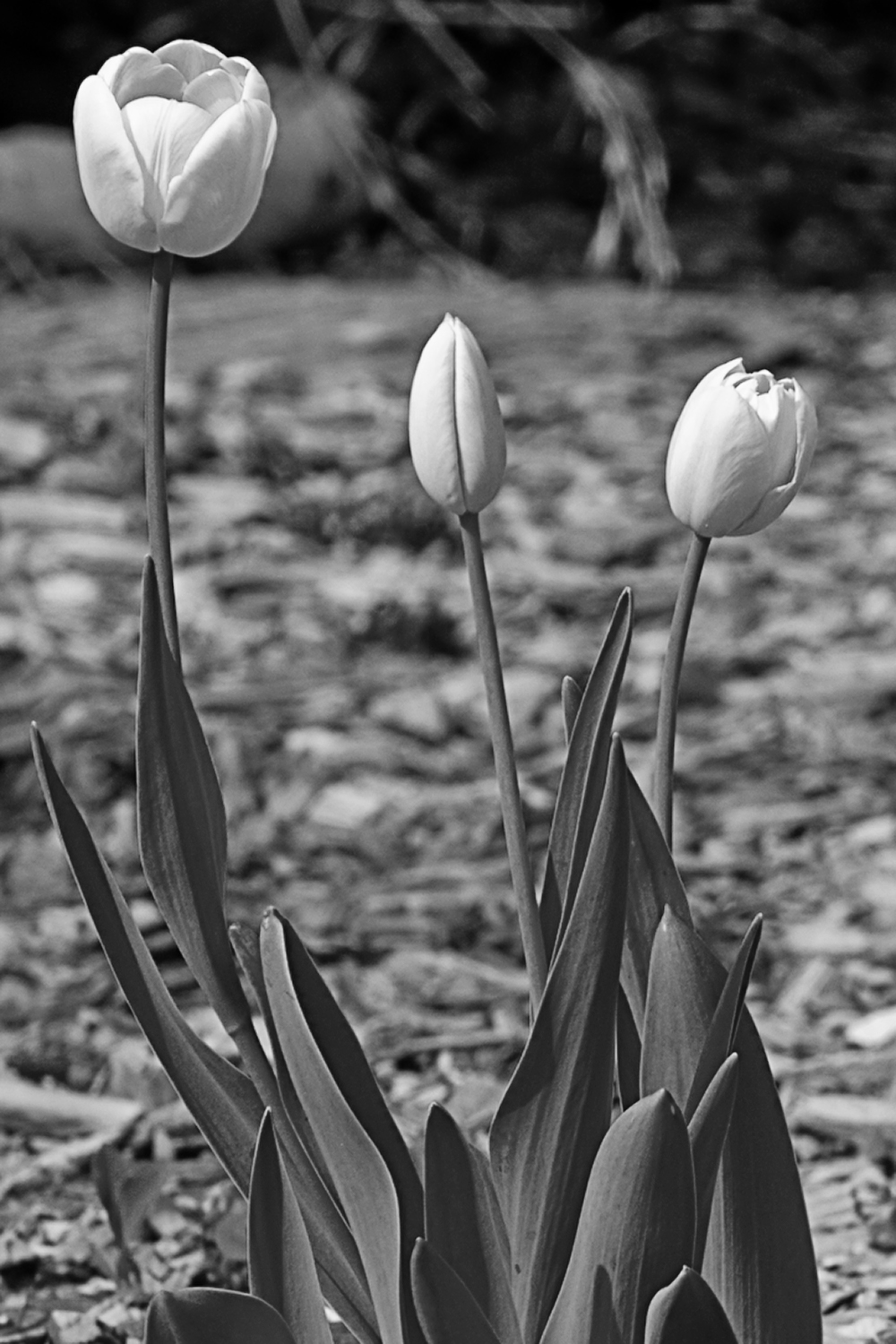
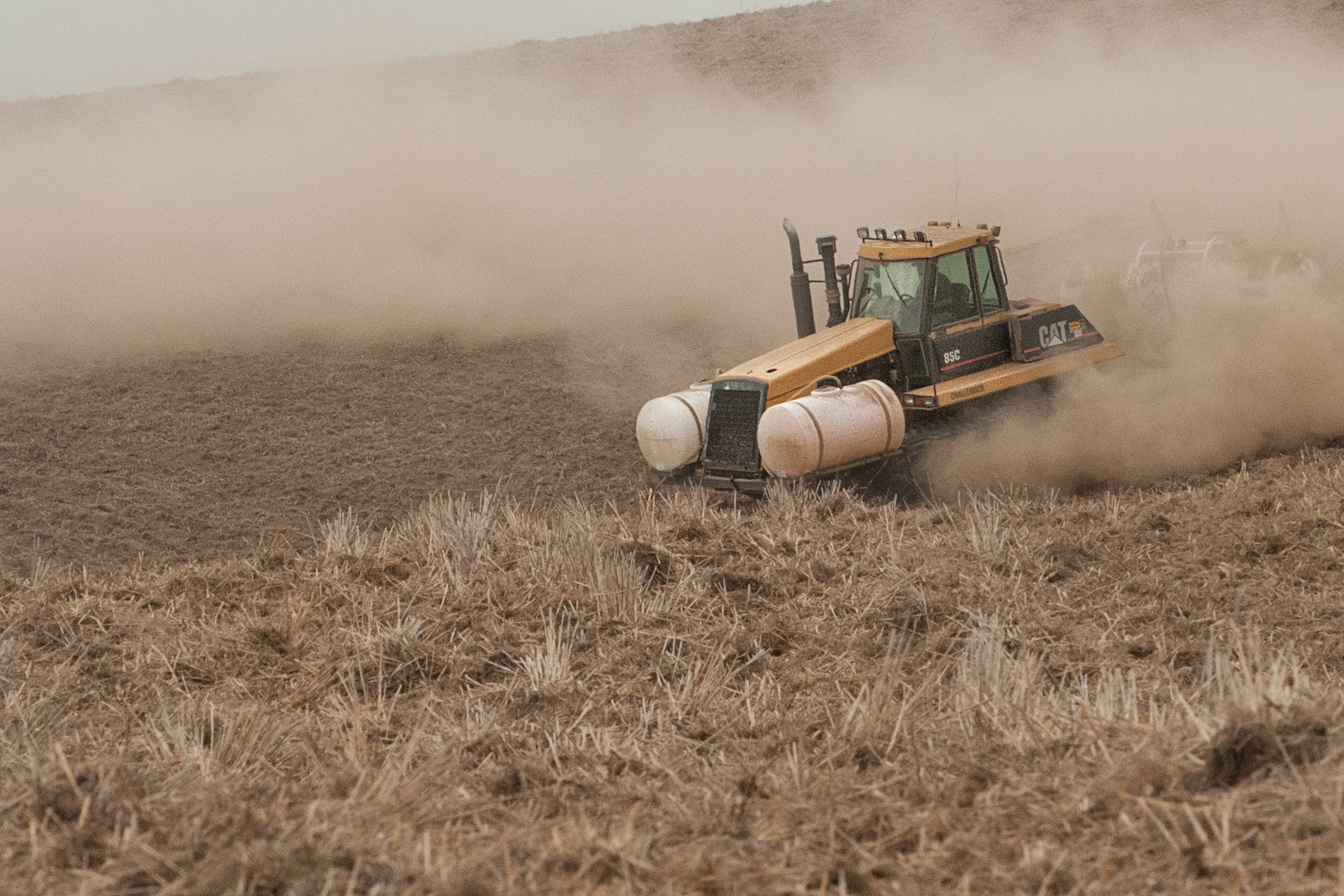
I have included a few examples that show control over the technique.
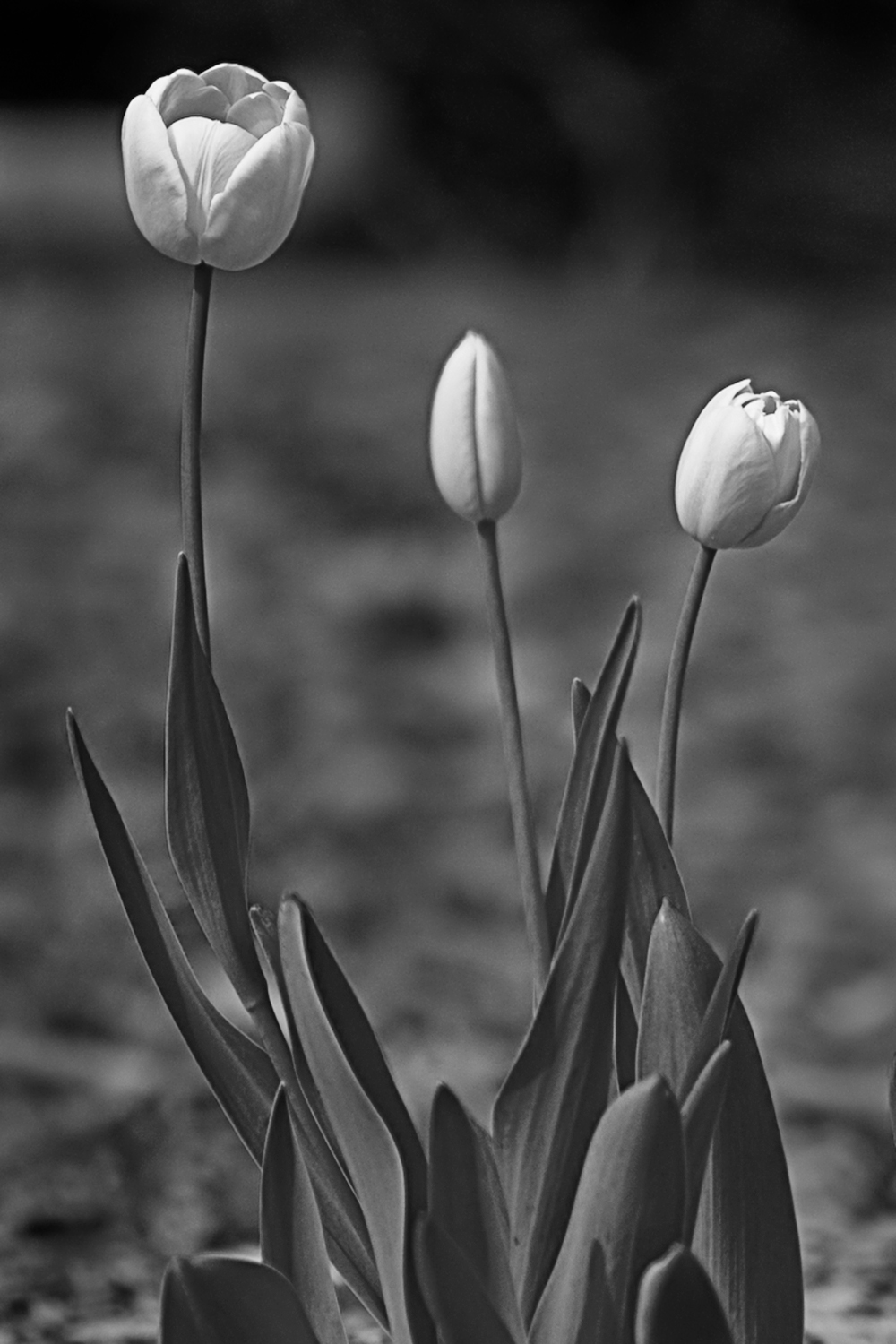
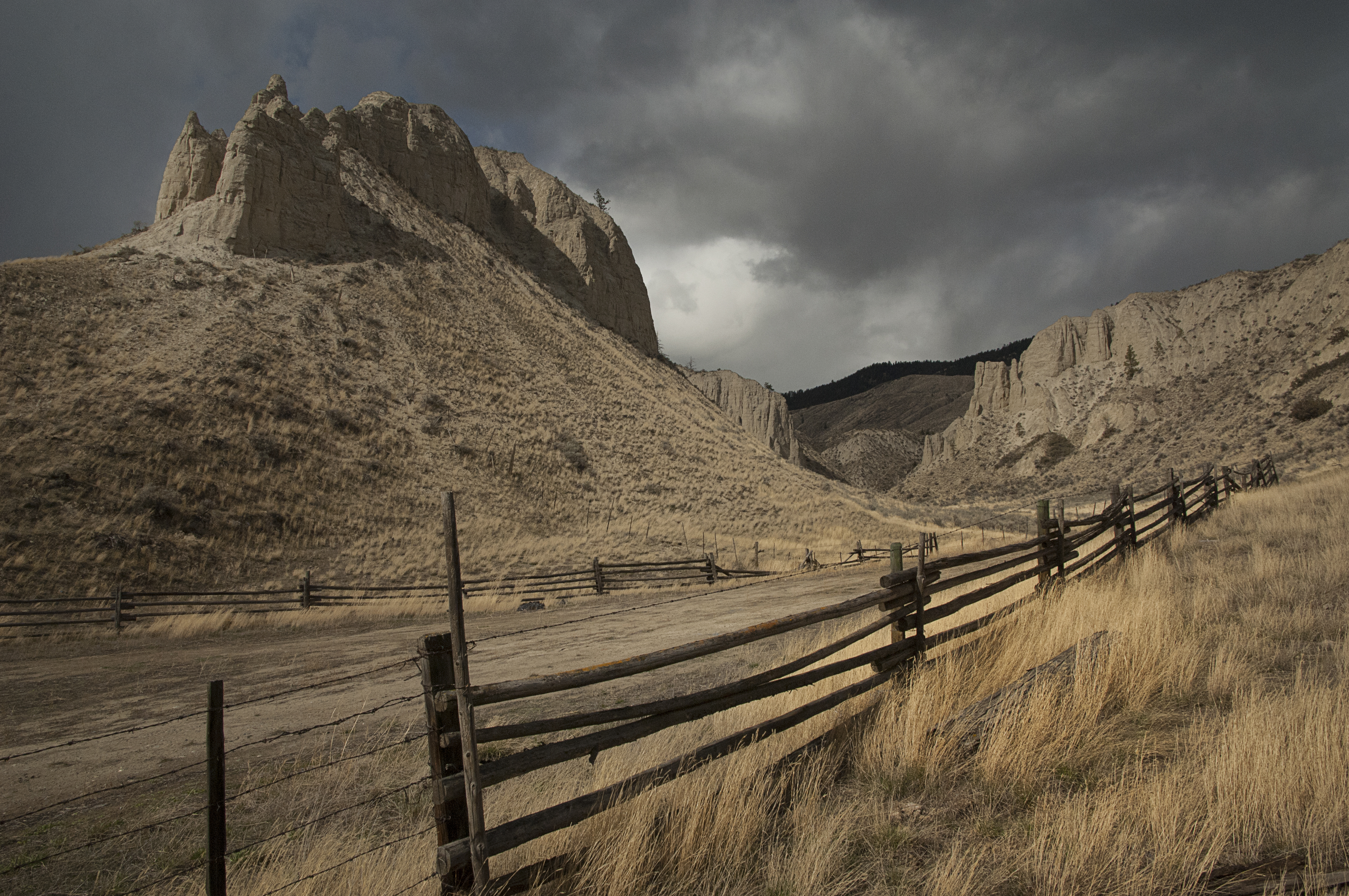
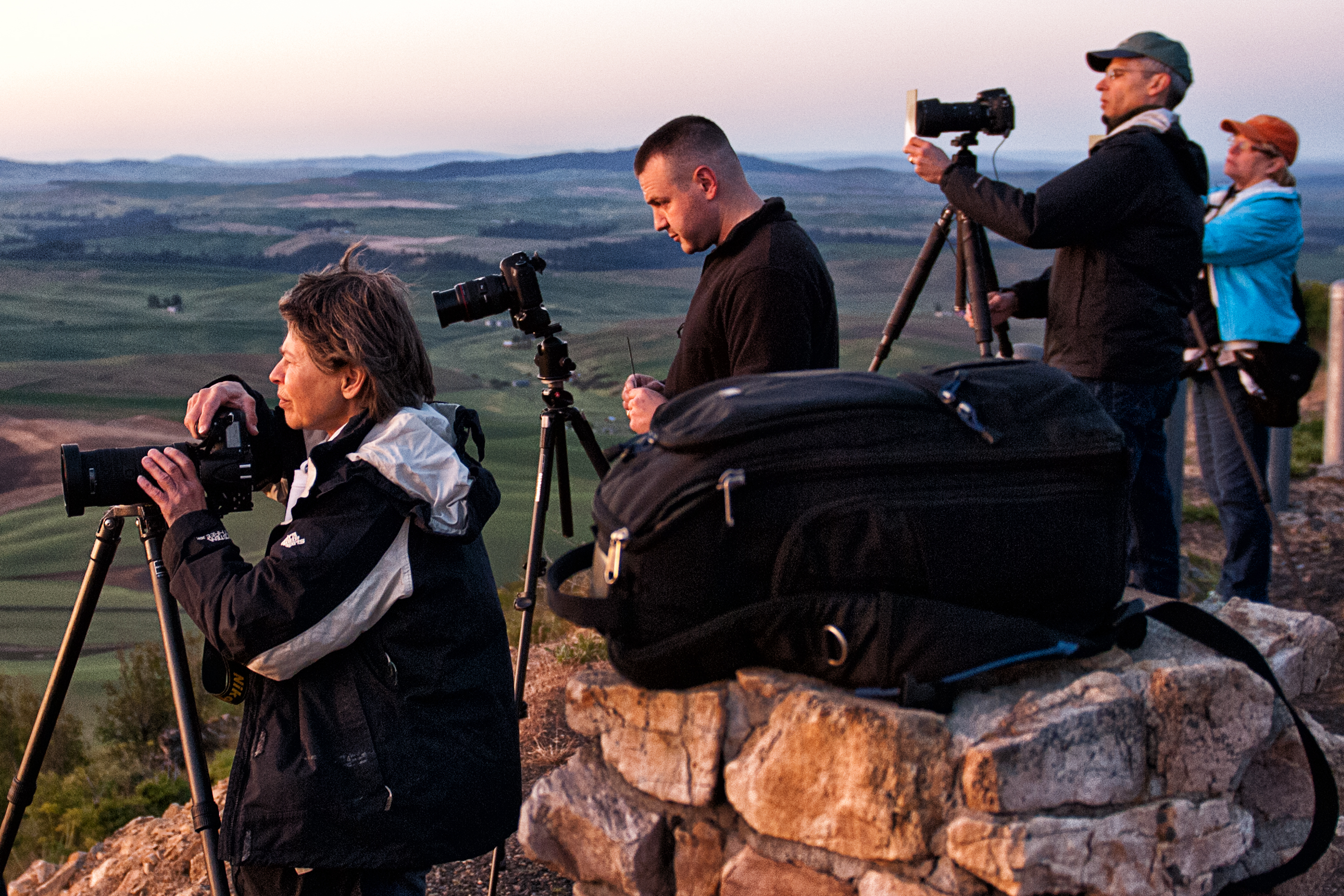
A smaller aperture for more depth of field.
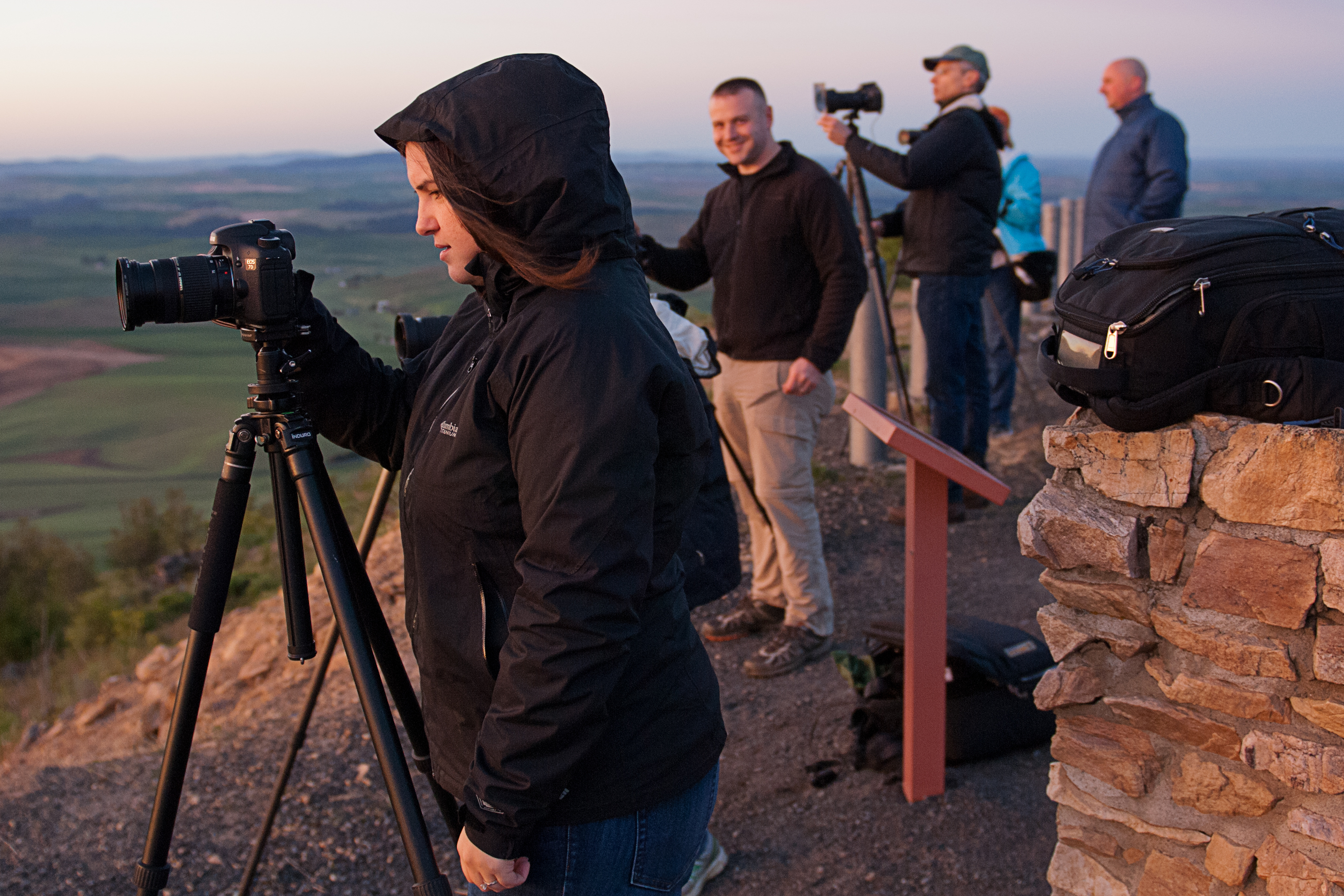
A wider aperture for less depth of field.


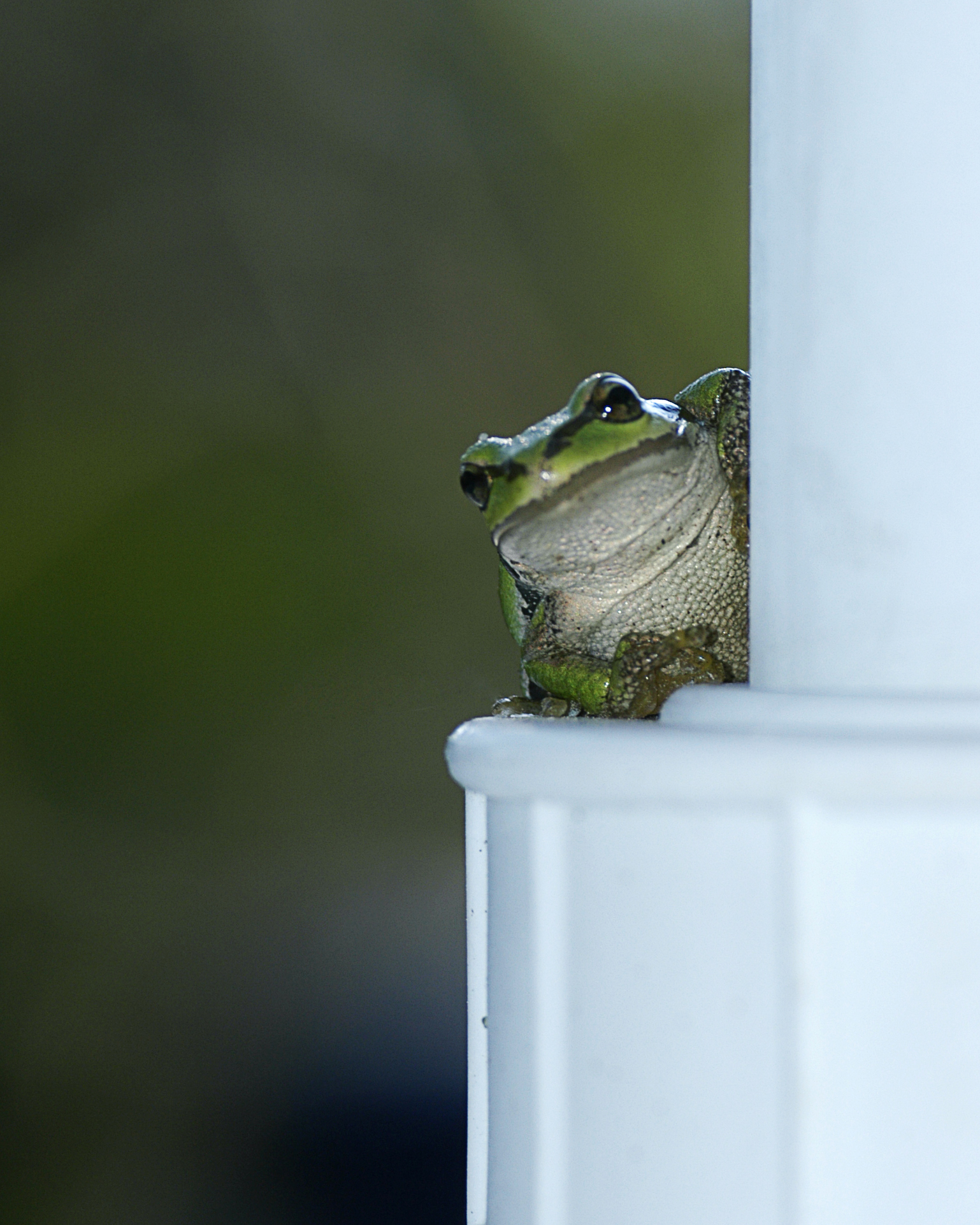
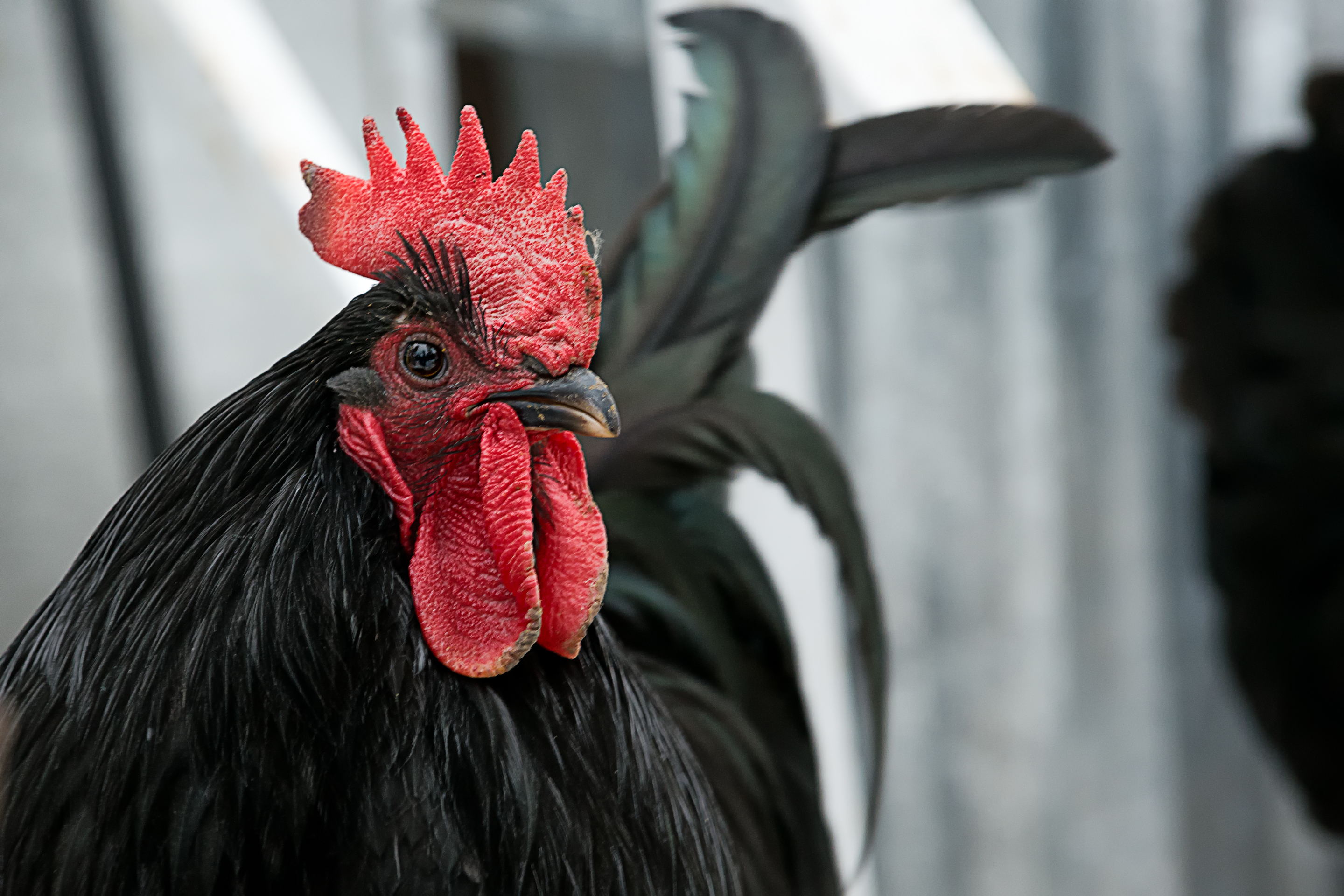
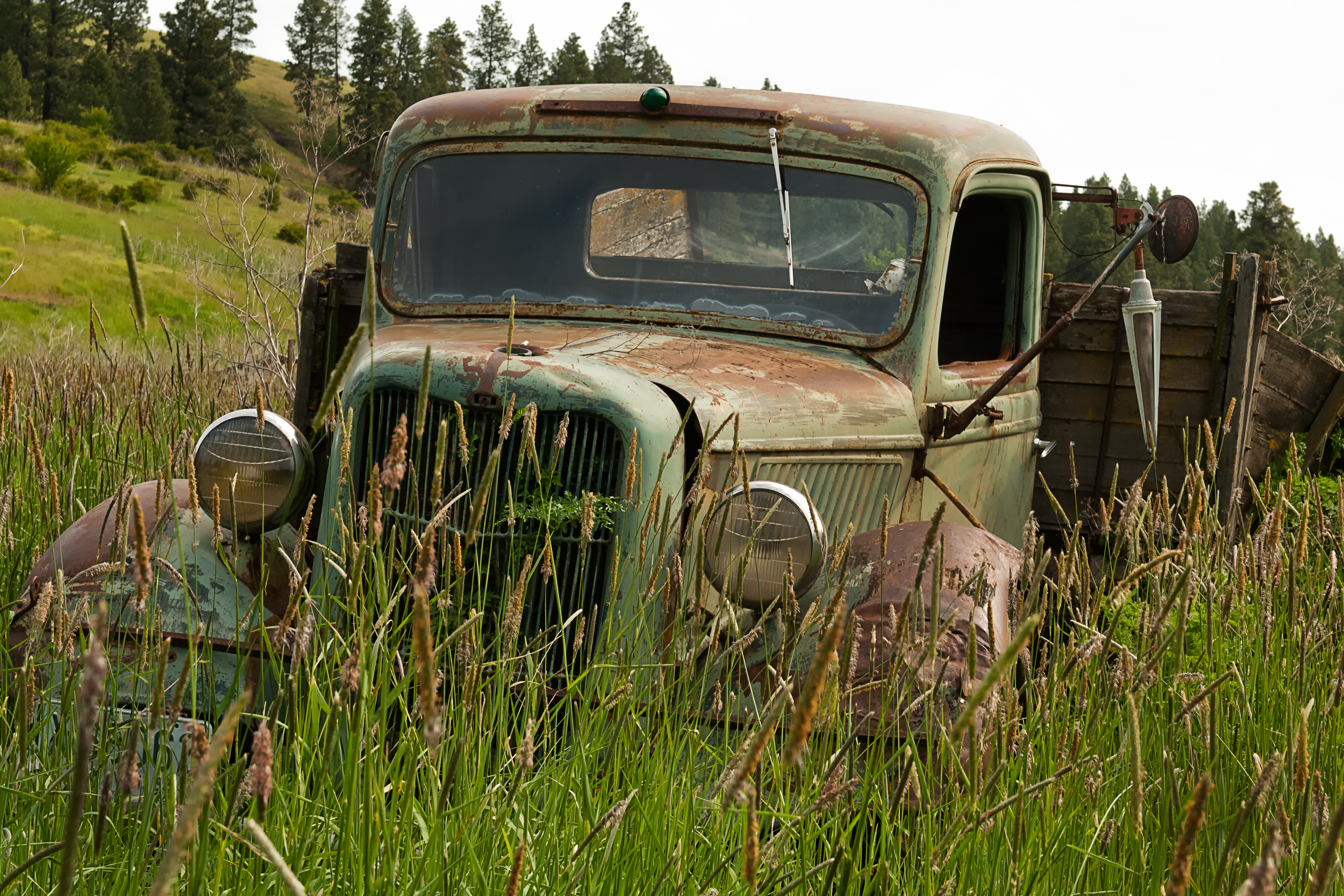
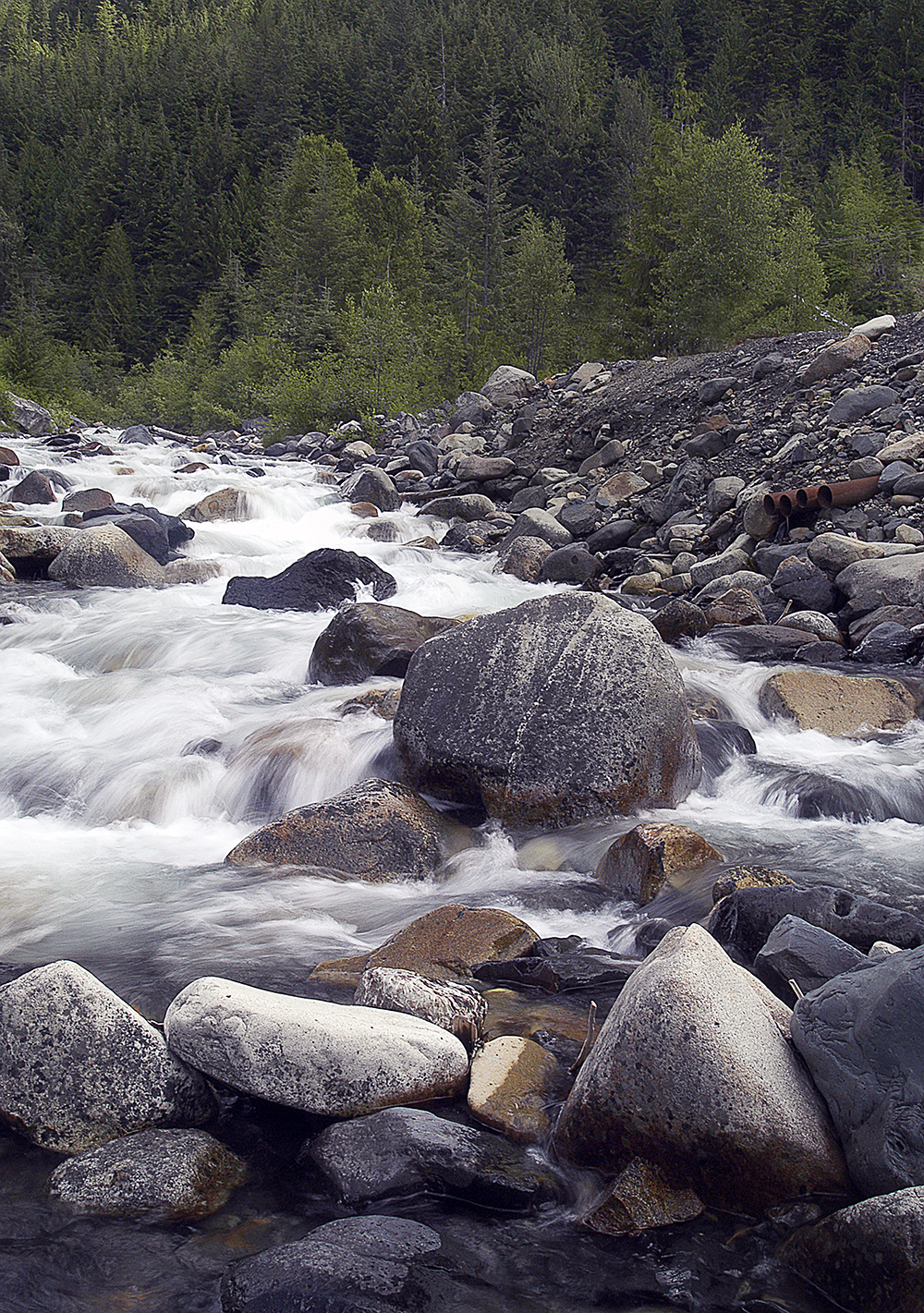
A topic that I recently discussed in my classes, that I repeatedly explain to photographers that come to my shop complaining about what they believe are lens focusing problems, and have written more than once about is “depth-of-field”, but it still seems to be an elusive concept for many. However, it is really important and photographers should make the effort to grasp it even though it appears difficult.
I pondered this last Thursday when a local photographer showed me an image she had made during a wedding. She showed it to me proudly and commented that she has chosen that lens because it let in more light when photographing in low light, but complained that the expensive lens she had didn’t seem all that sharp.
The image showed a view of the central aisle of the church with pews left and right, leading up to the bride in the distant centre, approximately 20 feet from where the photographer was standing. The overall exposure shot at an aperture of f/2.8 was fairly good. However, what that photographer saw was the lack of sharpness everywhere, except for the bride standing in the aisle.
The definition of depth-of-field is “that area around the main subject, in front of, and behind it, that is in acceptably sharp focus”. In application the wider the lens’ aperture is set the less will be the depth of field, or that area of sharp focus, around the main subject will be.
Wide aperture lenses are very popular these days and using a lens at a wide aperture like f/2.8 when making a portrait isolates the main subject and produces a soft, out-of-focus background referred to as bokeh by reducing the depth of field. Bokeh is a pleasing soft blur produced by a wide aperture lens in the out-of-focus area directly behind the subject.
In this instance the photographer was relying on the wide aperture to increase the exposure in limited lighting conditions. That additional light allowed a faster shutterspeed for handholding, but along with the benefit of additional light reaching the camera’s sensor the resulting effect was to reduce depth of field.
Using that wide aperture created a field of focus in front of the subject of a couple feet and only a bit more behind that would be fine in a portrait, however in that photograph of the church aisle with pews on both sides, that included lots in the foreground and much of the background, looked out-of-focus.
Many photographers unwittingly rely too much on their photography equipment to (magically?) make good images, and blame faults in their photographs on that same equipment. Understanding the basic concept of depth-of-field would have made that photograph more to the photographer’s liking.
The smaller the lens aperture number is the less the depth-of-field. I prefer using a small aperture (larger number) for scenic photography and, as in this instance, interiors. The answer to that photographer’s low light problem would be to increase the ISO and use a smaller aperture. (I would be surprised to find a modern DSLR that wouldn’t shoot noise free at ISO1600 or even more)
Assuming the lens isn’t sharp when the real problem is with photographic technique is expensive if the photographer goes so far as to replacing a lens. My recommendation is to spend time learning the basics of depth of field instead of blaming equipment when problems occur.
I appreciate reader’s comments. Thanks, John
My website is at www.enmanscamera.com
 Enmanscamera's Blog - Kamloops